

What does it take to sustain a decades-long directing career? In this episode of our Director Mini-Series, Jennifer chats with director and choreographer Marcia Milgrom Dodge, who has been shaping stories on stages across the country for more than 40 years... Read More
From the show: Empowered Artist Collective Podcast - for actors, singers, dancers, writers, creators and performers
Guests
Featured Shows

About
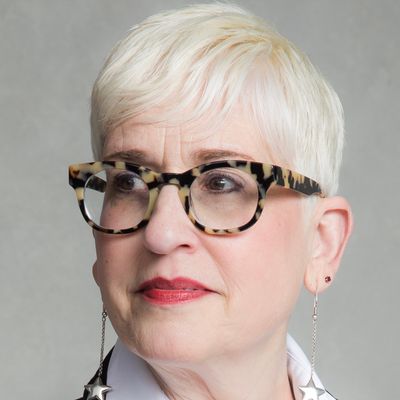
What does it take to sustain a decades-long directing career? In this episode of our Director Mini-Series, Jennifer chats with director and choreographer Marcia Milgrom Dodge, who has been shaping stories on stages across the country for more than 40 years. Marcia shares how she digs into the heartbeat of each piece she does, balancing politics, social consciousness, and community impact with theatrical joy. She opens up about the hardest parts of being a director, the trust and surrender required to let actors carry the work forward, and the importance of staying scrappy and resilient in a freelance career. Marcia reveals her method for typing scripts in their entirety, the ins and outs for doing regional theater, and explains why she sees choreography through the lens of human behavior. Together, they talk about finding your like-minded community, building relationships with writers, and never underestimating your value to a theater company. This episode is a reminder that when you lead with story, community, and heart, the work will always find its way forward.
About Marcia: Marcia Milgrom Dodge is a Tony & Drama Desk Award-nominated director & choreographer for her stirring & lovingly staged Broadway|Kennedy Center revival of Ragtime (also a Helen Hayes Award winner for Outstanding Director). “MMD” is the American Show Director for Tokyo Disneyland’s 40th Anniversary Parade “Harmony in Color.” Her bold new approaches to classic plays and musicals include La Cage Aux Folles (The Muny, starring Norm Lewis & Michael James Scott); Disney’s Beauty & The Beast (Olney Theatre Center, starring Jade Jones & Evan Ruggiero); Evita (Drury Lane & Riverside Theatres), Meet Me In St. Louis & Disney’s The Little Mermaid (The Muny); Fiddler On The Roof and The King & I (Maltz Jupiter Theatre, both with new choreography); The Curious Incident Of The Dog In The Night-Time (St. Louis Rep & Cincinnati Playhouse); The Secret Garden (Cincinnati Playhouse and Center Stage); Smokey Joe’s Cafe (The Muny and Drury Lane, Jeff Award for Best Revival). Television: Dodge appears as herself in Encore! on Disney+; choreographed an Emmy Award-winning episode of Sesame Street (The Tango Festival) and Elmo’s World: Wild Wild West video. Premieres: Maltby & Shire’s About Time(Goodspeed’s Norma Terris Theatre) and Closer Than Ever (Off-Broadway), William Finn’s Romance in Hard Times (Public Theater), and Sherlock Holmes & The West End Horror (co-written with Anthony Dodge, Bay Street/Edgar Award nomination). Dodge is also a wife, mother, teacher, and proud member of the Stage Directors & Choreographers Society (SDC).
MMD's IG: @marciamilgromdodge
MMD's Website: marciamilgromdodge.com
Download the FREE Monologue Selection Toolkit: www.jenniferapple.net/freebie
Want to coach with Jennifer? Schedule a session here!
Learn more about Jennifer Apple: www.jenniferapple.net
Jennifer Apple’s IG: @JenniferApple_
EAC IG: @EmpoweredArtistCollective
EAC TikTok: @EmpowerArtistCollective
Learn more: https://www.empoweredartistcollective.com/
Sign up for our newsletter: https://www.empoweredartistcollective.com/newslettersignup
Check Out Our Merch: https://empoweredartistcollective.threadless.com
Any thoughts you'd like to share? Email us at EmpoweredArtistCollective@gmail.com
Transcript
This transcript was automatically generated and might contain errors.
[0:00] Jennifer Apple: Hello. Welcome to the Empowered Artist Collective Podcast. I'm your host, Jennifer Apple, a multi-hyphenate actor, educator, acting coach, writer, dog mom, and founder of this vibrant community that champions artists as they carve out their own unique paths in this wild industry. Whether you're just starting out, in the thick of it, or seeking a bit of artistic fuel to expand your toolbox, you're in the right place. In this space, we'll have honest conversations, share actionable strategies, tips, and resources, and delve into the messy yet beautiful journey of living a sustainable, creative life. We unmask the reality of life as an artist, from navigating career highs and lows to nurturing your full human well-being.
I chat with women and non-binary guests who share their personal stories, helpful learnings, and hearts to help you unlock your artistic potential, expand your knowledge, and show up fully and fearlessly in your artistry and daily life. Before we dive into this week's conversation, don't forget to hit that subscribe button so you never miss an episode. If today's chat resonates with you, please leave us a review. It helps us reach even more incredible artists just like you. And hey, feel free to spread the love! Share this podcast with a friend or post it on your socials, making sure to tag @EmpoweredArtistCollective and @JenniferApple underscore so we can chat with you there. Alright, grab a cup of something cozy, settle in, and let's get to it.
What does it take to sustain a decades-long directing career? In this episode of our Director miniseries, I chat with director and choreographer Marcia Milgrom Dodge, who has been shaping stories on stages across the country for more than 40 years. Marcia shares how she digs into the heartbeat of each piece she does, balancing politics, social consciousness, and community impact with theatrical joy. She opens up about the hardest parts of being a director, the trust and surrender required to let actors carry the work forward, and the importance of staying scrappy and resilient in a freelance career. Marcia reveals her method for typing scripts in their entirety, the ins and outs for doing regional theater, and explains why she sees choreography through the lens of human behavior.
Together, we talk about finding your like-minded community, building relationships with writers, and never underestimating your value to a theater community. This episode is a reminder that when you lead with story, community, and heart, the work will always find its way forward. Enjoy!
[2:48] Marcia Milgrom Dodge: For anybody who does not know you, who are you today?
[2:52] Marcia Milgrom Dodge: I am today the director of La Cage Aux Folles at the Muny, making history with the first all-Black family cast, meaning there's nine principals, but the six cast members who make up the two families have never been cast this way historically at a theater that just won the Tony Award, I must say, and be part of the zeitgeist of storytelling now that is essential, meaningful, profound. So I couldn't be prouder. I couldn't be more humbled and more appreciated and accepted into that community of queer artists and just beautiful, diverse human beings. So it's almost a culmination of all the work I've been doing since the beginning of my career. So it really is a special, I mean, just ridiculously profound journey that we just all took together. That's who I am today.
[4:06] Jennifer Apple: I love it. I love that you're letting yourself soak in the gratitude that I'm hearing from you, the reflective nature of like feeling your whole career before that, like culminating in this gorgeous moment. You know, I think it's sometimes hard for so many of us to recognize the things that we've done and how it's gotten us to where we are. And so I think it's thank you for sharing that. I think it's really beautiful.
[4:33] Marcia Milgrom Dodge: Yeah, no, I mean, anybody that knows me or has worked with me knows that it's hard for me to separate my heart from my brain on projects. And I tend to dive deep and fall madly in love for a brief shining moment to quote a beautiful musical. But, you know, it's how I do it. And this one was an alchemy of a mantra that I hear in the back of my head from Manny Azenberg. When I did Ragtime on Broadway, he said, theater is where I get my politics, my social consciousness, my sense of community, my purpose, all of it. And I never felt it more fully than working on La Cage Aux Folles in this moment. I mean, Ragtime aside, because that is always going to be my kind of bar flagship, because of its journey that got me to Broadway and all the hoopla that went with that.
But in terms of being what I call myself a working dog director, I love to go out there and navigate and wrestle with scripts and texts and find the best way to tell the story in the moment that I'm living in at the moment. And doing La Cage Aux Folles in a purple state in a theater that 11,000 people gather in a night outside under the stars was protest art. I mean, it was powerful and irreplicable. You know what I mean? Everyone's like, so where do we go next? We don't go next. The Muny is the Muny. It's ephemeral. It's fast. It's rigorous in all the right ways and collaborative and communal.
[6:36] Marcia Milgrom Dodge: It's so unique and separate from everywhere and every place I work, because there's just no drama offstage. It's all on stage.
[6:46] Jennifer Apple: Yeah, you don't have the time for it. It's too quick.
[6:48] Marcia Milgrom Dodge: You have no time. You have to come in. You have to be working, giving us your A game. You have to be prepared. I've said this in many production meetings there. If we're not prepared, we're fucked. And it gets a big laugh, but it's so true. And we were prepared. We worked our tails off, the creative team and myself. And then once you get into residency there, the company, stage managers, the crew, the dressers. I mean, we had 155 costumes. The Kajels were changing their costumes to within life and death stakes. I got to get back out for the can-can. Zipper be damned. If it's not going to zip, I'm still going out. It's like that kind of energy. And again, alchemy, it's just a combo platter of everything we do and why we do it.
[7:43] Jennifer Apple: I love it. I love it. That's where I am right now. Tears are at the ready. Just sort of have to let it go.
[7:52] Marcia Milgrom Dodge: Yeah.
[7:52] Jennifer Apple: I think that's the hardest thing about being a director.
[7:55] Marcia Milgrom Dodge: I joke and say there's nothing more useless than a director on opening night because I can't do anything. It's in the hands of other people, theater gods, stage management, sound, dressers, crew, hauling scenery. I can't do anything. And I learned from watching other directors to sit in your seat. If there's a problem, somebody's taking care of it. You don't have to run up on the stage and scream or have a fit because something went wrong. Just let it be what it is, which is a living, breathing, beautiful event.
[8:36] Jennifer Apple: Yeah, you're getting me very emotional.
[8:38] Marcia Milgrom Dodge: No, it's good. I'm so here for it. And I just want to invite and hold space for it because I think you're naming something so beautiful. And I think, especially from a director perspective, I feel like so many actors or performers or artists doing the thing or in the body of the material, in some ways, we get the catharsis each night of being in it. And you're naming something really impactful, I think, around the fact that a director is from even before we enter in as performers, like you have been with this beautiful beast for a while envisioning it, and then it comes to life before you and then you leave. And we all leave it to eventually, but there's something about your journey beginning before and then stopping in essence before ours just begins.
That cadence of grieving the birth of the thing that we all go through as creative human beings, but where your cycle starts and ends, we often forget that that is your quote unquote ending because it's usually our performers beginning.
[9:50] Marcia Milgrom Dodge: You take it. So I always think about August Wilson and Lloyd Richards, great relationship, the great playwright, the great director. And I heard Lloyd Richards talk one night on one of those CUNY, C-U-N-Y, public access TV years and years ago. And Lloyd Richards said there's three phases that a director goes through. One is sitting with the playwright and knowing nothing and having the playwright know everything there is about the play. Number two is once you start working on the play, you become the big know-it-all as the director because now you're designing it, you're working with the designers, you're casting it, you're putting all the pieces together. The third phase is letting it go to the actors and letting the actors be the big know-it-alls and know everything about the play and leaving you sort of in the dust behind. I've always believed that and more so when you're doing something that happens so fast.
[10:57] Marcia Milgrom Dodge: I did everything I could to be the big know-it-all, but there was no way that I was going to take it to closing night. It would have to go to the company and to the leaders in that company, Michael James Scott and Norm Lewis, who lead with their hearts and lead with a sense of community and belonging and galvanize everybody. And my partner, Ricky Hines, who did the choreography and all my designers, it was like, no, we have to give it to them and then they will take it and finish it. There's a lot of trust and there's a lot of surrender. Surrender, Dorothy. It's like surrender to the process, to the fact that you can only do so much and then it has to be taken over. It's just been a profound journey.
Coming at a time in my career, I've been doing this for 46 years and looking ahead to a quiet fall without going out of town. I'm trying to navigate family vacation, which I don't think I've ever done in my life. All my traveling has been for work, even to phenomenal wild places like Denmark and Blackpool, England and Tokyo and all over the place. We've traveled a lot, but it's always been for work.
[12:28] Jennifer Apple: Well, let's dial it back to the beginning. 46 years is no small feat, even if you're like 20 something, like a decade. We're talking many decades of work here. I'm curious how you found yourself in the directing slash choreography lane. I mean, you dabble in all of the above. How did you find yourself in that? What for you has been the thing that's kept you going through the many iterations of this industry, the world? How do you keep reinventing?
[13:03] Marcia Milgrom Dodge: Well, I'm like Ado Annie. I'm the girl who can't say no. So if somebody asks me to do something, I do it. And then I say, oh shit, now what do I do with it? So I generally do take on everything as an opportunity. In Stanislavski technique, you talk about obstacles. I always see my obstacles as opportunities. So if there's something that I've done before, is it worth me going in and digging in and trying to figure out a new way to do it? If it's something I've never done before, how do I reimagine it for a world today? For example, my Beauty and the Beast that I did at Olney during 2021, 22. I reimagined it for a queer plus size black belle and an amputee who played the beast. And there was never a concern about will the story be able to handle it? So I tend to want to do things that are challenging, even a show like Secret Garden, which I got in trouble for.
[14:12] Marcia Milgrom Dodge: I wrestled with it, and I found it to be a complicated little monster. Every show you undertake, you have to dig away. You have to dig underneath. You have to look for what is the heartbeat of the show. I always want to wrestle with it. I think that's the fun. And any opportunity to do that on any level, from a play to a concert to a big-ass show at the Muni, it's always going to be, how do I tell that story and make it meaningful for an audience living today? That goes all the way back 46 years. I worked on Amos Behaven, which was such a gift that I got to do 10 or 12 productions of that show over the course of several years. I got to take those ideas and bring it to different communities. I started as a choreographer, and I worked with some significant directors, including Des McAnuff.
We did an Elmer Gantry together when he was running the Hoya Playhouse. I worked with Doug Wager, who was the artistic director of Arena Stage. I worked with Bob Falls, who was running the Goodman Theater. I found myself choreographing in the early part of my career, in the early 80s, when musical theater was just starting to get a foothold in the regionals because the regionals were really founded to celebrate the classics and American classic plays and also European plays and British plays. They were doing Oscar Wilde, Shaw, O'Neill, and Tennessee Williams. Those kinds of plays are what were the lifeblood for the regionals like Alley Theater, Arena Stage in Washington, Dallas Theater Center, and Old Globe Theater.
I finally worked at the Guthrie, which really started it all because they did a Guys and Dolls back in 1983. All the artistic directors were like, “What is this musical? We could make a lot of money and put it back into the non-profit organization so they could make money from a big title like that to put back in to help develop the new plays and the off-the-beaten-path kind of projects that they wanted to pursue.
[16:54] Marcia Milgrom Dodge: I landed right at the time when theaters like Arena and La Jolla and the Goodman were going, “I think I need a choreographer. What is this person? I’ve never done anything with a choreographer.” Honestly, my resume just landed on the desk of somebody very important to musical theater. That was Ira Weitzman when he was at Playwrights Horizons. Ira would get phone calls from these different theaters. My resume landed and I managed to book hopscotch all over the country early in my career. None of those directors had seen my work. It was a very different time. It was a verbal recommendation by a respected leader in the musical theater culture. I worked at the Repertory Theater of St. Louis. I did the first regional production of Little Shop of Horrors, which I choreographed.
Last year, I directed and choreographed Little Shop of Horrors at the Guthrie. It was a full circle. Full circle. All throughout, I have just jumped around. My New York presence has been minimal. I did some really cool things around that same time in the mid-late ’80s. I did Bill Finn’s Romance in Hard Times at the Public. I did Maltby Shire’s Closer Than Ever at the Cherry Lane Theater. I’m now working with Richard Maltby and David Shire on their third in the series of musical reviews called About Time. We just did a workshop production up at Goodspeed at the Norma Terrace. That’s another full circle. They’re both in their late ’80s. Richard is like the Energizer bunny. He just gets up and goes.
I’m like, “Really? We’re going to rehearse at 10 in the morning?” He’s up at 7, so I’m rolling out of bed going, “Oh, shit. I’ve got to get the train. I’ve got to get there.” I have a sheet now. I don’t do a CV because I figure if they don’t know me, then what the hell. I put together fun facts. I have this whole sheet now that I send out instead of a resume. It has really cool things on it. I was the first female director hired by the Kennedy Center to direct a major musical. When I say that out loud, you see me cringe because I couldn’t believe it. It was 2009. Women had directed at the Kennedy Center. It’s not that they hadn’t, but they hadn’t been hired by the Kennedy Center. Now, that whole beautiful world that gave me so much artistic freedom and support is going to be a monster truck’s place. Who knows what’s going to happen there?
[20:00] Marcia Milgrom Dodge: Giving Billy Crudup his equity card and getting to work with Jonathan Price on a concert of “My Fair Lady,” things like that, I just decided I’m just going to throw all that in there. It has been six degrees of separation with this community. The longevity of my career is crazy, but George Abbott kept directing into his hundreds. I’m in no hurry to retire. I’m looking to try to develop some of my own projects. I think my one regret might be that I didn’t do enough new work, but I was really learning my craft from going into these classic musicals and looking at structure and looking at how to learn from it and navigate what it means to write a musical.
[28:26] Marcia Milgrom Dodge: The tools that you use more frequently, even if the play or musical or project shifts, tend to be like, I love working like this. Whether it's, you know, there's a certain kind of analog, whatever that you write in a journal, or whether it's a program that you use on the internet that you're like, this is my spreadsheet that I love. Like, what are maybe some go-tos? Um, the first thing I do is kind of based on a French breakdown. So I get onto the Excel document, I list all of the actors in the left column, I do all of the scenes and songs, I break them down by in a French scene, when somebody comes in or leaves the scene, it gives it an ABC kind of thing. And I start with that just to start to get a handle on the characters, especially for ensemble members, if they have to play two, three, or four different characters throughout the course of the evening.
I do my own table work, meaning I do my own dramaturgy deep dive. Rarely do I get a company, work with a company who gives me a dramaturge. The only time I work with a dramaturge, they always have somebody on staff. But most theaters don't. The Muni, we have no time for table work. We actually did a table read at the Muni for La Cage, which I've only done briefly in one other show, because we just have to hit the ground running. So I tend to do, and sometimes my table work goes, it's 45 pages. And what it is, is articles and glossary and references, and in the case of La Cage, pronunciation guides and things. At the Muni, it's not like a day with dialects, a day with intimacy, a day with... No, we don't have that.
We just go. So I have tended to start to put those things together. And in some theaters, like beautifully, I had three weeks of rehearsal at the Arizona Theater Company. So we did do a couple of days of reading the play and digging in underneath and talking about it and referencing all the stuff that I had put together in my packet. So I love to do that deep dive. It helps me learn the show. The other thing I do is I type the script, which is a huge undertaking. But because I get the word, I copy it. If it's a PDF, I just sit there and I look and I type, and then I have to proof it, make sure I did it right. But I typed the script. And with La Cage, we were charged with doing the 2009 revival script, but the Muni got permission to do the original Broadway orchestrations. We had an orchestra of 25, whereas the revival only had 14. So I had to mash up the two things, which was exciting.
[32:00] Jennifer Apple: I love all of these ways that you're naming. And it also, in some ways, really feels, and I don't mean it like of aging, but it feels old school in a really good way. It feels like we're going back to basics.
[32:12] Marcia Milgrom Dodge: But I'm working on an iPad, which is very exciting. I have everything on an iPad now, and I love my cover.
[32:20] Jennifer Apple: Oh, it's so cute.
[32:21] Marcia Milgrom Dodge: It's so cute, right? And I work in GoodNotes. And I was scared to do a musical on it because of the score. But the beautiful thing about it is I just scribble all over it. So I highlight my stage directions, and I have a different color for like if I'm having a meeting with my set designer on a Tuesday, whatever, I work in a different color. So I remember that was a different day. And I just love it. And I did it on La Cage. I also did the score. And I wrote all my notes about open boom one at this measure of music and all of that preparation for, we kind of paper tech the whole show before the first day of rehearsal. Which is, you know, the stage manager basically spends her time creating the call script. And she doesn't read music. So she translates all of that into counts. Yeah, wild.
[33:20] Jennifer Apple: I'm curious for you, because so much of your work has been regional. Do you have like a slew of associates or assistant directors that you work with? Or is it more like because you're working at these regional houses, they have their own people that they're providing?
[33:31] Marcia Milgrom Dodge: I've worked for a long time with Josh Walden. Josh, I met when they were at NYU and worked with me there, was in a show and then became my associate on many shows. And so Josh has always been my go-to, but Josh has a beautiful career directing and choreographing their own work. And yeah, when the stars align and we can be together, but Josh was on my journey with Ragtime. Josh was on my journey with Seussical. Just a slew of stuff. The Muni, a lot of times Mike puts teams together, Mike Isaacson, who's the producing artistic director there. And I'm always happy with the in Jewish, there's a word called the shiddach, which is when an arranged marriage, right? So I'm always happy when Mike makes a shiddach with me and a new artist.
So for example, with La Cage, Ricky J. Hines was my choreographer and did extraordinary work, made a very auspicious Muni debut, and we've loved working together. And I also, he brought Josh Zachar, who was his associate, and I had been talking with Nathan Peck, who became the second assistant associate choreographer, but pretty much hung out with me. So that was my team, plus a directing intern, which they always find really smart young people who are either in school and some kind of directing program or about to graduate or have just graduated. And this year, I had Tucker to Gregory, and he was fantastic. So I have a little group of people that I can call on. I'll be honest, the regionals don't offer SDC contracts for associates all the time.
Some do, some don't. If I'm choreographing and directing, I make sure I have a really strong dance captain and usually engage them in some kind of assisting capacity. I've also taken advantage of the SDC foundation, professional development opportunities. I was actually the first observer back in 1980. So I am very fond of giving young directors opportunities, directors and choreographers opportunities. And my mantra is, you can observe me or you can roll up your sleeves and help me. So it just depends on the personality of the person. I've had people who I've hired as an observer and then they've become a paid assistant on future projects. So it just depends, but I've been doing that for a long time.
[36:28] Jennifer Apple: Have you been using the same monologue for years? Are you gearing up to apply for BA, BFA, or MFA programs and need pieces for that process? Or maybe you just have no idea where to even start with monologue hunting. I get it. And that's why I offer monologue sourcing. This is a unique process where I find monologues chosen specifically for you. So many artists pick pieces based on external labels like type or for roles rather than finding material that represents who they truly are. So here's how it works. We'll meet virtually and you'll share all about who you are, your passions, values, beliefs, and everything in between. Don't worry, I will help guide you through this process. Then I'll get to work finding monologues that fit you like a glove.
With years of experience sourcing pieces for hundreds of artists, I've seen the difference it makes to have a monologue that genuinely feels like you. So if you want to feel empowered about the monologues you bring into rooms and use for auditions, I would love to help you find them. And because you're a listener of the Empowered Artist Collective podcast, I'm offering an exclusive rate. Head to empoweredartistcollective.com/podcastpromo to register and claim the special offer. That's empoweredartistcollective.com/podcastpromo. I cannot wait to help you find monologues you absolutely adore.
[37:45] Jennifer Apple: In the fact that you are a freelance director and you are being hired by so many different organizations around the country and the world, how does that hustle work for you? At this point now, everybody knows who you are, but at least when you were, you know, like the regional of it is also very different than say, you know, like being a New York baby and you're doing the thing here in this insulated city. How did you manage that? How are you still managing it?
[38:08] Marcia Milgrom Dodge: Well, my path was very unique for me at the time and I never was anyone's associate. So I was out hustling. My full-time job has been and always will be looking for work. Yeah. And once I book something, it's not that I'm done. It's that it's a new way. You know, it's like, okay, I don't have to look for work for the next six months, whatever, but I'm always looking for work. And that means reinvigorating my connections, dropping a line to a theater artistic director who I haven't been there for a few years and saying, hi, just letting you know, I love you. I'd love to come back. Yeah, but I can't and I very rarely have been. Almost never have I done a show and the day after opening has an artistic director said, so what do you want to do next year?
That never happens. I'm always waiting for the phone to ring. Yeah. And that's getting harder as I get older. Yeah. You know, the hustle part of it, my father was a sales, you know, head of sales for a family business and tell them who you are and tell them who you are and toot your own horn. It's cute when you're 30, when you're 70, it might not be as cute. Right. So I just hope the news spreads of my work and makes people want to check me out. Right. I hope that La Cage buzz makes it back East and that people, you know, reach out and say, I want somebody who could do that, do this at my theater. Yeah. But honestly, I go back to my usual haunts. I go to Malt's Jupiter Theater. I have a show booked for fall of 26 there.
Riverside Theater in Vero Beach, Florida is going to produce one of my husband's plays and I'm probably going to stay on and direct a big musical for them in 2027. Yeah. I just made a new relationship with an opera company in Colorado and we are talking about me directing an opera, which I'm really excited because that I've worked in opera companies, in significant opera companies like Glimmerglass, New York City Opera, but I've done musicals. Yeah. And believe it or not, I did the Music Man in both of those places. Wow. With opera singers. Wow. So wild. Talk about design your choreo to their strengths, right? I was working with opera singers on a classic musical comedy in both of those venues, but we're talking about possibly doing Masterclass, Terrence McNally's beautiful play about Maria Callas at Central City Opera next summer in the hills of Colorado in an opera community, a play about the great Maria Callas.
I'm, you know, it's a new connection for me. I mean, the Disney parade came about because it was the shutdown and my really good friend, Brad Kaye, who's a creative director at Disney, was pitching to be the creative director for the parade that was going to launch in 2023. And he called me up and he said, I need some help and I'll pay you. And I'm like sitting in my apartment going, okay. Yeah. You know, it was 2020 and we did a big pitch and he booked it. And then he said, you're coming with me to Tokyo. And I was like, well, what am I going to do? And he goes, we figured out what my role would be. It was kind of a creative guide for the direct, the Japanese team. And I brought in all these beautiful choreographers that I wanted to infiltrate their default kind of choreography that they do. And it was one of the most amazing experiences. And I was like, I'm in Tokyo directing a parade. Yeah. And how old am I? And what am I doing? And it's like wild, right? It was wild.
[42:26] Jennifer Apple: So thank you, Brad. And that was just a, you know, magical time too. What I'm hearing is there's a couple of things at play, which is one, again, like naming the fact that director life is a freelance life, you know, and that there is no guarantee.
[42:38] Marcia Milgrom Dodge: The podcast is brought to you by the wonderful people at Marcia Milgrom, the author of Wisdom Through the Decades.
[42:51] Marcia Milgrom Dodge: Marcia Milgrom is the author of Wisdom Through the Decades.
[43:49] Marcia Milgrom Dodge: Want to see you do your work, but be nice and kind to everybody. The person at the door could be the next Kevin McCaulum. So just be nice to everybody.
[44:02] Marcia Milgrom Dodge: Brad and I just had a great time. We did a Kismet at Music Circus in Sacramento. And we did a How to Succeed at Reprise in Los Angeles. And then in 2020, he calls me. I love it. I love it. Yeah, it's great. No, it's amazing. And for the lifestyle of it, because not everybody is, I would say... Well, I'm a very lucky person. I have a beautiful husband, Tony Dodge, who when we decided we wanted to be parents, he was an actor. We came to New York together. I booked more than he did. And it was a frustrating time. But then we decided to be parents. And we were like, well, how are we going to do that? And he's like, I'm going to be a stay-at-home dad. I'm going to do that. I want to do that. And so until my daughter started kindergarten, they traveled with me everywhere.
And then once kindergarten came around, they came and joined me when they could. And so the day that Natasha went to college, he was in D.C. and he called me. I was in Cincinnati. And he said, I can't go home to that empty apartment. And since then, he's been traveling with me. And he's a playwright. He's writing. And he can write from anywhere. And so he also takes really good care of me when I'm out of town. We just have a really special... We're going to be married 45 years this year.
[45:35] Marcia Milgrom Dodge: Wow. That's like your whole career. Yeah. So it's everything. Yeah. So we came together in the late 70s. And we've just been together and navigating all of these experiences. And if I travel abroad, I'm like, I'm bringing my family. There's no negotiation. They're coming with me. So our daughter and he have come to Denmark and Blackpool and South Korea.
[46:07] Marcia Milgrom Dodge: Yeah, totally. Obviously, yours is in like a marriage relationship. But I think there's something really to be named around the fact that what we do is really hard and it's unconventional for many, many folks. And to know where and with whom you can lean on, rely on, communicate with, cry to or on. I think to know those things and not feel like that's a burden because the people who love you want to be there to support you in that way. Natasha called us when she, after her first semester at college and said, thank you. We were like, what the fuck? She said, I just love the way you raised me. I love that I've had all these different experiences and I've gone to different places. She was meeting a lot of people who were much more sedentary in the sense that they came from homes where they didn't do that.
The dad worked a nine to five job or the mom did, and they were always in one place. And they did vacations and things, but she was like, yeah, it was different. And it never burdened her. It wasn't like I had to explain how weird my parents are because they're always doing shows. And when Ragtime was running at the Neil Simon Theater, Tony and Natasha were in the box seat almost every night. They just were like, let's go second act it. My work at Bay Street Theater was as my daughter was growing up and building relationships out there with Julie Andrews and her daughter, Emma, and their son-in-law, Steve, and all those people. It was just part of our life. And she would say, can we bring Stella to Sag Harbor?
And we're like, yeah, bring Stella. And we'd all pile up on a jitney and go out there. And so it was our normal, which to my parents back in Michigan and Detroit was like, you're not normal. And it's like, no, this is our normal. Your normal is not my normal. I don't want to do that. So I don't know. The definition of normal is whatever it means to you and your unit, your family, your community.
[48:32] Marcia Milgrom Dodge: I love that. I'm curious for anybody who is either already in the directing path and lane of it and hitting a block or people who are like, I'm wanting to pivot out of whatever part of this industry I've found and I'm trying to direct a bit more. Or I'm actually going on the directing path and I'm young and I'm vivacious and excited about it. So for anybody who is entering in whatever way they're finding it, but they're going down the directing path, what would be your starter kit or things to think about or recommendations? Find the people writing the material on the stories you want to tell and get in on the ground floor with them and build those relationships so that you can be the future.
And do it anywhere. I always say, if you have a story to tell and it's burning a hole in your psyche and your heart, find a place to do it and tell it. I mean, honestly, it's scrappy. Like I think you still have to be scrappy. There's a wonderful company here in New York, Out of the Box Theatrics, and Liz Fleming runs it. And everything I've seen down there is passion and a plank, right? There's not a lot of money, but it looks like a million bucks because everybody's there because they really want to be and a young protege of mine is directing and producing and getting things up in a way that they can. And if you have access to finances that are available to you, take advantage of it and figure out how to put them where it means something.
But I would encourage people to find that community of people who share the same aesthetic and desires that you have and want to cultivate in this world through your art, through your theater art, and do it. That's all I can say. And if you love something that's going on at a theater in your hometown and you want to meet the artistic director, go knock on their door. I'm the daughter of a salesman. I did this with Andrew Cato at the Malt Stupider Theater. This was back in 2007. I knocked on the door. They were auditioning at Chelsea Studios. The auditioner came out. I said to the monitor, give me a minute. I went in and I said, where's Andrew Cato? I'm Marshall Molden Dodge and I want to direct at your theater.
The next day, he took me to breakfast. He said, I don't have a musical, but I have a play. I went, I'll do it. I did my first play with him in 2008, Terrence McNally's Master Class. I was already in pre-pro for Ragtime. So Terrence came to the opening night. I mean, it was like, I could be good for you. I need a job from you, but I could also be good for you. Don't underestimate your ability to be important and essential to whatever theater company or producing entity that you want to be a part of. Don't be afraid to toot your own horn, but as long as you can back it up. The only way to back it up is to get the experience and the only way to get the experience is to be doing it. So it's kind of a catch 22.
You know, I mean, I just, as I say, I landed in New York at a time when they were looking for a choreographer and I was like, I was like tamping at the bit. I was like, I'll do it. I'll do it. I'll do it. So I was the one and they would, and then they talked to each other. Bob Falls talked to Doug Wager and Doug Wager talked to Des McAnuff. It is a game of operator, right? And as long as you can back up the introduction with the work and do meaningful work.
[52:35] Marcia Milgrom Dodge: I also learned a lot from a director I worked with early in my career, Stan Vayevosky. He was so inspiring. I did a production of She Loves Me at Baltimore Center Stage with a cast that included Stephen Bogardas, Diane Frattantoni. It was like this crazy. I remember taking my pillow on the train because I was like, and he said, we did a brown bag lunch with his subscribers one day during a preview and he invited me and they asked questions. Why did you bring all these people from New York? And Stan's answer was, I want to give you the best possible production and I want the best people. Not to say that they don't exist and they do more now locally in all these theaters that I work at. There's a much bigger local presence of talent.
But back then in the late 80s, there wasn't and the only way to get the A plus people with the Broadway credits was to go to New York and cast and bring them. But he always said, I want to make the best theater for you. I'm not trying to do this so we can go to New York. I'm doing this for you and I took that with me. So every community I work in, I try to understand the demographic of that community, whether it's economic or racially or politically or whatever, and make sure my story will land the way I'm telling it will land for their benefit. So I have not been unaware of the different communities that I work in.
[54:13] Marcia Milgrom Dodge: Thank you so much for sharing all of this here and for going on this journey.
[54:18] Jennifer Apple: Absolutely. I'm so grateful. I'm on a truth serum today.
[54:24] Marcia Milgrom Dodge: I love it.
[54:25] Jennifer Apple: No, it's good. It's really, really good. And I mean, that's why this space exists, you know, like I'm connecting and hoping to, you know, talk to folks who have been in it in all sorts of capacities and for them to shed their experience and light into the ways in which we can all be a part of this ecosystem and really kind of demystifying the like, really, like there is no one right way. Like there's so many ways and just finding your access point, but hearing from people who have done it in all sorts of ways to give you the inspiration to keep hustling through. And so thank you for anybody who wants to hire you or reach out and ask questions or find you what within your boundaries is the best way for people to do so.
[55:05] Marcia Milgrom Dodge: On Instagram, I'm trying to post as much as I can on @MarshaMilgramDodge. And then if you want to email me, directingmusicals@gmail.com. So that's my handle for Gmail. And I have a website, it's my name.com. And it just links you to it doesn't have my whole panoramic 45-page career on there. But it does have links to my YouTube if you want to watch some videos and B roll from the shows and interviews and things like that.
[55:41] Jennifer Apple: I love it. Thank you so much for being here.
[55:44] Marcia Milgrom Dodge: Thank you, Jennifer. So nice.
[55:46] Jennifer Apple: That's it for today's episode. I hope you walk away with some fresh insights, feel inspired and a little more empowered to take the next step on your artistic journey. Remember, whether it's a small shift or a big breakthrough, every step forward counts. You've got this and we're here cheering you on every step of the way. If you found today's episode helpful, don't forget to hit subscribe so you'll never miss out on the discussions we have each week. And if something today really resonated with you, please leave us a review. It truly is one of the best ways to help other artists find our podcast and join in on the conversations. Plus, we feel the love too when you do. And don't keep all this goodness to yourself.
Share this episode with your people or post about it on social media. Be sure to tag @EmpoweredArtistCollective and @JenniferApple_ so we can see what's landing for you and keep the conversation going. As always, thank you for being here. Thank you for listening. And thank you for being a part of this incredible community. Keep creating. Keep thriving. Stay empowered. I'm Jennifer Apple. Until next time.
© Broadway Podcast Network, All Rights Reserved