

What if becoming the writer you’re meant to be starts with letting go of the writer you think you’re supposed to be? As part of our Playwrights Mini-Series, playwright and performer Jocelyn Bioh gets wonderfully real about finding her comedic voice, walking away from writing when it wasn’t working, and eventually returning to it on her own terms... Read More
From the show: Empowered Artist Collective Podcast - for actors, singers, dancers, writers, creators and performers
Guests
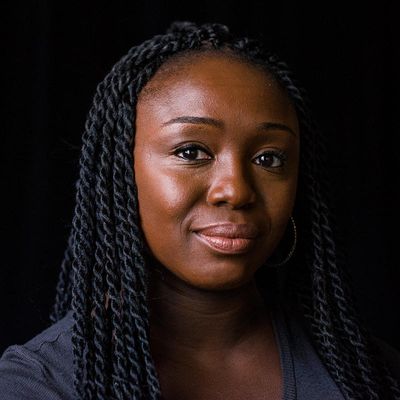
About
What if becoming the writer you’re meant to be starts with letting go of the writer you think you’re supposed to be? As part of our Playwrights Mini-Series, playwright and performer Jocelyn Bioh gets wonderfully real about finding her comedic voice, walking away from writing when it wasn’t working, and eventually returning to it on her own terms. She takes us inside a process that is far less romantic than it is disciplined: writing plays in the hours before restaurant shifts, outlining before she sits down, working quickly when time is limited, and rewriting School Girls; Or, The African Mean Girls Play 36 times before finding its ending. We talk about not being precious with your words, knowing when to cut what you love, following the ideas that won’t leave you alone, and protecting the time and space original work actually requires. It’s a conversation about trusting your voice, staying flexible about what an artistic life can look like, and remembering that sometimes the work that changes everything begins when you finally give yourself permission to write like yourself.
___________________________________________________
Jocelyn Bioh is an award-winning, Tony Award-nominated Ghanaian-American writer/performer from New York City. Her most recent work for the theater, Jaja’s African Hair Braiding (MTC), premiered on Broadway in 2023 and earned five Tony nominations, including Best Play, along with nominations from the Drama Desk, Drama League, and Outer Critics Circle. The play launched a multi-city U.S. tour in 2024 and made its UK debut at the Lyric Hammersmith Theater in London in March of 2026. Bioh’s other written pieces include Merry Wives (Public Theater’s Shakespeare in the Park, PBS Great Performances and HBO’s Reopening Night); Nollywood Dreams (MCC Theater); and the multi-award-winning School Girls; Or, The African Mean Girls Play, originally produced at MCC Theater in 2017-18, which has gone on to have over 75 regional productions and premiered in the UK in 2023 and is due to have its long awaited Broadway debut in the Fall of 2026 directed by 2 time Tony nominee Whitney White. Named one of Variety’s 2024 “Screenwriters to Watch,” TV credits include “Russian Doll,” Spike Lee’s “She’s Gotta Have It” (Netflix), “Tiny Beautiful Things” (Hulu), “The Acolyte” (Disney+), and she is writing the live-action film adaptation of the hit Broadway musical Once on This Island for Disney. Awards: Creative Capital Award Recipient (2026), Horton Foote Prize (2024), Dramatist Guild Hull-Warriner Prize (2024 and 2018), Steinberg Playwright Award (2020), Drama Desk Award for Outstanding Adaptation (2022), Outer Critics Circle John Gassner Award (2018) Lucille Lortel Award for Outstanding Play (2018), Tow Foundation Playwriting Fellow (2017).
___________________________________________________________
Download the FREE Monologue Selection Toolkit: www.jenniferapple.net/freebie
Want to coach with Jennifer? Schedule a session here!
Learn more about Jennifer Apple: www.jenniferapple.net
Jennifer Apple’s IG: @JenniferApple_
EAC IG: @EmpoweredArtistCollective
EAC TikTok: @EmpowerArtistCollective
Learn more: https://www.empoweredartistcollective.com/
Sign up for our newsletter: https://www.empoweredartistcollective.com/newslettersignup
Check Out Our Merch: https://empoweredartistcollective.threadless.com
Any thoughts you'd like to share? Email us at EmpoweredArtistCollective@gmail.com
Transcript
This transcript was automatically generated and might contain errors.
[0:00] Jocelyn Bioh: Hello, I am writer-performer Jocelyn Bioh and you are watching the Empowered Artist Collective Podcast.
[0:07] Jennifer Apple: Hello! Welcome to the Empowered Artist Collective Podcast. I'm your host, Jennifer Apple. Actor, coach, writer, and someone who believes there's another way to build a creative, sustainable life in the arts without losing yourself along the way. And if you're loving these conversations, make sure to subscribe, rate, review, and share the podcast with an artist in your life. It really does help us keep growing this community.
[0:30] Jennifer Apple: What if becoming the writer you're meant to be starts with letting go of the writer you think you're supposed to be? That's what we're getting into today with Tony Award-nominated playwright and actor Jocelyn Bioh. We talk about her non-linear artistic life, balancing writing, acting, and motherhood, where her ideas come from, and the process behind work like School Girls; Or, The African Mean Girls Play and Nollywood Dreams, including just how many drafts it took for School Girls to become the play it is today. This is a conversation about process, persistence, not being precious with the work, and trusting your own voice enough to let the work change. Wherever you are in your creative life, I hope this one gives you permission to follow where your artistry wants to take you. Enjoy. Jocelyn Bioh, welcome to the space.
[1:14] Jocelyn Bioh: Oh, thank you.
[1:15] Jennifer Apple: For anybody who does not know you, who are you today?
[1:18] Jocelyn Bioh: Today, I am a mother. I am a playwright. I am a reality TV lover. I'm an island girl. I love islands. So I'm really in my glory. And I'm feeling content today.
[1:41] Jennifer Apple: Good. Good. Also, for anybody who is not tuning in to the visual, you have to because this color on Jocelyn is gorgeous.
[1:49] Jocelyn Bioh: Thank y'all. Um, I am so excited to have whatever this conversation will be. As somebody who has both a, I would say I hate this word, but like successful career as both an actor and a playwright. And I'm very, very curious about that intersection. And also the balance of that for you. And also your feelings perhaps about how those things are in your life and the seasons that they occupy and when and why like, for me, that is something that's like in my brain.
[2:21] Jocelyn Bioh: Yeah.
[2:22] Jennifer Apple: But before we even go there, I'm curious for you just to hear like, I would call it like an origin story. But like, we don't have to go like a full deep dive of just like for you and your dive into the artistic space. Why acting? Why playwriting? How did you get there? What it speaks to your soul, all the things?
[2:42] Jocelyn Bioh: Well, it's kind of a simple story. Um, I was born in the 1900s. No. Well, I was. Yeah. But...
[2:51] Jennifer Apple: Which also, by the way, feels like ages.
[2:54] Jocelyn Bioh: I know. I know. And I think what 20 years ago was, I'm like, ah, that's...
[2:59] Jennifer Apple: We're still in the 2000s.
[3:00] Jocelyn Bioh: Wow. God help us all. No, I, I, my initial love was dance. I came into the arts via dance. I went to like a local community center down the street. I grew up in Washington Heights. And my end game was to be a dancer, particularly a fly girl on In Living Color. Like, that's what I thought.
[3:26] Jennifer Apple: Which also just dated both of us.
[3:27] Jocelyn Bioh: Exactly.
[3:28] Jennifer Apple: Some kids are like, what's that?
[3:29] Jocelyn Bioh: You're welcome.
[3:30] Jennifer Apple: Yep.
[3:30] Jocelyn Bioh: But of course, it was like off the air, you know, by the time, you know, and so I was like, okay, pivot. And so essentially, you know, dance led to musical theater, musical theater led to being in plays. And then eventually, when I went to college and majored in theater, of course, and English, just to, you know, be safe, I didn't get cast in a lot of shows because the program that I was in at the time only cast their shows to type, which, of course, I had never heard of before. I'd gone to very diverse schools, both in New York and the free boarding school I went to more on that later. But it was incredibly diverse. And so I was like, oh, to type means not me. Cool. Well, not cool.
[4:13] Jocelyn Bioh: And so I took a playwriting course to compensate for the theater credits that I couldn't get from not getting cast in shows.
[4:20] Jennifer Apple: Because that would count towards your major.
[4:21] Jocelyn Bioh: It would count towards my major. And when I had taken the course a second time around the end of my junior year of college, my professor was like, listen, I know you're thinking about applying to grad school.
[4:35] Jennifer Apple: For acting?
[4:35] Jocelyn Bioh: For acting. But she was like, I think you have a really good ear for dialogue. I think your natural instincts as a writer really come through on the page. And so I think if you're considering it, or you might want to consider applying to graduate school for playwriting. And I was like, really? Okay, yeah, I just I didn't think anything of it. I didn't think it was that, you know, serious. Yeah, I did this wild thing where I applied to some schools as a playwright and some schools as an actor.
[5:09] Jennifer Apple: Wow, same year.
[5:10] Jocelyn Bioh: Same year.
[5:11] Jennifer Apple: So you went through like the audition MFA audition process.
[5:13] Jocelyn Bioh: Yeah.
[5:14] Jennifer Apple: And also you're wow.
[5:15] Jocelyn Bioh: With the two little plays that I had been over it and I applied. I knew I wanted to come back home to New York. I was I went to school at Ohio State University. And so I know I wanted to come back home to New York. So most of the schools I applied to were in New York. And I got into Columbia's playwriting MFA program. And I was like, you know, look, I think I can learn how to be a professional actor by just getting cast in shows and just figuring it out. It's probably a silly, naive thought.
[5:46] Jennifer Apple: No, but it worked.
[5:48] Jocelyn Bioh: So I mean, like, I was like, if I really want to understand how to be a writer, I think I need to go to school and see and I'm, I've gotten into a pretty competitive program. I think I owe it to myself to at least try. Wow. And initially, I thought I was just gonna write like one woman shows like those were my heroes, like Sarah Jones and Charlene Woodard and Anna Deavere Smith. And, you know, Elijah son, like, I thought I was going to do a bunch of, you know, solo shows, basically. And that's what I was going to really study. And to this day, I have never written that solo show. I really just fell in love with writing other characters.
[6:26] Jennifer Apple: Is it on your heart still? And like the kind of thing that like, one day or is it like the that vision has switched?
[6:33] Jocelyn Bioh: I think I will toy with the idea probably like for 15 minutes once a year. But I think it may happen. I'm not gonna I'm never gonna say never. But I just haven't, it's not pressing.
[6:51] Jennifer Apple: Yeah, yeah. I think I really am. Weirdly, I not only did I never write that solo show, I also became really obsessed with writing like ensemble plays. And so it's like the more people I can get on stage, the better. So yeah, I guess we'll see.
[7:10] Jennifer Apple: Wild. This is it's such a beautiful reminder, I think for so many of us artists in that like, we think we know what will happen in our lives, honestly, in any capacity. Yeah. And then life takes us in all these beautiful little windy turns. And if we say yes to the thing that I guess in our gut feels, quote unquote, right, or feels like something that is worth listening to, we never know what might be on the other side of it and how things play out differently. Um, because, yeah, I mean, again, testament to like, you did go down the playwriting path, but then you found your way to acting simultaneously. So you know, well, the thing about when you go to graduate school, and for playwriting, at least in my experience was like, I learned that I was a comedic writer.
But I believe that comedic writing was not real playwriting. I think I just had very serious professors, you know, who believe that a play was only this way, you know, and, and so my, my natural voice was really trying to like, truly like Shawshank Redemption, trying to fight through this, like dramatic expectation.
[8:19] Jocelyn Bioh: Yeah. And so, um, anyway, that's just a short way of saying that all the plays I wrote in grad school were crap. And so of course, when I got out of school, no one signed me no agent, no manager, no anything, because they were, you know, crap plays. And so I was like, cool, this was a lot of money, and maybe a waste of time. I'm just gonna go back into acting. And so I literally just threw myself back into auditioning.
[8:54] Jocelyn Bioh: Wow. And was really living the like, you know, a hardcore actor lifestyle. I didn't even, you know, pick up a pen, or really open a laptop for a few years after I got out of school, because I just think I was like, I don't know what I'm doing. And so I was really devoted to acting.
[9:13] Jocelyn Bioh: And I was serious. Yeah, I was serious. I was like, the non-net girl showing up to Ripley Pearl. Yeah, 7am. Waiting. Yeah, late 7am. I know. Okay, I know. Dependent on the audition. You know what I mean? Yeah. Um, I mean, 7am was early back then.
[9:33] Jocelyn Bioh: I know. I know. And, um, and and signing up and hoping you get seen like the whole the whole bit. That was really my life for probably two years. Until I finally got cast in something. I think I just wore them down because they were just tired of seeing the casting director. Probably just tired of seeing me like, Oh my god, but this girl is something. Um, and and but that first play that first thing that I booked was this play called Neighbors, by a then young playwright named Brandon Jacobs Jenkins. And in insane and amazing and beautiful artistic relationship, but I think even more important, really deep and amazing friendship formed. And he really is my like, artistic husband, you know, and we really rode the wave together. I did, I think I ended up doing three of his plays over the course of um, my pretty active, I would say acting career. And his play, Everybody was one of the last plays I did before my own place.
[10:44] Jennifer Apple: Yeah, I'm, it's a testament to again, like the relationships being so instrumental to the industry that we're in. And also, I'm just, yeah, I am in awe of and also just like really admiring. I wouldn't even call it audacity. It's just like your own ability to be like, Okay, I'm not going to like wallow in my sadness around the fact that I've just dedicated x amount of years and time and energy into this MFA program. And therefore now what the sunk cost and da da da da, versus like, No, okay, I still have these other things that I'm good at and or love. And I'm going to then throw myself into that and ride that wave and then pivot again and float that and I find that so many artists, myself included at various times in my life, like struggle with the balance of it's okay for the various seasons to have different hats.
[11:32] Jocelyn Bioh: Yeah. And I think what's, you know, tough sometimes is that when you really devote a lot of time I devoted a lot of time to being in school and figuring out how to be a playwright. Yeah. And when it doesn't quite pan out when you don't just walk out and get a Pulitzer Prize for the first play you've ever written. Yeah. It is really hard to then, you know, bounce back. Yeah. And and I can't say that like, my entire journey was like, easy, smooth sail. It was not I can tell you all of the nonsense, the nonsense I'm still going through. But I think I didn't really feel like I had a plan B. I really was like, the only thing I feel passionate about, I'm a very spiritual person. I also feel like the reason why I was put on this earth is to be an artist.
I really, really, you know, knew that I really felt that I still feel that. So even in the moments where I do fake quit, or have fake quit, I know that I was coming back because I know that that's what my calling is. Yeah. And I think that is hard to navigate sometimes when you have no money, when you haven't worked in, you know, two years, when things are really not working out, where you have no idea where your next meal is coming from, literally. I knew every place to get a free sample of food in this city, because that is what I could afford to eat most days. So those moments can be tough. And you are like, you do question yourself. But I never, that burning desire and that understanding that this is what I'm here for, that never left me. Yeah. And I try to impart that on people, you know, when I think they're having a moment. Yeah. If this is for you, if this is that feeling.
[13:36] Jocelyn Bioh: I appreciate you naming it. In my own little ecosystem of the world, I'm on a mission to change the verbiage, at least, around the starving artist mentality and the struggle that I think, in many respects, is placed upon us by institutions and by the system that we are in. I also think it's important to name that it isn't easy, though, and that struggle is also really relatable. I'm just really appreciative of you naming that because we can easily see, like, oh, you've been on a Broadway show, you have a Broadway show as an actor and also as a playwright. You've done these things. Look at all these beautiful accolades. There was actually a lot of patience and deliberate choices and difficulties to get there and perhaps to come, but to be able to know in a deep inner knowing and trust that within yourself to be the little North Star and the trust with the support system, hopefully, that you have to be able to sustain that.
It's hard. It's really, really hard. I think another thing that I always tell people is we are in a business that is, number one, completely subjective, and two, that just doesn't have the guarantee that other things do. You go to school and you study medicine, you go to medical school, as long as you pass some tests and do whatever, you can come out and be a doctor. You go to law school, you pass the bar or whatever, you can be a lawyer. We don't have that luxury. I would say the counterpart to that is you actually don't have to go to any school whatsoever. You actually don't even have to pursue this as a career to be an artist. You are that whether you're doing it and getting the accolades in large quotations.
That is just of your soul in a very different way than a degree would. That is a different thing also. There's an open-door policy to being an artist. If there's someone who is actually a doctor right now, they could be 65 years old and be like, you know what? I am done doing open-heart surgery. I would like to go paint. I would like to go play my violin at the Philharmonic. They can do it to varying degrees of success, of course, but you can go do it. You can be an artist anytime. I think those can be tough waters to navigate, but also I think what makes our community really special. I am curious then post the acting stint, how then when the last time that we talked about it, you were like, my plays were awful, which I doubt, but they were maybe not of the ethos that you write.
They're truly, they're hidden in a folder. You've burned them. Nobody's going to find them. Okay, so for your words, not mine, they were not great. How did you then find your way from that into how many folks now meet you as the playwright that we know and love?
[17:00] Jocelyn Bioh: It was a joke that came to me on the train. I was riding to one of my restaurant jobs and a woman who kind of looked like, I want to say she looked like an aunt of mine, come from a very big Ghanaian family. A lot of them are not in America, like my actual aunts and uncles, but then I have aunts and uncles. And so some one of my auntie friends or whatever, who I thought was one of my auntie friends got on the subway. It wasn't her. And just a joke of what she would be saying to me about my life. Did she talk? You tried to talk to her?
[17:47] Jocelyn Bioh: No, I almost did. I almost was like, oh my God, auntie. Oh, that's not her, whatever. But the idea of what the conversation would have been, like, oh, y'all going to your restaurant job, you still need to act, but you don't know how to act. It was like a joke. And so I just wrote down the joke. And then later on, I was dating this guy at the time and I read him the five little lines of the joke. And he said, that's really funny, actually. Maybe that's something you should keep working on. And that ended up becoming my first play that I would say I really allowed myself to just write from a very free and open place. It's this play called African Americans. It's very much like a story about my family.
It never got produced or anything. I mean, it did at a couple of schools and stuff, but it was the play that I felt the most free. I wrote it in, I don't know, like a week. It was like, so it poured out of me so fast. I did a couple readings of it. And that's when people were like, oh, you know, I'm really interested in your voice. Maybe we should, you know, do another reading or do another this or do another that. And then the next play I wrote was a play that did eventually become like my big calling card was a play called Nollywood Dreams. And that eventually did get produced. But it was like that weird coming back from COVID year. But that play was, I think, the thing that kind of like, really, I think, cracked the door. And then Schoolgirls really blew it open. Amazing.
[19:40] Jennifer Apple: I am curious, then knowing that that first play came out of you in just like a week, what is now or maybe it changes your writing process? Do you have one?
[19:52] Jocelyn Bioh: Yes, but it's very much not romantic. I think. I think that there's like a idea that like writers, you know, we get up, you know, we have our tea. Is there? You know, we do our like sun salutations. You know, we write down our intentions for the day. Light a candle.
[20:12] Jocelyn Bioh: Yeah, you know, and it's all you like put on some jazz. Yeah, you know, and it's all just very like you have a bay window. Also, of course, overlooking the Golden Gate Bridge, whether you're in New York or not. Correct. Just that's where it overlooked. Yeah. And you just, you know, you just write until the sun sets. And then, yeah, you know, you make a nice steak dinner and go to bed.
[20:32] Jocelyn Bioh: And you somehow pay your bills in that process. Yeah, look at Golden Gate. Um, and no, I'm, I'm a mother to a young child. It is really wrangling him, you know, getting making sure he has cereal, bluey, whatever. You know, we thankfully do have child care help. And so when she arrives, I go into the office, I slam the door. And I just pray that something comes out in the like six, seven hours that I have. And then I reemerge and hang out with my kid until he goes to bed.
[21:08] Jennifer Apple: How do you find that inspiration within you when it feels and maybe it doesn't, maybe I'm putting this on you when it feels like you have a pressured timeframe to do it? Is that a skill? Or is that something that you do?
[21:18] Jocelyn Bioh: I think it is a skill, but it's honestly a skill that I developed before anybody actually cared about my work. You know, when I started really writing again, and in the hopes that people would produce these plays, which was worth we're talking about five years after I got out of school. So it really did take time before that joke became a play. Yeah, it was it was about five years before I wrote anything. And I didn't really have a lot of time. I was auditioning all the time. I had rest. I had like three different restaurant jobs. I was handing out flyers in Times Square. I really didn't have a lot of time. And so I would on days where I did have, you know, moments, I would literally dress in my all blacks like that I needed to wear for the restaurant job.
I had like a kind of standing like breakfast nook, or whatever that had like a really high table. And just so I wouldn't fall asleep or doze off, I would just stand at that table and write my plays until it was like, you know, 345 and I really needed to get the hell out of there and get to work. So that way I was already dressed, I would just put on my shoes, grab my bag and go. And it was like this very discipline of like, I've got four hours to really get out as much of this play as I can. And because I needed to meet a deadline. There was, you know, some, you know, playwriting competition I wanted to apply for something like that. There was just a discipline about writing fast that I learned well before anybody cared to read anything.
And I think that that discipline has just, you know, carried over, I think it'd be different if I really get, I don't really get stuck, knock wood that I don't, you know, start today. I don't really get stuck. I think because I do think a lot about what my idea for a play or a script is, before I sit down to write it, I do try to outline, because I do think sometimes that's important. And it may not be detailed, but it, you know, it's like, you know, okay, in act one, I think this is going to happen in act two, I think this is going to happen, you know, and then I just go from there. But it really is a discipline that I think I just learned from, you know, the early days has carried me through. I learned how to write fast because of that.
[23:32] Jennifer Apple: Wow. Yeah. I mean, I, from the various playwrights that we've had, I'm always fascinated by process because there is not one that is exactly the same. No. You know, I remember with our episode with Lauren Gunderson, she's like, if I do not know the ending, I like will not write the play, like, where Amy Berryman is a little bit more like, you know, fluid, like, people just have like different ways. And I really appreciate that you're like, yeah, this particular, like structure is something that I've had in my body that now I know how to pour myself into that.
[24:00] Jocelyn Bioh: Yeah. Within your outline, though, do you allow yourself, like, do you, do you have to know certain things in order to write? Or will you allow yourself to discover it between the outline lines?
[24:11] Jocelyn Bioh: I think it depends on the play. Um, you know, for Schoolgirls, for example, I didn't know where that play was going. Um, I, I knew the first scene, which I, I started writing that play in the dressing room of Curious Incident when I was on Broadway, I would write that during like my, you know, two show days, I would like bring my laptop and work on the play. Yeah. So I kind of knew where it started, but I had no idea where it was going. And it took me 36 drafts before I finally got there.
[24:43] Jennifer Apple: Wow. Yeah, I love that you named that.
[24:43] Jocelyn Bioh: Yeah, I love that you named it. Oh, how did it end up happening? Or how'd you know, like what the actual ending was by that 36?
[24:54] Jocelyn Bioh: Uh, well, we had to end it because I had to do it, you know. But no, I think each draft, I learned something, I had a really great conversations with my director, the original director of Schoolgirls was Rebecca Tishman. And she's an amazing director, amazing dramaturgical director, who really gave me, asked me the right questions, gave me the right provocations, where I feel like I landed in the right place. But it did take me 36 drafts to get there.
[25:27] Jennifer Apple: Again, you're naming things that I think people like, refuse to believe. Yeah, about craft. Like, no, no, what happened? Here it is. It's gorgeous.
[25:33] Jocelyn Bioh: Yeah, no, no 36. How do you know how long that process was?
[25:38] Jocelyn Bioh: Yeah, that was over the course of about a year and a half. Amazing.
[25:38] Jennifer Apple: Yeah. I mean, not that you had to go through that.
[25:44] Jocelyn Bioh: Yeah. And also, that like that is part of this incredible piece. And I think, again, naming that is so important. I think people believe that writing also is cement, you know, that once you write it down, once you've, you know, poured it, that's it. You know, you can't change it. And that's so not the case. Like it really writing is rewriting. I don't remember who said that, but that is very true. And I think if you're really passionate about the story being right, then you're, you're really energized to, you know, rewrite and get it right.
[26:24] Jocelyn Bioh: Yeah. So that was one that was one where I didn't know where it was going. And I figured it out. Whereas a play like Jaja's, for example, I knew structurally was going to take place over the course of one day. And the ending of the play never changed. Interesting. The ending of the play was always where I knew it was supposed to end. And that was probably one of the few times where I'm like, Oh, I know exactly how this play is supposed to end. And it never changed in all of the iterations. I think that was, that was the last drafts. I was about 18. Still a good amount.
[27:00] Jocelyn Bioh: But I, I will say both as a Jewish person in the space, you have 1836, which is 18 is like known in Jewish tradition as high, which means life. And it's like a very symbolic, like when somebody
[27:13] Jocelyn Bioh: Becomes bar about mitzvah you like give them if you give them cash you like give them increments of 18, so 18, 36. It's which all is like very much about like life and like growth and it's like actually like very like it's the most beautiful number. So I'm just saying I didn't know. Here for these drafts that are just like live from a different tradition. Obviously. Wow. Well, you know, look it's all, you know, we're all just getting pot giving you some love from that. Thank you. Yeah, I did not know that. Beautiful and now I'm like, well, I gotta make it 18 every time like if it's 19, it's bad. It's totally not, that's yeah.
[27:50] Jocelyn Bioh: I again you're naming the things that I think people just take for granted when they see the final draft, you know, the drama bookstore and they take the play out right to go home. What is your editing process? Are you able to, you know, cut a character easily? Does it you have a grieving process? Do you recognize like it's all about like a certain part of the play that we have to all act in service of like how do you wrap your brain around the existential part of it and also the practical part?
[28:17] Jocelyn Bioh: Well, one thing that I think I that I know actually I stole from my processes with Brandon Jacobs Jenkins is that he's really not precious about anything. He, you know, now that's become like a joke, you know about him that he's like a big rewriter. Sometimes he'll start for say a rehearsal and the play's not done left, you know, and he'll figure it out. He really is one of those like trust fall writers and all of the artists who go on board with him, you know, are trust falling with him. But I think being in so many of his play processes as an actress, I was like, oh, I need to not be super precious about words. If something is meant to be in the show, a word, a line, a character even, they'll come back.
They'll come back. Well, I will hear a draft or we'll see a version of it and we'll miss them so much we got to bring it back. Um, and so I really do try to not be super precious about anything. It means I gotta cut a character, fine. Yeah, it means I gotta add a character, okay. Well, the theater, let me do it. I think that's the best way forward.
[29:31] Jocelyn Bioh: And it also doesn't hinder the collaborative process. I think I'm, you know, we're talking about like my own writing process, but once you're about to get into production or even in development really, you know, you have this really interesting collaboration you have with the director or a dramaturge or, you know, in the case of Jojo's like with my hair and wig designer, you know, like I just sit down where I'm gonna okay. Can I actually do this and this in this thing? Like I never had that kind. There's a huge collaborative process that happens when you're working on a play, definitely when you're working on a musical. And if you're not, if you are too precious about it, then it really does hinder the collaborative process and so I really tried my best to not.
[30:24] Jocelyn Bioh: Yeah, are you able to write multiple pieces simultaneously? Yes. How do you in your own brain keep those separate or do they inform one another? Like are you able to look back on them and be like, oh yeah, that was an intersection of my life?
[30:39] Jocelyn Bioh: Sometimes, sometimes I feel like there's themes that crossover. But I can work on multiple projects at the same time and it really just looks like Monday and Tuesday, I'm working on this, Wednesday and Thursday I'm working on this, Friday I'll, you know, do an outline for this and then I watch the violin and treat myself like, you know. Yeah, I just, you know, break it down in that way, but I do feel like there was, you know, I like I was working on this musical called Goddess that was like about, you know, a goddess basically comes, you know from earth. Around the same time I developed that musical for many years, I at the same time I was also working on the film adaptation of Once on This Island, which obviously is about gods and you know, whatever.
So there was themes that like, you know crossed over and helped inform sometimes one helped inform the other but it never feels like I'm just copying and pasting. So that was interesting working on those two at the same time that felt really like whoa, yeah, I am in the clouds literally with both of these projects.
[31:54] Jocelyn Bioh: I am curious how you tackle different mediums then and I guess we will, I mean that by like musical on camera work play like how, again, do you embrace it as just like this is all the same, the words and the piece have to just hold integrity and therefore it doesn't quite matter or is it like no? I know the rules now and it has to kind of follow and we're really trying to pinpoint how to make it work with structure.
[32:18] Jocelyn Bioh: Yes, the rules of each medium are a little different. I think, you know, TV film, theater, any theatrical piece, you know, there's still this love for character, right? And I do feel like I write character driven narratives. But in film it is a, you know, director's medium, you know. So there is something about the words you're creating and then you're handing off to someone who's gonna really make it, you know, visual and beautiful and whatever. Whereas TV incredibly collaborative, you know, nobody's writing a show all alone. Yeah, you're sitting in a writer's room with I don't know anywhere from five to twelve other people figuring out where the journey of the show is gonna go and you have talked about it so much that by the time you're a showrunner finally assigns you that episode, you're like I can't wait. Yeah, I got to write this. I am so sick of talking about, you know, Cindy's journey, you know.
[33:34] Jocelyn Bioh: So you're, I think a huge reason why TV writers are so fast is because we have truly talked this thing to death. TV production, you know, there's notes flying in from any old man with a suit and so you do have to like adjust and change and shift. Yeah. And so you, that's another place where you really can't be too precious, you know. And it's like nope this character does not like ice cream, cut everything about ice cream from the entire series. Oh blah, you know, even though shows called Cindy loves ice cream and you're like, oh my god, I guess, you know, I mean she's just got a pivot. And so you can't really be too precious. Yeah, I think those things have actually helped, you know, a lot with my writing process in theater. I'm like, well, let's just cut it. Let's just cut it and you know, figure it out, you know. Other people are like no we need it and I'm like no guys, you know, let's let it go.
[34:34] Jocelyn Bioh: So there are different things that people are concerned about but um, I will say in the theater they let you be free. They do let you be free. I think that's why there's so many really successful, you know, film and TV writers who maybe started out as playwrights and really want to come back, come back and have their place done because there is a freedom in just writing the thing you want to write and a respect that a lot of artistic directors, directors, anybody has for the work even if they don't agree with it. They understand that that's your vision and they respect it. Yeah, and that is a beautiful thing to have as a writer.
[35:24] Jocelyn Bioh: There's an assumption I'm making around the fact that now you're being approached from various institutions, projects, rooms, whatever to do X Y & Z piece and then I also wonder about your own inspiration for your own pieces. What has that been? Where do you find your own inspiration for your own stuff? And then when and what are you choosing when it's being hopefully offered to you? Yeah, and how do you make those decisions?
[35:49] Jocelyn Bioh: I don't say yes to a lot of things. I don't like having a lot of things on my plate. Okay. Is there a barometer for why and when you choose them or is it? Sure. Yeah, do I need money? Yes, very real, very real, you know, sometimes you are taking a job feeling, oh yeah. No how much? Okay. Thank you, you know and I'll just swallow my pride and taste, you know if I need to. I haven't made those decisions often but I can't lie and say that they haven't come up before just something I don't feel as passionate about but I know I can offer something to a project. But in terms of I would say theater I do get approached about a lot of things great. I don't say yes to. I don't think I've said yes to any of them. I think I really have been intentional about wanting to pursue and and make sure I'm creating my own original work.
[36:54] Jocelyn Bioh: Okay. I think I do have a weird rub about IP and it being like such a crutch that everyone is really leaning on. I think there's some IP that deserves, you know, to be reinvestigated and revamped in a way that feels, you know new and fresh and exciting and then there's some things that just feel like why is a grab? Yeah, like why, you know that other thing was already so perfect. Why do we need to, you know? And so I think those are the times where I find myself saying, you know, no, okay, because I just know artistically I don't want to mess up the thing I already think is great. Yeah.
[37:44] Jocelyn Bioh: And yeah, I think the thing about not wanting too much on my plate is because I know what it takes to really devote yourself to, you know, writing a new play, writing a musical, writing a film script, coming up with a new television idea, writing that pilot, writing the season, you know, Bible, right? Like all of that stuff, there's a lot of work and thought that goes into that. It isn't just like, you know, putting it in a microwave and hoping it comes out within a week or whatever.
[38:20] Jocelyn Bioh: And so I try to be really intentional and serious about that because I know how much work goes into it.
[38:27] Jocelyn Bioh: Yeah, so then for your own inspiration does it happen like a light bulb moment? Is it a thing that it becomes like a little seed and it grows into some beautiful tree inside your spirit? Like what is, and maybe it comes in different ways, but like where do you find your inspiration? How do you nurture your inspiration? Where do you keep it?
[38:42] Jocelyn Bioh: I have ideas all the time. I'm really, I really am inspired by people and their stories. If I'm not watching, you know some reality show set on an island, then I am probably watching a documentary and about anything anyone, which is always just a thrill for my husband. He's like, what are you watching? Why is on? Yeah. Oh my gosh, it's about people who've roller skate professionally. And it's like a thrill. Yeah, I really am obsessed with people, their lives, their journeys, why and how they got there. And so that I think makes it very easy to come up, you know with ideas for stories. Sometimes I just need that little kernel of something and then I go off and you know, create. I'm also really obsessed with history, how cyclical it is, how silly it is often, how there's a version of someone, yeah, in every, you know, decade, century, something.
So that kind of history also really does inspire. So I really don't feel like I've ever run out of ideas. Maybe an idea is not great but I still think if I really feel passionate about it, oh, I'll write it.
[40:19] Jocelyn Bioh: Do you keep it in a little note tab? You know it depends. I sometimes I am writing stuff down. There's tons of notes all over my office like just any anything, yeah. And it's also like a little like, you know, so beautiful mind. Yes. Yeah, a little, yeah, it's like it's a grocery list and then halfway down it's like new play idea and I'm like, eh. You're like now I can't throw this out. Even though I already purchased the milk. Like I can't.
[40:50] Jocelyn Bioh: So it is a little all over the place. Sometimes, like maybe like twice a year, I will be like, okay, I just got to organize, and I will like, open up a doc and just write out, you know, everything. And I just have it. Do I often refer back to it? Sometimes. But I think if the idea is one that feels exciting to me, then it's one I just have to hurry up and write.
[41:21] Jennifer Apple: Let's talk about Schoolgirls. Yes, this is, I mean, it's been around for a second, but this iteration, yeah, but this iteration, I'm curious to hear how and if it feels different. Why this moment? I mean, I know for myself, why I think it's important, but like for you, why it feels like it's an important piece? Let's talk. I don't know. Let's just talk about it.
[41:45] Jocelyn Bioh: Schoolgirls is a really important play because it was my first play that was ever produced. It is inspired from a myriad of things. First of all, I went to boarding school. That's where you were like, put the little pin.
[42:04] Jocelyn Bioh: Yeah, yeah. I went to boarding school in Hershey, Pennsylvania. It was a free boarding school created by Milton Hershey who invented Hershey chocolate. Him and his wife couldn't have children and they donated their entire trust fund to a free boarding school for poor kids who had academic promise. I fit the bill. I went there when I was 12 years old. It goes from kindergarten through 12th grade. I graduated from there. They also helped take care of your college tuition.
[42:32] Jennifer Apple: Wow.
[42:34] Jocelyn Bioh: It was just huge and they really set me up for success. But I had the very unique experience of going to boarding school with other black and brown kids. That's one thing. My mother went to boarding school in Ghana, the boarding school that the play is set in. Of the very few things she and I have in common, that is one of them. I thought, okay, how interesting that we both had that experience. The other was my own journey to owning my beauty as a dark-skinned woman. I really spent a lot of my life, we all do, dealing with insecurity and feeling inferior, but I really did feel inferior to other lighter-skinned women. I didn't have the thing of wanting a relationship to whiteness, but I did feel like I wanted a relationship to being lighter.
I felt that I would be treated better or that I would have a different life, a different career, a different romantic journey even, all because I was dark. That is a really hard topic to talk about without it really just, there's no way for that to not feel depressing. So I was like, I know I want to write about this, but I have no idea how. Then I came across a story of this woman who had been brought from America to compete in the Miss Ghana pageant. She was biracial, she half Ghanaian, half white, but she did not live in Ghana, didn't grow up there. She was American, but she had been brought to Ghana to compete, and it was kind of a scandal in Ghana because they felt like, oh, you would have a more, people felt like, oh, you think you would have a more competitive candidate than somebody who was lighter-skinned.
She beat out from what I was told in the press then two up-and-coming models in Ghana at the time who were darker-skinned, and she went on to represent Ghana in the Miss Universe pageant. And I was just like, wow, how interesting that something like a beauty pageant, that they would go to such lengths to find someone that they felt like, this is the one, this is going to be the perfect one, especially in a competition that's actually celebrating culture.
[45:12] Jennifer Apple: Right, or should be.
[45:15] Jocelyn Bioh: Yeah, why not just have someone who's actually born and raised in the country who has a beautiful accent? It was so interesting to me, and I feel like that was one of those maybe light bulb moments where I was like, oh my god, I can actually put all of this into this play. And so that's what I did. Of course, I very much played around with different structures. At one point, the play was two acts. We actually went to the pageant. I double-cast the girls. It was all kinds of crazy stuff I was playing with. But ultimately, we landed in a very simple play that takes place all in one room, a lunchroom at this boarding school. And this journey that Paulina, the lead character, goes on to hopefully own her beauty, but we're watching in real time that she's not, that she's really struggling with that, and particularly when a light-skinned girl from America transfers into the school.
The word colorism is not mentioned in the play at all, which felt really intentional. I wanted people to, when they came to see the play, to experience and feel the play in the way that I did. I didn't name it. When you're experiencing some sort of ism, you're not in that very moment saying, I'm experiencing racism. You don't think that. You just have this really terrible feeling. And I wanted audiences to be able to be on that journey with her, really love her, really hate her, but also feel the thing that she can't even name. And that, I think, energy and desire really never left any draft of the play. And ultimately, I think, why the play ended up being so successful. It really is a play that, I mean, I can very clearly tell you that my life before opening night of Schoolgirls was one way, and my life after opening night of Schoolgirls was completely different.
[47:42] Jennifer Apple: And do you feel now with this reopening, a different sense of that feeling? Or is it just like an affirmation of the thing that you felt on that ending the last time?
[47:55] Jocelyn Bioh: I think what I'm feeling is a deep sense of pride. And yeah, pride, I guess, is the word. Mostly because the play did so well off Broadway. It won all these awards. Awards I, now I'm very familiar with, but at the time, I wasn't even thinking about it. I was like, what's the Lortel? What's a Drama Desk? I just wasn't thinking about any of those things. But it had all of this success. And the one thing that we were told was, well, it's a great play, but it's just not a Broadway play. And I was like, oh, okay, well, I guess I have to. And so I kind of believed that. And even though the play has gone on, it's had 80 productions over the last 10 years, including London, including Canada. And I still believed, like, yeah, regardless of all of that success, yeah, it's not a Broadway play.
And so when the idea was brought to me about reviving the play on Broadway, I was just like, wow, I can't believe I'm reviving anything right now. But also, the idea that I believed for so long, it just goes to show that like, you can, your mind can be changed. And you can find new ways to explore and think about, you know, your work. And I think I felt pride that like, oh, I always knew it was a Broadway play. I just believed the lie. And so I'm just, you know, grateful that I now feel no different. Yeah. And that it's going to have a new beautiful life. A new life, a new, you know, a new direction, a new journey, new, you know, actors. I just think there's something really exciting about reinvestigating it.
And there's girls who are coming in and we're like, this, you know, 10 years ago, I was in high school. I was in high school when this play came out. And, you know, it's meant so much to me. And, you know, this is the play that I auditioned for college with. Just all of these things that you just, you don't think about. You don't think about what your work.
[50:29] Jennifer Apple: The impact.
[50:29] Jocelyn Bioh: You don't. I don't. I never thought about that. So the audition process actually felt really emotional because there were so many people who were kind of coming in and like kind of freaking out a little bit because the play meant so much to them. And that was a nice surprise.
[50:53] Jennifer Apple: I love it.
[50:54] Jocelyn Bioh: I think I'm just excited for people to come and see a revival of a play that really meant a lot to me and that I've come to learn has meant a lot to so many people. And that as a writer, as a Black woman writer, these are moments that really don't happen that often. And so I think I just want people to, when they come to see the show, just understand the care, consideration, and the gratitude that all the people who worked on it put into it.
[51:39] Jennifer Apple: Yeah. I think you're so cool. I really do. And I, again, as we started this, like, you know, I really only bring people here that I like, I want to know more about because I'm either like really interested or obsessed with their careers. And I just like, I think they're brilliant in whatever they are and do. And so not that I thought it would be proved otherwise, but like you've just affirmed for me, like how cool I think you are. I really am inspired by how you've been able to truly just like navigate the various seasons of your life with such curiosity and a deep knowing. I really, it's been so affirmed on this couch for me. And I imagine for many artists who are listening, who do have many passions and also have been through the ringer of what this industry can do, will be inspired by the way that you've navigated through it.
And yeah, the dedication and care and time that it has taken from the 18 to 36 and the years and the 7 AMs, like you've been there, you know? And so it's just, I'm so excited for your flowers to continue being poured on you and for various projects and opportunities to continue being put into your lap that you choose to take or not. And for us to continue being a part of the worlds that you create, I just, I really think you're awesome. So thank you for being here and in conversation for anybody who wants to work with you or to potentially pitch you something that you can turn down and or to follow along with your journey where within your boundaries is best for people to reach you.
[53:11] Jocelyn Bioh: Yes. I'm an online girl. So yes, they can always reach out on my Instagram at JJBIOH. And yeah, I mean, that's where I am for better or worse.
[53:19] Jennifer Apple: Great. Yeah, I love it. Thank you so much for being here.
[53:29] Jocelyn Bioh: Thank you, Jennifer. Appreciate it.
[53:35] Jennifer Apple: I hope this episode empowered you to take one small step forward. Make sure you're subscribed to never miss out. And while you're at it, kindly leave us a review. It's one of the best ways to help other artists find the podcast and join in on the conversations. Be sure to tag @EmpoweredArtistCollective and @JenniferApple underscore so we can see what's landing for you and keep the conversation going. As always, thank you for being here. Thank you for listening and thank you for being a part of this incredible community. Remember, whether it's a small shift or a big breakthrough, every step forward counts. Keep creating and keep thriving. I'm Jennifer Apple. Until next time.
© Broadway Podcast Network, All Rights Reserved