

In this week’s episode, Jennifer talks to Erica Hart about all things casting. Erica shares insider tips around the dos, don'ts, & myths of self-tapes, auditions, and social media... Read More
From the show: Empowered Artist Collective Podcast - for actors, singers, dancers, writers, creators and performers
Guests
Featured Shows

About
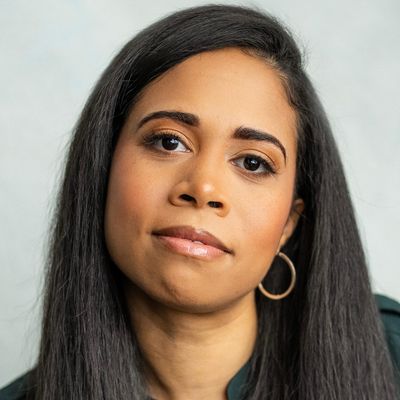
In this week’s episode, Jennifer talks to Erica Hart about all things casting. Erica shares insider tips around the dos, don'ts, & myths of self-tapes, auditions, and social media. They talk about the importance of listening and doing your research, celebrating your firsts & small victories, as well as the importance of collaboration, genuine human connection, and shooting your shot.
About Erica: ERICA A. HART, CSA (Casting Director/ Producer) was born and raised in Washington, DC (the actual 202...not 301 or 703.) She graduated from NYU's Tisch School of the Arts, where she studied film and television. She has been casting for over a decade and has loved every minute of it. She started off in network and studio casting moving her way up to Casting Coordinator in the New York Office of ABC Primetime Casting. Erica has appeared in The Hollywood Reporter as a featured rising artist and has cast films that have screened at the Tribeca Film Festival, SXSW, Outfest, Cinequest, and the Cannes Film Festival. THE SURROGATE (a film she cast as well as associate produced) was in INDIEWIRE's Best Movies Eligible for a 2021 Oscar, was a VARIETY CRITICS PICK, and earned Erica her first Artios nomination and win in 2021. She has cast commercials for high-end brands such as Maybelline, Gillette, Hasbro, and Delta, to name a few, and cast H.E.R's music video for FIGHT FOR YOU which won the Academy Award for Best Original Song. Currently, she is the Casting Director for Season 2 of THAT DAMN MICHAEL CHE (HBO MAX) and JODIE produced by Tracee Ellis Ross and Grace Edwards. She cast the pilot BLACK DON'T CRACK (ABC) and season 1 of BUST DOWN (PEACOCK) coming out soon. In 2021 she made her Broadway debut casting two Broadway plays: CHICKEN AND BISCUITS and PASS OVER. She has cast theatrical productions for THE NATIONAL BLACK THEATRE and THE DRAMA LEAGUE. Erica has been the Casting Associate for shows like RAY DONOVAN (SHOWTIME), THE BOLD TYPE (FREEFORM), DEFENDING JACOB (APPLE+), and GODFATHER OF HARLEM (EPIX). She is on the Board of Governors for The Casting Society of America (CSA) and a member of the Television Academy. She also teaches TV auditioning techniques at colleges and universities around the country including Harvard University and NYU's Grad Acting Program. Outside of casting, she has received grants and awards from the Puffin Foundation, New York Television Festival and The Digital Bolex, and has developed series for BET and WeTV.
Erica IG: @elove67
Want to coach with Jennifer? Schedule a session here! https://appt.link/jenniferapple
Monologue Sourcing Promo Link! https://empoweredartistcollective.com/podcastpromo
Learn more: https://www.empoweredartistcollective.com/podcast
EAC IG: @EmpoweredArtistCollective
EAC TikTok: @EmpowerArtistCollective
EAC Facebook: https://www.facebook.com/empoweredartistcollective/
Check Out Our Merch! https://www.empoweredartistcollective.threadless.com/
Any thoughts you'd like to share? Email us at EmpoweredArtistCollective@gmail.com
Transcript
This transcript was automatically generated and might contain errors.
[0:02] Jennifer Apple: Hello and welcome back to the Empowered Artist Collective podcast.
[0:07] Jennifer Apple: I am Jennifer Apple, and I am so excited that you are here again. Thank you for the time. In this week's episode, I got to talk to the unbelievable Erica Hart about all things casting. Erica shares insider tips about the do's and the don'ts and myths around self-tapes, auditions, and social media. We talk about the importance of listening and doing your research, celebrating firsts and small victories, as well as the importance of collaboration, genuine human connection, and shooting your shot. If you are somebody who auditions in any capacity, get at your pen and paper. Get ready. Enjoy this week's episode.
[0:52] Jennifer Apple: Hello, hello, hello, y'all. We have an awesome guest today. And I'm not even going to bother introducing her myself because I don't like doing that. So Erica Hart, welcome to the Empowered Artist Collective Podcast.
[1:09] Erica A. Hart: Thanks for having me. Thanks for having me. I'm happy to be here.
[1:12] Jennifer Apple: Oh, it's my pleasure. For those of us in the ether who don't know you, feel free to introduce yourself however you see fit today.
[1:24] Erica A. Hart: Yeah, that's a good point. How do I see fit myself today? So today my name is Erica Hart. Maybe tomorrow will be something different. But today it's Erica Hart. I'm a casting director in New York City. I work on film, TV, theater, commercials, dance, live events. I also produce and I also write. Some things that I have cast that day, That Damn Michael Che season one. I'm working on season two right now. I worked on BUST DOWN, which will be on Peacock March 10th. Look out for that. I worked on PASS OVER. That was my Broadway debut. Um, that premiered yes, last year, as well as Chicken and Biscuits on Broadway. Um, so from DC, went to NYU, never left, and here I am today talking to you.
[2:15] Jennifer Apple: Yes. I'm just curious. I know this is maybe biased, but like today as well, what has been one of your favorite projects that you've worked on? And it can be from any angle of all the things that you do.
[2:28] Erica A. Hart: Yeah, I don't know. It's so hard because I see my projects as my babies because I work so hard on them and I spend so much time on them. Um, and each of them is my favorite for different reasons. So, like if you take Chicken and Biscuits, even though PASS OVER was my Broadway debut and I loved working on that, Chicken and Biscuits was technically the first Broadway show I was hired to do, right? So, like that's great. And then Michael Che was the first TV show that I was hired to do. So it's like a lot of firsts, like The Surrogate was the first time I got an Artios nomination and I won and working with my teammates from NYU, and then there's some commercials that are like my first commercial, or it's my favorite brand. So, um, PASS OVER was my first time when I worked with Daniel Sweet. So it's like everything is kind of my favorite because everything has a little piece of the first.
[3:22] Erica A. Hart: Yeah, you know. Um, so yeah, I like I like all of them. I like working with great people. Um, and I've been lucky that for the most part the projects that I've worked on have been with great people.
[3:33] Jennifer Apple: Do you find that you find them or they find you or other people? Is it more within your own network of how you find said people at this point?
[3:41] Erica A. Hart: I usually don't find them, they usually find me. Um, it's similar to acting. A lot of people don't understand, especially when you're freelanced. Like when I was at ABC for seven years, um, I was there. So it was very corporate. The work came to me in that regard. When you're freelance, people look out for you. Yeah. And so it's very much like acting, where once a job is finished, you're looking for the other job and you're waiting for someone to hire you. So I've been very lucky in the sense that people have been hiring me and have been recommending me to other things. Uh, like the project I'm working on now. I'm working on a project called Jodie, which is the Daria spinoff, and Tracee Ellis Ross is producing it, and that came from a producer from That Damn Michael Che, you know, and that's my favorite right now because it's my first animated project that I've ever worked on. Um, so you know, I'm very, I'm very just blessed and grateful that the people that I work with and for pass my name around.
[4:43] Erica A. Hart: Yeah, and then of course, like everything, you know, is in a network, and that's what I try to tell actors as well as filmmakers is I know it's very cheesy when you're in class and you're like, Yeah, I know these are the people I'm gonna be working with over the rest of my life, but it is very true. The Surrogate, which was the film I worked on, Jeremy Hirsch wrote and directed it, and I literally met him first day in college, first day, not even being facetious. Um, and everything that has come from that, every independent thing that has come from that most of the time has come from someone I'm in school with.
[5:16] Erica A. Hart: Right. I was teaching a masterclass this past week, and that was literally the same. I said the exact same thing, which is like you look around next to you, and you could be like, ah, this person. Eh, eh? It's like you literally, first of all, not to act disingenuous around people, but you literally have no idea the artist that you're sitting next to, and the breadth of work and ideas and brilliance that is perhaps inside of them that just is waiting to be unleashed. And it's just, I feel like it's such a disservice to oneself to write that off and the possibility of collaboration.
[5:46] Erica A. Hart: And yeah, how it starts so young. It starts, it can, and how people shape-shift. You know, you might be in an acting class, and the next time you work with someone, they're the costume designer or they're the lighting designer, or they're the key PA. Like it's interesting how this business is ever so changing, and because of that, people are changing within it. Um, so yeah, you're always going to be working with someone, someone on that set, it's either you know them personally or you are like one degree away from somebody.
[6:16] Jennifer Apple: Yeah. How do you for people who feel as though like they might not, you know, the word networking, which I also is like icky to me because it's just human beings being people, but like for people who feel like I don't have many people in my life besides the like actually you do just sit down and look at the people that you know, yeah, root. What do you recommend is like the way in which someone can begin to facilitate the relationship to begin building a relationship if somebody is saying a friend of a friend or somebody is an admirer of somebody from afar, what have you found is like a healthy, helpful way?
[6:54] Erica A. Hart: I think what you said from the top, just being genuine, you know. I think if you are seeking something just to seek something, I think there might be something there that might not go in your favor, right? Because I think this whole business is about helping each other, it's a collaboration, regardless of where you're saying it again. Yeah, say it again. So regardless if you're acting, regardless if you're directing, if you're casting, if you're booming, whatever it is, it's collaboration. And so I think instead of going it as the I and going it as the we, I think is great. And I think you for that to happen, you do also have to shoot your shot.
[7:34] Erica A. Hart: Right. You know, you do also have to reach out. I get at least 10, you know, actors in my DMs a day, at least. Just like at people I don't know. And that's probably lowballing it to be honest.
[7:50] Erica A. Hart: Are they saying like hi, nice to meet you, or are they like, hey, you're working on this cast me? Like, where are we going with aggression?
[7:56] Erica A. Hart: Where we're going all over the place, you know. Um, and there's all this it's an art. I honestly, after being in this business for, you know, people have been in this business longer than I have, but as long as I have over a decade at this point, um, there is a way to do things without doing it, if that makes sense.
[8:15] Jennifer Apple: Yeah.
[8:16] Erica A. Hart: Um, something that I was talking about with my therapist this morning was the fact that just because I do something for one person does not mean that I'm gonna do it for you.
[8:25] Jennifer Apple: Ooh, boundaries.
[8:26] Erica A. Hart: Ooh, ooh, boundaries. And I think that that's something that I think is getting a little muffled, you know. But you have to ask, you have to ask, but you can't be mad when something doesn't happen because it happens to someone that you know, right? Because you don't know that connection, you don't know that relationship, you don't know, you don't know, right? So shoot that shot, put your best foot forward and always personalize it. And I don't just mean like, hey, I'm Erica. I mean, how would you want to be connected? How would you want to be talked to? And that's usually how you can start that answer of I don't know how to contact someone. I don't know how to email something. If you were an actor and someone saw you on stage or someone saw your web series and someone decided to contact you, how would you want them to be, how would you want them to contact you? And that should be the answer on how you should contact somebody.
[9:15] Jennifer Apple: I love that. I love that so much. It's not a one-size-fits-all. And I feel like...
[9:20] Jennifer Apple: Yeah. Just internalizing it a little bit and reversing the lens and being like, hey, yeah, we are. I think that's really...
[9:26] Jennifer Apple: Yeah. I think a lot of sometimes a lot of things that we think as like artists, it's just human decency, human interaction. But for some reason, we put this huge crown on it because it's like, well, it's entertainment. It's the industry, it's whatever, but it's huge, we're human, right? So regardless of what industry we're working on, it's a human connection, it's communication, yeah.
[9:49] Erica A. Hart: Um, and I think it's just very important to lead with that foot and not lead with okay, so I need this and I need that and I need that. It's like, okay, well, then what happens if you don't get it? You know, yeah. Um, so definitely it's a part of the game. You gotta shoot your shot, it's all about relationships, it is all about who you know and what they know and what you know about them, right? But you gotta do it in a way that's comfortable for you, but also not too pushy.
[10:17] Erica A. Hart: I had someone in my emails a couple of days ago, and you know, emails, god bless, and she emailed me before and I didn't see it. And if mind you, I don't know this person at all. And she emailed me back and she was like, Hey, just following up on the email that I sent. Um, would really love to connect with you. And I said, Well, I'm so sorry, I'll get right back to you. And she was like, Well, it's of the utmost urgency. And it was just a question, it wasn't urgent. And that just left a really bad taste in my mouth because it wasn't, it was just she needed some advice about headshots, which I get, you know, but just realize that I know that that's urgent, but there's stuff that we're all dealing with, and we just have to give some people some grace.
[11:03] Jennifer Apple: Correct, correct. And also what's urgent for one is not necessarily urgent for someone else because you might have something else that is urgent for you. And I think again, remembering that the world is large and besides just our own little bubbles, there's a lot going on on a macro and a micro level, and it's just kind of helpful to zoom out a little bit sometimes for a little perspective, I would say.
[11:23] Erica A. Hart: Yes.
[11:24] Jennifer Apple: Um, you kind of mentioned it just with sliding into DMs. I'm curious because I mean, I follow you on social and I feel like you're super real and you share personal things about your life and in a way that feels honest and authentic, and then also about your work in a way that feels proud and intentional. And I feel like you've created a beautiful balance of humanness that I know I respond very well to with you. So thank you first and foremost in that world.
[11:52] Erica A. Hart: Thank you, thank you for saying that. I really, I really appreciate you saying that.
[11:55] Jennifer Apple: Yeah, but with that, social media has become a vehicle for in some for some people and in some people's minds, but also just this weird version of communication and connection that we've is now in some capacity for some a way to like quote unquote move the needle forward for your career and your who you are. I mean, this weird, convoluted, non-spoken thing.
[12:21] Erica A. Hart: Yeah. How do you feel it has impacted the way in which you are say meeting new talent? Or how do you feel it's impacting the way in which people are showing up in the room with their social media following?
[12:37] Erica A. Hart: Let's start there. Ooh, I don't think I've gotten that first question I've gotten. The second question I don't think I've gotten, which is a really interesting question. I think for me, I was talking to a group of friends of mine. I was talking to a friend and his husband this last weekend. We were talking about metaverses, which is something I hadn't heard of in the tech, you know, and Instagram is a metaverse. It's a place where it is, it is a thing where you communicate in that space only and you see things in that space only. So it's its own verse, you know. And in that verse is a lot of prose, you know, and I think like you said, I love to use it when I'm looking at actors because a lot of my job is looking at personality, you know, and so like sure have the acting Instagram as well and have your personal Instagram.
Like you said, Jennifer, like mine is both. You're gonna get both things. And I just like, I like to see you with your dog. I like to see you on a hike. I like to see you with your friends because it shows me a little bit more of your personality and me getting to know you outside of now this audition room, right? Right. Um, so I do think having something, it does, and you don't need to do it, it's your way, you know, if you just want to post about your personal life, that's fine. If you just want to post about your acting life, that's fine. Um, if you want a Twitter, if you want a Facebook, you want an Instagram, you want TikTok, whatever you want, even if it's a website, I think that is important.
But I think there has to be something somewhere that is something, and also it's another way for me to contact you, and it's another way for you to contact me. I am, I am all, I'm in my DMs all the time looking, and sometimes it comes to the advantage of like, oh, this person, I'm scrolling, I'm like, oh yes, them, totally forgot putting them on a list. Like if like someone DMs me and I'm like, totally would be great putting them on a list, you know. Um, so that's very helpful. But I think with anything, you just have to know how to use it and you know how to use it to your advantage. Um, but it is a way, it's a social media, it's a way to be social, it's a way to connect with people. I would be lying to tell you that I haven't, that I have brought in people from their DMs.
I have, you know, that is something that I do often. I'll, they'll send their reels, I look at it, and if it's great and it's something that fits in what I'm working on, great, you know. So that's another part of shooting your shot. As of the second question, I don't necessarily know if that is something that has been brought in the room. Good. You know, if someone is like, well, I have a million followers, then it's sort of just like, all right, then go, you know, be your influencer thing. Um, there hasn't been a, in my casting profession at this moment, there's never been a time where it's like this person has a million followers, this person has one follower, we're going with the one with the a million followers.
I was gonna ask it. That hasn't happened to me yet. I do know that there are some networks that are like put it next to, like they'll have a list and they'll put their Instagram or their social media followings right next to their name. That hasn't happened to me yet. The only caveat to that is when I was associate on The Bold Type and we were specifically looking for an influencer, but that was like as if I was looking for someone who was proficient in badminton. You know, like that's, that's the same thing in my head. But I have yet to experience a time where I am solely casting on somebody who has a million followers and we pick them only because of that. It's really great to know, you know, because at the end of the day, it's your acting ability in my opinion.
You gotta be good, you know, you gotta have the ability and if you have a million followers and you have the ability, great, but if you have a million followers and you don't have the ability, it gets a little tricky, you know. I think also in the indie space it might be more popular too, you know, because they're trying to get their stuff out there. They're trying to get people to see it. So, and look at marketing, you know, oh yeah, before they would do this huge marketing campaign worldwide, blah, blah, blah, spend hundreds of thousands of dollars. Now they're splitting that hundreds of thousands of dollars into like five influencers that have millions of followers because they were like, well, if I give you 10,000, give you 2000, I give that, it will hit the world instead of spending all of this money on billboards and commercials and things like that.
[17:06] Jennifer Apple: Yeah. I guess going in a different direction for that, in a world where, um, you know, I taken a class with a casting director the other week and, um, you know, he was just breaking down statistics of how many submissions he gets per role, even from a co-star to a guest star, yada, yada, yada. So let's just talk numbers for a second and numbers are not my vibe because, you know, here I sit as an actor, um, but just because we're here with that, you know, he was, he was talking about how for one co-star on this, it was a network show, and on this co-star, they got a, uh, 5,000 submissions for two or three lines, which tracks because it's relatively generic, you know, maybe like a barista or whatever it was.
[17:52] Erica A. Hart: Anybody can do that.
[17:53] Jennifer Apple: Yeah, and then from there, you know, they have to bring in maybe 80 at their top.
[17:57] Erica A. Hart: So how do you go? I guess if you don't mind sharing, what is your strategy for number overload in terms of is it agencies and management? Is it who you know first? Is it producer recommendations? Is it I already had this person who came in last week and I wanted to bring them? Like, is it pre-assigned already before it even comes in? Like, I imagine it's different for project.
[18:20] Erica A. Hart: It's different per project, it's different per anything. It's different per person, it's not even per project. Like you could be working on a TV show, and episode one is one way, episode two is another way, episode three is another way, you know. Producers' requests come in first. That's first, first stop, full stop. If a producer has a request, if a director has a quote request, they are getting in, you know. That's, they're the captains of the ships. Um, so whoever they want to see, they get to be seen.
[18:49] Jennifer Apple: Okay.
[18:50] Erica A. Hart: You're whoever said the 5,000 submissions, totally right. Yep. I had, I was working on a pilot for ABC last year, and the, it was orderly, like you said, barista, waiter, something like that, orderly, one line. I think the line was like, she's gonna be okay or something like that. I got 1800 submissions. You know, and we, and our job is to go through all of those submissions. And so what I do, it's a kind of a mixture of what you were saying, because that's why, and we'll probably get to this in a minute, but the victories of it all, you know, where you might say, like, well, I didn't book it, but how many times have you been brought in? Right, you know, and so that's kind of usually my first line of defense. Are the people that didn't get it but got closed.
[19:25] Jennifer Apple: Right.
[19:32] Erica A. Hart: I say that all the time. You don't, you're not booking the job, you're booking the room.
[19:35] Jennifer Apple: You're booking the room, right?
[19:36] Erica A. Hart: So it's like, oh yeah, they, they were in the top three, or even hell, they were, they were someone I sent.
[19:42] Jennifer Apple: Right.
[19:42] Erica A. Hart: Not even they might not even be someone who produced or selected or who got pinned, but they're someone who I think is great and could fit this. So that's usually my first line of defense. And then the second line of defense is just going through the submissions. And honestly, it happens in tandem. You'll be going through the submissions, like, uh, yes, just saw them, boom, in, you know. So that's that. And then it's also people I don't know because I need to know everybody, you know. And so that's why this time of virtual auditioning is a beautiful time. And we'll probably get to that in a minute. But it is a beautiful time because I have time to see more people than I didn't get to before.
Like you said, bringing in 80 people for a co-star would never happen ever in old times. Old times meaning before March of 2020. That would never happen. You'd bring in maybe 20, maybe 15, you know, depending on the casting director. But 80, never. But now we can do that. You know, now we can see because time is a construct. And if I'm in a session from 10 to 6 and I'm seeing 10 people every hour, you know, what is that? Six out, like, no, that's eight. That's 80 people, I guess. You know, numbers, numbers and math.
[20:58] Jennifer Apple: Yeah.
[20:58] Erica A. Hart: 80, 80 people. That's the pe, that's, and that's for the whole thing. If I only have one day and I can, and can I, and only see five roles, and I can only see 80 people, 80 divided by five, what is that? I can't think of right now. Girl, I don't, you know, whatever the heck it is.
[21:14] Jennifer Apple: Um, like doing math in my brain and I don't know.
[21:20] Erica A. Hart: Um, but yeah, it's, it's something where you gotta think about that. And so now when I'm at home and I can't sleep, or when I'm at home and I'm eating my lunch, I can look through self-tapes. And I have, and honestly, on Michael Che's show, if anybody watched season one, that's a huge cast. I'm casting about 30 people per episode. I don't know how I would have done it, honestly, and in old times. I would have, obviously, but I don't know how I would have. And I'm so glad that I can do it this way because I get to meet so many people and give, there's, there's one role, roles that we're casting. We're casting six roles right now. Out of the six, five of them have never been on TV.
[22:04] Jennifer Apple: Wow, I love this.
[22:06] Erica A. Hart: Five of them are, five of them have never been on TV, four of them are musical theater women.
[22:11] Jennifer Apple: Yes.
[22:12] Erica A. Hart: And I've never been on, I'm giving them the first TV credit, you know, and so that's awesome.
[22:17] Jennifer Apple: Yeah.
[22:18] Erica A. Hart: Do you feel, do you feel like it's gonna stay? I mean, obviously the goal is for us to continue being, but this method of really vetting for co-stars, especially type of thing. Obviously, maybe even get into guest stars.
[22:29] Jennifer Apple: Oh, but you, you mean like, like virtual land of like we need to go.
[22:33] Erica A. Hart: Yeah, 100%. 100%. I, if anything, if I think best case scenario will be it's a hybrid, or whatever best, I don't even know if that's best case scenario or best case for whomever. But I think first round co-stars, probably especially.
[22:48] Jennifer Apple: Yeah, I think so.
[22:50] Erica A. Hart: And I think we'll be back in person for the callbacks and the tests. And this is just me. Somebody who's watching this could be like, no, I'm back. Theater's different. I think people are like, well, theater is back. I'm like, yeah, well, that's a medium where we gotta look at you live, you know. Like when we did Passover and Chicken and Biscuits, we were the first ones up, you know. So like going into a room, I literally texted one of my friends in casting and said, Okay, so I printed out the sides, I had the silence sheet, I have my camera. Do I need to meet? Because I hadn't done it, I hadn't done it in over a year.
[23:21] Jennifer Apple: Yeah, like I did it in like 18 months, and so like that muscle was completely out of whack.
[23:26] Erica A. Hart: Um, and so it was awesome to see people come in and like get that muscle back and be like, well, room, people, table, you know. Um, and it still, but I think the day to day, you know, you have your appointment at 3:15 to go down to Bonnie Finnegan's office for Blacklist for, you know, a co-star or a guest star, I don't necessarily know if that's gonna happen unless it's a producer session or a test or, you know, something of that matter.
[23:56] Jennifer Apple: Yeah.
[23:56] Erica A. Hart: Well, let's talk about self-tapes for a hot sec because it's the hot topic. Um, I guess I want to hear your thoughts as to the quote of, but because they have so many submissions and because they can watch as many as they want, they can always turn me off within three seconds, and they don't actually watch me.
[24:14] Erica A. Hart: The, the, the, they don't watch me and it goes into the ether and no one sees it. What is that for you?
[24:21] Erica A. Hart: If I didn't watch your self-tape, I would have more sleep than I do now. Honestly, like, no, I mean, if you know me, you know I'm up at three and four in the morning. Correct. I mean, you know, like, and I'm not, I'm not, I'm not saying that it's, I'm not saying that people don't do that. Of course they do. You know, I think that is everything has a pro and con. And I think that is a con of it. And meetings, you know, like you're on Zoom meetings and you're like, I don't want to hear this right now. I'm just gonna let down. You know, I'm listening, but I don't, you don't need to see me what I'm doing. You lose, you lose that connection, right? Um, but my job is my job. My job is to watch your self-tape. However, on that note of the three-second rule, you gotta catch us though, in that first 15 seconds. You do now more than ever.
[25:12] Erica A. Hart: In person, we could see the moment at the end because we don't we have we have to. But there's some casting directors that give you 10 seconds and then they hit next. And honestly, before this time, I think people are thinking about the audition when we came in and you saw me or you saw another casting director. But the truth of the matter is you weren't auditioning in person for the producers or for the directors. We were sending your tapes off anyway, right? Right, so that part is still the same. And the 10-second rule was then there, it's now just now I have the 10-second rule, and other casting directors have 10 seconds rules because now, like you said, some casting directors hit next. But for the producers and the showrunners and the directors, they could hit next.
Yeah, and they're the ones making the decisions, so you have to captivate them in the first 10 seconds. It's not that because they don't want to watch your tape, they do want to watch your tape. But guess what? That showrunner, that producer, they also have a locations meeting that they have to go to. They have to look through background extras aheadshots to get those approved. They have to go to down the halls of costumes to see what costumes that this date player that shoots tomorrow is gonna wear. They have so much to do that I give them, you know, 20 tapes, they might have two minutes to watch those. So if you don't catch them in the first 10 seconds, it's not that they want to hit next, they have to hit next.
[26:35] Jennifer Apple: I guess my other question then with self-tapes would be do you have for you? Obviously, it's all a preference. Do you have a particular aesthetic? Like, do you like a blue backdrop? Do you care at all? Is it more do you like a natural? You just want to be able to see and hear it.
[26:51] Erica A. Hart: I need to see and hear you. Right. I think you know, I think things are things, sure. Like I just but I but it goes, but but it still leans into that. I need to see you and I need to hear you. So if you're standing in front of a window with a window's light right behind you, I'm not gonna see you, you're gonna be sweated. So that goes against that I need to see you, I need to hear you roll. If you're standing in front of a very busy backdrop, like if you're standing in front of a bookcase or you're standing in front of, you know, I don't know, all your puzzle collection, your your your shoe collection, it pulls focus from you, right? Um so a clean blink background, that's why people use the blue, that's why people use the green, that's why people use the gray, because it's just clean and clear.
Um, lighting-wise, I just need to see you, like I said. Don't you don't have to buy a ring light, you don't have to buy three-point lighting. I was talking to an actor recently, and he was saying that people were going in on and out Reddit about three-point lining versus ring light, ring light, there's just a three-point lighting. Doesn't matter. I think ring lights are easier because it's just just put it down and it lights your face. Three-point lighting, you can mess up. You can mess up a three-point lighting setup. So you have mark you have room to um be an error for three-point lighting. Um, but it doesn't matter. As long as I can see you and I can hear you, that's all that that's important.
Of course, don't, you know, don't do something like that, and then don't do something like this. I think you know, that doesn't do you a disservice. Um, for anybody listening, Erica just flipped her camera up, so you just saw the bottom of her nose and then her toes. So just so you have to do that. I don't think that's I don't think that's gonna be helpful for you and your self-tape moment. But uh yeah, does it it's not rocket science? And there's so much grace given. I I I try to give grace. Like I I literally just did a self-tape my boyfriend's an actor. I did a self-tape with him this morning. Uh, and uh he found out that his frame wasn't as best as it could be. Like, you know, it was a little, it was a little bit more than cut off than what usually should.
But I could I was like, this is fine. Like it's it's it's not I've gotten self-tapes that have looked like this. Unreal. It's just my nose. So I'm just like, your eyes, you like I can see your eyebrows, you know, like it's not cut off. Uh so he was freaking out about it. But again, just put your best foot forward. Do the best you can. The thing I've been hearing is like, oh, if you get it before the deadline, you're gonna book the bit booked. That is not true. It just means that you got it in before the deadline. The only pro of that is that when I do watch your self-tape, because yes, we are watching them on a rolling basis, but I'm sending the link when I send the link, you know. So we're watching them on a rolling basis.
The only pro about getting it in before the deadline is if I watch your tape and I see that something is a maybe wrong, maybe it's not synced enough, or B, maybe you didn't hit the mark on what the director has in their vision. I can then tell you to retape. Whereas if you do that, have you done that? Yeah. Yeah, all the time. Um, whereas if you give it to me by the deadline, I might not have time to do that. Um, another thing about deadlines: deadlines are there for a reason, but that does not necessarily mean that it's the deadline deadline. If you can't get it in because of life or you have so much going on, just ask if there's an extension. Don't feel like you have to get it in. Ask for an extension.
If we have to get it, I will let you know. Actually, I know I sent this to you yesterday at 6 p.m. and I'm asking it for you at 11 a.m. I am so sorry. Unfortunately, that's what it is. Right. You know, or if it's not, then I'll let you know. Oh no, no, no, no. You got even if it's another hour that you need, if it's like, hey, I know this is at 11. Can I please submit it at noon? Again, sometimes, no, sometimes actually I need it at 11 because this role needs to show up tomorrow at 8 a.m., right? And then you get tested and blah, blah, blah, blah. But sometimes there is an extra hour, sometimes there's an extra day, even. Um, so you always have to ask, and if you're not gonna make the deadline, you have to let me know, please, because you never know what it is.
You could have been requested by the producers and the director, you know, and they're and you're the front runner. And then for some reason I tell you to submit the tape by 3 p.m. on a Tuesday, and it's 3 p.m. on a Tuesday, and I haven't gotten your tape yet, and then I'm reaching out to you, or I'm reaching out to your reps, and then they have to reach out to you, and it's like, oh yeah, sorry. Can I get an extension? And it's just sort of just like I would have loved to have this conversation before.
[31:23] Jennifer Apple: Yeah, yeah. What about your thoughts on props? I'm a I love a good prop. Just don't make the scene about the prop.
[31:30] Erica A. Hart: So if at the top of the scene you're at a bar and you know we're talking, and mm-hmm. Great. That's great. If you're on the phone, use your phone, hello, blah, blah, blah, blah, blah. I don't like this. This doesn't make sense to me. The hand up to the head. And the only thing I would say is don't mime the drive. Okay. That's my thing. But there, but also this whole business is so subjective. There are casting directors who are like, no, no, no, no. No props. Oh yeah. No props. Um, but I I think if if there's a scene and it's about the bagel, we need to see the bagel, you know. Um, but don't make it all like a food, one one two little chews at the top, we're done. I don't want to see you eating the whole time.
Unless that's the unless that is the scene, right? Yeah. If that's the scene. But you know, I'm just gonna be being like, oh wow, you chew like that. Ah that's either a terrible thing, but I don't I'd have been like, and three second roll, we're out. No, thank you, chewing. We are done here.
[32:30] Jennifer Apple: What about improv? What's your thoughts on improv? Because I know obviously that depends on genre, that depends on you have to know like the writers and you have to know usually the energy in the room around it. But for you specifically, I guess improv and also um punctuation just generally, or like, or or like uh what's actually written on the text, like if I say talk instead of speak, or you know what I mean?
[32:51] Erica A. Hart: Yeah, I think uh again, I was working with my boyfriend with something this morning, and since it was theater, I was very meticulous on like punctuation. His first line was a period, and on one take he made it a question. I was like, oh no, let's go back if that's a period. Um, so I think something like that, you know, since it is so important to the text, and I'm not saying like film and TV are not important to the text, it's the text, it's their babies. Um, but I think for me, improv, especially, comedy, of course, it's a little loosey-goosey, you know, it's more loosey-goosey. I shouldn't say it is loosey-goosey. Um, but I think ask. I think if you have any types of questions, you should ask.
I think rule of thumb could be if you don't have the button or the last line of the scene, you can give a little something something there, just a little bit. They don't need you to rewrite the scene. They wrote the scene, they don't need you to rewrite it. Or if you want to give a little bit of like if you're you know at the bus stop and you're waiting for somebody and it's like they're talking to a friend, a little bit of that com whatever that conversation is, that can be that. When you're talking about switching words, I'm not necessarily mad at it. I think though that word still needs to cut how that word does, right? So if it's a curse word, if it's the F-word and you say freak or frick, though that's not the same hit, right?
And if you don't curse, then maybe that project's not for you. Um, but if it's like, you know, speak instead of talk, or you know, dude instead of bro, or whatever it is, I think that's okay. As you know, if that's in your voice. Um, I had an actress came in, you know, back in the day. Uh, and it was like call he she was talking to her dad, and she uh it was a very emotional scene, and like he was like on a ventilator and things like that, and she said she did the scene and she was like, Can I can I call him daddy? I call my dad daddy. Can I call him daddy? And I was like, if that's what makes it better for you, and it did. It did, it was personal, you know. So I think things like that are okay.
[34:59] Jennifer Apple: Okay, what are your thoughts on submitting if it's a short scene, submitting two takes, even if they didn't request it, or just two takes generally that are obviously different for correct whatever reasons, and not just as long as they're different.
[35:12] Erica A. Hart: I think two takes are fine for uh shorter scenes for one liners, you can maybe even do three. But I think if it's like a series regular audition, I would say only do one. Okay, you know. Um, but they have to be different. I think that's the thing. If you're like what constitutes different for you? And yeah, those are the first two that come to mind, right? So if you're talking to a teacher versus your mom, those are gonna be two different takes. If you're talking to your sister versus your girlfriend, those are two different takes, right? If you're mad at someone versus being happy with someone, those are two different takes. If you're saying, well, I said hi that way in one take and I said hi that way in another take, it don't matter. You said hi. It doesn't matter. Oh, well, I paused for two seconds there and I paused for three seconds there, so that's different. No, it's not the same thing.
[36:06] Erica A. Hart: Another thing is, you know, uh if you have an accent that's not naturally American, whatever the heck that means. Um if you are from London, if you are from Mozambique, if you are from New Zealand and you have you're gonna do one in an American accent, again, whatever that means, and you're gonna do one in your natural accent, those are totally different takes. You know? And I think and I tried to encourage people to do that because it's all about uniqueness, it's all about the unique. And what show or what movie do we watch that someone does not have another accent? Right. That happens all the time. Why can't the doctor be from Mozambique? Why can't the, you know, uh stylist be from Paris? You know? They probably are. Um so uh if if that is something that makes you you, and it's not about someone growing up in Texas or Chicago, and it's just something that happens somewhere, then you can use your your accent.
[37:08] Jennifer Apple: I love that. I guess another question in the world, we're still here, and then I'm gonna get us out of this little hole. Um, is for people who don't have reps or people who are unrepresented and they are venturing more into TV and film land. What would you say would be some of the most helpful beginning advice of like getting your foot in the door? Is it taking workshops with casting directors? Is it getting your reel together? I'm obviously all the above, but like is it what priority wise would you recommend to be the first thing? Does this person have any like is this person like a theater person who's trying to get into film and TV?
[37:47] Erica A. Hart: Um, I think the first thing is just a piece of advice. And I think when we come from theater, especially musical theater, I think the thought process is I'm too big. Like I am too big for this medium. What big means when someone tells you you're being too big, they're using that term wrong in a wrong way. When I say you're being too big, which I will never say, well, I can't say never, I don't know what I'm gonna say, but if I ever use that term, what I mean is that I can see an actor. And I don't want to see an actor, I want to see a person that just happens to have these words in front of them and knows them and is just doing them, right? Nine, not nine, I would say seven and a half out of ten, it has to do with your volume.
Because you're on stage eight times a week and you're projecting for Rosie Z, and the hello that will be usually in a coffee shop, you have to project because you have to hit it up there. You're not gonna say that in a coffee shop, you're just gonna say hey, you know, there's an intimacy. There's a and I don't mean sexual, I mean closeness when I say intimacy. So there is an intimacy with this box that we look at, be it on our phone or computer or TV. There's a closeness to that. And so most of the time when you're being too big, it has everything to do with your volume, and all you got to do is dial it down, and that energy that you're putting into your volume will go into somewhere else. It'll go into your body, it'll go into your choices, it'll go somewhere else.
So that's number one, right? Is don't worry about being too big. Don't worry about anything, really, child, honestly. Just like worry about just like showing up and doing the thing. Um, but I think that's number one because I think that's that's the thought, especially musical theater, people who are in musical theater. It's like, oh, I'm too much. It's like we love that you're too much. Like that's what makes you you, you know. It's just how do we use that too much and just put it in this box? Right. If the scene is crazy, if there's a fire in the scene and you go off and you go crazy, you're not gonna whisper, fire, there's a fire. You're gonna go insane, right? I would say you would go insane in that scene, so that's fine.
Um, back to the technica to technicality and all that stuff. I think getting in a great class is great. Do your research. Everything I'm gonna say is gonna have the caveat of do your research. Getting into a class, however, classes everything costs money, right? And if you were gonna buy a new computer, you would research it at least for five seconds to see if that computer's for you. If you're gonna go on a diet, you were gonna research it to see if that's good for you. Same thing goes for here. We all have friends that are in the same profession that we are in. Ask them what classes they take and if they got something out of it. Same thing goes for casting director workshops. There are a lot of people who are great at them, and there are a lot of people who are misusing the system.
So talk to people. That's a good time to talk to people and see like, hey, I saw you talk, you know, I heard you took so and so's class. Did you get anything out of it? Or was it just a thing? I think before that, regardless of if you're going to talk to a friend or not, figure out the shows that you want to be in, or even not even the shows that you want to be in. What are the shows that's shooting wherever you are, be it in New York, LA, Atlanta, New Orleans, Chicago, whatever it is, figure out who those casting directors are. Not only the casting directors, but the casting associates. Not only the casting associates, the casting directors, right? Uh, the casting assistants, excuse me. Figure out who those people are and see if they're doing anything for free.
And I don't just mean like workshops, I mean panels. There's so many people that I have brought in who have just been in my panels, like just been audience members of my panels, that then follow up and say, Hey, I saw your panel, or hey, I saw your video on backstage, or hey, whatever, whatever. Here are my stuff, and there's that connection, right? It's not just, and I'm not I'm not knocking anyone who doesn't. I do bring in people who just email me or DM me and say, Hey, I saw that you're casting this, blah, blah, blah. I bring them in all the time, but at least there's some point of connection, there's some point of reference. Um, so do your research, get into class, watch as much as you can.
That's for free. You can do that for free. Watch as much as you can to see what people are doing and their, you know, their technique. Listening is important, I think, also is very important to me. Listening is about 51% of the job. Is how you listen and you take it in, and then you can use more. We don't know. I gauge more, I don't know. Maybe it's because of the age that we're living in. I'm just like, no one, hello. No one listen, no one's listening. And that's usually a lot of my first adjustments is to, and it's hard, right? That's that's the craft because you you as an actor have to know what other people's lines are so that you know when to come in. That is your cue. So you have to know the whole script, but you still have to react as if you didn't know that whole script, and you still have to listen and take that in so that you can react in that function.
But there's so many people that are not listening, and I can see that. And so one of my first adjustments is let it hit you, regardless of what it is. Sit with it, let it hit you. I know it's TV and there is some pace to it, but don't mind taking a half of a beat to let it hit, especially when the scene is emotional, especially when we're talking about like relationships or family dynamics or whatever. Like, you gotta, you gotta take that time to do that work, and watching others do that that are great in their craft on TV and even in theater or in films, I think is is a masterclass in and of itself.
[43:13] Jennifer Apple: Yeah, I want to know more about you right now. What are you what are you working on right now that's just speaking to your heart? Like, what is filling you up with joy at the moment? And frankly, this does you know what? Let's remove that work. What right now, just generally, because forget the work can be all consuming. Like, what right now is filling you and your heart with some joy and giving you life and purpose and um groundedness, because we could use that too. We could use a good groundedness.
[43:46] Erica A. Hart: I mean, I'm not gonna lie, it's hard. Yeah, it's hard right now, it's very hard right now. Every morning I wake up and I am like both feet are on the ground. Yeah, both feet are on the ground. Both toe, both pinky toes, both big toes are on the ground. We are grounded right now in this moment. Um things that are bringing me joy are the things that always brought me joy right now. Friends, family, boyfriend, seeing shows. I think that is something that I took very much advantage of back in the day. Whatever. Um now I'm seeing everything. I was at a show last night, I'm gonna show tomorrow, you know. Yeah, after things opened up, I'm like, I'm gonna go, I'm wearing two masks. Everybody masked the hell up, and we're gonna go and we're gonna sit and we're gonna see theater, you know?
So I've re-fallen in love with theater. Um, and because we were that was taken away from us. The thing that makes New York so special and different, in my opinion, is the fact that at any time and any day, you could walk on from 42nd Street to 52nd Street and get a ticket and go see something for the first time, you know. So that was taken away from us, so now we can. So I encourage anybody who's listening, anybody who's watching to just go see something. It could be Broadway, it could be off Broadway, it could be hell, showtime, like on the street, like go see something because that was take it like walking in Times Square. We don't even have to talk about it during 2020, but just seeing that, seeing art, seeing theater, seeing dance, seeing music, seeing everything is just I think that is that is something that's bringing me joy.
[45:32] Erica A. Hart: Yes. Are you with your multi-hatted self? Is there a particular project that you want to like obviously you plug the one that's popping off, but like the one that's coming down the pipeline that you're like you can teaser us about or that you want to brag a little bit about? Like this is I'm giving you the torch to fully brag at the moment.
[45:53] Erica A. Hart: I don't know, I don't know. I mean, uh check out BUST DOWN. March 10th, Peacock. I was that was just a joy to work on. It's Chris Red, Sam J, uh, Langston Kerman, and Jack Knight. And they were kicking around this this project for the past five years, and Peacock gave them the platform, and I was just honored to be a part of their their team, and it was just a joy to work on. It was one of the most collaborative projects I've worked on in a very long time. Where, you know, you had the meeting, everybody was on the same page, you sent selects, they got back to you, you know, and so I really enjoyed working with that team. Um, it's something that I will treasure for probably the rest of my life, definitely for a long time.
So yeah, you know, all black people, you know, that that's that's really rare. So it's it's it's a funny one. That's rare too. Uh so yeah, I would say I would say support them. March March 10th, Peacock. If you have Peacock, uh, I think check out check out the post down.
[46:56] Jennifer Apple: Yes, beautiful. And for all of our listeners, what is the best way for them to respectfully communicate with you if they so desire within your boundaries? Yeah, the way in which you most like to be communicated to by date, time like what is your like ideal vision of communication?
[47:18] Erica A. Hart: Yeah, hit me up on Instagram at elove67 at eLove67. That that's where it's at. I'm there more times than I probably should, to be quite honest. I should do a break when people are like, I'm breaking for the month. I'm like, wow, what is that? I know. I'm like, good for you. Um, so I'm there. Morning, noon, night, and morning again. Uh, so eLove67. Drop me a DM. I'm always in the DMs. Um, I might not get back to you ASAP. I might not get back to you at all. I try to, I really do try to. I try to respond to every single email that comes my way. It might be weeks or months later, but I try to respond to you. I try to respond to the DMs if they are appropriate and respectful. Um, because the because no respect does not get any respect from me. Um, so uh yeah, at ELOV67.
[48:13] Jennifer Apple: Um everyone, y'all understand why I brought in Erica. Just like your heart is so open and you're real and you're you're compassionate, yet like you know exactly how you do your job well, and it's just such a wonderful marriage. And I'm so grateful that you've given your time to this to Empowered Artist Collective prior to this as a trailblazer. Um, and I'm I'm so grateful that you are in our community here and doing the work that you're doing. So thank you. Thank you, thank you.
[48:44] Erica A. Hart: Thank you.
[48:46] Jennifer Apple: Um, and I'm so excited to continue supporting you however I best can and EAC however we best can. And um, I'm sure this is only the beginning. Only the beginning, the road goes both ways. So um, I'm excited to keep collaborating with you all and getting to know more of you and just to to rock it out and boogie on down.
[49:06] Erica A. Hart: Yes, amazing.
[49:08] Jennifer Apple: Thank you, my dear. Thank you. As you have just heard, Erica is a force and the realist of real in this industry. I'm just so grateful for all of the wisdom that was dropped because I don't think it was possible for her to have shared any more tips than she so graciously did. I hope what was shared will be helpful and valuable for you as you continue to show up on your own artistic journey. With that said, if you enjoyed this episode, please rate us, like us, follow us, leave a review, turn on your bell notifications to find out when the next episode comes out, which is weekly. And also, as always, invite your friends so you can listen and discuss these episodes together. It's just more fun that way.
If you hated it. Don't bother with any of that, just let it slide. If it's not for you, it's not for you. And in case you haven't done so already, you can find us on Instagram at Empowered Artist Collective, on TikTok at Empowered Artist Collective, and our website at Empowered Artist Collective.com. With that said, welcome to the Empowered Artist Collective Podcast. I'm Jennifer Apple, and I so look forward to having you back again next week. Until then.
© Broadway Podcast Network, All Rights Reserved