

In this episode, Jennifer talks with Heidi Marshall, acting coach & teacher, filmmaker, and director, all about on-camera acting, self-tapes, and preparation. Heidi shares her journey toward becoming a sought-out acting coach in this industry, the way she works with artists, and some stories of clients... Read More
From the show: Empowered Artist Collective Podcast - for actors, singers, dancers, writers, creators and performers
Featured Shows
About
In this episode, Jennifer talks with Heidi Marshall, acting coach & teacher, filmmaker, and director, all about on-camera acting, self-tapes, and preparation. Heidi shares her journey toward becoming a sought-out acting coach in this industry, the way she works with artists, and some stories of clients. They share tools on how to feel empowered with your choices as an actor, ways to find newness, embrace all parts of yourself as a human, and how to be kinder to yourself in the process.
About Heidi:
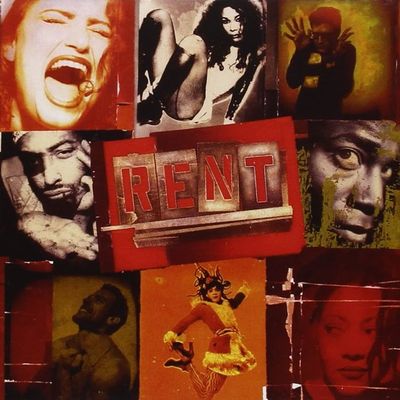
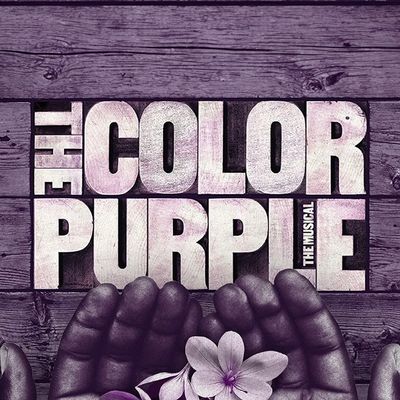
Heidi Marshall is a top industry acting coach for auditions, screen tests, and performance coaching.Heidi Miami Marshall’s career has spanned over 25 years as an Acting Coach, Film and Theater Director, Casting Director, and Acting Studio Owner. Her entire career informs her coaching eye and influences her aesthetic for working with actors. Originally, Heidi was the lead Casting Director at The Telsey Office for the Broadway musical RENT, as well as for 70+ projects in theater, film, TV, commercial, and voiceover. Heidi has also directed on the Broadway shows The Addams Family, Baz Luhrmann’s La Bohéme, and The Color Purple. Renowned Director Luhrmann says, “All of Heidi Marshall’s work has led me to see that she’s a director of first rate talent and ability.” Now the owner of a top acting studio, she’s coached countless actors into roles. She is frequently hired by directors and production studios to prep actors for auditions, screen tests and performance. Her acting clients have appeared on big and small screens and stages, from network TV to indie film to blockbuster hits, from regional theaters to Broadway. Notable collaborators include John Turturro, Baz Luhrmann, and Rob Marshall (no relation). As someone constantly in audition coaching mode, Heidi has her eye on the ever-evolving biz and loves supporting the actor through phases of audition prep, self-taping, screen tests, and performance. Heidi enjoys shaping material in response to the actor’s natural presence and humor. Also a director, Heidi’s simultaneous filmmaker career provides a keen sensitivity to what is needed from actors. Her directorial skills quickly shape scenes and help actors make bold, clear, playful, and strong choices. Her filmmaking skills help actors move from analysis into playing the scenes in space and time with incredible attention to detail. Casting Directors, Agents, Managers, and Directors have teamed up with Heidi to get their actors across the finish line in auditions, screen tests, and production. Heidi has worked with high-level performers who have never acted before as well as seasoned, award-winning veteran actors. Her actors range from youth to people of a certain age and span diverse backgrounds and orientations. Each artist is a talent that she adores supporting in the process of creating strong and uniquely-yours self-tapes and performances. Follow some of Heidi’s clients on screen and stage: Halle Bailey, Jack Harlow, Julianne Nicholson (EMMY Award winner), Fantasia, H.E.R., Thomas Doherty, Chaka Kahn, Rueby Wood (EMMY nominee), Maren Morris, Rhiannon Giddens, Danielle Pinnock, Jesse James Keitel, Analisa Velez, Raul Castillo, Saycon Sengbloh, Lily-Rose Depp, Michael Cimino, Angela Lewis, Winnie Harlow, Alexandra Turshen, and Little America (Apple TV+). She also has clients shining bright across countless Broadway stages.
Heidi Marshall Studio's IG: @heidimarshallstudio
Hedi Marshall’s Website: www.heidimarshall.com
Want to coach with Jennifer? Schedule a session here! https://appt.link/jenniferapple
Monologue Sourcing Promo Link! https://empoweredartistcollective.com/podcastpromo
Learn more: https://www.empoweredartistcollective.com/podcast
EAC IG: @EmpoweredArtistCollective
EAC TikTok: @EmpowerArtistCollective
EAC Facebook: https://www.facebook.com/empoweredartistcollective/
Check Out Our Merch! https://www.empoweredartistcollective.threadless.com/
Any thoughts you'd like to share? Email us at EmpoweredArtistCollective@gmail.com
Transcript
This transcript was automatically generated and might contain errors.
[0:02] Jennifer Apple: Hello, welcome to this week's episode of the Empowered Artist Collective Podcast.
[0:06] Jennifer Apple: My name is Jennifer Apple Sheher, and this week I got to talk to the one and only Heidi Marshall.
[0:13] Jennifer Apple: For those of you who don't know Heidi and her work as an acting coach, teacher, extraordinaire, filmmaker, director, Heidi is somebody who keeps it real, keeps it honest, and is somebody who truly, really deeply wants to be an advocate for actors and artists.
[0:32] Jennifer Apple: She shares her journey starting as a casting director into directing, into acting coaching. She talks about the ways in which she works with artists, some tools that she uses that are helpful in this way, and some stories of clients of hers.
[0:47] Jennifer Apple: We also talk about how to feel empowered with your choices, to find newness when things start to feel stale or stuck and to embrace all parts of yourself as a human and how to be kinder to yourself in the process.
[1:01] Jennifer Apple: Enjoy.
[1:05] Jennifer Apple: Hello, hello, Heidi Marshall.
[1:07] Heidi Marshall: Hi.
[1:09] Jennifer Apple: It's so good to see you.
[1:11] Heidi Marshall: Happy to be here.
[1:12] Jennifer Apple: Thank you. Same here. It's been so long.
[1:14] Jennifer Apple: I feel like if I'm doing some math accurately, the last time we were in person together was back in 2018, I guess, when you came to ACT for—was that right? Like for my grad, my final year of grad school?
[1:29] Heidi Marshall: Was it either 2018 in the spring or was it 2017 in the fall?
[1:34] Jennifer Apple: Oh god.
[1:35] Heidi Marshall: I did both.
[1:36] Jennifer Apple: So it could be either.
[1:37] Heidi Marshall: Yeah.
[1:38] Heidi Marshall: Probably the spring because it was after you do showcases.
[1:42] Jennifer Apple: Yeah. Which I always think is crazy that all of a sudden I come and work with people after they've done their showcases to talk to them about the industry and about working on camera when you've just had this immense exposure to the industry.
[1:56] Heidi Marshall: Yeah. And feeling so vulnerable.
[1:59] Jennifer Apple: Yeah, it would have been helpful to have that as a resource prior, I would say, but you know, we're not here to critique, you know, curriculum necessarily.
[2:07] Heidi Marshall: No, but we can.
[2:08] Heidi Marshall: We can critique not necessarily that curriculum, but all curriculums. Like we need to get to artists earlier and we need to support them earlier in these training programs so that they're able to really be out in the world working confidently.
[2:21] Jennifer Apple: Ugh, I'm so excited for this conversation. Before we dive on into that and other things, tell the listener who are you today.
[2:30] Heidi Marshall: Hmm. Today, this moment, I am a filmmaker. I'm a director. I am also an acting coach and acting teacher. And I have my own acting studio that is based out of New York City. And I've been there teaching and coaching for I don't know, I've lost count, 15, 20 years, something in there.
[2:53] Heidi Marshall: And I am now, of course, online as everyone pivoted. So actually my community of actors are across the world. I was just coaching somebody who is doing a new TV series, a really cool one, a big project that's filming in South Africa.
[3:11] Jennifer Apple: Oh jealous.
[3:12] Heidi Marshall: So yeah, so jealous.
[3:15] Heidi Marshall: So I am working with actors all over the world now, which is really fun.
[3:21] Jennifer Apple: Yeah. I imagine that was a silver lining from the pandemic of just like being the world has just gotten in so many ways so much smaller that the accessibility to you or to other resources is just kind of like squoshed together.
[3:34] Heidi Marshall: It's made a huge difference. I love working with actors that are in other acting communities actually, very specifically, because what they have access to, as you said, it's much more limited, but it's also the knowledge is more restricted. You know, they don't have access to what is it like to do a screen test because maybe in that community people are not doing screen tests.
[3:53] Heidi Marshall: What is it like to be on a big budget set because those big budget sets may not be in their community, but even just different cities function in different ways as well. The Atlanta market is very different than the New York market, and what the casting directors like in Atlanta is very different than the New York and LA market and what they like, the casting directors.
[4:20] Heidi Marshall: So it's been actually a really great learning for me as well to hear from the actors across the world and the country in particular about what's going on and what is being told to them and what tips are being passed around.
[4:36] Jennifer Apple: I have lots of opinions about all of it.
[4:38] Heidi Marshall: Yeah, clearly.
[4:38] Jennifer Apple: Which I'd love to hear if you wanted to share.
[4:40] Heidi Marshall: Well, have you felt for yourself that as you now teach, you are incorporating those other lenses into those teachings, or is it more just like now that you know that each market is operating in these ways more specifically, you're able to cater to those?
[4:55] Heidi Marshall: I have not changed how I teach or what I teach.
[4:59] Jennifer Apple: Love that.
[5:00] Heidi Marshall: If anything, I would say I have dug my heels in more and I am more clear about what I believe in for artists and actors in their process and their journey.
[5:14] Heidi Marshall: So for example, sometimes you will hear in different markets, different casting offices, casting director will say, do a slate this way, don't do it this way, use props, don't use props. And what happens is actors get really wrapped up in, oh, for this office I need to do it this way, or don't do this, and use a prop, don't use a prop, what's right, what's wrong?
[5:36] Heidi Marshall: And what I've always been very passionate about is how to get the actor at the center of all of this. So the actor is in touch with their own artistry. So, what does your artistry say? Does your artistry say I need to use this prop? Does my artistry say I don't want to prop because my imagination is bigger at this moment? And what is going to feel good for you as an actor?
[6:01] Heidi Marshall: And that's why I love the title of this, the Empowered Artist Collective, because that's absolutely what I've always been chasing with actors is how can you feel empowered in your choices and not be hung up on what you think is right or what you think is wrong.
[6:20] Heidi Marshall: And that comes from my background, which was being a casting director for many years for Broadway and film and television, and I would see every example and counter example of what would book someone.
[6:35] Heidi Marshall: So one actor comes in and uses a prop and they book it. One actor comes in and doesn't use a prop and they book it. You know, so there really is no one way that anything should be done. There's etiquette, perhaps, there is knowing boundaries within an audition setting, perhaps, relationships, how to build those.
[6:57] Heidi Marshall: There are some kind of humanistic qualities that I think are important to talk about and understand. But ultimately, there's no one path and one way to do an audition. There's nothing that you can do that's going to guarantee that you're gonna book it.
[7:13] Heidi Marshall: So what we have to look at and spend our time on is our artistry. And then that's what I believe leads.
[7:20] Jennifer Apple: Yeah. And you have literally affirmed why you are here. I mean, I'm such a huge fan of the way that you work for that exact reason. I mean, just even back however many years at this point in that physical space, just watching all my classmates and myself included, get to the heart of who we are through that material, right? Versus just, you know, the idea that we have of the thing and how can we be that?
[7:45] Jennifer Apple: And that is for me the antithesis of why I am an actor and an artist, but also truly like we say in this space all the time there's no one right path, there's only path for you, and you literally have just said that.
[7:57] Heidi Marshall: So amen to that. I'm curious just to take us back then through your transition from casting director lens to where you are now. What made you shift in that way? And obviously, like some of the things that you've taken from that you've already kind of expressed, but even more so, like how that has made you the acting coach more specifically today.
[8:19] Heidi Marshall: Yeah, well, where I really started was as a director. Right. So I started in theater, I went to a conservatory, I went to Carnegie Mellon, I studied theater directing at Carnegie Mellon. I did not, I was not an actor becoming a director. I was always very clear that I was a director.
[8:37] Heidi Marshall: And I fell into casting with Bernie Telsey casting office because I was literally just looking for a way to survive in New York City.
[8:47] Jennifer Apple: And casting was the way?
[8:49] Heidi Marshall: It was a job that I heard about.
[8:51] Jennifer Apple: Wow.
[8:52] Heidi Marshall: And it was not popular at that time. It was not at all something that you would come out of a theater program and say, I want to be a casting director. No one was, I always say no one was coming out of the womb going, make me a casting director. It was really kind of an accidental thing that people would fall into.
[9:13] Heidi Marshall: And when I started with Bernie Telsey, it was just me assisting three other guys, and Bernie and Will Cantler and David Vicari. And I just thought it would be interesting to learn another angle of the industry and get a paycheck. That was it.
[9:31] Heidi Marshall: But the moment that I started casting happened to also be the moment that we had been casting for a little project that became this overnight tragedy, which led to this mega hit sensation. We had been casting for this little musical called Rent. Surprise.
[9:49] Heidi Marshall: So surprise. So I happened to be in that moment, you know, you could say right place, right time. But truly Jonathan Larson's passing affected not only the industry and changed musical theater history, but anyone who was working on that project at the time, their lives changed and mine changed with that.
[10:11] Heidi Marshall: And I suddenly found myself in the center of this kind of the storm, which was how do we keep Rent going? We're moving to Broadway really quickly, we have a national tour to put out, we're looking for talent in unheard of places like nightclubs and who's singing on the street asking for money while they sang, you know, like who looks like they could be in this world who can sing rock and roll, and those were not people coming through agents or managers.
[10:39] Heidi Marshall: They were people who were coming through our resources and our digging and um. And the short of that is that I became a casting director like within months because we were in over our heads. We were a little baby office. We were all babies at that moment, and just learning it as we were going along.
[10:58] Heidi Marshall: And Bernie and Will were running a casting office because they were supporting their off-Broadway theater company, MCC, Manhattan Class Company. So everybody was kind of doing casting with a love for actors, I think, and for a love for art.
[11:18] Heidi Marshall: And so that's how I entered casting and I came up through that. And then when I left casting, the reason I left was because of my directing. I wanted to get back to that. I just knew that that was not the end career for me. That was not the end goal.
[11:34] Heidi Marshall: And so when I left casting, I went and I worked with Baz Luhrmann on a production, La Bohème on Broadway, and that reconfirmed for me how exciting it is to be building a project and to be in a visionary state.
[11:51] Heidi Marshall: And so my whole career since then has been back and forth between directing, filmmaking, theater, multimedia, um directing, um, working with artists of all types of backgrounds and working with um collaborators left and right.
[12:12] Heidi Marshall: And in my filmmaking, I'm constantly generating projects with other collaborators. And I've learned who to pair up with, I've learned how to team up interestingly with other actors who really want to make movement in their careers and are looking to find their voice.
[12:31] Heidi Marshall: And so therefore, creating work is an answer to that. So I have, and I really connect to actors, and I have a real sensitivity to character generated stories.
[12:44] Heidi Marshall: So that makes a lot of sense to me to develop work with other actors. So I have been filmmaking and making my projects over the years and developing and developing and developing, and not all of it gets made, but that's the life of the artist. Where you're looking for authentic quote unquote talent, you know, rock and roll, not the standard musical theater fare. And so you're constantly like unpolishing things. And as a storyteller, what do I am I interested in? And I know, for example, I like to run the scene beyond the last line because I want the visuals and I want to see those thoughts of the characters, and I need that as a filmmaker. I need it for my edit, I need it for my emotional visceral movement for an audience member.
And so I know that when I'm coaching an actor, I want that space. I want to see that in your self-tape. I want to see that visually and I want to feel it viscerally. So hopefully that addresses many chats, you know, I love it. All add up somehow, you know, to when I'm working with actors. And I imagine they also enhance each other, you know. Forget the adding up. It's just, I imagine you as a coach helps your filmmaking. You as a filmmaker helps your casting. You and the casting helps the thing, like it all helps each other. You know, I think so often we're taught, and we can go back to institutions and curriculum if we wanted to, but like we're taught, you know, um, that first of all, that like there is some sort of like one way to do this, which we've already debunked, like that is not the case.
If you it's not like you go to law school, you become a lawyer, you go to med school, you become a med like a doctor, you just don't. It's not the way that it works. But we're taught these things that like stay in your lane, become the best dancer and only dance, or become the best singer and only sing. And it's like, first of all, the industry's shifting for better, I would argue, in that you know, people are recognizing that people have many a talent and that is actually only going to enhance the way they show up for all the different quote unquote hats. But also, like you only focusing on this one thing is minimizing all of your creativity and all of it plays with each other, right? So I think this cumulative, you know, idea is just it's paramount.
[15:30] Jennifer Apple: Yeah, yeah, I've got a couple of things to add on to that. Um, I would say, are they teaching that now? I'm hoping that schools are not just teaching that now. I've been working with a university down in Texas, actually, that has been bringing me in to work with their MFA program, and I'm really excited that these graduating students have now they're in an acting MFA program, and in their next semester, they are all being teamed up with the film department. Duh, why would you not do that? Right. And so now they are moving into the mode of working with filmmakers. And how do they generate those projects with those filmmakers? And so I think that there are teachers, and it's small, but there are teachers within these programs that are starting to get wind of this and are starting to try to figure out how to empower their actors beyond just like learning what agents and managers do, you know, and getting them into that kind of self-generating mode.
Um, and the other part of that is that, um, and this might blow people's minds a little bit, but there is an agent that I was talking to that is at one of the big agencies, and she recently said to me, it's very hard for me to be able to sign anyone here for two reasons. One, because like 20 to 40 other agents all have to also agree on this one client. It's not just one agent saying we'll take you. It they have to convince their whole team to take you. And then number two, she said it's very hard for me to work with someone who is only an actor now.
[17:17] Heidi Marshall: Yes, ooh, yes, agent. And it's not because the agent is saying I believe in this, they're saying it because that's what I'm being asked for. My agency wants me to work with actors who also write or also produce or also do other things because that's frankly, that's more money-making opportunities. Yeah, you know, and so they are starting to I long gone are the days when it was, and I remember this when actors were told hide writing off on your resume, take it off your acting resume, take off producing off your acting resume, hide it, you know. Now it's I think we have to start figuring out how to be clever, how to put that onto these resumes and how to um be able to lead with I am an actor and I do these other things.
Yeah. Yeah. That you are a creator in and of yourself. Um and I think also just this idea that you know, so much of this career is um immeasurable and unpredictable, and the waiting for your quote unquote time, whatever that means, to like hit whatever that all means, we can unpack that. But like, you know, I it's to take the onus a bit more on yourself and the um the journey more in your hands of kind of deciding how you want it to be and really taking ownership of those choices and also in the quote unquote waiting for the thing, whatever that is, you are also still self-generating, you are also still creating, and you are also still using your creative self for newness and that's coming from within you.
[19:01] Jennifer Apple: Um yeah, I love that newness. I love that creating newness. Yeah, that's amazing. Because that's isn't that one of the pitfalls for and one of the trappings for all actors when you're in the waiting game and then you just feel stuck.
[19:14] Heidi Marshall: Yeah, you feel inert, you know, it's just like your creativity starts feeling sapped from you.
[19:21] Jennifer Apple: Yeah. And and I know that that's why a lot of people will take classes. I know that because I always ask people why what is compelling you to join this class, right now. And it is usually coming from I just need another gust of inspiration. I need an outside eye, but ultimately they want to feel movement.
[19:40] Heidi Marshall: Yeah. So creating work is another way of creating movement as well. And it doesn't have to be good. You know, it doesn't have to be good work. But also good is subjective. Like that's totally, you know.
[19:54] Jennifer Apple: Exactly. It's totally subjective, but it's where the hang-up starts, and then people get stuck again.
[20:00] Heidi Marshall: Yeah. But the doing of it is what creates the movement. It's always funny where people will, um, I'll see them, you know, they say, I joined this class, and then all of a sudden I got all these auditions or I booked this job. I'm like, yeah, I think there's something in that. It's the manifestation game, right?
[20:17] Jennifer Apple: Yeah.
[20:17] Heidi Marshall: Which I don't quite understand the manifestation thing. I wish I did better, but I do think it's like you're getting out of the thought process of, well, I need to get this. It's more like I would love this to happen, and simultaneously I'm going to also, whether it's distract myself or put myself surround myself with other artists who are also creating or be inspired, all of that will simultaneously just like I think you inevitably are spreading your tentacles in a way that are that you're you feel more open somehow.
[20:43] Jennifer Apple: And and you literally are.
[20:45] Heidi Marshall: As you say, spreading your tentacles, you are you're expanding your community, you're working with more people, and you never know which connection is gonna lead to the next connection. You know, you don't know how that's gonna unfold. And also your own confidence starts building because you are working, you're in the doing of it, and guess what happens? That shows up in the self tapes, that shows up in the audition room. We feel the difference of an actor who comes in the room that is in that work and is in their process and is deep in it, versus like, let me just get hired for this job. That's a very different energy that comes in the room.
[21:24] Jennifer Apple: Yeah.
[21:25] Heidi Marshall: I always um love to tell the story of Phil Hoffman, how I remember I knew Phil well and knew him for years, and I also saw him audition. And before, you know, he became Philip Seymour Hoffman in, you know, in the Academy Awards. Um I always remember Phil's auditions like this. I remember going out to the lobby to get Phil, and he would just be like in a little bubble, deep in it. And then I would kind of carefully like tap on his shoulder. I was so, you know, embarrassed to interrupt his process, and I'd bring him into the room and maybe introduce him, but he would never, he just like wouldn't really, he wouldn't address the room because he was still in his zone. And then he would just kind of nod at the reader or kind of maybe go talk to them quietly and connect for a minute, and then he would just take that time and then start his scene.
And you just always felt like Phil was in process. He's always ruminating on this role. He's he's creating this world around him. He's in his imagination, he's in his feelings about this scenario. He is in that, and then we watch that and we feel like we're watching a performance. It's not finished, it's raw, it's still raw, but we feel like we are we're being pulled into that craft and into that art making, which is a very different experience than an actor coming in and getting that energy of them, let me show you my work. Let me show you the scene. Let me show you how good I am. Let me show you how prepared I am.
[23:16] Jennifer Apple: Yeah.
[23:17] Heidi Marshall: It's a different energy and experience that we have with room in that room.
[23:23] Jennifer Apple: Yeah. I think like it's the desperation energy. I coach a lot of you know artists who are applying for BFA and MFA programs specifically. And you know, we talk a lot about like the audition process itself, like the holding room of the space and like being able to hold on to your own energy and and trust your own energy and not necessarily be like a magnet for the other energies in the room that have that come in with a lot and a lot of feelings which are totally valid and and welcome but just keeping like your own peace within yourself to just hold on to whatever is truthful for you. You know, I think everybody has their own process when they walk into an audition room. I know for me like if I don't talk to the people behind the table then I feel like there's already some barrier right and it's like I need that conversation so that they can see that I'm a human and then I can remember that I'm a human and then this human needs to tell stories about humanity right for me that's like my process but like I totally understand for Philip Seymour Hoffman like it was like this we get into we get into our vision and then and we are here in the space and this is the world of my character and this is the world of the sh the play, the movie, the show, whatever. And if I don't stay here, I can't come back and access that. Like it all makes sense. It just has to make sense for you.
[24:38] Heidi Marshall: Yes.
[24:39] Jennifer Apple: And and you are phrasing it beautifully too about storytelling. Ultimately, you're in that room to tell a story in an audition, right? So even if it's just a monologue for a school, uh, let's say, if you have a monologue, you are telling that story for one to three minutes.
[24:58] Heidi Marshall: Yep.
[24:58] Jennifer Apple: And you're immersed in that storytelling.
[25:01] Heidi Marshall: Yep.
[25:02] Jennifer Apple: And that again is different than I'm here to please you, I'm here to be liked by you, I'm here to get the thumbs up and be hired. You know that and it's not to dismiss wanting to get hired because every actor does want to get hired. Every actor wants to get accepted into the program that they're applying to.
[25:22] Heidi Marshall: We want to feel that forward movement as well. It's just the difference of mindset and attention to the world and the character and the words and the love for it all that I know you all have. And I think back to being in college and learning Chekhov for the first time and just being like, wow, this is incredible. I could dissect this for decades. Yeah, this is incredible, you know, and that passion is what we have to kind of keep fresh and keep tapping into.
[26:04] Jennifer Apple: Have you been using the same monologue for years and can use a new piece? Are you applying to BA, BFA, or MFA programs and need a monologue for that process? Are you someone who simply has no idea where to search for monologues? Well, lucky for you, I do what is called monologue sourcing, in which I find monologues specifically chosen for you. So many artists use pieces based off external labeling for types and roles rather than find pieces sharing who they really are and what speaks to them. So we'll meet virtually together. You share who you are as a human, what you love, your dislikes, your values, beliefs, family, friends, love, politics, you name it. I will help guide you through this. And then I go off on my own and find you monologues chosen just for you that fit like a glove.
I've been doing monologue sourcing for years as an extension of the coaching I do with artists, and I have found pieces in this way for over hundreds of artists thus far. So if you are someone who wants to feel empowered about the monologues you bring into rooms and use for auditions, I would love to help you find them. And because you are a dedicated listener of the Empowered Artist Collective Podcast, I want to provide you with a custom link to an exclusive rate when you check out today. Head to EmpoweredArtistCollective.com/slash podcast promo to register. That's EmpoweredArtistCollective.com/slash podcast promo right now. I cannot wait to help you find monologues you absolutely adore.
[27:39] Heidi Marshall: Well, let's talk about it with you and the way in which you coach. And you don't have to give all your secrets away because people should come to your studio and work with you to experience it for themselves. But I would love to hear we can give a tangible example of somebody you've worked with and the way that they've transformed through, say, some technique stuff, or whether it's just the grounding of things. I just love to hear how you work with people, understanding that obviously every single human being is different and the material is different, and the expectations of whatever they're prepping for are different, like understanding all of that.
[28:10] Heidi Marshall: Okay, so when you say the word technique, immediately my whole body like cringes. Yeah. I'm like, let's take a new word. Right. And I can't find what that word is yet. I always say process, I say journey. I use kind of those buzzwords, storytelling. Absolutely. Those are my buzzwords, I would say. Arguably mine too. So I guess in my mind it's also like I'm like, because it's a coaching studio, there must be a tech, but like we let's debunk that.
[28:36] Heidi Marshall: Beautiful. Well, yeah, because technique will in my mind, the reason I cringe at it is because it starts to suggest if you do this technique, you will it works. It yeah, exactly. So um I have been trying for I don't know, 15 years to write a book, you know. I've been trying actually I haven't even really started writing, I just think about writing it. I mean, I will say if you're not somebody who like likes to sit and write, maybe you are. I know I'm not, and that's been a whole other conversation. They have the like talk to text thing. You literally pay like two bucks and you just talk and it will type your things for you. And the next thing you know, you have 20 pages. You know what I'm saying?
[29:17] Heidi Marshall: Well, I do. I love that. Um, I do, you know, where I find out what I believe in and what my approach is is when I'm coaching, when I'm teaching. So now in my in a new program that I have, the acting collective, those are recorded teachings. So every um class gets recorded. So there's replays. And that has been really interesting because I'm hearing back myself now of what I am saying. And I am definitely starting to note that there are through lines. I know that there's through lines. I know that there are things that I believe in that will help an audition. But in terms of training, let's say I have other coaches in the studio. I don't train them how to coach. I don't tell them this is what you should do when you're working with an actor from A to Z. And in fact, I had a meeting with all of my coaches about a year ago, I think it was.
There were five of us. And we literally just went around and shared what we do when we start our session with someone. And everyone had a completely different approach. And even within that, we all said the disclaimer of it depends on the material, it depends on the actor, it depends on what is called for in that moment with that setting.
[30:44] Heidi Marshall: So, but I would say if I were to break down how I coach, if I have a one-hour session with an actor, I always start with reading through the material with the actor so that they get to act it, but I'm the reader now with them. And I read all of the action details. I read all of them aloud so that we know what those details are because I believe that they're all informative and can change a scene. If you skipped through, let's say something obvious like a kiss, if you skip through that moment, your scene is not, it's missing a major moment because your character is changed by that kiss. So I make sure that we do a lot of text analysis right out the gate. And I do more text analysis than people expect a lot.
They want to, and I can vibe it. Sometimes somebody's like, I just gotta go, I'm ready to go, and we go, and we get all that out and we let that flow. But then I generally am needing to get back into that text analysis because there's always something else to get. There's always another layer. It just does not stop. But if I can spend time at the beginning with somebody going through the analysis and the questions and the insights that they already have and get that information from them, the world starts to get more specific for the actor. I see it happening. They are talking about it, they're explaining, oh, that's who this person is. And that's why in this moment, this is important to me. So the analysis is usually one of the first drop-in places, I would say.
[32:28] Heidi Marshall: And then I just I usually then have to spend time working through the specifics in terms of blocking, because if there is any physical activity, we need to make sure that we're clear about how to do that in this frame. And so that the camera is still with you, and we're also clear again that it needs to be there, and when it happens. I always work on eye lines because eye lines are really a major part of that storytelling. If you're just vaguely talking to a crowd, that is very different than looking people in the eyes in that crowd. So I look for specificity. Where can we get more specific? And truthfully, by the end of all that, the actor is ready to go. Yeah. And then there are maybe some other personalizations that I might pull out, and this is as uh this feels like, and we kind of find some references that um are current or uh you know current news.
It could be even, oh, this is just reminds me of this is that's going on in the world, or um, and that's really useful for things like sci-fi. If you're doing something that's very futuristic, you gotta find out how it's relevant now because that's what they're really writing about. They're writing about current themes and current relationships. So when um so anchoring it into something that is relatable, yeah, is usually for me, sometimes it happens in the analysis naturally, but then we I usually kind of layer it in a little closer to go time, yeah, because then it's fresher, and then we just start going, and then everyone learns very quickly that my goal is not too many takes, because I don't want to I don't want to breed that habit for an actor.
It's not healthy, it's not good for you psychologically. Um it leads to feeling like you're going for something perfect when you cannot, it doesn't exist, and also when you go to set, it you do not have unlimited takes. You have limited, you have two, three, maybe four, maybe five takes. Depends on if you're the lead. So we have to be in that habit of delivering um efficiently, you know, full on within a limited amount of time.
[34:57] Heidi Marshall: Um that said in the coaching, I would certainly do more coach uh more takes than we need to um sometimes just to get, and this is my second point variety, because I my goal is that every take is different, every take is unlayering like an onion you're just peeling it back more and more so the goal is not to try to get a perfect take the goal is to flesh out ideas discover new ideas and go crazy and do a 180 on the scene and make sure you throw that in because that might be the ticket that you were looking for that you just couldn't connect to when you say variety and then you say like making it I mean this isn't exactly your words but like the large you know like the bigger decisions the bigger choices how does one know when it's too far is it just that it's not grounded in truth or is it more just like make these choices if it feels good and natural and your instincts are going there.
[35:54] Heidi Marshall: You don't know you don't know when it's too far and the reason you don't know is because you don't really know what they're looking for and you think you do every actor thinks they know they think this is how it should go but have have any actors ever auditioned for something and watched it later with the person they hired and thought huh that's not how I thought it would go. Right, right. So I mean every actor probably yeah the actor has done that so um you know there is you really don't know what is too far. You really don't now what can happen though is when you go really far you will discover wow that worked or you will discover in the next take after that where you don't go as far that you're in a middle ground or you're taking a little bit let's say you paint the scene with orange and then you paint it with blue, and then the next time you do it, it's gonna come out lavender somehow.
And it's because you've somehow, you know, your palate has expanded. Are those through you know who you're talking to? Is it more just like the world that you've put yourself in? Is it the physical choices? What are some of these ways that you can potentially take it to the orange versus the lavender?
[37:09] Heidi Marshall: Um, yeah. So this is where I would say I do have a lot of tools. And and I call them tools and not techniques because you know, they're not rules, they're tools, right? Rules, tools, not rules. So um, a couple of tools that I like to do, and I'll throw out here is uh start your scene differently, literally start it differently. Because when you start it differently, you will be off course. So start your scene with a whole new physicality, start it with a different emotional state, start it with a different tempo, flip, just flip. Yeah, start it differently. If you start it, you're off path. Um, another thing that I would say is um purposefully look for what is an opposite on the scene.
[37:57] Heidi Marshall: So if you are so sure that your character should be really menacing and intimidating, and your approach is through an intensity, yeah. Then you try the opposite, which would be a lightness, and now you say, I'm gonna kill you with a lightness, and that might actually be more menacing than I'm going to, you know. So it's looking for opposites, and this is really discombobulating for actors at the start of when I've started working with actors because everybody's resisting me all the time. They're like, but I just know that it should go this way. And like, they're holding on to things like a lifesaver, you know, like this is the way that I can do it. Feels familiar and it's how I rehearsed it.
That part, that part. So um looking for a 180 flip on the scene, will um purposefully looking for it, we'll shake it up for you. Um so many. I mean, there's so many. I love it. I actually have started teaching uh I have a now a master class that I'm doing, it's a two-day intensity and um two-day intensive, I mean. But it's full of it. I mean, it probably is intensity in its own little way, but like, yeah, you're probably marketing at it differently.
[39:16] Jennifer Apple: Yeah, totally.
[39:23] Heidi Marshall: But you know what one of the most intense part about it is that there's two things. One is that it's people in a room together. Yeah, and so people are like, whoa, this is so different. Um, but the other part of it is that the whole point of these two days is to get people out of their habit zones. I love that so much. That is the whole goal, and it suddenly it's bringing I love it because I'm really developing tools now for that. And what I love about it is I love seeing the liberation of the actor in front of me. It's so it like it moves me so much when an actor is so in their zone, yeah, you know, and they're like, Oh, you mean I can do it that way? Yes, yeah, you can. And then all of a sudden, like, wow, their work just like pops.
[40:15] Heidi Marshall: Yeah, and I can connect this to on set because um I work with actors who are prepping to go to set, or I work with actors who are on set and I'm literally in their ear in their trailer running a scene with them. Or I'm with them at 11 o'clock at night the night before they head to a 4 a.m. set and we're they're in their room going through this material. And what happens is that all that prep is done, hopefully, so that the actor feels confident with the material and confident with their character and their sense of who this character is. But then when they walk onto set, it does not go as planned. Right. So I have learned over you know the years, uh, just you can't you can't prep something to the point that you think that that is gonna be how it goes, because it doesn't go that way when you do an in-person audition on Zoom or in a room, it never goes the way you think it would.
[41:27] Heidi Marshall: Um and even in your self-tapes, I'm sure it doesn't go the way you planned originally. Um, but then when you're on set, it's like this actor that I was just working with that's filming in Africa, like her wardrobe is so intense that she literally has discovered and that if she moves her arm one way, the headdress starts falling off. Oh boy, and if and meanwhile her character has an animal that she is summoning into the character, and so now she's trying to have a sense of that animal in her character. At the same time, she can't move her head very much. And so that physical constraint is there because of a wardrobe, we'll call it malfunction. Poorly designed wardrobe on a big budget thing. You think just because it's a big budget, it's all gonna work.
No, this is what's happening. And she's making that wardrobe work. Okay, she's making it work, but meanwhile, she's trying to be in touch with her character. She's trying to like remember all of these lines that are changing constantly on her. She is trying to stay in touch with the intention of the scene, the prep work that was laid out for her.
[42:53] Heidi Marshall: She's now on set, trusting that it's all there. Yeah, it's inside of her. And if she could only hold that headdress up, and then you work in the moment. Yeah. And that's what you're asked to do. It's a balancing act or a juggling act. And I think also just remembering that, and you just said this so beautifully, but like that rehearsal and the prep and all of the work that you do leading up to it is so that you end up hopefully trusting yourself. It's like that phrase, like just like leave it all at the door or whatever people say, you know, which I think is very hard conceptually to grasp because it's like, how do you leave all the things that you you were doing for this much time for prior to this audition?
Like, how do I just leave it at the door? And it's like you're not leaving it physically at the door, you're just trusting that all the stuff is at the door and all the um the remainder of it is inside of you, so that then you can just show up and do your work, and then hopefully, when and if things go wrong, or you have a wardrobe complication um that adds things, you know, to the dynamics, it you can you can be flexible in that too.
[44:06] Heidi Marshall: Yes, and this is where my filmmaker brain kicks in all of the time because whenever I am on set filming, I am heading back into classes and back into coachings with that information and that reminder that as a director, it didn't go as I planned either. Yeah. And I am reliant on the actor in those high stress situations to make it work. Yeah, please make it work for the story, make it work for the production team, make it work for the director, make it work for the writer. Because right now uh we're all putting out fires everywhere. Yeah, and the one thing that you got is you got you and you got that material and you got that care, you got a hold of that character in a way that I should not have a hold of it now. You have to guide with it, you have to take the lead on it.
[45:03] Heidi Marshall: So all of when people understand through experience or through listening to like your podcast and and studying and talking with other um actors and their ex hearing from their experiences, when you understand what the end goal is, it really informs what the audition process is and should be.
[45:27] Jennifer Apple: And elaborate on what you mean by that.
[45:30] Heidi Marshall: When you understand that you're gonna be on set just making it happen, and it's you might not be getting any direction, you might not getting you won't be getting any coaching, you know. When you are holding up your wardrobe and trying to remember your lines, when when you understand what is going to be asked of you there, I think it's going to give you more liberation in that audition process. So you know, okay, I gotta give my interpretation of this role. I gotta show you what I'm gonna bring to the set. I gotta show you how I am a professional. I gotta show you how I will make your script work that maybe is really not that good. Maybe the writing is not so good, but I'm not here to judge it. I'm here to make it work for you.
[46:20] Heidi Marshall: You know, when we understand what that end goal is, the steps leading up to it makes so much more sense.
[46:30] Jennifer Apple: Yeah. That's such a that's like a little lightning bulb way of rephrasing it for my own brain, too, of just like reminding oneself of how you fit into the overall puzzle. You know, it's it's very easy to get tunnel visioned and um self-focused because that's really all we have. It's like your own process and your own page and your own auditions, right? But remembering that it really is a part of a bigger structure, you know, and that you are this puzzle piece that allows the structure to continue becoming what the structure is supposed to be, and how can you serve that? Not at the you know, belittlement of who you are, but actually the opposite of by bringing yourself, you are only in enforcing that structure to be the best structure that it needs to be.
[47:16] Heidi Marshall: And you need to own that in order for you to be that puzzle piece. And that's why you're an empowered artist to use your name, an empowered artist versus a um dependent artist.
[47:29] Jennifer Apple: Yeah.
[47:30] Heidi Marshall: You know, you're empowered with your choices, you're empowered in your process, you're not dependent on others to tell you what your choices should be.
[47:39] Jennifer Apple: Yeah. How do you for an actor who has say gone through you know, the full ring of a role around a piece project role that they really wanted and just the idea of disappointment? Um, I know for myself, I've tried very hard to remember that the audition is a moment for me to perform and again to show my humanity and what my interpretation of this would be without the pressure of it, so that I can then just be like, this is me, and if you want to work with me, this is what I am capable of, and then leave it at the door. But for somebody who's been through many, many rounds and perhaps holds on a little tight tighter, or perhaps gets really emotionally invested in that world and wants it desperately. What are some of the things that you I don't know, suggest as some ways to be kind to yourself about things not going your way?
[48:37] Heidi Marshall: I think the key is just being in touch with it's out of your hands. Yeah, it literally is just out of your hands. Uh someone might not have hired you because you're a brunette and they really want a blonde. Uh you're two inches too tall compared to the lead who is playing, you know, the lover, the parent, whatever issue is in their head physically that maybe isn't a match. Um, or there is a quality about um another actor that brings the story out in another way that becomes a revelation to them or exciting to them in a way that might just not have occurred to you, and therefore it's just an aesthetic match simply on the storytelling.
[49:27] Heidi Marshall: It is so out of your hands. Um, and know that people on the other side are always indecisive as well. They're always taking a gamble, and there's always a risk in any choice. So if they pick between Jennifer and Heidi, it's it's a risk. It it could go either way. They could pick Jennifer and they're like, ah gosh, if only we had picked Heidi. Or we had picked Heidi, and ah, gosh, we're so glad, you know, that um that we tried Heidi, but now we're gonna go back to Jennifer, you know, like so you you just you really it's so out of your hands, and then there's politics involved, meaning there is more than one person making a decision, it's a director influenced by others, or it's a studio head stepping in and saying it's gotta be this or that, you know.
[50:22] Heidi Marshall: Um there there's just or the role is cut, or the role is changed with ethnicity or gender, you know, they go a whole different direction with it. Uh there's just so many shifting factors here that affect every decision.
[50:41] Heidi Marshall: So that's why we always say, drop it, leave it, you know, drop the mic and walk away. And that's how it goes. Um, I have an actor friend who is very, very successful, and he's done three now hit TV shows, been series regular on these three shows for, you know, his throughout his career. He blew me away when he told me that he had done, I think it was like 23 pilots.
[51:04] Jennifer Apple: Wow, lucky man.
[51:13] Heidi Marshall: Yes, and 23 disappointments. Or maybe take out the three. So 20 disappointments on a pilot, and that feels so lucky. Wow, you had all these pilots?
[51:31] Jennifer Apple: Oh my god.
[51:33] Heidi Marshall: Yeah. Well, how many of them didn't go? Right. And why didn't they go? Was it the chemistry? Was it the story? Was it the writing? Was it the showrunner? Was it the producers? Was it the time slot? Was it available? You know, who knows? That's a lot. And we forget that no matter where you're playing, there's still a form of disappointment. There's still these things that we think are gonna happen. And then for whatever reason, out of your actual control, it just doesn't. Um, and that's so hard to come to terms with. But I think once one is able to accept that that is literally just par for the course of what this world that we've signed up for is about, then you just are able to show up and yeah, throw things 180 one way and try to have more fun and try to just hold on less tightly because that's actually the job.
[52:18] Jennifer Apple: Yes, that is actually the job when you are on set for sure.
[52:22] Heidi Marshall: So why not practice that in the auditions?
[52:24] Jennifer Apple: Yeah.
[52:25] Heidi Marshall: And the more that you practice that in your auditions, I do notice with actors that they start to find more ease with being an actor who is being hired and not hired. Because it becomes about I'm just in my process and I feel like I am a working actor because I'm working on my process all the time.
[52:45] Jennifer Apple: Yeah.
[52:46] Heidi Marshall: And then you can confidently say, Yeah, I'm an actor.
[52:50] Jennifer Apple: Yeah.
[52:50] Heidi Marshall: You can be an actor without being on set all the time.
[52:54] Jennifer Apple: Amen.
[52:55] Heidi Marshall: You know, you can be an actor without ever being paid for it.
[52:58] Jennifer Apple: Correct.
[52:59] Heidi Marshall: Yeah, you're an actor whether you're working or not. If that is we would say that about a painter.
[53:04] Jennifer Apple: Correct.
[53:04] Heidi Marshall: We would say that about a musician.
[53:06] Jennifer Apple: Mm-hmm.
[53:07] Heidi Marshall: You're a musician because you play an instrument. It doesn't mean because you go and make a living at it.
[53:13] Jennifer Apple: Yep.
[53:14] Heidi Marshall: So being an actor is, you know, 24-7.
[53:19] Jennifer Apple: Yeah.
[53:20] Heidi Marshall: Just be in it.
[53:21] Jennifer Apple: Yeah.
[53:22] Heidi Marshall: As we wind on our time, I don't know how time went so quickly because I can keep talking to you forever. I'd love to hear a little bit more about your collective and then more specifically about the classes that you do offer for anybody who is listening if they wanted to work with you.
[53:36] Heidi Marshall: So I offer studio classes that are designed curriculums that are usually about four-week classes. And in those classes, I do deep work in all of these areas that we're talking about and cover things like marketability and how you um how you can place yourself in the industry. So I bring some business part into it, but it's always generated from knowing yourself and discovering that through the work and the scene coaching. I so those are the classes, and I some of the classes are specific on themes. Like I have a genre class, which is specifically about learning genres and how to identify genres. Because if you're auditioning quickly, you need to be able to move quickly through genres. So those are the studio classes, and then I have something called the acting collective and what that is is uh it's really about one of my tenets which is build your community around you and accountability and we we thrive when we are surrounding ourselves by others who are also passionate about what we're interested in so and what we care about.
So the acting collective is a membership and people have access to master class teachers. So I bring in other artists to teach all of the time because obviously I know a lot of artists and I really believe artists should be teaching other artists and even having uh an intimate QA session with someone who's a series regular on a big show can be so informative and give you that information that makes your audition process um more relatable and understandable so uh there's other artists that come in through the acting collective and I also coach regularly in that as well so I have open sessions for that and those have replays because people need to work on their own schedules sometimes and that's something that has really changed and pivoted here with being online and in our new era that people are on the go and people are at home and working remotely and it's just kind of all combinations of it.
[55:49] Jennifer Apple: So I've just been learning how to create access points for actors in all those areas.
[55:55] Heidi Marshall: Yeah, yeah I'll take class with Heidi Marshall. I mean not that this is like me plugging you but it is. I mean, I have you on here because I think you're dope.
[56:02] Jennifer Apple: So I can't wait to work with you again.
[56:04] Heidi Marshall: I know, same.
[56:06] Jennifer Apple: I know. Because I also want to I want to see where you're at. I mean, that was 2018, you said probably lots of stuff that's a long time ago.
[56:14] Heidi Marshall: Yeah.
[56:15] Jennifer Apple: And really actors shift every season.
[56:19] Heidi Marshall: Oh yeah.
[56:19] Jennifer Apple: You're shifting.
[56:20] Heidi Marshall: And oh yeah. If I think about the actor I was then to the actor I am now, it's like, oh boy.
[56:25] Jennifer Apple: In the best way.
[56:25] Heidi Marshall: In the best way. And the types of roles have changed that you have access to as well as you've changed.
[56:31] Jennifer Apple: Yeah.
[56:32] Heidi Marshall: Mm-hmm.
[56:32] Jennifer Apple: Yeah.
[56:33] Heidi Marshall: So it's good. It's good to constantly check in.
[56:37] Jennifer Apple: Oh yeah.
[56:37] Heidi Marshall: I know. I need to they're like now it's like the to-do list in the good way on my page of like, all right, let's make time, find the time. Um my final question is with anything that we've talked about or you know, anything else that is like in the ether, is there something that you feel um we haven't mentioned that uh listener maybe wants to hear from you specifically or a little pearl of knowledge and wisdom before we exit.
[57:04] Heidi Marshall: I can just respond to something that I hear all of the time, which is are we ever gonna be out of this self-tape thing? And you know, we're not. No, we're not, we're not, we're not. And there's a lot of reasons for that, but I trust me, I ask casting directors all the time because I want to know what's coming down the pike. And um a lot of things have shifted. They they frankly also just don't want to have rental spaces. They don't want to have to have studios and have that overhead. And when they can put it on you to do your audition and send it in, or put it on the studio or the producer to rent a space for a callback or a screen test, that is what they prefer to do. They don't need that overhead anymore.
[57:54] Jennifer Apple: So uh screen um, you know, self-tapes are definitely not going away.
[57:59] Heidi Marshall: They can see more people in less time, they can move through it quicker. It's important for everyone to get comfortable doing Zoom auditions, ecocast live auditions, and practice that at home text setup. It's really, really important. And a follow-up question I often hear that is really tagged with a complaint, which is I do so much better in person. And I feel like my work is better in person because I get a person there next to me. And I just want to remind you all about what happens on set. Everyone assumes their scene partner is standing next to them. But many times you will be acting with a dot on the wall that is your love interest, and it's a big emotional scene. But that dot on the wall is all that you have because the scene partner is in the trailer getting ready for the next scene, or they can't fit in that space where that camera is.
So you're only hearing your scene partner's voice. You know, I had to film something, um, my short film in the fall, and we had a child, so we have our labor laws, so you can only have them a certain hours, and of course, we were up against it with time. And this actor had this really intense, menacing scene with this child, and we literally had to lose the child and have a PA sitting in this chair.
[59:24] Jennifer Apple: Oh my god.
[59:25] Heidi Marshall: Like this, an adult, but at the eye line where this person needed to look, and he had to deliver the performance of a lifetime. And actually, it is definitely one of the strongest performances in this film. It's amazing. Um, because he was able to really hone in and be so focused, you know. So um self tapes are not going anywhere. And I I could unpack, I could continue unpacking it, but I won't now. I don't believe that in person makes you a better actor. I don't think it makes your self-tape any better, actually. If anything, I think it's the opposite. I think actors have grown exponentially by doing self-tapes. They have become more empowered and they have been forced to watch themselves and develop critical eyes.
[1:00:14] Jennifer Apple: Yeah.
[1:00:14] Heidi Marshall: So and learn the frame and to learn what that frame does and inspires. So they're not going anywhere. And I actually would just offer up a reframe of how the self-tapes have actually empowered you all more.
[1:00:30] Jennifer Apple: I'm so grateful for this conversation and like truly could continue talking to you for hours. For anybody who's listening who wants to work with you, follow on your journey, reach out. What are the best ways within your boundary for them to do that?
[1:00:45] Heidi Marshall: The quickest ways is definitely on my website or Instagram. I'm all over both of those. And the website is HeidiMarshall.com, but that's where the class registrations are and the acting collective is listed there.
[1:00:57] Jennifer Apple: Awesome.
[1:00:57] Heidi Marshall: So my website, you can get us.
[1:01:00] Jennifer Apple: Great. Um, thank you, thank you, thank you for your time, for your energy, for the belief that you have in artists and the desire for this career to be one full of I'd say fun and exploration. Um, we we don't get that as much as we deserve to. And so thank you for being a resource and human being for us to be seen and heard and experience and grow.
[1:01:30] Heidi Marshall: And um, I'm so grateful that you are this person for so many of us, and I cannot wait to get back into class with you.
[1:01:40] Jennifer Apple: I'm so excited for that too.
[1:01:42] Heidi Marshall: That's the byproduct of us reconnecting.
[1:01:44] Jennifer Apple: Honestly that.
[1:01:45] Heidi Marshall: Honestly that. I'm like, honestly, let's get back.
[1:01:47] Jennifer Apple: And also thank you for you for to you for really encouraging people to find their own sense of power and sense of self.
[1:01:56] Heidi Marshall: And you offer a really steady, calm support energy.
[1:02:02] Jennifer Apple: Thank you.
[1:02:02] Heidi Marshall: For that, and that's what actors need to be surrounded by.
[1:02:05] Jennifer Apple: Thank you.
[1:02:06] Heidi Marshall: And listen to. I hope they put you in their ear regularly.
[1:02:10] Jennifer Apple: I hope so too.
[1:02:11] Heidi Marshall: So thank you so so much.
[1:02:15] Jennifer Apple: Recording this episode filled me with a ton of joy because Heidi and I share similar ethos and values, and to be able to talk in a way like this with her in this space was just awesome. And hopefully, equally it's helpful for you with perhaps some new tools or ways of thinking that you can bring to your work. If you enjoyed this episode, please like, rate, follow, and most importantly, review us on Apple Podcasts.
[1:02:39] Heidi Marshall: I cannot begin to express how important this is for us to continue reaching other ears that want to be having these conversations.
[1:02:46] Jennifer Apple: If you did not like this episode, just let it all slide. If you have not yet done so, please follow us on Instagram at Empowered Artist Collective, on TikTok at Empowered Artist Collective, more on our website at EmpoweredArtistCollective.com. And if you are seeking some merchandise, we got you in the show notes.
[1:03:02] Heidi Marshall: As always, I am so endlessly grateful that you keep on coming back.
[1:03:06] Jennifer Apple: And we will be back again next week. Until then.
© Broadway Podcast Network, All Rights Reserved