

In this episode, Jennifer talks to Joanna Carpenter about joy, social media, and how we can honor the world we live in while not letting it define us. They talk about little things that add up to big things, advocating for others while understanding one’s boundaries, that access to you is a privilege, and trusting one’s innermost knowing... Read More
From the show: Empowered Artist Collective Podcast - for actors, singers, dancers, writers, creators and performers
Guests
About
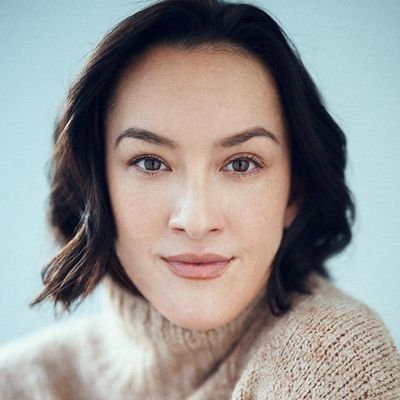
In this episode, Jennifer talks to Joanna Carpenter about joy, social media, and how we can honor the world we live in while not letting it define us. They talk about little things that add up to big things, advocating for others while understanding one’s boundaries, that access to you is a privilege, and trusting one’s innermost knowing. Both share tools around finding one’s joy and listening to one’s body.
CW: This episode discusses issues around mental health, suffering, the pandemic, death, social justice and activism.
About Joanna: Joanna Carpenter is a New York City-based Asian American actor, EDI educator, and hospitality consultant. She is proud to work and create alongside artists challenging the status quo day after day to make the world a little bit better.
Joanna's TikTok: @itsmejoannac
Joanna's IG: @thejoannac
Want to coach with Jennifer? Schedule a session here! https://appt.link/jenniferapple
Monologue Sourcing Promo Link! https://empoweredartistcollective.com/podcastpromo
Learn more: https://www.empoweredartistcollective.com/podcast
EAC IG: @EmpoweredArtistCollective
EAC TikTok: @EmpowerArtistCollective
EAC Facebook: https://www.facebook.com/empoweredartistcollective/
Check Out Our Merch! https://www.empoweredartistcollective.threadless.com/
Any thoughts you'd like to share? Email us at EmpoweredArtistCollective@gmail.com
Transcript
This transcript was automatically generated and might contain errors.
[0:02] Jennifer Apple: Hi there. Welcome back to this week's episode of the Empowered Artist Collective Podcast. I'm Jennifer Apple, she/her. And this week's guest is one of my favorite people, one of my dear friends, and someone who just shares in a way that is so palatable and thoughtful. And I cannot wait for you to listen to the wisdom that is from Joanna Carpenter. We talk about joy primarily, social media, how we can honor the world that we live in while not letting it define us. Uh, we talk about how little things can add up to big things, advocating for others, but also understanding one's own boundaries. That access to you is a privilege and trusting one's innermost knowing. We share tools around finding one's joy and how to listen to one's body. Content warning: this episode discusses issues around mental health, suffering, briefly about death, the pandemic, social justice, and activism. Without further ado, enjoy this week's episode.
[1:12] Joanna Carpenter: Hi.
[1:13] Jennifer Apple: Hello. I'm like obsessed with this. This for all those who can't see, uh, Joanna is in her voiceover studio, but it looks like she is in a bunker.
[1:24] Joanna Carpenter: Um, it does.
[1:26] Jennifer Apple: I built it to look like that.
[1:27] Joanna Carpenter: Which feels apropos.
[1:29] Jennifer Apple: I basically want it to feel like any time I'm working that I'm in the womb.
[1:32] Joanna Carpenter: Um, I was going for like I wish I could be in that, uh, in a womb more often.
[1:39] Jennifer Apple: So honestly, if you find me in your own voiceover studio, just you come over anytime.
[1:46] Joanna Carpenter: I'll just shut the door and leave you in there for as long as you need to do it.
[1:50] Jennifer Apple: Go in there and snuggle and just cry. I don't know.
[1:51] Joanna Carpenter: Uh, yeah, done.
[1:53] Jennifer Apple: Done. I'll bring snacks and wine.
[1:55] Joanna Carpenter: Great. I don't know in what order, but we can do both.
[1:58] Jennifer Apple: Hi, everyone. I didn't even introduce you to our incredible guest. As you can tell, this is gonna be a romp of a time. We're both in a mood. Um, the incredible Joanna Carpenter is here with us today. I don't, I'm not gonna introduce you. I'm gonna throw it over to you, my dear. Who are you today or ever, or what do you do, or what's your vibe? Tell us anything.
[2:18] Joanna Carpenter: I will say that today is how who I am is probably different than yesterday and different than tomorrow. Um, I'm just gonna let that be what it is. Uh, so my name's Joanna Carpenter. My pronouns are she, her, hers. I am an Asian American artist, uh, activist, um, EDI educator and consultant, uh, athlete based in New York City. I'm a cat mom. Uh, I kind of at the moment straddle the fence between uh the arts and hospitality. I've been in hospitality for coming up on 20 years now.
[2:52] Jennifer Apple: Wow.
[2:53] Joanna Carpenter: Okay. Um, and I've been um working in the arts for almost as long. So that's me today at this moment.
[3:02] Jennifer Apple: So, like if we were to sum you up in one word, I'd say badass.
[3:06] Joanna Carpenter: Thank you.
[3:07] Jennifer Apple: I was gonna say chaos.
[3:08] Joanna Carpenter: We'll go with badass.
[3:09] Jennifer Apple: I like, you know, it's perspective.
[3:12] Joanna Carpenter: Thank you.
[3:13] Jennifer Apple: One's like from a bird's eye view.
[3:13] Joanna Carpenter: Yeah, exactly.
[3:17] Jennifer Apple: And again, daily changing. Who knows?
[3:18] Joanna Carpenter: Exactly. Exactly. Um, yeah, y'all. Joanna, Joanna is somebody we were just talking about this before we even started this recording of I could talk to Joanna about anything. Um, we have talked about everything.
[3:29] Joanna Carpenter: True.
[3:33] Jennifer Apple: Um, through EAC platforms, but also just generally. So choosing some conversations to narrow in today um was difficult in that like I want to talk about all, but we don't have all the time. But, but I, you know, I can always bring you back.
[3:50] Joanna Carpenter: I mean, you say the word. You say you tend to ask and I jump.
[3:54] Jennifer Apple: So thank you. Um, yeah, I'd like to learn how to jump higher, but I think that falls into your athletic abilities. So anyway, emotional trampoline.
[4:04] Joanna Carpenter: Yeah, yeah, yeah.
[4:05] Jennifer Apple: So I think today we decided to talk about, I guess by association, joy. But maybe more narrowed down into this idea that through perhaps this pandemic that we're living through, but even beyond just as artists and humans, um, the way in which social media has perhaps warped the way in which we experience joy. Perhaps our distractions in life taking us away from what it means to be joyful, um, or what it actually what is joy. So I guess before we kind of jump in and let this conversation be whatever it is, I'd love to hear from you what is joy for you.
[4:50] Joanna Carpenter: Yeah, it's interesting. Um, and I'm glad that you were down to kind of dive into this topic because uh for me personally, um, I've had to do a very intentional kind of like a realigning of what joy means to me. And I've always been somebody who uh thought that she was the most uh the most lovable and the most receivable if she was the most consistent. So I've kind of built so many aspects of my life around being consistent and reliable for other people. And uh over the last couple of years, I have kind of taken, I've started this journey into like really, really intentionally identifying things that bring me joy in an unapologetic fashion. And I've realized that consistency doesn't necessarily bring me joy.
So, like what makes me really happy today might not make me really happy tomorrow. And I think with the world that we live in now and with the state of things, um, yeah, I think it's very easy to uh forget how to prioritize um being happy. Because it just I think uh yeah, yeah. The things that bring me joy right now run the gamut from um sleeping in a little later than I normally would all the way up to saying no to very large things. Um, it's almost like I feel like a little bit of an emotional newborn in terms of leaning into being unapologetic about the things that give me joy. I think that's harder for people than we give it credit for being. Um, because very often we feel like we're a cog in a machine. So there's there's no happiness here.
[6:38] Joanna Carpenter: There's no crying in baseball.
[6:41] Jennifer Apple: Yeah. Yeah, I know people talk about this all the time, but I mean, both of us are in New York, and it's just like people joke about like their favorite place to cry in New York.
[6:50] Joanna Carpenter: Oh yeah.
[6:50] Jennifer Apple: And I used to think that that was like, oh, like you come to New York and you'd cry. It's like, no, it's that we actually are like experiencing the full process of emotions when you live in a place like this, perhaps. That it's just like you need to know where you can release. And so people being like, oh yeah, Subway is my vibe, or like, yeah, I go to the specific bench on this specific spot and I stare at birds eating popcorn on the floor, and that's where I can sob. And it's like I feel you out in front of Chelsea, yeah, 100%.
[7:23] Joanna Carpenter: Yeah.
[7:23] Jennifer Apple: Yeah. When was the last time I went there? Huncle. It's been a minute. It's been a hot second. Um, yeah, I think I relate so deeply to all you were saying. And I feel like there's this fine line though, of like, and I don't know if you experienced this or if you have um pondered this for yourself of I too am a late sleeper, always have been. I'm definitely a night owl. And there's this idea of it's not guilt, I'm over that now because I enjoy my sleep.
[7:52] Joanna Carpenter: But nice there, thank you.
[7:54] Jennifer Apple: Well done.
[7:54] Joanna Carpenter: Thank you so much.
[7:55] Jennifer Apple: It's taken a while. Sometimes just moving past the guilt, you're just like wow, new world and it's in me.
[8:01] Joanna Carpenter: So the guilt is very there.
[8:03] Jennifer Apple: Um, but I, you know, this idea of like, well, when is it actually helping, or when is it actually because I'm sad? Like the depressive aspect of it, right? I feel like perhaps maybe this is the question with this idea of finding things that perhaps take you away from this consistency, right? We're on this rat race of let's move, move. We have to be productive, we have to show face if we don't do these things and blah blah blah blah blah, and then therefore I'm now void of joy, right? But what if it is this moment where you are giving yourself the space to fill your time with what you think is joy, but it's actually just the space to grieve or the space to process. Does that make sense?
[8:46] Joanna Carpenter: That makes total sense, and I have two thoughts on it. The first thought is the body keeps the score. So I think if something that brings you joy is uh sleeping, because that's what your depressed, anxious body tells you you need, then there is nothing that should take that away from you. Um when we're depressed, we're we're very sleepy, we're very tired. You know, I know somebody who for the last probably month has been sleeping until noon every day that he's not working. And, you know, there's been conversations about like, oh my God, am I worthless? Like blah, blah. And it's like, no, you're not. You're your body is telling you what it needs. Um, and you have to honor that. Like, you don't really have a choice. Like, you have this body, honor it. And then I think the other side of things too is that um again, giving ourselves room for, oh, my watch is going off in the background. Shut up. It'll stop in a second. I'm sorry.
[9:35] Jennifer Apple: It's fine. I have a person stomping in the hallway and I'm like clicking mute to be like, until they leave.
[9:41] Joanna Carpenter: New York City is chaos.
[9:42] Jennifer Apple: Everything is chaos.
[9:43] Joanna Carpenter: Everything is chaos.
[9:44] Jennifer Apple: Is it? Where am I? Who are you? Um, but the other aspect of it is too, is that we are now kind of what feels like floating in space a little bit in terms of um this newfound ability and opportunity to identify other things that give us joy, even if it's for a moment, um, that we may not have uh allowed ourselves to experience before. You know, you and I are artists, right? So pre-pandemic, our lives were you are catapulted out of bed early in the morning and you do not stop until late at night. And you know, the old myth of our productivity or our value is tied to our productivity, um, was very much tied into that. We identified ourselves with how many auditions we went we successfully went to, how many callbacks we got, how many submissions we were sending, how many touch points with our management team, um, you know, like how we were balancing uh the side hustle, the the multiple side hustles on top of, you know, like eating or like drinking a smoothie once a day and working out and staying fit.
And, you know, all of that has shattered. It's all been shattered, it's all been taken away. It's now in this sense of kind of cocooning and being rebirthed into something new. And with that, our sense of identity and our sense of intention about how we move through space, and that includes joy, um, is getting rewritten, which I think is really, really important. Um, because we, especially those of us who are artists, because we are naturally empathic, um, therefore we tend to be a sponge for the emotions of the world at large and our community as a microcosm. Um, we tend to put joy on the back burner because we are so busy doing that we're not, we've never been allowed to feel. And yet, artists and creators and creatives feel more deeply than anyone in the world.
So I'm seeing a lot of people in our community and across the country really, um, going, uh, I think a farmhouse in Vermont makes me happy. So I think I'm gonna do that, and maybe that'll change. I don't know. I'm gonna offer myself malleability and flexibility to change. Because now I think a lot of people are going, oh, well, somebody else has been telling me my entire life and my entire career that uh this thing that I do is right, and therefore that can make me happy. Me being right for somebody else is what's gonna make me happy. And now a lot of us are standing back and go, and I'm, you know, I've you know me, I'm profane. Uh fuck that. Like, like what why? So the it's funny because I think a lot of people are like, okay, we're entering junior year of COVID. Are we done yet? Are we? Which by the way, is my favorite phrase. I shouldn't be so delighted by that phrase, but it is.
[12:30] Jennifer Apple: But it's so relatable.
[12:31] Joanna Carpenter: I know.
[12:31] Jennifer Apple: Oh, yeah.
[12:32] Joanna Carpenter: This is junior year, which is terrifying.
[12:34] Joanna Carpenter: But it's terrifying.
[12:36] Joanna Carpenter: And also, you know, I think there's a sense from the larger community that like we should be hitting certain checkpoints of interpersonal growth right now.
[12:46] Joanna Carpenter: And some people haven't hit that, and they're going, Well, what's the next productivity guidepost? And it's like, I don't know, maybe you need to fucking sit down and like do a deep self-analysis. And just because there's a time stamp on how much time we've spent in this mindset does not mean that your emotional, spiritual, personal, physical growth is gonna happen directly in line with the timestamp of the world. Does that make sense?
[13:09] Jennifer Apple: No, it makes complete sense to me. I think the other thing too is right, we're just we're redefining what it means to be an artist and also what it means to be a human, right? These guideposts that we have had that we've looked towards as ways of making sense of the world that we're living in, aren't what we can go to anymore. So there not that they're the rule look, the rule book that has been is beyond flawed and broken and needs to be like torn up and burned, but there was a guide book for people to at least reference to see like what of this do I want to learn more about? Or what of this what chapter do I want to investigate more, or which chapter do I resonate with? And yeah, like so. There was at least something that we were all kind of funneling towards, but I think now that's kind of been thrown to the wayside, and so there's a lot of scrambling to figure out well, what is quote unquote right? You know, and this idea that really there is no one right way, right? I say this all the time, but there's one, there's only the right for you, yeah.
[14:10] Joanna Carpenter: But it feels really isolating to be on this path to like finding that right thing for you when you're like, but I'm alone, literally in isolation because of COVID, but also because of the state of the world being what it is. It's it's very isolating to choose yourself.
[14:28] Jennifer Apple: Yeah. That is something that I have learned over the last couple of years because I have made an unshakable commitment to myself that changes and evolves and grows each and every day. Um, and the universe is kind and generous enough to plant things in my path to serve as reminders, um, both pleasant and unpleasant to choose myself. And the other thing, the other thing that is like like a barnacle in my brain these days, um, especially as it pertains to social media, which you and I talk about a lot, um, and the impact of social media and what we're seeing and what we are consuming, is the commitment to suffering that a lot of artists have made. There, there are some artists that I'm watching that are kind of like in my immediate circle that I'm actually deeply concerned about because the double-edged sword of social media is that you have a global reach.
Right. And then on the other side of that, you have global consumption. And so I'm seeing people who committed to doing the right thing when COVID hit, and that has now morphed into this commitment to stew in, swirl in, spin the wheels in, and regurgitate things that are deeply painful and deeply toxic.
[15:40] Joanna Carpenter: And we tend to forget that we, when we share certain things on social media, unless your following is expanding at a rapid clip, you are yelling into an echo chamber. And that is not to say that the things that you have to say are not important and beautifully valuable. Um, but I'm I'm finding that I'm seeing people so committed to the suffering that they are now hurting themselves because it feels like the only option that we have. There is so much pain, there is so much loss, there's so much devastation, and it's COVID and it's everything political. I mean, like what's happening for the Jewish community, what has happened happening for the past however many years, and now people are just paying attention because somehow paying attention to anti-Semitism is like just a fresh thing now.
Um, you know, what's been happening to the Jewish community, what's been happening to my Asian community, um, you know, on top of everything else, there is a sense of relentlessness and enormity to the pain that I think a lot of people are just kind of defaulting to sitting in and again, regurgitating because it it's so overwhelming. Like, what can you do? And at the same time, you have to say something. You have to do what you feel like you can do to hopefully change some small speck of a corner of the universe.
[17:01] Jennifer Apple: And I think what that is leading to is people so caught up in the suffering that they do not know how to choose to pinpoint joy for themselves. And here's the thing we community is very important. Um, community is the thing that helps us survive. Like humans are tribal by nature, right? Like it's it's just it's science. And at the same time, nobody can identify your joy for you. Right. And so to a certain extent, I can reach out to somebody that I'm concerned about and say, Hey, I'm concerned about you. I'm, you know, how are you taking care of yourself? Is there anything that you need? That's as far as I can go for that person. That person has to go, I think I need to step away from Instagram for a day and like go read a book, and that's gonna that's gonna refill my cup, you know.
[17:53] Joanna Carpenter: And my question, kind of at large, is like, how do we honor the world that we live in now while also refusing to let it define our day to day because I I've been kind of screaming about this recently, it is, you know, I'm somebody who's been surrounded by death like all my life, but in particular in the last year or so, I just keep losing people left and right, and it's unexpected, and they're too young and they're too smart and they're too talented. And I got hit with the realization last year that my job is to live the best life that I possibly can. Because me wallowing in despair and sitting in pain does not help my friend who died, it doesn't bring them back, it doesn't change the fact that they're dead. Us sitting in despair and choosing to sit in suffering in a lot of ways, in ways that are in our control as opposed to ways that are not out of our control, um, that doesn't help. It doesn't make the world a better place.
[18:58] Jennifer Apple: So the question is like, how can we as individuals and as parts of humanity and society and community as artists? How can we choose to live our best life so that we honor the losses that we have experienced? And I think people are treating them as very siloed, very disparate things, and they're not. It is our job to live the best ways that we can, as long as our happiness and our joy is not coming at the expense of someone else, um, we have to. And it's a very unpopular opinion right now. It is very, it's a very, very unpopular opinion to say, I am choosing joy today because there is so much to suffer for and by and about and with. There's so much. And I do think that we can do both. I think we can honor all the shit while still going, and you know what?
I'm gonna take a lot of joy in like writing this poem or making this coffee or spending time with this person. I'm gonna do that because we have one life, you know. I mean, regardless of your belief system, this moment right now, you can't ever get that back, right? So, how are we how are we caring for that?
[20:09] Joanna Carpenter: I have so many thoughts, but I guess I just want to dovetail right off of what you just asked, which is the bal or stated about the balance of both for you specifically. Do you curate these moments of joy? Like, are you purposeful about like this is my day? I see my structure, I know that the these things are maybe things I have to do and therefore don't fill my cup, and therefore I must insert these moments of joy, or is it more just like generally funneling your mindset into the state of joy as you move through your day?
[20:40] Jennifer Apple: Um, it's closer to the former, um, but not as formulaic. I I am fairly green in my journey of allowing myself to feel joy. And what I mean by that is I have lived, especially the last, you know, 12 or 13 years that I've lived in New York, I have lived at the behest of other people and at other people's ability to write my paycheck. And so I am I am an absolute expert at putting aside my own feelings in order to accomplish. Yeah. And the clarity around simply identifying an aspect of work or an aspect of my life or something that I like feel like I should put on my calendar. The rebellious act of simply going, but that doesn't make me happy. Do I have to do that? Goes back to a deeply rooted learning that I had from my childhood, which was it was stomped out of me pretty young that uh like my own preferences were were kind of like invalidated from a very young age.
[21:41] Joanna Carpenter: And so I I kind of feel very childlike in the sense that I move through my day and I'll get like distracted by something, um, whether it's like playing with the cats or like you know, looking at a stupid TikTok or something like that, that will just make me really happy for that moment. And it becomes a conversation with the voice in my head that goes, No, but you should be doing X. Right. And then I go, but I don't want to. And also I can get X done in 20 minutes when I'm done playing with the cat, you know. So it it almost feels very um uh juvenile. It like I feel like a little kid in a lot of ways because I'm listening, I'm deeply in tune with my body and I'm listening to how my body responds to certain things.
Um, and there have been more extreme situations recently where like things have been strenuous at one of my jobs, and I'll just be like, I'm gonna leave this meeting now and I'm gonna go to the gym because that's what's gonna make me happy because that's what I need to show up fully for any sort of conversation.
[22:36] Jennifer Apple: Um, so it's very different day by day. It's definitely not formulaic, but through the exploration of that and how I have a physiological response to certain stimuli, um, I've been able to bookmark certain things, reading certain types of books, um, writing uh or like journaling at like a certain time of day, making sure certain routines are preserved. So like I'll wake up and I'll throw on a quick three minute guided meditation and just listen to that instead of diving right into Instagram or my emails, like the shit can weigh. Um, you know, like these little things because the other thing too, and we've talked about this a bunch, I feel like, where there's this kind of idea that in order to have this like broad-reaching joy, it has to be a seismic investment.
You know, it has to be huge uh travel, it has to be, you know, like buying an apartment, you know, like whatever. When in actuality, um it's kind of like James Clear's atomic habits, where it's like it's all the little things that add up to the big thing. It's all the little things like I don't need to be on an island right now. I mean, it'd be nice, but like I don't need to be on an island right now, but I do need my like morning coffee routine in place because that brings me joy. And it's all those little pinpricks of commitment to self that lead up to this overall sense of kind of like satisfaction, which we deserve that.
[23:57] Joanna Carpenter: Yeah, you don't have to earn that. Like you don't have to prove that you're worthy of those things that make you happy. And I just, you know, it's a newfound commitment for me to like commit to self in that way. And it feels so obvious.
[24:12] Jennifer Apple: No, but it's not.
[24:14] Joanna Carpenter: We don't do it.
[24:15] Jennifer Apple: No, it's all it's just also not taught to us, especially as women. We're not we're certainly not told that we can embrace that part of ourselves, right?
[24:22] Joanna Carpenter: Oh girl. I mean, that's a whole other conversation that we've got to do.
[24:25] Jennifer Apple: Well, if we're not in service of other people, exactly. What are we doing?
[24:30] Joanna Carpenter: Mm-hmm. I mean, I guess I just want to offer kind of piggybacking off of this, and then I want to double back to what you said earlier. But um, there's this really wonderful exercise. I forget when I first did it, you know, I'm a huge list person, um, just because I'm very visual. So if I don't see something in front of my face, I can spin in my head forever. And I think I have it all, which I do. I hold way too many things up there. But if it's not out, right, there's literally science. Thank you so much.
[25:01] Jennifer Apple: I like to think so too.
[25:01] Joanna Carpenter: Yeah, um, but there's science about getting the stuff out of your head and onto a piece of paper, into something artistic or getting it out of you. It's expression. That's literally what we are in the field doing, right? But there is an activity of, um, you put your, and this also sounds like, oh, it's so easy.
[25:17] Joanna Carpenter: Why haven't we done this? But you put your timer on for 10 minutes, five minutes, two minutes, if that feels like what you can handle, and you stream of consciousness, write down all of the things that fill you with joy. Um, and we're talking like minuscule things like a wiped clean countertop, yeah, a you know, opening a new uh like opening your dishwasher if you're so lucky to have one, and like seeing the steam pop out, a newly paved road, like really like small little moments of joy. And if you really let yourself like look around you, just in the room that you're in, and then begin to expand one circle beyond that over and over, like outside my apartment, outside my street, outside my neighborhood, outside the keep going and going and going, you recognize like not only is it gratitude for all the things in the world that you can appreciate, but there's this idea of these specific little details that do fill you with joy that when you start to move yourself out of your different circles into these other spheres in your life, you are actually able to physically pinpoint.
Oh, oh right, that tree that's on this street that I love seeing its leaves fall. I'm walking by it today. Joy. Yeah. Oh, the one fence that like looks like it's painted from 1822, and for some reason every other part of the fencing has been painted, and why not this one? You know, like these little details allow you to fill yourself up with tangible joy on a little day-to-day. Yes. And I I want to invite anyone who's listening into trying that. Um, if this is something that does resonate with you, just because you know, we we tend my I'll speak for myself, I tend to take for granted the things that I have in my life that could fill me with joy. And I'm not being purposeful around the ways in which the artwork that I put on my gallery wall that I was so excited about, like that fills me with joy.
I which is beautiful, by the way. Think of it. So much I have so much artwork, and now I didn't realize that I had more walls than the art that I had, which I thought was impossible, but I somehow need to accrue more art. So if anybody has like great artists, feel or are or is an artist, a visual artist specifically, and wants to like send me their art and or like have me purchase their art, let me know.
[27:34] Jennifer Apple: I have a guy, I have a guy I'll send you.
[27:36] Joanna Carpenter: My friends, we love we love a guy. My friend Kazi, he is probably one of the most brilliant painters I've ever encountered. Amazing life. Oh, so good. Yeah, I'll say I mean, it's like so much of my wall is friends, it's my art, it's yeah, art that I've accrued and accumulated from my travels. It's the it's just anyway. But that's a fun little exercise I just want to offer, kind of spinning off of what you were saying.
[27:58] Jennifer Apple: Yeah, but going back to the social media situation, which God, it's like I do I it's like part of me is like, do I even want to because like my shoulders just like I know that I saw that like my shoulders automatically just like tensed. But I do think we should talk about social media though.
[28:15] Joanna Carpenter: Exactly. Deeply important, yes.
[28:16] Jennifer Apple: Yeah, it's a necessary, it's a necessary conversation, and also unfortunately it's a necessary evil that is dictating so much of our lives right now, whether we like it or not. Um where it's this beautiful connector of what you're saying with community and your your reach. Um, it's how we've built EAC. It's through social media, like these incredible artists who've come through and are now a part of this community. Frankly, is because of social media, in addition to obviously people I've worked with and and such, but like, you know, there's some gorgeous beauty, which is I think it's a that's that's what the original intent was for social media, and then obviously it became a tool for commerce and money and consumerism.
[29:00] Joanna Carpenter: Anyway, because our not have money. Are we living in a capitalist society or definitely and it's juicy? We love okay. We love y'all. Joanne and I spent months. This is actually I think when we like solidified friendship, despite how that we were literally across the country from one another, we spent months in the pandemic 2020 summer calling senators for pandemic relief. And I feel like so I just didn't listen. Unreal. I just feel like seeing and looking at you and talking about capitalism just brings me back to very not very different, but a relatively different time. Wild. It feels like it was a decade ago.
[29:36] Jennifer Apple: It actually does, it was a year and a half ago.
[29:40] Joanna Carpenter: I know, which is amazing. But going back to social media, this incredibly complex universe. So, this idea of social media as this tool and yet this double-edged sword that you kind of feel like you're preaching and yelling into an abyss or a bubble based off of algorithms and um the way in which Instagram has decided for people who and what they should see. What do you feel in this moment? Because I recognize this changes, but what do you feel in this moment then is our responsibility for the causes that we do feel deeply passionate about, recognizing that that is in essence some version of quote unquote suffering or perpetuating suffering, but at the same time, if their core values or poor belief systems or things that really mean too much to you to not say something, where is that, where is that balance?
[30:43] Joanna Carpenter: Oh, I love this question so much. Okay, so I'm not I'm gonna preface this by saying I'm not going to tell anyone what to do, but I will share um kind of the evolution of my process for uh dealing with social media, which has actually had a big burst of clarity um just over the last couple of weeks, actually. So I used to focus Facebook, I Facebook is a cesspool of stupidity and chaos. I am not really on Facebook anymore. Like I I actually despise Facebook. And I was a late joiner to Facebook. I didn't get on until like 2009, 2010, because I was thinking this is stupid. Um, and now I'm back to that. I feel like it's stupid. Um, Instagram has been personally my main platform for communicating my messages.
Like you know this about me. Some of the EAC community knows this about me. Um, I'm I'm a huge uh fighter for um equal rights, social issues, female identifying issues, abortion, you know, all of this stuff. Um and that has been how I've communicated that. And my platform has grown very organically because of that, because of my version, my particular brand of activism. I've realized recently that part of, not even part, the majority of the self-care work that I need to do in order to take care of myself so that I can show up fully for the important conversations for the suffering, if you will, is to protect my energy.
[32:07] Joanna Carpenter: So I very often, you know, from a visual perspective, I feel like my personal energy is this kind of like golden web of light that is around me. And the more I bear my innermost soul in public places, especially social media, the more I am pushing out that web of energy and dimming it because it's getting stretched too thin. And so I had to spend a lot of time towards the end of last year really trying to figure out the balance that you're talking about. And for me, personally, I've realized that with uh my entrance into TikTok, um, which I've been so skeptical and cynical about TikTok from the jump, I'm like, this is stupid. And I'm now obsessed. You win, TikTok. You win. Because the reason being is because I love using social media for two reasons.
The first reason is that I can entertain people. There is nothing in this world that brings me more joy than having made someone laugh. I don't care if it's one person, I don't care if it's a thousand people. Did I make you laugh? There is no feeling that is more fulfilling for me. There's really not. And then also something that I'm deeply passionate about is shining a light on the things that are broken, the things that are wrong, the underdog, the people who are unheard, unseen, unappreciated, abused, left behind, you name it. So you've got a really interesting dichotomy here. So what I realized is that when it comes to Instagram, I need to pull back my energy in terms of how much I am bearing the deepest parts of my soul, because that is a level of vulnerability that the world doesn't necessarily deserve.
I can consistently continue to make a case for fighting for the people who deserve to be seen, deserve to be heard. I can continue doing that. None of that is going to change. And also I can protect and preserve my own emotional capital. And we talk a lot about emotional capital. I can preserve that and keep that intact so that I am psychically, spiritually safe and whole at the same time.
[34:16] Joanna Carpenter: And it's just, it's a, it's a simple redirect of how I speak about things and how personal I make it. You know, there are 75 hills that I will die on, and all of them are social justice issues. And so then how do I scratch the creative itch that Instagram started as? You know, remember when Instagram started and we were all sharing really like grainy photos of food and our shoes and like filters. I those filters. Like the sepia with the black border. Oh, the black border blur. Never forget. Unreal. That used to be something that was joyful, that was that was community driven, that was silly, that was playful. That is now TikTok. TikTok is like, I love TikTok because you are entirely at the mercy of chance.
There is no control over the algorithm to chase, unlike Instagram, which is why I think so many of us get into a tizzy because you're just like, ah, I gotta, you know, I gotta like bet kowtow to the it to the algorithm on Instagram. TikTok, I can literally I have made so many stupid videos that make me cackle out loud, and I just vomit them into TikTok and I don't have to care how people respond to them because I think they're funny, and a few other people think they're funny, and it scratches that creative itch and that kind of like self-indulgent, let me entertain you. I'm an actor vibe. And there's cross-pollination between the two platforms, and it is all done entirely within my personal boundaries of how much emotional output I can afford to give other people.
Because the underlying thing here is that I am a creator, I am a creative, I am a storyteller, and I need to have an outlet to do that. And also I'm somebody who, like everybody else, has lived through two and a half years of a global pandemic that has devastated me emotionally. Um, blessedly, not physically, even though I had COVID for Christmas, happy holidays. Um, you know, it's it's been devastating. And so my that's something that's bringing me joy very intentionally. And I am very proud of the fact that I feel like I have I've found the balance. I've found the balance on social media that I want. Now, all of that is to say that's gonna be completely different for everybody else. And I would, I would always encourage people to speak about the issues, speak about the issues that are the most important to you, advocate for others, continue to listen, continue to learn.
Because as we know, that this this work is infinite. The advocacy work is infinite. There's always someone to fight for and with and against um someone, something. Um, and also going back to the premise of this entire conversation, while you are doing that, while you are using your voice for good and for change, understand the limits of your own emotional capacity and do not push beyond that because you can't pour from an empty cup, and you are not going to be able to be of service if you're just like squeezing blood from a stone effectively. You can't do that. So that's kind of how I've found my personal relationship with social media. And it's actually the most comfortable and the most happy that I've felt about social media in general, basically since I got on Instagram in like 2013.
[37:31] Joanna Carpenter: So yeah, that's yeah. I it's been a very, I feel uh I have yeah, so many feelings happening in this current moment about all of it. I I am having a moment because as an as an actor, creator, performer myself, I have this really weird relationship, frankly, with social media of within with my face.
[38:05] Joanna Carpenter: And I've actually, but it's been something that with the AC, I'm being super vulnerable, but here we are. Like it we I've never ever been face-driven with this community because it is it's a community, it's not my community, it's a community, and I just happen to be like spearheading the way in which we can facilitate it, right? But putting my face on that has always been really, really difficult for me. And I struggle with that also in my own space where I have all these creative ideas and all these wacky, silly whatevers, and I could, in theory, be showing up for myself in a way that frankly makes me more visible and allows me to be showing my face and myself in probably more active video form on TikTok, on Instagram, what have you.
But there's this weird thing that I have about, and that's my own thing that I need to work on and continue working on in therapy about just taking up space. But there's this really interesting um, you know, idea around what it means to um show up in these ways where you have to be all of you all the time. And then in that in itself is its own form of draining. Forget even all the other stuff that we're dealing with in the world and in society and all the suffering and blah, blah, blah. Like it's still this way of like the cost that you having to show up as your honest authentic self, which is the only way I ever want to show up. It's the only way I ever do try to show up. Um, that does come at a cost, right?
So I guess the other thing is that I want to ask about this for you is do you do you just stop when you're like, I'm done with say TikTok videos? Or is it more like you're like, no, I actually now that I've discovered this well, it's like endless. Um, that actually changes from day to day because you know I'm not gonna make any sort of prescriptions on what you feel like are your personal, you know, connections and and issues with with your own visibility. But I think for me, it's it starts with listening to your body, right? Again, the body keeps a score. When I get a certain uh feeling in my core, like right between my upper stomach and my diaphragm, it feels like a small ache. And the second that kicks in, I'm like, oh, gotta go.
And like whether that's from an in-person situation or a social media situation. So I just listen to that. Um, I also think that this is gonna sound egotistical, and I don't mean it to, but I think it's something that everybody needs to take stock of and and find a way to remind themselves of, which is access to you is a privilege. Access to certain parts of you, especially is a privilege. And that's not to say that there is uh there's a hierarchy of like, oh, because I'm saying this, like I'm better. That's not what I mean at all. What I mean is that the the parts of us that are so uh core to who we are, um, like our little soul mirrors, right? Like the glitter that comes out of us when we share our vulnerable parts.
Um, those things are precious gifts. And the nature of social media means that not everybody is going to appreciate that. Some people will, which is why I recommend being hyper specific about what you share with people. And sometimes every like everybody's journey with it is different. Everybody's journey with their visibility, especially as artists, because we as much as we want to avoid saying this, we still live and work in an industry that is deeply flawed and deeply broken and entirely aesthetically driven.
[41:47] Jennifer Apple: Yeah. You know what I mean? That's why we still have fat phobia on Broadway and in Hollywood. That's why we still have, you know, I mean, just like colorism just like running rampant and everybody going, well, you're not ethnic enough and you're too ethnic, you know, like all this fucking bullshit. And at the end of the day, um, because we have to kind of like those are the edges on our sandbox right now. I do think it behooves us as artists to be hyper-specific about the glitter that we give to other people, um, especially via social media. And so you are different from me. So if your instincts are going, this doesn't feel right to share, or it doesn't feel right to share in this way, then that's something about you that you reserve for the people who are in your innermost sanctum who deserve that access.
And it doesn't mean you can't advocate for things. It doesn't mean you can't put yourself out there. It doesn't mean that you can't say or be certain ways, but you can find ways to do that that preserve what you feel is your integrity in that moment and also take care of yourself. Does that make sense?
[42:49] Joanna Carpenter: Completely, completely. I mean, a lot of it is also just, you know, me recognizing that none of it fucking matters. You know, like I think that's just really like honestly, it's the it's the fuck it mentality that I have with so much of my life that for some fucking reason, you know, every fucking word right now is gonna be fuck, but like for some fucking reason, oh yeah, please, you know, for some fucking reason when it comes to these arenas, I'm still, you know, my navigating the ways in which the balance works, that it seems like you've you've navigated it quite decently at this point in time that I'm going to continue investigating for myself. But it's, you know, it's a really um, I think you nailed it in that it's a very individualized journey and the intuition that you have or that one has within one's own body to to be like, this is a yes, this is a no, and then acting on that and trusting that your instinct is telling you something, um, that perhaps listening to it is a wonderful choice.
[43:53] Jennifer Apple: Um is that is uh you're great to say. No, no, I was just going back to what you were saying about how there's uh a cost, right? Like there's a cost to putting yourself out there, and what you were just saying reminded me uh to say this, which is there's always gonna be a cost. Even if it's positive reinforcement, even if it is, even if it's like a silly TikTok video that you're putting out where you're like trying on an accent, you know what I mean? Um, there's always gonna be a cost because we're living, breathing human beings, and the things that we do in moving through space takes energy.
[44:23] Joanna Carpenter: Yeah, I think it becomes a question of how much you want to spend on certain things, right? How much literally do you have in your pockets to spend at the time?
[44:32] Jennifer Apple: Yeah. You know, how how wealthy are you in that moment?
[44:36] Joanna Carpenter: Yeah.
[44:36] Jennifer Apple: Yes.
[44:39] Joanna Carpenter: Yes, exactly. And it's when we stop listening to the shoulds from the outside, even if the outside shoulds are coming from people with the best of intentions, whether it's our agent, our parents, you know, like whatever. Um, when we stop listening to the external shoulds and start really, really trusting ourselves in our innermost knowing and and leading with that, then that's when we make the decisions that are the best for us. And for some people, that's gonna be really uncomfortable and scary because their innermost knowing is gonna tell them to shut the fuck up for six months.
[45:10] Jennifer Apple: Correct.
[45:11] Joanna Carpenter: And that's okay. You know, it's it's weird and it's squishy.
[45:17] Jennifer Apple: Yeah. I adore you so much. Before we wrap up our time, despite the fact that I actually can continue this conversation and I know you could too for hours, um, forever, forever.
[45:32] Joanna Carpenter: Okay.
[45:34] Jennifer Apple: We're devolving. This is the first time we both retired.
[45:37] Joanna Carpenter: Yeah, we do send out before it's full spiral.
[45:41] Jennifer Apple: Um is there anything that you feel is perhaps an exercise or a tool or a resource that when it comes to whether it is this idea of discovering joy or whether it's one's balance with the way in which one shows up on these social spheres or the way in which one engages with all of the universal personal suffering that perhaps then they feel a responsibility to all of these things that we've discussed today. Are there any lingering tangible something that you may have on your mind?
[46:18] Joanna Carpenter: Umgible, not so much physical, yes. Um, because I think so much of this joy is intrinsic. Um can make us happy, but joy is intrinsic. And what I would encourage everybody to do is give yourself permission to come back to yourself and listen. We listen to ourselves last so often. We listen to our bodies last. Even those of us who are very, you know, like dancers, actors, you know, like we like these elite athletes that artists are, no matter what you do in the arts. Um, the you must choose to come back to yourself and stop letting the outside world dictate how you are allowed to feel and what you should do at any given moment. And that sounds kind of like weird and kitschy, but I just I really really believe that.
And I really, really believe that I was only able to clearly identify things that made me joy so that I could continue to be a good person and show up for the things and people who needed me. Once I stopped ignoring myself, and once I started really listening and checking in with my physiological reactions to certain things, um, the pain is not gonna go away. The violence is not gonna go away. The loss, the sense of loss, the all the things that we miss, all the things that can never come back again. That's not gonna change. So, what can we do in order to show up for ourselves so that we can show up for others? Um, is to come back to ourself. So that means like taking two minutes, like you were saying earlier, set a timer, you know, and check in with yourself.
How is your breathing? Where are you holding tension? Does your stomach hurt? Very often this like core line of energy that runs up the center of our body. Um, and you know this, that tells us so much if we just care to listen. And that knowing, that commitment to knowing yourself will expand out into how you find joy, how you deal with family, how you deal with social media, how you deal with the chaos of the arts industry right now, how you, you know, seek out things to further your life. Um so at the risk of you know oversimplifying it, like come back to you and listen to you and like tune out the noise. There's always gonna be noise. It doesn't mean you have to listen to it.
[48:39] Jennifer Apple: And on that note, I'm endlessly grateful for you.
[48:44] Joanna Carpenter: I adore you to pieces.
[48:45] Jennifer Apple: I adore you. You will find me in your bunker.
[48:49] Joanna Carpenter: Come over. I have snacks.
[48:51] Jennifer Apple: I can always I'm gonna bring snacks and I'd bring Walter, my little cats are. I don't know, does do your cats, does Zelda hang out with dogs?
[48:59] Joanna Carpenter: Zelda will, Lola will probably hide.
[49:01] Jennifer Apple: Okay. Well, I think Walter will try. I don't think he fully understands cat dynamic yet, but maybe this is like a playdate waiting to happen.
[49:07] Joanna Carpenter: I mean, Zelda's like a small person.
[49:08] Jennifer Apple: So I mean, so is Walter. So I think this is that's made in heaven.
[49:12] Joanna Carpenter: It's gonna be so good.
[49:14] Jennifer Apple: Um Thank you.
[49:16] Joanna Carpenter: Thank you.
[49:17] Jennifer Apple: I love and appreciate you.
[49:19] Joanna Carpenter: I love and appreciate you too.
[49:23] Jennifer Apple: Let this episode be a reminder to you that there is no one right way, only what's right for you. That there is a huge commitment to choosing oneself that really pays off, and that trusting your innermost knowing will really allow you to fully become all that you were meant to be. As always, if you like this episode, please rate us, like us, follow us, leave a review, turn on your bell notifications to find out when the next episode comes out, which is weekly. And as always, invite your friends so you can listen and discuss these episodes together, because that's just so much more fun. If you hated it, don't even bother with any of it. Just let it side. If it's not for you, not for you. And in case you haven't done so already, you can find us on Instagram at Empowered Artist Collective, on TikTok at Empowered Artist Collective, and on our website at Empowered Artist Collective.com. With that said, welcome to the Empowered Artist Collective Podcast. I'm Jennifer Apple, and I cannot wait to have you back next week. Until then.
© Broadway Podcast Network, All Rights Reserved