

Welcome to a beautifully grounding episode of Entre Acts with host Linedy Genao! This week, Linedy sits down with a true visionary and industry change-maker, the brilliant Victor Vazquez—founder of X Casting... Read More
From the show: Entre Acts with Linedy Genao
Featured Shows
About
Welcome to a beautifully grounding episode of Entre Acts with host Linedy Genao! This week, Linedy sits down with a true visionary and industry change-maker, the brilliant Victor Vazquez—founder of X Casting. The two kick off their conversation with a lively round of dominoes, diving into Victor's deep appreciation for tacos al pastor, his daily commitment to building up a spice palate, and a hilarious look at his absolute refusal to eat mid, Midtown business-meeting salsa that tastes suspiciously like ketchup. Linedy also takes a moment to share the incredibly moving story of how Victor profoundly changed the trajectory of her career nearly a decade ago, looking past a missed role to connect her with her life-long manager and make her feel safe, seen, and valued in the audition room.
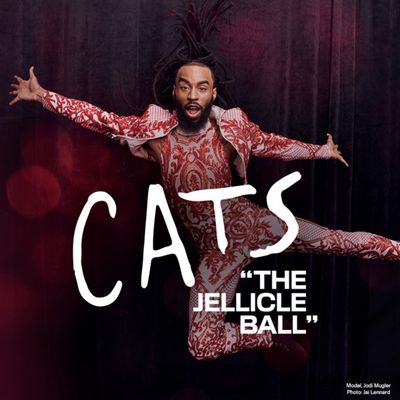
Moving into the deep, reflective layers of the sándwichito format, Victor flips the script on what it means to be an industry gatekeeper. He redefines the transitional "in-between" periods as highly curatorial, intentional chapters of an artist's path that require immense self-care and nourishment. Victor shares his profound personal North Star—a vivid imagery from a college business class of designing his own kitchen to host his community rather than chasing traditional accolades like Tonys or Oscars. He opens up about the massive responsibility of world-building through casting, detailing the historic year-long open portal methodology used to prioritize the ballroom community for Broadway's Cats: The Jellicle Ball. He also shares a jaw-dropping, framed piece of history: a personal recommendation letter sent to his desk on official Supreme Court letterhead by none other than Justice Ruth Bader Ginsburg, who deeply understood how difficult an actor’s profession truly is. To close the act, Victor treats listeners to a whisper-quiet ASMR casting secret, breaks down why a bánh mì is the absolute perfect umami sandwich, and shares a wild audition room story that involved calling security over a rogue machete.
Victor Vazquez (he/him/él) is a creative architect, world-builder, and the pioneering founder of X Casting. As a prominent Latinx casting director and the proud son of Mexican immigrants, Victor is dedicated to dismantling binary pass-fail structures in theater and amplifying the voices of global majority and queer stories. His revolutionary casting methodologies are behind monumental theatrical milestones, including the history-making hit Cats: The Jellicle Ball and the critically acclaimed musical adaptation of Real Women Have Curves. Formerly the Lead In-House Casting Director at the prestigious Arena Stage in Washington, D.C., Victor holds a degree in directing and writing and continues to serve as an indispensable bridge-builder, cultural curator, and community leader across both coasts.
Connect with Linedy and Victor:
- IG: @linedygenao
- IG & TT: @entreacts
- IG: @victorvictorv
Transcript
This transcript was automatically generated and might contain errors.
[0:00] Linedy Genao: Hello, hello, mi gente. Welcome to Entre Acts, your favorite podcast, Ya Tu Sabe. I'm Linedy Genao, and this is the show where we talk about the in-between as artists and what that space means to us. Because there comes a lot of shame and guilt and embarrassment during this space, but this space is where the growth happens, and a lot of the time, where the most beautiful things happen that inform your artistry and your humanity. And I'm so excited to introduce this week's guest. Our guest today is a creative architect who is quite literally changing the face of Broadway, film, and TV as a casting director. Founder of X-Casting, he brings a deep-rooted sense of purpose and identity to his work, dedicated to seeing the people traditional systems often overlook.
A proud son of Mexican immigrants, his visionary work is behind the history-making smash Cats the Jellicle Ball and the heartfelt Broadway debut of Real Women Have Curves. In an industry where artists often feel stuck in the intermission, he's far more than a gatekeeper. He's a bridge builder for global majority and queer stories. He sits at the intersection of the yes and the no, and today, he's here to talk about what it takes to navigate the messy middle of this industry. Mi gente, please welcome the incredible Victor Vazquez!
[1:27] Victor Vazquez: Thank you so much for having me.
[1:31] Linedy Genao: Thank you so much for being here. I have to tell the story, if I may, of how we met.
[1:36] Victor Vazquez: Yeah, go for it.
[1:36] Linedy Genao: So this is circa 2015, 16, maybe?
[1:40] Victor Vazquez: 17.
[1:41] Linedy Genao: 17, okay, 17. Yeah, I was on On Your Feet. Almost 10 years ago.
[1:44] Victor Vazquez: Almost, ay, Dios mío. Time, what is time?
[1:49] Linedy Genao: Almost 10 years ago, I auditioned for Arena Stage. I think it was the Pajama Games.
[1:54] Victor Vazquez: That's right.
[1:54] Linedy Genao: For the lead, Babe.
[1:58] Victor Vazquez: For the lead, Babe.
[1:58] Linedy Genao: And I was like, what is this musical? I've never heard of this before. And I started deep diving. I went to the audition and immediately just felt a sense of connection with you. Like you, you know, when you walk into a room, especially when you walk into a room of your people, like to see that you were representing, you know, Latinos in there. And I didn't get the part, but how many times can you say that a casting director emailed you after an audition, right? After you didn't get it. So I get an email from Victor, basically saying like, you know, yes, it didn't go your way, but you were wonderful. Like, thank you so much for all that you brought. And also connecting me to someone named Carlos Hernández, who would later become actually literally that same year 2017 would become my one and only manager to this day.
Shout out Carlos Hernández. He managed my producer of Entre Acts. And Victor was like, I know somebody that I think you should meet with that would be in your corner that would help you, that would amplify you, you know, I need you guys to talk. And I'll never forget, I went into the alleyway of the Lion King, because the Marquis and the Minskoff are across the street from each other. And that's where I had my FaceTime with Carlos. And we were just talking about you. And I was like, yeah, Victor, I met him at this audition. And I didn't get it, but he was so kind enough to email me. And so I have you to thank not only number one, that was one of my first auditions after On Your Feet for making me feel seen and valued, even though I didn't get it, because that's also important.
Just because you didn't get it doesn't mean that it's done, you know, it's end of it. And also for helping change my career with my representation and you know, and who's become a friend and like family. So thank you so much for that.
[3:35] Victor Vazquez: Of course. I mean, it's like, you know, when people come into the room, you're right. It's like, not this, I tell people, like, we have such a construct of what success means, right? Like, we've been taught since we were kids. So like, success is pass fail, right? That this like, is binary, whether like, and you got to fall into one of those categories. And I think for me, like auditions aren't a part of that binary. It's not a pass fail system. At least it shouldn't be. Yeah. And for me, it's like, no, it's this is a moment for us to get to know each other. Right? Because I have such an honor, like, to me, actors hold so much dignity. And I mean that like, truly, because it's such an incredibly difficult profession.
I'll get into how difficult it is later. Because I have a story about that. But like, it's so difficult, right? And so like, I honor and I respect that. And I it's like, sometimes the project is just not your project. Or sometimes the role is just not your role. But guess what, like, we're gonna be in the same industry walking side by side, for a lifetime. Like, shouldn't we be good neighbors? You know, shouldn't we be good, like village people to one another, like, we may not like have something to trade right now. But eventually, we might, right. And so and the best thing is that that trade could be an ongoing collaboration, a friendship, a relationship, like that's professional, and about like, making sure that we each succeed, you know, so I love that.
[5:00] Linedy Genao: Oh, my gosh, thank you for sharing that. And what just what a small world like who would have thought 10 years later, you know, I have you to thank for so much to my confidence and within auditions, you know, just you championing me and taking the time to come out of the room, you know, again, as actors, we're terrified, at least I am when I walk into a room, especially when you get to finals. It's like, there's more people in the room, more cameras, more stress, more pressure. But to have somebody that will come out of the room and go out of their way, first, you know, during their stressful and long day to I'm sure, to ease you and just give you that little boost of confidence means everything. So thank you so much, of course.
[5:40] Linedy Genao: So before we get started, this show is like our favorite sandwich cheeto, which I'm going to ask you later what your favorite sandwiches, we like to start with something fun, then you know, we get into the messy middle and like the heartfelt stuff in the in the middle, and then some fun in the end. So we're gonna play a game of dominoes, not really dominoes, but you're gonna pick a domino sum up that number. And that'll pertain to an icebreaker question. Great. Are you ready?
[6:01] Victor Vazquez: Let's go.
[6:01] Linedy Genao: No fuimo. Six, six tacos al pastor or carne asada.
[6:10] Victor Vazquez: Okay, so I used to be carne asada. But because of my partner, like, it's like, it's al pastor. It's just like, you know, like, he's just, he goes for all the non-traditional stuff. So I feel like I love that. I love that.
[6:24] Linedy Genao: Okay, next. I am now I'm like, I that's probably what I'm gonna get. One. Okay. You're in a business meeting in midtown and they bring out mild salsa that tastes like ketchup. Do you politely eat it to close the deal? Or do you call it out for the sake of your ancestors?
[6:36] Victor Vazquez: No, I don't eat it. I wouldn't. That's a real one right there. I don't know if I call it out because that might be somebody else's sauce. But it's not mine.
[6:40] Linedy Genao: Okay, how spicy do you go?
[6:51] Victor Vazquez: I am now like on a mission to build up my palate. So like I'm introducing chiles jalapenos, everything to like my breakfasts, my lunches, sometimes just like literally on top of it. So like, it's just really healthy for you.
[7:03] Linedy Genao: It is really good for you. Unfortunately, in the Latin Caribbean culture, we don't use a lot of spice. So I'm I wasn't raised having a lot of spicy food. Have you been to Cuerno?
[7:13] Victor Vazquez: No, we got it. We got to go to Cuerno. Carlos took me it's this incredible Mexican restaurant that is from northern Mexico, right? That specializes in that food. And there were five salsas. And so it went from least spicy to most spicy. I only made it to number three. But I'm proud of myself three out of five. And the third one was my favorite because it was like a kind of like a creamier one like a queso kind of situation.
[7:30] Linedy Genao: No, not about it. I'm like even I'm even now putting like cayenne in my water.
[7:41] Victor Vazquez: That's actually really good for you.
[7:47] Linedy Genao: Okay, I might have to do that. Okay. Okay, next. Okay, great. Five, five. Would you rather cast a revival or a new musical?
[7:55] Victor Vazquez: Oh, such a great question. Both. That's okay. Give me both. Um, no, they each have like their own special chemistry. You know, like, a new work is so exciting, because it's just so like, you're figuring out this thing into existence. But a revival I love actually, I think I might say a revival. Yeah, because it's like, you're taking something that people already know. And you're looking to crack it open. You know, and I really love that, like, just from my background, and particularly like my obsession with text. Like, I just love the idea of like being like, Okay, what's the what happens when we look at this differently? So I would say revival.
[8:36] Linedy Genao: I love that. And I can't wait to get into cast a jellicle ball, the revival of the world. Not even the world.
[8:41] Victor Vazquez: Okay, last one. I'll go for a far one. Okay. Add that up for me. Seven, seven, seven. Okay. Do Mexicans really have beef with salvies?
[8:59] Victor Vazquez: Oh my god. Cardinals made me producer Cardinals blame him. He made me ask that. First of all, first of all, so like, that's really interesting, right? Because like, I grew up around so many Latinos, like just growing up in LA. I'm from Los Angeles. I went to school, which is like, it was all like, black and brown, right? Just like Mexican and black. And then like you, we also had like Vietnamese and Filipinos, right? Um, and so my world was just like, completely like, that's all in, you know, right. And my partner, who's Guatemalan as well, like, he's just like, I don't say as well meaning like, and he was Guatemalan. But I mean, like, he's Central American. And, and, and he's always like, you got to get that Mexican supremacy out of you.
Like you, like, South America is several countries. And I'm not that I'm like, Mexican supremacist, but not that those two words have ever gotten together. But it's like, just making me mindful, like, you're right. Like, there's so many different countries in Latin America. And just because Mexico is one of the biggest, right? It doesn't mean it's the only one. And that's the thing, right? There's like, what, like 33 nations in South America, like, when we're talking about like, what Latina looks like, it's not just a homogenous thing, right? It's like, you say you grew up without eating like spices as much, right? But like, in my, like, in our table is just like, it's always in the center of the table, right?
So yeah, I just, I think that that's really the beautiful thing of it. It's like, I'm not gonna pick one and say one is more than the other. It's just, we all, we all belong together. We all belong together, Carlos.
[10:37] Linedy Genao: Carlos is Salvi.
[10:41] Victor Vazquez: Salvi. And Carlos wanted me to ask that. I just—
[10:45] Linedy Genao: And for the listeners, we both share a manager, so yeah.
[10:50] Victor Vazquez: Yes, Carlos is both of our managers. So that was an inside joke that we've shared with y'all.
[10:54] Linedy Genao: Okay. Bueno, Victor, as you know, this is called entre acts, right? In between. And so here we talk about what the in between means for us as artists, as human beings. Because like I said, unfortunately, the in between when people are asking, what are you doing now? Oh, you're not, you're not in a show. Oh, and there comes all that other stuff.
[11:17] Victor Vazquez: Stigma.
[11:18] Linedy Genao: Yeah, the stigma. I wanted to create a space where we talk about that, because again, there's, there's so much that comes from that so much good. And I found myself in a big intermission and a big in between after Bad Cinderella, again, reaching the apex of my career, and then it being gone split second and not knowing what's next for myself, let alone being able to answer that for other people. And so I wanted to ask you as an artist, as a human, what does the in between space mean to you?
[11:46] Victor Vazquez: Well, you know, I think just like to name what you experienced, right? And at least from my vantage point, right? Like, I think that as artists, like, when you reach those apex points, right? Like, your career just gets more specific. And I feel like, right with more specificity, then it's about the next more specific opportunity finding you. And because I think it's like you show up to the table and you're just like, okay, well, I'll, let's see what opportunities show up. And when you're emerging, when you're at the beginning of your
[12:23] Victor Vazquez: But I think as you continue to do that, you're becoming more curatorial about your career. You're becoming more intentional. And so I think that the spaces actually can get longer in between. Right? And so then as artists, it's our responsibility to learn how to take better care of ourselves. Because I think that we don't learn that those moments, those spaces are actually the most essential. And I wish we did. I wish we were taught that like, okay, in your career as creatives, you're going to have these moments where you're just like blazing energy, right? Just like the world is coming at you and you're just like surrounded by this vortex of energy. And then all of a sudden it's gone. And you don't know how long it's going to be till the next vortex finds you.
Right? And those moments are scary because you're just like, well, am I still an artist? Right? Who am I when I'm not in that vortex? And I think that that's actually the most beautiful question. When I was in undergrad, I studied directing and writing. That was my emphasis. And so even as a casting director now, I decided after I finished my directing degree that I didn't want to be a director immediately as soon as I graduated. But it's helped me so much to be a successful casting director and to be able to support directors because I'm like, I know that brain and I also honor it. Right? And also I know how to look at actors. I know how to talk to actors. I know how to give them a pivot or an adjustment.
I know how to have that relationship. But when I was in school, I took this class called the business of show business. And our professor Don Hill was like, okay, everybody's going to have a moment where you go on stage and you proclaim the thing that's going to be the successful vision in your life. Right? So a lot of people went up and they accepted imaginary Tonys or Oscars or Emmys, et cetera. Right? And then it was my turn and I was terrified because I was like, none of those things are true to me. I'm not an actor. I don't necessarily view those things as success to me. So I went up truly at a blank. I was on stage right in front of all these students. And I just said, I'm in my kitchen.
And I was like, I'm in my kitchen and my son is on the counter or my kids on the counter. And I am looking around and I'm about to host my community. And I've designed every aspect of this kitchen. Like I've designed with no budget, every aspect of this kitchen. And I was like, that to me is my success. And to this day, like, well, you know, like I don't even know how many years later, right? Like that's still my North star. You know, it's like when I'm not working on a project, it's very similar, right? It's like casting directors, like my career is just getting more specific and more specific and more specific, right? I'm not like working on like commercials and doing tours and this and that, because that's not what I do, right?
Like I work in TV, film and theater at the like Broadway, off Broadway level. But even the kinds of collaborators that come to me are very specific, right? And so it's not like I'm just like taking every project that comes at the table or that I'm being offered like all these projects. So there is time in between. And like, for me, that's been the greatest question. It's been like, what do I want to do? What do I want to learn? You know, like I started taking construction classes just to be like, because I want to learn how to do that just for myself. Like if I buy a house, I want to know how to renovate it. You know, that's a project I like. And so I think as artists, like we just, we got to like tap in and be like, okay, if I remove all these stigmas, all this fear, you know, at heart, what does that inner person, the inner child, what I still want to learn, what I still want to do to nourish until the next thing comes, you know, I love that.
[16:31] Linedy Genao: I love that. That's, that's so real. And, and also, like you were saying, filling your cup with things that have nothing to do like construction, that's a different art form. You know, my husband is in, he's a stagehand, like he builds sets and all that stuff. So construction is another form of artistry that he's into and does. And I don't know, and that just, I love that, that you know, that you've chosen to learn. It also just reminds us of like, we're people, right? We're like civilians, we're pedestrians. Like, you know, there's all these like moments that are built into our industry of like shiny things. But it's also like, we are people. And we, we, we get to connect with the world. And we got to be among the people like, and so how do you get back into what does that mean to you? You know?
[17:15] Victor Vazquez: Yeah. No, absolutely. So as a casting director, you're literally the gatekeeper of the intermission. You're the one who decides most times when an artist's pause ends and their next chapter begins. We usually remember the no's. Do you remember the first yes, where you got to call someone and tell them yes, your dream is coming true. Yes, you got this.
[17:38] Linedy Genao: I love that because at the beginning of my career, I was able to do that a lot more personally. Right. And now my relationship is a lot to agents and managers, right. And so I get to do that. But it's also very cool how excited they get, right, because then they get to relay that that message to their client who they're, they have very personal relationships, right. And so it's really, it's really, really beautiful to hear the excitement across the phone. You know, even when an agent or a manager is like, I can't wait to deliver this news, right. So of course, you know, it's my favorite part because a job can change someone's life. We think about, again, what we do with such creative, you know, like enterprise, right. But at the end of the day, it's also a job with health insurance. And it's also resources in your pocket for you to make decisions about you, your life, your family. And to me, that's the most exciting part.
[18:44] Victor Vazquez: Yeah, it's like giving people jobs so they can be like, you're good, man. Like, you're, you're good. I hope you have this job for a year. I hope that puts some money in your pocket to do whatever you need to do to get to the next moment. Right. So sure, there's a creative aspect of it. Like, yay, I get to be a lead, right, or whatever, or supporting role, etc. Or I finally get to work with this director or this studio or this, you know, whatever. At the same time, it's like, yeah, I get to, you know, pay off my credit cards. And I get to, you know, have health insurance for another year, and I get to plan a family, you know, so that to me is like, yeah, like, delivering news like that is always great. Because it's like, it's a job offer.
[19:29] Linedy Genao: I love that. I love that. So as actors, we're taught to sometimes hide gaps in our resumes. I mean, I was never taught that. But like, I know that that's a thing, right? As a casting director, do you actually value the creative detours, the survival jobs, the travel, the life lived more than the back to back booking streak?
[19:45] Victor Vazquez: I was gonna interrupt you, but I wanted to like, who taught you that?
[19:47] Linedy Genao: Nobody taught me that. I just hear that. I come from the corporate world, too. I worked in banking, I went to school for business. And that too, it's like, if there's a gap in your resume, it's like, oh, what were you doing in this time? So I figured, again, I haven't been taught that here in this industry. But I figure, is that the same here?
[20:04] Victor Vazquez: No, I don't think so. I mean, it shouldn't be right. And again, I don't speak for every casting director, we're all different. But I think that actually, gaps in your resume, again, they just lead, it's like, this is gonna be sound so woo woo. But it's like, when you look at a poem, right? The spaces in between are the most important. Like, truly, they are. You know, it's the sort of silence and the white space and the line breaks in between. They're intentional.
[20:35] Linedy Genao: Yeah. And so to me, it's like, that's a resume, right? And it doesn't like, I think people like, I just, oh God, it's just like, I have such an issue with academic teaching of our industry, because I don't know, and I don't necessarily, I'm very skeptical about how things are being taught to young performers and artists in today's world. And it's stuff like that, when I hear it, I'm like, I'm always skeptical. I'm like, who taught you that? Like, no, I don't necessarily believe that, right? And I don't want you to believe that, because the way it works on our end, it's like, we sometimes get a resume with one credit, and you're still able to book a serious regular off that one credit. You know?
Like, people are like, I gotta add my school, and I gotta do this, and I gotta like, sure, sure, sure, sure. Like, if you're starting, sure. But again, like, I do see that happening, where it's like, you know, an agency has a resume for the client, and it's literally one credit at the top. No special skills, no schooling listed. I mean, that very well could be part of the story, part of the blank space that we're not seeing. But we're imagining, if you got that one credit somehow, then there's something there, right? So, I don't know. I just, I think people should be skeptical of stuff like that, and remember that it's, like, those spaces are prime. They can tell us a lot, too, you know?
[22:04] Linedy Genao: Absolutely, and that makes me think back to my Broadway debut. My resume, when I went to the open call of On Your Feet, I left my banking job, I took the day off, and my resume had my theater shows from high school. West Side Story, Damn Yankees, I was assistant director in To Kill a Mockingbird. Oh my gosh, I had a 16 in business without really trying, and, you know, my special skills, bilingual, can dance, like, it was mortifying. And my headshot, I took on my iPhone 4, a selfie, printed it at Walgreens, on glossy paper, senorita, on glossy paper.
[23:22] Linedy Genao: Absolutely, absolutely. And it creates conversation, like, you want to ask, oh, what's this? What's this? And I love that.
[23:30] Victor Vazquez: Yeah. Maybe I don't recommend everybody printing on Walgreens glossy paper, but...
[23:35] Victor Vazquez: Oh no, not glossy paper.
[23:35] Linedy Genao: Not! It was 2014, senorita.
[23:38] Linedy Genao: And I made my Broadway debut with that, and that was enough.
[23:38] Victor Vazquez: Let's not make that a trend again.
[23:39] Linedy Genao: It was 12 years ago. Senorita, it was 12 years ago. 12 years ago. Bet on yourself.
[23:45] Victor Vazquez: Right, of course, because again, like, sure, like, attention should be paid to the details, and I think it really communicates a lot about how elevated you're approaching your career when your materials really feel elevated, right? But I think particularly, you know, on our end, we see that, and sure, like, it'll make it easier for us to interpret what we may potentially meet in front of us, right? But what matters the most is who walks in, you know? And the kind of skill, talent, um, belief, magic, you know, that walks in that day, too.
[23:46] Victor Vazquez: Yeah.
[23:46] Linedy Genao: Bet on it, bet on it. Do you know High School Musical 2?
[23:49] Victor Vazquez: No.
[23:51] Linedy Genao: Okay. How does your casting methodology change from casting an Apple TV show, to a film, to a Broadway show?
[23:59] Victor Vazquez: They're all so different. I mean, it's like, time is the most, I think, the biggest factor, because, like, when you're working on a development of, like, a Broadway show, right? It takes years, you know? It takes two, three, four, five plus years, like, and so there's a lot of time in between steps, right? Where, like, things go quiet, and you don't know what's happening, but producers are, like, working their magic, and trying to get the things, you know? In the TV world, you know, in the film world, it's like, you get the job, and then you have a certain amount of weeks, and you gotta execute the job within a certain amount of weeks. So if you're working on a TV show, you know, you're delivering based on, you know, 12 plus weeks, right? Like, you can be working from three to six months, but then you're casting, you know, anywhere from...
[24:47] Victor Vazquez: All the leads to the entire slate of actors, like 180, right, for a season. Or a film where you have 6-10 weeks to cast all the actors in the feature. So we're working fast, right? So that's why I think there's a bit of a difference in how it applies to actors, because in TV, film world, we're just moving faster.
[25:17] Linedy Genao: Wow, I didn't know that. That blows my mind. As a Latino casting director, what is the one Latino trope in scripts that you're officially deading and refusing to cast anymore?
[25:28] Victor Vazquez: I think it's just like, Latino characters are so... I feel like when I read something and it says it's a Latino character, there's always a bit of suspicion, right? Because I'm like, okay, what's going on here? Particularly if it's not written or being created by somebody who shares that identity. And it's like, okay, are they being used in a way as a device somehow, right? Or is it just that we want to give the opportunity to the Latino, but the story maybe doesn't revolve around that identity, right? So it's just letting them play and imagine being an astronaut or being in sci-fi or something, right? So I think for me, it's not that I reject or want something done in the water. It's more so that I'm just like, I think we should all be a little bit more skeptical and suspicious of what we're doing with certain roles.
And just approach them again with a lot of dignity. Because you want an actor to then step in and be like, oh, I know what to do with this meaty material. Or I get to play in this playground. And if it's just a trope, then it's like, oh, that's in the 80s. So what are you still doing here?
[26:46] Linedy Genao: That's so real. Now, you know what I'm going to talk about. Hence, this leaky leopard print dress that I got. Cats the Jellicle Ball, senor. If you haven't seen Cats the Jellicle Ball, I need to see it on Broadway. I saw it off-Broadway downtown. Incredible. Walk us through the casting process for that, because that is so specific, so niche. Did it change from PAC to Broadway? Yeah, walk us through that.
[27:14] Victor Vazquez: So I remember when I first got the offer, Mei Ying Lang, who was a producer at PAC, called me and I was in a taxi at night. And I remember hearing the pitch and she was like, hey, so, project, Cats, but ballroom. And I was like, what? Just like, what? And she goes, I know, let me send you a deck, look at it. And it really took me a while to wrap my head around it. But then when I started putting the pieces together, so one of the co-directors is Bill Rauch. And I know Bill Rauch from his methodology. Like, when Bill was at Harvard, a student at Harvard undergrad, and he graduated, he drove a blue van, I believe, across the country. And here's this young gay man, right, driving a blue van across the United States, stopping, like, with friends, right, who wanted to make theater with communities.
And they would stop at, like, certain spots around the country. And they would, like, adapt, like, text, right, like Shakespeare or whatever. And, like, integrate what the communities were, their stories into the text, right. And then use them as actors, right. And so there was this methodology that's being built and it's now Cornerstone Theater Company that's based in Los Angeles. And Bill Rauch was one of the, you know, he was a founding artistic director of that. And so having studied his actual methodology since I was, you know, beginning in theater in undergrad, was, like, getting to work with him was one of those things where I was like, oh, I understand who you are as an artist and what your initial inspiring question of this theater making is.
And I'm excited about that. Right. And so I knew instantly I was like, OK, well, then I want to infuse that methodology into the way we work. Right. So it was like, so we're going to get to work with a community that's outside the traditional norms of theater making. And that's Ballroom. And how do we build a relationship? How do we invite like all those things have specific methods where they're not like extraction or taking advantage or like just coming in and ruining relationship. Right. Because it's so easy to mess up. Right. And I just was like approaching it right with my co-casting director Sujata. Like I was I was like, I really want to approach this with the invitation. And so when we first started, we our first open call was exclusively only to Ballroom folks.
It was the first audition we ever had. And we told them, you come first. Like we see you first before we see anybody else. We get to see you first. So we had a huge open day call. We saw hundreds of them just through dancing. And then we told them all, OK, we're going to we're going to create this portal where you get to submit and we're going to leave it open for a year. And so we had an online portal where they could continue to submit. Right. Because sometimes their vocals might get better. Right. Or sometimes, you know, like what we saw might not be the best. And so maybe they just got to take it home and work on it a bit more.
[30:37] Linedy Genao: I love that so much.
[30:38] Victor Vazquez: And so then they also get to spread the word and tell their friends. Right. And somebody might not hear about it in that week, but then they might hear about it several months later. And then it's still not too late because we knew that this process would be long. So we decided to leave that portal open for a whole year. And we got a lot of submissions and we would just continuously review them. And that's how we kept track of a lot of people.
[31:11] Linedy Genao: I love that so much because as an artist, period, at least as an actor, you walk into the audition, you might blow it and, you know, you don't forget about that for months. But to have the opportunity to try again is incredible. And for a year, Dios mio. It's also like we're inviting folks who who aren't used to that, who aren't used to that, like that practice necessarily. And it can be daunting. It can be scary to walk into a room and there's like literally 14 people behind tables. Like our rooms in Broadway are crazy, right? Like you walk in and you just like see like four to five tables. And that's so intimidating. Right. But like even in our process through several, several, several rounds, right, when we're seeing theater folks and ballroom folks, et cetera, we're just like, come in and let's play.
Let's play at the piano. Let's try to figure this out. This is very complicated work. Andrew Lloyd Webber is not easy. No. Right. Even for a trained professional, it can be very like there's so many like just meticulous. Right. Things to like hit. Right. And so it's like, OK, how can we just like work at the piano and then just get to know your voice? So we did that a lot.
[32:20] Linedy Genao: That is that's incredible. That's incredible. OK, last question before we get back into the sandwich, you're by coastal. Does the messy middle feel different in the sunshine of L.A. versus the grid of New York? Which city is kinder to an artist who's currently in between?
[32:33] Victor Vazquez: Yeah. So I was a full time in New York or in the East Coast for about seven years.
[32:38] Linedy Genao: Was that during the arena stage days?
[32:40] Victor Vazquez: Yes. I was first in D.C. I was for people listening. I was a casting director at the in-house casting director at Arena Stage for about two years in D.C. Actually, I want to talk about that a little bit.
[32:49] Linedy Genao: Yeah.
[32:50] Victor Vazquez: Because, you know, I think that my ethos really solidified as a casting director at Arena Stage. And I'm very, very, very proud of that chapter because I became the in-house casting director at Arena Stage in March of 2017, which was two months into Trump's first administration. And Arena Stage is the premier theater of D.C. blocks away from the White House. And we develop a lot of new work there. Ten shows per season and just dozens of new play musical developments happening. And so I got to oversee the casting of about 180 roles per year. And that's really where I solidified my practice as a casting director. But more importantly, my ethos, because I have always had this sense of representation matters.
I think as simple as that statement feels to say, it's way more complex. And for me, what it meant at that time was I know that our audiences and in D.C., at least at that moment, included Supreme Court justices, Congress members, Senate members, politicians. Lobbyists. And I knew that because I would meet them, right? They would come to our opening nights. They would be in the audiences. They are the ones that supported the arts and theater and etc. And I like have this story just really quickly about like Supreme Court Justice RBG, Ruth Bader Ginsburg. She wrote. I have a letter from RBG framed. Oh, my God. And she wrote it to my boss, Molly Smith, who's artistic director at Arena Stage. And she said, Molly, if you can please pass this on to your casting director.
So I one day I show up to work. I'm sitting at my desk and there's a letter from the Supreme Court justice letterhead on my desk. And I open it and I'm reading it. And then I get down to the name and I gasp because she signed it. Oh, my God. And it said, you know, dear, you know, casting director encloses a headshot and resume. Wait, wait is a headshot and resume of my granddaughter's husband. I'm not going to say his name, but he's an actor. And she said she describes him like his qualities as an actor. And she says, as you know, being an actor in the theater is incredibly difficult and challenging profession to enter. And so I would appreciate your review of his materials. And I have that frame because to me, I'm like, wow, it's like there are only so like so few Supreme Court justices in our, you know, that we have in our country.
Literally, you know, it's such a rare job to obtain. And that person sees how incredibly difficult it is for an actor to be an actor. So much so that she even wrote a letter and signed it. And so to me, like I know I knew those people were in the sphere. Right. I met R.B.G. I shook her hand. She complimented me on the casting of an August Wilson play I cast. And to me, what happened during those years, during the first administration was there was this incredible, like energetic mission of I want to make sure that these political movers. Right. In charge of our government are seeing people are seeing the citizenry of this country reflected on these stages. And I've carried that mission through to my work today.
You know, we talked about the Jellicle ball and it's like you see it and there's a very clear intention about who you're seeing on stage. Like all that is very meticulously thought out through and fought for, you know. And it comes from that ethos of wanting people to experience the citizenry of this country, not just in a homogenous way, not just in a traditional way, but like these are people in our communities, too. And I want you to see them. Right. Because we are so moved when we see stories. We're obsessed with story. It's got such power.
[37:10] Victor Vazquez: I think the work that we do as casting directors, there's a huge responsibility. I carry and I hold that responsibility. I call it like, you know, we're really curating culture and politics, right? Because who we see matters. You know, that shot earlier on in Obama's administration where there's a little black boy touching Obama's hair. It's such a striking image because in a way it's saying, I see you and you're like me. And look at where you are. That can be me. That can be me too. And I think that when we see that, you know, whether you want to be an actor or not, there's power in like seeing a body that is like yours, seeing an identity that you share, right? Because there's that can feel a lifetime.
[38:01] Linedy Genao: Absolutely. I'm still dead at that. The fact that she not only shot her shot, but also saw your value. You know, when we're watching a show in the audience, we're seeing the glitz, the glam, lights, camera, action, but you often forget who's behind that. Who's the reason that you're seeing these actors? And so the fact that she knew your value and knew that you were the person that casted this show and created this for her to, to say, ask, ask that of you to, for her family is just, and I cast him in something.
[38:40] Victor Vazquez: Oh my God. Are you going to tell me later? Iconic, iconic. Oh my gosh. If you have an RBG, I mean, if you have a Supreme Court grandma, you know, it doesn't hurt to have them write a letter. Make sure it's on letterhead from the Supreme Court.
[39:01] Linedy Genao: Yes. Yes. So now we're going to play this game again. We try to keep it PG 13 here instead of marry kill, it's bed, wet, dead.
[39:07] Victor Vazquez: Bed, wet, dead. Okay. Got it. Okay. So first is the subway, the LA 405 freeway or a zoom waiting room.
[39:16] Linedy Genao: Oh my God.
[39:16] Victor Vazquez: Uh, dead. This is the zoom waiting room. Correct. Uh, bed wet. I would wed the subway and was the other one and the 405. Oh God. No, I know. I don't want any of them. I know. Sorry, but you have to know.
[39:29] Linedy Genao: Okay. That's okay. You make the rules.
[39:30] Victor Vazquez: Dead, dead, dead. Are you kidding? No. I mean, I would probably just like wed the subway because it's no, no, actually, no, I regret it. I would divorce immediately. That's fine.
[39:51] Linedy Genao: Okay. Prepared professional, scrappy genius, social media star.
[39:59] Victor Vazquez: Uh, let me look at them again. Prepared professional, scrappy genius, social media. Um, I would, I would, I would, um, I would, I would dead the prepared professional. Um, I don't know. It's just, I think there's something about the professional there that feels a little like, I'm not sure I liked that rigidity. Um, scrappy genius. I would wed and I would bed. That sounds weird to say that, but sure. Like, as in like, like make sure that they're like tucked in.
[40:26] Linedy Genao: Yes. Yes. Let's, let's, let's have it like, and like parachute comforter, like the brand, you know, this is not an endorsement, but parachute, if you want to come on and three acts, please. The invitation is open.
[40:43] Victor Vazquez: It's just nice. Vogue cat, belter cat, character cat.
[40:55] Linedy Genao: Um, all three win.
[40:55] Victor Vazquez: Okay. Yeah. I cannot, I can't dead any of those. I love all those three.
[41:03] Linedy Genao: Last one or Jata.
[41:03] Victor Vazquez: That one's easy. Mexican cook, uh, dead or chat that just because I'm lactose intolerant. I'm sorry. I know I would, I would wed and bed Jamaica in a moment. And, um, Mexican coke. I would also just, I would, I would, I would, I would bet that.
[41:20] Linedy Genao: Yeah. No, that is, um, that's, that's real. The last segment is chisme hot takes.
[41:26] Victor Vazquez: Okay. Good. Okay. What's what I also realized I didn't really answer your LA question about LA, New York, which one's better, but it's okay.
[41:31] Linedy Genao: Oh, all the, the, for the messy middle.
[41:31] Victor Vazquez: No, it's okay. What is the LA or New York? Um, I think both, I recommend people just explore both for different reasons. Yes. I think, um, LA is really great, uh, to like slow your life down and just like, go enjoy like tapping into yourself.
[41:45] Linedy Genao: Uh, New York feels like very much like a hustle.
[41:45] Victor Vazquez: And I love being able to tap into both because they're very different for my immune system and my energetic system and my like nervous system. Um, I have ADHD for everybody listening. I don't know if you've noticed, but I have this little blue rock here.
[42:08] Linedy Genao: Um, yeah, I always hold it when I'm like in, when I'm working or when I'm like talking to people, because, um, it's like a, like a, like a comfort thing.
[42:19] Victor Vazquez: Um, so like even in auditions, I don't know if you have anybody overlooks, um, I'm usually holding it because it's like an anchor. So like in New York City, it's just so overstimulating. Everything is so overstimulating.
[42:30] Linedy Genao: Um, it's just, it doesn't give your, my nervous system a break at all. And it can be so exhausting in a good way, but I, it's so hard to do that as a life. And in LA, I'm able to like pause that and I don't have to use this as much. So that to me is the difference.
[42:41] Victor Vazquez: I love that. But if you're in New York City and you have an ADHD thing, I would recommend an anchor or whatever they call these. Like, it's just, well, it could be whatever you want it to be.
[43:04] Linedy Genao: That makes me think of, um, do you know the movie Inception?
[43:04] Victor Vazquez: Yeah. It's like the little thing, but wait, now that we're inception, do you think it was fake or real? Remember in the end, it keeps spinning.
[43:13] Linedy Genao: I think all this is a simulation, but that's another conversation part too, because I can't wait to get into that.
[43:17] Victor Vazquez: You can't, you can't throw that at me at the end of the segment, but it's, I think we're all in a simulation. I think none of this is, I think all of this is just imagination. And we get to, I really believe that we get to invent the avatars that we want to be in this life. So have fun with it.
[43:33] Linedy Genao: Talk about this later. Have fun with it. Please. Acuerno. We need to talk about this with the tacos.
[43:39] Victor Vazquez: Oh my God. Okay. What's one piece of chisme about the casting process that would make artists feel less anxious during their next big intermission?
[43:51] Victor Vazquez: Oh my gosh. Um, the chisme is that we, um, like the chisme is that there's just a lot of personalities in the room, right? Like a creative team, particularly for like a Broadway production has a ton of staff on it. Like on the creative side, making decisions, not only that, but also producers. Right. And so there's a lot of personalities and all of them have different opinions because they're artists and they're creatives. Right. And that that's literally our jobs.
[44:11] Linedy Genao: Um, but I think that your relationship to a casting director bias is the most important. I really do believe that. And sure, like obviously like relationships with directors is vital and I'm not ever going to take that away.
[44:26] Victor Vazquez: Um, but a casting director is the one that's going to continue to call you in over a lifetime for project after project, after project, after project, sometimes multiple projects a year. And I think that in our industry, we're starting just now to see the importance and vitality of this profession.
[44:44] Linedy Genao: And I'm not speaking again, just because I'm like being biased. I'm seeing this from an overview, right? I'm like, we're finally getting recognition at the Oscar level and we have the Emmy already in the, you know, and then the Tony is next. And I hope, I hope to God it comes because it, to me, it's like the, we, um, we're curators, we're world builders.
[45:04] Victor Vazquez: We're the ones imagining at the very first foundational level. Sometimes we get hired before a director does like that has happened, right? Like, and so it's like we come in and we're like, okay, great. These are our lists are people we think are right for this role, right? What do you all think? And then there's a conversation.
[45:23] Linedy Genao: And then sometimes a director, you know, a creative team can be like, I don't know a lot of these people.
[45:26] Victor Vazquez: And that's when our jobs come in because we're like, well, we do. And we think this person right here can be very special. I was like, great. Let's see them. Right. And that's like, that's the chisme, where it's like a casting director is actually such a vital relationship to an actor. And I really think that we should just get more love.
[46:01] Linedy Genao: You get it from me. I love you. I love you all casting directors.
[46:07] Victor Vazquez: And also just a secret. Can we, this is an ASMR moment real quick, just because I got to whisper it as a secret. Can you hear me?
[46:13] Linedy Genao: Yes. Great.
[46:13] Victor Vazquez: Okay. So when you have all actors, anytime you get an award, thank your casting director. I guarantee you every casting director is going to reshare that and they're going to know who you are because they're going to be like, oh my God, this person recognizes us and adore you. So whenever you get that moment publicly, thank your casting director.
[46:37] Linedy Genao: Listen, that is. Is that chisme? No, that's chisme. That's chisme. It's a little secret.
[46:48] Victor Vazquez: No, no. Thank your casting directors. What's the most chaotic thing you've ever seen in the background of a self-tape?
[46:54] Linedy Genao: A cat.
[46:54] Victor Vazquez: Oh my God, no. Like somebody cooking. It's not even in a self-tape, girl. Sometimes one time an actor brought a machete to one of my auditions and I had to call security.
[47:04] Linedy Genao: Please tell me he wasn't Dominican.
[47:10] Victor Vazquez: No. Thank God. He was like, what are you doing? This is not, I feel unsafe. I'm like, what are you doing? And also I had to have police or security called on an actor who wouldn't leave. And so that's rare. That's been rare.
[47:24] Linedy Genao: Who wouldn't leave the room or like the building?
[47:24] Victor Vazquez: Wouldn't leave the room and wanted to come back in and was aggressive at the door, like very aggressive. So in person has been chaotic and in tapes, it's less chaotic, but there's been some choices. Some choices have been made, but I appreciate a choice sometimes. Sometimes it just takes it a little too far.
[47:46] Linedy Genao: Okay. And what's your favorite sandwich?
[47:52] Victor Vazquez: Oh yeah. We have to talk about this. What's your favorite kind of sandwich? A banh mi. That was easy. That was easy. I think it just has all the right elements, right? It's not like the perfect umami. It's got like the crunch of the baguette. It's got like the spiciness of the jalapenos. It's got the little bitterness of the vinegar, the what do you do when you pickle the or the carrots? It's got the protein. It's got the, you know, the spread, like everything about a banh mi is just perfect for me.
[48:21] Linedy Genao: That's literally what I'm going to get for lunch today.
[48:28] Victor Vazquez: Yeah. So Victor, thank you so much. If you wouldn't mind helping us close out with our tagline, because life doesn't pause, it just moves.
[48:34] Linedy Genao: Let's do that again. We have so many bloopers for everybody.
[48:38] Victor Vazquez: Because life doesn't pause, it just moves.
[48:43] Linedy Genao: Oh, now we have tags. Ready? Let's go. Ready? Three, two, one. Because life doesn't pause, it just moves. Entre Acts. Victor Vazquez, everybody. Thank you so much.
[48:50] Victor Vazquez: Of course.
[48:53] Linedy Genao: Entre Acts is created, hosted, and executive produced by yours truly, Linedy Genao. Produced in partnership with Allen Seales and the Broadway Podcast Network, Carlos E. Hernandez of IJIGAY Management and Media serves as our lead executive producer. Original music by Johan Beltré and Pedro F. Fortunato. And special thanks to welcome to timesquare.com, the billboard where you can be a star for the day. Don't forget to subscribe and follow Entre Acts so you never miss an episode. Nos vemos!
© Broadway Podcast Network, All Rights Reserved