

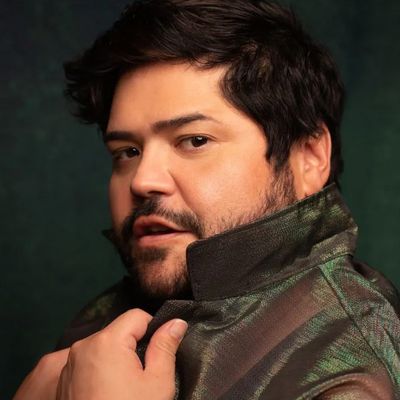
Welcome to a spectacular and hilarious episode of Entre Acts with host Linedy Genao! This week, Linedy is joined on the couch by the groundbreaking, Emmy-nominated powerhouse Harvey Guillén... Read More
From the show: Entre Acts with Linedy Genao
Guests
Featured Shows
About
Welcome to a spectacular and hilarious episode of Entre Acts with host Linedy Genao! This week, Linedy is joined on the couch by the groundbreaking, Emmy-nominated powerhouse Harvey Guillén. The two kick things off with a fast-paced round of dominoes, swapping stories about awkward, text-driven Google search rabbit holes and why Harvey's dream superpower is flying—solely to bypass the brutal gridlock of Times Square traffic. Harvey passionately defends the superiority of Los Angeles street tacos, recalling $1.25 Tijuana-style trucks parked in autobody lots with fresh, hand-made tortillas that New York simply cannot replicate.
Shifting into the heartfelt middle of the sándwichito format, Harvey gets vulnerable about the heavy psychological weight of the "POC and Latino work ethic," detailing the deep-seated guilt artists often navigate when they need to take a sick day or rest. He opens up about the massive structural differences between industries, comparing the grueling marathon of an eight-show Broadway week to television and film, where it can take two years to see a final cut. Harvey shares the jaw-dropping reality of voice acting, revealing he never actually met his legendary co-stars Antonio Banderas and Salma Hayek until the premiere night of Puss in Boots: The Last Wish.
Harvey delivers a beautifully profound message to young artists navigating their own lean career intermissions, urging them to stop wasting time trying to alter themselves to fit a pre-existing description. The episode wraps up with an inside look at the wild history of Studio 54, including a backstage tour of his dressing room (the original home of Alan Cumming's "Club Cummings") and the building's legendary, unmovable cocaine vault. Harvey also shares his upcoming vacation plans to Ortigia, Sicily, before diving into a quick-fire round of Rocky Horror-themed "Bed, Wed, Dead".
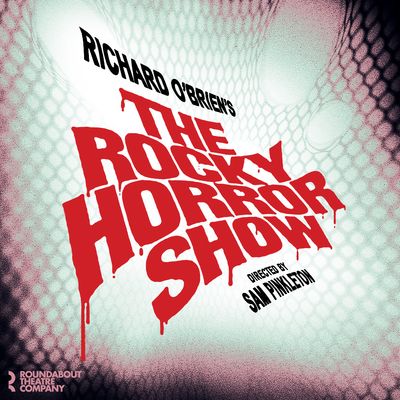
Harvey Guillén is a multi-talented, Emmy-nominated actor, producer, and trailblazer who made history as the first queer Latinx actor nominated for a Critics Choice Award. Widely recognized for his iconic, six-season run as the fan-favorite Guillermo de la Cruz on FX's smash hit What We Do in the Shadows, Harvey's extensive screen credits include standout vocal performances in major global franchises such as Puss in Boots: The Last Wish, Blue Beetle, and Harley Quinn. A fierce advocate for diverse storytelling and authentic casting, Harvey is currently taking the theater community by storm, making his highly anticipated Broadway debut as Dr. Scott and Eddie in The Rocky Horror Show at Studio 54.
This episode is powered by WelcomeToTimesSquare.com, the billboard where you can be a star for the day.
Connect with Linedy and Harvey:
Transcript
This transcript was automatically generated and might contain errors.
[0:00] Linedy Genao: Hello, hello everybody. Welcome to Entre Acts, your favorite podcast, Ya Tu Sabes. I'm Linedy Genao and I am so excited to introduce this week's guest. It's an honor to be joined today by a multifaceted performer and true force of nature. He has spent his career breaking barriers and bringing unforgettable characters to life. He's an Emmy-nominated talent, a trailblazer who has made history as the first queer Latin actor nominated for a Critics' Choice Award, and a voice you've heard in everything from Puss in Boots to Harley Quinn. He spent six iconic seasons as the fan favorite Guillermo on What We Do in the Shadows and right now is taking Broadway by storm in his debut role in The Rocky Horror Show at Studio 54. Mi gente, please welcome the incredible Harvey Guillén.
[1:02] Harvey Guillén: Not an intro. I was just like, oh, that's you, honey. Thank you so much for being here.
[1:09] Linedy Genao: Of course. I love your outfit today. It's a little casual, but it's a little stars on Broadway. Ya Sabes. Ya Sabes. So Dominicans, we say Dique, which means supposedly Dique a little casual. This is giving fashion, high fashion, honey. There's a little overall for a little lounge by the couch.
[1:27] Harvey Guillén: I love it. I love to call this my sala. Like, you know, my little living room.
[1:31] Linedy Genao: Yeah, exactly. So before we get started, Harvey, I love to say that these episodes are like our favorite sandwichito. I'm a foodie, so I love food and I love to incorporate that into what I talk about always. So we're going to have some fun in the beginning, some heartfelt stuff in the middle, and then some fun to end, of course.
[1:46] Harvey Guillén: Of course.
[1:50] Linedy Genao: So we're going to begin with a game of dominoes, but not your traditional dominoes, because I truly don't really know how to play.
[1:54] Harvey Guillén: Me neither.
[1:55] Linedy Genao: Exactly. Some people play around me. Yeah. And I'll watch and I'll pretend. Yeah. But we're going to play the Entraxe. You're literally just going to pick one. Tell me the number and that'll pertain to a question.
[2:04] Harvey Guillén: Yeah. Here we go. Should I get it?
[2:09] Linedy Genao: Yes. Whichever one calls to you.
[2:09] Harvey Guillén: Okay. Seis.
[2:11] Linedy Genao: Seis. Six. What is the last thing you googled that you'd be embarrassed if people saw?
[2:17] Harvey Guillén: Oh, my gosh. I was just talking. No, I don't even want to say it. No, I'll tell you mine. Okay. Okay. I'm so embarrassed. Please don't cancel me. How do you find the average between two numbers? Because I forgot. But you add them and then divide. Wait, no, you subtract them and then divide. Wait. I don't remember. That's why I had to google. This is why I didn't. I'm not a math teacher. So technically, we're on Broadway. The only math we have to do is looking at the numbers down. What's a call time? Literally. And even that sometimes you can get wrong too. It's suspicious.
[2:53] Harvey Guillén: The number. What was the last thing I googled? It was about a friend. I was just talking to this friend about it. And it's like, you know, because you have friends and her actors and stuff. And sometimes you hear stuff and you're like, wait, is that true? And they're like, no, I don't think it's true. Is that true? And then you like googled it. And you're like, oh, my gosh. And then you're like, wait, how do you ask a friend about something that someone said long ago, but it's pertaining to them? Is it true or not true? And that conversation, yeah, having the conversation was like, a little bit awkward. That was probably the most embarrassing one. Because having the conversation with someone's like, hey, like five years ago, this is that and then them saying, oh, no, that's not true. And I was like, okay. Thank you, Google. Thank you, Google. Google. Yeah.
[3:38] Linedy Genao: Okay, next.
[3:39] Harvey Guillén: Next one. Yes. Okay.
[3:40] Linedy Genao: Okay. If you could have one superpower, what would it be?
[3:43] Harvey Guillén: Flying? Oh, I don't know. I said that so fast. I said flying. So I don't know what it is. I still have dreams as well as flying. I think there's something in your psyche about that. There's a metaphor for it. I don't know. But oh, like, no, I just feel like flying would be so cool. Just like if I was like, oh, I'm running late. I don't want to walk in Times Square traffic. I think that's why I like like doing stunts when I fly because I like it to like be light as a bird. So it's like you get to fly over the world. So yes.
[4:11] Linedy Genao: And I wow, that makes me think to you know, what the perspective is like when you're watching things from above.
[4:16] Harvey Guillén: And yeah, look. Yeah. Like when you're on a plane. I love looking out the window. Oh my gosh. And things get smaller as you get higher, but they get bigger as you get down. It's really cool. I like it. I love it.
[4:26] Linedy Genao: Okay, next. Cinco.
[4:29] Harvey Guillén: Cinco. If I'm in LA, what is the one specific thing that I have to eat that New York can't replicate?
[4:34] Harvey Guillén: Oh, well, you guys don't have a lot of great Mexican food out here. So you can go to any like, you know, like area like in, like, even in downtown, there's my favorite spots, but they're like the taco trucks are so good that I feel like you guys don't have those here as many. And that's the one thing because you have everything here, everything you could ever want in New York City. And it took me years to find like one like that kitty I hear that I'm like, yeah, that's pretty good. And you got to go out of town, you know, so it's a I was surprised. I'm really surprised. There's not more like ideas like in New York City. Can you guys have everything here? Everything you can get the most delicious like, you know, cinnamon roll or bagel or pizza slice or, you know, pastrami, but not a taco.
We need to change. We've changed that guys. My brother lives in LA and is married to a Mexicana. And so when I went to LA for the first time, she brought me to it was the parking lot of a Oh my gosh, I can't dealership. Exactly. No, no. No, no. Carwash sounds like cars. Oh, I can't.
[5:49] Linedy Genao: We need to see you got good tacos to get that brain. Exactly. And that would have been my next embarrassing thing to Google. What do you call an auto body shop? Whatever. It was a drive. So okay, you don't have to.
[5:58] Harvey Guillén: Yeah, exactly. So she brought me to the parking lot of this auto body shop. And when I tell you and she was like, this is how you know the tacos are good. The tacos were like $1.25. That's how you know they're good too. When I tell you the best tacos I've ever had in my entire life, and I had seven and I am proud.
[6:13] Linedy Genao: Yeah. Also, let's talk the tacos are small. They're like the Tijuana style. Like the little like round ones. Those are so good. And they're filling and they something delicious shouldn't cost an arm and a leg. Correct. And I really pride myself that like when you go to a good Mexican restaurant, it's not like you know, it's when you go to those overpriced ones. You're like who discovered this and like made it a hipster location. And now it's overpriced. And now it's like, you know, yeah, yeah, but she was making the tortillas by hand. I had never seen that before. My mind was blown.
[6:43] Harvey Guillén: And so I was eating the food that she literally is making from scratch from scratch. That's my favorite thing when you get like fresh tortillas. It's like something about I mean, the ingredients to Mexican food are pretty like, like straightforward. It's vegetables, protein, and some kind of like, you know, flour, tortilla or my yeast or something. And then you just mix it up. And just like mix a burrito or taco or something. But the all the ingredients are always there. And they just taste delicious. So can't go wrong. Can't go wrong. You need a good Mexican spot. Please, please.
[7:13] Linedy Genao: Okay, last one. Okay. This one is I can count six, six. No, it's okay. If your fans had to describe you and three emojis, what would they be?
[7:26] Harvey Guillén: Oh, um, fuego like flame. And then maybe alien one. Oh, it's a laughing flame alien. And then, and maybe this the emoji face when it goes like, what's your most used emoji? Probably that one. I use that one a lot. Like when I'm like, you know, running late. Yeah. It's like, it's polite. It's like, it's like, exactly. Exactly.
[7:58] Linedy Genao: Okay, Josh does that my Rocky in our show does that. That's the one he does.
[8:03] Harvey Guillén: Oh my god.
[8:04] Linedy Genao: Oh my god. So Harvey now, as you know, in three acts, right between the acts. This is a space where we talk about how we as artists navigate those transitional periods when we're not working because nine times out of ten. When someone asks us, What are you doing? What are you working on? We feel guilt or shame or, you know, I say this all the time. But you don't ask a teacher what they're doing during the summer. They're just enjoying their summer break, resting, relaxing.
[8:29] Harvey Guillén: Yeah.
[8:30] Linedy Genao: But with us, there's some sort of other meaning to it, which also makes us look internally, like, you know, on our value and things like that. So I wanted to ask you, what does that in between period mean to you?
[8:40] Harvey Guillén: I mean, it's so true. I feel as an artist, we, when you have those breaks, it's like, it should be time for rest and to get, you know, much needed rest if you were on a long contract or whatnot. But it feels like if you're not on something that you're failing, and we're made to feel like, well, what's next? And you're like, well, and so I think also, maybe it's like, Latino work ethic mentality, but like, it's always or maybe POC work ethic mentality that comes I was talking to Stephanie about this other day. It's like when you don't miss work. Like if you if you're sick, you try to make it through like, you don't like call out. You don't say no. And something about I don't know, it's the work ethic I saw my parents like, you know, put on to me.
It's like, I feel bad if I if I'm trying to get sick, I'm like, Oh, no, I have to call out and you have this guilt because it's a job you can miss work. And it's like, but it's funny, because a lot of our other, you know, friends and neighbors, they feel fine to call out and, and to leave work for a week and to take vacation, even vacation time. Like it's I remember working at a job early on where you got vacation time. And if you didn't use it, like, you know, you could get payout, but you also could lose it, I think, early on. And I was like, Oh, I'm just not taking vacation time. And it was like, because you didn't want to seem like not a team player. And I feel like that guilt, I don't know where it comes from.
But I think we need to like change that mentality is exactly that when you're not working on something, it's time to rest. And while you're meant to be working, you will be working and how blessed we are if you're working nonstop. But also even when you are working nonstop to take that break and be like, and I'm guilty of this too. Like it's like while doing Broadway, I'm also doing like my podcast and I'm doing like, you know, voice acting for cartoons and whatnot. And everyone's like, you need to like, you know, like, yeah, just like it's the mentality of like, you know, you got to keep going. And so I'm looking forward to like my vacation, you know, coming up because I feel like I've earned it. And I'm just like, I'm looking forward to taking a vacation.
[10:29] Linedy Genao: Yeah. So when are you going on vacation?
[10:29] Harvey Guillén: I'm going in August, Italy.
[10:31] Linedy Genao: Yeah. What part to Ortizia?
[10:36] Harvey Guillén: Oh, I've never. Where's that in Sicily? South Sicily? Yeah, it's pretty cool. I know. It's pretty I went last summer and I was like, do it again. And it was great. And it was like, and it gets me in the mindset of like, to get ready again to go back into it. Because then I miss work. Then I'm like, Oh, I do miss performing and I want to go back. But it's when you're not performing and people are asking, What are you doing next? Well thinking about what my mental health now because you're making me think about like, you know, do I have a job? And what is my value as an actor if I'm not constantly being used? And it's like, no, you could, you know, things can be rare and like, want it doesn't mean that everyone has to partake.
[11:07] Linedy Genao: Absolutely. Yeah, absolutely. And it's like, especially in our industry now on Broadway, I can't wait to hear about your experience. It's like we do the same thing every day. However, it is different because the audience energy informs it every night. So that does change it here and there. But it does get monotonous. And so having those moments of being able to be away help because it inspires you again, it makes you excited to come back to work, especially if you're in a long running show doing it over and over and over every single day, right? So I look forward to vacation too.
[11:37] Harvey Guillén: Yeah. And the healing that that does to sometimes you never realize like the simplest things that you take for granted while still looking for a job, the day to day you like the coffee or waking up having breakfast or getting together with the family member for dinner or something. Those things that you take for granted because you're like, while doing that thinking about the next job, and you're not really enjoying the moment, but knowing that you're going back to something, knowing that it's there and knowing that there's a safety net waiting for you almost, then it gives you this like, it's fine. It's there and I can enjoy this moment. So I'm not going to take this dinner with my family for granted.
Yeah, I take this coffee with a friend for granted. Because I'm here now, I'm living in this moment now. And this is the memory working out. Most of the I think of so many times I went out to lunch with friends in LA, while in between shows, and all we did was talk about the next gig. And we're like, what do you like? What do you have an audition for? And you want to be supportive. And all it was was talking about work, work, work, work, even though you weren't working. So you're talking about working and working and you're like, work, work, work, work, work, work. And then by the end, Oh, how's your fit? Oh, we're out of time. And you don't really check in on the how's your family? How was your dad?
Last time we talked to dad was this? Oh, your mom? Is she going to that class? Oh, and your brother? None of that gets checked off the list because you're so busy both. Especially when you start to have friends that are actors and stuff. So before you know it, that's why sometimes people go to LA and they're like, Oh, LA. So because the business is always running on the business. And like everyone you see, talk to the waiter, they're all part of the business.
[13:00] Harvey Guillén: Wow. Yeah, they're all like, you know, that's a writer that the guy with the barista is like, you know, an actor. That guy's a model who's a waiter. So they're all working towards one thing. And even while working that job, they're working towards the job. So everything is just like moving parts that like, you're like, even in a restaurant, you know, you'll have a waiter comes like, I'm a writer is like, Oh, cool. So like, do you mind if you're like, they'll slip you a script? So like, even at the restaurants, I was trying to like, no, like, she like, that's a hustle. Like, I'm like, that's how people get discovered. That's how shows get made. People go to like a executive producer at the gym and say, Hey, I have an idea for a show, you know, about a choir in high school. And then they're like, let me see it. And that's how that show gets made.
[13:42] Linedy Genao: I did not know that. I feel like I don't know if that would swing in New York.
[13:46] Harvey Guillén: I don't think it would. I see that it's the personalities in New York are very straightforward. And you don't waste people times here. You do not waste people's time.
[13:54] Linedy Genao: And I feel like in LA, it's a little more like, hi, hi, sorry to bother a little more a pace here that I move and you're like, yeah, okay. Yeah. And I kind of like it because it keeps things going. Okay. Like, you don't waste time. You're like, yeah, but also people show up here. Like it was like, where are you? I'm a 42nd. I'm a 56th. Let's meet on blah, blah, blah and 48th and like have coffee. And that happens. In LA, I feel like where are you? It's like, oh, we should have coffee. Okay. Where are you? I'm in Santa Monica. Oh, I'm in the West. I'm on the East Side. Okay. Um, we're gonna meet like in downtown.
[14:26] Harvey Guillén: Echo Park is better. Okay. Silver Lake is a little bit closer. Can we do Burbank? And it's like, you start picking boroughs or cities to meet at. And you're like, let's just, oh, you know what, let's just do it next month or whatever. It never happens. And so eventually, a year goes by, it's like, when did I last see you? So you sometimes see people at events, like at an event, like at the Oscars, or like at the Emmys. And then like, oh, my God, the last time I saw you was here. Because that's where we see each other. Sometimes you see those actors at those events, and you're like, the last time I saw you was here. And we said, let's do it. And the next time you see each other seven years later, like every year for seven years, you're like, the last time I saw you.
But sometimes people see through, not all the time. But I feel like LA has a little reputation of like, it's the ongoing joke that like, it's IU on the east side or the west side. We're not gonna meet. It's like too far. Wow. Wow. Like here they do. I like New York people doing it up.
[15:17] Linedy Genao: Yeah, we do. We do. Now, this inspires me to ask you, being an artist now living in New York City for Broadway, what is it like being an artist in New York City versus LA?
[15:29] Harvey Guillén: Well, I think here I've, I feel like I've worked the hardest on Broadway, eight shows a week, you're constantly running a marathon. Like, you know, in your dressing room, I just know the walk up of a five-story tower. So like every day, five times a show. I've never had better looking legs. And no, that's right. But you know, we heard it here, which works for the show, we come see the show, you understand why that way. I can't wait to get into that. Because my jaw was dropped at that part, honey, go see Rocky Horror. There's a reveal happening. Um, yeah, I feel like I've never worked the hardest. And never been as fulfilled, like, because on stage every night, that rapport with an audience, like the way that they're clapping, you know, Lady Gaga, to quote the great Lady Gaga, I live for the applause.
But like, it's just like, you know, Tinkerbell, like, it's just like, everyone's like, Oh, my God, you guys have instant gratification, a movie you can shoot, it takes two years to edit, to do sound, coloring. And then they're like, Hey, that movie's coming out that you did two years ago. Oh, my God, that's right. And then you go to the premiere. And you're like, that's not how I envisioned this. Because it's out of your control. Like, you're not the editor, and you're not the director. And so even though you went to do a scene in your mind thinking, Oh, I think I see how this is gonna look. I see what they're gonna do here. That's gonna be cool. If they do this, hopefully they do that. It's out of your control.
You don't control that you don't control the editing room. So when it comes out, you're like, you're seeing it for the first time, everyone else. And then sometimes, the vision is great. Like, you know, people are like, I loved it. Like, different than what I thought. What do you think? It's different than but it looks good. It looks good. And I like it. And then sometimes you're like, Whoa, I totally saw this a different way. But again, that's your vision. And this vision is the studio's input, producers, the directors, so so many, you know, chefs in the kitchen. So I would say that's the difference that like here, it's up to you. Did you do good tonight? Did you sing that note? Did you do your line?
Right? Did you get the joke? Did you make them laugh? It's up to you. No one else has control, except you're the character. And you're a part of the machine. And if everyone does their part, this machine is just pumping energy, and everyone is loving it. And they're cheering and having a great time. You know, at Studio 54 watching a show or whatever theater they're watching this at. And it's a machine, everyone has to do their part. And if one person doesn't do their part, it goes a little bit, you know, or if one scene is a little bit like, like, you know, but it takes a village. And in TV and film, sometimes you do a movie, you don't even see the other actor that was in the movie with you. That blows my mind.
[18:01] Linedy Genao: That blows.
[18:02] Harvey Guillén: I mean, I have very limited experience. But like, it blows my mind that one, you don't get to see people that are in the movie. There's no table read usually with the first day, sometimes for a TV show, they might do that or sometimes but the movie, but it's rare, because people have schedules are in and out. They shot their part. Sometimes you might do a scene with someone that's not in the room. And then when they edit it, you're like, damn, sometimes you have to have a chemistry with someone that you never met. I remember I did Puss in Boots Last Wish with Antonio Banderas and Salma Hayek. And like idols, like there's like, you know, I was growing up, did not meet them until the premiere night.
You're kidding me right now. Like I'm literally at the premiere carpet. And I'm like, and then earlier that day, Salma had done press with me. And she was the kind of she was walking and she took an overnight from Paris or something. And she was like, I she's like, I'm so like, Harvey, she was I got wrong. Like she was like, she that's the first time she met me. She had seen a cut of the movie. And I was like, so I guess I got wrong. She was you steal the movie. And then she gave me this hug. And she was as sweet as I'm depressed together that day. But I didn't see Antonio until that night because he landed later and we saw him at the carpet. And he was in the car. He's like, my god, that is fantastic.
And it is like, literally, I was like, Oh, my god. And I was like, we never met. And we have to have chemistry as perrito and pus. And so the whole movie is like, you guys are so cute together. Like we never met. Why does film TV do that? I think they have like something in the beginning where everybody's like, so and so and so we're all a part of this. Thank you so much. Boom. Here's a coffee. I think it's like scheduling. And I think it's another day on set that they can avoid it. It's extra money. It's extra budget that they're like, oh, I mean, it's catering for everyone another day. That means like an early call transpo. And so it comes down to like checking off probably, you know, that bank accounts gonna look like, and it is someone's time.
And sometimes you get, you know, an A-lister to come and they're like, just do one day one day of shooting. And you don't want to risk that day being not perfect. And so they got to get them in and out. And so sometimes the big cast, and the scenes are on location. So there's no reason that you would meet this actor because their scenes are shot in Montana. And your stuff is shot in Florida. And it's like, yeah, they wouldn't be in Florida. They'd be so it was like, I know, sometimes I'm like, I but I do feel like sometimes when you do a movie with people, and then you never even see them on set. And then you see them afterwards. It's kind of like your first day at school. Yeah. So that's when you're like, hi, we never Yes, we never Oh, my God, the product is out there.
It's done. And so now you sell it, you meet them, you watch it, and you celebrate all in one day. I yeah. And then on top of that, the like, like you said, you film it takes two years to edit. And then you're doing press. How do you remember what the F you did? Yeah, like how you felt in your process from years ago? Yeah, it's like, you do like a little bit of like a regrouping of like, Oh, that's right. And hopefully by then you saw a sneak peek of the film. So you know what you're talking about? Because you could also be saying, Oh, yeah, there's gonna be this great scene that it's like, we cut that scene. It's like, you can't you should know what scenes were cut. So like, sometimes I'll cut a scene.
And it's funny, I think I've been once like, I think we didn't get revamped. And like what the final cut looked like, because we didn't get it at a time. And if you're trying to impress about something, and then we're like, Oh, my God, that scene. And we started talking about the scene, I think was PR. So behind the camera going, that seems no longer in the movie. You're like, what do you why? No, like, why are you going like that? I don't understand why you're going like that. And then it's like the movie. So Oh, and then he's like, Okay, so here's the things we can talk about this, this, this, this talk about the scenes. So you get a little like, okay, and that's their job. You know, PR tells you like what to focus on.
But there's those whole departments that make a whole, you know, film happen. It's completely different. But I love how you how you described how Broadway works, because that I never looked at it that way. And it's so true. Yeah, so true.
[22:03] Linedy Genao: Like, it's like every day after the show, we ask, you know, you'll be backstage and sitting next to Amber Gray, Broadway legend, and just like, she has a routine that she does. And like, it's like, you know, how was your show? You know, because every show is different. And the audience will also kind of dictate how that show will be. And our show has a little bit of a call response, you know, with the tradition of the film. But sometimes even like dredge, you know, like, okay, you know, like, it'll be the way that this vehicle is going and how you maneuver through these waters. And like, it's like, it'll, it'll dictate how that show goes. It's like, okay, they are yelling at that, that line, you know, they love that line.
They are yelling at Brad and Janet, you know, when the slot or whatever. But yeah, it's just the energy is felt. It's also like in the room when you walk into the room and demons in my local, you know, like, you bring out like that energy, people feel it, they're like, you could feel that you could feel it. And so when people come into the room, you're like, Hi, how's it going? They're like, good. And you're like, Okay, good, it is. And then you leave it at that. You also don't want to push someone to be something they're not. I mean, it's having a bad day. But that's the difference. I think in theater, it's like, you have to put it all on stage, you have to give it all. And if it's for some reason, you know, didn't work that night for you.
You have to ask yourself, what did I do? You know, which is also that actor horrible thing to ask yourself, like, yeah. Or when you think you did a bad job, or you're like, Oh, now is my best. And people are like, I thought you did a great job tonight. It's like, not my best. Really, they were laughing. Maybe you're not hearing, you know, what everyone else is hearing. And that's just the actor psyche, yourself getting your head, which we do.
[27:24] Linedy Genao: Yeah, she is phenomenal. And but she's from everything. She's also swung out for Janet, you know, does a great Janet and like it's so like, I can't sing her praises enough. Like she is a Broadway, you know, superstar, and, and just a star in general, and the nicest person, the nicest person. I love you, Larkin.
[27:32] Harvey Guillén: Yeah, we do. Yeah. But I have to say, so I saw the show, the Tuesday after Tony's. Yeah, like the first performance post Tony's, which was incredible. It was sold out. So that I walked into the show not knowing anything. I didn't watch the movie. I didn't know a single thing other than what I saw at the Tony Award performance. So when I tell you I walked in blind, I my jaw was to the floor. I was like, What is going on here? And especially your character and that your characters, characters, that scene. Yeah. So spoiler alert, RV plays two characters, but you have to see Rocky Horror to know, but act one is one character act was another character. And they're related. Which is great. That's right.
Dr. Scott. And is Eddie's uncle. Yeah. So there's a there's a scene at the end that I was just like, because again, everything kept topping. Yeah, one after another. I was like, Oh my god, what am I watching? I was like, if I was in the show, I don't think I could bring my parents. Yeah, no. Well, I brought my mom was front row. And she was sitting right with that reveal happens. And I was like, Oh, no, I just realized what my family was sitting. And I was like, Oh, no. And I was like, Oh, I took my shoes. I was like, is that gonna be weird? It's like, it's like, what? No, mom is like, it's literally your mom. She's seen it. It's like, it's like that woman carried here. You know, it's like, you're a baby.
So it's like, are you nervous? I was because the show is really risky. And everyone's like, you know, it's really sexualized and like, really fun. But it's also about like, belonging about aliens and how, you know, you're made to feel that you're an outsider. That's like, it's so relevant still today. And the show came out 53 years ago. And those lyrics and lines were said 53 years ago, which blows my mind to say that I'm just a sweet transvestite from transsexual Transylvania was an actual line 53 years ago said, which is crazy that it was like, so must have been like, terrifying for like, you know, Richard O'Brien to like, put those words and make that, you know, story on stage, and then to actually still need it today.
Wow, people still watching the show and be like, this show has saved people's lives. Like and when we think about the movie and whatnot, it becomes a cult classic. But in many ways, it gives people permission to feel that it's okay if they are made to feel like they're an alien. Because it's fine. It's fine to be different. And so it's you can find your your like-minded aliens and home planet. I love that. I love that. And that show my friend Larkin was with her. Oh my god. She's amazing. And I didn't know that was her first time. Oh, yeah. And the other day Larkin went on. This is what I love about Broadway. Larkin is the perfect example of what a Broadway performer is. I mean, this artist, she's been in so many shows, she was just awarded the actual the robe.
Legacy robe. And it happened in our show and watching Larkin receive this and not knowing what that was and being told what that was. And watching it happen in front of us. And watching Sweet Larkin like, tear up and get this. It's an honor. It's been handed out for like 100 years, you know, crazy. And to see her also her work ethic, like this woman went on as my girlfriend on the show. The other day, the last minute is how Broadway happens. People get sick, things get shifted. We move to this part around. This swing has to do this part now. But this person has to cover this part. So we have to Oh, and so she went on to play my girlfriend in the show with not ever rehearsing. This is what I love about Broadway.
I don't know that could happen in TV and film. They won't even put someone's swing in without a day with the script. You know, they're like, here, take the script and like, learn it and whatnot. Here. Someone's not even gone on as rehearsal process or whatnot and went on and killed it. And she's been playing the role. That's right.
[27:42] Harvey Guillén: Love you, Larkin. We love you. So we've always been taught to hustle, right, especially as artists, but in the in between is where most of our lives happen. What is the biggest lesson you've learned about yourself while waiting for the next? Yes.
[27:56] Harvey Guillén: That, you know, even though when the times are hard, you're taking that gig, and you're like, Oh, no, I gotta pay the bills. You know, I gotta pay that rent. I remember like being down to like last 20 bucks in like my bank account and like being like, I don't know, it's like, but it was never the, I can't do this. It's, it's not about talent. In this business. It's about tenacity. It's the other T because talent is a dime a dozen. I know tons of people can sing higher notes, you know, I know tons of people can do a triple pirouette. It's talent is great. And you have to have talent to actually perform, but you have to have the other T and that's tenacity. And the tenacity that you consistently put on yourself to keep going, keep going.
I know it's tough, but keep going. Because I remember just thinking in high school, and I had a counselor who was like, Well, what do you want to do when you leave? You know, I'll be an actor. It's like, what's your plan B? I was like, I don't have a plan B. It's like, well, you should have a plan B. And I was like,
[28:52] Harvey Guillén: Well, I came from nothing. So I have nothing to lose. So it's like, why would I have a plan B? And sometimes you get low, you know, we do need doctors and we do need lawyers, but we also need another form of medicine, you know, and that's entertainment. When things go south, the first thing people run to is entertainment. When this world shut down, what did people go through? All of their data of entertainment, all the movies on Netflix, all the TV shows, they binge-watch their favorite shows over. People need escape and something they will never be. And even with like AI and all that, something you will never take away is live theater, because people need escape. And that's the original form of entertainment is going to someone, seeing a human tell you a human story, and you walking away being like, wow, never thought of it like that.
Wow, that was hilarious. Wow, I should call my mom. It's that you walk away with a new idea, and that will never be replaced. So it's not this business. I know it's tough, but if you really want to do this, and it's meant for you to do it, then you won't stop. It's talent, tenacity, talent and tenacity. I love that. I needed to hear that. You're absolutely right. Thank you for sharing that. If you could look back at your most difficult in-between period, the time before the big breaks and everything, what would you tell yourself? What would you say to the younger Harvey?
[30:08] Harvey Guillén: Oh, man, don't waste so much time trying to fit everyone else's description of you. Don't waste so much time trying to fit a mold that was never made for you. You know, it's been so many years, because I didn't know the business in Hollywood and hearing people who I admired and thought, you know, they're in the business, they know what they're talking about. So when they tell you stuff, you got to listen, you know, I like, you know, I know they meant well and stuff, but even college professors who like, tell you like, well, what are you gonna do about the weight? And you're like, I'm sorry, and they're like, you could be a leading man. I was like, I am a leading man. And they're like, but you could really be.
Isn't that crazy to hear? And then you're like, and then you start going, am I not a leading man? You don't see me like that. That means people don't see me. People don't see me like a leading man. And then you go into your psyche and say, well, what do I do to become a leading man? Well, you know, I got to lose weight. And you start like, you know, getting to your head and like, having this relationship with like, body dysmorphia, like how, what is the standard of beauty? And then you're letting someone else give you the value of that and stamping you what that is. And the thing is that I would tell younger me, don't spend years trying to fit that mold. Like that mold was never made for you.
You are the mold. The mold is already you. When you get cast, you got cast because it's you. Because there's no one else like you. When you get cast, why are you shocked? You bring it every time. But you're shocked because someone picked you. You're shocked because someone said, you, I want you. You didn't tell me about this. Like, you know what I mean? Like, it's like someone picked you and it feels good to be picked. Being picked makes us feel validated. But don't give your power away to everyone else telling you what you think of me. Because you think you might see me as a leading man or whatever you say. What you think of me is none of my business. What you think of me is none of my business. You keep your thoughts about me to yourself. You don't have something nice to say, don't say it to me. Don't.
[32:09] Linedy Genao: Thank you for that. Yeah. And it's just like, don't try to fit a mold. I'll be telling little Harvey, don't try to fit anyone's mold. You are the mold. People are always going to try to compare. You know what it reminded me of? I was compared all the time when I was growing up. Like a young Jack Black or a young Nathan Lane. And these people are great. And I've met these people. And these people have come to me. Nathan is the sweetest man in the world came up to me. And he was like, I just want to tell you, big fan of yours. And I was like, I used to compare it to you. And now you come up to me and say the sweetest thing, which only validated what I would tell little Harvey, I would just be like, don't waste time trying to be what other people want you to be trying to fit into that mold.
You are the mold. Wow. I hope that resonates with so many people. It did with me and why I got emotional because obviously, being a woman also a Latina, but also, you know, when I was cast for Bad Cinderella, it's like the opinions immediately. Oh, yeah. And my one another Broadway show I did, I was too fat. And in Bad Cinderella, I was too skinny. And also I didn't say you know, before I opened my mouth to saying I was already a problem. So it was just all those opinions. And then it made me look internally like they made a mistake. They were wrong. I wasn't the choice because all these people are saying these things. And that really affected my mental health. Yeah. Again, before we even started, once the production started, I you'll me know, everything was my fault.
And everything was wrong. Yeah. So thank you for sharing that. Because after getting out of all of that, and seeing it from the outside, I'm like, no, they chose the right person. Everything else is out of your control. Yeah, they chose the right person. I got the job because of me, you know, also, you beat thousands and thousands of other artists who were very talented, very beautiful, very like, you know, in their own, in their own mold. And when the time is right, someone's gonna pick that mold. I always cheer for my friends when as long as one of us gets it. As long as we're all driving in my group. I'm like, I'm the biggest supporter of like cheering you on. I when you book the gig, I am all winning.
We're all winning. A feather on your hat is a feather on all our hats. Especially if it's like someone in the Latino community, especially if it's someone who's POC, you know what I mean? Like, especially like, if it's someone that you're like, yes, because the show, you know, we're rocky, we've made history. We're like, we had, John, you know, you went on with Stephanie, and they're the first Janet and Brad, Asian Janet and Brad history together, never been done. And then Andres went on as Brad one day, and he was Brad and I was Dr. Scott. And like, we're the first Latinos of Brad and Dr. Scott. And it's like you're making history while doing your job. And we were just thinking about those like, we've checked up so many like history-making moments with Rocky.
And that's all credit, I think to Sam, our director, who's brilliant, who did a great job of casting. Like we have so many people represented on stage. So many people, we have trans actors, we have people of color we have, you know, it's just like, the list goes on and on. And it's just like, that's rarely seen. So when you know, the job is given to someone, you're like, they pick me, and if they make a mistake, that's always going to run. And we're always like, I think it's something that we as like Latinos, or, you know, people of color tend to do a lot. And we just say, like, they picked because they're only going to pick one out of 10. Right? Because the majority sometimes is very monochromatic.
And then it's either going to be the wild card, I always get the wild card audition, you know, and it's, it feels good to be part of a cast like Rocky where it's so diverse. And it's really cool. That was beautiful to see on stage. Yeah, I didn't. I would have never imagined seeing myself in that show, maybe. And I was like, Oh, wow. And then you're like, yes, I can. You know, and you see that show. You're like, you can definitely hop on over to Frankenstein. You know what I mean? Wow, there you go.
[35:55] Linedy Genao: Wow, wow, wow. What is your favorite in-between hobby that has absolutely nothing to do with performing?
[36:00] Harvey Guillén: Travel? Yeah, it was a hobby. That sounds like yeah, hobby. Hmm. I used to say in between. But I do like going to theater. I do like that. I'm a fan of theater. So I go into theater a lot. But aside from that, um, I like good. I like swimming. Yeah, like swimming. My mom used to joke that I learned how to swim without learning how to swim. Because when I was four, we went to the beach, and I just went into the ocean. And she's a and she ran screaming. And she's like, random. I just went into the water. And this lifeguard came. And then I was just like, looking at everyone that wasn't was being like, I was swimming. And people were like, he's swimming. And it's like, I was like, what's everyone's problem?
And they were like, Oh, your mom wants you to get out. And I was like, Oh, like, no one taught me to swim. My mom said, you don't have this thing yet. Like, you'd learned on your own. I was like, who taught me to swim? Nobody. Like, nobody taught you to swim. I was like, you ran into the ocean. And so we couldn't be around a pool, because you would jump into the pool. And I was like, I don't know my mind by watching. I thought I could do. I'm very much like I could do that. If I watch you skate, I can do that, even though I can't, you know, even though I can't, I don't know that. And I kind of I missed that mentality as a kid.
[37:16] Linedy Genao: You're unstoppable.
[37:20] Harvey Guillén: Yeah, I just noticed that with my nieces. Like, as they get older, like, I was like, when they were young, they were like, fearless, jumping in, and it's not just no, no, no corras. Okay, take your fall. And then you place fear in them. And fear is placed into children, because you tell them they have to have structure and rules. Yeah. But if you I mean, there's a way of like, still having that mentality thing as an adult, without going crazy. And like, you know, robbing a bank or something, you know, but like the idea that I see it happen, like, Oh, that's right. We tell kids to be fearful, to be careful, don't run, blah, blah, swimming. And it's just like, it starts forming what that becomes their shield of like, I better not.
Yeah, I better not run. I better not risk it. I better and you start looking like in the kid who was free and, you know, carefree learning how to swim in the ocean by himself, which is dangerous, obviously, but kids need to do to learn. Yeah. And I think we've like, as a user, but I've noticed like, we don't do that as much. You're right. Yeah. But, wow, you were one with the ocean. But I still swim to this day. And that's the one thing I'm like, Oh, I do the California can just go down to the beach or something like here there's beaches, but you have to go like, well, I live in Long Beach, and I live right by the beach. It's beautiful. You should come visit. Okay, it's not very far. Maybe I will.
[38:31] Linedy Genao: So when you finally reach a point where you can step back from the hustle, even if just for a day, what does a successful day look like to you? What does a regular day look like for Harvey?
[38:36] Harvey Guillén: Sleeping in, sleeping in, not being woken up by an alarm, just sleeping until my body and I go, Okay, I want to get out of bed. That is such a luxury, especially because coming from TV and film where your call times 4am and those are things I do notice the difference in I like theater schedule. I like that your call times at seven, and you got to show at eight or something. And then you're going to be in bed at 3am. And the next day, unless, you know, you make the mistake of I do like all plants up in the morning, six and meetings at 10am. The next one is like, Why would I do that? I've just now been like, you know, in talking to the pros, like, you know, we have like Andrew and our show and Amber, and they're like, No, don't book anything.
The next one, don't look anything before 2pm. The next day, and it's like, that makes sense. Because you're running an adrenaline after the show, you're not going to go to bed to like two in the morning. Yeah. And even you do go to bed, you're like, groggy the next day, you're fatigued, because you just your muscles were dancing all night. And you're like, Oh, that's right. Vocally, you're fatigued, and you wake up. But the day for me would be waking up whenever I want, and probably swimming. Like, I that would be pretty good. Like it's waking up, like my house in LA, like that was one thing, you know, first generational homeowner, my family. And then so we didn't have the luxury of like generational wealth passed on for us for like being here forever.
And so immigrant parents, hard workers. Thank you. And so that was a big I show my mom, the house, when I bought it, I told her it was an Airbnb. And I bought a house that time. And then I was like, I told because for Christmas, I was renting an Airbnb that we can all stay like, but I mean, I can come, you know, as I rented this house, and it was a really nice house. And she's like, I was like, Yeah, should I buy a monster? That's like, she was like, that is such a crazy dream to have. And a crazy joke. And I was like, I bought it. And she was like, no. And she just started crying. And I was like, I had three requirements growing up. And I wrote because we always lived in apartments going up and houses and we rented.
And we moved a lot because my dad's construction company. And growing up, I always draw houses, because I saw houses on TV, and what a house would look like, and they had to have a pool, a fireplace. And it was made out of wood, because it was like, you know, when you draw, you draw wood panels. I didn't I never drew like second floor, I was to one floor, I had a pool and a fireplace chimney and a tub with those old-fashioned tubs. That's all I drew. So when I went shopping for a house, like what do you what are the requirements good school nearby, blah, blah, close to where no, this is a drawing. It has to have a pool, a fireplace. It's it'd be cool if it's one floor, it looks old and vintage with wood and a nice tub. And that's exactly what I got. And just like so my perfect days working up in the home that my dream bought.
[41:22] Linedy Genao: Oh my god, that was no plan B needed. No plan B needed. counselor. That's cool.
[41:29] Harvey Guillén: It's going to back up some of the, you know, support your actor students. Yes, like support them. That's amazing. Oh my god. Congratulations. I can't imagine your mom like,
[41:39] Linedy Genao: yeah, well, now that I'm here, she's in my house.
[41:41] Harvey Guillén: Oh, that's so beautiful.
[41:54] Linedy Genao: So two more questions. If you could leave a piece of advice for the artist listening who's currently in between jobs and terrified of the silence, what would you say?
[42:03] Harvey Guillén: The silence sometimes can be terrifying. But sometimes with silence, you can hear clearly. And so I wouldn't fear the silence. I would embrace the silence. I would say if you take a second, just really take a second, you might be able to hear something that wasn't clear before. And that might give you the courage or it might give you the words that you need to just get through that day. Sometimes just one day, just sit in silence in one day. Don't think about tomorrow. Think about today. Just get through that day. And if you would get through that day, you'll be able to get through tomorrow.
[42:39] Linedy Genao: I love that. Absolutely. Absolutely. And literally, sometimes it's one day at a time. That's it.
[42:44] Harvey Guillén: That's all you can do.
[42:44] Linedy Genao: That's it. Literally.
[42:46] Harvey Guillén: Yeah.
[42:47] Linedy Genao: And that's all we can do. You can plan all you want for the future. You don't know what's gonna happen tomorrow. You don't know what's gonna, you know, like, whether things, plans change, productions fall apart. And that's out of your control. The only thing you can't control is being with you and yourself in that silence. That's all you control.
[43:03] Harvey Guillén: That's all you can control. Oh, my gosh. Yes.
[43:07] Linedy Genao: And so if you can describe in one word, what your current act is right now, your current stage in your life, what would that be?
[43:18] Harvey Guillén: This act, stage in my life, is blossoming of all the seeds that were planted. They were nurtured and watered and sunned, bathed for years, that have now grown into a beautiful garden that I can see and is tangible. I can literally walk through my garden and see things that were planted years ago with voiceover, that my dreams were planted with Broadway, that I always wanted to do Broadway when I was a kid, and now I'm doing Broadway. Everything I love right now in my life, everything I love is tangible and within five feet. That is so inspiring. That is so inspiring. Plant that garden, harvest, water, sunbathe, everything. Even when you sit in silence, sit in that garden and remember all the things that you've already planted. So don't forget the garden that's growing underneath you.
[44:10] Linedy Genao: Okay, the gems that are being dropped, I was not prepared for it. Wow, Harvey, thank you so much. We've reached, unfortunately, I feel like we could talk for hours. We've reached the ending part of our sandwichito. So now we're going to, you know, cheese, hot takes, whatever. But before we get started, what is your perfect sandwichito? What's your bodega order?
[44:30] Harvey Guillén: Oh man, that, you know, I was just saying I'm going on vacation. I found this like sandwich shop in Italy that I don't know the name of it. It's in Italian, but I went there with my friend Tom and, just name dropping, and Whoopi Colbert. No big deal. No big deal. But Tom is the one who was like, we have to go to the sandwich place. The reason I went there is because that's what he recommended. And when I tell you that I text that man about that sandwich, at least once a month. What is it? What's inside of it? It has like prosciutto, salami, and I think it's like French ham. And it has this sauce that I don't even know how to describe it. It was all in Italian. The menu's in Italian. And I could not for the life of me tell you what the name of that sandwich is. But I can tell you that Tom knows it. And I forget it. And I text him and be like, what is the name? It's this. And I'll never forget. Please send it to me after because I need to know. I have to find it.
[45:26] Linedy Genao: Does it have cheese?
[45:30] Harvey Guillén: It has cheese in it. It has like manchego. That's like my favorite. My favorite cheese. I know. And then when I bit it, because I like that salty like manchego cheese taste. And with the sweetness of the French ham and with the prosciutto and what thing you're like, I know I I'm only I'm not gonna lie. I'm going back to the lead.
[45:47] Linedy Genao: I would too. Oh my god. I never I've never had manchego in a sandwich. I've had it, you know, on a board or whatever. I'll make a sandwich. If I see a screw board, I'll make I'll get the cracker. Or sometimes you have a little slices of bread, you know, like sourdough or something. I'll be like, and you go, they have there's this place down the street. I was like, wanna gatekeeper because they have this butter board. And it's we have to go.
[46:06] Harvey Guillén: Yeah, it's so it's by the theater. Yeah, it's literally like a block away from the theater. I almost don't even see it. It's not even no, it's literally on 54th. It's like by this. It's quite Yeah, it's by the Ziegfeld. And it's like, it's like a block away from us. Okay. Yeah. And it's so good. But I want to gatekeeper because it's already busy as it is. But maybe I shouldn't. But maybe I'll tell you. I'm gonna tell you. Sorry, y'all. They have this like, it's so good. And they have this French ham, and they make their own in house butter. And then you get the butter and you put it on the site and get Oh, and anyways, get them. And I always do that when I see a screw, I get them on jiggle. I get the ham and I get some spreader butter. And then I make my own little I like that. A little charcuterie sandwich.
[46:51] Linedy Genao: Yeah, yeah, you heard it here. Okay. Any cheese man from Rocky Horror that we need to know?
[46:57] Harvey Guillén: I mean, I guess there's always like, you know, you always expect one with with vaccine. I've been on cast and sets of people sometimes don't get along and stuff. And I will say, the reason the show feels so good to work every day in the sense of cheesy, but it's true is that everyone is so nice. And you you get excited to go to work every day, you know, and we've had even an open for a bit now. And we've already like some cast members, you know, they have other projects that go and do and so we've already seen like Juliette Lewis leave. And she's still in our group chat. And she we know, we will keep her in a group chat. And we're like, Is it okay? It's like, please, I want to know what's happening in the Frankenstein place.
So we'll be chatting with the cast and Juliet will chime in, even though she's no longer in the cash, he will always be part of the cast that you know, brought Rocky Horror back to Broadway. And so the cheese is that we're all we all love each other. And that's a cheese. And that's the group chat and forever will be.
[48:25] Harvey Guillén: Absolutely. Wow. We're gonna normalize that here right now. And then three acts.
[48:30] Linedy Genao: Yeah, and we literally are in love with each other. We're talking as Stephanie and Josh about this was like, I feel like we should normalize that we can love our cast members. Because we love our friends. And whenever we have like someone significant other that we have a breakup or we're going through a fight, who do you run to? Your friend. So you have more love for your friend. Because you can talk to your friend about anything. And I can talk to I can cry in your lap about something and you can hold my hand when I'm going through something with this jerk that I'm like, you know, divorcing or having a breakup or something. Why can't we normalize it? It's okay to be in love with your friends.
[48:30] Linedy Genao: Yeah, yeah. Yeah. I love that. Be honest. Would you actually make a good vampire? Or would you be the first person to get killed in the pilot?
[48:36] Harvey Guillén: Oh, I think I need a good vampire because also think about it. You live forever. That's why vampires traditionally are like, they can they they sleep with everyone because you live forever. I mean, you're not you're immortal. Yeah, why? It would get boring after a while. You're like, No, let's just switch it up. Everyone have you know, some fun. And also fashion. Imagine being alive forever. And then you could just going through the different life. Yes, you'd be like, you wouldn't be envy of the 20s. And the fashion be like, I lived it. And I was there, honey. And those pants that top, you know. And also imagine collecting the pieces. Yes. And then as you live forever, you'd be like, Oh my god, I have this thing you should wear.
Here, take it. And you can have friends. Where'd you get it? Yeah, the store doesn't exist anymore. But it was an Atelier in France in 1846. But anyways, we what? I'm a vampire. Sorry. Imagine the story is just like that would be the vampire. I would I think I would make a good vampire. Although I don't like blood. Do you like? I get like I wheezy. It was funny because I did a show for six seasons, seven years of my life where blood I was covered in blood. Well, like it was corn syrup and fake but man, I don't like blood. How did you get through that? I mean, I had to get over it really fast because I was like, whoa, and squeamish. But after a while, it's like this is play acting. So it's like, you know, just acting like it's blood.
But if I see real blood, that's the one I'm like, on yourself. If somebody like you know, the boardwalk falls and they scrape their knee. But it's just like, it just gives me the if I was a vampire, I think I'd be like, one of those like vampires. It's like, I'll just go to the blood bank.
[50:15] Linedy Genao: Yeah, just like just put in a cup.
[50:20] Harvey Guillén: Yeah, just I don't I don't think I can just just fill me up. Yeah.
[50:23] Linedy Genao: Fill me up. That's it. That's it.
[50:27] Harvey Guillén: Have you started any weird superstitions now that you're at Studio 54?
[50:32] Linedy Genao: I will say there's energy there. For sure. There's energy. Like there's like, you know, we went there and we gave our intentions and we talked to like, you know, ancestors that were there because that place has energy for sure. You know, in Andrew's and Duran's dressing room, which is across from my room, my room is original Club Cummings, Alan Cummings dressing room. So now the Club Cummings, it's downtown, originated in my dressing room.
[50:49] Harvey Guillén: Wait, so the sign so we're across the street. Yeah, that's my dressing room. Yeah. Okay, I'm gonna wave at you.
[50:54] Linedy Genao: Yeah. And it literally says original home of Club Cummings. And we sense like there's energy like we've really like sometimes you're hanging out, you know, Josh and I share that room. And so we dubbed it now, Eddie on the rocks, because Eddie, he plays Rocky, Eddie on the rocks, we have a sign says Eddie on the rock, Eddie on the rock. And sometimes like, you know, we'll leave the dressing room, turn off all the lights and stuff. And then we'll be across the street and we'll go to dinner or something or walking by back, you know, by the dressing room, but they closed up for the night. And the light the sign will turn on. And I was like, wait, we didn't turn that on. We turn that off.
[51:27] Harvey Guillén: Maybe they're just saying hi.
[51:32] Linedy Genao: I think I think they're parting. I mean, we're not using it. It's like an Airbnb for ghost, you know, rent it out. Like if you're not using it, rent your space out to ghost. Like they don't bother you. Like, you know, your schedules are different. Just like say, hey, I'm here during the day, just like don't mean I'm in the shower, like privacy, respect, or, you know, consent, like whatever you feel with the ghost, but schedule it like scheduling with your ghost, like so they know when it's their space. I don't want to intrude on your time. I want to party with you, unless I'm invited, but I'll join you later. Like that way down the line, we'll party later. But that space has a lot of energy for sure.
But we do like sage and like, you know, it's like just a little bit of peace and calm because things happen. I mean, life theater, the other day, the fire alarm went off because of our smoke that we use, but we've been using that smoke forever. But it was so humid that day. The humidity and the smoke together became so heavy that it actually set up the alarm.
[52:26] Harvey Guillén: I yeah, yeah, I know.
[52:31] Linedy Genao: Oh, I think I remember seeing Michael in here.
[52:37] Harvey Guillén: Yeah, Michael left on Gatsby to go over to, to Rocky Horror, him and Larkin posted a picture together, like, oh, yeah, like that. Oh, Michael's the best. He's funny. He's like in the writers all the time. But I think that's the only thing Oh, the vault, that room, Andrew Duran's dressing room, the original Studio 54 cocaine vault is still there because it was too heavy to move into expensive. So they just left it. There's a giant vault at the top of the tower, where one of them the office has become a dressing room, which is Andrew's dressing room. And I give a tour whenever I have family and friends. And I always go to Andrew's and he's like, he's usually gone by then he's like, yeah, you can always give a tour and open the door. There it is. That's cocaine vault. You'll see like evidence pictures that when they raided Studio 54, that was where they found the stash of cocaine and money. And it was it's still there. So part of history.
[53:20] Linedy Genao: Oh, my gosh. It's still there. Wow. Wow. Okay. Does comfort have a place on the red carpet? Or should fashion always be a little bit painful?
[53:26] Harvey Guillén: I think there's two things can be true. I think you can do fashion where it might be a little discomfort for a short period. But the carpet's not that long. The carpet's not that long. I've seen people like walk the carpet as soon as they get take off those heels, or take off that piece. That's obviously how you gonna sit? How are you gonna sit in that? I've never thought about like, I guess in that watching from the outside when we're watching on TV, we just see, you know, everybody looks glamorous, glamorous, but you guys sit down that and most people can't if you're wearing like a gown or something. It's like a giant thing. You got to think of a usually have like someone like, you know, your stylist waiting for you on the other side with like something else. Comfort. Yeah. So never comfort. Look at that. No, once the picture is done, the picture is done.
[54:06] Linedy Genao: I know. That's right. So last question for the segment. What's the first thing you're doing after Rocky Horror ends? Like what's gonna be other than swimming in your pool and sleeping in?
[54:12] Harvey Guillén: I think I think after I finished my run, I think I'm going to do a film. I think that's the the palate cleanser thing. Or, or I mean, there's a project that I because you know, it's commitment to do Broadway. So like you're doing a show a week and it's, it's, it's great. And I love it. But you can't do really anything else. You can't leave for like six weeks to do a movie. So in an ideal world, you could like leave and do a movie then come back and do more Broadway and leave and do. And there's some maybe that's possible. But the way the contracts are worked and stuff, and we're like, you got to be there. And that makes you got to be there. So ideally, maybe that's what I'll do. Like, and then if that's sustainable for, you know, a couple of months or whatever, then come back and see what else could do or revisit.
If Rocky's, you know, going on for a while, that could always be the case. Heck yeah. Go back and come back. Go visit. I like to pop in, you know, for the holidays. Come back and pop in for the holidays.
[55:18] Linedy Genao: I just meant like, what are you doing for funsies? But the fact that you got a film.
[55:24] Harvey Guillén: That's amazing. So this final segment is called bed wet dead, because we're keeping a PG 13 instead of Larry kill. Yeah, bed wet dead. Or Latino edition. I like to say bed wet dead.
[55:39] Linedy Genao: Okay, Frank Converter, Rocky riffraff.
[55:43] Harvey Guillén: Who would you bet? Who would you wet? I would wet I would wet riffraff. Okay. Ambergris. I would do riffraff dead. And then what was the other one? Wet a dead dead. Kill Frank Converter because spoiler. He's not a bad guy. And Larky has this like monologue when she goes like I loved you, you know, and she says, confessing her love. Probably kill Frank Converter because of the things that he's done for selfish reasons. And then that remains Rocky, fuck Rocky. Sorry.
[56:21] Linedy Genao: No, no. Yeah, yeah.
[56:32] Harvey Guillén: chilaquiles tamales street tacos. In that in an order, I would say which I would say I would marry. I would marry tacos. I would bed tamales and kill chilaquiles. But I liked this is if I had to, I would kill chilaquiles. But I can't kill tamales and street tacos. I have to have those.
[56:42] Linedy Genao: Yeah, no, no, no, you're right. You're right. Harvey, thank you so much for joining us. This was such a pleasure. I'm so grateful to have met you after having seen your amazing performance. Congratulations.
[56:48] Harvey Guillén: Thank you.
[56:53] Linedy Genao: And before we go, if you wouldn't mind indulging me saying our tagline together, because life doesn't pause, it just moves in three acts.
[56:58] Harvey Guillén: Thank you so much.
[57:08] Linedy Genao: And the axe is created, posted and executive produced by yours truly. Now, produced in partnership with Alan seals and the Broadway Podcast Network. Carlos Hernandez of he guy management and media serves as our lead executive producer, original music by Johan Beltran and Pedro F fortunato. And special thanks to welcome to timesquare.com the billboard where you can be a star for the day. Don't forget to subscribe and follow and react. So you never miss an episode. Nos vemos!
© Broadway Podcast Network, All Rights Reserved