

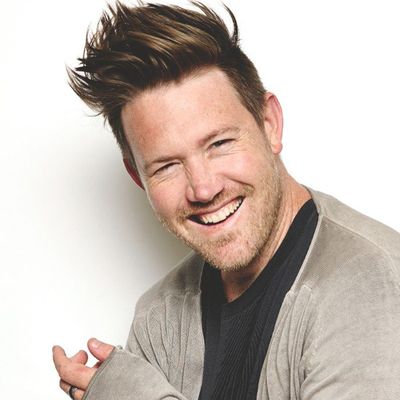
For the month of October, the show with the ghost with the most is taking over! We're starting off our SpOoKy takeover by chatting with Mr. Perfect himself - Eddie Perfect!.. Read More
From the show: Equity One: Broadway's Happy Hour
Guests
Miniseries Inclusions
Featured Shows
About
For the month of October, the show with the ghost with the most is taking over! We're starting off our SpOoKy takeover by chatting with Mr. Perfect himself - Eddie Perfect! The Tony nominated composer/lyricist sits down to chat about differences between Australia and the States, what two musicals were most formative to his signature style, and what its like to cut a song from your show. The first two heats of our special Merch Madness and a game, as always! Subscribe, rate and review on iTunes! Be sure to check out the Broadway Podcast Network!
www.broadwaypodcastnetwork.com
www.instagram.com/edmundperfect
www.twitter.com/eddieperfect
Instagram: www.instagram.com/equityonepodcast/
Twitter: twitter.com/equityone_Email: equityonepodcast@gmail.com
Transcript
This transcript was automatically generated and might contain errors.
[0:20] Elliott Mattox: This is Equity One, Broadway's Happy Hour. Pour yourself a drink. Enjoy us as we chat about life, theater, and everything in between. I'm Elliott Mattox.
[0:31] Caleb Dicke: And I'm Caleb Dicke. Join us for your Equity One.
[0:38] Elliott Mattox: Oh that click. Cheers.
[0:44] Caleb Dicke: We're reaching. We got it. Welcome to this week's episode of Equity One, Broadway's Happy Hour.
[0:51] Elliott Mattox: Woohoo! We are starting our very spooky haunting this month of October.
[0:59] Caleb Dicke: Yes. Woo!
[1:01] Elliott Mattox: Um, and we are so excited to have our first Beetlejuice adjacent guest.
[1:07] Caleb Dicke: Closer.
[1:08] Elliott Mattox: Is that better?
[1:09] Caleb Dicke: No, you're still talking over.
[1:11] Elliott Mattox: Oh.
[1:12] Caleb Dicke: I'm just trying. Look, okay, we're in our studio, as all of you know. We're getting used to this like fancy operation. We're not used to it. Alan, podcast dad is fixing my mic right now.
[1:23] Elliott Mattox: Okay. Oh, I'm so much more comfortable now. Thank you. We can interview so much better.
[1:28] Caleb Dicke: And also, plot twist, there's a new feature right now. Guess who we can talk to and who can talk to us? Hey, Alan.
[1:35] Alan: Hey, how are you doing?
[1:36] Caleb Dicke: Yay! So good. Okay, anyway. What is happening?
[1:43] Elliott Mattox: Okay. So this week we have the composer of Beetlejuice the Musical, Eddie Perfect.
[1:52] Caleb Dicke: Hi, Eddie.
[1:52] Eddie Perfect: Hi.
[1:53] Caleb Dicke: How are you going?
[1:54] Eddie Perfect: Good. Thank you so much for joining us on the podcast.
[1:57] Eddie Perfect: It's a total pleasure. This is exciting. It's exciting to be on your podcast.
[2:00] Elliott Mattox: It's so much fun. We're excited to be. We have a good time.
[2:02] Caleb Dicke: Yeah. Yeah, it's gonna be a fun time, and we're excited for all you Beetlejuice fans out there to get to know Mr. Perfect himself. Now what's your vibe? What's your podcast vibe?
[2:12] Eddie Perfect: Like what's so an equity one drinking. An equity one here in the States is um is kind of the slang for like your drink between shows on a matinee. So the idea is you have like a drink between shows, but maybe keep it at one.
[2:24] Caleb Dicke: Right.
[2:30] Eddie Perfect: It's we like to think it's an official rule. It's not actually a rule, but it's just been kind of branded.
[2:36] Caleb Dicke: There's usually an equity rule about being drunk, isn't there?
[2:41] Eddie Perfect: Yeah, I think the rule is don't be drunk.
[2:43] Caleb Dicke: Don't be drunk.
[2:45] Eddie Perfect: But you know, one but an equity one.
[2:47] Caleb Dicke: Exactly.
[2:48] Eddie Perfect: It's fine, yeah. So uh so the idea is you're just meeting a friend for a between show drink. Just for a sneaky equity one.
[2:58] Caleb Dicke: Sneaky, sneaky equity one exactly. So I've got to lift people afterwards, you know, in the evening show. But we're very upfront about it here. No shame, no shame in our game.
[3:05] Eddie Perfect: That's great. Yeah. Because you know, um uh America has a different sort of drinking culture to Australia.
[3:12] Caleb Dicke: Okay, um, so I mean, and now I'm gonna have to totally generalize, but I think it's fair to say that Australians drink a lot more than Americans.
[3:22] Eddie Perfect: This is yeah.
[3:24] Caleb Dicke: And but Americans are this weird kind of but wine and um wine and beer is very big in Australia. We have amazing wines and uh terrific beers, uh as you do here. But um there's a kind of a cocktail um culture in in America that's uh especially New York, that's quite different to Australia, the idea of drinking cocktails before a meal is kind of like a secret way of getting really loaded.
[3:50] Eddie Perfect: Yeah.
[3:50] Caleb Dicke: Because you kind of can't drink multiple drinks without it looking like you're having multiple drinks.
[3:56] Eddie Perfect: Yeah, you need to go so like it's not unusual for Australians to drink, you know, anywhere between three and ten glasses of wine if you're like tying one on.
[4:06] Caleb Dicke: Oh I love it.
[4:07] Eddie Perfect: But in America, it's like oh I've had two glasses, I'd better, you know, wind things down.
[4:11] Caleb Dicke: Yeah, move locations, yeah.
[4:13] Eddie Perfect: Yeah, but the cocktail because you can stuff you know, yeah, three or four drinks into one drink and then pretend like it's all good.
[4:22] Caleb Dicke: Yeah, yeah. Clever, well done.
[4:25] Eddie Perfect: You do some things right.
[4:26] Caleb Dicke: Yeah, you can do it, you can do it and just live in your shame. Be very secretive about it.
[4:31] Eddie Perfect: What is the legal drinking age in Australia?
[4:33] Caleb Dicke: 18.
[4:34] Eddie Perfect: 18, okay.
[4:35] Caleb Dicke: Yeah, it's 21 here, right?
[4:36] Eddie Perfect: 21, yeah.
[4:38] Caleb Dicke: Um, so you get your you can get your driver's license and your and your drinking license exactly at the same time, which is terrific. Although on a probationary license, which means you can drive, but you've got like restrictions when you're 18. You can't drink any have any alcohol in your system.
[4:53] Eddie Perfect: And then after that it's what is it the same here? 0.05% of blood alcohol.
[4:56] Caleb Dicke: I don't know.
[4:59] Eddie Perfect: Yeah, I think it's 0.05.
[5:00] Caleb Dicke: That sounds right.
[5:01] Eddie Perfect: Yeah, but we have all the you know, the breadth of license and stuff, and then we always watch the American movies, and you get have to get out of the car and you have to walk along the lines.
[5:09] Caleb Dicke: Yeah, that's not science.
[5:12] Eddie Perfect: ABC's backwards is the thing.
[5:15] Caleb Dicke: I'm like, I couldn't do that stone cold sober in the middle of the day. There's no way.
[5:20] Eddie Perfect: Yeah. Well that's that's the difference between the some of the hilarious differences between Australia and America.
[5:26] Caleb Dicke: So many.
[5:27] Eddie Perfect: So many.
[5:28] Caleb Dicke: So many. Well, uh, tell us about we like to start our podcast interviews by having our guests tell them tell us a little bit about uh what got them interested in the arts when they were growing up. So when young Eddie was in Australia growing up, what first what first gotcha?
[5:46] Eddie Perfect: Um I I was always into music. I've got parents who are both um retired high school teachers, and they were um you know, they were kind of interested in the sort of the classical education, so that that in that included sending us to like music lessons. And the first musical thing I ever did when I was a kid was I got sent to Yamaha Music School in suburban Melbourne in Malvern, and I was in a choir, and it was sort of a choir slash group music class, and you know, we collectively sing songs, and I and I had a very strong sense from the very beginning that um music was just something that made sense to me.
[6:33] Eddie Perfect: Um I got sent to piano lessons, but but I I quit after two years. So I when I was five and when I was six, I I studied piano and I did uh the exams, but I had a teacher finally work out that I was playing music for by ear, because she would play me the piece when she gave me a new piece, and then I would be able to kind of like pretty much play it back.
[6:54] Caleb Dicke: Right.
[6:54] Eddie Perfect: Um but once she found out that I was doing that, she stopped playing anything for me and forced me to sight read. And I really quickly lost interest in music, and I wanted to play contemporary music. My parents were like, no, you need to do classical first, and so I just quit. And um my uncle uh is a really interesting guy, Uncle Jim. He um my dad's side of the family emigrated from uh England. Um my dad was six years old when he came to Australia. Jim is his older brother and my uncle, and he is a really interesting character. He played in piano bars his entire life. But he's never had a piano lesson in his life. But I I kind of followed a a slightly similar route to him where um he just listened to the radio and and learnt songs and he's like a walking jukebox, like he uh has n he can't sight read anything.
But if you say, um, play me um you know, play me uh Ain't No Sunshine or play me Mahalia Jackson or something at George Gershwin tune or even Rhapsody in Blue, and you know, give him a key, he'll play it in that key from memory, and I remember him just saying to me, You just don't worry about it, just listen to the radio and play what you hear. And that was the permission I sort of needed. So I taught myself to play the piano. I taught myself to write songs, um, but the first thing that got me into music theatre was my dad taping um I think it's the 1983 um Angela Lansbury George Hearn production of Sweeney Todd.
[8:29] Eddie Perfect: Yeah, uh I don't know what made him do this, but he recorded um the whole the whole um musical in both acts. It was simulcast on radio in Australia. He onto two cassettes, he recorded the whole thing. And we used to listen to that a lot in in the car. We had like a combi band, and we used to go every holidays, we'd go on camping trips around um Victoria. Um and you know, sometimes Australia's big, so sometimes long drive, six, seven, yeah, uh eight-hour drives, and always listening to musicals. So that was that was sort of the first introduction to musicals, and um it was Sweeney Todd and it was um uh Pirates of Penzance, also with Angela Lansbury and Kevin.
[9:14] Caleb Dicke: Yeah, the Kevin Klein the the like movie they did.
[9:17] Eddie Perfect: That's right, Linda Ronstadt.
[9:19] Eddie Perfect: Yeah, well it was uh the uh the entire original cast, except for Angela Lansbury was did the movie, I think, and not I can't remember who who did it originally. So random that we were talking about that um I was talking about that recently because I saw the new production of Little Shop of Horrors at the Westside Theater.
[9:43] Caleb Dicke: Okay.
[9:43] Eddie Perfect: We were kind of talking about this like that time when like these weird kind of like off-Broadway musicals like became mainstream movies and that they they brought up like Pirates of Penzance, like why did that become a movie?
[9:59] Caleb Dicke: But yeah, yeah. Great, you know?
[10:01] Eddie Perfect: I mean, I there was so much about it, and and I think that you know I I can pretty much point to um you know the dark comic sensibility of Sweeney Todd and the kind of um ridiculous aimless word of of uh of um uh Gilbert and Sullivan being really massive influences on my writing to this to this day. Um I just loved the ridiculousness of the words, and I also, you know, I was brought up on my dad um used to read us a lot of poetry, and uh there's a great English poet called Ogden Nash, okay, who um wrote uh was kind of like the poet laureate in England for a time and children's poet laureate and he his collections of poems are fantastic and he in a similar way to people like Spike Milligan, who we got a lot of in Australia as a comedian, uh and then eventually Monty Python um and then you know um uh Flo Fry and Laurie and um you know those kind of the English comedians with that was very interested in kind of words and what I loved about Ogden Nash and also um and uh Gilbert and Sullivan was the was was distorting words to make them rhyme or pulling them apart in in different ways.
[11:21] Eddie Perfect: And um and also between the two of them, like Sweeney Todd and and Pirates of Penzance, taking um kind of uh like you know, t taking ridiculous ideas very seriously. In you know, th there's a heightened reality to both of those pieces that's that is not connected naturalism. It's not, you know it's not a big farce, you know, like it it's like it's huge themes and I love the size of it, and I was like, oh right, music allows you but basically allows you to to create a piece of theatre with that scope, you know.
[11:53] Caleb Dicke: Yeah.
[11:54] Eddie Perfect: You can get away with so much.
[11:56] Caleb Dicke: Yeah, you know. I mean the whole premise of Pirates of Penzance is so utterly ridiculous, you know, that he was born on a leap year and you know, the all the whole orphan thing and then I mean it's it's yeah, it's just it's so stupid, and it's like an amazing moment. When you know the the um Angela Lansbury character, I can't even remember what her character's name is in.
[12:20] Caleb Dicke: Um either.
[12:21] Eddie Perfect: Yeah. She basically uh can she can uh she deceives Frederick that she's the most amazingly beautiful woman in the world because he's never seen another woman, and then he gets to the eye, and then there's all the no, you know.
[12:33] Caleb Dicke: Yeah, it's a false world.
[12:35] Eddie Perfect: I'm just seeing me. And I went that was so cruel, but very funny. Yeah. So yeah, all those things have been uh kind of in the bag uh from the start. They were form they were formative things. But then I re also remember pulling um Fiddler on the Roof out of my dad's record collection, just going, What's this?
[12:51] Eddie Perfect: ...and putting it on the turntable and hearing tradition for the first time and just blowing my mind. I was like, what is this sound and all those kind of those different melodies that then cleverly come together and form one piece? And I was like, this is so I was always really fascinated with music. I was fascinated with music theatre because of the storytelling nature of it, and I was always interested in it enough to become obsessed with how it all worked, but never thinking I'm gonna write musicals one day. I was just like I just like to take just like I guess it's like people that like to take a clock apart and see how it works. I was kind of like would just obsess over it. And I did want to be a music theatre performer and I went and studied music theatre, but the writing is something that kind of came along in parallel very late.
I didn't write a song until I was 19 years old. I didn't write anything you would call like kind of music for the theatre until I was 20 years old. And that was because I was a student at a music theatre institution, and every now and then there would be an opportunity to write something. We're doing Lizard the play Liza Strata, and it needs the whole chorus of men who are like horny and can't get anywhere and they need a song. Can you write a song? I write a big kind of like barbershop quartet type song. Yeah. Or so writing for the theatre was great because I liked a lot of music and it just gave me the ability to write sort of anything that worked or that solved the problem of the scene. Um but no, I didn't have any kind of like formal training in it.
So I just kind of kept doing it. And I think it's true of all writers out there who have never been in an institution and come out with like a piece of paper that's been stamped at the end of it. There's a really weird point at which you give yourself permission to be a writer. And sometimes it's just because that's what you're doing and someone's paying you for it, um, or it's occupying all of your time, and you just kind of get so used to it that you stop worrying about the fact that you're not qualified in any particular way. Um sometimes there's an event that happens, you know, like you know, the first bit of money you make from something you write, or but I I don't really know what it was with mine, but I do get a lot of people emailing me going, I've got this idea, can you write it for me?
And I always go, you need to write that yourself. And then I was like, Oh, but I don't know if I can write. I'm like, no one knows that they can just do it. Right, yeah. Just do it. No one's gonna do it for you, especially in Australia. Um, you just have to I mean I didn't have yeah, I I would I just I'd go like, okay, here I am, and here's the thing I want to be able to do. Like, I want to be able to um I want to be able to record my own demos. Like that that's something that's important to me. And or I want to be able to accompany myself and sing my song in public. Right. Um, uh all that stuff is you like whenever you get that idea, you look at the distance between yourself and the reality of making that happen.
And there's so many things in between you're like, I don't know what to do to get there, but you just start walking there and you learn things along the way. So when a lot of people come up to me and like hey you know how do you um can you write a chart for me or can you dicen you like transcribe this and I'm like do it yourself. That's how you learn how to do it. You learn how to do it. Like it's so much easier when you don't have to pay for somebody else, wait for somebody else, get permission from somebody else. It's just like just do it. I mean how hard is it? Yeah I mean the the old adage right if you want something done right do it yourself. Yeah. No one's gonna do it the way that you're going to do it and 'cause and then you you have full control which is something that like in the arts is very rare to have like so much control over what you're putting out there.
[16:36] Eddie Perfect: Yeah well in Australia it was more of a necessity and then and and then the impetus to come to New York is really about um getting out of the vacuum of just myself and collaborating with other people. Would you talk about that? Um the the different kind of atmosphere in Australia for your for what you were doing and and why that led you to trench out to New York. So Australia has a has a has a very big music theatre industry all of the but it's an imported industry. Sure. Almost almost entirely I would say so yes we do make our own musicals and and they they do occur and every now and then one happens in quite a large commercial way. I think that that um New Yorkers might be familiar with Priscilla that was a that was a commercial Australian musical began in Australia developed and then and then is was to it all over the world.
Yeah. Um boy from odds with Hugh Jackman although it's significantly changed from the version that toured Australia very successfully. I think that was m that changed a lot just because of the American market. Sure. Yeah you know, are they going to understand a whole bunch of you know country Australian references? Yeah. Yeah. Um, but generally, um it's an imported art form. So uh there are major commercial producers, they will take the license for um uh a musical that normally from Broadway, sometimes from the West End, and then produce it there. So um in that respect, um, we have a huge industry of incredibly talented um performers, uh, wonderful pit musicians, um, experienced producers, marketing companies, um, creatives and designers, uh, directors, um, musical directors, all we have all of the people to make those things happen.
What we don't have is any kind of like um uh kind of consistent and concentrated development process or even a kind of um an ambition or an appetite for making commercial musicals, sure it's just sort of too uh it's it's sort of too expensive, yeah. You know what I mean? And there aren't that many people in Australia. Um but I do think that there was more motivation and and um you know more of a consistent payoff. If it wasn't such a heartbreaking art form, yeah, maybe it would happen more. But you know, America America makes a huge Broadway makes a huge amount of musicals, and we all know you know how few of those become kind of lasting properties. It's really it's really difficult. But there is an appetite here, yeah, and there is a big carrot dangling in front of the donkey, you know, that there is a real nexus between commerce and art when it comes to uh Broadway here, and as a result, there's just like a kind of a very vibrant ecology of people who not only know what they're doing making musicals, um, but are really uh uh what's the word? Um they're serious about it. Nobody nobody in New York um apologizes for the musical because it's New York's art form.
[19:43] Eddie Perfect: Yeah, sure. Just as much as jazz and hip hop was born in Manhattan, yeah, um, or in the boroughs of New York, um Broadway is completely geographically specific, totally its own art form that has been running for you know a very long time, yeah. Um, and has incredible practitioners, has a whole world built around it of from both the kind of money side to the creative side, and no one skimps on it. I mean, everyone has obviously there's there's ways that the whole system could be improved, and I'm sure everyone has you know had success and failures and all sorts of things, but they're still throwing millions of dollars at it, like they're not skimping in that way, yeah. Yeah, this is the only place where no where everyone goes, let's make a musical, and they're like they're serious, they'll spend millions and millions of dollars to make a musical.
Whereas in Australia, I mean, yes, they'll make musicals, even in the UK, yeah, they'll make musicals, but they're not they're not as in love with the form. They're not they're a little bit self-conscious about it. There's a little bit of like um because the UK is you know, London is the is the land of the beautifully crafted literary play. Yes, you know what I mean, and that's what they value, and that's why you know the national and the Al Maida and the old Vic and you know, all of those um and the royal court and these incredible institutions are there to develop playwright, and as a result, that is that is part of their culture, it's a big part of their culture. Yes, they make musicals, but I feel like they don't they're a little bit like this isn't as important.
Well there's a di I mean there's a difference in the the like when I when I visited England when I was much younger there the big hit that everyone was like you have to see it was dirty dancing. And so it's just kind of like I thought you were going to say Lord of the Rings. No, that's what I chose to see. They were like, ugh, it's awful, don't go see it. I loved it. I was like, this is amazing, this is huge. I love the music, I love the like folk music, but they were like, no, dirty dancing is fabulous, it's so fun. That was and so that's kind of the general vibe is that it's very much the like the fun light, you know, campy thing over there. It is yeah where there are things that take what we do very seriously, even if you know, not speaking just taking it seriously and storing money on it, but actually taking it seriously in that it's like you know, there are serious things happening in musicals.
[22:06] Eddie Perfect: Yeah, I mean when you think about the kind of the big the the big kind of influential musicals out of out of the UK, I mean um like things like uh The Hired Man and and Blood Brothers, yeah, and you know the kind of Angelo Weber uh Cameron Macintosh kind of over. The mega musical, yeah. Yeah, all that kind of stuff, you know, that is really important, and there's there's certainly things happening there now, and I mean I'm not completely across all of it, but like you know, everyone's talking about Jamie is really interesting, and um um Matilda, obviously, yeah, um, and Groundhog Day, um, both are kind of from that collaboration between Tim Minchin and Matthew Wortress, you know, there's there's certainly stuff um happening there, absolutely there's stuff happening there.
Um It's funny what doesn't make it over here made it over there though. Like you said one and I was like, oh that didn't last over here. Oh, Blood Brothers yeah no way no well groundhog day was a short life yeah shorter life here and you know the who who knows too it's yeah and definitely not an exact science like no it's certainly not and um yeah it's it's really interesting too you know like um the way things are developed here is very different to the way things are developed in the UK um there are like there's a lot more equity rules around how yes theater is music theater is created and you know we know from doing Beatle Chews together how many endless labs we did and you know everyone is every single one of those is a different equity stipulation they don't have that in the UK so things can kind of move faster and easier and sort of uh cheaper I guess in some ways but this is still the center of where it's happening for all of its you know expense and faults and failings.
[23:52] Eddie Perfect: I mean people still put millions of dollars into making musicals and they're like I don't know is it gonna how's it gonna it's crazy.
[24:00] Eddie Perfect: Yeah, it's crazy. It is so crazy. But I guess it's just like, you know, and we're also we're in the, you know, financial capital here too. You know, people love the risk. They love the gamble. I think it's part of why people produce and like throw money at things like that. I think it's an exciting way to invest in things. It's a way for people to invest in the arts and I think some people like the thrill of it too, like being like not knowing if they're gonna get their million dollars back.
[24:31] Caleb Dicke: Yeah.
[24:31] Eddie Perfect: And also, but just kind of creating contributing to the culture of being there on overnight and, you know, facilitating stuff. That's a, you know, that's a, it's like, um, it's got a Roman vibe. You know, like it's like I think you have a civic, you know, you have a civic role in investing in certain things or being a patron of certain arts institutions. Arts philanthropy in New York is just staggering. Like it's absolutely staggering what people will put their money and investment into and decide is important, and that is amazing. Nowhere else in the world does that happen. I find that kind of extraordinary, but there's also this weird part of the culture with musicals or at least the way, um, and I don't know, you can probably tell me more about this, but there is a kind of an art as sport thing that goes on with Broadway, especially I feel like it's like every season, you know.
[25:01] Caleb Dicke: Oh sure.
[25:01] Eddie Perfect: You gotta get it. You gotta have your team that you're rooting for and you've got to hate the other team, and you know, you've got to like look at the grosses and it's like really intense. Some, you know, most of the time it's some more than others, yeah.
[25:38] Caleb Dicke: Yeah.
[25:39] Eddie Perfect: Yeah, some people take it really seriously. Some people are kind of like bordering on the insanely vitriolic, and other people are just, but it's just like it kind of the part, the finance of it, the commerce of it is as much a part if not more a part of what excites people about Broadway than the content of what is on stage.
[25:58] Eddie Perfect: Yeah, I think since Hamilton, people are like, well, investors are like, we could have another Hamilton, so that's why we're gonna invest in the small thing that's gonna grow. And then also making, if it's a hard show to get to, people want to get tickets even more because they're like, everyone's seen it.
[26:12] Caleb Dicke: It's an interesting thing, especially with the competitive nature.
[26:17] Eddie Perfect: I mean, you look at it, there's so many new shows that open up in a season. I mean, last season there were like thirteen, fourteen shows or something like that. And you had two—tip for all the writers out there—don't do that. It's a really bad idea. But it just, it's, it's, uh, and I think a lot of what feeds into that is most people that get involved in the theater scene here aren't from New York or, you know, a lot of our, a lot of our, like, um, stake in theater was started with watching the Tony Awards or something like that. Started with seeing this kind of thing happen. So then I think that kind of is ingrained into the culture a little bit of like, oh, this is part of like what we do is this kind of like competition, competitive thing.
And it is a competitive industry, I mean, of course, yeah, and competition is healthy and competition is good, and, um, everyone has different ways of dealing with it. And at the end of the day, like, you know, it's not really, um, my business to do anything other than my job, and I get to walk into these amazing rooms with incredible performers like yourself and orchestras and orchestrators, so I'm very, I'm really lucky. But I also think it's good to take a step back and look at like, what are the, what is it that people are writing about? And like, especially because now I'm at a point where I'm back to square one and I'm like, what's the next idea? And every idea you have, you can't help when you, when you kind of writing for, um, hopefully for a kind of commercial audience, you know, what is, what constitutes a commercial idea? And, um, you know, like what, what stories are people telling and what stories are appealing to people?
[28:14] Eddie Perfect: And I mean, it seemed for a while that there was a lot of stuff about the kind of, you know, the outsider, the kind of the B Matchell, the dear of enhancer and them, even, uh, uh, superheroes at, um, uh, second, was it second stages? Um, you know, a lot of material was about being the kind of outsider. Um, and I don't know whether that is just like because theatre people feel like they're outsiders or whether theatre people feel like, um, their audience, uh, are going to feel like outsiders and they're the kind of ideas that appeal. I, I don't know where that comes from or whether that is something that people voraciously want. It's just part of the consciousness. You know, there's a great book by William Golding called The Season, um, which was written.
Oh my god, people out there gonna listening are gonna know this book and be really upset that I don't know. Um, it was the beginning of the book he's talking about, uh, sort of a final concert of Judy Garland on Broadway, so that should give you some idea of the timeline. But he basically took an entire Broadway season and looked at every single show, everything from, uh, content to commerce and, um, uh, a quite terrifying chapter called, uh, homosexuals, uh, which is not quite as bad as you think it's going to be, but it's still, it is not woke, but it is like you're like, oh my god. All right, here we go. Proceed with caution. Uh, yes, very much a product of a time, but also, but also you, but still interesting, just language that, um, we wouldn't and ideas that we wouldn't particularly cling to these days.
But it does, what it does do is break down what those stories are about. Every sort of play. This is a play about, um, reconnecting with family or this is a play about losing love or, you know, whatever. And, um, you know, like it's interesting to look at what Broadway is putting up, you know, and how you can be a point of difference and what idea is going to be able to break through. I just think is kind of like an interesting time for, for theatre.
[30:24] Caleb Dicke: It definitely is. I think there's a, there's a, there's kind of a differing views right now on kind of what people want and need from theatre. Like either people want an escape or they want to be challenged is kind of, I feel like the two kind of things. Like people want to escape with a comedy or they want to be challenged with something that's perceived as intellectual and, um, with more dramatic. And I mean, how, how many more times can we have a musical that is like, you just gotta live your truth, you know what I mean?
[30:57] Eddie Perfect: Yeah. Like that is it. It is amazing how many musicals are just like, you just gotta, all you gotta do is find out who you are and live your truth. Everything that's wrong in life is you not living your truth. And I, as an Australian, we don't quite have that you gotta live your truth thing going on. You know, like just, just be you. It's a very American idea. Yeah, but then, you know, you talk to most Americans and they're like, yeah, you know, you can't just sit on a couch and just be you. You know, you go out in the world to do something, do something or be something or learn something, you know? And I really gravitate towards darkness, so I'm always like, how dark, how dark can we get? Yeah, and get away with stuff. So, um, I'm having kind of fun at this point, but then you go, okay, this idea appeals to me, and then I have to pitch it to people, and then you find out very quickly whether that's something somebody wants to write a check for.
[31:52] Caleb Dicke: Uh-huh, yeah. Do you think musicals, you have to leave a musical with a sense of hope?
[31:52] Eddie Perfect: Uh, yes, I feel like you have to, you have to have a glimmer somewhere in it for hope because that makes you want to come back or I can't, I can't go out in the world. Yeah, I mean, uh, yes, but I mean, you think about something like Sweeney Todd, I mean, do you really leave that with much hope? It's literally saying every, every person is Sweeney. We all seek revenge in different ways, and I don't know if that leaves us with much particular hope for Toby.
[32:25] Caleb Dicke: Yeah, I think you kinda go revenge is revenge. I mean, I guess it's a cautionary tale, so I guess, you know, you're left going, okay, you can follow the path of revenge, but it will consume you and it will kill you.
[32:38] Eddie Perfect: Yeah, you won't live happily ever after. I mean, you know, his daughter lives on and the sailor Anthony lives on and the hopeful character, the ones that are all resided the whole time. Yeah, that revenge kind of like revenge is going to, you can kill as many people in revenge, but it will kill you. It will claim your soul and just, and destroy you. So I think that's kind of got a message of hope, I guess, you know, I would, I would say that's kind of hopeful. Um, but that's sort of interesting that people that criticize music theatre because they just don't fundamentally buy why somebody would break into song. Um, I, you know, I, I find that the musical is sort of, and I felt this especially when I watched that documentary Bathtubs over Broadway. Have you seen that one?
[33:23] Caleb Dicke: I haven't seen it, but I've been meaning. It's on my watch list, yeah.
[33:26] Eddie Perfect: Yeah, it's about, um, what do they call them? Commercial musicals or, or like it's probably, it has a different industries, uh, industrial industry.
[33:33] Caleb Dicke: Yeah.
[33:34] Eddie Perfect: And it's a, it's one of those kind of, um, the guy that made it, the guy that put it together is, has got that fantastic kind of great digging, um, obsessiveness about something that is really kind of kitsch, but finds the beauty in it. And that, and because the kind of height of the industrial musical is around, um, the kind of peak of American optimism and manufacturing, you know, I do feel like music theatre has optimism built into it and almost it's like you need to, the reason it is exciting is because you sit down and you go, I am, I am entering into a world where singing and dancing is possible.
[34:12] Caleb Dicke: Yeah.
[34:12] Eddie Perfect: Yeah. It's just possible, which is a lot more you can say for everyday life. Um, in, in New York or, or anywhere, you know what I mean? Like the idea that you could, you know, um, find a way to express yourself that becomes heightened physically and right vocally is, is like a nice thing. So I kinda think like it does have to have hope in it there some way. But then then I also find feel that kind of, um, catharsis part of it too. You know, that if you, you know, if you kind of destroy the, the thing that you go, that's bullshit and I'm gonna pick it apart or I'm gonna stab it or skewer it. Um, seeing a collective enemy go down in flames, even if it's violent, you know, like that's like for it, yeah, yeah, yeah.
[34:58] Caleb Dicke: Yeah, great.
[34:58] Eddie Perfect: That's hope that something can be killed that you didn't think could be killed, whether that's fascism or anti-Semitism or sexism or transphobia, like seeing someone destroy that is, is great.
[35:11] Caleb Dicke: Are you excited for Jagged Little Pill?
[35:13] Eddie Perfect: No, I mean, not really. I mean, I, I don't know much about it. I mean, I am, I don't know. Like, I love, so this comes with the pro, just not really. Terrible. I know, I mean, just on honestly, I love that album. That was a big album. Like when I talk about influential albums in my life, Jagged Little Pill was a huge one. So I'll go along and, and watch it. But I, you know, like it's like all ideas. I'm like, this is either a great idea or a terrible idea. I'm like reserving judgment until I see it. Like I thought that Bat Out of Hell would be terrible, and it was like one of the most glorious I have ever seen. I just blew my mind.
[35:53] Caleb Dicke: I had so much fun.
[35:53] Eddie Perfect: I had so much fun. And so Bradley Dean, who played the kind of father guy. Amazing. Yeah, he did a bunch of the King Kong, uh, workshops, and I just loved him. He's a very intense guy, but he's also got this kind of very, uh, playful, dark, you know, like real like downtown New York kind of sensibility. And, um, so I was excited and I, and like he can sing his face. So I was like, this is great. And him and Lena Hall singing what part of my body hurts the most was like a religious experience for me.
[36:29] Caleb Dicke: Yeah.
[36:30] Eddie Perfect: The parts of the show that were incredible were some of the best things I've ever seen on stage. And the can't, the kind of camp self-aware camping. Like looking down the tunnel wistfully or my favorite was at just the very beginning when the lead girl was just like moping and just falling over the couch just because she couldn't stand. I was like, this is hilarious. Like every bone in her body had turned into jelly. There was so many bizarre choices in that that really made me laugh. Like it just unit just knew itself. And I was like, a different cast? Yeah. That could be a disaster that shit. Right. But peep it had people standing up screaming when they were singing It's All Coming Back to Me Now. I mean, the four of them just ugh, that was amazing.
[37:15] Caleb Dicke: Yeah.
[37:16] Eddie Perfect: Um, there's a, the two acting choices that just blew my mind, and I get really obsessed with like small acting choices. One of them was when Bradley was singing What part of my body hurts the most, and um, I can't remember the lyric, it's like, um, uh, uh, part of my part of my so Faster than the Speed of Love was the lyric. And there was a moment where the character was like, I just said something that was like, um, quite clever. But and then there's a moment of acknowledging that's clever, but I'm still sad, and went back straight straight back to the sadness. It was like, and it was kind of like a gallows, oh that's clever, but who's got time to deal with my own cleverness? It was so small but so funny.
And then the other one was, um, Lena Hall's character on when the when the table turned into a convertible Cadillac for no reason, that was amazing, and then at some point she takes off her underpants and she spins them around her head, and then for no reason she sniffs them, and there's a moment where she's like, Yeah, I still got it, and she throws her underpants away. I was like, what is happening in this show? It was so, so wild, so funny and so great. And the band was cooking, it was great. Yeah, it was the wild show. Really fun.
[38:33] Elliott Mattox: Well, I mean, we'd be remiss to not sit here and talk about Beetlejuice, the musical.
[38:38] Caleb Dicke: Oh, yeah, let's talk about Beetlejuice.
[38:39] Eddie Perfect: Yeah.
[38:40] Caleb Dicke: Well, talk about um what your journey was uh on getting involved with the show.
[38:46] Eddie Perfect: So I um I just been I just been writing some songs for Strictly Borin the musical in Australia. And I was never in the room. It was like kind of they would ring me up and go, hey, we need a song for Barry Fife and it's gotta be about blah blah blah. And that was normally um that was normally Baz Lumen that would just like I need I need a song about, you know. And I'd met him like met Baz once at like a awards party, but he would ring me, I'd write a song and email it off but and then I would never hear anything, no idea if it was in the show or not. It was like an incredibly unsatisfying way to work. Cause you know, I'm like, is it working? Does it work on the actor? Is it in the right way? Is that so the lyric sound right coming out of them?
Yeah, all that stuff that is about writing a show. I was just never in the room. So that was kinda like ridiculous. And um I remember being really depressed about the fact that, you know, as I said before, Australia doesn't make a lot of musicals, that if I wanted to make something I'd have to get back into the vacuum with myself and do all of it on my own, like I'd done before, you know, write the book, write the script, write the lyrics, write the music, or you know, and um I was kinda like I wanted to collaborate. And my wife Lucy was like, just get on a plane and go to New York. You've always wanted to do that, you need to go. And you know, I didn't know anyone or anything, and I just bought a ticket and I rang every kind of person I'd worked with in the arts in Australia, and I'm like, Do you have any contacts in New York?
Do you know anyone that I should talk to? I'll talk to anyone. Um on the way to New York, I stayed in Los Angeles with Tim Minchin for about three nights. And he um excuse me, he agreed to introduce me to his uh music theatre writing agent in New York, John Bizzetti, who's at WME, and um John agreed to meet me, and I went to John's and I gave him all of my stuff, which was so Australian. Like one of them, one of them was a CD of Shane Warren the musical, which is about an Australian cricketer, which makes no sense to anyone else. The other was um a song cycle that I'd written and performed with um a classical string quartet called the Brodsky Quartet, which was all about growing up in suburban Melbourne.
So, like you couldn't be more an Australian. But he listened to my stuff and he liked it enough that we started working together, and and I knew I'd heard that Beetlejuice was going around, that had been going around for three and a half years, that the script was being written, that it was out to pitch with a whole bunch of writers, uh, but but um as far as I knew no one had signed yet. So I asked John Bizzetti, um, could I be included in that pitch? And so he asked the Warner Brothers, I guess, um, and they said no. They were all like, nobody knows who you are. You're a weird Australian with a weird name and all of your materials, very so no, they're not and they've got it out to pitch with some quite you know, like reputable, very high profile team, so they don't want to expand the pitch, and that's that.
And I was like, what if I just wrote two songs for free? And I and my agent was John was like, really? You do that? And I was like, dude, I would pretty much do anything at this year. So he went back to them and said, Eddie will write two songs for free if you don't like them and it doesn't cost you any time or money. What's the harm? And they were like, okay. So they sent me the script, and I had a phone call with Alex. I was in Brisbane at the time. I I had a phone call with Alex Timbers and um and he it was really funny 'cause he was like, you know, I'd like you to write a song for Beetlejuice and a song for Lydia and the song we're the sound we're going for is kinda like, you know, kind of circus, kind of carnival, kind of oingo boingo.
And I remember thinking, Oingo Boingo is that and if I'd actually Googled it, I would have found out that Danny Elfman had a band called Danny Elfman who composed the the music for Beetlejuice. He had a band called Oingo Boingo. So it was like a direct reference to his sound. But I was like, yeah, I think I know what you mean by oingo boingo, right? Like that go, go kind of on a mataper of it I was like, Yeah, I get it. And so I set about writing these two songs. And and this is like um this was a huge opportunity for me to put my sure music in not just in front of like a Broadway director but also to show my um New York agent that I could write American stuff to an American brief. And so I really turned myself inside out and the first song I wrote was the whole being dead thing.
And that was like kind of hurting cats 'cause I wanted to put you know I knew I wanted to take all the surprising comedy of the script, which was amazing and very funny, and try and make the music every bit as surprising. So it would kinda like turn and twists and be you know, that would be in folk and then we'd be in death middle and then we'd be in swing jazz and he would kinda like a kind of a a um almost like uh the genie in Aladdin but a very dark macabre version of that. And then also, you know, having to sing Beetlejuice, but the biggest thing you like you have to decide is what does Beetlejuice sound like when he sings, and is anyone gonna buy a ticket to hear that, you know.
[44:01] Caleb Dicke: Sure.
[44:01] Eddie Perfect: That's a big consideration because I was like that as well. You're doing Beetlejuice and music, but what's what is Beetlejuice sound like? So I spent a long time, you know, just in my you know, hey folks, you know, yeah doing voices, doing voices, and that was um that was a lot of fun. So we so I put those songs together. I also wrote Dead Mom and they were the songs I sent off, and was a bit of back and forth between myself and um Scott Brown and Anthony King, the book writers, and then nothing for about three months, and then I got a call saying for my agents, and you got the job. So it was in absolutely insane. Um so after about eighteen months of going to Broadway and thinking, oh my god, I'm gonna have to, you know, put up a tent in Battery Park and put on a puppet show and then claw my way block by block up to Midtown.
Um I was given this incredible opportunity to write a Broadway score for you know, off first off the bat, and um that was that's terrifying, that's really scary because you know they don't just you know hand you a trophy, you know a door and there's a mountain and they go, okay, go climb yeah that um but I was very obviously incredibly motivated and excited to be inside it and also wanting to please my collaborators and you know they had an ownership over the show because they've been working on it for so long, and I wrote so much material that there's all is almost as much material that's been cut from the show than is in the show.
[45:31] Caleb Dicke: Yes.
[45:32] Eddie Perfect: Um, and I learnt a huge amount about collaborating. You know, I found that hard, you know. Um there were times when you know we would disagree on stuff, and because there was two book writers and one composer lyricist, I was always outnumbered. I had to invent a sock puppet so that I had me and Graham kinda as a deadlock now, guys. So it was um it was an extra yeah, that was an extraordinary experience, and you were there for like a lot of it, yeah.
[46:02] Caleb Dicke: Two years of it.
[46:03] Eddie Perfect: Two years of it, yeah.
[46:04] Caleb Dicke: Out of four for me, and like seven or eight.
[46:07] Eddie Perfect: So many for everyone else. Musicals take a long time to make. What's it like when a song that you love is gonna get the chop because someone else says it just it doesn't fit. How do you deal with that? Has did that happen?
[46:17] Eddie Perfect: Oh yeah, yeah. Well, how do you deal with that, Allegra?
[46:22] Caleb Dicke: Um, you really have to it really depends if you trust and respect and like your collaborators. If you're working with someone that doesn't have a very good taste and or you don't trust their theatrical intelligence, I mean, A, you shouldn't be there in the first place, but it does happen sometimes. That can be really hard because you're like, oh, I think they're wrong. But at the same time, um, sometimes people are right, and you need to just breathe and go uh listen to their what they have to say. And a lot of the times, you know, the great thing in about American development mental process is you get to try it. Yeah. So you go, let's try cut. I mean, there is a thing that um no one wants to work with a collaborator that won't collaborate.
Yeah. If you're the guy that's always like, you gotta pick a hill to die on, right? So if they're like, I think we should cut these four bars, or we should cut this second verse and get straight to the kind of bridge or whatever, and you're like, No, I will not cut my material, it really does affect your ability to collaborate with other people. No one wants to work with you, but at the same time, you do need to kind of like stick up for certain things. And so it's an it's a kind of a dance. Um because if you go to town going, I will not cut cut these two bars. Everyone's too scared to talk to you about the song that's not working or whatever. Um I think you kind of just gotta know in your heart of hearts that um that an idea isn't working, and over four years is enough time to fall out of love with your songs.
So you can go, okay, so um, you know, Dead Mom by the time it got to opening nine was you know, four years was a four-year-old song. And I was like, I don't know, let's cut it. You know what I mean? Like, you're somewhat different, you're like, I've I can't look at it, someone else has to say. You know what I mean? Like I'm like it's very you know, and so um, and that's been very, you know, once we recorded it and put it out into the words, it's really popular. People really responded to it. You know, and I and every now and then I I listen to people's covers of it on YouTube, but you know, I can't really get past a couple of bars because I I it's a very old song.
[48:29] Caleb Dicke: Yeah, yeah.
[48:30] Eddie Perfect: Do you know what I mean? It's like yeah, it's like Kesha's milkshake.
[48:34] Caleb Dicke: Is it Kesha?
[48:35] Eddie Perfect: No.
[48:35] Caleb Dicke: What's milkshake?
[48:36] Eddie Perfect: Milkshake?
[48:36] Caleb Dicke: That's not Kesha.
[48:38] Eddie Perfect: No.
[48:38] Caleb Dicke: That's not mistake.
[48:41] Eddie Perfect: Oh, we're at the cut. Anyway, whatever.
[48:43] Caleb Dicke: It's not cash out.
[48:44] Eddie Perfect: We we love Catherine Kesha.
[48:45] Caleb Dicke: Yeah, so we wouldn't know if she's got a new album coming out.
[48:48] Eddie Perfect: Has she?
[48:48] Caleb Dicke: Yeah, she's putting out new music.
[48:50] Eddie Perfect: Yes.
[48:51] Caleb Dicke: She's brunette now, too.
[48:52] Eddie Perfect: Whoops.
[48:52] Caleb Dicke: Kesha.
[48:54] Eddie Perfect: Whoa, oh my goodness. Sorry, came in without the effects turned off.
[48:58] Eddie Perfect: Uh it is Kellus.
[49:00] Caleb Dicke: Callaus.
[49:01] Eddie Perfect: Callus.
[49:02] Caleb Dicke: Oh my god, thank you. Thank you, Alan.
[49:04] Eddie Perfect: Thank you for this dad.
[49:06] Caleb Dicke: There's some cali callous callus outf fans out there that are like furious.
[49:10] Eddie Perfect: That are throwing shit.
[49:11] Caleb Dicke: Yeah, yeah.
[49:12] Eddie Perfect: It's still over. I wanted to touch quickly, we don't have to dive into it, but you mentioned before that you know this season you had two, not only your first Broadway show, but you had two Broadway shows running at the same time.
[49:26] Eddie Perfect: Yeah.
[49:27] Caleb Dicke: And um I know from being in Beatlejuice during when we were out of town, you were coming back and forth between previews of King Kong and our an hour kind of tech process. And um what was that experience like? Especially you were brought on to King Kong much later in its development, if if I'm right.
[49:46] Eddie Perfect: Well, I think I was brought onto King Kong at the same stage, but the development was just shorter.
[49:51] Caleb Dicke: Sure, okay.
[49:52] Eddie Perfect: So I started writing on King Kong Um eighteen months after I started writing on Beetlejuice, but then the trajectory of them just meant that they ended up on Broadway at the same time. Right, when things go to Broadway, so that was kind of like a terrifying uh scheduling nightmare. Although my role in King Kong was very different to Beetlejuice, where Beatlejuice was very much like a traditional musical where we all, you know, I wrote the musical. It's all right material. Um King Kong was was uh from the very beginning a very different beast, pardon the pun. So um uh about two months into the writing process, it was decided that it wouldn't be um quote unquote a traditional musical. Just and you know, you can argue the merits or the rights and the wrongs of that decision, but at its heart, Kong was a it was a massively technical show based around an animatronic puppet.
Yeah, yeah. Certain things that the puppet can do, certain things the puppet can't do. Right. Things you can't change about what how the puppet moves because it takes you know, like months, literally months and millions of dollars to re-choreograph that there are 12 people physically moving the puppet, you know.
[51:10] Caleb Dicke: Did you ever get to ride the puppet?
[51:12] Eddie Perfect: I didn't get to ride the puppet. No.
[51:14] Eddie Perfect: I didn't really, yeah. I mean, I meant I met him up close and his the puppet is one of the most extraordinary. Um but yeah, I was writing songs for that.
[51:23] Eddie Perfect: There was also Marius DeVries who was writing all of the kind of non-song moments, but also had some songs of his own in there. Um there were like long periods of contemporary dance. Uh Jack Thorne, uh book writer, wrote these kind of very very lengthy scenes that were very connected and very small and human level. Um, so it was kind of a weird puppetry, contemporary dance, contemporary theatre, sometimes musical hybrid. Um, and you know, and it wasn't for me, it wasn't a particularly happy place to work in the end. Umly because it was, you know, it was uh there was so much going on. It was a big ship. Yeah. You know, I was a very sort of small cog in a very large wheel. Um, and we also I I also think it's fair to say without um anyone getting upset that um we discovered things about our show when we finally put the piece we had made in the rehearsal room together with the puppet.
Uh-huh. And that made, you know, and then we had very little time to react to those um decisions. Um but there was like wonderful, there's extraordinary things about that um that piece, and I know it became a kind of a you know, a kind of a target for some pretty intense vitriol. Awful. But at the same you know, and like some of the stuff I read. I mean I remember always read and I think she's just moved on from Variety, is it's Sarah Holm Holdren. I I know yes, I think so. I don't know what her last name is, but she's a good I like her um her reviews. I thought her review of Kong was really was really great. I was like, yeah, I think that's kind of right. But there was some like, you know, there's look at a lot of uh a lot of vitriol, but by that point, you know, it'd some stuff had gone down between me and the production that I was like I I was not happy there.
I don't know if anyone was particularly happy with me. Um it was you know, like I I think you know, my availability kind of compromised a lot of stuff about the show and um and I don't know, we ultimately were making the same thing. Having said that, there were so many things about that experience that were amazing, and it's very easy to look at um negative stuff, but yeah, um it was a real mixed bag. So that was that was the kind of Kong experience. And you know, like I mean I went we we got reviewed out of town in beetle for Beetlejuice and it was like bad. Remember, we've got that terrible, terrible Washington Post review. So I got bad reviews in the Washington Post twice in one week. Jesus and then both critics from the New York Times turned out to you know kick the living shit out of us on Kong.
Yeah, that was just mean spirited and terrible. Yeah, it was a lot of it was a lot of that going on, and that was you know, I you know, I think that there was the honest truth is that when you sat in Kong and I was there from the very first preview to the to opening night um with breaks in between, the people were like not quite sure what the form was. That was that was something that people that didn't care about form or um is this a musical or having to quantify what it is um were able to have a great time but other people that that were like is this a musical or is this a contemporary dance piece of part of the show what story is it you know um uh and then there are people that are like is it a good idea and that's a really that's a really interesting question because sometimes you're like maybe it's not a maybe it's maybe it's just a terrible idea or maybe we just didn't maybe I just didn't get it right.
You know you think about all those sorts of things but I mean at the same time you know like I it was a very dark time for me personally because um you know Betelgeuse was like kind of going off in the room in DC but then suddenly got slammed with these terrible reviews reviews that you know as you know haunted us all the way through the bloody Broadway like we couldn't shake it it was this undergraduate disgusting F-bombing coke snoring disaster forever is the is the I mean for everyone that didn't doesn't know this I mean we were all kind of I mean I felt is a little blindsided by that we were we were all very like excited about it and then it was just kind of a different thing. Yeah. So that was like a that was really difficult and it all happened kind of at once.
But then you know like um with our backs against the ropes really a little bit on Beetlejuice we had this great opportunity because we knew we're gonna be in the winter garden and we knew we had another workshop and we just wrote we just wrote and wrote you know and then tried it in that workshop and then wrote more during rehearsals. And um and I think you know, we were never the myself, Anthony and Scott, you know, we were never interested in making this offensive piece of of theatre that was like a kind of a bawdy comedy. What you know, and of course, obviously, you know, from producers down, everyone wants to cut the bad language or cut the offensive jokes and for no one to be offended and for everyone from birth till death to be able to enjoy this show.
But at the same time, the thing that upset myself, Scott and Anthony was that it it had no one was seeing the story we wanted to tell, which was Beetlejuice is a piece about what happens to a teenage girl when she loses her mum and her father won't allow her to grieve. Right, you know, and then Beetlejuice happens, and then all these other things happen, you know, and how self-serving people are, whether they live in the past, whether they live in the future, or their inability to just see a girl in grief and to be there for her. I mean, the whole thing is about her first song, Invisible, you know. No one knows what to do, so they just either try and drag her into the future or whatever. Um that wasn't for whatever reason that wasn't being heard in DC.
And so all the work we did was about trying to tell that story for for New York. And I don't know whether critics entirely kind of like were like, yeah, we get that, but um, I do think audiences have. I think audience have totally and I've loved it and been extremely responsive, and we're having such a good time at the Winter Garden. It's a big mob for you guys. Um we'll move to our segments now.
[57:34] Caleb Dicke: Okay. Is this the rapid fire round?
[57:37] Eddie Perfect: So kind of.
[57:39] Caleb Dicke: So what we're we start with the segment, so I do a I do a segment where I uh review theater merchandise. Eddie, as you know, I have a very comprehensive collection.
[57:48] Eddie Perfect: It is a stunning collection.
[57:50] Caleb Dicke: I've never seen you wear the same t-shirts.
[57:52] Eddie Perfect: Never ever.
[57:53] Caleb Dicke: Not once. And um, so this month we're doing a s very special Beetlejuice edition of Merch Madness.
[58:10] Eddie Perfect: Right.
[58:10] Caleb Dicke: Yeah, it's great. Solid. Um there's actual brackets online, which we will post on our Instagram at EquityOne Podcast that you can fill out. And we got some really good responses. Um, these I have eight pieces of merchandise I'm putting up against each other in a tournament, and we're gonna see who comes out on top. And then we know we'll be made into like a t-shirt or something.
[58:30] Eddie Perfect: Is that whatever?
[58:33] Caleb Dicke: It's I'm reviewing the merchandise from the show.
[58:36] Eddie Perfect: From Beetlejuice.
[58:37] Caleb Dicke: From Beetlejuice.
[58:38] Eddie Perfect: Oh, right.
[58:39] Caleb Dicke: All the merchandise from Beetlejuice, I am reviewing in a versus format against each other. Right now we're doing the first two heats. So we got four pieces of merchandise, only two are gonna win.
[58:48] Eddie Perfect: Right.
[58:49] Caleb Dicke: And here we go. The first, now this was this was very sad. I put these uh these things into a random generator online that was like, put these things together. And it put my two favorite pieces of merchandise right against each other from the very beginning.
[59:03] Eddie Perfect: Yep, exactly.
[59:04] Caleb Dicke: What are you gonna do?
[59:05] Eddie Perfect: Why do they put them in like my two faves?
[59:07] Caleb Dicke: I know.
[59:07] Eddie Perfect: What are you gonna do? Like it's just it's just the way it goes sometimes.
[59:12] Caleb Dicke: Okay, here we go. This is hard for me. This is the logo tea, the plain logo tea against the names tea.
[59:18] Eddie Perfect: The logo tea is you know it's been on Merch Madness before. Standard logo shirt, but with the secret black stripe on it. Um, a really great shirt.
[59:27] Caleb Dicke: It won its merch madness, actually, when it was here before.
[59:29] Eddie Perfect: And then we have the names shirt, which has all the names of the leads of the show, including Beetlejuice, three times.
[59:37] Caleb Dicke: Um this is so hard for me. These are my two favorites. Um, the poll on Instagram, on my personal Instagram, the names T one was 62% of the vote, and the logo T with 38. On the Equity One podcast Instagram, the names T lost with 46% of the vote.
[59:55] Eddie Perfect: The logo T1.
[59:57] Caleb Dicke: Oh, so that's a similar percentage. You say 62 and then
[59:59] Eddie Perfect: Yeah, and then and then the the names, the logo T1 with 54, so pretty close.
[1:00:05] Caleb Dicke: Yeah. But for me, it's it's the names T that's gonna win.
[1:00:10] Eddie Perfect: So the names T is gonna be moving forward to the to the uh the semifinal round.
[1:00:15] Caleb Dicke: I thought when you wrote it, I thought it said Namaste.
[1:00:18] Eddie Perfect: So that's why I'm gonna do it.
[1:00:18] Caleb Dicke: I know that's what you did. You did a yoga guy on Instagram, that was really cute.
[1:00:23] Eddie Perfect: Okay, moving forward, we gotta do it fast and furious. Got a lot of merch.
[1:00:30] Caleb Dicke: I feel like we just we talked about like the tragedy of Broadway, and now we're talking about merch.
[1:00:34] Eddie Perfect: This is perfect.
[1:00:35] Caleb Dicke: I know. This is this is the important stuff.
[1:00:37] Eddie Perfect: This is who I am. You know what I mean? Forget the critics.
[1:00:39] Caleb Dicke: No, yes. Does is the merch cute?
[1:00:42] Eddie Perfect: It is very important.
[1:00:44] Caleb Dicke: Okay. Pitted against each other next are the mug.
[1:00:48] Eddie Perfect: So this mug is really cute. It's a black mug, has the Beetlejuice logo on it, and when you pour hot liquid into it, it turns into black and white stripes.
[1:00:57] Caleb Dicke: I use it like almost every morning. It's a great mug, very solid, good size.
[1:01:02] Eddie Perfect: Amazing technology.
[1:01:03] Caleb Dicke: Yeah, really, really, really groundbreaking. And then we have the the hoodie, which is very cute. It has the Beetlejuice logo on the uh on the chest.
[1:01:13] Eddie Perfect: It's lined with black and white stripes, which is really fun.
[1:01:16] Caleb Dicke: And then it says it's showtime on the back with a little beetle as the O. Now on my Instagram, the hoodie really, really won with 72% of the vote.
[1:01:27] Eddie Perfect: Um on Equity One Podcast.
[1:01:35] Caleb Dicke: Bless you, Alan.
[1:01:37] Eddie Perfect: On Equity One Podcast, the hoodie also won with 70% of the vote.
[1:01:42] Caleb Dicke: People love it.
[1:01:43] Eddie Perfect: I have to say, this time the audience was wrong.
[1:01:48] Caleb Dicke: The mug is the winner of this heat of merch madness.
[1:01:51] Eddie Perfect: I use it every morning. I love the color change.
[1:01:55] Caleb Dicke: And uh, you know, in a different heat on a different day, it might have turned out differently, but this is an insane dictatorship.
[1:02:01] Eddie Perfect: I know, right?
[1:02:02] Caleb Dicke: Everybody's like, wow, why did I vote?
[1:02:04] Eddie Perfect: The final decision is Donald Trump of merch over here.
[1:02:07] Caleb Dicke: How dare you?
[1:02:07] Eddie Perfect: I consider myself the RuPaul of merchandise.
[1:02:10] Caleb Dicke: You lost the popular vote, and now you have to.
[1:02:12] Eddie Perfect: Exactly. But it but it worked on the names tea.
[1:02:15] Caleb Dicke: Did RuPaul just like ignore everyone?
[1:02:18] Eddie Perfect: Yeah, RuPaul RuPaul's whole thing. She's like, I've consulted with the judges.
[1:02:21] Caleb Dicke: And then there's one time where she's like, but frankly, I don't give a fuck what they think.
[1:02:25] Eddie Perfect: The final decision is mine to make.
[1:02:28] Caleb Dicke: So it's her decision.
[1:02:29] Eddie Perfect: I consider myself a root Paul.
[1:02:31] Caleb Dicke: So you there you have it. The names tea and the mug are moving forward in this month's edition of Merch Madness.
[1:02:37] Eddie Perfect: Wow.
[1:02:37] Caleb Dicke: And then eventually what happens to the mug and the
[1:02:37] Eddie Perfect: So the mug and the names tea will be competing against each other in an upcoming episode.
[1:02:46] Caleb Dicke: This is all just a fast for you to like make your mug win, right?
[1:02:50] Eddie Perfect: I don't know.
[1:02:51] Caleb Dicke: You don't know.
[1:02:53] Eddie Perfect: Names tea is really good.
[1:02:55] Caleb Dicke: Alright, well, Eddie is gonna fill out his bracket, and it sounds like the mug is gonna make it all the way.
[1:02:59] Eddie Perfect: We all know Elliot's been pushing that mug since day one.
[1:03:03] Caleb Dicke: This is a fuss.
[1:03:05] Eddie Perfect: I don't know if it can beat a t-shirt, Eddie.
[1:03:07] Caleb Dicke: Can a mug beat a t-shirt?
[1:03:08] Eddie Perfect: I mean, it's all oranges and apples, isn't it?
[1:03:10] Caleb Dicke: For me, it really is.
[1:03:12] Eddie Perfect: And that's merch madness.
[1:03:13] Caleb Dicke: Boo-boo!
[1:03:15] Eddie Perfect: Okay, last fun question.
[1:03:17] Caleb Dicke: This is the rapid fire.
[1:03:18] Eddie Perfect: Yeah.
[1:03:19] Caleb Dicke: I have two versions, so I'll tell you which is which when it happens.
[1:03:22] Eddie Perfect: But the first is which is more perfect.
[1:03:29] Caleb Dicke: Is that the question?
[1:03:30] Eddie Perfect: Yeah, no.
[1:03:32] Caleb Dicke: It's a it's a it's an either or either of the colour.
[1:03:34] Eddie Perfect: Alright, alright, okay, okay.
[1:03:35] Caleb Dicke: There's more to it.
[1:03:35] Eddie Perfect: Okay.
[1:03:36] Caleb Dicke: Hot or iced coffee.
[1:03:38] Eddie Perfect: Hot.
[1:03:38] Caleb Dicke: Iced.
[1:03:39] Eddie Perfect: Iced, I love it. It tastes great, but it doesn't do what it needs to do to me.
[1:03:45] Caleb Dicke: Yeah.
[1:03:45] Eddie Perfect: Okay.
[1:03:47] Caleb Dicke: Stepping on crunchy leaves or wearing a scarf for the first time in the fall.
[1:03:55] Eddie Perfect: Which is not perfect.
[1:03:58] Caleb Dicke: That is such a funny question.
[1:04:01] Eddie Perfect: Wow.
[1:04:02] Caleb Dicke: Did that just come?
[1:04:03] Eddie Perfect: How did that come to you?
[1:04:04] Caleb Dicke: Because I think stepping Caleb's gift.
[1:04:06] Eddie Perfect: If I was stepping on a crunchy leaf, I think that's perfect.
[1:04:09] Caleb Dicke: I love the first day of fall when you step on a crochet.
[1:04:11] Eddie Perfect: Oh, I'm with you.
[1:04:11] Caleb Dicke: Yeah, yeah.
[1:04:12] Eddie Perfect: No, I I would okay.
[1:04:13] Caleb Dicke: I'm gonna go with the crunchy leaf.
[1:04:15] Eddie Perfect: Yeah, we all know what a scarf feels like. It's not that big surprising. Exactly, yeah. But you just kind of pull your favorite one out of the closet. You haven't worn it, and you're like, oh hi, old friend. Yeah, I'm between scarves. I want like Jonathan Van Yet's scarves.
[1:04:27] Caleb Dicke: Oh sure.
[1:04:27] Eddie Perfect: Yeah. Just full body scarves.
[1:04:29] Caleb Dicke: Yeah, just a blanket.
[1:04:31] Eddie Perfect: Or uh uh uh Lenny Kravitz. Famous for that giant scarf.
[1:04:34] Caleb Dicke: Yeah, one you can wear on your horse.
[1:04:37] Eddie Perfect: Alright.
[1:04:38] Caleb Dicke: Okay, okay. Moving on. Okay, your your favorite Halloween costume.
[1:04:42] Eddie Perfect: This was um, I I went to the Halloween um pet thing in I don't know where it was, but it was so great. I think something really depressing that happened at the time, and I went to the dog, it was like a dog show and the dogs are dressed up in Halloween costumes. That was amazing. It was I can't remember what they were, but you remember all their costume? Like they're so cute. Oh my god. Of course, the Tar the dog that's a taco is very popular.
[1:05:07] Caleb Dicke: It's a classic.
[1:05:08] Eddie Perfect: Classic. Um but a little mass produced. But there was some gone with the wind, there was like a Dolly Parton, like an Irish setter. It was like it was amazing. That yeah, so there's there's Beetlejuice dog costumes too.
[1:05:21] Caleb Dicke: Yes, I saw a Beetlejuice. Someone sent me a photo of it.
[1:05:24] Eddie Perfect: So I that's not a costume, but that's a species, so I would say anything a dog wears.
[1:05:28] Caleb Dicke: Yeah, perfect answer. Um Netflix show, you must watch right now.
[1:05:34] Eddie Perfect: Um, uh Unbelievable.
[1:05:37] Caleb Dicke: Is that Netflix?
[1:05:39] Eddie Perfect: Yeah.
[1:05:39] Caleb Dicke: I watched a little bits of it. Cole's watching it. I haven't read it. I haven't read it. I haven't seen it.
[1:05:42] Eddie Perfect: Yeah, unbelievable. Um it's like it's heavy.
[1:05:47] Caleb Dicke: It's heavy going.
[1:05:48] Eddie Perfect: Um, but it is it is really worth watching. Great writing, great performances. I guess look, there's some scenes with the exposition, it's just absolutely ridiculous. But um Tony Gillette's great in it and the woman that plays.
[1:05:57] Caleb Dicke: Oh, okay, cool.
[1:05:57] Eddie Perfect: The woman that plays the other detective is extraordinary. Um that's yeah, I would I would say that's definitely your question.
[1:06:09] Caleb Dicke: Okay.
[1:06:09] Eddie Perfect: And the great British Bake Off.
[1:06:11] Caleb Dicke: Of always I'm watching season seven, and it's so rude that now they're putting them out weekly and not like You can't Benjamin.
[1:06:19] Eddie Perfect: Yeah, the latest season they're putting out weekly.
[1:06:21] Caleb Dicke: I know.
[1:06:22] Eddie Perfect: They're drip the drip feeding it to us.
[1:06:24] Caleb Dicke: It's awful.
[1:06:25] Eddie Perfect: I know, we're like, what right has it come out? We watched it as a family.
[1:06:27] Caleb Dicke: Oh, you know, I grew up with a mighty boosh. Knollfielding is a big, you know, a big I love him. I love his comedy.
[1:06:32] Eddie Perfect: So um it's great to see him being middle-aged and middle class in a tent.
[1:06:38] Caleb Dicke: Who are you rooting for?
[1:06:40] Eddie Perfect: Um I really like Michael, the the young kid with the glasses.
[1:06:44] Caleb Dicke: Oh, but he's kind of fading.
[1:06:46] Eddie Perfect: I need him to step it up a little bit. He's very emotional. Very full-blown panic attack.
[1:06:49] Caleb Dicke: Yeah, very emotional.
[1:06:52] Eddie Perfect: Um there's the the very kind of like um uh trim and neat gay guy with the arms. I can't remember his name.
[1:07:01] Caleb Dicke: Uh David, I think is his name.
[1:07:02] Eddie Perfect: Yeah.
[1:07:02] Caleb Dicke: The gothyna.
[1:07:05] Eddie Perfect: Elena, she's yeah, she's kind of doing my head in a little bit. We call her spooky.
[1:07:08] Caleb Dicke: You had a lot of four-brothers.
[1:07:09] Eddie Perfect: Yeah. I like um the one that won Master Baker with the fringe. She's great.
[1:07:13] Caleb Dicke: Oh yeah, uh, Steph.
[1:07:16] Eddie Perfect: Yeah.
[1:07:16] Caleb Dicke: Yeah.
[1:07:16] Eddie Perfect: She's really good.
[1:07:17] Caleb Dicke: She's won it two weeks in a row.
[1:07:18] Eddie Perfect: Pre is going.
[1:07:19] Caleb Dicke: That blonde woman's going.
[1:07:20] Eddie Perfect: Priya's gotta go.
[1:07:21] Caleb Dicke: The blonde woman, go!
[1:07:22] Eddie Perfect: Yeah.
[1:07:23] Caleb Dicke: Priya and the blonde woman should go.
[1:07:25] Eddie Perfect: Did the Welsh lady go?
[1:07:27] Caleb Dicke: The Welsh lady.
[1:07:28] Eddie Perfect: Did she go yet?
[1:07:29] Caleb Dicke: She needs to go.
[1:07:30] Eddie Perfect: Anyway, it's like I'm into it. It's really good.
[1:07:33] Caleb Dicke: Um teach us your favorite Australian slang.
[1:07:37] Eddie Perfect: Um god.
[1:07:43] Caleb Dicke: Um like a phrase.
[1:07:46] Eddie Perfect: Oh, you know what my favorite is?
[1:07:48] Caleb Dicke: What?
[1:07:48] Eddie Perfect: Yeah. Nah, yeah, no.
[1:07:50] Caleb Dicke: What's that?
[1:07:51] Eddie Perfect: You know, like you know? It it no, it it's um it means basically it means, yeah, I hear what you're saying, but no.
[1:07:59] Caleb Dicke: So it's like you Oh, oh my god, I love, you know, I I you know, I love dancing in the rain naked, and you'd be like, yeah, no.
[1:08:08] Eddie Perfect: Yeah, no. It's just like it's an polite way of saying no.
[1:08:12] Caleb Dicke: Yeah.
[1:08:12] Eddie Perfect: I love that.
[1:08:13] Caleb Dicke: I like the two.
[1:08:14] Eddie Perfect: Yeah, yeah, no.
[1:08:16] Caleb Dicke: Okay.
[1:08:16] Eddie Perfect: Which is more perfect.
[1:08:18] Caleb Dicke: No line at Trader Joe's grocery store, or a seat during rush hour on subway.
[1:08:24] Eddie Perfect: I mean, the the no line at Trader Joe's is a miracle.
[1:08:27] Caleb Dicke: Yeah.
[1:08:28] Eddie Perfect: We've never seen that. It's not gonna happen.
[1:08:31] Caleb Dicke: And uh um I I don't mind standing on the subway, so Trader Joe's ever.
[1:08:36] Eddie Perfect: I agree.
[1:08:37] Caleb Dicke: Um, this is sentimental. Which one's better? Sunrise or sunset?
[1:08:42] Eddie Perfect: Um everyone loves a sunset, but I like if you I've never regretted seeing a sunrise. I love I love early mornings.
[1:08:53] Caleb Dicke: Um so what are your little girls loving right now?
[1:08:56] Eddie Perfect: What do you want loving right now? This one's loving Stranger Things, the large they're sitting here on the oldest uh Kitty is loving Stranger Things.
[1:09:05] Caleb Dicke: Um my younger one Charlotte is um she's into Descendants Free Disney movies, yeah.
[1:09:13] Eddie Perfect: And then she can do a mean version of Queen of Mean.
[1:09:16] Caleb Dicke: Oh she loves that.
[1:09:18] Eddie Perfect: Um they're also they also love the new Aladdin movie, and then I watched the original Aladdin animated fit feature from which I saw at the cinemas when I was a kid by myself.
[1:09:28] Caleb Dicke: Uh I took um I didn't take I showed Kid uh Charlotte the original with Robin Williams in the And um she didn't like it as much as the new one.
[1:09:37] Eddie Perfect: I was like kids.
[1:09:41] Caleb Dicke: You know.
[1:09:42] Eddie Perfect: Yeah, no good.
[1:09:43] Caleb Dicke: She she's like it was good, but I preferred friend like me with Will Smith because he's funnier.
[1:09:49] Eddie Perfect: Yeah, he's funnier.
[1:09:50] Caleb Dicke: Funny than Robin Williams.
[1:09:51] Eddie Perfect: There you have it.
[1:09:52] Caleb Dicke: Are you in with the same Robin Williams in the Kimmy and Borake?
[1:09:56] Eddie Perfect: Yeah.
[1:09:57] Caleb Dicke: No.
[1:09:57] Eddie Perfect: Okay.
[1:09:58] Caleb Dicke: That's what they're into.
[1:10:00] Eddie Perfect: Um here, I can't believe this is my job moment that's ever happened in your life.
[1:10:05] Eddie Perfect: Oh, we we have a lot of those. Um there are like um ones that are just super kind of weird and random, but the but that but there are things that I would like to call like Broadway moments, like moments that you would like put in your memoirs that you're like, oh my god, I can't you know this. And one of them was when so when we finished rehearsals for Beetlejuice and we took it from the room to the Wintergarden Theatre when we started tech. We in the second act, the Maitlands had this song called Um What Is Left.
[1:10:36] Caleb Dicke: It was a ballad.
[1:10:37] Eddie Perfect: Um and beautiful ballad, Kerry Butler sang, and then Rob McGlure joined, and it was all gorgeous. But I was sort of feeling weird about it in the room and um and I'd sort of started to secretly write a new idea, um, which eventually turned into what's in the show now, which is Barbara 2.0. But I had to kind of like start this sort of like mission to slowly get people on board. Because you know, you can't just go turn up and go, everybody we've got a new song. Like, you know, you the your director has to be into it, um your write co-writers have to write into it. You know, you can't just go make this work.
[1:11:14] Caleb Dicke: I mean, they have to make it work in the scene.
[1:11:16] Eddie Perfect: Um our actors, you know, Kerry Butler, Rob McClure, hey, how how would you like to just not sing this thing you've been rehearsing the whole time? So it was like one by one we had to um uh kind of convince people that this was the right thing to do, and the right thing to do not only that we just would that we wouldn't tech the song that they had rehearsed, that we would by the time we got to it in tech that we would just slip the new one in.
[1:11:41] Caleb Dicke: So that was terrifying and it had a time limit.
[1:11:44] Eddie Perfect: But I remember um uh our executive producer Mark Kaufman at Warner Brothers, you know, like he has been an amazing support for me. Um he gets like um he he he he if he likes a song he really hates it if you want to change it. Like he really likes it to stay the same. So I was like, this is gonna be bad. Like this is gonna he's you know I know in my heart of hearts that this is right, but he's gonna be like, it is too late and it is not the right idea, and I just really I didn't think he would go for it.
[1:12:15] Caleb Dicke: So we took him up to the lobby of the winter garden, and we had like a laptop and like a Bluetooth speaker, and um, you know, when I write, I make a kind of a full demo with the band and everything. This because of that's just how I do it. And then um we played him the track, and he burst into tears.
[1:12:35] Eddie Perfect: Like, I was like, you're is this and he was like, I love it, I love it. And I was like, I can't believe that we made uh producer. I mean, he's a very emotional guy, but I'd never seen him cry before. And it was just such an amazing kind of moment to go, this is gorgeous, you know.
[1:12:51] Caleb Dicke: Like we're like he was into it enough to be that emotional about it and feel it was the right thing to do.
[1:12:57] Eddie Perfect: So those moments you're like, oh god, that could have gone a lot worse. Kerry Butler did not cry. Kerry Butler was like, I can just tell Carrie Butler's like, oh yeah, okay, okay, we'll try it. And then she's like, uh such a trooper. She'll do, you know, she'll try anything, and she's so positive, but I could just see you know, behind her eyes, she was like, God damn it. Where's my ballad?
[1:13:18] Caleb Dicke: Yeah.
[1:13:19] Eddie Perfect: But um, yeah, she brings the house down with it, and she thinks of ridiculous hijas just melts everyone's faces off.
[1:13:25] Caleb Dicke: That's great.
[1:13:25] Eddie Perfect: It's great.
[1:13:26] Caleb Dicke: Yeah.
[1:13:35] Eddie Perfect: It's extraordinary, isn't it?
[1:13:37] Caleb Dicke: Yeah.
[1:13:38] Eddie Perfect: Yeah, she's amazing.
[1:13:39] Caleb Dicke: Never tires.
[1:13:40] Eddie Perfect: That's amazing.
[1:13:40] Eddie Perfect: I mean, I Carrie Butler, I knew her voice as soon as she opened her mouth in the first Villages workshop because I was obsessed with the um Bat Boy.
[1:13:40] Caleb Dicke: Uh huh, sure.
[1:13:40] Eddie Perfect: As soon as she opened her mouth, I was like, holy smoke, you're Shelly from Bat Boy.
[1:13:53] Caleb Dicke: She's like, yeah.
[1:13:54] Eddie Perfect: I was like, this is so cool.
[1:13:56] Caleb Dicke: So cool.
[1:13:56] Eddie Perfect: It's amazing.
[1:13:57] Caleb Dicke: Well, Eddie, thank you so much for coming on the podcast.
[1:14:00] Eddie Perfect: Thank you for having me on.
[1:14:01] Caleb Dicke: Of course. If people want to follow you and your adventures on social media, where can they uh do that?
[1:14:06] Eddie Perfect: Um they can. I'm on all the different things. So I'm on Twitter as Eddie Perfect.
[1:14:11] Eddie Perfect: Um I'm on Instagram as Edmund Perfect, which is my actual name. Edmund Perfect E D M U N D Perfect.
[1:14:19] Eddie Perfect: Um Perfect, like every opportunity I can in America to tell people that perfect is my actual surname.
[1:14:26] Caleb Dicke: Yeah, no one's buying it, but well, it's a good story.
[1:14:28] Eddie Perfect: Oh my god. I used to bring I used to bring my parents in the 90s when you had like answering machines, you would ring my dad, our family answering machine, and be like, hello, you've called uh the perfect family, please.
[1:14:40] Caleb Dicke: No irony.
[1:14:42] Eddie Perfect: Yeah.
[1:14:42] Caleb Dicke: So great.
[1:14:43] Eddie Perfect: Yeah, my dad was the perfect. So it's real, I promise, it's real, I wouldn't change it.
[1:14:49] Eddie Perfect: Um so yes, Instagram and Twitter, they're probably they're the ones, aren't they?
[1:14:53] Caleb Dicke: Yeah, they're the ones amazing.
[1:14:55] Eddie Perfect: Facebook is just like unless you want to see family photos.
[1:14:57] Caleb Dicke: Right, yeah.
[1:14:58] Eddie Perfect: Come along with you.
[1:15:00] Caleb Dicke: Um you can follow the podcast at Equity One Podcast on Instagram and Facebook, and at Twitter on equity at equity one underscore.
[1:15:08] Eddie Perfect: And can you send us your uh audition horror stories?
[1:15:14] Caleb Dicke: Let us know uh an audition that just went terrible. Let us know about it, and we'll read about it on our next um podcast.
[1:15:19] Eddie Perfect: Yeah, we'll share them all month of October.
[1:15:21] Caleb Dicke: Uh so email us at equity1podcast at gmail.com.
[1:15:24] Eddie Perfect: Yeah, Caleb is uh K Dicky and everything.
[1:15:27] Caleb Dicke: And you can find me at Elliot Madding.
[1:15:39] Eddie Perfect: Time to let go.
[1:15:42] Caleb Dicke: Say hello.
[1:15:45] Eddie Perfect: I'm tired of doors, too better or more.
[1:15:49] Caleb Dicke: We could just walk, but we've done nothing more.
[1:15:52] Eddie Perfect: What we cannot ignore is lady indeeds us.
[1:15:56] Caleb Dicke: That must be the reason she sees us.
[1:16:01] Eddie Perfect: She needs people who won't run away.
[1:16:04] Caleb Dicke: Friends who don't stop at problems or obstacles.
[1:16:07] Eddie Perfect: Not a house, but a home.
© Broadway Podcast Network, All Rights Reserved