

SEUSSICAL. COMPOSER: Stephen Flaherty. LYRICIST: Lynn Ahrens. BOOK: Lynn Ahrens and Stephen Flaherty. SOURCE: The stories of Dr. Seuss (c. 1950s) DIRECTOR: Rob Marshall. CHOREOGRAPHER: Kathleen Marshall... Read More
From the show: Fifty Key Stage Musicals: The Podcast
Guests
Featured Shows

About
SEUSSICAL
COMPOSER: Stephen Flaherty
LYRICIST: Lynn Ahrens
BOOK: Lynn Ahrens and Stephen Flaherty
SOURCE: The stories of Dr. Seuss (c. 1950s)
DIRECTOR: Rob Marshall
CHOREOGRAPHER: Kathleen Marshall
PRINCIPLE CAST: Kevin Chamberlain (Horton), Janine LaManna (Gertrude), David Shiner (The Cat in the Hat)
OPENING DATE: Nov 30, 2000
CLOSING DATE: May 20, 2001
PERFORMANCES: 198
SYNOPSIS: The wild world of Dr. Seuss comes to life as Seuss’ various characters come together to tell the story of Horton, a lonely elephant, and Gertrude McFuzz, a shy bird, as they fall in love with one another.
Nathan Brewer argues for Lynn Ahrens and Stephen Flaherty’s Seussical as a significant show that, despite lackluster reviews and box office sales, went on to find financial success as a staple within community theatre and educational institutions, especially through the work of director Marcia Milgrom Dodge. Seussical’s ability to redefine theatrical financial success, and public exposure, after its failure on Broadway, offered shows that were not commercially viable to become regionally successful such as Little Women, The Addams Family, and Be More Chill.
Nathan Brewer is a director of theatre, opera, concerts, film, and events. Directing credits include Lincoln Center, The Kennedy Center, Washington National Opera, Park Avenue Armory, Theatreworks/USA, New York Musical Theatre Festival, numerous symphonic and pops concerts, and televised award shows. Nathan is on the musical theatre faculty at The New Studio on Broadway at NYU/Tisch, and The College of New Jersey. He has previously taught at Penn State and Westminster Choir College. Assisting credits include Aladdin (Broadway), and Relatively Speaking (Broadway). Nathan is the Founder & Artistic Director of Recreational Arts, a performing arts educational organization, with programs in New York, New Jersey, and Pennsylvania.
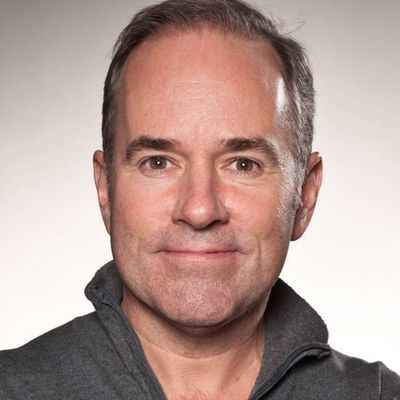
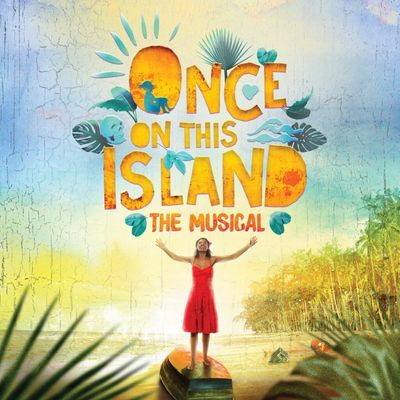
Stephen Flaherty is the composer of the Broadway musicals Ragtime (Tony, Drama Desk, OCC Awards, two Grammy nominations), Seussical (Grammy, Drama Desk nominations), Once on This Island (Tony nomination, Olivier Award, Best Musical) and Rocky. Additional Broadway includes Chita Rivera: The Dancer's Life (original songs) and Neil Simon's Proposals (incidental music). Stephen has also written four musicals at Lincoln Center Theatre: The Glorious Ones (OCC, Drama Desk nominations), Dessa Rose (OCC, Drama Desk nominations), A Man of No Importance (OCC, Best Musical, Drama Desk nomination) and My Favorite Year. Other theater includes In Your Arms (Old Globe), Little Dancer (Kennedy Center), Lucky Stiff (Playwrights Horizons) and Loving Repeating: A Musical of Gertrude Stein (Chicago's Jefferson Award, Best New Musical.) Film includes Anastasia (two Academy Award and two Golden Globe nominations), the documentary After The Storm and Lucky Stiff. Mr. Flaherty's concert music has premiered at the Hollywood Bowl, Boston's Symphony Hall, Carnegie Hall, the Guggenheim Museum and Symphony Space. This year celebrates Stephen's 32-year collaboration with lyricist-librettist Lynn Ahrens. Stephen and Lynn are members of the Dramatists Guild Council and co- founders of the Dramatists Guild Fellows Program. In 2015 they were inducted into the Theater Hall Of Fame. Upcoming: the stage adaptation of Anastasia. AhrensAndFlaherty.com.
SOURCES
Seussical, Original Cast Recording, Decca Records (2000)
Transcript
This transcript was automatically generated and might contain errors.
[0:14] Andrew Child: I'm Andrew Child and welcome to Fifty Key Stage Musicals, the podcast, a companion piece to the Routledge Press publication Fifty Key Stage Musicals, which is available for purchase by going to Routledge.com or by clicking the link below in today's show description.
[0:32] Andrew Child: Today's episode focuses on chapter 41, Seussical.
[0:37] Andrew Child: And with us today is the composer of Seussical, Stephen Flaherty.
[0:41] Andrew Child: In addition to today's musical in question, Flaherty has composed the scores for Lucky Stiff, Once on This Island, Rocky the Musical, and A Man of No Importance.
[0:52] Andrew Child: He won both the Tony Award and Drama Desk Award for his score for Ragtime, and his work on the animated movie Anastasia was nominated for two Academy Awards and a Golden Globe.
[1:04] Andrew Child: In 2015, he was inducted into the American Theater Hall of Fame.
[1:09] Andrew Child: Stephen, thank you so much for chatting with me today.
[1:12] Stephen Flaherty: Hey Andrew, thanks for asking. It's a pleasure to be here.
[1:15] Andrew Child: So let's start at the very beginning.
[1:18] Stephen Flaherty: Right.
[1:20] Andrew Child: It's always a good place to start.
[1:22] Andrew Child: Where did the idea for Seussical come from? How did this whole journey begin?
[1:28] Stephen Flaherty: Well, it's an interesting thing because a lot of the choices that my writing partner, Lynn Ahrens, who is a librettist as well as a lyricist, that she and I make oftentimes have to do with what we've just done previously. You know, because we always like to take left turns. We never like to repeat ourselves. We like to do work that's challenging but also different for us. And hopefully, if the process of the writing itself can be different and challenging, then that's like such a great bonus. So actually Lynn and I had written the score for Ragtime, which was like doing the sprint over the long distance course. So the writing was very fast, and yet it took about two and a half years from the first draft to the opening on Broadway.
So it was a wonderful experience for all of us. And we were working at the time with a producing organization called LiveEnt, which was based in Toronto, Canada, which is actually where we did the world premiere of Ragtime. We did it in Toronto, then LA, and then finally we got to Broadway. So yeah, so we were working with a rather controversial figure, which I think many of your listeners may have heard of, Garth Drobinsky. So he was, Ragtime was sort of his brainchild, and he saw it as part of a trilogy that he wanted to do about American history, with the other two pieces being his landmark production of Showboat, which had preceded Ragtime by I believe three years, and then Parade, which was written by Alfred Urey and Jason Robert Brown, which followed us.
And I don't know how he got this idea, but he had this idea which I thought was very exciting, very different, and a totally new thing for me, and in terms of changing direction. He had gotten the rights for all of the Dr. Seuss books from the Dr. Seuss estate, which is run by the Ted Geisel, who is Dr. Seuss, by his widow, Audrey. So she was sort of the keeper of the Who's, if you will, and Garth had gotten the rights to these books, and honestly, after like two and a half years of seeing your leading man being shot in the final scene of your show, I thought it might be a good idea to lighten up a bit. I thought it might be a good idea to try our hands at a comedy, and yet we were both still enamored of the idea of working on a piece that involved multiple storylines because Ragtime, as you know, is the story of three distinct groups of people that by the final scene merge into one new and newly minted American family.
And we thought, hmm, that it's an interesting idea of using characters that might not have intersected this time in their original stories, but we could create a way for them to intersect in the musical. And so we began to talk about it. And honestly, I don't think this is speaking out of school, but my partner Lynn had done a lot of children's television and produced a lot of children's television and family TV in her early years, and you know, after doing a show like Ragtime, it's like you can't go back to before she kept saying, you know, quoting mother, it's like I can never go back to before I've done this, and I said, well, wait a second, let's talk about it. And there was something wonderful about the language of Seuss, and the more we read it, and the thing about Seuss is you have to read it aloud.
It's not meant to be read, you know, silently. It's meant to, yeah, because part of the joy and part of the whole experience of Dr. Seuss's work is that you read to somebody else. So we started going through the entire enormous pile of Dr. Seuss books reading aloud to one another. And I was very excited about it because I thought it could be something that didn't have to be slavishly attached to any one historical or cultural period, whereas Ragtime, I had to do so much research and I loved it, you know, because I'm a research junkie. But it was firmly rooted in a very particular time in American history, and it was about a very particular group, actually through three groups of people. So the score had to reflect that and had to reflect that accurately, and even though it still is a modern American musical, it had to really be rooted in American history and American historic sounds, where Seussical didn't have to be rooted in anything, you know, you're creating your own worlds, you're creating the jungle of Newell.
What does the jungle of Newell sound like? You're creating the world of Who's and Who-ville. And I just love the idea that after being tied, you know, I don't know that sounds negative, but being restrained by certain historical conventions that I could just go wild and I could just be playful. And I think we all knew that the show had to be playful. It was about play. It was something interesting, you know, because I was about to hit 40. And there is something really fun about going back to your childhood when you're about to hit 40, you know, and remember the things that you loved as a kid and the things that you grew to and the kinds of music that you listened to. And so it just became like a big free association.
So to cut to the chase, I finally convinced Lynn that this is something that we should at the very least explore. And that's how we began the process. And we said to Garth and the LiveEnt company, we're excited about this. It's very different, but in a certain way, it's a multi-character story, and that's of great interest to us. It's based on a beloved author's work, you know, where Ragtime was based on E.L. Doctorow, this was based on Ted Geisel, who I had grown up with. You know, my first experience of a book was One Fish, Two Fish, Red Fish, Blue Fish that was read to me by my mother. And that's my first remembrance of literature and the love of rhyme, the love of sound, the love of how his illustrations started with very simple line drawings and became incredibly complex, and how they involve primary colors, but at the same time the level of complexity would escalate the further you would get into the book.
And that's what I thought the score should be. I thought, let's use those primary colors. Let's not be afraid of C major. But then as we go into it and the stories could collide and merge, then that's where the complexity comes from. So we were really excited. And I can't remember how this came about, but during the early days of Seussical, we thought since it was really an original musical, you know, because we were using certain stories, certain characters. But we thought it would be fun maybe to have a third collaborator who was wild and playful and out there and all of those wonderful things that are implied in the Seuss material. And so we began to work with Eric Idle, who I don't know if you're an Eric Idle fan, but I grew up with Monty Python.
My father could never understand what that show is about. I don't think he could get beyond the British accents, you know. Like what are they saying? You think this is funny? What is that? And I thought it was wild and inventive and hilarious. And Eric was also a very musical person from what I had heard. We hadn't met him, but it was just a strong gut hunch. And I thought, you know, we should totally meet, we should have a meeting, we should talk about various things about music, about what this maybe could be. And you know, if it doesn't come to pass, then we've had a wonderful lunch, you know, and that's great too, you know. So Eric was with us in the early days, and when we were looking with him in terms of what were the major stories, and as we know, Dr. Seuss is not necessarily big on plot.
So when you go through his, obviously the Horton stories, there are two books, Horton Hears a Who and Horton Hatches the Egg. So they both had beginnings, middles, and ends. And then we were looking at some of the other books, and some had elements of story, and some just had interesting situations or were interesting supporting characters that we thought could pop up here and there. And really at the first meeting when we were sitting in Lynn's apartment with Eric, he said, "Well, who's the love interest?" That was literally his first question. And I said, you know, I don't know that there are love interests in Seuss. And in fact, I don't even know if there's necessarily gender to most of these characters.
You know, there's so many different ways that you could go, like the Cat in the Hat, you know, we assume he is a male character, but you know, we've seen him since, or her since being or they since being portrayed by women, and there's like a real gender fluidity in actually a lot of these stories. So whenever we were asked, well, what's the central romantic coupling and who are the characters, we knew that we loved the Horton stories, and they obviously had the strongest backbone. And I think ultimately they had such a beautiful message to them. So we had to think, well, who is the romantic interest? And oddly, in one of the books that was called Yertle the Turtle and Other Stories, one of the two other stories that was in there featured a character called Gertrude McFuzz.
And she was a rather, I don't want to use the word plain, but she was not a flashy bird. In fact, she only had one tail feather. And there was something interesting about the story because basically she feels that she needs this big tail and she basically becomes a drug addict. She goes to a doctor named Dake who gives her pills that will make her tail grow. And you know, by changing her body, you know, which is like very, you know, in our contemporary society, she changes her body and she finds that the thing that made her unique, she loses because she can no longer fly. And we thought that could be a really interesting character. Like, what if she's literally the girl next door or the girl down the street, or the person that you necessarily don't notice, you know, and the idea that she has a lot of self-worth but incredibly low self-esteem.
We thought that could be a really interesting character to play off of Horton. And the further we got into it and wrote their storylines and their relationship, which is nowhere in the Seuss books, they never meet, which is the really cool thing, the challenge of Seussical, is these characters never meet, but in our musical they do, and it's about how they impact on one another's story. And the thing that was so moving that we discovered fairly early on, Lynn and I was that at the end of the show, there's a nuclear family, which is the mayor of Who, his wife and the son, which is, or the child, whose name is Jojo, and there's also a very, very unconventional family. It's a bird, an elephant, and they come together because they love one another and I'm getting teary even thinking of this ending and they decide to raise a child together because each of them has something to bring to the relationship and so we end with this beautiful unconventional non-nuclear family that's only held together by love and it's an elephant, a bird, and an elephant, bird, and they're committed and it's a beautiful ending and once we knew that that would be the ending of the show we knew that we had to write the rest of it basically so that's what we did.
[14:53] Stephen Flaherty: Wow, and I mean it's so evident from even just listening to the score of this show that his heart is so present. You hit the nail on the head, you know, with moments like "Solla Sollew" or even, you know, some of the songs that Gertrude sings. They're so tender, they're so full of human emotion, and they're so driven by a plot that, as you sort of said, had to be fabricated.
[15:23] Stephen Flaherty: Yeah, yeah, yeah, go ahead. Well, I mean, right from the beginning we never thought of them as drawings, we never thought of them as two-dimensional characters, and we never thought of them as cartoons. You know, we thought of them as people who were in their lives dealing with, you know, a lot of things against them. You know, I mean, Horton goes through such a journey, but he never loses faith, and he never circles back, and he never gives up. He tries his best, you know, and we really connected strongly with these characters and what they had to say about us, you know, people living on the planet today, and the idea that the world is saved, you know, by a small child who finally raises his voice and finds his voice.
[16:16] Stephen Flaherty: And that was such a beautiful thing to say, and I think an important thing to say, because I think a lot of kids think, and adults too, you know, think, "Oh, well, what's, you know, it's fruitless for me to raise my voice or to get involved in anything because it's gonna, you know, what's gonna happen is going to happen." And I think the story in its own way said, "No, you have to get involved and you have to speak up, and you don't think you have power, but you do, and you have to find that within yourself," and that was something that we were really committed to saying.
[16:50] Stephen Flaherty: So we always, we never thought of them as like two-dimensional, we always thought of them as three-dimensional and tried to make sure that they had a full emotional life. You know, that was important, and that's where the songs came from, too.
[17:04] Andrew Child: Do you think that full emotional life does that already exist in the Dr. Seuss books, or is that something you sort of had to sort of stick in there?
[17:16] Stephen Flaherty: Well, certainly it's, I think it exists in the Horton books.
[17:20] Andrew Child: Okay.
[17:21] Stephen Flaherty: And Gertrude in her book, she's sort of portrayed as low self-esteem, but also vain, you know. And in our book, we sort of shifted that, you know, we recalibrated that a bit. Oddly, the character of the Cat in the Hat, who's probably the most famous of the Seuss characters, we were allowed to use the character, but we were not allowed to use any element of the plot from either book.
[17:56] Stephen Flaherty: And why, you ask? Because the Seuss estate knew that, well, there was a movie that was coming out with Mike Myers as the Cat in the Hat that had not yet been filmed, but it was in the pipeline, as they say, and so they didn't want us, they didn't want to sell us that story. They could, they said, "You can use the characters, you know, you can," and it was really tricky writing for the Cat in the Hat when you couldn't use the plot, you know. I mean, basically he comes, it's a quintessential childhood story of fear, you know, where your life and your house and everything gets out of control and you can't get it back, you know, into control, and you know your parents are on their way home, and we couldn't really use any of that, you know.
[18:45] Stephen Flaherty: So we thought, how can this character function? And we thought it would be interesting if he was sort of in a weird way our tour guide, like he was the MC in cabaret. But then we thought it could be even more fun if we had him pop up doing various cameos as different characters, where he's always, you know, the Cat in the Hat persona, but you know, all of a sudden he's a newscaster, and all of a sudden the Cat later is this horrible man who runs the Circus McGurkus in Act Two, and he would show up in these different personas, and that the obviously the parents could never see him, but the kid could, you know.
[19:25] Stephen Flaherty: And so we thought that was part of the fun, and we realized that the Cat in the Hat, whoever we would cast in the role, had to have kind of a baggy pants quality. So we, for our very first reading, and mind you, this is sort of like a sidebar, but by the time we were ready and had written a draft and we were ready for a first reading of the show, the company Live End had gone into default. Garth Drabinsky had gotten arrested. You know, I mean, this is almost like the Cat in the Hat plot, if you think about it. It's like your producer has been arrested, he's behind bars. The company is like at a tailspin. There are people saying, "Well, I'll buy that company." And oddly, our little show, Seussical, was considered an asset. You know, I considered it a beautiful show about making connections. It was considered by the business folks as an asset.
[20:25] Stephen Flaherty: So rather than just wait to see like how it all shook down, as they say in show business, we decided, you know, we should just go ahead and let's do Mickey and Judy make a show in the barn. And so Lynn and I decided that sounds good. Let's do that. So we would ask, can we have some seed money? And we called up friends, and we called up our friend Kevin Chamberlain. Would you like to be Horton the Elephant? We called up Janine LaManna, who had just done Evelyn Nesbit, and Kevin had done My Favorite Year with us. So we called up Janine, would you like to be Gertrude McFuzz? Oh, I don't know that character. And I said, "Janine, it's the female lead. You're gonna want to do this character." And then Eric Idle said, "Oh, I'd like to be the Cat in the Hat."
And he's like as zany as it gets on two feet. And so we called up our friends one by one, and Michelle Pawk would play Maisie LeBird, who is like sort of a CD Las Vegas showgirl bird gone bad, and who realizes that she can't take care of a child that she's brought into the world, you know.
[21:34] Stephen Flaherty: So there were actually substantial, you know, adult themes in this show, even though you could think of it as like a kid's show or a family show, but they were, you know, so anyhow we called up all of our favorite people and they all said yes, we'll do it. And so I music directed it with my friend David Holzenberg, and Lynn, she was the director, we had no director attached. She said, "Okay, when you say your line, stand up, like turn to her," and we just had very inventive friends and actors, and it was a huge success, our little reading, and then we did a workshop later in Toronto where we had the first of many sex changes in our show. We had Andrea Martin as the Cat in the Hat. And by the time the show came to Broadway, it was David Shiner as the Cat in the Hat, who's an amazing baggy pants comedian who's known for his work primarily with both Cirque du Soleil and Bill Irwin. And so he's like sort of a neo-modern circus performer.
[22:42] Stephen Flaherty: And so the role, as it developed with these three amazing and amazingly different comics, became sort of like a vaudevillian role. So that's how that score developed. Whereas the Jungle of Newell became a score about jungle sounds, about urban sounds. I was walking through Union Square Park, and there were a lot of people down there with beatboxes and boom boxes, and there was a lot of rhythm and stuff happening, and I thought, "Oh, it's like an urban jungle." Well, what if the Jungle of Newell is an urban jungle? Well, if that's, and so that's how that area of the show got its sound, and who was a little more tricky, you know. I, you know, we know them as tiny little people. And for some reason I just started freelancing about like very bizarre music that I enjoyed as a kid, and there was a guy named Spike Jones, not the film director Spike Jones, but Spike Jones who did a series of insanely bizarre records where he would use odd sound effects and kazoos and all kinds of odd instrumentation. And I thought, you know, maybe that's what Hooville could be. Maybe it's like River City from The Music Man, but on helium, and maybe it taught me by very small instruments.
[24:06] Stephen Flaherty: And I was working with my friend Doug Besterman. We've done many shows before and since, and we just started loving the idea of like going to Kmart and getting very small instruments and sampling them, you know. So there would be little kazoos and little strange shakers, and you know, like things that a child would pick up, but if you magnified it, magnified the sound of it, it could become this other thing. And so we started doing very odd sound experiments, thinking that that could be part of the orchestration. And we started using jungle sounds, and that started becoming the Jungle of Nool stuff. We started looping them. We started looping the sound of like low-pitched animals and then high-pitched, you know, high-pitched birds, low-pitched, you know, grunts, and we started making dance loops, and I thought, "Well, this is fun."
I mean, it was like the most fun in terms of just playing with music that I had had in, you know, probably since I was 10. So we were just like so grooving on just the playfulness and what you could do and how you could create worlds of sound based on sounds you heard around you and also homemade objects, like you could take your mother's, you know, pots and pans, and that could become an instrument. So that was sort of our experimentation with trying to find the sound of the show.
[25:30] Andrew Child: That's amazing. Do you think that of your works that you've gotten to work on, is this one that you're kind of like, "Yeah, this could be in the book 50 Key Stage Musicals," or is it surprising to you that Seussical is the subject of our interview today?
[25:50] Stephen Flaherty: Well, honestly, if your book was called 50 Key Musicals that had incredibly challenging histories, I would say, "Oh well, that's gonna be like top five right there," you know, because it was a very challenging history. And you know, it's not, we were also one of the shows that was working out of town right as the internet burst onto the scene. So for whatever reason, people were hyper aware and wanted to be hyper aware of every little word, nuance, and note and costume that was changed on our show out of town. And honestly, and not making this up at all, there were so many more changes that were made in the course of Ragtime between, you know, the world premiere, the LA premiere, and finally reaching Broadway nearly a year and a half after its world premiere.
There were so many changes. Costumes, numbers, lines, orchestrations, every department, but it wasn't documented. You know what I mean? And I think a lot of, you know, that the, you know, the whatever you want to call it, like the underbelly of show biz, that's the dark side, you know, for people that love to live in chat rooms, that fed it. Our little show about innocence and imagination, it just fed that.
[27:17] Stephen Flaherty: Because I think people were looking for dish and, you know, and they were like overturning it, and it got very frankly paranoid because there were so many things that were reported on the internet that were private, you know, and including "Star Yells at Wife at Intermission" during Boston tryout show. And it's like, how did they know that? And why is that going around? And like none of it was reflective of the work that we were trying to do, and yet it was there, you know, it was very present.
[27:50] Stephen Flaherty: So needless to say, Boston was pretty much a disaster. The show had been taken over by producers that wanted it to be sexy and a sexy date night show, and they wanted it to be all things for all people. And you know, when we saw the first posters, it was alarming because it was like, I don't even want to say what the image was, but it was just offensive in five different ways simultaneously on one poster. And so we had lost control of our show, you know, because of the producorial demands. Like you've got to cut, and the audience, they loved a section in Boston called "The Lorax," which again is a beautiful story and a necessary story, and it's about protecting the planet against the ravages of people that just want to rip things apart for capital gain and, you know, their own various selfish reasons.
And it appeared in Act Two as a little eight-minute, almost like a mini pop opera. And it was the cast's favorite part of the show. And one critic out of town said, "What's that Lorax doing there? What does that have to do with Act Two?" And our producers caved, and they said, "That's gonna come out of the show," you know, and we're like, "It's a beautiful part of the show."
[29:22] Stephen Flaherty: Granted, it's not linear, it's like hallucinatory if you want to go there, you know, but kids are hooking into it, the cast is hooking into it design-wise, it's kind of extraordinary.
[29:34] Stephen Flaherty: And to make a long story short, uh, by the time that next week rolled around in Boston, the entire set of the Lorax was in an alley behind the Colonial Theater.
[29:47] Stephen Flaherty: Yeah, exactly. And it was, you know, it was removed from the show, and that was like kind of the beginning of, you know, uh, forces beyond ourselves, you know, changing what the show wanted to be.
[30:01] Stephen Flaherty: So by the time we got to New York, uh, honestly, it wasn't the show I knew that we loved, and it wasn't even the show we had written because it had been changed so much in the production.
[30:15] Stephen Flaherty: And, uh, you know, even, uh, one of our dear friends who's since been licensing, I'll mention his name, why not? Freddie Gershon at MTI, who, uh, you know, was such a supporter of our work, and, uh, he and the company were behind Seussical and wanted to, you know, lease it, and they thought it could be a show that people would love.
[30:41] Stephen Flaherty: And, uh, he said, you know, I love the show, I'm not sure about the production, and something tells me this isn't the end, you know.
[30:49] Stephen Flaherty: And you know, as writers, you know, you always think that you know, you open on Broadway and you know, either you're a hit or you're a flop, and it either goes or it ends.
[30:59] Stephen Flaherty: And oddly, I believed in the show so much as did Lynn, and we believed that that was one of the first of the many, well, actually, the cat has nine lives, doesn't he? So that was maybe the second of the lives of the cat in the hat.
[31:16] Stephen Flaherty: And I would like to think of that as the world's most expensive workshop ever produced because we went beyond there, which is the happy part of the story.
[31:26] Stephen Flaherty: We rewrote it, uh, we had a national tour. Uh, we did an alternative version, which was for theater for young audiences at the Coterie Theater, which is in Kansas City, uh, that was spearheaded by Jeff Church.
[31:41] Stephen Flaherty: And he said, I think there's a show, and we were talking about maybe refocusing the show. And so we lost plot lines, we lost characters, we refocused it as a 75 to 80 minute show, which we actually thought worked better in some surprising way.
[32:01] Stephen Flaherty: Uh, and another thing, also, you know, when you think about how kids process information, kids don't understand meanwhile, you know, like so.
[32:12] Stephen Flaherty: In other words, if you're taking one of your storylines and you're going now, meanwhile, and then you jump to a different story, they assume that it's chronological because it follows that, and just the idea that it could have happened simultaneously or earlier, or, you know, just jumping in time as we see all the time, you know, in, I don't know, all of our television shows that we binge watch and, you know, film and everywhere.
[32:37] Stephen Flaherty: Uh, little minds don't process meanwhile very well. So we took a lot of the meanwhile subplots out and refocused it as primarily the Horton story with the cat, you know, still a character, and, uh, by total coincidence, uh, you know, uh, the theater that offered us our very first chance to be produced in New York City, uh, was a, uh, children's family theater called Theater Works USA, and they commissioned us like back in the day, you know, uh, to write, uh, a children's show, and we wrote, uh, our version of the Emperor's New Clothes, and that was the first thing, Pretty Lucky Stiff, that we had produced, uh, in New York, and they came back to us and they said, we hear that you're working on this new TYA family version of Seussical.
[33:32] Stephen Flaherty: We'd like to produce it, we'd like to take it around the country as a tour, and if that goes well, we would love to bring it back off-Broadway to the Lucille Lortel Theater.
[33:44] Stephen Flaherty: Oh wow, on Christopher Street, which is, you know, an amazing theater, you know. I've seen so many things that I've just loved there, and you know, there's the part of your mind, you know, when you really believe in something, and obviously, even after all of that, we still believed in it because we knew there was a good show in there, and, um, there was something about returning to New York that was both exciting and both scary, you know, because we did not get great reviews the first time out.
[34:14] Stephen Flaherty: And it's like, do you really want to go for like the second helping of that? You know, think about that. And, but we were talking about it, and, uh, oddly, uh, Marcia Milgrom Dodge, we had gotten to know her.
[34:29] Stephen Flaherty: Uh, I believe the chronological timing was, uh, she had done, um, the Ragtime that was at, uh, the Kennedy Center that we then brought to New York, and I believe Seussical was after that, but even before, even around that time, she also did a wonderful Once on This Island that was at Bay Street Theater in Sag Harbor, where, uh, where I had a home, and so, uh, I knew Marcia's work and I knew that she liked to try new ideas, and it wouldn't be about changing the text.
[35:05] Stephen Flaherty: Not that it hadn't been changed a lot, you know, by that point, but, uh, her initial response to it was about the playfulness that she saw inherent in the piece, which is the exact same quality that we had when we did that.
[35:22] Stephen Flaherty: Our first Mickey and Judy do a show in the barn reading with Eric Idle and Franz. It had that kind of ad hoc like kids, you could do this show in your basement, you know, get your, you know, 10 favorite friends, you know, go down, you know, and put on a show with whatever's at hand.
[35:38] Stephen Flaherty: You know, if you have a turkey baster or, or, well, not an electric drill, you wouldn't want to do that. But like paint cans or old rubber boots that your father, you know, doesn't wear anymore, you know, whatever you have at hand, you know, just use that. That and that'll you'll be able to do the show with that.
[35:55] Stephen Flaherty: And she came up with that notion, and we felt like that really reflected the spirit of the origins, you know. And it brought it back to the roots. And of course, between all that, we had had like, you know, glitzy Las Vegas version, and this version and that version, and it just felt right.
[36:14] Stephen Flaherty: And I, and we said, let's go with that. And so she used, uh, minimal sets, but there were moments when true Seuss magic happened, like in the middle of Salah Salu and, uh, the circus creatures of the Circus McGurkis are trapped, you know, as is Horton.
[36:32] Stephen Flaherty: And, uh, we had a Seuss moment there, we had, uh, a Seuss moment in McGelligan's pool, um, which was all about the fish and, and about the magic, and she used puppets a lot, and, but, but 90% of that show was done with like, you know, oven mitts, turkey basters, you know, hand mixers, uh, bowls that you would turn up upside down, colanders, and they would become helmets, and that was, and the sense of playfulness and the overture, which I always rather liked, you know, because this show seemed to want an overture.
[37:08] Stephen Flaherty: She set it on a grade school playground, and you could see who the bullies were and who the cool kids were, and who were the people that were being bullied, and who were the people just trying to get through their day. And it was rooted in real life stuff that kids could totally identify with.
[37:27] Stephen Flaherty: And then they became the characters, you know. So Horton was, you know, the kid in the corner being tormented, and Gertrude was the girl who was trying to come to his rescue. But, you know, you know, so it started from a place of reality, and then it became a fantasy with real emotions.
[37:45] Stephen Flaherty: And, uh, we did get to the Lucille Lortel Theater, and I'm happy to say it was a wonderful production. Uh, it was a production, uh, that luckily we were able to record.
[37:58] Stephen Flaherty: So we have a second CD, second cast recording of Seussical of this new version, uh, that was released, which was wonderful to be able to have, you know, here's where we started. This was the Broadway cast, here's the off-Broadway cast, uh, for like Seuss nerds, you know, you can do a nice deep dive in that one.
[38:20] Stephen Flaherty: And, uh, it was really well received by audiences and the critics, including the New York Times, who did everything but like, you know, tie us, you know, to a pole in Times Square and, you know, proceed to whip us in front of the Broadway community, you know, and I, it's, it's wonderful because, you know, in your fantasy life as a writer, you would always, well at least I do, but I think other writers do too, you like to think they're wrong, I'm right, you know, there's always that kernel of that and, and I thought I know there's a good show in here, it just has not come out or people can't see it yet and like Horton, we stayed true to the cause and we saw it through and, and now Seussical's out in the world and it's one of the most performed shows in America, which is wonderful and it's great.
[39:15] Stephen Flaherty: And there you have it. Do you think it's one of the most performed shows in America because of that off-Broadway production because it could get back to the playfulness, the creativity, the imagination that was at its heart?
[39:28] Stephen Flaherty: I think that that's part of it, although I have to say I've seen, you know, people send me photos and I see photos of various productions and some of them are incredibly elaborate. You know, where the moms like, you know, shout out to the moms who are working on those costumes and the sets and, and some of them are so beautiful and Seussian and out there and, and some are hybrids, you know, some are hybrids of like this is, uh, you and, and also a lot of them go back to the original drawings, you know, which we didn't honestly have in the original and we suggested that and, and we had a couple of Seuss moments in the revival but some, uh, some of these, uh, community productions go full blown Seussical and, uh, they're extraordinary.
[40:18] Stephen Flaherty: I don't know how they pull this off. And we'll, one of the things that we had seen, which just moved us to the core, and what that we thought was one of the all-time great things we had ever seen was, uh, we went to, uh, uh, a theater for young audiences, a Broadway Junior convention in Atlanta, we were the guests of MTI and we got to see several Seussicals and several and a Once on This Island and several shows, uh, that young people were doing at their schools, they all came there, I think it was 4,000 kids and, uh, we were interviewed at on one panel and, uh, I said can I ask how many of you in the audience of 4,000 kids how many of you have done Seussical at your school and it was virtually the entire audience and I, it, I was just really moved and blown away and I said do you mind if I take a picture of you and I took out my cell phone and I took a picture of this audience of all these kids just jumping, jumping up and down because they were so happy and as was I and the production of Seussical that I remember seeing down there it was, uh, directed, uh, and produced by, uh, a gentleman who I believe is from Alabama and he's like one of the great, uh, music slash drama teachers probably in our country, he's an amazing unsung hero and for the moment of the elephant bird, you know, you know, that's, it's done many different ways sometimes it's done with puppets sometimes you can't see it sometimes it's done with a shadow sometimes it's done with a sound effect of an egg cracking and they get to the moment where the elephant bird is about to be hatched.
[42:04] Stephen Flaherty: And it was his child, who is not even two years old, who had the, who had these elephant ears on and these tiny little wings, and this beautiful baby was the elephant bird, you know, making his debut as is like, you know, the climax of the entire play. And I just thought that was magical. I mean, it was by far better than any special effect any theater could have dreamed of having this little person, you know, contributing to the production.
[42:37] Andrew Child: Absolutely. Well, thank you so much for talking with me today about Seussical.
[42:43] Stephen Flaherty: It's, it's totally my pleasure, and I'm, uh, saying this be, uh, with, with because I know Lynn will feel the same. We're just honored to be included in the book. It, I have to say it was a bit of a surprise. You know, we were, uh, but it's, but it's, it's wonderful. It's a story that has a wonderful, uh, journey, you know, and it's, uh, and it has a happy ending, both the show and its journey. So we're honored that it's included in the book.
[43:13] Andrew Child: So thank you. And thanks for asking about today.
[43:15] Andrew Child: Yeah, and thank you, listeners, for joining us today. Please make sure to purchase a copy of 50 Key Stage Musicals by visiting Routledge.com or by clicking in today's show description.
[43:26] Andrew Child: If you want to learn more about Seussical, please also review the links in the below description.
[43:32] Andrew Child: I'm Andrew Child, and thank you for listening to 50 Key Stage Musicals, the podcast.
© Broadway Podcast Network, All Rights Reserved