

Hosts Robert W. Schneider & Andrew Child discuss the objective of the book and podcast for listeners and scholars. This episode focuses on the genesis of the book, how the titles were chosen, how its authors were chosen, and the future of this publication... Read More
From the show: Fifty Key Stage Musicals: The Podcast
Featured Shows

About
Hosts Robert W. Schneider & Andrew Child discuss the objective of the book and podcast for listeners and scholars.
This episode focuses on the genesis of the book, how the titles were chosen, how its authors were chosen, and the future of this publication.
Andrew Child is a multi-hyphenate artist whose work as a director, animator, choreographer, performer, and designer has been seen on stages and screens all over Boston, Argentina, and Italy. He has also worked as an arts writer with a focus on Boston's complete arts ecosystem and as a guest artist for institutions such as MIT, Emerson College, New England Conservatory, Clark University, and NYU. He has been quoted in the New York Times, Chicago Tribune, LA Times, and Boston Globe. He holds a degree in theatre arts from Brandeis University.
Robert W. Schneider holds academic appointments at Penn State University, New York Film Academy, and Mount Union University, as well as serving as the Artistic Director for The J2 Spotlight Musical Theater Company and as an original programming producer at Feinstein’s/54 Below in New York City. He is the host of the podcasts Behind The Curtain: Broadway’s Living Legends, Gay Card Revoked, and This Was A Thing. For the past fifteen years Robert has been one of the most prolific leaders of online education in the arts. He is a proud member of SDC, AEA, and AGVA.
Transcript
This transcript was automatically generated and might contain errors.
[0:14] Robert W. Schneider: And welcome to Fifty Key Stage Musicals: The Podcast, a companion piece to the Routledge Press publication, Fifty Key Stage Musicals. This introductory episode focuses on the creation of the book, how its titles and authors were chosen, and what the podcast hopes to accomplish for both scholars and fans of musical theater.
[0:35] Andrew Child: Here with us today is the author of the book as well as the co-host of this podcast, Robert W. Schneider.
[0:42] Robert W. Schneider: Hello, Andrew Child.
[0:44] Andrew Child: And I we should probably say that you're also a co-host of the podcast as well.
[0:48] Robert W. Schneider: I'm also a co-host of the podcast. But hey, we got it in there.
[0:50] Andrew Child: We we fit it all in.
[0:52] Robert W. Schneider: We did. Congratulations to you and to me and to all of the musical theater industry.
[0:57] Andrew Child: Well, so I'm really excited to talk about this podcast, to talk about this book. Um, but let's go back to the beginning. How does it all begin?
[1:06] Robert W. Schneider: Sure. So um there's a wonderful company called Routledge Press, which does a lot of academic publishing in uh the UK as well as the United States. And they have a series that I was unfamiliar with until I started uh to communicate with them a little bit more, called 50 Key Blank. It could be film directors, cinematographers, visual artists, operas, whatever. And they had asked, would I be interested in writing 50 Key Stage Musicals? Uh, a book that ideally is going to be for uh people that are beginning college and university training in musical theater. So that way it gives them an understanding of what musicals they should be familiar with, because they're probably going to be coming up a lot throughout their next four years of study.
And if you're a fan of musical theater, um, and you're a new fan to musical theater, I think it's also a nice introduction for you to look at some musicals that you might be a little bit unfamiliar with because they're just not in your consciousness right now.
[2:08] Andrew Child: And so let's just jump right in, head first.
[2:13] Robert W. Schneider: No, I'll hurt myself.
[2:15] Andrew Child: Oh god, is there water?
[2:16] Robert W. Schneider: It's gonna water in this pool. Um quick like a band-aid. How did we get these 50 titles? What makes these the key?
[2:25] Robert W. Schneider: This is so hard. This is a very hard question. And I am sure that we are going to get feedback from people going, where is this show? Where is that show? Why is this show in there? Why is this show not in there? Um, what we decided originally the book was going to be co-authored by myself and a wonderful historian and author named Peter Felicia. Uh, and Peter and I sat down and said, where do you begin? Because I think if you I think what we first started to do was make a list of what we thought were 50 of our favorite musicals, and that was probably not gonna be the best because I don't think you know the Grass Harp is on anybody's, you know, particular list, but ours. Um, and then it veered into like 50 greatest musicals.
And at the end of the day, though, that's all opinion-based. And while some might say that this book is also opinion-based, I think what we divided, what we created as a litmus test for us is can you draw a line from musical A to musical B, C, D, E, and F. So had it not been for this musical, we would not have had name five or six other musicals there. So we were looking for a lot of musicals that did firsts, a lot of musicals that broke ground in some way. Um, but the big thing for us was can you point and say this is what it triggered? It's almost like it's if it's a domino and we knock that domino over, it knocks over a whole bunch of other dominoes, and those dominoes just happen to all be musicals.
So there's a lot of like great shows that like I'm a big fan of the Music Man, but we could not find how the Music Man impacted any musicals going forward besides the fact it's a fun musical. Same with Book of Mormon. Um, we could not find how it impacted any other musicals going forward. So that was really our big test on things. And there were some musicals we originally thought, oh my gosh, this is, you know, of course we have to include this. And then as we dug and dug and dug, we could not find what its impact was. Um, some of the musicals that were in there originally that are not in there anymore, and you know, I'm so interested to hear listeners say, of course it triggered AB and C. Um, 1776 was in there at one point, that's gone away.
Um, uh uh Little Shop of Horrors was in there at one point, that went away. Uh, Man of La Mancha was in there at one point, and that that went away. And then there, you know, I'll be honest with you, and I I think this was one where uh I think we felt like there was going to be a lot of controversy. We were not going to include Hamilton in the book because it's because that musical is so fresh and recent in everybody's memory, it's hard to figure out well, what is its actual impact? Because we're still so close to it. Not impact on the cultural side, guys, because it's obviously had a massive impact in the world, but what other musicals have been created because Hamilton is in existence? And that was a hard question for us to answer. Um, so originally Hamilton wasn't going to be in the book. So that's that's where we came from. That was our litmus test on things.
[5:43] Andrew Child: I do think it's difficult when you get toward the end to sort of look into the crystal ball and say, you know, 25 years, 50 years from now, are people gonna look at this book and say, you know, what the heck is Dear Evan Hansen and why the heck were they saying it was key and significant, you know?
[6:05] Robert W. Schneider: 110%. And I'm gonna be honest with you, I hope that's the case. Because one of the things that we say in the introduction is is you'll probably notice that these musicals all have a pretty much the same thing in common, which is a majority of them are written by white men, um, and usually white men that were economically stable. So you're kind of getting a repetition of creators. While the stories might be different, you're getting a repetition of creators. And one of the things that we struggled with was well, how do we take the current conversation that's going on and integrate it into this book? But then what we realized was, you know, if we started to rewrite history, I think it would dissipate the current conversation and the need for the current conversation that we're having currently about who gets to be at the table, who doesn't get to be at the table.
And so my hope is yes, in I I want to go even less than that. I hope in 10 or 15 years, there's a bunch of musicals that will knock some of these musicals out of the book that will offer more diversity, that will offer more interesting stories, and that are more representational of what musical theater could be. And when we were looking for our authors for this, we were like, let's see if we can find that celebration within our authors. We won't be able to find them in the shows because history just does not allow it. But the authors might be able to bring something to us that were lacking, and I feel like they did. So it's a really great group of people.
[7:33] Andrew Child: Oh, absolutely. Do you want to sort of highlight a little bit more? How are these authors chosen? Where do they all come from?
[7:41] Robert W. Schneider: Yeah. So Peter and I sat down and we made a list of a bunch of writers and academics and audience members, uh, enthusiasts that we really respect and admire. And we sent them all a list and said, These are the shows, what interests you. So we just because one of the things was I said, let's see what happens when what musicals interest these types of people. And what what as opposed to trying to assign them things? It was more fun to hear, you know, you write back and go, I don't want to do South Pacific, I want to do Mary Widow. No, and that was great. That was great. Or somebody like Rupert Holmes, um, who's a you know the fabulous uh composer of um songwriter of you know Mystery of Edwin Drood, uh, and of course the Pina Colada song for him to come in and say, I want to write on HMS Pinafore.
So that was very exciting for us. Um, and that's really how it was chosen. It was just done, I don't want to say arbitrary, but it was first come, first serve. What do you feel passionate about? And what's been really wonderful is some chapters have started uh sorry, veered away from its original intention. Um, so for example, in our Miss Saigon chapter, um, which is written by the great Jean-Marie Higgins from Penn State University, the original intention of that chapter was to discuss the controversy surrounding Jonathan Price's casting as a Eurasian individual. Is that right? Yeah. And if you remember in the original Miss Saigon production, uh in London, he wore, you know, offensive makeup and did prosthetics to his eyes.
It was very offensive. And that was the focus of the chapter because I felt that that had opened up a conversation about what is appropriate casting that we hadn't really been having before. But the Jean-Marie mentioned that, she does mention that in the chapter, but the big thing she talks about in the chapter is the female representation of Kim and how that perpetuates stereotypes. So that, and I to I'll be honest with you, I think that's a much more interesting read than what we originally had proposed. So that was kind of fun to see what was attracting people to why they wanted to write about certain certain things.
[10:06] Andrew Child: I would never have guessed in a million years that she would want to write on Miss Saigon, but the angle she took was really wonderful.
[10:12] Robert W. Schneider: No, and I think I think that chapter is one of the highlights of reading this book for me. There is so much there. There's so much, you know, concrete firsthand stuff going on that she talks about that I really had no idea about. Um, and that was one of my favorite podcast episodes to record as well, sort of taking her research as a jumping off point to then speak with um two Asian theater artists who did programming around the national tour of Miss Saigon, and one actor who was the standby for the most recent revival, um, to just sort of dig into exactly what you're talking about.
[10:56] Andrew Child: Um, when we then acknowledge, you know, um Liana Santa Ana, who was the standby for Kim in the most recent revival. When I click into the Zoom link to chat with her, I was I was flabbergasted.
[11:11] Robert W. Schneider: Um, but she was doing this role when she was 16 and 17.
[11:15] Andrew Child: Oh my god, I was so shocked at how young she was, um, because it never even crossed my mind. But no, that chapter is one of the highlights for me, really feel like I learned a lot from that.
[11:26] Robert W. Schneider: But you sort of have different reasons for different chapters.
[11:32] Andrew Child: And something that I'd love to hear a little bit more about is like there are some chapters that deal with something like casting. There are some chapters that deal with like the business side, there are some chapters that deal with the writing or the artistry of the show. Can you speak a little bit more to how you broke that down?
[11:48] Robert W. Schneider: Yeah, I mean, what we did was um, and this is a great great question, which was we were just trying to think what were seminal moments in musical theater history, and why were they seminal?
[11:58] Andrew Child: Was it because, you know, what advanced design or what are conversations that we're currently having and what can they be traced back to? For example, you know, I think when we were coming up with the list for this, the prom musical was around, and everyone was making such a big deal about the fact that the protagonist was a lesbian character, but we were like there has to have been an earlier musical that created a space for that. And that was, of course, Fun Home. So we were looking at things that were in current conversation. Um, we were looking at things like what would change marketing, uh, because the marketing of a musical is pretty impressive and pretty important right now. And that's what our Cats chapter focuses on.
Um, because Cameron Mackintosh's marketing of that show revolutionized globally how citizens receive musical theater and how accessible musical theater can be to them. And you can say what you want about Mr. Mackintosh, but the fact that what people are seeing in the West End on Broadway is exactly what they're going to be seeing when the show comes to tour in their backyard, which is, and I think in the Phantom of the Opera chapter written by Dr. Susan Russell, she talks about the pitfalls of what it's like when a living, breathing, artistic form becomes a machine. And so we have a nice little balance there. Um, I don't know if that answered your question, but I think for us it was just, you know, going back to musical theater history 101.
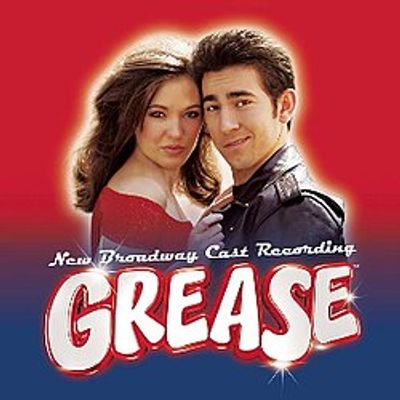
What are the big shows that everybody talks about and why were they important? And then what other major trends have we seen that impact musical theater going forward? Like, for example, um we talk, we are one chapter is about the 1994 revival of Grease. Some people might go, Grease should not even be in the book at all. And we're not, and I want to be clear some of these things, like you mentioned, we're not talking about the merits of the show. We're not saying that, you know, Cats is more superior than South Pacific, or, you know, that uh uh uh uh Suessical is more important than Music Man. What we're saying is there's certain elements about those shows existing that triggered a chain reaction, and that needs to be included.
Um our 94 Grease one is stunt casting. That the fact that in 1994, the Barry and Fran Weisler, who were the producers of the Grease revival, realized they needed to find an interesting way to keep that show running. And what they were gonna do is they were gonna bring in people who had never done musicals before. And that then showed, oh my God, you can actually sustain a show if you keep bringing in novelty acts in a lot of ways. And there is something we all bemoan right now, which is how many people do you know would be wonderful in Chicago, but they're not on Twitter, or they're not a meme, or they didn't make a sex tape, or they didn't do this, or they didn't do that. And their artists who are training are being denied access because producers are saying it's financially more viable for us to put somebody like Jerry Springer in the show, than it is somebody who's an incredibly wonderful actor and totally qualified. Whether or not you like Grease is beyond the point, but that decision impacted the rest of casting going forward.
[15:23] Andrew Child: Oh, yeah. Um as we're speaking right now, uh Pamela Anderson, I think is about to go into Chicago. Um no, no, no, no. No, no, no. And that's and that's the other thing, which is she might be brilliant. I mean, and I think a great example of that was Brooke Shields in Grease in the 90s, which is they put Brooke Shields in, I think as a lark, as we know she's gonna sell tickets, and she ended up being a wonderful musical comedy performer. So, you know, you just don't know what it's gonna be. So, anyway, but that's why Grease, the 94 revival, is included in this book. Once again, you don't have to have liked the production, you do not have to agree with stunt casting, but you cannot deny that that idea, which was implemented in that show is key to understanding why Broadway is or why musical theater is the way it is right now.
[16:16] Robert W. Schneider: I think a testament to the fact that you picked 50 key significant shows, and you probably have experience with this as well. Um, when we're interviewing people about these shows, how many dozens of other musicals come up, come into the conversation. Um it is sort of fun to be interviewing someone. I don't know if you experienced this, but I had more than once that someone in their interview says, uh, but I won't talk about that. I'm sure you're gonna cover that in the Spring Awakening chapter, or in the Carousel chapter, or in the some sort of chapter that they're assuming is in here because it's in the musical theater canon. Um and I just sort of have to like shake my head and it's not in there. It's uh we didn't do that. We were too busy talking about 94 Grease and Suessical to cut a Carousel. So uh how dare you.
[17:08] Andrew Child: I think Carousel was in there for a second.
[17:10] Robert W. Schneider: Carousel wasn't there for a second. Um, and uh, you know what? It was the 94 revival of Carousel, it wasn't even the original Carousel that was in there. Um yeah, yeah, yeah, yeah, yeah, yeah. So anyway, um, yeah. So that's that's how we were choosing these particular titles. And like I said, I know people are gonna turn around and go, you know, if it wasn't for Carousel, we wouldn't have had blah blah blah blah blah blah blah blah. Great, there'll be a second edition of the book, you know. You know, and if there's shows that people don't, once again, it's not shows that we think are great, it's not shows that we like are listening to 247 because we love them so much. It's shows that we feel because they were around, fostered other shows to be created and developed. That's that's that.
[17:56] Andrew Child: I personally, when I was sent the list of shows um that were being included, um, I think I had a lot that came into my mind as like, where is it, you know, Sunday in the Park, where is it, Carousel? Um, but I think now I really just three of those with the criteria in mind that I would advocate to be in a second edition of this book, one of them being The Merry Widow, which I won.
[18:26] Robert W. Schneider: Is now in, congratulations.
[18:28] Andrew Child: Um, the second, um, you can throw tomatoes, you can throw a shoe, you can be mad, all you want. I think Carrie is significant. I don't think we would have Legally Blonde, I don't think we would have Mean Girls, I don't think we would have Heathers, I don't think we would have Beetlejuice if we didn't have this like camp debacle that is Carrie.
[18:49] Robert W. Schneider: Wait a minute. This is interesting. I'm writing this down. You think Carrie belongs in the book? You think Carrie is a key musical.
[18:56] Andrew Child: Okay, so what's the second one?
[18:58] Robert W. Schneider: What's the second one?
[18:59] Andrew Child: And then the last one, I would was thinking, but we also have to, and this was sort of goes into my next question. Um, but when I was coming into this book, um, the pandemic was already something that was happening. Um, because I came in later. Um, and in my mind, rather than going Dear Evan Hansen with like the most contemporary show, um, the Rachel Chavkin, like being in a space, um uh Great Comet would be a show.
[19:32] Robert W. Schneider: Oh, interesting, like reinventing the way that we're in space together.
[19:38] Andrew Child: Okay, but I don't know if I would have thought that that would have become so significant.
[19:43] Robert W. Schneider: But you just said something really interesting, though. You said reinventing.
[19:48] Andrew Child: So reinventing implies that something was created before.
[19:52] Robert W. Schneider: So what I'm gonna ask you then is what was the thing? What did what was created to give Natasha Pierre that space?
[20:00] Andrew Child: That's true. Well, I mean unless you genuinely feel that she's invented something new, and I think she's a genius director. So do you think she's invented something new with her staging that merits inclusion in the book?
[20:13] Robert W. Schneider: That's a great question. Um I don't know if she's invented something new, but I think seeing something in the mainstream and on Broadway that was staged like that, um, and knowing that there are, you know, um, and I guess you let me backpedal a little bit. I don't know that I would say Natasha Pierre would be a key musical that I'd push to have in this book, but something that is like the most recent revival of Oklahoma, the most recent revival of Once on This Island, something that is environmental, like you're immersed in the space.
[20:55] Andrew Child: If that's the case, then what I would throw at you is the 1974 Candide.
[21:01] Robert W. Schneider: Which gutted the Broadway theater and had everybody sitting in the round.
[21:07] Andrew Child: Cool. Okay.
[21:08] Robert W. Schneider: So I would throw that at I would I would say you could put the 74 Candide in there because it then gave way to these environmental stagings that you're discussing.
[21:20] Andrew Child: So that's kind of what we try to do with the book. I'm not saying, and I'm so curious to hear what our listeners think, but I agree. First of all, Rachel Chavkin is a genius amongst geniuses. And but I think that maybe the point of this book now is to go back and go, well, what created that? And I'm sure there is someone right now yelling at us, going, no, the 74 Candide was only there because Carrie the Music because it carry the go back to the city.
[21:46] Robert W. Schneider: So now wait a minute. I want to go back. I want to go back, Carrie the Musical. Now this one I I'm I'm very curious, Andrew, what why why do you think Carrie the Musical should be?
[21:58] Andrew Child: You said it gave if if it wasn't for Carrie, we wouldn't have had you said Legally Blonde. What else did you say?
[22:04] I I said everything that's based on a movie, like that's high camp after Carrie, I think owes everything to the original, like take a line from a movie and blow it up to this huge camp ballad. I think we all owe everything to Carrie.
[22:25] Robert W. Schneider: I, you know, that's so interesting. I cannot weigh in on this. Um I need to do more research. But listeners, uh, reach out to us. Do you think Carrie should be included in this book?
[22:37] Andrew Child: Um, I think it should have dethroned Oklahoma.
[22:39] Robert W. Schneider: And it should have dethroned Oklahoma. Great, Andrew, fantastic.
[22:43] Andrew Child: Okay, I'm sorry, you said you had another another question coming up.
[22:45] Robert W. Schneider: So yes, what is it? What is the other question?
[22:47] Andrew Child: I apologize. Um, it sort of goes with I'm sort of saying some of these thoughts come to mind because I came to this book in a world after the pandemic had already started. Do you think in the course of the past two years have you had anything change where you've sort of said we should have talked about this, or we should have talked about this show, just in regards to the theater industry is very different now and will probably continue to have to adapt and change moving forward.
[23:24] Robert W. Schneider: Besides Carrie?
[23:25] Andrew Child: Besides Carrie, yeah.
[23:28] Robert W. Schneider: That's a great question. I don't I don't know. I mean, I don't know if there was anything in those. I mean, first of all, there was no theater happening for two years. And I think there's a very loose definition of I mean, the sh the title the book is called 50 Key Stage Musicals. And you know, I think all the great things that we saw like on YouTube and that I don't think we can include in this particular book per se.
[23:54] Robert W. Schneider: Um, if that's what you're asking, like, is there is there something that's emerged within those two years? Or did I take those two years to process and go, oh wow, we really should have included this, we should have included that. Yeah, I don't know. I I don't think that I'm specifically asking either of those, but I don't think I'm not asking either of those if you have an answer to either of those. I don't really think there was anything that made me go, oh, we really shouldn't have included this, or I can't believe we forgot fill in the blank. I don't know, I I don't I don't think so, but I'm sure you know, as soon as we stop recording, I'll be like, oh my god, of course. Why didn't I think of um one of the things that we had talked about, but we couldn't figure it out so much was um like Pippin.
Pippin was a show that had been mentioned at one point, not because of the show's content, but because the show had the first television commercial. And how did that keep things, how did that change the game? And then I think we realized it didn't really. It was just it just had a commercial. Yeah, yeah. That was the other thing, which is what's the difference between yes, there's an impact and oh, this is a cool fact to know. Okay. That and I think that the Broadway commercial that probably had the most revolutionary impact is the Wiz is 1975 commercial, and that's discussed in the Wiz chapter and on our interview with Jarrell Henderson, that what exactly that commercial did to push the needle forward.
I don't know. I don't think there was anything during the pandemic that I was like, oh boy, we really should have included this. Um people will make cases for things. I know somebody was like, Where is Spring Awakening? And I said, I don't know where Spring Awakening is. It's probably got a mic in its pocket somewhere and ready to dance whenever necessary. Um yeah, that that was one that I I don't I don't know. And if it was, I mean, then I don't know if I would have included the original or if I would have included the Deaf West production. Right of it. Do you have other shows that you're already dreading someone asking you about that you kind of have to say, I don't have a reason that's not included, or the reason is just because we could only do 50?
[26:08] Andrew Child: Yeah, I mean, I think people are gonna be confused why there's no princess theater shows in here. Um I think people are gonna be confused that there's no um there's uh there's no carousel, there's no South Pacific, there's no music man, um, there's no most there's only one Rogers and Hammerstein show.
[26:28] Robert W. Schneider: That's correct.
[26:29] Andrew Child: Yeah.
[26:29] Robert W. Schneider: Right?
[26:30] Andrew Child: That's correct.
[26:30] Robert W. Schneider: Yeah. It's it's just overall. A couple other big composers maybe have one show.
[26:37] Andrew Child: You know, yeah, and some wonder wonder on the town is not there, so there's no Comden and Green show. Um there is there's no Chicago because we couldn't figure out what Chicago has done.
[26:51] Robert W. Schneider: Um the the original production, and once again, this is just my opinion. The original production didn't spawn anything. It wasn't like all of a sudden musicals are gonna become more darker and more cynical. They were already on that way, and Chicago's kind of a manifestation of that. Um I think you can draw a line from Cabaret to Chicago. The revival changed the way um casting is done, but that's what Greece did before.
[27:16] Andrew Child: Okay.
[27:16] Robert W. Schneider: So that's why, you know what I mean? And then if there's anything about Chicago that's important, I think it's the movie. The movie to me is very important because the movies showed Hollywood and showed audiences, yeah, you can have a movie musical and it can be successful, which then ignited an influx of movies, uh musicals on screen. Uh but that's not what this book is about.
[27:38] Andrew Child: Okay.
[27:38] Robert W. Schneider: Uh Sunday in the park, sh uh, no. Into the woods, no.
[27:43] Andrew Child: Um, I yeah, somebody said merrily.
[27:46] Robert W. Schneider: I'm like, I don't even I know.
[27:47] Andrew Child: I don't know what to say to you.
[27:48] Robert W. Schneider: I don't know.
[27:49] Andrew Child: Yeah, I don't, I don't know, I don't know what to say.
[27:51] Robert W. Schneider: Um yeah, I I mean, maybe we could have another decision we made because there were just so many shows, was to just keep it confined to the commercial uh traditional New York theater scene.
[28:07] Andrew Child: Um, we didn't really look at the West End because I mean there are some shows from the West End that we could have included, but we didn't.
[28:14] Robert W. Schneider: So sorry about that.
[28:16] Andrew Child: Um, maybe when we get to a sequel, we'll include some things from that era from that location.
[28:22] Robert W. Schneider: Uh, but we couldn't find any off. And same with you know, Australia's got a great musical theater scene, Brazil has a great musical theater scene. There was nothing that we found that was gonna have such a big impact as the 50 that we picked.
[28:37] Andrew Child: And you know, I'm I'm looking forward for people to say, no, you should have done this instead. I'm curious.
[28:44] Robert W. Schneider: Um, and I this is the last me picking apart the list, um, but I'm also curious if we'll hear the argument that um over Beauty and the Beast, should you have gone into Lion King?
[28:59] Andrew Child: Um sort of like Beauty and the Beast, they got their foot in the door, they got their Broadway theater, they started going, but then was Lion King sort of the gold standard that they are obviously constantly trying to replicate.
[29:14] Robert W. Schneider: Well, yes and no. They're they're trying to replicate the financial success of the Lion King, but they're not trying to replicate the creativity of the Lion King. And that's and that's the difference. Um because, yeah, we look at the Lion King, but then we said what got the sh what got Disney in the door was Beauty and the Beast. And honestly, if you look at the Lion King, the Lion King is an anomaly to all the Disney musicals. It's kind of an outlier, it doesn't even really belong there. Because every other Disney musical, and I'm so and I love these shows, so I'm uh I'm not talking about them in a pejorative way, but a lot of these shows are just recreations of what was on the movie screen: Beauty and the Beast, Tarzan, Mary Poppins.
Yes, you can say, oh, they did this and they did that. At the end of the day, it's the movie. Except The Lion King, where they just where Disney was very firm in saying, listen, we're gonna be artistic. We're not just a money-making machine. We're gonna be artistic, and we're hiring Julie Tamore, and it's gonna have but then there's no other shows that came after that that look like the Lion King. So then what impact did the Lion King really have?
[30:21] Andrew Child: It's beauty in the beats.
[30:23] Robert W. Schneider: This is yeah. It's beauty in the beats.
[30:27] Andrew Child: Yeah, and that's and I think people will go, you know.
[30:31] Robert W. Schneider: I think if it did it depends on how you define the word key.
[30:35] Andrew Child: And we're defining it as something that triggered other things.
[30:40] Robert W. Schneider: That's how we're defining key. Um, if you're a a student of musical theater, yes, Lion King is a key musical for you because you should know the Lion King. It's something everybody talks about, it's referred all all the time. You might book a job in The Lion King, but it's not, it doesn't fit our criteria, uh criteria of how we have defined the word key. If that makes sense.
[31:06] Andrew Child: When when you sort of talk about the audience or the desired audience for this podcast, for this book, when we talk about students or scholars of musical theater, are you feeling that this book will be a resource to people who are studying performance, who are studying writing, who are studying everything, or are you sort of gearing this toward people who are interested in this history are dramaturgically interested in sinking their teeth in in that sort of academic sense?
[31:37] Robert W. Schneider: I hate to be general and say it's for everyone, um, but I feel in a lot of ways everyone could find something in this book that you might want to latch on to in some way. If you're an actor starting your musical theater career, this is incredible for you because it g it gives you a chance to get familiar with a lot of titles you might not be familiar with. Um if you're an academic, uh we have wonderful scholars in here offering a lot of interesting information with a lot of great sources and references to lead you down future studies and paths. Musical theater scholarship is very new in the grand scheme of academia.
[32:13] Andrew Child: So there really isn't, yes, there's lots of books about musical theater and musical theater history, but the fact that so many scholars are involved, that's new.
[32:22] Robert W. Schneider: That's very new. So I'm I'm hoping that other scholars will be inspired, and maybe somebody will write their own 50 key stage musicals, their own version, and I would hope that they would do so. Um I have somebody that I know bought the book for um their niece in high school who loves musical theater but doesn't really know anything before Dear Evan Hansen.
[32:44] Andrew Child: And so he's buying it for her as a gift so that way she can become familiar with it.
[32:48] Robert W. Schneider: Oh great.
[32:49] Andrew Child: Yeah.
[32:50] Robert W. Schneider: And it is a good resource for that.
[32:53] Andrew Child: Um, but then again, also I'm sitting there, I'm reading these chapters.
[32:58] Robert W. Schneider: I've seen the PBS, Broadway the American Musical, a few more times than I um cared to admit.
[33:05] Andrew Child: Um and I really do feel like I'm learning a lot too from so many of these chapters.
[33:11] Robert W. Schneider: Um, what comes to mind when we talk about the academics is um when I did the interview for the Mamma Mia chapter.
[33:18] Andrew Child: Ah, yeah.
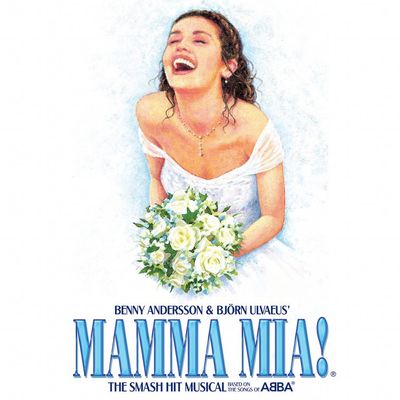
[33:19] Robert W. Schneider: Totally blew my mind that this guy is formally published, speaking about Mamma Mia. And once I start talking with him, he's got this analysis of the show that is like, you know, like a doctoral thesis. That wasn't his PhD. He like has a PhD, but he can talk about Mamma Mia, which is so refreshing, so exciting, so interesting.
[33:42] Andrew Child: Oh, absolutely.
[33:43] Robert W. Schneider: Absolutely.
[33:44] Andrew Child: You know, he's you, oh, you know what?
[33:46] Robert W. Schneider: I just thought of something.
[33:47] Andrew Child: I'm so sorry.
[33:48] Robert W. Schneider: Can I can I go back for a quick second? You said during the pandemic, was there something that we should have included?
[33:57] Andrew Child: Yeah, I think Jagged Little Pill.
[33:59] Robert W. Schneider: And I think Jagged Little Pill, because it's one of the first time you're seeing an audience demand better. And a creative team saying, Yeah, we'll do that. And I kind of have a feeling that's going to be the way of the future. I wish I mean there's because of the pandemic, I really can't point to anything just yet. But the idea that an entire uh audience said, this is not right. And whether you agree with it or not is not the point. The point is that an audience said, This is wrong. We don't like where this is going, and we want this to be fixed. And I'm talking, of course, about the casting of Lauren Patton, who's a brilliant actress, um, in a character that I believe was once non-binary and then was binary, and regardless of whatever the actual uh the timeline of events are, audiences said this is not acceptable.
For whatever reason, this is not acceptable. And there was a lot of backpedaling and you know, uh groups coming in, and how are we gonna handle this? And people in the cast left over um moral obligations, they said, and uh, or ethical obligations, they said, and that I think this is I think is the beginning of something. I think that's I think that you're gonna see more, you're gonna see social media holding artists accountable if they stray off the path.
[35:44] Robert W. Schneider: Which a little bit is covered in the Dear Evan Hansen. You are sort of talking about social media and this direct contact with the fan base with the audience, but I think in an even larger sense, we're seeing it so much more since you put pen to paper and started putting this book together. I think we saw stuff with Great Comet. I think we've seen Beetlejuice. I think we see stuff every day going on now with Tootsie, with Mrs. Doubtfire. Oh, yeah. Those places are listening, you know.
[36:19] Andrew Child: No, absolutely, and I think that, yeah, that's the other thing I think I really want to make sure everyone understands, which is we started this book way before the pandemic, and way before all of the things that emerged during that time. Um, because there was a lot, a lot uh in the world, but a lot really in the theater community, and a lot of conversations that needed to have happened that never happened until the pandemic occurred. So yeah, I think there are yeah, I think that would be interesting. I think there is now in Dear Evan Hansen, the so the audience connecting to the show through social media is positive, and nothing really changed. The show didn't change because audiences found the show through social media, if that makes sense.
It became more successful, etc. etc. But things like Jagged Little Pill, things like Tootsie, things like uh you said Beetlejuice, I think was in there. Um yeah, um Be More Chill, I think is an imp uh part of that. Um those things like Be More Chill and things like Beetlejuice are shows that audiences really enjoyed and audiences wanted to see more of and could not understand why they were going away. Great.
[37:45] Robert W. Schneider: Things though like Jagged Little Pill and Tootsie and This is Doubtfire, um, and I'm trying to think of other shows, not necessarily where it's about trans or non-binary representation, but where there's other issues with the Music Man revival right now has no lots of yeah, there's nobody of color really in the in the in any of the the major leading roles. Um I uh yeah that that's an that's a very specific issue. Um so I'm curious to see, but I think, and please people correct me if I'm wrong, I feel like Jagged Little Pill was the real start of it. Um there were complaints about you know, Tootsie and stuff like that, but the fact that Jagged Little Pill had to bring on advisors and people were quitting.
Um, and Lauren, who was considered to be the number, I mean, I don't think there was a person who left Jagged Little Pill and said she's not she's gonna win the Tony Award. Every single person who left that show said she's winning the Tony Award, and then to watch her win the award and hear how lukewarm the reception was. That I think is really important because that's the audience, the audience now playing a part in the creation of the art or the the after effects of the art. And I think we're gonna see more of that. Whether it's a good thing or a bad thing, that's up for individuals to decide. But I think from a historical perspective, you're gonna see a lot more of this.
[39:20] Andrew Child: Do you think are there other present day current indicators uh of where you think the torch is about to be carried for musical theater? Um, and I'll preface this by saying I ask this a lot in the interviews, um, and universally it like catches people off guard. It's a hard question to think about. Um also universally, you know, take a shot every time in this podcast that someone just says Lynn Manuel and then moves on, you know. Lynn. Um yes, uh what what but where is it going?
[40:06] Robert W. Schneider: I think honestly, unless something major happens, I don't see the form changing a lot. The the the form or the content of a show changing all that much. Um I think musical theater is really reflective of the times that we live in. And when we're in eras of uncertainty, you're gonna see a lot more jukebox musicals. You're gonna see a lot more movies being adapted into musicals. And I think at times when we feel as a public that um we're a little bit more settled and we want to explore issues and we feel more comfortable to do so, then you're gonna see more things like Next to Normal and more things like um uh Southern Comfort or Dear Evan Hansen or Miss You Like Hell. Um, that's we'll see those.
Um and I think one of the things that you might notice uh in the trajectory sort of musical theater history recently, like during 2001 to 2008, when we had 9-11, the Iraq War, the economy, Hurricane Katrina, most of the musicals at that time that were successful were the movies being turned into musicals because that's comforting for us. Then in the eight years following, which was 2009 to 2016, that's when you got a lot of experimental musicals at that time because I think people felt that they were willing, they felt more comfortable in their life, they could go feel uncomfortable or challenged in the theater. Um, so I think depending on how the zeitgeist is reacting, but it would that will, but but it won't really change.
I don't see it changing all that much. I don't, I mean, I think it's great when people go, Oh, Lynn Manuel is the future of musical theater. Um I I think he is one of many people that are the future of musical theater, but I don't think he is when he is named by himself, and I'm sure he would be the first person to say this, he's not the only one. There's wonderful, wonderful writers that are emerging every single day, especially from communities that have not had seats at the table before. And I'm very and they're being allowed finally to be uh to have their shows put on. And that's very exciting. So I think the I think you'll see maybe more diversity in what sh in who's telling the stories, but I don't imagine the stories changing all that much in terms of like something scri revolutionary like the way you know Oklahoma was created. Do you know what I mean by that? You know what I mean?
[42:40] Andrew Child: Yeah, or like a Company or Cabaret or anything like that. Do we think are we overdue for an Oklahoma, a Company, a Cabaret, something that's going to we we had it in Hamilton. We just had it.
[42:54] Robert W. Schneider: Yeah, I mean, and you know, what is Oklahoma was 43, Cabaret was 66, right? Um so maybe in a few more years we'll have a uh a Hamilton type thing. And the I mean the big thing that shook up Hamilton was just the style of music. It wasn't that the story is pretty in some ways pretty traditional. Right. We're watching a hero on a journey, and we follow him from birth to death. Sorry, spoiler alert. Um and but the the narrative is pretty straightforward in that regard. Um it's just the music is different. The the idea of marrying an older story to a contemporary sound great. I will say though, there were a lot of not very good Shakespeare productions in the 1960s and 70s that sort of did the same thing, which was they would take an older text or an older story and put contemporary music on it.
[43:56] Andrew Child: And you're gonna do the Two Gentlemen of Verona, next book.
[43:59] Robert W. Schneider: Yeah. Yes, exactly. Exactly. Um, so I I mean, I think I but I will say this. I feel so optimistic about the future of musical theater because I think now it's being looked at as one, a serious art form, which it always has been. Um it just people never really gave it the the time of day. Um, and two, it's so in the public consciousness now. Not just because of Hamilton. That’s the that that always drives me crazy when everyone goes, oh, it's all about how it's not. There's other stuff out there. Look at all the NBC lives, look at all the the Disney, the Pixar. Um, those are all musicals. They might be animated, but that it is musical storytelling. Look at all the reality competitions where people come on and sing Rogers and Hart, or they come on and they sing a show tune.
It's still getting across to the public. So I think musical theater is in a really healthy, wonderful space right now. And I think I think it'll continue to grow that way, especially as we get these new um new voices to come out and to share their stories. So I I feel good about musical theater.
[45:13] Andrew Child: Good. Well, thank you so much. I feel like this was a really good intro to what this podcast is, what this book is. Did you feel like you have any other key points to bring up?
[45:25] Robert W. Schneider: Oh, he'll be here all week, folks. Um no, I mean the the big the big thing for us, and we've mentioned this. I I think we mentioned this, but I we know we we mentioned it before we went on the air, which is you know, the the podcast is in a lot of ways, hopefully a supplement to what you're reading in the chapter. There's a lot of things in the chapter that we could not discuss because we had a word limit. Um, and citations were included in the word limit. Uh so pretty tough for us. Um, so there might be some things that you want to deeper dive on, like for example, the Miss Saigon podcast episode is going to feature not only Gene Marie, but like as Andrew was saying, other artists from the Asian community that are going to be able to speak with more authority on those particular things.
I'm sure Dr. Russell talks a lot about uh the inner workings of the Phantom of the Opera. Uh, you know, and and I think that'll be fun. I think you know, you can read the chapter, get a really good sense of it, but then come use the podcast as a place for discussion, a place for initiating discussion. And if you hear things on the podcast that you go, oh, I agree with that, or no, I don't agree with that. Please let us know, because that's what the whole point of this is to have a discussion. And I eagerly look forward to I can't believe you didn't include da-da-da. Make a make a case for it so when we do our second edition, we can include it. Um I I think I think there will there'll be another sequel, another another 50 key stage musicals, and and uh Spider-Man will be in there and so will Carrie.
[46:57] Andrew Child: Thanks for listening. Thanks, Robert. And thank you, listeners, for joining us today. Please make sure to purchase a copy of 50 Key Stage Musicals by visiting Routledge.com or by clicking in today's show description. I'm Andrew Child. We chatted today with Robert W. Schneider, and thank you for listening to 50 Key Stage Musicals, the podcast.
[47:19] ♪ Musical number: "Happy Feeling" — performed by Unknown performer ♪
© Broadway Podcast Network, All Rights Reserved