

Life is a cabaret, every night at 54 Below, AKA "Broadway's living room." Sarah chats with her boss at 54 Below and one of her favorite sound engineers, Amanda Raymond, continuing her Women in Sound Series... Read More
From the show: GOOD SHOW! with Sarah Goodman
Featured Shows
About
Life is a cabaret, every night at 54 Below, AKA "Broadway's living room." Sarah chats with her boss at 54 Below and one of her favorite sound engineers, Amanda Raymond, continuing her Women in Sound Series.
Amanda Raymond is an award-winning New York City based Production Manager and Audio Engineer. She production managed shows both on and off-Broadway before settling into her long-time home as Production Manager/Audio Engineer at 54 Below. She is often seen touring the country with a variety of performers as the Production Manager and Audio Engineer for Full Circle Artists.
Connect with GOOD SHOW!
Instagram: @goodshowpodcast
Tik Tok: @goodshowpodcast
Transcript
This transcript was automatically generated and might contain errors.
[0:13] Sarah Goodman: Hi, I'm Sarah. I'm a sound designer and professional lesbian theater geek. I'm a huge fan of all things Broadway, cabaret, and pop culture. I've got tattoos of Bernadette Peters and Liza Minnelli. In my podcast, I'm looking at theater through a queer lens and discussing the intersection between the craft and the LGBTQ+ community. AKA, me, my friends, and my family. Thanks so much for joining me today.
[0:39] Amanda Raymond: Yay! My pleasure.
[0:41] Sarah Goodman: Amanda is my boss at 54 Below and one of the best sound engineers I've ever worked with. I love the way Amanda runs the system at 54 Below. We have one of the best PAs and the best consoles I've ever worked on. It's like such a luxury. I'd love for you to tell my listeners how you got into sound and sort of what's your background in theater and cabaret and like what led you to be at 54 Below for the iconic almost entire length of its existence.
[1:10] Amanda Raymond: That's so funny because I didn't go to school for sound at all, actually. What feels like a million years ago now? I went to school for first music education and then switched my major to theater and then went to graduate school for stage and production management. So that's what my education is in. I moved to New York for grad school and was production managing on Broadway, off-Broadway, met a ton of cool people. So I was working as a production manager off-Broadway, and someone that I was working a lot with off-Broadway as a lighting person got this job at this new cabaret venue called 54 Below as the production manager. And after it had been open for about six months, he called me because he knew me as a production manager and was like, we could use some help over here getting things organized and straightened out, and you know, some systems put in place to make the place run a little smoother.
And I was like, Yeah, sure. I am in Dubai right now, but you know, when I get back. And I was supposed to be in Dubai for a whole another month, and that contract ended up getting canceled. So, like less than 48 hours later, I was like, How about next week?
[2:17] Sarah Goodman: Oh wow.
[2:19] Amanda Raymond: So I came in and sort of got to know 54 Below a little bit, set up a lot of the systems that we still use today to advance shows and schedule the room and things like that. And the two weeks that I was supposed to work there turned into 12 years, you know. I started sort of like swinging back and forth, subbing on both lights and sound for the two people that worked here, and within that first year, I had taken over the audio department, and now I'm the production manager running the whole date, I guess.
[2:50] Sarah Goodman: And thousands of shows later, what is your estimated number of shows that you've mixed at 54 Below?
[2:56] Amanda Raymond: So we counted one year, and I mix roughly 500 shows a year. I've worked here for 12 years, so roughly 6,000 shows. Not counting some of the time we were down for you know the pandemic, but sure, probably close to 6,000 shows in 54 Below.
[3:15] Sarah Goodman: Wow, that's really incredible. That's so many shows, so many different types of shows as well. Like, can you tell my listeners a little bit about what kinds of shows happen at 54 Below if they don't know already?
[3:26] Amanda Raymond: I mean, they probably know because they're listening to this. It's kind of niche, but you never know who's listening.
[3:28] Sarah Goodman: You never know.
[3:34] Amanda Raymond: So 54 Below is a Broadway cabaret venue. And when people ask me what cabaret is, I say, Well, it's a concert, but it's also a show, right? We're not just doing song after song. We're relating to the songs in some way. The performer has an emotional attachment, or it's a song that they like, or it tells the story of their life in some way. So it's, you know, the format is sort of song pattern where they talk about the song they just sang or the next song and then another song. So it is a concert, less of a theatrical scripted show, although some of them are very scripted, some are very off the cuff. They really run the gamut to all sorts of formats.
[4:15] Sarah Goodman: It's the word I want.
[4:16] Amanda Raymond: Yeah. So similar to how I came up in sound, I got a job at a club in Chicago called the Hideout. It was more of a rock venue, but I worked a bunch of other positions there. I got hired there originally as like a manager who was gonna help with payroll and stuff and like weird little admin tasks for the owners. And then I also started working the door, then I started bar backing. I would occasionally bartend. And then I started learning a little bit about sound in school, but I wasn't going to school for sound. I just happened to have like a recording studio at the school that had an elective where you could learn how to record stuff. And it was really simple. I mean, they had like a tiny little interface and a small little desktop Mac.
It was like really rudimentary, but I got into it and then I thought, oh, maybe I should like do sound at the Hideout. That would be cool. And then I came up in the venue, and you learned so much, like on the job that you wouldn't necessarily learn in school. Because I did learn a lot about sound in school from studio classes, but I didn't learn anything about live sound from school, other than the same concepts that kind of transfer over, like EQ or compression or you know, signal flow, simple things like that.
[5:29] Sarah Goodman: But what kinds of things would you attest to that you learned at 54 Below and you were like first coming up, first getting into sound? Because you do sound now all over the place, like all over the country and all over the world question mark. So talk a little bit about that, about like your journey learning sound and like learning about how it all works on the job.
[5:49] Amanda Raymond: It's so interesting because I feel like so many people that I know now have sort of similar stories where we went to school for something else and ended up doing sound. For me at 54 Below, it was like learning the technology, right? I had gone to music school for two years and I was a musician and knew how I thought things should sound. And especially when I was in music school, I was particularly interested in arranging, right? I wasn't much of a composer, I didn't like writing my own things, but I liked taking things and arranging them in a way that still expresses what the story of the song is with whatever instruments you have at hand. And that is how I approach mixing, I would say, even a live show, is really like what is playing the most important line right now, and how do you bring that out in terms of like learning?
Yeah, for me, it was the technology. What do all the buttons do? You know, like what how do you program reverb or how you know I had a pretty solid grasp on signal flow. I think just from something similar. We had a studio at school, we had a keyboard lab that I would mess around in as a musician, you know.
[7:02] Sarah Goodman: So funny, I don't talk much about my background as a musician these days. This is like dredging up old memories.
[7:07] Amanda Raymond: Well, it's really interesting because the other two people I've interviewed so far for this series I'm doing, The Women in Sound, they all have music backgrounds and were trained as musicians first. So I think that's really interesting, especially people that I admire their ears.
[7:25] Sarah Goodman: Yeah, I guess it takes a certain type.
[7:28] Amanda Raymond: Yeah, I think so. It's not as it's not as coincidence as we may think sometimes, you know. I think you're onto something with that, actually.
[7:37] Sarah Goodman: Yeah, like we fall into it, but like, did we, or were we kind of preparing for it our whole lives?
[7:43] Amanda Raymond: Uh yeah, did it turn out that this is what we were meant to be doing? We just hadn't found it yet.
[7:47] Sarah Goodman: Exactly. I think the technology is really interesting too. My dad was a radio DJ growing up, so I would spend, you know, the radio station was near my middle school. So I would go there after school if I had like band practice or something, I would walk over to the radio station and he'd drive, you know, we'd go home together. And I was always really interested in all the moving parts there, you know. That was back in the day when like they still recorded commercials to eight tracks, and there was this giant machine that would like spin all the eight track tapes to play the commercial spots. And I always thought all that was really, really interesting.
[8:20] Amanda Raymond: Yeah.
[8:20] Sarah Goodman: So perhaps it shouldn't have come as a surprise that I ended up here.
[8:24] Amanda Raymond: Yeah, totally. I was telling someone recently that I was reminded by my mom that when I was a kid, I used to like take the stereo apart and fix it, even though I didn't really have any idea why I thought I could do that or even would want to.
[8:40] Amanda Raymond: Yeah, tinkering is in our blood.
[8:43] Sarah Goodman: That's right. I took my mom's watch apart, so it's something similar.
[8:48] Amanda Raymond: Yeah, yeah, totally.
[8:49] Sarah Goodman: That's what I mean. I think it's like, oh, the signs were all there.
[8:55] Amanda Raymond: Yeah.
[8:56] Sarah Goodman: So tell me more about the about studying music. What was that like for you?
[9:00] Amanda Raymond: You know, it was great. I played clarinet mainly. Woodwinds were my instrument. I thought that I wanted to be a band teacher. That's what I went to school for. So I did two years in like a music education program. I found that I was spending a lot more time in the theater though than I was like practicing. I mean, I played in a million ensembles and all that, but I got a job in the scene shop and then I stage managed my first show, and I was sort of hooked on being like this the not the center, the center of information, I guess. I liked knowing all the moving pieces and figuring out how to fix them, put them all together. And I am realizing as I'm saying that that's essentially what I just said, what I liked about arranging also.
[9:45] Amanda Raymond: Yeah. Uh so I guess that's just what I'm into is taking a bunch of pieces and figuring out how to make them work as one whole machine.
[9:54] Sarah Goodman: Mm-hmm.
[9:54] Amanda Raymond: And that's so important in theater where there are so many different moving parts, departments working together, collaboration, and people who are in different technical disciplines who don't necessarily understand each other. Someone has to understand it all, right?
[10:10] Sarah Goodman: You're like the translator.
[10:12] Amanda Raymond: Mm-hmm.
[10:13] Sarah Goodman: Yeah. And so I did a lot of theater. And when I sort of fell into cabaret, I found that I what I loved about theater was tech. I liked being in tech. That was my favorite part. And then we'd get to the show run and I'd be like, okay, I guess we have to do the show 500 times now, right? Here I'm in tech every day. We have a different show every day. It's super fast paced. Like that's exactly what I the part the parts of theater that I sort of thrived in and got excited about was when we were like trucking through tech and figuring things out. And now that's what I do every single day. So this feels like a better fit for me than people ask me why I don't do theater anymore.
[10:53] Amanda Raymond: And I'm like, there's nothing against theater, but I like this better.
[10:58] Sarah Goodman: Yeah.
[10:59] Amanda Raymond: Had you been into theater before college? Like were you into it as a kid at all? Or what was your first exposure to theater?
[11:06] Amanda Raymond: I started dancing at a super young age. My parents put me in dance lessons when I was in like second grade. So, you know, I did a dance show every year. And then when I got to middle school, a friend of mine and myself, we were in seventh grade. There used to be a middle school talent show, and for some reason they hadn't done it in years. And we were like, We want to we want to do the talent show again. And so this the middle school band teacher was married to the high school technical director. And so she was like, these two kids want to put on a talent show again. I'm gonna help them do it. Will you come and like help us do tech? And so uh he came and like uh showed us how to do some lights and it was just playback stuff, you know, nothing complicated.
And so we did that for two years in middle school, and then you know, when we got to ninth grade to high school, he was like, obviously you're gonna come and do tech now in the theater, and we're like, Yeah, yeah, I guess we are.
[12:03] Sarah Goodman: Yeah.
[12:04] Amanda Raymond: I think because I danced, I was interested in doing the talent show, and I understood what like a show looked like. And then my my dance teacher was also he was like a very creative type who liked all the tech stuff. And so he would let me help out behind the scenes for the dance shows too. Some and in fact, even after I moved away to college, I would come back for the dance review and do lights for them every year. Uh until I moved to New York and it it became a little too crazy to fly back to the remote part of Upper Michigan where I grew up to do a dance show every year.
[12:37] Sarah Goodman: Yeah.
[12:37] Amanda Raymond: There are a lot of people from the Midwest who work at 54 Below. Do you think there's anything to that?
[12:44] Amanda Raymond: That's a good question. We meet a lot of people from Michigan. And I part of that I think is because like U of M in particular has a pretty robust musical theater program. Yeah. But part of it, I think, is that Michigan's a big state, right? Like Texas, Michigan, we're one of the we're one of the big ones. And I think it's just a sheer numbers. Also, a lot of women, I gotta say, to do a huge shout out to 54 Below, some of the largest numbers of women on the tech staff I've ever seen at any venue in my entire career. I'm so excited and so proud of that fact.
[13:19] Sarah Goodman: Yeah, it's definitely something that I was conscious about, you know. Not that I'm not hiring men, but just no, there's men on the staff that and they exist. But to make sure that I post in women-centric tech groups, right? Like we're both members of Sound Girls. That's one of the places that I've met a ton of my subs. I'll post there and just see who pops up.
[13:45] Amanda Raymond: Yeah.
[13:46] Sarah Goodman: Is that how we met?
[13:47] Amanda Raymond: No, I sent a cold email.
[13:49] Sarah Goodman: Oh, all right.
[13:50] Amanda Raymond: I sent a cold email to 54 Below with the audacity to believe that I could get hired there. And then I did I did. You were right. I think it was timing. It was really good timing. I moved here in like the fall of 2021. So it's like coming out of COVID, and we had just a lot of people were like gone. You know, I think people left the business. I got so many jobs when I first moved to New York pretty quickly. And I think part of that is that I'd already been an engineer for a decade in Chicago. So I have a lot of experience. But I think walking into New York pre-pandemic would have been totally different for me. There were a lot of places desperate for decent techs. And like I'm a very capable A1. So being able to show that quickly is like easy for me. But yeah, cold random cold email. But I'd I worked at in New York so far, over 15 different venues. And not saying this just because we're having this conversation, but 54 Below is the best one. It's the best one.
[14:54] Sarah Goodman: Well, it's got the nicest gear. It's always clean. Everything that breaks gets fixed. I've never been anywhere else like that.
[15:02] Amanda Raymond: They clean stuff. You guys clean stuff. That's the other thing I take a lot of pride in, you know. There's no lipstick on those mics.
[15:10] Amanda Raymond: Yeah. And I think that's something that's interesting. Something I gotta say about what I've noticed in the career field of sound is that, you know, first of first of all, if people don't know, it's like five percent women or less in the entire field. It's really crazy. It's really, really crazy ratio. And I think that impacts the industry and the way things are done in such an intense way. And I think cleaning is something that I've noticed is part of that. And I think it's because cleaning has always been considered like women's work. And in a male-dominated field, they do not value cleanliness as part of the job. And I've noticed that a lot over the years. Like several places I've worked, I've had to make a very strong stance that we need to clean stuff.
[16:05] Sarah Goodman: Yeah.
[16:05] Amanda Raymond: I I think there's I think there's for sure there's there's some truth there. Yeah. I mean, I I can't think of how many places I've gone and they've handed me a microphone. I've been like, you're joking right now. And you know, disgusting. I travel with my own capsules for two of my performers because I'm like, I'm not letting you put your mouths anywhere near these microphones.
[16:28] Sarah Goodman: Right.
[16:29] Amanda Raymond: I mean, added bonus, it's the capsules that I want to use for them. But like in large part, it's because of how disgusting they are. Yeah. Yeah, it's weird. It's something that I've I've thought about a lot, but haven't really articulated too much into the gender of it all. But I do think that there is a connection there.
[16:46] Sarah Goodman: I think there's something there.
[16:47] Amanda Raymond: Yeah.
[16:47] Sarah Goodman: Sticky cables too.
[16:48] Amanda Raymond: Oh my gosh. Disgusting dirty cables.
[16:51] Sarah Goodman: Dirty gross.
[16:53] Amanda Raymond: The floor, also dirty. Like wild. Just like where everything, just keeping everything clean in general. It's just like something people should do. You know, it is industry standard in a lot of other places. And also when you have to put effort into it.
[17:07] Sarah Goodman: Yeah, totally.
[17:08] Amanda Raymond: It takes a lot of effort.
[17:09] Sarah Goodman: It does.
[17:10] Amanda Raymond: It takes daily effort and also like weekly checking in and like maintenance. And you know, at 54 Below, there's there's the really tiny, there's a really tiny booth in the corner. It's that's shared with lighting. It's insane how small it is and how much stuff is cramped in there. Yep. And there's, you know, some gear on the sides of the stage, and then there's there's an amp room in the back behind the kitchen, and there's lots of little nooks and crannies that need to be kept up, you know? And it is a restaurant too. So like things really need to stay clean for sure.
[17:42] Sarah Goodman: Yeah.
[17:42] Amanda Raymond: Yeah, for sure. It's crazy in there. A lot of thought goes into it. Things have to be organized. Also, that's that's another thing. I can't stand it when stuff's not organized and where it should be because it's how things get lost. It's how you move quickly. That's another thing that I'll say. I've been to a lot of places where uh the you know, the room isn't much bigger than 54 Below is and they do a lot of shows. And uh, you know, it takes forever to get everything set up because you're searching for stuff. Whereas, you know, we go from a blank stage to a four or five piece band in under in 15 to 20 minutes, you know.
[18:18] Sarah Goodman: Yeah, yeah.
[18:19] Amanda Raymond: Definitely I've been to some venues where it takes hours because you just you can't find stuff. You're searching, it's not organized. You know, cables just don't pile and not sorted by size. Those little things make such a big difference.
[18:34] Sarah Goodman: Yeah i in your day-to-day life and how efficient you can be.
[18:40] Amanda Raymond: Yeah, absolutely. And venues, like you said, that are turning over show after show after show. You can't treat your gear like crap or you're like it's stuff's gonna break and fall apart, and like you really don't have the time to replace things in the moment. You know, you need to have your stuff working. That's a big challenge at 54 Below because we do two shows a night, seven nights a week, and we are essentially never dark, is that if you don't take care of stuff, we don't really have the opportunity to not have things for a day or two while we wait for stuff to come in, or you know, when something breaks, it's a big deal around here.
[19:18] Sarah Goodman: Yeah.
[19:18] Amanda Raymond: And of course it does because we do a million shows a year. Right. But it's inevitable. Yeah, trying to take care of it so that it's not a catastrophic break right when you need it is a big part of our day to day, I think.
[19:31] Sarah Goodman: What has been some of your favorite things or favorite moments about working at 54 Below? Do you have any like fun stories that you like to share about the venue that are kind of unique to your experience?
[19:42] Amanda Raymond: Such a good question. It's also such a tough question because we do so many shows.
[19:46] Sarah Goodman: Yeah, you have so many, so many to choose from, I'm sure.
[19:49] Amanda Raymond: How to how to pick. I mean, well, uh, I met two of my very favorite creative loves of my life, Jared Specter and Kelly Barrett here. We've been doing shows together now for over a decade, not just in New York, but all over the country.
[20:06] Sarah Goodman: Yeah.
[20:07] Amanda Raymond: And they're some of my absolute favorite people to work with. And it just was one of those things. Jared did a show here afterwards. I was like, hey, I really liked your show. If you ever need anything, you know, you you have my contact info. Uh and he and Kelly were getting married in like I don't remember when we spoke about it. Maybe it was like earlier that year. So they were getting married in the fall. They got married in October. And he was like, actually, we're getting married and we need someone to do sound for our wedding. Like, would you be down? And I was like, Yeah, absolutely. And we've sort of been inseparable ever since.
[20:38] Sarah Goodman: Oh, so you married them when they got married.
[20:42] Amanda Raymond: Yeah.
[20:44] Amanda Raymond: So that's one of my favorite things to have come out of 54 Below is that relationship. Um I I love uh one of the fun things now that I'm doing a little more administrative work is I get to spend a little bit more time with my subs, which is fun. We get to overlap a little more.
[20:59] Sarah Goodman: Yeah.
[21:00] Amanda Raymond: So I'm really enjoying getting to know all of you guys better, you know.
[21:04] Sarah Goodman: That's that's cool.
[21:05] Amanda Raymond: And I'm hoping to still sort of writing that schedule in a way where I can overlap with people more, but I really enjoy getting to meet other sound people. I feel like that's not something that you really get to do.
[21:19] Sarah Goodman: We really don't as an A1 because you're the only one on the gig.
[21:24] Amanda Raymond: So um so I like that part in being here is I get to meet some cool A1s that sub for me. I mean, we just do, we see so much. It's pretty I mean, all of it is great in some way, you know, even if it's not my cup of tea. It's great in some other way.
[21:42] Amanda Raymond: Sure. Especially having been here so long now. Uh what like knowing people as both of our careers progressed has been really fun.
[21:49] Sarah Goodman: You know, there are some performers that like we both were just starting out together and now we're established together, I guess.
[21:58] Amanda Raymond: Yeah, yeah. You've been able to see some people's kind of rise through the industry and stuff.
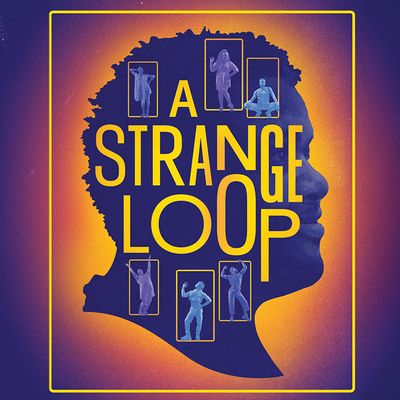
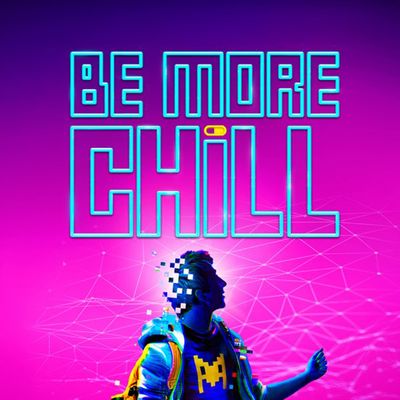
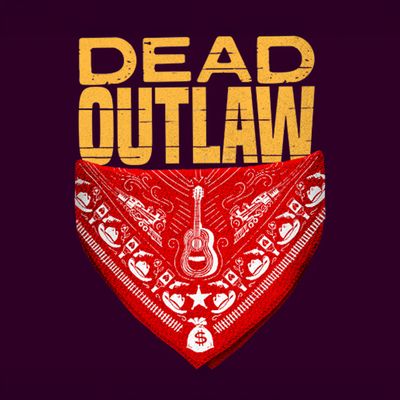
[22:03] Sarah Goodman: And shows, you know, we've done a lot of we do a lot of new musicals in concert. We do a lot of new writer series things. You know, we did a lot of early versions of shows that have gone on to be on Broadway now, like A Strange Loop and Be More Chill, Dead Outlaw, which I'm very excited to see this season.
[22:23] Amanda Raymond: Yeah, me too.
[22:24] Sarah Goodman: Okay, I want to talk about I I don't love how sound people are often like gear snobs or like really obsessed with gear, but it does kind of make a difference sometimes. And so I wanted to talk about the console at 54 Below. It's a beautiful avid console. I wanna I want you to talk about like why you picked it, how you picked it out. Very very rare that sound people get to pick the consoles that they're using unless they're designing for a show that has a bigger budget or something. Like usually you just have what's in the room, or you know, as an A1, unless you're touring and you're also the one doing all the advancing, like you might not get to pick. So, like, how did you pick and talk a little bit about the pros and cons of this of this thing we have?
[23:12] Amanda Raymond: Yeah. So when the club opened, I so I've worked here almost the venue's entire life, right? We sort of talked about how I started six months after it opened. So when the club was built, there was a designer that designed the room, Peter Hylinski, and he put in an avid SC48 at front of the house. We're open seven days a week, 360, like two days a year, let's say. Stuff gets worn out. So with the SC48, I guess it had been running for about 10 years. And Avid discontinued the desk. You couldn't get parts for it anymore, you know, and it was just starting to fail. We were losing faders, but you couldn't buy new ones anymore. The market had dried up on those because they weren't manufacturing them.
We do a ton of live recording here. And with the SC48, we weren't able to connect that we use the console as our interface. The SC48 wasn't gonna be able to connect to a new recording computer if we had to replace it because of the switch from a 32 to a 64-bit operating system. So that was another factor. And um we finally made the decision that we just needed to replace it. And the SC48 had worn out. So when it came time to pick a new console, one of the challenges is that we're never dark. And so it has to run. It has to, it has to run a lot. And also to make the switch from one con from one desk to the next had to be seamless. So you don't have days to load it in and test it out and da-da-da.
[24:49] Sarah Goodman: Exactly.
[24:50] Amanda Raymond: So you know, I did do some research. I did look into some other desks and see if they were the something that me we might want to take the time to make a change to. But upgrading from the SC48 to the Avid S6L just seemed like the right move. And it absolutely was. The nice thing is I could take the show file from the SC48 and just transfer it straight on to that. I had to fix very little in that transition, which was great. You know, we set the desk up in an office in one of our offices and had it there. Actually, for a couple of months just because we were searching for the right day to make the swap. We just weren't in a position where we were gonna have a dark day. So it probably sat for three months, maybe before we even dropped it in.
And we found a day where we had a morning event that ended at three in the afternoon and nothing in the evening. So I brought a crew in at about 3 p.m. Took the SC48 out, put the S6L in, and it was uh it was a whole sort of not ordeal, we had it all planned out, but the S6L is all networked and the SC48 was copper. So we have different stage boxes. We had to have Ethernet instead of the copper snake that was, you know, installed in the wall. And uh luckily we had Ethernet when they when they built the club, they had put Ethernet runs from the stage to the booth already. So that actually made it pretty easy. We were a little bit worried about those Ethernet runs because we didn't know what was going on in the wall, but luckily everything kind of was plug and play down there, and then we had a new desk.
[26:28] Sarah Goodman: Yeah. And it's been great. I love it.
[26:29] Amanda Raymond: I love it too. It is my favorite console I've ever used. It's so great. Also, I just really love the like waves integration. Waves plugins are my favorite. Renaissance reverb is my favorite reverb of all time. I just think it can't get any better than that. And like very few systems have onboard reverbs that sound as good. Um in my sound design work, I've started using mainstage because you can use your own plugins and even just the native like Apple plugins are better than what most of the consoles have on board, in my opinion.
[27:03] Sarah Goodman: Right.
[27:04] Amanda Raymond: But I really love that we have those beautiful reverbs at the club because I think it's so important to the flavor of cabaret music because it's so stripped down.
[27:14] Sarah Goodman: Yeah.
[27:14] Amanda Raymond: Um, that it's it's a really big player in like the overall tone of what you're presenting.
[27:22] Sarah Goodman: Yeah, I agree with that a hundred percent. I think it's and we have a specific sound, you know, that that is 54 Below. I feel like for better or worse, it's my sound, you know, these days. And I tell people when when I'm training them, I'm like, listen, there's there's a lot of different ways to make this sound good. People, we have a lot of regulars, people come see shows uh at 54 Below that have been there a bunch of times and they expect it to sound a certain way. That's not to say you have to do everything exactly the way that I do. And I I think it would be a great loss if that were the case, you know, because everyone brings something different um and unique to the job. But to start there and be like, this is what the room sounds like, and then make it your own. Anyway, our reverb sounds a certain way.
[28:11] Amanda Raymond: Yeah.
[28:11] Sarah Goodman: And people come to expect our reverb to sound a certain way.
[28:14] Amanda Raymond: Yeah yeah but I think it's good I think I also like the sound of the piano is very important um and I've noticed now that I've gotten the opportunity after a few years to go to some of the other clubs in Manhattan that our piano sounds so good like a lot of places may have a grand piano but it doesn't sound as rich or you know there's four mics on the piano at 54 Below and it's a beautiful Steinway piano that gets tuned regularly that's another really nice thing about about the venue that they keep their piano sounding so good. Piano is really the centerpiece of our stage and I I think of at least of Broadway cabaret in particular it just is it's just the driving force between behind a lot of the the way things are arranged and it's very important.
[29:07] Amanda Raymond: And yeah I think I've been to a lot of venues where like there's one mic in the piano and that always sort of surprises me. I actually travel with not stereo mic a piano a piano should always be minimum stereo mic it's a it's got such an enormous spectrum of notes and it's a it literally the way the strings cross each other creates a special resonance like putting one mic on a grand piano is a crime.
[29:37] Sarah Goodman: Yeah I was burned enough times by it that I I bring my own piano mics with me now when I go other places.
[29:45] Amanda Raymond: So yeah you know enough times I think that I was frustrated by it.
[29:51] Sarah Goodman: Yeah, yeah. It's wild. What do you think is important about theater today? And that includes cabaret. Part of the part of an extension of the art form.
[30:02] Amanda Raymond: I think right now any art is so important. I don't even know how to start. We can see uh what's happening with the whole Kennedy Center debacle. And how I think it's how easy it is for someone to take control over what art is permissible. Things are really crazy. And I think that uh performance art in particular is gonna be uh a way to share how crazy we all feel with each other. And I I we're seeing that in a lot of shows right now that people are talking about what's going on in the world and in the country, and using this art form as a way to sort of cope with it or talk about it. I also worry that censorship is going to become more of a thing in our immediate future, and so it's like more important than ever to like rally against that and have artists do their thing.
[31:00] Sarah Goodman: Yeah, yeah, yeah.
[31:02] Amanda Raymond: As of now, and hopefully going forward forever. Uh 54 Below is is a safe haven for art and for artists. So that's uh a little bit of hope. And I think it's a place where people can go to experience catharsis and also escape. And I love it there. It's such a great place.
[31:21] Sarah Goodman: Yeah, yeah, we love we love you here too. We love everyone here.
[31:26] Amanda Raymond: Yay, yeah. I mean, I've obviously been here a long time, and I would be remiss if I didn't mention my partner in crime, Becky Morris.
[31:35] Sarah Goodman: Becky, we love Becky.
[31:37] Amanda Raymond: Our lighting designer, extraordinaire, has been she subbed here for a long time and then was our live stream director. She's been here for eight plus years as well.
[31:48] Sarah Goodman: Yeah, it's a long time. I'm going on almost four. It's gonna be four in the flash.
[31:54] Amanda Raymond: That's crazy.
[31:55] Sarah Goodman: Yes, wow. Well, thanks so much for joining me today. This has been a really fun conversation. I appreciate it.
[32:06] Amanda Raymond: Thanks for listening. Follow Good Show on TikTok and Instagram at Good Show Podcast. Good show is available at bpn.fm slash goodshow on the Broadway Podcast Network and everywhere.
© Broadway Podcast Network, All Rights Reserved