

“Lovers come and lovers go, Lovers live and die fortissimo, This is where we take a stand, Welcome to Falsettoland.” In this second episode of the Queer Series, showbiz siblings Kristen and Sarah Goodman examine some of the themes of William Finn and James Lapine’s groundbreaking musical, FALSETTOS... Read More
From the show: GOOD SHOW! with Sarah Goodman
Guests
Featured Shows

About
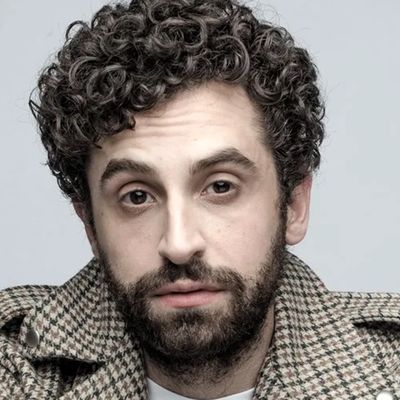
“Lovers come and lovers go, Lovers live and die fortissimo, This is where we take a stand, Welcome to Falsettoland.” In this second episode of the Queer Series, showbiz siblings Kristen and Sarah Goodman examine some of the themes of William Finn and James Lapine’s groundbreaking musical, FALSETTOS. Special guest and Tony award winner Brandon Uranowitz talks about his journey of acceptance of his Jewish identity, what it was like to perform the morning after the 2016 election, and how he accidentally slapped his friend and castmate, Stephanie J. Block.
Good Show Instagram: @goodshowpodcast
Good Show Tik Tok: @goodshowpodcast
Brandon Uranowitz Instagram @branuran
Transcript
This transcript was automatically generated and might contain errors.
[0:00] Kristen Goodman: Hi, I'm Kristen Goodman.
[0:02] Sarah Goodman: I'm Sarah Goodman, and we're Showbiz Siblings.
[0:06] Kristen Goodman: We live in New York City.
[0:08] Sarah Goodman: We're both queer and we love musical theater.
[0:11] Kristen Goodman: This is our podcast.
[0:28] Sarah Goodman: Right for the rest of my life.
[0:37] Kristen Goodman: Ride for the rest of my life!
[0:39] Sarah Goodman: Final tequila!
[0:55] Kristen Goodman: This episode is about Falsettos by composer William Finn.
[1:00] Sarah Goodman: This is an interesting show that began as a one-act musical, three one-act musicals, actually. It started with In Trousers, one of the very first musicals that William Finn ever wrote in 1979, and also includes March of the Falsettos, which was written in 1981, and finally Falsettoland, which was written in 1990.
[1:26] Kristen Goodman: All three one-act musicals are about the character Marvin. They are centering the character Marvin, um, who has just at the beginning of the play left his wife to be with his male lover Wizzer, and he struggles to keep his family together and grapple with his own sexuality and identity.
[1:47] Sarah Goodman: Much of the first act explores the impact of his relationship with Wizzer um on the family, and the second act explores family dynamics that evolve as he and his ex-wife plan their son Jason's bar mitzvah.
[2:00] Kristen Goodman: We hear the word bar mitzvah a lot in the second act.
[2:03] Sarah Goodman: And then the story gets very sad towards the end when Wizzer is diagnosed with AIDS.
[2:10] Kristen Goodman: There's also a surprise lesbian couple that joins the cast and the story in act two. The themes in this show are focused on Jewish identity, gender roles, but even more focused not just on gender roles, but on masculinity in particular, and gay life in the 1970s and early 1980s.
[2:30] Sarah Goodman: Falsettos opened on Broadway at the John Golden Theater on April 29th, 1992, and ran for two uh 487 performances.
[2:41] Kristen Goodman: It was directed by James Lepine. Um, and the cast included Michael Rupert as Marvin, Stephen Bogardis as Wizzer, Barbara Walsh as Trina, Chip Zion as Mendel, um, Jonathan Kaplan as Jason, and Heather McRae and Carolie Carmelo as the lesbian neighbors, who apparently, according to Wikipedia have names, but I do not recall us ever hearing their names throughout either production.
[3:10] Sarah Goodman: I don't think so.
[3:11] Kristen Goodman: Um definitely not.
[3:13] Sarah Goodman: I looked back at my notes from when we watched the original Broadway show at Toft, and I was convinced by the end of Act Two that the lesbians didn't have names.
[3:23] Kristen Goodman: Just the lesbians next door.
[3:25] Sarah Goodman: They're the lesbians next door.
[3:27] Kristen Goodman: Yeah, it was quite a quite a cast.
[3:29] Sarah Goodman: Quite a cast. Who was on the creative team?
[3:32] Kristen Goodman: Creative team was um book, music, and lyrics by William Finn.
[3:39] Sarah Goodman: Um, additional book by James LePine and directed by James Lepine.
[3:44] Kristen Goodman: James LePine of Into the Woods Fame. Um Douglas Stein was the set designer.
[3:50] Sarah Goodman: Uh Ann Huled Ward was costumes, Francis Aronson, lighting, Peter Fitzgerald, sound.
[3:58] Kristen Goodman: Um Michael Starabin was the arranger for the 1993 show.
[4:05] Sarah Goodman: You know him.
[4:06] Kristen Goodman: Yeah.
[4:06] Sarah Goodman: Michael Sterabin taught a class at Berkeley NYC when we were attending the grad program there.
[4:13] Kristen Goodman: He's incredible orchestrator and worked with Sondheim a lot throughout his career.
[4:18] Sarah Goodman: That's interesting.
[4:19] Kristen Goodman: He must have been a wee boy.
[4:22] Sarah Goodman: But a wee Michael Sterbin.
[4:25] Kristen Goodman: Um, yeah, so we watched the Broadway uh production at Toft, and we also watched the 2016 Revival. And so I'm gonna mention the cast for that show was Christian Borrell playing Marvin, Stephanie J. Block playing Trina, um, Andrew Rannels as Wizzer, and Brandon Uranowitz as Mendel, and Brandon Uranowitz is our special guest.
[4:51] Sarah Goodman: Woo-hoo!
[4:52] Kristen Goodman: Woo!
[4:53] Sarah Goodman: So excited. Tony Award-winning Brandon Uranowitz is our special guest.
[4:58] Kristen Goodman: Really looking forward to talking with him.
[5:00] Sarah Goodman: Yeah.
[5:01] Kristen Goodman: Um, Tracy Toms of Rent Fame and Betsy Wolf are the lesbians next door in the revival.
[5:09] Sarah Goodman: And the revival creative team was again directed by James LePine.
[5:16] Kristen Goodman: Very interesting to have the same director on the revival that was on the original.
[5:21] Sarah Goodman: Spencer Liff was the choreographer.
[5:23] Kristen Goodman: Um sets were by David Rockwell.
[5:27] Sarah Goodman: Costumes by Jennifer Caprio.
[5:29] Kristen Goodman: Lighting, Jeff Croider, and Dan Moses Sheer Shrear was the sound designer.
[5:36] Sarah Goodman: Okay.
[5:37] Kristen Goodman: Sorry, Dan Moses.
[5:38] Sarah Goodman: I don't really recognize a lot of those names, but um and again Michael Starabin orchestrations.
[5:43] Kristen Goodman: Michael Sterbin.
[5:44] Sarah Goodman: Second time around.
[5:45] Kristen Goodman: Yeah.
[5:46] Sarah Goodman: Yeah.
[5:47] Kristen Goodman: Um we got to see Christian Borrell recently in Some Like It Hot.
[5:52] Sarah Goodman: We did.
[5:53] Kristen Goodman: We loved him in that.
[5:54] Sarah Goodman: Loved him in that. Love Some Like It Hot.
[5:56] Kristen Goodman: I loved Christian Borrell in Some Like It Hot so much more than I liked him in Falsettos.
[6:02] Sarah Goodman: Yeah.
[6:03] Kristen Goodman: But the character of Marvin to me is not very lovable.
[6:07] Sarah Goodman: Um but I also really love from the original Chip Chip Zion. I love him from Into the Woods so so much.
[6:14] Kristen Goodman: And he's currently on Broadway in Harmony.
[6:17] Sarah Goodman: Which is exciting. I really want to see that show.
[6:20] Kristen Goodman: Me too.
[6:21] Sarah Goodman: Um I also saw I saw Carolie Carmelo, who was in the original Broadway production. I saw her in Bad Cinderella.
[6:25] Kristen Goodman: Oh last season.
[6:28] Sarah Goodman: Right, right, right.
[6:29] Kristen Goodman: Yikes.
[6:30] Sarah Goodman: Yeah.
[6:31] Kristen Goodman: Aptly named Bad Cinderella.
[6:33] Sarah Goodman: It really was.
[6:36] Kristen Goodman: Really was. Love you though, Carolie.
[6:38] Sarah Goodman: You're great.
[6:39] Kristen Goodman: So great. Um, yeah, and then in the revival cast, you know, we mentioned Christian Borrell. I also love Stephanie J. Block.
[6:44] Sarah Goodman: Oh, love her. Huge fan of hers.
[6:46] Kristen Goodman: I saw her in The Boy from Oz.
[6:50] Sarah Goodman: Wow.
[6:50] Kristen Goodman: And she played Liza and was one of the best Lizas I've ever seen because she wasn't doing it like clowny.
[6:57] Sarah Goodman: She was kind of real.
[6:59] Kristen Goodman: Yeah, I could see that. She can sing.
[7:01] Sarah Goodman: She's great. The song I'm Breaking Down was added for the Broadway run, and it was originally written for In Trousers, which is the one of the three act musicals that's mostly left out of Falsettos.
[7:14] Kristen Goodman: Falsettos is, like I said, uh an amalgamation of these three one act musicals, but it's really mostly just March of the Falsettos and Falsettos. And then In Trousers was sort of cut besides that one song.
[7:28] Sarah Goodman: Yeah, it's really interesting. I don't know a lot of other shows that debuted on Broadway that were created out of three off Broadway one act shows.
[7:39] Kristen Goodman: Like it's really interesting that all three of these shows In Trousers, March of the Falsettos, and Falsettoland all were running at Playwright's Horizons off Broadway. And then yeah, then we see this like combined version to create the Broadway show.
[7:55] Sarah Goodman: Yeah, you know, the only musical I can even think of that's more than one act put together is called Three, and it's three completely separate musicals that are not about anything at all the same. Like they're just three separate stories.
[8:10] Kristen Goodman: Interesting.
[8:13] Sarah Goodman: Yeah, I'm I would love to be able to chat with the creative team to like get inside their heads about how they went about making decisions for what to keep and what to cut and turning it into two acts instead of three one act musicals.
[8:29] Kristen Goodman: And you know, we're we're on this journey of this character Marvin, and like yeah, I'm just really fascinated with how this all came to be and how they combined all the pieces together.
[8:40] Sarah Goodman: Yeah, and it's really interesting to think about this uh show originally coming out in 1993.
[8:46] Kristen Goodman: So tell us a little bit more about the historical context for what was going on during that time.
[8:52] Sarah Goodman: Oh, I also want to mention for our listeners, um, the original playbill cover for this show is like a Keith Herring um image, which is pretty cool.
[9:01] Kristen Goodman: Yeah, yeah. Really awesome Keith Herring image of the like the two adult figures like holding up a heart over like the little kid.
[9:09] Sarah Goodman: Over the kid, yeah.
[9:10] Kristen Goodman: Little family.
[9:11] Sarah Goodman: Yeah.
[9:12] Kristen Goodman: So early 90s, you know, this is still five years before Ellen's coming out episode and six years before Will and Grace. So, you know, this is still an era where gay characters are not really visible in entertainment.
[9:30] Sarah Goodman: Um, you know, this is uh so '93, George H.W. Bush is president. Bill Clinton is elected later that year.
[9:39] Kristen Goodman: Um and then uh let's see what else was going on in '93. We got the dream team.
[9:45] Sarah Goodman: They're winning the basketball gold medal championship at the summer Olympics in Barcelona.
[9:51] Kristen Goodman: Oh, yeah, and that was kind of around the first the original triple wins of the Bulls, right?
[9:58] Sarah Goodman: Yeah. The original three of the three-peed read the three-peed. The Chicago Bulls are like beginning to dominate in the NBA.
[10:05] Kristen Goodman: Yeah.
[10:06] Sarah Goodman: Yeah, yeah.
[10:06] Kristen Goodman: Um, Sinead O'Connor, this is when she rips up the photo of Pope John Paul II on SNL.
[10:12] Sarah Goodman: Ellen in power, Shanelle, yeah.
[10:14] Kristen Goodman: Right.
[10:14] Sarah Goodman: Um the LA riots happened to protest the police beating of Rodney King.
[10:21] Kristen Goodman: Um the internet is starting to be adopted worldwide.
[10:25] Sarah Goodman: The JPEG was standardized.
[10:27] Kristen Goodman: Whoa.
[10:28] Sarah Goodman: Um, the hit movie was Aladdin.
[10:31] Kristen Goodman: Aladdin.
[10:31] Sarah Goodman: Uh, one of the top albums was Nirvana's Nevermind.
[10:36] Kristen Goodman: The World Health Organization declassifies homosexuality as a mental illness.
[10:41] Sarah Goodman: Wow.
[10:42] Kristen Goodman: This year. Which really I think ties into the plot of Falsetto with this psychiatrist. And you know, but um Wow, that is really amazing.
[10:53] Sarah Goodman: Also, like, whoa, yikes. I can't believe that was literally like on the books still in my lifetime.
[11:00] Kristen Goodman: You know, the other thing that was still on the books was in the state of Kentucky, they um struck down that year the law, the sodomy law as being unconstitutional.
[11:12] Sarah Goodman: Wow in Kentucky.
[11:14] Kristen Goodman: Um bans on discrimination based on sexual orientation start passing through state legislatures in California, Vermont, New Jersey, Oregon, and in cities like Phoenix, Denver, and Cincinnati.
[11:29] Sarah Goodman: So we're starting in this like early to mid 90s to see these pro LGBTQ um laws being passed throughout the country.
[11:41] Kristen Goodman: Um yeah, so you know, so definitely a lot going on. Bosnian war is raging in Europe and you know, just a lot of global conflict and whatnot.
[11:50] Sarah Goodman: But um the show, as you mentioned, debuted in '92. It was nominated for Seven Tonies.
[11:57] Kristen Goodman: Wow.
[11:57] Sarah Goodman: It won for Best Book and Best Original Score.
[12:01] Kristen Goodman: Um, some of the other shows that were nominated that year were Crazy for You, Jelly's Last Jam, Five Guys Named Mo, and The Revival of Guys and Dolls, which I love that revival.
[12:13] Sarah Goodman: It's a really good one.
[12:14] Kristen Goodman: Um, other shows running on Broadway during that time were like The Secret Garden and Will Rogers Follies.
[12:20] Sarah Goodman: Interesting.
[12:21] Kristen Goodman: Yeah. So, you know, thinking about it from that lens, it it seems even more kind of fringey to me than I perceived it to be watching it.
[12:32] Sarah Goodman: Because all of those other shows are like so kind of traditional, you know, Crazy for You and Will Rogers Follies are like real throwbacks.
[12:40] Kristen Goodman: Right.
[12:41] Sarah Goodman: Like almost hundred year, you know, seventy plus year throwbacks.
[12:45] Kristen Goodman: Mm-hmm.
[12:46] Sarah Goodman: Um Guys and Dolls is very heteronormative.
[12:49] Kristen Goodman: Totally not really queer characters, even coded queer characters in that show, really.
[12:54] Sarah Goodman: Yeah.
[12:55] Kristen Goodman: Interesting.
[12:57] Sarah Goodman: Yeah.
[12:58] Kristen Goodman: So that's definitely, like you said, you know, putting um some perspective on the original production.
[13:05] Sarah Goodman: Yeah, a lot more groundbreaking than I think it feels to watch it now for the first time like we are in twenty twenty three, since this is a show that we don't really know very well.
[13:14] Kristen Goodman: Right.
[13:15] Sarah Goodman: Yeah.
[13:15] Kristen Goodman: This is the first time on the good show Pod that we're featuring a show that neither of us have ever seen in person, right?
[13:22] Sarah Goodman: Yeah, exactly.
[13:23] Kristen Goodman: Um I guess yeah.
[13:27] Sarah Goodman: I haven't seen it in person or otherwise before this and had had not even really listened to any of the music.
[13:35] Kristen Goodman: I realized after watching it the first time that I know the song I'm breaking down because I've heard people sing it at fifty-four below or like yeah, it's a great in other care cabaret kind of environment.
[13:45] Sarah Goodman: For sure.
[13:47] Kristen Goodman: Yeah.
[13:47] Sarah Goodman: So then jump ahead to twenty sixteen for the revival.
[13:51] Kristen Goodman: Um, it opened October twenty seventh, twenty sixteen at the Walter Kerr Theater.
[13:57] Sarah Goodman: Uh the lead producer was Jordan Roth. Queer icon of New York City.
[14:02] Kristen Goodman: Um, other shows running on Broadway during that time were The Color Purple, Waitress, Dear Evan Hansen, Natasha Pierre and The Great Comet of 1812, Something Rotten, Fun Home, which we're gonna talk about later in the queer series, and a little show you might have heard of it called Hamilton.
[14:21] Sarah Goodman: Ah, yes.
[14:24] Kristen Goodman: Um, this is just a year after the US Supreme Court struck down all state bans on same-sex marriage.
[14:31] Sarah Goodman: So yeah, it's middle of 2016. There's a lot of great shows on Broadway. I'm sure people were feeling pretty groovy. You know, we had Beyoncé's Lemonade, Moonlight is the hit film.
[14:42] Kristen Goodman: Yeah.
[14:43] Sarah Goodman: But then, you know, things start going a little wonky. We got Brexit.
[14:45] Kristen Goodman: Yikes.
[14:46] Sarah Goodman: We got uh the Oscars so white controversy, the La La Land stuff, right?
[14:52] Kristen Goodman: La La Land style stuff, yeah.
[14:55] Sarah Goodman: And then, you know, tragedies like the Pulse Nightclub shooting in Orlando, and then of course, you know, the biggest pivotal moment of 2016 when Trump is elected.
[15:07] Kristen Goodman: Um, so it's not a big shocker to me that this revival closed shortly thereafter in January of 2017.
[15:16] Sarah Goodman: Um I would love to know the Broadway grosses and the numbers of that whole like few month era between um election day and the new year.
[15:30] Kristen Goodman: Yeah, or especially after Trump was inaugurated in January. Like, what was Broadway like then?
[15:38] Sarah Goodman: I mean, there were some fantastic shows running in that time, but yeah. This is a real like um I have a gap in knowledge during this time in the teens.
[15:49] Kristen Goodman: Yeah.
[15:50] Sarah Goodman: Late aughts in the teens. I'm like a little fuzzy with a lot of stuff on Broadway.
[15:55] Kristen Goodman: Right.
[15:57] Sarah Goodman: Um yeah, so you know, through the lens of what was going on in those two time frames, I think it definitely um put, you know, like I said, put some perspective on why this kind of piece was really needed.
[16:18] Kristen Goodman: Yeah, this show was like super groundbreaking at the time.
[16:21] Sarah Goodman: Absolutely. Well, Sarah, I'm interested in hearing your thoughts about the productions.
[16:29] Kristen Goodman: I've kind of felt like the whole beginning of the show was like a New Yorker cartoon to me, which is like a joke that you kind of get, or it takes you a minute.
[16:41] Sarah Goodman: It's not like ha ha funny, right, right away. It's more like if you know you know, sort of, or like sure.
[16:48] Kristen Goodman: Yeah. That that makes me think of a note I put down, which was that the show to me felt like Sondheim meets Seinfeld.
[16:57] Sarah Goodman: Absolutely, yes. That's very New Yorker cartoon.
[17:01] Kristen Goodman: Yeah. Sondheim meets Seinfeld.
[17:04] Sarah Goodman: Yeah. Because it was a little more Seinfeld-y in the way that it was like presented in a pretty um straightforward way. But the music is very like we're sitting, we're watching Jason play baseball, we're watching.
[17:20] Kristen Goodman: Yeah, it was like a lot of quick lyrics and witty stuff.
[17:25] Sarah Goodman: Totally. But then the thing about the music that was hard to grasp sometimes is that they would start with a really great hook, like that baseball song, and then they would just take a crazy left turn, and you'd be like, Where are we now?
[17:38] Kristen Goodman: Melodically? What's going on?
[17:40] Sarah Goodman: Right. I I feel like a lot of times it felt like the characters were kind of rambling, and it would lose me because I would be really into a musical motif or a feeling or a meter or whatever, and then they would like jump away from it, which is a style that William Finn still would replicate in other shows, but I think he hadn't quite perfected it in this one yet, like he does in Spelling Bee, where there's like some really chaotic songs like the I Love You song, which has like several different styles in it.
[18:11] Kristen Goodman: But they all blend really nicely together, and you don't feel like you're getting slapped in the face with a new idea that you're not ready to take on, you know.
[18:19] Sarah Goodman: Yeah, totally. Um, but a lot of the music I do love, although um the song March of the Falsettos is just wacky as hell, and I hated it. It made me so uncomfortable, and it reminded me of nothing ever happens on Mars from Waiting for Government.
[18:36] Kristen Goodman: It did really seem like a parody or something.
[18:38] Sarah Goodman: Nothing ever happens in Blaine. It was like March, March, March of the Fuss Hates. I was so scary about what was happening.
[18:47] Kristen Goodman: Yeah.
[18:48] Sarah Goodman: I didn't really understand the format of the show. Um and again, this is why I would just love to know more of the discussions that happened and the decision-making process of what content to keep and what to cut in the Broadway version, because I think there were just so many chances to sort of lock in to a particular device or format, but it never quite got there for me.
[19:14] Kristen Goodman: And so I just was often finding myself a little confused about what was happening.
[19:18] Sarah Goodman: Like, why was there a lot of narration and there was a lot of like I don't know. It but shows that are sung through like that are sometimes hard to grasp on just the first viewing.
[19:31] Kristen Goodman: Yeah.
[19:31] Sarah Goodman: I think I think shows like this become almost like cult favorites to people who give it the chance to watch it over and over, and they like become obsessed with certain aspects of it, and the music starts to make more sense the more it's like in your head all the time.
[19:49] Kristen Goodman: Totally, yeah. If you know the songs already and then you go see it, it makes a a huge difference.
[19:56] Sarah Goodman: And I I was, you know, having never listened to the score really, I just sort of was a little bit familiar as you were with just a couple songs and kind of knew the overall um themes of the show, but I didn't really know anything else about the show.
[20:11] Kristen Goodman: Um, I was struggling to grasp all the lyrics, and I was struggling to like hold on to like what was going on with some of the characters.
[20:21] Sarah Goodman: I think it would have been interesting to see uh them lean into the fact that they could have been like putting on a little play like in their living room, or like I just like this this the way it opens with uh four Jews bitching, four Jews in a room bitching.
[20:40] Kristen Goodman: Yeah.
[20:41] Sarah Goodman: I think that's such a fun way to start the show and kind of tells the audience immediately who these people are and like gets you on board with with these characters.
[20:52] Kristen Goodman: It I also have to say, like, as a child of divorce from that same year, pretty much. Um most of the divorce tropes are about parents who hate each other and treat each other really bad all the time and like put their kids in the middle, and that's what we experienced sometimes growing up as like our parents really not liking each other and having to deal with that and not having them be able to co-parent.
[21:20] Sarah Goodman: And this show, even though there's a lot of problems, they are continuing to co-parent this child, like throughout the whole show, which I really appreciate. And like if they can get over this really hard thing of the man coming out and and the woman, the the mom having to grapple with like the fact that her ex is gay, and like what is her sexuality and how does she reclaim her life, and like you know, I think seeing them be able to sort of succeed in still being together in their child's life, I think is really cool.
[21:57] Kristen Goodman: Yeah.
[21:57] Sarah Goodman: And a a great example.
[21:59] Kristen Goodman: Yeah, and the mom ex-wife character is there in the hospital when Wizard is dying of AIDS, and it's this little unconventional family that they maintain as a family unit throughout all of this turmoil in their relationships.
[22:18] Sarah Goodman: Yeah, and I I appreciate even though we think they might be nameless, I appreciate the lesbians next door.
[22:18] Kristen Goodman: Lesbians next door.
[22:25] Sarah Goodman: Um, I did keep track of them throughout the toft watch or toft performance and was taking note whether they were happy or not throughout the story because most lesbian representation is like unhappy couples who fight all the time or like ridiculous stereotypes, or they kill themselves. That's kind of just what happens with lesbians.
[22:47] Kristen Goodman: That's all we get.
[22:49] Sarah Goodman: And so I was like, you know what? I think they've been happy pretty much the whole time. And they're not really your typical stereotypes. Like they're both a little bit femme. It's not like a butch femme dynamic. They're not like punching down at any kind of like stereotypes about lesbians and the way they talk or the way they dress or whatever. Like one of them's a doctor, the other one's a chef. They're just sort of like regular daggular people.
[23:14] Kristen Goodman: Yeah.
[23:15] Sarah Goodman: Um, and pretty sure they're happy, you know, minus just like their own little bumps in the road with life. But these lesbians from next door are still happy, but they don't have names, I guess.
[23:29] Kristen Goodman: Well, and doesn't that just go to show you that the privileged white gay men get to have a fully nuanced character development with a whole name and whole journey, three one act musicals written about this guy, and and the women characters don't even get their names mentioned.
[23:55] Sarah Goodman: They don't get their names mentioned.
[23:56] Kristen Goodman: Or if they do, I really meant that was hard to hard to catch.
[24:00] Sarah Goodman: It was sweet that they even included the lesbian couple though, because I think it does kind of um show that Marvin has this little community of gays in his life.
[24:12] Kristen Goodman: And yeah.
[24:13] Sarah Goodman: And they're also, again, they're also in Jason's life. The kid, it's really nice. It's sort of like they have this little it takes a village kind of group helping raise this kid.
[24:24] Kristen Goodman: Yeah.
[24:25] Sarah Goodman: Yeah, and there were really some moments in the show that I just loved, um, despite lots of it being like, huh?
[24:33] Kristen Goodman: Um, especially in the revival, Stephanie J. Block singing I'm breaking down. That is my top up.
[24:39] Sarah Goodman: Yeah.
[24:40] Kristen Goodman: Top Bob of the show, I'm breaking down.
[24:42] Sarah Goodman: And she does the last big belting note with a mouthful of banana.
[24:47] Kristen Goodman: Yeah. Do you remember that? She was eating that banana because she was like she's like chopping or carrots and bananas for a thing. She shoves the banana in her mouth and then belts out the big eye note.
[24:59] Sarah Goodman: She's fantastic.
[25:00] Kristen Goodman: So good. I loved all of her moments.
[25:03] Sarah Goodman: Yeah, and I liked Barbara Walsh too, but knowing Stephanie J. Block was going to be in the revival, I thought about her all the time watching the show at Toft, like excited to hear her singing it because I just love her.
[25:13] Kristen Goodman: She justified the beans.
[25:14] Sarah Goodman: She justified the beans in this time the in this show. I can't talk to her.
[25:18] Kristen Goodman: She justified the banana.
[25:20] Sarah Goodman: She justified the banana at the end of I'm Breaking Down.
[25:23] Kristen Goodman: Love Chip Zion and then really loved Brandon Uranowitz, which I think interesting. You know, that couple of Trina and Mendel is kind of Baker and the Baker's wife.
[25:33] Sarah Goodman: Yeah.
[25:34] Kristen Goodman: Oh, wouldn't that be a fun casting?
[25:36] Sarah Goodman: Yeah, to see Brandon Uranowitz play.
[25:39] Kristen Goodman: Play the baker with Stephanie J. Block.
[25:42] Sarah Goodman: She was just the baker's wife in the revival.
[25:45] Kristen Goodman: Right.
[25:46] Sarah Goodman: Replaced Sara Brellis.
[25:47] Kristen Goodman: Right.
[25:48] Sarah Goodman: Yeah, I thought Brandon Uranowitz's uh portrayal of Mendel was even more um sweet and likable. I thought Mendel was a little bit of a pompous jerk in the original.
[26:01] Kristen Goodman: All right, so is it time for the next segment?
[26:05] Sarah Goodman: How queer is it?
[26:09] Kristen Goodman: So you may already be familiar with our queer scale that we've implemented for the queer series, but in case this is the first good show pod episode you've listened to, um our queer scale starts with the most queer, which is queer as fuck.
[26:25] Sarah Goodman: Queer as fuck.
[26:27] Kristen Goodman: Then we have Hella gay the medium level is love is love oh love is love like you know it's that's rainbow capitalism yeah rainbow shirts at target and below that is fruity and then the lowest level on the queer scale is Pete Buttigieg still gay still gay you just may not realize you may not know unless somebody told you so Sarah Falsettos how queer is it how queer is it uh you know earlier today I was trying to think what I was gonna rate it and I was thinking you know I think this show is just like fruity but I've now decided that I think it's actually hella gay because for 1993 to have a second act where the majority of the cast on stage are playing gay characters like that is that's hella gay for 1993.
[27:35] Kristen Goodman: I'd say in 2016 the show reads maybe a more fruity like we've jumped all the way down past love is love to fruity um because I would say love is love but this show is not really promoting like besides the lesbians next door Wizard and Marvin like they're miserable all the time that's that's not a love is love kind of a story.
[27:57] Sarah Goodman: That's like these guys are narcissists. Good luck loving each other.
[28:03] Brandon Uranowitz: Um, so yeah, I'm gonna say 1993 version, hella gay.
[28:08] Brandon Uranowitz: 2016 fruity.
[28:11] Brandon Uranowitz: Hmm.
[28:11] Brandon Uranowitz: Okay, okay.
[28:13] Brandon Uranowitz: Um yeah, I disagree.
[28:19] Brandon Uranowitz: I think the show is love is love because I think for me, the crux of it was hey, look at this unconventional family that's just like every other family.
[28:34] Brandon Uranowitz: We're all miserable too, just like straight people.
[28:40] Brandon Uranowitz: Um I you know, and I was trying to think like, what do we mean by queer, you know?
[28:47] Brandon Uranowitz: So I I knew there was like a famous bell hooks quote, which says, Queer, not as being about who you're having sex with, that can be a dimension of it, but queer as being about the self that is at odds with everything around it, and that has to invent and create and find a place to speak and to thrive and to live.
[29:09] Brandon Uranowitz: Mm-hmm.
[29:10] Brandon Uranowitz: Um, and just so it, you know, the there's sort of this element of like intentional subversion of cultural normativity.
[29:21] Brandon Uranowitz: And I think on that kind of scale, if we're putting a delineation between gayness and queerness, to me, it's it doesn't get above a medium on that.
[29:35] Brandon Uranowitz: Like it's it's not I I don't know.
[29:43] Brandon Uranowitz: Like, I feel like because maybe it's because Marvin to me is a very privileged character.
[29:51] Brandon Uranowitz: He's his gender, he's upper middle class, he's you know, white.
[29:58] Brandon Uranowitz: I mean, he's Jewish, but he's white in 90s standards of whiteness.
[30:05] Brandon Uranowitz: Um, you know, it's not really subverting a lot a lot of other things other than this like family structure, this non-traditional family structure.
[30:16] Brandon Uranowitz: Yeah.
[30:19] Brandon Uranowitz: And you know, maybe I could see you said the revival is fruity.
[30:24] Brandon Uranowitz: I guess if I chose one of them as hella gay and the other one is fruity, that balances out to love is love.
[30:30] Brandon Uranowitz: That we've both kind of decided on the same.
[30:32] Brandon Uranowitz: Kind of agree that it's a medium.
[30:34] Brandon Uranowitz: It's medium.
[30:35] Brandon Uranowitz: Despite the many confusing moments, I think there are some really clear and beautiful moments in this show that talk about um the importance of family and how to maintain relationships even when they're really hard.
[30:49] Kristen Goodman: Yeah.
[30:50] Sarah Goodman: And the audience loved it.
[30:51] Kristen Goodman: Both in the pro shot on PBS and the recording they did.
[30:55] Sarah Goodman: I know we watched it.
[30:57] Sarah Goodman: The audience was just loving it.
[31:00] Sarah Goodman: Huge applause in both productions.
[31:03] Brandon Uranowitz: So yeah.
[31:04] Brandon Uranowitz: It's really really important work.
[31:06] Kristen Goodman: Yeah.
[31:08] Sarah Goodman: Definitely.
[31:09] Sarah Goodman: Don't touch your hair, you're perfect.
[31:11] Sarah Goodman: Don't start to cry.
[31:14] Sarah Goodman: There's not a guy.
[31:17] Sarah Goodman: There's not a horse or zebra.
[31:21] Sarah Goodman: There's not a giant man who could love you the same as I.
[31:25] Sarah Goodman: Forget that giant man.
[31:27] Sarah Goodman: He can't love you the same as I.
[31:30] Sarah Goodman: I'm not a giant man, but I'll love you until love you until I die.
[31:42] Kristen Goodman: Our special guest today started his career early as a child actor in the world premiere of Ragtime and has been gracing regional off-Broadway and Broadway stages ever since.
[31:52] Kristen Goodman: He's appeared in films such as The Kitchen and Here Today, and on TV shows like The Marvelous Mrs. Maisel and Fosse/Verdon.
[31:59] Kristen Goodman: You may have seen him in big shows like An American in Paris, The Band's Visit, or most recently in Leopoldstadt, for which he won the Drama Desk, the Outer Critics Circle, and the Tony Award.
[32:12] Kristen Goodman: Please welcome Brandon Uranowitz!
[32:16] Brandon Uranowitz: Hello, what an introduction.
[32:19] Kristen Goodman: Yes.
[32:21] Sarah Goodman: Thank you so much for joining us today, Brandon.
[32:24] Brandon Uranowitz: Thank you for having me.
[32:26] Sarah Goodman: We're gonna start off by asking you to tell us your pronouns and how you identify.
[32:33] Sarah Goodman: This is the queer series after all.
[32:34] Brandon Uranowitz: Yeah, this is our queer series.
[32:37] Brandon Uranowitz: Uh hi, I'm Brandon.
[32:40] Brandon Uranowitz: Um I use he/him pronouns.
[32:44] Brandon Uranowitz: Um, and I identify as a cis gay man.
[32:48] Sarah Goodman: Great.
[32:49] Sarah Goodman: Amazing.
[32:50] Sarah Goodman: Love to see it.
[32:51] Sarah Goodman: Um, so so we have to start with part of your you know earlier career.
[32:54] Sarah Goodman: What was it like being a Broadway kid, not just like in a big show like Ragtime in Toronto and and other and your you know tours and things, but also as one of the literal Broadway kids.
[33:05] Brandon Uranowitz: Oh my god.
[33:06] Brandon Uranowitz: Sarah and I had one of the Broadway kids' CDs when we were little and we were absolutely obsessed with it.
[33:10] Brandon Uranowitz: Which one did you have?
[33:12] Sarah Goodman: Um we have um.
[33:12] Sarah Goodman: Do you remember?
[33:15] Brandon Uranowitz: We don't know.
[33:15] Brandon Uranowitz: There were like a little bit more than a lot of people.
[33:17] Brandon Uranowitz: We just bought yours on Amazon two days ago because I found a copy.
[33:21] Brandon Uranowitz: And I was like, give me that CD, baby.
[33:23] Brandon Uranowitz: The last copy on Amazon.
[33:25] Brandon Uranowitz: Honestly, you should have waited until we had this podcast, the recording session, because I think my parents have like 50 of them at their collecting dust and I would be happy to send you one.
[33:37] Sarah Goodman: Do you have a merch?
[33:38] Sarah Goodman: Do you have a merch shop?
[33:39] Brandon Uranowitz: You should just start signing up and selling them.
[33:41] Brandon Uranowitz: Yeah, award winner, Broadway kid and sign those CDs.
[33:46] Brandon Uranowitz: TBH, I could use the extra cash.
[33:49] Sarah Goodman: Love it.
[33:51] Brandon Uranowitz: You know, being a Broadway kid was like really cool, actually.
[33:56] Brandon Uranowitz: And um really helpful for me.
[34:01] Brandon Uranowitz: Um as like a child actor trying to like also have friends and like have a social life as a kid.
[34:12] Brandon Uranowitz: I mean, theater was my whole life growing up.
[34:16] Brandon Uranowitz: Um and I I went to like this extracurricular theater school in Livingston, New Jersey called Performers Theater Workshop.
[34:22] Brandon Uranowitz: And um I was like taking classes there three times a week and on Saturdays I was there from like nine to six every Saturday from the time I was like six years old to the time I graduated high school.
[34:34] Brandon Uranowitz: Wow.
[34:35] Brandon Uranowitz: Um and then when I started working professionally, you know, like when I did stuff like Ragtime, um that was like an extreme one where I had to move to Canada with my family for like eight months.
[34:47] Brandon Uranowitz: Wow.
[34:48] Brandon Uranowitz: But like when I would do stuff like I did Christmas Carol at Madison Square Garden, and like, you know, I had to be taken out of school all the time.
[34:57] Brandon Uranowitz: And so the kids at like regular muggle school was like they were kind of standoffish towards me.
[35:06] Brandon Uranowitz: They were a little resentful and they didn't really understand what I did.
[35:10] Brandon Uranowitz: And so when when I came back from Canada after Ragtime, um when they didn't bring me to Broadway, um uh I was, you know, I mean, first of all, I was super sad about not going to Broadway with the show, but then I was like, I had to reintegrate into normal school, and that was really tough for me.
[35:30] Brandon Uranowitz: And the kids were not the nicest and warmest or welcoming.
[35:34] Brandon Uranowitz: Um, and so Broadway Kids was I finally had this like community of kids or like this group of friends who understood what I was going through and who like went through the same things, um, and like understood that you know, we weren't special or unique in any way.
[35:54] Brandon Uranowitz: We just really liked performing and and um had a tough time, you know, making normal relationships with regular kids.
[36:05] Brandon Uranowitz: Um, so it was really special in that way, and we became a really close family, and it was it was really fun, and we felt really, you know, we did the we we didn't just do like recordings, we had a show off Broadway that we did that we ran, and so we felt like little stars.
[36:22] Brandon Uranowitz: Um and it was cool, it was really fun, and you know, we felt we we sort of felt like we could be normal kids because we had each other and we weren't just in cast, I mean, most of us were in casts that were enormous, you know, and had mostly adults, you know, it's kids who are in Les Mis, it's kids who are in The King and I, it's like it's I was in Ragtime, it was me and Lea Michele.
[36:47] Brandon Uranowitz: Like that was it.
[36:48] Brandon Uranowitz: Um so it was really special.
[36:51] Brandon Uranowitz: Um it was also really fun to sing the Celine Dion part in Beauty and the Beast, yeah.
[36:58] Brandon Uranowitz: On the recording because my voice hadn't changed yet.
[37:01] Sarah Goodman: I can't wait to get that.
[37:02] Brandon Uranowitz: I'm so excited.
[37:04] Brandon Uranowitz: I think it's coming in like a few days.
[37:06] Sarah Goodman: Oh my god.
[37:07] Sarah Goodman: Enjoy.
[37:08] Brandon Uranowitz: I'm so thrilled.
[37:09] Brandon Uranowitz: We are just we're like very publicly obsessed with Broadway Kids.
[37:12] Brandon Uranowitz: And I didn't realize until we were doing a little research about you to prepare for this interview.
[37:17] Brandon Uranowitz: I was like, I like burst into Sarah's door.
[37:19] Brandon Uranowitz: I was like, Sarah, did you realize that Brandon was a Broadway kid?
[37:23] Brandon Uranowitz: We were I can't believe it.
[37:25] Brandon Uranowitz: I was like, we've got to get the CD.
[37:27] Sarah Goodman: Yeah, it's so funny.
[37:28] Brandon Uranowitz: It's like in the days of physical music media, you know, that they haven't put Broadway Kids on Spotify yet.
[37:28] Sarah Goodman: They haven't.
[37:36] Brandon Uranowitz: Oh my god.
[37:37] Brandon Uranowitz: But they should get it on there.
[37:39] Brandon Uranowitz: I'd be listening to it.
[37:40] Sarah Goodman: She's niche.
[37:43] Brandon Uranowitz: We're here for it.
[37:44] Brandon Uranowitz: It's so cool that you were able to find your community though at a young age.
[37:48] Sarah Goodman: Um we were theater kids, and sometimes it can be really isolating in sort of like the muggle crowd, as you said, sort of the normie crowd.
[37:56] Brandon Uranowitz: So that's pretty amazing.
[37:58] Brandon Uranowitz: Yeah, it was nice in that way.
[37:59] Brandon Uranowitz: And I think my parents were also really grateful for it.
[38:02] Brandon Uranowitz: Just because I was having a hard time in school.
[38:04] Brandon Uranowitz: Like I was being alienated by the kids in again in Muggle school.
[38:09] Brandon Uranowitz: So to like me with other kids who understood that and did the same thing, I think took a lot of pressure off my parents also.
[38:16] Sarah Goodman: Yeah.
[38:17] Sarah Goodman: Well, we're gonna segue from your parents to um some other family dynamics in the musical you start in Falsettos.
[38:27] Sarah Goodman: So you played the role of Mendel, the neurotic yet lovable psychiatrist in the Broadway revival of Falsettos, alongside Andrew Rannells, Christian Borle, Stephanie J. Block.
[38:38] Sarah Goodman: We've had the pleasure of watching the PBS Pro Shot version that aired in 2017.
[38:45] Sarah Goodman: And that's what this whole episode is mostly focused on the musical Falsettos as part of our queer series.
[38:50] Sarah Goodman: So do you have any fun stories or memories you'd like to share about your time working on Falsettos?
[38:58] Brandon Uranowitz: Yeah, I mean, it was.
[39:01] Brandon Uranowitz: I mean, it was just like a we're gonna get into it.
[39:04] Brandon Uranowitz: One of the biggest memories, one of the like most vivid memories I have is we'll get into this later, I think.
[39:09] Brandon Uranowitz: One of the most vivid memories I have was when we did the show the day after the election in 2016.
[39:17] Brandon Uranowitz: We'll get into that.
[39:18] Brandon Uranowitz: Um I mean, okay, so just really really quickly, what's your like listenership?
[39:27] Brandon Uranowitz: Um, how uh like uh adult, can I get it?
[39:33] Sarah Goodman: You can say anything you want.
[39:35] Sarah Goodman: We are an explicit podcast.
[39:38] Sarah Goodman: Um we are happy having all kinds of content, no censorship required.
[39:42] Brandon Uranowitz: Okay, cool, cool, cool.
[39:43] Brandon Uranowitz: Uh yeah, we like to do it.
[39:45] Brandon Uranowitz: Here's let me let me give the like broad overview.
[39:47] Brandon Uranowitz: Falsettos was like falsettos changed my life in many different ways.
[39:54] Brandon Uranowitz: I mean, American in Paris really changed my life because I feel like finally people were like I I finally had a um a foothold in the in our community um in some way where people were like, oh, maybe we should pay attention to what he's doing or what he does.
[40:09] Brandon Uranowitz: And that was really special and exciting.
[40:11] Brandon Uranowitz: Um, but then Falsettos was like a completely different experience.
[40:16] Brandon Uranowitz: I'll never forget.
[40:17] Brandon Uranowitz: I mean, I mean, one memory I have is like there was, I'm not gonna say who, but there was someone who was supposed to play the role of Mendel, who was in his like mid-60s.
[40:28] Brandon Uranowitz: Um and he was he's very famous, um, known for a very big TV show in the 90s.
[40:36] Brandon Uranowitz: Um, and for some reason, either for another project or for other reasons, I'm not sure he couldn't do it anymore.
[40:45] Brandon Uranowitz: Um, and so they started holding auditions for Mendel specifically.
[40:48] Brandon Uranowitz: And I auditioned the first time in February of 2016.
[40:54] Brandon Uranowitz: And I got that like the whole, we're sorry, it's not going any further um feedback.
[41:00] Brandon Uranowitz: And I was like, Oh, that's too bad.
[41:02] Brandon Uranowitz: I really wanted this, that would have been really fun.
[41:04] Brandon Uranowitz: Yeah.
[41:04] Brandon Uranowitz: And then like a month later they came back and they're like, they're having trouble finding a Mendel, they want to bring you back in.
[41:09] Brandon Uranowitz: Um, you know, Falsettos has come back around, like they want they want to see you again.
[41:15] Brandon Uranowitz: And I was like, cool.
[41:16] Brandon Uranowitz: So, like, what are the adjustments?
[41:17] Brandon Uranowitz: What are the notes?
[41:18] Brandon Uranowitz: Like, and they're like, No adjustments do exactly what you did.
[41:21] Brandon Uranowitz: And then it was that story like once a month up until like July.
[41:26] Brandon Uranowitz: I had like six callbacks for really, really wild.
[41:30] Brandon Uranowitz: And they brought me in they brought me in for like a chemistry read with the child the kids that they were, you know, auditioning to play Jason.
[41:38] Brandon Uranowitz: Then I had a chemistry read with Stephanie.
[41:41] Brandon Uranowitz: I think one of my favorite memories from that is that chemistry read with Stephanie.
[41:46] Brandon Uranowitz: Well, who wouldn't want to have chemistry with Stephanie?
[41:48] Brandon Uranowitz: It was so much incredible.
[41:50] Brandon Uranowitz: I'll never forget like the it the auditions were in the basement of um the of Lincoln Center.
[41:57] Brandon Uranowitz: Um, and there's this really long hallway that leads down to the like the rehearsal space that they were holding auditions in.
[42:04] Brandon Uranowitz: And I have never been more nervous than I was um that day. Because I knew I knew that like this was sort of the one, you know, like this was the thing that I needed to really nail um and I caught Stephanie was like standing by the piano which you could see like from the open door and she turned and saw me walking down the hallway and you know with the like famous Stephanie sunny disposition and like beautiful big bright eyes she looked at me and she was like there he is and like I came in and she just made me feel so comfortable so safe um and I was like totally free and making choices in that session that I had never I didn't think I had the capability of doing because I was like such a nobody really at that point and I like felt so nervous but she made me feel so comfortable and safe and like it was just between the two of us um and that carried through the entire production up until like today obviously we're still really close friends and I just love her so much.
[43:20] Brandon Uranowitz: One night um I don't know if you remember on the PBS Pro shot um there's like a in the reprise of feel alright for the rest of your life in like act two when everyone's in their little you know like Trina and Mendel are working out and get and I'm like giving her a massage and you know Wizard and and Marvin are playing, you know, squash or whatever, racquetball. Um, and then we get up and everybody starts doing this like running choreography. And there's this bit where sorry, I might have to like get up and demonstrate. There's this bit where um, please, we go, feel all right, feel all right, and we like turn around, and I'm supposed and like I think I can't remember if Stephanie slaps my butt or I just slapped Stephanie's butt.
Um but we go, feel all right, feel all right, and then we jog around the stage, um, like lunatics. There was one night when um we went, feel all right, feel all right, and I slapped Stephanie, and like I don't know why um this happened or what position she was in, but rather than like slapping her butt, I like I like slapped her like right between the legs. Like you go. I goosed her, I like cut, I like and I like cupped it. It was like feel all right. And I just like got like a whole handful. And we could we could not stop laughing, and then the really um horrible part is that later on in the show, when you know, Wizard's in the hospital room, and you know um Mendel and Trina come in to visit, and they've got like food and stuff, and we're supposed to be like, hey, we were backstage, sort of debriefing on what I just did to Stephanie.
Yeah, and then we came on and got the church giggles. Oh no, and like literally couldn't burn it. Literally couldn't stop laughing in the hospital scene. It was terrible so bad. Thank God you uh recorded it two nights, I guess. Yeah. Well, yeah, I mean, thank God it wasn't that night, it was like some other random day but like wow. Yeah, we had the church, it was really bad, and no one, and of course, like no one knew uh on stage knew what was happening, so they were looking at us like we were the biggest are you laughing yeah um yeah I'll never forget that I mean it was like most of my yeah it was that the election my chemistry read with Stephanie um yeah so tell like skipping ahead then to the election like you already you already mentioned it I mean clearly that would be probably one of the like the biggest memories of the run is like going in that next day did you have a matinee that Wednesday yeah so you had to go in like the very next morning we had to go in the very we had to go crying that day oh it was like I was also crying that day this the I mean the energy in the city felt very like post 9-11 like it was I remember sitting on the on the train and every on the subway going to work and everyone everyone on the train had their head down like it was so somber so quiet so um it was so sad and kind of and I think everybody felt really scared I think everyone felt really um let down and you know uh it I think we all felt pretty confident that we were gonna finally have our first woman president yeah that you know we were gonna you know Democrats were gonna stay in in the White House and uh it was just yeah, it was just a really dark day, and it felt, but I will say having that show, a queer show specifically um as a way of of funneling that energy and that fear into something that felt meaningful and purposeful.
[47:37] Brandon Uranowitz: And like in some ways a form of resistance, just because of all of the like dog whistles that Trump had been, you know, touting the entire campaign. Um, especially towards you know queer people and uh people who are othered. Um absolutely. Yeah, and this show really has so many different themes that would be applicable, you know. Like you mentioned, it's a queer show, it's got unconventional families, it has this Jewish coming of age story, and like all of those things were going to be affected under a Trump administration. So I'm sure that really impacted the cast and the crew, and like I'm sure it was palpable as you all putting on this show every day. The the the most I have I have a couple of I have two very vivid, or I guess three, three very vivid memories from that day.
One was sitting on the train going to work, being like, How am I gonna do this? Um the other is when Stephanie came out to sing, I'm tired of all the happy men who rule the world. Um really changes that later. Well, no, the audience, I mean, they just erupted and and stayed like that for like a couple of minutes. Yeah, wow. Like she had to hold. Wow. Um while the audience, I think, you know, I'm very I'm very grateful to have them there. I think they were probably feeling very grateful to be there because it felt like in that specific moment, especially considering the Trump Hillary dynamic, um, it felt I it seemed like it was very cathartic for the audience to be able to finally, you know, we were all holding on to this emotions that we didn't really know what to do with, we didn't know where to put them.
Um we hadn't really had the chance yet. It was so so early. It was the next day. Yeah. So they like just went crazy, and that was incredible. And also uh just coincidentally, my mom had tickets to that matinee with like a bunch of her girlfriends. Oh my gosh. Um, and uh she was backstage after the show, and you know, I saw her from stage left, she was stage right, and I saw her from across the stage, and we just burst into tears and just like held each other for a while. My mom, you know, bless her. She's a very neurotic Jewish woman and harbors a lot of guilt generally. But I think she in this moment, I think the the biggest emotion that was at the forefront of her experience at that time was like she just felt so guilty as a a boomer, I guess, as from her generation.
She just kept saying, I'm so sorry, I'm so sorry. And I think she felt somewhat responsible. I mean, you know, she obviously didn't vote for him, she hates the man, and like neither of my parents did, which I'm so lucky uh for that. Um yeah, but I was I'm very grateful for having that that a show to be able to put my emotions into and not just be like this mess of chaotic emotional life that I didn't have, you know, that I couldn't organize in any way. Um, so I was grateful for falsettos to help me organize those feelings.
[51:01] Brandon Uranowitz: Um and I was grateful to have my mom there. And that cast became like so tight. We were so close. Um and so I felt very lucky and very grateful to be able to have to have that like family that was so um loyal to telling this story. Um and we all did it together, we did it for each other, we did it for the audience, we did it for ourselves, we did it for you know, Bill and James, and like it just felt um uh really special um in like kind of a dark way, but like in a yeah, I'll never forget it.
[51:42] Sarah Goodman: Yeah, absolutely. Wow, I'm sure that was just so surreal and it was wild.
[51:47] Brandon Uranowitz: Yeah, and just having that correct camaraderie of the cast and crew putting that piece of work every day, I'm sure was helpful in getting through that.
[51:58] Brandon Uranowitz: Uh unbelievably so. Yeah, and the audiences really need that release, you know. Like people felt like you said, really scared, really sad, sort of like not knowing what to do next, and being able to laugh and enjoy theater is like so healing for people.
[52:14] Brandon Uranowitz: So healing, and it's so necessary. I mean, like, you know, during COVID, I remember us all feeling like so um confused about you know, feeling and like um sort of purposeless and feeling like we're non-essential. Um and I think back to times like that, when I'm like, no, no, no, theater is essential and vital and necessary to people's healing and and emotional release, and um yeah.
[52:42] Sarah Goodman: Yeah, and that kind of leads me to one of our next questions, um, uh, about how shows like falsettos and I you are also in um the National Tour of Rent, so you know, these these queer shows that are helping to you know show queer representation and you know tell stories about LGBTQ people and characters, you know, how from your perspective, how do shows like Rent and Falsettos and others help um promote that and and you know how do you think queer representation has evolved on Broadway over the years?
[53:21] Brandon Uranowitz: Um I've I've sort of always been very proud to say I'm part of the theater community because I feel like in terms of just like arts and entertainment, the theater world has always sort of been a pioneer in in LGBTQ plus representation.
[53:40] Brandon Uranowitz: Um in just in terms of like the the arts and and entertainment and in the like show business realm. Um and I think what's so important about it for theater specifically is that it represents not just like the people whose stories are being told, but it represents a community that behind the scenes wants to tell those stories, which implies like an inherent safety acceptance, um, like community, a space where anybody and everybody are is welcome.
[54:20] Brandon Uranowitz: And I think that to me is just as important as telling those stories, showing the people in the audience, like that their stories matter, that their stories um have something to say, that their stories have universal um messages for the world that are not just necessarily specific to those characters or those people, but like we are you know, human blood runs through our veins just like everybody else. Like that that to me is important, but what's just as important is I think letting specifically younger people, kids know that um where theater is made is a safe place for them to go. It's like a safe haven, and that's how I always felt.
[55:13] Brandon Uranowitz: Yeah, you know, rent was like a huge part of obviously. Um, like my like growing up as a kid, like that was like a seminal work in my development as like a theater lover. And it wasn't just because I saw people like me in the stories, it was because I knew that like the people who made it, the people who wrote it, the people who you know performed in it and directed it, I knew and understood that those were the people that I wanted to align myself with, that those were the people that I wanted to work with, those were the people that I wanted to like create a professional life with because I knew that I could be myself with them.
[56:09] Brandon Uranowitz: Um, and then just in terms of like how it's evolved, uh I just think the um the world has or that the world the theater world has broadened, and now we're telling like trans and non-binary stories that I think are you know sort of paving the way for for like future theater in the way that like Rent did um telling stories that uh are novel to people that people can't really fully understand, but that theater people know need to be told.
[56:51] Brandon Uranowitz: Um again, they're they're they're proving that theater makers are proving that these stories, these queer stories, these trans stories have universal messages for people.
[57:09] Brandon Uranowitz: Um that we're talking about human beings, and like while on the outside or like on the surface, it may not seem like there's something that you know, some cishet person over there across the street may not think that they see themselves, but like when they get a ticket and they sit down and watch it, they will see themselves.
[57:34] Brandon Uranowitz: I mean, that you know, this can I can bring this back to like falsettos during the election too, is like I think theater is um so important and and like malleable in the way that like it can be interpreted.
[57:52] Brandon Uranowitz: Like I can go and see the same thing a year apart and get totally different things from it.
[58:01] Brandon Uranowitz: Totally different messages, totally different experiences, and that has to do with how I am on that particular day, what I'm feeling, what's at the forefront of my own emotional experience, what's happening in the world, what's happening like culturally, and so you know again, like on that Wednesday matinee after the election, when Stephanie came out and saying, I'm tired of all the happy men who rule the world, it like had a very specific probable meaning that I don't think like people necessarily gleaned a week prior, you know.
[58:36] Brandon Uranowitz: Um that to me is what makes theater so so special and why queer stories are so important because everybody can take something from them.
[58:49] Brandon Uranowitz: And that to me, I think is what it just like helps unite us in some ways.
[58:55] Kristen Goodman: Um I love that.
[58:57] Sarah Goodman: Yeah, that I agree.
[58:59] Sarah Goodman: I think that is one of the coolest things about theater is that it requires that give and take from the audience, and you're never gonna see the same show twice because of that.
[59:11] Sarah Goodman: There's never going to be that combination of people in that mindset in the room again.
[59:16] Sarah Goodman: And it makes it truly unique and very special.
[59:19] Brandon Uranowitz: It's very special.
[59:20] Sarah Goodman: So I love it.
[59:21] Brandon Uranowitz: Yeah, we love it too.
[59:23] Brandon Uranowitz: Big fans.
[59:26] Brandon Uranowitz: So Falsettos is an unapologetically Jewish show with hilarious lyrics, like four Jews in a room bitching, and we're watching Jewish boys who cannot play baseball, play baseball.
[59:37] Brandon Uranowitz: Krista and I were joking that if we were going to play a drinking game where we drank every one time's uh every time someone says bar mitzvah, we'd be like totally for schnickered by the end of the act.
[59:47] Sarah Goodman: Flat out on the floor.
[59:48] Brandon Uranowitz: Yeah.
[59:49] Brandon Uranowitz: Flat out.
[59:49] Brandon Uranowitz: I mean, within a few, within a few songs, I believe.
[59:53] Sarah Goodman: Not even through the whole act.
[59:54] Brandon Uranowitz: Yeah.
[59:55] Brandon Uranowitz: Um, you are a Jewish man who's presumably had your own bar mitzvah.
[1:00:00] Sarah Goodman: Uh, I'd imagine you uh it might have been fun for you to be in this very Jewish show, but also potentially stressful as you have to navigate things like anti-Semitism, criticism of the show.
[1:00:10] Brandon Uranowitz: Um, I actually got to see you in Leopoldstadt, another show that is very much about Jewish identity.
[1:00:17] Brandon Uranowitz: Um beautiful performance, by the way.
[1:00:20] Brandon Uranowitz: You absolutely earned that Tony Award.
[1:00:22] Brandon Uranowitz: It was such a gorgeous piece.
[1:00:24] Brandon Uranowitz: Very sad, but very, very beautiful.
[1:00:26] Sarah Goodman: Very sad.
[1:00:27] Sarah Goodman: Um tell us about your experience as a Jewish actor.
[1:00:30] Brandon Uranowitz: Oh.
[1:00:31] Brandon Uranowitz: Um how long you got.
[1:00:35] Brandon Uranowitz: Um there's uh I my experience as an as a Jewish actor has like taken many twists and turns internally.
[1:00:51] Brandon Uranowitz: I mean, like in terms of how I relate to my Jewish identity, how I relate to my identity as an artist and as an actor, where they intersect, where they diverge.
[1:01:03] Brandon Uranowitz: And like it can honestly that experience can start with doing ragtime because um, you know, I was playing a waspy child uh in that.
[1:01:19] Brandon Uranowitz: I was playing the little boy whose mother's son, and like, you know, in a show that is very intentionally and starkly representative of like different groups of people, I was part of the the the white group, and that was a little confusing for me as a Jewish kid.
[1:01:41] Brandon Uranowitz: And at the same time, also um, I don't want to say exciting because that's not that's not the right word, but like I can literally tie or I can follow that thread straight through to Leopoldstadt when we're talking about like assimilation and the Jewish um project of assimilation post-World War II specifically, and you know, where does Jewish identity fit into whiteness?
[1:02:15] Brandon Uranowitz: Um during ragtime, you know, I they were bleaching my hair and my eyebrows, my eyebrows twice a week.
[1:02:29] Sarah Goodman: Oh my gosh.
[1:02:29] Brandon Uranowitz: Um, sorry, every two weeks.
[1:02:31] Brandon Uranowitz: Sorry, every two weeks.
[1:02:33] Brandon Uranowitz: Still still a lot.
[1:02:34] Brandon Uranowitz: Still no, it's a lot for like a child, a 10-year-old child.
[1:02:38] Sarah Goodman: Yeah, yeah.
[1:02:39] Brandon Uranowitz: In an effort to like erase my Jewishness.
[1:02:43] Brandon Uranowitz: Wow.
[1:02:44] Brandon Uranowitz: Um, but like I was living my dream.
[1:02:47] Brandon Uranowitz: I was in this, you know, 15 million dollar production of ragtime that literally had fireworks.
[1:02:52] Sarah Goodman: Yeah.
[1:02:52] Brandon Uranowitz: Um, it was, you know, I was with Andre McDonald's, Brian Swix Mentira Mary Music.
[1:02:57] Brandon Uranowitz: Like it was uh, you know, so I was like, yes, let's go.
[1:03:00] Brandon Uranowitz: Like make me white light, really white Lily White.
[1:03:04] Brandon Uranowitz: Make me literally bleach me, baby.
[1:03:06] Brandon Uranowitz: Um but like, you know, I also I had like I was young, but I was like, you know, a Jew, and like I still had like some hair on my legs and some hair on my arms, and when it came time to transfer the show to Broadway, creatives, the creative team, the producing team, sort of uh also my last name is Uranowitz, I didn't change my name.
[1:03:32] Brandon Uranowitz: Um they felt that it like muddied the message of the show if they had like a Jew playing this white, white kid, and so they let me go.
[1:03:43] Brandon Uranowitz: And so I didn't, you know, like my biggest dream of being on Broadway didn't happen because of my Jewishness.
[1:03:53] Brandon Uranowitz: Wow.
[1:03:53] Brandon Uranowitz: And like I held on to that for so long, and then when I graduated college and started entering like the professional world again, and I was only being considered for Jewish roles, I was only like you know, every character breakdown that came my way for the most part, I would say 98% of them, had Jewish somewhere in it.
[1:04:13] Brandon Uranowitz: And I don't know.
[1:04:16] Brandon Uranowitz: I mean, now we're getting into like psychoanalysis, but like I mean, you did play a psychiatrist, so but I did, I did brands.
[1:04:23] Brandon Uranowitz: I did, and I had a really hard time shaking my characters.
[1:04:26] Sarah Goodman: Um that's right.
[1:04:30] Brandon Uranowitz: Um so I wonder if like and so because of that, I was like really because of the two, because of like that thread sort of following its way into my like adult life.
[1:04:40] Brandon Uranowitz: I felt really resentful of it.
[1:04:43] Brandon Uranowitz: Um I sort of wanted to prove because of what happened to me as a kid, I wanted to prove that I didn't just play Jews, I didn't only have to play Jews, I could play like a variety of other characters, like fuck you, don't put me in this box.
[1:04:58] Brandon Uranowitz: Um and so I think I felt extra purposeful and like vid uh vigilant about like trying to prove that I could do other things.
[1:05:09] Brandon Uranowitz: Um and it wasn't really until and I even felt that way like during Falsettos.
[1:05:15] Brandon Uranowitz: I was thrilled to be telling such an important story, and like I felt um like the the role was like a great fit because it's like uh I that just is who I am.
[1:05:30] Brandon Uranowitz: Like I could I I could be myself on stage and like play the role authentically and truthfully and and and fully.
[1:05:39] Brandon Uranowitz: Um, and I was so grateful for that.
[1:05:40] Brandon Uranowitz: But on this at the same time, I was like also a little, I was still holding harboring some resentment towards like being forced into these Jewish roles, um, just because of the way I look, the way that my you know, my name, the way that I act.
[1:05:55] Brandon Uranowitz: I think everybody sort of interprets my mannerisms as neurotic and Jewish, and I was like, uh I I just felt boxed in.
[1:06:03] Brandon Uranowitz: And it sort of wasn't until Leopoldstadt, and because Leopold Stott was asking those questions of assimilation and what does it mean for Jews, and like to try and you know, integrate into whiteness and like really fully embody that and is it possible?
[1:06:21] Brandon Uranowitz: Like when the chips are down, literally, um does you do your assimilation efforts make you any less Jewish?
[1:06:32] Brandon Uranowitz: And the answer is no.
[1:06:34] Brandon Uranowitz: Um, and so it was then that I really that that like resentment towards who I am as an artist and as an actor, like morphed into like a very deep pride, and I I started really exploring what it means to be Jewish, and because I also grew up, I grew up in a pretty conservative Jewish town in New Jersey.
[1:06:58] Brandon Uranowitz: We went to a conservative temple.
[1:07:01] Brandon Uranowitz: Um Judaism for me, being a Jew was always about God, and that was a big struggle for me, especially like growing up in the closet and not seeing any gay people at my temple, any gay people at my school, any gay people in my neighborhood.
[1:07:18] Brandon Uranowitz: I was just like, this is wrong, something's not right here.
[1:07:22] Brandon Uranowitz: Um then I realized during Leopoldstadt, which was also happening at the same time as this like very distinct rise in anti-Semitism, that um being Jewish doesn't have as absolute actually doesn't have anything to do with God, it has to do with tradition, community, and family.
[1:07:43] Brandon Uranowitz: Um and that's when I really started seeking out a Jewish community, um, and just being like, yes, this is who I am.
[1:07:53] Brandon Uranowitz: These are the stories that I'm meant to tell, these are the stories I want to tell.
[1:07:58] Brandon Uranowitz: Um if someone gives me the opportunity to tell me to tell a story that's not Jewish, I'll do it.
[1:08:05] Brandon Uranowitz: But like I do feel a deep pride in my Jewish identity that I hadn't really felt before.
[1:08:14] Brandon Uranowitz: Um, and I think I needed Leopoldstadt to help sort of dismantle the like weird trauma of my ragtime experience and like being told that I can't live my dreams because I'm Jewish.
[1:08:29] Brandon Uranowitz: So like that's that's been my journey as an act as a Jewish actor.
[1:08:35] Sarah Goodman: Um what a cool full circle moment for you to have that experience with Leopoldstadt.
[1:08:41] Sarah Goodman: Um really not only just uh not only highlighting your identity, but really is about that question of assimilation of erasing your identity for safety or um embracing it and dealing with whatever that entails.
[1:08:58] Sarah Goodman: So that's that's really cool.
[1:08:59] Sarah Goodman: I think that's an amazing story for you to share.
[1:09:02] Brandon Uranowitz: Thank you.
[1:09:03] Sarah Goodman: Of course.
[1:09:03] Sarah Goodman: Yeah, it was uh Leopold Stott was generally for many reasons a very special experience, but um that one in particular has been very uh useful for me.
[1:09:16] Sarah Goodman: Um yeah.
[1:09:20] Sarah Goodman: Wow, thank you so much for sharing that.
[1:09:22] Sarah Goodman: Really appreciate that.
[1:09:23] Sarah Goodman: Um to a more fun topic.
[1:09:26] Sarah Goodman: Um you and your partner, Zachary Prince, met at the audition for Baby It's You, and then he was cast as your understudy.
[1:09:34] Sarah Goodman: Tell us about this unconventional showmance and what's your secret for keeping your love alive while you're in this crazy industry that is theater.
[1:09:44] Brandon Uranowitz: Um yeah, well, my partner of like 12 and a half years did play my standby in both of our Broadway debuts, which feels crazy to say.
[1:10:05] Brandon Uranowitz: Um, and I think because A, we both at that time in our lives like had dated enough fellow actors that we were like, I can't do this anymore, and like we wanted to like branch out, and then we found each other.
[1:10:22] Brandon Uranowitz: Um, and we tried to avoid it as long as we could, but we were texting like all day, every day, and then finally we were just like, So, what's going on here?
[1:10:32] Brandon Uranowitz: Um, yeah, and you know, we played it cool, we played it cool.
[1:10:38] Brandon Uranowitz: Um, and I don't know, sort of the rest is history from there. We just sort of knew immediately.
[1:10:45] Brandon Uranowitz: We're both like very instinctive people, and I think we knew almost right away that this was gonna no matter what happened, whether we were gonna like be together or be friends, but that this was like a forever thing.
[1:10:58] Brandon Uranowitz: Um I think the most special thing about that was like it obviously feels very strange to be like dating your standby, and if you get sick one day, you're like, well, have fun, babe. Like, I don't um you know, and like, but he made me but he never ever made me feel it it was never weird, and like we it always we were always expecting it to like feel weird, and it never ever felt weird.
[1:11:32] Brandon Uranowitz: Um, you know, what I will say is it was a it was definitely a process the first couple of years in our relationship having to navigate auditioning for like the same things, having to navigate going out for the same roles, having to navigate um, you know, someone getting an audition that we wanted that that like we didn't get.
[1:12:01] Brandon Uranowitz: Um we like put in a lot of work to make to get through that. You know, the only way out is through, I think. And so we pushed through that discomfort and like again, just felt that there was something special about this bond that we needed to hold on to and that was precious enough and sacred enough to like protect.
[1:12:30] Brandon Uranowitz: So we put in a lot of work to like get over whatever that hump is, and you know, that's not to say that some of those feelings like may not uh emerge every now and then, but it was tough at first and it's distinctly less difficult now.
[1:12:49] Brandon Uranowitz: Um what's the secret?
[1:12:52] Brandon Uranowitz: I wish I wish I could tell you. I mean, it sounds like communication. It sounds like communication. Communicate.
[1:12:59] Brandon Uranowitz: I mean, like, yeah, it sounds like such a cliche, but like communication, work, like willingness to put in the work.
[1:13:08] Brandon Uranowitz: Yeah, and like, I don't know. We just make each other laugh in like a very important way.
[1:13:16] Brandon Uranowitz: And I think that may sound really stupid or simple, but like it's just it's sort of the thing that that like is is at the center and core of our relationship is the fact that we just like make each other laugh more than anyone else.
[1:13:31] Sarah Goodman: That's awesome.
[1:13:32] Kristen Goodman: Wonderful.
[1:13:33] Sarah Goodman: I love that.
[1:13:34] Kristen Goodman: Yeah, yay for your love. So sweet.
[1:13:39] Sarah Goodman: So, you know, the name of our podcast is Good Show. So we love good shows. What, in your opinion, makes a good show? And what are some of your favorite shows?
[1:13:45] Brandon Uranowitz: Well, anything Sondheim.
[1:13:54] Brandon Uranowitz: Um what makes a good show? Uh I struggle with things that are considered distinct comedies or distinct dramas. I think a good show has to have both.
[1:14:12] Brandon Uranowitz: I think a good show is filled with contrast and complex characters who are both funny and filled with pathos.
[1:14:27] Brandon Uranowitz: Um I think a good show shows you everything that the characters are going through, everything that the shows you the context for those characters and the stories they're telling and the lives they live, and doesn't tell you what they're feeling, how they're feeling, um, but shows you in order to do that thing that we were talking about earlier, which allows like a malleability of interpretation so that like anyone in the audience can take from what they're experiencing and just see them experiencing it and reflect it on themselves.
[1:15:14] Brandon Uranowitz: Um like, I'm sorry, but a good musical has to have songs that you're like humming when you leave the theater.
[1:15:22] Sarah Goodman: I agree, yeah.
[1:15:25] Brandon Uranowitz: You know, that I think that implies an accessibility, which means a universality that like is I think deeply important.
[1:15:33] Brandon Uranowitz: Um yeah, and I think uh ultimately a good show always tells the truth.
[1:15:42] Brandon Uranowitz: Like if I'm um watching a show and I feel a performance or a scene or some writing that feels like a lie, like they're not it's not truthful.
[1:15:57] Brandon Uranowitz: It's either like just literally not truthful, or that like the experience is not happening in real time with me. Like if someone is like playing an emotion or playing a tone, then that doesn't feel truthful to me.
[1:16:13] Brandon Uranowitz: Um I think Sondheim like does that best. I think he does the best job um as a writer of putting into words and music the truth of what they're his characters are experiencing um without telling us how we are supposed to feel.
[1:16:36] Brandon Uranowitz: Um so I think good theater always shows us people experiencing things truthfully, authentically, and with wit and pathos.
[1:16:47] Sarah Goodman: Um perfect.
[1:16:52] Sarah Goodman: What are some of your dream roles?
[1:16:55] Brandon Uranowitz: Ugh.
[1:16:59] Brandon Uranowitz: Uh I mean, I just want to play like all of Sondheim's meaty roles. Like, I want to play the baker, I want to play Sweeney, I want to play George, I want to like I want to play all of them.
[1:17:17] Kristen Goodman: Um we would love to see we were actually talking about how much we would love to see you play The Baker with Stephanie J. Block.
[1:17:25] Brandon Uranowitz: Like how incredible that I mean I you know she already played the fing Baker's wife.
[1:17:31] Kristen Goodman: Right.
[1:17:31] Brandon Uranowitz: And I wanted to play Baker opposite her.
[1:17:34] Kristen Goodman: Yeah.
[1:17:34] Brandon Uranowitz: But you know, I was working, she was working. So like I would love, love that would have been incredible.
[1:17:40] Brandon Uranowitz: I mean, I just want to do everything with Stephanie to be honest.
[1:17:43] Kristen Goodman: Um maybe you should do a concert together.
[1:17:46] Brandon Uranowitz: Then you can play all the roles together.
[1:17:49] Brandon Uranowitz: It's not a bad idea.
[1:17:51] Brandon Uranowitz: I work at 54 Below. I'll start spreading a rumor.
[1:17:54] Brandon Uranowitz: I might bring that up.
[1:17:56] Brandon Uranowitz: I might bring that up to her.
[1:17:57] Kristen Goodman: You should.
[1:17:58] Brandon Uranowitz: That would be a good one.
[1:17:59] Brandon Uranowitz: I mean, we've been like front row. Shh, don't tell anybody.
[1:18:03] Brandon Uranowitz: We have been talking about trying to find something to do together again.
[1:18:06] Brandon Uranowitz: And um you could do like a Sondheim concert in the world.
[1:18:10] Kristen Goodman: Yeah, we could do like a Sondheim concert, which would also just be like a pitch, you know.
[1:18:15] Brandon Uranowitz: So good. And then maybe someone will let us do it real for real.
[1:18:20] Brandon Uranowitz: Um, you know, obviously Leo Frank and Parade, although I'm like aging out of that.
[1:18:26] Brandon Uranowitz: Um I don't know.
[1:18:30] Brandon Uranowitz: I like people keep people ask me that a lot. And there I've I've I have um been given the opportunity to play a lot of roles and a lot of revivals, actually, like a lot of shows that like have happened before.
[1:18:49] Brandon Uranowitz: Um like even in Prince of Broadway, I got to like, you know, play a variety of all these roles in shows that Hal Prince had like directed.
[1:18:58] Brandon Uranowitz: Um every time I play them, they're like sort of never they're they're sort of things that have not ever been on my radar, and then I'm like, oh, this was my dream role. I didn't realize that.
[1:19:10] Brandon Uranowitz: Larry and Burn This was like a dream role for me, and I didn't even know that.
[1:19:15] Brandon Uranowitz: Um with Mendel, you know, for me it was always Marvin, but then I played Mendel and I was like, oh, this tracks.
[1:19:23] Brandon Uranowitz: Um so like I I don't know. And also like I just I'm really at this point really desperate to play something that hasn't been written yet.
[1:19:35] Brandon Uranowitz: Um like even Cholgosh and Assassins. I was like, but I'm gateau. And then I played Cholgosh and I was like, oh, I'm Cholgosh, got it.
[1:19:45] Brandon Uranowitz: Um like that's sort of how it goes with me. So I I it's hard for me to answer because there's so many roles out there that like I just don't see myself in that others see me in, and they end up being a dream.
[1:20:00] Brandon Uranowitz: So I mean, I gave you my I mean all my dream roles are released on time.
[1:20:04] Kristen Goodman: Yeah, yeah, I love it.
[1:20:06] Kristen Goodman: Well, step aside, Sutton and Aaron. Here comes Stephanie and Brandon.
[1:20:09] Brandon Uranowitz: Hell yeah.
[1:20:09] Kristen Goodman: You know, that's what I'm saying.
[1:20:10] Kristen Goodman: I want to see that swing. Next casting, it should be you two.
[1:20:13] Brandon Uranowitz: That'd be great.
[1:20:14] Brandon Uranowitz: Your voice is so gorgeous. I just want to hear you sing everything.
[1:20:17] Brandon Uranowitz: Me too.
[1:20:18] Sarah Goodman: Yeah, where can we and the Good Show listeners find you next on stage or online? Like, where can we?
[1:20:25] Brandon Uranowitz: Well, next on stage, I don't know.
[1:20:28] Brandon Uranowitz: Um, we'll see.
[1:20:31] Brandon Uranowitz: Uh uh I don't know.
[1:20:34] Brandon Uranowitz: Um, I mean, there you can watch Falsettos on PBS Broadway HD. You can listen to the album on Spotify, you can order the Broadway Kids Back to Broadway CD on Amazon.
[1:20:46] Brandon Uranowitz: We did it if you want. We did it from your parents.
[1:20:49] Brandon Uranowitz: Get at me.
[1:20:49] Brandon Uranowitz: I'll send you a free dusty.
[1:20:51] Sarah Goodman: DM Brandon and his parents mail you one.
[1:20:55] Brandon Uranowitz: My parents will send you a dusty CD.
[1:20:58] Brandon Uranowitz: Um Back to Broadway.
[1:21:01] Brandon Uranowitz: I love it.
[1:21:01] Brandon Uranowitz: Yeah, I mean, I've also been like really lucky in that so much of what I so many of the shows that I've gotten to do have had like cast recordings.
[1:21:09] Brandon Uranowitz: Yeah.
[1:21:09] Brandon Uranowitz: So like American in Paris, Falsettos, Prince of Broadway, like I've got Assassins.
[1:21:17] Brandon Uranowitz: Um, those are all on Spotify. You can listen to those.
[1:21:20] Brandon Uranowitz: Um yeah.
[1:21:23] Brandon Uranowitz: Other than that, I don't know where you'll be able to see me next. I'm still trying to figure that out.
[1:21:26] Sarah Goodman: Um we're excited to find out.
[1:21:31] Brandon Uranowitz: I'll let you know.
[1:21:32] Brandon Uranowitz: Maybe in that concert with Stephanie.
[1:21:34] Sarah Goodman: Yeah, maybe in that concert with Stephanie there will be a big announcement.
[1:21:37] Brandon Uranowitz: I can't wait.
[1:21:38] Sarah Goodman: I'm so excited for that.
[1:21:42] Sarah Goodman: Well, thank you so much again for your time, Brandon. We really appreciate you sharing your stories and your perspectives.
[1:21:49] Sarah Goodman: Um, especially, you know, in this crazy world we're living in right now. It's so great to like touch base with the theater makers who are in these, you know, incredible shows that are sort of you know pushing the envelope and creating more acceptance and and love, and just we appreciate you and all your talent and your time.
[1:22:09] Brandon Uranowitz: Happy to be here.
[1:22:10] Sarah Goodman: Yeah, thank you so much for joining us today.
[1:22:13] Brandon Uranowitz: Of course, my absolute pleasure.
[1:22:15] Sarah Goodman: Yay!
[1:22:15] Sarah Goodman: Hey, Good Show listeners. For the Queer series, we're highlighting the work of a very special nonprofit organization, Broadway Cares Equity Fights AIDS.
[1:22:25] Sarah Goodman: Since its founding in 1988, BCEFA has raised over 300 million dollars for critically needed services for people with AIDS, HIV, and other illnesses.
[1:22:37] Kristen Goodman: You may have seen the actors passing the donation buckets at the end of a national tour production or at a Broadway show.
[1:22:45] Sarah Goodman: Right, and Broadway Cares Equity Fights AIDS produces several big events like the Broadway Flea, Broadway Bears, and Broadway Barks with my girl Bernie P, just to name a few.
[1:22:56] Sarah Goodman: The money they raise goes towards funding grants to over 450 AIDS and family service organizations across all 50 states, Puerto Rico, and Washington, DC.
[1:23:07] Sarah Goodman: To learn more about how you can support Broadway Cares Equity Fights AIDS by volunteering, making a donation, or attending one of their upcoming events, please visit BroadwayCares.org.
[1:23:18] Sarah Goodman: We hope you've enjoyed this episode of the Queer Series. Thanks for following, liking, and leaving a review on your streaming app.
[1:23:26] Sarah Goodman: Good Show is a part of the Broadway Podcast Network. You can find us on Instagram and TikTok at Good Show Podcast.
[1:23:34] Sarah Goodman: That's where we post the archival photos and cool stuff we find in the research collection at the Performing Arts Library. It's also where we post info about our upcoming live shows and so much more.
[1:23:45] Sarah Goodman: Thanks everybody.
[1:23:46] Kristen Goodman: Hey Kristen.
[1:23:47] Sarah Goodman: Good show.
[1:23:48] Kristen Goodman: Hey Sarah.
[1:23:49] Kristen Goodman: Good show.
© Broadway Podcast Network, All Rights Reserved