

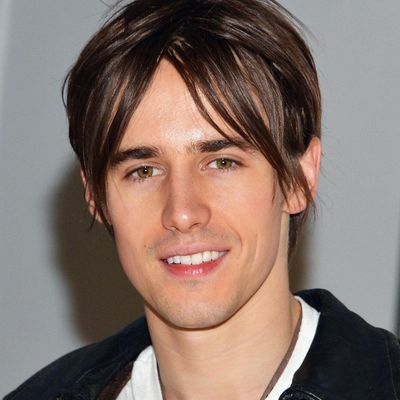
Thank you so much for your questions!! We’re still figuring out what will be in your care package. Joe is in love with Reeve Carney and SHOWMANCE the podcast with Kevin McHale and Jenna Ushkowitz. Dan loves non-equity tours and naked pictures of himself... Read More
From the show: Guys Who Like Musicals
Guests


Featured Shows



About
Thank you so much for your questions!! We’re still figuring out what will be in your care package. Joe is in love with Reeve Carney and SHOWMANCE the podcast with Kevin McHale and Jenna Ushkowitz. Dan loves non-equity tours and naked pictures of himself. We talk about social media in the theater, stunt casting, when you should join Actor's Equity, and we still love Hadestown... and Michelle Obama. We love her so much. This week's playoff is our REAL theme song.
Transcript
This transcript was automatically generated and might contain errors.
[0:00] ♪ Musical number: "Say That You'll Hold Me Forever" — performed by Unknown performer ♪
[1:24] Joe Carroll: Welcome to Guys Who Like Musicals. I'm Joe Carroll. I'm in the cast of Frozen.
[1:27] Dan Tracy: I'm Dan Tracy. I'm in the cast of Waitress. And uh we're talking about Broadway. This week we're gonna answer some of your questions. We got a bunch of questions. And so now we really need to figure out what's in the care package. What's in the care package? Not a pair of socks. And mom, we're not gonna answer your question, but you still get a care package. Don't worry, it's gonna be fine.
[1:47] Joe Carroll: Your mom?
[1:47] Dan Tracy: My mom, yeah. She wants a care package. She's like, never mind. Okay, we'll get David Reader's question, but she's still gonna get a care package. Um, so yeah, we're gonna talk about um equity versus non-equity and when to join. We're gonna talk about the difference between swings and understudies and ensemble contracts and principal contracts and stunt casting. Stunt casting good, bad, ugly, yeah, and the rise of social media as a sort of a two-parter, the rise of social media and uh people with fans on social media.
[2:19] Joe Carroll: Yeah, yeah. And some things we love. Thank you so much for your questions. This is amazing. This is just a show where we're gonna answer your questions, and we're really excited about it. And if we don't answer your questions, we're gonna send you personal videos through our DMs, so look out for those.
[2:58] Dan Tracy: So where should we start?
[3:00] Joe Carroll: Well, I uh I got to meet Reeve Carney this week. That was pretty cool.
[3:03] Dan Tracy: Yeah, that's pretty cool.
[3:04] Joe Carroll: Yeah. Uh how was he?
[3:05] Dan Tracy: He's orphaned. You know the funny thing about Reeve Carney, if you see him on the street, he's wearing his costume from Hades Town.
[3:10] Joe Carroll: Yeah.
[3:10] Dan Tracy: No, he he it's he is or you just said that.
[3:12] Joe Carroll: Yeah, he he but like, but like, really one of these actors who like when you meet him, he looks into your soul. You know how like sometimes when you talk to actors and they make you feel like the most important person in the room, you know, they're like, hi, like Avan Craig. They like they look at you and and they're kind of in a scene because they're just so connected to the conversation.
[3:30] Dan Tracy: Yeah, the guy opened his eyes and looked at me, and I was like, oh my god, I'm in love. I think I'm in love, sort of. But my wife.
[3:37] Joe Carroll: Yeah, it was super nice. Uh, we sang from a new musical that uh my friend Tony and Josh wrote called Oswald, which is based on the conspiracy theories around uh the killing of John F. Kennedy. And it was really cool. We sang at Green Room 42. I think there's some videos on YouTube. Um, but it was really fun. I was I was super nervous.
[3:56] Dan Tracy: That's cool, man.
[3:56] Joe Carroll: Because he's uh because he's really good. So that was cool. And this week, Alex and I got interviewed on Kevin McHale and Jenna Ushkowitz's podcast called Show Mance, talking about Broadway, talking about our Lerve, um, and how we uh did you just plug another show on our show?
[4:11] Dan Tracy: Yeah, because it's it's a really good show.
[4:13] Joe Carroll: No, I totally get it. Yeah, and it's like a bigger show, so you know, maybe they have way more followers than we do. But um it was uh it was great to talk to them, and Jenna was obviously in the cast of Waitress.
[4:24] Dan Tracy: You guys didn't work together.
[4:25] Joe Carroll: We did not, no, but she knows who you are, and we had a really great conversation with uh with them. Um that was how my week was. I think I think she was at an audition.
[4:34] Dan Tracy: I think when I yeah, I think I saw her at an audition for a TV show at a network, which like was the first time that ever happened to me. But I was like, I think that's but I didn't really know, and we we were talking, but yeah.
[4:48] Joe Carroll: Also, quick shout out to uh our favorite casting director, one of our favorite casting directors, Pat Goodwin. I just auditioned for him yesterday.
[4:55] Dan Tracy: He put you in Waitress.
[4:56] Joe Carroll: Yes, and he's casting another project. I went into the room yesterday for this uh very sort of cool, fancy movie, and he was like, I'm a big fan of Guys Who Like Musicals, and love it. I started smiling and stopped sweating because I was super nervous, right?
[5:11] Dan Tracy: Right, and so that was really nice of him uh to say that he likes the show. But we got all these questions, Dan.
[5:15] Joe Carroll: Yeah, we got we got work to do here. Okay, this is really cool.
[5:18] Dan Tracy: And uh last week, Neil Haskell's podcast. We got so many uh messages about you know, people enjoyed it. Uh fans of his, um, you know, fans of ours. Like we got all these messages on Instagram about his podcast, but also just questions. And so that's really what we're gonna do.
[5:32] Joe Carroll: Yeah, this week is just answer them. And that is so cool for us because we have this kind of semi-useless.
[5:39] Dan Tracy: Anyone cares what we think?
[5:40] Joe Carroll: Yeah, this is just still mind-blowing to mind-blowing to be. Let's tell you what we think.
[5:44] Dan Tracy: Yeah, um, this first question is from Alice underscore squaglia. I'm so sorry if I'm saying these names wrong.
[5:52] Joe Carroll: But um, Alice, you're the winner of a new Guys Who Like Musicals care package. Woo! There's nothing in it yet. We're working on the t-shirts.
[6:00] Dan Tracy: So I'm actually really excited.
[6:01] Joe Carroll: Well, uh, what they're not made. Maybe I don't know. Sorry.
[6:11] Dan Tracy: Okay.
[6:11] Joe Carroll: What did she ask? Alice Squeglia asks.
[6:14] Dan Tracy: I'm a big fan of the podcast. Not a big deal.
[6:15] Joe Carroll: Not a big deal.
[6:17] Dan Tracy: And I'd love for you to talk about your different experiences becoming equity. What age did you join? Were you worried that it would make finding work more difficult for a period of time? Did you go through the point process or did you become equity from a contract?
[6:22] Joe Carroll: You that you might find work if you... Yeah, reading is hard.
[6:28] Dan Tracy: One more time with feeling.
[6:30] Joe Carroll: I'm a big fan of the podcast. Not a big deal. And I'd love for you to talk about your different experiences becoming Equity. What age did you join? Were you worried?
[6:48] Joe Carroll: Yeah. Um, so breaking that down um for anybody who is a little confused, uh, all of the shows on Broadway and the uh first national tours and the big the big tours are all represented by uh Actor's Equity, which is our union. It's which is the stage actors union, stage actors union. Not to be confused with the screen actors union.
[7:05] Dan Tracy: Right.
[7:05] Joe Carroll: So which is SAGAFTRA. Um, and so Actor's Equity is the stage union for actors and stage managers. Um, and all of the the major uh shows are under its jurisdiction.
[7:17] Dan Tracy: So the hope is and the goal is to eventually join the union to be able to do, you know, shows on Broadway and shows off Broadway. And the beauty of that union is that they help us with health insurance, they set all the minimum salaries, and they help um, you know, to secure protections like any union would do.
[7:38] Joe Carroll: And we could get in more detail about that if people are interested, but um, you can Google it.
[7:42] Dan Tracy: Yeah, but in short, it's it's i they they protect us as actors. Um and uh, you know, the the journey to joining the union is different for everybody.
[7:53] Joe Carroll: Um we have some friends who like in college uh would work at places like the St. Louis Muni or the Pittsburgh uh Civic Light Opera or the Sacramento Music Circus, which were three of the biggest uh regional theaters that college kids will work at.
[8:05] Dan Tracy: Um, and they'll be given their equity card, right? They'll be given access to the union.
[8:10] Joe Carroll: Um and sometimes that happens as early, like for my friend Carly Tamron, she grew up in St. Louis and that happened when she was like 18. And sometimes it happens um much later.
[8:20] Dan Tracy: Um, i.e. Dan Tracy, Guys Who Like Musicals, uh, did two non-equity tours.
[8:26] Joe Carroll: Uh no, just one. Did one non-equity tour.
[8:30] Dan Tracy: Speak in for me, and he's gonna get the facts.
[8:32] Joe Carroll: Okay, but sorry, I God man. No, yeah.
[8:35] Dan Tracy: So the age-old question is like, when do you join the union?
[8:37] Joe Carroll: Right. When is the right time?
[8:39] Dan Tracy: And for me, what happened was uh our this is an interesting question for both of us because our stories are so different.
[8:46] Joe Carroll: Right.
[8:46] Dan Tracy: And uh many of our classmates booked the St. Louis Muni, as you said, or one of these shows, one of these places where all of the contracts are union.
[8:56] Joe Carroll: But for most of the summer theaters and for most of the smaller theaters around the country with smaller operating budgets, they give out the ensemble contracts are non-union.
[9:07] Dan Tracy: So there's m lots of work if you're non-union, and there's less work in the smaller venues if you are union.
[9:15] Joe Carroll: So the question becomes when do you join? For me, I frankly just didn't get any of those big jobs.
[9:21] Dan Tracy: Right.
[9:21] Joe Carroll: So the decision was kind of made for me. And there was all this pressure, like, oh no, am I not talented enough to be in the business? Which is the eight, you know, such a common feeling that even Shoshana Bean has, as she said in our episode. It's like this con constant feeling that you this might be the end or you're not good enough.
[9:39] Dan Tracy: Exactly.
[9:39] Joe Carroll: And I was just listening to an interview with John Krasinski from The Office about this exact thing.
[9:43] Dan Tracy: And he's Jenna Fisher.
[9:44] Joe Carroll: Yeah, Jennifer Fisher. It was the same way.
[9:46] Dan Tracy: Yeah, like we're leaving The Office and we're never gonna work again. It's like, okay, that's crazy.
[9:50] Joe Carroll: Right. But also totally valid.
[9:51] Dan Tracy: So, you know, circumstances were that I didn't get any equity contract, so I didn't have an opportunity to get my card. When I was a senior, I got a job in uh Western Michigan at Mason Street Warehouse Theater, and that was non-union, so I was still non-union, and then I did my senior showcase after the University of Michigan, and my first audition was for the non-union tour of American Idiot.
[10:16] Joe Carroll: And little did I know I looked exactly like the guy who did it on Broadway, and we kind of have the same voice.
[10:23] Dan Tracy: And there I was did went and did my SummerSock gig, made some tapes, then I had a final callback, and there I was, and I booked this non-union tour of American Idiot. And if I had gotten any of those fancy jobs, I wouldn't have been able to do that non-union tour, which I have said multiple times was the peak of my career.
[10:44] Joe Carroll: I mean, truly, yeah, that show gave me so much as far as understanding how to work in an eight-show week.
[10:52] Dan Tracy: Yeah, understanding how to preserve your body and your heart and your spirit. We were doing 14 one-nighters in a row in one stint.
[11:01] Joe Carroll: The kinds of things that like when I hear actors complain now, I'm like, I can't hear this.
[11:05] Dan Tracy: Yeah, when I complain, which I do a lot, I try and remember when I used to sleep on a bus for five hours before going into a show.
[11:14] Joe Carroll: Yeah.
[11:14] Dan Tracy: Um, but I am a huge fan. When you say one-nighters, you mean that you were literally on a bus, you did a show, and the next night you're in a different city and a different city and a different city, night after night after night.
[11:17] Joe Carroll: Night after night after night. And these and the big tours will sit down in these cities for at least a week.
[11:26] Dan Tracy: For at least a week, and sometimes more, you know, you're staying at a nice hotel, whatever.
[11:34] Joe Carroll: I was staying in a motel six with no that I shouldn't install Stacey, she'd be mad.
[11:38] Dan Tracy: We were staying in really great hotels because our company manager who's a listener loved to get us good hotels.
[11:44] Joe Carroll: But I'm a huge fan of staying non-union and kind of allowing the industry to show you where you're at.
[11:55] Dan Tracy: Yeah.
[11:55] Joe Carroll: Yeah. I think that self-awareness is incredibly important from every single minute of your career.
[12:04] Dan Tracy: That's so real.
[12:04] Joe Carroll: But especially about these kinds of things. Like, you can't just, you're not just gonna become a movie star, right?
[12:12] Dan Tracy: Is a good example for TV, but you're also not gonna, you're not necessarily gonna go from never being on Broadway to being the lead of a Broadway show.
[12:24] Dan Tracy: These kinds of things happen all the time.
[12:26] Joe Carroll: Well, you know, we see people, that's the hard part.
[12:28] Joe Carroll: We see people who on their very first TV audition ever book a massive series regular and all of a sudden they're a household name.
[12:35] Dan Tracy: Right.
[12:35] Joe Carroll: We see the people who walk out of school and lead Broadway shows, you know, uh at their, you know, when they're 21, 22 years old.
[12:41] Dan Tracy: We see that a lot.
[12:43] Joe Carroll: And so you think that that's the norm, but in reality, there is the working actor, you know, journey is so unique and so specific to you.
[12:52] Dan Tracy: And I totally agree with you because I think that the question of whether or not to join the union is something you can't muscle.
[13:24] Joe Carroll: No.
[12:58] Dan Tracy: You can't strangle hold.
[13:00] Joe Carroll: I need to be in the union, I need to be in the union, I need to be in the union.
[13:03] Dan Tracy: Because eventually you will be.
[13:04] Joe Carroll: Eventually, if you stick it out, you will be, but you may have to be missing out on an amazing experience, like going on the first national or the national tour of American Idiot, um, and getting basically a mini graduate degree in acting for, you know, a year or two right out of school.
[13:22] Dan Tracy: And being paid to do it.
[13:22] Joe Carroll: Right.
[13:23] Dan Tracy: So there's another way for those of you who don't know of how to get your union contract, which is by using EMC points.
[13:29] Joe Carroll: EMC is the equity membership candidate program.
[13:32] Dan Tracy: And you can, every time you do a certain number of weeks, you get points for those certain number of weeks.
[13:38] Joe Carroll: And now I think it's like 26 weeks or something that you need to become part of the union.
[13:44] Dan Tracy: That's the thing that when you talk about strong arming your way into the union, you have to be really aware of when you want to capitalize on those points.
[13:59] Joe Carroll: Because I think there are a lot of people, I've worked with a lot of people who have enough points to join and haven't.
[14:08] Dan Tracy: And that's really interesting to me because they are aware of where they're at.
[14:14] Joe Carroll: Yeah.
[14:15] Dan Tracy: And they're aware that the jobs that they're getting are in line with them staying on the track that they're on, knowing full well that as soon as they want to, they can flip over.
[14:26] Joe Carroll: So then you kind of hold the power and you're making that decision based on kind of like how you want your lifestyle to be.
[14:33] Dan Tracy: Oh, interesting.
[14:34] Joe Carroll: It's interesting to me. But see, that to me also comes down to some level of fear as well.
[14:38] Dan Tracy: Because like the hope is like if you want to compete at the highest level, if you want to do work, you know, that really pays your bills and like allows for a life that is, you know, still we're still starving artists, but you're not gonna maybe starve as much.
[14:53] Joe Carroll: Right.
[14:53] Dan Tracy: You have to join the union and you have to do at some point.
[14:56] Joe Carroll: Um, you know, because also like I remember people saying when you're coming out of college, if you're non-union, all of a sudden you can be playing leads in non-union productions.
[14:56] Dan Tracy: You can be playing, you can be the star of all of these, you know, non-equity tours and these things.
[15:08] Joe Carroll: But then the minute that you jump into the union pool, you're competing against all of the big names.
[15:14] Dan Tracy: And all of a sudden you're going in to auditions with these big, you know, with Tony nominees and Tony winners and stuff competing for these roles.
[15:21] Joe Carroll: So you're really jumping up from, you know, you're really jumping into a different category.
[15:25] Dan Tracy: Um, so you're totally right.
[15:27] Joe Carroll: I just would I would caution people against harboring the EMC points for too long.
[15:32] Dan Tracy: Sure, but but it's, you know, again, I think it really comes down to your self-awareness and your understanding of like what you want, right?
[15:38] Joe Carroll: Because what you're saying ultimately is that like you need to be brave and take control of your career and not let the career kind of push you around, you know?
[15:49] Dan Tracy: Yeah, but that's one of those things that we it's a catch 22 though, sort of because you're like, you know, you wanna make strides for yourself, but you also want to let the industry sort of say what it's gonna say, and you don't want to keep have a stranglehold on your career because I find personally that if I'm strangling my career and saying, I'm gonna go this direction, I'm gonna go this direction.
[16:10] Joe Carroll: The, you know, there's the old adage that you know you make plans and God laughs, you know.
[16:14] Dan Tracy: And so it's like it's like you say, I'm gonna do this, and God's like, nah, right?
[16:17] Joe Carroll: No, you're not doing that.
[16:18] Dan Tracy: So I think that if it is presented, take it.
[16:22] Joe Carroll: That's my advice. Like if you are doing something and someone says to you, you know, you're do you want your equity card? You're doing a summer stock production, you want it your we want your equity card, I say take it.
[16:33] Dan Tracy: But also if it doesn't present itself, it is certainly not the end of the world, and it can actually promote some of the best experiences.
[16:41] Joe Carroll: Um, so that's the big thing.
[16:43] Dan Tracy: Um complicated issue though.
[16:45] Joe Carroll: And there's really no one answer and one experience is so different.
[16:48] Dan Tracy: Well, it's very it's actually similar in a way because I was working at that same theater in West Michigan, Mason Street Warehouse, and I had done a bunch of shows for them, and I was getting to I had done four summers because it was close to my parents' house.
[17:01] Joe Carroll: And I got to the end of the we were doing Avenue Q after my senior year of college, and I was able to work it out with um the director that I would get my equity card at the end of that production.
[17:12] Dan Tracy: So um, and he was awesome and super helpful with all of that.
[17:15] Joe Carroll: And I done a bunch of shows for him, like I said.
[17:17] Dan Tracy: I get my equity card, I moved to New York, and then early on in my auditions, I was lucky enough to sign with an agent.
[17:24] Joe Carroll: And so the agent then submitted me for auditions, and in those cases, you don't need it, doesn't matter.
[17:32] Dan Tracy: You can be non-union or union, but you're going in in front of these casting directors, and um, if you win the role and you're non-union, they will make you a part of the union to perform on Broadway.
[17:43] Joe Carroll: Yeah.
[17:43] Dan Tracy: Um cool.
[17:43] Joe Carroll: Next question.
[17:44] Dan Tracy: So our next question is from uh at Pragen, which I think is right because her name is Penny Reagan, it might be Regan.
[17:51] Joe Carroll: I'm sorry.
[17:52] Dan Tracy: At Freegan asks, love your podcast so much, not a big deal.
[17:56] Joe Carroll: Woo!
[17:56] Dan Tracy: Can we talk more about the differences between an understudy, stand-in, or swing?
[18:01] Joe Carroll: Is one better?
[18:02] Dan Tracy: Yeah.
[18:02] Joe Carroll: Or higher status or more desirable.
[18:06] Dan Tracy: If an ensemble member stands in for a main character, who stands in in that for that ensemble member?
[18:11] Joe Carroll: Thanks so much.
[18:12] Dan Tracy: Yeah.
[18:13] Joe Carroll: Love it.
[18:14] Dan Tracy: So a little vocab.
[18:15] Joe Carroll: And honestly, like I w I h I wish that this was more clear before Neil's interview, because Neil is a swing.
[18:22] Dan Tracy: He was a swing.
[18:23] Joe Carroll: Neil was a swing.
[18:24] Dan Tracy: He was a swing became an ensemble member who was an understudy.
[18:28] Joe Carroll: Exactly.
[18:28] Dan Tracy: And now he's the principal.
[18:29] Joe Carroll: And now he's a principal.
[18:30] Dan Tracy: And that is a very clear sort of it's not clear, apparently.
[18:33] Joe Carroll: It's not clear, but but it helps we can use him as like the example for how to explain how this all works.
[18:38] Dan Tracy: Right.
[18:39] Joe Carroll: So my name is Neil, and I am playing the role of King George.
[18:43] Dan Tracy: Right.
[18:44] Joe Carroll: But today I'm sick.
[18:45] Dan Tracy: What happens?
[18:46] Joe Carroll: What happens?
[18:47] Dan Tracy: There will be an understudy who is a member of the ensemble who will step out of the ensemble to play King George in the show, right?
[19:01] Joe Carroll: Ensemble member steps up to play King George.
[19:04] Dan Tracy: And so then who goes in for that ensemble member?
[19:06] Joe Carroll: A swing.
[19:07] Dan Tracy: So the swing covers all of or a massive portion of the ensemble.
[19:12] Joe Carroll: Right.
[19:13] Dan Tracy: Swings cover the ensemble tracks.
[19:15] Joe Carroll: Also can cover principal tracks.
[19:17] Dan Tracy: Yes, they can.
[19:17] Joe Carroll: Right.
[19:18] Dan Tracy: Which then it gets a little bit, you know, sort of slightly confusing.
[19:20] Joe Carroll: But swings traditionally cover the ensemble.
[19:25] Dan Tracy: Ensemble, there might be an understudy in the ensemble who gets bumped to play the part, and it sort of fills in like that.
[19:32] Joe Carroll: Now, standby question is a very good question.
[19:35] Dan Tracy: What is a standby?
[19:36] Joe Carroll: There are people in certain roles on Broadway, Elsa, Anna, uh Glinda, um, Alphabet, Elder Price, Elder Price, um, it used to be Lola and Kinky Boots.
[19:48] Dan Tracy: Yeah, um, um, Sateen and Moulin Rouge, they have standbys.
[19:53] Joe Carroll: And that person's one job is to go on for that principal role.
[19:58] Dan Tracy: And it's usually like a really vocally demanding role, uh, a lot of stage time, physically demanding role.
[20:05] Joe Carroll: Um, and that person's one job, that person sits off stage in their dressing room, and they are the second string quarterback.
[20:13] Dan Tracy: They are ready to go on.
[20:15] Joe Carroll: Ready to go on.
[20:15] Dan Tracy: If the, if you know and that is their sole responsibility on that show.
[20:19] Joe Carroll: And standbys, um, once now we can sort of now that we've kind of covered all of that, we can get into kind of how the compensation for those things works.
[20:28] Dan Tracy: And so if you're in the ensemble and you understudy a principal role, you get a certain amount of money when you go on for that principal role.
[20:36] Joe Carroll: When you're a standby, you're actually paid as a principal contract, which is more than the ensemble minimum.
[20:45] Dan Tracy: Right.
[20:46] Joe Carroll: And you don't get a bump when you go on because it's not you.
[20:49] Dan Tracy: You do, you do.
[20:50] Joe Carroll: Yes.
[20:51] Dan Tracy: Yeah, standbys get a bump when they go on.
[20:53] Joe Carroll: Yeah, one eighth of your salary.
[20:54] Dan Tracy: So for every, there's eight shows.
[20:56] Joe Carroll: You can negotiate for more.
[20:57] Dan Tracy: Sure.
[20:57] Joe Carroll: Yes, you can negotiate for more.
[20:59] Dan Tracy: But traditionally it's like, you know, I'm, you know, and the equity minimums are always, you know, the the minimums on Broadway are always kind of going up, uh, you know, with inflation and whatever.
[21:09] Joe Carroll: But let's just say for the conversation, it's like two thousand bucks a week, pretty sweet.
[21:13] Dan Tracy: You do a show, you get one eighth of that for every show that you do.
[21:19] Joe Carroll: Right.
[21:19] Dan Tracy: Um, as an understudy or as a standby.
[21:22] Joe Carroll: And now I actually don't know how how does the compensation work for swings?
[21:27] Dan Tracy: Are they paid each time they go on for each ensemble role or only when they go on for principal roles?
[21:27] Joe Carroll: Only when they go on for principal roles.
[21:33] Dan Tracy: They're not paid a bump right to perform.
[21:37] Joe Carroll: But they get a weekly number for the coverage, it's built into their ensemble minimum.
[21:44] Dan Tracy: Yeah, yeah, yes.
[21:45] Joe Carroll: So if they cover six roles in the show, they might get like an extra, let's say for argument's sake, like 50 bucks a roll or something.
[21:51] Dan Tracy: Yeah, something like that.
[21:52] Joe Carroll: I was gonna say 20 for argument's sake, like it's an extra 20 dollars a week for each role that they do.
[21:56] Dan Tracy: Right.
[21:56] Joe Carroll: Um, so then if some company were trying to add roles, the union comes in and says no, you have to pay them for those roles.
[22:02] Dan Tracy: They don't just they can't just cover everything just because they're in the building.
[22:05] Joe Carroll: Right, right.
[22:05] Dan Tracy: So yeah, that feels like we covered a lot.
[22:08] Joe Carroll: As far as status, I think that's a little bit more of a complicated issue because a lot of people do really well in the swing position where they have to know.
[22:16] Dan Tracy: I mean, swings are far and away the most valuable part of a show.
[22:20] Joe Carroll: Absolutely.
[22:20] Dan Tracy: The reason that shows stay running is, you know, they shows live and die by their swings.
[22:25] Joe Carroll: For example, last week we had two of our principal guys in Waitress who were filming a TV show, actually the same TV show, same episode.
[22:32] Dan Tracy: LOL.
[22:33] Joe Carroll: So which is because it's there's a connection there.
[22:38] Dan Tracy: Um which I shouldn't talk about.
[22:40] Joe Carroll: But uh because of that, then and what and one of the ensemble members was on vacation.
[22:46] Dan Tracy: So we have three guys out, three of six guys in the show are out.
[22:50] Joe Carroll: So what happened was one of the swings was on for two male ensemble tracks split in half.
[22:56] Dan Tracy: Yep, split track.
[22:57] Joe Carroll: One of the female swings was on for the other half of the track that he couldn't cover.
[23:01] Dan Tracy: Oh someone was covering me and I was on for one of my principals.
[23:07] Joe Carroll: Right.
[23:07] Dan Tracy: Right.
[23:07] Joe Carroll: So it was like a combo, split.
[23:09] Dan Tracy: Combo, split track, all hands on deck, cross-gender.
[23:12] Joe Carroll: With stage managers, cross-gender, with stage managers doing some set changes.
[23:16] Dan Tracy: See, like what how does this even like there's gotta be some like some lawyers listening or something who are like, how what is this business model?
[23:23] Joe Carroll: Or like the union who's like, wait, that shouldn't be allowed.
[23:26] Dan Tracy: Exactly.
[23:27] Joe Carroll: They step in at some point and require vacation swings because when people go on vacation, or that's what's happening right now, is one of our female swings is on vacation, and the other female swing is out on injury leave.
[23:37] Dan Tracy: Yeah.
[23:37] Joe Carroll: So we had to hire a vacation swing, and now we still only have one girl swing in the building.
[23:41] Dan Tracy: So we don't have coverage.
[23:42] Joe Carroll: There was one day at one day at Alex's show, and now this gets even more complicated because if there is no ensemble in a show like Alex's show would come from away, all of the understudies are standbys.
[23:55] Dan Tracy: So they're built as standbys, and standbys are, like we said, their principal contracts.
[24:00] Joe Carroll: So that is a better contract to be on as a standby.
[24:04] Dan Tracy: Um, and you only cover as an understudy standby, you only cover a certain amount of roles.
[24:09] Joe Carroll: Like, you know, there might be two, three, four roles as opposed to a swing that with an ensemble will cover up to 12 or something crazy.
[24:16] Dan Tracy: So Alex's show, they have the standbys, um, and something crazy happened where it was like somebody was sick, somebody was on uh on a leave, somebody was injured, and then Alex got sick, and she never gets sick.
[24:29] Joe Carroll: They called the girl who plays Janice from the tour to fly in to New York, play Janice on Broadway for I think it was just one show, maybe two, and then send her back out to the tour because the tour had swings or had standbys on there, so they could but it's just crazy.
[24:48] Dan Tracy: So just know that like when you walk in and you get the leaflets and like you know, people are sick or they're out, just know that the show is hanging on by an absolute thread, but for some reason and the brilliance of the the I think the magic of it all is that that those things are happening.
[25:01] Joe Carroll: And the br and the magic of stage management and the brilliant of the people who like put that stuff together, because it is hanging on by a thread, but there is a method to the madness, even though sometimes it doesn't seem like there's a method to the madness, right?
[25:13] Dan Tracy: And we may not agree with the method to the madness, but there is a method.
[25:16] Joe Carroll: So it's crazy.
[25:17] Dan Tracy: So when you talk about status and value, just to finish up that point, I think that like the there everyone in the audience has their own ideas about what's the status and value of different things mean.
[25:28] Joe Carroll: If you're not the star, they're gonna be mad because you're on, even though you might be the next generation of stars.
[25:34] Dan Tracy: There's so many different ways to look at all of this.
[25:36] Joe Carroll: Right.
[25:36] Dan Tracy: But no one in the industry will argue with the fact that swings are the most valuable parts of the show as far as keeping the show together.
[25:44] Joe Carroll: Yes.
[25:45] Dan Tracy: Um, obviously this kind of segues us into our next question.
[25:51] Dan Tracy: Yeah. Um, but it was cool just to go back to that for a second, because Neil Haskell last week, he was a swing, and then he got, we would say, promoted to the ensemble to play one role and cover a number of roles. Then he got promoted again to just play the role of King George. So that is how we look at it. That it's super cool. And yes, there is a promotion idea, and of course, you know, um, you know, he's now in a place that he's really excited about. Um, but it would it's cool to see that happen. And I love that last week because when you're so valuable as a swinger and understudy, a lot of times you don't get promoted because you're so valuable to the company, right? Knowing 12 tracks as opposed to just playing one.
[26:32] Joe Carroll: Exactly. Right. So that sort of leads us into our next question, which is um why why some of those promotions are difficult, because we this ultimately is a business. Right. And in this business, a lot of decisions are made that have to do with money. Our uh department chair at the University of Michigan used to say to us if you don't know the answer to a question involving why something is happening, the answer is money. And um, so our next question is from India I India.img on Instagram. Um her question is um, what are your thoughts on stunt casting? Question mark. Necessary, good, bad question mark. How has the rise in social media based fans changed Broadway? Sort of a two-parter, and I think that they all kind of work together because in an example, at my show right now, we have two YouTube stars who are both trained actors.
[27:28] Dan Tracy: Right. And one has been in several Broadway shows before he became a mega content creator, and the other was just a trained musical theater actress who became one of the most successful content creators in the world, with uh Colleen Ballinger who plays Miranda Sings and Todrick Hall.
[27:46] Joe Carroll: Yeah, exactly. Just children one word, like Oprah. So there are there's a lot of things to talk about here. I'm gonna start from the business standpoint just because I'm not stupid and I want it to be clear that I'm not stupid, that like the audience we had at the show when Colleen and Todrick started last night was as electric as when Sara Bareilles was in the show. And and that's the thing that keeps the show open. Right. That's the thing that that, you know, ultimately I understand that this is a business and there needs to be money being made. The hard part about this is that I love musical theater as an art form. And sometimes decisions are made for money that don't necessarily further the art.
That being said, Colleen and Todrick are both established actors, in my opinion. I don't necessarily think that just because they have YouTube content that that makes them lesser actors. Frankly, I think they're smarter than all of us. We all should take a page out of their book. They're excellent business people.
[28:52] Dan Tracy: Yes, understanding that like it the thing that Amazon did to businesses where they sell things directly to a consumer, guess what? That's what YouTube is. You don't need a television show. You don't need a television network to sell your TV show to people. If your shit's good and it's on YouTube and it goes viral, there you are. That's a that's a career, and I think that that's valuable. Now, there are other situations where stunt casting becomes incredibly difficult. People getting bought out of contracts is really, really brutal.
[29:31] Joe Carroll: Yeah. Someone's in a show and they're not selling enough tickets, quote unquote, and the producers are seeing red, maybe, right, or maybe they're not. And you get an email that someone is leaving the company and we thank them for their service, and this movie star is coming in to play the role.
[29:54] Dan Tracy: Yeah. And you know, it's just um it's not fair. It's not fair for very talented people to get trounced on by the business side of the business. Well, there is no art without commerce in a way. Like you have to have people consuming.
[30:20] Joe Carroll: I understand. And so that is the hardest part of this. And Broadway is a commercial Picasso's Picasso because his paintings are worth a certain amount of money. It's not. It's like it's the hard thing. You know, like not everybody's Basquiat, you know. And it's like it's hard when this there's the human sort of you know, you know, collateral damage of the commercial theater. And that and we see that a lot. People don't get cast or they get bumped out of contracts because somebody more famous can sell more tickets, right?
[30:55] Dan Tracy: And they're gonna step in and hopefully, in the eyes of the producers, sell more tickets. Right. And that really blows. And I think that what on the on the flip side, just to try to make it a little more positive, when you see well, you just said all of this, like, you know, when Todrick and Colleen came into the show, they they have chops, they are excellent, they are they're established, they're really, really, really good, right?
[31:23] Joe Carroll: We've seen a lot of quote unquote famous pop stars, movie stars, whoever who come and try to do Broadway shows, and they're not, but they sold more tickets than they would have. Here's my two cents about this.
[31:34] Dan Tracy: Because talk me off the ledge. Well, my big break, quote unquote, which back in 2013 14, um, I got to play opposite Carly Rae Jepsen in Cinderella. And I I went in for another audition like during that at some point, and I was talking to uh Benton Whitley about stunt casting. And I just felt very grateful because I'm I'm a I'm a musical theater guy. I have always wanted to do musicals. I went to college for this stuff. I'm just in New York. Nobody knows who I am. And because Carly Rae Jepsen agreed to do Cinderella, that in part kept our show open longer, which then allowed me the opportunity to play a principal role on a Broadway show, which set my career in a direction that I hoped would happen but never expected to happen so soon.
[32:30] Joe Carroll: So soon, right? And two years out of school.
[32:32] Dan Tracy: Yeah, it was it was basically two and a half years out of school or so, something like that. And so that has incredible value to then think about that one person with that amount of star power keeping 200 people on the payroll. Right. All of the crew, all of the press people, all of the all of the the ensemble and the the guys who were selling tickets at the box office, that person has the power to keep paychecks flowing for hundreds of people, not just you know, patting the pockets of some greedy producer.
[33:04] Joe Carroll: That's not I can't live in a world where that's always the case. Is that the case sometimes? Of course. But for me with Cinderella and then moving backwards, the job I did before that was Romeo and Juliet with Orlando Bloom. It was the same thing. I'm not gonna get to do a Shakespeare play on Broadway unless Orlando Bloom doesn't agree to do it.
[33:25] Dan Tracy: Right. So I'm I'm reaping the benefits and fulfilling a lifelong dream of doing a Shakespeare play on Broadway and getting to understudy him, not a big deal. That was pretty cool. But I that that there's an incredible value there. But all of a sudden then you're just going about your life and you open up, you know, you open up Broadway.com and you read that somebody you love is being replaced by a pop star.
[33:53] Joe Carroll: And that is really tough. You know. And it's yeah, it's tough when it hurts the integrity of the show.
[34:00] Dan Tracy: Yeah. But the good side is that you didn't get an email that your show is closing. Right.
[34:05] Joe Carroll: So, you know, and and that's the thing. That's why you like look to downtown theater, look to nonprofit theater, look to things like like where you want to go to really, really make art and really live in the art.
[34:18] Dan Tracy: Like you have to take some commerce out of it. And and and Gina talked about it, Gina Ratan talked about it uh in our early interviews where she talks about the only difference between the uh American theater model and the British theater model is time. You know, there's subsidy, there's more money, more than a lot of people. There's government subsidy for the arts because they care about the arts in a way that our country doesn't. And it it's frustrating for in that way.
[34:42] Joe Carroll: Yeah, you know.
[34:43] Dan Tracy: But the best the best thing about what happened because of these shifts in casting to hire these higher status people is that it opens up the audience to a different demographic as well.
[34:59] Joe Carroll: Right. Like the audience at closing night of Cinderella was starring Kiki Palmer and Nene Leakes, right, is very different than opening night of Cinderella.
[35:10] Dan Tracy: Totally. And what what happens when you bring in a new demographic and a new group of people see something, they have the potential of falling in love with that thing. And that ultimately is really good for the artist.
[35:25] Joe Carroll: And I do think about it from a huge perspective. Like movie stars have a number, and that number is like how much money they make at the box office. How much how much are they worth? When you put Will Smith in your movie, you know that your movie is going to make X million dollars.
[35:38] Dan Tracy: Right. Every single person in Hollywood is dealing with that. This is kind of the Broadway version.
[35:43] Joe Carroll: And it and it really sucks. And almost your number these days is like your Twitter followers and your Instagram followers.
[35:48] Dan Tracy: Potentially.
[35:48] Joe Carroll: Potentially, which is actually, I think, for me, can really hinder creativity. And Joseph Gordon Levitt just did a talk about a TED talk about this that I highly recommend because he talks about how social media can inhibit creativity. It can promote creativity. If you do it right, and we're all trying to do it right and connect with an audience, and that's what we're doing the podcast. I mean, we want to connect with people.
[36:22] Dan Tracy: And provide yourself with value.
[36:24] Joe Carroll: Right. It's not just about naked pictures of yourself, not to shame people who do those things.
[36:29] Dan Tracy: Like, well, there is a picture of Dan Tracy with some tomatoes and some.
[36:33] Joe Carroll: I was gardening and I wasn't drinking at the time, so I looked great.
[36:36] Dan Tracy: So it had to go on the internet. So check it out on his Instagram.
[36:39] Joe Carroll: I know what my audience wants, Joe.
[36:41] Dan Tracy: Um I can't say anything because I posted one the other day uh from my family vacation with all over that.
[36:49] Joe Carroll: Yeah, I know. You're just making fun of me. You're like, abs, bro.
[36:52] Dan Tracy: That's great.
[36:52] Joe Carroll: Well, it's actually overhead lighting and fat rolls, but nobody knows that.
[36:55] Dan Tracy: No, no, no. I could I could see them under the fat rolls.
[37:00] Joe Carroll: Okay, that's about all we got.
[37:02] Dan Tracy: Well, thank you for listening to us. Um, you know, hopefully we answer these questions and we're gonna get some even more of them. Keep them coming. Um next week we have another interview.
[37:10] Joe Carroll: Uh we have a whole bunch of cool ones planned. We got fun people who are want to come on the show, which is very cool.
[37:15] Dan Tracy: So we we got a really exciting one that we're uh recording um next Sunday that we're gonna try to turn around really quickly because this is this is gonna be a biggie.
[37:24] Joe Carroll: Yeah, for sure.
[37:25] Dan Tracy: Yeah. I think we should just start reading one question in the news section every week.
[37:29] Joe Carroll: Sure. It's great.
[37:31] Dan Tracy: Because I think that you know, if they come. If they don't come, then fine. But if they come and we read them on the podcast, we will send you care package.
[37:37] Joe Carroll: Yeah, yeah.
[37:38] Dan Tracy: Don't worry. Care package.
[37:41] Joe Carroll: Uh, if we answered your question on this week's episode, I will be sending you a message to ask you what your address is for us to send you your care package.
[37:48] Dan Tracy: You think it's funny, but I'm gonna do it.
[37:50] Joe Carroll: I yeah, well, I'll believe it when I see it, first of all.
[37:52] Dan Tracy: And you're gonna ask me.
[37:53] Joe Carroll: You focus, listen.
[37:54] Dan Tracy: You focus on what you do.
[37:55] Joe Carroll: Okay, okay, and I'll focus on what I do.
[37:58] Dan Tracy: All right, thank you so much for listening.
[38:01] Joe Carroll: I might be smart.
[38:03] Dan Tracy: My siblings can't believe that I got it right.
[38:07] Joe Carroll: But I got it right, right?
[38:09] Dan Tracy: I didn't cheat.
[38:11] Joe Carroll: I saw this light, and it was neat.
[38:13] Dan Tracy: I like to laugh, I'd like to spell, I like to never hear the bell.
[38:18] Joe Carroll: And if this competition's hell, at least I'm finally apart.
[38:25] Dan Tracy: I feel my heart begin to swell.
[38:29] Joe Carroll: I like the pop.
[38:31] Dan Tracy: I like a lot.
© Broadway Podcast Network, All Rights Reserved