

In this weeks podcast, Jeff & Richie discuss:Actors' Equity (Open Access Changes) Schmigadoon! (Episode 3) (Watch on AppleTV)RuPaul's Drag Race All Stars 6 (Episode 6) This Is Pop - "Stockholm Syndrome" (Episode 3) (Watch on Netflix) Normani featuring Cardi B "Wild Side" Lil Nas X and Jack Harlow "Industry Baby"*This podcast will include spoilers*Thanks for listening!.. Read More
From the show: Half Hour with Jeff & Richie (Post-Show Broadway Discussions and Interviews)
Featured Shows
About
In this weeks podcast, Jeff & Richie discuss:
Actors' Equity (Open Access Changes)
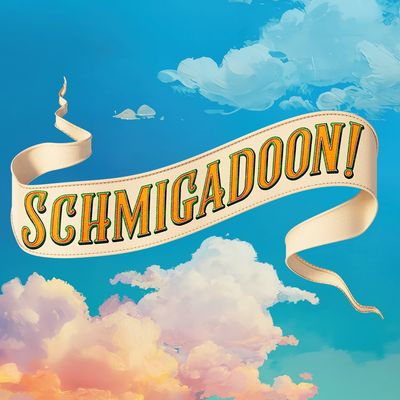
Schmigadoon! (Episode 3) (Watch on AppleTV)
RuPaul's Drag Race All Stars 6 (Episode 6)
This Is Pop - "Stockholm Syndrome" (Episode 3) (Watch on Netflix)
Normani featuring Cardi B "Wild Side"
Lil Nas X and Jack Harlow "Industry Baby"
*This podcast will include spoilers*
Thanks for listening! Please leave us a review if you love our Theatre & Pop conversations.
Follow us on Instagram: @twoworldsent
Visit our website: www.twoworldsentertainmentllc.com
If you liked this episode, don't forget to subscribe to this podcast and leave us a review.
Share your thoughts with us on this episode below:
On Instagram: @halfhourpodcast
On TikTok: @halfhourpodcast
On our website: www.twoworldsentertainmentllc.com
Transcript
This transcript was automatically generated and might contain errors.
[0:07] Richie Grasso: Hello, and welcome to Half Hour, an entertainment podcast through Two Worlds Entertainment.
[0:11] Jeff Malone: I'm Jeff Malone, Executive Director.
[0:13] Richie Grasso: It's Friday, July 23rd. Welcome to our podcast where we do our weekly recap on the scoop of all things theater and music industry related with lots of news and events of the week.
[0:26] Jeff Malone: We've been watching things, we've been learning things, we've been realizing things, and we're diving into all things theater and music related. So welcome everyone.
[0:34] Richie Grasso: Welcome. We're gonna dive, we're gonna dive right into the theater world. That's where we're going first today.
[0:41] Jeff Malone: Um, with this big industry news update. Um, and by the way, this is all I always say this in the beginning. Um, spoilers, spoilers, we're talking about a lot of shows. When I mention the show or the thing, make sure you watch it before because we might give you a lot of spoilers on something.
[0:54] Richie Grasso: Watch it, read it, form an opinion.
[0:55] Jeff Malone: Yes, whatever it is. A video, a show, an article. Oh, so we are going to the industry news of the theater industry, talking about Actors Equity Association, as Playbill, the Playbook article here says that Actors Equity Association opens up eligibility for workers in non-equity production.
[1:10] Richie Grasso: So give a really quick scoop. Actors' Equity is a union for actors and stage managers. It's an opportunity for um those performers to perform in Broadway or anywhere professional or an equity professional production to be part of the union, where the union will negotiate their contract deals and safety protocols and payment and all that and all that stuff.
[1:31] Jeff Malone: Um, so this is uh, and it was always something where you kind of had to work to get into. You had to either be doing shows in equity houses as a stage manager or as an actor, um, building up your points if you were doing the point system or getting offered a contract to get into the union.
[1:46] Richie Grasso: So it was something that people would like to work towards to get into. Um, sometimes that was also um and it's always been something like that. We're like, okay, you know, it's not just like you, because you can do a lot of non-equity professional paid productions and not get into the union, right? So that's always where it's been.
[2:03] Jeff Malone: So this is an open access membership policy that has just been announced effective immediately with Actors' Equity. So what this does, it does a few things.
[2:11] Richie Grasso: It makes it easier for former members of equity to rejoin the union. It used to be if you used to do shows and then you stopped and you wanted to get back in, you kind of had to like not start from scratch per se, but kind of sort of now you can get right back in if you took a break for health reasons or personal reasons or whatever reason, right?
[2:28] Jeff Malone: So really interesting that that's one option. Also, the big line here is theater workers who can demonstrate they have, and I'm quoting the Playbill article. Um, theater workers who can demonstrate they have worked professionally as an actor or stage manager within equity's geographical jurisdiction can join the union effective immediately.
[2:46] Richie Grasso: Meaning, if you can prove that you have been a paid actor or stage manager in any professional production in the United States, you can now join equity, regardless of if it was a union contract or a non-union contract.
[2:57] Jeff Malone: And I'm gonna get your opinion about this in a second, but let me just also say um it like I said earlier, it allows former members um to rejoin the union without having to secure a new equity contract.
[3:07] Richie Grasso: Um, means a lot to a lot of people, maybe who have been working a long time, like I said, who want to return. Um, it's interesting. Kate Schindle, the president of the Actors Equity Association, she took came out and talked about this saying that the old system had a significant flaw.
[3:22] Jeff Malone: This she's quoted as saying and made employers the gatekeepers of equity membership.
[3:26] Richie Grasso: And she later goes on to say, um, it now allows artists from all backgrounds will join us in building a union that uplifts the entire theater community, especially those who have not felt included or welcomed in the past.
[3:38] Jeff Malone: So, in my opinion, I'm dying to know what you think of this. In my opinion, I think there's a lot of layers to this. I think there's a lot going on. I've heard everyone under the sun this week talking about this on social media.
[3:50] Richie Grasso: There are people who are like, yes, this is amazing. There are people that are like, no, this is a horrible idea. And then there are people that are like, I kind of get both sides.
[3:59] Jeff Malone: Um, I will say before we get into our opinion on this, we at the end of the day, we just don't know that we're in a pandemic. A lot of professional theater is still on pause. We don't know what this is going to do for the future.
[4:10] Richie Grasso: We don't know if this is going to help the union or not. We don't know if this is going to necessarily, you know, make this a more open access for, I mean, the goal is to have open access for all people to this, but will this help in auditions?
[4:13] Jeff Malone: Will this help in getting roles? It's not like now we have miraculously double the amount of equity theaters. We some theaters have closed permanently. We don't even know what theaters are going to be available in the union or non-union.
[4:37] Richie Grasso: So, what is your take on this? What is just your overall reading this, hearing about this, your take on this big big announcement from Actors' Equity?
[4:45] Jeff Malone: Ooh. I have many feelings on this because to me, it still doesn't, it still doesn't seem like they have a clear vision of what they want the union to be for these performers and stage.
[4:58] Richie Grasso: Well, not the stage, the stage managers. And it's like, great, you can now join Actors' Equity, basically, if you've done a professional show.
[5:08] Jeff Malone: And I think you were telling me a while ago that it used to be a point system, correct? You had to have or you're offered an equity contract, or you build your points up through equity contracts.
[5:16] Richie Grasso: There's a few different ways. And then you can join the union. You know, so Kate Schindle also says, like the entertainment industry is disproportionately white, including and especially theatrical leadership.
[5:32] Jeff Malone: So I don't know what she was kind of saying in here. Is she saying like the white theater industry isn't giving BIPOC people the chance to actually be part of a show?
[5:44] Richie Grasso: There's a lot of things that she said in this statement, and anyone can go and read the statement from this Playbill article. And it's like, you know, you used to have to be offered a contract, and then you could join the union.
[5:58] Jeff Malone: And I don't know if she was saying, like, oh, were people just not offered those contracts? And then it's like now you can just join if you've done a professional show.
[6:09] Richie Grasso: But it's like you still have to pay for a membership. You still have to pay dues. You still have to be a member of the union paying into you have to be.
[6:15] Jeff Malone: I mean, it used to be you had to work a certain number of weeks to build up your health insurance.
[6:20] Richie Grasso: So you can join for sure, which is wonderful, but that doesn't necessarily mean the job is waiting there for you.
[6:26] Jeff Malone: Right. There's no guarantee that you joining the union is going to get you a job. And I don't know if that's really what people are saying.
[6:33] Richie Grasso: It's like, no, it's still kind of elitist in a way that you have to now join this union to be able to do professional theater in the Broadway way or the...
[6:33] Jeff Malone: Well, it's interesting because I know a lot of people who make livings off of non-union work. There's plenty of non-union work that pays.
[6:49] Richie Grasso: And are you now looked down upon because you're doing non-union work? And is like uh like a production that's touring right now that's non-union? Is that like forcing them to become...
[6:57] Jeff Malone: Well, that's what I'm curious to know how producers handle this moving forward. You know, if you are doing a non-union tour, are there a ton of non-union actors to choose from?
[7:07] Richie Grasso: Yeah, I always feel like there will be, but also now, you know, it used to also be with an open call for a show, equity actors got in line first and were able to get seen first.
[7:18] Jeff Malone: And if and when the director or casting agent wanted to see more people, they could go to the non-equity line.
[7:23] Richie Grasso: Now your line doubles, or maybe triples, I don't know, for equity line. So now it's like, okay, wow, this is very difficult for equity performers now because the pool has gotten a lot larger.
[7:35] Jeff Malone: Right. And I also think that the talent pool changes. So if everyone's joining the union and you have really great talented people, it's forcing producers and theater companies that also might be starting out, and they can't afford to abide by some of these equity rules that they now have to either make a big decision, like, okay, this is going to have to be a full equity show.
[7:58] Richie Grasso: And what is it like? How can some houses become an equity house now? Is there those guidelines as well?
[8:04] Jeff Malone: You know, right. Well, and there's always been ways that new theater companies can start to work with equity and slowly build their equity presence.
[8:12] Richie Grasso: Some theaters are full equity, some are full non-equity, some are mixed, some contracts are equity, some are not. It's just like I said, it's interesting that this is happening during a pandemic because we don't really know what the world is gonna look like post-pandemic.
[8:17] Jeff Malone: Post-pandemic, let alone what the world's gonna look like. I mean, how many... don't forget a lot of people may have left this industry.
[8:31] Richie Grasso: Maybe there's not as many equity performers, or maybe they're... I don't know a lot of people think this is a money move too.
[8:36] Jeff Malone: I do. A lot of people and some move, and sometimes Actors' Equity was getting called out the whole pandemic number one, and now they just changed the narrative because a lot of people were talking about certain things, and now they're like, hey, wait, we're gonna do this and we're gonna distract everyone.
[8:52] Richie Grasso: And it but it doesn't fix all of the problems all the time.
[8:54] Jeff Malone: I don't think it could fix any of the problems, it just opened the door wider, but it's like, and and and I've I see a lot of people talking about this.
[9:00] Richie Grasso: People saying, make the decision if you're joining equity, think about it. You know, because a lot of people say I spend all my 20s non-equity because there's so many non-equity production opportunities, and some people are like, wait, no, I worked so hard through all my 20s to get equity. Now what?
[9:13] Jeff Malone: So it's very, very interesting.
[9:15] Richie Grasso: Well, everything's always what about me, but also I think that this as a whole is we have been shut down for 16 months.
[9:23] Jeff Malone: 16 months, and the theater industry is one of the industries that has yet to figure anything out going forward.
[9:29] Richie Grasso: They're just trying to reopen the doors that they did when we closed them. And they had a lot of time to fix a lot of the flaws that go on in the theater industry.
[9:37] Jeff Malone: And don't forget, this is the equity is the union, equity is not the employer.
[9:42] Richie Grasso: It does a lot of times come down to theater owners and producers saying, what opportunities are you giving equity performers?
[9:49] Jeff Malone: Because guess what? There's 40 something Broadway theaters. That doesn't mean that now that there's all these people can join equity, now that it's not 80-something Broadway theaters.
[9:56] Richie Grasso: You know what I'm saying? The theater is equity.
[9:58] Jeff Malone: Yes, equity is not the employer, but equity dictates a lot of the things that the employer has to do.
[10:03] Jeff Malone: Sure.
[10:04] Richie Grasso: And so that will really make producers think about, you know, you might have the opposite reaction. You had a lot of producers say, you know what? I'm gonna do more non-equity shows. I don't know. You might have producers say, I'm only gonna do equity now because there's gonna be more people, you know. I don't know. Who knows? It's a very, very interesting. We can't wait to see what happens with this because I think there's going to be a lot more vocal-ness from the actors, and actually, really the actors are the ones that are gonna have to start making some moves if they want different changes in the industry. Also, side note, it could it maybe if we're making all these changes for this in this union that's been around a long time.
Could we start calling it the Actors and Stage Managers Equity Association? It is the Stage Managers Association. I'm just thinking about this. Like all these stage managers are wonderful, work so hard in this union that the union doesn't. We have the Society for Directors and Choreographers. It's not the Society for Directors and then Core. It's SDC, Society for Directors and the Stage Chance. So Actors and Stage Managers Association. There you go. I just think that could happen. Let's make that happen. We're making changes. Why not? I mean, we're making all these changes. Shout out to you, stage managers. We love you.
[11:11] Jeff Malone: Okay, moving forward. Lighthearted Schmigadoon! follow-up. I have an episode three.
[11:15] Richie Grasso: Yes, episode three just came out today. We were laughing all the way through that episode. I'm really, really, really obsessed with this show. It's just every episode's getting better and better. Everyone's performances as actors and actresses are getting better and better. The music is great. I always think these original songs are such an ode and an homage to old musical theater, the way they're written. But the elephant in the room of some of these songs is so addressed now.
[11:44] Jeff Malone: Oh, yeah.
[11:44] Richie Grasso: And it's so clearly like, um, wasn't it weird when, you know, Cecily has a few lines where she's like, oh, women were so underwritten in old musical theater. It's so true. These like all women's songs were like the mayor's wife singing about like her husband. It's just like the songs women sang, you know, in old musical theater, some are beautiful songs, but we're just calling things out, but it's in such a right way, right?
[12:07] Jeff Malone: Yeah, I what I like about what this show is doing is like it's predictable but unpredictable at the same time. I'm still keep trying to figure out what's gonna happen, and I love that theater does that, and I love what this show is doing for theater in general. Yeah, um, it's great to bring, you know, a little bit of a comedy, musical, lighthearted thing during this time.
[12:28] Richie Grasso: Yeah, I mean, I will make one comment. I find that Cecily is just still the whole show for me. I think her comedy is every time a performer's singing and they cut to her, it's a different facial reaction, it's a different vocal reaction. And it's so I'd love to know like how much of that is scripted and how much of that she's adding in. And I'm sure it's a mix of both. It would be good. She comes from that SNL background of ad-libbing, off the cuff. It's yeah, it's great. It's really great. And the comedic timing is perfect. It's passive-aggressive in many ways.
[13:03] Jeff Malone: Yeah.
[13:04] Richie Grasso: And I want to say there's only six or eight episodes. It's not terribly long of a show. So I think we're actually almost halfway through.
[13:10] Jeff Malone: I do think it's six.
[13:11] Richie Grasso: Yeah, and I will say, just to chime in what you were saying earlier, I don't know what's gonna happen. This could actually go dark. Yeah, it could go serious town, it could really, it could end in like some cheesy musical thing because it is a cheesy musical, and it could just be this like light thing. But I wonder how far the button will be pushed on this. I really do, because every time I'm like, mmm, are they all supposed to leave this town? Like they're really struggling to leave, and now with Christian Channel's character being like, now you can't even stay here. Now what? Like they can't stay there in this village anymore. But they also can't leave. So it's like we have so many questions on like do you have to conform to this town's way of living to survive in the town?
[13:56] Jeff Malone: Right.
[13:56] Richie Grasso: How many of those people were not living there prior? And that's what I feel like it could get like dark. Like, like do we ever like could there be a, I don't know, this is my new thing. Could there be like a season two or three? Could this go on and we learn about all these people maybe before they got there? Kind of like also watching, you watch how some of them, like Cecily's character, she starts singing, yeah, out of nowhere. So it's almost like she's starting to take on the trait of the town. It's almost like you're stuck in a horror movie or something because you just start becoming that person. I always found with TV, I always found that something like Orange is the New Black was such a big TV show because you had all these characters, and then when you had a flashback, how many times would we watch them like, oh my god, they're doing the flashback on this person?
We get to hear about their life, and you sometimes you're like, oh, they were the same person before they got there, and some like, whoa, they were very different. So, like, could we do something like that here with this town? Or is it just gonna be a light, a light thing? I don't know. I feel like it'll go one or two ways, but I'm really really enjoying this show. And we're gonna keep talking about it until the season's over. Um, but please go on Apple TV Plus and spend the four or five bucks if you can and watch the show. It's really comedy gold and the music is really.
[15:08] Jeff Malone: And they released the music for everyone. You can go listen to that. You can go listen to the music on streaming. That my standout songs, obviously, they were this week was uh He's a Queer One, That Man All Mine. No, oh my That Man Oh My And then uh Cross That Bridge, Cross That Bridge, which I was like, where is the all-female number? Every musical has that big all-female, like go get the boy number, which is so like oh my god. So funny there we go, cross that bridge. So lots of fun. All right, and let's uh you want to cross that bridge over into Miss RuPaul's Drag Race All-Stars?
[15:40] Richie Grasso: All-Stars six episode last night. Um, things are what happening here in the show. Um, this episode was all about um Ryan Murphy's Law. Um, and we did a acting challenge with the Queens, and it was just a like a little ode to the American Horror Story franchise. Everyone was a different, you know, breakout star in there, and it focused kind of on the coven genre of things. And you had people like Lea Michele, Jessica Roberts was a guest. Emma Roberts, Kathy Bates, Angela Bassett was also a guest judge, which iconic. Or not guest judge, guest appearance, yeah. Appearance where she just talked to them. Right, Emma Roberts was the judge. So this was an interesting um episode again. You know, acting challenges on RuPaul's Drag Race could either be really great or be really corny.
This is that was it was very long. It wasn't really corny. It was just kind of too much, I think, at times. I'm like, I'm not sure what's going on this episode. And I understand it's the point of giving them another different challenge other than singing or a looks challenge, things like that. I think I'm struggling with this show because I'm starting to see a lot of the overproducedness of the show. I'm not finding it to really be that authentic or um real anymore.
[17:02] Jeff Malone: Yeah, yeah.
[17:03] Richie Grasso: You know, in the early days of RuPaul's Drag Race, we were like, wow, this is so real. And maybe it's just because we watched so many seasons, but I was I was a little shocked after this episode because I was like, everything was so predictable in the episode. They don't leave any room for uncertainty. And even from the Queen going home to the Queen lip syncing to the lip sync assassin who was Manila, this usually who's usually like on it. And it was almost like they told her, don't go all 100%. It's interesting what you wonder what's being told and what's not. I mean, I thought this was Ginger's week and it should have been her win. I thought she was really great. Right. Last week, when we were like, oh no, that was not Ginger's week.
This week Ginger was out of her element playing a character that she would have never played and really did well at it, and then you know, and even from her goth look. Yeah, it was I don't know. I just don't really get it. I'm judging. I'm kind of getting a little tired of this game within a game. Every week we think what's gonna happen, and then they end it with the person leaving like, wait, stay for the game within a game. And I'm like, are we way overhyping this? I think we're way overhyping it because on All-Stars, we've already seen the game within a game before. They make it believe that it's nothing like anything before, which is one queen comes back. And I'm like, is that the game? Is that really how we're calling this?
Or is it truly another game? Do we know if those queens that went home are all doing something else? And one of them, you know what would be really interesting is could one of the queens that go home actually maybe they do some game, and if they win, they could actually be top three or top four. I mean, could it actually go to the game? That's what's happened. Look, Trixie Mattel and her all-star season came right back and won. Yeah. Um, but I I'm wondering if the game within the game is going to be similar to the season 13 when they had the pork chop lounge where all of these queens went over the pork chop side. You know, we might come back and are these two gonna go head to head against each other, and then you know, we have two top queens at the end.
Right, who knows? Right. I I'm I guess we're gonna wait and see. I'm just a little lost. It is a little of the things that are happening this week from the queens going home each week. I will say something though, I don't think there's anyone bad on the show.
[19:08] Jeff Malone: No, it's okay.
[19:09] Richie Grasso: And there hasn't been anyone bad on the show. And I find everyone to be kind of on par with each other. I don't see anyone that's really also like, oh, they're the best queen on this this season. So it's interesting to see. We'll keep talking about it.
[19:22] Jeff Malone: Yeah, let us know your thoughts.
[19:25] Richie Grasso: Yes, keep watching. We have a few more episodes to go. And this is all Super Ball All-Star Six, which is on Paramount Plus. So just to re-recap reminder, Schmigadoon! is Apple TV Plus, RuPaul is Paramount Plus. And now we're going to another streaming system. We also don't we don't get anything for promoting these.
[19:39] Jeff Malone: No, we're just telling you where to go watch them because there's about 3,000 places to watch 3,000 different shows.
[19:44] Richie Grasso: So I mean, if we had a code or something, then you'll know where to find it. So now we're heading over to Netflix land now with this amazing Netflix documentary, This Is Pop. We've talked about episode one and two. Now we're on to episode three, Stockholm Syndrome. So we would watch that episode. Uh wow, learned a lot on this episode. I am really first, let me just say, as an overall series, I am really, really, really loving it.
[20:09] Jeff Malone: I think I've already known so much about the pop industry, and I still am learning so much about the pop industry. This is a very big episode for me because this is the pop that I love. It's that infectious pop. And many people probably don't know that a lot of your favorite pop songs are written by the Sweden producers. So I learned a lot about how Sweden had a big influence on pop ever since ABBA. Amazing to see that start with ABBA. Right. And this episode starts with ABBA. They start talking about like what was the ticking point for Sweden. And ABBA went on Eurovision, which is still big to this day, and they did a pop song, they did it in English, and they won. And after that, it was like, why did that song really blow up?
And it was Waterloo. Sweden kind of disregarded it. And they kind of are like, no, that's not the kind of music that we make here in Sweden. But the rest of the world kind of picked up on it. And really, when something hits in America, which this song did, that changes everything. It gives you credit. Because a lot of the time the American music, I would say, controls the charts, controls radio. Everyone listens to what the Americans listen to. Obviously, the British invasion and all that stuff happens as well, but a lot of that stuff is also because it blows up in America.
[21:35] Richie Grasso: So we then go into more of the producer parts of things, and we meet Dennis Pop, who RIP is not with us anymore, but he's really that person that took pop music in the 90s with Ace of Bass. Yeah, bring it over to America, and wow, it blew up. But they did something really cool that I loved, and they wrote the instrumental first. They clubbed the instrumental around, people were dancing to it, it had that beat, and then they added lyrics. Lyrics were an afterthought in this pop music. And I can't wait for you to kind of comment on that. Because it's like, well, they kind of talk about that in the documentary a little bit. Like, what are they saying? And I want it that way. Yeah, with the backstory, and he's like, and the narrator or the host of the episode, he's like, what way?
Like, I want what? What way? You know, like it makes you think like, like baby one more time. Right. Went from hit me baby one more time to baby one more time, but it meant to be hit me up on the phone. Yeah, I mean, but that's not how we speak here. We would have never thought that way. Hitting me up on the phone one more time, it would have not, right? When we hear Hit Me Baby one more time, still to this day. I think many Americans think, like, she's getting abused. Yeah, it's weird. It's weird.
[22:50] Jeff Malone: So the lyrics, and then it's interesting because then you flash forward. This was now, you know, the 80s, 90s, early 2000s. Now you flash forward to someone like Taylor Swift, who's all about the lyric, yeah, who's so lyrical. I always say, I said this on one of the episodes, I think Taylor Swift could be a Broadway lyricist because I think her lyrics are so poignant and beautiful. But these songs are about the beat and the rhythm and that infectious verse chorus verse chorus bridge chorus, kind of a vibe, in terms of not being wordy, but just being like, bring us back to that I saw the song, you know, that kind of vibe. I think that's what they do as producers really well, is they immediately hook you in from the start of the song.
You don't have lyrics right away. Right. You have a beat. The chord, the infectious chord beat, where it's like ace of ace, it's like dum dum dun dun dum dum dun, you know. And I'm like, wow, this is great. And then they didn't realize that all of these American pop stars were gonna come over to them. They thought they had to shop it around and they had to put out Swedish artists. Right. They then realized, oh, wait, people are gonna come to us. And they had people like Backstreet Boys and Britney Spears and Pink and NSYNC and Katy Perry and Taylor Swift, even that went over there and they had people produce this music for them. And think about Taylor's 1989 album. That was a very Swedish, heavy produced thing, and that took her out of country music and put her into pop music. And that's still one of my favorite albums to this time.
[24:15] Richie Grasso: And then we talk a little bit about like how in the Broadway theater industry, how lyric is just as important as music, though those both marry to each other importantly for the plot. Right. A pop song doesn't necessarily need to have anything to do with a plot unless you're someone like Taylor who strings a plot through an album, maybe, or things like that. So it's interesting to see what pop music was, what it is, what it will become. It was really, really great. And this is just a wonderful documentary. Really kind of recaps a lot. And it's cool to see. And it's cool to see each pop producer from Sweden and what they've done. And we learn later on that after Dennis Pop dies, Max Martin, who was working with him became the dominant Sweden producer that really blew up.
If you look at one of your favorite pop songs, you probably will see Max Martin's name. Yeah, sure, sure. So it's very interesting. It's really cool. Everyone should really check out this documentary. Actually, a few more episodes to go, I think.
[25:08] Jeff Malone: Yeah. I think we have three more. Yep. Yeah. I was actually thinking about creating a Max Martin playlist with all of my favorite songs. Maybe we'll have everyone submit one of their favorite Max Martin songs. And you might make it on the playlist. There we go. Could be a cool thing to do, right?
[25:24] Richie Grasso: Yeah. I love playlisting. So he always makes playlists. And speaking of some also new pop songs. Yeah, we got a few new music videos this week. Last Friday, and we had a new track come out from Normani featuring Cardi B. It's called Wild Side. And this week we had a new track from Mr. Lil Nas X. Um, and it's called Industry Baby. And ooh, I like it. I like both. They're fun. They're different. Um interesting stuff. Normani comes out of the Fifth Harmony world, and I think what's interesting about her is like she's trying to find her footing in the industry. Does she want to be an R&B artist? Does she want to be a pop artist? Is she just trying different things to see what her sound is fitting?
Um she came out with Motivation a while ago. Uh you know, come on, maybe Motivation. Anyway, and now that that kind of went through the LGBTQ scene because I remember hearing it in the bars a lot. And now this is a different side of things. I don't know how pop-friendly this song is, yeah, but was there anything that you liked about it?
[26:28] Jeff Malone: It shows a very different side of her. The girl can dance for sure. I like that she's bringing choreography into it. There's a lot of sex appeal to it, which sometimes I find sex appeal in music to be a little like, okay, well, if this isn't working, I have to add sex appeal to my music video. So maybe now it's going to work. I don't know. What do you kind of think about?
[26:51] Richie Grasso: Well, I think gosh, I think sex appeal is an understatement. I think it was sexual. It was a very sexual both of them. Lil Nas X seemed to have a little more of a story, a plot, maybe a little politics involved with it. There was definitely something going on there in terms of like a plot. Well, some sort of sort of thing with her song was didn't seem as driven other than just being a song about sex. Sure. I'll touch a little bit on the Lil Nas X because I think there's a play on here about being an industry baby. And what does that mean? Are you a product of the industry now? Is that what Lil Nas X has become? Um joked on I saw someone say, oh, is this basically the male version of Telephone?
His song, because it's kind of a little bit I saw a comment like that. I was like, oh, interesting, different. I didn't even think about it. And see, this is what's also interesting. You could tie something like this in. So we have Telephone, Lady Gaga and Beyoncé. Yeah, iconic music video. Very similar because you have a bunch of women in jail dancing, being provocative, and whatever. And it was very successful. And I'm not even ready for the comments that this video is going to get because he is a gay man dancing with men, basically pointing out that in jail, many men are gay as well.
[28:05] Jeff Malone: Yeah, I mean, it's an interesting, it's an interesting. I think both songs, you know, I didn't find either song to be very memorable. I don't know if they were extremely radio friendly or gonna be really flying through the mainstream summer music circuits per se. Maybe. Um they were they were they're both talented. I actually think what was most impressive, especially um, well, in both of them, really, was the um the filmography of it, the direction of it, the way it's styled. I think there's such amazing progress made in the way a music video is filmed. And I with the colors, the filming, the camera angles. I and I think that is actually more impressive than most of the actual content of the video.
That's one thing I did appreciate now because we're coming out of the pandemic a little bit because before a lot of the pandemic music videos you could tell were like one person, one shot, green screen, this outside. We're back into some normal music video that has a storyline in the music video. There's choreography. I love when we get some choreography in these.
[29:01] Richie Grasso: Oh, yeah, great. There was some hot choreography going on in Lil Nas X. But you know, so it's all good, but oh, there we go. It is time now, chime chimes.
[29:14] Jeff Malone: So thank you all for listening today. We hope you enjoyed this podcast. Um, please subscribe to our podcast on Spotify or Apple Music and leave us a review if you love what you heard today. It's Half Hour with Jeff and Richie.
[29:24] Richie Grasso: Yes. Um, we also want you to join our conversation and engage with us. So head over to our Instagram at Two Worlds Ent. That's at T W O W O R L D S E N T. And comment on the latest post about this podcast episode. We'd love to hear from you about Jeff making a playlist and all these shows that we're watching, and we'd love to hear what you think. What should we talk about next week? We're here every week talking about the things.
[29:47] Jeff Malone: Yeah, polls, and we would love to hear what you're doing.
[29:52] Richie Grasso: Yes, yes, amazing. So thank you all so much. We hope you had a great time listening and have a great weekend. Until next time, we're gonna sign off now. I'm Richie.
[29:58] Jeff Malone: And I'm Jeff.
[29:58] Richie Grasso: Saying ta-ta for now.
[30:00] Jeff Malone: Bye.
[30:01] Richie Grasso: Bye.
© Broadway Podcast Network, All Rights Reserved