

In this episode, we take a deep dive into the Off-Broadway gem "The Jonathan Larson Project," currently playing at the iconic Orpheum Theatre in NYC. We explore this captivating song cycle that brings to life unheard works from the revolutionary composer of "Rent" and "tick, tick..... Read More
From the show: Half Hour with Jeff & Richie (Post-Show Broadway Discussions and Interviews)
Guests

Featured Shows
About
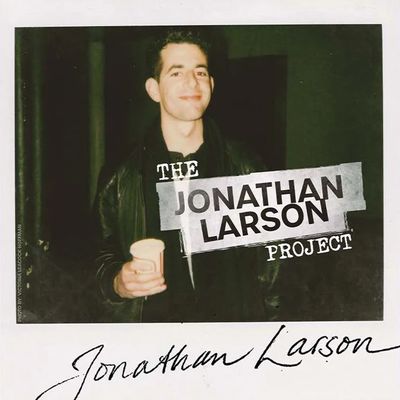
In this episode, we take a deep dive into the Off-Broadway gem "The Jonathan Larson Project," currently playing at the iconic Orpheum Theatre in NYC. We explore this captivating song cycle that brings to life unheard works from the revolutionary composer of "Rent" and "tick, tick... BOOM!" Join us as we dissect the emotional resonance of Larson's newly discovered songs, highlight standout performances (including the mesmerizing Taylor Iman Jones), and debate the show's structure and potential future.
We'll unpack how this production reflects the journey of an unknown artist finding their voice, discuss the refreshing yet challenging concept of a song cycle, and analyze how the musical arrangements breathe new life into Larson's previously unperformed works. Plus, we'll share our firsthand experience at the Orpheum Theater and how it connects audiences to Larson's roots.
Is "The Jonathan Larson Project" a must-see celebration of a Broadway legend or does it need a clearer narrative to truly engage audiences? Tune in for our candid review and join the conversation about Larson's enduring legacy and influence on contemporary musical theater.
Follow and connect with all things @HalfHourPodcast on Instagram, and YouTube. Share your thoughts with us on "The Jonathan Larson Project" on our podcast cover post on Instagram.
Transcript
This transcript was automatically generated and might contain errors.
[0:00] Jeff Malone: Welcome to Half Hour with Jeff and Richie, the podcast where we explore the latest shows we see, sharing our insights and opinions on the performances, storylines, and everything in between.
[0:08] Richie Grasso: In today's episode, we're discussing the Off-Broadway production of The Jonathan LARSON Project, playing at the Orpheum Theater in New York City.
[0:15] Jeff Malone: Whether you cannot catch the show in person or you want to expand your thoughts after seeing it, this episode is for you.
[0:20] Richie Grasso: And as always, we want to inform you that this episode will contain spoilers.
[0:24] Jeff Malone: So if you're ready to dive into this production, stick around with us.
[0:26] Jeff Malone: I'm Jeff.
[0:27] Richie Grasso: And I'm Richie, and we're thrilled to be your hosts for this episode.
[0:30] Jeff Malone: But before we start the conversation about The Jonathan LARSON Project, here are a few words from our advertisers.
[0:35] Richie Grasso: Welcome everyone to a new episode of Half Hour with Jeff and Richie.
[0:39] Jeff Malone: Today we're discussing The Jonathan LARSON Project.
[0:41] Richie Grasso: The JONATHAN Larson PROJECT brings to the stage the extraordinary unheard songs of the writer who revolutionized Broadway.
[0:47] Jeff Malone: This powerful new musical asks how we can make a difference in the world today, with LARSON's voice reaching through time to inspire audiences.
[0:53] Richie Grasso: From presidential elections to environmental activism to creating and connecting despite every obstacle, LARSON's songs speak to our present time with stunning resonance.
[1:02] Jeff Malone: At the same time, The Jonathan LARSON Project reflects the journey of an unknown young artist struggling against rejection, making ends meet as a waiter in a diner, and finding his voice, which he has no idea will someday lead to triumph and enduring fame.
[1:13] Richie Grasso: The show includes cut songs from Rent and Tick, Tick... BOOM!, as well as songs that have never been performed in the theater before.
[1:19] Jeff Malone: Fortunately for the world of musical theater, LARSON gave us more to see, and that work has finally hit the stage.
[1:24] Richie Grasso: This is conceived by Jennifer Ashley Tepper.
[1:28] Jeff Malone: We have music supervision, orchestration, and co-arrangements by Charlie Rosen, choreography by Byron Easley, and it's directed by John Simpkins.
[1:36] Richie Grasso: Alrighty then. So let's start with our hot take on The Jonathan LARSON Project.
[1:41] Jeff Malone: You know, I thought that this was a nice tribute to JONATHAN Larson.
[1:45] Richie Grasso: And overall, the big hot take here is that Taylor Iman Jones is belting her face off in this piece.
[1:53] Jeff Malone: Love it.
[1:54] Richie Grasso: Yes, she is by far the standout for me.
[1:56] Jeff Malone: Overall, I like this idea of bringing the song cycle back to a mainstream audience.
[2:00] Richie Grasso: The concept is there. It's very heartwarming, refreshing, sad. It's all the emotions you feel.
[2:07] Jeff Malone: I think with a little bit of tightening and cleaning, this could get even more polished as it continues its run.
[2:12] Richie Grasso: I know it's a limited run, but the hot take overall is I did enjoy a lot of this, and it just made you think as a think piece in a good way.
[2:18] Jeff Malone: So great. So let's get into it.
[2:20] Richie Grasso: Yeah. Um I think song cycles and conception of that, or I should say, not always song cycles, but just theming, you know, there is this like small little niche market, and it's the songs for a new world, or it's the review shows or the Ain't Misbehavin', you know, those shows that just take a song, not let's put a script to it and let's have a narrator and let's tell the story.
[2:46] Jeff Malone: But what if we just had the music and stories were told through song in a non-cyclical way?
[2:53] Richie Grasso: And I think what this tries to do is it tries to do that. Then it also tries to do this, you know what we talk about, this journey of the unknown young artist.
[3:01] Jeff Malone: So I feel like at times it's trying to be like JONATHAN's story a little bit, and then we skew away from that and we go to just like let the song live on its own.
[3:09] Richie Grasso: That's where I think I got a little bit jolted, where like, what do we want this to be? And that's why hopefully they iron some of that out a little bit as it goes.
[3:17] Jeff Malone: I don't think it's in the wrong place, though. I think it's on the right track.
[3:21] Richie Grasso: I think taking it from a concert venue like Studio 54 or 54 Below, which is where this was, I believe, in 2018.
[3:26] Jeff Malone: Yeah, but that Jennifer conceived, which was so smart, to then bring it to downtown, the Orpheum Theater, that totally makes sense because that was JONATHAN's playground, right?
[3:36] Richie Grasso: That was where he was living and breathing and writing and creating. So bring it back there.
[3:40] Jeff Malone: Right. Like, don't like that makes complete sense to me, right?
[3:43] Richie Grasso: But then I wonder, you know, we had some JONATHAN in the beginning, we had some JONATHAN in the end. Should we have looked at this? And this is a question for you from a concept perspective.
[3:48] Jeff Malone: Should we have looked at this and said, Oh, it's JONATHAN's story with different music, kind of like Tick, Tick... BOOM! and Rent is, or should we have looked at it as like, let's just let each song sit on its own?
[4:01] Richie Grasso: Because I felt like at times we had narrative plot, and at times we didn't. And I wish it just chose one or the other, if that makes sense.
[4:09] Jeff Malone: Yeah, I think that's where it's kind of hard because when you look at this, it definitely is more of a review, correct?
[4:16] Richie Grasso: A review, a song cycle of like when you think of this like compared to like Stephen Sondheim's Old Friends that we're gonna see or The Prince of Broadway. I mean, those are reviews in a way, yeah, sure.
[4:28] Jeff Malone: So I look at this and I say right, maybe because that term can be used so loose, and some people actually don't like that term, and some people do.
[4:35] Richie Grasso: I think this is a concept. I don't know why I keep going back to song cycle, but I feel like that's what Songs for a New World kind of is just songs that live.
[4:43] Jeff Malone: There is it could be a plot. You could look at Songs for a New World as having a plot if you wanted to, but let me ask you this question. Let's back up. Do you think there's a plot to The Jonathan LARSON Project?
[4:53] Richie Grasso: No.
[4:54] Jeff Malone: Okay. So we're not talking about a project, no script.
[4:57] Richie Grasso: An intended plot, but I don't know if it fully is fleshed out, and I think that's what you're kind of getting at in this as well.
[5:03] Jeff Malone: Like, if we're going at this, there needs to be a little bit more of a plot of like the what could have been with JONATHAN Larson.
[5:09] Richie Grasso: I think, you know, there are many shows that he was working on. There's a lot of music, clearly, that he has written, and this really kind of is put out there to give life to those songs.
[5:24] Jeff Malone: But I feel like it could have been done a la like a little Tick, Tick... BOOM! because that's kind of his story, right?
[5:30] Richie Grasso: Tick, Tick... BOOM! it's like it's the unofficial, well, they say Rent is kind of like his story, but not really. Then Tick, Tick... BOOM! is kind of his story, but then it's not really, and I feel like now we're at the third show here where it's like it's kind of JONATHAN's story, but not really.
[5:43] Jeff Malone: And I wonder like when do we stop doing that with his stuff, unless that's what he always wanted and what his estate and what Jennifer wanted it to be was let's follow if Rent and Tick, Tick... BOOM! worked that way, let's go with that.
[5:54] Richie Grasso: Like young writer working in a diner, but also we'll kind of skew from that a little bit. That's okay too. I'm not saying it's a bad thing. I'm just saying it was a little confusing at times.
[6:04] Jeff Malone: I actually before I went in, didn't even know that this wouldn't have a script. I thought we were actually going to have the book scenes, so go uh I thought it was gonna be a musical proper.
[6:12] Richie Grasso: So, like, oh, to see this as a song cycle like this, I'm like, okay, that's cool. And it kind of led me just to be a good thing.
[6:16] Jeff Malone: But I think that's what the whole title is kind of saying to you. It's The Jonathan LARSON Project.
[6:20] Richie Grasso: But what does that mean? Project. We're talking about multiple of JONATHAN's projects that he was working on or did work on, because there are cut songs from Rent and Tick, Tick... BOOM! in here.
[6:31] Jeff Malone: And I look at this and I say, Oh, if it's about the project, I wish we had a little bit more of a storyline with him being the main character, and then what the could have been with the music that we're seeing performed as like, um, I don't know, like a troupe.
[6:50] Richie Grasso: You know, I think that's kind of like what's intended here. Like the troupe is kind of like putting on the musicals, and you have to immerse yourself into that.
[6:58] Jeff Malone: But there's a lot of context that we're hearing in these songs that they don't have a lot to do with each other. And some did and some didn't, and that's why I that's the only part of this that I felt a little like I wonder if it needs, but you know, we're talking about a show that's gonna have a limited run.
[7:12] Richie Grasso: I don't know if they're trying to license this out. I don't know if this is just gonna have a future to go somewhere else or not, but it got to the stage in a fully fleshed out production. I appreciate that.
[7:20] Jeff Malone: Because I think this is where you take something that's known and you bring originality to it. A lot of these songs have never been heard in the theater before.
[7:29] Richie Grasso: Right. And actually, I believe in the beginning they said these songs are untouched.
[7:33] Jeff Malone: Yeah, there has been no edits to them.
[7:35] Richie Grasso: Correct. Other than I mean, there was some arrangement, musical arrangement to be done with instrumentation, probably in vocalization, but in terms of like, well, I should write down here that Jennifer kind of like some fun facts here about this is she fully immersed herself in archives and boxes and boxes of JONATHAN's work.
[7:52] Jeff Malone: So going through it and selecting here, which is kind of very interesting because I feel like you and I like doing that sometimes with artists and like going and you know, that's what we did with our projects with reworks, going in and looking at um old the past and then putting life to this.
[8:09] Richie Grasso: And she said that she wanted to have these songs arranged properly because it was something that JONATHAN was never able to do because it was too expensive.
[8:18] Jeff Malone: So when you see something like that, yeah, like I think there's a lot of heart in doing that.
[8:22] Richie Grasso: Sure, because you hear orchestration now, you hear vocal harmonies, you hear the song full, not just a one vocal at a piano, which is what so many songs start at, you know.
[8:30] Jeff Malone: And I think that takes a lot for an arranger to kind of come in and kind of capture the sound of JONATHAN now by saying, like, okay, well, we've had the music of Tick, Tick... BOOM! and we've had the music of Rent to go off of and other works that JONATHAN had created, and now also put here, you know, stuff that was just written.
[8:49] Richie Grasso: You know, and like what does that sound like? Were there any songs that in particular that stood out to you as like favorites in the whole piece?
[8:58] Jeff Malone: I did write down one. Love Heals really stands out. I mean, I think that was probably the most moving song to me.
[9:06] Richie Grasso: And I found that um when I was looking up some information about this show, that was actually written for like an AIDS Foundation um gala or piece or something to raise money.
[9:18] Jeff Malone: So I did love that one. I do love that Green Street opening.
[9:22] Richie Grasso: Yeah, there was something so JONATHAN about that, like green. I just thought that was great. I just really liked that as the opening.
[9:30] Jeff Malone: The order of these songs was smart too. I thought there was some really good comedic relief in the casual sex pizza and beer song.
[9:36] Richie Grasso: I thought that was funny, very Rent-esque feel. Um, and to me, uh actually, you know, it's so interesting. How many times do we leave shows? And I'm like, I don't remember any of that music.
[9:44] Jeff Malone: The song that has stuck with me in my mind, literally, I'm finding myself like driving or like walking around my house humming it is this piano song.
[9:54] Richie Grasso: Yeah, it's just so beautifully simple. I mean, I will compare that song to the level of a Paul McCartney, uh Billy Joel or Elton John style piece, a simple melody, oh piano, you let my soul and just repeat and the harmony in that and the to end the piece like that about it just being about how he felt such comfort around the piano.
[10:17] Jeff Malone: Yeah, could you imagine the hours and hours and hours that this man and so many composers sit alone in a room with a piano?
[10:23] Richie Grasso: Totally. I mean, the piano becomes your third arm in a, I mean it's but that's always kind of been that moment and that piece that is surrounded JONATHAN.
[10:34] Jeff Malone: So whenever you think of him. And so many composers, it's like the piano, the piano. Not every composer writes on a piano, but most musical theater composers do, and you live and breathe at the piano.
[10:44] Richie Grasso: When you see these videos of like Stephen Schwartz, like, oh, and I did Wicked, blah, blah, blah. And he's just like playing the whole, obviously, from remember, he wrote he's so comfortable with the keys. Alan Menken will do that too in interviews. He'll be sitting at the piano. He'll say, Oh, like when I did this in Aladdin, blah, blah, blah.
[10:58] Jeff Malone: So, like, do you only imagine like JONATHAN was so comfortable at the piano?
[11:02] Richie Grasso: Right. Uh, that to end the whole JONATHAN LARSON PROJECT with the piano song. I mean, that song was just so moving to me.
[11:09] Jeff Malone: And also, one of the big set pieces in here was the piano and focused around the gathered around it.
[11:14] Richie Grasso: And gathering around the piano, which is a perfect segue into the next portion of this episode. So we're gonna move into direction, actor performances, and the design of the piece.
[11:23] Jeff Malone: But before we do that, here are a few messages from our sponsors.
[11:30] Richie Grasso: And we're back. So we're moving into some of the direction, actor performances, and design of the piece.
[11:34] Jeff Malone: So I think what's nice about this is yes, I think what you were saying. We have this Rent, Tick, Tick... BOOM! style scaffolding look, feel, which I think works for this.
[11:46] Richie Grasso: I think that's the vibe, and it makes sense. The projections added are wonderful.
[11:51] Jeff Malone: There was a little bit of video projection in Rent at the end when they're showing Mark's film, you know. So I think that was nice to kind of show that.
[11:56] Richie Grasso: And each song had those moments scattered throughout. And then there was levels, there was all different levels in a small space.
[12:04] Jeff Malone: You know, you had people up high, low, left, right. It was all over the orchestra being raised back there.
[12:09] Richie Grasso: I thought the scene design, the lighting design, the sound design, and the costume design all were really well executed here.
[12:15] Jeff Malone: Yeah, I agree with that too. I felt that like, hmm, how do I put this with the overall direction of this piece? And we had direction by John Simpkins, just so everyone knows.
[12:27] Richie Grasso: Um for some of the songs, it felt great to have everyone on the stage. And then other times I felt like we were just moving people around, and maybe that's because it needed to help move the set pieces, which I thought like felt for some transitions fine.
[12:45] Jeff Malone: But I don't know, it almost kind of felt a little bit sometimes like it was too front and center with a lot of the performances.
[12:51] Richie Grasso: And yeah, I also feel like some songs had more direction than others. So some were like, okay, we're gonna do this and then that, and then like that song where she's singing like she's in a cabaret and she's uh it was early on.
[13:01] Jeff Malone: That was like really well brought in with everyone. And then there were some songs when it was just a solo, and it felt like, okay, just kind of do whatever you want.
[13:08] Richie Grasso: Yeah. And like, oh, you just sing the song. So it felt like there wasn't as much direction with every piece.
[13:15] Jeff Malone: And then, you know, what I I just specifically in my mind, there was one too many times, I think, when like some of the actors climbed up that like ladder on the side and like hung from it.
[13:24] Richie Grasso: Like that would have been cool once or maybe twice. But I think it was like four times they had someone climb up there. I'm like, okay, you know, like I get it, but like it it was fine.
[13:33] Jeff Malone: The space was used in a way it every song was just so different, and that's fine. Um, but I feel like when it comes down to the actor performances, it felt one of the weaker points for me felt like this like, oh, just stand and sing it like you're at a cabaret nightclub.
[13:51] Richie Grasso: And it was like, I don't know if we moved into a production now. So some songs got the production check, and some got the like just stand and sing.
[13:59] Jeff Malone: Right. And I wish some of the just stand and sing didn't feel like I was back at a concert and that there was something going on.
[14:05] Richie Grasso: Uh I actually here's an example of where I thought it worked well. When she was singing about having the um, it was one of the earlier songs she was singing, and like they had that sheet and she was on the table and the sheet, and he would be there and then he wasn't there and they were acting if like a music video mixed with like a story. That's where I liked. Could you imagine if she just stood and sung that song?
[14:22] Jeff Malone: No, she didn't. There was some movement. So I liked it in some songs, and then other songs felt a little lackluster in that concept feel.
[14:29] Richie Grasso: Yeah, I agree with that as well. I think that you going back to earlier, it just in the overall scenic design too. Like I when I first walked into the theater, you know, I'm looking at the scenic design here and I'm saying this has the a la Rent brand on here. We have the piano, we have the scaffolding, and this seems like something that has been branded as like if it's something related to JONATHAN Larson, it's going to be like this bare-ish kind of stage and scaffold it.
[15:00] Jeff Malone: Yeah. Like if we're gonna ever get a big tick, tick... BOOM! production on Broadway, it would be sure it's going to be scaffolding.
[15:05] Richie Grasso: Yeah, right, which is fine, and it worked for this because it was lit well and it was projections were incorporated nice. You know, another thing, like, and this will kind of transition us into some talking about some of the actor performances. There was just a few too many times where I feel like the actors were using their hands so much.
[15:21] Jeff Malone: Yeah.
[15:21] Richie Grasso: And I know this isn't a theater class, but at times it felt like we were in a workshop of a song, and I just wanted to be I'm not listening I'm not perfect, but I will tell you that as actors, we have to stop. Look look what I'm doing right now. I was like, I'm losing her hands. I'm using my hands. Don't use your hands while I tell you. This whole podcast, if you're watching the video clip of this, I'm using my hands right now. Listen, I'm an Italian, I use my hands a lot when I talk. But if I was to do this, Jeff, the whole time, and I was to use my hand and use every, you'd be like, okay, put your hands down after a while. There was a lot of that in this. More than I think I've seen in a long time.
It was like every three words, the hands came up. And I thought, I know that maybe a director's job is not to give acting lessons per se, and you want an actor to feel comfortable if that's something they're doing that's comfortable. But there was so much hand movement in so many of these songs that I was like, we gotta relax those hands a little bit. Because it almost makes me as an audience member nervous that are you swatting flies? Are you trying to fly away? Like what's going on? Like I it feels like we're not rooted in it because we're using our hands so much. But I wonder if that goes back to the whole idea here that there isn't so much of a plot.
[16:33] Jeff Malone: Yeah.
[16:34] Richie Grasso: And I think maybe it's hard to sometimes get into character of like who you're actually trying to be because you're constantly changing your character throughout the piece. And with that, that do you make up for the lack of? Okay, but an example of that would be like, let's say I have two songs in the piece and they're two very different. Maybe I want to use my hands a lot in one of the songs because that's what I'm feeling the intention of. But then the other song might be like, I'm gonna have my hands in my pocket. I'm gonna sit and I'm gonna hold something in this song. And then maybe you could show, yeah, it's not, but when you have two or three songs, and every song is you flying your hands around the whole time.
I look, I look at it, I say, Oh, I think we can like move a step past that. And a good question, probably for you here, though, is as a director, when you might be trying to fill stage, because there's only five actors on the stage during the show, and sometimes only one standing there, is it making up for the lack of? Maybe. And at times it also felt like that too, when some actors were tracking left and right and up and to feel like they're not just let me move because I can't just stand still for too long. Instead of just stand still when you feel like it's rooted in the music, and when it's not, then move. That's where I wonder if we could have spent just a little bit more time in the rehearsal process of this instead of feeling like every song needed to be hang from the ladder now, go over there, now move the piano.
No, you know, but then at the same time, you yeah, you don't want to say what we were just saying earlier. It was like don't stand in the same spot the whole time either. There's a balance, and I feel like they're getting it. It just needs a little bit more time to find a little bit of uh we're not at a one, we're not at a ten. Let's find this nice, comfortable five.
[18:08] Jeff Malone: Right. Which also kind of now brings us into these actual performances here. Clearly the standout here for me, like I said in my hot take here is Taylor Iman Jones. But she stands out leaps above the rest, I think. Vocally, this woman is insanely talented. Everyone on that stage is very talented, but she's really, really up there. It's hard, I think, when you look at the cast too, because when you have someone like her, and she is such a standout in this piece, and almost feels like leaps and bounds above the others. You kind of say, like, where was the rest of that from the other actors on that stage? I do think at times Jason Tam brings that he's really seasoned. I think there's some great things that he's doing there.
He's really singing, and there are some nice things with that. We also didn't see Adam Chandler-Berat. We he was out, so we had seen his standby. Um, I have his name here. The standby was oh uh Gilbert L. Bailey the second. And you know, I don't know if that was his first time going on, but good for him. That's a lot of music to be a standby early on in the run, like that. But yeah, Jason really stood out for me the most, and I would say um Taylor for sure. Well, all these performances were really great. I definitely want to go on to our next segment here, just to talk a little bit about some of the uh experience that we had here at the Orpheum Theater watching this. So let's dive over there now. Uh, but before we do that, here's a few messages from our sponsors.
[19:31] Jeff Malone: And we're back. So it's nice to be at the Orpheum Theater. You just feel like you're in that like village downtown, but you're just getting like a proscenium house. It's small. I love seeing like the Little Shop of Horrors poster, and like we were just there for Big Gay Jamboree recently, so to be at this now. This is strictly limited engagement. I think this is an opportunity to go back to the roots. Jonathan's project of Rent moved uptown to a big commercial Broadway space, but he was always working downtown, you know. And it's nice to see that his estate is supporting this. You know, he, as many of you know, listening, or maybe don't even know, JONATHAN Larson died very unexpectedly, very tragically, very young.
And it this gave me hope that this man, I believe he actually would be in his 60s now if he was still in. I think so. Um, this man would have just kept writing and writing and writing and putting amazing new works out. So when you see the young composers of the day, like Lin-Manuel and people talking about him, yeah, still it just makes you feel like he's in the room with you while you're listening to this music. He was very, very good at what he did. And it's nice to see Jennifer and this whole team really bring this forward. I think what struck me most about this piece, too, is like this piece is going to spark conversation around a lot of creators, and it's gonna bring up that topic again of like the what could have been with JONATHAN.
You know, he was such a dreamer, and we saw that in so much of his work. He wanted to get his work onto the stage, and he was not going to give up until, you know, he uh ultimately died. And I think because of that, you know, a real legacy for him was created after, you know, getting Rent to where it was, and then, you know, on the trajectory of possibly going to Broadway and then it actually going to Broadway, I think is a big deal. And I think so many people look at it and say, There would have been so much more.
[21:25] Richie Grasso: Totally. And then it's nice to hear these other songs, you know, when he only had he had uh quite a few pieces, but Rent and Tick, Tick... BOOM! being his most successful ones, it's nice to see the other things that were on the cutting room floor of some of these projects or just things that he was working on. He wrote for the time, and I think that this is also timely. When you hear some of these songs like Whoa, whoa, whoa, or 30 something years later still means so much, whether they're romantic pieces, whether they're political songs, you know, for him to have written you know, remember Rent was so groundbreaking for the time. Nowadays on Broadway, you see references to sexuality and um uh more adult themes on Broadway, but he was one of the first to really kind of push that and say, We're you know, Love O M, that's oh love you. That's quite the song on for our Broadway stage in the mid 90s.
[22:14] Jeff Malone: Right. You know, to see where uh did would Book of Mormon, for example, and all their, you know, adult um dialogue and and humor, would that not have been possible if it wasn't for something like Rent paving the way first? When you talk about language use, when you talk about sexuality, when you talk about these pushing comedic things. And not and not all Rent is comedic. Rent deals with really serious issues too. So yeah, it's just inspiring to see creators putting something like this out there.
[22:44] Richie Grasso: Right. Which leaks you makes you leave and say, okay, this is gr oh my gosh, I feel like he's right here with us still. And I think that's, you know, really uh Jennifer Ashley Tepper is taking here, and she's really showcasing what JONATHAN was creating at that time. And like you said too, he was very political, he was very current, you know, writing Rent as a rock opera, very aligned with what was happening on Broadway at that time, and also kind of paving the way for people to continue to create like that. Um, I also think showing how he felt about the future, how he felt about politics, how he felt about New York City during the the time of you know the 80s and the 90s really reflected in his work.
And I do think we would have had more political statement pieces from him. You know, Rent is a almost political statement in its own way about everything that was happening in the village in New York City during that time, with the cast of characters that were created for that piece and the words and the lyrics that he wrote for that piece, it was it was all there.
[23:53] Jeff Malone: You know, and I really think that that is something that would have continued to happen in his works, especially with some of the songs that I heard on that stage.
[24:02] Richie Grasso: Totally, totally the politics one alone. Oh, yeah, look at yeah. Me personally probably felt it it was a little out of place in the rest of the piece, but when you really look at it and it's like more of these little vignettes, I understood it. I said, Okay, this during that time was exactly what was happening, creating the puppet politician at that time, which is so crazy because it's like literally what we're going through now in politics.
[24:29] Jeff Malone: Right. And and not only that, but there was the environmental activism pieces. There was the pieces about love heals, like you said earlier. What is love? How does love heal us today? How did it 30 years ago? Yeah. Timeless musical theater and theater in general can really make people feel. And I think that all JONATHAN Larson, I think, wanted was for us to feel and and be communal. He was all about community and and and that's what this piece does. The JONATHAN Larson PROJECT brings these five people together. They're around that piano at the end. There's something so like, you know, wonderful about watching people stand around a piano and sing, I think from a long time ago, and even nowadays.
[25:04] Richie Grasso: Um, how important is that? But I think too much. It encourages us. It encourages us to reflect and reflect on great artistic works and creators in this space that gives us the drive to want to create something too in the space. And not to forget them. So when I do see some of these reviews, I say to myself, I understand it. He was creating things. Let's review his works and his legacy the same way that we're going to do that for Steven Sondheim, or the same way we're going to do that for Hal Prince and like the same way we'll probably do it for Andrew Lloyd Webber and so on. Like you can continue listing the names and their works because they all probably also have so much more that we'd never heard.
[25:50] Jeff Malone: Yeah. You know, like when you look at something from here we are getting put on the stage last year, um, it was important to do that to so many people because it was like this was the work that the Sondheim was working on to get it out. Which is why you're about to see Old Friends this season, and you're about to see all these Sondheim pieces again with a full live orchestra and some of the Sondheim greats up there singing it. It's it's important to tell the to the stories of these composers who've worked so hard. And I and I do think there's a big thing here also saying like, is there an almost finished work of JONATHAN Larson's out there that someone might get their hands on one day to actually conceive the full story or maybe help finish it.
You know, is it a Lin-Manuel Miranda that's gonna help finish that piece? Right, who someone who idolizes JONATHAN? That's something we saw in the video that was happening in the in this piece. He's like telling you like I idol. He's one of my idols. So when you see that, you kind of have to say, like, oh, could he take the work and help finish it? But you know, it's fascinating stuff.
[26:56] Jeff Malone: So oh my gosh, just about out of time here. What are your final thoughts on the JONATHAN LARSON PROJECT off Broadway, John?
[27:02] Richie Grasso: Going back to it, you know. I really do think that I was pleased with most of this show. And I feel like if you are a big JONATHAN Larson fan or you're a dreamer in this creative space, that this is something that's gonna be motivational for you and also hit the boxes of what you want from something like this piece right now. So totally it was refreshing in the season uh to just see something like this. I give them all credit. Like I said, hopefully they iron out a little bit here and there as they go, but I think it's in a good spot. I think if you like if you're a JONATHAN Larson fan or a Rent fan, go see it, go check it out, go downtown and just immerse yourself in the songs. There's no script, there's no dialogue really, it's just immersion into storytelling through song.
[27:42] Jeff Malone: Right. And for next steps for it, I I'm curious as like obviously I don't feel like it's really ready to go to a place like Broadway right now in its current state. I do think it would need more of a story through line throughout the piece that for more of the Broadway audience to get it. But something like this does have a home, I think, you know, not maybe at 54 Below where Jennifer was starting this out, but maybe it does move to like a new world or something that like really has still the heart of New York City near it that people will get to it.
[28:13] Richie Grasso: Yeah. Totally. It's good stuff. Well, that does wrap up our discussion for this episode. We hope you enjoyed our deep dive into the JONATHAN LARSON PROJECT. And remember, we want to hear from you. Continue the conversation with us on Instagram at Half Hour Podcast. Drop us a comment on Spotify and let us know your thoughts on the JONATHAN LARSON PROJECT. If you enjoyed our show, please leave us a review. Your feedback helps us bring more theater to you. And remember, you can listen to past episodes and stay tuned for the many upcoming ones as well. Until next time, I'm Jeff.
[28:39] Richie Grasso: And I'm Richie saying ta-ta for now.
[28:41] Jeff Malone: Bye.
© Broadway Podcast Network, All Rights Reserved