

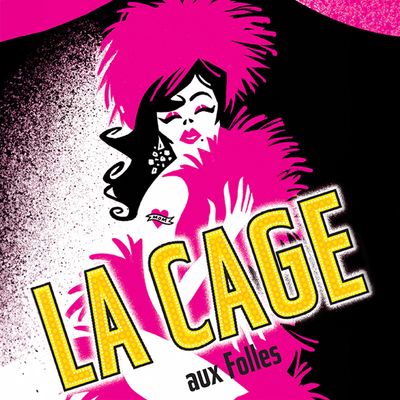
Support the Show ➤ It’s time to put on a little bit of mascara and throw your wigs to the ground as we’re heading to French Riviera to join Georges and Albin in ‘La Cage Aux Folles.’ Tackling our third Jerry Herman, we decide how it measures up to his other big hitters... Read More
From the show: Jim and Tomic's Musical Theatre Happy Hour
Featured Shows
About
It’s time to put on a little bit of mascara and throw your wigs to the ground as we’re heading to French Riviera to join Georges and Albin in ‘La Cage Aux Folles.’ Tackling our third Jerry Herman, we decide how it measures up to his other big hitters. We also discuss the interesting origins of the show and what it might have been, and have a classic Jim and Tomic conversation about queer representation in musical theatre!
La Cage Aux Folles (New Broadway Cast Recording)
SHOW NOTES
If you’ve not seen The Birdcage with Robin Williams and Nathan Lane it’s a wonderful accompaniment to the musical! Gene Hackman in drag, who knew!?
Jimi thoroughly recommends Arthur Laurents’ book ‘Mainly on Directing’ for some insightful, yet catty storytelling from the director of many seminal musicals.
What do you think? Was Herman pulling a Sondheim with the Cocktail Counterpoint? Was he successful? Should Frank Wildhorn be quaking? Too many questions.
Kelsey Grammar opinions or not, Douglas Hodge gave a stellar performance in the 2010 revival.
Here’s a great discussion about Bio Queens in the modern drag industry from China Deathcrash.
Did you join us for our first ever livestream at the end of October? If you missed it then you can catch up over on Tommy’s channel here! We had SO much fun doing it. Maybe we’ll do it again…..
[significant ellipses]
Remember you can come chat to us about the episode on Twitter and Instagram @jimandtomic! Or if you wanna pop OFF then jump into our email inbox at jimandtomic@gmail.com!
A Quiz Question From Outer Space
On the eighth of april 2010, NASA played a song from this musical as the “wakeup call” on the international space station. What show?
Transcript
This transcript was automatically generated and might contain errors.
[0:00] Jimi: You've never done that mommy made me mash my MMs.
[0:04] Tommy: Is that an American warm-up?
[0:05] Jimi: That's an American.
[0:07] Tommy: Yeah, you guys love MMs.
[0:09] Jimi: We'd be like, Mother made me press my smarties. Like that would be ours.
[0:15] Tommy: But they're all that doesn't uh somebody get us another drink.
[0:20] Jimi: Welcome to Jim and Tomic's Musical Theatre Happy Hour.
[0:24] Tommy: I'm Jimi.
[0:24] Jimi: And I'm Tommy, and this is the only musical theatre podcast with cloudy saisons.
[0:30] Tommy: And conductor's batons. Here we take apart your favorite shows, muddle them together with a shot of buffoonery, and pour you a refreshing glass of musical theatre conversation.
[0:42] Jimi: Tommy, what are you drinking today?
[0:45] Tommy: Well, I think it's uh Perrier, but it might be Canada dry. I'm not sure.
[0:52] Jimi: Did you like that one?
[0:53] Tommy: I did. I did a point, everyone. Realized audio medium. I did a point. I did that. I started to panic while you were talking and was like trying to run through and I was amazed I landed on one that quickly in my brain.
[1:05] Jimi: That was good.
[1:05] Tommy: Yeah, I didn't know. I would have probably just done flamboyant cocktail. I would just like chilled out.
[1:10] Jimi: Yeah.
[1:11] Tommy: Why? Sold out.
[1:12] Jimi: Why are we drinking these things?
[1:13] Tommy: I'll tell you. I have a question.
[1:15] Jimi: Yeah, yes, you do.
[1:17] Tommy: Nobody knows though, because nobody got this. We gave them a whole month. We were waiting. We were like, we're not gonna do the podcast until somebody gets it right.
[1:25] Jimi: Can you imagine if that was the secret sauce vibe?
[1:28] Tommy: Exactly. That was the reason. Uh uh last episode's question. Both Stephen Sondheim and Jerry Herman have worked on partial musical adaptations of the source material for this musical. What show?
[1:43] Jimi: That show is La Cage Aux Folles.
[1:43] ♪ Musical number ♪
[2:55] Tommy: You always say I'm gonna say La Cage throughout this entire thing, because I feel like I never say it right.
[3:09] Jimi: I think it's an SNL sketch where they're trying to teach some guy French, and it's like repeat after me. Je me pelle pelle Claude.
[3:21] Tommy: Jume Pelle Claude.
[3:24] Jimi: Have you not seen this?
[3:26] Tommy: Oh.
[3:27] Jimi: That's from Friends.
[3:29] Tommy: Uh well, you know. Get thee to a nunnery.
[3:32] Jimi: Oh my god. Tommy.
[3:34] Tommy: Hey, Friends, I had to reformat that part of my brain to make more room for Sondheim puns.
[3:41] Jimi: It is it's a significant amount of defragging that it needs to get done there.
[3:46] Tommy: Remember defragging?
[3:47] Jimi: Oh god. Those were the days. Anyway.
[3:52] Tommy: Yeah, so uh Stephen Sondheim wrote music for the movie The Birdcage, which is also based on, I think officially the play, although we'll talk about it.
[4:02] Jimi: The source I think The Birdcage is just like everything. I think it's just anything that existed before. Also the the movie and the musical. Because it was the it's been the most recent rewriting of the same place.
[4:13] Tommy: Yes. Yeah. Yes. Um yeah, like there was definitely elements from the musical brought forth. Um anyway. Uh La Cage Aux Folles, music by Mr. Jerry Herman.
[4:25] Jimi: We've done we've done all the the big Jerry's now. This is the last big Jerry. Time to do the shit ones. Um, that's that's not true. Some of them are very good. Anyway.
[4:35] Tommy: Don't you down talk Mack and Mabel.
[4:37] Jimi: I know, I would never. I would never. Um, and there's a book by uh Mr. Harvey Fierstein.
[4:42] Tommy: Yes, one of his earlier uh forays into playwriting and book writing.
[4:48] Jimi: Mm-hmm.
[4:49] Tommy: Yeah, this is post-Torch Song.
[4:50] Jimi: Yeah.
[4:51] Tommy: But I don't know, actually, no what he did before that.
[4:54] Jimi: Yeah, I guess is this has he just done Kinky Boots and La Cage?
[4:59] Tommy: Kinky Boots and Newsies.
[5:01] Jimi: And Newsies, and there's one with a cake on it. Um, it should have been you.
[5:06] Tommy: No.
[5:07] Jimi: No.
[5:09] Tommy: But it's like it should have been you. Or maybe it has a taxi cab on it. Hold on.
[5:13] Jimi: On the Town.
[5:18] Tommy: Uh I watched On the Town again recently. I love that show.
[5:21] Jimi: A Catered Affair. Which you've probably never heard of. It's not great.
[5:25] Tommy: Is that a musical?
[5:26] Jimi: It is. And for what it's worth, the uh album art is a staged wedding cake on top of a taxi bubble.
[5:35] Tommy: Um, so it is both a wedding cake.
[5:39] Jimi: And a taxi.
[5:40] Tommy: Very good. Your knowledge of uh cover art.
[5:43] Jimi: Oh, he's done a no bounds.
[5:45] Tommy: Is it Legs Diamond?
[5:47] Jimi: I don't know that one.
[5:49] Tommy: Nope.
[5:49] Jimi: And I guess you know, like Hairspray.
[5:52] Tommy: Right.
[5:52] Jimi: Yeah.
[5:53] Tommy: Oh and he did do Newsies.
[5:54] Jimi: You're right.
[5:55] Tommy: Yep. He did. He did.
[5:56] Jimi: We've done.
[5:57] Tommy: Oh, and he wrote the teleplay for The Wiz Live.
[5:59] Jimi: Okay.
[6:00] Tommy: Oh, yeah, so he did.
[6:02] Jimi: We did that as well. Welcome to welcome to Jimi and Tommy.
[6:05] Tommy: Read the Wikipedia article.
[6:07] Jimi: Sorry, everybody.
[6:08] Tommy: Exactly. But this shows we don't read Wikipedia.
[6:12] Jimi: We read books. Music by Jerry Herman, book by Harvey Fierstein, based on the original play, which then became a movie, although the musical's not based on the movie, which is wild.
[6:20] Tommy: Uh it opened on Broadway in 1983.
[6:23] Jimi: Yeah, 80s.
[6:25] Tommy: Um it won six Tony Awards that year, including the coveted Best Musical prize, where it beat out uh everyone's uh top pick Sunday in the Park with George.
[6:36] Jimi: Yes, indeed.
[6:37] Tommy: And then it it ran for four whole years.
[6:39] Jimi: Yeah, played for a long time.
[6:41] Tommy: Extremely successful. It's been revived a bunch, 2004, 2008, and 2010.
[6:45] Jimi: Um and then was later adapted into The Birdcage, which is not a musical but kind of is more of a movie with music in the kind of player music ideally.
[6:54] Tommy: Exactly. Um so La Cage, I feel like La Cage is reasonably well known.
[6:59] Jimi: I mean, perhaps, but we're also gay, so we are, we're homosexuals.
[7:04] Tommy: Um, so let us tell you heterosexuals out there who'll have no idea what we're talking about, I'm sure.
[7:10] Jimi: Uh the three heterosexual listeners that we probably have.
[7:10] Tommy: Um so La Cage, I'm gonna give it a go because normally I give it to you.
[7:18] Jimi: Yeah, I love it.
[7:19] Tommy: Let's just see, let's just give it a go.
[7:20] Jimi: I'm excited.
[7:22] Tommy: Um La Cage Aux Folles uh sees um Georges and Albin or Albin, however French we're gonna be here. Um Albin is a drag queen who uh works in Georges' nightclub, which is called La Cage Aux Folles, which is in the French Riviera. Um they are married uh and have a son uh together who's called Jean-Michel. Um and uh he is looking to wed this uh very right wing conservative uh senator's daughter.
[8:04] Jimi: Um no, he's not a senator because that's the film. Uh he's a senator in the middle.
[8:07] Tommy: He's they just refer to him as a politician, and I don't know enough about French politics.
[8:12] Jimi: Nothing whatsoever.
[8:14] Tommy: Um the the Dindon family. Um all these great French names. Uh, but he is the he is the the founder of the Tradition Family and Morality Party.
[8:24] Jimi: Yes.
[8:25] Tommy: Um so together uh they come up with a scheme um so that the families can meet, uh whereby um Georges will downplay the family's career, they'll completely change their life. Um, and part of that means hiding the very flamboyant Albin. Um but Albin decides to mix everything up and come back and pretend to be Jean-Michel's mother. Uh and hilarity ensues, uh a lovely farce go away.
[8:59] Jimi: Uh, you did such a great job.
[9:01] Tommy: It wasn't too bad. That wasn't too bad. Didn't give the ending away.
[9:05] Jimi: Uh well, the ending is the best.
[9:08] Tommy: The ending is the best.
[9:10] Jimi: That's the point, isn't it?
[9:10] Tommy: I will say that the ending is exactly what you would expect.
[9:13] Jimi: It's so good. And like I love La Cage, but it the best version is Birdcage. Um the whole ending one quarter of Birdcage is some of the funniest cinema in the world.
[9:27] Tommy: And of course it like adapted from the original French film, which is also hilarious.
[9:31] Jimi: Yeah, exactly. But it's just it's just got that really strong farce.
[9:35] Tommy: Yes fun.
[9:36] Jimi: Yes.
[9:37] Tommy: And it is like really, really strong. It does this this show, you know, in all of its incarnations, does that thing that farces do where you it's almost impossible to see the comedic twist coming, but the moment it happens, it becomes so immediately obvious that you like kick yourself for not seeing it.
[9:58] Jimi: Yeah.
[9:59] Tommy: Um like it's like deeply satisfying.
[10:02] Jimi: It's so satisfying and so funny. Um, when Albin walks in, uh, you know, Mother's Here! It's so it's drop dead. Like it's just so perfect.
[10:16] Tommy: So, um shall we dippity dip dip dive dive dive on in?
[10:22] Jimi: Hop on.
[10:23] Tommy: No, I said dive.
[10:25] Jimi: Oh, sploosh.
[10:28] Tommy: I think that is the other one that we do. I think we say hop on and sploosh.
[10:33] Jimi: God.
[10:34] Tommy: And then I often say, oh my god, remember holes, and then we get into a three-minute conversation about Shia LaBeouf. Anyway.
[10:40] Jimi: Everything's anchor straps.
[10:44] Tommy: Marabou.
[10:47] Jimi: It's hugging my god.
[10:51] Tommy: Curling my reuse everything's a shame and sexual.
[10:59] Jimi: Fabulous.
[11:01] Tommy: When Albin is tacked away and so let's go right back to the beginning.
[11:09] Jimi: Yes.
[11:10] Tommy: Um, The Origins of Love, The Origins of this show.
[11:13] Jimi: Um so it actually originally um it was picked up by the producer who was called Alan Carr.
[11:21] Tommy: Yes.
[11:21] Jimi: Um, who I find that very challenging because Alan Carr is uh uh like TV talk show host, comedian guy over here.
[11:31] Tommy: Yes, who who is who could easily be Albin. I don't know if you don't know if he's ever made it across the pond.
[11:37] Jimi: No, but I see him on QI sometimes. Um Right, yeah, yeah, yeah.
[11:40] Tommy: Yeah.
[11:41] Jimi: Um so that I just can't get that out of my because also it wouldn't be weird for him to put on a production of La Cage.
[11:48] Tommy: Exactly.
[11:48] Jimi: But different person. This uh this Alan Carr produced uh he did Grease, right?
[11:52] Tommy: The film version.
[11:53] Jimi: Yeah, he did the film version of Grease, and this I think this is his first foray into Broadway, and I think it was his only foray into Broadway.
[11:58] Tommy: Yes.
[11:59] Jimi: So well done. Good good track record.
[12:01] Tommy: Um, but yeah, so he originally had it all tied up with um choreography by Tommy Tune, um, and a score by Maury Yeston, and then a book by Jay Presson Allen, who wrote the Prime of Miss Jean Brodie, well for the theatre, which is one of my absolute faves.
[12:18] Jimi: Um so on paper, you're like, this'll be good.
[12:22] Tommy: Um, but it was weirdly, they changed the setting to New York New Orleans, yeah.
[12:27] Jimi: Yeah, they changed and they they Americanized it and modernized it a bit, which to be fair is what The Birdcage did, I think pretty successfully. Not New Orleans, but California, I think.
[12:36] Tommy: Um yeah, but also they didn't call it La Cage Aux Folles.
[12:40] Jimi: Right, right, fair.
[12:41] Tommy: They called it the Queen of Basin Street.
[12:43] Jimi: Yes, weird what?
[12:45] Tommy: And like maybe it would maybe it would have been on Basin Street.
[12:49] Jimi: I don't know.
[12:50] Tommy: Like that I think The Birdcage is a better title for English speaking audiences than La Cage Aux Folles.
[12:59] Jimi: Um, what is it?
[13:01] Tommy: The it's like the cage of mad women, something like this.
[13:04] Jimi: Yes, uh-huh, yes.
[13:05] Tommy: Um, which also I don't know is the best, like I get that it's the title of the nightclub, but the show's not about the nightclub.
[13:15] Jimi: So it's a weird choice there anyway.
[13:18] Tommy: Uh-huh.
[13:19] Jimi: Um, it sounds like just like I guess from the original play, it's a farce madness, you know what I mean?
[13:26] Tommy: Like, uh, like fully like that.
[13:29] Jimi: It's about as descriptive as like, uh, all you know, all the bedroom farces.
[13:34] Tommy: What is it like, um, don't dress for dinner, noises off, like it's got that like who cares what the title is.
[13:40] Jimi: Doesn't matter, doesn't matter.
[13:41] Tommy: Um, but yeah, and I find this, this, uh, comment quite interesting.
[13:45] Jimi: This was in, um, uh, Arthur Laurents' book, he said this that, uh, they, he got given the script, um, because he was set to direct, uh, this version, um, got given the script, and the station, the first stage direction that he read was the decor is early faggot.
[14:06] Tommy: Um, and he just decided and then I closed the book, and that was that.
[14:11] Jimi: Um, this never came to fruition because when they got some, uh, they got two executive producers on board, uh, and that production team was promptly fired.
[14:22] Tommy: Yes.
[14:22] Jimi: Um, and then there was some suing.
[14:25] Tommy: Yep.
[14:27] Jimi: Uh, and then we got the good guys.
[14:30] Tommy: Right.
[14:31] Jimi: And now we got Herman and Feyrstein.
[14:33] Tommy: Exactly.
[14:34] Jimi: Um, and it became the show that we know today.
[14:40] Tommy: Yeah.
[14:41] Jimi: It is interesting, they were only able to secure rights to the original play to adapt from and not the French film.
[14:52] Tommy: Um, the film was the successful one, like that was the one that's what that people knew.
[14:59] Jimi: Yes, and like not that the original French play played for a very long time.
[15:04] Tommy: Um, but the film was, you know, internationally popular.
[15:08] Jimi: Um, it's still like on the top ten or top 15 list of, uh, foreign films in America pretty regularly, um, but they couldn't get rights to the film, and that it's so wild to me.
[15:20] Tommy: Like because it's all especially since it's basically the same story, like I wonder I'm so curious who worked on the film that was the holdout, um, that said no.
[15:33] Jimi: Because clearly the team for the play, um, said yes, right?
[15:39] Tommy: Yeah, and a bunch of them with the film.
[15:41] Jimi: I do think it is weird because like one, I would imagine one of your main reasons for not giving rights is because you're like, well, this is intellectual property, and I could use this at some point down the line if I want to make a musical adaptation.
[15:53] Tommy: Right.
[15:53] Jimi: But if someone's musically adapting the play, which is literally like, you know, three degrees away from your content, you're never gonna musically adapt the film.
[16:04] Tommy: Yeah.
[16:05] Jimi: So I just find that I did find it really weird why they would have held out on that one.
[16:09] Tommy: And as well, like the pedigree of that team was huge.
[16:14] Jimi: Yeah.
[16:15] Tommy: It's so baffling.
[16:17] Jimi: And so really what it ends up being, um, the movie adds in the twist that, uh, the actual mom, I can't remember her name, um, Sybil.
[16:30] Tommy: Sybil arrives at dinner as like a secondary farcical surprise, and because they didn't get the rights to do that, you know, the Christine Baranski couldn't show up.
[16:40] Jimi: Yes, Christine, who I think was in Sybil.
[16:46] Tommy: That's a weird, I think she was crossword clue.
[16:50] Jimi: Do you remember Sybil?
[16:52] Tommy: No.
[16:52] Jimi: Did you never watch Sybil?
[16:54] Tommy: No.
[16:54] Jimi: The Sybil Shepherd?
[16:55] Tommy: No.
[16:56] Jimi: That was like, um, when I came home from lunch in primary school, uh-huh.
[17:00] Tommy: That was on, and like it was like that, and like suddenly Susan.
[17:03] Jimi: Okay.
[17:04] Tommy: The glory, the glory days of, yeah, it was, it was like Sybil, suddenly Susan, Roseanne and Golden Girls.
[17:11] Jimi: Like, that is, they were making those children gay.
[17:14] Tommy: Yes, they were.
[17:14] Jimi: They knew from a, they were, they were anyway.
[17:18] Tommy: That was a weird sidetrack.
[17:19] Jimi: Anyway, um, yeah, so Christine Baranski could have been in the musical, but in many ways that was a good thing, I think.
[17:31] Tommy: Um, because it meant that the story is more focused.
[17:36] Jimi: Yeah.
[17:37] Tommy: You know, I mean, because actually I think that's one of the weaker points of the Birdcage.
[17:43] Jimi: Okay.
[17:43] Tommy: What do you mean?
[17:44] Jimi: I think it's, well, I just think it's unnecessary.
[17:46] Tommy: Oh, I think it's so funny though.
[17:48] Jimi: I will say the Birdcage is, is less focused on the couple.
[17:53] Tommy: Um, we learn it's still certainly very clearly focused on them, but I don't think it ends up being quite as heartfelt.
[18:02] Jimi: Um, it is just more of a farce, whereas La Cage, the musical, does have a really delightful, you know, bittersweet underpinning of watching this gay couple's relationship go through this tumultuous time.
[18:16] Tommy: Um, gives us I am what I am, the act one closer.
[18:19] Jimi: Um, which you don't get those moments in the straight movie.
[18:25] Tommy: Straight, well, yeah, you know what I mean.
[18:27] Jimi: Non-musical movie.
[18:29] Tommy: Yeah, definitely not a straight movie.
[18:31] Jimi: Um, so wait, do you think it would have been good if the mother was in the musical?
[18:37] Tommy: I mean, I can see why the mother ended up in the film, right?
[18:41] Jimi: 'Cause you wanna do your, in the original French foreign language film, um, because everyone knows the play, and so you need one more twist to, you know, make fans be, oh, right.
[18:55] Tommy: And I think it's a great twist because you, we've already, she's been a Chekhov's gun the entire time, and then we shoot Chekhov's gun.
[19:03] Jimi: Um, we, we shoot it twice, which is a delightful, is such a farcical thing.
[19:08] Tommy: You know, that's, that's noises off at the very, very end when all three of 'em are the bank robbers and they're walking around.
[19:14] Jimi: Right? Like that's, you know, French farce to a T.
[19:18] Tommy: Um, I think it's a fun moment.
[19:20] Jimi: But certainly it takes away time spent in other stuff.
[19:24] Tommy: Although do we really need the twenty-two minute, uh, Kaja full dance number in the middle of act one?
[19:31] Jimi: Who knows?
[19:32] Tommy: Yes, um, yes we do.
[19:34] Jimi: But no, I th, I don't know, just like it, uh, in the film, and I know it's, it's probably quite bad to keep going back to the Birdcage 'cause it isn't this, but um, like that's my, uh, like the scene when they go when Robin Williams goes and speaks to Chrissy Baranski and like they have their little menage and they comes out.
[19:52] Tommy: Like I hate that's like my least favorite, I just totally zone out because it's, it's not really like who is this woman.
[20:00] Jimi: She's a bitch, but she's actually not really a bitch, she's, she's just a bit blah.
[20:03] Tommy: Yeah.
[20:04] Jimi: You don't really find out the reasons why she abandoned her child and then comes back and it's all fine actually.
[20:11] Tommy: Yeah, that's, I don't know.
[20:12] Jimi: It's just a bit like blah, that's, um, that's totally fair.
[20:16] Tommy: And I just like that in the musical it is a lot more focused because there, there is a lot less to play with.
[20:21] Jimi: Yeah, do you know what I mean?
[20:22] Tommy: When you're on a stage.
[20:23] Jimi: Um, so I think, I think it was, uh, of benefit to them that they couldn't do that and they could tell more of a story that I think they would want to tell.
[20:32] Tommy: Yeah.
[20:33] Jimi: Because I also think that if they did have Sybil in it, um, I think there would be the temptation to go a little bit more heteronormative.
[20:45] Tommy: Sure.
[20:46] Jimi: Yeah.
[20:46] Tommy: With the storytelling.
[20:47] Jimi: Yeah, that's right.
[20:48] Tommy: Um, and the like, you know, you're still family too, kind of thing, like mum.
[20:54] Jimi: Um, just because you know that that's accessible.
[20:58] Tommy: Right.
[20:59] Jimi: And you know that people, people get that.
[21:01] Tommy: Right.
[21:02] Jimi: Yeah.
[21:03] Tommy: Whereas taking her out of the picture keeps them in the danger zone.
[21:07] Jimi: Yeah.
[21:08] Tommy: Of like let's keep talking about this couple.
[21:12] Jimi: Yeah.
[21:12] Tommy: And s, you know, I mean, as it's instead.
[21:14] Jimi: Um, so I, I think it's fine.
[21:17] Tommy: That's fair.
[21:17] Jimi: I do think it is just fascinating, you know.
[21:20] Tommy: Musical theater lives in this world of almost always being an adaptation and coming off like I was trying to think, like what else comes from, like I guess, uh, Gentleman's Guide ended up in the same place where they got the rights to the play but not the movie or something like that.
[21:38] Jimi: Yeah.
[21:38] Tommy: Um, like only in musical theater does this, maybe in musical theater and comic books do these kind of bizarre rights disputes of like you can have some of the X-Men but not all the X-Men and we get Spider-Man every three years and you know, like, yeah, only in summers but the high holidays, like such a bizarre, you know, the commodification of art I think is something I'm, uh, machinating about a lot.
[22:05] Jimi: Uh-huh.
[22:05] Tommy: Um, and th, and this is part of it too, is the negotiation of like whose intellectual property is this.
[22:12] Jimi: Um, like associating, associating like as you said, it's the same damn story.
[22:17] Tommy: You know, it's really just the same.
[22:19] Jimi: So what are the, but then also why was the Birdcage the film allowed it?
[22:23] Tommy: Right.
[22:23] Jimi: And like did they have higher, more powerful negotiators, or did you know the one holdout on the original movie die or something?
[22:29] Tommy: Like, yeah, exactly.
[22:32] Jimi: Like it's, and, and for what, for what it's worth, I've, I've looked.
[22:37] Tommy: If you know out there, please let us know.
[22:39] Jimi: This is not like for not lack of not looking at the color.
[22:43] Tommy: Like it, I, you would think I'm interested in this, you'd think someone who had the connections could do the research and, you know, find it, but no one has posted anything about the surprise.
[22:54] Jimi: I do just think it, I don't know, just for me the surprise was because Alan Carr had made such a hit with Greece.
[23:00] Tommy: Yeah.
[23:00] Jimi: That it, you would trust, you know, I mean, you just feel like, oh well you could probably do anything you wanted.
[23:00] Tommy: Right.
[23:00] Jimi: You know?
[23:08] Tommy: Yeah.
[23:08] Jimi: And also Broadway at this point, and we'll talk about this in a little bit more, but like, um, Broadway was starting to become the tourist trap that we know it today.
[23:21] Tommy: Yeah.
[23:21] Jimi: So it wasn't even like the Broadway plays are nothing, like you ain't gonna make no money.
[23:27] Tommy: Like this is like this in many ways was easily penned to be big regardless of the content.
[23:33] Jimi: Absolutely.
[23:33] Tommy: Like it's n, it's not a passion project by any means.
[23:36] Jimi: It is, you know, a, uh, intended to be a, uh, a moneymaker.
[23:40] Tommy: Yeah.
[23:41] Jimi: Um, so yeah, a bit odd.
[23:43] Tommy: A bit odd.
[23:45] Jimi: Um, what I do recommend, uh, if you're interested in the origins of it and how it all started is, uh, I talk about it a lot, but it's to read Arthur Laurents' book because he's so bitter.
[23:58] Tommy: He's so bitter and sassy and it's great.
[24:01] Jimi: It's really fun to read.
[24:03] Tommy: Um, but no, he, he basically talks, he outlines the entire, you know, how, how it all started because he was there from the s, from the start and, um, he was talking a lot about, uh, when they were writing it.
[24:17] Jimi: Um, all started with, um, I am what I am.
[24:22] Tommy: That was the, the origin, that was all they really had at their first meeting.
[24:27] Jimi: Um, Jeremy was like, I have this song, um, that I think would work great as an act one closer.
[24:33] Tommy: Uh, but it wasn't like, you know, and what's happened before this is this.
[24:37] Jimi: It was just this song will be a really good kind of Act One.
[24:41] Tommy: Um, and so from that, uh, because I think because Harvey Fierstein was still relatively green, uh, they kind of looked to Arthur Laurents to be like, so what do we do?
[24:53] Jimi: Like work like dramaturg this for us.
[24:53] Tommy: Um, and so he was like, okay, well, why would he be, why would he be singing this song?
[25:03] Jimi: Um, he's a performer, so it would make sense for him to be, you know, performing, and it would make sense for him to be doing it in drag.
[25:09] Tommy: Right.
[25:09] Jimi: Um, then he was like, okay, so he's had to just come off of a performance.
[25:14] Tommy: Um, because it wouldn't make sense for him to do it as a performance because then it just becomes a, a number, right, as opposed to being, uh, like a passionate, you know, t I'm telling George this.
[25:24] Jimi: Yeah, and then it all just kind of, you know, steamrolled from there.
[25:30] Tommy: Yeah, but I do think that's quite funny that it just started with, and it makes sense that it started with that song because that song is, oh, it's the best song in the show, yeah.
[25:38] Jimi: I would say second to, or maybe a runner-up is, um, the best of times is now.
[25:44] Tommy: Um, really, oh, you don't like the best of times as now?
[25:48] Jimi: Well, I think let's hop on our segue.
[25:52] Tommy: I got him to do it!
[25:54] Jimi: I know I had to do it once, didn't I?
[25:56] Jimi: I'm feeling all sentimental because we're back, you know.
[25:58] Tommy: Um, that's the only time.
[26:04] Jimi: As we walked on the sand.
[26:08] Tommy: I heard a lot.
[26:11] Jimi: I believe it was early September.
[26:16] Tommy: Through the crash of the waves, I could tell that the words were romantic.
[26:24] Jimi: Something about sharing, something about always.
[26:30] Tommy: Though the years race along, I still think of our song on the sand.
[26:37] Jimi: And I still try and search for the words I can barely remember.
[26:45] Tommy: Though the time tumbles by there is one thing that I am forever certain of And I'm in love because I don't I don't I don't love it.
[27:19] Jimi: Really?
[27:19] Tommy: I think Yeah, it's not in my fave.
[27:23] Jimi: It's it's such a Jerry Herman, you know.
[27:26] Tommy: I and I get Jerry Her Jerry Herman.
[27:29] Jimi: It's interesting to like look in and see, like, yeah, and we were trying to figure out how we were going to approach the writing of this thing, and like Jerry Herman has an Excel spreadsheet of musicals and like boxes for act one and boxes for act two, and you just write the name of the song in, and like this one has to be, you know, there's a kick line in this one, and this is the one between the you know B plot romantic duo at like Exactly, and this is the Jaunty dum dum dum dum dum dum.
[27:57] Tommy: You know, I mean number, and this is the more legato like exactly, and then at the very end, we do it all again one more time, so we remind you of the songs.
[28:04] Jimi: Like you know, and like for me, I don't know.
[28:07] Tommy: It's effective, but it's not revolutionary.
[28:11] Jimi: Yeah.
[28:12] Tommy: I think I think lyrically it's actually pretty good.
[28:16] Jimi: Yeah.
[28:17] Tommy: But musically, I think is his weakest.
[28:19] Jimi: That's fair.
[28:20] Tommy: I I mean not like weakest overall, because I don't know all of his all the stuff, but out of like Dolly, Mame, Mike and Mabel.
[28:28] Jimi: Yeah, it's it's no Harmonia Gardens, uh, you know, uh Hello Dolly.
[28:34] Tommy: It's no walking down the stairs, mame.
[28:36] Jimi: Um, you know, and it's like i i i c it couldn't be.
[28:40] Tommy: There's not really any scope for that, and it would be weird because it's a quite a low scale show.
[28:47] Jimi: Do you know what I mean?
[28:48] Tommy: Um but also if it was, I wouldn't be complaining.
[28:52] Jimi: Yeah.
[28:52] Tommy: You know what I mean?
[28:53] Jimi: It is like it is interesting to like if we're talking, you know, the the big three Hermans, which I would say is this Hello Dolly and MAME.
[29:01] Tommy: Um this is the only one without as much of a kind of uh uh there's many fewer opportunities for a generic giant chorus in this one.
[29:13] Jimi: Certainly you have the drag queens at the club, but there's no like 20 waiters and 50 townspeople and yeah, but you don't have like the population of the French Riviera as your exactly to go back.
[29:25] Tommy: Like they they all most definitely have names.
[29:28] Jimi: Um, you know, and they kind of have to struggle to pull, you know, the group of nameless people in the restaurant who sing the best of times is now.
[29:36] Tommy: Um it is you know, I wonder I wonder if that's even some of the faults of the show because Herman was trying to fill out his spreadsheet with a different brand of content.
[29:49] Jimi: Um like I do, you know, yeah.
[29:49] Tommy: Yeah, yeah.
[29:54] Jimi: I don't know, because I think this show, I enjoy this show, it has some moments that are very weak that are very, very, very weak.
[30:01] Tommy: Yeah, I think I think so.
[30:02] Jimi: And it's one of those things, like I'm not gonna fight the the fate of being like this is bad.
[30:08] Tommy: It's totally fine, and it's very enjoying, and I think the book is really good.
[30:11] Jimi: And it's important, like there's a ton of great things for this show.
[30:15] Tommy: Right, absolutely.
[30:16] Jimi: Um, but I think for me, the weakest part about it is is is Big Jays.
[30:21] Tommy: Like, I don't you know, I mean I I know like I am what I am, it's a triumph.
[30:26] Jimi: Yes, full stop, yeah, correct.
[30:28] Tommy: Yeah, um, but everything else is fine.
[30:34] Jimi: It's fine.
[30:35] Tommy: Do you know I mean sometimes it's poor, and like m masculinity, which should be a song about like butter your toast like John Wayne, but they do that in a scene first, and then have a di like, you know, or even the one that really gets to me is um uh what does he call it?
[30:55] Jimi: Right right before it's mama, and they're like having this farcical round about like hiding the dishes or the cocktail counterpoint counterpoint that one.
[31:04] Tommy: It should it should be comedy gold, right?
[31:07] Jimi: Yeah, it should be um uh motherhood America and a hot lunch for orphans.
[31:14] Tommy: Um we know he can do it, and that in Dolly is so good.
[31:20] Jimi: Like, you get the point in the song, you don't even need to see what's happening on stage to understand it, and then it gets so much better when you see them like hiding under hat racks and tables and and shit.
[31:31] Tommy: Yeah, yeah, yeah.
[31:32] Jimi: Cocktail counterpoint is almost a nothing, right?
[31:34] Tommy: I had to struggle to remember the name, and it ends in the most comedic turn of the whole damn show, but it's kind of like, eh, here it is.
[31:44] Jimi: Right.
[31:44] Tommy: And it just like it's so it's so obvious what it is.
[31:49] Jimi: Yeah.
[31:49] Tommy: Do you know what I mean?
[31:49] Jimi: Like, because I love counterpoint stuff, and I think when it's done well, it's like with um, like the way it is in Music Man, I think is masterful.
[31:57] Tommy: Like it's it's absolutely masterful because you've got these really distinct songs that work that you'd never explain to fold into each other.
[32:07] Jimi: And then suddenly you're like, oh, this I am in natural heaven.
[32:10] Tommy: Right.
[32:10] Jimi: This is like we're gonna do weird phrasing and leave lots of gaps.
[32:15] Tommy: And you're just like, you make it a you're making a not to mention the fact it's called cocktail counterpart, right?
[32:24] Tommy: And so you're just basically waiting for everyone to finish their lines, right?
[32:28] Jimi: We're gonna wait wait until everyone comes out.
[32:28] Jimi: And then you just get because there's five as well, it's very Jekyll and Hyde.
[32:32] Tommy: I mean, where you're just getting this barrage of and it is such a like it's such a loud and brassy song, and like the comedy of that moment is the like extreme uncomfortability of everyone in that room.
[32:46] Jimi: Right.
[32:46] Tommy: And the song doesn't sound like that.
[32:49] Jimi: The song doesn't sound like finger tapping, forced conversation, you know, whispers on the side.
[32:55] Tommy: Because I actually because that's the thing, is it sounds like like if if you were doing this in like the real world, like the setting of the song, um at that point, the conversation would be really jarred, right?
[33:08] Jimi: It's like stilted, lots of pauses, really awkward, like you could do something funny with that, but actually what it comes out is if they're all pals and they're all talking over each other.
[33:17] Tommy: Right, and it doesn't ring well.
[33:18] Jimi: You know what I wonder?
[33:19] Tommy: Do you think knowing what we know about Jerry Herman and the Broadway landscape at the time, yeah, do you think Herman was trying to pull an artsy weekend in the country style round?
[33:36] Jimi: Maybe.
[33:37] Tommy: And that's not his bag.
[33:39] Jimi: It's very uncharacteristic of him.
[33:41] Tommy: It's not like any of the things.
[33:43] Jimi: That is like Jerry Harvard experimentation.
[33:45] Tommy: I I've never listened to like Deer World or whatever, so I don't know.
[33:49] Jimi: Maybe that's full of it.
[33:50] Tommy: And it's all great, but I doubt it.
[33:53] Jimi: Yeah, it doesn't work.
[33:54] Tommy: Um that's an interesting point.
[33:57] Jimi: I wonder no, there's no way he Jerry Herman doesn't feel threatened.
[34:00] Tommy: He doesn't care.
[34:01] Jimi: That's fair.
[34:02] Tommy: But even like you know, a lot of the other songs in this, save for the title song, uh, I am what I am, and it's various things.
[34:10] Jimi: Like, yeah, I don't really care for song on the sand.
[34:12] Tommy: I think with Anne on my arm and with you on I think the with Anne on my arm and with you and my on my arm, like counterpoint is a fun moment.
[34:19] Jimi: Like that's a fun story moment.
[34:21] Tommy: Right.
[34:22] Jimi: Um I know, it's just it's there's nothing that's like, oh, it's this song.
[34:29] Tommy: Right.
[34:29] Jimi: Whereas like in every well, I was gonna say every other Joe Herbert's gore.
[34:32] Tommy: In Hello Dolly and May, there are so many standout moments where you're like, ah, yes, this is incredible.
[34:40] Jimi: This is so fun.
[34:41] Tommy: This is pure musical theater.
[34:43] Jimi: And even like the the throwaway moments in say MAME, right?
[34:46] Tommy: Like a man in the moon is a lady, so memorable and important, and like Absolutely, it and could have been not a song, right?
[34:55] Jimi: Yeah, yeah.
[34:56] Tommy: But he And like I feel like the Man on the Moon could easily fit in here somewhere.
[35:01] Jimi: I know, and it would be one of the standout.
[35:03] Tommy: I mean, it would then be one of the standouts on the city.
[35:05] Jimi: And you know, actually, knowing Herman, I'm surprised he didn't just rewrite just scrib it.
[35:11] Tommy: Like he's he has done that before.
[35:13] Jimi: Exactly.
[35:14] Tommy: You know, the man of the moon and was the lady, like if we're gonna rewrite Lakage, it would be a good like post death of author.
[35:22] Jimi: Absolutely switch it in.
[35:26] Tommy: With B Arthur.
[35:27] Jimi: Yeah, exactly.
[35:29] Tommy: They would be a great revival cast.
[35:32] Jimi: The all female version, I'm ready for it.
[35:34] Tommy: B Arthur and uh Angie.
[35:36] Jimi: Um yeah I th I don't know like I think um like Zaza's numbers are are good because they're just like fun and showy and if you've got a good Zaza then they're gonna be very enjoyable numbers.
[35:47] Tommy: Um and like the lyric I actually I really do like I really commend the lyric because I I think the lyric in We Are What We Are is perfect for that number.
[35:59] Jimi: Yeah you know I mean um and I think for for Jerry Herman quite risque.
[36:06] Tommy: Yeah oh absolutely I mean they you know I'm sure we'll continue to touch on it but like it sounds like there was a lot of um discussion about how I don't know political they were gonna get with this show.
[36:19] Jimi: Yeah and there were times in the writing process where it was going to be a little more uh overt or heavy handed or very like hey gay rights gay rights gay rights and they c they reeled that back I think to the success of the show honestly um but you know I am what I am is about as political as it gets oh it's full fillful gay yeah you know I mean it would like it would fit very well in a drag bar today oh yeah I mean it became it became the gay anthem of his time.
[36:48] Tommy: Still remains, I would wager.
[36:50] Jimi: Um so yeah, I think you know, like props to him there, but everything else you could just go do.
[36:59] Tommy: Exactly.
[37:00] Jimi: Um it's not where it's it do you know, it's not like it's not a cast recording I return to.
[37:05] Tommy: No.
[37:06] Jimi: You know, I mean again and again because it's like ah, the beautiful Jerry Herman music.
[37:10] Tommy: Which is weird.
[37:11] Jimi: Because it's Jerry Herbert.
[37:13] Tommy: Because I do that with other stuff.
[37:13] Jimi: Yeah, it is, you know, it is one of those shows where like you at this point I think people would do it so that they can sing I am what I am and have like the build-up and the excuse and the plot around that thing.
[37:25] Tommy: Right, yeah.
[37:26] Jimi: Which speaks to the success of the song.
[37:28] Tommy: It's just wild that that's as you know, it's such a it's such an important tent pole to the whole show.
[37:36] Jimi: Totally.
[37:36] Tommy: Um which I guess, you know, perhaps starting with it in the writing process maybe was a detriment.
[37:43] Jimi: Yeah, they peaked.
[37:44] Tommy: Yeah.
[37:45] Jimi: On day one.
[37:46] Tommy: Yeah.
[37:46] Jimi: And then everything.
[37:47] Tommy: And they kinda but that is they kind of did.
[37:49] Jimi: Like it the there is nothing better than it.
[37:52] Tommy: Yeah.
[37:52] Jimi: And I feel like that shouldn't be the case.
[37:54] Tommy: It shouldn't be that your first song that you ever write is the one you sh you feel like you should be able to, as you get to know your content more, right?
[38:03] Jimi: You're like, oh, I'm gonna write this incredible duet for George and Alvin.
[38:07] Tommy: Like you find that and like, you know, there's there's fun wordplay in a little more mascara, like we're we're we're learning about Zaza there, but it's still not quite.
[38:22] Jimi: I think a lot of the songs don't do a good job to define their characters.
[38:27] Tommy: Like I think one of the tough parts I have, like, um, you know, uh Alb Albin um is perhaps the most developed character in the show.
[38:38] Jimi: And everyone else is pretty dang flat.
[38:41] Tommy: Um, you know, they they are plot machinations as opposed to characters characters.
[38:48] Jimi: They're they're there to make the farce happen, which I guess is a is a farcical thing.
[38:53] Tommy: Um but you can have big bold characters and farces.
[38:57] Jimi: Of course you can, and it makes it all the better.
[38:59] Tommy: Yeah, yeah.
[38:59] Jimi: You know, I mean uh it it really really does.
[39:02] Tommy: Um but yeah, I mean it's you know fair enough.
[39:06] Jimi: Right.
[39:07] Tommy: Uh but I think um I don't I'm really intrigued by your point that you made about uh the counterpoint and him trying to be a bit crafty.
[39:19] Jimi: Yeah.
[39:19] Tommy: I find that really interesting.
[39:21] Jimi: I do want to because I don't know because uh obviously he wouldn't have known they wouldn't have known when they started writing it.
[39:28] Tommy: Right.
[39:29] Jimi: That they would have been up against Sunday.
[39:30] Tommy: So he wouldn't have been like, I need I'm gonna be up against Sunday, because I need to make sure I did.
[39:34] Jimi: But the landscape, yeah, you know, I mean, like Sondheim was really staking his claim by this point.
[39:41] Tommy: Like well, and um we we looked it up beforehand famously uh when Herman won, I think it was the best musical Tony.
[39:50] Jimi: Yes, I think that was the one that he gave his speech, yes.
[39:52] Tommy: Um and he made some real snarky backhanded comments that was absolutely about Sunday in the Park with George and Stephen Sondheim.
[40:01] Jimi: Like fully.
[40:02] Tommy: Uh he said, This award forever shatters a myth about the musical theater.
[40:07] Jimi: There's been a rumor around for a couple of years that the simple hummable show tune was no longer welcome on Broadway.
[40:14] Tommy: Well, it's alive and well at the palace.
[40:17] Jimi: Yeah.
[40:18] Tommy: And that's brilliant.
[40:20] Jimi: It's so it's so wild.
[40:21] Tommy: But I, you know, the landscape of the time, and certainly Broadway was turning more intellectual, and and this was the beginning of it.
[40:27] Jimi: And so is this the tail end of the kind of Herman esque era of these toe tapers?
[40:33] Tommy: The toe-tapping Hummable.
[40:34] Jimi: And I it's I I find it quite um I find that one quite tricky to answer because um we're entering very much entering the 80s now.
[40:47] Tommy: Yeah.
[40:48] Jimi: Uh where we're moving away from the experimental 70s.
[40:52] Tommy: Right.
[40:52] Jimi: And we're getting into the Lord Lloyd Webber.
[40:56] Tommy: Yeah.
[40:57] Jimi: And his faction.
[40:58] Tommy: And I do wonder, and like, you know, we we may I I I don't want to discredit like we you know, our history, like this La Cage was revolutionary in being a a a primary h homosexual couple on stage.
[41:12] Jimi: Like Yeah get in a big Broadway show.
[41:12] Tommy: A big Broadway show that you know, middle class working folk can attend and enjoy.
[41:19] Jimi: Like that's a big deal, don't get me wrong.
[41:22] Tommy: Um and like I think we've talked about this before.
[41:25] Jimi: I wonder how things would have spun were it not for the AIDS epidemic or were were it not for this like mass devastation of the kind of theatrical talent in New York.
[41:37] Tommy: Um and maybe maybe we would have seen more because like I don't think Phantom of the Opera and Cats were terribly stemming off this Sunday in the Park intellectualism.
[41:47] Jimi: Um when they're but like I don't see Jerry Herman mm moving into that right world.
[41:56] Tommy: Do you know I mean I don't see him being like, do you know what I'm really getting how to write uh how to write complex musical theatre to tell a story.
[42:04] Jimi: Have you heard about this Argentinian dictator?
[42:07] Tommy: Let's write a musical about Exactly.
[42:09] Jimi: Like I let take me back to my matchmakers, please.
[42:13] Tommy: Right.
[42:13] Jimi: Um Yeah, like I don't know, but I just I do find it weird that he was saying that when you know, literally round the corner was Cats.
[42:22] Tommy: Yeah.
[42:24] Jimi: Like I'm in my opinion, it's hummable.
[42:28] Tommy: Yeah.
[42:28] Jimi: I I would tap my toe to Cats.
[42:30] Tommy: Like tapping.
[42:35] Jimi: Ego, humming away.
[42:37] Tommy: Um but yeah, I it was weird that that was the point you were making because I don't think people in the 80s were saying Broadway's the place for intellectuals.
[42:48] Jimi: I mean, so which makes me think that was purely just a slight at Stephen Sondheim.
[42:53] Tommy: It's so wild.
[42:53] Jimi: Well, it is wild knowing the plot of Sunday and that it is this kind of meta commentary on art itself that like Exactly.
[43:01] Tommy: Well, I mean, 20 years before no, not 20 years before.
[43:05] Jimi: Like 13 years before, he'd quote said that exact same thing in Merrily We Roll Along.
[43:11] Tommy: Right.
[43:11] Jimi: Yeah, yeah.
[43:12] Tommy: And here's Jerry Jerry Herbert, one of his colleagues, one of his peers.
[43:16] Jimi: Right coming and saying that to him.
[43:18] Tommy: Yeah.
[43:18] Jimi: You'd be rolling your eyes, but it's fine.
[43:21] Tommy: So it's all good.
[43:22] Jimi: It is wild, and I guess I've never quite had this thought so concretely, but that we do that musical theater is an art form that has that is home to both of these things.
[43:22] Tommy: That is home to this like deeply intellectual, Sondheim-esque uh uh, you know, meta meta commentary on insert subject matter here.
[43:44] Jimi: But also sequins and spangles and drag and show tunes and let's sing the chorus again five more times so that you remember it and like slow down the tempo now, right?
[43:56] Tommy: Like and and that the they're not two separate art forms, you know.
[44:02] Jimi: Yeah, exactly.
[44:03] Tommy: And it's like the audiences crossover.
[44:05] Jimi: Yeah.
[44:05] Tommy: Well, and even like as much as we slam some of the the music in La Cage, this is certainly I think Herman's one of Herman's most intellectual pieces.
[44:12] Jimi: Um for as much as he says, you know, the toe tapping is alive and well on Broadway.
[44:19] Tommy: Um but it's it's got some deep commentary going on.
[44:22] Jimi: It does.
[44:23] Tommy: And like his lyric is, I would say I th I I well I'm not gonna go as far as say it's one of his best lyrics, but um in a different way.
[44:34] Jimi: Because like I think with like uh Hello Dolly, he does it he does it in a more sort of poetic way of like looking at sounds and consonants and the very musical you know, that musical lyric.
[44:48] Tommy: A lot of the lyrics in Dow, I feel the room swaying because the band's playing one of my old favorite songs from way back when is nothing until the music gets with it.
[44:56] Jimi: And then it's yes, a delightful flowy piece where you can't disassociate like I can't say those words without hearing the melody in my brain.
[45:04] Tommy: Exactly, exactly.
[45:05] Jimi: Um but whereas here he's really getting into wordplay and rhyme and you know it is it's more cerebral, it's more in intellectual in a way, in a different way.
[45:19] Tommy: I'm not saying it's basil in um is that the right pronunciation?
[45:23] Jimi: Basil?
[45:24] Tommy: Basil.
[45:25] Jimi: Of bass.
[45:27] Tommy: Oh, like not the like basic.
[45:30] Jimi: Got it.
[45:30] Tommy: Not the pasta, but the wanky again she loves the basil.
[45:36] Jimi: Um that's key.
[45:38] Tommy: Yeah.
[45:39] Jimi: Uh yeah, but like I'm not saying that Hello Dolly is it's it's not, it's it's quick genius in in many ways.
[45:45] Tommy: Right.
[45:45] Jimi: But just different.
[45:46] Tommy: Yeah.
[45:47] Jimi: Um I don't know.
[45:50] Tommy: Yeah, certainly stretching himself more.
[45:52] Jimi: It is interesting.
[45:55] Tommy: The uh I think it's it's the published libretto for this show is the most prescriptive musical libretto I have ever seen.
[46:09] Jimi: Like the first every scene starts with a full on ground plan.
[46:15] Tommy: Um which I don't know if this is just a publishing thing of the time or if it's something specific to this libretto, but like I've got it right here, and you know, at the beginning of Act One Scene O, there's they show you, and this is cool.
[46:30] Jimi: I'm glad they wrote this down.
[46:31] Tommy: There's like a whole it's the I forget which set design book I was reading it in, but they very much wanted it to feel like a zoom in of a movie.
[46:38] Jimi: Yes, uh, because that's how the movie started.
[46:41] Tommy: Um and they couldn't obviously i if the that's a thing we could pinch because it's not copying the film.
[46:48] Jimi: Right.
[46:48] Tommy: It's stagecraft.
[46:49] Jimi: Yeah, exactly.
[46:50] Tommy: But you like zoom into the club and then the club kind of parts.
[46:53] Jimi: Is that is that in one of the hat books, maybe?
[46:56] Tommy: Does Sondheim talk about that?
[46:57] Jimi: I don't know.
[46:58] Tommy: Um but whatever that anecdote is.
[47:00] Jimi: But like they write that down, and then here's the ground plan for the next scene, and here's the ground plan for the next scene.
[47:05] Tommy: I always find this wild, you know.
[47:08] Jimi: I'm uh a tech director at heart.
[47:10] Tommy: Um, and like it always I always get a little laugh whenever a uh uh published script says like and then they exit left.
[47:20] Jimi: Like, even to be that prescriptive is such a wide like of course, just say they exit, like who knows if they exit left or right, or you know, out the nine o'clock VOM because you're in the round like you don't need to be because in every script it says like you must do this exactly as written and so how exact it is can define technically how specifically you're supposed to do it.
[47:46] Tommy: Right.
[47:47] Jimi: And it's wild that they would care that much, you know?
[47:51] Tommy: Totally about those things in particular, you know I mean because then it's I don't know I think that a bit odd because it removes the yeah the fun.
[48:01] Jimi: And and certainly like all the stage directions are super specific and I've no doubt that's Laurents like here's the here's the choreography do it like I said.
[48:09] Tommy: Absolutely um yeah and I think because if you think of um I would say the only time that I've seen a really really prescriptive musical theater script is like Fiddler or West where it's um uh what's him called Robbins.
[48:31] Jimi: Yeah Jerome Robbins uh when it's him you know being like I'm the best and this needs to be like this where it's like it's physically licensed you know um whereas I think being like this is the set yeah that you must use that's weird it's such a I mean speaking of my intellectual property mullings over like there's a there's huge discussion in educational theater world about how it's a bad a quote unquote bad thing to explicitly copy a set design to like do it just like it was on Broadway.
[49:07] Tommy: Um but then you also see on the other side build it exactly like this.
[49:12] Jimi: It looks like this, do it.
[49:14] Tommy: Um and we don't license out the rights to set design, you know, in the same way we don't license choreography, and much to the chagrin of a lot of litigation.
[49:25] Jimi: Um it's built on a bunch of like falsified assumptions, like you know, all only you license it so that I can make money, but don't copy it for free.
[49:40] Tommy: Um, and if there's not a structure for you to pay me to do it my way, don't do it my way.
[49:47] Jimi: Yeah, it's such a fascinating, you know, that we try to put bounds around this.
[49:53] Tommy: Oh, maybe I'm slowly turning into a socialist or something and throwing down the the constructs of capitalism.
[49:59] Jimi: Maybe that's what it is.
[50:00] Tommy: In this day and age, hi revolutionary, hi gauche.
[50:04] Jimi: Um yeah, weird, silly, yeah, very bizarre.
[50:10] Tommy: Yeah, but if you can get your hands on uh uh the published version of the La Cage uh uh libretto, it's a fascinating uh stage direction read.
[50:20] Jimi: Yeah, I love stage because I like I love like and yeah, and like the uh Tennessee Williams books are like talked about like reading the like pages upon pages of you know the way that the sun is refracting through the windows and stuff like that.
[50:32] Tommy: I've quoted it before, but it's in uh Glass of an Ash read.
[50:35] Jimi: It's as if the candles on the holy altar of Laura's face have been snuffed out.
[50:40] Tommy: Yeah, what a ridiculous sentence.
[50:42] Jimi: How do you I love that?
[50:43] Tommy: How do you act that that's what makes a play script readable though?
[50:47] Jimi: Because you're like, oh, stunning.
[50:49] Tommy: Sure, yeah.
[50:50] Jimi: You know, so maybe that's what they were doing.
[50:52] Tommy: They're like, This is some really incredible stuff.
[50:55] Jimi: Exit exit down stage left.
[50:58] Tommy: Sit on stool, yeah, deeply emotional, really.
[51:01] Jimi: I just wet.
[51:03] ♪ Musical number: "I Am What I Am" — performed by Albin ♪
[52:14] ♪ Musical number: "I Am What I Am" — performed by Albin ♪
[53:22] Jimi: Did you talk about this in your gay documentary?
[53:24] Tommy: I did, uh, cause I declared Jerry Herman as a diva creator, and that his diva is Zaza, and how that kind of puts a cap on an era of diva discussion in musical theatre.
[53:42] Jimi: Uh, well, but that's interesting you say because how many years later?
[53:49] Tommy: Not many years later, oh no, like ten years later.
[53:53] Jimi: Um, but ten years later, we got Kiss of the Spider-Woman, which is a show about diva worship.
[54:00] Tommy: Yeah, you know what I mean? But I think at that point it starts to recognize itself, whereas like Hello Dolly in its plot is not a show as well.
[54:12] Jimi: Here's a sentence I was gonna say. Um, is not a show that is as much about worshipping a woman, but there's a whole damn song where they're like, "You're a pack, we love you! Let's dance."
[54:23] Tommy: Yeah, true. That's not who she was.
[54:29] Jimi: It's not the point of with you, but just but more in Kiss of the Spider Woman, it's the point of that is the point. It's a huge plot point. She is this, you know, scary but worshipable person.
[54:38] Tommy: Um, there is this. And so the point I make, which I think I took from the book about gay musical theater that I want to name in this moment.
[54:52] Jimi: I don't think I've got that one.
[54:53] Tommy: Something for the Boys.
[54:55] Jimi: Um, yeah, Something for the Boys. I don't have that one.
[54:58] Tommy: Great, great book, maybe. Um, delightful book. Um, and uh, he talks at John talks about this in the book. Um, that like there musical theater ends up with this sense of diva worship and then theorizes that it does have to have something to do with the gender-bending desire of queer folk, which certainly is a problematic statement, but go into it for a second.
[54:58] Jimi: Yes.
[55:28] Tommy: Um, and so instead of someone fully existing their flamboyant life on stage, you read in Dolly or Mame or whoever. Um, and then to then see it come full circle in a queer musical where the center plot point is the discussion of the inner femininity of Albin. Um, is delightful, is just wonderful.
[55:55] Jimi: Yeah, absolutely. And I think it's interesting, like, because this is an all-gay creative team as well, yeah, like it kind of shows.
[56:07] Tommy: Yeah, yeah, you know what I mean? And especially just that like the time as well. I think like there's so many stars were aligning for this to be created and for this to work as well.
[56:18] Jimi: I wonder what you think. Oh, did I lose it? Um, I was looking up reviews, um, and like, you know, screw critics, especially this one. Uh, John Simon was a critic for New York Mag maybe. Um, right, okay, and is terrible, like is just terrible, would make like disparaging comments about people's weight and like, oh, was let go for just kind of being an all-around shitty person, uh, gave La Cage Aux Folles a terrible review. Oh, and one of his points is that it's an oversimplification of homosexuality, um, that it becomes kind of fluffy and froufrew and right makes it really easy to, uh, you know, sympathize with this couple, um, because it is painted with, you know, pink lenses.
[56:16] Tommy: Uh, like, and I mean he says, you know, uh, but he, but here it's worse. Kaj plays right into the hands of homophobes, no quote right-minded anti-homosexual and which two-bit fag baiter doesn't consider himself right-minded when identify him or herself with the heterosexual characters of this caj.
[57:43] Jimi: Crude, stupid, unprepossessing, or in this case of the young lovers, smarmy and untalented.
[57:43] Tommy: Yeah.
[57:51] Jimi: This is the 80s.
[57:52] Tommy: I know.
[57:54] Jimi: However, the sanctimonious piety with which this show is being hailed in standing ovations, critical hosannas, bourgeoisie self-congratulation and homosexual ecstasies. The first act curtain number "I Am What I Am," Albin's defiant self-assertation as Drag Queen and Surrogate Mother to the young Jean Michel is being touted as the new gay anthem forces one to take it more seriously.
[58:17] Tommy: I fully expect straight couples to wear the ticket stubs of La Cage Aux Folles as goody-goody conduct medals on their chests and take that "I Am What I Am."
[58:25] Jimi: It's fair enough, uh, it is a fair enough show, tong cleverly integrated with plastic strategic and blah blah blah blah blah blah blah. Like man, oh man, and you know, like this guy sucks.
[58:36] Tommy: And uh, an interesting point.
[58:39] Jimi: It is no, it is an interesting point.
[58:41] Tommy: It's dude. The thing is, is like, um, there's like almost like three in my head, there's like three kind of time periods of thought about sort of queer identity.
[58:58] Jimi: Yeah.
[58:59] Tommy: Um, that time in the 80s where there was nothing.
[59:04] Jimi: Right.
[59:04] Tommy: You know, I mean, this was the first gay Broadway musical.
[59:08] Jimi: I mean with, yeah, yeah.
[59:09] Tommy: Um, of course it was wonderful because it was something.
[59:14] Jimi: Right.
[59:15] Tommy: Right. And then we got into like the late 90s, 2000s, where gay rights were becoming more of a realistic, you know, idea. Um, and then suddenly there was a lot of pushback against stereotypical gay portrayal.
[59:36] Jimi: Right, exactly.
[59:37] Tommy: Right. Exactly. And then I would say now we're back in the world of like embracing the femme.
[59:44] Jimi: Yes.
[59:45] Tommy: Yeah, right?
[59:46] Jimi: Yeah.
[59:46] Tommy: And we're like, actually, Albin is a really well-rounded, identifiable character who completely would exist.
[59:54] Jimi: And because it was funny because I was like reading about it. Um, I read an essay on it from I think it was like 2004. Um, yeah, the most recent revival hadn't happened yet.
[1:00:06] Tommy: Okay.
[1:00:07] Jimi: Um, they were basically talking about it being really broad and you know, I mean, like, you know, mildly offensive, but yeah, uh, "I Am What I Am" lyrically is so powerful, blah blah blah.
[1:00:21] Tommy: Um, and I was like I would have been there in 2004.
[1:00:21] Jimi: Yes.
[1:00:21] Tommy: Like I would have agreed.
[1:00:28] Jimi: Yeah.
[1:00:28] Tommy: Yeah.
[1:00:29] Jimi: Because that was the time of like nowhere more than that. We are humans, we are, you know, I mean and now we are in a more, you know, do no small part to like RuPaul.
[1:00:39] Tommy: Um, say for the fracking.
[1:00:42] Jimi: Um, can't say um like visual joke, yeah. Uh, drag acceptance and you know the, the, we can talk around gender identity and sexuality much more lyrically now, I think than even in, you know, the 2010s.
[1:01:06] Tommy: Um, to me, this is like a three-year ago thing, like it's very, it still feels very fresh.
[1:01:13] Jimi: I would love to see one more revival where they get to see the full breadth of gender identity or, you know, even like cis gay representation as opposed to the kind of like, you know, one of them wears the pants in the family and, uh, you know, and everyone else is boas and lisps and wrists and, uh, you know, I think it would make the show a little difficult because it does play on a lot of that in kind of an old school entertainment way for the comedy.
[1:01:49] Tommy: Yep.
[1:01:49] Jimi: Yep.
[1:01:50] Tommy: Um, but it'd be a good challenge.
[1:01:52] Jimi: It would, but also it's weird because like it, you know, those jokes and it's not, it's because it's not done at the expense of anyone.
[1:02:05] Tommy: Right.
[1:02:05] Jimi: Because at the end of the day Albin is still the hero or heroine of the show.
[1:02:12] Tommy: Yeah.
[1:02:12] Jimi: Do you know what I mean? He ends up on top.
[1:02:15] Tommy: Right.
[1:02:16] Jimi: At the end.
[1:02:17] Tommy: So it's not been like the joke's been at his expense.
[1:02:20] Jimi: Right.
[1:02:21] Tommy: He isn't like the classic queer character who is just, you know, the camp like mess who giggles around.
[1:02:28] Jimi: I will say it's Georges who's the more stand-up, you know. I will say, uh, the character Jacob, the butler Maid, yes, is perhaps the most problematic in we're going in broad strokes with the good old Jacob I guess.
[1:02:28] Tommy: Yeah, don't get me wrong, very funny and it is very funny. I've met Jacobs before like and I'm meeting more and more Jacobs nowadays.
[1:02:54] Jimi: Right, exactly.
[1:02:55] Tommy: So I don't want to say like, you know, part and parcel this is fully offensive but it is a, you know, there's a title to walk there.
[1:03:03] Jimi: I think that's the thing is you need to go back to then authorial intent.
[1:03:07] Tommy: Yes, and are you writing that right to, you know, play up or are you writing it because you know, Jake, you know, I mean you're like, oh yeah, this is he this fleshed out character, yeah.
[1:03:17] Jimi: No, he's not.
[1:03:18] Tommy: Right.
[1:03:18] Jimi: Yeah, I mean, yeah, but he serves as it's a farce, you know, like.
[1:03:18] Tommy: Yeah, exactly, exactly.
[1:03:23] Jimi: And it, you know, nothing again, nothing that he says is so offensive that again that he is like the butt of the joke because you're laughing at him because he's like a gay idea.
[1:03:35] Tommy: Right, exactly.
[1:03:36] Jimi: Well, I mean he does like blow up a chicken and walk on stage covered in, but not because he's gay.
[1:03:45] Tommy: Fair.
[1:03:45] Jimi: Do you know if that's just because he is a, he is like the bumbling butler.
[1:03:45] Tommy: Yeah, that's fair.
[1:03:49] Jimi: Do you know what I mean?
[1:03:50] Tommy: Yeah, yeah, yeah.
[1:03:50] Jimi: Um, but the flamboyant, witty kind of repartee that he has actually just funny.
[1:03:57] Tommy: Yeah, yeah.
[1:03:58] Jimi: Do you know what I mean? Like that's I think that's where the, but I still think it is we're talking lovely broad strokes there. Like I don't think we wouldn't see this musical created in this way if we started today.
[1:04:13] Tommy: No, no, it'd be a very, very different.
[1:04:15] Jimi: And I think the thing is is like actually if this was written today, it could be a really good piece.
[1:04:22] Tommy: Yeah, yeah.
[1:04:23] Jimi: Do you know what I mean? It could be a really good, but I also think it would just be unnecessary.
[1:04:29] Tommy: Yeah, we don't need any more like cis gay representation these days.
[1:04:32] Jimi: We're doing.
[1:04:35] Tommy: We're totally and we really don't need more like drag queens, no, like and people like embracing that like, yeah, especially especially where like gay is the plot point.
[1:04:46] Jimi: Uh-huh, you know, like, and where this one is very much like it's a discussion of found family, gay family, gay marriage, you know. You know, it is interesting to me and re-watching and re re rereading, and I think this is a good sign, like how I think they only make it a joke once. I think Albin says like uh you knew my parents would never accept me for who I am, a performer. Um or like in show business, it's something like that. And like that's maybe about the only time they really and then the the not senator, whatever his name is the dad, you know, says some stuff about like you can't accept their lifestyles for who they are. But they don't drop the word gay a lot or at all. They don't drop the word homosexual save for maybe two or three times.
Um which I think is a good hashtag good thing for uh uh gay representation because I think like i you know I don't say the word gay every day yeah without making it like the gay the gay show I mean like it's not yeah it's it's not that I will say and I don't I might show my hand how do you feel about Kelsey Grammar being in a recent revival it's not that recent now.
[1:06:06] Tommy: That's true.
[1:06:07] Jimi: That's the thing and like and it's 'cause back then I wouldn't have bad now be like great casting.
[1:06:13] Tommy: Yeah nowadays if it was happening you can do better.
[1:06:16] Jimi: Well so and perhaps I'm assuming some things that you know about American politics. Kelsey Grammar is like a tried and true Trump supporter.
[1:06:23] Tommy: Kelsey Grammar didn't know that is like right wing.
[1:06:26] Jimi: Um perhaps the only exception to the like Republican agenda that Kelsey Grammar disagrees with is uh he's for gay marriage which is probably the only reason he was okay doing the show.
[1:06:40] Tommy: Right.
[1:06:41] Jimi: But it's such an interesting you know I didn't know that's set aside straight performers playing gay roles which I think we still have a problem with nowadays Kovkoff James Corden Kovkoff right but like especially someone as unaccepting as that in this anthem of a thing as clearly stunt casting right I'm gonna go see Frasier in that gay play like yeah exactly well I think um because it was uh I'm trying to think who did Chris Sieber replace him or did he replace that is a good question.
[1:07:24] Tommy: Yeah he did he did Chris so Chris Sieber replaced it and like that's perfect casting.
[1:07:29] Jimi: Yeah do you know what I mean?
[1:07:31] Tommy: Yeah that's great because actually in what is quite awkward turtle um it was Jeffrey Tambor who first replaced Kit Kelsey Grammer.
[1:07:42] Jimi: Huh interesting nowadays in the cold layer would also be kind of problematic yeah that's extremely problematic and then they settled on uh Chrissy and I think Chris Sieber he was on with Harvey when Harvey took over um from Douglas Hodge and that must have been delightful.
[1:08:03] Tommy: Right that's a what that's a wonderful pairing.
[1:08:06] Jimi: I love that.
[1:08:06] Tommy: Yeah um but yeah I think but then again in 2010 yeah that wasn't the fight.
[1:08:13] Jimi: Right.
[1:08:13] Tommy: We weren't worried about casting gay actors in gay roles Yeah because it what a novel concept that would be you would have gotten pushback about saying like well can gay actors never play straight roles and it's like no that's not what we're saying.
[1:08:27] Jimi: No.
[1:08:28] Tommy: Um but yeah it's I don't know I I I do I want to have a bit of a conversation about um like the the in more of like Lakage as a story um and this idea of like the performing gender and performing drag yeah because I think this is something that uh we're we're starting to see a l a bit more of in terms of a a nuanced discussion about it.
[1:08:56] Jimi: Sure.
[1:08:56] Tommy: Um because you know obviously most of the chat of this is or like the most of the naysayers of this would say that it's it's completely heteronormative.
[1:09:08] Jimi: Sure.
[1:09:08] Tommy: It's just that they're two guys.
[1:09:10] Jimi: Right.
[1:09:10] Tommy: Do you know I mean because they literally call him the mother the wife yeah um and he plays and the the comedy comes from the fact that ah but he is a man.
[1:09:21] Jimi: Right.
[1:09:21] Tommy: Um and obviously there you start to get into like some difficult territory yeah when it comes to gender yeah because actually you know is Albin sis.
[1:09:21] Jimi: Right.
[1:09:21] Tommy: You know, is Albin some kind of queer and of its time we didn't have as much of a this this kind of talk around but it is it is interesting because like you know we we both uh uh hive mind put this in our notes about like drag and performance and yeah this is a musical where drag is drag as opposed to like a joke.
[1:10:02] Jimi: Um like you run through there's plenty of other drag, you know, whether it's uh uh the mom and hairspray or Merry Sunshine in Chicago, yeah um or even like Trench Bowl and Matilda um and like those are I think frustrating performances to talk about given a modern sensibility like Trunchball in Matilda is kind of just like a mean sexist joke kind I think there's a reading that way and I I will say yeah no there is there is and you know why it's because Pam Ferris did such a good job in the film.
[1:10:46] Tommy: Yep.
[1:10:47] Jimi: And like it it is certainly informed from a different edge.
[1:10:51] Tommy: Like certainly informed I think from the you know grand British tradition of Panto which is different maybe or have we been turning a blind eye to some of the you know sexism of cis gay males performing in drag um which which I think we have honestly um I think but I think that's the thing is I think there is a really especially because in the drag world there's such a contentious conversation around bio queens um and their legitimacy.
[1:11:32] Jimi: We're still having that conversation you know I mean yeah um which is that classic kind of gay gatekeeping that we like to do as cis gay men.
[1:11:41] Tommy: But yeah like I've put down here um two examples that I think kind of fit into it in different ways.
[1:11:47] Jimi: Um one of them being Hedwig, which is a really interesting part of that conversation because Hedwig is a drag queen who is trans.
[1:11:56] Tommy: Right.
[1:11:56] Jimi: Yeah.
[1:11:56] Tommy: Head Hedvig is kind of that conversation.
[1:11:59] Jimi: Yeah.
[1:12:00] Tommy: At least from a plot point.
[1:12:01] Jimi: And is done in I would say a really good nuanced intelligent way.
[1:12:07] Tommy: I will say, I mean, you can unpack anything.
[1:12:10] Jimi: Can you name a trans performer who has performed as Hedwig, right?
[1:12:14] Tommy: Com Sa, exactly.
[1:12:15] Jimi: Exactly.
[1:12:17] Tommy: And so there like there's again another kind of conversation, another side to be had.
[1:12:25] Jimi: What I think the the thing that I'm like they could get this so right is when they adapt to Wang Fu, thanks for everything Julie Noir for the music.
[1:12:37] Tommy: Because that film, obviously when it was made um you wouldn't have been able to have this conversation about gender.
[1:12:47] Jimi: Like they were drag queens.
[1:12:49] Tommy: Right.
[1:12:49] Jimi: But they lived as women.
[1:12:52] Tommy: Right, exactly.
[1:12:53] Jimi: Right.
[1:12:54] Tommy: Um I'm like you could you could recreate to Wong Fu keeping every single thing pretty much the same.
[1:13:04] Jimi: Yeah.
[1:13:05] Tommy: But they identify themselves as trans and you have that conversation in the the small redneck town.
[1:13:14] Jimi: Right.
[1:13:14] Tommy: Right.
[1:13:15] Jimi: And then it becomes this like wow we've not had this before like this is special.
[1:13:22] Tommy: I do.
[1:13:23] Jimi: And you get trans actors playing the character.
[1:13:25] Tommy: Like I just I see it in my head and it's perfect.
[1:13:28] Jimi: I do wonder the thing I'm about to say, I'm not saying is true, but is a potential future I could see.
[1:13:38] Tommy: Like, I think there's a world where our culture turns to look upon drag performance how we look upon blackface these days.
[1:13:49] Jimi: Well, a lot of people m make a similar argument.
[1:13:52] Tommy: Do you know what I mean?
[1:13:53] Jimi: Um particularly a lot of females make make the argument.
[1:13:58] Tommy: Um whether they're cis females or trans females.
[1:14:01] Jimi: Like that is that is a big discussion to be had because the argument always comes back as like, well, it's performative gender, it's performing gender.
[1:14:09] Tommy: Right.
[1:14:09] Jimi: Um and it's, you know, a discussion about that.
[1:14:13] Tommy: But I'm like, is it always?
[1:14:15] Jimi: Yeah, and I think that's the problem.
[1:14:17] Tommy: Is like sometimes it is.
[1:14:19] Jimi: And for what it's worth, Lakaja does it well in that Zaza's signature move is pulling off her wig at the end of the performance.
[1:14:25] Tommy: Um I know some history about that.
[1:14:27] Jimi: Yeah.
[1:14:28] Tommy: That was the law in France.
[1:14:30] Jimi: Oh, really?
[1:14:32] Tommy: Yes.
[1:14:32] Jimi: So they um the drag performance because drag was quite a mainstay of in France.
[1:14:37] Tommy: Sure.
[1:14:38] Jimi: Um, but kind of one of the deals that they had to do was to show that they weren't queer it was that it wasn't coercion.
[1:14:45] Tommy: Sure.
[1:14:46] Jimi: They would have to take off the wig to show this is an illusion.
[1:14:49] Tommy: Like dropping the asbestos curtain at intermission.
[1:14:52] Jimi: Um that's wild.
[1:14:54] Tommy: Exactly.
[1:14:55] Jimi: Interesting.
[1:14:56] Tommy: So that that's a a feature, do you know?
[1:14:59] Jimi: So it's just a historical feature.
[1:15:00] Tommy: Because it feels like a uh a choice.
[1:15:02] Jimi: Um which, you know, in when they wrote this, they could have not done that.
[1:15:07] Tommy: Um but like the not all drag performance, I mean I don't think I think most drag performance isn't nuance is not the word of the day.
[1:15:16] Jimi: Um, which is the point and is fine.
[1:15:19] Tommy: Um, but it's not like every episode of RuPaul's drag race starts with a historical unpacking of why drag exists.
[1:15:26] Jimi: Right.
[1:15:27] Tommy: Um, which perhaps it should, like, if and not that I I think RuPaul's doing a great job anyway, but like if we're if our goal is to increase acceptance and understanding and education, yeah.
[1:15:39] Jimi: Spend 20 minutes in the finale talking about the history of drag.
[1:15:43] Tommy: Yeah.
[1:15:45] Jimi: And like an actual history of drag, not just like uh like we love Cher.
[1:15:51] Tommy: No, like give me a uh a Ken Burns moment of you know, slowly scrolling pictures of you know, old drag performers in in New York.
[1:16:01] Jimi: But that's the thing, because like the d the you know, I mean, they're more than happy to keep dropping Paris' Burning and just like just saying like, oh well, you know, like Paris is burning.
[1:16:10] Tommy: And it's like, yeah, but what do you mean by that?
[1:16:12] Jimi: Like, my mom doesn't know that when she watches RuPaul, like she doesn't put that together.
[1:16:17] Tommy: And I've but I just feel like that is thrown around so much as like, yeah, well, Paris is burning, like that that's like the origin story of drag.
[1:16:23] Jimi: I'm like, no, it's it's really not like it's a a really good snapshot into the ball culture in New York.
[1:16:30] Tommy: Um like all the kind of drag race culture has done is just kind of pick some key quotes from that and then run away, and it's not really acknowledging like Venus extravaganza and the fact that she was murdered for being a tr you know a trans woman.
[1:16:51] Jimi: Like that doesn't get talked about.
[1:16:53] Tommy: No.
[1:16:54] Jimi: Yeah.
[1:16:55] Tommy: It's such you know, we're we're and I feel like Kaj falls into this a little bit too.
[1:17:03] Jimi: Like not being the best steward of how we got here.
[1:17:08] Tommy: Do you say Stuart?
[1:17:10] Jimi: Yeah.
[1:17:11] Tommy: Do you say s steward?
[1:17:13] Jimi: Stewart.
[1:17:14] Tommy: That might actually be the right word.
[1:17:16] Jimi: Yeah.
[1:17:16] Tommy: Yeah.
[1:17:16] Jimi: Stuart's the person's name.
[1:17:19] Tommy: Stuart.
[1:17:20] Jimi: Stuart.
[1:17:22] Tommy: Not being the best steward of how we got here.
[1:17:26] Jimi: Yeah.
[1:17:28] Tommy: You know.
[1:17:29] Jimi: And I guess on the flip side of that, because like this is the other problem with all sorts of queer representation these days.
[1:17:35] Tommy: It's like not everything needs to be a barrier gaze, like be the dead horse again, again, again, again, and explain it.
[1:17:44] Jimi: Right. Yeah, because we want to get the stage, don't we, when it's not mentioned, but also we really want to be mentioned as represented historically in taught.
[1:17:54] Tommy: Yeah. It is, it's endlessly tri it's endlessly difficult because it's a social issue.
[1:17:58] Jimi: Right. So there will be, you know, it will be discussed in ad infinitum. Um but I think like to give La Cage its dues, um, you can't deny that it is a cornerstone.
[1:18:12] Tommy: Absolutely. In terms of musical theater history. Like it is one of these really important bricks in the wall. Um, because and I was like having a look because I was like I wanted to get a really good idea of what did gay musical theatre look like at that time in the run up, and I was just so surprised that I think In Trousers was before this.
[1:18:38] Jimi: Okay.
[1:18:39] Tommy: And then I think March of the Falsettos was after this.
[1:18:43] Jimi: Okay.
[1:18:44] Tommy: Um, and then Falsetto Land and Falsettos was definitely after because that was 92. Um.
[1:18:51] Jimi: But I'm pretty sure March of was after. Um so like this is undoubtedly the first, you know, I mean the first gay musical. Like you can't it's you in terms of Broadway. Uh and then but after that we had to wait until Kiss of the Spider Woman, which was 93, and then Rent was 96.
[1:19:19] Tommy: Yeah, and then what?
[1:19:21] Jimi: Fun Home.
[1:19:24] Tommy: Uh no, I think we probably would have had more in between, but I can't think because I didn't look after Rent. Because the thing is, is like I feel like with Rent that was that was kind of it kind of blows up in the floodgates of the yeah.
[1:19:37] Jimi: Yeah, that was in many ways like putting the bookmark on um like a like gay plus AIDS. Do you know what I mean? Like that was that was after I feel like after Rent it stopped being about well, if you're talking about gay people, you need to talk about AIDS, like that's and then it just became about gay storytelling again.
[1:19:58] Tommy: Um I find that just really interesting that it wasn't like uh it wasn't a floodgate, it wasn't uh yeah, La Cage exists, and now we can be gay in theater, like and even everything you mention, like uh and certainly it's a sliding scale, but La Cage has perhaps like name another non-tragic gay character in musical theatre.
[1:20:25] Jimi: Yeah.
[1:20:27] Tommy: Certainly they're struggling over you know identity and problems related to being gay, but it's kind of a you know, it's still even it's a farce, even at its core, it's a whatever problem, right? It's not a big deal, um, which is which is what farces should be. I think that's great, and it's it's fun, it's exciting to to watch gay people struggle with whatever problems, as opposed to like I'm gonna die.
[1:20:50] Jimi: Right, exactly. And that's and it I think in many ways one of the reasons why La Cage was so successful is because it was an antidote to literally what was happening outside the theater, the literally what was happening inside that production team like um I think it was only a few months in before one of the cajels died of AIDS. Uh the one of the producers died of AIDS, like um it it this was their reality, you know what I mean? Um and I think it was it was probably a nice thing in a way to still to be see like oh no, this disease doesn't define us.
[1:21:32] Tommy: Right, we can still find some joy in in the midst of a pandemic.
[1:21:37] Jimi: Right, exactly, exactly. Um there is still love, you know what I mean, and family.
[1:21:43] Tommy: Yeah, and we can celebrate that and celebrate the other problems that still exist with it exactly, you know, exactly w with without this uh like almost extraterrestrial feeling threat.
[1:21:55] Jimi: Right. And like we can forget about it for two hours.
[1:21:59] Tommy: Absolutely, and I I think that is something that it it did and does really, really well is provide that the opportunity. Um, you know, well done, La Cage.
[1:22:13] Jimi: Yeah. What it is, I would wonder like I'm trying to run through escapism musicals post La Cage that aren't you know, based like your good man Charlie Brown.
[1:22:26] Tommy: Um I think I think we're gonna get into a trap here of when we say this is the only thing and then there is because there is modes because like you know Drowsy, a gentleman's guide, yeah, fair, fair Mystery of Edward, that was three years later.
[1:22:42] Jimi: Yeah, that's fair.
[1:22:44] Tommy: That's fair. But for I think you're right, for something that is so closely tied to gayness, exactly. And to and to not talk about AIDS.
[1:22:55] Jimi: Gay escapism, different story.
[1:22:58] Tommy: Yeah, yeah. That's there's not a lot of and I think there gay escapism. I think I see a lot of contemporary criticism about that sort of thing too. Like in the context of like Hallmark Christmas movies and you know, stuff like that. Like, why can't we just have like a story where the people happen to be gay?
[1:23:14] Jimi: Yeah, um, and this is for its time a story where the people happen to be gay, which perhaps is the positive spin on what you wagered as the negative argument against this that it is a story of straight people who just happen to be gay, and that's one of the nice things about it.
[1:23:32] Tommy: Right, it's a story of straight people and they just happen to be gay, and complications ensued. But that's fine. Um I th I think uh I don't know, I can foresee that world of just happening to be gay, or just happening, let's just broaden the curtain a little bit more, just happening to be queer.
[1:23:52] Jimi: Um I can see that world coming into creation because like one thing I've been quite surprised at, certainly over here, um like in terms of uh like Christmas adverts or just general just adverts at the moment.
[1:24:08] Tommy: Oh yeah.
[1:24:09] Jimi: Have you seen the Nintendo Switch Christmas ad where the two gay uncles buy the kid Mario Kart and they play online? It's so cute.
[1:24:15] Tommy: And it's it's become it is becoming that point now where it's just like there was one ad that didn't have anyone who was there was no heterosexuals. I was like That's awesome. This is the like and it wasn't like because it's pride, it was just we're just advertising our product.
[1:24:32] Jimi: Wasn't there wasn't there a big thing? I've only read the headline, but didn't I read that a grocery store somewhere in the UK read like a very gay centric ad and people protested and then like the next day the channel all the grocery stores teamed up and aired gay ads?
[1:24:50] Tommy: No, I thought you were talking about something different, which I need to reference and show you because it is brilliant. Oh my god, I just remembered this. Um there was um it wasn't uh gay, it was uh it was a family of a black family. Oh uh and literally everyone was up in arms and they were like, you know, so much for white Christmas, so much for you know, like I'm never gonna be shopping there. Uh why can't you just show me people like me on the television? Like all of this.
[1:25:23] Jimi: It is absurd, like it's sickening.
[1:25:26] Tommy: It's absolutely sickening because it was a freaking Christmas advert.
[1:25:29] Jimi: It's a Christmas advert. Um yeah, I mean there might have been like a gay equivalent as well. Sure.
[1:25:35] Tommy: Um, but that was certainly one of them. And yeah, one of the big things going on was like, well, let's just because they were all like, well, we're gonna boycott Sainsbury's now. Um like, well, let's just have all of the like the grocery stores have it, and then they'll just starve and they'll die. It is great.
[1:25:52] Jimi: Yeah.
[1:25:53] Tommy: But yeah, it is such a wild, you know, I I do feel like, especially in America these days, like I I get the fatigue around some of these social justice issues, and like, you know, can't we just fucking be done with this? Can't we just like just leave me alone?
[1:26:09] Jimi: Exactly.
[1:26:11] Tommy: But well, I think it's weird that I spoke to you about this at the top of the show, but um Schitt's Creek does a really good job of it.
[1:26:20] Jimi: Sure.
[1:26:20] Tommy: Um there's a really good uh storyline that you haven't gotten to yet. Uh yeah.
[1:26:27] Jimi: But it it very much feels like okay. It just happens to be, you know, I mean that's the that's something just happens to be.
[1:27:31] Tommy: So hey, that was La Cage Aux Folles. You may be dancing with a girl who needs a shave. I think at new add it to my list of dream roles. I think playing Zaza would be a lot of fun.
[1:27:43] Jimi: I can see that for you. Who would you rather be? Zaza or B. Arthur?
[1:27:50] Tommy: I can't remember her character's name.
[1:27:53] Jimi: Be Arthur?
[1:27:54] Tommy: Yeah, just in general.
[1:27:56] Jimi: Just in general.
[1:27:57] Tommy: B. Arthur and Mame.
[1:27:58] Jimi: What is her character's name?
[1:28:00] Tommy: Dottie?
[1:28:01] Jimi: What is her character?
[1:28:02] Tommy: Vera.
[1:28:02] Jimi: Vera. I would much rather be Vera. I want to wake up in the bathtub.
[1:28:08] Tommy: Oh, someone has spilled alcohol on my dress.
[1:28:11] Jimi: But also, the the answer is just you would rather be B. Arthur.
[1:28:14] Tommy: Just rather be B. Arthur.
[1:28:15] Jimi: Uh, have you watched any of the new Animaniacs? You totally should.
[1:28:19] Tommy: Um Be Arthur in it.
[1:28:21] Jimi: Did they resurrect her for in the very first episode? They have a song about reboots.
[1:28:27] Tommy: Because of course, in the meta world of Animaniacs commenting on uh uh the entertainment industry, and one of the lyrics is uh I think it's would the golden girls be smarter if we resurrect B. Arthur.
[1:28:40] Jimi: That's a very good lyric.
[1:28:42] Tommy: Yeah, it's good. It's it's real good.
[1:28:45] Jimi: Well done.
[1:28:45] Tommy: It's not 3D, is it?
[1:28:47] Jimi: No.
[1:28:48] Tommy: Great.
[1:28:48] Jimi: By that I meant CGI.
[1:28:50] Tommy: No, it is good old traditional uh vector animation.
[1:28:54] Jimi: Yeah.
[1:28:55] Tommy: Good stuff.
[1:28:56] Jimi: Yeah, real good. Love it.
[1:28:57] Tommy: Hey, I got a quiz question for you.
[1:28:59] Jimi: Hit me.
[1:29:00] Tommy: On the 8th of April, 2010. NASA played a song from this musical as the wake up call on the International Space Station.
[1:29:12] Jimi: I mean general knowledge. I love this one. That's really good. That's one of my favorite questions in a while.
[1:29:18] Tommy: Hey, if you would like to get in touch with us, you absolutely can and should. It's been a while, kids. Um, our show Twitter and Instagram is at Jim and Tomic. That is J-I-M-A-N-D-T-O-M-I-C.
[1:29:32] Jimi: Uh or you can drop us an email on our website at jimandtomic.com. And while you're there, you can check out our Patreon if you want to financially support the show. Thank you, of course, deeply, dearly and truly to all of our patrons. We adore you wonderfully.
[1:29:46] Tommy: Also, reviews on Apple Podcasts or uh wherever else you can leave reviews these days. I'm sure you can leave reviews on Spotify. Um why the hell not? Give it a go.
[1:29:53] Jimi: And if not, write to Spotify. Tell them I want to leave a review for Jim's. Dear Mr. Spotify, I know this podcast. Will you give it five stars? XOXO gossip.
[1:30:02] Tommy: Yes, perfect. Um, but hey, most of all, do you know what? Just tell your pals all about us because that is the best way for us to get out there.
[1:30:13] Jimi: Absolutely. Hope hope everyone's doing alright these days. And uh hey, thanks for listening.
[1:30:19] Tommy: Cheers, Jimmy.
[1:30:20] Jimi: Cheers.
[1:30:35] Tommy: The bisexual woman with a spirit spiralizer is a bisexual icon.
© Broadway Podcast Network, All Rights Reserved