

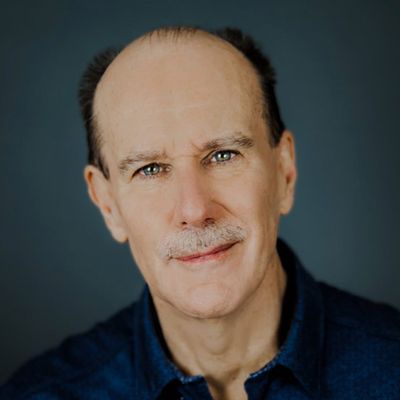
Also a friend and mentor to Josh, Craig Carnelia is one of the greatest acting teachers of all time. He's an author, composter, lyricist, has received the Johnny Mercer Award, "Emerging American Songwriter", the first annual Gilman and Gonzalez-Falla Musical Theater Award, and the Kleban Award... Read More
From the show: Josh Swallows Broadway
Guests

About
Also a friend and mentor to Josh, Craig Carnelia is one of the greatest acting teachers of all time. He's an author, composter, lyricist, has received the Johnny Mercer Award, "Emerging American Songwriter", the first annual Gilman and Gonzalez-Falla Musical Theater Award, and the Kleban Award. He also is a mentor to young writers through the ASCAP Musical Theatre Workshop, the Dramatists Guild Musical Theatre Fellowship and the Eugene O’Neill Musical Theatre Conference.
His book, The Reason to Sing: A Guide to Acting While Singing, is like actually taking one of his classes and can be one of the greatest resources anyone has for their acting career.
Our special "guest caller" this episode is one of his students, Sutton Foster. We also hear from other past students such as Annaleigh Ashford, Brandon Lawrence Pearson, Andrew Samonsky, Hayley Podschun, Devon Goffman, Noah Zachary, and even his amazingly talented wife Lisa Brescia.
Produced by Alan Seales and Elizabeth Wheless.
A proud member of the Broadway Podcast Network.
Transcript
This transcript was automatically generated and might contain errors.
[0:00] Josh Lamon: Hi, everybody, welcome back to Josh Swallows Broadway. Can you believe it? It's the season finale of season two. I'm here, of course, as always, with my incredible producers Alan Seales and Elizabeth Wheless. Hello! Hello! Thank you so much for all that you do for the show. Today's a very special episode. We have my friend, mentor, colleague, the man who taught me everything about performing and acting and so many others. Craig Carnelia is on the show. Um, he wrote Songs for Working. He wrote Is There Life After High School. He has a new show coming out called Poster Boy, um, Imaginary Friends, many others. He's remarkable, and he has a new book called The Reason to Sing: A Guide to Acting While Singing, which is essentially like taking his very, very famous class.
But before we get into that, as it's our season finale, um, I really would like to thank a few people who really helped the season. First of all, everybody on Patreon, thank you, but especially Tim Black, Jeff Newman, and David Rimmer. Um, y'all have been so generous that you made season two happen. And we are looking forward to a season three. That's the good news. We're gonna keep the Patreon going because that will help us get the show going. Um, so thank you for your donations. That means more Zoom parties, more fun. We're gonna be taking a look at the Patreon, taking away some certain things just to make it better for everybody. And so if you're interested in joining and creating season three for us, that's Patreon.com slash Josh Swallows Broadway.
Alan, Elizabeth, I couldn't do anything without you both. Thank you so much. And thanking about anything goes, because it's Josh Swallows Broadway. Stay tuned because we surprise Craig with a very special fan call. I'm not gonna give anything away, but her name, her nime, her nime rhymes with button poster. Why? And going into the episode, you will hear Craig singing his song Flight, which might be one of the most famous audition songs, I think, on the planet. And to hear him sing it with his power, it is remarkable. So thank you for giving us season two. Thank you for listening. Thank you for subscribing, telling your friends. Thank you for supporting the Broadway Podcast Network. And here we go, Josh Swallows Broadway season finale.
[2:55] ♪ Musical number: "Flight" — performed by Craig Carnelia ♪
[4:10] Josh Lamon: Listen to that applause. Okay, that was the incredible Craig Carnelia, who I told you about in the intro, singing his song Flight, which um is a song that I think means the world to most anyone who has ever heard it or sung it. Um, it was my first audition song when I came to New York. Ladies and gentlemen, the incredible composer, teacher, writer, lyricist, genius, Craig Carnelia. Welcome to the show, my friend.
[4:38] Craig Carnelia: Thank you, Josh. It is so great to see you.
[4:43] Josh Lamon: It’s so wonderful to see you. And also, like, I love that clip because there's something about you when you do your material that is so raw, and it reminds me why I ever moved to New York to want to be a performer. I'll never forget being in your class when I sang that song, and you accompanied me on the piano. It was out of another world. And um, now, dear listeners, Craig has been the go-to teacher for musical theater, in my opinion, um, for the past like over 20 years with some incredible students on your roster. And now you have this incredible new book that I'm obsessed with called The Reason to Sing. A guide to acting while singing, which was brilliant. Congratulations on your new book.
[5:50] Craig Carnelia: Thank you, Josh. I'm really proud of it.
[5:52] Josh Lamon: What inspired you to write it?
[5:55] Craig Carnelia: I knew for the last 10 years that I wanted to write it, but as you know, um I stopped teaching my New York classes in 2017 to move to Missouri to be with my wife. She had just gotten a uh a position here as a professor in acting at uh Missouri State University. And um since I had wanted to close down my classes so that I could just be a writer, doing the two things at once uh while they feed each other. Uh the actually the administrating of the classwork is um was so demanding that um it was hard to find time to um to uh to do all the writing I wanted to do. And so I didn't have time to write the book. I also uh I didn't know everything I uh obviously to myself needed to know in order to be able to write the book.
I mean, I learned a lot in class over the years with you guys. Um it actually was twenty-five years exactly uh when I taught those classes, and um uh I wanted the book to to put down in book form what what you would get if you'd taken class with me for say a year. Uh I wanted it to be a class, a long class, that that and uh and I wanted the tone of it to be as if I were speaking to the student specifically, to the reader. Um and to uh I've kept the the book brief, it's uh 200 pages. Uh it could have been twice that, it could have been three times that. I kept it brief because I found as I was writing that I I I'm a lyricist, as you know, and a a big part of our trade, the lyric writing trade is concision, and to say something explosive or meaningful or useful or beautiful or funny, uh in a a short number of words. Um uh something I'm actually not accomplishing in this answer.
[8:07] Craig Carnelia: Um so the the book has a s has a succinct almost lyric writing quality to it in that it it expresses its ideas um succinctly.
[8:20] Josh Lamon: It's remarkable. I've been doing a lot of teaching over the past year, and you know, before I do any sort of teaching, I always think back to our time in class and to the individuals that you helped, and also like the permission to just be. That's so much of the work has already been done. An example, you go through a number of songs in your book that um one specifically I I have a few examples is the incredible song What is it about her from Lippa's Wild Party, which is a phenomenal song, but also maybe one of the most popular audition songs that I know of. Um but uh, and I might misquote you a little bit, but um you say in the book that the music is so persuasive, it'll coax the actor into playing ferocious or gritty, which is so true. I've seen many productions, and as talented as the performer is, it almost becomes an act of lunacy and jumping around the stage and you know, trying to become a beast, where you talk about the build of the song.
[9:43] Josh Lamon: Um, one thing that I that I love that you wrote was the character of Burr is most likely a full-blown addict who seems to enjoy the pain of his addiction, but most of us have not walked that path. So, what we can do as performers is lean on our own experience with an obsessive relationship. An example, you wrote um, you know, that that ex that you text over and over again after you break up, and taking those sorts of experiences and leaning it into the song, as you also say the song itself is ferocious and gritty and already has a build, all work done by the writer. So, where do we as the performer come in and put our own twist or take on the song, put our own truth into the material. If that makes any sense?
[10:42] Craig Carnelia: Yeah, absolutely. I chose the song, it's actually the first song I refer to in the book. Andrew's a dear friend, and actually had had loaned me a place on the lake to start the project. So I was I was uh at his house for for two weeks by myself in the middle of winter. Uh it was fantastic. There was nothing to do but but look at the lake and eat and um and write and think. And it was uh so for that reason and for the for the for the reason you said uh which I'll get to in a moment, I chose to start with this song. The the the thing that you talked about first was that the music is so persuasive that it coaxes the actor into playing the tone of the music. But as you read throughout the book and as you see through vast experience in musical theater, most songs have a tone that may or may not have to do with the action of the song.
And we are very, very often drawn into that tone, and uh are mistakenly in belief that we're we're supposed to perform that tone or to match it. And really that will be there, that tone, whether we um perform it or not. In fact, it'll be there better if we play action.
[12:16] Craig Carnelia: And what I was saying about the difference between the singer's life and and the character's life is that the the the it's it's it's very likely that the singer has not experienced uh all of life and all of insanity all of the insanity and self-destruction that Burr has experienced in particular because this song is a favorite of young men so you'll you'll often see an 18 year old or a 20 year old or 22 year old singing this song and not to um uh in any way make less of what an 18 year old or a 20 year old or 22 year old experiences um I for one was was far darker when I was 18 than I am now in terms of my spirit and how I was experiencing life but we when we're young and we're we're we're taking on this this adult song that also travels in a uh in a world that we don't know or haven't lived we think we're supposed to put something on kind of like like putting on a costume piece uh pretending to be um something we're not and and paradoxically when an 18 year old boy tries to act like a crazed addict uh singing a passionate song about about about uh self-destruction and love he will end up looking like a child pretending to be an adult whereas if it if that 18 year old boy sings about his own obsession with somebody.
[14:04] Craig Carnelia: Um my brother, for instance. Odd, he would come up here. My my brother had a uh what do they call? Those those books, black books that you write in. Well, they're called um writing something. They're they're old-fashioned. A black book bound that you write in, and it's got these like white varicose veins on the cover. Okay, composition book. That's what it's called. Anyhow, my brother had one of those, and he had drilled a hole in it, so he could put a padlock in the book so you couldn't see what was inside, and only he could open the lock.
[14:42] Craig Carnelia: And the look book was a love-hate book. And every I think every week, he would put who he loved and who he hated. And there was a whole period of a year when Warner Brothers was at the top of the hate list. And the reason for the hate was that the actor Ed Burns had been taken off, or rather, had not been re-signed for the show 77 Sunset Strip. And Jimmy had loved being alone in the room watching Ed Burns on 77 Sunset Strip. That is every bit as insane as anything Burns has ever done. It's insane. He wasn't even 18, he was 14, 15 when he wrote that that is that is burrs that is that that or rather, that obsession is what the song's about. So if you were to play action, if he were to sing that song at 14 and play action, the action being what is it about it burns I want to figure out why why this is so important why this is why this is tearing me up why I have to put Warner Brothers at the top of the hate list every week what what what be and the notion is that the the misbelief that the the the the the actor the character has is if I can figure this out I won't be in pain about it now that's not true but that doesn't matter because the character thinks it's true or he wouldn't be singing the song he would be just singing I am driven crazy by this person.
[16:46] Josh Lamon: Mm-hmm yeah no I mean this morning I was taking a look through your book again and sort of just like putting myself in the shoes of the students in a way like what would I be doing in this moment and you know like I'm going through a bit of a not a friendship breakup but it could be that but for whatever reason I can't stop thinking about it and I want to fix it but I can't and so when I was thinking about what it is what is it about her like it made me upset it it made me angry it made me want to cry it made me want to do all these things that Burrs talks about in the song but the beauty, you know, is when you can take truth, you don't have to pretend.
[16:46] Craig Carnelia: You don't have to create some quality, like performers spend a great deal of time trying to be who they think the person in the room wants them to be.
[17:48] Josh Lamon: Absolutely.
[17:50] Craig Carnelia: And the person in the room wants them to be thrilling, wants them to be intoxicating, wants them to be so special that all the other pictures and resumes get pushed to the side for that role.
[18:04] Josh Lamon: Yeah.
[18:04] Craig Carnelia: And then that the people behind the table can be comfortable knowing they've filled that role.
[18:10] Josh Lamon: Absolutely.
[18:11] Craig Carnelia: That's what they want. They don't want you to pretend to be what they think they want.
[18:19] Josh Lamon: And there's no way for you to know what they think they want.
[18:23] Craig Carnelia: I'm stressing the word think because it's not what they want. It's what they think they want. And you couldn't possibly know what that is, because any effort they make to express what that is, is so confusing and clumsy, or uh prescriptive, like uh must be six feet tall.
[18:48] Josh Lamon: Well, I tell you, if somebody five nine comes in and they are brilliant, they will change that idea even.
[18:54] Craig Carnelia: And that would seem to be non-negotiable. Nothing's non-negotiable. You need to go in the room and set it on fire with just how present you are.
[19:04] Josh Lamon: Yeah.
[19:05] Josh Lamon: Yeah, I mean, I even got worked up just talking to you about it, being like, I'm ready to go into Ripley Greer and saying, what is it about her right now? Where are you at, Telsey?
[19:16] Craig Carnelia: Um is that where we met?
[19:19] Josh Lamon: We met at uh Ripley Greer, and we met. I was in, I'm I mean, I'm pretty sure we've talked about this stuff. I was in a very abusive relationship working as a phone sex operator in Philadelphia. And I got my first equity job, which was Jekyll and Hyde, starring Andy Carl and your student Lynette Knapp. And Lynette was one of the sweetest, kindest people in the world. We shared a train up to New York because I was going to some horrific open call. And um I just asked if I could pick her brain and say, like, I'm really scared of moving to New York. I don't know what to do, I don't think I'm good enough. And she literally was like, okay, and took out a piece of paper and wrote down your name and number and said, call Craig. And I was, you know, terrified, starstruck being like, call Craig Carnelia. Like, all I am is just Josh Layman. You know.
[20:28] Josh Lamon: Um, but we met at Ripley Rear, we sang through my book, you looked at my resume, and I forget exactly what you said, but it was something like, okay, you're exactly where you need to be right now. And um, as soon as a spot in class opened up, I jumped at it, and it became my first group of friends that I ever had in New York. It was me, um Katie Diamond. Um, she had a different last name then, but I remember watching you coach her for her final callbacks for Pirate Queen.
[21:08] Craig Carnelia: Oh, yes.
[21:09] Josh Lamon: And oh my gosh. It was just like, this is your job. And sure enough, she booked it right after that.
[21:17] Craig Carnelia: Oh, that's great.
[21:19] Josh Lamon: Um and also being in a class with everyone from people like me, you know, at the time with a couple Philadelphia credits, but not much, to, you know, I wasn't in class with her, but you know, Sutton Foster or Aaron Tveit, you know, all the names that you think of and sort of like makes you shrivel when you first move to New York because you feel like you're not good enough.
[21:46] Craig Carnelia: Well, at the time that you moved to New York, Aaron was probably uh in junior high. And um and when he started with me, uh he was really just a a boy becoming a man and uh brilliantly talented. And you know, I have uh I have I uh with with many of my students like yourself who uh who have become successful and done so much good work and so much work that people know. I'm I always think back to the job they didn't get before they started getting good jobs, and how how passionate and and the disappointment is was so palpable. Um Josh um uh uh Aaron didn't get the Prince in uh in Little Mermaid. He came in second and uh to actually another student from a different class, but um he um he came in second and he thought he he thought that was his job, and it could have been uh had they done a different a different kind of casting um uh and very shortly thereafter uh he took off um you know starting with next to normal but um no I remember that happening with Brandon Uranowitz as well the the a show based on the film diner was around for years and every time they do a workshop they'd call him for the Paul Reiser role and they'd have him audition again because they never were quite satisfied with him and they'd bring him in and they'd sing okay all right we'll do this workshop with you or this production then something happened where they they moved on to another actor and he thought that's it that's it it's all over and uh you know a minute later he's he's uh Brandon Uranowitz yeah um you know it it it's it's so another way that that could have gone in any in either of those cases and I've seen it happen is that people stop in Aaron's case and Brandon's case they knew enough about themselves they that they they just knew I have to keep doing this but very very often you you've seen it you you have friends uh I uh who just say I can't I can't I can't I can't do this I had a student come to me um I won't say her name because the the first story is is is derogatory about her she came to me when she had just been fired as the as the swing in wicked on the road.
The cast her she got there. They said, Oh, you you you you can't no, no. And they fired her. So back from San Diego or wherever the hell they were that week. It's in New York. And in that frail, vulnerable condition. She washed up in class. You know, here I am, half alive, wondering what I should do. And um she she cured herself and she just kept going, you know. And she she's actually been nominated for Tony Awards. She's phenomenal.
[25:10] Josh Lamon: I joined Wicked right in the city after that happened.
[25:15] Craig Carnelia: Oh, you knew about that then.
[25:17] Josh Lamon: Oh yes. And it should have been my first clue that maybe it wasn't going to be the safest of work environments.
[25:28] Craig Carnelia: Right.
[25:29] Josh Lamon: Um, but I remember on my break, uh, I had a layoff during the run where I went to go see her starring in a Broadway show.
[25:39] Craig Carnelia: Yes, of course.
[25:41] Josh Lamon: And it was after you know, months of being with Wicked at that point, and I was like, Oh, fuck you, Wicked, look at her now. Um, you know, but it's true, even especially today. I think all performers right now are feeling a bit of that moment of when like Rose in Act Two of Gypsy says, I had another dream, you'll like this one. The cow came up and said, Move over, Rose. You know, where it's hard to keep going, but you gave us permission in class to mourn it and move on and to build.
[26:23] Craig Carnelia: Um, I mean, I'm still friends with everybody that I took class with, whether I took class with them for a week or a year.
[26:31] Craig Carnelia: Well, you know that that was one of the the surprises and ultimately one of the hidden talents uh of putting together my classes. I had a an instant detector, I have an instant detector for people who are not going to be supportive of each other. And I just I I I when I'd audition people one-on-one in a room, I would very often write the word no before they open their mouths simply because of behavior. Um and you know, it's possible they would then contradict that behavior in the next 10 minutes, but not not not often. And sometimes just seeing how someone would interact with someone out in the waiting room before the audition, I would know that I wouldn't want to have them in class because let's say you were up there performing in front of those eight or nine classmates for 25 minutes, you're getting um you're getting um uh an energy from those people, and uh if part of that energy is I couldn't care about his session because only my session matters, or worse, I hope he fails because if he fails, it makes me feel better about myself. Which is you know, those aren't um attractive things, but our our our our our business seems to breed those kind of things, you know?
[28:08] Josh Lamon: I mean it it it it it invites them or one has to invite the other because um you have to you have to stay a human being um and and not think that if someone gets apart that means you'll never get apart yeah you know it it's um and our as I say the business the business breeds it yeah it does um and it was that support that I think allowed people to open themselves yeah um and I mean going back to your incredible book one one section that really got to me I think because we worked on it in class was performing the song how glory goes from the beautiful floyd collins and I was having I had such a block because I'm not religious I didn't know how to ask god what anything was especially at the time I think I had a resentment towards god yes but I did lose a very very dear friend of mine um jorge maldonado way way too young and being able to use that and to sing to him and ask genuinely ask him what is it like when we're gone and after that i I immediately was like, oh, this belongs in my book.
[29:50] Craig Carnelia: Oh, that's great. That is one of the ways to come at that song. It's interesting when you were talking just now, um, before you started talking about singing to the friend who had died, you said uh you didn't believe in God, and then you said you had a resentment toward God. Uh and isn't that a wonderful contradiction? Mm-hmm. So I'm not suggesting uh we should all believe in a higher power. Um it was a long time before I ever believed in such a thing. Uh I don't believe in a God. I do believe in uh in something that's bigger than us. Not that it necessarily is watching over us, um, but something that's bigger than us. I I I can't be in a in a thunderstorm uh without believing there's something bigger than us.
Uh you know, we're we're tiny. But um back to the song, that um contradiction of I don't believe in a higher power, and I have a resentment toward whatever higher power there is, that confusion um uh that contradiction and that resentment, um imagine if you were to sing the song to that not believing, to the not the thing you don't believe in, the thing you don't believe in that you also have a resentment toward. Um, and ask because there's nowhere else to go, um, when we go, when we find any kind of a higher power, or when we find that we want to believe in something, it's because there's nothing else. And that's indeed where this boy is. Um, and even though you're not singing the song in the context of the play, um, you are in a situation where you've been brought to your knees by circumstance and you have nowhere else to look.
Um you you seem it uh changing subjects, you seem that you may not mention uh how else we've worked together, but I I want to mention to your uh to your listeners and watchers to your audience that uh Josh and I also have done uh uh a musical together. Josh is uh uh playing a very important role in uh a new show of mine called Poster Boy, which is um was scheduled to go into rehearsal uh at the public theater in January of 2. And uh, of course, no one went into rehearsal January of 21. So we're not currently on the schedule, but we are in the plans at the public theater. Anyhow, Josh plays a beautiful role. Uh we've done a number of workshops um together, and he plays a just a brilliant character and sings gloriously in the show, has two songs that are pretty much his, and um there's nobody like Josh Lamon. Uh just uh you you took ownership of that of that role, and um what a was this for me to work with uh a student uh in a production of something I've written.
[32:53] Craig Carnelia: Uh there are there are there are two former students in that uh I say former because I worked with then a couple of the cast members uh in after I've worked with them in a workshop, I've worked with them in class. But uh you and and uh Noah Zachary uh had been longtime students and uh both have roles in this show, and uh what a joy it is. It's it's not that there's a shorthand between us. Uh I mean, I am not the director, I'm the composer lyricist, but there is a um a way of working that uh my writing tends to uh embrace um or my writing tends to ask for and that's the way of working that we work in the class you know yeah um oh I'm crying uh poster boy I think is one of the most special shows I've ever worked on um I can't wait for people to see it and working on it with you we got to do this incredible retreat out in Martha's vineyard and work on the show up there living in some artist compound it's astounding wasn't it it was it was amazing you woke up in a beautiful environment and you went to work and um it was so special it's it's it's it's still uh it was a couple years ago now it was still it's still my favorite artistic experience I've had same even our um we we did like a little zoom workshop at the I want to say like towards the beginning of the pandemic where it was just go ahead no what you were gonna say is better go ahead oh I mean it was just thrilling to connect like that especially regarding what the show's about and um I'll I'll never forget any of it.
[35:02] Josh Lamon: And also to be able to communicate with you how I feel about a role and what you're writing and and how we combine it together. You became not just like, you know, a friend, a teacher, a mentor, but also like a colleague.
[35:20] Craig Carnelia: Yeah.
[35:21] Josh Lamon: Which is something that I never dreamed would really happen.
[35:25] Craig Carnelia: Thank you. And I think so many of us feel that way. In fact, Alan. Speaking of past students, do you have a little something that we can show?
[35:41] Andrew Samonsky: Hi, Craig, Andrew Samonsky here.
[35:44] Devon Goffman: Hey Craig.
[35:45] Unknown speaker: Hi.
[35:48] Morgan James: I'm Morgan James.
[35:50] Annaleigh Ashford: Hi, it's Annaleigh.
[35:52] Brandon Lawrence Pearson: Hey, Craig, it's Brandon Lawrence Pearson.
[35:54] Hayley Podschun: Hey Craig, it's Hayley Podschun.
[35:57] Unknown speaker: A quote. It's like he saw inside of me where I belong, what I could be, and in the flashing of the neon, I could swear that he could see what's really there.
[36:10] Unknown speaker: That's what it was like to be in your class.
[36:13] Unknown speaker: I was thinking about why you're the most important teacher that I've ever had, and I think it's because you were able to show that what I thought was so shameful and so scary and so messy about myself was in fact so beautiful and so important to share.
[36:31] Unknown speaker: You've taught me more than any human being I've ever met in my life.
[36:35] Unknown speaker: Formative years, I look back and I think Craig Carnelia taught me how to act.
[36:39] Unknown speaker: It was a time when I really, really desperately wanted to be seen and understood.
[36:44] Unknown speaker: And Craig got me.
[36:46] Unknown speaker: He just kind of saw me and um would assure me in his very Carnelia way that I was gonna be okay, that I was gonna make it, that somebody was gonna figure me out.
[36:56] Unknown speaker: I spent many a magical day with Josh in your special class learning how to be a better actor, but more than that, learning how to be a better human.
[37:05] Unknown speaker: You always said this, and it sticks with me. Don't just make faces.
[37:09] Unknown speaker: Anybody can just make faces.
[37:12] Unknown speaker: But go deep.
[37:15] Unknown speaker: Find the truth, use your life experience, and create your honest, truthful reality.
[37:22] Unknown speaker: Thank you so much for being the amazing teacher that you are and were.
[37:27] Unknown speaker: I'm so thankful I got to be a part of your class.
[37:29] Unknown speaker: Congratulations again.
[37:30] Unknown speaker: All right, I love you guys. Hope you're great.
[37:32] Unknown speaker: I miss you, Craig.
[37:33] Unknown speaker: Thank you for all you've taught me and all you do.
[37:36] Unknown speaker: I love you, and thank you.
[37:38] Unknown speaker: I miss you so much, Craig.
[37:40] Unknown speaker: Bring back class!
[37:41] Unknown speaker: Bring back the class.
[37:50] Craig Carnelia: That is so beautiful. Thank you. We love you so much. And my favorite thing, you know, that of course, beloved Noah Zachary, you're saying, bring back the class.
[38:02] Craig Carnelia: And then he goes away.
[38:06] Craig Carnelia: Oh, that's so beautiful. But what I love is like you did bring back the class with your book.
[38:12] Craig Carnelia: Wow. You have. It's remarkable. You know, that section. I remember being in class when Andrew Samonsky um got the role of Lieutenant Cable, and you worked on Younger than Springtime.
[38:27] Craig Carnelia: Um what what you wrote in the book is incredible, but I'd love to hear your take now that I just brought it up.
[38:37] Craig Carnelia: Well, we Younger than Springtime. Very much like like um uh what is it about her, uh invites a tone, but even more because it was written in the day when people sometimes performed a tone.
[38:55] Craig Carnelia: Uh and and in the case of Lieutenant Cable singing Younger than Springtime, the the tone is handsome young man with his shirt off singing beautifully to a beautiful young woman.
[39:08] Craig Carnelia: Uh which is it's nothing. It's absolutely nothing. And it then we're simply left with the sound and the picture.
[39:17] Craig Carnelia: The sound being a beautiful song, and the picture being an attractive couple.
[39:25] Craig Carnelia: And that's not what Lieutenant Cable is doing. What you know, Andrew Samonsky, who is every inch a leading man, uh handsome uh well, he played the role, you know, a guy who who can actually take his shirt off on stage and and you think, wow, that's a great looking man.
[39:46] Craig Carnelia: Um he spoke, Andrew, just now about those things in himself that that he thought were, I think he used the word shameful.
[39:55] Craig Carnelia: Well, that's what Lieutenant Cable is. He grew up in the same world that Andrew Samonsky grew up in, where men are told not to be to to be shown wanting anything, not to be shown as vulnerable, not to be shown as soft.
[40:11] Craig Carnelia: Soft is is is is is the worst thing you can be. And through years and years of training, Lieutenant Cable, and then through years of defense of of of how he wards off whatever um horrors he sees in war, he he has become separated from anything he feels.
[40:31] Craig Carnelia: And what Leot does, the young woman in the scene, what happens with her is that through being with her, through making love to her, he feels in in Hammerstein's words, being here with you has made me myself feeling younger than springtime.
[40:53] Craig Carnelia: And what he means is you have revived me, you have restored me, you have saved me.
[41:01] Craig Carnelia: So what he's saying to her, I've written only a couple of love songs specifically for uh people. I've written two for my wife, and uh I wrote one for another woman back a bunch of time ago, back around the time that video of flight came around, uh, which was my early 40s.
[41:22] Craig Carnelia: Um and being a writer and writing, having written quite a number of love songs, a bunch of them in uh Sweet Smell Success, we know going in that writing when writing a love song, you are going to fail.
[41:35] Craig Carnelia: And the reason you're going to fail is that the thing being spoken of is so indefinable and so important to you that nothing you possibly can do can live up to the feeling.
[41:46] Craig Carnelia: You can't take the feeling out and hand it to the person. So you are trying to express it.
[41:51] Craig Carnelia: And if you look at Younger than Springtime, that's what he's doing.
[41:56] Craig Carnelia: He's trying, trying to express that she has saved him, that he loves her, that she has transformed him.
[42:09] Craig Carnelia: And it doesn't need to successfully do that.
[42:16] Craig Carnelia: It is the attempt that is beautiful.
[42:19] Craig Carnelia: And the attempt is the action.
[42:23] Craig Carnelia: The attempt is the action in the song you were talking about, Adam Gettel's song, um uh uh um how glory goes, the attempt to contact a higher power, the attempt to contact your dead friend, and to get an answer.
[42:38] Craig Carnelia: That's an attempt, and it's an almost impossible one.
[42:41] Craig Carnelia: The chances of actually getting an answer.
[42:43] Craig Carnelia: I mean, if you've ever tried something like that, uh a real prayer.
[42:48] Craig Carnelia: I'm I'm asking you for an answer.
[42:50] Craig Carnelia: I'm asking, what do I do?
[42:52] Craig Carnelia: Well, you may have an understanding of your situation three days later, but you're not gonna have a something chiseled on stone.
[43:02] Craig Carnelia: It's going to be soft, it's going to be something within you that then is changed.
[43:08] Craig Carnelia: Um if you seeing Andrew just now, I I have certain students where I that the way in which they were acting, and then the way they understood and became the actors they became, taught me so much in what's possible, and in in in in the bargain, taught them how to become frankly more fully themselves, more fully, more fully a person.
[43:41] Craig Carnelia: So Andrew may play any number of characters. I've I actually worked on dozens of characters with him, but they're always derived from Andrew, and they're always more colorful than they would have been had he not used Andrew.
[44:06] Josh Lamon: Welcome back, everybody, to Josh Swallows Broadway.
[44:10] Josh Lamon: I really hope you enjoyed the commercials. Um, but now it's my favorite point of the call where we get a fan call um from somebody anywhere around the world.
[44:20] Josh Lamon: This fan is currently in the UK, in London. And um they have a special question for us. They don't know who they're talking to.
[44:30] Josh Lamon: This is always fun. All right, Alan, Elizabeth, bring in the fan call.
[44:47] Craig Carnelia: Craig, hi.
[44:48] Sutton Foster: Oh, hi, Sutton.
[44:52] Craig Carnelia: I I I um I didn't know about this.
[44:57] Sutton Foster: Well, I'm your biggest fan. So it's it's only appropriate that that I am here. And I um I I you know you are um you are the the best teacher I've ever had, and one of the most incredible songwriters I've I've ever known.
[45:16] Sutton Foster: And um and now I'm like, I have to ask you a question. I have to ask you a burning question.
[45:21] Sutton Foster: I'll let you think about your question. Um I I'm writing a show with John Wideman, and he told me recently that uh he's so lucky to have you uh reprieve your brilliant role of Reno Sweeney in Anything Goes. Is that what you're doing right now?
[45:37] Craig Carnelia: Yeah, we start rehearsals tomorrow.
[45:41] Sutton Foster: So you are so great on that show, and uh I'm glad they were able to get you.
[45:47] Craig Carnelia: It all happened very last minute.
[45:50] Craig Carnelia: Um I yeah, I'm still I'm still sort of processing the fact that uh we start rehearsals and but I'm I'm excited.
[45:59] Craig Carnelia: I'm excited to to dive back in.
[46:02] Sutton Foster: Um you have your family with you.
[46:04] Craig Carnelia: Yes.
[46:05] Sutton Foster: You missed them.
[46:06] Craig Carnelia: My daughter was having a meltdown about couscous and chicken.
[46:10] Craig Carnelia: Um the reason I was late was because I was in the middle of dinner and I was so proud of myself for like making dinner and like roasting the broccoli and like, and then I look at my phone and I'm like, shit.
[46:23] Craig Carnelia: I was like so proud of myself for like not looking at my phone and like focusing on dinner, and then I just was knowing Joshua's podcast, I would say we would have loved to have seen the cooking and certainly the meltdown.
[46:38] Craig Carnelia: And and she wouldn't she wouldn't be the first one to melt down, probably on uh Josh Swallows Broadway.
[46:44] Josh Lamon: It probably happens every episode.
[46:45] Craig Carnelia: Every episode.
[46:46] Josh Lamon: I'm a monster.
[46:48] Craig Carnelia: It just showed that Sutton's the best mommy in the world.
[46:52] Sutton Foster: Oh, you are. I'm sure what a lucky kid.
[46:54] Craig Carnelia: She was like, I did want the chicken, I just wanted the okay, you can have the couscous.
[47:03] Sutton Foster: Fabulous.
[47:04] Craig Carnelia: That is fabulous.
[47:05] Craig Carnelia: And and you know why?
[47:06] Craig Carnelia: She's passionate like you.
[47:09] Craig Carnelia: And uh what we know, uh though we artistic types, uh, that maybe our parents didn't know is that this is wonderful.
[47:17] Craig Carnelia: They're they're they they are passionate about the food, you know, and that means they'll be passionate about life, and that that's great.
[47:25] Craig Carnelia: And we'll we we not only accept that, we embrace it.
[47:29] Craig Carnelia: I mean, my daughter, who you know, Daisy, who's now 25, um I I never minded when she was doing that stuff.
[47:38] Craig Carnelia: I mean, I'm as a father, it was inconvenient.
[47:41] Craig Carnelia: As a as a traveler of the planet, I'm thrilled that my daughter felt comfortable uh being an idiot and making a fuss and being so dramatic and meaning it.
[47:58] Craig Carnelia: I mean, it's it's the whole key to everything, and uh it's what you do so brilliantly, by the way.
[48:05] Sutton Foster: She's um we are introducing her to uh movie musicals, and she's currently on an Oliver, an Oliver kick and a Hello Dolly and West Side Story, and um there's another one too, but she she goes around, and Oliver's perfect because we're in London, and now she's walking around the house going, I do everything.
[48:32] Craig Carnelia: I'm like, oh gosh, oh that's wonderful.
[48:39] Craig Carnelia: When I was a kid, I was obsessed with a little shop of horrors movie, but I would repeat all the lines, and Mr. Mushnick had a line that was like, There's bums on the sidewalk.
[48:48] Craig Carnelia: My life is a living hell.
[48:50] Craig Carnelia: And so whenever my like teachers would be like, Hi, Joshy, how are you?
[48:55] Josh Lamon: It'd be like, My life is a living hell.
[48:58] Craig Carnelia: Oh, thinking that I was being clever, and my parents were like, You can't say that.
[48:58] Craig Carnelia: You can't.
[49:07] Sutton Foster: Cred.
[49:09] Craig Carnelia: Yes.
[49:13] Craig Carnelia: When you're working with a new student or someone who is might have, shall we say, a lot of energy and volume, but maybe doesn't really fully understand how she uh or the or they interpret um lyrics or words or real real meaning of a song, but but have sort of a raw a raw talent.
[49:49] Craig Carnelia: How how do you um what is your way in the first way in would be to find out who the student is and how they connect to that song.
[50:04] Craig Carnelia: Once having done that, you take away the things they think are their strength.
[50:11] Craig Carnelia: You ask them to whisper and to stand perfectly still, and if the song means something to them, they will be surprised by how much they feel, and they will have an experience of feeling that while singing that material, however, however quietly by whispering, I don't mean singing softly and beautifully, I mean singing softly with just the barest amount of voice.
[50:42] Craig Carnelia: Because what will happen is that instead of the voice, since they've been robbed of it, they will use their heart.
[50:51] Sutton Foster: Oh my god, I want to start whispering everything.
[50:58] Craig Carnelia: Sutton'll come out.
[51:02] Josh Lamon: Good question, Sutton.
[51:04] Josh Lamon: That's the best fan question we've ever had.
[51:07] Josh Lamon: No offense, other fans.
[51:09] Josh Lamon: But look at the quality of the fan.
[51:11] Josh Lamon: I mean, we are fans of our fan.
[51:14] Josh Lamon: It's amazing.
[51:15] Josh Lamon: It's um it's a dream come true.
[51:17] Craig Carnelia: Sutton, like when I first started class, knowing that you were a student, like me, you know, I I felt so empty and so lost in New York, and so like, you know, Craig and I were talking earlier of like who could ever learn to love a beast.
[51:34] Craig Carnelia: You know, and but also knowing like Sutton takes classes.
[51:43] Craig Carnelia: And oh PS, guess who saw you as Sandy in Greece and Las Vegas?
[51:50] Sutton Foster: Really?
[51:51] Craig Carnelia: Yeah, you were on the national tour, and it was the funniest, most brilliant performance.
[51:57] Sutton Foster: Oh bad.
[51:58] Craig Carnelia: I remember it to this day.
[52:01] Craig Carnelia: And I think it was David Josephberg that was like, Yeah, you know it was Sandy, right?
[52:07] Craig Carnelia: And um I died.
[52:10] Sutton Foster: Oh, that's very funny.
[52:12] Sutton Foster: Gosh, that was a long time ago.
[52:13] Craig Carnelia: Yeah.
[52:14] Craig Carnelia: Yeah, but I saw it at the Aladdin Hotel.
[52:16] Craig Carnelia: She was amazing.
[52:17] Craig Carnelia: It was like Olivia Newton John meets Sutton, meets Lucy O'Ball meets everything, and it was so it was the first time that like Sandy was like a real human.
[52:29] Craig Carnelia: Um, you know, like a real teenager in love.
[52:34] Sutton Foster: Absolutely.
[52:36] Craig Carnelia: And what you get from Sutton is you get this brilliant, beautiful, confident woman who at some time lived the life of someone who was insecure and maybe klutzy.
[52:54] Craig Carnelia: And who, but what's great about that is people who always knew they were beautiful don't have the experience of having lived under a rock.
[53:07] Craig Carnelia: Those of us who've lived under rocks, we lift the rock and we come out.
[53:11] Craig Carnelia: I mean, we may look like shit having been under the rock, but we're gonna be fucking interesting, are we not?
[53:17] Sutton Foster: Yes.
[53:19] Craig Carnelia: When you came back to class between uh Millie and uh Little Women, I um you had not been in this particular class for a while.
[53:29] Craig Carnelia: And I said to the it was the Monday afternoon, and I said to the to the students one week, oh, next week um we're going to be having a new student back in class, and uh it's Sutton Foster.
[53:40] Craig Carnelia: And one of them said to the other one, said to another one in the front row, well, wait a minute, wait a minute.
[53:46] Craig Carnelia: Sutton Foster is going to be in this class.
[53:48] Josh Lamon: And Josh also alluded to it because he he said, You kept studying.
[54:00] Craig Carnelia: Everybody who's good.
[54:02] Craig Carnelia: Um, I mean, when you're doing a show, you probably never miss a voice lesson, which by the way, my classes weren't.
[54:09] Craig Carnelia: That's something else, vocal training.
[54:11] Craig Carnelia: People continue to study.
[54:14] Craig Carnelia: We continue to have our ourselves uh challenged to become even better.
[54:20] Craig Carnelia: Plus, one of the mysteries of doing eight shows a week is not that those of you who are great ever do it by rote, ever.
[54:30] Craig Carnelia: But you are essentially using the same muscles every night.
[54:34] Craig Carnelia: And you have all of these other muscles.
[54:37] Craig Carnelia: And unless you work them out, they're not going to be ready for you.
[54:41] Craig Carnelia: You know?
[54:41] Craig Carnelia: I mean, at your level, Sutton, you're going to get your next job by an offer.
[54:46] Craig Carnelia: But most people are going to have to go in and audition.
[54:50] Craig Carnelia: And if they've been just doing one thing for two years, however rambunctious and expensive that one thing might be, they haven't been doing that other thing.
[54:59] Craig Carnelia: And uh so, yes, people keep studying.
[55:03] Craig Carnelia: I'm I.
[55:05] Craig Carnelia: On the other hand, as your teacher, as Aaron Tveit’s teacher, uh, as Annaleigh Ashford's teacher, I'm all I was always surprised when I'd get a phone call.
[55:16] Craig Carnelia: Yes, we used to use the phone.
[55:18] Craig Carnelia: Um, and I was always surprised to hear from one of you that you wanted to come back to class.
[55:24] Craig Carnelia: Uh, it was it was it was such a great reminder for those people who were just in their first Broadway show or maybe covering a good part or or in the ensemble.
[55:36] Craig Carnelia: And it was so great for everyone to see.
[55:40] Craig Carnelia: Oh, you keep working, you keep studying.
[55:42] Craig Carnelia: It let them see that where they were was a part of a process as well.
[55:47] Craig Carnelia: Well, they had just made that that wonderful leap from not having ever been on Broadway to being able to put that magic word on your resume, they could know this isn't the last stop, even though we all think this is nobody's ever gonna be fooled by me again.
[56:06] Craig Carnelia: No one's ever gonna honor me again.
[56:08] Craig Carnelia: Um, but of course they are, of course they are.
[56:11] Craig Carnelia: But we should let Sutton go because she didn't know she was in for all of this, you know.
[56:16] Sutton Foster: I just I love you so much, Craig.
[56:18] Sutton Foster: I truly do, and I'm so grateful to you.
[56:20] Sutton Foster: You taught me how to be an actor, you taught me you've taught you you changed my life, and it was the reason I kept coming back to you.
[56:27] Sutton Foster: I was I was you were a therapist, a teacher, a friend, and I I am so happy that you're happy, and I'm but I would I would still take your class to this day if you lived if you were still teaching in the new store.
[56:27] Sutton Foster: I would I would be honored to be your student forever.
[56:47] Sutton Foster: So I just I just truly love you so much.
[56:51] Craig Carnelia: And I'm I love you back.
[56:53] Craig Carnelia: Knock them dead in London, okay.
[56:56] Sutton Foster: I'm the I'm really I do feel like the insecure wobbly girl, so I'm gonna have to find my badass again.
[57:03] Sutton Foster: But I I think she's in there somewhere, but it might take me a while.
[57:06] Craig Carnelia: She's there, you're amazing.
[57:09] Craig Carnelia: You are but light and love.
[57:12] Craig Carnelia: The badass is always there, Sutton.
[57:14] Craig Carnelia: She will never leave you.
[57:16] Sutton Foster: Bye-bye, everyone.
[57:28] Craig Carnelia: One song that you mentioned in your book, and I loved this section was I could have danced all night.
[57:35] Craig Carnelia: Uh and the idea of playing happy, and pretending to be happy, and um, I I know I'm gonna misquote you, but how like that could turn into you like being the happiness of five people, which isn't realistic, and the way that you broke down what Eliza's life was up until that point and what that feels like.
[58:05] Craig Carnelia: Um, an example, um, you know, uh what does Eliza have?
[58:17] Craig Carnelia: What does she want?
[58:19] Craig Carnelia: Uh her origin of living, you know, shabby home, selling flowers, no education, and now who are the men in her life, and up until this moment or the moment before, she's with this asshole professor who's just verbally terrible to her, and then they have a breakthrough which leaves them giddy, unguarded and joyous, and you wrote, and then they touch, and what does that do to Eliza?
[58:57] Craig Carnelia: What does that do to her body more importantly, which I found fascinating, and how that leads into the "I could have danced all night," where it's not just smiling and singing, "I could have danced all night" over and over again, but there's so many layers of joy and shame and excitement, and am I allowed to feel this? I want to feel it again.
[59:29] Craig Carnelia: Well, that that's the thing, you know, what it does to our bodies, and when we are using any kind of a preparation, we're actually altering what's happening in our bodies. Um we're we're we're changing the way our blood's moving, and nothing, uh well the purpose of a good preparation is to cause that to happen in you. If what I wrote about "I could have danced all night" is thinking of a rapturous moment, which we do all the time, we put replay those moments with people all the time, um in our heads, and if you do replay just one single moment with someone that was rapturous, and sing the beginning of that song in that feeling, you will be doing a better record of "dance all night" than if you were pretending to be happy. Um it shouldn't sound like it sounds less mind-blowing than I think the truth is, where it's like just use your experiences and what that does to you and let that take you through the song.
[1:01:03] Craig Carnelia: Well, it's what has happened, it's what's happened to her. You talked about them touching in the song, but what's peculiar about the way they touch in the song, it's it's not intimate, it's playful. They're doing a stupid dance to a stupid song that they're making up about the fact that she's just broken through. It's why it's such a pleasure for the audience because it's so uncharacteristic for all of them to be playing. We've never seen them do that. And in fact, the dancing that they do is meant as part of that game. But they actually touch. And there's an electricity. Who knows? There may have been for him as well. But there's an electricity for her. She's never, she's probably never had that. And not because she's not experienced in life, but because she's probably never been with.
[1:02:09] Craig Carnelia: Something you when you were talking about Eliza and her life. What's interesting about her home of origin and her meager living that she makes selling flowers in the gutter and all the trappings of her poor life is that she knows herself to be better than that. She knows there's more. So, uh it's really the converse of what so many of us feel. It's the converse of the imposter syndrome where we show up first day rehearsal feeling like we're a fraud, thinking, oh, they made a mistake and they're gonna know it by the end of the day, I'm gonna be out of here. Well, it's the opposite. She's selling flowers in the gutter, and she's seeing herself selling flowers in a beautiful shop, and that's wonderful.
She knows that she's, it's how she found the courage to go to his doorstep and say, I want to take lessons. Yeah, you know. You know? I mean, to show up at his doorstep in her best clothes, which are still, it's still junk. It hasn't been cleaned ever, you know. And she has the guts to show up there and say, I want to take lessons.
[1:03:23] Craig Carnelia: Yeah. Uh that's that's because she thinks she's better than the life she's living. Um, which is how you get somewhere. That's how she gets somewhere. Now tell me, is it true that Sutton brought in "Gimme Gimme" before anybody else had really heard it?
[1:03:43] Craig Carnelia: Yeah, it is. That's incredible. Yeah, it was. It was. And you know, we all know the song and the very crafty musical build that's in it, which is very musicianly and accurate to a build of emotion. Um but I recall as I do with any song that's there for the first time, the player, you know, having to feel their way through it and see what that is. Uh but yes, it is, and um she hadn't done it yet for them, they had just given it to her. Um I think I write in the book that I know I write in the book that that um the point I made in the book was that I had seen many, many young women year after year after year after that bring that song in, and coincidentally they were singing the song in the same room on the same spot that Sutton was singing it, but they weren't seeing it as a new song. They were seeing it as something that was now famous that they had to rise to, and the newness is something we always need to find in our songs.
[1:05:02] Craig Carnelia: That not find, but understand that while when we're singing that song, it's new. It is something we are saying for the first time, and it's never been said before. The writers don't mean the song to be something that would be reinterpreted many times over. They theater writers mean the song to be lived in as if you're making it up, which doesn't mean that writers want you to change the material. We absolutely don't. It means the closer you can get to the rawness of this has never been said before by me, by anyone, by this character, the better you will be.
[1:06:01] Craig Carnelia: That's amazing. Um what do you love? I think about writing musicals and working with students. What drew you to it? I always knew I wanted to do that. Uh, and then came to a time in my life when I thought I have to do this, and I always knew I wanted to teach. And I also had done enough. I started teaching right at the beginning of my 40s, and I started teaching because I had found working with actors that the thing they were doing, if they were really acting, the thing they were doing was they were retracing their steps to where the writer was, to where the writer was before the song was written.
[1:06:58] Craig Carnelia: I write right in the beginning of the book, right at the preface, that the basic theory of the book, or the theory of the approach I have to writing, to acting, is that we as writers are primed with what the character is experiencing, what they know, what they don't know, what they feel, and we don't know how yet to express it. I'm in the middle of it right now. I'm writing a musical with John Whitman, and it's it's I adore him. Oh, he's incredible. We're having the best time. And the musicals, again, like "Poster Boy," very serious, and we're having a great time. But I'm in the middle of that process right now where I'm full of feeling, say it yet. And what happens for the actor is that's the place they have to find their way back to, even though the material has been written already. If you too, the actor can be full of feeling and full of the purpose that you have in, or the, as in the title of the book, the reason to sing, you will oddly be in the same place the writer was.
[1:08:20] Craig Carnelia: Um, I mean, I am being this character as I'm writing this song, um, and I'm trying to find a way to express what I'm trying to express. That's what we're always doing. That's what we're always doing. You and I have been doing it for the past hour. That's what we're doing. We're full of feeling, we're full of ideas. And we didn't know before we said these things how to say them. And then we figured it out.
[1:08:50] Craig Carnelia: When did you do that composite video of my students? It was so beautiful. This past week. Oh, it's so beautiful. I'm so glad that you like it. I just loved it. I miss that's what I miss. Uh I feel like I'm still teaching because I having just finished the book, and also my writing and my teaching have overlapped so incredibly. Every song I write, I think about what there is for the actor to do. But point I'm making is the thing I miss is I miss the people. I miss the different communities of actors that filled each class, and then how the I just I miss you guys. I miss I miss seeing you.
[1:09:39] Craig Carnelia: And I'm you know what? I've never thrown a party in my life, and every week, four times I'd have these classes, and I some very often wouldn't be a part of the party, but I'd see that in fact people were loving being there and being with each other, and um and how important that was and how beautiful it was. And I had thrown that party. I had sent out the invitations without being a person who knows what the fuck to do at any moment in any party for all time ever.
[1:10:14] Sutton Foster: Oh, it was amazing. We would have the best of times too. I mean, there was a few years that we would all go out after every single class. Great. And um we were allowed to have a community. I think so many of us came to New York and felt lost. And when we met other people that felt the same way, it helped us build a home.
[1:10:37] Craig Carnelia: Oh, that's lovely. That's a network to support one another. Um, you know, and also, you know, meeting your incredible wife, Lisa Brescia, who is, you know, I call her Broadway's darling, Lisa Brescia. Uh, the last time I saw her on stage was as the mom Heidi in "Dear Evan Hansen," and it was just extraordinary. Um, but also I used to sing "River" in your class a lot, which is the song that I got "Hair" from. And I remember when she came to class and singing it and just the amount of love that I got from her. I mean, I think you two should open up your own country.
[1:11:29] Sutton Foster: Um, but speaking of Lisa, Alan, do we have anything from Lisa that we can show? I think we do.
[1:11:37] Lisa Brescia: Hey, darling, it's me. I want to thank you so much for taking me on as a student 22 years ago for teaching me with so much heart, so much brilliance, and so much generosity. Thank you for using your brilliant mind to help me and hundreds of other artists grow and succeed. And I want to thank you for the ways in which you believed in me and nurtured my talent and gave me solid technique that I could use throughout and I still use.
[1:12:59] Craig Carnelia: Yeah, going up in the middle for a whole bunch of time. But uh so it's the first long stretch that I will have been alone in this beautiful house. Yeah. But she is astounding, and uh I've referred to her a couple of times in the book, and uh then there are other things in the book that are derived from my sessions with Lisa, which were so impactful on me.
[1:13:29] Craig Carnelia: And um I use her as a reference, though not named, uh in talking about working on uh preparation for Alphaba. And uh that that story's actually about Lisa. We're um before uh Alphabet sings The Wizard and I uh it's it's a just a wonderful piece of staging because she's actually facing upstage watching Madame Morable go off stage and um then she turns around and says does that did that really just happen um so she actually has what is an extremely private one second or second and a half where she's facing upstage and um what Lisa would do which she she would think of a moment uh when she got her first Broadway show she had had a uh she'd been in class for about a year and um uh she had had an office job she's come to New York when she was 18 um and gotten an office job very luckily uh she claims that they uh they told her later they gave her the office job because they were just afraid that New York would eat her alive um and they wanted to take care of her anyhow she kept that job for 10 years and and um she didn't have an agent uh and she went to an open call for uh for um jesus christ superstar the one that played in uh 2001 and um then got had a thousand callbacks and uh she got the show but she got the call at the office and the moment of getting that call at the office was that moment with morble where uh suddenly after a lifetime of not thinking that she could actually break through or excel or be what anyone wanted.
[1:15:20] Craig Carnelia: She um uh was getting this call that they they wanted her. Um so it's uh that was actually it most casting directors when they do open calls, they they find one or two people who they think they're discovering uh who or who they are discovering, and they bring them forward, and every once in a while they uh those people actually end up being in the show. Um usually those people just have their first audition in front of a creative team. Um but sometimes it works out, and in this cut in this case it didn't. That was Tara Rubin. And uh Tara actually then was instrumental or part of uh the team that picked Lisa to do uh to do the role of Donna in Mamma Mia for two years. Um she followed your friend, the one uh who you did uh uh the problem with.
[1:16:17] Josh Lamon: Beth.
[1:16:17] Craig Carnelia: Right, death level. And um and she also was instrumental in uh or rather on the scene for the Evan Hansen job. So Tara's office has been great to uh to Lisa and uh it began with uh an open call. It often does begin with an open call, as you know. Um it's how people get their first job, usually.
[1:16:42] Sutton Foster: Well, with mine, I went to the wicked open call, and I had your voice in my head the entire time because I was listening to this line of like a hundred really handsome dudes like screaming their face off for 16 bars or something in one of those tiny tiny pieces shit like Chelsea Studio Rooms, just super small, and I was like, I'm gonna sing Tiny House because that's gonna be different. And that's a song that I can connect to. I was gonna sing all good gifts and be like, ah, you know, right? And it was because of that that Stephen Remus and Craig Burns like took a took like a little step back and we're like, oh, who are you? This is nice. Nobody's screaming at me. It's just a nice little story.
[1:17:39] Craig Carnelia: How tall are you?
[1:17:40] Sutton Foster: Five eight.
[1:17:40] Craig Carnelia: That's the cutoff.
[1:17:42] Sutton Foster: Oh you can come back.
[1:17:44] Craig Carnelia: Oh, but you were a great buck.
[1:17:46] Sutton Foster: Oh, they didn't think so, but my mom and dad did.
[1:17:49] Craig Carnelia: And that's away with wicked. Isn't it isn't it strange how important that is? And how how weirdly misfired or uneventful usually is when they come to see you.
[1:18:04] Sutton Foster: Um what was it like for you when they came?
[1:18:06] Craig Carnelia: It was horrible. I'm I'm very open about it, you know, with people, but it was terrible. I think I think the associates were really afraid of Joe, and so they would beat us up to no end. With me specifically, I'm 5'8 and I replaced Logan Lipton, who's like four foot one, and so they were always screaming at me to bend my knees whenever I could say a line. And it was like it's not funny on me because I'm not Logan, you know. So I made the mistake of making choices, and they didn't like that, and it was just, and then of course I spiraled into being like, Yeah, that was the year of the twink, you know, when I lost a lot of weight. And, and you know, but that gave me so much body dysmorphia that I just spiraled.
[1:19:02] Sutton Foster: Yes.
[1:19:03] Craig Carnelia: No, I remember that when you came to audition for me first. Um you know, we were talking about you, and you told me who had you had just lost a lot of weight. And um this as I was seeing you, this was the only way I had known you. So and you were you were speaking about uh body dysmorphia, and we're just how I mean we all or rather most of us walk around thinking, what what the hell am I? You know, am I anything? And I can imagine if you're in a different body, what that what that must be like.
[1:19:40] Sutton Foster: Yeah, you know, I mean it still affects me when it comes to dating. I always go back to, you know, beauty and the beast and go, but who could ever learn to love a beast? Um in a fun way. It's funny, everybody at home laughed. That was hilarious.
[1:19:57] Craig Carnelia: No, everybody at home thought of themselves because it's what I did. And I thought of of that we all feel that way, and the subjects, or rather the the the particular thing about us that makes us feel like a beast or makes us feel uh green in Alphabet's case. We all have it. We all have it. And and you know, you you the the thing you're speaking about, which is your your body type, your weight, um, you know, it's something anyone can see. Uh nobody can see what what what what what mine is, you know. Uh I I grew up uh where the first thing I ever learned on the planet, I'm positive, was that my mother had no interest whatsoever in who I was, and that my role was to do whatever I could intuit she wanted at any moment to make her feel good about herself, and apparently I must have said, No, I'm not going to do that.
Um there was a baby book written about me, um, and my brother, who was two years older, had had his completely filled out of first word, lock of hair, you know. Mine was only filled out for about six pages, and the rest of the book was empty. On the sixth page, it said, he's more stubborn than Jimmy, but I like him anyway. End of the book. The point being the stubbornness is the is the will to simply be oneself and to have that self expressed and heard and known, and then to have the person who has that will and who has those expressions of themselves be known and loved for what they are.
[1:22:07] Craig Carnelia: It is, by the way, our birthright. So she liked me anyway. Um the point I'm making is that makes me feel like a beast. That makes me feel like somebody. How could anybody ever love me? Um how could anybody ever want this? So you were you were wondering when you did your thing about the beast, why you imagined your audience might not think that was funny. Well, they might not think it's funny for the same reason my story most certainly is not funny. A tragic tale from the crib, you know, but it's true. And it's it's we all have something that makes us wonder if the thing we are is good, the thing we are is enough. And that runs through the teaching, which is why I bothered to bring it up.
[1:23:10] Sutton Foster: Yeah, you're enough. Not only are you enough, you're fascinating. You are so full of one of a kind stuff that we couldn't possibly imagine. You are a novel that that is written by a genius of detail and feeling and expression that couldn't possibly be. You couldn't possibly do anything that would equal that by imagining what the audience or the the director or or your mother or your your teacher trying to imagine what they want you to be. That you, you, you are the thing. You are the the thing that's fascinating, you know? And the the the the oh the the mistaken notion that you could make up something that interesting and ornate, you know? I mean, these ogres that you and I know ourselves to be, Josh these these brilliant wonderful ogres who are lovable but don't ever quite know they are I mean that's damn interesting yeah you've turned yours into a profession so have I you know you know it it's what makes you so funny and so sweet and so much a person that we love on site and then everything you show us makes us love you more that's go ahead I'm sorry no that's how I feel about you and uh you know thank you for allowing us to be beautiful brilliant ogres in this life um I could talk to you for hours but I would say this you know you write this in the book and I think that this is so powerful for all you listeners at home um you say let yourself be caught off guard let yourself be excited intrigued angry confused ecstatic heartbroken let yourself be powerful and if I could afford it I'd get all of that tattooed on my body oh I would feel so responsible for having done that for you.
[1:25:47] Craig Carnelia: Imagine it's all in Chinese, and I'm like it's it's as like it's how we gotta be in Chinese. Um, Craig, thank you so much thank you for coming on the show. Everybody, please get Craig's new book, The Reason to Sing. It is extraordinary. And what I love is now you can be in the class with us. Um, so please do yourself a favor. If you're poor, I'll buy you a copy. Seriously, it's that good. Um thank you, Craig. I can't wait to continue working with you. I can't wait to continue celebrating you, your incredible legacy, your incredible music, and um your incredible art. And just you as a human. I just love you.
[1:26:42] Craig Carnelia: Thank you, Josh. I love you back.
[1:26:44] Craig Carnelia: And thank you, listeners, for tuning in to the final episode of season two of Josh Swallows Broadway. You're all amazing. Join us at our Patreon at Patreon.com slash Josh Swallows Broadway and be a part of season three. That's right, season three. Mm-hmm. Who am I gonna swallow next? Um, Craig, I love you. Thank you, and listeners, thank you. Have a great day, everybody. Bye.
[1:27:21] Josh Lamon: Josh Swallows Broadway is produced by Alan Seales, Dory Berenstein, and myself, Josh Lamon with associate producer Elizabeth Wheless, and special thanks to our Patreon producers David Rimmer and Josh Harris. You can join them. All you have to do is go to Patreon.com slash Josh Swallows Broadway, leave a rating, leave a review. I read them. This is how I continue living. Help me live. Thank you so much for listening. Thank you for keeping Broadway alive. And swallow you soon. Josh Swallows, Josh Swallows, Josh Swallows, Josh Swallows Broadway.
© Broadway Podcast Network, All Rights Reserved