

In episode 29, Little Me host and Broadway Workshop director, Marc Tumminelli catches up with Broadway superstar - Richard H. Blake!.. Read More
From the show: LITTLE ME: Growing Up Broadway
Guests

Featured Shows
About
In episode 29, Little Me host and Broadway Workshop director, Marc Tumminelli catches up with Broadway superstar - Richard H. Blake!
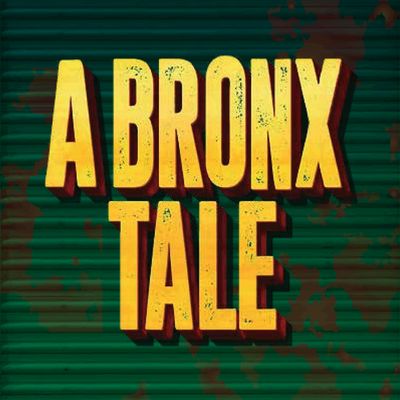
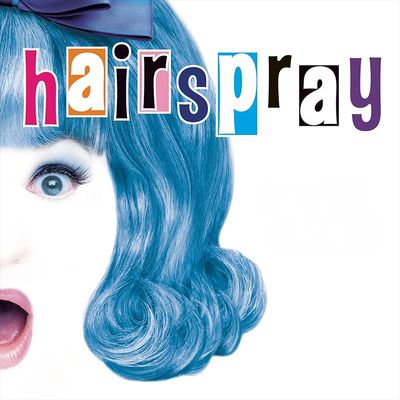
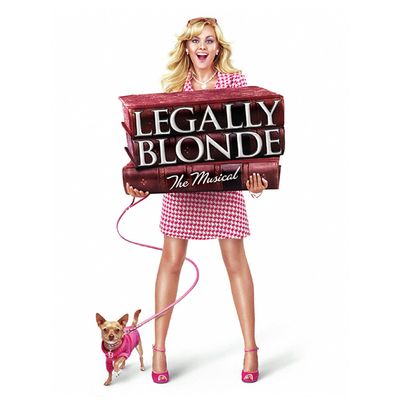
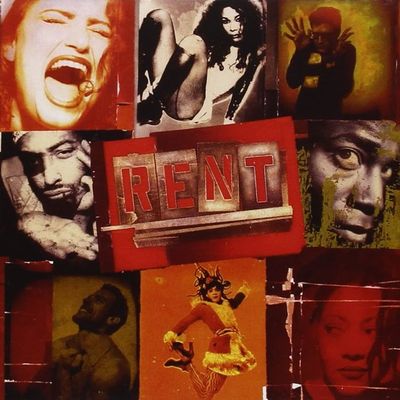
Richard shares his incredible story of making his Broadway debut at the age of 12 in 1987 in the musical Teddy and Alice, moving directly to MACBETH on Broadway alongside Christopher Plummer, Glenda Jackson and Cherry Jones on Broadway and then becoming the youngest person in history to have his name above the title in a Broadway show when he starred as the title character in Prince of Central Park. A show that would run for just 4 performances. Richard touches on all his wild Broadway success in Rent, Saturday Night Fever, Hairspray, The Wedding Singing, Legally Blonde, Aida, Wicked, Jersey Boys and the recent hit musical A Bronx Tale.
Richard tells Little Me listeners about passing on the New Mickey Mouse club, the wild backstage story of rehearsing, performing and the untimely closing of Prince of Central Park, working with Jo Anne Worley, Nanette Fabray, Len Cariou, Laura Bell Bundy, Marie Osmond, Orfeh and Michael Eisner, Touring in the Sound Of Music, Footloose, and A Bronx Tale, the wild fan reaction to Legally Blonde on Broadway and so much more!
In our Quick Fire Questions Richard tells us who his favorite Elphaba is, his preshow ritual, what he thought of The Search for Elle Woods and who Patti LuPone should play in Rent.
Produced by The Broadway Podcast Network.
Transcript
This transcript was automatically generated and might contain errors.
[0:01] ♪ Musical number ♪
[0:21] Marc Tumminelli: Hello, I'm Marc Tumminelli, and welcome back to the Little Me podcast. We have a fantastic guest today, and I can't wait to hear his Broadway story. He made his Broadway debut in 1987 at the age of 12 in the musical Teddy and Alice. The following year, he appeared in Macbeth, starring Christopher Plummer and Glenda Jackson on Broadway. At the age of 14, he starred on Broadway as the title character in Prince of Central Park, making him the youngest performer to have his name above the title in a Broadway show. In 1990, he beat the unknown Sutton Foster on Star Search. His other Broadway credits include Rent, Saturday Night Fever, Hairspray, The Wedding Singer, Aida, Legally Blonde, Wicked, Matilda, Jersey Boys, and A Bronx Tale. Please welcome Richard H. Blake. Hi, Richard.
[1:06] Richard H. Blake: Hi, how are you, Marc?
[1:07] Marc Tumminelli: You've been in so many, you've been in more shows than any other human. Like, is there an award for I haven't worked in this circuit for years? You've been here forever.
[1:17] Richard H. Blake: Um, I had no idea. I've seen you obviously on Broadway and tons of things. It would be impossible not to have seen you in a Broadway show, but I had no idea about this fabulous child stardom. So I want to go back to the beginning. Tell me how did it get started for you? How did you feel like this was gonna be a thing?
[1:36] Richard H. Blake: I don't think anybody really knew. I was really clumsy as a child, and I fell and broke my nose walking upstairs. And my parents, this is when I was like four. My parents brought me to gymnastics to learn some dexterity, so I didn't keep falling and breaking more things. And at the place where they took me to learn gymnastics, right next door was a dance studio, and one day we were walking by and I saw tap dancing in the window, and I was like, I want to do that. And so they were like, All right, fine. So they brought me in and I started tap dancing. And then I started entering dance competitions, you know, a lot of dance moms, you know, because my mom wasn't a dance mom. But you know, doing those competitions, I went to the Nationals in New York City.
I'm originally from Providence, Rhode Island, and so when we went to the Nationals in New York City, the judges for this competition, a lot of them were agents, talent agents, and a couple of them saw me, and one was like, Hey, we got this show coming up that needs dancers, that needs kids that are dancers. Would you be interested in going out for it? And I was like, sure. So I did, and I got it, and that was my very first show, which was a Broadway baby at Goodspeed Opera House in 1984. And that, as they say, is the rest is history.
[3:00] Richard H. Blake: Now, from there I did a lot of commercials. I did the Mary Lou Retton Fun Fitness show right after she won on ABC, right after she did the one in the Olympics.
[3:13] Marc Tumminelli: So were your parents very game? They were like, We'll do whatever it takes.
[3:17] Richard H. Blake: They were. I'm an only child, and I think that has a lot to do with why it was possible. They were willing to go wherever I needed to go, and they took me to New York, and my grandparents were taking me to New York, and aunts and uncles would like step up if no one else could, and eventually we ended up moving to New York when I was nine, and so shortly thereafter, I just started working and did show after show.
[3:48] Marc Tumminelli: So tell me about Teddy and Alice, which was your Broadway debut, which was a pretty huge musical at the Minskoff Theater starring Len Cariou, that ran 77 magical performances.
[3:59] Richard H. Blake: Uh yeah, I didn't realize who and how amazing this was. I mean, I knew what Broadway was, I knew it was the pinnacle, I was so excited it was a huge deal, but I didn't realize who I was working with. I was working with just the top, you know, top list people like Len Cariou, who obviously was the star, it was Teddy Roosevelt, but then in the cast was Beth Fowler, Karen Ziemba, Nancy Opel, Ron Rains. I mean, like the cast was insane. So it was truly an education for me to learn from these people, and honestly, Len, I love that man. He was so good to me later on in life. Actually, he recommended me for another job that I got, and so we've kept in touch, and it was a really special time. But the show was a lot of fun.
It was about Teddy Roosevelt and his kids and his family, and so there were a bunch of kids in the show, which always makes it fun when there's more kids in the show, and you're not the only one because I've done a lot of shows as a child where I was the only kid in the show, and you're with all adults, so this one was a lot of fun. And I actually didn't, I don't think I closed the show. I think I actually left a week or two before the show closed because I got Macbeth as boy Macduff in the company with Glenda Jackson and Christopher Plummer and Paul Scofield, and my mother was played by Cherry Jones.
[5:35] Marc Tumminelli: So we booked this huge production of Macbeth on Broadway at the Mark Hellinger Theater, where very few Broadway performers can say they performed. So I want to hear about working with Christopher Plummer on doing Shakespeare. How old were you in that production?
[5:54] Richard H. Blake: Uh 12. I mean, it was, yeah, I think I was still 12 and 12 into 13.
[6:01] Marc Tumminelli: Got it. A great place to turn 13 with Christopher Plummer, Captain Von Trapp in your dressing room. All right, so tell me about working on that show. And had you had any experience doing Shakespeare before?
[6:13] Richard H. Blake: No, I oddly, I had done Midsummer Night's Dream in school. So when I was in sixth grade, my sixth grade teacher, that's what we did. We did Midsummer Night's Dream. So I did have some familiarity with it, and when I liked it so much that I actually had read Romeo and Juliet and Twelfth Night after I did it in sixth grade, I just got really into Shakespeare. I just enjoyed the way he wrote. So I did actually read a few, but I had never done any other productions of Shakespeare. So this was until Broadway. I just, I just skipped straight to the, you know, just right to the right, get right to it, I say. And I didn't, again, you know, as a child, I didn't really know who I was working with other than Christopher Plummer, who was Captain Von Trapp, which I had done Sound of Music at that point.
I had played Kurt inside of Sound of Music in a production. So I was very familiar with Christopher Plummer. It was off-putting, but I wasn't really that familiar with Glenda Jackson. And I did watch some of her stuff, and it was all this very dark British, you know, heavy stuff. So I was kind of like really scared and intimidated, you know, like it's like, oh, she's kind of a scary lady. Meanwhile, she was the sweetest, most wonderful person on the planet. Her dressing room always had like everyone, everyone in the cast hung out like in Glenda Jackson's dressing room. She was like the most down-to-earth cool person.
[7:50] Marc Tumminelli: So and then you're probably the only kid in the show.
[7:53] Richard H. Blake: Yeah. So that experience is really sort of wild when you're 14 and you're working with these huge, huge performers doing Shakespeare on Broadway. What a head trip.
[8:04] Richard H. Blake: And it was an interesting production too. I mean, now it's probably not as big of a deal as I've gone through 30, you know, six, seven years or whatever in this business. I've seen a lot, but at the time, we went through I think five Macduffs and three directors, I think. Like there was a lot that happened in the course of that production. So I, you know, I was just sort of like, what is going on here? You know, now I'm like, oh, I get it. You know, there's always stuff. But at the time I was like, I don't know what's going on here.
[8:41] Marc Tumminelli: What was your parents' reaction? You have these two Broadway shows, essentially one starting right after the other. How did they sort of rise to the occasion of being these stage parents?
[8:51] Richard H. Blake: Um, well, fortunately, my dad owned a business, he owned a restaurant, so he was able to travel with me or be in New York with me. And we just kind of commuted, and they were great about it. And my grandparents would come and stay with me, and everybody kind of just took turns. But I think they were on board with okay, he's getting a chance to do something wonderful, and he's living an experience that who knows what he'll do when he grows up, you know. But this is something that you can't really aspire to and achieve all the time. Not everyone can, no matter how much or how hard you try, you have to have so much luck and timing. And you know, I say that all the time that I am the luckiest guy in the world because if I didn't have my career, I wouldn't have my career.
You know, if that makes sense. I've done a lot of things that have put me in the right place and put me in front of people or worked with people that have hired me again, or just, you know, the right time, right place. So I think that they saw it as an opportunity for me to experience things that I might not ever get the chance to again. So they thought that it would be a good thing to let me do. And I was, I wanted to, and it was fun.
[10:13] Marc Tumminelli: So do you have stories of Christopher Plummer stories?
[10:18] Richard H. Blake: You know, to be honest, he was, you know, an older man at the time. I don't think he had a lot of interest in hanging out with the 12-year-old boy. If he had, that would have been also very strange. So yeah, we didn't really hang out a lot. I mean, I hung out with a lot of the cast. There were some amazing and awesome, fun guys in that show who taught me stage combat, you know, who were young, you know, like they were like young 20-something guys who were like totally, you know, into like playing baseball and football. We had like a softball team that was off the chain. And you know, I was like the mascot. And there were some really cool, and Cherry was, I mean, she was like a second mother to me. She was amazing. So yeah, I didn't get to spend a lot of time with Christopher Plummer.
[11:12] Marc Tumminelli: How wild is it to watch Cherry Jones become such a huge star?
[11:17] Richard H. Blake: It, I mean, not that I didn't think it was gonna happen. She was, I mean, I remember the first day of, I honestly, I remember the first day of rehearsal, and I came back and said to my parents, I was like, oh my god. I was like, the woman who's playing my mom is so amazing. Because I mean, she goes through it, she watches her son, you know, get murdered, and you know, like all, so it's like, it's, yeah, she, I was not shocked, but couldn't happen to a nicer person, eh? And it's just, it's always cool to see your friends achieve such greatness, you know.
[11:53] Marc Tumminelli: All right, we have to talk about Prince of Central Park.
[11:57] Richard H. Blake: We're laughing because it's, why do we have to? Why?
[11:59] Marc Tumminelli: That I feel like some people, some real theater people know about, but maybe not everyone knows about.
[12:06] Richard H. Blake: Um, I think we have to go. I need to know how it came into your sphere. Like, how did you start working on that show? Because did you do the Florida tryout as well?
[12:14] Richard H. Blake: Oh, I did all of it. I was the only prince, yes. So I was doing Macbeth at the time.
[12:23] Marc Tumminelli: And now we know you go from show to show to show.
[12:25] Richard H. Blake: Right. So thank you, knock wood. Let's like keep that way. So I was doing Macbeth at the time, and because of that, I was a child actor on Broadway. And you know, the first people that get a crack at a new show is pretty much gonna be the child actors on Broadway. And I went in for the audition, and I remember I met with Evan Rhodes, who was the writer, and Prince of Central Park was the most successful children's book in the world, I think at that time, worldwide. At that time, it was something like some statistic like that. So it was this big deal. We were all, I think there's this big deal, and Jan McCart, who I adore, was the producer, and she was this very eccentric lady from Boca Raton, Florida.
She owned a theater down in Boca, and I went in and I auditioned, and I mean, I think I got hired like on the spot, to be honest with you. And that was it. We closed Macbeth, and literally as soon as I think they waited for me to close Macbeth, and then as soon as Macbeth closed, I flew down to Boca, where I stayed and rehearsed with Nanette Fabray. So for the first two weeks, it was me and Nanette like working together on stuff. And then we all went, then we met up with a cast in Key West, Florida at Jan's other theater, which was Jan McCart's Big Red Barn. And with Dan, it was coming to Broadway.
[14:03] Marc Tumminelli: Did you know that when you started working on it?
[14:05] Richard H. Blake: I mean sure, I mean, like everything is part of Broadway. We want we're there's a new Broadway show, but we're in we're in a barn in Key West, you know, it said barn, but it was actually a theater. Um it was a very large barn theater. It was a barn at some point. Go ahead. Yes, it was. Yes, it was a barn at some point, and it's it's it was actually an awesome space. Uh but we we did the show there, finished the show there, then went to Miami, did the show at the Hirschfeld in Miami, got a new producer attached, uh Abe Hirschfeld. Uh oh, we're getting there. We're getting there. We're getting there. Um the show did there, all well and good.
[14:49] Richard H. Blake: And now we, you know, went on a break and we didn't know we were hoping to go to Broadway, but we didn't really know if we were gonna go to Broadway.
[14:55] Richard H. Blake: So uh in the meantime, I got called because I had been down in Florida, and while I was there during the show, and I was the star of the show, a bunch of execs from Disney came down and saw me in the show and asked me to come for a meeting at Disney, and so I did, went with the family over to Disney and sat down in Michael Eisner's office, who was the head of Disney at the time.
[15:20] Marc Tumminelli: And you realize this was the big deal, or were you just like going with the flow?
[15:25] Richard H. Blake: No, I I knew it was, I mean, it well to to get to where we're going, he offered me uh the Mickey Mouse Club.
[15:33] Richard H. Blake: Yeah, uh, you know, a part of the Mickey New Mickey Mouse Club, which I had already been on the air, so I knew, you know, I mean, I was a kid, so I watched it.
[15:41] Richard H. Blake: So yeah, it was it was it was like whoa, this is then they had like the other kids from the show take me to like the amusement parks and like show me around and hang out with me and like kind of like wine and dine me.
[15:52] Richard H. Blake: They were offering me this crazy contract um with like a house and a car.
[15:57] Richard H. Blake: It was it was it was crazy. I don't even remember all the details, but it was but it was insane.
[16:01] Richard H. Blake: And while this was after the show closed and Princess Central Park closed Miami, so we were on kind of a hiatus and I didn't know what to do.
[16:09] Richard H. Blake: And then we got the call that we got a theater on Broadway, we got the Belasco, swear go, Princess Hub Parks to go.
[16:15] Richard H. Blake: So I now had to make a decision.
[16:17] Richard H. Blake: Do I do Mickey Mouse Club or do I open on Broadway starring in this show?
[16:22] Richard H. Blake: And I had always, you know, I had the dream of starring after, especially doing Couple Broadway shows of being a star of a Broadway show.
[16:29] Richard H. Blake: And so my dad was like, what do you want to do? It's up to you. Whichever you know decision you make is it is up to you.
[16:35] Richard H. Blake: And I was like, I want to do the Broadway show.
[16:39] Richard H. Blake: And he was like, Really?
[16:43] Richard H. Blake: So um, but I did.
[16:46] Richard H. Blake: And he he, you know, he was like, Cool, that's what you want to do. That's you're in this for you know, for for you and for fun and to do what you want to do at that time.
[16:54] Richard H. Blake: And so I did, I did the Broadway show.
[16:56] Richard H. Blake: And obviously they had to find a replacement for me um on the Mickey Mouse Club.
[17:01] Richard H. Blake: So they hired um some guy named Ryan Gosling.
[17:04] Richard H. Blake: Yeah, okay.
[17:06] Richard H. Blake: To take my party.
[17:07] Richard H. Blake: Okay, so that's wild and it's a crazy story.
[17:11] Marc Tumminelli: And obviously you can look back at it now and and you can have a laugh about it.
[17:15] Marc Tumminelli: But in that moment of kind of deciding, is this the thing?
[17:19] Marc Tumminelli: How does a how old are you? You're 14 at this point or 13?
[17:23] Richard H. Blake: How do you make that kind of decision?
[17:24] Richard H. Blake: Like if you're if you going back in your head, do you what do you remember weighing out?
[17:29] Richard H. Blake: I mean, I know it's like my name above the title in this new probably musical, and just put me in the mindset of a of a kid that is there's a lot of things that come into play there because it's it's it would be completely different now.
[17:41] Richard H. Blake: The things that the options that I weighed then versus what I would weigh now I it wasn't yes it was a career then and honestly covet is the first time I've been unemployed since I was eight years old um so it it's kind of a weird thing but I didn't think of it as a career in the responsibility form you know I wasn't trying to make a living I wasn't trying to support my family I wasn't all of those things weren't a factor so I was really just doing whatever I wanted to and I thought would make me most happy and I have been working on this show Princess Park for a while um and the people have become a family to me and I wanted to I couldn't imagine after all the work that I had put into the show someone else opening that show on Broadway like it just that didn't feel right that's what didn't sit I think with me is that I just like I couldn't imagine doing all that work and being that family and then like having some other person just step in it just felt like I was it felt like I was betraying them it felt like I all those things.
[18:51] Richard H. Blake: Now also you know I have on the other hand Disney you know like I'm gonna oh I'm gonna go live and work uh on in Disney World essentially yeah Disney at at 140 like that was amazing and who knows maybe I would have been in sync I don't know but well you did you did just fine.
[19:13] Richard H. Blake: But it but you know I mean like seriously like you, you at that point you're just sort of doing whatever I think makes you happy.
[19:22] Richard H. Blake: And for me at that time, uh just the idea that I could do something that no one else had done too at that point was kind of cool.
[19:31] Richard H. Blake: And no one really wants to live in Orlando if you can avoid it.
[19:34] Richard H. Blake: So ultimately, maybe just for that reason alone.
[19:38] Richard H. Blake: But I crazy enough, I'm a dis like I'm a Disney file.
[19:41] Richard H. Blake: Like, I still to this day, we we go a lot, and my wife and my son and I are all Disney fanatics.
[19:47] Richard H. Blake: So we and I kind of belong to a group.
[19:50] Richard H. Blake: We there's a there's like a group of us, like it's like James Engelhard and Nick Walker and Jordan Fisher, like all of us and Jared Bradshaw, like a group of us are on this chet thread of Disney, you know, like files, uh Broadway Disney vial.
[20:03] Marc Tumminelli: Well, you know, Jared has his own Disney YouTube show now.
[20:05] Richard H. Blake: So trust me, I know.
[20:07] Marc Tumminelli: We're plugging, we'll plug it here on the Little Podcast.
[20:11] Marc Tumminelli: Okay, we have to get into the nitty-gritty of Prince of Central Park since you made that decision to go to Broadway.
[20:17] Richard H. Blake: So we're gonna take a little break and come back and talk about Prince of Central Park.
[20:22] Marc Tumminelli: All right, I'm here with Richard H. Blake, and we're about to discuss Prince of Central Park, his Broadway show that he was above the title in.
[20:31] Richard H. Blake: So you're now in the history books as the youngest person in history of a name above a title.
[20:36] Marc Tumminelli: Do they always tell you that was gonna be the thing?
[20:38] Marc Tumminelli: Like it's gonna be Richard H. Blake in Prince of Central Park.
[20:42] Richard H. Blake: No, um, my at the time, my dad negotiated that contract.
[20:47] Richard H. Blake: He was kind of like my manager at the time.
[20:48] Richard H. Blake: Yeah, dad.
[20:49] Richard H. Blake: He's that was no joke.
[20:51] Richard H. Blake: Dad was hardcore.
[20:53] Richard H. Blake: Uh he he was like, You want him?
[20:56] Richard H. Blake: This is what this is what it's gonna take.
[20:57] Richard H. Blake: Um, you know, again, I don't really now I know what negotiations are like.
[21:03] Richard H. Blake: Uh, but because I've also been on the other side uh from producing and stuff, but at the time I didn't know.
[21:08] Richard H. Blake: I was like, Yeah, go ahead.
[21:09] Richard H. Blake: And he just did whatever he needed to do to like get it happen.
[21:12] Richard H. Blake: But um, but I think he always felt like that's what's fair, you know.
[21:18] Richard H. Blake: Um you were the lead of the show, your name should be above it.
[21:21] Richard H. Blake: I'm on stage more than anyone else in the show, yeah.
[21:24] Marc Tumminelli: So if you were gonna explain the the story of Prince of Central Park in a few sentences, how might you explain that?
[21:32] Richard H. Blake: I have written out a couple sentences, but I want to hear your version.
[21:35] Richard H. Blake: I mean, I think Frank Rich uh explained it well in his review.
[21:41] Richard H. Blake: Um, but we can get to that uh later.
[21:44] Richard H. Blake: I don't know if you've seen that.
[21:45] Marc Tumminelli: I have re I read the review last night.
[21:47] Marc Tumminelli: You might want to uh listen, you Rich Richard, you got a lot of very good reviews in that show.
[21:52] Marc Tumminelli: Frank Rich's was not the best one of for the show, but everyone loved you.
[21:57] Richard H. Blake: It wasn't even so much just about it wasn't me, so he just the he just did the show didn't really appeal to him, I don't think.
[22:04] Richard H. Blake: Um no, the the story of the show is this runaway um foster child.
[22:10] Richard H. Blake: Like he's been kicked from foster home to foster home and beaten and you know, abused, so he decides that he's not gonna take it anymore.
[22:17] Richard H. Blake: He's gonna r run away and he leaves the foster home that he's in.
[22:21] Richard H. Blake: He doesn't know where to go, so he goes to Central Park and he decides he's gonna live in Central Park.
[22:26] Richard H. Blake: He's gonna build a tree house.
[22:28] Richard H. Blake: And so he builds a tree house in Central Park, um, and kind of just lives like a king in the park where he just knows his own domain.
[22:38] Richard H. Blake: And this woman who's husband cheated on her is going through it and she is on a bench one day underneath his tree house, and they sort of meet and then befriend each other, and then there's this drug dealer, drug dealer, bad guy who wants me to be his bag boy.
[22:58] Richard H. Blake: So, you know, because no one suspects a little kid running drugs.
[23:02] Richard H. Blake: So he's, you know, threatening me to do that.
[23:05] Richard H. Blake: And then I say no, and I go against him because he tries to mug the old lady.
[23:11] Richard H. Blake: Um, and uh then he wants to kill me, and the gang rides they they're on roller skates at one point.
[23:18] Richard H. Blake: Um, so they're really, really threatening gang.
[23:23] Richard H. Blake: Well, I like a drug dealer on roller skates if I can have it.
[23:26] Marc Tumminelli: Well, yeah, I mean that's the option.
[23:27] Richard H. Blake: Well, these days I think that's probably a lot more common.
[23:29] Richard H. Blake: Yeah.
[23:31] Richard H. Blake: Uh okay, so it's a wild show.
[23:33] Marc Tumminelli: Yeah.
[23:34] Marc Tumminelli: Um, does does that that woman character adopt you at the end?
[23:38] Richard H. Blake: Was that the ending of it?
[23:39] Richard H. Blake: Well, that's very heartwarming.
[23:42] Marc Tumminelli: So uh Nanette Fabre was replaced by Jo Anne Worley, correct?
[23:46] Richard H. Blake: For Broadway?
[23:47] Richard H. Blake: Yeah.
[23:47] Richard H. Blake: Um, tell me about working with her on that.
[23:49] Richard H. Blake: Oh my well, first of all, God bless Nanette.
[23:53] Richard H. Blake: Um, I loved her so much.
[23:56] Richard H. Blake: She was a very, very special woman, and um that was one of the highlights of my career, was probably working with Nanette Fabre.
[24:04] Richard H. Blake: Uh and the same could be said for Jo Anne Worley.
[24:07] Richard H. Blake: She I learned so much from how she handled technical difficulties.
[24:16] Marc Tumminelli: Okay.
[24:17] Richard H. Blake: Now, granted, I wouldn't do it the same way, but but just being able to stay cool and improvise, and you know, she was from laughing, so she had this personality that everyone was coming to see.
[24:27] Richard H. Blake: So, whenever something would go wrong, she would break the fourth wall and do her oh and do her thing, and you know, uh, and but they they ate it up, and I think people liked it more when things went wrong in the show because they got to see Joanne do what Joanne does.
[24:42] Richard H. Blake: She was such a superb talent.
[24:44] Richard H. Blake: Um and I I've never seen anybody work because she came in a little late to the to the to the process because uh originally I Gloria DeHaven replaced Nanette Fabre, and then in rehearsals, Gloria DeHaven departed the show and Joanne came in and took over for her.
[25:00] Richard H. Blake: So I've never seen anybody work so hard in my life.
[25:03] Richard H. Blake: Next to maybe Marie Osmond, um, who was probably we're gonna get into Marie Osmond also.
[25:09] Richard H. Blake: But yeah, I mean, and the Swedish person, I mean, she's I still get a Christmas card every single year.
[25:16] Richard H. Blake: I mean, like we over the years following Princess Angel Park, we would meet up, you know, every so whenever we were kind of in the same place, you know, with my family.
[25:26] Richard H. Blake: And then obviously, you know, through the years we've kind of lost touch, except for you know, the Christmas cards.
[25:30] Marc Tumminelli: But what kind of pressure did you feel as a 14-year-old boy headlighting this new musical that was probably changing everyday rehearsal?
[25:37] Marc Tumminelli: Obviously, you mentioned that your female lead was changing often.
[25:41] Marc Tumminelli: How did you adapt to all that?
[25:44] Richard H. Blake: You know, it's funny, it was the first time I felt pressure.
[25:47] Richard H. Blake: The the other shows, I was not the one that had to carry the show, so I didn't really have any of that pressure on me.
[25:56] Richard H. Blake: Um, but this for this first time, and especially after making the decision that I made, uh, I felt like uh I did have a lot of weight on my shoulders because I was the one on stage the most of the time.
[26:10] Richard H. Blake: So if it didn't go well, it was more than likely going to come down on me.
[26:14] Richard H. Blake: And you know, I was gonna be the one who was not really pulling their weight.
[26:18] Richard H. Blake: So it was the first time I think in in my career as a child that I felt the pressure.
[26:25] Richard H. Blake: And I kind of enjoyed it.
[26:30] Marc Tumminelli: Is that like kind of thrive on that?
[26:33] Marc Tumminelli: Like I like having to rise to the occasion.
[26:38] Richard H. Blake: It it's a sort of motor motivator, I guess.
[26:42] Richard H. Blake: When you have that pressure on you, you're like, well, you dude, suck it up, buck up and and do everything you can to make this work.
[26:50] Richard H. Blake: Um and so yeah.
[26:53] Marc Tumminelli: Did any of that attention go to your head?
[26:55] Marc Tumminelli: Did you feel like I'm the star of this show?
[26:58] Marc Tumminelli: I can't be in school.
[26:59] Marc Tumminelli: You know, all of the things that when you're an adult, you would have some balance, but when you're a kid, it's a little harder to make your way through.
[27:08] Richard H. Blake: I I honestly um I'm sure I did, I guess, but honestly, I never I I hung out with a lot of famous kids because I went to school at professional children's school, and so I so I wasn't really any more uh everyone was working, everyone was doing it.
[27:30] Richard H. Blake: So like my circle of kids that I hung out with, I wasn't really impressive to them.
[27:35] Richard H. Blake: So you know what I mean?
[27:37] Richard H. Blake: When I would go home to Rhode Island and and and see my dance studio and my in my you know, go to my dance studio or see my friends or whatever, they would sort of all act a certain way, and you know, but I was I I kind of felt like I always sort of went the the the humble route.
[27:54] Richard H. Blake: Um, because I've always been one to sort of just like the the people that I'm I surround myself with are they know me.
[28:01] Richard H. Blake: Um, but yeah, I don't think I a little bit later.
[28:05] Richard H. Blake: Let's go we'll cut, we'll get there later.
[28:07] Richard H. Blake: A little bit later on in my career, actually, when I got a little older, uh sometimes a few things may have gone into my head.
[28:15] Richard H. Blake: Um, but but at this point uh in my career, I think I was still just sort of like, I'm no different or or more successful than anyone else.
[28:24] Marc Tumminelli: What was the audience reaction to this show that was a little bit out there and had drug dealing roller skaters and what could you hear or feel from the audience?
[28:32] Marc Tumminelli: Were you in tune to that?
[28:35] Richard H. Blake: Yeah, I mean, sort of.
[28:38] Richard H. Blake: We only had four performances to really and how do you remember how many previews is like 14 previews or 10 years?
[28:45] Richard H. Blake: 24 like or 22 previews, something like that.
[28:49] Richard H. Blake: Uh like three weeks of previews, um, and then four performances.
[28:53] Richard H. Blake: But there were uh honestly, the it the audience liked it to it, I think, you know.
[29:00] Richard H. Blake: They were having fun.
[29:01] Richard H. Blake: I mean, we for the for the the 26 total performances we had, we did get standing ovations every night.
[29:07] Marc Tumminelli: Now something I don't know.
[29:09] Richard H. Blake: What do you remember from opening night?
[29:11] Richard H. Blake: Oh, opening night.
[29:13] Richard H. Blake: Um, it was at Tavern on the Green.
[29:16] Richard H. Blake: You don't want to know it, I remember.
[29:18] Richard H. Blake: First of all, in the show, that's how I ate.
[29:20] Richard H. Blake: I I would go and steal my food from Tavern on the Green.
[29:23] Richard H. Blake: I found a window in Tavern on the Green, and I would sneak in and get food.
[29:26] Richard H. Blake: So that was how I ate um and survived in the show.
[29:29] Richard H. Blake: So obviously we had the party at Tavern on the Green.
[29:32] Richard H. Blake: And honestly, what I remember most is us all going, this is gonna be an epic fail. And the guy who played the lead drug dealer, Anthony Galdi, he and I were like besties, and we were like, let's get out of here with our families and stuff, and we were on our way out, and Abe Hirschfeld comes running into the entrance.
[29:57] Marc Tumminelli: Your producer.
[29:58] Richard H. Blake: Our producer with the New York Times going, we're a hit. We're a hit. That was my best Abe Hirschfeld. He didn't speak very good English. We were like, what? And we went and got copies, and then we went back to the hotel where we were living, because they actually had housed me on the Penta Hotel across from Penn Station. So he had given me the top floor basically. That was like part of the contract, is that they had to pay for my housing. So they just gave me like the top floor of the hotel. So we went back to the hotel and we read the reviews and we were like, what was he talking about? We got murdered, we got absolutely murdered, and we knew it wasn't good for us. And I think the next day, I want to say it was a Thursday, and the next day they called a meeting.
We went into his office, into Abe Hirschfeld's office, me, Joanne, Anthony, and Abe and Jim. And he was like, okay, so to keep the show open, we need everybody to take pay cuts. And we're like, well, how are we supposed to eat, you know, like and pay our bills? And they're like, well, you could get a, you know, like a second job.
[31:29] Richard H. Blake: So okay, so just a little backstory on Abe Hirschfeld. I don't know if you were gonna mention it or not, but Abe Hirschfeld owned the Kinney parking lots, so he was an extremely wealthy man. He also died in prison because he was arrested for conspiring to murder, assassinate his business partner. That's criminal solicitation. So that, okay, so that's really explaining Mr. Burr, Mr. Herschel. Oh wait, so cut to we go, we are like, no, we finish out the week. We got a call that the show was closing, but all the only me, Anthony, and Joanne got a call that the show was closing. Every other cast member showed up to work on Tuesday to a locked theater.
[32:20] Marc Tumminelli: No.
[32:21] Richard H. Blake: I swear to God, I kid you not. That's wild. But nobody, like when you did that Sunday matinee, which was your last show, we were all coming back. My stuff was all in the theater still. So when did they tell you you were closing?
[32:33] Richard H. Blake: On the day they told us, I got the call.
[32:36] Marc Tumminelli: Yeah.
[32:37] Richard H. Blake: All right. Well, that was the end of Prince of Central Park. A very memorable experience, it sounds like. So, like, what do you think about next? Like, I want to now I want to try to do a TV show. Do I want to do another Broadway show? What is in your 14-year-old head?
[32:53] Richard H. Blake: Um, yeah, I mean, well, even though the show is a flop, when you know, when you do get to star in something, it always, fortunately, opens up opportunities. And that's kind of what I was like. And you got amazing reviews. Like there are so many incredible reviews about your performance in particular.
[33:11] Richard H. Blake: Yeah, wait, which was, which was, I think the upside, which got me the chance to do some other stuff and not get blacklisted. But the next thing was I got a call probably as soon as it closed, I got a call to do Gifts of the Magi at the Lambs right across the street, which is an off-Broadway house, right across the street from the Belasco where Prince of Central Park was. So I went into that and started working on that like immediately. And then while I was doing that, I got the call to do Friedrich in the Lincoln Center production of Sound of Music with Debbie Boone.
[33:57] Marc Tumminelli: Wow.
[33:58] Richard H. Blake: Um, and Lawrence Guitard. Um, and so I went and I did that right after that, and then did a bunch of TV shows, like guest stuff, like guest starring stuff, like episodes.
[34:01] Marc Tumminelli: When did Star Search come into your life?
[34:16] Richard H. Blake: Right after Sound of Music.
[34:17] Marc Tumminelli: Okay.
[34:17] Richard H. Blake: So right after Sound of Music, I got approached to do a boy band. And so I was in a boy band for a while.
[34:28] Marc Tumminelli: What was the name of that boy band?
[34:30] Richard H. Blake: Um, Next Step.
[34:31] Marc Tumminelli: Okay.
[34:32] Richard H. Blake: And they were all, I was like the Joey McIntyre. I was like the young one.
[34:39] Marc Tumminelli: Okay.
[34:39] Richard H. Blake: And all the other guys were like 20, 21, right? And I was like 14. So it was really trying, I think, to recreate New Kids on the Block at the time. And eventually they were like, all right, the studio were like, eh, it's a little weird. Your age difference is too far. Why don't you do a solo thing? So I went and started doing a solo album. The manager, my manager at the time, my music manager at the time, was like, well, let's get you on Star Search. He's like, that way we can get you like kind of out there and let you see, like that's what people are doing right now before they do their recording career before they release something. So I did. So I went out and did Star Search.
[35:22] Marc Tumminelli: How many weeks were you on Star Search?
[35:24] Richard H. Blake: Uh, five total. I won four before the finals and then the finals.
[35:29] Marc Tumminelli: And you beat Sutton Foster, so that's a good feather in your cap.
[35:32] Richard H. Blake: Oh yeah. She was, um, I think she might have been the first person I went up against, I think. Because I was nervous, and she gave me a stuffed animal backstage. She gave me a stuffed animal. She's like, here, don't be nervous, because she was the previous champion from the week before. And I was like, oh, that's really sweet. And she to this day, to this day, says that it's because she gave me her lucky stuffed animal is why I beat her.
[36:06] Marc Tumminelli: What did you sing on Star Search?
[36:10] Richard H. Blake: Oh, I sang, well, I sang many songs, but the song I sang against Sutton was "On My Own" from Les Mis. And I changed the lyrics, you know, to "She is beside me" in Eponine's key.
[36:24] Marc Tumminelli: Hell yeah.
[36:24] Richard H. Blake: I was, who was helping you find songs and stuff to do on Star Search?
[36:28] Richard H. Blake: Um, my music manager and I both kind of just like picked songs. I sang that. I sang "One Moment in Time" by Whitney Houston. I sang "Out Here on My Own" from Fame. I think like all girls, I had a really high voice.
[36:45] Marc Tumminelli: I approve, I approve all of your song choices. These are great.
[36:50] Richard H. Blake: So do you go? Is the thought of like, oh good, I'm gonna go to college, like I'm gonna be an, was that did that ever enter your head? Like, I just want to be a normal, non-performing young person.
[37:02] Richard H. Blake: Yeah, it did. Um, I took a little break, and I was like thinking about like going to college. I also graduated early because I was homeschooled, and so I got done with high school early. Um, so it was kind of this weird decision about going to college really young and what that experience would be like and whether it was worth it. And if I did go to college, it was going to be for drama, obviously, or for something in the arts. So I had these opportunities at the time where I would either go to college or keep working, and it was kind of like, well, yes, I would, I'm not saying I wouldn't learn anything in college, but I'm being offered the jobs that I would go to college to teach to get, yeah. So should I just take them now? You know, um, and so yeah, so I opted to just work.
[37:58] Marc Tumminelli: So you went on tour with Sound of Music, is that one of those jobs that came up?
[38:02] Richard H. Blake: Yeah, yeah. And that was with Marie Osmond, and that was like a huge tour. Laura Bell Bundy was in that as well, right?
[38:09] Marc Tumminelli: What do you remember from working with Marie Osmond, who you mentioned earlier is the hardest working?
[38:14] Richard H. Blake: Yes, or Laura Bell Bundy also was in, I mean, we've done now what I think four shows together now. So I think she might be just a little fact. I think she might be the person I've worked with the most in my career. The idea of working with Marie Osmond was awesome because I grew up loving Donny and Marie. And so it was a very cool experience. I learned a lot. I grew up a lot on that show. I went out on the road at I think it was 17 when we started.
[38:47] Richard H. Blake: Um, and so I had just finished doing Starlight. Oh no, I was 18, sorry, I was 18. I was 17 when I went to Las Vegas to do Starlight Express, which was right before that. And um, left Starlight, got hurt, left Starlight, and got Sound of Music, went out on tour with Sound of Music, grew up a lot in those two years. That was a really, I learned a lot, grew up a lot, spent most of my time with Marie actually and her family because her husband and I got along really well, and so I would ride, she had a bus that went from city to city, you know, her like tour bus. And so I would go from city to city with them and play, you know, like with the kids and stuff, because her son and I got along really well, and her husband and I got along really well. So that was a really cool experience. And I've never met, like I said, I don't think I've ever met anyone who works harder than Marie Osmond.
[39:46] Marc Tumminelli: I love it. And then you were back on Broadway as you were like one of the first Rogers in Rent. Like you're the, are you the third one?
[39:53] Richard H. Blake: You're the third. Um, and that was like, you know, the biggest show that you could book, like at that time, certainly.
[39:59] Richard H. Blake: Yeah, so this is kind of goes to back to when you were like, oh, did any of it go to your head? Um, not necessarily that it went to my head, but it was like nothing, even when I was, you know, obviously I was 14 at the time when I started at a Broadway show, like nothing was like it. To put it in perspective to your listeners now who maybe aren't, weren't around in the early or late 90s when Rent was popular, it was Hamilton. Yeah, it was, there was, we were rock stars. We could go anywhere. I was looked at the same as Leonardo DiCaprio when I walked into a club or a bar in New York City. Like that's the kind of status we had. Like everyone knew who we were. Um, and so, you know, kind of took advantage of that, I guess a little bit.
[40:52] Marc Tumminelli: Well, you should, good for you.
[40:54] Richard H. Blake: Um, but yeah, I had never experienced anything like it. And it had its pros and it had its cons. That was also like the start of the message boards.
[41:03] Marc Tumminelli: Oh yeah.
[41:04] Richard H. Blake: Like one day you were everyone's favorite Roger, and then the next day you didn't say hi to them at the stage door, and all of a sudden you were the worst Roger that ever walked on stage. And you know, I mean, it's, you gotta learn. And I remember like at first, I would go to like internet cafes to like get on to the internet to like see what people were saying about me. I was like so self-conscious, and like, what did I, oh my God, what am I doing like wrong or right, or what do they like? What are they not like? And so I then have learned, I don't now, I don't even look, I don't even go on the phone.
[41:38] Marc Tumminelli: That's for the best.
[41:39] Richard H. Blake: It makes everyone crazy, it's not worth it. Barely on social media, like I'm old now though, so it doesn't really matter.
[41:45] Marc Tumminelli: So you do Rent for a while and then you go right into Saturday Night Fever, was that the next big thing?
[41:50] Richard H. Blake: Oh, Footloose. You went, you did a tour of Footloose, yeah.
[42:00] Richard H. Blake: So I did the workshop of Footloose. Um, and right after the workshop of Footloose, I went into Rent. So when the production, the Broadway production of Footloose came around, and like six months later, I was under contract and couldn't do it. So then a year later, when the show was going out on the road, they asked me to go out on the road with it and do it on the tour. And I was like, yeah. So I've been doing Rent for like two years or almost two years at that point.
[42:24] Marc Tumminelli: So awesome. Do you, as like, I mean, you've been on tour even recently, you did the Bronx Tale tour? What do you love about that? For so many actors, it's just like does not suit their lives. So I'm so curious how dramatic.
[42:38] Richard H. Blake: Like I, it does suit me. I love touring. I really do. I love, I love being transient. I love, I get bored so easily with everything in life. You know, I'm, people laugh. When my wife met me, she's like, you are such a liar, because I'd be like, oh yeah, I know I do that. Oh, I do that. She's like, you do everything. She's like, you say you do everything. And then she was like, one day she was like, you really do do everything. I was like, it's just because when I see something that I find interesting, I like get obsessed with it until I can kind of master it and like learn how to do it. And because I get bored, and then I get bored with that, and then I move on to something else. And that's just kind of how I am. Um, she was like, oh, so is that what's gonna happen to me?
[43:23] Marc Tumminelli: I think she's fine.
[43:25] Richard H. Blake: Yeah, yeah, we're 23 years in. I think she's good. But yeah, so I like going to new places, I like meeting new people, I like different audiences. I know that sounds weird, but every city and place and country, people react differently, they respond differently. And it's cool to see how one thing can play with a certain person and not play with another. You know, obviously that happens in a theater in New York City with small sample sizes, but when you go to different cities, it seems to happen more in a mass, you know, like environment responds similarly.
[44:09] Marc Tumminelli: How strange was it to be back at the Minsk where you started your career to do Saturday Night Fever?
[44:14] Richard H. Blake: Oh, it was a trip. It was a trip. Um, awesome though.
[44:20] Richard H. Blake: You know, I was a kid. I used to run around the halls and the tunnels underneath the stage, you know, with the other kids in the show. Um, and you know, now I was like coming in as an adult who had a very different experience with it. So it was just it was nostalgic and cool. Um, I've actually been fortunate enough to play several theaters, I think, multiple times. And that's always a fun thing because when you go back in, it feels like comfort food. Yeah, you know.
[44:51] Marc Tumminelli: You've done obviously so many Broadway shows. You've gone from show to show to doing Aida and Hairspray and Wedding Singer. We're gonna talk about Legally Blonde in a second. But um, how are you making these decisions of the things that you're like, oh, I want to do that or I want to do that when it feels like you must have some options?
[45:08] Richard H. Blake: Yeah, um, the decisions. Sometimes, you know, the options aren't always at the same time. And sometimes I've had to make a decision before I had the opportunity actually in hand for something else. So you're like, oh, do I say yes to this? Um, or do I say no and hope that this comes up in time? Uh, I'm kind of a yes guy. I kind of like I like to work, I like to be busy, you know. It kind of made that clear. So if it was a choice between waiting for something to, you know, that was gonna come up in three months that someone was like, hey, we want you to do this, it starts in March, or taking a job now, saying no to that and taking a job now, I'm gonna take the one now.
[46:00] Marc Tumminelli: What it so when Legally Blonde happened, that the audience response to that show is not something you see all the time as far as fan. I mean, we had that Rent moment, obviously. And but Legally Blonde felt like it had a very wide reach, especially to young girls. And uh talk to me a little bit about doing that show for so long and what your experience was.
[46:22] Richard H. Blake: Well, and what's weird is that it still does like it still has that appeal because of the internet and how many schools do that show and you filmed it for television. So people can watch it, they can, you know, still see it to this day, like in full form. Um, so it's kind of cool. Like every show that I've done since then, I come out the stage door every single night there is someone who brings up Legally Blonde, you know, like, oh yeah, I love Legally Blonde, it's my favorite show. It just had that impact. I think it was just an empowering musical, particularly for young women. Um, and uh it's yeah, it's really, really a special part of my career. Uh, because I've done a lot of shows and had a lot of really great roles and great performances, but I'm probably most well known for Warner in Legally Blonde, you know, and uh of everything that I've done in my entire career, that's probably the thing I'm most known for.
[47:32] Marc Tumminelli: I want to talk about in recent years, you've done shows with young people. You were in Matilda on Broadway, and obviously you were in A Bronx Tale on Broadway and originated that role in the national tour. Um, and you were so great in Bronx Tale. I thought your connection with that kid was so special. And it has to go back to you being a kid on stage. So if you could just tell me a little bit about how you work with that, you know, the boys who played opposite you in Bronx Tale and how you were able to help them.
[48:01] Richard H. Blake: Yeah. Um, well, A, it's very, it's very different now than it was then. I mean, now you have multiple kids for every like they there is not one kid for back then. We wasn't like that. You did eight shows a week. Um if you were if you were a kid, you worked the same hours and you got your school in after that, you know, or before that. You had to figure that out. The child labor laws have changed a lot, um, which is wonderful because the kids are protected now. Um, but yeah, I mean it's great when you can mentor someone and you can sort of help someone because you've been there, you know what they're feeling and what they're going through and how they feel walking into a room full of adults and they want to act like they're, you know, equals and you know peers, but they also feel like, oh God, I'm in a room full of adults.
Um, so uh and also how, you know, working with kids, you have to sort of um it's kind of like talking to your own children. I mean, I have a child, and that was one of the things I think that made Bronx Tale easy for me too, is because I have a young boy and I just connected with the story and with the character and Lorenzo and Lorenzo is a is the kind of man that I would like to be, and the kind of father I would like to be. You know, it's Chaz's real dad, it's his real life story, and he has such love for his father. Excuse me. And um, yeah, so I think you could feel that in the writing and certainly in your performance. It just felt like you were really the heart center of that show.
[49:40] Marc Tumminelli: So you did a you are spectacular in it. Congratulations on that. Um, I want to talk about what is coming up for you. What are you excited about? What kind of projects do you have like in the works for when we can all be back in the theater together?
[49:56] Richard H. Blake: Um yeah, well, so recently I just did um a couple episodes of a new show called uh The Second Wave. That's kind of beyond um spectrum, I believe. Uh it's like new TV show with Audra McDonald and Will Swenson and Stephen Pasquale and I mean everybody, like it's a lot of theater people actually, but it's not a it just happens to have a lot of theater actors in it. Um, but it's uh a show, obviously Second Wave that kind of is about the second wave of COVID. Yeah, I don't want to give anything away. But um and uh supposed to be doing some more episodes of that. Great. Um and you know, I have a lot of uh I have a production company and we're working on a couple of shows and getting ready for when everything opens up and you know having stuff ready to to to get into the theaters when it opens up.
So I have a show called Whiskey Land uh kind of in the works, and then I'm also working uh as an actor on a show that we're hoping to uh to get up there soon, as soon as things open called Trial um that Walk On Fly is producing so yeah I mean a lot of concert work you know because that's gonna be the thing for a while but to be honest with you I'm I I'm enjoying my time off I know it I I don't want to no but you've probably never had any in your whole life I've gotten to like put my kid to bed and have dinner with him at the dinner table like you know the theater lifestyle particularly is as wonderful as it is for raising a family it gets tough when your kids go to school because I would see my son in the morning send him off to school and then I would go to work basically right when he got home from school and I wouldn't see him he'd be in bed when I got home so it this has kind of been a really great time for me to spend with my family.
[51:49] Marc Tumminelli: And most people don't have to like work through seventh grade. So it's nice that you're having yeah a little time to not yeah yeah exactly.
[51:58] Richard H. Blake: I want to know what you're obsessed with right now. Give me a movie a book give me what what is Richard H. Blake obsessed with right now uh well two two things a I'm obsessed with cribbage playing cribbage I play cribbage every single day um it's just you know that's the game that I I sit and play with um my family every day and the boys on Amazon. I mean it's like the second season was over now but I mean I literally was it I yeah and the Mandalorian so all right my obsession this week is a Netflix movie called Jingle Jangle. If you've not seen it, it is the most charming, big splashy Broadway musical. Um it is 20 minutes too long, but it is really, really good. So check out Jingle Jangle on Netflix. Oh, oh, and The Queen's Gambit. Oh my god. Oh my god. I was obsessed with The Queen's Gambit. It's so good. It was my obsessed like four episodes ago. Sorry. Oh my god. It was so good.
[52:49] Marc Tumminelli: All right. Are you ready for the Broadway Workshop Quick Fire Questions?
[52:54] Richard H. Blake: Oh my god. Yes, he's ready.
[52:56] Marc Tumminelli: Okay. First audition song.
[53:00] Richard H. Blake: Um Lullaby of Broadway.
[53:03] Marc Tumminelli: Favorite holiday.
[53:04] Richard H. Blake: Christmas.
[53:05] Marc Tumminelli: First Broadway show you saw.
[53:07] Richard H. Blake: Um I saw Annie in Boston at the Shubert, but the first Broadway show I saw was Chorus Line.
[53:14] Marc Tumminelli: Tell me one thing about Orfe.
[53:17] Richard H. Blake: Uh that voice. Um we have uh she's the second most person I've worked with. Duh, she's the best. Um, if you can go back and do one performance of anything in your career, what would it be?
[53:28] Richard H. Blake: Jersey Boys.
[53:29] Marc Tumminelli: Okay. And how many performances of Jersey Boys did you do?
[53:32] Richard H. Blake: A lot.
[53:33] Marc Tumminelli: But you just had the best time.
[53:35] Richard H. Blake: I it I just think Tommy DeVito is one of the best written characters in the history of Broadway uh theater. We didn't have time to talk about Jersey Boys, so now we're getting in our Jersey Boys conversation. And uh other thing is Orfe is in my phone is money.
[53:47] Marc Tumminelli: Great. That's uh that's the other thing I'd say about Orfe. What is your pre-show ritual?
[53:54] Richard H. Blake: Ooh, uh I have OCD, so I have to do everything starting at 15 minutes in order. Um, and that means the from the way I get dressed to brushing my teeth, uh to when I do my hair and that and at five minutes every night, uh, they call five minutes and my standard response, and you can ask anyone that has ever done a show with me. They'll tell you because it is so annoying. They go five minutes everyone, five minutes. I go, five minutes, I'll never be ready. I quit the play. It's just a thing. I say it every time.
[54:21] Marc Tumminelli: And you have to say it.
[54:23] Richard H. Blake: What do you want on your bagel?
[54:25] Marc Tumminelli: Uh cream cheese.
[54:27] Richard H. Blake: Do you oh strangest fan interaction?
[54:30] Marc Tumminelli: Um, wow.
[54:34] Richard H. Blake: Uh I've I've signed body parts. I mean, I guess that's probably the weirdest thing. Yeah, that that comes up often.
[54:40] Marc Tumminelli: Um, your go-to album for a car trip.
[54:43] Richard H. Blake: Ooh, Miss Education of Lauryn Hill.
[54:47] Marc Tumminelli: One show you will never get over not booking, which doesn't sound like you've never not booked anything.
[54:53] Richard H. Blake: Um I will say, not a show that I didn't book. I actually did book it, but didn't get to do because I couldn't get out of the contract that I was in was Tommy.
[55:03] Marc Tumminelli: Oh I I was I was hired to replace Christian Hoff, which is ironic because I you know, obviously played in Jersey Boys. Um, and I they wanted it was an immediate replacement, and they wouldn't let me out of the contract of the show I was doing.
[55:15] Marc Tumminelli: Sorry about that. Have you ever called out mid show?
[55:18] Richard H. Blake: Yes.
[55:19] Marc Tumminelli: What show is it?
[55:21] Richard H. Blake: Uh several, but um in Prince Central Park, actually in Miami, in mid show, a set piece fell on my head and cracked it open. I had to be rushed to the emergency room in the middle of the show.
[55:30] Marc Tumminelli: Did they keep doing the show?
[55:31] Richard H. Blake: Yeah, oh yeah. Like just a kid ready to do it. My understudy, they went on. Yeah, I was blood was just gushing down my face, and they came in to get my microphone and um switch it out. Yeah, and my my mom lost it on them. She was like, shut up.
[55:46] Marc Tumminelli: Oh my god.
[55:49] Richard H. Blake: All right. Um, who's your number one Elphaba?
[55:53] Marc Tumminelli: That's not fair.
[55:54] Richard H. Blake: I mean, well, it's a question though.
[55:56] Marc Tumminelli: Uh Jackie Burns.
[56:02] Richard H. Blake: I want blank movie to be a musical.
[56:05] Marc Tumminelli: Wall Street.
[56:06] Richard H. Blake: What role should Patti LuPone play in Rent?
[56:09] Marc Tumminelli: Uh Maureen.
[56:12] Richard H. Blake: Patti is amazing. I just want to I want to witness that.
[56:15] Marc Tumminelli: Um sing the hell out of Take Me or Leave Me. Are you kidding me? If you can have dinner with one person, who would it be?
[56:21] Richard H. Blake: Barack Obama.
[56:23] Marc Tumminelli: Can you name two real housewives?
[56:25] Richard H. Blake: No.
[56:26] Marc Tumminelli: Okay.
[56:27] Richard H. Blake: Oh wait, uh wait. I lived right next to I live like down the street from Judice did Teresa Giudice?
[56:33] Marc Tumminelli: Yeah.
[56:34] Richard H. Blake: Or Giudice, depending on the day.
[56:37] Marc Tumminelli: Right.
[56:38] Richard H. Blake: She lives down the street from me.
[56:39] Marc Tumminelli: What a scene that must be.
[56:41] Richard H. Blake: Um fill in the blank. The search for Elle Woods was like fun.
[56:47] Marc Tumminelli: Tell us one thing about doing Wicked.
[56:50] Richard H. Blake: Um my son was born during my I love that.
[56:55] Marc Tumminelli: How often do you get confused with Andy Carl?
[56:58] Richard H. Blake: Uh twice a day.
[57:00] Marc Tumminelli: Name a musical you're okay with never seeing again.
[57:03] Richard H. Blake: Cats.
[57:04] Marc Tumminelli: Same.
[57:05] Richard H. Blake: If you could go back in time and see any Broadway show, what would it be?
[57:11] Richard H. Blake: Oh gosh.
[57:13] Marc Tumminelli: Um, I'm the worst at Broadway musicals.
[57:19] Richard H. Blake: That's why.
[57:20] Marc Tumminelli: Um, I don't know.
[57:23] Richard H. Blake: Okay.
[57:25] Marc Tumminelli: Of course, yeah.
[57:26] Richard H. Blake: Honestly, it was it's the best.
[57:27] Marc Tumminelli: Yeah. Do you do any impressions?
[57:30] Richard H. Blake: No.
[57:31] Marc Tumminelli: Have you ever left a show in intermission?
[57:34] Richard H. Blake: Um I plead the fifth.
[57:37] Marc Tumminelli: Yep.
[57:37] Richard H. Blake: Okay. What movie can you watch over and over again?
[57:40] Marc Tumminelli: Rounders.
[57:40] Richard H. Blake: Great. What's your Starbucks order?
[57:43] Marc Tumminelli: Um, Caramel, uh, Macchiato or Frappuccino, depending on the time of year.
[57:47] Richard H. Blake: And since Christmas is right around the corner, what's your favorite family tradition?
[57:51] Marc Tumminelli: Uh, well, I mean, we have lots, but we we do Christmas jammies. We get ugly, crazy Christmas jammies, um, and we have to wear those the night before Christmas. We put those on Christmas Eve.
[58:01] Richard H. Blake: Richard H. Blake, you are a delight. There is no question why you've been such a huge star. Thank you for going over with me today. This has been such a fun interview. Tell the people where they can follow you. I know you say you're not big on the on the interweb.
[58:19] Marc Tumminelli: Awesome. Thank you all so much for listening, Richard. Thank you so much for joining me today.
[58:23] Richard H. Blake: Thank you.
[58:24] Marc Tumminelli: Um it's such a pleasure. And remember to subscribe to Little Me Podcast, rate and review. Follow us on Instagram at LittleMe Podcast, and I will see you next week. Bye, Richard.
[58:33] Richard H. Blake: Thank you. Bye.
[58:34] Marc Tumminelli: Bye. Thank you, listeners. This podcast is produced by Alan Seales, Dory Barenstein, and the Broadway Podcast Network, and edited by Derek Gunther. For more information on the Little Me podcast, go to bpn.fm slash little me. And follow me on Instagram at Marc Tumminelli or on Twitter at that Tuminelli. And for more information on workshops, classes, and everything Broadway Workshop, go to Broadway Workshop.com. Thank you for listening.
© Broadway Podcast Network, All Rights Reserved