

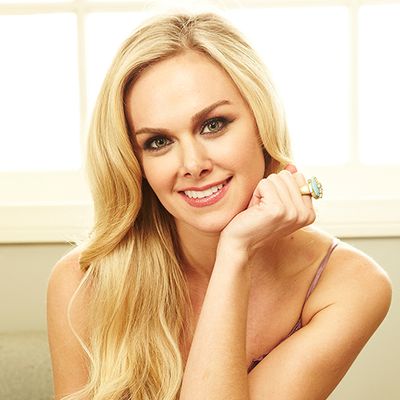
In this episode of LITTLE ME, the multi-talented Laura Bell Bundy breaks down her illustrious career playing several of the most notable roles in musical theater – Tina in Ruthless, Amber Von Tussle in Hairspray, Glinda in Wicked, and Elle Woods in Legally Blonde!.. Read More
From the show: LITTLE ME: Growing Up Broadway
Guests
Featured Shows

About
In this episode of LITTLE ME, the multi-talented Laura Bell Bundy breaks down her illustrious career playing several of the most notable roles in musical theater – Tina in Ruthless, Amber Von Tussle in Hairspray, Glinda in Wicked, and Elle Woods in Legally Blonde!
Laura sits down with Broadway Workshop director, Marc Tumminelli and shares incredible stories of growing up in a musical family, learning to act and sing by mimicking her environment, winning the Miss Peewee Hemisphere Pageant and receiving a prize of a brand-new car at five years old, her mom being her biggest cheerleader and advocate, going on the Phil Donahue Show, signing with Ford Modeling and seeing her first Broadway show, Starlight Express!
Laura tells LITTLE ME listeners about booking her first major production – The Radio City Christmas Spectacular, originating the role of Tina in Ruthless! The Musical in which her understudies were Britney Spears and Natalie Portman, filming The Adventures of Huck Finn, Life with Mikey, and Jumanji in the following years, performing in Gypsy at Paper Mill Playhouse opposite Betty Buckley and Deborah Gibson when she was a senior in high school, booking the role of Amber Von Tussle in the hit Broadway musical Hairspray, what it was like to be a standby for Kristin Chenoweth in Wicked and the excitement of going on as Glinda for the first time, creating the role of Elle Woods in Legally Blonde, and receiving her first Tony Award nomination for her incredible performance.
Laura talks about her new album Women of Tomorrow, her passion for women’s equality, and the importance of artists educating audiences about social justice issues.
Make sure to check out Laura’s podcast Women of Tomorrow on Broadway Podcast Network and look forward to seeing her in the upcoming television series Fairly OddParents!
Produced by Marc Tumminelli and the Broadway Podcast Network.
Transcript
This transcript was automatically generated and might contain errors.
[0:01] Laura Bell Bundy: While you were skipping stones, building forts and flying kites, I was missing schooling on the Saturday nights. Other kids were climbing trees and rolling down hills. I was singing songs to pay my family's bills. Little me, growing up Broadway. LITTLE ME.
[0:23] Marc Tumminelli: Hello, it's Marc Tumminelli, and welcome back to LITTLE ME: Growing Up Broadway. We have had almost a six-month break, and I have missed doing this so much. So thank you all as you sort of waited for me to get some new episodes. All of you billions of people out there in the dark. But I'm back and we're gonna do some new episodes. I took a break to work on a movie, which I can't wait to talk more about and get some guests from that film on the podcast later this year. So stay tuned for that. But I am back today with a really exciting guest, and you're gonna love this episode. We broke it down, we talked about everything, and you're gonna learn a lot. So, my guest today is Miss Laura Bell Bundy.
At the age of nine, Laura Bell made her stage debut at Radio City Music Hall in the Christmas Spectacular. Since then, she's originated the stage roles of Tina in Ruthless, Amber in the original Broadway Cast of Hairspray, Elle Woods in Legally Blonde, the musical, a role she received her first Tony nomination for. She also played the role of Glinda in Wicked on Broadway. She received an Ovation nomination for the role of Charity in Reprise's Sweet Charity. She appeared in over a hundred episodes of television, including roles on Perfect Harmony, Good Behavior, How I Met Your Mother, Heart of Dixie, Fuller House, Documentary Now, AJ and the Queen, and Anger Management. Her film credits include Dreamgirls, Jumanji, Life with Mikey, Adventures of Huck Finn, and the Award-Winning Beauty Mark, among many others.
Her albums, Another Piece of Me, Achin and Shakin, and the brand new Women of Tomorrow are available everywhere you listen to music. So sit back, relax, and enjoy my wonderful conversation with Broadway's greatest, Laura Bell Bundy.
[2:05] Laura Bell Bundy: Oh my god, I'm here at Laura Bell Bundy. How are you?
[2:09] Marc Tumminelli: I'm fine. How are you?
[2:11] Laura Bell Bundy: Do you see I got like fake excited, but it's actual true excitement. Um, where in the world are you? What is happening? Are we allowed to talk about the project you're filming out?
[2:23] Laura Bell Bundy: Okay. Yeah, I'm actually in my dressing room right now. Um, I am filming a show called Fairly OddParents, which is based on an animated series that was on Nickelodeon for many years. And uh, it's about these fairy godparents, these fairly odd parents, but they're doing a live-action version of the television show. And I play the mom of one kid and the stepmom of another kid. And it's basically, well, you would know this reference, I think. Uh, like um an American version of Patsy from AbFab.
[3:01] Marc Tumminelli: Okay. When do we get this show? When can I start watching this?
[3:06] Laura Bell Bundy: Well, I it's on Paramount Plus. They do not have an official launch date. I've heard maybe December, I've heard January. Um, but I think by January, the show will definitely have premiered on Paramount Plus. So yeah, it's fun. It's zany. It's very like the show is very theatrical. I'm singing and dancing in the show. Um, it's really fun. And all the things.
[3:32] Marc Tumminelli: Well, we can't wait to have that. And thank you for taking a little time out of your uh schedule today to chat with me. You've been like one of the number one people, one of the number one. That's English. You are really legitimately in the top five people I wanted to talk to on this podcast because you have grown up doing this. This has been your life. And you know, you have a different perspective on this than a lot of performers who come into this as adults. I mean, you have seen this industry from every angle, and I'm really excited to like jump in and talk about your story. I also have to thank you, and I always do it well every year in October. I thank you for coming on board for Broadway Workshop's very first master class, which was almost 14 years ago.
And you legitimately like started my business that has survived all of the pandemics and ups and downs and all of that. And I am so grateful to you for uh teaching those first few Broadway Workshop classes that really sort of uh set us off in such an incredible journey. So thank you for doing that.
[4:31] Laura Bell Bundy: You're welcome. And you know, what's interesting about that is that doing that actually showed me that I had something to offer to young people. Um, and it was the beginning of me actually working on creating a curriculum and sort of teaching my process. It not only teaching my process, but examining my own process. Like what tools have I been using for all these years, and how can I whittle this down in a language that will make sense to a young person? Um, and how can I teach that? So I think in a way, we kind of you kind of gave me an opportunity to do that, and um, that was the beginning of your.
[5:16] Marc Tumminelli: But and it was also crazy because you were doing eight shows a week at Legally Blonde, and you were teaching on a Sunday morning before two show day, and uh, I'll never forget that as just being like this girl is a machine and she is getting it done, and it's just always meant a lot to be. So thank you.
[5:31] Laura Bell Bundy: You're so welcome.
[5:32] Marc Tumminelli: All right, let's go back to the beginning. All right. So, what were you doing around the house that made your mom be like, this kid's gotta get on stage? I need to hear about the initial germs of this talent around your living room.
[5:46] Laura Bell Bundy: So I think it was before that. I think I came out of her and she was like, There she is, my Miss America. I mean, she had sort of stars in her eyes. And I think the reason that she did is because my aunt had been Miss Kentucky and semifinalist in Miss America, and she had taught herself to play the piano and sing. And my grandmother, I mean, my grandfather, um, was he was a on broadcast television. He did the news and the sports, and prior to that, he had been on the radio. And during the 50s, when if you were a radio announcer, you were also singing jingles, you were hosting concerts, you were often a singer as a DJ, a host and stuff like that. So he was a singer with a gorgeous voice, sounded like Bing Crosby.
That kind of music and showmanship existed in the family before I was born. And I think my grandfather, he had had opportunities to have certain things happen for him, and uh, and he chose family, and he chose staying in one place in Lexington, Kentucky. And he kind of started to investigate the technical side of how television was made as he got older too. He um ended up working for the local PBS station and producing and being an engineer and all this cool stuff. But uh my mom when when uh when I was little, I don't know what it was. You know, I did take to music, I did sing on key. Um I was in my dance, I started taking dance at two and a half, and I guess the class started for three-year-olds, and my mom was like, Listen, there is nothing that those three-year-olds can do that my two and a half year old can't do.
Come on. And so they let me into this class. There's so many stories like that that go that way. And so I took this class at two and a half, I got into the dance class, and then as years went by, um, I think maybe I was five, four or five years old. I was like singing while uh everybody was dancing, right? So they would turn on the music for the dance class, and I would just be singing the song really loud, and um almost in a disruptive way, I think. And so my dance teacher said, you know, she's singing every time I turn on this thing, she's kind of got a good voice. You know, I feel like you should really like lean into this. And my mom was already ready to do that because uh I am the singer and my grandfather. So she put me in singing lessons, and then when I was five, she entered me into this pageant.
[8:38] Laura Bell Bundy: What's the name of this pageant?
[8:40] Laura Bell Bundy: It was the Miss Pee Wee Hemisphere pageant. I've read about it on the internet, and I did the local can, you know, the local town city version. I and I won the pageant. Then I went on to uh win the state of Kentucky version, and so after that, we had to go down to Miami Beach, Florida, where the national competition was. And it was the Miss Pee Wee Hemisphere pageant. It really was the one Diane Sawyer did. And there's a whole joke about that on uh drop dead gorgeous.
[9:14] Marc Tumminelli: Drop dead gorgeous, right? That's all I'm picturing as you explain, is just it really is the one Diane Sawyer did, okay?
[9:20] Laura Bell Bundy: And so um so I go down in my division is Pee-Wee, so Miss Pee Wee Hemisphere. They're all like five-year-olds. It's from it's basically the Miss America pageant for five-year-olds. I mean, we had talent, we had interview, we had evening gown, we had bathing suit. I mean bathing suit for five-year-olds. But um, but you know, I mean, I had like, you know, my tan. I think I even maybe, you know, my mom was like, it's okay if you get a little sun without the sunscreen. Um and I remember I had uh I had been exposed to my cousins. They had uh chicken pox or someone they knew had had chicken pox, and my mom was terrified I was gonna get chicken pox because it was the big wake of the pageant, and she like preemptively put me in a vino oatmeal bath, thinking that like that would in some way prevent me from getting chicken pox. And really that is just something that you do so children don't itch. And it made me itch. I was just like sand in my evening gown, scratching my leg because it was so damn dry from the now.
[10:24] Marc Tumminelli: How did you do on in this pageant?
[10:27] Laura Bell Bundy: I won.
[10:27] Marc Tumminelli: I know that's amazing.
[10:29] Laura Bell Bundy: I won the pageant. Tell the people what they gave you as the winner of the Pee-wee version of this pageant.
[10:39] Laura Bell Bundy: I received a new car.
[10:43] Marc Tumminelli: So funny.
[10:44] Laura Bell Bundy: Five years old. I have a picture of this car too. It's like my mom is sitting in the car and I'm standing by it. It's the ugliest thing I knew at the time. I was like, at five, I was like, this is an ugly car. Um, it was a brand new car, but it wasn't, it was like a Chevy Chevrolet. You know, it was like a it was like a hatchback. And um I think my mom was like, we'll take the money. Um and then uh, you know, when I had to do like song and dance was my was my uh talent. I sang, I'm looking over a four-leaf clover, and I wore this like green spandex with with sequined patches of four-leaf clovers all over it, and like a full unitard, and very 80s. I looked like John Benet, really. And uh, and it was like, I'm looking over a four-leaf clover that I've never seen before.
No, that was my little thing, kind of with like a slight southern accent. And um, and so when the pageant, and a couple months later, uh the pageant director calls and says, there's an opportunity to go to New York City, all expenses paid. Um, the Phil Donahue show is doing this show about children's pageants, and uh my mom was like, Oh my god, we gotta go. We're gonna go to K Marketing. We're gonna go to New York. We're gonna go to New York City. So we went, we stayed at the Sheridan Hotel on 7th Avenue. Lovely. There were uh the one across from the old Sheridan that had a pool in it. I remembered that because she found that out. We went swimming there. But so we stayed there. We went to Lindy's and got cheesecake, you know, the whole thing, and then we go to this pad, uh, this uh Phil Donahue show, and it's not a celebration of children's pageants, it is an expose.
And so they bring out a child psychologist. They I do my little walk on the runway, the audience turns on us, and it's they're like, I can't believe you're doing this to your daughter. She's like a wind-up toy, blah, blah, blah.
[12:51] Laura Bell Bundy: What did your mother do?
[12:54] Laura Bell Bundy: My mother stood up and she defended herself and she's like, My daughter loves this, you know, she loves doing this. And uh, and she knows how to act when the camera comes on because they were making some comment of like we were like all happy when the cameras were on, and then we were sort of like relaxed and like hmm, you know, when the cameras were off.
[13:15] Laura Bell Bundy: So my mom was like, She knows what's to do, she's done commercials. Come out. She knows when the camera's rolling, she knows when it's not, and so she defended that, and then I went to grab for Phil Donahue's mic, and he was like, Oh, this little girl wants to say something. And I got on and I said, I love pageants, I love modeling, I love doing commercials. Oh my god. And you know, it was and it was really sweet. It was like, I love pageant. Oh my god, I we have to find you have that video. I need to see it immediately. I do. It's on my Instagram, it's on my Instagram. We're gonna we're gonna reshare it. You see, there's it's on my Instagram. There's like a little girl that looks like fully done up in the 80s pageant.
That's me. And you just press play and you'll see that clip. But um, you know, I remember that was the first now. I know that the feeling I felt was shame, but that was the first like time I really felt like shame and embarrassment because I didn't know there was anything wrong with what I was doing I just thought I was a princess and it was a way to like throw my energy into something and like be silly and play and really I think what I was doing I think really I was a mimic and I had seen all these videos of my aunt and these other women in pageants and I was just impersonating them all I was doing was I was just an impersonator I really was a gay man trapped in the body of John Bene and doing drag that's that's the quote um end of episode thank you guys for listening you know just like doing doing a drag show on a pageant I mean that's what I was doing that's that's who I am so you're born to do yeah and so I was just impersonating and um and mimicking anything I saw and I think you know that that uh I'll tell you how the whole thing ended up starting my career but I but on a side note the the mimic element is really how I learned to do everything.
[15:17] Laura Bell Bundy: I learned to sing that way I learned to act that way I absorbed what I saw all around me from my experiences I picked up on accents really quickly and I was just sort of like a sponge just sort of like observing my environment and then and then showing that environment back to the environment you know like being a mirror for the environment um and that that's how I that's how I learned. That's how I became an actor. And that's how the whole thing started, I think. Just because I was able to uh to mimic. But so after this, my mom goes, she's all like, you know, I cannot believe they made us come on, you know. And she drags my little took us all the way over to Ford modeling agency because she is gonna turn, you know, shine this turd, and um try to what my father used to say, and I don't know if the children are listening, but um, you know, turn chicken shit into chicken salad.
I love it. And so she drives me over and she's like, I'm here to meet with the children's division. And there's a guy at the front, and he's like, uh, ma'am, do you have an appointment? And she's she says, Um, well, I sent in a picture, and they said any time that we were in New York, we should come. You go, ma'am, you need an appointment. Well, this is Little Miss Peewee Hemisphere, and we're only gonna be here today. So if they're gonna meet her, they're gonna need to meet her now. I mean, the balls on this woman, the balls, she's amazing. She was like Erin Brockovich meets Mama Rose. Great, you know, and so meets Dolly Parton. So she they let us up to the top floor of Ford Modeling Agency, which is the children's division.
I mean, I felt like I walked up a hundred flights of steps. It was, and there was no elevator there because they like to keep the models thin, you know. And so we we get to the top, certainly no snacks. No snacks. So you get to the top, you you get to get to the top. I'm like turning, they're like, show your front, show your profile, show your others. And I was just talking and chatting and blah, blah, blah. And they pull out a contract and they sign me to a five-year contract right on the spot. And my mom said, Well, I I mean, we live in Kentucky. I mean, she didn't quite, she wasn't prepared for what if the answer was yes. And they said, Well, there's this thing called the summer kids. And when you're a summer kid, you come from wherever you live, and your kid is out of school, and you spend the summer in New York and you do modeling jobs and you're available.
And so my mom was, and she's a perfect size five, and blah blah blah. And my mom was like, Well, great, um, we can do it. Now, she had not talked to my father about this at all. My she was she and my father had business together, so she she is just like, we're gonna do it, you know, stars in her eyes and very excited. And uh, and then I started coming up to New York that first summer. I had turned I turned six, and what would happen is I would come to New York and I would do these modeling jobs, and then I started to get represented in acting, but I was only doing commercials. And my mom, through those connections, found and through taking me to Broadway Dance Center, found teachers for me.
[18:49] Laura Bell Bundy: So I would go to Broadway Dance Center, then she mom and then my mom would corner one of the teachers to teach me privately. Of course. And then she found out also, you know, I was obsessed with Lay Miz. Oh, I have to finish this story. Oh my god, wait, wait, wait. I this is a full circle thing. Full circle, everyone, here we go. So that same day, okay, Don Hugh get the signed contract from Ford modeling agency. We leave, and my mom takes me to Times Square and walks into the Palace Theater and to Starlight Express. I've never seen a Broadway show, and says, What's your best and cheapest ticket? And we get like a nosebleed seat in a box. I just remember there was a pole, and I remember smelling the metal of the pole on the balcony while I walked to the show.
Starlight Express. And that was my first Broadway show. And it was in the same theater Legally Blonde was in. Oh my God. That is a very full circle moment. Okay. So which is which is Yeah, keep going. Which is what I want to say is that sometimes mortifying, horrible experiences where you experience shame for the first time in your life actually are the beginning of your fate and destiny. So you wound up booking the Radio City Christmas show as your first big New York job.
[20:09] Marc Tumminelli: Yes, after like three years. Okay. And so you're do your family come all here for that that Christmas? How did that how did that first Christmas go?
[20:15] Laura Bell Bundy: So my mom and I ended up moving to New York City for that year. We only thought it was going to be a year. It ended up becoming more years. But uh I was nine, and my father came up for like, you know, the breaks for the holidays, but really it was just my mom and I in an apartment, and I went to the professional children's school, you know, to go to school for that whole year. And the Christmas show must have felt like a really big deal, all of a sudden to be on stage at the Radio City Music Hall, you know, nutcracking it up for 10 minutes and whatever else they make the kids do in that show.
[20:52] Laura Bell Bundy: Yeah. So you had to, I had to be Claire and the Nutcracker. I also had to be one of the key uh the kids in the Christmas story, Charles Dickens play. And then I had to be like ancillary characters throughout this whole thing. It was really, really fun. And there's a great story to this. So this is another Lorna Bel Bundy. All right, Lorna Bell Bundy, here we go. So the Christmas Spectacular is holding the auditions, and they they put out the breakdown for an 11-year-old. And again, my mom goes, Well, there is nothing an 11-year-old can do that my nine-year-old can't do. And at the time I was freelancing between agents. And I don't know if you know how this works, but they you and I don't even know if they still do it, but you had a beeper, or you or whoever called you first is the one that got you in for the audition, right?
Whichever agent. Yeah. And well, nobody called. So my mom is calling them, going, come out, you gotta, she can do this. And uh finally, one agency submits me, and I go in and I have the call, I go in and they come back out, and they say it's Lorna is uh Laura Bell Bundy's mother here, and you know, my mom stands up, I'm Laura Bell Bundy's mother, and I said, Well, we would like we have a call back for her, we'd like her to come back. Oh my god, was she ever gloating? Did she never not take no for an answer ever again? And um, and my audition song was You Gotta Have Heart from Damn Yankees. And when that during that audition, uh the musical director came out. Not only did I have the they tell me that I have the callback, the musical director came to talk to my mom and said, Hey, I'm developing.
I said, Whatever, whatever happens here, if she doesn't get this show, um, I'm developing another show. It's based on the bad seed, and I've been looking for a little girl like her for literally years. And so they exchanged information.
[23:09] Laura Bell Bundy: But I ended up getting the show, but that led to Ruthless because that's Marvin Laird was the musical director of Radio City. That's wild. Yeah, it's all connected. It's always, always connected. Now, Ruthless was a really big moment. Obviously, it's a great musical. It's really well, it's really well constructed. And you got to originate the role of Tina in that show, which, you know, very famously, Britney Spears and Natalie Portman were your understudies, which we'll talk about in a hot second. But um, creating this role in Ruthless had to feel like a really exciting moment where the show was kind of being written around you, and you were being part of the creation of what the licensed version is and what it is today. What do you remember about sort of workshopping that musical?
[23:51] Laura Bell Bundy: Well, it started out being really a musical version of the bad seed. And so I learned, I watched that movie again, mimicking that character and then musicalizing it. But really, Joel Paley, who was the writer of the show, and and Marvin Laird, who wrote the music, kind of really showed me the way. I said, I believe I was spoon-fed comedic timing by Joel Paley. Yes. So he is every one of those characters. Yes. So that's sort of it's just like in him. And I remember, you know, throughout the process, we did one reading. Then they couldn't get the rights to do uh the bad seed. But we did a whole workshop, and I remember like different many different workshop incarnations and watching how Joel worked in this sort of kinetic um high energy, masterful way, and showing me what to do and how to deliver and how to hold my body and what was that, and then when I did it and him laughing and then starting to figure out the rhythm, and um, and then when we changed to Ruthless, it became you know, really a show that was less of a move movie, uh, you know, a musical interpretation of a film, and more of like this campy John Waters-esque, you know, musical that was pulling from references from The Bad Seed and from Gypsy and All About Eve. So I had to watch all these things, you know.
[25:27] Laura Bell Bundy: Confirming your place as a gay man in exactly. I like a 10-year-old girl, and I knew every line of gypsy and all about Eve. Which will come in handy soon, at least the gypsy part. And then, and then the girl, you know, the girl that uh that is uh uh what was I about to say? I'm having a oh, the character that I played. The character I play is a little girl who kills another little girl for a partner play comedy. The lead mother, the lead, not just any part mother, the lead. You killed a little girl. Do you know what that means? Means I'm playing Peppy. There we go. So funny. And um, you know, that experience of was the first experience I had really with sort of you know, true connection with an audience and knowing if just like the slightest head turn on a line got a bigger laugh, or the more sincere delivery landed better, or I mean it's like a couple college education, you know, that you cannot actually put a price on.
[26:46] Laura Bell Bundy: You cannot. There is something about the experience, and I'm also working with this incre like Donna English was freaking brilliant. She had like a melt a an emotional meltdown every night on stage, and Susan Mansur um and Joanne Baum were just two of the most hilarious people I've ever met in my life. And uh, and Joel Vig was just like the hardest working person and also hilarious, and uh Denise Laura. I mean, they were all brilliant. I was surrounded by all of these brilliant actors and comedians, and um again, it was just another moment where I just absorbed everything and became like a sponge to that experience, and it was so much fun. It's so great. Now, the now to have Brittany and Natalie, no one knew who these people were yet.
Um, so you were just three kids doing a show where you were playing the lead. Was there like competition within the three, or were they cool? Like, what do you remember about that? Because that can get very sticky with parents and kids, and one's a star and two are waiting in the wings, and well, Britney and Natalie were never there at the same moment. I think they actually might have had a week or two of overlap, like Brittany was the original cover, right? There was another girl before named Priscilla Bainey, and um, and actually she had done the Miss Pee Wee Hemisphere pageant with me. Everything comes back to Pee-Hemisphere.
[28:19] Marc Tumminelli: It does.
[28:20] Laura Bell Bundy: And so then it was Brittany. And Brittany was the only person that I remember ever going on for me uh when I was doing uh a movie. But really, I just remember Brittany. Um not and not being there with Natalie was never really like so. She was there, her mom was there with her sister. I remember being in a stroller, but because I was doing eight shows a week and I was never there for really rehearsals or anything, I just came in to do my show after school and then went home. So there was a little bit of like, I think our moms talked a lot because they would stand in the back and watch the show, and my mom would stand in the back too. And I think they had a very friendly relationship. There, both moms are from the south, and they're from Louisiana.
And um, and you know, my mom says she's got memories of like they didn't have enough money to catch a cab home, and it was like they were gonna take a subway, and it was like the Rodney King riots were going on, and and so my mom gave the money for a cab, you know, and it's like, oh my god, the you know, if they only knew, but it was so wild to see where well that star ascend and what has happened since I'm sure it feels like uh out of body.
[29:35] Laura Bell Bundy: Yeah, and I think in my mind, you know, and just from us being in the same place at the same time as young children and knowing what a sweet child she was, and actually very talented and had a really strong belt voice that ended up becoming changed into this sort of glottal fry pop singing voice. Um I have I feel very protective. Um, and I've I've been asked a lot, like, oh, will you be involved in this Britney documentary? And I I always sort of say no, but I feel like now I think it's really important, and I think people are realizing this, and I've always felt this way. We make the majority of our mistakes when we're teenagers and we're young adults, and those mistakes inform our character and how we live our life, they are necessary.
And to live your life where you're making your mistakes in the public eye, and you're scrutinized for just living as a human being from living and growing, stunts your growth. And it can make you there was nothing mentally going on with Britney Spears as a child. She was 100% completely present and normal. But when you put a person into a situation at a young age and you steal their youth from them and you make them a brand and you and you use them for money, you've you've kept them in this sort of place where they can't mature and they can't have independence. Independence is necessary for growth. I uh the whole situation make makes me feel really ill. And um I can't get to her, but if I could, you know.
[31:25] Marc Tumminelli: Yeah, I mean, it's it's it's sad to see.
[31:28] Laura Bell Bundy: Um, and I hope that there it seems like maybe the clouds are lifting a little bit, and hopefully some good things will come that way. But we're getting back back to LBB. So we have this huge ruthless moment. Did so many doors start to open because of that performance. I would imagine you were getting lots of appointments for things. You went on to do like a ton of movies right after that, it feels like. Was there could you feel like, oh, this has really shifted how people are seeing me in the industry?
[31:55] Laura Bell Bundy: Yeah, I got I I had more opportunities to audition for things. Um I I auditioned for my first film, which was The Adventures of Huckfin, which I did, and that's when that film and when I did Life with Mikey, which is like one of my favorite movies of all time. Which happened very shortly after. Um so I did both of those films, and that's when Brittany came in to cover me. And uh, but yeah, I did notice like a little bit of uh a change. I started to, I got different agents, and then there were more film opportunities that came to the table.
[32:35] Marc Tumminelli: And you got to do Jumanji, which was such a big deal. That's a huge movie to be a part of. How old were you then? Like 13?
[32:41] Laura Bell Bundy: I was 13. I tried, yeah, I was 13. Wild. And were you guys staying in New York, or did you move back? What what wound up happening after Ruthless was over?
[32:54] Laura Bell Bundy: So when we were so we I was 12. I that 12 when I was 12 was the only time we left New York. Uh I did a tour of the sound of music with Marie Osman. Oh my god. When I was on that tour, I we stopped in LA for three weeks. That's when I auditioned for Jumanji. Got it. And then the next year, we went back to New York for my eighth-grade year. And uh, right after my eighth grade year, we moved back to Kentucky. I was gonna go to high school and have like a quote unquote normal life. I don't know how you can have a normal life after you've done your first gay bride parade in 10, okay? But but I did, and I was trying to acclimate back into this sort of you know, Kentucky society, but you know, there was a lot of small-mindedness, and my mind had been opened and completely expanded and um in so many ways, but I really really enjoyed my normal high school life, and I played sports and I did the school play and okay.
[34:02] Marc Tumminelli: What was school play did you do?
[34:05] Laura Bell Bundy: Well, I did a few. Um, so I did pajama game great and grease and damn Yankees.
[34:15] Marc Tumminelli: Okay, so then after high school is when you came back, and that's when like Guiding Light happened in Gypsy at Paper Mill, and is that kind of the actually gypsy gypsy at Paper Mill ended up happening while I was a senior in high school. So the summer before um my senior year, I spent it in New York and I I auditioned for Gypsy in that. Uh, and so I had to spend like my first two months of school.
[34:41] Laura Bell Bundy: Well, what a fun, what a fun way to do it. Betty Buckley as Mama Rose, which I'm sure it was a terrifying experience for everybody.
[34:47] Marc Tumminelli: No, uh not for me.
[34:48] Laura Bell Bundy: Good. Let me tell you. Let me tell you. I've never seen a better mama rose.
[34:54] Marc Tumminelli: I believe it.
[34:56] Laura Bell Bundy: Um, I've never watched someone from the wings every night, going like just I was in awe. Like she was so emotionally connected, and just like anything could happen. Like one night she just like she was like, Mama talking, and she just took her pearls and ripped them, and the pearls went everywhere. Of course, the crew's freaking out because they're going into like automation.
[35:25] Marc Tumminelli: Yes, yes, right.
[35:27] Laura Bell Bundy: Um, but I did that show with Joe Mahoda, who's gone on to become a CAA agent now, but he was my Tulsa, and we would stand because the curtain call was right after that. You know, we had gone off and got married, so we didn't do anything in the second act except for come backstage and watch Betty do Rose's turn. And again, a masterclass. I learned so much from the people I was surrounded with, and I was like, that's it. That's amazing. That show should be. Did you guys think that show would come in to Broadway?
[36:00] Marc Tumminelli: I think everybody did think it would.
[36:00] Laura Bell Bundy: Um, you had Debbie Gibson, my Queen Debbie Gibson.
[36:05] Marc Tumminelli: Yeah.
[36:07] Laura Bell Bundy: Deborah then, but now back to Debbie now.
[36:08] Marc Tumminelli: Oh, she's back to Debbie.
[36:08] Laura Bell Bundy: She's back to Debbie. She released an album today. Congratulations, Debbie Gibson.
[36:11] Marc Tumminelli: Oh my gosh.
[36:12] Laura Bell Bundy: Um, okay, we have so much to talk about, not a lot of time. So Guiding Light kind of maybe leads to hairspray. Is that maybe what the trajectory is there?
[36:21] Laura Bell Bundy: Well, it didn't lead to it, it just sort of overlapped. So, you know, I I applied to go to college at NYU. I got accepted. I wasn't going to school for um theater. I was going to school for sociology, psychology. That's what it ended up being. Smarty. And I was gonna run track at NYU because I had run track in high school. I was gonna run track and cross country at NYU. And um, but I got this soap opera right before I started, and I had to make a decision. Like, you know, maybe I go to school part-time, but if I go to school part-time, I can't run on the team. And if I don't run on the team, I don't get this like academic athletic scholarship that I had. So I decided to defer. And uh, and I went and I did Guiding Light for two years.
In the first year that I did it, there was an audition, um, Bertie Telsey's office. Uh now Bernie had seen me do Ruthless. And I had also done a workshop of uh a movie called Camp before it was a movie when they were trying to figure it out, and I played The Villain, aka the B. And uh, and so this character of Amber Vontussel was very much like both Tina Denmark and this character I'd played in camp. So uh they had me come in to audition. What they did not know is that when I was eight years old, and the summer I was eight, living in what we called the rat hole in New York that summer. Um I literally watched hairspray every day. Like I loved the movie so much, and my favorite character was Amber Bon Dussel.
So uh so I auditioned for the first official reading of Hair Spray, there was only one act, and I happened to be off from the soap opera that week, which was crazy. So I was able to do it. And um, then we did a course of four readings, and I was like doing the soap opera at the same time, and then finally I ended up leaving the soap opera, and uh we did our final reading.
[38:23] Marc Tumminelli: And did you know that it would it would be such a big hit? It would change kind of the course of your career.
[38:29] Laura Bell Bundy: I didn't know it would changed the course of my career. I knew it was gonna be a hit. Yeah. I mean, the second I heard that music, I mean, what it did to my body internally. Well, I'll never forget seeing that show the for the first time. It was like it felt like an experience that just doesn't have it comes along every couple decades that something feels so universally loved, and it's truly exciting to be in the audience. You know, you feel special to have seen that original cast.
[38:54] Laura Bell Bundy: Um, you were all so brilliant. We all felt we all as a cast knew we are a part of something here that is very special. And I was like, Do you think like it doesn't get better than this? Like maybe maybe this is it. Like everybody's first Broadway show is gonna be their best one. Um, but it was just, and we were all young and we had so much energy, and you know, I always say like a Jerry Mitchell show wasn't always there, it was Rob Marshall at first, and then it ended up Rob was doing Chicago, the film, and Jack O'Brien came on to direct and Jerry to choreograph.
[39:39] Laura Bell Bundy: But there's something about a Jerry Mitchell show and the cast that Jerry Mitchell casts people that have a very similar energy and a vibration and an enthusiasm, and so you had all these people that had the same like energy and enthusiasm and can-do and like sense of fun.
[40:04] Laura Bell Bundy: I mean, I never had more fun in my life. Oh, it was so it's so so exciting. And then leaving Hairspray was then you went to Wicked to go kind of hang out for Kristin Chenoweth. Is that the was that the next thing?
[40:18] Laura Bell Bundy: Yeah. Well, there was no now. There's always a standby for Glinda, but there wasn't when you started that, right?
[40:26] Laura Bell Bundy: No. So the show, I was I had left Hairspray and I was kind of thinking, you know, I had done a pilot in LA and I thought I was gonna spend time in LA, and I was kind of going back and forth. And I got a call that they were looking to have like an official standby for Kristin, but the show was already in previews and it was opening like the next week. So I went to see one of the previews and I agreed to come in and audition, and then I think the show that then they offered me the part, the show opened, it had opening night, and I started like a week or so after that.
[41:05] Laura Bell Bundy: Um, but Kristin had a um she had movies she was doing, and she had Candide she was doing at City Center that she had committed to. So it was already built in. They knew she was gonna be gone for a few weeks, and um, and then they just wanted to have somebody that was a standby for Alphabet and a standby for uh Glinda. And so, you know, that's what I did.
[41:29] Marc Tumminelli: It also seems like a pretty good follow-up to Hairspray. Like, what can I do that is even a bigger crowd pleaser? Like, is that even possible? And then here we are coming down in a bubble. Um I'm sure it was like a very fun experience for you.
[41:46] Laura Bell Bundy: No, it was it was a really challenging experience. I think what was challenging about it is I come from this show that was the biggest hit of the year before, and I was playing one of the main characters to then going and sitting in a dressing room and chilling out all day, yeah, and chilling out, and that was hard for a 22 year old, 22, 23 year old, and um but it was also such a an amazing important thing for me to do because it kept my ego in check and it also showed me that the hardest job on Broadway is to be a standby or an understudy and even harder is a swing.
[42:32] Laura Bell Bundy: I don't know how to do that. I never will be able to do that. That is the job that should be paid the most. Absolutely. These people know like everyone's parts and I don't my brain does not work like that. And um but it was you know it's just this thing where like you really get close to all your fear because the very first time I went in the bubble I it was when I was going on. Terrifying and I found out like an hour before the curtain went up I was going on for the first time and I was at HM buying clothes down the street at seven o'clock and you know thinking I'm headed back to the theater for 730 half hour and I'm gonna order some food and you know read my book. And they're like no you're on and what do you remember most about that night?
[43:21] Marc Tumminelli: Well I felt like I had to poop but you got through.
[43:26] Laura Bell Bundy: No no no I I was just sort of I was just I remember like getting the call and being at the HM and just like throwing all my things on the floor and running out and and to and just running up and grabbing all my stuff and everybody coming in and it you know I had to you know when you are a cover, you go into the dressing room of the person who normally plays the part. So I'm in Kristin's dressing room, and I'm putting my makeup there, and I'm trying to warm up and vocalize, as this is, you know, very high opera soprano, and the hair people and costume people are rushing in and making sure. And it was just like this crazy thing.
[44:06] Laura Bell Bundy: And I it was just, I don't, I was I felt like I was out of my body. And then we then they lifted me onto this bubble, and the bubble was made for Kristin. Kristin is a half foot shorter than me. And so I'm bending my knees and leaning out, and the only thing holding me is like this little little hook strap thing.
[44:27] Marc Tumminelli: Yeah.
[44:27] Laura Bell Bundy: A hook. Oh my God. And I'm looking down, and I all I remember is like, oh my god, I'm in a bubble. Like, I don't even can't believe I remembered the lines. And the other thing that you don't realize is when you rehearse this, when you rehearse, when you're in understudy, you have understudy rehearsal. And so the only people you're working with are the other people who are the understudies, not the people who are on stage.
[44:54] Laura Bell Bundy: So you're like have never seen some of these people. Right. Yeah. There's like five people in understudy rehearsal. There's like 30 people on stage. So all you know is like the number you're supposed to be on. And it's that gentle sort of like everybody was just like, you say push with love or whatever.
[45:12] Marc Tumminelli: Push with love.
[45:13] Laura Bell Bundy: Yeah, guide with love, pushing me into the right spots. And so it was all like, I just remember like seeing all these people's faces, and the lights are so bright. You don't, you don't do like a tech rehearsal when you're an understudy. You barely have a put in, you know. It was crazy. It's crazy.
[45:35] Marc Tumminelli: But I'm sure it prepared you for your next experience, which is the one of the greatest roles ever written for a woman, which is Elle Woods in Legally Blonde, which I'm sure like just bringing it up might give you like some sort of palpitation of like, I could never seen anyone work harder and do more in two and a half hours than you in that show. It was we need to go back in time and give you every award that ever existed for that performance. What uh while creating that, it must must feel like the stuff of theater kid dreams, like to want to do this thing for a living and then get to originate this huge show in this iconic role must have felt like this huge win for you.
[46:13] Laura Bell Bundy: It absolutely was a dream come true. Yeah. And I remember I had kind of put it out there, like after I left Wicked, I was like, I'm not coming back to New York until I'm originating a leading role on Broadway.
[46:26] Laura Bell Bundy: And there you go. You know, it ended up. And I began to develop Legally Blonde at the very same way of Hairspray, you know, readings, two readings in a workshop. And you know, you you know you don't even know you have the you it the job is not officially offered to you when you do these things. You just you just work for free and hope that they like you in the whole you know, week you're working is an audition, basically.
[46:53] Laura Bell Bundy: And so, but I just had this feeling, you know. Sometimes you have a feeling about a role. I felt so connected to her on so many levels. Um I think we uh we'll both sort of have our pop, we think the best of people initially until they give us a reason not to. And even then, still we think there's a possibility for goodness, and and we're positive thinking, and we have can do spirit.
[47:29] Laura Bell Bundy: And I was raised in the South where you're friendly and you're kind to people, and you kill them with kindness, you know, right? And so was Reese Witherspoon. She was raised three and a half hours away from where I was raised. And I think that there was something about our essences in this role and how we were raised and the way we could emulate uh this character of Elle Woods very similarly.
[48:01] Laura Bell Bundy: But it just felt like a very, very natural, very natural. It doesn't happen a lot where someone takes a role that is made so iconic in a film and really is able to make it their own. And I feel like you were that was like the greatest gift you could give that show is that it didn't feel like you were playing Reese Witherspoon in Legally Blonde, like you were your own Elle Woods. It was like a very special performance that also had like huge fan craziness, like we that does not happen all the time either. So, how did you deal with sort of all of that uh stage doorness and people dressing up like Elle Woods and the young girl of all of it must have been quite daunting?
[48:38] Laura Bell Bundy: Well, I I you know that was kind of amusing, you know. Um, and I and you know, I I appreciated the love and enthusiasm for the show. I think what was hard for me was maintaining uh the amount of energy, I wouldn't say it was energy, but the maintenance I had to do on my body and my voice to be able to do that show full out a hundred and fifty percent every night.
[49:13] Laura Bell Bundy: I don't know how to mark. I don't know how to do it. That's probably best. That's best for the audience. Um but and I go, I feel like, and I also believe that when someone comes to see a Broadway show and pays that much money for a ticket that they need to get my 150%. And so I think there were moments where I had hit the wall and gone through the wall, and I did not know that I had, and I just came on the other side like all bruised up and was like, oh whoa. I did not know my limits.
[49:45] Laura Bell Bundy: Um, and that would be the only thing that was difficult about those stage door moments because there were moments where when the end the show came down, I needed to close the door, shut the lights off, and rest in order to do the next marathon show.
[50:04] Marc Tumminelli: Yeah.
[50:05] Laura Bell Bundy: Yeah. And now you didn't.
[50:07] Marc Tumminelli: Yeah, I know you kept going. You did the stage door, you kept going. You got your first Tony nomination, which I'm sure is every little kid's dream. And with the greatest company ever, Kristin Chenoweth, Audra McDonald, Deborah Monk, Donna Murphy, and you. That's that's pretty good company. Was that experience so mind-boggling?
[50:23] Laura Bell Bundy: I again out of body. I died. Because there was also, you know, Stephanie J. Block had done Pirate Queen that year. Kristin Chenoweth had done Apple Tree. I was like, there's no way. I mean, not with these queens was I gonna uh get it. So I I was like, well, that would be great, but when it happened, I I and I was the first to be announced, right?
[50:53] Laura Bell Bundy: So I didn't hear anybody else gun spectrum. I was just screaming and like I was totally by myself too.
[51:03] Marc Tumminelli: That's like meant to be sometimes.
[51:05] Laura Bell Bundy: Like that you have to experience that in your own little bubble. And you can't, you're no, no one's with you. So there's like you're not, you're like, can I get excited? Because I'm, should I jump on the couch? You know, should what? And then I think I got a phone call from Christian Borle. That was maybe my first call, or maybe my mom. I don't remember. One of the two was like, it's happening.
[51:35] Laura Bell Bundy: Um it was a very thrilling performance. And I'm so glad it lives on in the MTV filming, which so everyone can see it. Have you watched it at all, like ever?
[51:44] Marc Tumminelli: Oh, yeah, definitely. We we watched it when it came out.
[51:48] Laura Bell Bundy: Yeah. I think we had like a screen.
[51:49] Marc Tumminelli: You had not have you, you've not watched it like in in recent times.
[51:53] Laura Bell Bundy: No, no, it's real good. You should give it a little touch touch back down on it.
[51:57] Marc Tumminelli: Um, it was a great show, and you're brilliant in it. And uh I I'm so glad that that show started, kind of existed when Broadway Workshop started, because I think that was like a great time for young people to get interested in performing, and it really is the catalyst. I mean, who has not done Legally Blonde at their school or community theater or somewhere?
[52:15] Laura Bell Bundy: I mean, it's such a such a huge show, and I think without your performance, I don't know if it would have gone on to that level of excitement. So bravo, you live on forever with your Legally Blonde moment.
[52:26] Marc Tumminelli: Um, all right. Well, we have to talk about your albums and we have to do quick fire. So here we go.
[52:30] Laura Bell Bundy: Um, your most recent album.
[52:32] Marc Tumminelli: You're okay, dude.
[52:33] Laura Bell Bundy: Okay, okay, yeah.
[52:34] Marc Tumminelli: All right. Do you don't need to be for the well?
[52:35] Laura Bell Bundy: I'm like, I've I've done a very big Laura Bell Bundy deep dive on the music this week.
[52:39] Laura Bell Bundy: And I'm obsessed with your new album, Women of Tomorrow, which feels like if Rosemary Clooney released an album today, that's what it would be. Like if she was your age. You know what I mean? It feels like a young person's view of what this music would evolve to. It's so genius. So tell me about how you sort of came up with this idea to sort of kind of spin this old school music and make it feel modern and contemporary. It's really an incredible album. Congratulations.
[53:08] Marc Tumminelli: Thank you. So the concept is really double standards. The double standards that we face as women. And then we're taking the style of like a jazz standard, and we're adding modern elements and we're doubling it down on it while we talk about the double standards that we face as women. So it sounds like this classic MGM movie musical that occasionally has some beats in it and some modern pop production. Um, but the subject matter is modern. And um, and there's you know, it's called Women of Tomorrow, which is like when you go to Disney World and it's like Tomorrowland, it's like what they thought in the 50s and 60s the future would look like. So there's sort of it's got it's like high concept.
[54:03] Laura Bell Bundy: No, are these all your, I mean, all of your albums really have such a strong point of view, all of your videos, all of your live performances. I mean, everything is like a performance blown up. Like you don't do anything simply, which is what I think is really exciting about you. Um, how much of this does all your input is someone else sort of guiding these big ideas?
[54:22] Marc Tumminelli: No, it's me. Um, I felt really empowered to sort of speak out after the 2016 election. I felt the double standard was quite glaring, and I dove into researching women's rights, women's history, and I did an event that was like a women's march, but a concert in New York City called Double Standards in 2017, where Sara Bareilles was in it, Rosie O'Donnell, um God, and a guest star, Jesse Mueller, um Adrian Warren, and it was the whole concept was two women coming together to sing a duet on a jazz standard, all in the name of women's rights and women's health.
[55:07] Laura Bell Bundy: And in doing that, I uncovered so many things. Like it wasn't until 1974 that a woman could open a credit card or take out a bank loan without the permission of her father or husband. 1974. That does not feel like that long ago. I mean, I know it is, but it's not really. And there was a lot, you know, one to this day, one out of one in five women experience domestic abuse in their lifetime and sexual assault. We have some issues that really need to be addressed that we ignore, and it's really important for women to understand the origin of that. So I became really passionate about it. And one of the things I did was create a women's history sketch comedy television show that I sold and wrote for Freeform, um, that's you know, kind of still brewing, and then do this album after that concert was to make an album.
[56:10] And instead of just doing standards, uh, I'm a songwriter, I wanted to write original songs. So I got together with a uh with a producer and composer that I have worked with before, Jeremy Edelman, and my good friend Shea Carter, who is like a brilliant poet and activist, and we wrote these songs where each one sort of delves into these different specific either issues or experiences of what it means to be a woman. And um we have songs about equal pay and a women's value and uh money. We have songs about called with a song called I'm Sick of Saying Sorry, which is all about women apologizing and over apologizing. We have a song called Digital Disease, which is our obsession with social media. We have uh a song called American Girl, which deals with consumerism.
[57:07] Laura Bell Bundy: And the reality is that women, women are 80% of the consumers in the world. Women do 80% of that consuming. So women keep getting these images of this is the life you want. This is the life you want. You will not have this life without these shoes and this body and this picket fence and that ring and that wedding and this stuff that's gonna cost you money and put you in debt, and yet you're not paid equally. And um, and and you also taxed additionally on uh products that are for women simply because a razor is pink. People do not know about the pink tax. It's like that is a real thing.
[57:48] Marc Tumminelli: Yeah.
[57:49] Laura Bell Bundy: Women will pay more for a toiletry than men. Um and they're taxed extra. Taxed on, you know, it should not be a tax on tampons. You're welcome. The women have a period every month so that we can have a human race. You're welcome for that. You're welcome for your existence. Everybody came from a woman. Thank you so tax at Tampon. Yeah. Great. Thank you for coming to my TED Talk. I became obviously very passionate about this.
[58:18] Marc Tumminelli: No, yeah, it's and you found a way to tell these stories in a in the most creative way humanly possible. I think it's much easier for me to sit here and talk about this. I sound like I'm preaching. If you listen to the album, you can enjoy it, you can cook to it, you can drive to it and go, oh wow, I think I learned something. Oh wow, that's something I hadn't thought about. Um, and I think that I believe in activism through artistry. I think that what is what Broadway is the stories that we tell, the songs that we write that hold these implicit truths that talk about the issues, it's so much easier to hear from an audience perspective when they are personalized and they sound beautiful.
[59:09] Laura Bell Bundy: You'd rather me sing at you than yell at you, right? Any day, right? And and you know, it sounds like I'm just belting through the rafters, but my insides are screaming, but it just sounds pretty when it comes out, you know, and I think there's something about that we have and this was a very inspiring quote to me that guided my entire process in developing the album was uh Nina Simone saying, An artist's duty is to reflect the times. And she was a jazz singer who was very focused on social justice and and rights for the black community. And she was incredible. This is a brilliant um jazz artist, very eclectic and had was like singing multi-styles.
[1:00:02] But that was her purpose. And I I've after I've heard that and after I've gone down this route, almost everything else seems very silly to me. Like if I'm not gonna say something in this song that could be thoughtful and profound, why am I saying anything at all? Why am I writing the song at all? You know, there's you know, I that's just where I am now. I think I'll come out of that eventually and write a love song. But um, but even in love songs, there's something to say. But there's a lot to say right now, and people definitely feel like uh that we are becoming more conscious, community, and thoughtful people as a whole, and there's a change in our thinking as a whole.
[1:00:47] Marc Tumminelli: And I think artists have the ability to kick start the conversation in a way that people want to listen. And you also have a podcast that goes along with the album called Women of Tomorrow that's available on this network.
[1:01:02] Laura Bell Bundy: On the network, um Broadway Podcast Network, which is amazing, and there's like 10 episodes that are out now. Is there will there be more of that?
[1:01:09] Marc Tumminelli: Yes, we we uh we do a combination of delving deeper into each song. So there's only so much you can talk about in a three and a half, four-minute song about an issue. So we will go in and talk about the history of why women apologize, and uh, and then we will have a guest coming on that is an expert in it and talks about how it affects us today, and then we sort of discuss solutions um of how to move forward.
[1:01:42] Laura Bell Bundy: And the podcast is a deeper dive into every song and issue. And then we also cover like Mother's Day and Father's Day, and we'll go into the history of women and Mother's Day, um, or uh we covered um uh we'll we'll cover women's history month and go into uh a couple of women in history you should know about and things in women's history you should know about. We just had an episode um connected to the Repro Film Fest, which is a film festival completely dedicated to um reproductive health and stories about women's uh women, whether they be childbirth, postpartum, um, endometriosis, um, menopause, abortion, whatever, and it personalizes all of these issues while educating, and we thought that was a really interesting thing to cover.
[1:02:37] And then we go into the history of birth control, the history of abortion, which by the way was legal until until 1860 in the United States. Um, yeah, and um the main this is my favorite, the main form of birth control during the Great Depression was Lysol.
[1:02:55] Marc Tumminelli: Oh, what?
[1:02:58] Laura Bell Bundy: Yeah, because birth control was actually not legal because of the Comstock Laws until 1965. Any form of birth control was not legal to be advertised, um, talking about women's reproductive system in any sort of printed materials that were sent through the mail was actually illegal. This is wild. And I think a lot of people probably do not know this, so they should be listening to your podcast and uh really listening to these songs and getting getting all of that in.
[1:03:28] Marc Tumminelli: Wow. Um, all right. So I I need to look back at this wild career that started when you're just a little kid and your hundreds of episodes of television shows. Like I didn't even get to mention the hundred, like literally hundreds of shows you've been on, obviously, all these Broadway shows, the stuff you're writing and selling. When you look back at it, how much of who you are today is really based on that little girl who started out? You know, how much does that affect what you are doing now?
[1:03:56] Laura Bell Bundy: Well, I think it's interesting as a little child, I had to grow up fast and be a professional in an adult world. And what happened to me when I was an adult is I went back to find that makes me emotional. I went back to find a little girl. Yeah. And was like, hey, you know, let's get close again. Let me find out what you want. And that spirit of play that, you know, the dolls you left in your room because you had to do eight shows a week. And that little girl was there the whole time.
[1:04:44] Marc Tumminelli: Didn't expect this.
[1:04:47] Laura Bell Bundy: She was there the whole time playing through these characters and becoming these people playing pretend on stage. But as an adult, I've gone back to finding my inner child and respecting my authentic self that was um I I don't necessarily know there was a lot of the talent that was harnessed, and I'm so grateful for, but there were things I missed as a child because I was working.
[1:05:20] Marc Tumminelli: Yeah.
[1:05:21] Laura Bell Bundy: And um, and so now I respect the little girl and when she wants to play, and when she wants to go ride a bike and do a hike, and when she doesn't want to work, and when she just wants to sing and play and write a song, and to keep that spirit alive. So I think that um I am more her now, and she we've found each other.
[1:05:51] Laura Bell Bundy: So everything I do is in a spirit of play and heart and um and joy. And when I'm not aligned with that, I know something's off. And so I go back and I uncover why I'm not in that in that space because that that is really where I what I need to be honoring. So the little me is me.
[1:06:17] Marc Tumminelli: Yeah.
[1:06:17] Laura Bell Bundy: I think that is so beautiful, and it's so great that you understand how to get how you communic can communicate with that little girl who you know kind of needs some attention in that way. And um, I'm sure you're like the best mother ever, too.
[1:06:33] Laura Bell Bundy: Because we play, yeah.
[1:06:35] Laura Bell Bundy: It's my opportunity to just be silly, okay. Okay, I'm reminded of it. Okay, we're gonna do some quick fire questions and wrap up because you have to film a TV show. Um, all right, first audition song ever.
[1:06:49] Laura Bell Bundy: You gotta have heart.
[1:06:50] Marc Tumminelli: Okay.
[1:06:50] Laura Bell Bundy: First Broadway show you saw we covered, but Starlight Express.
[1:06:55] Marc Tumminelli: Can answer me, yes, of course. Something you have turned down that you had second thoughts about.
[1:07:00] Laura Bell Bundy: Hold on, there it is, there. I just am not thinking about it. All right, we're gonna move on. And if it comes to you, let me know. Um, fill in the blank. Harvey Feierstein is Edna.
[1:07:12] Marc Tumminelli: Great.
[1:07:12] Laura Bell Bundy: Uh strangest fan interaction.
[1:07:16] Laura Bell Bundy: Oh, oh. This woman came to legally blonde and brought a dog and emotional support dog. And you're not allowed to have dogs because our dogs on the show will smell a dog. She sat right in the very front row. And they came down to say, Mammy can have a dog. She said, I have an emotional support dog, and our dog trainer was freaking out. Whatever. It was fine. But the beginning of the second act, where you know, Brooke Wendham is doing whipped into shape, and we're looking like we're watching it on the video. We see out of the corner of our eyes. It's like me, Kate Schindle, Richard Blake, Natalie Joy Johnson, Christian, Michael Rupert, we're all standing there. We see this woman pull out a doggy wee pad. Not a wee wee pad. And her dog peace.
[1:08:09] Marc Tumminelli: No.
[1:08:10] Laura Bell Bundy: In the front row of the of the Palace Theater on Broadway. While the show is going on. And then she comes backstage.
[1:08:20] Laura Bell Bundy: No, so she comes to the stage door and refuses to leave before I meet her dog. I have to meet her dog. She demands that I meet her dog. And I come out. And she, when I come out, she literally, I think the dog was airborne, threw the dog at me. And I'm like, oh, oh, okay. Very cute dog. So sweet. Thank you so much for coming to see the show. And I what I wanted to say is like, lady, do you not know? Like, okay, you need an emotional support dog. That's fine. And it sounds like she really needed it. Maybe at intermission, yeah. Maybe at intermission, take your dog out and go outside, but not during the show. I mean, there were things like that all the time. As someone brought in a bucket of chicken after intermission from pop road a lot, I think. I think that happens often.
[1:09:10] Marc Tumminelli: Okay.
[1:09:10] Laura Bell Bundy: Bye bye. Were you ever in Annie?
[1:09:14] Laura Bell Bundy: I was in a local production of Annie when I was six.
[1:09:17] Marc Tumminelli: Okay.
[1:09:18] Laura Bell Bundy: And I didn't get the part of Annie. I didn't get a part of an orphan. I was like some hobo in a bag. And my mom was like, they did that on purpose. You know, she was like, um, but yeah, I'm trying to think of what that show is that you pass on. I did I passed on a TV show that was very, very, very funny because I I had been asked to do honeymooners. Which I saw at Paper Mill, which was so fun. And but pre-Paper Mill, there was all these plans to go to Broadway, and I had really missed doing Broadway, and I had not been available because of television shows or recording career, and I was excited to go back. So I turned down a screen test offer for this show, Sebastian was what it was called. It didn't go. But I did have second thoughts because the guy is, you know, the comedian Sebastian.
[1:10:21] Laura Bell Bundy: Sebastian, yeah, yeah. It's hysterical. And the show was so. I can't believe that show didn't get picked up. That guy has like crazy, like my mother's obsessed with them. But I I was like, uh, was this the right move? And the producer was Greg Garcia, who had done My Name is Earl, and is to me one of the most brilliant comedy television writers that exists. And so I did go. I think my agents and managers were like, you know what? What do you mean you don't want to do it? And I was like, I'm doing Broadway. Um, well, I sorry that didn't work out. But it worked out, it worked out. It was fine. You know, these things I think you really do have to follow your gut. Like, you know, I think I hesitated on that question because I'm almost always following my gut.
[1:11:15] Laura Bell Bundy: That's that's I think that's the key. Okay. Um, who's your number one favorite Broadway leading man?
[1:11:17] Marc Tumminelli: Good.
[1:11:24] Marc Tumminelli: Look at your eyes.
[1:11:28] Laura Bell Bundy: My gut instinct was my gut instinct is Christian Borrell.
[1:11:30] Marc Tumminelli: All right, we could say that. Um, okay. What role should Patty Lapone play in the lifetime movie of your life?
[1:11:37] Laura Bell Bundy: Patty LePone. My mother.
[1:11:39] Marc Tumminelli: Great, done. Um can you name two real housewives?
[1:11:44] Laura Bell Bundy: I can't name their names. Murabel, you're a classy lady. Um, who is your favorite Muppet?
[1:11:52] Laura Bell Bundy: Miss Piggy.
[1:11:53] Marc Tumminelli: Great. Um, what career things do you have in your home?
[1:11:59] Laura Bell Bundy: Oh, like uh like awards or something? An award or a costume or a oh, I have uh my uh my framed you've been nominated for a Tony Award um uh on the wall. And uh I have my rehearsal clothes from Legally Blonde and all the shoes I wore in the show. I love it. And I have all of my vocal tapes since the beginning of time.
[1:12:30] Marc Tumminelli: Wow.
[1:12:30] Laura Bell Bundy: Um that's every vocal podcast for for something. I don't know, you could turn it to something. Lucille Lucy, like Lucille Ball has a podcast on Sirius XM right now, which is like how's that possible? Because of all these tapes that she made interviewing people that she never did anything with, and then like big little Lucy like released it. It's so weird. Okay, we don't have time to talk about it. It's brilliant, it's brilliant, it's on serious. Um, all right. Um have you ever seen a ghost?
[1:12:58] Laura Bell Bundy: I think I thought I had experienced a ghost. I haven't seen a ghost, but I've had um some like light flicker moments that were really weird. Have you seen the musical ghost?
[1:13:11] Marc Tumminelli: No, I've seen the film.
[1:13:13] Laura Bell Bundy: Great. I've heard the songs, I've done mat I've done master classes with people who sang the songs. That sounds right. Um okay. If you can go back in time and see any Broadway show, what would it be? Any year, any Robbie show?
[1:13:25] Laura Bell Bundy: Oh. I feel like Ethel Merman and Gypsy.
[1:13:31] Marc Tumminelli: Yeah, that feels like a good one.
[1:13:32] Laura Bell Bundy: Or like Mary Martin and Snow. No, I have it. Okay. Julie Andrews in My Fair Lady.
[1:13:39] Marc Tumminelli: Good.
[1:13:40] Laura Bell Bundy: She was robbed.
[1:13:41] Marc Tumminelli: She was robbed.
[1:13:42] Laura Bell Bundy: She was robbed, and I love Julie Andrews. I feel like that was my first, you know, Julie Andrews and Judy Garland were like the first people I mimicked, you know, in singing. I love it. Um, and many, many young boys have done the exact same thing. All right, we have two more questions. What movie can you watch over and over again?
[1:14:02] Laura Bell Bundy: Um Wizard of Oz, Sound of Music, uh Big Business.
[1:14:08] Marc Tumminelli: Love big business.
[1:14:09] Laura Bell Bundy: I love big business. I think the should be. I guess I've always wanted to do that as a musical, either with the Incan twins. All right, you know, yes, Brooke and Brook and the Brook and Tiffany.
[1:14:21] Marc Tumminelli: Brooke and Tiffany.
[1:14:22] Laura Bell Bundy: I'm inspired. Or uh I had talked about doing that with Leslie Kritzer, where um, you know, one of us is the vet midler, one is the Lily Tomlin, and then we would alternate.
[1:14:34] Marc Tumminelli: Alternate, yes.
[1:14:36] Laura Bell Bundy: Very true, West of you. Okay, what advice do you have for young performers? Last question.
[1:14:43] Laura Bell Bundy: You can use everything that happens in your life. You know, I think as people, we we avoid pain and we feel bad for ourselves when we feel it, and um, we want to always get back to happy and normal. Well, when you're a performer, you're telling stories, and there is no story without conflict, and thus there is no character without pain, and there is no character without something they want, and if they want something, then that means they don't have something else. So we need to know what it feels like not to have what we want. We need to know what it feels like to experience pain, and we need to be able to know where that is in our bodies and where that comes up for us. Is that in, you know, is that is that fluttering in our stomach, or is that a deep painful feeling in our heart?
What is that? And then how can we recreate that on stage? So the avoidance of pain that we do in in this life and in our culture, which we cover up with, you know, food or drink or uh, you know, social media distracting ourselves with something does not serve the artist, does not serve the actor. The actor has to live inside of those deeply felt emotions and understand them and dissect them because then and only then can they play a fully realized character with depth that is going to connect to an audience that has also felt all of those things too. And if you don't care, they don't care.
[1:16:13] Marc Tumminelli: That is amazing acting advice. Um you have to come back and teach a class.
[1:16:18] Laura Bell Bundy: Um tell the people where they can follow you and find out when your TV show comes out or when you're releasing the next song and all the things.
[1:16:26] Laura Bell Bundy: Think the TV show is gonna come out on Paramount Plus, so go ahead and sign up now in January. And uh you can get women of tomorrow anywhere you get music, iTunes, Spotify, Amazon, uh and your other two albums are also there.
[1:16:42] Marc Tumminelli: They're also there.
[1:16:43] Laura Bell Bundy: And um my podcast is on the Broadway Podcast Network, Women of Tomorrow. Shout out.
[1:16:48] Marc Tumminelli: And you might learn a couple things on that one.
[1:16:51] Laura Bell Bundy: I'm learning I've learned so much today. This was like uh this is a good one. And yeah, and then you can follow me on the Instagram or TikTok at or whatever else. It's always at Laura Bell Bundy. I can't even keep up with all the social media. I have such a love-hate relationship with it. I will like post, post, post like crazy, and then I will not post for two weeks. And then people like have to check in on you. Are you okay?
[1:17:18] Marc Tumminelli: They don't.
[1:17:19] Laura Bell Bundy: They don't. They know. I mean, anybody who really knows me is like she's just like being present with her child, doing her thing. You know.
[1:17:28] Marc Tumminelli: Laura Bell Bundy, it was such a dream to get to talk to you today. It's been a long time. I'm so glad you're doing so well and you're making magical things happen in the world. And I can't wait till we're in the same room together, which will is bound to happen at some point.
[1:17:41] Laura Bell Bundy: I know. I can't wait. We'll we'll have to do another workshop.
[1:17:43] Marc Tumminelli: I would love that. And thank you all for listening. We'll be back next week with a new episode. Laura Bell, we'll see you next time.
[1:17:49] Laura Bell Bundy: Thank you so much.
[1:17:50] Marc Tumminelli: Thank you. Thank you, listeners. This podcast is produced by Alan Seals, Dory Berenstein, and the Broadway Podcast Network.
[1:18:00] Marc Tumminelli: And edited by Derek Gunther. For more information on the LITTLE ME podcast, go to bpn.fm slash little me. And follow me on Instagram at Marc Tumminelli or on Twitter at that Dumino. And for more information on workshops, classes, and everything Broadway Workshop, go to Broadway Workshop.com. Thank you for listening to the
© Broadway Podcast Network, All Rights Reserved