

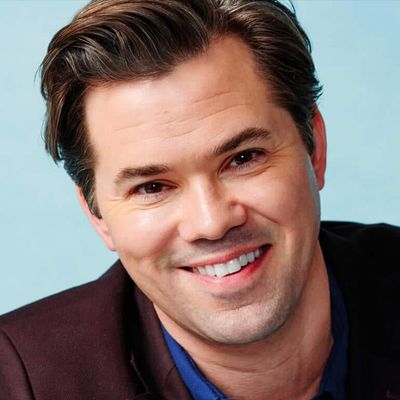
Andrew Rannells (THE BOOK OF MORMON, GIRLS, FALSETTOS) is a two time Tony nominated actor and star of TV and film. Andrew shares his stories about rejection, jealousy and working in the Warner Brothers gift shop... Read More
From the show: Living the Dream with Rory O'Malley
Guests
Featured Shows


About
Andrew Rannells (THE BOOK OF MORMON, GIRLS, FALSETTOS) is a two time Tony nominated actor and star of TV and film. Andrew shares his stories about rejection, jealousy and working in the Warner Brothers gift shop. Rory and Andrew talk about their shared experience of opening THE BOOK OF MORMON on Broadway and how it changed everything.
Transcript
This transcript was automatically generated and might contain errors.
[0:00] Rory O'Malley: You're listening to episode number 57 of Living the Dream with Rory O'Malley. Audition, side job, swimming upstream. Believe it or not, you're living the dream. Hello dreamers, Rory O'Malley here, your host. Thank you so much for listening to Living the Dream. If you like the podcast, please tell your friends, please review the podcast, rate it, do what you need to do to get the word out so that we can keep having these amazing conversations with folks in the business about how they stay grounded and happy through the ups and downs of this insanity, this insane, this insane business that we are in. My guest this week, I've been waiting to talk to him because I didn't wanna start off with somebody who I know this well and who I knew would be such an exciting guest.
Andrew Rannells, who I did The Book of Mormon with on Broadway and is someone who I completely adore as a friend, look up to professionally, and he's just so much damn fun. And it comes through in every performance he ever has given. He is genuinely a blast of a person. I was so excited to get to talk with him about his outlook on the business and how he takes on rejection and all the craziness of what we do because he has such a great confidence about him, and I don't, okay? I don't have that confidence. I have this tie that Andrew gave me for Christmas, our first year of Mormon. Anytime I'm going to an event and I'm nervous, I'm like, I'll wear the Andrew tie. If I wear the Andrew tie, I will know it's a good tie and I'll feel more confident.
And that's kind of what he is. He is just kind of like going through life with a lot of pep in his step and excitement. And he's a fellow Midwest guy. He's from Nebraska. I'm from Ohio, and I was really excited to get to hear even more of his story, even though I know so much of it, especially after he got to New York. But we have shared one other cool thing besides Book of Mormon. We were both kings in Hamilton, and I haven't asked him if I could do this, but I'm sure he'll be fine with it. He's Andrew, he'll laugh. I looked up in my phone my text messages to him before I went on as the king. When we did the coronation, the ceremony where they pass off the crown to the next king, when Jonathan Groff was passing it off to me.
And I texted Andrew and said, I'm terrified. I'm terrified of being in Hamilton. And I'm worried I'm gonna ruin the greatest thing ever. And he texted me back to calm me down. He said, I totally get it. He said he was terrified too, which really made me feel better. He also said that walking out alone in the middle of the action is what scared him. He says, but I gotta tell you, you feel that crown, and you've got that sense of security. And you've got that scepter, and you just have to say, fuck it. And that really helped me. It really helped me because before I went on stage to play the king, I just was like, oh man, I'm from Cleveland. I don't know if I can play the king. But I would think of Andrew saying that and I would take ownership of that crown.
And I think that maybe that's what I'm getting at with Andrew is that he takes a lot of ownership on stage and in life. And I really look up to him for that. He has had such an amazing career. He was in Hairspray on Broadway. He was in Jersey Boys. And he opened and was nominated for a Tony in The Book of Mormon. We talk a lot about that in this interview. He's also performed in Hedwig and is currently in Boys in the Band with a bunch of other really great gay actors who I look up to as well. He's just, he's done so much. And he has also become a television and film star with shows like The New Normal and his amazing character Elijah on Girls, which was just, to me, a phenomenal, phenomenal performance.
He's so much fun. This is a great conversation. And I'm so glad that we finally got to have him on Living the Dream. Enjoy my conversation with Andrew Rannells. Excuse me, the Andrew Rannells. Hi, Andrew.
[5:21] Andrew Rannells: Hi, Rory.
[5:23] Rory O'Malley: How are you?
[5:25] Andrew Rannells: I'm good.
[5:26] Rory O'Malley: I'm sorry we're not in the same room.
[5:28] Andrew Rannells: I know, we've tried to make this happen in the same room.
[5:32] Rory O'Malley: But whenever you're in Los Angeles, because I've been in LA mostly and you've been in New York for the most part over the last year, you are super busy when you're here and I'm super busy when I'm in New York. So we're just gonna have to do it over the damn phone.
[5:49] Andrew Rannells: We're gonna let technology help us.
[5:51] Rory O'Malley: Exactly. Bring us together.
[5:53] Andrew Rannells: Exactly. So you're in New York right now. You're performing on Broadway once again. You've done at least 37 Broadway shows since Book of Mormon.
[6:05] Rory O'Malley: Well, not quite.
[6:07] Andrew Rannells: Not quite, but you've done so many shows. I was, because I was going over it in my head. I was like, okay, so I did one and Andrew has done how many? I couldn't even keep track. But right now you're in Boys in the Band.
[6:23] Andrew Rannells: I'm in Boys in the Band. I've been very lucky that some things sort of fell into place. Because, I mean, agreeing to be a part of some of these shows, it's mostly about timing and when things are happening. So I've been lucky that Hedwig and Hamilton and Falsettos and now this all sort of Boys in the Band kind of just lined up sort of perfectly.
[6:47] Rory O'Malley: Fell into place.
[6:48] Andrew Rannells: Yeah, which is really, I just feel very grateful for that. Because I love, this is obviously what I love to do most. So I'm happy that I got the opportunity to.
[6:57] Rory O'Malley: Well, you're lucky, but also Broadway's lucky. Because I think, well, I mean, obviously I'm saying that because I think you're such a fantastic performer and I think it's also, it's so amazing because you have had so many opportunities in TV and film and you are continually going back to stage. And yes, of course, we love theater so much and we love Broadway so much that we would be jumping at the chance to do it. But when you start to do TV and film, as I've realized more and more, you're like, oh, this is pretty, it's pretty easy. You know, okay, like I'm not trying to take away from the hard part of TV and film, which there are like difficult parts.
[7:43] Andrew Rannells: Sure.
[7:44] Rory O'Malley: But like compared to eight shows a week, man.
[7:47] Andrew Rannells: I know. Although I always tell people when, if they ask sort of what the difference is, working on a television show is always, it's like always being in tech. Like you get these like little bursts where you actually feel like you're acting and then a lot of it is just waiting around. So it's really cool and really satisfying when you see it all put together, but sometimes the making of it, you're like, did we just do something? Am I acting right now? Is that possible that that was captured on film?
[8:16] Rory O'Malley: Right.
[8:17] Andrew Rannells: And you don't ever really know what it's gonna look like. I mean, your performance is really in the hands of an editor and a director and you don't get to really sort of control all of that. And I like to control things. So it's nice to be when you're on stage, it's like no matter what the director has said to you or sort of what was happening in rehearsal, ultimately it's up to you to sort of make it, you know, come alive on stage in front of people. And nobody can really, for better or for worse, no one can really help out. Because it's up to you.
[8:53] Rory O'Malley: Yeah. I'm working on this TV show now and every single day I'm reminded at how green I am in the TV and film world because they'll say like, okay, in this scene you open up this bottle of wine and here are the glasses and they give it to me like right before. And I'm like, well, I need to rehearse. How will I open up this wine bottle? And they're like, oh, we'll just cut it together so it'll look right. Don't worry about it.
[9:21] Andrew Rannells: I'm so excited for your new show, by the way. It sounds like so much fun. Are you having a great time doing it?
[9:27] Rory O'Malley: I am having more fun doing this than I've had doing pretty much anything except for Book of Mormon. It's so over the top crazy and theatrical. So it's right in my genre. It's such a fun idea, my God.
[9:48] Andrew Rannells: Yeah, it's crazy. It's crazy. But it's also just a perfect place for somebody who's used to, you know, the stage to do a TV show because I'm literally performing Shakespeare every episode. And, you know, yeah, it's basically like a show about theater nerds, you know, who go a little, go the extra step and literally inhabit characters at Renaissance fairs. And yeah, I'm having a great time. But I've been thinking about you so much because you had done TV and film, but you really, when we were in Book of Mormon, you and Josh both had series by the end of the first year of the run. And you were like, you both like were swept off into having to lead TV shows, you know? And I just kept thinking, man, I'm so glad that I kind of like had a couple of guest spots on TV shows after Mormon.
And I didn't feel like too much pressure so that now here we are, you know, seven years later and I having so much more to do, I feel a lot more comfortable. What was that like for you when you went into The New Normal and had to lead a TV show?
[11:03] Andrew Rannells: It was, I was fortunate that right after we opened, I was cast in Girls, which nobody really knew what that was gonna be. Or, you know, Lena had done Tiny Furniture, but nobody knew what the series was gonna be like. So I kind of got to learn a lot from Lena and from Judd Apatow and being on that set in ways that I didn't realize were very unusual. Like first and foremost, like I remember the first day, the first scene that I shot on Girls, they let me watch all of the playback, which is not normal, you normally don't get to do that. But I didn't know any better and I asked because I was like, look, I've never spoken dialogue on television before and I wanna make sure that I'm not. Is that true?
[11:49] Rory O'Malley: Yeah, that was my first time.
[11:49] Andrew Rannells: That scene in the bar with you and Lena was their first?
[11:52] Andrew Rannells: That was the first time I had lines. I was a headless stripper on Sex and the City. And then—
[11:59] Rory O'Malley: Well, who wasn't?
[11:59] Andrew Rannells: Who wasn't at some point? But no, I had never done a television show before. So I asked them if I could watch it. I mean, we were doing The Book of Mormon at night. I think we filmed that on like a Tuesday morning or something, so we had a show that evening. And I, and she said, yes. She was like, of course you can watch it. So it was a great way to sort of learn how to calibrate your performance a little bit since the camera is so close to you. So, you know, and by the time, I guess I did the pilot of The New Normal, we had done that whole first season of Girls. So I had a little experience, but not a ton. And the other big, you know, difference was HBO was sort of a very leisurely schedule.
And then to launch into The New Normal, which you have to, you know, you finish an episode in like four or five days. It was a lot, a lot, a lot of work. And you don't, and I guess that was like the hardest lesson to learn was that I didn't, we were doing 22 episodes and some of them went by and I was like, what was that about? Was I good at that? I mean, cause it's so, it starts to get so moment to moment. I mean, it was a great learning opportunity on how to be a part of something like that, but it was hard and I felt like, and I can only say it now because it's been so long, but I, you know, there was a long period of time where I was like, was this the right decision? Because I had only ever really wanted to work on Broadway.
And here I got that amazing opportunity to be in The Book of Mormon. It was the first show I had ever opened on Broadway. I had replaced in two other shows, but I had never opened one. And I felt like just as we were open and the Tonys happened and all of that, that immediately I was like asked to sort of plot an exit. And I was like, I don't know if I'm ready to leave yet. Like I wanna be in this moment more, but you know, these opportunities, I was sort of convinced that maybe they wouldn't come along again, or maybe it was, I didn't wanna stay too long at the party. I don't know, but I was.
[14:10] Andrew Rannells: I was convinced by myself and others that that was the right move to do. But it was hard. It was really hard when I first got out to L.A. because I missed you guys and I missed doing the show. And it was, you know, I miss New York City. And all of a sudden, here I was doing this thing that I didn't really feel like I had control over. And I was, you know, living without my friends and not doing I wasn't, you know, I like I love doing musicals. And I was not doing one anymore. And I had just left the best one I had ever been a part of. And so it was a tricky transition. And I also thought I sort of foolishly thought that Josh and I would have time together at some point. And of course, we never did.
Because we were on different lots. We were both working like 16 hours a day. There was just no time to sort of catch up with him. So it didn't feel quite as I was like, Oh, well, there'll be people out there that I'll know. But like, you're both going off to camp together. Yeah, kind of. But it turns out we were in different, I mean, and I didn't. I knew, you know, that how large Los Angeles is. But I, you know, I think he was I forget which lot he I was at Paramount. And he was someplace else. I think he was at, I don't know if he was at Fox or what, but we were it was not close.
[15:26] Rory O'Malley: Yeah, no, and you're like, and then after work, we'll just meet at Sardi's and have a drink and not how it works.
[15:31] Andrew Rannells: Not the same as New York. It's funny, you know, I know. It's funny that we're talking about this moment as we start because I have such a specific memory of talking to you almost before every performance of Book of Mormon because we were always, you know, there before the curtain came up. I was dressed as Moroni and you were dressed as Elder Price. And, and I remember the few months maybe it was like, it was it was always kind of like, can you believe this is happening? Can you believe we're a part of something this amazing? And I remember both of us saying, like, what do we do after this? You know, like, what has this ruined us? Basically, because you feel like, how do you follow up the greatest experience you're ever going to have in your life, which I tell people all the time I knew while it was happening.
This is the greatest thing that will ever happen to me. And that's not because other things aren't going to be great. The other thing that I'm trying to say how phenomenal and special this experience is, and it still is the greatest thing that I've ever gotten to be a part of.
[16:45] Rory O'Malley: Oh, absolutely. And so that that fear of, of walking away, and moving on to the next thing, it's, it's almost crippling. And I remember when you left, you know, I was I was a mess. I sobbed the performances after you left and after Josh left, certainly when I left. But you do you just have to kind of walk through that fear and, and do something else. I remember Do you remember that we there was that crazy luncheon that we went to that Mike Nichols was sort of like hosted for us? He was like, and I remember he said to all of us, he was like, this will never happen to you again. And at the time, I was like, really thrown by it. And I forget who was standing there. And they were like, No, no, no, he doesn't mean it like that.
But it did. It took a while. But what he meant was, you will never have this sort of first moment again. And it was, he was correct. It was really, it was scary, but wise advice from Mike Nichols. And it really did. I mean, and I'm sure you feel the same that I just, you know, you try to be as present as possible. And we were fortunate that we were a little bit older, you know, we were not right out of college, certainly, and we had all sort of worked. And I think that was the perhaps the most magical thing about that whole experience was that we knew that it was special. And sometimes I've witnessed others and I'm sure you have to that get to be a part of something huge, and they don't always clock it.
And I feel like it was really, it was sort of miraculous that we all collectively knew like, Oh, this is a this is great. This is it was such a celebratory time for us, which I'm so grateful for that we were all had the presence of mind to be aware of that.
[18:30] Andrew Rannells: Yeah, there wasn't one bad apple who was ruining it. Everyone understood. No, no, no, every day, we need to be grateful and soak this in. And I think that comes from, you know, it, like you said, age, but also just experience in this business and dealing with rejection, which is something I talk about a lot on this podcast. So how did you deal with rejection before Book of Mormon? How do you deal with it now in the different forms that it comes into play in our business?
[19:07] Andrew Rannells: It took me a long time. Honestly, like, only in the couple years before the Book of Mormon, so basically, until the time I was like, 30. I was so I had so much jealousy and so much anger about what other people had. And it's the thing that I regret the most about my 20s is wasting so much time on worrying about what other people had. And it wasn't until I mean, I guess it was I was doing Jersey Boys. I was replacing Jersey Boys on Broadway. And I don't know something just like I was auditioning for all these new shows and not getting them. And and I realized that like, I was tired of, of trying to figure out what everybody wanted me to be. So I just decided to say fuck it. And I was I was like, I'm gonna do my thing.
And hopefully, the right project will arise and they will see me for what I can do and what I'm worth. And I'm gonna stop trying to be something else. And it was I think it was like the one that really sort of broke me was auditioning for that revival of Bye Bye Birdie. And I remember the final callback, it was me and Ben Walker. And we were both like, in this room, like dancing our asses off and trying to be Conrad Birdie. And, and I remember like looking at Ben, who I didn't really know at the time, but we auditioned for a lot of the same stuff and just being like, what the fuck are we doing? Like, right? What are we? We're working our asses off for something that neither one of us I think was like, do we really want this?
And then neither of us got it. They cast someone out of Los Angeles that wasn't even at that callback. And that's when I was like, oh, forget it. Like, I'm not, I'm just gonna do, you know, what I can do and do sort of my thing. And hopefully, at some point, the right job will, will show up. And then in very sort of like slow ways, I started to get these jobs over the course of the next year that just felt I felt better in it. I felt that I was good in these jobs, because I just, I was like, I can't, I can't be anything other than what I am right now. I don't know if I exactly answered your question.
[21:30] Rory O'Malley: No, you, you, you actually answered like, my next two or three questions, because, because jealousy is the is the like thing that nobody really wants to talk about in our business, because, you know, we're ashamed if we're jealous, like we, but like, it's also just a very human thing to compare yourself to other people, especially when you're auditioning, or when you're seeing your peers succeeding, and you have to figure out how to pay your bills. And it's not with the craft that you, you know, set out to to make a career in.
[22:05] Andrew Rannells: Oh, and I had a whole hit list of people. I hate him. I hate him. I hate him. Like, it was like, it was so looking back, I was like, why? Why did I? Why was I, you know, wasting so much energy? Like, so you took the you took the jealousy to the next level? Maybe?
[22:27] Andrew Rannells: I really did. I was like, God, I hate him. Like I considered I considered there to be like, you know, rivals when there really are not like nobody's hitting you against anyone else. I mean, sometimes it feels that way. But yeah, when you're showing up to an audition room, and you see the same person over and over again, or you see somebody who, you know, looks like you or can do the same thing as you, but you know, you can do it better. But for some reason, that person knows another person in the room. Yeah, no, it feels like they are what's in the way of you succeeding. But really, you know, no one's success is your failure. It's in that is that is so hard to wrap your head around in your 20s when you're desperately trying to make something of Yeah, of yourself.
[23:12] Rory O'Malley: So you you also, though, you went into you kind of changed things up, and did a lot of voiceover stuff at that time, right? Like, didn't I get into the world?
[23:24] Andrew Rannells: Yeah, that was sort of my it's weird. That was the first, like really professional job I had was when I was in high school, I was 15. And I was cast in this in Omaha, Nebraska, I was cast in a ABC, like Saturday morning cartoon for summary. I mean, now I understand they came to Omaha to cast it because it was all non union. And so they cast all these people that they didn't have to pay a ton of money to, but I did this animated series for like two years. And then that led to a couple more with the same company. And so when I came to New York, like, that was a thing that I knew I could do to sort of stay alive. And and I that kept me afloat for many, many years. I worked on I mean, some of them were just, you know, mind numbingly dumb, but I had to, you know, I was like, Well, this is better than a lot of things I could be doing.
Yes, I did a lot of animated series, none of which I would recommend anyone watching, but it was it was a it was a good way to to sort of stay afloat. And you know, I still felt like I was like, Well, I'm an actor, like I'm still acting. So that really was helpful.
[24:40] Rory O'Malley: It's such a hard, hard world to break into. And you at 15 had already started a resume and that you've continued to have so many voiceover opportunities. It's it's has to be a direct correlation to to your time in a studio at 15.
[24:52] Andrew Rannells: Yeah. And I think it's really I mean, I there was a long period of time when I really started working a lot on Broadway. Initially, all of that voiceover work sort of went away for whatever reason. And now it's great in the past couple years, I've gotten to get back into it. And I really do enjoy doing it. I really and you know, the luckily the projects have gotten better and the writing is better. And but uh, but I do it's a it's a fun challenge. I like I like doing it.
[25:24] Rory O'Malley: You also have you talked about your side jobs as being voiceover, but you also have in your story. What are what are some of your favorites of side jobs that kept you afloat?
[25:36] Andrew Rannells: The one the first one that comes to my mind is that I was a greeter at the Warner Brothers store, which was on 57th and fifth. And it required me to wear a Looney Tunes Letterman jacket. And I had to stand at the front of the store and say, Welcome to the Warner Brothers store, eight floors of fun. That's what I had to say. You knew your line. But it was very confusing because people thought that I, you know, was either a coat check. Or then they would ask me like, Do you know where the blah, blah, blah is? And I'd be like, Actually, I know nothing about the merchandise. I'm just here to say hello. Just know that there are eight floors and they're all.
[26:19] Rory O'Malley: Yeah. And I did it for I mean, not that long, maybe like two months. And I was so miserable. I mean, I was really it was it was really miserable. That I quit in the middle of a shift. And I was like, I just can't do this anymore. And they said, Do you want to give two weeks notice? And my response was so dramatic. I said, I might hurt myself if I stay here any longer. Terrible. But I really did sort of believe it in the moment that I was like, I have to leave now. A woman had come up to me and she asked me where the Tweety Bird mud flaps were. And that was a real thing that we sold. And I was like, I can't do this.
[27:05] Andrew Rannells: Tweety Bird mudflaps. Now, and I, you know, this was at the same time that I was a lot of my friends were working on Broadway, that I was desperately trying to, like, get into that world and was not so it was not that the job was that hard or anything. It was just that it was the juxtaposition of me doing that. And then also going to see my friends on Broadway and being like, God damn it. Like, how? How am I in the wrong spot right now? How do I get out of this?
[27:34] Rory O'Malley: Yeah. So it's not even when I look back on it, like, look at Shea Josephine for a few months. And and that was, you know, it was at the time, it felt really terrible and sort of embarrassing is not the right word. It just it just wasn't where I wanted to be. So I just every time I would go there, I just felt sick. I was like, oh, God, I hate this.
[28:03] Andrew Rannells: Disheartening. Yeah. But the job itself was not it was not that bad. But it was just that I was not in the right mindset to do anything. I was a sort of I was a little brat. I was very I felt very entitled at that time.
[28:20] Andrew Rannells: You know calling you you're at home and you're the star of your high school or you know how much talent you have and then you show up to New York City and you literally are like having to learn a menu, and yeah, those are the lines that you have to memorize and it's like wait a minute this was not the plan and you don't know how it's going to turn out. That's yeah, that's the scary part. Yes, now we can look back and we're like, haha, you know, we were doing these things, but you know, I remember filing papers in a financial firm in New York City and you know then going to see other friends in their Broadway shows at night and just thinking how am I gonna make it through this period of time?
And it was a great job and the thing that I think that people need to talk about this more the reason there I think that we need to talk about it more is because there are so many good side jobs that keep you in the game and we can't resent them. We have to talk about the fact that everyone went through them it's a part of the experience of living your dream that yes that yes, you know that working in at the Warner Brothers store is a part of your story and working in the financial firm is part of my story and I have as much gratitude for that job as I and all the other jobs that I did as I do for you know, Carnegie Mellon University or other things along the way and teachers because that's how I was able to live my dream and I don't want to I want to like release the shame for the people who are doing it right now to it and that's what that's why I guess I said that about you know, the actual work of it is not you know as my father would say he was like, well, it's not digging ditches and he's correct.
Like it was not digging ditches. It was actually a pretty cushy gig. But when you and I don't know how exactly you reconcile that and those in the moment I don't know. It's easy for us to be like, it'll be fine you guys. Yeah, but um but I don't I guess you just have to trust that and we did I suppose, you know, we both in our own ways you know sort of kept our eye on what we thought was important and kept going. We just kept going because certainly a lot of people I'm sure that you went to school with and I went to school with that I worked with early on, you know, they leave the business they leave the city and that's the right choice for them in that moment. But I think I was also so scared of yeah that I didn't even give that to myself as an option which is probably I mean, which is exactly why we're still here.
[31:01] Rory O'Malley: Where did you go to school?
[31:06] Andrew Rannells: I went to school briefly for two years at Marymount Manhattan College, which is on the Upper East Side on 71st Street. Yeah, and it was a you know at the time it was like it was a fine program, but I was not really ready to try to study in New York City. I mean within within a month I was auditioning for Rent, you know like I was going to open calls and and you know anything that would sort of had an open call I was skipping school and going to those auditions. So yeah, it would just put the city turned out to be too tempting because you're so close to everything. So it's like well hell, why can't I just do it now? Which is why I always like tell when young people ask I was like, yeah maybe look for programs that are not in New York because if you really want to study if you really want to you know hone your craft you should probably do it in some place where you can really focus on it and not you know, not be distracted by open calls for Rent.
[32:50] Rory O'Malley: Yeah. No, I mean I you know, I went to school in Pittsburgh. There were no distractions you I remember we like I had I drove around a minivan in Pittsburgh. I had my mom my mom's old Dodge Caravan and I would drive it to New York like once or twice a year and people would pile in and we would just be like in awe of New York City and try to audition for things while we were there you know be like an one open call for The Lion King or something not going to be in but you know, we didn't we we didn't have that opportunity and I do agree I think that like my friends who were going to school in New York when you have that opportunity right in front of you it's very hard to stay in that that lab mentality the bubble of education. But you know, I mean there's also people who like our dancers and who are 18 19 years old and they just need to do it right away. So it's true, you know different for every person.
[33:13] Andrew Rannells: You also I feel like in the last few years, especially as you've started writing more and more and you have a book coming out and you are such a good writer. You thanks for our we talked about making your own shit on this a lot and creating their own opportunities. How important has that been to you?
[33:38] Andrew Rannells: It's been very important and it took me a while to sort of just sort of figure it out. I you know and looking, you know looking at it Trey Parker and Matt Stone and looking at Lena Dunham and you see that they are I took note of that that they were multi-hyphenates that they had out they were creating opportunities for themselves and well, I didn't quite know how to do that. I knew that it was something that I wanted to try so I did have I got a couple opportunities through Judd Apatow to you know to write some screenplays that that didn't obviously were not made but was a good exercise and a good lesson in in what I was actually capable of and when I found out about myself was that you know while I would love to write a screenplay someday like I don't I just don't think that you know I was quite ready to to tackle that so instead I started writing in essay form which felt much more natural to me and much more personal and I started sharing them with this really talented writer named Bill Clegg and he's also a literary agent and a fantastic writer and and you know, he would sort of he pulled these essays out of me in a really a very conniving way that I didn't realize that I was writing as much as I was right and then he asked if he could submit one of them to the Modern Love column in the New York Times and and I you know, I didn't I didn't really think it would get published but I was like this will be a good test to see if if I'm actually doing some of this correctly and then it was published and by the time it came out a couple like a month later I had about a hundred pages written that I I could then take to different publishers and and you know, luckily there was some interest there and and it just I felt like I was it was the I guess what I'm saying in the most roundabout possible way is that I needed to find a way to create my own shit on my own terms and not have like I don't know how to write a big-budget movie.
Yeah, so I was trying but I didn't it felt false and then when I finally found something that you're not finally but when I found something that you know felt more honest, it just came out much easier and I was like, oh, this is the this is a good way to do it so if I had, you know, if I had set out to try to write Bridesmaids or Girls or like I just don't think it would have it would have worked out but you know, however it happened I was able to tell these stories and write these these things and sort of my own timeline in my own terms and it just it feels very satisfying to get to do.
[36:42] Rory O'Malley: You have such a gift for being vulnerable to your audience, whatever that audience is and I think that it really lends itself to writing because I think writing is, you know, even more vulnerable than standing on a stage and singing it's you know, it's coming from you and I think it's it's it's very scary to me so I really admire you for for taking that on and especially with what that column was I can only imagine, you know, how personal these essays are that it's it's it was very beautiful I'm really looking forward to reading it.
[37:19] Andrew Rannells: Well, I gotta say it was really inspiring when I saw your show in Los Angeles and the fact that you married a very personal story with also your gifts that you have very naturally with being on stage and being an entertainer and singing and and telling stories I mean that was really inspiring to me that I was like, well he found his way to tell his story and that's what's lacking. It was what was lacking in my process was I was like, oh, they're not really being honest and I was you know watched you on stage be very vulnerable and very honest and I was like that's I just admire that so much.
[38:02] Rory O'Malley: Thank you. Andrew's talking about that. Oh hey, I'm so glad you came. I've only done it like three or four times I'm hoping to do it more but this is a show that I wrote called Pub Crawl where I talk about growing up in the Irish pub culture of Cleveland and and a lot of crazy stories around it, but yeah, it's it's it's without a doubt the thing that I've done that the least amount of people have seen but is the most the thing I'm most proud of and the thing that I keep going back to to keep wanting to work on and the thing that's been the most challenging to me by far because it's so vulnerable, you know.
[38:41] Andrew Rannells: It's really sharing a part of yourself something that you just did recently that I think really highlighted your talent for for holding court on a stage and showing your true self was the Live at Lincoln Center show. I loved I loved all four of them. It was you Stephanie J Block, Sutton Foster and Leslie Odom Jr. And I was dying at yours. I just know there's just so much you mean beyond the fact that you just you sang the shit out of so many of those songs and were so fantastic there's so much heart comedy and ease on a stage. How was that putting that together?
[39:22] Andrew Rannells: It was so much fun. And it was really it was kind of it was scary to do because I had never done a show like that and I had been offered the opportunity a couple times and I remember a few years ago while I was in LA I was asked by the Carlisle to do a you know a series of dates and I really wanted to do it and it happened that Christine Ebersole was in town who I respect so much and I think she's it's that's the some of the best, you know cabaret if you ever get a chance to see her live it's always an incredible show and she's such a brilliant storyteller. Her voice is bananas. So I I got to see her one night and I asked her about doing it if she had any advice and she was like don't do it unless you really feel like you're ready because there's not issues it's a terrible feeling when you are up on that stage and you're like, oh, I actually don't want to do this.
Like if you're if you're dreading it, she was like don't don't do it and I was dreading it. So yeah, I declined and then years and years later at this opportunity came up to do really it was it was one night it was two shows and one night and they said you can do whatever you want. You can pick your musical director. You can pick all the songs you can do however you want to shape it. It just has to be 60 minutes and that's it. So I had like six months to think about it and I was like, you know what? No, no, it's probably the time and very rather quickly actually it all kind of came together and I was working with Todd Almond. Who's a brilliant composer and musical arranger and and it all just I was like, oh this is the right time this is a good time to do this because it all just it felt very easy and fun and like rehearsing with Todd was fun and picking the songs was fun.
And and that's when I knew I was like, oh this is gonna be good now the actual night of the performance was, you know, probably the week leading up to it I was terrified and was just like waking up yeah, you know with like weird panic every morning just like shooting out of bed being like why am I doing this?
[41:21] Rory O'Malley: So funny that that fear right there that I'm always so good at denial until a week before or like that day before I'm like what an idiot. Why did I ever do this to myself? I could be sitting at home sleeping doing and watching TV, but why here I am terrifyingly are oh my god, but it was so much fun and I really would like to do more of it and I would love to do it again but but that experience was great and to get to you know, the opportunity to do it on PBS was you know as we've discussed and I think mostly, you know, a lot of people our age have very similar story that you know you watched particularly for not from New York we watched Into the Woods on PBS and that was sort of our introduction to musical theater so the fact that that you know in one year I got to do you know Falsettos on PBS and then do this special on PBS was it just meant a lot to me to get to be a part of that tradition because that's exactly how I learned about musical theater so yeah, I'm grateful to them that they still do those broadcasts because I think it it really does.
[42:30] Andrew Rannells: Even though now we live in an age where a lot more information and the shows are more accessible to people all over the place, I still think those full productions, you can't beat that. Clips on YouTube are great, but when you see a fully filmed production of a Broadway show, that's very special. It's special to us, being Midwest kids, knowing that that was the only way we were really going to get to experience what was going on in New York, the epicenter. Let's talk about that a little bit, growing up in the Midwest and falling in love with performing. How did that start for you? We had a children's theater in Omaha called the Emmy Gifford Children's Theater, and it was right by our house. It was less than a mile away from where I grew up and from where my grade school was.
So I started at a very young age seeing shows there and going on field trips, and I was just always aware of theater as an activity. That was a thing that was very much accessible. And it hit me, I don't know, probably around the age of nine, I guess, that I saw a kid in one of the shows that I was like, who the fuck is that? Why is he on stage right now? And I'm in the audience. And it just, it piqued my interest enough that I remember talking to my mother about it, and she was like, well, they teach classes there. Do you want to take some classes? I love that he was the first person on the jealousy hit list. Oh, my God. Oh, my God. Yeah. Yeah. Yeah. His name was Lance Polakoff. Oh, my God.
I remember his name. Yes. That is amazing. But that really started. So I started taking classes there, and then I eventually started doing shows there. And it really is like it's the only thing I've ever wanted to do. And I don't, um, it just was very clear from a very young age that I was like, Oh, I just I want to be an actor. And that has never changed. It has never I've never sort of wavered from that. And my family, bless them, um, never really questioned it. Um, now part of that might be because there's five kids in my family, and my parents were just exhausted all the time. But, um, but they just sort of let me do my thing. And that went through, you know, I started doing more community theater stuff in high school.
And, and then when it came time for college, it was just, that was I just knew that was what I was gonna do. And then I was gonna move to New York. And, um, yeah, but unfortunately, it did that seed started with just jealousy.
[45:18] Rory O'Malley: Well, you know, it's a good it's a good motivator. You know, like, it's it's not as long as you don't let it be toxic and take over. You can definitely be, let's say, inspired by other people.
[45:30] Andrew Rannells: I was inspired by Lance Pollock. Lance was inspiring you. Um, so you get to New York, and you go to school, but you also didn't you do something with Pokemon? What is? Am I making this up?
[45:42] Andrew Rannells: No, you're not making it up at all. Was this one of your first jobs or no?
[45:48] Andrew Rannells: Yes, I had. Um, it's I was just it was funny. I was just with Dominic Nolfi last night, and we met doing Pokemon live at Radio City Music Hall. He had he had just graduated from the Bus Conservatory. And I, I guess that was the year that I would have been graduating, I guess. But I had already dropped out of school. And I had gotten my equity card doing a production of Greece at the Westchester Broadway dinner theater. Good place to get it.
[46:16] Rory O'Malley: Right. So I was working in Westchester. And got this job. I was working in Westchester for no money. Like it was it was I remember when I got my equity card. I went from it was $400 a week to $405 a week was the equity bump was an extra $5. And the dues are 80. Yeah. And it just didn't go very far at the time. Um, and so I didn't have any money. And I got this audition for Pokemon live at Radio City Music Hall. And it was like, it was like a production contract. It was like a crazy at that time. It was a crazy opportunity. Yeah, I was to book it. And I just sort of put my blinders on. I was like, I need this job. I don't really care what it is. And then lo and behold, find myself in it, and then had to realize like what Pokemon was and what it meant to be a part of a very extravagant children's show.
And it was I mean, the good news was we were all the same age, all in the same spot in our careers. Nobody. I think everybody was just sort of, you know, happy and also terrified to be there. So it was actually it ended up being a great experience and a lot of fun. But I did have to wear like a purple bob wig every night. And it was also one of those Radio City contracts where it was like we did, you know, six shows a day. So it was maybe it was five shows a day, I guess. But still, it was really it was crazy. It was a crazy, crazy show. I mean, sometimes like it definitely I've had jobs on on a stage where I thought, Oh, boy, I miss filing papers.
[48:10] Rory O'Malley: Yes, if I could have been in a coat check, I would have been like, Okay, maybe this is safer.
[48:15] Andrew Rannells: Yeah. But but but they definitely I mean, especially when you're joining the union, and you know, you're making union money. That is a completely different ballpark, especially in New York City, because you do need to kind of be a part of a part of it. But what was your first job that you were like, Okay, this is my first big break or first moment where you felt like you were part of the Broadway community?
[48:41] Andrew Rannells: Hairspray, I mean, and I, after years of trying after auditioning for the original company and not getting it, and then there's this crazy thing that happened where somebody, the link Larkin dropped out of hairspray and rehearsals, and Matt Morrison was moving up, and they had these emergency auditions. And I was like, this is my chance. And I once again, did not book it. And was like, I knew that that was the show for me. But I just I didn't, I just wasn't booking it. And then in their third year, I think, or maybe their second year, end of their second year, I booked it, I finally booked it for that that track that, that I had initially auditioned for, which was the pivotal role of Fender.
Yes, so I played Fender, and I understudied three parts. And that's when I started to sort of like, take it, I could sort of I felt like I could breathe a little bit more easily, that I was like, Okay, well, you're here, you've done it, you're doing the show, the hit, the show was a hit. So I knew it was not going anywhere. But, you know, that ambition sort of creeps in very subtly. And, you know, understudying parts, I then realized that I was like, Oh, I would rather be playing the part and understudying it. So that, that, that ease was sort of short lived, because I was like, God damn it, I really just want to, I really just want to be Link Larkin. And then that ended up happening, like nine months into my time there, I was, I got to, I replaced Richard Blake.
And I did that for like, another nine months, and then was eventually replaced and was not my contract was not renewed. So it started like a whole, but that was really the when I felt like I was at least in the right place. And I was so happy. And it was with so many people that we know with Lindsey Chambers, and with Cameron Adams, and, you know, friends, people that I'm still very close with today. Yeah, Kritzer, Leslie Kritzer was in there. So it was it was such a fun time to get to be a part of that show.
[51:16] Rory O'Malley: There's certainly a lot of shows that are like introducing a whole new crop of young Broadway people and Hairspray was definitely that I wasn't a part of Hairspray, but I was a part of Spelling Bee, you know, and like, so many of us were getting our equity cards on Spelling Bee and making a Broadway debut. Like, there's certain shows like that, that, you know, you'll be bonded with them.
[51:29] Andrew Rannells: Absolutely. Yeah, as well. I mean, and it's, it's crazy. I mean, certainly a lot of people are not around anymore. But, but most of them are. And same thing with Spelling Bee. Like, yeah, most of those folks are still still very much around.
[51:35] Rory O'Malley: Absolutely. Yeah. So did you go straight into Jersey Boys from Hairspray?
[51:41] Andrew Rannells: I had a few months. I had like, I had a few months of just solid panic. And then a couple regional gigs. And then Jersey Boys, but all in all, it was like, you know, it was probably it felt like a lifetime, but I think it was like eight months. And I did, you know, I did some, some sort of not, you know, some regional gigs here and there that sort of kept me going. And then Jersey Boys started a, you know, a two, I was with them for two years and many different companies and traveling all over the states.
[52:10] Rory O'Malley: That's the first time I ever saw you perform was Bob Gaudio in Jersey Boys in Cleveland, my hometown.
[52:17] Andrew Rannells: With Joe Bwery.
[52:18] Rory O'Malley: That's right. Right. And my buddy Joe, who I knew from Los Angeles, and he was in town in Cleveland, staying with my mom, I think. He would always, yes.
[52:27] Andrew Rannells: I think he was literally living with your mother.
[52:29] Rory O'Malley: Yes, he was living with my mom. And so I came home and saw him in the show. And I saw you and I knew Daniel Reichert from Cleveland. And I was like, oh, you know, he was amazing as Bob Gaudio. And I would, you know, just partial to to Daniel. And when I saw you perform, I was like, wow, this guy's completely made made it his own. You had your own take on it. And we're so fantastic. So fast forward a little bit to the moment where we're in. I had been a part of the readings of Book of Mormon for a couple of years, you know, and this we had probably like three different prices who came in and that, you know, it's such as so much of the show rests on the shoulders of the actor playing Elder Price, the lead.
And so it was tricky and tough to get right. And I remember when I found out that it was going to be you for our final workshop, and I thought, oh, okay, they found the right person. We're gonna be we're gonna be fine. And I remember when we did a run through early on and you saying I believe and you grabbed the warlords hand, Brian Henry, and you you you had this moment with him that was so genuine and real and and wasn't comedic to be cartoonish but was coming from a real place this this very deep understanding of this character. I was like, well, we're flying now, you know, this thing is gonna like this thing's gonna take off. We found we found our guy. What was the experience of getting that phone call getting that opportunity and going into that workshop and into our early rehearsal days?
[54:25] Andrew Rannells: It was first of all, thank you for saying that. I that means a lot to me. I it was it was, you know, it was one audition. I was working at the paper mill. I was doing Smokey Joe's the paper mill playhouse. And I was I was working with my Wilson. And she brilliant genius. So hilarious. And she, um, I got this audition was, you know, for the for the South Park guys have written a musical. They didn't say what it was called. Like, it was all very secretive. And not to give too much backstory, but I had also just worked with Dan connect us on Lissa Strada Jones, right? And he was choreographing the Book of Mormon and those in that last workshop, right? And I remember asking him because you know, it was I was like, well, if it's about Mormons, it's probably a lot of white boys.
I was like, is there anything for me in that show? And Dan connected said, Not really? No. Yeah. And I was like, Okay, so then, you know, cut to a few months later here, I'm working at the paper mill. I'm with my I get this audition. And I asked her, I was like, Dan said, I'm not right for this. And she was like, No, you're right for it. And I was like, but it says that he's 19. And I was like, I was 31 at the time or 30. And she was like, No, no, no, no, no, she was like, just just go in. She was like, you should definitely go in. So I went in and auditioned once for Jason Moore, one more time for Trey Parker and Bobby Lopez and Matt Stone. Then they flew me to Los Angeles to read with Josh Gad, which was very strange for a musical that I was being flown anywhere.
So I met with Josh, and then and this all happened in like, two weeks. And then yeah, I got it. Then I got a phone call that it was happening, that I was cast. And I was so exciting. And then I got a phone call that maybe it wasn't happening because they were changing directors. Yes. And I was like, wait, what? Like, it was really touch and go for a moment. Yeah, you were like, wait, what I was like, this has been three years.
[56:40] Rory O'Malley: Welcome back to Living the Dream. I'm here with Andrew Rannells, and we’ve been talking about the journey of opening The Book of Mormon on Broadway.
[57:40] Andrew Rannells: Yeah, it was such a whirlwind experience. I mean, we were all just so excited to be a part of something that felt so fresh and new.
[58:25] Rory O'Malley: And the energy in the theater that night was electric. I remember the audience's reaction during the first number.
[58:45] Andrew Rannells: Absolutely! It was like nothing I had ever experienced before. The laughter, the applause—it was overwhelming.
[59:05] Rory O'Malley: And to think about how much work went into that moment, all the rehearsals, the late nights, and the nerves leading up to opening night.
[59:25] Andrew Rannells: Right! And the pressure was on, especially with the expectations surrounding the show. But once we got out there, it all just clicked.
[59:45] Rory O'Malley: It really did. I think we all felt that we were part of something special, something that would resonate with audiences.
[1:00:05] Andrew Rannells: For sure. And it was also a huge turning point in our careers. I mean, it opened so many doors for all of us.
[1:00:25] Rory O'Malley: Definitely. It was a game changer. I remember the buzz around the show and how it felt like we were at the center of it all.
[1:00:45] Andrew Rannells: And the camaraderie we built during that time was incredible. We were all in it together, supporting each other through the ups and downs.
[1:01:05] Rory O'Malley: Yes! That sense of community made the experience even more meaningful.
[1:01:25] Andrew Rannells: And it’s something I cherish to this day. Those friendships have lasted beyond the show.
[1:01:45] Rory O'Malley: It’s amazing how theater can create such strong bonds.
[1:02:05] Andrew Rannells: Absolutely. And it’s also a reminder of how important it is to lift each other up in this industry.
[1:02:25] Rory O'Malley: Speaking of lifting each other up, I know we’ve both faced our share of rejection and jealousy along the way.
[1:02:45] Andrew Rannells: Yes, that’s a part of the journey too. It can be tough, but it’s how we handle those moments that defines us.
[1:03:05] Rory O'Malley: Exactly. It’s all about resilience and finding ways to stay grounded.
[1:03:25] Andrew Rannells: And remembering why we started in the first place. The love for the craft keeps us going.
[1:03:45] Rory O'Malley: Well said! And I think that passion is what ultimately connects us with the audience.
[1:04:05] Andrew Rannells: Yes! When you’re authentic and true to yourself, it resonates.
[1:04:25] Rory O'Malley: And that’s what makes the experience of performing so rewarding.
[1:04:45] Andrew Rannells: Absolutely. It’s a beautiful cycle of giving and receiving.
[1:05:05] Rory O'Malley: I couldn’t agree more. So, what’s next for you, Andrew?
[1:05:25] Andrew Rannells: Well, I’ve been exploring some new projects, both in theater and television.
[1:05:45] Rory O'Malley: That’s exciting! I can’t wait to see what you do next.
[1:06:05] Andrew Rannells: Thanks, Rory! I’m excited too. It’s all about continuing to challenge myself and grow as an artist.
[1:06:25] Rory O'Malley: And you’re doing just that!
[1:06:45] Andrew Rannells: I appreciate that. It’s important to keep pushing boundaries.
[1:07:05] Rory O'Malley: Absolutely. And I think our experiences in The Book of Mormon have prepared us for whatever comes next.
[1:07:25] Andrew Rannells: Definitely. It’s all part of the journey.
[1:07:45] Rory O'Malley: Well, thank you for sharing your stories with us today, Andrew.
[1:08:05] Andrew Rannells: Thank you for having me, Rory! It’s always a pleasure to chat with you.
[1:08:25] Rory O'Malley: Likewise! And to our listeners, thank you for tuning in to Living the Dream.
[1:08:45] Andrew Rannells: We hope you enjoyed our conversation.
[1:09:05] Rory O'Malley: Until next time, keep dreaming big!
[1:09:25] Andrew Rannells: And stay grounded!
[1:09:45] Rory O'Malley: Bye, everyone!
[1:10:05] Andrew Rannells: Bye!
[1:10:50] Andrew Rannells: And it all kind of bled together a little bit. And I was like, Oh, I'm not presenting, I'm not using this as a platform to promote the work that I'm doing. I'm now using it to promote, not to promote, but at least talk about sort of my political views, which I think is also, it's a great use of that. But the response was so crazy that I mean, I, the threats that I got, I mean, it was, it was not to be believed, or actually to be believed, because that's where we live right now. People can, yeah, they can say whatever they want. And it was not that I took it seriously. But I was like, this can't be good for us. Like this cannot be a good way to communicate or get your message across. I still think it's a, you know, there's, there's still great ways to use it if you sort of, I think, use it responsibly and don't use it as just like, you're not just like, you have to be thoughtful.
I think you have to be thoughtful with what you post. And it's okay to, you know, just post silly things. But I think particularly when it comes time to, you know, talk about things that are important to you, you do have to, to be thoughtful about it and also be prepared for the fact that people are going to have, you know, opinions and want to, and want to share them with you. Yes. And sometimes aggressive ways. Jesus, it just doesn't seem like it's going anywhere. So I think it's something we have to sort of figure out how to navigate. I just, I do hate that it's become this, you know, anytime I turn on the news, and that that's become, you know, Twitter has become just a normal platform for people to release information, particularly the President.
It can't, I don't know, it's sort of, it just bums me out that that's how we share so much important information, and how much damage can actually be created by a couple sentences. Yeah, it's, it's tricky. So I think we collectively have to figure out a way to be more responsible about it. Well, I think that, you know, like, as artists, we always feel a social responsibility. And it's such a fantastic thing, especially in the Broadway community. But social media is not, to me, the best way to get the word out on where we should be going as, as a people because it's just an anonymous cesspool of toxic energy. And it doesn't have to be but many times, especially with politics, it is, I think that what is so much more important is choosing art that really says something.
And as we're wrapping up here, I really would love to talk about your experience doing Falsettos. Because I think that is, you know, I've said that I think Broadway is so lucky that you are continually choosing to come home to do pieces. And yes, it's, timing was right. But clearly, this was a passion project for you. And I would love to hear about your experience of performing in Falsettos.
[1:14:02] Andrew Rannells: I, it's always been one of my favorite shows. Always, always. And I never, it was one of those that I just never thought I would actually get the chance to, to do it. And then many years, well, in 2010, the summer of 2010, Christian Borle and I were both in a lab of Little Miss Sunshine. Right.
[1:14:26] Rory O'Malley: And you know the show.
[1:14:28] Andrew Rannells: I do, yes. We were singing, I was playing Joshua Rose. And he was, what is his name? I forget what the character's name is. But we had a duet together.
[1:14:41] Rory O'Malley: Right, right, right, right.
[1:14:43] Andrew Rannells: The end of the song was a very similar chord, it was all Bill Finn, a very similar chord progression to some song in Falsettos. And I jokingly said to James Lapine that I was like, well, we could do Falsettos someday too, Christian and I, like we could. And I, and I kind of meant it in a sort of a, in a secret-y way that I was like—
[1:15:06] Rory O'Malley: Planting a seed.
[1:15:06] Andrew Rannells: Planting a seed, please God. And you know, this was before the Book of Mormon. He was like looking at me like, who the fuck are you? But you know, we sort of laughed about it and whatever. And we had that experience. And a couple years later, a few years later, Christian and I were asked to sing the Thrill of First Love from Falsettos at a benefit honoring James Lapine. And we did it. And in that room that night was Andre Bishop and was Jordan Roth. And I, it was just like a very, I don't know, I'm getting a little choked up thinking about it because it really, I was like, this is the thing that I wanted to do so, I've always wanted to do so badly. And it seems like it's naturally falling into place.
And I can't believe this is happening. And, you know, a year later, two years later, we were doing this production of Falsettos with Lincoln Center and with Jordan Roth and with James Lapine directing it. And I was like, I can't believe this is actually happening. It just didn't, even more than the Book of Mormon, it just didn't seem, it didn't seem possible. It was such a dream come true. Yeah. Yeah. And I love doing it. And you're right, the timing of it, you know, that it happened during an election year. And it happened at a time where I think everybody was, I don't know, there was a lot of uncertainty, but also still a lot of hope. It was really just, it was a really perfect and beautiful experience. I'm so grateful for it.
[1:16:50] Rory O'Malley: I think that it really, it's a great example of how art can really bring people together to think about an issue, to think about, you know, where we've come from. And, you know, it's, as a gay actor, as a gay man, to be on a stage and portraying a character as beautifully as you did, who has, you know, who goes through this first wave of the AIDS crisis and loses his life. For me, you know, and watching you and the audience in just a puddle of tears, just the gratitude that I have for art that can tell that story, and for artists who lived through that time, who can, you know, and for all the gay men and women who fought for us to survive through the AIDS crisis. I mean, you know, if you think about all the people in the Broadway community and Broadway Cares, Equity Fights AIDS, and, you know, whenever I think about the 80s on Broadway, and I think about us gay men working in New York City, I just, I can't imagine what it would have been like to go through that.
[1:18:01] Andrew Rannells: No, and we talked about it a lot since, you know, since Bill and James and Andre Bishop were all a part of the original productions that I don't, it's really hard to imagine how difficult and how sad it would have been to perform that show, and then walk out into the street at that time, and have so many of your friends who were sick and people literally just disappearing. Disappearing out of shows, disappearing, you know, from backstage, from, I mean, people were just falling out left and right. And it was, it must have been such a terrifying, terrifying time to live through. So it was, I mean, obviously as a piece of theater, it's a beautiful piece of theater, but it was also really moving to get to go through that experience with Bill and with James and with Andre, knowing that we had, you know, come, you know, through, not fully come through the other side of that crisis, but to be in such a better place than they were when that show was initially being produced was really moving.
And it made us all very grateful, particularly me as a gay man. And, you know, I felt, I've always felt a special kinship to that role in that show, but, you know, getting to be a part of revisiting that was, I think it's, you know, it's one of my favorite things that I've will ever get to be a part of.
[1:19:36] Rory O'Malley: Yeah. Well, it was a beautiful piece of theater. I'm so glad that it was recorded and that people can watch it because it's beautiful. It's funny. It's some of my favorite actors on a stage together, and I'm really grateful and happy that you were able to do it. You've gotten to a lot of really cool things in life. Before we go, I have a question about one more of them. You've had a lot of accomplishments, but maybe being a judge on RuPaul's Drag Race is the most important. What? I have a million questions, and we could have a whole separate podcast episode about that. They just had the finale last night it aired, and Aquaria won. There was also like an outtakes on last week's episode, the reunion, where, who was it?
One of the queens was like, I thought you were amazing in Spring Awakening. Yes. Yes, Monet X Change. Oh, yes. Okay. Yeah, yeah. I was like, you were so great in Spring Awakening. Thank you for, and I was like, nope, that was Jonathan Groff. But thank you. That's like something that happens to me online every day is people, you know, Jonathan Groff. Not me. That had to have been so much fun. Was it also just a really long day? How long did you have to be there?
[1:20:58] Andrew Rannells: It was not as long as I sort of thought it was going to be. I mean, it's such a well-oiled machine at this point. Yeah. I mean, the biggest thing was the turnaround in between looks, because obviously they all have to sort of then put themselves together for that whole other, you know, for the second half of the show. So that took a while, understandably. But no, it runs very smoothly, I have to say. The hardest part about it, though, is that because I didn't know any of them, and you're not aware of any of the past week's work, it's a little hard to go in and accurately critique them, particularly when it comes to, like, who deserves to stay. Right. Because I don't know. Like, I'm basically, these people, somebody could be having a really bad week that actually had a great week before.
That part was tough, because you don't want, I was like, well, who am I? Who am I to judge? And yet, there I was judging. But it was so much fun. And the fact that it was, you know, a Cher musical was so hilarious. And I was so happy that I got to be a part of that.
[1:22:06] Rory O'Malley: Yeah. Stephanie Block had, you know, she had a lot to say about it, obviously. I'm sure. Being a part of the Cher show.
[1:22:12] Andrew Rannells: I'm sure. Did you talk about it?
[1:22:12] Rory O'Malley: We did. We talked about it, yes, when I came back. Because we recorded that, we taped that last fall. Wow. I guess it was. Yeah. So it takes a while for that show to come out. But it was so much fun. And I was, you know, I was so thrilled that they asked me to do it. And it was just, I had a blast. And also just to get to sit, I got to do RuPaul's podcast. And just to get to sit with her and Michelle Visage and chit chat was, I was like, I can't believe I'm talking to RuPaul right now.
[1:23:04] Andrew Rannells: Yes, yeah.
[1:23:05] Andrew Rannells: They're so funny. And the show is so great on so many levels. But RuPaul has so much wisdom and is truly connecting, especially with the gay community, on a level that's way, way beyond what you would expect from a drag show contest.
[1:23:05] Rory O'Malley: I, you know, when that clip of Oprah talking about it, it really is correct that like, yeah, it's, it's showing a humanity to something that, you know, on the surface, maybe looks like there's not a lot of depth to it. But, but they really have, you know, drawn back the curtain on these performers who are, you know, in many ways, even more so than than what you and I have gone through. I mean, that is, that is fucking scrappy. I mean, those, those guys are, they, they put everything, they put everything into, to those performances. And, you know, you don't, you can go to any gay bar in any small town, and there will be some queen there who is hot glued together an amazing outfit, and it's just performing their heart out for maybe no one, maybe a crowd of screaming people. But that is a passion project.
[1:23:18] Rory O'Malley: Yeah, absolutely. Because it really is. I mean, it's, and I assume you watched the finale, right?
[1:24:02] Andrew Rannells: Yeah, talk about making your own shit.
[1:24:05] Rory O'Malley: Jesus.
[1:24:06] Andrew Rannells: And I feel like going back to New York, because I've been away for a little while, I went back, there was drag night in like five or six different bars, like drag queens are taking over the gay bar scene in New York.
[1:24:10] Rory O'Malley: Yeah, as well, they should.
[1:24:12] Andrew Rannells: As well, they should. Thank God. That's, that's all we have left right now.
[1:24:17] Rory O'Malley: Um, I, I adore you so much.
[1:24:21] Andrew Rannells: This has been so much fun, Rory.
[1:24:23] Rory O'Malley: I, I thank you so much for sharing all these great stories. And, you know, hopefully we'll get to be in the same room very soon. And good luck with the show tonight. Break a leg.
[1:24:36] Andrew Rannells: Thank you.
[1:24:37] Andrew Rannells: Give Matt Bomer a hug for me.
[1:24:42] Rory O'Malley: I will talk to you soon.
[1:24:44] Andrew Rannells: All right. I love you, Rory.
[1:24:45] Rory O'Malley: Love you too.
© Broadway Podcast Network, All Rights Reserved