

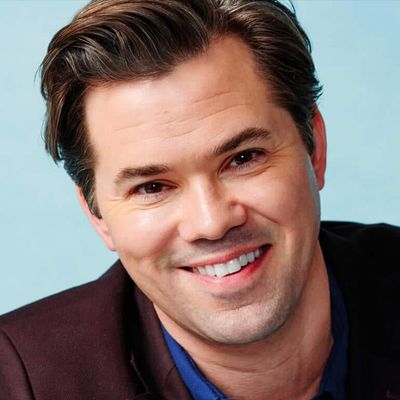
In the Artist Exploration, Andrew Rannells from Broadway’s Book of Mormon and MTCA Director Charlie Murphy discuss: Financial strain and choice of leaving school. Building a team with momentum. Nature of Comedy. Where can you get objective feedback of talent?.. Read More
From the show: Mapping The College Audition: An MTCA Podcast
Guests
Featured Shows

About
In the Artist Exploration, Andrew Rannells from Broadway’s Book of Mormon and MTCA Director Charlie Murphy discuss:
- Financial strain and choice of leaving school
- Building a team with momentum
- Nature of Comedy
- Where can you get objective feedback of talent?
Be sure to check out the cast album of Gutenberg! The Musical!
If you have any questions about the college audition process, feel free to reach out at mailbag@mappingthecollegeaudition.com. If you’re interested in working with MTCA for help with your individualized preparation for your College Audition journey, please check us out at mtcollegeauditions.com, or on Instagram or Facebook.
Follow Us!
Instagram: @mappingthecollegeaudition
YouTube: @MTCA (Musical Theater College Auditions)
TikTok: @mtcollegeauditions
Charlie Murphy:@charmur7
Meghan Cordier:@meghanmarie2014
About MTCA:
Musical Theater College Auditions (MTCA) is the leader in coaching acting and musical theater students through the college audition process and beyond with superlative results. MTCA has assembled a roster of expert artist-educators who can guide students artistically, organizationally, strategically, and psychologically through the competitive college audition process. MTCA provides the tools, resources, and expertise along with a vast and strong support system. They train the unique individual, empowering the artist to bring their true, authentic self to their work. MTCA believes that by helping students reveal their potential it allows each school to connect with those who are truly right for their programs, which in turn guides each student toward their best college fit.
About Charlie Murphy:
Charlie is a proud graduate of Carnegie Mellon University’s BFA program. As an Actor he has performed with theaters such as: NY Public Theatre’s “Shakespeare in the Park”, The Pearl Theatre Company, Hudson Valley Shakespeare Festival, Chautauqua Theatre Company, Kinetic Theatre Company, and the Shakespeare Theatre of DC.
With MTCA [Musical Theater College Auditions -- mtca.nyc], he has been helping prospective theatre students through the college process for over 15 years. As a Teacher and Director, he is able to do a few of his favorite things in life: help students to find their authentic selves as artists, and then help them find their best fit for their collegiate journey. Through this podcast, he hopes to continue that work as well as help demystify this intricate process.
This episode was produced by Meghan Cordier and Charlie Murphy. Episode theme music is created by Will Reynolds.
Transcript
This transcript was automatically generated and might contain errors.
[0:01] Charlie Murphy: Hello and welcome to Mapping the College Audition, a podcast where we explore the landscape of the college theater world and try to demystify this daunting audition process. I'm your host, Charlie Murphy, director of MTCA. That's Musical Theater College Auditions. Check us out at mtca.com. And today we have got Andrew Rannells on the podcast. We talk about his career, we talk about the nature of comedy as he sees it, and you even get some really hyper-specific tips about how to improv on camera if any of you ever cast on the show Girls. I guess a reboot of Girls this would be, but I hope you enjoy the convo. Things are really good in my world, in the MTCA world. We're gearing up for summer faculty master class week in just a few short weeks.
My gosh, how it sneaks up on you. And we're also finally fully celebrating our senior class of 2024. I know I've mentioned it starting May 1st that we are celebrating the class, but now we're fully celebrating it as they've been sort of coming in with dribs and drabs with those extended final decisions through May and even into June. But if you haven't yet, I do invite you, please head over to our website, that's mtca.com, and check out some of those amazing places our students got in, where they chose to attend. We are so proud of our students every year, but this was a really fantastic year for this class. A ton of students admitted to all and attending all of the most competitive schools, and more importantly, so many finding a school that is a fit for them artistically, academically, and financially, which of course is what we actually care about.
A place where they can study what they love in the way that's most conducive to how they're going to learn. So bravo to you, class of 2024. For our podcast audience of all years and classes, ages, etc. When I say ages in class, it makes us sound like I'm talking about like social class. I mean class of 2024, class of 2025 there. Though of course all social classes too are listeners to this podcast, but just a heads up that we'll be taking a short break after next week's episode, as we always do in the summer. Just five short weeks off, and we're going to be running some re-aired episodes of some of our favorite artists from this past season. So for those who are newer listeners, I invite you to check those out, of course, as well as listen back to any of the earlier ones from previous seasons, if you're interested.
Our last episode of the season will be a special one with Rachel Stevens of Cincinnati Conservatory of Music, that's CCM. She is a standout new faculty member there, and a former MDCA monologue coach. We had a really fun chat with her, so I look forward to airing that next week before we take our break. And we already do have a few episodes recorded for next season, including a few schools that I've been scheduling for over a year, and some fun new artists with different career paths that we haven't yet explored. So I'm excited for all of that. And as always, if you ever have feedback for the podcast, at least feedback that wouldn't fit in an amazing five-star review on your podcast platform of choice, please feel free to reach out to us at mailbag at mappingthecollegeedition.com. That's mailbag at mappingthecollegeedition.com. We always take your school and artist suggestions very seriously when you have them for us. All right, I hope you're all loving your summers, and I hope you enjoy this interview with the great Andrew Rannells.
[3:20] Charlie Murphy: Well, we are so excited to be joined by Andrew Rannells, a man who needs no introduction whatsoever, but we'll do it anyway. He spent a few years at Marymount Manhattan before leaving to pursue his career in theater. He's been on Broadway in The Book of Mormon, for which he received a Tony nomination, and Falsettos, also a Tony nomination, Jersey Boys, Hairspray, Hedwig and the Angry Inch, Hamilton, Boys in the Band, and Gutenberg, which just released its cast album, and we're plugging today. He's been all over your TV screens and stuff like Girls, The New Normal, The Prom, Girls5eva. There's too much. There's too much to read, Andrew. He's written three books. He's had a distinguished voiceover career. We're going to get into all of this stuff today. Andrew, how are you doing today? Welcome to the pod.
[4:01] Andrew Rannells: Hi, thanks for having me.
[4:03] Charlie Murphy: I'd love to start you off with the question I start all our guests off with, which is just to think a little bit about you at 16, 17, or when you started thinking about pursuing it, 15, whatever. As you were looking at your path to Marymount, you sort of were thinking about what your idea of an artistic education might be at the collegiate level. What were you looking for? What was going through your head at that moment, 16, 17-year-old Andrew?
[4:26] Andrew Rannells: If I'm being totally honest, what I was looking for was getting out of Omaha, Nebraska.
[4:31] Charlie Murphy: Understandable, yeah.
[4:32] Andrew Rannells: Yes, and perhaps hard to imagine, but this was all pretty much pre-internet.
[4:40] Charlie Murphy: Andrew, for people who don't know, is almost 70 years old, and he looks great.
[4:43] Andrew Rannells: Yes, I'm 70 years old, but we did not have a college admissions office where you could just go in and type in musical theater programs. That wasn't a thing. I went to an all-boys Catholic school in Omaha. I was heavily advised to not pursue a career in the arts by all of the priests that worked at that school, but you would just literally get a box of brochures, and you would flip through pamphlets of what is this school, what is this. The only school that I knew of coming from Omaha was NYU, obviously. That's the one that everybody knows.
[5:25] Charlie Murphy: They're in New York City.
[5:26] Andrew Rannells: They're in New York City, so I was like, I guess I want to go to NYU, and then when I started looking at sort of financially what that would require, I realized that's not going to happen, but I did have a high school, like my guidance counselor. He was like, well, we'll send your scores. We'll see if you get in, and then I guess we'll deal with the audition part of it, and so I did that and got in, but I knew there wasn't going to be a scholarship, and I knew I was not going to be able to afford that tuition, so then I started looking at other options, and somehow found this Marymount.
[6:07] Charlie Murphy: A cute brochure or something?
[6:09] Andrew Rannells: A cute brochure, yeah.
[6:10] Charlie Murphy: It looked like they were singing and dancing well.
[6:12] Andrew Rannells: It was a musical theater program that was in New York City. The priests liked it because it was Marymount. It looked like a Jesuit name, but it had nothing to do with the Jesuits, but there was a Loyola Marymount that was Jesuit, so they're like, maybe it's a Jesuit thing, so I remember writing to them, and I got more information in the mail and then called them and scheduled my audition, and at that point, yeah, so at that point, so I figured out a way to get myself to New York. I had been to New York one other time just as a fun trip a few months before that just to see Rent, things like that, see Titanic.
[6:58] Charlie Murphy: You're aging yourself very specifically here. This is good.
[7:00] Andrew Rannells: Yeah, totally, so it's 1996, Rent had just opened, so I went to go see that.
[7:05] Charlie Murphy: You're 44 to 46 years old. We got it.
[7:06] Andrew Rannells: That's correct. I'm 45. I'll be 46 in a few months, so got to New York. I auditioned for Marymount. I auditioned for AMDA. I auditioned for the American Academy of Dramatic Arts, anything that basically fit into that weekend because no one was coming to Omaha to do these auditions, you know what I mean, so I had to do as many as possible and what I could schedule by myself. The goal for you was New York. Let's get to New York, and it seems like kind of what ends up happening too, which is you're going to get to the city and try to work.
[7:36] Andrew Rannells: Yeah, I'm going to try to work, so I specifically wanted to go to New York. A lot of people from the Midwest at that time would go to Chicago. I knew a lot of students that went to, they would try to go to some school in Chicago, or they would go to KU. That was the big, they would go to Kansas and Lawrence, Kansas. Those were like the two places that I knew actors went from my area, but I decided let's just skip right to the New York part because I was 18 and I knew best.
[8:10] Andrew Rannells: So lo and behold, I did get into Marymount Manhattan. They gave me a very nice scholarship. I told my parents, this is where I'm going. They were like, oh dear, because I think maybe in their mind they were like, this probably is not going to work out. There's no way he's going to get into this. What was in their mind? The priests are saying, no, don't do it. You're trying to organize this all via pamphlets and sending in VHS tapes or whatever. Are they like, yeah, my son's going to move to New York and be an actor. Are they cool with that?
[8:40] Andrew Rannells: I think they were pretty confused. One thing that happened in between scheduling this audition and going there was that I sent in a videotape to a program, at the time it was called NFAA, now it's called YoungArts. And YoungArts, you probably know this program. At the time they picked 20 students in each discipline they had from all over America. You send in videotapes, they pick people. I think they had a couple of live auditions, but certainly not in Nebraska. So I sent in a videotape and I got in. I got picked to go to Miami and compete. So I think that was the first time that my parents sort of saw like, oh, he's getting flown to Miami to audition for scholarship money. So I did that. And then I went to New York, got into Marymount. So my parents, I think at this point had accepted like, oh, he's very determined.
[9:37] Charlie Murphy: Yeah. Like he's going to, he's going to do it. And what about, let's talk about the, first I do want to hear about the Marymount experience while you're there, but also the decision to leave school, you know, both in terms of what that was like professionally for you, but then also for your parents. I mean, I think a lot of parents who are like, okay, I'll support this theater education aren't necessarily like, great, you're going to drop out. What's that mean? How was that experience for you?
[9:55] Andrew Rannells: Well, I, my parents, um, uh, did not, um, I don't know what, yeah, they didn't believe in paying for college. Um, they made that philosophical belief. Yes. They made that very clear to, and I watched them do it with my older siblings, with my two older sisters and my brother, that if you were going to do that, then that was on you. That was up to you to figure out. So as the fourth kid of five, I knew watching three other siblings go through this, I was like, oh, this is going to be up to me to make this happen. Now the stressful part of that is how the hell at 18, do you pay for college by yourself?
[10:38] Andrew Rannells: Yeah. It's very stressful. Um, and was very stressful. And like, in terms of like getting scholarships, getting grants, I got very good at applying for all of those things. And just auditioning for everything and writing essays and doing all that stuff. So I got as much money as I could. I got to Marymount and the city, New York just proved to be a little too tempting for me because I think I was there for, and I wrote about this in my, in my first book, this book that I wrote called Too Much Is Not Enough that, um, I got some sort of some strange advice. When I got to New York, I went to this dinner party. It was a guy that was a vocal coach that, um, I had worked with at YoungArts. And he invited a couple of students that ended up in New York to go to dinner.
And there were some other actors, like some working actors there. And this woman said to me, this actress who was working on Broadway, she was like, you know, you can just take your headshot to the stage door and, um, you leave your headshot and your resume. And then when they have auditions for the show, they call you. And I was like, oh, she was like, yeah, just leave it. Just say it's for the stage manager, write a cover letter, just drop it off. So I didn't, I was like, all right. Um, so I did, I think I made like 20 envelopes. I went to every Broadway show that seemed like I could possibly be in. I left them all with the stage manager. No one batted an eye. Like I just like walked into the stage door and was like, I'm leaving this for the stage manager.
Everybody took it. Nobody was like, who are you? Like it was pretty anticlimactic. And then like a week later, I got a phone call from Bernie Telsey's office saying, um, you have an audition for Rent. And I had been in New York for less than a month.
[12:25] Andrew Rannells: Yep. And I was like, I was like, what? Um, so I immediately skipped school to go to audition for Rent. I did not get it, but I had like, it was like an audition and then there was a call back. And then, you know, the, so I missed like two days right there. Um, and then they started calling me in for other things. And then I learned about backstage and you know, you get that every Thursday backstage came out and you could see what, what open calls were happening and, and all the other students were talking about it, but not a lot of other students were going. I was like, let's just do it. Yep. So I just started going to open calls and, uh, you know, ended up getting a job for like a summer stock theater.
I did that, that first year, um, you know, had a couple like runs at different Broadway shows where I felt like I was sort of like, Oh, I'm really in the mix here. I don't know how close I got to any of those things, but it was like in the room and all of that just proved to be, um, it was just too exciting. We talk about it all the time with our students. It's really complicated conversation.
[13:29] Andrew Rannells: Or I had my parents been helping me. Yeah, I think I would have felt more responsibility to like stay the course. Yeah, obviously if I had discovered a program like Michigan or Carnegie Mellon or I was not in New York City. Yeah, that was my world. I think I would have had a very different experience. Not surprising that a lot of those programs don't live in there. Not I mean I went to Carnegie Mellon. I'm like that you're in this little bubble you're in this little beautiful Pittsburgh bubble like you can even audition for Pittsburgh stuff. But you're not gonna be pulled out of school to do a Pittsburgh show, you know, it's just you're not. Yeah, so I, you know, I feel like if I and I say this to young people who ask like I think you know, New York was great for me and I'm happy with the way everything went even though it was, you know, it was very sort of there were some tough years at the beginning.
Yeah, but I think if I could do it over I would have, you know, I envy the experiences that like Celia Keenan Bolger and Gavin Creel had at Michigan. And yeah, and when people would tell me about, you know, when I started to become friends with those people, it's like oh that would have been nice to have like four years.
[14:40] Charlie Murphy: Well, that's my next question is did you seek any of that like, you know? Cuz certainly you can't have exactly the experience of the four years in a cocoon and all those things. But after leaving school and now you're having this phenomenally successful career, like are you thinking like I want to try to seek some of these voice lessons? I want to seek more acting classes or was there stuff that you kept doing throughout or were you like I'm doing it kind of, yeah while I'm doing it like, you know while you're while you're learning.
[15:10] Andrew Rannells: Well initially so like I mean I left school. It was not for like a great job if I mean if I'm being totally honest it was just it was the financial strain of because even a full ride scholarship to very much at that time you're still paying for a lot. Yeah, because so there was like, you know, there's just like the cost of living in New York, which no one explained to me. There's the housing. There was, you know, there's like things like that that I I just was not prepared for. Yeah, so then I got a voiceover job of us on this animated series. Yeah, and that was like, you know, it's non-union but at the time it was like a pretty nice chunk of change. And then at the same time I got a job at the Westchester Broadway Dinner Theatre.
Oh, yes doing which was going to give me my equity card. Yeah, so I thought I like looked at my options and I was like, I think I just take these gigs. Yeah, I think I do the voiceover job. I think I go to Westchester and I think I, you know, I drop out of school and I just start making money. And so that's what I did after my sophomore year. I finished two years at Marymount and then just decided, you know, I couldn't afford to go back.
[16:47] Charlie Murphy: Well, and that's one of the questions I had for you. Just I mean you seem like someone who? So well, at least from the outside have balanced like multiple different mediums. I feel like very few people are like really successful in Broadway and TV and film and voiceover and now as an author like how are you juggling all of those things? Like is that a conscious effort? Is it just you're pursuing what's interesting or where the jobs are coming or how have you kept all of those up at that level?
[17:09] Andrew Rannells: It's really kind of different industries when you talk about voiceovers and Broadway or voiceovers and TV. The voiceover stuff had been I mean that I got started in when I was in high school in Omaha weirdly. So I did a couple series. It's strange. But yes, I was able to I did to like national, you know Saturday morning cartoons from Omaha, which is kind of odd. But I did it and they recorded there which was a great experience. So that was something that I always kind of had an eye on and it seemed like it was a good like it was a steady job that I knew that I was good at and that always kind of kept me afloat. Yeah, um, which was great and then the other thing since then I mean writing was something that really kind of came out of nowhere that I always like to write.
I never really intended on sharing too much of that, but I had had a couple like at that time I had like I had a couple different writing deals at like movie studios or you know that I was I was hired to to either adapt something or I was hired once to like write an original story so I was sort of in the zone of like that sort of discipline of making myself stick to that schedule and and I'd written an essay that I did share with a friend and he said I think we should send this to Modern Love Times and that was published in in Modern Love and then all of a sudden there was some interest from some publishers that they were like, well, do you have anything else? And I had all of these things that I had just written for myself just these essays and sort of like almost like you like sort of felt like journal entries really just like me sort of thinking about this exact time we were talking about about moving to New York and and you know trying to pursue a career in acting and um, so I had all these essays. So I walked into a couple publishing houses with these essays and then was able to get a book deal for these two books.
[19:15] Charlie Murphy: I've seen the Modern Love episode watching was fantastic.
[19:17] Andrew Rannells: Thank you. I guess I'm with the balancing of it all though like, you know when you're doing Mormon or when you're doing, you know, a huge Broadway show or a big TV and film thing, how are you simultaneously doing a voiceover gig? Like are you ever like where you're like, yeah, I gotta get up at this time I'm recording this and then I gotta be pressed for this and then I'm hitting the gym and then like is it is it a difficult juggle or is it worked out? Well that you know, they're happening on times off.
[19:40] Andrew Rannells: It's been at times it's been a difficult juggle. It was all sort of exciting so I was happy to be kind of frazzled but you know, you spend years trying to work, right? Like you all you want is like the job you want the baby to act. Yeah, and then when the Book of Mormon started and even before that I guess when I was doing Jersey Boys I was still doing a lot of voiceovers. But really it was the Book of Mormon that when that started and then all of a sudden I was cast on Girls HBO which of those are happening simultaneously your that happened at the same time. Yeah. Yeah, so I the day the day after the Tony Awards the day after I performed on the Tony Awards in 2011 there was a car that picked me up at 5 a.m to go film an episode of Girls and I filmed all day and then there's a moment that I did the Book of Mormon on and and that's not a lift that show.
[20:34] Charlie Murphy: No, it was not a light lift and it was and but I was so happy to do it, you know. So there were many many years of just trying to do as many things as possible and kind of keep as much in the air as possible and a lot of those books that I wrote were written on sets. They were written like, you know, I'm and yeah waiting for things to you know or being out of town and doing a movie and then like having time to kill so yeah I tried to use all of that time as best as possible.
[21:05] Charlie Murphy: Do you remember your mindset around that Mormon time? I mean that you know, so Mormon and Girls it's like I mean you're hitting what everybody wants. Oh my god. I have a TV show. I hit Broadway show like yeah. Was there was there a mindset of like here's how I'm gonna capitalize this on this momentum? Did you feel like you had a strategy like what what did you what was your thought process back then of like how do I keep this going and build this into the career that I wanted to be?
[21:26] Andrew Rannells: It was um, it was all very exciting, but it was looking back and Josh and I Josh Gad and I talked a lot about this when we were doing Gutenberg because you know that was the first time we had had worked together since the Book of Mormon and I think that we were both in just a sheer panic while we were doing the Book of Mormon and we were dancing as fast as we could to sort of keep up with the pace of that show the excitement around that show we knew Josh and I both knew that like we had a lot of eyes on us. Yeah, we also knew that was not gonna last forever. The panic was about squandering the opportunity like oh my gosh I have the juice that we never get and I have this and how do I not ruin it?
Yeah, because it was it felt I mean in it. I've even noticed now in the you know since 2011 when we opened that show it's it's it feels different. Then there are more eyes from the West Coast that drift to Broadway naturally anyway, but at that time, yeah, it not that it was that long ago but it was a little rarer that you would have a lot of people from Hollywood come and see a Broadway musical. It just unfortunately it just was so Josh and I knew I was 32 he was 30 I think and we knew we were not kids and that this was a moment that we both had to to you know really used to that. So yeah, we had to seize that moment.
[22:54] Andrew Rannells: So pretty quickly after the Tony's we both started like I got a manager which I was like, what the hell did these people do? But then I quickly found out I was like, okay this is what a Hollywood manager does and I was I took my week of vacation from the Book of Mormon I flew to Los Angeles. I met with like 40 different people and all these different, you know producers and writers and studio heads and and I walked away from that trip with an offer to do a pilot for Ryan Murphy called The New Normal and so I shot the pilot that Josh shot a pilot at the exact same time. We both left the Book of Mormon that fall to for like two weeks to go shoot pilots. Yeah, which felt very scary, but we did it and then they both got picked up on the same day.
I mean we both had to put our notices in and honestly like looking back I was very excited for the opportunity, but I was very sad to leave that show. I wasn't ready to leave. I didn't feel like I had, you know, I had enough time doing that show. I didn't feel like I was present for a lot of it because there was so much activity around and I really enjoy that time when you're doing a long run where you really get to just like settle into it. Yeah, and there there are nights where you don't know anyone in the audience. You don't have any friends there. It's just for the audience that's there and I love that feeling. I love just getting to do the show and you never can't you never went back you never came back for a little holiday pop back.
I feel like so many of our friends who've done that have been like, I mean, I'm out I come back and COVID happens and yeah, I'll jump back in or whatever, but that never is it ever tempted you it's still possible.
[24:42] Andrew Rannells: I mean, I'll be honest. They've they never asked. They never asked us to come back to do anything like maybe when it's finally ready to close they're gonna ask you back for a couple months. I mean, I couldn't do it. They got it back up the base truck. Yeah. Yeah, right we could see I believe in it. I don't think so. Um, but um, but no I was so yeah I was a little I was I was you know again excited but a little bummed to leave. I didn't I didn't want to leave yet totally nothing. Um, but I did so I left in you know and really miss Broadway and really missed New York City and missed all my friends and felt like I was having this whole other experience that I never expected to have and and then I just sort of you know, I figured out I figured out pretty quickly that I had to I wanted a career where I got to balance everything.
Yeah, so I wanted to go back to Broadway as soon as possible. I wanted to do a show I was lucky to have these, you know, these TV jobs and to be you know doing a you know movie here and there but I it was very important to me that I got to go back to New York.
[25:53] Charlie Murphy: Can you do a show and some of those runs, you know, we're very very short. Yeah, I think I did Hedwig for like 12 weeks. Hamilton was short too, right? That was Hamilton was only six weeks. Yep, you know but I got to I got to go back and that was my goal was that I was like I want to make time to do that and so and it feels like there's almost no right length of it because it's like the people who stay for a while they're like and now I'm bored with the show and I sure I wish I didn't sign over that next year and now about halfway through him. So it's it's hard to get that exactly right. Um, let's take a short break and on the break I want to talk a little bit about comedy. So we're back.
[26:32] Charlie Murphy: All right, we're back with the hilarious Andrew Rannells I'm trying to really set you up to I know I don't know you're setting me up to fail here. That's what I'm trying to do. I've been pretty dry so but comedy is failure I feel like so I'm we're gonna set you up there. No, I was just gonna say I know you've played, you know a lot of wide-ranging parts in your career but I think a lot of them I could would be fair to say are comedic and I think you have I'm gonna offer you a compliment or a loaded compliment here. You have that quality, which maybe you and Josh.
[28:00] Andrew Rannells: You're playing kind of ingenue-ish part. Yeah, I was playing like a Link Larkin, like, you know, there's some laughs in there, but it's certainly not you're not getting a lot of laughs and I would get notes for doing too much. Yeah, you know, Jack O'Brien would be like that's not your job. You're not supposed to be the funny one. You're supposed to be like the little ingenue, so that was hard. And then Jersey Boys was sort of the same thing that I like I would get some laughs in places where people hadn't gotten them and Des McAnuff would be like, what the hell are you doing? Mm-hmm, like that's not the rhythm of the show. That's not and I was really not that I was like playing for laughs, but sometimes just like the way that I would hear things I was like, yeah, that's kind of how it should be, right?
And like Rick Ellis really enjoyed it, Marshall Brickman really enjoyed it, but like for the rest of the show Des was like not appropriate. And so by the time I got to The Book of Mormon and I had had a string of auditioning for new musicals, you know, with all of these people that you and I both know that we're all friends with now that like, you know, we're all trying to do these new shows, right? And I was told by many directors, some of which I would work with later, that I was just too odd. Uh-huh, it's like, well, he sounds right and he looks right, but like the sensibility is off and these are for more straight parts. These are not so much very comedic parts. You're saying they're not gonna make it, but yeah.
But I remember like a couple directors being like the feedback was like that was don't know very strange, like it was funny, but it's not that's not what we're doing here. And then I got to The Book of Mormon audition and all of a sudden Trey Parker was telling me like that's what we've been waiting for. Yeah, so it was sort of it was just like a nice timing and a weird combo of like I and the thing that I will tell you know younger people about auditioning, which maybe isn't always the most helpful, is it like you can only do what you do, right? And I it took me a long time to figure that out, but I know that I had like sort of there was a little quirk to what I did naturally. Yeah, and I just kept doing it because what are you doing to like cultivate as you're saying?
I'm learning what I'm doing. You know, this is now your many years of auditioning by the time we're getting to The Book of Mormon. So then you're able to walk into the room with The Book of Mormon and be Andrew and everyone goes that's of course the right, that's what we're looking for. That's amazing for this part. And now other people are gonna try to copy it and do it or whatever. What are you doing? I guess as like a performer, what are you working on in your own internal spirit that is bringing that but is able to bring that person into the room and that didn't squash it down and say okay, let me be the Jersey Boy that you're looking for. Here's the Link Larkin that you would expect. Yeah.
[30:42] Andrew Rannells: Well, that's what I tried to do for a long time, right, is to fit in that mold and fairly successfully was able to, you know, get those jobs and reign it in enough to like focus to do it. So I can, it's not like I was unable to do it, but it just especially when it came time to auditioning for new things, I was like I might as well just like go with my gut and it was more of an instinct than it was anything that I was trying to do. I wasn't trying to be odd. I wasn't trying to be funny. I was just, I was just reading the material sort of naturally as I thought I could in the way that made the most sense to me for me. Yeah, because after, you know, for years of trying to be, you know, trying to be Brian d'Arcy James, trying to be even Gavin, like trying to be, you know, it's like I don't do that.
I don't, I mean, I admire them and I wish that at times that I could do what they do and, and but I spent a lot of time chasing other people and trying to sound like other people and, and then something clicked around the time I turned, you know, like 28. I was like, I think I just gotta, I think I just gotta embrace it. And then I got a couple jobs based on that, like I did Lestat out of town with my urine and that was really odd and fun and Douglas Carter Bean sort of let Patty and I like do whatever the hell we wanted. So that was really fun. And then I did the workshops of Little Miss Sunshine with James Lapine and Bill Finn, which, you know, years later would lead to this Falsettos revival.
But like, you know, at the time I, you know, they didn't know who I was and I went in and auditioned for the ensemble of Little Miss Sunshine and James said he was like, it's you, you just, there's something kind of quirky and odd about the way you're reading these little parts and I like it. It's fanning the flames of your freak flag or whatever. Yeah.
[32:50] Andrew Rannells: So by the time I auditioned for The Book of Mormon, it was like, okay, I had enough sort of positive feedback that I felt like I could go in and do it. And how do you think about, I'm curious sort of how you think about like style because I think, you know, you're not somebody and I was consciously like you're not the same funny. I think in everything like there are people who you go, oh, they're just bringing Charlie's just bringing Charlie to that thing and doing it like, like when you do Girls, you're very different than Mormon or Gutenberg or Hamilton. Like how does that sort of, if you're still playing a version of yourself and bring yourself to it, but how do you sort of interpret the style of a piece or the tone of a piece to allow you to go, here's how I'm modulating what I'm doing?
[33:28] Andrew Rannells: That's a good question. The I guess with The Book of Mormon I really sort of just related to that character and I the more I sat with it I was like, oh, this is sort of a version of me at 19 that I was coming from Nebraska and super many religious experiences. Yes, and just really hungry to do everything right and to do everything perfect and I was like, oh that, that I can do. And next to Josh, my instincts on that character and Josh is sort of just like throw everything at the wall, like that's what made that funny. It was yet the two of us together. Yeah, and if it had been a different Elder Cunningham, I don't know if what I was bringing would have landed as well, but the combination of the two of us of him sort of looking up to me, but also being sort of misguided and finding his own way and me really white knuckling my own sanity, yeah, it was like that's exactly what that, what we found together.
Yeah, so that worked out. But then with Girls, I don't know, Girls was very, it was odd because we just sort of, it was so much improv that the first episode that I did, which is the first time I'd ever had dialogue on camera, Lena Dunham was directing the episode. She was in the scene. We were just sitting at a bar and she just let me, we just started making stuff up. Uh-huh, and we improvised that scene became twice as long all of a sudden and we improvised like different endings and different and so we just sort of, that was, that just felt like we were playing around and I found a version of a guy that like I kind of knew from college. She was like a liberal arts like bisexual, like kind of like super earnest, also kind of a dick.
[35:24] Andrew Rannells: From your own experiences or there's my own experience. It's like sort of just like people we probably have met that I was like, yeah, I think I can figure that out. Yeah, and then as we continued with Girls in the situation just kept getting more and more ridiculous that just became very easy and, you know, and those writers on that show were so generous to me in terms of just putting Elijah in situations that they were like, how would he react to that? And so much of what I did on that show was improvised that they would just put me in a scene and be like, what do you think you would say about this? And at that point I, you know, even a couple episodes in I was like, I know who this guy is and I can just talk, I can just be mean.
[36:08] Andrew Rannells: I wonder how much of that inspired your confidence with writing things. I mean obviously improv is so closely related to writing. You are writing on your feet. You know, was that something that, you know, was related all of going, hey, I do have something to say. I have something to add as an actor that goes beyond just, you know, saying the lines that are written for me when I started seeing what made it into the episode. Then I started to get more confidence because, you know, you try a lot of stuff and if you, and I've worked on a lot of things where they let you improvise and, you know, honestly, you know, it's rare that what you improvise actually ends up right in the product. It doesn't serve the story.
No, well, that was funny, but doesn't really work in what we're doing. Yeah, and some directors will let you have a very long leash and, you know, now I'm at the point where I'm like, well, this is not gonna be, this is not in the movie. Yeah, I'm just having fun, but you know, if you, if you, I learned pretty quickly with Lena like if you're going, if you're going to improvise in especially on television, it's got to be like a good line coming into a scene. Yeah, it's got to be a good line coming out of a scene and you can't lose the thread where the scene is going. Yes, which I guess is that's like improv 101, but if you want to make it in the hacky version of what I will tell you is if you want to make it in the final edit.
Yeah, make sure your improvs match what? Yes, story is that's an understanding? Like yeah, story structure. I mean like you do have to have a kind of smart global understanding of what's happening. It's not just about what's fun in this moment, but what is happening in the episode and what's serving the plot and what's serving? Yeah, 'cause if you take it too far, then you're like, well, this isn't gonna do anything. But I had an editor tell me that once he was like it works best for me my character if you improvise a final line at the end. Uh-huh. So let the scene land and then give one more. He was like, that's what works best for you. And thank God he said that to me and that was sort of my, that's what I ran with.
[38:07] Andrew Rannells: All right, well, let's sell some digital records. Yeah, there's some streams or I think you can you can actually order like a hard copy vinyl now we don't have but we do have a CD if you want to use it as a coaster. Okay for the people out there listening, only the parents who have CD players, it may be on the cars or whatever. Um, I'd love to hear about like what made Gutenberg so special for you. I mean you mentioned reuniting with Josh, you know, what do we love about the album? Why should we go, I'll go stream it now available wherever you listen out the fun.
[38:39] Andrew Rannells: Okay, so the I think what Josh and I sort of discovered in that show we'd love doing that show. Alex Timbers came to us with the show Gutenberg! The Musical which we both kind of knew a little bit but I didn't get to see it in 2007 because originally it was like two UCB guys or whatever. It was, yeah, Scott and Anthony who wrote it? Scott Brown and I'm thinking they did it that they performed it themselves at UCB and then Chris Fitzgerald and Jeremy Seamus did it off-Broadway in 2007 I think. Might be wrong, someone's gonna correct me. But then, and yeah, so so an Alex directed that, Alex Timbers directed that production. So it's just like very quirky odd two-hander right of these two guys who love musicals but are kind of new fans of musicals.
They decide to write a historical musical about somebody there's not a lot of info about so they just start making it up and they play all of the characters and and the show that we did every night, you know, it very much includes the audience. Not that there's like audience participation or there was like, you know, feedback from it, but we really did like we needed the energy of the audience. Yeah, and that sort of informed our performances and there's some improv in it, but it's, you know, it's pretty tight ultimately. So when it came time to do the cast recording, you know, I think Alex very wisely, you know, suggested that we just sort of treat it as a whole separate thing. It's not, we're not gonna know it's not the show.
We're gonna make this album that is its own little piece of entertainment. And we couldn't have an audience like we thought about that. Like do we invite people in? Do we try to do it live? Do we, you know, so we ended up just doing it in the studio, you know, with us in the band and just.
[40:29] Andrew Rannells: I think the nature of comedy is really interesting because it’s so subjective. What one person finds funny, another person might not. And I think that’s what makes it such a fascinating art form. It’s like, how do you find that balance? How do you find that thing that resonates with people?
[40:59] Andrew Rannells: And I think a lot of it comes down to honesty and authenticity. If you’re being true to yourself and your experiences, that’s when the comedy really shines through. It’s about finding those moments that are relatable and that people can connect to, even if they’re absurd or outlandish.
[41:14] Andrew Rannells: I also think there’s a lot of pressure in comedy to be funny all the time, and that can be really daunting. But sometimes, it’s about allowing yourself to be vulnerable and to show those moments of not being funny, because that can be just as impactful.
[41:34] Andrew Rannells: And then there’s the technical side of it, too. Timing, delivery, and the way you construct a joke all play a huge role in how it lands. It’s like a dance, really. You have to know when to pause, when to speed up, and when to let the audience catch up.
[41:54] Andrew Rannells: I think one of the best ways to get better at comedy is to perform as much as possible. You learn so much from the audience’s reactions, and you can adjust your material based on what works and what doesn’t. It’s a constant evolution.
[42:14] Andrew Rannells: And finding a team of people who understand your vision and can help you refine your material is crucial. It’s about building that momentum and having people around you who can give you honest feedback.
[42:34] Andrew Rannells: I think it’s also important to remember that not every joke will land, and that’s okay. You have to be willing to take risks and be okay with failing sometimes. That’s part of the process.
[42:59] Andrew Rannells: And when you do find that connection with an audience, it’s such a rewarding feeling. It’s like you’re all in on this joke together, and that shared experience is what makes live performance so special.
[43:25] Andrew Rannells: I remember when I was in college, I had a professor who always said that comedy is tragedy plus time. And I think there’s a lot of truth to that. The things that seem so serious or painful in the moment can often become the funniest stories later on.
[43:45] Andrew Rannells: So, it’s about perspective, too. Finding the humor in the everyday struggles and the absurdities of life can really resonate with people. It’s about taking those experiences and turning them into something that others can laugh at.
[44:05] Andrew Rannells: And I think that’s what makes comedy such a powerful tool. It can bring people together, it can heal, and it can provide a different lens through which to view the world.
[44:25] Andrew Rannells: I also think that comedy has evolved so much over the years, especially with the rise of social media. There are so many new platforms for comedians to share their work, and that’s opened up a whole new world of possibilities.
[44:54] Andrew Rannells: But with that comes the challenge of standing out in such a crowded space. It’s important to find your unique voice and perspective, and to not be afraid to share it with the world.
[45:14] Andrew Rannells: Ultimately, I think the key to comedy is to keep pushing yourself, keep experimenting, and never lose that sense of curiosity. There’s always something new to learn and discover, and that’s what keeps it exciting.
[45:34] Andrew Rannells: And I think that’s true for any art form, really. It’s about being open to new ideas and experiences, and allowing yourself to grow as an artist.
[46:00] Andrew Rannells: So, whether you’re performing on stage or creating content online, just remember to stay true to yourself and your voice. That’s what will resonate with people the most.
[46:20] Andrew Rannells: And if you’re ever feeling stuck or unsure, don’t hesitate to reach out to others in the community. There’s so much support out there, and sometimes just talking through your ideas with someone else can spark new inspiration.
[46:40] Andrew Rannells: I think that’s one of the most valuable things about being part of this industry. The connections you make and the friendships you build can really help you navigate the ups and downs of a career in comedy.
[47:00] Andrew Rannells: And it’s important to celebrate those wins, no matter how small they may seem. Every step forward is a step in the right direction, and it’s all part of the journey.
[47:20] Andrew Rannells: So, keep pushing yourself, keep creating, and most importantly, keep laughing. That’s what it’s all about.
[47:38] Andrew Rannells: And if you ever have questions about the college audition process or anything else, feel free to reach out. I’m always happy to help in any way I can.
[47:58] Andrew Rannells: I think it’s so important to have those conversations and to support one another, especially in such a competitive field.
[48:18] Andrew Rannells: And remember, you’re not alone in this journey. There are so many people who have been through it and who are willing to share their experiences and insights.
[48:38] Andrew Rannells: So, don’t hesitate to seek out that guidance and support. It can make all the difference.
[48:48] Andrew Rannells: And as you continue on your path, just keep in mind that it’s all about finding your unique voice and perspective. That’s what will set you apart and help you connect with others.
[48:58] Andrew Rannells: So, embrace your individuality and let it shine through in your work. That’s what will resonate with people and make your comedy truly special.
[49:08] Andrew Rannells: And I think that’s something we can all strive for, no matter where we are in our careers.
[49:18] Andrew Rannells: So, keep creating, keep laughing, and keep pushing yourself to grow as an artist.
[49:38] Andrew Rannells: That’s what it’s all about, and I can’t wait to see what you all come up with next.
[49:48] Andrew Rannells: Thank you for having me on the podcast. It’s been a pleasure to share my thoughts on comedy and the creative process.
[49:58] Andrew Rannells: I hope you found some of this helpful, and I look forward to hearing from you all soon.
[50:18] Andrew Rannells: And remember, keep that sense of humor alive. It’s what makes life so much more enjoyable.
[50:28] Andrew Rannells: Until next time, take care and keep laughing.
[50:38] Andrew Rannells: Bye for now!
[50:58] Andrew Rannells: ♪ Musical number: "Gutenberg! The Musical!" — performed by Andrew Rannells ♪
[51:08] Andrew Rannells: And that’s a little taste of what you can expect from the show. It’s a fun ride, and I hope you enjoy it as much as I do.
[51:18] Andrew Rannells: Thank you again for having me, and I’ll see you all soon!
[51:28] Andrew Rannells: Take care!
[51:38] Andrew Rannells: Bye!
[51:58] Andrew Rannells: ♪ Musical number: "Gutenberg! The Musical!" — performed by Andrew Rannells ♪
[52:08] Andrew Rannells: And that’s just a glimpse into the world of comedy and musical theater.
[52:18] Andrew Rannells: I hope you enjoyed our conversation today, and I look forward to connecting with you all again soon.
[52:28] Andrew Rannells: Until next time, keep creating and keep laughing!
[52:38] Andrew Rannells: Bye for now!
[52:48] Andrew Rannells: ♪ Musical number: "Gutenberg! The Musical!" — performed by Andrew Rannells ♪
[52:58] Andrew Rannells: Thank you for listening, and I hope to see you all at the theater!
[53:18] Andrew Rannells: And remember, laughter is the best medicine.
[53:38] Andrew Rannells: So, keep that humor alive in your life, and I’ll see you soon!
[53:48] Andrew Rannells: Bye!
© Broadway Podcast Network, All Rights Reserved