

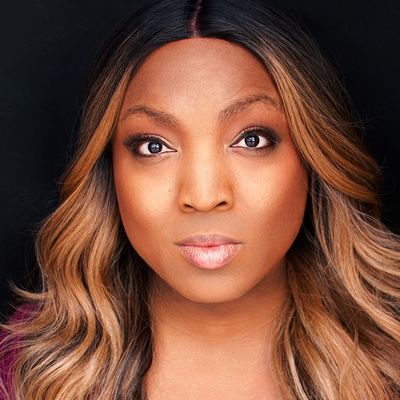
In this Artist Exploration, L Morgan Lee from A Strange Loop and MTCA Director Charlie Murphy discuss: L Morgan Lee's time at UArts. Building A Strange Loop. Her experience as a trans artist... Read More
From the show: Mapping The College Audition: An MTCA Podcast
Guests
Featured Shows
About
In this Artist Exploration, L Morgan Lee from A Strange Loop and MTCA Director Charlie Murphy discuss:
- L Morgan Lee's time at UArts
- Building A Strange Loop
- Her experience as a trans artist
If you have any questions about the college audition process, feel free to reach out at mailbag@mappingthecollegeaudition.com. If you’re interested in working with MTCA for help with your individualized preparation for your College Audition journey, please check us out at mtca.com, or on Instagram or Facebook.
Follow Us!
Instagram: @mappingthecollegeaudition
YouTube: @MTCA (Musical Theater College Auditions)
TikTok: @mtcollegeauditions
Charlie Murphy:@charmur7
About MTCA:
Musical Theater College Auditions (MTCA) is the leader in coaching acting and musical theater students through the college audition process and beyond with superlative results. MTCA has assembled a roster of expert artist-educators who can guide students artistically, organizationally, strategically, and psychologically through the competitive college audition process. MTCA provides the tools, resources, and expertise along with a vast and strong support system. They train the unique individual, empowering the artist to bring their true, authentic self to their work. MTCA believes that by helping students reveal their potential it allows each school to connect with those who are truly right for their programs, which in turn guides each student toward their best college fit.
About Charlie Murphy:
Charlie is a proud graduate of Carnegie Mellon University’s BFA program. As an Actor he has performed with theaters such as: NY Public Theatre’s “Shakespeare in the Park”, The Pearl Theatre Company, Hudson Valley Shakespeare Festival, Chautauqua Theatre Company, Kinetic Theatre Company, and the Shakespeare Theatre of DC.
With MTCA [Musical Theater College Auditions -- mtca.nyc], he has been helping prospective theatre students through the college process for over 15 years. As a Teacher and Director, he is able to do a few of his favorite things in life: help students to find their authentic selves as artists, and then help them find their best fit for their collegiate journey. Through this podcast, he hopes to continue that work as well as help demystify this intricate process.
This episode was produced by Meghan Cordier, Kelly Prendergast and Socials by Jordan Rice. Episode theme music is created by Will Reynolds with Additional Vocals from Elizabeth Stanley
Transcript
This transcript was automatically generated and might contain errors.
[0:09] Charlie Murphy: Hello, hello, and welcome to Mapping the College Audition.
[0:12] Charlie Murphy: I am your host, Charlie Murphy, Director of MTCA.
[0:15] Charlie Murphy: That's Musical Theater College Auditions.
[0:17] Charlie Murphy: Check us out at MTCA.com.
[0:19] Charlie Murphy: And today we've got L. Morgan Lee on the pod.
[0:24] Charlie Murphy: For our newer listeners, in these artist exploration episodes, we aim to explore the paths to success that artists have forged and are still forging and tease out how their theatrical training helped them to blaze that trail.
[0:36] Charlie Murphy: L. Morgan is an awesome artist, and I was really excited to have her on the pod, not only for her general artistry, but also because I've had a few requests from parents of our trans and non-binary students to have a bit more representation on the podcast.
[0:50] Charlie Murphy: They've asked me both for schools and artists.
[0:52] Charlie Murphy: And as I'll talk about a little bit more in our takeaway, I think it's really important to try to have a diversity of perspectives, even within different identity groups.
[1:00] Charlie Murphy: So you're not asking just like one or two people to speak for an entire community, all of which, of course, have different experiences.
[1:06] Charlie Murphy: And the other interesting perspective that L. Morgan brings to the table is that of a UArts grad.
[1:12] Charlie Murphy: I believe our very first one since that school was shut down.
[1:15] Charlie Murphy: So interesting to get her perspective there as well.
[1:18] Charlie Murphy: For our current seniors, if you're listening to this on episode drop day, we have two webinars for you this week.
[1:26] Charlie Murphy: One on making your final decision, and then a bonus webinar about waiting on a wait list.
[1:31] Charlie Murphy: So please do attend those if you can.
[1:32] Charlie Murphy: Some really great information in there.
[1:35] Charlie Murphy: I am recording this episode on April Fool's Day.
[1:38] Charlie Murphy: This is the first one that my three-year-old actually understood what was happening, and she had a blast telling all of us April Fools all day.
[1:46] Charlie Murphy: Basically, she's just telling us something that isn't true and then saying April Fool's after it and then laughing uproariously.
[1:51] Charlie Murphy: Um, like she was saying, like, I don't want to go to this pool at all this summer.
[1:55] Charlie Murphy: April Fools.
[1:56] Charlie Murphy: Uh, it was amazing and awesome.
[1:59] Charlie Murphy: And who would have thought I would ever enjoy April Fools again, which I generally think of as a kind of a stupid holiday.
[2:04] Charlie Murphy: I feel like that's what young parenthood does to you.
[2:06] Charlie Murphy: All the days that you thought you hated, like Valentine's Day and April Fools, they should become super fun.
[2:10] Charlie Murphy: I'm gonna add Halloween to that list.
[2:13] Charlie Murphy: Don't come at me, Halloween truthers.
[2:14] Charlie Murphy: I've never liked that holiday, but now I love it.
[2:17] Charlie Murphy: Um, so I don't know.
[2:18] Charlie Murphy: Maybe if you're feeling super stressed about the process, maybe play a belated April Fool's joke on a family member.
[2:24] Charlie Murphy: Uh, Leo tries to play one on me, like once every two or three years, he tries to play one, though he's yet to actually get me.
[2:30] Charlie Murphy: But one of these days, maybe I'll forget, and maybe he'll actually get me.
[2:33] Charlie Murphy: So I'm sending all of you some April Fool's love, some April love in general.
[2:37] Charlie Murphy: Uh, and I hope you enjoy this interview with L. Morgan Lee.
[2:46] Charlie Murphy: Well, we are so excited to be joined by L. Morgan Lee.
[2:49] Charlie Murphy: L. Morgan has a BFA from the University of the Arts in Musical Theater.
[2:53] Charlie Murphy: We'll certainly talk about the University of the Arts.
[2:55] Charlie Murphy: Uh, she made history by becoming the first openly transgender performer to receive a Tony Award nomination for A Strange Loop.
[3:03] Charlie Murphy: Also, cool, exciting European tour of Jesus Christ Superstar, The Danish Girl in London.
[3:08] Charlie Murphy: She's also about to host Maestra's Amplify 2025 alongside Kate Baldwin with some amazing guests, which we'll chat about today.
[3:15] Charlie Murphy: L. Morgan, how are you doing? Welcome on the pod. How are you feeling today?
[3:19] L Morgan Lee: I'm feeling all right.
[3:21] L Morgan Lee: Uh, I sort of as, I guess you could say as all right as one is able to feel in the world that we are currently living in.
[3:28] L Morgan Lee: Um, I'm finding the ways to find gratitude in the simplest of things, maybe the things that we take for granted, the fact that you wake up in the morning and you're able to have your whatever your beverage is in the morning, like these things are becoming more important and like bringing me sort of more joy than they would have before.
[3:48] L Morgan Lee: So I try to find the light.
[3:52] Charlie Murphy: I love it. I'm excited to talk about the world of today for sure.
[3:54] Charlie Murphy: But before we do that, before we talk too much about the world of today, I'd love to if you could take me back a little bit.
[3:54] Charlie Murphy: Take me back a little bit. I want to talk about the college journey for you.
[4:02] Charlie Murphy: But even before we do that, can you give me like the 60-second catch-up to like getting you to 16 years old or 17 or whatever you were when you first started thinking about going to college?
[4:10] Charlie Murphy: What's what do we need to know about L. Morgan in terms of growing up to that point?
[4:15] L Morgan Lee: Oh wow. The 60-second getting me to college.
[4:18] L Morgan Lee: Give me 90 seconds.
[4:18] L Morgan Lee: There won't be a clock, you know.
[4:19] L Morgan Lee: Yeah, yeah.
[4:20] L Morgan Lee: Like timer starts now.
[4:22] L Morgan Lee: No, I went to I've been singing and performing sort of my entire life.
[4:27] L Morgan Lee: So even as a child, I was doing things.
[4:30] L Morgan Lee: Um, and so going through all the like, you know, county choirs, state choirs, all these sorts of things.
[4:36] L Morgan Lee: I did all that stuff.
[4:37] L Morgan Lee: So the idea of performance was always there.
[4:40] L Morgan Lee: Um, my first high school, I went to two.
[4:43] L Morgan Lee: My first high school was Duke Ellington School of the Arts, um, which is in Georgetown in the DC area.
[4:49] L Morgan Lee: Uh, and so I was a classical voice major there, started the sort of what does it look like to become a performer.
[4:56] L Morgan Lee: Um, I was in the show choir, which was the full-on introduction to musical theater.
[5:02] L Morgan Lee: Yeah.
[5:02] L Morgan Lee: Um, and then I left that school because I wanted to see what it was like to be at a quote unquote regular high school.
[5:08] L Morgan Lee: I wanted to have homecoming and football teams and all that kind of stuff.
[5:11] L Morgan Lee: Um, so then I went to a school called Eleanor Roosevelt in Greenbelt, Maryland.
[5:15] L Morgan Lee: Uh, and after that, college was coming and it was like, where am I gonna go?
[5:20] L Morgan Lee: I being a slightly introverted only child, I went with the school where I knew people who were there that I knew were extremely talented.
[5:29] L Morgan Lee: Um, people I knew that were ahead of me at Ellington went to University of the Arts.
[5:36] L Morgan Lee: Um, and so I looked at their program and sent in a VHS tape, dating myself.
[5:41] L Morgan Lee: Um, since you don't look like VHS tape.
[5:44] L Morgan Lee: You look like would not have been VHS.
[5:46] L Morgan Lee: I would not have believed VHS tape.
[5:47] L Morgan Lee: I didn't look up the age, but I wouldn't have guessed.
[5:49] L Morgan Lee: Sent in my VHS tape.
[5:51] L Morgan Lee: Um, and I it's interesting because I knew I wanted to major in musical theater, um, but I was being lazy and did not want to go through the whole doing monologues and dances.
[6:02] L Morgan Lee: I didn't do that, and I didn't want to go to the school.
[6:04] L Morgan Lee: Um, so I made a VHS tape of me singing three songs um and sent it to the voice program.
[6:11] L Morgan Lee: Uh-huh.
[6:12] L Morgan Lee: Um, and so I came into the school as a classical voice major, and then as soon as I got there, I pivoted to musical theater.
[6:18] Charlie Murphy: Smart, smart pivot. I like it.
[6:19] L Morgan Lee: Um, but so you didn't do uh like an audition tour.
[6:22] L Morgan Lee: This was like a school you picked, you got in, you go, I'm done.
[6:25] L Morgan Lee: I am glad that things worked out the way they did.
[6:27] L Morgan Lee: I did not do the tour.
[6:28] L Morgan Lee: I didn't even, I mean, I was not a good student.
[6:31] L Morgan Lee: I did not do the research to find out like what are the schools that are great for musical theater?
[6:36] L Morgan Lee: If you want to be on Broadway, what is that?
[6:38] L Morgan Lee: You wanted to do that.
[6:38] L Morgan Lee: Yeah, exactly.
[6:39] L Morgan Lee: I did I did not do any of that.
[6:41] L Morgan Lee: I said these people I thought were incredibly talented, and they went to they go, they went to UArts, so it's good enough for me.
[6:47] L Morgan Lee: I'm gone.
[6:48] Charlie Murphy: And the point is it's just that easy, folks. You don't need to do all this research.
[6:49] L Morgan Lee: You just need to go pick a random school, send your tape in and be done.
[6:55] L Morgan Lee: I tell people on a regular basis, never do as I did.
[6:58] L Morgan Lee: Do as I say, not as I did.
[7:00] L Morgan Lee: Too much of it, I said not necessarily.
[7:02] L Morgan Lee: Do the tourway.
[7:03] Charlie Murphy: Do the tour.
[7:04] L Morgan Lee: That's all fair.
[7:05] L Morgan Lee: Um, can you talk about your journey as a trans artist at this point?
[7:08] L Morgan Lee: You know, I want to talk about that especially in the career world as well.
[7:11] L Morgan Lee: Um, but I as I'm saying in the pre-show, we have a number of trans students who are in different places in their journey.
[7:17] L Morgan Lee: And I think seeking kind of information of like what is that scholastic experience going to be like.
[7:22] L Morgan Lee: So I wonder, as you were auditioning, as you're going through the college process, where were you in that journey?
[7:25] L Morgan Lee: And sort of especially, I guess I'm interested in like how you were supported in those ways or any resistance you felt or anything that was difficult for you there.
[7:32] L Morgan Lee: Yeah, I mean, I think to some degree, my college experience was a bit privileged because I was not out.
[7:40] L Morgan Lee: Um, I was not in tune with my full self at that point.
[7:44] L Morgan Lee: And um, and I say privileged because you know the reality is is um, you know, teaching in the in the university setting now, I'm seeing getting ideas from more students about what that actually is, in addition to working and doing shows with people who are you know gender expansive in some way and hearing their stories from school.
[8:04] L Morgan Lee: Um, so I say privileged because I didn't have to experience teachers not quote unquote understanding about who I am to them.
[8:13] L Morgan Lee: They just sort of saw me as they saw me.
[8:15] L Morgan Lee: However, the thing that was interesting about my college experience, um, my junior year in school in particular, all of the rep I got from all of my teachers that year was all female centered rep.
[8:29] L Morgan Lee: Um, which I sort of was very um I was a little baffled, quite frankly, and was wondering had they had some kind of conversation because I knew what was going on in my own mind and how I felt, but I had not shared that with anybody.
[8:42] L Morgan Lee: Um, and in many ways I'd sort of locked it away as like not being possible to be me in that way at that point.
[8:48] L Morgan Lee: Um, because I didn't have I didn't have examples of people to look to where I could see like this is possible, you could do this.
[8:56] L Morgan Lee: So for me, it was like that's a crazy idea.
[8:59] L Morgan Lee: Just don't even pursue that.
[9:01] L Morgan Lee: Like, just find the ways to like find the ways to fly free when you can and do a song here and there that like help you get things.
[9:08] L Morgan Lee: And then my junior year of school came, and all of a sudden, all of the music all the music I was doing, all of the scene work I was doing.
[9:15] L Morgan Lee: Um, I was like, why are you all giving me this?
[9:17] L Morgan Lee: But like to this day, it was the best year of my entire college experience.
[9:22] L Morgan Lee: It was the year I felt like I actually didn't have to put on a version of a person to do the scene work.
[9:29] L Morgan Lee: Um, and I could actually just act and actually just be involved in the moment.
[9:33] L Morgan Lee: So I think it's it's um for me, college was uh as good as it could be.
[9:40] L Morgan Lee: Yeah.
[9:40] L Morgan Lee: Um, I think that had I been more forthcoming about my thoughts, I'm I'm not quite sure how school would have been then.
[9:48] L Morgan Lee: I mean, this was this was a ways away.
[9:50] L Morgan Lee: So we were not having some of these conversations.
[9:52] L Morgan Lee: I think today is very different.
[9:54] Charlie Murphy: Yep.
[9:54] Charlie Murphy: Well, and I'm I'm excited to have some questions later on, uh both here about your experience professionally, but then also in the college world, um teaching in the college world.
[10:01] Charlie Murphy: But let's stick with your UArts experience.
[10:04] Charlie Murphy: Tell me what was, you know, what was the experience like?
[10:06] Charlie Murphy: I'd love to hear kind of broadly of like what you felt like you learned in those four years.
[10:10] Charlie Murphy: Were there any big shocking lessons, any big revelations?
[10:13] Charlie Murphy: Sort of what was the UArts experience for you, especially as a musical theater major?
[10:17] L Morgan Lee: Yeah, I think that like one of the biggest takeaways from UArts was finding the things that make you you.
[10:25] L Morgan Lee: I think that school did a really good job of not sort of hammering in the cookie cutter idea to people.
[10:30] L Morgan Lee: We didn't have a whole lot of conversations about types and tropes, and it was more about finding like what you do and trying to like really nurture that and cre and and to develop that and to help you learn how to rehearse roles and things through that lens through your sort of unique lens.
[10:46] L Morgan Lee: And I think that was like to me the biggest gift taking away from the school.
[10:50] L Morgan Lee: I could have taken more advantage of the program.
[10:52] L Morgan Lee: You know, I skipped too many ballet classes.
[10:54] L Morgan Lee: Who couldn't have?
[10:55] Charlie Murphy: I know who couldn't have squeezed more juice out of the ballet.
[10:58] L Morgan Lee: Yeah.
[10:59] L Morgan Lee: But like, but I I was very grateful for you know, people having conversations, of course, coming in, talking about the the things that make me roll my eyes so much right now, which is these type conversations, because the reality is we literally all play every one of those types in our lives.
[11:17] L Morgan Lee: Um depending on who we are talking to, depending on whose lens we're looking through.
[11:21] L Morgan Lee: We are in my life, I'm always the leading lady.
[11:24] L Morgan Lee: There is always some there's always some love interest.
[11:27] L Morgan Lee: I and let that we play all those things every day.
[11:29] L Morgan Lee: So sort of this idea that our business has created to tell you who is who should be telling what thing, I think is actually kind of ridiculous.
[11:38] L Morgan Lee: Um but that being said, um, people did come and like chat with us about some of these things.
[11:43] L Morgan Lee: So we had that idea, but I thought that it was great to be able to know going in when I was playing against that idea in a room.
[11:50] L Morgan Lee: It gave me some sort of um, it gave me some kind of ownership in the space, which was really nice when I started auditioning.
[11:56] L Morgan Lee: Um, because I knew if they were not seeing I knew if I walked in, they probably would think this, and so it was sort of me in the driver's seat to go.
[12:04] L Morgan Lee: Do I accept that or do I need to do something and work?
[12:04] L Morgan Lee: Do I need to present work that makes them change their mind?
[12:09] Charlie Murphy: Yeah, yeah.
[12:09] Charlie Murphy: I love that.
[12:10] Charlie Murphy: Well, talk to me about so the post graduation then, how for how did graduation go for you?
[12:14] Charlie Murphy: How did navigating, finding your first agent, find finding any kind of representation, relationship with casting directors, those first few years of your career?
[12:21] Charlie Murphy: What was the sort of launch into the business like for you?
[12:24] L Morgan Lee: Sure.
[12:24] L Morgan Lee: My so my sophomore year in college, I had the idea to come to New York City and try to audition for something just to see kind of what the field would be like.
[12:35] L Morgan Lee: At that point, it was a it was a tour of Smokey Joe's Cafe, um, that Dave Clemens casting was putting up.
[12:44] L Morgan Lee: Um, and it was it was a tour that Gladys Knight was going to be a part of at that point.
[12:49] L Morgan Lee: Um, so I was like, I'm gonna go, Smoky Joe's Cafe.
[12:51] L Morgan Lee: There's a very, very specific vocal type for one of the tracks.
[13:00] L Morgan Lee: Um, and I'll just see how a New York audition ex what the experience is. I'm like, what, 19 at that point. So I like came up to New York City, uh, sang the song, sang a song in the room, and the person behind the table who at that point was Louis St. Louis, um, who was the music director for the show on Broadway. Um, I did not realize that. Um, he goes, Why haven't we seen you for Broadway? Where have you been? And I'm thinking, I was probably just being born. Um, and so I got into this, like, really like my like first audition in the city. Um, had castings give me a card and say if you get any offers, please let me know immediately what those things are, and like we will be giving you a call.
And I ended up getting into like the very final and of callbacks where we all had to sing in front of each other, which was a little bit awkward, but um, I was one of the only ones in the room that could just sing the song and didn't have any like flubb ups or anything, just because range-wise, it was particular. Um, and I knew going into that room that like, you know, one of you will get cast, one of you will get an understudy track, and there may be a swing coming out of this group, too. There were only like four of us in the room. Um, so I got back home to Philadelphia at that point, made a phone call to the casting office, left a voicemail saying, hi, I I just wanted to let you all know like I'm only 19 years old.
I'm a sophomore in school. I don't know that this is this was my first audition. I I didn't expect it to go like this. So I'd like to pull myself from consideration. Um, and I I do want to finish school and I hope I'm not burning any bridges and hung it. Uh they left me a voicemail right back saying, you know, you did not burn any bridges. We were wondering how old you were because you did look very young. Um they were like, you know, if if you were already doing that, then come back to us when you graduate and we'll see kind of what's going on. Um so I so I'd already had a little bit of like taste of what New York City was. Um graduation was fine, you know. I I got out, I moved to New York maybe a month later.
Um, if that long, I I wanted to get to New York as soon as possible. Yeah. Uh, because it was very common at UARTs uh for a lot of people to start to say, I'm gonna start in Philadelphia. And then I will sort of segue over. And many people who say that just sort of end up in Philadelphia. Yeah. Um and so I was like, I'm just gonna, I'm gonna go. I don't know. I don't have any, I don't have any real plans. I'm just gonna go. I have not enough money in my bank account. I'm just gonna show up and see what happens. Um I yeah, I got to New York City, my rent was paid for the first month. I had groceries. I I was I actually moved in with one of the friends who I went to both high school and college with.
[15:38] L Morgan Lee: Um got there and like what a month and a half later, I got a theater works tour. Um, so I got my card and immediately sort of jumped in. And this is but with an agent, without an agent, how are you navigating early on? No agent. No, did you go and open calls, or are you're being like, I'm I'm pounding the pavement. I'm giving you the classic story here. I think I actually think for that particular audition, I I dropped off a headshot um at a call that I was not able to get seen for. Like I think I went I went to their EPA situation, dropped a headshot off, um, and then I got an appointment. And so I showed up before the appointment at like 10 a.m. I got the call by noon that I got it, and it was like boom boom.
It was, I think my introduction to the city actually was very um I realize now that it was like very rare. Yeah, it's pretty great. Because I pretty much just I pretty much just worked as soon as I got here. Um then did you have to do that? And then I made the decision, then I made the decision um that I wanted to stay in New York because I did not have a house. I was like, I I'm a cancer and I I really needed a home base. Uh-huh. Um, and I did not have one, all my things were in storage, and I was like, I need like I can't like all this running around is not helpful for me. I actually need to just stay put for a bit. Um, and then everything stopped.
[16:58] L Morgan Lee: And then everything the minute I said I cannot tour, I cannot run around the country, I have to be in New York, everything slowed down. Then I got like a Yorgutman Charlie Brown in the city. Yep, I love it. And did you have any great survival jobs or you know, different ways you had to either end in New York City? Um I mean, well, I when I got here, the very first job I got was I was folding clothes at Gap for a month. Heck yeah. Um, so I was happy to leave that. Um and then the next sort of survival job I did, um, my mom actually hipped me to because this is something that they don't actually teach you in college, which I now teaching in college is something that I'm like always trying to throw out to people because I think it's crazy to have a four-year degree and to not have more idea about the ways to survive once you get into the city.
Um, you know, there's all these business of the arts classes, and for some reason no one talks about these things. Um, so I do think that uh my mom hipped me off too. She was like, You have a BFA, you're you're super computer savvy, you're easy to like communicate with on the phone, like you could be temping. Yeah. And I was like, what is that? And so I went to a temp agency, took all the tests, um, and I start temping. Like that for me was my like sort of survival slash, you know.
[18:15] L Morgan Lee: I had a couple periods in the city where I was like, theater is really not it. I don't like this start, this like struggling game. I just want to be able to like live in the city for a bit and actually breathe. Um, and so temping was really helpful for that because you know, executive assistant jobs pay very well when you are able to do them and you get them. So and especially the beautiful thing about temping is you have the ability then to go in and out of them. Like sometimes it's like, how do you start that secondary career, which you want to be a career, but then some people are like, but now it's taking off so much that I can't go take this tour. I can't go do this thing. It's like and so and that was always my so that I got off I got job offers while I was temping, and that was actually one of the hard things is I I kept saying no because I was like, I'm an actor, I can't take this job.
Right. And then I think I finally, after a while, was like, you know what? I've been doing like readings and like lots of developmental work kind of things. I'm not really interested in running around a whole lot at the moment. So I'm gonna take this job that I'm being offered.
[19:10] L Morgan Lee: Yep. Um, because that will also allow me to not have a roommate, and I can get an apartment, I can have things set up. Um, and then when or if someone if something comes through, I also have PTO, I have like vacation days. And so I was able to just, it was like if something came up that was worth it, quit. Smart. So smart. And so that's what I did. Speaking of little readings and stuff, can we talk a little bit about the journey of Strange Loop? Of course, we have a special relationship with that show. We have two coaches, two John Michaels, in fact, who've been part of it. And we also had uh James Jackson on the pod a while back, just to think it's a show who was closing at the time. Um, what was that journey like for you? I know it was a long period of time of development and then sort of an unlikely off-Broadway to Broadway journey. Um, but what was that experience for you um with the show?
[19:55] L Morgan Lee: Yeah, it was wild. I mean, I was introduced to the whole world of a strange loop via this uh Michael slid into my DMs on Facebook. Um funniest way to book what eventually will be a Broadway show. Not a lot of people brought book a Broadway show from DMs. Literally a like DM saying, I heard you, I was given your name by um some colleagues, and uh I saw a video of you singing part of your world, um, a like sort of disco arrangement of part of your world that I did. Um, and he was like, you know, here's some here's some information, here's here's some versions of my music. Uh let me know if you're interested. We're doing a reading at this place called Musical Theater Factory. Um, and just let me know.
Check check out the material first, though. Um, and so I went and looked at the material and thought, like, this is very blunt. Um, some of the things being said in this are really um not things that we say out loud in musical theater typically. And I think where I was at that point, it was exactly kind of what I was interested in. Um someone who was just being themselves and the a writer who had a a really strong POV, um, and who was just being, um, and who was sort of unapologetically himself.
[21:15] L Morgan Lee: So I was like, let's see what happens. Let's try it. So I jumped in and the rest is history. And you were with it basically through the whole journey then. You were with it through the years and the different iterations. Wow. Yeah.
[21:30] L Morgan Lee: So I was like, Broadway itself doesn't happen till when? 2020. 2022. 2022. Wow. That's yeah, that's a lot. That's a lot of development. That's a lot of time with the show. And for me, I like, I mean, if we're talking about like I I also transitioned through the development of the show. So the human who came into day one, you know, expressed very differently by the time we got to off Broadway. So interesting. And then and the show just morphed it with you. Uh I tried to leave the show. Um, and then uh before we went off Broadway, actually, I I tried to pull out because I realized that the room was not necessarily a room that I should be a part of. It was not really my story to tell. Um and so the room was specifically focused on uh the black gay male experience. It was a very like black, gay, male-centered room. Um, and so I I before that I'd always sort of felt a little bit of a way, but like I could hide inside of my track.
[22:33] L Morgan Lee: So I I liked the fact that I um could simply do what I did in the show and not have to explain anything or have to talk about it. I just got to just be. Yep. Um, and so when I when I pulled out, they were like, let's let's hold up, like, let's let's talk because we've been talking about you behind your back. We should probably share what we've been talking about to you. Yeah. Um, and so we had a conversation, and after that conversation, you know, I decided to stay and see sort of what um the conversation was sort of about like reach and like the yeah it it made the room having having me there also helped like make the room grow a bit more and sort of helped the focus of the room um be broader than it had been and maybe potentially reach more people.
[23:18] L Morgan Lee: Um and so uh, you know, I think that was the intention of the of me staying, and that was sort of the work that was talked about being put in. And we history, yeah. The rest was successfully. I really do, I mean, I just feel like the experience of watching the show then, yes, I think it is specifically about a black gay male experience, but it also it did it made it feel, especially because all the characters are playing different genders at different times. Sure, it made it feel like more of a conversation along a gender spectrum and along sexuality spectrum.
[23:47] L Morgan Lee: That we, you know, we don't think of these things as completely binary. And so to be able to open our minds to that of going this is all this is a gender experience that is not a binary one, I think was really was interesting uh as an audience member. I certainly got a lot of that. Well, I don't know. I mean, I think that the exper I think that the I think that the production that was put up was actually certainly a binary experience.
[24:08] L Morgan Lee: Um because I look my track is a woman, so I think it was just very I think it was very cut and dry. Um, the the I think that the show itself does have room for a more varied um sort of spectrum of gender and conversation. I think yeah, but I think the production that was put up on Broadway was certainly there were, you know, six guys and a girl. Which I think I I think it and and I think that's at least that was certainly my intention in the like building of that track was to make space for a woman where there was not space before.
[24:44] L Morgan Lee: And and quite frankly, dramaturgically, this person, Usher, would absolutely have a woman in his spectrum in his mind somewhere. Um, I do think that the material itself does allow space for more varied gender presentations and identities. Um, but then that's just sort of really based around sort of who's leading the room and who's who is mounting the production. It's so well said, and and I think some of that also speaks to not only, of course, your literal transition in the eight years you're talking about the development, but also like the way Broadway shows are developed often as conversations happen and change.
[25:22] L Morgan Lee: I remember, you know, uh my wife was uh in Jaggy Little Pill at the time, and I was like, the experience of watching that show, which of course had its own uh trans conversation, which you could say that separately, but I even should mean the political conversation generally. The experience of watching that show before 2020 and after 2020, absolutely completely different. I'm like, but it's still the show that was kind of it was trying to push a boundary at one edge, and now I'm like, you're on the other side of that edge now. Like you you this feels dated in a way that I'm like, of course it was written, it didn't necessarily feel that way, but but you're writing the same show, you're the same characters, but yeah, it's interesting how those conversations as it evolves as the world evolved.
[25:56] L Morgan Lee: Yeah. I do think that I do think that Michael, in particular, I think pre-pandemic in particular, sort of as Michael evolved, the piece also sort of shifted and kind of played a little bit. There were little changes, I think made sort of as Michael's head expanded in a lot of ways. So I mean, I think after pandemic, different conversation. But beforehand, definitely. I think the world around us changed. So there's no way that the work couldn't. And if it didn't, it would be a problem. Well, and it's also then it becomes at one point, like, what are you writing? I mean, again, not to get too deep into this screen, but it's like, this seems like he was writing the show of like him in grad school at this experience.
I don't know if and then it's like, but do I write the show of me now as a full adult with my new experiences, or do I stay true to this person who I was then? Like, you know, well, and that's that's that's a conversation that I was having, I think, a lot during the Broadway run. Was I think that it's like really important to see this, at least for me, if I was talking to people that I knew, it was like, I think it's important to see this as a piece that took place during a certain time. Yes, and it's specifically about, and I kept calling it a rage play because you know, a 25-year-old who is experiencing all of this discomfort and figuring himself out and dealing with rage in these ways, it would color how he sees both the world and the people around him.
All of our characters were really just you know, the version of us through a rage-filled 25-year-old's eyes. Um, so that is not to say that it's actually like the truest version of all those people. It's just this is who Usher saw. Right. Um, I think if you view it specifically like this is on a because people, everyone wants to put on this sort of it is the black queer that it's like, no, no, no, this is Michael R. Jackson's piece about this person named Usher who is having this time. Because there's no way that quite frankly, any piece is going to be able to take on the expectations of a full group. Of course. I think it's the specificity that made it what it was.
[27:58] L Morgan Lee: I was gonna say, I just saw Liberation by Best Wells as a play that's on Broadway right now, or actually off Broadway, I think right now. Um and someone just asked me, like, oh, does it like so revolutionary? I heard it's great, it's so revolutionary about women's liberation. And I was like, I'm not even sure it was about women's liberation, it's about this woman and her mother, like trying to get to know her mother. Like, that's what it really like. That that's the context of the play is these people are in a women's liberation movement. But we're really I think all plays, not all plays, but I think many plays, many great plays are these personal stories at the end of it. This is a playwright who's writing about her experience, not everyone's experience. Um yeah, the specificity is what makes it relatable, I think.
[28:34] L Morgan Lee: Yeah, um, we had I want to make sure before we we throw it a break here that we talk a little bit about the UARTs of it all. I mentioned at the beginning. So, how how closely did you follow that when you know UARTs of course with many of our listeners will know the quick dissolution of UARTs, RIP? Yes. What was that? I mean, imagine a shock to you. You couldn't be something you expected. Um it was a shock on like multiple levels because I got offered this this alumni silver star award situation that would have been given at the graduation. Um and I was doing a show at the time, so I was not, I was like, I'm not gonna be able to get to come accept it. So they were like, oh my god, don't worry about it.
We will keep your name on the list, believe we won't come back around. We can do it next year or the year after. And then and then I got um, and then I got offered a teaching position once a week there. So I was like really geared up. So like Monday, we'll say Monday of the week, I got offered the teaching position. And then Wednesday, the news came out at UARTs. I didn't know that. You got offered a position at UARTs to teach. I got offered a position at UART to teach on Mondays to teach the seniors. Um, and I was like, I was like, this is kind of cool. I'll go down. Like, that's cool. Like it's quick and like quick and quick and get a chat with them. And it's my old school, so like there's a tie to it.
And yeah, and then Wednesday, Wednesday, that news came out, and I was like, uh, what do I do? I do our writing note and say, sorry, I guess this is not working out. Because I didn't believe it. I didn't I didn't believe I was like, I'm gonna get that check though, right? No, but no, but I didn't I didn't believe that it was even happening. Yeah, um, because that just seemed really crazy. Yep. And you know, we I think it came out of nowhere for it came out well, it came out of nowhere for all of us. I do not think it came out of nowhere from the people that were the powers that be. The powers that be the financial people for sure. But I know a lot of the professors, we know a lot of people work there who were shocked.
No, the professors were taken completely off guard. Yeah. Even if they had some inkling of like, oh, there's some issues, but it wasn't like this is about to be. It wasn't we are going to close. Yeah. Yeah. Yeah. I mean, I guess I wonder, because we talk often about schools, and you know, we especially do this sometimes with emerging programs of like it's kind of there's kind of like the stocks of them of like, hey, if you grab this emerging program now, you're gonna get its representation to some extent 10 years later. Do you feel that way? But of course, then the reverse of that of like if you went to a program that's really prestigious and then it falls down a little bit. Do you feel any of that as a UART scratch of like, oh, my school doesn't exist anymore?
Like, obviously, you're not at the same place in your career where you're like, my degree is the most motivating thing for my getting in rooms. But so I guess what is that experience? I I can't really imagine being like my school's gone. I do it's yeah, it's it does feel like there's like a little bit of a hole. Um it feel it feels like anybody could say they went to UARTs now and no one could ever really check it out. I have a BFA from University of the Arts, absolutely. Go check out. Any listeners who didn't go to school, yeah. You're UART scratch. There you go, you got it. Yeah. Um, it does feel it does feel like weird to have that part like sort of almost erased. Um, but I mean, I guess I've also been I've been out long enough that like it it it's it's it's a very small part of the history at this point.
It's different than if you were two years out or three years ago. Yeah, yeah, yeah, yeah. I mean, I think I've I've I've gotten back and forth with my college career in my head for many, many years now.
[31:55] Charlie Murphy: All right. Well, let's take a little bit of a break and we'll be back with L. Morgan in a second to talk a little bit more about your career.
[32:01] Charlie Murphy: All right, we're back with L. Morgan Lee history-making Transactor. And I want to return to that question of your experience as a trans actor, encountering the business, especially I want to talk a little bit about it now. Maybe in that context, we talked about the eight years of A Strange Loop. I think, you know, in those eight years, what we went through as an industry in terms of the conversations we're having, the reckoning that was happening, you know, it feels like in 2020, obviously it was a very public conversation, both regarding race and gender, and I think other conversations as well, but especially those two are at the forefront. You know, I wonder like, where do you hear that conversation today?
Does it feel like it's still happening similarly? Does it feel like we've made progress? Do you feel like we're backsliding, especially just as our industry? I want to talk about the broader world as at large, but as our industry, where do you see those conversations happening today?
[32:48] L Morgan Lee: Um, it's interesting. I I think that if I'm being very candid, I think that conversations, oh god, that word even makes me roll my eyes now. But but conversations are actively happening. I think we are at a place where people feel like where many sort of movers and shakers feel like they've, you know, uncovered, uncovered and done the work, and now things are moving smoothly and beautifully for this gender expansive community. Um the trouble being that the gender expansive community is not a part of those conversations or in the rooms to help them know what that work looks like or is it like someone taking on quote unquote the work without asking what that looks like. I heard you. And so there's a lot of people who are sort of doing work that they are getting pats on the back for that is like actually sometimes sort of offensive and harmful and like not really okay with the groups that they're getting pats on the back for representing.
Um so it's it it's it's a little tricky. And like I do think that like there has always been work available by artists who are from those communities. Sure. Um, that work itself is actually not being mined and called and taken care of and and supported and nurtured. And so it's tricky for those of us who get opportunities to do developmental work on those kinds of projects. And then when you're brought into the room that's fancier, it's like wait, this is what like I just finished this reading of somebody who got no money who was getting no support, who's getting no care, and it's the best play I've ever been a part of. And then I go into this room where all of the money is there and all the names are attached, and you all are all smiling at each other about this great thing that you've done.
And the it's really it makes us very small people. It like really diminishes our experiences to the things that you know, and it's clear that those things are not things that you've actually talked to us about. You're but you've been watching on people's social media or something. Um, and so it's like it just it's it's it's a bit emptier than it seems like it is, I think on the outside to people.
[33:35] Charlie Murphy: Yes. There's a lot, there's a lot of smiling in front of the curtain and sort of, you know, presenting, you know, we're here, you're all you know, when people make comments like Broadway, you know, Broadway, which is here to speak to you know, trans and non-binary youth. The Broadway community sees you. I I I I would I would always suggest that those young people reach out to trans and non-binary people.
[35:25] L Morgan Lee: Yeah. Well, and I do think you're speaking to a a broader problem with Broadway. I think it's been present for a long time of just the level of commercialism of it. It's like it it is rarely representing even take identity out of the question. It's re really representing the best work of what's going on in New York City. It's like the stuff that you go, how did that get picked up and not that? But w why? Why is that? Why can we not? I mean, other than the answer, of course being money, but it's like, why, why, why isn't the best stuff because I mean, I think nobody who lives in New York would tell you the best work you're gonna see is gonna be on Broadway. I mean, there are great things on Broadway, but like that's not where the cutting edge stuff that you go through.
That blew my mind. That was amazing happened. I think, and there's something about like, I mean, look, I mean, capitalism is what it is. So, you know, people bank on the things that they that there's familiarity around, and sometimes even the pieces that are new in some ways, um, there's something at the core that is so familiar, and that's why they were put where they were. So like I get like the risk factor is not present on Broadway because it's it's expensive. I mean, it's like you know, upwards of 20 million bucks to do a musical now in terms of budget. So it's like I think we just and this this message has been going since the beginning of time, it feels like. It's like we have to, we would be it would benefit us to look for for people that want to see those new cut cutting edge things to start looking a bit deeper into the trenches a bit and start looking off Broadway and off off Broadway.
The tricky part about those things is that they don't have the kind of budgets or money that's able to allow many actors to do them. And so it's like it's risky for us on the acting side to take projects where we might not be able to pay our living expenses if we're doing this project. Quite frankly, when A Strange Loop started, when we were off Broadway, our paychecks were not you know great. We didn't even on Broadway, we didn't make like tons and tons of money. We made more than some of us have ever made, but in comparison to the budgets on other projects, like we certainly did not. Um doing the show off Broadway was our hearts and souls involved. We were we didn't think the thing was ever gonna happen.
So we took it and we jumped in and and a lot of us dealt with quite frankly, a lot of us dealt with a lot of financial things afterwards because it was a blow. We got you know, people were in the red and having to make up things, and that is something that in some ways you sign up for in this business. Um, and that you know going in that you might have some really difficult times. And so it's why it's important to, as we were talking about, to have those places that you can fall to that are survival jobs. You know, I also at that point was taking headshots for people, I was doing photography as a side job. I think there's you have to find the ways to support yourself because you know the struggling artist's life is not cute.
[38:14] L Morgan Lee: Yeah, you gotta keep it. Even when you're working at Playwrights, you're like, that's not struggling, really. That's a great job. It's huge, prestigious. So it's horizon, yeah. You're talking about John Michael backstage coaching and you're taking headshots and people are, yeah, people are coaching, people taking headshots. And like, and to be, I remember I bumped into someone on the elevator at that point, one of our producers, and she was like, "You're taking headshots during the run?" And I was like, "Yes, I have to pay my rent." And I was like, "Unfortunately, after the running check is, yeah, it's like unfortunately, our check is not able to pay my rent." And like, I do think that there have been conversations. The contracts keep changing, sort of with the union.
[38:49] L Morgan Lee: Like right now, that check at playwrights is a bit better than it was then. Yeah, you know, this was before negotiations and things, so that check is a bit better now than it was, but you know, it's money is hard. And so there's and people aren't buying tickets the way they used to. So it's like it's just it's been it's a really tricky business to navigate at the moment, yeah. For everyone, and even more obstacle in some instances when you are gender expansive in some way. And like I I'm pretty, I'm pretty easy in terms of like what the ask is to cast. Like, I'm a woman who's living her life and I want to play roles that are written for women. Like, for me, it's not it's not that deep. And yet, and yet our business, I think, has a way of making it deeper than it has to be.
There's sometimes this idea of it's like, oh, well, if we bring in L. Morgan, oh, that's interesting, and that that would be an alternate way of telling the story. Is it an alternate way? Because that person that's just showed up off the street to watch this show might not think anything. Like, I think that's the that's it's like you are making it an alternate way in a way that it actually isn't, and it doesn't, it reflects the conversations around our lives. You know, when and when I go to the grocery store every day, whenever I go, it's not there's not a trans flag that falls out and people are shouting and screaming, here comes black trans history maker L. Morgan. Like, they're not saying that.
They're going, there's that black lady that lives down the street, she's getting a bread. Like, it's not, it's not that deep. Um, and so I think being met by people who are expecting that it is actually takes away, like um, it takes away from the experience of like what you could have when you were in the room. It's like many of us are just trying to live our lives. Yeah, that's why this whole period we're living in right now in this world is crazy because it's like very clear that these people are not actually talking to people who are trans or who are gender expansive.
[40:38] Charlie Murphy: For sure. No, you're talking about the there's a of course we'll talk about the gross insensitivity that happens in the broader world, but I think there's a there's a sensitivity in the theater world, a fear of like, oh, if I bring L. Morgan in for this role, does that mean then if I cast it with someone who's not trans, does that mean that I'm transphobic? Or does that mean then for every production for the future of all productions? I think there's some of that fear too of good.
[40:59] L Morgan Lee: I've encountered that. Yeah, that people are sensitive. I've definitely encountered the idea of like, and the thing is, I and like even with like for instance, with A Strange Loop, I was advocating for one of my covers to be a cis woman because I thought it was very important for people to see for me personally. Look, this is my own personal thing, so I can't put this on a creative team. This is my personal thing. I built a role um in this project with the idea of putting a space out, putting something out there in the canon for women to be in. And another, not the only clearly, an additional role in the canon where there was not a woman present before and she is now. And there is this idea that women who are trans are taking away from women and are taking from the room.
I wanted to like be an example of like, no girl, I'm I'm adding. I want there to be more space for for all of us. This role is a woman, and so people that are comfortable playing women and being people who are women and people who are comfortable playing women, if you're non-binary or whatever you you sort of how however you identify, this track is perhaps a way to, you know, be affirming for you and allow space for you to to breathe. And so I uh, but then you know, for instance, when the cast was come when the show was cast in London, the actress that played my track was a ciswoman. And so when I saw that, I was like, great, that's wonderful. Um there was a lot of there was a lot of hubbub about like why do with the why would there not be any trans people in the show?
It's trans, you know, thought one should be trans. And I was like, y'all, I that's taking away, nobody asked me. Right. Y'all are taking away from what we built. Like we built a space where this can hold lots of things. Right. And there absolutely could have, should have been a trans person in that cast. Beautiful, but there's no telling for what they had to play. There's no requirement. Yep.
[42:48] L Morgan Lee: Um, and so I think that I think people just love to sort of jump to assumptions without actually like checking in and finding out like what what does this look like? I think this the company, uh, there's been a version, I'll say I'm not gonna call people out. There's been a version of the show cast where they put a man in my track. And that to me is wrong because that track is a woman. And so I think that like in that way, that is not the right casting. And they they I guess they got wind of something being wrong with that casting, and they let that person go, and then they they brought in someone else who was at that person, I think was gender expansive in some way. Um but it's like it's it's like a it's a bigger conversation.
Well, and of course it's not the the entire gender expansive community does not feel the same way. I mean, there would be some people who would say this role was played by a trans woman. There are so few roles that are specifically trans women, I want don't take that part away from me versus someone else's as a woman, you know. There of course I think and in those conversations, I say the woman who who made the world and who originated is telling you that that role is made for a woman. And so if you if you are in the space and you you do you disagree, have your thoughts, honey, that's what art is about, do your version. But the intention on this role was this. Totally.
[44:01] Charlie Murphy: Well, and how do you like it's because it's one of the changes that I think I I was thinking about as I was like, how has it changed since 2020 or 2018 if you want to start there? Like one of the ways I think things have changed is in the ways that characters are described. So when you see a casting call now, you see all the different versions of able to play X, this character identifies X. How do you think?
[44:24] L Morgan Lee: Someone to play a woman. I was like, because that's what we're all doing. I'm just playing a woman every day. Um I mean, on some level as actors, we are just playing. We are, it is play. I kind of wish they would just put pronouns. Uh-huh. That might make people even more.
[44:39] Charlie Murphy: Character's pronouns.
[44:40] L Morgan Lee: The character's pronouns. The character uses she, her pronouns. So then if so, then you know, coming into the room, if you are someone who's like, I don't feel comfortable with that, then that's not the character that you should play. Yeah. Um, I do think that like that can be unfortunately because people are not, you know, the people, the productions that are being the productions that are that are being funded and supported, are not, you know, actively throwing out like these wonderful non-binary roles. So then those conversations do sometimes push out people who are non-binary and who are not comfortable using uh, you know, either he him or she or her pronouns. Um so I do think that like I can say, you know, sometimes I can be problematic Auntie L. Morgan and I will own it.
Um, I'm a little old school and my woman of a certain age, of course. I'm a woman of a certain age. V H S age, you've already told us. So I do have, I do think that, like, look, I I can acknowledge that even in my feelings about certain things, that I have to like check myself too on this. How am I not? How am I making space more difficult for people who are perhaps non-binary or somehow gender expansive? I totally get it.
[45:52] L Morgan Lee: Um, but I do think that, like, rather than sort of trying to tack ourselves onto things, I want the conversations to be more about how can we build rooms where we are already included? And so, like, I think like that, because there's this idea of like, we need, we need a trans alphabet. Do we? Like, like, like, yes, the idea of someone of a woman who is trans playing alphabet, absolutely. There are so many nuances, and that would make the role um, it would give the role a lot of like beautiful depth because someone who is trans knows what it feels like to be outside and to feel other in some way. Um, but I think the idea of it is like not just it's like it's not as simple as just popping us into a spot because is the is has the room been made available for us?
Has the room been made safe for us? And I don't think that there really is such a thing as a safe room because there's always going to be something that makes people feel a little bit uncomfortable or somehow triggered, but like how mindful has the room been created for you to be there? And then if it has not been prepped for you in that way, and you know you're walking into a space that has not been prepped, then when you start complaining about how violent and dangerous and all, it's like, but you wanted to be there. Y'all were begging to be there. I I just I have I have feelings about us begging to be a part of to be a part of rooms that we were not considered in. So like I I think it's just it's it's setting ourselves up to potentially be disappointed.
[47:19] Charlie Murphy: Yeah.
[47:19] L Morgan Lee: I'd say rooms and plays. So the point, your point of going, they're these brilliant new plays that are written. You know, that was my experience of watching like Carousel. I was just like, can we get a new play? Like, this place just feels old now. You watch it, I'm like, you know, Josh Henry's amazing, but I'm like, that's not what was written. And this play is just like, it's hard to like this man, regardless of who you cast in this role at this point.
[47:37] Charlie Murphy: Yeah, and Carousel is one of my favorite, it's one of my favorite places.
[47:40] L Morgan Lee: There you go.
[47:40] Charlie Murphy: Okay, good. You loved it.
[47:41] L Morgan Lee: You should.
[47:42] Charlie Murphy: You're allowed to.
[47:43] L Morgan Lee: Oh no, no, no. I didn't say I didn't say loved that one. I say I love the play.
[47:46] Charlie Murphy: You love the play.
[47:47] L Morgan Lee: I love Carousel. I love Shakespeare. So I'll be like, I want to fight for these plays, but then sometimes I'm like, Can we get a new play too? Like about this exact experience.
[47:53] Charlie Murphy: Yeah, actually.
[47:54] L Morgan Lee: But it's also and something, something even about Carousel is like, look, these people, I think it's about like with with the casting, it's like how conscious are we of who we're putting on stage? Because I do think that like if you put if you put people who are assumed white all together, and then you put these two bad guys who are the brown ones, like we have to be aware of what the optics are too.
[48:14] Charlie Murphy: So like you could have made this a world where that didn't stick out in that way, and you might not have had to deal with that.
[48:20] L Morgan Lee: Right.
[48:20] Charlie Murphy: But it felt like a story on top of a story that you're trying to tell me.
[48:24] L Morgan Lee: Yeah, and then nobody addresses it.
[48:25] Charlie Murphy: So it's like it's like not a part of the like production at all.
[48:31] L Morgan Lee: So it is, it's right there.
[48:32] Charlie Murphy: Yeah, so true.
[48:33] L Morgan Lee: Well, I and I'd love to talk a little bit now, especially bring in your Pace experience now, teaching young students today. You know, especially when you talk about stuff like casting, but really also about and you've mentioned safe space and some of these things. I kind of wonder, you know, and because I again one of my my goals, I want to talk about some more of the trans experience and you know, just our students' experience of safety across the board when we talk about college, it's something parents are are often worried about. I kind of wonder sometimes, and maybe you because you have experience in both these these worlds, of like, are we setting the students up for success with some of the ways in which I think colleges have these wonderful um uh missions of safety now, especially they really move toward trying to protect the students and you know, an inclusivity with casting that I think is is really laudable.
Um, and of course, I do think colleges have a greater responsibility to student safety than you know, a professional production obviously would. But but I'm saying, I guess I wonder do you feel that delta between the college world and how students are treated with stuff like casting versus how you you have experienced casting yourself, or do you feel like the world is catching up and you know, because in some ways, of course, college it has led the world. Colleges making changes has been some of the reasons those students graduate and demand changes. So I don't know that it's only a bad thing, but I guess I wonder about that delta sometimes when I see these colleges with some really wonderful ways of casting, innovative ways of casting when it comes to gender.
[49:53] L Morgan Lee: And then I don't necessarily see that reflected in the industry. I think in both instances, we need more people who are actually experiencing those lives behind the scenes. So, like, we need we need more people who are gender expansive teaching and being a part of the conversations and directing the shows and building them, because you know, I think college is just as political in the casting as the real world is. There's politics galore in college casting. Um, and depending on what that school's sort of programs are, um, you know, at Pace, for instance, there's a limited number of performances that happen. Um I think I I think I like calculated it to like roughly 40 students each year get to be a part of a musical.
Uh-huh. Um, 40 kids is very small in a whole program. And so it's like if you're if if if the if the casting is always going to be that sort of small and intimate, then like it's gonna be very difficult to um to truly take the kind of risks and do the kind of exciting work that is possible unless you're specifically geared towards doing that. Um and so it it really comes down to who's running the programs, who's directing, who's doing all the things.
[51:08] L Morgan Lee: Um I do think that the real world in terms of casting is certainly like you said, I think the real world is very behind the dial, but it's because a lot of the same people are putting together shows, you know, or rather the shows that you get to see, the shows that are put out front, the shows that are top, you know, first-rate productions, those are the ones where you know, a lot of the people who are sitting behind the table are the same people, or there are people who are new people who really just do the same things as those other people.
[51:36] L Morgan Lee: And the reason why they get in, it's like, oh, you know, we have this new, you know, we have this new young, you know, gender, you know, we have this new, I'm not gonna be really problematic, I'm like, but this new young person who just added a they pronoun to their, to their, you know, modicum of things.
[51:51] L Morgan Lee: They're not non-binary, but they just added that they because they say screw the system. And they are, you know, they trained under this, you know, 70-year-old producer who has been doing these same kinds of shows all their life. And this is the new it person. We're so excited for this person. And then the show is like the same show that that person that was 70 put up to, but now this person is the new one. It's like it's the room didn't change. You just found another version of yourself, and then that person happily had added a they pronoun so now is part of the new world. And it's like I think that we've gotta like, we've gotta be a little more discerning about like what we are accrediting to people.
[52:35] L Morgan Lee: We have to be more discerning about sort of who is driving the lens, whose lens is this thing. Yes. Um, because I think the minute we start to do that, we'll also start to be more discerning about how we see projects. I just want people to be like, I just want people to be specific. Like same thing. If you're if you want to cast an all-white production of a show, that is a choice. The all-white color. That's a different, that's a different choice. But like, but if you want to do a new musical and like you, your whole cast is all white, there's a lot of people who are looking at breakdowns and being like, what the, you know, this is crazy. It's just all white, not in 2025. We don't need an all-white cast. I think we absolutely need some all-white cast casts because white is also a choice. If we stop centering, it's like if we stop centering whiteness as the center and everything else is other, then that's where the problem is.
[53:30] L Morgan Lee: You know, in my life, I am black, so I'm centered. Being black, blackness is centered in my life. So if it feels weird to walk into rooms where I'm a I'm if I walk in the room, I'm automatically assumed that I am there to play some role that's here to take care of you or or help guide you, or just help to like center your narrative and not mine. It's like, well, wait a minute, I have one of my own. Why can't I never be a part of the conversation? So it's like I think that's a big part of it is that if we could actually start to look at the lens of the show, if the show, if the show is inclusive of all these people, who's telling the show? Who's the director? Who's the writer? Who is the team? Because this might be all black people on stage doing a thing, but that show is if that show is being told through a white lens, it's not a black show in the way that you think it is.
[54:20] L Morgan Lee: Yeah. I think those are things that, like, if we if we were more observant, we'll be able to see. And then, and then if we can own that, to me, great. Just be honest. Because then we can actually take the piece for what it is and like be excited about that and go, okay, great. Well, it would have been really interesting to see this, you know, version of the show that wasn't. Look at, I mean, look at Once on This Island. I love Once on This Island. I'm crazy about Once on This Island. It's a lot of black people on stage, but who wrote the show? Who was who is often directing it? It's like not black people. So it's not our lens. It's like, but but yet so many of us love it and feel connected to it. And part of that is because we don't see enough material where we are getting centered in the right ways.
[55:07] L Morgan Lee: I just I would love if there was more work getting celebrated that actually was from the lenses of these people who are dying for like consideration to be to be just to be, and that consideration is the best word I can use because it's like even being thought of in the process makes a difference. And how do you square these conversations? Because I think there's so many important conversations. Now I'm using that word just to bother you. Now you're using it too. It got me going. Um, but especially then like in the political world that we're in now in 2025, like, because it's like there's the a level of conversation that thing that happens in New York City, that happens in universities, that happens at the high level of art making.
And then there's like the world of you know, election ads with comblas for they them, and you know, and now uh democrats who are who are um uh running away from trans people and saying, Oh, oh yeah, I know we totally agree. Sorry, we'll we'll stop talking about this. It's not an issue.
[56:03] L Morgan Lee: Like, I guess how how do you do you feel uh does that affect the way that you think of your artistry? I guess do you feel like, hey, I have now have a responsibility to show up in a different way and be present in a different way because of this? Or you mentioned you're sort of there's a radical act of your own happiness of I'm gonna enjoy my coffee and screw you. Like, how do you sort of see the political? How does that come impact your your art if it does? That's interesting. I think it changes all the time, but but I do want to say right off that it's interesting. I think the the conversations that are happening, the best and deepest and richest versions of those conversations are not happening in the rooms that are the most supported.
[56:42] L Morgan Lee: Those conversations are happening amongst the people who are creating the work and who are, you know. I have the juiciest, sometimes most lovely and affirming conversations with artists when I'm in a room where someone nobody knows that person's name, nobody's ever heard of the work they've done. And we're sitting here looking at this piece that's exceptional and fantastic and is deep and rich and does all the things, and nobody's gonna support it because it's not doing the things the way that people want to see those people. So there's a there's a play called Circle of Hemaphroditos by a writer named Shali Cook, for instance, that I think is like one of my favorite plays I've ever gotten to be in a part of. Um I've done a couple different readings. One of those readings was one that I sort of orchestrated and with the help of Breaking the Binary, George Struss.
[57:37] L Morgan Lee: Um, they sort of got a room together of people to watch the play and to see like a reading of it. That piece to me, did all the things that I would love to be doing, and also centered transness. Um, and like it was interesting because the response to the piece is almost like it's not as edgy as people expect for it to be. The piece feels like a classic Tennessee Williams, like classic American play, the same kind of play that keeps getting done over and over and over and over again on Broadway, but through a lens that is not like any of those lenses whatsoever. And so in its in its just standing there, it is radical because it's expecting you to see these people as people.
[58:19] L Morgan Lee: And also, dare I say presenting these people in a way, and there's a moment in the show where they all have to portray themselves as they are as they have to on the street, which is not the most affirmed version of themselves. And it's like that scene is so ridiculous, and it's it's a it's a funny scene, and it's it also shows like the the masks that we have to put on every day on the street versus who we are in our homes. Um, and it's just it's I think for instance, that play not getting the kind of attention that I believe that it deserves is really frustrating because I walk, I see all these other projects that are just being praised and going through the, you know, going through the mills of like, oh, this is gonna be this is Broadway bound or off-broadway bound.
[59:04] L Morgan Lee: And I'm like, it's wild because many of those pieces really say nothing about us. Right. But it's they're not this piece and hit the expected note of edginess or the expected, oh cool, that that triggered the right, this is what a trans experience is. I feel seen and I feel pushed just the right amount in a way that's comfortable for me as an audience or whatever. They're saying that that that lack was sort of what was missing from this, or potentially what you think people might have been looking for. It's it's it's too, it's too not talked about enough. It's not a transition story, it's not uh, you know, it's not uh, it's not banging you over the head with this is what being trans in 2025 looks like to you and not us.
[59:44] L Morgan Lee: It's like it's a lot of stuff that's just not um uh I forget I forget actually what your what's your first question. Oh, how are the conversations politics is what I asked for. Yeah, no, yeah. It was I mean it was it was no, it was I was saying that some of the conversations that I the conversations that I have that are the richest and most interesting tend to be in the rooms that are not the most um funded. And so it's like it's interesting because I think the rooms in at the Broadway level are not all the conversation is not always that nuanced.
[1:00:14] L Morgan Lee: It's a lot of times it's still very 101. It's still very like people having to be told that, you know, well, sis is a trans man and he's a man and yeah, he wants to play roles that are written for men. And and at some point that conversation, like I'm I'm at a point now where I'm kind of like I'm not saying that anymore because that sounds fucking crazy. Like I I feel nuts walking into a room, having to be like, oh yeah, hi, nice to meet you. I'm El Morgan. Yeah, I'm here to look at Blanche and streetcar. And no, no, actually, she's no, it's it's not an alternate route. No, I'm I'm just looking at Blanche.
[1:00:49] L Morgan Lee: Oh, so you want to play women? Yes, as I would. Like, I'm not like I don't understand why I need to prove this to you. I think we I I think that's sort of where I am. I'm getting more and more there every day where it's just I don't I have nothing to prove to you. If you if you don't see me, then it's not my business, it's not my concern anymore. Because I've wasted too much time and stress on trying to like make sure that I can say this and do this the right way. It's like women don't do that. Like cis women are not trying to make you prove that they're women.
[1:01:21] L Morgan Lee: Yep. They're they're getting into rooms, having to try and you know make you prove that they can play the role. And at this point, I'm not even trying to make you prove am I right for this or not? I'm gonna do the I'm gonna do the material in the room. And if this is something that works, amazing. If it doesn't, great. You know, I will move on about my way. I think this idea that we have to just lay ourselves on a table and splay ourselves open, it's just really it takes away all of our agency and all of our power and our like self-love. I just I I think that our business can be a lot more of a beautiful place if we can just get back to the play.
[1:01:55] L Morgan Lee: For sure. I mean, just keep keep it about the play. That was come with the some of the conversation about how does a political landscape affect that is that it feels like in some ways it's hard to have the same, it's hard to have a joyous, nuanced relationship with some of these questions in a world where it feels like half the country is is coming for you. You're coming for questions, so we don't we can't have those questions because we don't exist. Yeah, apparently. So then the only conversation is like I'm here or um I do exist, I have a right to exist. But also just it also just makes it all feel really like an episode of the Twilight Zone because you're watching people say that you don't exist, and yet here you are going about your day to do that.
[1:02:37] L Morgan Lee: I'm quite sure that I'm here. I'm I'm sure that I'm here paying bills. I mean, because if I if I don't have to pay taxes or that, I mean I'll be like you. Um that's what it feels like. It just feels crazy.
[1:02:51] L Morgan Lee: Yeah, totally. Um, I want to wrap up just for for time here, but I I'd love to wrap with a little bit of advice to um to young artists and maybe especially to to parents of young artists, if it may be a little bit of eager or whatever, wherever you're inspired to go there. You know, you know. If if you're talking to a young actor of any kind, but uh especially a young trans actor who's looking at pursuing this career at the college and and professional level, what advice would might you have for that actor? And then might what advice might you have for the parent of that actor of like how they can best support their child?
[1:03:19] L Morgan Lee: Yeah, I thank you. Um I immediately would give the advice to a young actor to be a sponge in every room that you possibly can be. Um to ferociously go after information and get to know the people that you are working with as much as you can because you don't know who you are if you don't know the people around you. Um I believe that like I I learn more about myself only because of sitting with you for an hour or for two hours, because I see another person's life and another person's way of being that helps to inform mine and how I fit into the world around me.
[1:04:00] L Morgan Lee: So I think if our job is to recreate life and our job is to tell that in a truthful and believable way, then we should want to know as much as we can about everyone around us and learn as much as we can. I think for a young actor, I would say you never get there. You never stop learning. What we have to always continue learning and to when you feel like you've had enough, learn more and sit inside of that. Um, and that's to any actor of any kind. Um, I think to the parents of, in particular to the parents of gender expansive young people, love your child and let your child show you who they are.
[1:04:41] L Morgan Lee: Let them tell you who they are. I think parents are so many parents, and I really enjoy getting to speak to parents of gender expansive young people because what I see is so often just like this overwhelming amount of love for their child. Um, and then there's that idea of I don't understand, and so there's the I don't know which way to go, and we're talking to this, you know, counselor or this psychologist about things, we're talking to this therapist about these things. And I get to know your child because I think that a lot of times, even in the therapy situation, therapists only know what they've seen and what they think works. Um, I, you know, if my child came to me at a very young age and said, Mom, I think I'm trans, I would say, okay, you are very young, and I hear you, and what does that mean to you?
And if you say, Mom, I think I'm a trans woman or trans girl, I would say, okay, you think that you're a trans girl, great. That's wonderful. And what does that mean to you? What does that look like? And at that point, instead of me running and trying to do all these moves and making a checklist of the things I need to do, my first instinct actually would be like, now I'm gonna like let you see lots of trans women. I'm gonna, I'm gonna introduce you and we're gonna start looking up all of the different kinds of trans feminine people there are. I want you to see every different version of what that looks like so that you can understand that these are people who are like you say that you are. And this is the range of what those people look like, what they how they sound, what their voices are, because part of the reason that you feel that you are one of these women or one of these girls is because something does not feel right.
Am I right? Is that where that comes from? So I want to help you center people like you in the discovery of self and not centering how much can you be like cis people? Because I think that is not helpful to us at all. We have it the us trying to us having cis people as the center of our thing that we're always reaching toward is teaching us to reach towards something that we will never attain. How can you truly love yourself if you're always reaching for something that you can't be instead of putting time and love into what you are?
[1:07:01] Charlie Murphy: I was gonna say it's so interesting. I feel like both of those pieces of advice really center on curiosity. You're asking the young actor to be curious, and you're asking the parent to go be curious about your children.
[1:07:06] L Morgan Lee: Be curious about your child, yeah. And like, and like and like clear your judgment out of the way. Because clearly, I think that's the thing is that that's the hard part. And look, my mom, I am a woman of a certain age, and my mom still has her opinions about things that we talk about. And I find myself often saying, Well, mom, that that's what you think, but I'm grown. So I didn't need to ask you for anything. Um even that advice works for actors too. Clear your judgment out of the play. I feel like I'm telling my stuff all the damn time. I'm always like, you know what? Oh, he's a villain. No, he's not the villain of this play. No, no. Like it's like to be like, yeah, no, let's not judge him. He's going through his experience.
[1:07:48] Charlie Murphy: Yeah. So yeah, I think being, I think being curious is yeah, it's gonna, it's gonna always help you. Always.
[1:07:54] L Morgan Lee: I love it. Well, we know we can follow you at L Morgan Lee. It was so fun getting to chat with you. Thank you so much for the time today.
[1:08:02] Charlie Murphy: Of course, thank you. Yes, yes, yes. I hope you enjoyed that conversation with L. Morgan. I sure did on my end. Um, I love that we ended with that advice surrounding curiosity, since that's gonna parlay into all three of the takeaways that I wrote down from this episode. Um, I think my very favorite moment of the episode was L. Morgan saying, Auntie L has more to learn too. And I just feel like, don't we all? You know, it really made me wish that in listening back, I'd had a more specific moment of modeling that listening to, or that listening and learning, maybe. Um, you know, in general, as an interview, I strive to make it more about the guests, be they artists or faculty. But sometimes I do think it's appropriate to throw in some of my own personal opinions and stories in there when it feels appropriate.
And, you know, I just wish I'd had a more direct moment of kind of modeling my own vulnerability in these conversations, since I certainly feel that vulnerability. Um, you know, often with the schools, I'm asking questions that I have a strong answer or opinion on already. But in so many of these conversations surrounding identity, I really do feel like it's my job to continue to listen and evolve my thinking. Um, you know, I definitely come from that era where we were taught things like, you know, race is a construct, gender is a construct, this idea of like we need to see through these things to find each other's inner humanity. Um, it's a very like utopian and you know, many would say too optimistic and kind of whitewashed point of view that was very popular in the late 90s, right?
And it's hard for me not to default to those beliefs in both art and politics, but I do think important for me and for all of us to be able to listen to people whose experiences are different and try to understand their perspectives on these issues, even if they're very different from our own. You know, and I think important, expanding on what I said a bit in the intro, just to listen to diverse perspectives even within different identity groups. Certainly that's my goal on the pod, because not every person of a certain race or gender or ability or whatever it is, is gonna have the same experience and perspective. So certainly I will try to follow that advice of staying curious and learning and trying to have as many different experiences on the podcast.
You know, I've said from the beginning, I don't want this podcast to be a how-to, where I'm like showing you the roadmap to success, but for me to be able to try to facilitate conversations that illuminate the landscape and let you draw your own map, since that's not something I can do for you, right? That certainly is MTCA's philosophy. We can show you the work, show you what it is, we can give you the information, but we can't do it for you, and we can't tell you exactly what to do. There needs to be some agency and some, you know, choice on your end as well.
[1:10:26] Charlie Murphy: Um, and I think that leads me into that conversation about the level of safety in school, um, which may be a bit confusing for those still in high school if you haven't experienced what this means in college yet. Um, I think there is a really active conversation, and some of it you've heard hinted at from different professors about the level of safety. And I'm gonna use the word safety, but of course you can use different words in safety here, but let's use that as an umbrella term. But the level of safety that they're presenting to young artists, right? This was something that was really demanded strongly by students in reaction to some teaching practices that they felt were abusive, or maybe in some cases borderline abusive, right?
And then now some students feel that pendulum has swung too far in other cases and the faculty aren't pushing them enough artistically. I was talking about that in the context of casting practices, but really there are so many classroom practices where this conversation is currently happening. And like so many things, of course, there needs to be a balance. It's something Elizabeth and I talk about all the time when you talk about parenting. You know, the kind of modern-day practices of gentle parenting is kind of a reaction to some practices that people felt were abusive, or in some cases, again, maybe it's borderline abusive. Some people might just say they were old school and maybe less evolved in the ways that they would nurture a child's development.
You know, for instance, like if you're making sort of behavior-based changes and teaching the kid to feel shame or to repress what they're feeling rather than teaching them how to deal with it, that's less ideal, I think, in modern-day parenting. But of course, the flip side is in maybe the criticism of some version of gentle parenting, or what some might pejoratively call permissive parenting, what I've heard called Instagram parenting before, is that a child can't experience no obstacles in their life either, right? If they experience no obstacles whatsoever, how are they going to be able to form the grit necessary to be an adult person in this world? So obviously these programs are not a child's parents.
Obviously, you can tell I have a three-year-old and now I view everything through the specific lines of parenting because I spend so much time thinking about it. But I do think there's a question that programs are wrestling with in terms of that level of safety. And you want to investigate this question as you're considering attending is like, where are they in that conversation of that balance of safety? Have they, in your opinion, removed all obstacles entirely? Have they found their way into some version of a brave space or whatever you're calling it? And also it's worth considering, you know, what balance is going to feel right for you. Most students that I meet in 2025 really talk about wanting to go to a school that doesn't feel toxic, that doesn't feel a certain kind of competitive.
But then some parents, some students and parents do say, hey, I do want to go to school that has a bit of competition to try to push them to the next level, right? I of course don't think there's a singular ideal, though, of course, there are better formulas in general when you talk about, you know, trying to foster competition within the self as opposed to competition with your peers, right? Certainly I think the former is better than the latter. But it can't be, you know, on either extreme fully and lead to success, right? I don't think you can be completely uh have no obstacles whatsoever and no competition. I don't think you, of course, can have the most competitive, uh, more abusive environment and have that be successful.
And to bring it back to that conversation of casting practices, it has to be able to relate to some of the reality of what current practices are that are happening in the business too. You know, I think it's laudable for colleges to continue to lead the industry. As we talked about, they really have led the industry in the right direction in the past. And I think it's laudable to keep doing that. But there also has to be a blend of like, this is what we think is ideal. This is what we think should be happening and will be happening, and then also some amount of like, and here's some of what you're gonna experience actually in the world today if you graduate in 2026. And I guess that just parlays me into that last advice, which I thought was so good from Al Morgan of just being curious as a parent in general.
Man, I wish with every experience my child has, I could just lean into that feeling of like, hey, tell me more about that. I mean, that's certainly my goal. You know, what does that mean for you? Why are you asking me that question? What's underneath this moment that's happening as opposed to dealing with the moment that's happening? You know, it's so much easier said than done in all of these things, especially when you have strong opinions. But I do think it's just such good advice for parents in general. You know, whether you're talking about your child's ambition as an artist, their fears, their anxieties, I have just seen our MTCA parents be so successful when they're able to be curious and listen rather than try to lead with shaping their child and what action they should take.
You know, and for those who do want input in their child's life, which I'm sure many of you listening do, I do think it also really helps open the door for input. If you're able to get curious and really try to honestly understand what's behind a child's decision that you might disagree with, very often your leading with curiosity will then give space for your child to then ask for your thoughts on something in a way that they're gonna be more receptive to it. It doesn't mean they'll definitely follow your advice in those cases, but they are much more likely to be receptive if you're able to lead with curiosity than if you just like lead with unsolicited advice. If they throw something out at you and you say, here's what you should do, I think we're a little bit less likely to be receptive.
And I'll just say, further injecting a bit of my own personal vulnerability into this episode, as I promised, that this is something I've witnessed with my father. I've witnessed him go through this really beautifully in the past few years. You know, our family has experienced some personal trauma within our family. And this was not a man. My father was not a man who ever led with vulnerability or curiosity or openness for his first 68 years on this earth. But he has slowly worked that muscle, atrophied muscle as it might have been, and it has grown over the course of the past few years to the point that he is now more curious and open than I ever would have imagined he could be now in his 70s. You know, it's really kind of miraculous and it's inspirational to realize it's never too late to make these kind of changes for yourself.
You know, I don't think that was something that curiosity was something that was modeled for him. I think he was more of a shaper if we're using that of I want to be the shaper rather than the question asker. And, you know, whatever combination of our family trauma and then grandfatherhood has somehow allowed him to reflect and open up and evolve. And it's been really beautiful to watch. You know, I was thinking about him as Elle Morgan was talking about her mom and some of the questions she still has and thinking about all of the things that I likely won't fully understand about my own adult child down the line. But all we can do is our best. Uh and with that, another episode of Mapping the College Audition, produced by the best, Meghan Cordier and Kelly Prendergast, with social media artistry by Jordan Rice.
You know you can get all of that on Instagram at mapping the college audition, as well as subscribe wherever you listen to this podcast, rate and review us if you dare. You can even comment on podcast episodes if you watch or listen or watch and listen on Spotify or YouTube. My God, what a brave new world it is. And you know the place is MTCA.com. That's MTCA.com if you want to check out MTCA and what we can do to help you with your individual college prep journeys. To my young artists out there mapping their journeys, trust that you are enough exactly as you are. Now keep striving and keep staying curious. We'll catch you next week.
© Broadway Podcast Network, All Rights Reserved