

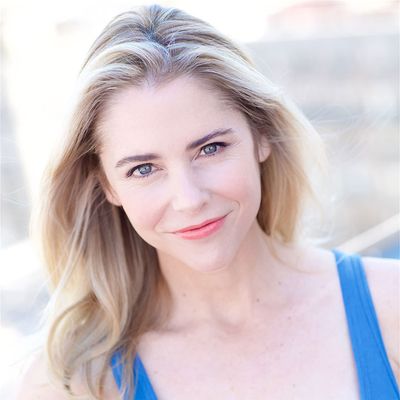
In this Artist Exploration, we welcome Broadway Star and fellow BPN podcast host, Kerry Butler. Kerry and MTCA Director Charlie Murphy discuss: Kerry almost getting kicked out of her college program. Passing on projects for personal pursuits... Read More
From the show: Mapping The College Audition: An MTCA Podcast
Guests
Featured Shows
About
In this Artist Exploration, we welcome Broadway Star and fellow BPN podcast host, Kerry Butler. Kerry and MTCA Director Charlie Murphy discuss:
- Kerry almost getting kicked out of her college program
- Passing on projects for personal pursuits
- Subjectivity of acting
- College audition advice
Check out Kerry and her many handles at:
- @Kerrybutler1 on Instagram
- @Kerrybutlercoach on Instagram
- @Kerrybutlernyc on TikTok
- @Breaking Broadway
If you have any questions about the college audition process, feel free to reach out at mailbag@mappingthecollegeaudition.com. If you’re interested in working with MTCA for help with your individualized preparation for your College Audition journey, please check us out at mtcollegeauditions.com, or on Instagram or Facebook.
Follow Us!
Instagram: @mappingthecollegeaudition
YouTube: @MTCA (Musical Theater College Auditions)
TikTok: @mtcollegeauditions
Charlie Murphy:@charmur7
Meghan Cordier:@meghanmarie2014
About MTCA:
Musical Theater College Auditions (MTCA) is the leader in coaching acting and musical theater students through the college audition process and beyond with superlative results. MTCA has assembled a roster of expert artist-educators who can guide students artistically, organizationally, strategically, and psychologically through the competitive college audition process. MTCA provides the tools, resources, and expertise along with a vast and strong support system. They train the unique individual, empowering the artist to bring their true, authentic self to their work. MTCA believes that by helping students reveal their potential it allows each school to connect with those who are truly right for their programs, which in turn guides each student toward their best college fit.
About Charlie Murphy:
Charlie is a proud graduate of Carnegie Mellon University’s BFA program. As an Actor he has performed with theaters such as: NY Public Theatre’s “Shakespeare in the Park”, The Pearl Theatre Company, Hudson Valley Shakespeare Festival, Chautauqua Theatre Company, Kinetic Theatre Company, and the Shakespeare Theatre of DC.
With MTCA [Musical Theater College Auditions -- mtca.nyc], he has been helping prospective theatre students through the college process for over 15 years. As a Teacher and Director, he is able to do a few of his favorite things in life: help students to find their authentic selves as artists, and then help them find their best fit for their collegiate journey. Through this podcast, he hopes to continue that work as well as help demystify this intricate process.
This episode was produced by Meghan Cordier and Charlie Murphy. Episode theme music is created by Will Reynolds.
Transcript
This transcript was automatically generated and might contain errors.
[0:00] Charlie Murphy: Hello, summer break listener. I really hope you enjoy this re-air episode during our summer breaks. We like to go back and rehighlight one of the artists from this past season who we really enjoyed having on the podcast. For those who may be newer listeners, I do invite you all to check back through previous seasons for our other awesome artist guests. Many of these interviews are truly evergreen, I believe. And for those interested in our college deep dive episodes, do please check those out as well. I hope you're all enjoying your summers as you listen to this by the pool, and we'll be back in August with some fresh episodes for season four of Mapping the College Audition. Some cool new programs we've been trying to schedule for a while, some new voices from some of the most competitive programs and a few different kinds of schools, like another non-audition BA program, etc., as well as some really cool new artists always.
If you ever have feedback for the podcast you'd like to give us, and that feedback doesn't fit neatly into a five-star rating and review, don't hesitate to reach out to us at mailbag@mappingthecollegeaudition.com. Even while we're on break, we'll still be reading our email because we are sickos. Happy summer.
[1:15] Charlie Murphy: Hello, hello, and welcome to Mapping the College Audition, a podcast where we explore the landscape of the college theater world and try to demystify this daunting audition process. I'm your host, Charlie Murphy, director of MTCA. That's Musical Theatre College Auditions. And today we've got Kerry Butler on the show, an awesome Broadway actress and fellow podcast host. And we're doing something a little fun and special with this episode in that we're going to be releasing this interview in both feeds. So hello to Kerry's listeners who are new to this pod. And to our listeners, I hope you enjoy getting to hear Kerry and also check out her podcast called Breaking Broadway, also part of this very Broadway Podcast Network, where you're listening to this show as we speak.
Um, to all, I hope you're enjoying your falls. Can you believe Thanksgiving is like next week? It's like really snuck up on me this year. We're hosting and very excited for some family cooking time. I myself am not a great chef, but I am a very dedicated sous chef, and Solvi loves to make a mess in the kitchen. So it should be a really fun time. For those seniors deep in your college journeys, you know you all have a big deadline day coming up on December 1st. That's not all your schools that are there. Some are actually a little earlier, some are even later, but that's a very popular deadline day for a lot of schools with those artistic applications. So I hope any of you have any pending application, whether it's a pre-screen that's due, whether it's part of the application.
I hope you're working diligently away at those. Give yourself the gift of a relaxing Thanksgiving break by not having it overwhelmed with guilty procrastination. That is, boy, that's a big do what I say, not what I used to do situation if I've ever heard one. But hopefully you're wiser than I was when I was your age. For our juniors, speaking of getting an early start, it was so great meeting many of you at our online workshop a few weeks back. I hope I will see many of you at our upcoming junior weekend. That's December 2nd and 3rd, both in person in New York City and online. It features a monologue, song, and dance class, as well as an informational meeting. It is a great way to kick off the year and see where you are in your process, as well as where you want to get to in the course of the next year.
So please join us for that. You don't have to be an MTCA student already to join that event. And again, there's no obligation beyond that event. So I hope I see many of you at that junior weekend. Um, shall we get to it? I hope you enjoy this interview with the great Kerry Butler, and I'll see you on the other side for a takeaway.
[3:47] Charlie Murphy: Well, we are so excited to be joined by Kerry Butler. Uh Kerry has a BFA from Ithaca College. Uh she's been on Broadway in all kinds of stuff. Too many to name, Beetlejuice, Mean Girls, Catch Me If You Can, Rock of Ages, Xanadu, for which you received a Tony nomination, many more. She was in Bat Boy, which I saw when I was a wee lad, and was so blown away by both you and Caitlin, who we've already had on the pod. Um, so cool. All over television and film in Gilmore Girls, The Mindy Project, 30 Rock, many more. And also a fellow podcast host, the host of Breaking Broadway. So I'm really excited to talk shop, get inside baseball on some of the inside baseball. Um Kerry, how are you? Welcome on the show.
[4:30] Kerry Butler: I'm great. Thanks. Thanks for having me. Um, I know we're gonna do a little back and forth. We're gonna make this kind of a home and home situation. So um, this can be a pretty free-ranging convo. I would love to start us off, if you don't mind, with the first question I ask all of my guests, which is just if you could take us back to you around 17 or whenever you were looking at colleges, really. I'd just love to hear of like what were you thinking about in terms of like sometimes with our students we talk like what's your mission statement? What are you looking for in a college experience? What were you hoping for as you were applying and thinking about this whole process?
[5:03] Kerry Butler: Sure. Um, so I was already professional. I had already like had an agent. I've been doing commercials since I was like nine. And I grew up in Brooklyn, so it was easy for me to commute into the city to see shows all the time. Um, I had been auditioning for Broadway shows, but hadn't gotten any, had only really done TV and film. And um, so I feel like from a college perspective, I was hoping that that would kind of push me over the edge. Like I would get find out what I was doing wrong, why I wasn't getting stuff, and um help me to become a much better actress than I was. Yeah. Um and but it's funny, growing up in Brooklyn, we didn't, I didn't go to like a fancy high school. I mean, my school had like zero arts.
And uh no one was guiding me to, I didn't really know any of the good schools. And back then, I'm old, there were like very few, like five programs, five musical theater programs to choose from. So I knew Carnegie Mellon, I guess I knew Boston. Um, and I had done um a cabaret in the city. I used to do, you know, things like that for free all the time. And someone in the cabaret who I thought was fantastic had gone to Ithaca. And so I thought, oh wow, if she went to Ithaca, then it must be a good program. And I went there and kind of fell in love with the school and with the campus. Because being in Brooklyn, I had never been in the suburbs really. And so that's Elizabeth's dream for Solvi. I was like, can we go to an upstate school so that I can get out of the city? I'm like, all right, careful.
[6:43] Charlie Murphy: Yeah, yeah. So I would say my dream was getting out of the city and also getting a really great theater education. And you definitely wanted more training. It wasn't like you're like, I just want a college experience, but I'm already working as a profession. You know, we've had some people on, uh Christa Rodriguez was sort of felt like she kind of was like, I feel pretty cooked. I mean, she went to NYU for a couple years, but she felt like ready to go. You didn't feel at 17, 18, like, I'm basically ready to work. I don't need the four years of training. You felt like you did want that training.
[7:10] Kerry Butler: I didn't. I feel like by senior year, I was ready. Then I thought about not staying for my senior year because it is so expensive. Um, but I'm glad I did. I love it.
[7:21] Charlie Murphy: Okay, and then just give us, I'm sure you did some of this on your pod already. I'm sure some people have heard your journey from sort of college to you already had a representation, it sounds like, but continuing representation to now actually booking all these Broadway shows and the star you've become. Can you give us the maybe the Cliff Notes version of what was that like then graduating and then sort of hitting the industry? Breaking Broadway as you've done.
[7:42] Kerry Butler: Sure. So um I had an agent, uh, and but again, they didn't, they weren't, they were I was like a really, really big booker of commercials, but they were not confident in my acting ability. So they wouldn't send me out. And um when I was at school, you know, once things at first, also I want to say for everybody, I almost got kicked out of my program. You know, I wasn't somebody who like glided through and got the leads in every show. I got one of those letters. A rebel, you know, like you're not, it's not working for you.
[8:13] Charlie Murphy: And what wasn't working for you? Was it was uh performance related, or was it behavioral, or what were you not doing?
[8:20] Kerry Butler: I was like, Gary, tell us the details. But I think they just didn't think I was good. I don't think they thought I was good enough or something. Um, I think that's and this is something I always say when I'm teaching. I think, you know, part of it is like just being able to take rejection and just be able to take criticism and like push yourself more and not let it break you. Because the people from my school, so many of them were much more talented than me, but they don't have the career that I had. Uh and I think partially because I can just like let things go and not so interesting part. That when they received that negative feedback, it may have crushed them, or you go, that's a letter. All right, that's gonna push me to work harder.
[8:56] Charlie Murphy: That's right. And the letter you're speaking of, just as you know, this is now in the world of sort of informal cut programs. The letter means it's it was sort of a probationary. Uh-huh. Yeah, yeah. So you're on probation. This is this fear, then you know, I've been doing this college process for 20 years now. This pervaded for years after this sort of cut program still existed, where every parent would say, I don't want this, I don't want a cut program. I'm just so scared of this idea of a cut program. But just maybe, do you mind uh informing listeners a little bit? Like, what are you talking about with this these letters?
[9:28] Kerry Butler: Yeah, so basically that that it's probation. I guess, you know, if you don't improve, then you can stay in the school, but you're out of the acting program. The acting program was very small. I feel like there were maybe 30 kids in my class, and we did all of our classes together. And it was a full musical theater, so it was basically a double major because musical theater majors back then were even like new. And so I had like, you know, all the classes in the music school, which Ithaca's known for their music school, and then I had all the separate classes in the acting school. And uh the music school I wasn't on probation with. I was on probation with the acting because they just didn't think I was getting it, I guess.
[10:07] Charlie Murphy: It's such a foreign idea, I think. Maybe it's just a parenting difference. I mean, I'm on the we're on the opposite ends, I guess, of the parenting spectrum of I'm really I've got a toddler and uh I mean you have one about who's about to go to college. But like I cannot imagine, you know, getting a probationary letter about my child because their acting talent wasn't up to snuff. I'd be like, what is she doing wrong? Like, so she, you know, bullying kids, or she, you know, it's like the idea of being like, oh no, she might not get detained in the school because we don't think her acting talent is is good enough. Do they not do that anymore?
[10:36] Kerry Butler: No, and that's not a good thing.
[10:37] Charlie Murphy: Oh, really?
[10:37] Kerry Butler: That's done.
[10:38] Charlie Murphy: Really, there would be schools where they would say, you know, if you're not keeping up with the work, would you know say, hey, you're not, you're not keeping up with class, you're not attending class, you're not. But now, once you've done this rigorous crazy audition process, too many people, I mean, once you've gotten into a 1% school or something and you did the pre-screens, you did the whatever, to then be told freshman year, you know what, it's not your fault at all. We just don't think you're up to snuff, feels so insulting and feels so like uh it can't be, right? Whereas I think that that exists a little bit more, maybe when the there wasn't quite as much rigor on the the cut of the of getting in, right? Where it wasn't quite as hard to get in, and so then they're like, we'll get to know you a little bit and then we'll do the real evaluation of who's got it.
[11:16] Kerry Butler: Yeah, and and also, I mean, so much of it is um objective, right?
[11:21] Charlie Murphy: Like one person doesn't think you have to.
[11:24] Kerry Butler: Subjective, yeah. I mean, subjective, yeah. Yes, totally.
[11:26] Charlie Murphy: Yes.
[11:26] Kerry Butler: It's their own It's acting talent. Like, what is this? I think, especially with acting, when I teach people, like I would never tell anybody you don't have what it takes. I might say you need more work, but you know, well, and even when you talk about acting in general, yeah, it is so subjective. It's like I I think that feels really truthful. It's like, but that's to me. I mean, that's uh, you know, to me the truth is one thing, but that doesn't mean that is truthful or that is fake or that is, you know.
[11:48] Charlie Murphy: Yeah, yeah. Okay, so so I went through that whole thing, and uh I auditioned for my agents, and um with work I had done at college. So yeah, you know, in college, you don't really always necessarily work on things that are marketable. Uh-huh. So I went into my um big, they were a big agency, one of the top agents, with a monologue um by Ionesco. Uh-huh. They're like, this is exactly what we'd hoping for. We're just we want some great INESCO.
[12:22] Kerry Butler: Clicking of the mouth.
[12:23] Charlie Murphy: Oh, yeah.
[12:25] Kerry Butler: But no, I'm thinking like, well, this is what they want. This is a good thing. They want me to be a real actor. I'm a real actor now.
[12:30] Charlie Murphy: Yeah. That's so funny.
[12:31] Kerry Butler: Yeah.
[12:31] Charlie Murphy: So I did it. And they were like, um, can you just come in and do something? Be yourself. Like, do if you can be yourself, we can work with you.
[12:41] Kerry Butler: Uh-huh.
[12:43] Charlie Murphy: So anyway, you know, at a certain point you're like, these people just don't believe in me, you know. And so I did the college showcase, and I got a new agent from my college showcase. And I stayed with the other agents. I stayed with the other agent for commercials because they always sent me out. And I had this new agent for um legit work. Um then uh I think my first I got my first job while I was still in college.
[13:10] Kerry Butler: I got the European tour of Oklahoma through Germany.
[13:16] Charlie Murphy: Oh my.
[13:16] Kerry Butler: Which you're gonna try to do virtually while you're attending school. How does that work?
[13:19] Kerry Butler: Well, I got it, and then I knew right when I left school. So it was like, you know, if you leave college and you get to backpack, I got to backpack doing a show.
[13:26] Charlie Murphy: That's so cool.
[13:27] Kerry Butler: Uh, so it was amazing, an amazing experience, crazy experience because you know, it wasn't equity. And so we were like driving six hours to the next city in some part of Germany. The wrong side of the road, bus. Our bus got stolen.
[13:39] Charlie Murphy: Oh my god, with all of our stuff on board.
[13:46] Kerry Butler: Unbelievable. It was, I mean, like the stories I have from that tour are crazy, but amazing job for my first job out. And I ended up getting nodes on my vocal cords. I played 80 Annie, and I literally, um, because I never, my school never taught me to belt correctly.
[14:04] Kerry Butler: So it was like they taught me classically training. But because musical theater was so new, and I think it's still like, I don't think many people still teach like mix mix. So I never learned that. And I got nodes on my vocal cords. I had to leave the tour. And then I started studying with Liz Kaplan.
[14:24] Kerry Butler: And then that's where I really found like how to be healthy, how to sing the way I want to sing, belting, but do it healthy and be able to do it eight times a week.
[14:32] Charlie Murphy: So cool. I mean what what a journey. What a way to learn those lessons. Did you know at 17, 18, did you know it specifically was musical theater? You talk about it being kind of a newer major. Did you know, hey, I want to be specifically on Broadway as opposed to like just an actor in TV?
[14:47] Kerry Butler: Oh, I 100% knew that.
[14:48] Charlie Murphy: You knew you wanted to sing, yeah.
[14:50] Kerry Butler: Yeah, like one of my friends from school just recently told me, I don't remember this, but she said, like, we got asked at, you know, um, when you come into the city and do all those workshops and stuff before the we would have, I can't remember, but we were meeting with industry people, and there was some kind of like, you know, positive thing. And I was like, I want to be on Broadway within five years.
[15:10] Kerry Butler: And she was like, and you were on Broadway within one year, and like nobody else put anything like that down on the paper. But she was like, you knew. You knew that's visualization. You're putting it on the poster board and making it real.
[15:22] Charlie Murphy: Um, I have a couple questions about this later, but I'd love to maybe dive into you talked about um marketing yourself. And you know, we've asked a number of uh successful industry people sort of what their relationship with type is.
[15:36] Charlie Murphy: Um, you know, we sort of certainly talk on the college end the kind of traps of type of like you know, certainly with MTCA, our philosophy in the college process. Please do not limit yourself to like this is how you think the world is gonna view you, and so I'm gonna, you know, I'm gonna play princesses. I should do a princess kind of song.
[15:49] Charlie Murphy: We definitely disagree with that, right? But now you're talking about trying to reconcile the Ionesco stuff you work on in college with sort of what is marketable and and what you think you're gonna get cast as. What has your relationship with with type or with branding or marketing or however you want to think of it in terms of how you've sold yourself to the world to be as successful as you've been?
[16:11] Kerry Butler: Yeah, I think going out, you know, I looked super young. So that was really helpful. I could play a 16-year-old for like 15 years old.
[16:20] Charlie Murphy: You still could, maybe it's a good filter, but I think you still could play 16, I believe it.
[16:24] Kerry Butler: Yeah, thank you. Um, so I knew that you and and here's another thing I tell college students like some people don't grow, you're you you're in college and you're playing 30 year olds. When you get out into the world, like that's kind of where you live.
[16:40] Kerry Butler: And you're not gonna get work for a while because there are 35-year-olds who are gonna nail that part and they're gonna get those parts. So you're gonna have to wait it out. And so I would say for those people like, don't come to New York until it's your time.
[16:53] Charlie Murphy: Um, but so for me, it was my time. I had to, I knew playing young was my thing. And um, sure enough, like my first Broadway show that I got right after that tour was Blood Brothers, and I played like, you know, a 10-year-old.
[17:06] Kerry Butler: We all play kids in the show, and then I also play I understudy and played adults too, but I had to have that range. I had to be able to be really childlike. So I knew, and I feel like the stuff I learned in college, all of that kind of pushing you from the boxes that we put ourselves into, that's kind of helped me have a career.
[17:26] Kerry Butler: So, and for me, once you're in that box, like, oh, she's the cute musical theater girl, then you have to kind of like take the chisel and start like showing them that you can do other stuff.
[17:37] Charlie Murphy: And so that's when I would do like free stuff of things that no one would expect me doing.
[17:41] Kerry Butler: Uh-huh. So you're still maybe making some money, you may be doing a third Broadway show where you go, All right, I'm castable as this thing, and I'm not gonna resist it completely, but I want to show everyone the world, look, I can also do this.
[17:51] Charlie Murphy: Was there a point where you said, like, I'm not gonna take another role as a child, or I'm not gonna take another role that feels like it's you know, now starting to limit me box-wise. Did you think about that in at times of your career where you go, all right, now for this project, I have to pick something that is different in some way or that somehow subverts my quote-unquote type?
[18:10] Kerry Butler: I definitely would still be playing 16-year-olds if I could. Just putting that out there.
[18:17] Charlie Murphy: That was never an issue for me.
[18:18] Kerry Butler: I was like, yes, I still got it.
[18:20] Charlie Murphy: Yep. You know, that's almost exactly what Celia said. Celia Kenny Bulger came on the pod and you know, I sort of asked, I was like, oh man, it seems like you've been trapping a lot of kids. She was like, I'd play it, I keep doing it if I could.
[18:27] Kerry Butler: She's like, I played it three years ago or whatever. Like, yeah, amazing.
[18:32] Kerry Butler: Yeah, but I did make conscious um choices to take readings or to take um out-of-town shows in parts that uh people wouldn't expect me. So then I could have my resume, I could talk about it.
[18:46] Kerry Butler: Um, so I wouldn't turn down necessarily, I've never turned down things. I've turned down auditions for things that I didn't want to do, but I've never turned down actual jobs. It's more about like in the downtime that we all have in those dry spells where you're like, Well, am I ever gonna work again?
[19:04] Kerry Butler: Yeah, those are the times I I kind of looked for uh ways to break out of my box.
[19:10] Charlie Murphy: Yeah. Well, and how did you decide? Because obviously you did get to a point, you know, and again, if you want to give us a little more of uh here to here to here in terms of the the jumps of of what happened, but you have to get to a point pretty quickly where you had the luxury of choice.
[19:21] Charlie Murphy: You know, I know I might still feel like, oh gosh, I'm never gonna work again. But but on some level you might say, I've done five Broadway shows now. I do think there is another one coming at some point. Um, you know, how did you choose what projects to work on?
[19:33] Kerry Butler: I feel like that's something uh Elizabeth and I have talked about a lot now that like once you've achieved a certain level of success, it's sometimes harder to like what kind of workshop am I gonna take, what kind of out-of-town thing am I gonna take that might turn into the thing that is really exciting?
[19:46] Kerry Butler: Like, how do you make the choices of going? I believe in this project, I think it's worth um investing my time into, especially in those early stages.
[19:55] Kerry Butler: For the most part, I didn't make those choices. I felt like I trusted the uh universe and and the best choices were made for me.
[20:05] Kerry Butler: Um in terms of like Bad Boy, I had no idea what it was. If I was if I was given a Broadway show over Bat Boy, I probably would have taken it and it could have been a flop, but I didn't, but it's like so many times when you're in it, it's so hard to know.
[20:21] Kerry Butler: And and for those who don't know, Bat Boy was like an amazing show, and it actually, even though it was off Broadway, it definitely put me on my map on the map. I got Hairspray, I think, because they saw me in Bad Boy.
[20:32] Kerry Butler: Um, so in some ways I, you know, wondering in the conversation of type too, it was a fun kind of subversion of if we saw you as this like sweet innocent, even though you kind of were playing that, but the show was so funky and weird that you got to kind of break out of that.
[20:45] Charlie Murphy: Yeah.
[20:46] Kerry Butler: I was I was very bratty in that show and and off kilter kind of.
[20:50] Kerry Butler: Um so I would make the choices over putting my family. Those are the things like I would say I oh okay. So here's an example. So recently I was um I was working on National Lampoons Vacation for a long time.
[21:08] Kerry Butler: Um I thought it was a really fun project, really like good part for me since I'm a mom. Um, and they they won't going with me the whole time. They were like, this is your part, it's you, it's all you, blah, blah, blah.
[21:22] Kerry Butler: And then they uh told me it was going out of town, and um they said you have to go. And it it was much longer than I had had originally been told. And they were like, you're gonna have to do this, you're gonna have to uh otherwise we're gonna find we have to find somebody else.
[21:38] Kerry Butler: And I was like, and so I wasn't sure what to do. And I was doing Beetlejuice at the same time, and my daughter said to me, But mommy, why would you leave us when you're already doing another show?
[21:55] Kerry Butler: Because even though I'm doing Beetlejuice, like I'll still be with them all during the day. And we made all these plans. Like I put on um shows with her and her friends in our garage.
[22:04] Kerry Butler: So we were doing a lot of fun. We had all these plans, like what show are you gonna do this summer? And we were talking about, and so she's like, You're doing two shows. You're doing a Beatles and the show in our garage. You're I got two shows. You're gonna know, mom. Come on.
[22:16] Kerry Butler: And so it would mean uh leaving her and going off to I don't remember where, maybe California or something, to do this other show. And so I went to them, I said, my daughter said this to me, and like I don't have, I can't be like, well, this could catapult my career.
[22:32] Kerry Butler: You know, I can't, I can't be like that to her because she's she's right. I'm working. Why I don't we don't need the money because I have a job. Why would you leave me to go do that?
[22:42] Charlie Murphy: So those are the kind of decisions that I've had to make basically on my family.
[22:46] Kerry Butler: And early on, are you s sort of more listening to agents? Is that sort of guiding you? Do you do you have a manager at this point? Do you have, you know, are you talking to other friends of just going, what what seems like the place I should be investing my time and my my money in terms of relationships in terms of you know, is it about the people you want to work with?
[23:02] Kerry Butler: I guess, you know, once you have that luxury of choice, and I don't mean to overemphasize like, well, you ought to always had six shows sitting on your lap that you could choose between.
[23:09] Kerry Butler: But you know, but but what are you thinking about in terms of just as you're trying to uh I think it's it's impressive to book a Broadway show to for anyone to break into Broadway's impressive, but also even more impressive to sustain that career of going show and then another show, another show.
[23:24] Kerry Butler: So as you're trying to establish that career, was it all let go and let God and I'll see what the the projects come, or or were there was there any kind of strategic um thought, I guess, behind I think I want to do more of this. I think I need to do that.
[23:39] Kerry Butler: And my managers a lot. Um my strategic thought was I want to be a working actor.
[23:43] Charlie Murphy: Uh-huh.
[23:44] Kerry Butler: And so after I did Xanadu, and I was nominated for a Tony for the best actress, the thing I did next, which really surprised people, was a very small role in Catch Me If You Can.
[23:56] Kerry Butler: And, you know, people didn't really want I had to take a pay cut, people didn't really want me to do it. But I loved that show. I loved those people.
[24:03] Kerry Butler: Um, and I loved this part, and I thought, I want to sing this I don't want someone else singing this song every single night. And and so those are the things, you know, like I like playing the lead one time and then playing a supporting character and find I like the joy of working.
[24:11] Kerry Butler: I like the joy of challenging myself and finding different kind of things. And so I go against my agents all the time.
[24:28] Charlie Murphy: Well, they don't like me.
[24:29] Kerry Butler: Almost exactly what I was what I was getting at is I do think those are often really tough decisions and often happen before a level of huge success.
[24:36] Kerry Butler: I mean, so often young actors are told, No, no, don't take that part. We need to keep you available for pilot season.
[24:41] Charlie Murphy: Yeah.
[24:41] Kerry Butler: You're like, I'm not even working, like I haven't even done anything yet.
[24:43] Kerry Butler: Yeah, my agents would tell me that all the time. They're just like, no, there's a lot of buzz about you, a lot of buzz. You're like, so I'm for for the sake of buzz, I'm gonna turn down these jobs.
[24:51] Kerry Butler: I made that mistake like several times. So I feel like I learned from that. Like I'm not waiting around for to get a pilot. If I do, we'll see what happens, or you know.
[25:01] Kerry Butler: And it's not to say that's always the wrong decision, because then you book the huge some people do, and that's and they book the huge hit, and it's amazing.
[25:06] Kerry Butler: And you know, but but I do think it's um, especially coming from the world of like, okay, so let's say you've you're an MTCA student if you're listening to this, and you've had like supportive mentors help you to college, then you have these amazing college professors, they help you through that part of your four years, right?
[25:20] Kerry Butler: And then you graduate into the world, and often, though not always, some people do have this wonderful supportive relationship with their the representation. But I think often there is that almost adversarial.
[25:29] Kerry Butler: I mean, it's it's not like a negative experience, but they are there to make money. They're there to say, hey, no, this is not the right decision for you. You should do this. And it's not nuanced and kind and guided and and warm in the same way that I think you will often be used to from 17 to 22, to all of a sudden be like, oh gosh, I'm a grown-up now.
[25:46] Kerry Butler: I gotta I gotta make these decisions for myself. It could be really tricky.
[25:49] Kerry Butler: I mean, one decision I made uh that I regret a little bit, but I mean, I I'm happy. I love being on stage, and so I think that's the difference too.
[25:58] Kerry Butler: Like, I don't need to be a star. I love I love being on stage more than being into the film. But I got the callback for Glee.
[26:06] Kerry Butler: Uh-huh. And I turned it down because my husband was like, What are you gonna do? Like, my job is here. You're gonna be going off to LA and da-da-da-da-da, you know, and like leaving, you know, we're gonna have kids.
[26:18] Kerry Butler: And so so I I passed on that.
[26:21] Charlie Murphy: Like, uh, whoops, I'm sure your agents were thrilled about that.
[26:23] Kerry Butler: But you're like, thank you for that pass.
[26:25] Charlie Murphy: For sure, uh when uh in those moments when I was like the it girl and you know, getting a lot of buzz on TV, my agents weren't happy with me because I would turn to I would pass a lot of of stuff like that.
[26:36] Charlie Murphy: You you were gonna be Matthew Morrison on Glee, is what you're telling me.
[26:39] Kerry Butler: So we're breaking that on the clock.
[26:40] Charlie Murphy: That's what you're calling back for?
[26:41] Kerry Butler: I got it.
[26:42] Charlie Murphy: Interesting.
[26:42] Kerry Butler: Very good.
[26:43] Kerry Butler: But it all worked out the way it was meant to be.
[26:45] Kerry Butler: He he he would have he was much better in the part than me.
[26:47] Charlie Murphy: Yeah, that's well, you know, that's that's that's why you have to let go and look up.
[26:50] Kerry Butler: That's it.
[26:51] Charlie Murphy: Um, all right.
[26:51] Charlie Murphy: I'm gonna ask my my first sort of complimentary question about you.
[26:55] Charlie Murphy: I I hinted at this in our our pre-interview, but you know, I often anytime we have kind of a well-known guest on the pod that I don't know personally, I often ask Elizabeth, like, what's your one word impression of someone?
[27:05] Charlie Murphy: What's like the thing that you, you know, you what do you think about this person?
[27:08] Charlie Murphy: What what's what's the first thing that comes to your mind?
[27:10] Charlie Murphy: Because I'm trying to often burrow in on like, what is their superpower?
[27:13] Charlie Murphy: What's something that we can kind of elucidate for our listeners that of how they've been so successful in the business?
[27:18] Charlie Murphy: Maybe they're really charismatic or they're created vulnerability or what it's that kind of thing.
[27:22] Charlie Murphy: And the word she said for you was kindness.
[27:24] Charlie Murphy: She was like, Carrie is such a kind person.
[27:27] Charlie Murphy: That's the impression I always get from anything that I I I know about her.
[27:30] Charlie Murphy: So first off, I guess is that a label you wear consciously?
[27:33] Charlie Murphy: Is that something you actively try to lead with kindness?
[27:36] Kerry Butler: It's you know, I know everyone's to be kind, but you know, from a business perspective, is that something that maybe you're aware is your is a represent uh reputation and something you try to um foster?
[27:45] Kerry Butler: Um that is very, very nice.
[27:47] Kerry Butler: Thank you, Elizabeth.
[27:48] Kerry Butler: Um uh I definitely uh I try to be a light.
[27:48] Kerry Butler: I try to be a light wherever I go.
[27:58] Kerry Butler: In all of my shows, I try to be the person who's looking out for people.
[28:03] Kerry Butler: Um I try to be there if I see someone struggling.
[28:08] Kerry Butler: Um so I would say that is a goal of mine, not for business purposes, just for me in life.
[28:14] Kerry Butler: And of course we know it's yeah, I would not say, oh, this is a Machiavellian strategy to sort of pretend to be kind or whatever.
[28:20] Charlie Murphy: But but can you think of I guess I'm I'm I want to throw out there like can you think of areas in in your career moments when you think the fact that you do lead with kindness has actually benefited you that way that where you've now someone's wanted to work with you because they've said, you know, I think she's just so nice.
[28:34] Charlie Murphy: It's not about her talent, it is about the fact that she's really kind.
[28:37] Kerry Butler: I don't know specific things, but I do know for sure that happens.
[28:41] Kerry Butler: Like Alex Timbers has called me up and asked me, like, is this person nice?
[28:45] Kerry Butler: I only want to work with nice people.
[28:47] Kerry Butler: And so it definitely goes far.
[28:50] Kerry Butler: It definitely makes people want to work with you again if you're easy and just not a lot of drama, I think.
[28:58] Kerry Butler: Um so I don't even know if it's nice.
[29:00] Kerry Butler: I think it's more like just easygoing, like people you want to hang out with.
[29:04] Charlie Murphy: Yeah.
[29:05] Charlie Murphy: And uh and not no not giving into drama, being a team player.
[29:10] Kerry Butler: Yeah.
[29:11] Charlie Murphy: Well, and I think again, it's you know, talking about that sort of adversarial relationship with agents, you know.
[29:15] Charlie Murphy: I think I think many people in this business, most very successful artists that you could name are extremely kind people.
[29:22] Charlie Murphy: You know, I think it's why they've been able to sustain a a career.
[29:25] Charlie Murphy: But I I think it's not always the impression that people have of the industry from the outside.
[29:29] Charlie Murphy: You know, people talk about it being such a competitive cutthroat business.
[29:32] Charlie Murphy: It's so hard out there, which of course it is, you know, to to break into the business.
[29:36] Charlie Murphy: But then all the their favorite actors are these incredibly kind, generous, warm people.
[29:41] Kerry Butler: I I where where do you see that dissonance?
[29:43] Kerry Butler: What why is that true?
[29:44] Kerry Butler: Why do we see this as, you know, there's all these nice people.
[29:46] Kerry Butler: Alex Timbers is so nice, he he wants to work with nice people, but then also people are feeling like I'm, you know, pulling legs down to try to bang at the door of to meet Alex Timbers or to, you know, sort of find that, you know, success for myself.
[29:59] Kerry Butler: I don't know, I don't know.
[29:59] Kerry Butler: I think it's like just the stereotype that gets played out in movies and and and things like that, you know.
[30:06] Kerry Butler: Um, I mean, and you know, it's it's certainly more exciting to talk about the drama.
[30:13] Kerry Butler: So that's what gets the most press, I feel like, or you know, amongst all of us.
[30:17] Kerry Butler: We like to all like to dish occasionally.
[30:20] Kerry Butler: And so we like to talk about the person who's, you know, not being the team player or pulling us all down.
[30:26] Kerry Butler: Um, but yes, I think in general, most uh actors that I've worked with and that I know are amazing, empathetic people because you have to be to be able to step into somebody else's shoes and make them uh uh an empathetic person.
[30:40] Charlie Murphy: Yep.
[30:40] Charlie Murphy: Well, yeah.
[30:41] Charlie Murphy: I I wonder if we kind of overrepresent those examples in our heads of like those kind of catty people who succeed where you go, you actually did pull someone down and it helped you.
[30:50] Charlie Murphy: But I'm like, most of the time that doesn't work.
[30:51] Charlie Murphy: Most of the time it's like, great, for for this month, you got to sing the extra song or you got to do the thing, but then people remember that and it doesn't in the long run and benefiting you for most people, you know.
[31:01] Kerry Butler: I always feel that way with networking.
[31:03] Kerry Butler: Like all all of basically every actor is like, I hate networking.
[31:05] Kerry Butler: I don't, I hate that, oh, this person's so good at it.
[31:07] Kerry Butler: I'm like, but if everybody thinks that person's so good at it, then everybody also kind of feels that person's a little false or a little, they're like, oh, she's really putting herself out there and you know, she's really so good at it.
[31:17] Kerry Butler: I'm like, I don't know if that's actually working, if if it feels like that to everybody, if it feels, you know, false.
[31:21] Charlie Murphy: Right, right, right.
[31:22] Charlie Murphy: Why don't we take a short break uh so we can write a couple ads and then we'll come right back.
[31:27] Kerry Butler: Okay.
[31:29] Charlie Murphy: All right, we are back with the great Carrie Butler, the kind Carrie Butler, maybe more important than the great Carrie Butler.
[31:35] Charlie Murphy: Um, okay, can we get nerdy with some inside baseball?
[31:38] Kerry Butler: This is inside baseball about inside baseball.
[31:40] Charlie Murphy: So sure.
[31:40] Charlie Murphy: I I'd love to dive into your podcast a little bit, and especially maybe to start with the impetus behind it.
[31:46] Charlie Murphy: So, you know, let's posit both of us have kind of a mission of demystifying access to the industry for our listeners.
[31:53] Charlie Murphy: But it seems like that's somewhere in the ethos of what you're trying to do.
[31:56] Kerry Butler: If that's true, what do you think is most mystifying about the industry?
[32:02] Kerry Butler: So, where where do we have it all wrong?
[32:03] Kerry Butler: Where are the places where young people are, you know, are confused?
[32:06] Kerry Butler: Where are the places you're thinking I need the most help with this?
[32:10] Kerry Butler: Well, my podcast started because on Instagram, I got asked over and over again, how do I break into the business?
[32:19] Kerry Butler: And it was like, God, I can't answer all these.
[32:22] Kerry Butler: So it was a selfish reason.
[32:25] Kerry Butler: You can't do individual DMs.
[32:28] Kerry Butler: And tell them.
[32:29] Kerry Butler: So I started doing it on my Instagram.
[32:31] Kerry Butler: I started making like stories, like this is how you do it.
[32:33] Kerry Butler: And then Dory was starting the Broadway Podcast Network.
[32:37] Kerry Butler: And I was like, you know, I think this might be really helpful for people.
[32:40] Kerry Butler: And so that's how it started.
[32:43] Kerry Butler: And um I kind of so my first few episodes were I think really helpful.
[32:49] Kerry Butler: You know, like how do you get an agent?
[32:51] Kerry Butler: And I think they're helpful even for people in the industry, a lot of my uh podcast episodes.
[32:59] Kerry Butler: Um, but now I kind of how I pick my information is just based on like when I'm teaching, what I see people doing, that I'm like, why?
[33:12] Kerry Butler: And like, how do you not know that that you should, you know, not be doing that right now?
[33:16] Kerry Butler: Uh and even like practical things, like when I was in college, they didn't teach us about like how expensive it was to live in this city.
[33:27] Kerry Butler: And how you have to have a second job and how that job has to be able to let you go on auditions.
[33:33] Kerry Butler: So I did all my last series for Breaking Broadway was pretty much all about side hustle and like what jobs are the best jobs for people to take while they're trying to make a career and and and things like that and how you can have something that's kind of in the business, but totally.
[33:49] Charlie Murphy: No, you often talk about you don't want it to be too good of a side job.
[33:52] Charlie Murphy: If it's like too exciting and it pulling too much of your energy, it's you know, of course, it was high paying would be good, but you're like, if it's really kind of tempting me and now I'm not doing the EPAs, like you're not gonna do that.
[33:52] Kerry Butler: You're not gonna do the EPA, you're not gonna go to it.
[34:03] Charlie Murphy: Yeah.
[34:03] Kerry Butler: Yeah.
[34:04] Kerry Butler: What somebody somebody on my podcast, they were like, don't take that job, that bartender job where you're making, you know, $500 a night.
[34:12] Kerry Butler: You're gonna get trapped there and you're not gonna be hungry enough to go on those auditions.
[34:16] Charlie Murphy: It's so true.
[34:17] Kerry Butler: It's so true.
[34:17] Kerry Butler: Yeah, because these are all low expected value auditions when you're especially if it's an EPA or something, you go, I'm probably not gonna book it anyway.
[34:24] Charlie Murphy: Well, I'll get up at 5 a.m.
[34:26] Kerry Butler: So easy to do, especially when you're not 23 anymore.
[34:29] Kerry Butler: You know, it feels like maybe the first year you're like, I can do it, I'm full of energy, and then you're 27, you go, Do I still have this that much fire in me?
[34:35] Charlie Murphy: Yeah.
[34:35] Charlie Murphy: I guess I'm interested in like, so maybe from the Instagram and maybe from podcast feedback, you know, but also I know you um coach individually.
[34:42] Charlie Murphy: Um, what are you finding um the that they sort of youths, if we're gonna be um terrible uh saying about young people, to say like what don't what don't they know though?
[34:52] Kerry Butler: What what do you feel like you're you know when you say I'm so shocked that you don't know this thing?
[34:56] Kerry Butler: Like what are the the the big uh places where you felt like they had they had a lot of questions, or where you still feel like even despite the information being out there, people seem to still be confused.
[35:06] Kerry Butler: Well, like one example would be, you know, if I work with somebody on a song or they're in one of my classes and we work on a song over and over and over again, that song should be one of your main songs that you use to audition, I think, because you've put in the work, you know.
[35:20] Kerry Butler: Like I also have this digital course that I've been working on, and I go through all of my steps when I'm working on a song, and it's like a ton of work that I put in, you know, like what's your subtext?
[35:30] Kerry Butler: What's the other person doing or saying?
[35:32] Kerry Butler: How does it connect to you personally?
[35:34] Kerry Butler: All this stuff.
[35:35] Kerry Butler: And I mean, we would work on, I would work on a song with my students for weeks.
[35:41] Kerry Butler: So if you put, are you gonna, and then you get this audition and you're just gonna pick something that you've never worked on and try and learn it at the last minute in one minute.
[35:49] Kerry Butler: Other people are gonna be doing those songs that they've worked on and that are amazing that they've and so you're already starting at a big disadvantage.
[35:57] Charlie Murphy: Yep.
[35:58] Charlie Murphy: So true.
[35:59] Kerry Butler: So true.
[36:00] Kerry Butler: It's you know, it's an interesting thing.
[36:03] Kerry Butler: I never feel older than when I'm talking about the internet and the difference in generations, but it's an interesting thing in the post-internet world that like so much information is out there.
[36:12] Kerry Butler: Like there it, you know, like your course, your digital course, but and also like YouTube has, you know, I I was with you know when teaching Shakespeare, I'm like, everything Mark Ryolins has ever done is on YouTube.
[36:22] Kerry Butler: Like, go watch it.
[36:23] Kerry Butler: Like it's unbelievable.
[36:24] Kerry Butler: You know, but but that there's so much access to information, and yet I don't find a lot of young actors who are like deeply, deeply knowledgeable, different than our generation.
[36:35] Kerry Butler: It doesn't feel like like the somehow the the ability to have um, I guess, imbibed all of all of the internet which exists out there, there are not a lot of people who are like, I'm actively using all of that information that I could get from podcasts, and I can get from YouTube and I can get from you know all these resources.
[36:52] Kerry Butler: It it it's interesting to me that I think uh a 24-year old today doesn't feel like way more educated about acting than a 24-year old did 20 years ago.
[37:01] Kerry Butler: Yeah, yeah, it's interesting.
[37:03] Kerry Butler: I mean, I think you know, if you go on TikTok, you get just get sucked into watching nonsense.
[37:09] Kerry Butler: And so it's almost like you have to set time aside to like pay attention to the things that can really help you.
[37:18] Charlie Murphy: Yes.
[37:18] Kerry Butler: And monitor yourself.
[37:19] Kerry Butler: And I the same thing happens to me.
[37:22] Kerry Butler: Like I I want to keep growing and I want to keep using my time to grow as an artist and don't want to get sucked into to watching all things I shouldn't.
[37:30] Charlie Murphy: Well, it's it's sort of and it's talking about the difference between like deeper learning versus those like quick, you know, delicious snacks where you go, what's the tip and what's the trick?
[37:38] Charlie Murphy: Do this?
[37:38] Charlie Murphy: Okay, Carrie said, do a song I've worked on before.
[37:40] Charlie Murphy: Got it.
[37:40] Charlie Murphy: That's like an easier bit of learning than like really diving in and doing the work on a piece.
[37:45] Kerry Butler: Like that's what I feel like most, you know, most of our students when we see the differences, they'll know the kind of headlines actually significantly more than our students did 15 years ago.
[37:56] Kerry Butler: They're aware of, you know, sort of the bullet points, what are the big stuff, but very few of them have deep dived and really learn stuff on a deeper level.
[38:04] Kerry Butler: Occasionally someone does, and we go, my god, that student is on it and they know, you know, they know the stuff.
[38:08] Kerry Butler: But but it feels like it is yet so hard to resist the TikTok, it's so hard to resist.
[38:12] Kerry Butler: Just do these five things, just sing the song, you'll get into Michigan.
[38:15] Kerry Butler: You go, but that's that's not how it is.
[38:17] Kerry Butler: It's not like you can't just chickpick the song and put pick the outfit and you're done.
[38:20] Kerry Butler: Like it's it's never the quick fix.
[38:21] Kerry Butler: It is always the sort of the deeper learning.
[38:23] Kerry Butler: Yeah, I had um Caitlin Hopkins, I know you had her too on my podcast, and like she gave wealth of information on getting into college, but what do you tell people are the best ways to let and Caitlin said something really interesting on my podcast?
[38:37] Kerry Butler: She said she doesn't care if people sing like an overdone song.
[38:41] Kerry Butler: Like I would think like it would be better to pick something that maybe everybody isn't singing, but she was like, no, if I know it, I'm okay with that.
[38:47] Kerry Butler: I know what what notes they need to hit.
[38:49] Charlie Murphy: Yep.
[38:49] Kerry Butler: With such what a great example of like when you look at the college process, there is no one right answer of like do super obscure or do super well known, right?
[38:58] Kerry Butler: Like because that is opinion.
[38:59] Kerry Butler: I mean, the and even if you try to like get them all to write down like what are the most overdone songs, overdone is not normally about like what is actually sung the most on a quantitative level.
[39:10] Kerry Butler: It's sort of like, oh not this song again.
[39:12] Kerry Butler: Oh, you just don't like that song, is what it really means.
[39:15] Kerry Butler: It's like and often it might mean it's got like a trap to it, or if there's a monologue and it's got like a punchline at the end that I'm kind of waiting for.
[39:23] Kerry Butler: It's not as exciting for me to watch, because I'm waiting for the playwright to finish their job as opposed to sort of f what watch you finish your job.
[39:28] Kerry Butler: So there's some songs like that which are mostly more of opinion. Which ones do they not want to hear? Now you're trying to get me to do the TikTok trick. Now you're trying to get me to the simple quick, quicks. No, but really, there aren't like you know I just I just want to make sure I don't do it. Yeah, exactly. Like, don't make me walk in this room. No, because I as soon as I could name one, someone else would go, you know, I don't mind that one. I mean, you know, I I've literally heard people saying, I'll I'm fine with "On My Own." You know, it's like we wouldn't recommend you walk into a room and sing "On My Own." That's not like a, you know, a general recognition. I wouldn't walk recommend you walk in a room and do "To Be or Not to Be."
But somebody goes, I don't mind it. And it's a great piece and it works, and there's a reason it's famous and there's a reason it's successful, and if you do it great. You know, I think my biggest advice would be it is what about what you do with the material more than the material, you know. People are so often looking for, just tell me what are the two pieces. My friend did these two pieces, they got into Carnegie Mellon. I should do those two pieces, that's gonna work. I was like, that's that's that was your friend. That's not you. If you are just like your friend and you happen to have those exact connections of the material, sure, isn't that those aren't bad pieces of it? It's not gonna be exciting anymore because they already saw your friend do it.
Well, exactly. I mean, they're gonna go, they already, I already have, you know, I have Charlie at Carnegie Mellon. I don't need to take another, you know, Charlie. I don't need specifically, you know, to see what worked before. It is about what you do with the piece, so much more than like you know, what the piece is. I think so often our families, whether it's about material selection, so many of the sort of strategic stuff, and there's a lot of strategy to the way you approach the process, but so often people are looking for like, what are the tricks that allow me to kind of like subvert the room? Like, what are the things I can do that before I even get into the room, I know I'm gonna do well?
And I think you have to think about it like what is the strategy to prepare me for the moments in the room? Because, like, in the room is where you're actually gonna book the college, in the room is where you're gonna make the connection. It's not, you know, you wanna think about yes, what are the pieces you do, what are the clothes you wear? Have you practiced your interview questions? Sure, you know, but you're not gonna be able to do enough preparation that you don't still have to show up in the room and have the experience, right? It's why some people who don't spend tons of time and tons of money and tons of tons of energy on this process can do really well if they can show up really organically, really as their self themselves.
They pick some pieces that they love, even if they're in esco, even if it's not the best choice in the world, but they go, I love this material. If they're present in the room and having the experience with the college faculty, the college faculty might fall in love with them. They go, I know what to do with this kid. Yeah, I'll get them new material. Uh yeah, this is they didn't present themselves exactly right, but I see the talent and they're here, versus if you're trying to do all of these things sort of in advance to say I'm protected from needing to show up vulnerably in the room because I've made all the best choices. That's where sometimes, you know, college will talk about, oh, it can feel overcoached or it can feel you know, feel slick. It's like you don't want to walk in feeling slick, you want to walk in like a student who's open and ready to learn.
[42:12] Charlie Murphy: How do you help them find a monologue? Like, do you just have a wealth of information about like different monologues and things like that?
[42:19] Kerry Butler: We do, and you know, all of our coaches, we have a lot of different monologue coaches who uh on the team with MTCA who, you know, have material. And that is probably the biggest area where we will present material to you, because I think most students, other than maybe like Googling what is a good monologue, have not read a lot of plays. They don't, they're not in that place to go. You know, they might go, I like this one play. And we go, okay, great, but maybe this character's not quite right for you, but let's find something else from this playwright that works for you or that that is more appropriate. You know, so we certainly do present monologues to a student, though, you know, the way that we do it, we always, you know, we first do a consult with a student, we really get to know them, think about like what do they want to present in terms of their larger package.
So within the course of three monologues, what are the things I want to show about myself? And then hopefully in the material itself, you're gonna have a dramatic piece, maybe a comedic piece, maybe there's a lighter, you know, more naturalistic piece. Like we'll have a couple different options that are kind of gonna triangulate so that you're telling the story of Charlie, just like your agents try to do. And I'm trying to walk in there and go, This is Charlie, this is who I am, you know. Um, and then we're trying to present you voices that you might not have heard that feel like they fit you and the different things that you can do, right?
[43:24] Charlie Murphy: So do you interview them first just to see like what's the case?
[43:28] Kerry Butler: Yes, we spend an hour just chatting with them, you know, talking about how what do you like as a human being? We ask a big list of questions, and we're trying to dive into like how would you want to walk in the room? Let's not even worry about monologues, not worry about you know the specific playwrights. Sometimes they'll know a playwright or two and we'll go, oh, do you love that playwright? Great. And so that could be then something we present. But more often than not, our musical theater students, especially aren't like, I love Itamar Moses, and I love, you know, they don't tend to know playwrights, but they might say, you know, my friends say I'm really kind of sarcastic and funny. We go, okay, great, we can show you some sarcastic, funny material that maybe will feel like you, and then they'll read it out loud and we'll talk about it, we'll see what pieces feel like they excite you. What do you want to work on? What do you want to dive into? What are you curious about?
[44:09] Kerry Butler: That's great. That's a great program.
[44:10] Charlie Murphy: Oh, thank you.
[44:11] Kerry Butler: I'd love to talk about, you know, we're both sort of coaching youth for the future of the industry. What do you think about sort of you know, 10 years from now, what are we gonna be like? So we're navigating a strike still as we record this. There's still an actor strike going on, just sort of out of the writer's strike, uh, quasi at least. You know, Broadway feels like right now is still kind of returning to normal, right? You know, we're just in Times Square the other day. Like, it's not normal, it's unlike what it was pre-pandemic. What is this world looking like 10 years from now? What do you think?
[44:42] Kerry Butler: I don't think I think we will get back. I think because I think during COVID, I I even had like this eye-opening experience, um, where performing theater was always felt like something selfish, because it was something that I loved to do, and it was like my dream. And I, you know, I always felt like award shows. We're kind of silly because we're like, we already like getting to have this career is the reward, like that is the icing on the cake, and we're not that important. But during COVID, I feel I I really started to see after when the world was so divided and looking out on our audience in "Beetlejuice" and seeing people of you know, all different colors, all different races, all different religious backgrounds, just laughing together and seeing each other's humanity.
I was I was really moved and still am, like, oh, this is the greater purpose of theater. Like, I see it so clearly now how we can get people to feel things and how we can get them to laugh together and just connect with each other, strangers. Like I remember, and I found that even more so after "Beetlejuice" just closed, and I was in the audience and just like talking to the people around me and like hitting them, like laughing especially with strangers. So I do feel like it's it our future, we have to grab on to it. It's gonna grow. It's just taking a little bit longer than we hoped. Yep. But it's it's it's gonna, it's gonna be back to to normal, even better, I think.
[46:15] Charlie Murphy: And um are are we what what comes after? I mean, this is now I'm truly asking you to prognosticate of something that I have no idea of, but what comes after? If if eventually, let's say we move past this sort of like pop musical phase. Uh-huh. What comes next? Like, I or is it continuing to be more and more pop? Like, do we think Broadway is going to become where it's like we have six Taylor Swift musicals or whatever? Like, like is that that is that where we're going? Or, you know, is there something beyond sort of because it feels like that is now what most of what is coming down the pike still too?
[46:47] Kerry Butler: It's not even just like what is. I mean, but if you think about it, jukebox musicals were always around. We just, you know, like even Judy Garland, like all of them did that. They did, and so it's like we have this there's room for everything. Of course, you know, and some great jukebox musicals. I'm not anti-Jukebox music. Oh no, I know. I know, but I mean, like, you know, there's always criticism about like the movie musicals, like every, and this is just always, it's always we always go through these phases and we and it's just it is what it is, you know. Like there's still room for great original musicals like "Hadestown." Um, and so I don't think it's gonna be only one thing, but you know, it is Broadway, especially is, you know, for money and for tourists.
Yep. So that's gonna be what it is. And and yeah, now we're getting into um, you know, Melissa Etheridge is on Broadway now doing her one person show. So and I think we're getting more into maybe, like you said, maybe a Taylor Swift musical. I I would not doubt that for for anything. I think that would sell pretty well, yeah. But you're saying it's getting wider, the kind of pop that's on the Broadway, the kind of thing.
[47:53] Kerry Butler: I think so. Yeah, yeah. But I do think that there is and will be room for everything.
[47:59] Charlie Murphy: And do you are you a a technologist? Are you into like the AI of it all? Like I I I'm sort of wondering, I'm like, are we all gonna be replaced by podcast robots in 10 years? I mean, is that gonna be like what what is, you know, uh I I we have not yet really seen, we've seen technology uh um present on Broadway, but we haven't really seen the like, you know, it feels like we're at the cusp of of what is a hybrid streamed Broadway experience that almost feels like it could shift to something different. Um and I kinda wonder what that is, especially because you're also talking about the antithetical part of that, which is the live experience and being and rubbing shoulders and not sitting on your couch watching a Broadway musical.
[48:37] Kerry Butler: Yeah, I don't know. Did you see "Here Lies Love"?
[48:40] Charlie Murphy: I didn't I haven't yet. We're gonna see it. It's on our list. We've we have four s four shows that we're trying to see in the next month and we're trying to get book babysitters as we speak.
[48:47] Kerry Butler: I mean, "Here Lies Love" is just like I mean, for sure something completely new, you know, where Alex Debris took out all the seats and I I d I did it two times now and I was on the floor both times. And it's just like such an incredible experience. So incredible he did that. So, you know, there's always who knows? I just don't think about it. I just, you know, I just trust that whatever is meant to be, we're gonna be fine. And there will be a part for Kerry Butler in one of those shows, hopefully. We hopefully go and I will take that part. But I think "Here Lies Love" just shows that like we don't know what because who would think you would take all the theaters out of a Broadway state theater, you know? Who would think that's possible? Who would think anybody would be crazy enough to do that? And oh my gosh, it's an incredible, incredible experience and really fresh and like nothing you've ever seen before.
[49:42] Charlie Murphy: That's super cool. Um, well, what if we wrap with? I just I often ask our guest sort of uh about advice. Um, is there a piece of advice that you feel like you know you wish maybe you knew before you you started out? But you know, maybe you get asked it a lot on your pod and you go, I I would have been asking this question of my version of Kerry Butler back then. I always ask, like, oh, what would you say to your younger self?
[50:02] Kerry Butler: That's I often ask that exact question. Yes, answer it. Have you answered it on your pod, or is this the first time we'll get you to answer it now?
[50:08] Kerry Butler: I I don't think I have answered it. Let's go. I mean, I've I've I've said this a lot, but not on my podcast or anything like that. Um, so I was, you know, a big nerd and always like super afraid of what people thought of me. And I think that's where my acting, uh maybe that was why I got the probation letter, you know, because I was just I wasn't free. And once I embraced the things I was so afraid of the world seeing, like I embraced my nerdiness, I embraced my quirkiness. That is when I um got work and found myself. So it's like when I embraced that I don't have to be like everybody else, when I let go of what being afraid of what people thought of me. That was a big one, you know, and just could be like, I don't care.
I don't care what the results are. I'm just gonna throw paint at this wall. I'm just gonna do it. I'm not gonna worry about people laughing at me. Uh-huh. And I think, you know, like as a child, I was like bullied and made fun of a lot. And so I think that's where that came from. And and now it's like even, you know, with anything I do, like if I get bad reviews, I I I'm it's so easy for me to like just let it go.
[51:22] Charlie Murphy: And you where what was the experience, I guess, of being feeling trapped? I mean, I don't mean to trigger you or make this a whole therapy session, but but was it were you literally hearing negative thoughts? Were you hearing, don't do that, Carrie, that's stupid. Or what what made you feel like in acting school when you were because certainly think many young actors know that experience of feeling stuck or feeling held back, but but you know, if you're thinking about like how you were able to release that, like what was that experience?
[51:47] Kerry Butler: I don't think it wasn't voices in my head. It was more like wanting to please people and wanting and instead of just being wanting to be what people thought I should or what I thought I should present to the world, I didn't know I was funny back then. So once I found out I could be funny, because I had no again, no training in school or anything like that. My parents did take me into the city for acting lessons, but I never found out that I could be funny. And being funny, you have to be okay with people laughing at you. And I was always so like being embarrassed to me would be the worst possible thing that could happen. And then once you embrace that, yeah. And now I'm just like, yeah, I'm fine with being embarrassed.
[52:38] Charlie Murphy: Like once you can really get into like this might be terrible, that's where you find this might be awesome or whatever.
[52:43] Kerry Butler: Yes.
[52:43] Charlie Murphy: You have to sort of find that release.
[52:44] Kerry Butler: That's interesting.
[52:45] Charlie Murphy: I mean, I think that's not too, it's not too dissimilar to what was holding me back in school, which I feel like was almost always about like my relationship with confidence. I think as like a young person, and I, you know, I often talk about it with our young uh um our our students, you know, that I think young 17-year-olds often are like re are afraid of confidence in a way that I think I was too of like I sort of was worried about being cocky, I was worried about people are gonna view me like owning my space in a negative way, you know, I'm 6'4 and I have a low voice, and that people are gonna sort of be like, oh, he thinks so much of himself. And I I think I found myself just like twisting myself and not so hard to not take up space.
I still do it sometimes. But trying so hard not to like be confident, even though actually inside I was like, I'm perfectly confident. I know I'm good, I know I'm whatever, you know, but that I sort of wasn't letting myself just like be as good as I was, exactly where I was. Not you know, not more so, not not sort of arrogantly like I'm better than everyone else. But um, yeah, I I I definitely had a lot of those experiences in the school of just being like, just make sure everyone knows that you like don't think too much and that you're not you know, you really appreciate it. Just worried about those silly kinds of things, yeah.
[53:58] Kerry Butler: Yeah, so cool. Um, well, Carrie, if more people want to hear more things from you, we know they can check out Breaking Broadway on BPN, uh, alongside us, uh, this wonderful, our wonderful podcast network. Are there other places socials and such that you like people to follow?
[54:12] Kerry Butler: So many, and just to be super confusing, they all have different handles.
[54:16] Charlie Murphy: Okay, and you spell your name slightly differently in each one that you're saying.
[54:19] Kerry Butler: And this is something that young actors should never do. I learned on my podcast. So do as I say, not as I do. Um, on Instagram, I'm Kerry Butler1.
[54:30] Charlie Murphy: Uh-huh.
[54:30] Kerry Butler: Uh Butler with two T's, this is?
[54:33] Charlie Murphy: No.
[54:34] Kerry Butler: KB. Um B-U-T-L-E-R. I'm also Kerry Butler coach on Instagram because I didn't want to bombard my regular like fan base with all of my coaching inspirational posts. So Kerry Butler coach, Kerry Butler One, okay, great. And are there other things that you follow?
[54:47] Kerry Butler: I'm Kerry Butler NYC.
[54:52] Charlie Murphy: Oh no, Kerry Butler NYC on TikTok.
[54:55] Kerry Butler: Okay, great. This is not so hard yet. And what are we on LinkedIn or what else? What else we got?
[54:58] Kerry Butler: Oh, I am on LinkedIn, but I'm not sure if you're on LinkedIn.
[55:02] Charlie Murphy: I'm on TikTok, but I I'm I'm I'm on Twitter, but I'm I'm not posting on Twitter anymore. I'm I'm boycotting Twitter.
[55:06] Kerry Butler: Xing out of of Twitter.
[55:09] Charlie Murphy: Yeah, yeah. Um but are you a big TikToker? Have you enjoyed the the dial?
[55:11] Kerry Butler: I do. I feel like Beal Juice was huge on TikTok. So I kind of, yeah, I'm making TikToks for mostly like for my podcast kind of like acting advice.
[55:22] Charlie Murphy: Yeah.
[55:22] Kerry Butler: Things like that.
[55:23] Charlie Murphy: I love it. And are you also consuming social media? What what is your relationship with social media consumption?
[55:28] Kerry Butler: Ugh Yeah, I'm addicted, unfortunately, and I definitely try not to be.
[55:32] Charlie Murphy: Okay, Carrie. That's the second half of the podcast. We're gonna spend another hour de-addict you to uh to social media.
[55:38] Kerry Butler: I love it. But you and is TikTok your your drug of choice?
[55:40] Kerry Butler: No.
[55:41] Charlie Murphy: No, Instagram.
[55:42] Kerry Butler: Yeah, that's the that's an eight. That's our generation is more.
[55:44] Charlie Murphy: Yeah, yeah. And I try and set like I try and set alarms for myself to not go and then I turn them off.
[55:51] Kerry Butler: You work right through the alarm, you snooze right through that thing.
[55:54] Charlie Murphy: What is now I'm getting too too deep on you, but what is the um what's filling your Instagram? What are you what are you swiping on constantly?
[55:59] Kerry Butler: Um, are you looking at other friends or right now?
[56:04] Kerry Butler: Right now I'm swiping on uh two things. Um, the war and dogs.
[56:07] Charlie Murphy: The war and dogs.
[56:11] Kerry Butler: So you make yourself feel terrible and then you make yourself feel better.
[56:14] Charlie Murphy: Yeah, yeah.
[56:14] Kerry Butler: There you go.
[56:14] Kerry Butler: Yeah, I need I need a good dog video or an animal video as soon as I watch something horrible about the war happening.
[56:22] Charlie Murphy: That's so interesting. I I have not yet flipped over to Instagram becoming political for me. I mean, Twitter is political and Facebook has been political contact. I've yet to sort of have Instagram be my political content.
[56:32] Kerry Butler: I can't escape it right now.
[56:34] Charlie Murphy: I don't I don't look that out, but then once I start seeing it, I get drawn in, I'm like, oh my god.
[56:40] Kerry Butler: Yeah, I have to do something, you know.
[56:41] Charlie Murphy: Like it's yeah, totally, totally. Elizabeth will spend hours looking at housing.
[56:47] Kerry Butler: You know, we just like we just bought an apartment too.
[56:50] Charlie Murphy: I'm like, we just did this, and she'll just be Zillow all day.
[56:53] Kerry Butler: I I like that too. I haven't done that in a while, but I do we we me and my family would be interested in like going to open houses just even if you're not looking and stuff like that.
[57:02] Charlie Murphy: Totally.
[57:02] Kerry Butler: No, it's so fun. But you know, she'll just be like, do you follow this like Zillow crazy blah blah blah? I'm like, no, I don't.
[57:07] Charlie Murphy: You're doing this consciously, you're you're forcing yourself.
[57:09] Kerry Butler: It's a great follow. It's a great follow.
[57:11] Charlie Murphy: I know that. I know that site actually, too.
[57:13] Kerry Butler: Yeah, yeah, it's terrible. So follow Kerry Butler one and Crazy Zillow, whatever I don't screen. Um, all right, awesome, Carrie. This is so fun having you on.
[57:19] Kerry Butler: So fun having you on.
[57:22] Charlie Murphy: Thank you so much. Thanks for that, those great tips.
[57:24] Kerry Butler: You bet.
[57:30] Charlie Murphy: Heck, yeah, that was a fun one. Um, you may have noticed no game this time since we were running it on both of our feeds, and I think it felt a bit too presumptuous to put our kind of gimmick on Carrie's feed. But that doesn't mean the games are gone forever. There is at least one more upcoming uh episode without a game, which I won't spoil for you. But in general, we're still waiting on the feedback. You can email us at mailbag at mapping the college audition.com if you want them to be done forever, but for now they shall endure unless I hear enough complaints from all of you. So far, most of what we heard is that you like the games, which could be you just buttering me up, but I'll take it. I enjoy a bit of butter on this Thanksgiving weekend. Or really pre-Thanksgiving weekend, whatever it's about to be Thanksgiving soon enough. You all know what I mean. I'm grateful for all of you.
[58:16] Charlie Murphy: Um I said it in the interview, and I don't really need to add anything to it, but I will just bear repeating since we're here doing some takeaways, just the importance of kindness. You know, that's not like a kumbaya that everybody needs to spread the love kind of thing. I I do really mean it from the perspective of if you want a sustainable career in this industry, you want to be kind, you want to be easy to work with, you want to be someone people like having in the room. I don't think that is unique at all to this industry, but it is emphasized because there are so many talented people who can do the job that if you're not able to be professional, if you cut down your fellow castmates, if you're someone who makes the process all about themselves, there's likely someone else out there who is at least 99% as good as you who is none of those things. So be kind. It will be a kindness to yourself.
[59:04] Charlie Murphy: But I do want to talk a bit more about this idea that we hit on in the interview of quick fixes versus doing the work. I know I definitely said a version of what I'm about to say in the interview, but I want to expand on it a little bit more. Um, Carrie pointed out how much of it may be due to the kind of TikTok of it all with this generation, but it is just the whole thing with acting. I mean, I love that Carrie talked about her tenacity. She said she wasn't the most talented person in her class, but she was able to work and grow through adversity and create this amazing career for herself that she's had. We so often make the comparison of athletes and artists on this podcast and have pointed out that the best prospects don't always make the best professionals.
In fact, a startling amount of the time, those deemed the most talented in high school are not the most successful professional athletes. You know, LeBron James is the exception, not the rule. Most of the best current athletes started off with potential, of course, without a doubt, but most were not ranked at the top of their high school class. Time and time again, we see that hard work and tenacity overcomes a talent deficit every single time.
[1:00:12] Charlie Murphy: Which is all to say, you are very likely not one quick fix away from nailing your college auditions or booking your first Broadway show. You are very likely not one tip, one trick, or one TikTok video away from the information you need to succeed. That's the bad news. But the good news is that you are likely already have the tools you need at your disposal, and or you can easily find the resources you need to set you up in the right direction, and then you are only as far away as the distance between you and consistent regular practice. It's boring, but it works. And you will be amazed how much that doesn't necessarily need to be a Herculean effort, right? Small changes made consistently over time are so incredibly effective.
And we all know this intellectually, but it just goes against the grain of how we want it to be. We know, you know, if we want to get healthier with our bodies, that small, sustainable changes to our diet and exercise are so much more effective than starving ourselves or doing some insane workout program we're not gonna be able to maintain. But are we willing to put in the time and have the patience for that process to take hold? The same is absolutely true artistically. Whether you're making subtle improvements to your dance ability, your vocal ability, or trying to approve as an actor, change can happen slowly, slowly, slowly, and then all at once you wake up and go, I am a different actor.
But that doesn't happen in a binge or in an Instagram reel, as much as I want you all to follow us on Instagram at Mapping the College Audition. That comes from putting the phone away and doing productive work on your craft.
[1:01:44] Charlie Murphy: 30 minutes a day can make a huge, huge difference, even over a short amount of time, like a few weeks or a few months. You know, we often hear from our students this effusive praise after the process of, oh, MTCA, I couldn't have done it without you. You got my child into Michigan, or you made me such a better actor, singer, dancer, et cetera. And I'm always demure with these comments, right? Not because I'm humble, you know, you heard me trying to fight for the quiet confidence on this podcast, and I am very proud of the work MTCA does. I think we're the best, and for good reason. But the reason I'm so demure with these comments is because we didn't do the work. My response is always you got yourself into Michigan, or you made those improvements as an actor.
All I did was give you some tools. But the point is, it is always the student doing the work, and it just has to be. That's the only way that it works. You know, I I've told this story on the podcast before. I think of one of my former students who called herself a dancer first and had never had an acting lesson before meeting me spring of her junior year. So she'd never done any real acting before meeting me spring of her junior year. By fall of her senior year, she was one of the best young actors I've worked with and ended up getting into Carnegie Mellon based largely on her acting ability, because they didn't have a dance audition. Now, was I giving her any secret tips or tricks that I wasn't giving all of my other students?
Of course not. She was doing the work. We met weekly, and each week she came in having clearly worked on the pieces significantly in her own time. She had questions, she had thoughts on the exercise I was giving her for homework, and additional thoughts to try out in our time together. Of course, she also had natural intelligence. She also had natural talent, but lots of young actors do. Not everyone has the work ethic to really stick to a consistent routine and treat it like their job. And that doesn't mean that every young student who's really willing to do the work is gonna get into Carnegie Mellon or book that Broadway show, right? We know there's a lot of luck and variants in this process too.
But we do see consistently over the years, the ones that do tend to truly succeed in this process and into their careers, even if those careers don't end up being performers, are the ones who are willing to put that work in. It is a life skill that separates the wheat from the chaff, and it is especially important in this competitive field where you cannot just rest on the laurels of your of your talent or your intelligence.
[1:03:56] Charlie Murphy: So I urge you all to commit to your routine. Let it be realistic and sustainable, and then really truly actually do it, right? You don't need to keep switching up what is the thing that I'm doing. Should I look at this TikTok video? Is this a better way to be doing? Should I be switching my material? You need to think about what is the routine of what I'm gonna do to improve and then actually make those improvements. That is how you could end up with a career of 12 Broadway shows and counting like Carrie, you know, along with a great deal of kindness and of course being blessed with natural talent as she is. But that is much more than anything that you could find in a BuzzFeed article or watch someone tell you in a TikTok video.
If someone says, do these three easy things to be a success, please run the other way. You were falling victim to an algorithm and an unfortunate wiring of our human brain chemistry. There is no quick fix to avoid hard work in this process or in this career. And that kind of hard work ends up being by far the better predictor of long-term success compared to something as elusive and subjective as talent.
[1:04:54] Charlie Murphy: Well, speaking of elusive and talented, this episode was produced by Meghan Cordier. Special thanks to Kimberly Garris from BPN for helping coordinate our home and home episode, and thank you to Carrie as well. If you want to follow us on Instagram and TikTok, in spite my many protestations of its evils, please do so at Mapping the College Audition and MT College Auditions on TikTok, respectively. We try to be like Carrie and have different tags for each of our platforms just to confuse you as much as we can. And of course, you can check us out on our website, that's mtcollegeauditions.com for help with your individual college prep needs. To my young artists out there mapping their journeys, do you want to see a glee reboot with Carrie in the Matthew Morrison role? I'm into it. You had me at Glee Reboot. We'll see you next week.
© Broadway Podcast Network, All Rights Reserved