

In this Artist Exploration, Sarah and Charlie discuss competing in a cut program, finding your artistic place in the business and using improv as a writing tool... Read More
From the show: Mapping The College Audition: An MTCA Podcast
Guests

Featured Shows
About
In this Artist Exploration, Sarah and Charlie discuss competing in a cut program, finding your artistic place in the business and using improv as a writing tool. Sarah discusses the transferable skills in Real Estate and Theater and how people are transitioning through a great reshuffle to improve their quality of life in this post-pandemic world. Charlie and Sarah play a theater real estate game named, House, MT.
If you want to hear more from Sarah or want to check out Bohemia Realty Group, visit:
If you have any questions about the college audition process, feel free to reach out at mailbag@mappingthecollegeaudition.com. If you’re interested in working with MTCA for help with your individualized preparation for your College Audition journey, please check us out at mtcollegeauditions.com, or on Instagram or Facebook.
About MTCA:
Musical Theater College Auditions (MTCA) is the leader in coaching acting and musical theater students through the college audition process and beyond with superlative results. MTCA has assembled a roster of expert artist-educators who can guide students artistically, organizationally, strategically, and psychologically through the competitive college audition process. MTCA provides the tools, resources, and expertise along with a vast and strong support system. They train the unique individual, empowering the artist to bring their true, authentic self to their work. MTCA believes that by helping students reveal their potential it allows each school to connect with those who are truly right for their programs, which in turn guides each student toward their best college fit.
About Charlie Murphy:
Charlie is a proud graduate of Carnegie Mellon University’s BFA program. As an Actor he has performed with theaters such as: NY Public Theatre’s “Shakespeare in the Park”, The Pearl Theatre Company, Hudson Valley Shakespeare Festival, Chautauqua Theatre Company, Kinetic Theatre Company, and the Shakespeare Theatre of DC.
With MTCA [Musical Theater College Auditions -- mtca.nyc], he has been helping prospective theatre students through the college process for over 15 years. As a Teacher and Director, he is able to do a few of his favorite things in life: help students to find their authentic selves as artists, and then help them find their best fit for their collegiate journey. Through this podcast, he hopes to continue that work as well as help demystify this intricate process.
This episode was produced by Meghan Cordier and Charlie Murphy. Episode theme music is created by Will Reynolds.
Transcript
This transcript was automatically generated and might contain errors.
[0:10] Charlie Murphy: Hello, hello, and welcome to Mapping the College Audition, a podcast where we explore the landscape of the college theater world and try to demystify this daunting audition process.
[0:20] Charlie Murphy: I'm your host, Charlie Murphy, director of MTCA. And today we have a great show lined up for you.
[0:31] Charlie Murphy: Elizabeth and I were so wowed by her as a human being throughout this process. And we got to see these glimpses of artist, mother, and badass businesswoman that make up this awesome human. And I'm really excited for you to get to hear those as well on the podcast.
[0:45] Charlie Murphy: You'll see this continues a bit of a series with Carrie of successful artists who have found interesting alternative sources of income while still using their artistic skills and degrees. Again, I'll stress I'm really excited to explore these paths both to our student and parent listeners, irrespective of the fact that these amazing women happen to also have successful Broadway careers. Wonderful for many of our students who veer off the performer path even earlier. But we thought this would be a fun avenue into some of those divergences.
[1:10] Charlie Murphy: In today's artist exploration, we talk about competing in a cut program and what BU used to be back in the day. We talk about her stomp audition, which was a hilarious story. We talk about kind of finding your artistic place in the business and where she realized she had more value in the creation process, how that led her to improv as a writing tool. We compare real estate and theater producing. We talk about her real estate company, where she founded the green room of real estate, she says. And we talk about 2021 as the great reshuffle of it all.
[1:55] Charlie Murphy: But before we get to Sarah, Megan, it is pumpkin spice pre-screen season right now. Are you so excited? It's fall, the leaves are changing, it's getting a little nippy out. Um, anything we want to hit about the fall season before we jump into the pod?
[2:10] Megan: First of all, I want to know if uh pumpkin spice pre-screen season is a new term that MTCA is gonna use.
[2:17] Charlie Murphy: We might just have to. We might just have to. This may need to be implemented. But yes, so many exciting things happening. You know, with Broadway opening. Um well, first I want to congratulate all our friends of the pod of returning back to their shows, opening new shows. How exciting to see people that we have interviewed back on stage and in action.
[2:39] Megan: But a little bit more selfishly and a little more personally. I just want to celebrate all my friends who are now returning to the shows that they were supposed to debut in, actually made their Broadway debuts. One of the which is in Jagged Little Pill. I saw Vicky posting about that.
[2:54] Charlie Murphy: So cool. Yes. She uh Vicky just had a masterclass with MTCA not too long ago. And she just did like a little audition tour of her own through this the shows and go and see alumni, which is very exciting. And at least one of her posts was like, sorry, I gotta get up early for the MTCA master class. I was like, Vicky, you better talk about it.
[3:13] Megan: That's right. Don't stay up late with your students. You get up and you're gonna be our students. She was just partying with um Andrew Lloyd Webber DJing. So priorities.
[3:21] Charlie Murphy: That's what I was gonna say. I thought that was so I was like, that's the kind of stuff I had been waiting for. I don't know if you've seen the social media's out there where there's like Andrew Lloyd Webber for Phantoms Opening, did like a house party DJ on the street right outside of the theater. And I've been like craving more of that. So I was really excited to see that. We got a little bit when Wicked opened. There's a couple little moments, but like it's starting to feel like yes, the numbers are actually down. And we're kind of really getting into the celebration of it all.
[3:49] Megan: Um it was really fun, Jagged reopened, and so Elizabeth got to go see her show reopened, which I know was super weird for her. She said it was the first time that she's seen it in like in as an audience member.
[3:59] Charlie Murphy: Ever, right, of course. When do you get to see your show that you're starring in? Ever. Um, but it just really feels like it's back, and it's really, and there's still more coming, still more to open, but now it feels like it's not just a couple of shows, it's the real stuff's back, and that's so exciting to see.
[4:14] Megan: Yeah, and I don't think I ever thought I would see Andrew Lloyd Webber DJing with like some beats headphones on.
[4:20] Charlie Murphy: So the world can only go up from here. Who let the dogs out was playing? I was like, Andrew Lloyd Webber, okay, you gotta get it. We need to have Meg and Pacerno back on to get the inside scoop.
[4:30] Megan: We're gonna have to. We're gonna have to. Um, but before that, let's get to Sarah and this fun episode this week.
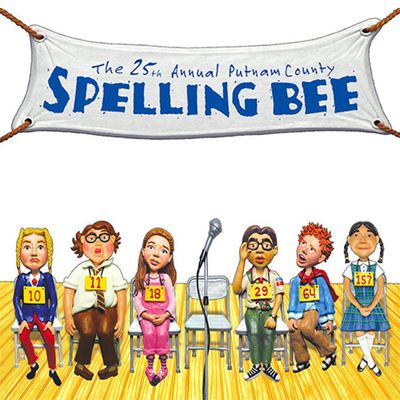
[4:41] Charlie Murphy: Well, we are honored today to bring on the great Sarah Saltzberg. Uh Sarah has a BFA from Boston University. Um, she's also the creator and one of the original Broadway cast members of the Tony Award winning musical, the 25th annual Putnam County Spelling Bee. Alongside her acting in theater and film, Sarah has also produced, written, and improvised professionally. Um, and she has a whole another act of her career as a fantastic real estate agent and the co-owner of the Bohemia Realty Group, which has the distinguished honor of being my reality group. That's very exciting.
[5:20] Charlie Murphy: Sarah, welcome on the pod. How are you doing?
[5:24] Sarah Saltzberg: I'm great. Thank you so much for having me. This is exciting.
[5:27] Charlie Murphy: It’s such an honor, and I think one of the reasons we were so excited to have you on the pod, even before we get to the excitement of your second career, we love talking about all the different artistic hyphens. We're so excited to hear about Boston University. So I really want to get into some of the artistic stuff, some of your educational experiences, and then I want to talk real estate as well. Because you know, these people want real estate tips.
[5:44] Sarah Saltzberg: Sure. Well, you know, real estate and theater are iconic pillars in New York City.
[5:52] Charlie Murphy: It's true. Truly makes sense, you know. You got it all. You took a big bite out of this apple.
[5:57] Sarah Saltzberg: That's right. Um, well, why don't you take me back a little bit? Uh you're around 16, 17, or whatever age you were when maybe you started really thinking about colleges.
[6:06] Sarah Saltzberg: Yeah. Um back then, what do you think you were looking for in a theater education? As you were looking at a theater program, what was the stuff that you go, I really want this to be in this program?
[6:15] Sarah Saltzberg: I really I wanted a competitive program. Um, and I wanted, I was really determined to make my way as an artist as an adult. And so I wanted to go to a top-notch school that I felt had a competitive edge to it, so that I would learn how to be competitive in the real world once I got there.
[6:40] Sarah Saltzberg: And so the types of schools that I applied to, actually, most of them were around where I'm from. I'm originally from Boston. So I applied to a bunch of schools in Boston. Um, I applied to NYU, um, a couple other schools in New York. Um, but I sort of stayed East Coast.
[6:57] Charlie Murphy: And were you looking at all then in the at musical theater? I know your career's done a whole bunch of different stuff, but were you thinking specifically about musical theater, or was that a nice happy accident?
[7:05] Sarah Saltzberg: No, I was actually straight going for straight theater, not musical. Um, so I was applying to just straight theater programs.
[7:13] Charlie Murphy: Okay, well, let's get into it. So now you ended up going to Boston University.
[7:16] Sarah Saltzberg: I did a couple words like what was that experience like for you? What was it like going to school at BU?
[7:21] Sarah Saltzberg: Well, I had I said that I was looking for a competitive program, right? It was incredibly competitive. And it has since changed from the time that I was there. But to put it in a nutshell, when you got into the school, which was difficult to get into, you had about 50 people in your freshman class. And at the end of sophomore year, about half the class was cut. And I remember that it was described as a bloodbath. Those were the words.
[7:48] Sarah Saltzberg: Um, which, you know. That's nothing goes better with art than a bloodbath, right? Yeah, you really appreciate that. Those two words going together. So there were 18 people in my graduating class. Wow. Um, that's how many people left. And it was very stressful, it was very high stakes. And the school at the time, you know, set it up as if you get cut from the program, it doesn't mean that you can't make it as an actor, but you just aren't right for this program. But you know, when you're 17 or 18 years old and you are so emotionally invested, not to mention financially invested in into a school, um, to be told that you are not right for the school certainly feels like you are not right in this profession.
[8:30] Sarah Saltzberg: And so it was um a very um it was pretty devastating, honestly. I mean, I wasn't cut, I ended up graduating, but it was um there was a lot of dysfunction. Um, and I think um, you know, it was tough. It was tough at that time, and I think that's probably why they changed the program, because it just was not really a healthy environment. It was incredibly competitive, and there are many, many people that came out of that school in my class and in that program that have been very successful. Um, I don't necessarily think it was because of those um those systems that were in place at that time, though.
[9:11] Charlie Murphy: Now you all have like PTSD if you survived the blood or whatever. You got a whole other stuff. And I know there were other schools that were like that during that time. That was just sort of the way that it was. Um, and it's fortunate that it is not that way anymore. I remember when I started coaching, that was often students would come to us and say, I want a school that doesn't have a cut program. And then even like, you know, as of five, six years ago, like when really by then all the cut programs had stopped with any kind of real cut. They may have a like if you're not up to our standards cut, but no, like set cut. Still people are it's like it has made it through the generations and maybe to high school drama teachers where they still come to us and think, I want no cut programs. Like they don't exist anymore, really. You don't have to stress about it, but yeah, yeah. It's clear the terror of them has lived.
[9:55] Sarah Saltzberg: Oh, and the and like the trauma that I think honestly we all still carry from that.
[10:00] Charlie Murphy: Well, and maybe especially if you're like, I just did this incredibly rigorous audition pro, you know, experience. If you do the whole year and you learn five monologues and you've done the and then to get cut again a year later, you're like, when will I ever have safety?
[10:12] Sarah Saltzberg: Oh my gosh, yeah. Well, and you would be put on a written probation midway through your sophomore year. So then you had a whole semester to be losing your mind and worried and freaking out. And I I mean, I'm not it's not pejorative when I say people were fully having nervous breakdowns. Sure. I mean, nervous breakdowns, eating disorders. Um, it was so it was not, it was toxic, you know. So it's good that that doesn't exist in the world.
[10:39] Charlie Murphy: Luckily, we just talked to Michaela Donovan from your program recently, and she told us all about the wonderful program that it is now. So we're talking about and I and I actually know people that have graduated from there recently, and and it is wonderful. And really looking back, like it was wonderful when I was there too, you know. It really was like my best friends are from BU. I made my best relationships, my best artistic relationships. Um, so because it was like we were in this together, we went through it together. Um, and I learned so much, so much um when I was there.
[11:16] Charlie Murphy: Tell me a little bit. So for the 18 that survived, um, what kind of qualities do you feel like you all had that kind of made you a good BU student that made you feel like we all we all belong at this campus in this artistic environment? What do you think really um gelled you together?
[11:30] Sarah Saltzberg: Well, I mean, look, I think we were all incredibly well prepared for what was to come in our artistic lives. Um when I was at BU, I created a show with um Dan Fogler, was one of my co-collaborators, who then became a co-collaborator for me on other shows, Spelling Bee among them. Um, we also did up some movies together, and you know, we did many things together. And um, and so that definitely helped prepare me that sort of type of collaboration under a really tight deadline. The stakes were high. Um, and you know, just sort of having been through that rigorous um rehearsal schedule, understanding the importance of like being on time, your commitment to your craft.
[12:21] Charlie Murphy: Sarah was 30 minutes early for this podcast, so it really it stayed that in her.
[12:25] Sarah Saltzberg: Yeah.
[12:26] Charlie Murphy: I was. But that sort of rigorous um discipline was really helpful for me as I came to New York. And I think a lot of times when people leave college, or you know, at least for myself, I got out of college and it was such a rigorous um program. I was a little bit lost when I first left college, where I was like, okay, now what? You know, my entire life up until this moment has been structured with school and education of some kind, and now I live in New York and the world is my oyster, but also oysters are slimy and cold, and I don't know how to eat them. So I was really trying to figure out and manage myself um during that first year and I and sort of looking back the things that I learned when I was in school, I was like, okay, right, these are the things that I am meant to do. Um sort of helped guide me.
[13:20] Charlie Murphy: Did you feel I mean, but you also have a really high academic standards. Did you feel like an academic excellence from your classmates?
[13:26] Sarah Saltzberg: Is that something that that was notable, or was it like, you know, similar to all other actors that you work with?
[13:30] Charlie Murphy: Yeah, no, not at that time, it did not.
[13:33] Sarah Saltzberg: And so I actually minored in English because it was important for me to have some sort of balance. I mean, we did a lot of drop-downs and a lot of accents and a lot of breathing work and movement work, which was wonderful. But for me, I'm very type A. And so I wanted something where I was like, I just need to like, I want to write. And that was actually very helpful for me as well when I got out of college to have that sort of critical writing education and experience.
[14:04] Charlie Murphy: All right. Well, let's play the first of one of our two games here. We're gonna play the college flashback round.
[14:07] Sarah Saltzberg: Okay.
[14:09] Charlie Murphy: This is you're gonna try to remember things from your college experience as best as you can. The only, this game is only a numerical game. You just have to see how many questions you can answer in 60 seconds. Um, okay, do you feel ready for this game?
[14:21] Sarah Saltzberg: All right. I feel good about this.
[14:22] Charlie Murphy: You think Sarah's gonna do it?
[14:24] Megan: I feel like, I don't know. She is competitive. She said the word competitive at least five times.
[14:27] Charlie Murphy: Shots fired. Okay. All right. Are we ready?
[14:29] Sarah Saltzberg: Yes, let's go.
[14:30] Charlie Murphy: Hardest class in school.
[14:32] Sarah Saltzberg: Movement.
[14:32] Charlie Murphy: Uh, song or scene that you love the most.
[14:34] Sarah Saltzberg: Um, anything from Ibsen.
[14:36] Charlie Murphy: Did you kiss anyone in your class?
[14:38] Sarah Saltzberg: Oh, uh yes.
[14:39] Charlie Murphy: Ever have a crush on a professor?
[14:40] Sarah Saltzberg: No.
[14:41] Charlie Murphy: Class you never used again in your life.
[14:43] Sarah Saltzberg: Uh God. Um, I don't need none of them.
[14:45] Charlie Murphy: None of them.
[14:49] Sarah Saltzberg: Worst fashion choice in college.
[14:50] Sarah Saltzberg: Oh, all of them.
[14:51] Charlie Murphy: A frat or sorority party? Did you ever attend?
[14:53] Sarah Saltzberg: No.
[14:54] Charlie Murphy: Um, do you ever possess a fake ID?
[14:55] Sarah Saltzberg: Oh, yes.
[14:56] Charlie Murphy: One to ten. How much juice did you squeeze out of the educational experience of college?
[15:00] Sarah Saltzberg: Uh, ten.
[15:00] Charlie Murphy: One to ten. How much did you squeeze out of the social experience of college?
[15:03] Sarah Saltzberg: Oh, like 15.
[15:04] Charlie Murphy: Did you TA any classes?
[15:06] Sarah Saltzberg: No.
[15:06] Charlie Murphy: Favorite summer stock or college summer activity.
[15:08] Sarah Saltzberg: Um, I went up to Maine and I did a bunch of shows there.
[15:11] Charlie Murphy: How often did you go home during school?
[15:13] Sarah Saltzberg: All the time.
[15:14] Charlie Murphy: Uh, schoolmate, you wish you'd gotten to know better.
[15:17] Sarah Saltzberg: Um, Khalil.
[15:21] Charlie Murphy: Wasn't in out of the time, Megan.
[15:22] Megan: Did she get it in?
[15:24] Charlie Murphy: We counted it. We Megan's excitement means you must have gotten more than 12, right? Is that true?
[15:27] Sarah Saltzberg: That's true.
[15:28] Charlie Murphy: She got, she got 14. Let's go.
[15:31] Megan: She crushes.
[15:32] Charlie Murphy: She doesn't just like one up the level, she crushes. But now there were no classes you feel like that you didn't use.
[15:37] Sarah Saltzberg: Oh, I absolutely think I used all of them.
[15:40] Charlie Murphy: Good for you.
[15:40] Sarah Saltzberg: Yes. And even though, you know, I'm not a dancer. I, you know, and even in those classes, in those movement classes where I was like, okay, I don't know. I mean, I found all of them very helpful. You know, we had some class like mask work.
[15:54] Charlie Murphy: Yes.
[15:55] Sarah Saltzberg: You know, where like I don't think I necessarily like I, it's not like I'm doing shows where I'm wearing masks, but all of that education, I think it absolutely came into play later. I mean, we can talk about this later on in the podcast, but one of the reasons that my firm, Bohemia, really goes after agents and performers is because there's so many transitive skills that you learn as an actor that can apply into sales and speaking with people.
[16:29] Charlie Murphy: So I think about my education in theater all the time.
[16:32] Sarah Saltzberg: I'm gonna make you have to say that again later in the pod for the parents to really hear the transitive skills. I think that'd be really appreciative. Um, but you can totally see how masks would work into like Spelling Bee or something like that. Some of that work I can see that leap. I can draw that line.
[16:45] Charlie Murphy: And there are a lot of shows using masks now too.
[16:48] Sarah Saltzberg: Yeah, well, and the audience member.
[16:50] Charlie Murphy: Yep, you may not have used it, but now you said yeah.
[16:53] Sarah Saltzberg: Um, before we leave college, just now looking back at your education, if you could kind of go back to school, the school now, and maybe even for what you know of the school as it is currently, what would you want to go back and add in? What's a class that you go, I wish this had existed?
[17:06] Sarah Saltzberg: Um, maybe you're like, I could teach this class, or just like I really wish I'd taken a little more of this in school.
[17:12] Charlie Murphy: Business.
[17:13] Sarah Saltzberg: So you didn't need it. Come on, you just crushed the business. What are you talking about?
[17:16] Sarah Saltzberg: Well, but that's because I was very fortunate and had a mentor in business that helped me and showed me the ropes, and I quite frankly was in the right place at the right time to make that connection. Um, but I do think that it is a disservice in many theater programs or BFA programs, that there is not a business class, because I think a lot of people come out of programs, you know, theater programs or musical theater programs, really not understanding the business of show business.
[17:48] Charlie Murphy: It is a business, and you have to really understand how to manage your money, you know, how the importance of communication, emails, phone calls, the way to handle yourself, the way to advocate for yourself.
[18:02] Sarah Saltzberg: Um, those are all business skills. And if I had felt more comfortable with those things coming out of school, I think that would have been a tool that would have been very, very helpful. Um, so even though it might, you know, be a little bit like, well, why are we learning about this here? It's really important because you're not doing this as a hobby.
[18:23] Charlie Murphy: You don't want to do it as a hobby, right? You want to do it to make money.
[18:25] Sarah Saltzberg: So understanding the finances of the business and how to even just personally manage your own finances, um, budget for yourself, how much money are you putting into classes and headshots and rent and groceries, what kind of job are you going to need to do when you get out? Because quite frankly, when you, how many people get out of school in the first year are landing a job in the arts where they can support themselves? It's not that many.
[18:54] Charlie Murphy: So you gotta figure out, you know, how you are going to be able to support yourself so that you can sustain until you get to that point.
[19:03] Sarah Saltzberg: That's so true. I really love that phrase, advocate for yourself. I feel like that is something that especially this generation, I see less and less of that ability to. They actually like are not terrible at like promoting themselves in terms of social media and they're aware of like the online platforms, but just the ability to walk into a room and say, Me, you should have me. Like, I'm selling myself as a human being.
[19:22] Charlie Murphy: Right.
[19:23] Sarah Saltzberg: I just think there's much more of an instinct to go, Well, if you think I'm special, if you want to pick me, I'd love it if you took me, but uh no big deal, you know, versus that's right, and figuring out how to change your paradigm in your head from I'm in a submissive position where somebody has to pick me to here, you know, sort of sitting forward and being like, I am the person. Let me show you why, you know.
[19:48] Charlie Murphy: And for those of you who are listening on the audio medium, Sarah just sort of emerged from a cocoon. That was the physical, she says she hasn't danced, but she was submissive, meaning she was in the cocoon, and then she did a full immersion out of the cocoon.
[20:03] Sarah Saltzberg: Yeah, I learned that in my movement class.
[20:05] Charlie Murphy: Yeah, use every single class.
[20:07] Sarah Saltzberg: That was the cocooning module that we did. It was day after day of this. We lost 20 good people in the cocoon module. That was the blood bath.
[20:18] Charlie Murphy: Okay, we're gonna take a really short break, and on the back end, we're gonna play another silly game and talk to Sarah a lot about her professional career.
[20:26] Charlie Murphy: All right, we're back with Sarah Saltzberg, and I'm gonna make her play a very silly game. This is a game I'm excited about. We make up a kind of a unique game for each of participants. Um, and this one is about real estate and musical theater and slash theater.
[20:41] Sarah Saltzberg: Okay, so what we're gonna try to have you do, you're imagining that this character, or sometimes the real life person is coming to you for real estate advice, and you're gonna put them in a rental, you're gonna help them buy whatever you think is right. You're gonna kind of put this person where they belong in the real estate world. This can be as general as like definitely something in Brooklyn, or specific of like they'd be renting a one bedroom with a terrace by Lincoln Center. Like whatever you want to do, like you can give us their real estate life. Choose your own adventure. I may ask follow-up questions if needed, though, okay?
[21:12] Sarah Saltzberg: Okay.
[21:12] Charlie Murphy: Are you ready to play the game?
[21:14] Sarah Saltzberg: I'm ready.
[21:14] Charlie Murphy: Okay, here we go. Logan Schwartz and Grubenier from Spelling Bee.
[21:21] Sarah Saltzberg: Well, I always think about who people are and what neighborhood I think they would fit into. So since Logan was really, you know, comes from me and I live in Central Harlem. And I think Logan would appreciate living in Central Harlem.
[21:28] Charlie Murphy: Central Harlem.
[21:37] Sarah Saltzberg: Okay. It's really culturally diverse. There's a lot going on.
[21:43] Charlie Murphy: And so that's where I would put Logan. Come hang out with all of us.
[21:46] Sarah Saltzberg: It's where we live.
[21:47] Charlie Murphy: Yeah.
[21:47] Sarah Saltzberg: Yeah, that's right.
[21:48] Charlie Murphy: Okay. What about Helena from Midsummer Night's Dream?
[21:51] Sarah Saltzberg: Um, I feel like a garden apartment in Park Slope.
[21:58] Charlie Murphy: Fancy girl.
[21:59] Sarah Saltzberg: Yeah. That's a fancy girl.
[22:00] Charlie Murphy: Yeah.
[22:01] Sarah Saltzberg: Makes sense. Some place where there's some good coffees nearby.
[22:04] Charlie Murphy: Okay. From your UCB training, now Amy Poehler comes to you and says, I need a place. Where are you putting Amy Poehler?
[22:11] Sarah Saltzberg: I feel like Amy Poehler would be in Hell's Kitchen.
[22:14] Charlie Murphy: Uh-huh. Right in the heat of it all.
[22:15] Sarah Saltzberg: Yeah. I mean, I'm thinking about Amy Poehler, like when I was at UCB. She is like scrappy and gritty, and you know.
[22:22] Charlie Murphy: So she'd be like in a fourth floor walk-up with a lot of exposed brick.
[22:26] Sarah Saltzberg: Love it.
[22:26] Charlie Murphy: Of course, you're in Hell's Kitchen.
[22:28] Sarah Saltzberg: Saying goodbye.
[22:28] Charlie Murphy: You know. What about the character Alexander Hamilton from Hamilton?
[22:32] Sarah Saltzberg: You know, Alexander Hamilton's house is about a block and a half from where I live. And that's where you would put him.
[22:38] Charlie Murphy: You'd be like, stay there.
[22:39] Sarah Saltzberg: You get to be farmland, it's now the mid a big city.
[22:42] Charlie Murphy: Yes, and it's actually been moved. I think it was somewhere else, and it's now moved to where it is now on 141st Street.
[22:49] Sarah Saltzberg: I love it. But I would, I mean, it's still there. His house is still there. So he would just go right to his house.
[22:53] Charlie Murphy: So like Logan will just like hang out with Alexander Hamilton whenever we want.
[22:56] Sarah Saltzberg: Yes. Wouldn't you want to have lunch with those people?
[22:58] Charlie Murphy: Okay, you get the duo of Mark and Roger from Rent come up to you and they say, We need a place to live.
[23:04] Sarah Saltzberg: I mean, they're living in like a seventh floor walk-up on Avenue D.
[23:10] Charlie Murphy: Avenue D. Wait, is there actually an Avenue D?
[23:13] Sarah Saltzberg: Is that actually true?
[23:13] Charlie Murphy: Yeah, I think so, isn't there?
[23:15] Sarah Saltzberg: Okay, great. I don't believe it. I know Avenue A and Avenue B. I'm like, is there an Avenue D?
[23:19] Charlie Murphy: Yeah.
[23:20] Sarah Saltzberg: If there isn't, we would just like take some, or we would build, you know, an extension.
[23:26] Charlie Murphy: Yes, right. And put it there. They gotta be like on the outset. It's right by Avenue Q, I think is where that's where that is.
[23:30] Sarah Saltzberg: That's right. Um, okay, what about the witch from Into the Woods comes to you and says, I need a place to live. It's gotta be in the New York area.
[23:36] Sarah Saltzberg: Upper East, you know, Upper East, like townhouse.
[23:41] Charlie Murphy: Townhouse, guarded all around, no one's allowed in.
[23:43] Sarah Saltzberg: Yeah, that's right.
[23:44] Charlie Murphy: What about Tony from West Side Story?
[23:47] Sarah Saltzberg: Oh, jeez. He's um, I feel like I feel like Lincoln Center.
[23:53] Charlie Murphy: Just like a very nice co-op in Lincoln Center.
[23:56] Sarah Saltzberg: Well, at least they're on the west side.
[23:57] Charlie Murphy: That's you gotta at least get that.
[23:59] Sarah Saltzberg: Yeah, it's not, I mean, it's in the name.
[24:00] Charlie Murphy: Um, the last but not least, Stephen Sondheim comes to you and says, I need a place. Where are you putting Stephen Sondheim?
[24:05] Sarah Saltzberg: Wherever he wants.
[24:10] Charlie Murphy: You can have the whole city if you want.
[24:11] Sarah Saltzberg: Literally, all of this is yours.
[24:13] Charlie Murphy: Well, fantastic, Sarah. You've won the game. Thank you for indulging us with the silly real estate game. Um, before we dive too deep into the real estate of it all, um, I just love to talk a little bit about kind of navigating those hyphens. So to kind of hear now you've graduated, you got a little bit into what was that first year for you like, but I'd love to kind of hear from there through now your now sometimes you're acting, sometimes you're writing, sometimes you're producing, sometimes you're improvising. How did you navigate that? And how did those hyphens maybe inform each other in your career?
[24:38] Sarah Saltzberg: Yeah? Well, when I first graduated from college and I moved to New York, I definitely, as I said, was a little bit lost, and I was auditioning for commercials and theater and television. I have a crazy story where I saw that Stomp had an open call, and I was like, I can do this. I had never seen the show, and the breakdown said, not necessarily looking for good dancers or drummers, but you have to have a big personality. And I was like, ha, I'm gonna absolutely book this. So I showed up, and I was like dressed like this, and you know, it's like a cute top from Anthro, and everybody else has like face tattoos and cutoff gloves, and they have all brought their own drumsticks. And I'm looking around, and the producer comes up, and it's in the Orpheum Theater, and the producer comes up and is like, um, so most of you guys, this is a callback.
I know for one or two of you, this is your first time here, and I was like, that me. And uh I said, you know, so you're gonna come up on stage, this drum set, you know, opens a theater, there's like a 30-piece drum set, and just do your best two minutes. And I was like, I'm sorry, what? But because I'm not a person that gives up, I was like, I'm doing this, I'm doing this. So they call our names and I get in line and we're lined up against the wall, and I have absolutely no idea what I'm going to do. And the woman in front behind me, I'm like, hey, um, I forgot my drumsticks, go crazy. Can I borrow yours? And so, you know, she hands me her drumsticks, my name is called, I go up on stage, I still have absolutely no idea.
And by the way, everybody before me is like tricks, backflips. And I've, you know, I'm a Jewish girl from the Northeast. So I get up there and I just I stood up and I go, I'm in Star Thank you. And one person clapped and then was like, oh, we're not doing that. And um, and that was my experience. And I stayed for the whole thing, and afterwards I was talking to people, and they were like, you were oh, right, you were that was new.
[26:58] Sarah Saltzberg: So anyway, my experience with that in the retelling of that story helped me realize that I am a storyteller and not a dancer or somebody that should be auditioning for Stomp. And it helped me. But did you book Stomp? Did you get it? Um, surprisingly, no. Unbelievable. That's shocking. I got so close. Um, but it really helped me navigate what it was that I was supposed to be doing. So all of those, and I had many other failed experiences. That was just one of the highlights. Yes. Um, and so I got into improvisation. Yeah. And I started taking improv classes, and it helped me realize that I'm not necessarily that somebody is going to go in and book an audition for something that was already written.
And I started to think, oh, okay, I'm not really a dancer, not really a mover, I don't really play any instruments. I'm a fine singer, but what I am is a creator, and that is where I can, that's where I can shine. Um, that's my value add. So doing improv, starting to create shows, finding collaborators to work with, that became my home.
[28:05] Charlie Murphy: And that sort of led you, if I remember, that led you to Spelling Bee, right? So now you some it was improv that turned into the writing of the show, which then eventually became the musical.
[28:13] Sarah Saltzberg: That's right. My best friend, uh, Liz Feldman's older sister, Rebecca, uh, came to me and said, Hey, I know that you've been doing some improv classes. I'm doing a show, uh, an improvised show about a spelling bee. I don't really know what it is yet. Fogler is doing it. Liz and Dan all grew up together in Brooklyn, so they knew each other for a very long time. Um, Liz actually came to BU because Dan was at BU. And Liz was my roommate at BU. So it's all very incestuous. Um, but we started working on the show. We had two weeks to put it up. We already had the theater booked, and we just improvised it, and we were told to bring in our characters. Um, and I was actually teaching improv after school at PS6 at the time, and I had a child that I thought was unbelievable and like a prodigy, and he was actually writing a book about the disappearance of a breed of South American spider, and he was trying to get it published, he was 10. Um, but then he would cry when he lost at zip zap zop. So that dichotomy was so interesting to me. And that was the character that inspired Logan.
[29:18] Charlie Murphy: Uh, that's okay. And but then so that you do an improvised show, but obviously Spelling Bee itself was not improvised. How does it get from and I know some of that also involves you making the flip into becoming a producer too? How do you get that place of all right? We've got this fun improvised show, and now it's all of a sudden it's gonna be a musical. How does how does all that happen?
[29:37] Sarah Saltzberg: So a lot of times improvisation is used as a tool, it is its own performance medium in its own right, but many times improv is used in order to create a script, and that's what we did for Spelling Bee. We did it in our show at BU. There are other shows that many other shows that I've done where I've used those techniques to write, get actors in a room, give them an objective, and just see what happens. And you run the scene many times. Okay, let's try it again. Now think about this. Okay, now have this as your objective. And you're doing that through the rehearsal process, and then you're going home and you're writing. Um, and I there were a couple other shows. I did a show called Getting the Band Back Together.
That was our process over many years. Um, and we would just keep tweaking and tweaking and improvising. And it's a, it's a one I love working that way. I love collaborating. I'm not the kind of person that's going into a room and writing a script. I have to have that. I have to see it and I have to feel it. Um, and once we had that framework for Spelling Bee, and we definitely loved the improvisational aspect of it so much so that we kept it in the show. I mean, the whole first part of the show, really anything can happen because you have four new cast members every single night. Um, and Logan has a part in the show where there is an improvised monologue. Um, and there were definitely parts of the show during Spelling Bee when I'd been doing it for a while where I would be writing the show in my head, writing that monologue in my head during the first act, so I wouldn't know what I was going to say.
Um, and I would keep it live and I would listen to the way that the audience was responding. I would have the beats that I wanted to hit. Um, that's exciting for me. Um, and you know, and then we brought in um, we brought in Bill Finn and he wrote the music. Um, but the whole experience was very collaborative and a ton of improvisation. Um, and uh, but now as we get into some of the producing of it, I'd love to kind of hear, and maybe this is a false connection, but did any of the producing skills as you sort of got behind um trying to get this thing up um to show up, what did that come from your real estate experience? Did that influence your real estate experience? Did those two because it seems like there's a I forget which one's right brain and left brain, but there's a right brain, left brain. There's something that's the right, you know.
[31:52] Sarah Saltzberg: Uh, I am good at this analytical, I'm good at this. I can do numbers and money and I can figure this stuff out. That seems like it might have helped both avenues.
[32:00] Yes. Well, I got into real estate actually because I wanted to put my own money into the show. I wanted to make the show happen. And I was waitressing at the time, and it just seemed like no matter, and I was a very good waitress, but even if I was waitressing eight or nine shifts a week, there was a cap on how much money I could make. And I found that very frustrating. And I had a friend that had gotten into real estate, and he was like, you know, you're making a $20 tip for a table, that's amazing. Imagine making a $2,000 tip or a $5,000 tip. How much more could you do? And so that's that was really the impetus for me to do it. And then as I said, I had a wonderful mentor um in real estate who really showed me the ropes, but it was a lot of trial and error, it was a lot of problem solving, critical thinking, and again, using a lot of my theater background and my theater training.
And as an actor, we all have high emotional IQs. That's part of you know being an actor. And when you take those skills and you put them into a business world, into real life situations where you have to problem solve and improvise and get creative, it's very helpful. Um, you know, and then I was using the things that I was using in real estate to help me navigate producing a show. Really sort of understanding who critically thinking who are the right people to call? I'm not gonna just go through the entire theatrical index and call everybody, right? I have to be strategic about it. Real estate is all about strategy, and so is theater producing. Both of those environments are high risk, high reward. But when you get the payoff, the payoff is huge.
[33:39] Charlie Murphy: And then let's talk a little bit about. So now you transitioned from you were working for a real estate company, right? And now you have started your own amazing real estate company. Um, how did that go? Now, so I think plenty of our students, especially some of our alumni have that entrepreneurship gene, and they go, I want to do this and I want to start this. How did you know the sort of founding and starting of all this come about? And yeah, what was that like?
[34:00] Sarah Saltzberg: I had a team of about uh started with about five people and then it grew to 18 people. Um, when I was in Spelling Bee on Broadway, I had a team, and actually Jose Llana got his license, and we were showing apartments together, and it was really fun. Um, and then over the course until about 2011, I had 18 people on my team. And it became really clear. I actually went to a business seminar, and somebody said, you know, a lot of firms are kind of the same, you know, one is like the other, like the other isn't something that distinguishes them. So if you have a brand, you have to think about what sets you apart. And my partner and I kind of looked at each other and we were like, well, we have two really specific things that set us apart.
Number one is where we're focused geographically, which is primarily above 110th Street, all the way up to Inwood. There's a lot of artists, you know, a lot of people that were moving there at that time. And number two is that we really focus on recruiting performers to join our team. Those are the people that we like to work with. Um, we have one agent here who's been with us for a long time. He calls, you know, the firm the green room of real estate. Um, and so culturally, we were very specific and different in the way that we ran our operations. So we could look historically at the revenue that we had made over the past three, four, five years because we were tracking all of that. And we thought, okay, these are the expenses that we'd have to take on if we opened up, but this is the revenue that we would save because we wouldn't be paying out fees to our firm.
And let's do it. I mean, it was kind of a no-brainer at the time. Um, and that's what I think most business owners do. It seems at the time where you're like, okay, this seems like a great idea. And then looking back, you're like, I can't believe I was that brave because it was petrifying.
[35:49] Charlie Murphy: Yeah. It was really scary. And but I mean, and I'm sure people can tell this from listening to you on the pod of like, you are such a great salesperson. I mean, you just are like you we certainly felt as we were using you, um, the like comfort both of what you're both as an advocate for us, but also then the way that you talk to us. Like, I mean, it's like not a shock at all that you're an incredibly successful businesswoman. Um, and I'd love to talk a little bit more about that because you started the the like what the skills as an actor, both maybe if you want if you feel comfortable talking about in yourself, but also maybe in the people that you hire. What are some of those qualities that the BFA you feel like leads you to being able to be a great real estate agent?
[36:27] Sarah Saltzberg: Yeah. I mean, number one, there's a certain level of confidence that we look for when we bring people on, um, self-awareness, um, the ability to navigate, you know, complex emotional situations, which most actors can, and nothing is more emotionally complex than helping somebody find their home.
[36:49] Charlie Murphy: Yes, it is a very looking at me very meaningfully remembering some of the pain we went through.
[36:54] Sarah Saltzberg: And yeah, for sure, it's really it's stressful.
[36:57] Charlie Murphy: It is stressful, and people are vulnerable.
[37:00] Sarah Saltzberg: They're always moving at a time in their life where there is, you know, there's pretty significant change. That's when people move. Um, and sometimes it's good change and sometimes it's not change. And so you have to really be in tune with people. It's not just opening a door, you know. Um, and the good agents really understand that you are building a connection for life. You know, you want those clients to come back to you again and again and again because they feel taken care of and they feel heard and they feel emotionally supported, and they got a great apartment at the end of the day, you know, and that that's the result, but there's so much on that path. So yeah, I mean, we the best agents are incredible improvisers, they know how to creatively think and problem solve. Um, you know, they understand that you can get told no 19 times, and on the 20th time, you might hear a yes.
[37:59] Charlie Murphy: Um, you know, when you're selling apartments, it's the same thing. If you go for 19 stop auditions, one of them.
[38:05] Sarah Saltzberg: That's right. Um, you know, when I am selling apartments, it's I just need one person to buy it. I need one person, you know. I don't need 15 people, so it's finding that person. And all of that, I think just really works quite serendipitously with the way that actors, especially actors that are trying to make it into the city in the city, um, have it is a it's a competitive mindset, you gotta be on your game, you're hustling, you know. It's a it's an eat what you kill kind of world um in real estate, the same way that it is as an actor. And again, you gotta you gotta push yourself. Nobody's standing over you saying, Well, did you just send your headshots out? Did you sign up for that class?
The same way that when you're an independent contractor working at a firm. Nobody's saying, like, well, you gotta be in the office at nine. It's like, no, what is the motivation that you have for yourself? When are you waking up? What are you doing to improve yourself? Um, because that will come through in your business.
[39:03] Sarah Saltzberg: Yeah. Well, and I think it's cool to see you you're put you put your money where your mouth is in that realm because given that you're hiring all these artists, you're you're putting your belief behind um those skill sets.
[39:13] Sarah Saltzberg: Well, for me, I just want to say that one of the reasons that I opened this firm was to have a place where actors and performers can go where they feel like they can actually create wealth, which they can then choose to put into the art their artistic careers or not. For me, one of the great joys of Spelling Bee was that I never was doing it for the money. The fact that I made money from the show is wonderful, but none of my artistic pursuits from the time I got into real estate have been about money. It's been about like, let me, you know, and I and I have that advantage because I'm making money in this other way, um, which has been great.
[39:52] Charlie Murphy: I love that. It's not not not so different from how MTCA feels at times about being able to support artists in whatever they're doing, you know, as a side job. Um, I'd love to talk a little bit about so now with this phenomenally successful company, how do you feel that affects your current artistry? Do you do you feel the unease because of having financial stability? Do you feel like it pulls you away or toward artistry now being um as successful as you are, you know, in terms of your current moment, how does that affect you?
[40:20] Sarah Saltzberg: Because I, and tell me if you feel differently, but I think you would still label yourself an artist, right? You'd still say, I'm a working artist, and that's something that is a big part of my life, even if as I'm doing this whole other job.
[40:30] Charlie Murphy: Yeah, absolutely. I mean, and it ebbs and flows, right? I mean, there are some years, there was a year where the year that my son was, my second son was born, where we were opening another office, and I was putting on getting the band back together, and my son was six months old. So, like that was a lot going on, and I'm running the company. And so then there are some years where I'm, you know, I'm percolating ideas right now. I mean, after I get off of this podcast, I have a pitch, I'm pitching a television show, and you know, working on the spelling bee, you know, the movie. So there's a lot of like exciting things that continue to happen, but it does ebb and flow, and I feel very fortunate that I do, you know, I have these other ways that I get inspired.
And I'm the kind of person that I really try to get inspired by anything around me, you know. I try to find that spark that will make me think, oh, this would be a cool thing for me to get artistic about. Because that inspiration is kind of everywhere if you're looking for it.
[41:38] Sarah Saltzberg: I love that. And I do think it's just as we've talked a lot about hyphens or slashes on the show of actor, writer, director, producer, what all, you know. But I think it is worth sort of thinking about the reality of many people as they get into their 30s. One of those slashes has to be something that pays the bills, right? So, like whether you know it or not, you're gonna be an actor writer slash waiter or an actor writer slash teacher, or not, you know, that often there's gonna be something that is a stable form of income. And so being that entrepreneur slash, you know, it's like how do you own that and have it potentially, you know, whether it's informing your artistry, whether it's affecting your artistry negatively, but it's gonna exist somewhere in the slashes of who you are as a person.
[42:19] Charlie Murphy: Yeah, that's right. Let's just chat a little bit in wrap up here about like, you know, it's 2021, what a crazy time. Like where do you feel maybe both, if you want to talk both about real estate and the artistic world, where do you feel like this business is growing and changing in 2021, especially maybe focusing on like the virtual of it all? How do you see, you know, these pitch meetings that you're doing, which I imagine are virtual, as well as real estate? How is that changing in this new world?
[42:51] Sarah Saltzberg: Well, I think it's a great time of opportunity, you know. We're sort of in this time, this, I mean, we're still in COVID, but to some extent we are, it hopefully is getting to be in the rearview mirror, and there does seem to be an opportunity for rebirth and a refresh. And I see that in the real estate world, I see it in the way that I run my company. People coming back to the office, how do you make it a valuable experience as opposed to just like something that, you know, people come in to the, you know, because they feel like they have to, how do you make them want to? And the same thing with art, you know, I think, you know, there's been a real reckoning in the theater community about the processes and sort of the deep, some of the deep-rooted things that are not so nice to think about, and a real examination of the way that we all live our lives in this world after we've dealt with this incredible disruption.
And we look at it in real estate too. I mean, that's why we're seeing, I mean, people are calling it like the great reshuffle. There's been huge movement this year in real estate because the objective of most people, I think, has become very clear that they want to improve their quality of life. That is their objective. And if it means, you know, they want to be in a nicer home because they're spending more time there, that is their objective. And if they don't want to work, you know, 60 hours a week, they want to figure out how to manage their work-life balance a little bit more, then that's the objective. So that's something that I think about a lot in when I'm creating art, and how do I reflect that in a way that doesn't feel like quite super on the nose?
As well as, you know, in my office. There's a script that I wrote called Miss Abigail's Guide to Dating, Meeting and Marriage, and it came to me from our licensing company. They said, you know, we have somebody that wants to do this, but they, you know, they have a couple issues with the script. Would you mind just taking a read through? And I was like, okay, you know, and I haven't looked at that script for probably almost 10 years. And I started reading through it and I was like, oh my god, oh my god, oh, red flag, red flag. And I really, I went through the script and just noted, and on many pages, I was like, update, update, update, update. Things that were socially acceptable and sort of the norm 10 years ago have changed considerably, certainly post-pandemic.
And you know, I made a bunch of changes. And I think that's kind of where we are. We're examining where things were, it's never gonna go back. How do we go forward in a way that feels better and more constructive and more rewarding as human beings?
[45:38] Charlie Murphy: That's so true. I mean, I'm interested. Did the real estate industry as a whole, maybe not just your company, did the real estate industry as a whole go through the same kind of like racial reckoning that the theater industry did?
[45:49] Sarah Saltzberg: Oh yes. Oh yes, yes. There was a huge profile in Newsday. I think it was about maybe 10 months ago, where they for many years went undercover and compiled data like mainly in Long Island, but also here in New York about, you know, sort of racial profiling, bias, whether it was overt or covert, and this report came out and it was extremely upsetting. And you know, it's something that I think everybody's sort of like, wow, we gotta really, this like this is the time, like we gotta really look ourselves in the mirror and make some real changes and not just talk about it.
[46:38] Charlie Murphy: Update, update, update, yeah.
[46:39] Sarah Saltzberg: Yeah, update, update, update, yeah. If you're imagining there's a listener out there, maybe they're 18, 19 years old, they're going to Boston University right now, and they go, I want to be Sarah Saltzberg when I grow up. What piece of advice would you give to that young artist? What would you tell them as they're sort of navigating their own journey?
[46:56] Sarah Saltzberg: Well, I remember one night when I was really kind of freaking out, where I was like, I want to get there, I want to get there, I want to be settled. And my mom said to me, this is a journey, and you gotta enjoy the journey and not be so focused on the destination, which is really hard to internalize. But when I look back and I think about all of the things that are now in my life now, I mean, literally from taking that job at PS6 and teaching improv, which could have just been a throwaway job, that really inspired me to create art. So I, you know, I think I would say that in anything you do, if it's waiting tables, if it's nannying, if it's digging ditches, what in that job? How are you going to do that job the best way that you can?
Any job that you take, any survival job, you should feel in some way passionate about it so that you want to do it the best way that you can. Because if that's how you approach your life, I'm gonna do this the best that I can. That's how you approach everything in your life, I truly feel. And look, there's so many mediums out there now that I didn't have, you know, YouTube and TikTok and, you know, there's ways to reach people that I think are wonderful. And so I would encourage you, if you are somebody that is a creative person that you want to have your voice heard. I mean, for me, I'm a terrible auditioner, so that's why I have to create my own stuff, you know. Find a group of friends and create.
For us with Spelling Bee, it was like, what's the worst thing that's gonna happen? We're gonna have a great time. We never in our wildest dreams did we imagine that the show would be where it is. The objective was like, we're gonna do this because we're having a hard time getting cast. Let's put something on that we would enjoy seeing. And maybe not everybody's gonna find it funny, but we're gonna laugh.
[48:44] Charlie Murphy: I love that. I love it. Well, Sarah, if people enjoyed hearing you today, I know they could follow at Bohemia Realty if they want to see the best real estate company in town. Where would we follow you if they wanted to hear more just from you personally?
[48:57] Sarah Saltzberg: Yeah, I'm also on Instagram very infrequently.
[49:01] Charlie Murphy: Oh, yeah.
[49:03] Sarah Saltzberg: I barely even look at the screen, me too. But I am on Facebook because, you know, I'm forty-five and that seems to be...
[49:07] Charlie Murphy: We're old.
[49:15] Sarah Saltzberg: Yes as well. That's like my generation, you know. I feel proud that I'm even on that.
[49:19] Charlie Murphy: Great, okay, great. Well, we'll put all that in the notes if people want to follow you or all those beautiful things. Sarah, thank you so much for the time today. It was so fun getting to chat with you.
[49:27] Sarah Saltzberg: Thank you.
[49:34] Charlie Murphy: Oh boy. I hope you enjoyed listening to Sarah as much as I enjoyed cutting it up with her. She's so smart and feisty and fun. And I'm not sure if you get this from listening to her, but she's like such a good-hearted and generous person too. Before the pod, we were talking about in my video, the crib in the background is a hand-me-down from her. And she's been so amazing with us through motherhood and friendship and neighborhood and all these things. Neighborhood, neighborliness is maybe what I mean there.
[50:03] Sarah Saltzberg: Yeah.
[50:04] Charlie Murphy: For today's takeaway, I'm not gonna necessarily add a lot of new to the conversation. I just want to kind of highlight some of the things she said about the skills of entrepreneurship. Maybe especially for our parents of nervous alumni students, or maybe those nervous alumni themselves who are maybe in college or right out of college, just how valuable a BFA slash arts education can be in the real world. I do think sometimes people like poo-poo getting a degree in theater when they look at the statistics of what is a working actor, or maybe people who support themselves solely from acting, which admittedly is a small percentage of people who get theater degrees. But Sarah and Carrie last week, I think or two weeks ago, are such great examples of people who were successful actors and now are using those exact same skills, plus maybe some others that they have to run very successful companies, right?
To risk a lack of humility for a second, as are Leo and I with MTCA. For some reason, parents will sometimes come in thinking a theater degree is unhelpful if that's not going to be their primary source of income, even when you wouldn't say the same about an English degree or a philosophy degree or a French literature degree, right? Even if you don't end up being a philosopher, that degree can help you toward whatever your ultimate career path will be in the same way that a theater degree can be an ultimate degree for some people, or maybe a stepping stone into a different path. And I do also think in this world, in this economy, what everyone calls the gig economy, where so many people have dreams of being entrepreneurs, the skills Sarah mentioned being cultivated are so, so valuable.
You see it in the fact that she hires those people for her company. That ability to speak confidently in front of people, to be able to listen to someone and empathetically understand their objective beyond just the words they're saying, and the resilience of being able to take rejection and bounce back from it, those are hugely important skills in so many fields today. And I think it's not surprising at all that so many theater artists end up in enterprising positions given their creativity and their drive. Sometimes we'll quote the percentage of people like still in the business, meaning like exclusively acting at a competitive program like Carnegie Mellon as a way of saying how tough this business is, right?
So you'll hear maybe Leo and me saying, oh, after 10 years, 50% of a given class will still be acting. But I think it's worth noting that so many of that 50% who are not have not gone on to, you know, just act are on other exciting careers, right? To speak from schoolmates of mine, we have doctors, we have dentists, we have lawyers, we have teachers, we have executive directors of nonprofits, and tons of other exciting careers, as well as those tangential artistic careers like producers and casting directors and agents and all that.
[52:43] Charlie Murphy: Well, if you enjoyed this episode and you want to hear more of us, hit that follow button. Check us out and make sure you get that episode right in your phone inbox every week. We'd also appreciate it if you were to rate and review us wherever you found us. I suggest five stars if you forgot your drumsticks, and an ironic five stars if you're nice enough to lend them to a woman in need. You can also reach out to us with questions for the pod at mailbag@mappingthecollegeaudition.com. If you're interested in working with MTCA for help with your individual prep for your college audition journey, please check us out at mtcollegeauditions.com. To my young artists out there mapping their journeys, kiss as many people in your class as possible. You might just save their artistic lives. We'll see you next week.
[53:35] Charlie Murphy: Mapping the college audition.
© Broadway Podcast Network, All Rights Reserved