

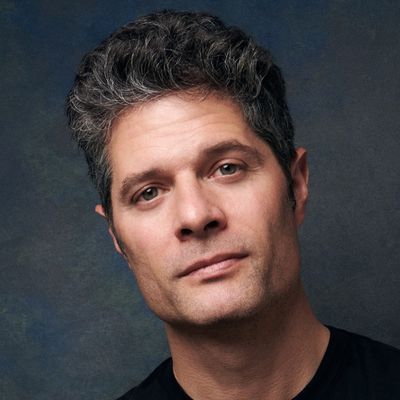
In this Artist Exploration, Tom Kitt the Pulitzer Prize winner for his music in Next to Normal and MTCA Diretor Charlie Murphy discuss: How to diversify your skillset as a music theater musician. Creative process of arranging mainstream songs for theater... Read More
From the show: Mapping The College Audition: An MTCA Podcast
Guests
Featured Shows
About
In this Artist Exploration, Tom Kitt the Pulitzer Prize winner for his music in Next to Normal and MTCA Diretor Charlie Murphy discuss:
- How to diversify your skillset as a music theater musician
- Creative process of arranging mainstream songs for theater
- Arranging music or a play versus a musical
Check out upcoming MTCA Events!
If you have any questions about the college audition process, feel free to reach out at mailbag@mappingthecollegeaudition.com. If you’re interested in working with MTCA for help with your individualized preparation for your College Audition journey, please check us out at mtcollegeauditions.com, or on Instagram or Facebook.
Follow Us!
Instagram: @mappingthecollegeaudition
YouTube: @MTCA (Musical Theater College Auditions)
TikTok: @mtcollegeauditions
Charlie Murphy:@charmur7
Meghan Cordier:@meghanmarie2014
About MTCA:
Musical Theater College Auditions (MTCA) is the leader in coaching acting and musical theater students through the college audition process and beyond with superlative results. MTCA has assembled a roster of expert artist-educators who can guide students artistically, organizationally, strategically, and psychologically through the competitive college audition process. MTCA provides the tools, resources, and expertise along with a vast and strong support system. They train the unique individual, empowering the artist to bring their true, authentic self to their work. MTCA believes that by helping students reveal their potential it allows each school to connect with those who are truly right for their programs, which in turn guides each student toward their best college fit.
About Charlie Murphy:
Charlie is a proud graduate of Carnegie Mellon University’s BFA program. As an Actor he has performed with theaters such as: NY Public Theatre’s “Shakespeare in the Park”, The Pearl Theatre Company, Hudson Valley Shakespeare Festival, Chautauqua Theatre Company, Kinetic Theatre Company, and the Shakespeare Theatre of DC.
With MTCA [Musical Theater College Auditions -- mtca.nyc], he has been helping prospective theatre students through the college process for over 15 years. As a Teacher and Director, he is able to do a few of his favorite things in life: help students to find their authentic selves as artists, and then help them find their best fit for their collegiate journey. Through this podcast, he hopes to continue that work as well as help demystify this intricate process.
This episode was produced by Meghan Cordier and Charlie Murphy. Episode theme music is created by Will Reynolds.
Transcript
This transcript was automatically generated and might contain errors.
[0:10] Charlie Murphy: Hello, hello, and welcome to Mapping the College Audition, a podcast where we explore the landscape of the college theater world and try to demystify this daunting audition process.
[0:19] Charlie Murphy: I'm your host, Charlie Murphy, director of MTCA. That's Musical Theatre College Auditions. And today we've got Tom Kitt on the show.
[0:27] Charlie Murphy: What a get, Tom Kitt. I first met Tom, as you'll hear on the show, when doing a production of Shakespeare in the Park over a decade ago, where Tom was the composer of the incidental music. We'll talk about that a bit on the show. He was already pretty famous and amazing at the time, but only got more so in the time to come. And you're gonna hear about us talk about it on the show. But he was just the most normal and humble guy you'd ever meet. Just chilling in a baseball cap and t-shirt kind of vibe. Really the easiest guy to talk with, and you would think he was just like a random accompanist and not the Pulitzer Prize winner already by that point. So we're gonna talk about confidence a bit in the show, and I'll talk about it a bit at the end as well. But boy, is it wonderful to be confident with that kind of easy humility that Tom has as well.
[1:10] Charlie Murphy: In the MTCA world, thank you to all at Junior Workshop. It was so good to see so many of our podcast listeners there. For those who missed it, my apologies again on the late notice. We will be doing one of these again in a few months. Those are the junior workshops for us to meet new families who potentially want to work with MTCA. For our MTCA students and our other college auditioners out there, Unified is coming up in oh, just a few weeks. Really just a week for New York City Unifies, as you guys hear this. I'm so excited to see all of you there. I'll be in New York, Chicago, and LA. Please come say hi if you're a podcast listener. I love hearing from fans, and it's just very nice for my ego, for my confidence, to get a little bit of that. But other than that, I'm sending so much love to all of you as you're in your big prime audition seasons. Please don't forget all that wonderful psychological prep we've been talking about.
[2:00] Charlie Murphy: I'll also say for any listeners who are not yet MTCAers, if you're a senior of your class of 2024, please feel free to join us for our next few webinars. If you're feeling a little overwhelmed with the process, or just you want to get a little extra insight, a little additional help, we're gonna talk about scholarship negotiation. We're gonna talk about narrowing down your decisions, as well as the all-important waitlist navigation, which really is tricky. So please tune in for those. They are open to all. As for me, I'm good. You're gonna hear my voice is a little bit scratchy. One of the upcoming episodes, which we recorded last week, I sound like a true monster, but I'm slowly making my way back.
I don't think it's too bad in this episode, but that one, well, it gets a lot worse. So you have that in your future. But my family's good. We are doing some potty training at the moment, which is just crazy. We traveled cross-country last weekend and made double-digit trips to an airplane bathroom. It's truly everybody's dream, right? That's the hashtag dad life, as we call it. And speaking of dad life, we get into some fun dad life stuff in this episode. So I hope you enjoy. Let's get to it.
[3:09] Charlie Murphy: Well, we are so excited to be joined by Tom Kitt today. Tom has a BA from Columbia University in economics. We'll chat about that. He is a composer, arranger, orchestrator, music supervisor, producer. So many hyphens. He's composed shows like Next to Normal, Almost Famous, Flying Over Sunset, If Then, High Fidelity, Freaky Friday, many more. He's done arranging and music supervision for shows like American Idiot, Jagged Little Pill. He was an a cappella arranger for Pitch Perfect, the movie. He's won Pulitzer, Grammy, Tony, and Emmy Awards. That's a full EGOT, I think we're maybe we count the Outer Critics Circle and we can call it an EGOT if you want to. He's also a founding member of Muse as Musicians United for Social Equity with multiple-time friend of the pod, Michael McElroy, and NYC Next.
He's also a father of three, including a graduating high school senior, which we'll talk a little bit about on the show. He's also a very handsome man. Tom, anything we miss there, welcome on the show. How are you doing?
[4:06] Tom Kitt: I'm great. Thanks for having me. Thrilled to be here.
[4:09] Charlie Murphy: We're discovering a New York Knicks fan, which is very exciting. I promise podcast guests we won't do another 10 minutes on NBA basketball. I promise them they're sick of it. Well, I'd love to start, Tom. If you can kind of journey back with me to 16, 17-year-old Tom, who ends up going to Columbia. But I'd love to sort of think about like what were you viewing college as back then? You know, basically in the different paths of what you could have seen in your life. Obviously, some of it might have been being an economist or whatever you do with an economics degree. But you know, where did music, where did theater play into that? And sort of what were you looking for from the college experience as you approached college for yourself?
[4:46] Tom Kitt: Well, when I was 16, 17, at that point, I had sort of immersed myself into pop rock piano-driven music.
[4:59] Charlie Murphy: You were a piano player yourself at that point.
[5:02] Tom Kitt: Well, I started playing the piano when I was four. I got classical lessons. And then when I was, I would say probably 12, 13 at a summer camp, I discovered early Billy Joel music, those first albums, which were so pianistic. And I just was sort of gobsmacked by the arrangements and the sound, which led me to Elton John. And even though I loved the Beatles at that point, immersing myself into the sort of piano-driven songs, Simon & Garfunkel. So this was all bubbling, and it formed in me this dream of becoming a singer-songwriter. So 16, 17, I was starting to write songs. I've been writing music my whole life, but started to try to write songs with lyrics and dream of becoming a singer-songwriter. And so college to me was as much about where that can happen, where I can continue to pursue that dream. City, of course, being in New York. An amazing place to be.
[6:11] Charlie Murphy: And are parents influencing this too? Are they saying, hey, you gotta get a BA? You're obviously smart enough to get into Columbia, don't waste that brain of yours. If you want to go try singing songs, like is that are you getting that kind of pressure from parents? Was there any version of you thought about maybe I want to go to a conservatory and study more music or that kind of thing?
[6:27] Tom Kitt: My parents were incredibly supportive, and I have I'm the youngest of three. So my brother and sister had already been through this. And so I had been dreaming of college just because I saw it happen in front of me with my siblings. My father actually has an interesting history. He's a former New York Yankee pitcher. He was a left-handed fireballing phenom who was signed out of high school, and then he ended up working in antitrust for a number of years. So it was his guidance really to say nothing would make me happier than for you to pursue a life in the arts, but I think it would make sense for you to have something to fall back on. And he's his great brain comics, and I didn't know much about it, about took some economics in high school, but I really loved the major and the best thing about it was showing up for college, I was a little bit of a mess.
In high school I was distracted. You mentioned the Knicks. Nights where I should have been studying for exams were me putting on the Knicks game and I'll just do it later, I'll do it later, and then it would never happen. So going to college really meeting the student body, many of my friends who are still dear to me to this day, and of course meeting my wife Rita, I just became a more serious person in all respects. And if you're gonna major in economics, you can't sort of sleepwalk your way through it.
[8:01] Charlie Murphy: One of those you made up, right? One of those is a made-up word that you just were testing.
[8:04] Tom Kitt: No, no, no, I wish econometrics, that's real. And it's as scary as it sounds.
[8:09] Charlie Murphy: Wow. This is why we study theater about these podcasts. No, but so other than the sort of personal growth, that's awesome. And I think, you know, we talked about this actually last episode, I was talking about that a little with our students of like, you know, what the purpose of college is that's not just about acting, singing, dancing, training for a lot of people who are pursuing BFAs in terms of personal growth and where you are in the world and all that great stuff. Other than that, from the Columbia experience, what did you get musically?
[8:32] Tom Kitt: I saw there was some a cappella in there, which might guess was some possible prep for Pitch Perfect. But were you, you know, using really the city outside of college, were you using college resources? How were you sort of continuing what would be then your ultimate career?
[8:45] Tom Kitt: Well, there were a few really important things that happened. The first, I mentioned classical music as being something that I started out with, and then in high school I was less interested in it. And getting going to college and taking courses on Beethoven and Mozart and a number of other courses I took, it sort of pulled me back into that world, and especially as an aspiring composer, I just found it opened up a kind of new language for me to draw from that I hadn't appreciated in a certain way. And so I got a lot out of the music education at Columbia. And then also I when I arrived at Columbia, I wasn't necessarily dreaming of being a composer for the theater. It was meeting Rita, who introduced me to Brian Yorkey, and then getting involved with the Varsity Show, which is a student-driven, student-written musical that's happened really since the years of Rogers and Hart meeting at Columbia.
So it's got this long history, and writing the shows with Brian, that's what lit the fire in me to pursue a life as a composer for the theater. I don't know if that would have happened if I hadn't been at Columbia at that time. But the aspiration really from jump was to be a composer, to pursue music. It might have been to could be a pop singer, songwriter, could both. But you were gonna try to write music from 18. You knew that already.
[10:10] Tom Kitt: And then along with Mozart and Beethoven, I took a one there's a wonderful professor, sadly, he passed, but Mark Tucker, who taught a class on Duke Ellington and a class on jazz that were incredibly important and transformative for me. There was a class called Music of the US, where you got to dive into Charles Ives and Aaron Copland, and so all of these things were washing over me and kind of expanding my palette of where I could draw from as an artist.
[10:38] Charlie Murphy: And so you mentioned Brian Yorkey with whom you're gonna write the huge hit that is Next to Normal, giving you a lot of the E's and G's and P's and T's that you're getting in those awards. What was his timing in terms of were you guys writing this in school, right after school? How did that work in terms of timing of graduation to oh my gosh, now you're a megastar?
[10:56] Tom Kitt: Well, Brian actually graduated with Rita in 1993. So the first show we wrote, 1994, I was a sophomore and Brian was a year out of school. But Brian was living up at Columbia and actually working for Miller Theater. So he was on campus. And I think he pretty much stayed at that position, pursuing his other not just writing for the theater, but other writing projects he had until I graduated in 1996. And then the two of us decided we wanted to continue writing musicals and we had the aspiration of one day getting to Broadway. So we applied to the BMI musical theater workshop, which many people had said was a transformative experience and highly educational world to be in. So we applied, we got rejected the first year, we applied again, and we got in.
And there's a timing aspect, you know, If/Then came out of this idea of where are you in a certain moment? You look at a moment, it's were you always fated to kind of arrive where you are, and not just the seeing at Columbia with Rita and Brian, but also then being in the BMI musical theater workshop with writers like Bobby Lopez and Kristen Anderson-Lopez, Curtis Moore and Tom Miser and Jeff Marks. It was an incredible group. And if we had gotten in that first year, whole different group who knows.
[12:18] Charlie Murphy: And especially because Amanda and I from the beginning, I was a musical director for her cabaret show, which led to us writing together. So all of these important things happened just by fate.
[12:28] Tom Kitt: Yep, that's so cool. Well, and I'd love to talk a little bit about some of these different jobs that you end up holding. You know, I mean, they're all, I guess, related in some ways in that they're all musical, right? But like, if you thought, "I wanted to be a singer-songwriter" maybe originally, and then you go, "Maybe that means a composer for the musical theater." How does that then jump to being a music supervisor or an arranger or an orchestrator? Was that all stuff you're just like, "Yes, and I can figure out how to do this. I know how to compose or I know what music is"? I guess, you know, it's a lot of different titles that you've held, and it seems like, as I look at it, not everybody who does one does all the things the way that it seems like you do.
[13:07] Tom Kitt: Well I learned early on that the more skills you have, the more not just exciting jobs you'll be eligible for, but also it's about creating a life in the arts that feeds you and also literally feeds you can support yourself.
[13:24] Tom Kitt: Another really important wonderful friend that I made at Columbia, Noah Kornman, after he graduated started working with Kurt Deutsch and Melissa Justin at Chickaboom Records. Chickaboom was doing these wonderful concerts; they would do holiday concerts or something, you know, maybe in the spring, but they were always MC'd and an opportunity for some of the most exciting talent in theater to perform. They always had a house band musical director, and I got into musical directing these shows where Sherry Renee Scott would perform and Adam Pascal and Alice Ripley and Michael McElroy, as you mentioned, and BIV.
[14:06] Tom Kitt: So I was making all these connections, and Mario Cantone would often MC the concert, and then he would perform as well, which led to me becoming Mario's musical director. One of the first music supervision arranging orchestrating jobs that I got to do was on Laugh Horror, Mario's show, that Broadway show that I think in 2004. Also, another project I was pulled into was a project that Sherry Renee Scott and Dick Scanlan were working on, which became Everyday Rapture. Working on Everyday Rapture with Michael Mayer then brought on American Idiot. So it's like laying the ground where one thing leads to another leads to another.
[14:45] Tom Kitt: And the more rooms you put yourself into and hopefully succeed, the more it's going to lead to.
[14:51] Charlie Murphy: Yep. Well, and it seems like there is a version of yes ending that, you know, obviously these are all amazing opportunities that you're saying yes to, but I could see some people say, I want to stay in the lane that is composing my own stuff. I don't necessarily want to work on this other person's stuff that would take away from that lane.
[15:06] Charlie Murphy: And it seems like you've been able to really fuel and add to, and now you know, all these differences you do.
[15:11] Tom Kitt: Yeah, my philosophy is just any room where you can learn from and grow is a room you should try to be in. To say, oh, I can only be doing this, you have to find the time. And there are moments where I'm writing where a project will be on hold for a little bit, and I need something else to sort of, you know, draw inspiration from. So what better thing to draw from than another exciting project? And as long as it's taking a creative part of you, that's everything.
[15:42] Charlie Murphy: That's so cool. Well, and just for those who may not be quite as up to date on all the different terms, including myself, who, you know, I'm not sure I could define all the intricacies. What is the difference in terms of skill set of like what you're doing? Maybe I guess we understand what a composer is, and maybe that's as opposed to like a lyricist at times, but how is that different from when you've been a music supervisor or like an arranger or an orchestrator? What are those different, like how do we define those different jobs within a show or within a different project?
[16:09] Tom Kitt: Well, I think music supervisor can mean different things depending on the project. For me, on shows like American Idiot and Jagged Little Pill and Head Over Heels and SpongeBob, it's really to oversee the musical team and the process that brings the show to fruition. In those cases, because you have Alanis Morissette or Green Day who are very much, oh, have very busy lives being rock stars and are, you know, global phenomenons, they can't always be in the room. And so you need someone who's speaking for the music team, kind of acting as a voice of the composer, even though you're not the composer, and also helping to shape and create the show in its entirety, which means transitions, underscoring, reprises; it's not just the songs.
[17:01] Tom Kitt: And then that will naturally lead to arranging work because in getting those songs adapted for the musical, they will take on new arrangements because of different instruments, characters, singing the songs, vocal arrangements. So once you have those song arrangements done, then that naturally feeds into the orchestrations where you're actually writing the parts of the band that you're gonna have. So that's been a very natural process for me. But I know that that's how I've come to define it. It can mean different things for different projects.
[17:35] Charlie Murphy: And is that not odd, I guess, in some ways, like if you're rearranging some of these, you know, of course, I got to really look at Jagged closely, but some of these absolute hit songs, now you're in charge of sort of like, hey, let me mess with this a little bit, and you show it back to Alanis, and then she goes, yes, I like what you've done with my— isn't that kind of weird? Like, look at this beautiful wedding dress. I've made some edits. How do you think about this? Like, is that not an odd experience to be, especially in some of these cases, these are like mega celebrities that you're, you know, saying, here's this platinum hit that I've made better for the theater or whatever?
[18:07] Tom Kitt: Well, here's something that I have, you know, done work on creatively in terms of the story that we're telling. Things read differently on stage than they do in a studio. So it's never to change for change's sake or make it something. I got some notes. Let me just, you know, make it a little poppier. I think I can—it's just to serve the story and find new colors that help with the adaptation. And I've often said, you know, Green Day and Alanis Morissette, they're doing just fine without Tom Kitt.
[18:41] Charlie Murphy: They sure are.
[18:42] Tom Kitt: Yeah. Tom Kitt can come and help, and with my knowledge of theater, it's interesting. I came up with an example yesterday I was talking to a group of artists, and I mentioned the song "Candle in the Wind" by Elton, one of my favorite songs. There's a studio version of "Candle in the Wind" where it's performed with the band and beautiful soaring harmonies, and then there's a version that I love, which I think they played on the radio quite a bit in the early 90s, which is a version of him just on the piano recorded live in Australia when he did a concert with the Melbourne Symphony Orchestra.
[19:20] Tom Kitt: If you look at those two different versions of "Candle in the Wind" and you thought about a musical, they give you very different information musically. So in the first version, if there's maybe a big moment where somebody is in front of people or is declaring this in a grand way, you use the studio version. And if it's some more intimate, sort of vulnerable moment, maybe you use the—you're drawing from the live version. So that's kind of what I think about. You know, you take the song and say, here's the information that the world has received about this song. Now how does it need to translate in the musical?
[19:52] Charlie Murphy: Yeah, it's so cool. And you know, I really got to experience that with Jagged going, I know and like these songs as the pop songs they are, but then you really love them and take them on in a different—it's a different song. I mean, it's the same song, but it's a different—you get such a different impact. And now I'm so used to hearing them in the musical when I hear it on the radio or whatever, that's what's that song? That's so—it's like a completely—even though that's what was the original thing, it's cool to see that art can sort of have that many different containers.
[20:15] Tom Kitt: The best compliment I got was on stage when Alanis Morissette was performing at the Apollo Theater around the time that Jagged Little Pill was opening. She talked about the arrangements on stage, and she said, and I won't say for the podcast, but she said an expletive and said, you know, beep you, Tom Kitt, I can't get these, you know. I get all of your arrangements in my head and I don't know which way to go. That was her way of saying, like, she, you know, these arrangements now have become part of her and she loves them.
[20:45] Charlie Murphy: And yeah, um, so that was an amazing comment.
[20:48] Tom Kitt: That's so cool. Well, and that leads me to, I mean, I had to ask about you've worked with some just mega celebrities, you know, from theater celebrities that we all know and love, like Dina or Lynn or whatever, but also, I mean, Alanis Morissette, Cameron Crowe, you just worked with. I mean, obviously, some of these, you know, when you were working with Lynn or whatever, maybe it wasn't quite the same household name that he's gonna become at the time. But now that you're traveling in these circles regularly, like how do you handle interactions and collaborations? Like, you know, especially when you have to work together so closely artistically, do you ever have that starstruck feeling? Do you ever feel like, oh my God, I'm still a fan of you? And here we are working side by side. What is that like, and how do you handle that as an artist?
[21:25] Tom Kitt: Always, you're always starstruck. Recently for me, joining the team of Hell's Kitchen, working with Alicia Keys, Adam Blackstone. Oh my gosh, yeah. You know, there's a moment when you walk in the room and you're just kind of like, wait, how did I get here now? Alicia Keys. You're just so in awe, and then you have a job to do, and if you belong in that room, you're there to offer important creative energy. So you kind of just get past the fan part of you and the starstruck part of you, and then try to just talk as collaborators. And if you can see that part of it, then you're gonna be okay.
[22:04] Charlie Murphy: I love that phrase, if you belong in that room. So if we zero in on that, what made you feel like you belonged in that room? Like, which came first, the chicken or the egg? Like, do you feel like you belonged as a composer and that lets you write Next to Normal? Or do you get a Next to Normal and then you get some awards and that makes you feel like you belong? Like, how did you find—I mean, you're talking about a kind of confidence that I think many artists, even if they do belong in those rooms, don't always feel that I have a voice that should come up and that I should be able to speak in. How did you find that confidence to go, I belong in this room?
[22:36] Tom Kitt: Well, I think that I just always aspired to be in those rooms. And if I want to be the kind of artist that I dreamed of being, I want to do great things in the world or ambitious things. And so the confidence comes from the ambition. But of course, you need support and you need people to be there and tell you that the work matters. I remember early on with American Idiot, I wanted to just put the band at ease to show them that if they needed to hear their album intact sound pretty much the way they made it, I could recreate that for them. But then I wanted to just show a few nuances to hint at what could be and just follow my instincts and see if that was going to be interesting.
[23:29] Tom Kitt: And it was a gamble for me because it easily could have gone the other way. They could have said, wait, wait, what? No, no, no, put that back. But some of those gestures, one that I can really point to is the last song in the album, "What's Her Name," that I began rather than the way it begins on the album with just a solo piano and then sort of bringing in slowly and gradually a string section. It's something that they pointed to immediately. That was a huge moment for me because I thought, okay, my instincts are in the right place and it is speaking to them. If I continue to follow these instincts, no matter what the project and who I'm working with, I'm totally ready for someone to say, no, no, no, I hear where you're going, but let's talk about this. It's not quite right yet.
[24:17] Charlie Murphy: Yeah.
[24:17] Tom Kitt: But those instincts have served me well, thankfully.
[24:20] Charlie Murphy: No, that's a—I mean, you wear those both very well. The boldness to take risks, but the kind of obvious humility of like, please tell me if this is wrong. It just feels like you would walk in a room, it would not be a hard person to give a note to and go, no, Tom, this is terrible. Change it back. Like, I don't think people would feel that way, even though you got your ego potential ready to come up with another version when it's needed.
[24:41] Charlie Murphy: What about, you know, especially for some of our actors or musical theater people who enjoy plays as well? You've also done some composing original music for plays, right? Some big plays as well as All's Well That Ends Well for Shakespeare in the Park where I first encountered you. But you know, whether Shakespeare in the Park, whether it's a new play, how do you see that role as, you know, sort of composing music for plays that are not musicals versus composing a musical? How do you take on that different task or what that's been like?
[24:41] Tom Kitt: Well, I love writing incidental music, and I did actually three scores for the park. I did Cymbeline and A Winter's Tale as well as All's Well That Ends Well.
[24:41] Charlie Murphy: That didn't end up on your Wikipedia. I'm like, can I get—
[24:41] Tom Kitt: I know, I saw him in that room, he was there.
[25:28] Charlie Murphy: Well, get in there.
[25:28] Tom Kitt: Yeah, it's fine.
[25:28] Tom Kitt: Winters Tale was the first one that I did with Michael Greif, and then Cymbeline and All's Well That Ends Well with Dan Sullivan. It's a lot of music because they both wanted not just transitions but underscore, and so it's a real skill to get out of the way of the language.
[25:28] Tom Kitt: But are you fully understanding—like, do you feel like you have to imbibe and understand the Shakespeare to write that? So you have to be like, I know this play backward. I always thought that when you write, I was like, he's really underscoring the moment that means you have to like do text work.
[26:02] Tom Kitt: Yeah, no, I did text work, and I read through it with the directors, went through it with them and then on my own, and you get things also just from listening to it and being in the room.
[26:13] Tom Kitt: So I love those experiences and it's definitely a different part of you to write music that has to both tell a story but not be too present. You can't, you don't want to take over because the language is in charge. I did get to write some songs, which was also fun. I think I wrote four songs in Cymbeline and yeah, so it was something that I love doing and if I could parlay that into film scoring, because that's some of my most favorite music, yeah, that's been film scores. So I would love to have that opportunity as well. But it seems like some of that, right? The pitch perfect acapella arranging happened. We're speaking that more and more into the world. Let's get more of that for time. Yeah, that was a great experience. How did that come about? How did you book that and what was that like, different than the theater world of it all?
[27:05] Tom Kitt: Well, I had met with, I'm very friends with Jason Moore, and we were having lunch one day and he mentioned that he was taking a look at this, and I said, "Oh, you have to do that, and not only that, you have to hire me to work on that," because that's the confidence we all need, Tom. That's it. You have to hire me. Acapella was, I was in a club group for all four years at Columbia. So it became two teams. I was collaborating in New York with Ali D. Uh-huh. And then there was a wonderful team led by Deke Sharon on the West Coast, and we just kind of, the assignments were divided up. Like you're doing the Akafellas, they're doing the ladies, like that simple or all hands on deck. But I was happily and luckily handed the riff off to, so I worked on the riff off for awesome.
In the bowl where they're down in the bowl and they're all that movement. Oh, that's it. That ends with "No Diggity." That was really fun to put together. I have all these demos. I would get all my friends from Broadway to come in and do these demos. Just do the rhythms. I didn't even know to give you credit for that. That's awesome. Cool. Yeah, yeah. So sometimes I go and I listen to them. There's the songs that didn't make it. Yeah, yeah. That'd be a good, like, you know, whatever decade re- I guess it's been more than a decade, whatever. A re-release of, you know, what are the non-riffs that didn't make it? There was actually a Christmas album that was gonna be done. Sadly, it didn't come to be, but there was an arrangement that I did.
This was again being led by Jason Moore, of "In the Bleak Midwinter" with River. And Adrian Warren and Emma Hunton are singing against each other. It's quite beautiful. So I'm sad that that never saw the light of day. But we're gonna bootleg that in conjunction with this podcast. Put it in the show notes of the podcast, click it. We're gonna include it as a secret bootleg for all of you listeners.
[28:59] Tom Kitt: Well, I'd love that. It's just talking about collaboration, right? So you've worked with these amazing playwrights, lyricists, screenwriters, and all different musical teams. What is that collaborative process for you? Especially now it seems like in 2024, a lot of this is happening remotely and digitally. It's not the same that maybe as being in a room, you're tinkering around the piano, someone else is with you. How does that work with a back and forth of, you know, are you sending each other files back and forth? Do you do a bunch, they do a bunch? How does that work in general when you're doing that kind of collaboration?
[29:30] Tom Kitt: Well, I got used to that early on, even before the internet because Brian Yorkie and I were often on other coasts, opposite coasts, I should say. So we would work from, I think at that time I was using a mini disc player in the 90s, a little microphone, and then I would have to take the mini disc and convert it into a CD and then mail it to him. Or yeah, I don't even remember if when I was starting emailing music files, or if he would just be on the phone, or if we would just hear it for the first time together in rehearsal. But it's certainly ideal to be in the room, but now you can really through Zooms and then through voice memos, you can get a lot accomplished.
[30:14] Charlie Murphy: And what does that look like in terms of assuming maybe something you're composing and someone else is writing the lyrics for, which I know it's not always identical to you that process, but if that's the process, are you compose first, then someone adds lyrics? Do you have the lyrics that inspire the composition? Do you do it all different ways? Is there sort of one way that you tend to like to go back and forth?
[30:32] Tom Kitt: It's not one way, it could be either. Often I'll get a lyric first because that just feels organic to the process, figuring out what the song is going to literally say. And what's so amazing about working with Brian is that Brian is so musical, I'll get a lyric that's beat it out in terms of the rhythm. Uh-huh. So it's very easy to write with Brian. It's already a container of like it's gonna be this kind of line. You don't have to sort of figure it out. I'll get a kind of musical tempo and feel immediately from looking at his lyrics. But that's been the case with all the Amanda Green, Nel Benjamin, Lynn Manuel Miranda, and then now working with Cameron Crow. It's just an incredibly exciting process. Michael Corey on Flying Over Sunset, where you know, when you're working with someone new, you have to just get a sense of how the process works, yeah. But once you kind of hit that sweet spot, then the writing for me usually happens fast and furiously.
[31:48] Charlie Murphy: I love it. All right, we're gonna take a short break because I want to dive deeper into this into the composition process on the back end. So a quick break, we're back in a flash.
[31:57] Charlie Murphy: Okay, we're back with the great Tom Kitt. And we're gonna dive a little deeper into the process. So I want to talk about what that composition process looks like for you personally. Maybe before we get into the specifics of composition, I would just love to kind of hear from a work ethic perspective. You know, now you're juggling three kids, many projects, lots of different hats. We talked about the five or six different hats you might wear within an artistic process. What does that creative time for you look like? Are you a set 4 a.m. to 7 a.m.? I do all my composition personally. How do you sort of sit down at a piano and carve that time out for yourself?
[32:31] Tom Kitt: Well, I do like to work early. That's when I find myself the most charged and inspired. In the evenings, I tend to get tired and an idea will just start to get heavy. Uh-huh. But usually in the morning, I should just feel kind of rebirth and energy to get going and figure things out. And I have started as early as I was on vacation actually over the break, and there was one morning I woke up at 4:30. I couldn't, I just once I started thinking I couldn't stop. So I went down to the lobby and worked from five until eight o'clock in the morning. So if it's gonna happen at a burst, it's usually in the morning. And it'll depend on how I'm working. If I'm looking at something in terms of lyrics, I'll sit with the document in front of me and just start to try to formulate some thoughts. If it's music, I will sit at the piano or sit in at, as I am right now, my keyboard is literally right here in front of me.
[33:31] Charlie Murphy: Sure, play us a little something, Tom. While we're chatting, if you want to think around, let's see what, let's do some composition right here on the pod. Why not?
[33:38] Tom Kitt: Well, yeah, just start to tinker around and see what's possible. And usually something will form, even if it's something on the way to an idea that I'll come back to later.
[33:46] Charlie Murphy: And is it more of a tinker? Like you're gonna sit down like with a blank page and tinker, or do you hear melodies come to you? Like when you woke up before 30, you're like, "Oh my god, I've got something," or was that like I'm solving the crossword puzzle from what was already there from yesterday?
[33:59] Tom Kitt: It's usually not hearing a melody, it's usually I'll sit down, look at the piano, and then just start to play some chords that will start to turn into something.
[34:08] Charlie Murphy: And what like what is that experience like? I can understand the experience of writing words as someone who's not musical myself. How do you see the see or hear, like how does chords turn to eventually the full orchestration? Obviously, you're not gonna be able to how to be composers, but like inside your brain, how does boom boom whatever then eventually turn into a full song? I guess that's so opaque to me as someone who's not musical in that way.
[34:35] Tom Kitt: Well, if I'm writing a song by myself, usually the lyrical ideas will come with melodies, so I'll have something that I'm ruminating on, and then I'll just start to form some ideas, and then I have to determine whether I continue with the lyric or I continue with the music. Often I'll continue with the lyrics so I can get a form, and then I'll go back to the music and write it to that lyric.
[34:55] Charlie Murphy: And music means melody, like you're gonna hear a melody?
[34:58] Tom Kitt: Yeah, yeah, yeah. Melody, some kind of contour. I wrote a song actually on break in my head. I hadn't even actually tried it on the piano until I got home, but it was kind of hooky, and there was an energy that for me was easy. Every time sometimes when I look at the lyric, even if I had music in my head previously, I'll forget what the music is, but this was so strong an idea for me that I never, as soon as I looked at that hook, it suggested the music, right?
[35:25] Charlie Murphy: Okay, here's a dumb question because I feel like this is what would happen to me if I tried to write music. Do you ever like write something in your head and be like, "This is the greatest thing ever," and then discover this already fully is a song? Like I feel like I'll do that where I'm like, "Did I make that up or am I singing something that I've already heard?"
[35:40] Tom Kitt: No, and that happens sometimes. Sometimes it'll be something I've already done. It's actually a better one. But yes, and then it's like, okay, there's something about the energy of this music that is speaking to me. How do I make it my own? How do I ride this energy in a new way? It's much better if you recognize that. Hopefully, it won't come to be that some years later someone got a phone call. You'd be like, "Whoops, this sounds similar."
[36:09] Charlie Murphy: And then what about we talked a little about the orchestration process? You know, when you're adapting an Alanis or a Green Day or any of these wonderful things that you've adapted or orchestrated, I should say. You know, what are the things that you're thinking about that turns it into, because I want to talk a little bit about pop versus musical theater sound. What do you feel like turns it more into a musical theater applicable song compared to a pop song? Like, what are some of the changes that you know going in?
[36:38] Tom Kitt: Well, I don't know if I know before I get into the process and the story. It's really about the book informing how the music is going to be. But most importantly is to come into the process with a real knowledge of the sonic palette that already exists. So I knew with American Idiot, Jagged Little Pill, that there was going to be that I wanted to lean on the brilliant work that was done on the record and see where a new adaptation might speak to the work. So for example, a song like "You Ought to Know," right? An iconic, groundbreaking rock song. But when we saw how it functioned in the story, it became obvious to us that the song needed stillness at the beginning and needed just a quiet simmer from the character.
So rather than begin with a groove, begin a little at a time, begin a little stark, and then see where it leads. So that informed everything as the song begins, and then it's how does that build, build, build, and then when do you actually drop into the groove? And that becomes the second verse. Same thing with, I reference what's her name. I knew I was eventually going to get back to the groove of the song. I delayed it for the whole first half. And then there's a little musical interlude that then sort of brings on the electric guitars, and then when you drop into the, I would say what is the B section of that song. Yeah. Then you have the full-on groove. But it's a little bit of a puzzle.
It's between the album and how we know the music and what the musical is doing that makes it want to feel a little bit different. Again, serving the composition, not changing anything, but in terms of the DNA of the song.
[38:36] Tom Kitt: But one thing that really spoke to Billy Joe Armstrong was when I referenced George Martin and his work with the Beatles, because you look at a song like "Yesterday," which would be wonderful on a solo guitar, but how much does that string quartet add? Uh-huh. And I think that in many ways George Martin was the fifth Beatle, all the orchestral work that he did. And when I mentioned that is how I saw my work on American Idiot, that Billy Joe got that right away.
[39:05] Charlie Murphy: Yeah, you just called yourself the fifth Beatle. I mean, this is the kind of confidence we're talking about.
[39:08] Tom Kitt: No, but it is so interesting and it's so theatrical in a way, what you're describing of like the effect of, you know, and I got to see "You Ought to Know" a bunch of times, like the effect of that growth, that build, which is like the building blocks of theater, is always this build and change, yeah, is so satisfying theatrically.
[39:26] Tom Kitt: So theatrically, when we then get to the concert moment where it's like, now this is the song that we've expected, we've earned it, we've built toward it. It's really interesting and theatrical. Um I mean, I'd love to talk because I do think like you are, you know, uh about as much of an authority on sort of Broadway pop rock as exists in this world. Like, you know, just from a stylistic perspective, if we maybe turn to the performers' point of view, which many of our listeners, of course, are focused on the performing style of it, you know, we know Broadway has long since been overwhelmed by pop rock. You know, 20 years ago we started doing this, and it was like, you should have a pop rock song.
That's the future of Broadway. Because now it's like that is clearly the present of Broadway is pop rock. You know, do you still see these styles as distinctly different musically? Like I'm not always sure I can tell when it feels like, well, this is broad, this is a song being popified, or this is a pop song being Broadway fied, or I'm not even sure those feel like completely distinct um categories. But do you feel like there is such a thing as like a pop rock sound, which is different than a Broadway sound in 2024?
[40:23] Charlie Murphy: I almost get nervous when people try to make generalities about styles or you know, functions of music. Um I think that the term rock musical came out of a time when it wasn't seen very much on Broadway stage. So um it really did um clue in for people that that this was the sound you were going to be hearing. You're not gonna see the music man tonight. You're seeing something different.
[40:51] Tom Kitt: Yeah. But now there are so many wonderful musicals being written that incorporate uh, you know, a huge palette of styles. And so I feel like what for me the constant is is that songs written for the theater need to tell story in however their musical needs them to. Um and if you're going to say, I'm going to write a punk, I want to write a musical that incorporates punk rock, punk rock has a DNA to it that you're going to want to utilize. Uh-huh. But you know, if you talk to Billy Joe, Billy Joe talks about his influences, the Beatles being a huge one. Uh-huh. So even in his own writing, there are other influences outside of what you might term punk rock. Um, so at the end of the day, you're just trying to draw on what's going to tell the best story, what's going to serve the dramatic moment. And then if you have a certain um idea about how you want the music to feel, how you want it to sound, you have to know what that language is.
[41:52] Charlie Murphy: Uh-huh. Um I think that authenticity is all about how you see the musical feeling and sounding and what kind of story that you're telling.
[42:02] Tom Kitt: Yeah. Um, but you can get into the weeds a little bit about um how pop is working in this versus this, and this is a Broadway sound versus a non-Broadway sound. Um I don't know necessarily if I would want to get too bogged down by all of that and just say, when I hear, when if I break down the production on this Alanis Morissette song, I hear how the instruments are functioning, how they're talking to one another, hear how it's arranged, um, the kind of sounds the guitars are getting. Um, but at the end of the day, they come out of what someone wrote. And you can't just put on, you know, the Alanis Morissette hat and the Alanis Morissette. She brings her natural gifts to the writing, and that's that's at the end of the day, what defines the show.
[42:52] Charlie Murphy: Yeah. No matter how the instrumentation is, it's how do you write music? And that's going to be the sort of lifeblood of the show.
[43:00] Tom Kitt: Yeah. Well, what about from the performer's perspective? You know, when you're in the room auditioning actors, whether you're gonna have a big voice in them passing or not, the audition, but you know, would when what is the creative team looking for from a musical theater actor when you're singing in a pop rock context of a show? You know, what what are some of the things that you know it would be helpful, I guess, for our artists to hear of like, oh, she didn't like are people saying, I don't know if she's got the right sound for this show, or I don't know if she gets the style or the vibe.
[43:26] Charlie Murphy: Like, I think that's the kind of thing I think a lot of our students are concerned of like, am I bringing in enough of a Green Day vibe and what that might be if I'm auditioning for American Idiot? Or am I do I feel Alanis Morissette enough for this show or for maybe my role isn't that? But do I need to still show that I've got some idea of that style? Like how how do you think about that from a performer perspective?
[43:45] Tom Kitt: Well, I think about it the same way that I do as a pianist. If someone expects me to come in and play a certain style of music, and if someone hands me sheet music that is from this musical versus this musical, can I, as a pianist, is my knowledge of music enough to make both songs sound the way they need to? So I think as a singer, um how do you reference this style versus this style? And how does it all feel musical and natural to your sound? You know, Elizabeth is a wonderful example of someone who can do everything, right? You mentioned she was just you were just hearing opera in the other room. And this is coming from the same voice that was belting um forgiven yeah eight shows a week. Within that same musical too also singing plenty of kind of legit different I mean just so much range even within that musical I was like my God you gave me a master class vocally and she was not straight tone belting the entire uh show you know yeah so so it's really about what you how what kind of artist do you want to be what kind of music do you want to be interpreting? Do you want to be able to do this show versus this show? I don't think you should put pressure on yourself.
[44:53] Charlie Murphy: Yeah my friend Daisy Prince uh I said words of wisdom which is if you do one thing really well that's a lot and don't put pressure on yourself to do everything well.
[45:03] Tom Kitt: Yeah. Um obviously if you can great but the most important thing is if you're coming in for a certain show and you've done some research and the show has um um palette like such and such you need to be able to walk into the room and interpret the material the way the creators are hoping to hear that's going to be important.
[45:21] Charlie Murphy: Well it's really interesting in the way you talk about from behind the piano too that you're showing a fluidity of I can play this and this and I can match what the moment needs I do think sometimes actors are a little afraid of going, if I show you this other side, you might decide I'm not punk rock enough or this.
[45:35] Tom Kitt: Or if I show you this sound in my voice, you might think I don't sound I don't sound right.
[45:40] Charlie Murphy: And they sort of almost try to almost be forcing their voice into something that they may be expecting you to hear.
[45:44] Tom Kitt: And decide if you want to sing that music. And if you're going if you are singing punk rock, if you are singing a rock show, it's going to be taxing in a certain way. I'll never forget when Marin Maisie said to me uh when she um uh uh was was rehearsing next to normal, and she just said, you know, this is my instrument, and this is how I speak through it. And I and I don't know if it if you're needing it to happen like this in this moment, you may be used to. And I said, I said, Marin, you're here because I revere you as an artist, and I want your version of the character.
[46:17] Charlie Murphy: Yes.
[46:18] Tom Kitt: And it was that again, another great lesson for someone who just comes in and says, This is my instrument, I'm gonna protect it, but I'm I'm going to go um to be um teams to give you everything you need. But um, you know, I can't change the DNA of who I am, and I don't want to do something that's gonna that's gonna hurt my instrument.
[46:35] Charlie Murphy: So everyone's be really knowledgeable about that and upfront about that.
[46:40] Tom Kitt: And because your voice, especially is that's going to be everything. You need to protect it. It's your it's it's your life's worth.
[46:47] Charlie Murphy: Yep.
[46:47] Tom Kitt: Well, I mean, coming back to that idea of you know, the confidence of I belong in this room, I often tell young actors that you cast me. You don't always have to say that out loud, but I'm like, remember, they cast you. You've been cast correctly in the show. Assume it's not a mistake, and so then what can you do from from your body, from your instrument? What what is your artistry bringing to it? You know, we we want that perspective, hopefully, if we've we've cast you.
[47:06] Charlie Murphy: Yep, yep.
[47:07] Tom Kitt: Is there anything else from you know, performance perspective, just from being on the other side of the table, seeing so many auditions, seeing so many amazing performers' work, you know, any kind of tips that you would have to a young performer as an interpreter of your material, as a collaborator with you, just as they're auditioning, anything that you you know go, I really wish young actors knew this a little more.
[47:26] Tom Kitt: Uh a couple quick things I would say. One, don't have anything in your book that you don't like singing. Don't put things in your book to check boxes. And if you need to check boxes, make sure that every song, no matter what style, um, that it speaks to you the same way. You are hoping that someone in the room might say to you, Hey, can we hear something else? Because you have eight or nine other things that you are dying to sing that day.
[47:54] Charlie Murphy: Um, so uh and and don't populate your book with a million things. Just have your your you know, your true true, you know, tried and true songs that that just again speak to you and and you can't wait to sing.
[48:10] Tom Kitt: Um walk into the room confident. Um, the room is is hoping that you are the person. So ride that energy. Um, and even if you don't necessarily get the job, if you wow the room, they're going to take notes and they're going to call you back for other things. Every good audition moves the needle for you, even if it doesn't mean you get that job.
[48:34] Charlie Murphy: Um, and take your time.
[48:37] Tom Kitt: Um one of the things that I see um that um speaks a little of um of being new or having uh in lack of some experience is someone who tries too hard to put over any kind of movement or gestures when they're singing. Um it's something that uh working with an acting coach, getting into an audition workshop and just finding a way to relax. Um, I always want to see the musician in the in the singer. I don't need someone to motivate story if the song doesn't want it. If you're doing a pop song, for example, and there's a lyric, and you have some music before the next lyric, someone who kind of looks around the room or takes a big breath or tries to just fill the space. Um, decide if that's the right song for you. And if it is, then you have to figure out how stillness um and confidence exists in that moment and not trying too hard.
[49:35] Charlie Murphy: And all of these things, just your ease in the moment, both musically and in terms of just feeling um sort of at ease are going to speak to um everybody um on the other side of the table.
[49:50] Tom Kitt: Yeah, that's great, great advice.
[49:51] Charlie Murphy: All right. Well, what about and please only share what you feel comfortable with in terms of your your personal life, but getting to experience a little bit of the college process yourself as a parent now? Your oldest is a graduating senior, and you know, I understand potentially considering to dabble in the music, maybe the theater world.
[50:06] Tom Kitt: Well, you know, it we seems like there's still some some possibilities there.
[50:10] Charlie Murphy: So, how did you navigate him expressing that interest? And then you trying to kind of evaluate the college process and what he might get out of college, and that same thing that you tried to do yourself at 16, 17 all those years ago.
[50:21] Tom Kitt: Well, I'm very happy that my son um identified early on a passion for something. I think that that's huge. If that was everything for me, I knew that music was going to guide my life, and it's the same for him for acting. So uh Rita and I wanted to make sure that we um were were presenting, helping him find um destinations that were going to be um really wonderful for that part of him.
[50:52] Charlie Murphy: Um, but he's a teenager, so there was a little bit at times of a lack of urgency about it, and it's a huge process to get all of the materials together.
[51:12] Tom Kitt: But it's a lot. It's a lot that you have to do. This is not new information to anyone listening to this podcast. They're all like, yes, we know Tom Kitt, it's very hard. It's a difficult process.
[51:22] Charlie Murphy: But but at the end of the day, I also feel like Michael was he he just had his his sights set on a certain kind of place that he wanted to be at to help his growth and to this to pursue what he wants to do.
[51:39] Tom Kitt: So the other great thing about this about the school that he goes to is they they drew a limit on the um on the number of schools he could apply to. So it it wasn't going to make him too scattered and just brought a little more focus into the process.
[51:54] Charlie Murphy: And what do you see as the value of college for him in this field specifically? You know, and recognizing obviously not all of our listeners have eGupt winning uh parents to help guide them and maybe even potentially help make connections, those kind of things.
[52:07] Tom Kitt: But did that influence how you thought about school for him of going, hey, we already know. I know some people I kind of know enough in the business.
[52:13] Tom Kitt: I think so many of our parents are in the opposite situation where they go, I know nothing about the business. I need a place that's gonna teach him something. Like, did that factor into, you know, what the school needing to have a showcase or the school needing to have, you know, any of those kind of things in the way that you considered him looking at undergrad?
[52:29] Charlie Murphy: Well, I don't want to be the kind of parent who says, Well, because it was like this for me, this is how it's going to be for you, you know. My children need to come to their own conclusions and find their own path.
[52:41] Tom Kitt: But I can say that, and granted, there are plenty of people who have discovered stardom at an early age, who may have spent only a small time at college or not gone to college, and it is quite a commitment in all respects.
[52:59] Charlie Murphy: Yep.
[52:59] Tom Kitt: But what I found for me is that I needed to grow up a little bit. Um, and the experience of being on my own in a wonderful place to get an education and discover new things, be in a place like New York City where the city itself was an education. I just was a very different person at 22 than I was when I arrived at 18.
[53:23] Charlie Murphy: And I needed that time.
[53:24] Tom Kitt: And um, I think the person I am, the artist I am, um, that experience was everything for me. So um, I think that my son is going to benefit from having these four years to continue his growth, to have a sort of um not worry about having to get out there and work and find employment, yeah, um, but continue to experiment and find who he is and be around people who are going to inspire him and teach him as well.
[53:53] Charlie Murphy: Yep.
[53:53] Tom Kitt: Um, anything you feel like if you did it again and you're gonna get to do it twice more, anything you feel like you learned from just the college process could be the college theater process, but also just the kind of college process of going, God, I can't believe I have to do this twice more. Like anything you feel like next time I'm taking this into it.
[54:07] Charlie Murphy: Oh, if I was going, if I myself was going into college.
[54:09] Tom Kitt: No, no, I mean for your kids, you gotta do it twice more for your I'm saying you got you gotta do go through this process again. Is there anything you go all right? Next time I'm gonna say this sooner, this I'm not gonna stress as much about like anything you feel like you learn from going through the college process?
[54:21] Tom Kitt: I don't know. I don't know. I mean, I think that my kids are all um they just wow me in so many ways, and I have the confidence that when they get there, they're going to get everything they need out of it.
[54:34] Charlie Murphy: Uh I mean, if I looked at my own experience, again, like like high school, it took me a little bit to get the seriousness of where I was.
[54:41] Tom Kitt: Um, but um, but once once I was there, I really just immersed myself and did a lot of activities and got a lot out of out of the experience. And I hope that that's the same for my kids.
[54:52] Charlie Murphy: We just had a lot of parents slam on the brakes on different highways across America, going, what your kids wow you?
[54:57] Tom Kitt: They were so they did it all those.
[54:59] Charlie Murphy: They're like, I can't get my lazy kid to do an essay.
[55:01] Tom Kitt: I'm just saying this is not everyone's experience of the process, but so awesome. And and I guess a testament to you that that's how you feel about it. That's really great.
[55:08] Charlie Murphy: Um, all right. My last question is a silly one. It's just are we gonna get a Tom Kitt led performance musical soon?
[55:14] Tom Kitt: Right? You see how Lynn Manuel puts himself, he double dips in all of his Disney properties and and you know, can we get that? Can we get a Tom Kitt leading um a musical? Is that coming on the horizon?
[55:25] Tom Kitt: I don't know. I really enjoy uh watching uh these incredible brilliant performances. Alicia Keys, maybe you can step in and uh is there not a role for Tom Kitt to get out there?
[55:35] Tom Kitt: Uh I love being on my side of the table and an Akafella coming out getting up and handing over to these brilliant artists. Um, you know, that there was something that that Green Day said um when they saw American Idiot, and they said we've we've had to be Green Day our whole lives, and now we get to sit back and watch someone else be Green Day, and they just found it so inspiring.
[55:57] Charlie Murphy: And um, you know, I think that that I just get so much out of watching other people up there and uh take something that I created and run with it and speak to it in a place that I didn't even know existed.
[56:09] Tom Kitt: There there's still at some point there existed the Tom Kitt band. Is that still around? Is it do we get to see? Is there's something?
[56:14] Charlie Murphy: Now, if I was able to get the band together and do more performing and find myself someday at a place like the bottom line.
[56:20] Tom Kitt: You got two tickets. You got two tickets to purchasing for front row for that, I promise.
[56:24] Charlie Murphy: Yeah, the dream of the singer songwriter.
[56:25] Tom Kitt: I made an album in the pandemic. Yes with Smith, of course, among other brilliant performers called Reflect. So that's something that I would love to do.
[56:34] Charlie Murphy: So cool.
[56:35] Tom Kitt: Um you've given so much wonderful advice already to artist, especially in the in the room. And you talked a little bit about your own parent experience. Is there any other advice that you would just give to our parents out there? You know, many of our listeners, of course, are parents of students who go through this process.
[56:48] Tom Kitt: You know, any advice from uh it doesn't have to necessarily be for the college part of it, but just as a parent of a performer in this industry, you know, in terms of what what you have seen work and not work um as people have navigated it.
[57:02] Tom Kitt: Um I think try to listen to your kids, try to play both parent and support. Um they are teenagers, so there is going to be a little bit of a lack of daisical at times, I imagine, and and the urgency in them might not be the urgency in you.
[57:18] Charlie Murphy: Um, but but just try to be gentle and not force anything and do whatever you can to push them to educate themselves because it's a big commitment and it has to be the place that they are feeling is going to speak to them.
[57:33] Tom Kitt: That being said, we know that the college process is so competitive and so difficult that there is a sense of, well, where will we get in? What will our options be?
[57:41] Charlie Murphy: Um, but um I think the more that you listen and just try to guide the better.
[57:48] Tom Kitt: You heard it here, folks. Tom Kitt, an advocate for gentle parenting.
[57:51] Charlie Murphy: My parents disapprove of Elizabeth and my gentle parenting, but you know, that's a whole other podcast for us to get into.
[57:57] Tom Kitt: Um, Tom, thanks so much for coming on the show today. This was such a pleasure.
[57:59] Tom Kitt: It's my pleasure. Thank you for having me.
[58:03] Charlie Murphy: And um thank you everyone for listening, and I wish everybody out there good luck.
[58:11] Tom Kitt: Oh heck yeah.
[58:13] Charlie Murphy: He's great, isn't he?
[58:15] Tom Kitt: He's just the best.
[58:16] Charlie Murphy: Um, I'd really love chatting with Tom, a font of knowledge, and an awesome guy to talk to.
[58:21] Tom Kitt: I do say so.
[58:22] Charlie Murphy: Um, this is actually gonna be a relatively quick takeaway. I'm now becoming a joke as I say that every time, and it's basically the same like the takeaway.
[58:28] Tom Kitt: But it is late, and I'm gonna try not to make you listen to my scratchy voice any more than you absolutely have to.
[58:34] Charlie Murphy: Um, I did think some really great advice in that end section, though I also think Tom uh spoke really well for itself there, so I just you know co-sponsor what he said there.
[58:42] Tom Kitt: Um I just do want to expand a bit more on what we were talking about with confidence.
[58:47] Charlie Murphy: I know we've talked about the importance of confidence before, but it is a topic worth hitting a few times from different angles, if I do say so myself, and I do say so myself, and I say it confidently.
[58:57] Tom Kitt: Um we've talked before about that idea of quiet confidence versus loud humility.
[59:02] Charlie Murphy: For those who are wondering, you want the former, not the latter.
[59:05] Tom Kitt: We want the quiet confidence, but we don't want the loud humility.
[59:07] Charlie Murphy: And then of course, you know, we want to be more humble than of course being arrogant and being arrogant would be would be a bad thing, but that too often what we see in this process, especially with young people, is leading with self-doubt instead of self-belief.
[59:19] Tom Kitt: And we just need to find that self-belief.
[59:21] Charlie Murphy: I want to expand on it a bit from the angle that Tom was talking about, in its confidence to take risks and add in his artistic perspective into rooms.
[59:29] Tom Kitt: You know, I think confidence can come from so many different places, from you know, the privileges that you're born with, from the way the world treats you, from positive reinforcement from your parents.
[59:38] Charlie Murphy: I'm sure there's a hundred other ways it can be found.
[59:40] Tom Kitt: And I think you often have multiple avenues for confidence in different things.
[59:43] Charlie Murphy: Sometimes it's got to come from a certain kind of self-love for yourself.
[59:46] Tom Kitt: Sometimes you might draw from a certainty that you have in an ability, and you kind of draw that into the other area of confidence.
[59:52] Charlie Murphy: But what what I will throw out there is that having confidence is table stakes, walking into an audition room or really walking into any kind of artistic process.
[1:00:01] Tom Kitt: Again, it bears repeating.
[1:00:03] Charlie Murphy: I do not mean cockiness or swagger or some of the ways that confidence can manifest itself, though I will say sometimes a bit of swagger doesn't hurt in an audition room.
[1:00:11] Tom Kitt: But I do mean when I talk about confidence, that honest belief that you might be best for the part.
[1:00:17] Charlie Murphy: In Tom's case, it's the honest belief that he has something to say, something of value to contribute to an artistic room, including an artistic room that might have multiple platinum Grammy award winning artists, right?
[1:00:29] Tom Kitt: In the college auditions, often we're talking about the confidence that you actually do belong at the school you're auditioning for.
[1:00:35] Charlie Murphy: You know, it's cliche, but it's true.
[1:00:37] Tom Kitt: If you don't believe in yourself, nobody else is gonna believe for you.
[1:00:40] Charlie Murphy: The other people can affirm you, they can verify your self-belief, or of course those people could choose to reject you and shut you down.
[1:00:48] Tom Kitt: But before they have that ability to affirm, there has to be some part of you that raises your hand and says, me.
[1:00:54] Charlie Murphy: I think it should be me.
[1:00:56] Tom Kitt: Right?
[1:00:56] Charlie Murphy: Discounting again those rare, rare exceptions where someone does truly pluck you out from obscurity and say, no, kid, you do have it what it takes.
[1:01:05] Tom Kitt: Stop, stop doubting yourself, right?
[1:01:07] Charlie Murphy: It just has to start with that self belief for you.
[1:01:09] Tom Kitt: And again, I've talked about it before.
[1:01:10] Charlie Murphy: I think too often we kind of have this fantasy of maybe somebody will see me even though I don't see myself.
[1:01:15] Tom Kitt: If I if I play it just cool enough, they'll learn that they love me before I even realize I love me.
[1:01:20] Charlie Murphy: And that is more of the fantasy, that is more of the exception than the rule.
[1:01:23] Tom Kitt: You know, I often use that term table stakes when I say confidence is table stakes.
[1:01:27] Charlie Murphy: I often use that specifically when I'm talking about joy, and I still really truly believe that.
[1:01:32] Tom Kitt: That you have to want to be in the room, and you have to want to be singing these songs and doing these monologues that you picked from the entire canyon of possible material.
[1:01:41] Charlie Murphy: You have to say, I'm so excited to be here and do this, right?
[1:01:44] Tom Kitt: That's absolutely true.
[1:01:45] Charlie Murphy: But I'm gonna add in that importance of confidence at almost the same level.
[1:01:49] Tom Kitt: You have to want to be there, and you have to believe that you belong there.
[1:01:53] Charlie Murphy: Those are the table stakes.
[1:01:54] Tom Kitt: That's what you have to bring to the table as you walk into an audition room.
[1:01:57] Charlie Murphy: I'm gonna tell a quick story that has always stuck with me, which is when I was working at the Hudson Valley one year.
[1:02:02] Tom Kitt: Uh, and along with being in the shows, I was running the Apprentice Company, which basically means I was like helping organize classes for the younger actors to learn and develop.
[1:02:10] Charlie Murphy: So I had this kind of like mentorship relationship with a lot of them.
[1:02:12] Tom Kitt: We're doing King Lear, I'm playing Edgar.
[1:02:15] Charlie Murphy: There's this tricky part of the show, if you don't know it, where Edgar becomes poor Tom.
[1:02:18] Tom Kitt: He's just like bedlam beggars, kind of crazy person, through the middle parts of the play, he kind of goes into hiding to become this, and then he emerges a triumphant hero at the end.
[1:02:26] Charlie Murphy: It's a weird play and a really tricky part to figure out as an actor.
[1:02:29] Tom Kitt: And there's a lot of nonsensical text that seems like it could almost be comedic, but it's not always obvious.
[1:02:35] Charlie Murphy: Like, is it comedic? Is it dramatic? What's going on?
[1:02:36] Tom Kitt: It's not obvious obvious what to do or what he is doing at different times in these kind of multi-character scenes.
[1:02:42] Charlie Murphy: So, with the luxury of a rehearsal process, which we were really lucky to have a long rehearsal process at Hudson Valley, I'm in there, I'm trying weird choice after weird choice after weird choice.
[1:02:51] Tom Kitt: And the director with whom I have this really great working relationship is basically choice after choice telling me how that didn't work, and what if we try this?
[1:02:58] Charlie Murphy: And then I come with a different choice.
[1:02:59] Tom Kitt: He goes, No, that definitely doesn't work. Very much in the mold, actually, of what Alex Brightman was talking about, was sort of throwing pain against the wall in search of that great artistic choice that's really gonna stick.
[1:03:07] Charlie Murphy: And one of the apprentices, so one of the people that I was kind of a mentor front to, after a few weeks of this, she came up to me kind of like breathless, like in kind of like awe, saying, you know, is she just watched me make like another choice that I brought in that they didn't do it for the director.
[1:03:20] Tom Kitt: I think I was like trying to play it like Gollum at this point.
[1:03:23] Charlie Murphy: So I'm doing this kind of weird, like Gollum thing that was uh probably pretty ridiculous.
[1:03:27] Tom Kitt: And she asked me, you know, it's kind of like sheepishly, she asked, Who gave you permission to do this?
[1:03:32] Charlie Murphy: Meaning, like, who gave you the right to potentially waste everyone's time by making a bunch of choices that might not work?
[1:03:39] Tom Kitt: I think she honestly thought, like the director pull me aside and say, Hey, it's gonna look like I'm telling you this is bad, but keep doing this more and more and more.
[1:03:46] Charlie Murphy: And I it's really struck me because I I looked at her and I said, Me, that I I gave myself permission to make this series of choices because I trust that I'm working in collaboration with this director to earnestly work toward the best choice we could mutually come up with.
[1:04:02] Tom Kitt: And that meant me bringing my fullness of my own creativity and artistry to the role.
[1:04:07] Charlie Murphy: If I was too concerned with getting it right or not making a bad choice or afraid of taking a risk, I would actually be doing myself and the play and the director and the role a disservice.
[1:04:17] Tom Kitt: But I could tell for this young actor who definitely wanted to work in this way, she was saying this, like I I want to be like that, but how do you do that?
[1:04:24] Charlie Murphy: That that missing ingredients was just the confidence, the confidence to be wrong, to take that risk and give yourself permission to fail.
[1:04:32] Tom Kitt: And that takes a really a great deal of confidence to do.
[1:04:34] Charlie Murphy: And with that, another episode of Mapping the College Audition is confidently in the books, produced by Meghan Cordier and Kelly Prendergast.
[1:04:42] Tom Kitt: Follow us at Mapping the College Audition on Instagram, rate and review us if you're feeling feisty or if you're feeling confident.
[1:04:49] Charlie Murphy: Give us five stars if you're feeling really confident.
[1:04:52] Tom Kitt: And check us out for individual coaching at mtca.com.
[1:04:56] Charlie Murphy: To my young artists mapping their journeys.
[1:04:59] Tom Kitt: Which of the letters in Igapeta will be your first win?
[1:05:03] Charlie Murphy: You're just gonna need the confidence to do it.
[1:05:05] Tom Kitt: We'll see you next week.
© Broadway Podcast Network, All Rights Reserved