

The Play That Goes Wrong is celebrating Nine Years in New York and this series our host, long-time cast member Chris Lanceley, is talking with some of the wonderful people who helped make the last nine years possible!.. Read More
From the show: Mischief Makers
Guests
Featured Shows

About
The Play That Goes Wrong is celebrating Nine Years in New York and this series our host, long-time cast member Chris Lanceley, is talking with some of the wonderful people who helped make the last nine years possible!
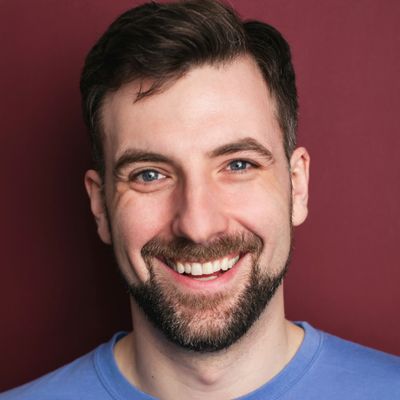
In this second episode of the series Chris talks with David McElwee ahead of his upcoming debut as Chris Bean.
Vodcast version available to watch on YouTube now.
Get tickets to The Play That Goes Wrong in New York: https://broadwaygoeswrong.com/
Find out more about Mischief and our other shows: https://www.mischiefcomedy.com/
Hosted on Broadway Podcast Network. Terms of service can be found here: https://broadwaypodcastnetwork.com/terms
Transcript
This transcript was automatically generated and might contain errors.
[0:00] Chris Lanceley: Welcome back to Mischief Makers! Today, we’re celebrating nine years of The Play That Goes Wrong in New York. I’m your host, Chris Lanceley, and I’m thrilled to be joined by David McElwee, who is about to make his debut as Chris Bean.
[0:30] David McElwee: Thanks for having me, Chris. I’m really excited about this opportunity!
[0:32] Chris Lanceley: It’s great to have you here. So, how are you feeling about stepping into this role?
[0:36] David McElwee: Honestly, it’s a bit nerve-wracking but also incredibly exciting. I’ve watched the show for years, and now to be a part of it is surreal.
[1:00] Chris Lanceley: I can imagine! You’ve seen the show from the audience's perspective. What’s been the most surprising part of the rehearsal process so far?
[1:05] David McElwee: I think just how collaborative it is. Everyone is so supportive, but they also push you to be better, which is exactly what I need.
[1:30] Chris Lanceley: That’s fantastic to hear. The cast has such a strong bond. How have you found fitting into that dynamic?
[1:35] David McElwee: It’s been really welcoming. Everyone has been so kind, but I can tell they’re also testing my limits a bit, which is good!
[2:00] Chris Lanceley: That’s important. You want to be challenged. Speaking of challenges, how do you prepare for a role like Chris Bean?
[2:05] David McElwee: I’ve been studying the script and watching performances, trying to find my own take on the character while respecting what’s come before.
[2:30] Chris Lanceley: That’s a great approach. Chris Bean is such a unique character with a lot of layers.
[2:35] David McElwee: Absolutely! There’s so much to explore in his personality and the way he interacts with the other characters.
[3:00] Chris Lanceley: And the physical comedy involved is no small feat either.
[3:05] David McElwee: Right! I’ve been working on my timing and physicality to make sure I can deliver those moments effectively.
[3:30] Chris Lanceley: It’s all about finding that balance. You want to be funny but also keep the integrity of the character.
[3:35] David McElwee: Exactly! I want to make sure I’m true to Chris Bean while also bringing my own flair to the role.
[4:00] Chris Lanceley: I think you’ll do great. The audience is going to love what you bring to the table.
[4:05] David McElwee: Thank you! I’m really looking forward to it.
[4:30] Chris Lanceley: So, what has been your favorite moment in rehearsals so far?
[4:35] David McElwee: There was a scene where I had to deliver a line while trying not to laugh at the antics happening around me. It was a challenge, but it was also so much fun!
[5:00] Chris Lanceley: Those moments are the best! It’s all about keeping a straight face while chaos ensues.
[5:05] David McElwee: Exactly! It’s a real test of focus.
[5:30] Chris Lanceley: And how do you feel about the audience interaction aspect of the show?
[5:35] David McElwee: I love it! It adds a whole new layer to the performance. You never know how they’re going to react.
[6:00] Chris Lanceley: That’s true. Each audience is different, and that keeps it fresh for everyone involved.
[6:05] David McElwee: Yes! I think that’s one of the things that makes this show so special.
[6:30] Chris Lanceley: Absolutely. And after nine years, the energy in the theater is still electric.
[6:35] David McElwee: I can’t wait to experience that firsthand!
[7:00] Chris Lanceley: You’re going to love it. So, what are you most looking forward to in your debut performance?
[7:05] David McElwee: Just connecting with the audience and the cast. I want to make sure I’m fully present in the moment.
[7:30] Chris Lanceley: That’s a great mindset to have. It’s all about the experience.
[7:35] David McElwee: Exactly! I want to enjoy every second of it.
[8:00] Chris Lanceley: Well, I’m excited for you, and I can’t wait to see you on stage as Chris Bean!
[8:05] David McElwee: Thank you! I appreciate your support.
[8:30] Chris Lanceley: And thank you for joining me today, David. It’s been a pleasure chatting with you.
[8:35] David McElwee: Thank you for having me, Chris. I’m looking forward to what’s ahead!
[9:00] Chris Lanceley: And to our listeners, thank you for tuning in to this episode of Mischief Makers. Don’t forget to get your tickets to The Play That Goes Wrong in New York.
[9:05] David McElwee: Yes, definitely check it out!
[9:30] Chris Lanceley: Until next time, keep getting into Mischief!
[13:07] David McElwee: That feels really nice to hear, because yeah, I do feel like I'm stepping into a family. And in the best way, I wanted to say just about my audition for this, because I got the email from my agents that I'd be going in for this. And I had just done a pretty serious play up at the Kitchen Theater in Ithaca, New York, which was great. And I'd sort of saw myself and see myself as this sort of serious actor, which is fun, because the play kind of lampoons that, which I think is healthy for me to do, too. But I go into the audition with Matt DeCarlo. And Blair, who is a swing in the show, is reading with me. And I'm just having the best time. And Mark, the associate director. And I'm having such a good time.
I'm like, I go home to my wife, who is more of a comedic actress. She studied clowning and more of this stuff. And I'm like, I want to be in the show. I really want to work with these people, because they were so present in the room. They were laughing at jokes that they've been listening to for at least seven and a half years. And then I got a call back for the next day. And I had an audition right before that in the same building. And it was a miserable experience. And it was actually for another play within a play. And so I went in that one, and there was no sense of play in the room. And I walked out, and I was like, I don't want that job. And I walked immediately into this callback, where we just played for about a half an hour.
And I was like, I want the job. I don't care whether or not I get it, because that had already renewed my belief in people who do this for the right reason. Not that anyone doesn't. People are tired. Things happen. But it was just such a welcoming room. And it made me so excited to be a part of this.
[15:02] Chris Lanceley: Yeah. I'm glad. I was going to ask about your audition process, because that's exactly the experience I had in my first audition, which was, I think, a bigger process. You were the only performer in the room, the only person auditioning in the room, I suppose?
[15:12] David McElwee: Yes. Yeah.
[15:13] Chris Lanceley: Yeah. Whereas I guess the original round was a huge group audition. We had at least three people for each role in the room. And we'd be sent off with scenes, and we would prepare them with other people auditioning. And then we would present them to the multitudes of people behind the desk. There were about 10, 15 people behind there, directors, producers, readers, everything. And then all of the people you're auditioning with, and I guess against, not that it's an adversarial thing, but the other people up for your role. And it was so fun, and so enjoyable, and so different from the usual audition process that I dropped all my nerves and just enjoyed it. And I'm glad that that can kind of hold true in just a room of two or three people as well.
[16:00] David McElwee: Yeah. I think that's at the core of what Mischief is doing, right? It's ensemble work, true ensemble work, which you don't, I don't know, it doesn't feel like it exists as much anymore. There's a lot of like, who's the star? Yeah. How are we supporting the star? Which is great, but to just be like, go play, which is how I felt, and it sounds like how you felt.
[16:21] Chris Lanceley: Yeah. Oh, definitely. And I think that feeds into meeting you. I could tell that you were going to give to the company as much as you needed to take from them on stage. And that's such a, I feel at least, that's such an important thing for Bean, is that he facilitates so much of other people's comedy in the show, it feels like.
[16:39] David McElwee: Yeah. I mean, do you see him as the straight man?
[16:44] Chris Lanceley: Oh, totally. Yeah. Yeah. I mean, he does have funny moments. Obviously, he has jokes, he has wordplay, unintentionally, for the most part.
[16:49] David McElwee: As good clowns do.
[16:58] Chris Lanceley: Yeah. It's sometimes, I suppose, and I've seen it be frustrating for others to not be the one delivering as much of the comedy and more facilitating it for others.
[17:04] David McElwee: Oh, right. But it's just, I mean, gosh, it's just so much fun to watch, though.
[17:10] Chris Lanceley: Oh, absolutely. And I really, personally, I revel in the tragedy of the role.
[17:16] David McElwee: Yeah, the heartbreak.
[17:24] Chris Lanceley: The heartbreak. The desperation of it, I suppose. The optimism.
[17:30] David McElwee: Yeah. Yeah. That we can finish this show and we must finish this show. Which, and one of the things in the audition process, going back to that just for a second, is that there was like five disclaimers in my audition notice that were like, please don't make jokes. Please try to make this work. And it was in bold, it was in italics, it was everywhere. And that, for me, I found that really comforting. And I was like, I'm gonna trust them that that's what they want. Because a lot of times, maybe you'll get the feeling like, yeah, they're saying that, but once you get in the room, they're like, you didn't go up at the end of that line. So for the joke, you need to.
[18:09] Chris Lanceley: Yeah, yeah. And I didn't feel that energy at all.
[18:09] David McElwee: Right. Yeah. That's, I'm so glad that that's in there, to be honest, because I, that is probably one of the most important things is not, not trying to make jokes and playing the truth and the honesty of the situation. Which, you know, when you hear the title, The Play That Goes Wrong, and you hear, you know, it's a farce, it's a slapstick comedy, all of these things. I think that's a lot of people's impulse is to, oh, it's big, it's, it's, it's comedic, it's huge. And we were talking on the escalator on the way up about how we so often now pretty much universally audition through self-tapes. And you don't get feedback, you don't get, you don't get that immediate kind of response and kind of clue to what the tone of the piece may be.
[19:01] Chris Lanceley: That's, it's interesting. And there was no self-tape for this. Like, normally there's at least, I find, um, there at least one round of self-tapes before, yeah, screening before you get, and I don't think I would have, I wouldn't, I wouldn't be sitting here with you if there'd been a self-tape probably.
[19:12] David McElwee: Likewise. I watched them 5,000 times until there, there's nothing interesting in them. And then I send them onto my agent.
[19:22] Chris Lanceley: Squeeze all the life out of them.
[19:22] David McElwee: Exactly. Yeah. I watch my eyes slowly lose consciousness. I blinked at the wrong time on that one. Maybe if I just keep my eyes open the entire time.
[19:27] Chris Lanceley: Yeah. I, uh, just watch them until they are void of anything.
[19:33] David McElwee: Yeah. So I, I, I much prefer being in the room as well. It's, I mean, it's human.
[19:39] Chris Lanceley: Yeah. Oh yeah. I'm maybe most nervous, but excited for some of the, the more interactive parts of the show. Right.
[19:46] David McElwee: Um, moving on to the ledger, the ledger.
[19:51] Chris Lanceley: Yeah. Finding the ledger. I hope everyone who is listening to this has seen the show. I'm pretty confident that most people will have. How did you get here? If you didn't see the show? Um, just fans of yours, I think probably just following you around. Um, the ledger bit in the show. Um, not, not, you know, if there's any, if you're worried about spoilers and you haven't watched it to skip like 30 seconds, I should probably a bit longer because we're going to discuss it. But, um, a prop, uh, poor Crispine has a props gone missing. He, he says a ledger and then it's not there. The audience knows exactly where it is. Uh, and the, the, the hope is that the audience will let him know. Um, and then there is a kind of a set to between Chris and the audience, um, which is improvised, um, every night. Um, yeah. What are your, what are your thoughts on that?
[20:42] David McElwee: Um, I mean, improv is something that's always terrified me, but I think the thing about it is like just the more I get to know this character, the more it's just going to be second nature.
[20:52] Chris Lanceley: Yeah. And then, and then I, I've been told, um, that there are sort of some go-tos that you can use.
[20:59] David McElwee: Yeah. So I can feel some security in that.
[21:04] Chris Lanceley: Yeah. I just started playing with it for the very first time yesterday with the whole cast and the audience and, and they're, you know, giving me a hard time and we're having fun and I start to feel that energy. That's probably the hardest it will ever be.
[21:13] David McElwee: Yeah. Well, and the pre-show too, right? Just talking to people in character. The pre-show is great scouting for the ledger bit.
[21:17] Chris Lanceley: Yeah. That's what I found. Oh, there's a school group. Let's, you know, we can work with that. Um, or, you know, you get a kind of sense of the, the age and the tone of what the house will be early on. What kind of jokes will annoy or get a reaction out of certain people. One of my favorites is, is if we have an obvious high school group in, I like to call them a middle school, uh, which, which makes them furious. That's the worst thing you can say.
[21:39] David McElwee: It's interesting because it is improv, but you're improv-ing the same moment on a nightly basis. So at a certain point it stops being improv, I think, because you can't just be spontaneous and create new things about the same moment every night. I guess the improv comes from how it applies to the individual audience in that evening.
[22:10] Chris Lanceley: And I always imagine improv as being kind of, you, you direct the audience into certain responses in a way, especially when it's so it's the same bit every night. Um, I like finding ways of kind of pushing the audience in a direction that I know how I can respond to.
[22:26] David McElwee: Oh yeah. That makes a lot of sense. Well, cause I have an archival video of you doing the play, um, which is just one of the tools. I'll also see it live. I also have seen it live and, um, but it's, it's mostly so I can check, you know, what's going on, what's blocking, what's happening with, cause there's so many characters on the stage that sets doing different things. And so I, I, in the archival of you doing the ledger scene, it is a really long time before an audience member, but no, the way you can sit in it, but cause I, I, I love that. That that's that, um, that's when this play changes from being just like a comedy to something. It's an experience, right. To get an audience to a place where you can all sit in discomfort for just long enough before something has to happen.
[23:11] David McElwee: Yeah. It's such a, you know, it's the kind of moment we all missed during COVID. It's just such a live, right. Human experience. And to give people discomfort like that is just such a gift.
[23:22] Chris Lanceley: I do really enjoy when it goes on for a long time because it really feeds into what happens afterwards so much, right. It has to, to earn.
[23:28] David McElwee: Yeah. The celebration of finding the ledger.
[23:35] Chris Lanceley: Yeah. And at the very end, yeah, it all builds up to that. And that long wait at the beginning, the longer it is, the better. I love that awkwardness that you mentioned that when the audience is sitting there, shall I do it? Shall I say something?
[23:47] David McElwee: Yeah. Because that's what he does. I mean, that's almost the, that is almost the spark of this play is that, that tension between an audience and, and a group putting themselves out there on, on a stage and that things always, almost always go wrong in some way. And that tension is felt. And then this place just like, well, what if we explore that for an entire, entire show?
[24:05] Chris Lanceley: Yeah. Stretch that out for two whole hours.
[24:11] David McElwee: Yeah. Do you know the, the satire, the, the onion newspaper?
[24:18] Chris Lanceley: Oh yeah. Okay. Um, one of my favorite headlines from the onion is audience fears actors may break fourth wall. And it's all just from the perspective of an audience member who's like, I knew something was up when one of the, but it was, I think it's a production of Joseph. And they're like, when one of the actors looked out and winked at me and I was wondering why there were stairs going from, from the audience into the house.
[24:36] David McElwee: It's funny doing the pre-show. Sometimes I'm walking up the aisles and, uh, you know, and say, hello, welcome. Thank you for coming. And then I'll see somebody who is very much trying not to be spoken to on the aisle.
[24:50] Chris Lanceley: Cause are you clearly in the show at that point?
[24:55] David McElwee: No, people, a lot of people are unsure. I've learned exactly where every seat in the house is so that I can seat people annoying.
[25:01] Chris Lanceley: That's good. I was an usher at the Pantages theater in Los Angeles. I mean, being is very put out by having to be having to become an usher.
[25:06] David McElwee: Um, yeah. Um, I'm just, we're about to lead into a break and outbreak. You, you can take a rest. You don't need to do any of them. I'm sorry. Um, but I've been asking or a mischievous question, um, of people leading into the break just to have a nice little bit of continuity between the episodes. Um, and your mischievous question is thinking forward to your first performance. Would you rather have a dead silent audience that does not laugh or respond to a single thing you or anyone else does? Or would you rather a house that laughs at anything but a joke or a comedic moment?
[25:29] David McElwee: I've, I think my initial impulse was laughs at the wrong time, but I think after our discussion of awkward silences, yes, I think, I think it would be a really nice initiation if people just stared at me and then every other show from then on would be a joy.
[26:02] Chris Lanceley: Yeah, that's true. Actually. That would be nice. It's like in baseball when they put a heavy weight on the end of their back and they take it out off to go out to bat.
[26:14] Chris Lanceley: A show and then yeah, you got that weight comes off and it's fine, right? Yeah. So if anyone that can make this happen in production is listening, just give me a dead silent audience for the first one. And you're gonna have a great run for me as Chris Bean. Yes. All right. I'll see if I can organize that. All right, we'll be back soon.
[26:45] Chris Lanceley: All right, welcome back. I'm here with David. What is it? You got it. McElwee?
[26:53] David McElwee: McElwee. Yeah. It's a bad bit. It's a bad bit because people anyway, people are gonna think that I genuinely... It's David too, right? It's David McElwee. Okay. All right, good. You're looking at a notepad right now. Nobody can see that, but you're looking at a notepad.
[27:12] Chris Lanceley: Well, I took the ad break to take a notebook out of my pocket where I thought I'd written down some questions. I can't really read my writing. It's also it's like a mixture of questions and some of my notes to myself.
[27:30] David McElwee: That's actually quite... What's the first note you see?
[27:36] Chris Lanceley: Neil or after lights back up, page 22.
[27:41] David McElwee: Okay. It could be something we can explore, but yeah, not that one. Who's Neil?
[27:48] Chris Lanceley: No, it's the question was do you got it? But then I did. Okay. So, oh, this was something I wanted to say. I said the best email title I've had ever happened this week. And it said mustache fitting.
[27:57] David McElwee: Yes.
[28:02] Chris Lanceley: Which I have now scheduled for Thursday, my mustache fitting. Are you going with your own mustache or...
[28:09] David McElwee: After consulting with you and stage management, Lara, they said, have your own mustache, which to my wife's delight and horror, I will be having my own mustache for this. But if like some filming or something happens, they want to have a backup for us.
[28:23] Chris Lanceley: Oh, yeah. So they'll be measuring my upper lip, getting the, I don't know, color of my hair and making a special David McElwee, Crispine mustache.
[28:32] David McElwee: Wonderful. And you have one.
[28:42] Chris Lanceley: David... See, I knew I could make a bit of that. That's good. Yeah. I have one as well. It's huge, massive. It's bigger than your... I think it's bigger than my actual mustache, which it's already quite big.
[28:51] David McElwee: Are you going to keep your mustache?
[28:55] Chris Lanceley: No, I'm shaving it as soon as I get off stage on July 12th. That's going to be good content, as they say for social media.
[28:59] David McElwee: Yes, I should film that.
[29:03] Chris Lanceley: Yeah. And I should put it in a little bag and then gift it to you.
[29:08] David McElwee: No, don't put it in a bag. Just leave it spread. Just leave it over your new dressing room station.
[29:12] Chris Lanceley: My spot. That's going to be my spot. You've asked me. That'll be your spot now.
[29:17] David McElwee: Yeah. I know. It's very weird. I feel like all I'm going to be doing for the first few weeks is holding Brent as he weeps into my shoulder.
[29:23] Chris Lanceley: Brent, who plays Robert Thomas.
[29:28] David McElwee: Yeah, because you two are really good buddies.
[29:35] Chris Lanceley: Yeah, we're really good. We're really close now. Yeah. We both were in the original off-Broadway company together. And yeah, we just through the years, we've, you know, Monday night, we've ended the show and it's Tuesday's our day off. We used to go to the bar together, get a couple of drinks, talk about the show, talk about what's going on. And we just became closer and closer through the years when I was Jonathan and all the way through Chris Bean, which I think I took over in 2022. I was also on the tour in 2019, which was sad enough leaving Brent for that tour. But then about a year ago, we both had little boys. So now those two little buddies as well.
[30:11] Chris Lanceley: That's incredible. So going through that together and our wives are good friends, too.
[30:16] David McElwee: Yeah.
[30:18] Chris Lanceley: One of the hardest things about leaving is actually leaving Brent because the Robert Bean connection is such kind of a double act. And yeah, not working with him every night's the hardest thing. He's the first person I told as well. So.
[30:29] David McElwee: Oh, wow.
[30:30] Chris Lanceley: Yeah, that'll be sad. You might have to hold him. You might have to wear a me mask for a little while. Just backstage.
[30:35] David McElwee: Yeah. Well, there is a bit of animosity. You know, there's something going on between.
[30:41] Chris Lanceley: Oh, absolutely. Between the characters.
[30:45] David McElwee: Yeah. Yeah. Brent's character, Robert and Chris Bean. And I think it'll be very different for he and I based sort of on the fact that I'm stepping into a role that was held by one of his best friends for so long. So, I mean, he's a very nice guy and I think we're going to have a great time.
[31:00] Chris Lanceley: I mean, you're going to be very close as well. He's a lovely guy in the whole company. They're great people. You I mean, as you've already noticed, I think I feel very lucky.
[31:10] David McElwee: I yeah, every day is just such a great it's like going into a playground and it's like going to a playground that's been condemned. And there's a there's an adult standing nearby. Usually it's Lara.
[31:21] Chris Lanceley: Yeah. Our stage manager.
[31:26] David McElwee: And she's saying no one's allowed to do this. But for right now, you get to go down the slide that's been condemned. Right. And you're like, all right, let's do it five or six times.
[31:31] Chris Lanceley: Yeah. And all these people are there to support and wish they were doing it, too.
[31:36] David McElwee: Yeah. It's so much fun.
[31:41] Chris Lanceley: Yeah, it's great. Although I am really sore today. I did all my stunts for the first time.
[31:46] David McElwee: Yeah. What did you cover? I'm curious. What stunts did you do yesterday?
[31:52] Chris Lanceley: OK, so let's see. We did the when the shield comes down in the face.
[31:52] David McElwee: Us in the face. Sorry.
[32:00] Chris Lanceley: Yeah. Together. It's in the face. We did the platform drops. Right. Into the pretending you're walking down the stairs when you're actually jumping from one level of the set to the next.
[32:04] David McElwee: Yeah.
[32:11] Chris Lanceley: Which I thought would be the scariest. Right. Or most difficult.
[32:16] David McElwee: Yeah.
[32:21] Chris Lanceley: Actually, it's the quick elevator.
[32:26] David McElwee: Yeah. Right. We don't talk about exactly how that's done, other than there's a lot of physical prowess involved backstage that no one gets to see.
[32:31] Chris Lanceley: No one gets to see the most challenging things that we do.
[32:36] David McElwee: Yeah. Going up the elevator and going down as well. Right. And nobody gets to see it. It's probably the most physically challenging part.
[32:42] Chris Lanceley: It's very challenging.
[32:43] David McElwee: Yeah. I love it. And I'm sure you will find the same thing. The physical moments that you find in rehearsal are not the physical moments that are that you have two, three months from now. I mean, they are within the threshold of like what is safe and what you can do with it. But they change, they mold, they alter and they become their own different beast.
[33:00] Chris Lanceley: And that's that's what I saw. That's one of the reasons I'm here for so long, is that these things can just morph over time. Wouldn't that be funny? Would that work? And then it doesn't. Or it does. And the joy of failing to think that's that's another big important thing. Obviously, the show is all about things going wrong. But yeah, it's a nice ego check on the actor.
[33:12] David McElwee: Oh, absolutely. See, that's why I think that completely silent audience would be a good.
[33:21] Chris Lanceley: You're right. That'd be a good first show. I think you're right.
[33:26] David McElwee: Yeah, it is. It is an ego check.
[33:30] Chris Lanceley: Yeah, it's a kind of it's a great observation. You're not only playing somebody who is playing somebody who is in a play who is in a play where things go poorly for them and you have to experience that feeling of, oh, things aren't going right. How do we get out of this? What happens? But you're also kind of you're on a ledge with a lot of the comedy in the show too, where, you know, different audiences may respond different ways, in fact, do respond different ways.
[33:58] David McElwee: Has anyone talked to you about that? How varied our audiences are through the year, through the week, even here in New York?
[34:03] Chris Lanceley: There's been a little just like thrown in here and there. But but no, it has not been a very detailed conversation about it yet. It's it's something that I really enjoy. And I think you will really enjoy is, you know, one week we may have a lot of tourists and a lot of tourists who don't speak English as a first language, perhaps. And the show, I think, is often recommended to those tourists because it's so physical that I think people can get a lot of joy out of the physical comedy in the show.
[34:26] David McElwee: And then maybe we'll get a Sunday matinee, which might be a slightly older New York or New Jersey based crowd who are looking for wordplay and quietly listening to the murder mystery and trying to find out what happens and are laughing less at the physical jokes in the show.
[34:42] Chris Lanceley: And it's so interesting. And you're right. It's a kind of can be a hit to the ego when you think you've had all these physical bits working all week and then all of a sudden that house comes along that is more interested in the verbal comedy. So it's just something I thought of that might be really exciting as you as you step into the show. You'll be coming in in the summer, which will be a raucous, full, big tourist crowd every single day.
[35:03] David McElwee: Yeah, yeah, yeah. Actually, it's going to be all my family from Long Island.
[35:08] Chris Lanceley: Really?
[35:09] David McElwee: For the next hour.
[35:09] Chris Lanceley: You're from Long Island?
[35:11] David McElwee: I grew up in Florida, but I have a lot of aunts and uncles. My mom grew up on Long Island.
[35:14] Chris Lanceley: Yeah.
[35:14] David McElwee: Cousins out there. And so, yeah, I have a lot of family out there.
[35:17] Chris Lanceley: That's great.
[35:18] David McElwee: And they show up.
[35:19] Chris Lanceley: And your first show is on Monday night, I think.
[35:22] David McElwee: Oh, wait, no, it's not. Because you're stepping in actually.
[35:25] Chris Lanceley: I'm stepping in May 29th.
[35:27] David McElwee: May 29th, which is two weeks from now. I don't know when this is going out.
[35:34] Chris Lanceley: Yeah, when that's going out.
[35:35] David McElwee: About two weeks from now.
[35:36] Chris Lanceley: Okay, yeah.
[35:37] David McElwee: Yeah, your first show. Because I leave fully about a month and a half after that, but I'm also going on a month of family leave, which is so poorly timed. It's been in the calendar for ages.
[35:48] Chris Lanceley: Oh, I thought maybe you planned it that way. You were like, well, I know.
[35:50] David McElwee: No, I had it before I even decided that I was going to call time on the show. I had that in the books. I'm just going back to England and seeing family and taking our son back there and really enjoying that.
[36:02] Chris Lanceley: Has he been yet?
[36:02] David McElwee: He's never been.
[36:04] Chris Lanceley: Oh, wow.
[36:05] David McElwee: So that'll be our first time.
[36:05] Chris Lanceley: Yes.
[36:05] David McElwee: So it's odd that you get a full month in the show and then you step away for a week and a half while I finish my run and then you're back in.
[36:12] Chris Lanceley: Yeah, yeah. It's actually, for me, it's actually, that's a nice way to enter. Knowing I'm going to have a week and a half to just recover.
[36:17] David McElwee: Right.
[36:20] Chris Lanceley: And I feel the same way. I get a month to recover and rest and then have a week and a half of just enjoying it physically, not dealing with exhaustion or vocal tiredness.
[36:30] David McElwee: Right.
[36:31] Chris Lanceley: Yeah. It's worked out quite nicely. And also that month is kind of like a freebie for you.
[36:36] David McElwee: Yeah, it's cool. But it's also going to be nice because this has changed my life so fast. I'm used to doing plays that run, rehearse and run two months, three months, maybe four, maybe five. But I'm already contracted for eight months or so on this. And there's a different level of saying goodbye to my day jobs and getting to be in New York and not having to go out of town and do something. And yeah, it's just been such a big change in such a short amount of time. It'll be nice to have a month and then have a week to be like, maybe a vacation with my wife.
[37:16] Chris Lanceley: Yeah.
[37:16] David McElwee: Who knows?
[37:17] Chris Lanceley: Yeah, it is. That's one of the most amazing things about this nine year run is the stability that it can bring to an actor's life or anyone who works on the show's life. I mentioned this last week with Kevin about how all these years have allowed me to feel comfortable having a family and buying an apartment, having consistent health insurance. And people might not know like if you're if you're somebody maybe who's, I want to be an actor or that's something I want to do.
[37:38] David McElwee: That is success.
[37:43] Chris Lanceley: Yeah, that's such success, Chris.
[37:46] David McElwee: Yeah, why am I leaving? No, but because you because you, I mean, I think you've already done what you've done is like what if you're in drama school, you should be like, I hope one day I get to do that.
[37:56] Chris Lanceley: Yeah, absolutely. It's a whole different beast being in a show for that length of time, I think. And that's, that's one thing we can kind of chat about, I suppose, is longevity is, you know, doing it. I had the same experience. I've done shows for a few weeks, couple of months. And I had to kind of learn a whole different tool set for five months, a year, two, three.
[38:22] David McElwee: Yeah, keeping it fresh and exciting. Thankfully, the show itself helps a lot with that.
[38:27] Chris Lanceley: Yeah. Is that something you've thought about at all? Or can you even prepare for that?
[38:32] David McElwee: I don't think I did. Just hit me.
[38:37] Chris Lanceley: No, I was there was going to be something that that's been on my mind to ask you like it. Well, we'll get to like, do you have some specific advice for some of that? But some of it is that when I played basketball when I was in fifth grade, I worked really hard all the time, like, you know, at home doing my ball handling drills, shooting my foul shots. And then I would get put in the game. And I was so excited to get put in the game, I would immediately like horribly foul the other team and skin my knee. And then the coach would sit me back on the bench because I was so excited. And I certainly have that excitement going into this where I'm like, yeah, yeah, I'll do it. I'll jump off the platform. I'm going to do a backflip when I get hit by the shield, you know, and I want to do that too.
[39:15] David McElwee: Yeah. Physically incapable.
[39:22] David McElwee: There isn't enough space back there. But you have to make decisions that are going to make sure you're not out of the show. Make sure you have a responsibility to the cast as a whole and maybe means checking your ego again and being like, yeah, let me just do this version of that that is gonna hit and people are gonna love, but I'll be able to do it eight times a show, eight times a week without, you know, the worry of somebody having to jump in for me at the last minute.
[39:51] Chris Lanceley: Yeah. That's actually a really astute observation that I hadn't factored into my thinking with that, I suppose, is physical and vocal longevity with the show. Yeah, there's so much that we could add that is physically dangerous and exciting that maybe you could do once.
[40:08] David McElwee: Yeah, right.
[40:09] Chris Lanceley: And then doing it eight times a week for months and years. Yeah, that's the challenge. And vocally being as a monster as well. Has that kind of hit you yet?
[40:19] David McElwee: It did. It hit me two days ago. I got home and my voice was tired. And, you know, I've been working so hard on this. There's not a lot of nights that my wife and I actually get to like really hang out. And it was one of our nights to like hang out. And I was like, I'm actually not going to talk that much. I'm going to be resting my voice and having tea. And then now I'm doing vocal warm ups before rehearsals.
[40:42] Chris Lanceley: Right. Yeah. Yeah. I mean, it's crucial that that long stretch you're on stage for being hit by the shield through the end of act one, you don't get to leave the stage.
[40:51] David McElwee: Yeah. So no water.
[40:52] Chris Lanceley: No water. No. Yeah. One thing I do.
[40:55] David McElwee: Yeah.
[40:56] Chris Lanceley: A little tip. I sneak a little like lozenge into my pocket. And then when there's a section when we're just sat there up on the platform while they're sword fighting downstairs, we're there for about 10 minutes. I just sneak it out and have that little vocal lozenge during that period.
[41:13] David McElwee: This is what I'm talking about. This is why I brought my notebook.
[41:16] Chris Lanceley: Yeah. I use Vocal Zones. This could be an ad. I love Vocal Zones. British like throat lozenge. A lot of performers. I had recently dropped some off at Wicked because she'd run out. The person playing Elphaba had run out. So I dropped some off there.
[41:32] David McElwee: That's really nice of you.
[41:33] Chris Lanceley: Yeah. But they're wonderful. Yeah. There's my tip.
[41:37] David McElwee: It's a great tip. Anything else? Any other bangers like that?
[41:40] Chris Lanceley: Oh, I'm sure there's many.
[41:43] David McElwee: You can text me anytime.
[41:44] Chris Lanceley: I will text you anytime. I mean, we'll be around the theater a lot at the moment as well while you rehearse. I have one last question for you. And I'm just wondering how, as you transition from rehearsing in a rehearsal space to rehearsing on the set, which I think has happened recently, what's that shift like for you?
[42:05] David McElwee: It's really nice to have things in space. And actually, I'll be in a pretty small rehearsal room with just some folding chairs and then go to the set by myself still and get to see the things and interact with the objects in space. And it really helps me know where I am. It really helps the memorizing and the fluidity of the track. And so that's really helpful. And then once I was like, oh, this is good, I felt like I was getting like, okay, that was really helpful. And I feel like I'm pretty confident now. But then you put in the other actors because you're still trying to remember, okay, where, yeah, where's Perkins at this moment? Where's Sandra? Where are you? And where am I? And like, who am I talking to?
And, you know, stage management and mark associate director will sometimes run around and be at one of those people at a time. Right. All of a sudden, yesterday, I had everybody there. And it was like, it was like staring into train headlights right before you get hit. And I forgot all the things that I thought I knew.
[43:12] Chris Lanceley: Natural.
[43:13] David McElwee: Yeah. And so I think it's just there's sort of incremental building that they've gotten pretty good at, it seems. Because then, you know, that feeling is going to come back when there's an audience.
[43:21] Chris Lanceley: Right. After nine years, it becomes a machine, bringing people into the show and introducing new people to it.
[43:26] David McElwee: Yeah. And it's, it feels very, I feel very taken care of.
[43:29] Chris Lanceley: That's good. That's good. Because I think as it becomes important for people, you know, sometimes there's a week and we need to get somebody in and get someone ready. And I think it's really nice to hear that the personal side of it isn't getting lost, that the people aren't being made to feel uncomfortable, that they're being rushed. They're kind of supported through it.
[43:48] David McElwee: Yeah.
[43:49] Chris Lanceley: That's really nice to hear.
[43:50] David McElwee: Well, I've heard, I've heard stories of people having to go in rather quickly. So I actually feel like I'm getting kind of pampered, which is nice.
[43:54] Chris Lanceley: Yeah.
[43:55] David McElwee: And I'm trying to hold on to, I think I was saying this to Leanna, who plays Sandra, after our rehearsal yesterday, she was like, how are you? You know, how you doing? And I was like, it was really fun because there was moments where, in rehearsal, Mark, the associate director has called it the white room.
[44:14] Chris Lanceley: Oh, yeah.
[44:15] David McElwee: When an actor will go through, when something goes wrong, all of a sudden, everything kind of goes white. And you don't really know where you are for a moment. And you can't speak and you can't do anything. And especially Chris Bean sort of seems to have these experiences of the white room. And I was having those in rehearsal. And that, that frustration and that energy of wanting things to have gone slightly better. And there was things physically that were happening to me and my hands were clenching. I grabbed my face at one point in a way that I don't do as David.
[44:45] Chris Lanceley: Yeah.
[44:46] David McElwee: And Leanna was like, hold on to that. That'll be really helpful to you as we move forward. You know, as you do this for potentially a long time.
[44:56] Chris Lanceley: It's interesting playing Chris Bean, who is a character who desperately wants the play The Murder at Havisham Manor to go well. He desperately wants that to be a success. But also you're obviously in a play. And I sometimes find myself leaving the stage with the energy of somebody who wants The Murder at Havisham Manor, the play to go well. But maybe something's not gone well in the play that goes wrong, you know, in our play. It's tough. I find it tough playing a character who desperately wants the play to go well in a play. And so I come off the stage with that energy. And sometimes I find it difficult to kind of draw the line of when something goes wrong or something frustrates me, a line goes away or something like that.
Oh, that damages the play. The play doesn't go well. But then mentally I'm like, which play? The Murder at Havisham Manor? The play that goes wrong? Is Chris Lansley, myself, upset? Or is Chris Bean upset? You know, living in that environment is challenging.
[46:00] David McElwee: I have one question for you that has probably nothing to do with anything, but I'm interested in it. So when we come back out at intermission and we do our second curtain speech and we realize that a lot more people have stayed, and we're sort of talking ourselves through how the first act went, it kind of goes from that was a disaster to like, actually it was pretty good. And that goes fast, which like that's part of what I'm finding with Chris Bean is his ability to recover. So this is opening night, as we say, as we say in rehearsals, every night's opening night at the play that goes wrong at the Murder at Havisham Manor. Is there a version, despite everything that's happened, when the curtain goes down and you've gotten out of your costume and the champagne's been popped backstage, that everyone looks around and goes, that was pretty good?
[46:46] Chris Lanceley: And who are you asking? Like, are you asking Bean or me?
[46:46] David McElwee: I think I'm asking your Bean. Yeah, that's challenging because if poor old Chris Bean is really thinking about it, the audience enjoyed themselves. Whatever this disaster was, when we're doing the curtain call, the audience have laughed and enjoyed it the whole time, even if it wasn't the intention of his show. But I don't, at least my Chris Bean, I don't think he is happy when the curtain comes down or the chandelier comes down and he's offstage. I think he was so married to his idea of what it should have been that he can't acknowledge what it is or what it became. So yeah, my Chris Bean at least lives in a place of perpetual misery.
[47:35] Chris Lanceley: Failure after failure. Just like a Bokovian.
[47:40] David McElwee: But perpetual optimism, like you said earlier. That optimism is what keeps the audience engaged. I think everybody thinks we can get to the end of this thing and Chris Bean tries to drive it to the end of this thing and make it happen. And if people aren't rooting for him or everyone in some way, then yeah, it doesn't seem to work. So I think his optimism of what it could or should have been is what defines who he is for me. It's an interesting question. I've not really thought about it in that way before.
[48:10] Chris Lanceley: For me, I've found that it's really fun to find questions for your character that you can't answer, so you can ask them every night. And I think that is a question that I'll maybe continue to ask myself.
[48:19] David McElwee: I want to ask you just before we end things, what are your hopes for your time in the show? What are your goals and hopes for your portrayal of Chris Bean, for your time in the play that goes wrong? And I'm not just talking about on stage, in general.
[48:38] Chris Lanceley: Oh wow.
[48:40] David McElwee: It's a really broad question.
[48:41] Chris Lanceley: No, no, no. It's a really nice question because I have been so focused on getting things right. It can be very hard to have community in New York, especially in the theater world where we're put together and taken apart. I'm excited to get to know everyone who exists at that theater at New World Stages. I'm excited to get to know the greater Mischief family. I know they have some projects that may or may not come to New York, and to get to know some of these people who've created this space, which I do think is ensemble-based. And I do hope that theater moves more towards that direction. Because it's clear that they've created community, and I want to know how that works and to see if that's something I can incorporate into my career going forward.
[49:35] Chris Lanceley: That's a lovely answer. And I think you're so right. There is a wonderful community around Mischief Comedy. I love it when a show comes over, and the original company comes over, or even replacements or whatever. It feels like a community, and then it feels like our community expands. It doesn't feel like there's another community there of people who are like-minded, but it just feels like our little group off-Broadway at the play that goes wrong just kind of expands, and we have more people who are like-minded and buy into the same thing as we do. So I hope, and I'm excited for more Mischief to come here for that reason.
[50:15] David McElwee: Yeah, that'll be lovely.
[50:16] Chris Lanceley: It will be, yeah.
[50:18] David McElwee: Well, I'm very excited to get to see you in the show, and I'm very excited for the first time I'm brought back as a swing. And either playing Jonathan or Robert with you would be wonderful.
[50:29] Chris Lanceley: That's right. We might get to share the stage.
[50:30] David McElwee: Yeah. I mean, you say might, I say almost certainly at some point we will share the stage together.
[50:36] Chris Lanceley: Oh, that makes me really happy.
[50:37] David McElwee: It's been wonderful talking to you today. I'm so glad you took the time to come and do this.
[50:42] Chris Lanceley: Thank you for inviting me.
[50:43] David McElwee: Of course. It's a strange thing to do, I think, an outgoing actor in a show talking to the incoming actor about a role and the performance. But like I said, I'm so grateful that you are the person who's taking over. I think you're a very like-minded person, and I think you will, and I can tell you will fit in so well in that company. And that is the first step along the way, I think. I can tell I already trust you, and it's lovely that you already trust them, and you're already feeling that sense of community that we have there. So I'm thrilled.
[51:18] David McElwee: If nothing else, me leaving the show brings you into this family. So that's...
[51:21] Chris Lanceley: Well, thank you so much. That's so kind. And we'll have to have another conversation like this on or off mic. You'll have to tell me what pub it is that you and Brent go to.
[51:29] David McElwee: Absolutely.
[51:30] Chris Lanceley: And yeah, just catch up after.
[51:32] David McElwee: After we go to the crawl.
[51:34] Chris Lanceley: Yeah. You know, maybe not in one night.
[51:37] David McElwee: Should we make something go wrong, like horribly wrong?
[51:39] Chris Lanceley: At the end? Well, I have got your name wrong the whole time, David McElwain.
[51:43] David McElwee: It's all of it.
[51:43] Chris Lanceley: I got it right that time, didn't I?
[51:44] David McElwee: You did.
[51:45] Chris Lanceley: See, I was going to save the correct one for the very end.
[51:48] David McElwee: And the applause.
[51:48] Chris Lanceley: That was going to be like the punchline. Then yeah, everyone would be at home applauding. Check my notes if I have anything else. The history of mustaches, we can skip that.
[51:56] David McElwee: I think we're good.
[51:56] Chris Lanceley: We don't have time for that. I think we're all set. Again, thank you so much for coming along. As we kind of discuss in this podcast, the nine years of The Play That Goes Wrong Off-Broadway, it's so exciting to chat with somebody who's going to be part of the next however many years and a huge part of the next however many years. David McElwee, thank you so much for joining. And everyone else, we have plenty more episodes this season. I hope you'll stick around with us for those.
[52:23] David McElwee: Thank you.
© Broadway Podcast Network, All Rights Reserved