

A definitively ‘delightful’ episode in which Mo reflects on his experience seeing SHOWBOAT as a young man, the relationship between hard work and fun, his stint in competitive gymnastics, and the world’s most thorough investigation of THE WIZARD OF OZ’s inciting incident... Read More
From the show: My First Show
Guests

Featured Shows

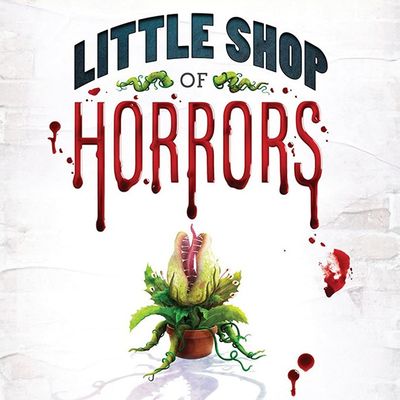
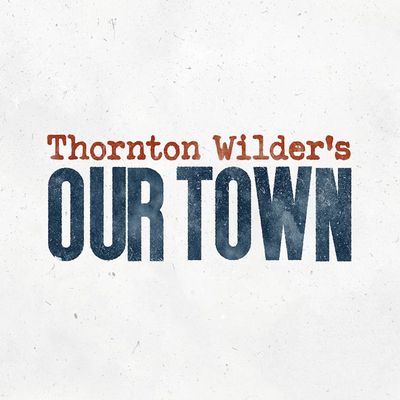
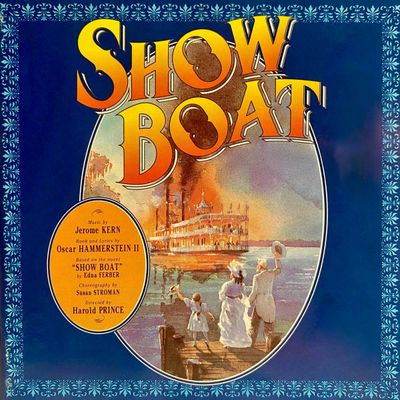
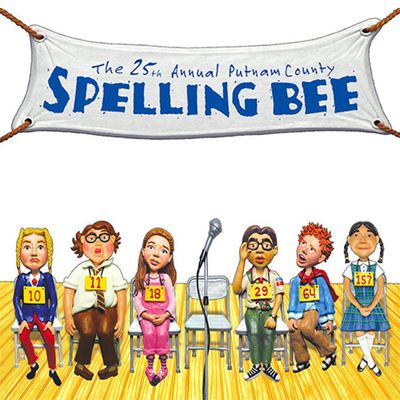
About
A definitively ‘delightful’ episode in which Mo reflects on his experience seeing SHOWBOAT as a young man, the relationship between hard work and fun, his stint in competitive gymnastics, and the world’s most thorough investigation of THE WIZARD OF OZ’s inciting incident.
Part of the Broadway Podcast Network.
Transcript
This transcript was automatically generated and might contain errors.
[0:15] Eva: Hello and welcome to My First Show.
[0:18] Eva: Today's guest is possibly the most hilarious human of the news world, the podcast world, the literary world, and the Broadway world.
[0:29] Eva: And that is my dear pal Mo Rocca.
[0:34] Mo Rocca: I'm so happy.
[0:35] Eva: I'm happy to be here with you.
[0:38] Mo Rocca: I really am.
[0:39] Eva: I'm so happy you're here with me. You have had quite a year.
[0:44] Mo Rocca: Um, well, I think we've well, we've certainly all had quite the last few months, but yeah, I've had a I've had I've had a good I've had a busy crowded hour type year.
[0:56] Mo Rocca: I was moving around maybe more than I ever had before.
[1:00] Mo Rocca: I'd spent a good chunk of time before then um co-authoring a book, um part of a project I did called Mobituaries that I'm um that has been really meaningful to me looking at the lives of um people and things that didn't get the send-off they deserve the first time, my version of obituaries.
[1:22] Mo Rocca: It's it's handy when your first name is Mo.
[1:24] Mo Rocca: Um and uh and so I I'm still trying to make sense of it all, but it it uh I will say it's it's a little head spinning to have spent all this time before a pandemic um talking about appreciating the lives of of people who have passed on.
[1:41] Mo Rocca: Um and then now in this period when there are a whole lot of people dying.
[1:47] Mo Rocca: So it's it's a it's I I'm not I'm not quite sure that I can sum up how I feel about it all.
[1:53] Eva: Yeah.
[1:54] Eva: It sounds to me like you knew something that the rest of us didn't when you wrote this book.
[1:59] Mo Rocca: It's uh strangely prophetic, which I I don't know if you've thought about that throughout all this, is that as though the things you had been thinking about and questioning um are more relevant for this time than almost anything else.
[2:15] Mo Rocca: You know, I I will say this.
[2:17] Mo Rocca: I mean, uh a good obituary is really about um someone's life, not about their death, which is why I was drawn to this project.
[2:25] Mo Rocca: Um I'm not really all that interested in how people die.
[2:29] Mo Rocca: I'm frankly more interested in in their beginnings and how the the values of their lives were shaped.
[2:36] Mo Rocca: Um, but one of the things, aside from all the lives being lost right now, that that is that I'm kind of tuned into the rituals and the institutions and the things that are going away.
[2:53] Mo Rocca: Um in every obituary there is that little section, that little sort of history graph, um, you know, obviously about the person's about the person's upbringing or or their origins.
[3:07] Mo Rocca: And now I read articles like about the post office, and there's a you know, it and hanging in the balance, and there's that little graph in the middle that says the post office was the brainchild of Benjamin Franklin in the 1770s.
[3:23] Mo Rocca: And it kind of breaks my heart because it reads like a pre-obit, and it's almost it has a little bit that that that kind of shakes me a little bit about these these things and that we take for granted, um, these institutions.
[3:39] Mo Rocca: Um, you know, that might go away.
[3:41] Mo Rocca: So so you're right.
[3:43] Mo Rocca: So so much right now is teetering on the edge um and that's that's the thing that makes me sad each day because you know you don't you don't think twice about Victoria's Secret or uh Bed Bath and Body Works which is a story I was reading today or you don't you you just don't think twice about the institutions that were on your street corner that you walked by a million times and took for granted and now everything is on the edge.
[4:12] Eva: I just I find it fascinating that you've been fascinated by this idea and the stories behind it for for so long and it just feels so relevant right now.
[4:23] Eva: Well we are here to talk about joyful things and not necessarily things at the end of their existence um even though we might we all may be in that space um we're we're here to talk about our love of of theater and the things that inspired us and the things that made us who we are and um you know what what I've always loved about watching you Mo is everything you do feels like a story being told um your your pieces on CBS Sunday morning the the the way you um the way you play because it's a game uh wait wait don't tell me um and you know just knowing you um you are a master storyteller and I have to bet that some of this was born out of a little a little version of Mo Molito, if we if we may.
[5:18] Mo Rocca: Yeah, sure.
[5:19] Mo Rocca: I love that and and you know, those humble beginnings.
[5:24] Eva: So if you don't mind, we're gonna dive into the the four questions that that are the germ of my first show.
[5:31] Eva: And that first question is what was the first show you ever saw?
[5:37] Mo Rocca: The first show I ever saw was Showboat, a revival, obviously.
[5:44] Mo Rocca: So I'm older now, not that old.
[5:47] Mo Rocca: Um, and it was at um it toured the country and came to Washington, D.C.
[5:53] Mo Rocca: I was raised in the Maryland suburbs right outside of DC.
[5:56] Mo Rocca: And I knew that my father loved the music of Jerome Kern and loved Showboat.
[6:02] Mo Rocca: So we um we went to see this production.
[6:05] Mo Rocca: It starred Eddie Bracken, who was a big star, I think in the golden age of Hollywood, um, and Laney Kazan.
[6:15] Mo Rocca: I'm I'm pretty sure she played Julie.
[6:18] Mo Rocca: Um, and we sat, I think in the second balcony.
[6:23] Mo Rocca: And I seem to remember by the way, they called it first balcony, second balcony, and then they switched up that nomenclature so that the people in the second balcony didn't feel like they were in the stratosphere.
[6:32] Mo Rocca: Right.
[6:32] Mo Rocca: They were a million miles away.
[6:34] Mo Rocca: But this was the second balcony, it was far away.
[6:36] Mo Rocca: Was it the Loge?
[6:38] Mo Rocca: Is that what they called it?
[6:39] Eva: Right, right.
[6:40] Mo Rocca: There you go.
[6:40] Mo Rocca: Yeah.
[6:41] Mo Rocca: And yeah, um, and uh, and I was 11 years old.
[6:48] Mo Rocca: So this is the first professional show I saw.
[6:50] Mo Rocca: Um, and I just remember seeing how moved my father was.
[6:56] Mo Rocca: So um I think I liked the show and I loved the music, but what I really loved was watching how moved my father was by the show.
[7:07] Mo Rocca: He was so excited to see this show.
[7:10] Mo Rocca: Um, and um he was moved to tears by Old Man River by the song.
[7:20] Mo Rocca: Um and uh and just delighted and was but really more than delighting in it, and he delighted in a lot, and delight is something I love.
[7:28] Mo Rocca: I think delight and the word delightful is very underrated.
[7:32] Mo Rocca: Um and and um being delightful is an underrated virtue.
[7:37] Mo Rocca: Um but he more than delighted he was moved by it.
[7:40] Mo Rocca: And and so yeah, that was that I think had um made an impact on me.
[7:45] Mo Rocca: I know it did.
[7:46] Eva: Did you see him differently then a as a kid as you continued to to grow up in his house and observe him?
[7:55] Mo Rocca: Well, certainly his his love of that music um made what yeah, that's a great question.
[8:05] Mo Rocca: I think I I'm more likely to describe my father as a sensitive person, as having been a sensitive person, which he really was deeply sensitive and and and valued that in his children and and tried to cultivate that, um, nurture it.
[8:21] Mo Rocca: Um, but that that show really brought that out, that experience, and I really appreciated it and understood it.
[8:29] Mo Rocca: It wasn't just a word, you know, it's good to be sensitive.
[8:32] Mo Rocca: I think my father used to say, like, you're a sensitive boy, and I like that.
[8:36] Mo Rocca: Um, but that's I I wasn't quite sure what that meant, but I think seeing him react to that show and to that music, um I I understood what it meant.
[8:48] Eva: Did you find that old classic American musicals like the Jerome Kern musicals, the Rodgers and Hammerstein musicals really stuck with you because of that first musical?
[9:00] Mo Rocca: They did.
[9:01] Mo Rocca: I had older parents, which I always liked.
[9:04] Mo Rocca: I and I was aware of that from an early point in life, that my my mother's from Colombia.
[9:10] Mo Rocca: Um, so she didn't grow up with American pop culture at all.
[9:13] Mo Rocca: Um, but um my father was too old for Elvis, right?
[9:19] Mo Rocca: He was so he was somebody who grew up loving Bing Crosby and loving uh the crooners of that era, um, and loving what what would become known as the Great American Song Book.
[9:30] Mo Rocca: So those composers.
[9:32] Mo Rocca: Um and so I had an appreciation for that early on, whereas I think a lot of kids would go, uh, black and white, you know, when they would see a movie and and wouldn't want to watch it because of that.
[9:43] Mo Rocca: You know, I definitely preferred color, but um but although we didn't have a color TV for a while, actually.
[9:50] Mo Rocca: So we did, so I still remember a black and white TV, but um uh the first two um cassette tapes of shows that I got um for Christmas when I when I was getting very much into Broadway were Evita and Oklahoma.
[10:17] Mo Rocca: However, the mistake that my parents made, and I forgive them because we have to forgive our parents.
[10:23] Mo Rocca: You know, people people make mistakes, fathers, mothers, people make mistakes, and this mistake was giving me the soundtrack recording of Oklahoma.
[10:32] Mo Rocca: It wasn't the original cast recording, it was the movie.
[10:36] Mo Rocca: That's a big mistake, actually.
[10:39] Mo Rocca: And I can't even remember unwrapping the two cassette tapes, and some cassettes were really cool, right?
[10:44] Mo Rocca: It was it was cooler to have a little cassette than it was to have an LP before LPs came back.
[10:49] Mo Rocca: Um and and I remember even at the time, my heart sinking a little, but knowing not to betray my ingratitude and my frustration.
[11:01] Mo Rocca: Um but anyway, but I have nothing against Shirley Jones and Gordon McCray.
[11:06] Mo Rocca: They were great.
[11:06] Mo Rocca: But I did love those those Rodgers and Hammerstein musicals early.
[11:12] Mo Rocca: Um and that was and and that was because of his love of that music.
[11:17] Mo Rocca: And I as I said, I think my parents age.
[11:19] Mo Rocca: So yeah, so I was tuned into to that pretty early, the classic musicals.
[11:23] Eva: I love that you were such a cultural snob at age nine or whatever, that that you knew the difference between an original cast recording and a soundtrack recording and why one was lesser.
[11:34] Mo Rocca: And but Eva, I wish that Alexa understood that.
[11:37] Mo Rocca: If you ask Alexa, she doesn't really understand the distinction.
[11:41] Mo Rocca: She treats them, she treats them interchangeably, or sometimes she'll say, she'll say something like she'll um she'll say something like music man, original soundtrack recording, or she she doesn't she doesn't adhere to the strict division and and jargon that it's either the problem.
[12:03] Mo Rocca: Yeah, so I think she's really got to get she needs more gay friends.
[12:08] Eva: I was gonna say, I think she needs an afternoon with Seth Rudetsky to truly understand the difference.
[12:13] Mo Rocca: I feel like I feel like Alexa showed up at Marie's Crisis like years after it was cool, right?
[12:21] Eva: It's it's still cool, don't get me wrong.
[12:23] Eva: But Alexa showed up with a bunch of friends from NYU, and they weren't and like with straight couples.
[12:28] Eva: Like when remember at one point I think Chelsea Clinton was going and they was getting in the paper.
[12:33] Mo Rocca: But Alexa didn't even know what Marie's Crisis was.
[12:36] Mo Rocca: She probably thought it was a medical condition, you know, back when it was really only for hardcore gay musical theater lovers.
[12:44] Eva: That's exactly right.
[12:45] Mo Rocca: That's the perfect synthesis of what's wrong with Alexa.
[12:49] Eva: Yeah.
[12:50] Mo Rocca: Yeah.
[12:51] Mo Rocca: Yeah.
[12:51] Mo Rocca: Alexa thinks because she got tickets to Hamilton and she knows everything about this culture.
[12:58] Eva: Exactly.
[12:59] Mo Rocca: When it's she's dating someone in private equity.
[13:03] Eva: Well maybe she's in private equity.
[13:05] Mo Rocca: Sorry.
[13:05] Mo Rocca: She was.
[13:07] Mo Rocca: She was before she got into new media.
[13:11] Eva: Exactly.
[13:12] Mo Rocca: And eavesdropping.
[13:16] Eva: Oh my God.
[13:17] Eva: Please do your next Mobituary on the inspiration for Alexa, whoever that might be.
[13:22] Mo Rocca: Yes, yes.
[13:24] Eva: Amazing.
[13:25] Eva: So let's talk about the first show you were in.
[13:29] Eva: And this can be really as minor as early, as un you know, unformed of a of a show.
[13:41] Eva: But just the first time little, I'm gonna go back, Molito walked on stage and saw the footlights and realized he was being observed by an audience.
[13:55] Mo Rocca: I love Molito sounds like either a coffee maker or a Nabokov parody.
[14:04] Mo Rocca: I think it's both, actually.
[14:07] Mo Rocca: Um the um the well, this is very this is unformed.
[14:12] Mo Rocca: Um I spent the first three years of of my schooling in a Catholic grammar school, right pretty much right next door to where I grew up, uh called Little Flower.
[14:26] Mo Rocca: And there was, I guess it was probably a Christmas, a Christmas pageant, right?
[14:30] Mo Rocca: A sort of a retelling of kind of the nativity story, um, held on the stage of basically the lunchroom of Little Flower School.
[14:39] Mo Rocca: Uh, and I was one of the three wise men.
[14:42] Mo Rocca: And um what I do remember very distinctly is being told um to project to you know to make sure that the audience could hear.
[14:53] Mo Rocca: And I had one line, and it was like winding up for a pitch. I mean, I just I um I think I probably just inhaled very deeply and I shouted the line, and the line was, let us go, let us go. And I can hear myself at the time I sort of had one of those experiences where you kind of step outside of yourself because it felt frankly, it felt like a big coming out, right? Because I was hearing my voice projected so loudly, and there was laughter, which I wasn't going for. And I can't say that it's one of these things where like that laughter from that moment I knew. It wasn't that, it was both thrilling and embarrassing at the same time and exposing um and um because I think the other kids weren't projecting.
And I don't know if I was gold, Francis, Frank, I don't know if I was gold, frankincense, or myrrh. Um I think I probably at the time wanted to be a little bit more. You were Murr, let's be honest. I was probably myrrh. And I love Myrrh just because it's spelled in such a weird way, M-Y-R-R-H. I think people go through stages. At first you want to be gold, and then Frankincense probably runs. You reminds you of Frank and Berry, the serial. But then Myrrh is just is ultimately kind of cool and understated and mysterious, and no one knows what it is. And I'm not going to Google it now because I don't want to make sound on this recording. But anyway, I was one of the three wise men, and that was it. And then I think what happened was I was after that, I was I was definitely the class clown as the years went by.
[16:44] Mo Rocca: And I was in um what was called chorus, and I think it just which was actually a class, I guess. It wasn't an extracurricular at um Pyle Junior High. And I think I kind of intentionally sang in a loud, jokey way. I didn't wasn't taking it seriously because I I think I thought that was my role to be kind of a goof about it. And then I um I made friends with a girl. She was really cool. She was so cool she had a sideways ponytail. And she's so which was really, really kind of cool at that time. And um named Janelle Lorenz, really great person. And she she said, I think you I think you have talent, and I'm part of this after-school kind of private, not private, it was, but but it was an after-school organization um doing theater.
And the theater was was primarily Gilbert and Sullivan. And so right off the bat, I ended up being Rafe Fragstraw in and HMS Pinafore and Frederick in the Pirates of Penzance. And it was called the Bethesda Academy of Performing Arts. It's now grown into a really formidable um uh theater, children's theater and education um uh uh institution called Imagination Stage in uh in Bethesda Maryland yeah so it's really but it but it but it it's it's the the in its embryonic stage it was um two really great women um named uh uh Marsha Smith and Bonnie Fogle running um something called the Bethesda Academy of Performing Arts and I I then I started taking it seriously um rather than just thinking it was um about getting attention and and being clownish although there's a lot to be said for class clowns who do it right.
[18:36] Mo Rocca: I listen I think they're the people we all remember from from our upbringing I mean I was a bit of a class clown and I'm proud of it and I think that you know when that when your alumni Facebook group you know sends something out and and about you or or talks about um you know memories from from growing up the the class clown has has a memory for everybody so I think that's great that that that's your beginning. Well you know my my my father did something I'll never get over this when I was in sixth grade at Woodacres Elementary, really great public school and um I was my behavior was so kind of outrageous and wacky in the classroom that my parents were called in, and I think it was either the principal or the guidance counselor explained the problem, and my father turned to me in front of you know these disciplinarians and said, um it's not right to be the class clown.
You shouldn't be the class clown unless you're gonna make a profession of it. And I couldn't, and I remember at the time thinking, this is this is I I remember at the time appreciating how remarkable and kind of wacky this was that he would say this, but it really sank in. I mean, he you know, and I think he was thinking of Johnny Carson, who he loved, but he was basic, but I what a lesson to impart. And I I can't I don't remember how the the principal or guidance counselor reacted, but it couldn't have been a good reaction. But how formative, right? Because you all heard that and you thought, huh.
[20:29] Eva: Yeah, I think he was wise.
[20:31] Mo Rocca: Yeah, I think he was wise enough to say if there's something raw there, shape it into something.
[20:36] Eva: Yeah.
[20:37] Mo Rocca: Yeah, yeah. That's that's a brilliant message. Um I love I love learning about all sides of your father. What a reflective, aware man.
[20:46] Eva: Um from his love of showboat and his awareness of you.
[20:51] Mo Rocca: Yeah, I think that's right. I'm lucky. Um a word I don't love. I don't love the word lucky, but on the because I like to use it very selectively. Yeah. Yeah. Yeah. But in that case, I'm lucky.
[21:02] Eva: Yeah, yeah. Your first paid professional show, Mo, and this can be anything as well. You could have been on a crew or a props guy or an usher. Hopefully it's a role you played, but tell us about that.
[21:20] Mo Rocca: Um, I'm gonna um I was paid not in money, but in room and board. Um it was the um That's payment. That's payment, absolutely. And it was the College Light Opera Company in uh West Falmouth, Massachusetts. I hope I have that right. It might just be Falmouth, but on Cape Cod. Um it was the summer after my sophomore year of college, and it was, I believe we did 11 shows um in basically 13 weeks. It is just a magical memory of hard work and fun. And that's where I think I really learned, even if I wasn't aware of it at the time, that hard work and fun go together. I once interviewed Laura Linney, and we both agreed, I was interviewed her for Arrive magazine, you know, the magazine of Amtrak. We both were like, we both were like, why is this happening?
Why am I an interviewer for the Amtrak magazine? And what and she and she was sort of like, yeah, I suppose I love trains, but anyway, it was great. But it was it was a great conversation. She said, you know, she she said, you know, I I can't stand when people go, oh, just go out there and have fun, have fun, and like they make that hand gesture, like go out there and have fun. And it's sort of meaningless, and and it's also kind of wronghanded because real fun is well, only fun because there's a lot of work that's gone into it or preparation. I mean, sure, you don't want to feel like you're working while you're having the fun, but it's the work that goes before it that makes the fun fun. And I I really learned that at College Light Opera Company, it's called Clock.
And you would rehearse, you would rehearse um uh you would perform one show at night, and during the day you were rehearsing the next week's show. And I can remember almost all the shows. And um, and at the same time, by the way, that you were doing cleanup chores and cooking um for the rest of the of the company. Um, so I was some of the roles were small, like The Judge and Hello Dolly, uh Merlin and Camelot, some were bigger, like Jeff and Brigadoon, Heinsey and Pajama Game, Hysterium in Forum, which I loved. Um, I did my third production of Pinavore. Um, I think I was the modern major general in that one.
[23:43] Mo Rocca: Uh the gondoliers, there was an opera French operetta called Paracol. Um there were, I mean, I I can remember almost all of them. Um, but and it was grueling. I I lost weight. Um parents of a friend of mine came and they they they were worried. They said, can we take you out for a real dinner? But I just I loved it. And um and many years later, when I was on Broadway in the 25th annual Putnam County Spelling Bee, after having been in television for many years, I remember my first, I was a replacement um as the vice principal panch, and I remember James LePine, the very first note session I sat in, and you know, the notes James is tough. They weren't, you know, and and he and even though they were tough notes, some of them for me, I'm happy to report not many, not that many tough ones for me, but um and in this case, um, but I remember I had this feeling, and I went, what is this feeling that I'm having?
And it was almost like a sense memory of the feeling I had had, boy, over, you know, maybe 20 years or more about before in um at the College Light Opera Company, which was this feeling of kind of of hard work and fun and getting it right that you have when you're putting together a show. And it just I suddenly was reconnected to that feeling that I had.
[25:18] Eva: That's really interesting because you spend your time now studying, investigating, reporting on things that have weight to them, that have a serious nature. They're part of CBS Monday morning, they're part of your mobituaries podcast and your book, and and you know, wait, wait, don't tell me is about news and the current events. Yet everything you're doing, the way you do it, your tone, your style, your aesthetic is fun. It has levity, it has a clever wink. And it's interesting to me. I just assumed you're a comedian inside. That's why you're you're a serious intellect with a comedic flair. But it sounds like even just hearing your stories about when you were a kid and you did you did these shows, and you know, I I actually want to get into you know what what it was like growing up and and how you were how how you were in in in the neighborhood and in your family, and and you know, what sort of led to this comedic intellect mashup. Um but uh, you know, what where do you think that came from?
[26:26] Mo Rocca: Like, why is it that that the work and the fun actually are in a handshake with everything you do um I boy it's um well I think I think a few things I uh why are they together I think I mean look I'd never I always think it's more satisfying to watch somebody and it's funnier when they're when they're good at what they're doing even for instance I think it was maybe the mask not a great movie but a a Jim Carrey movie and I remember was it was it in that like a sequence maybe where he and Cameron Diaz are are dancing and it suddenly occurred to me this is funny because they're good at it. It's not funny to be bad at something like that's not it usually doesn't end up being funny right and you're on your own with that memory I haven't seen that movie.
[27:24] Eva: Yeah yeah yeah yeah yeah and and I might be and I really might be misremembering but um but um um I'm not even sure if that's a real word but yeah so um I I don't I I can't I mean I can't say that like I grew up in a house where you know excellence was a was a premium. I think it was I think we were um I think it it I yeah I think it was and uh um I I don't I think also um I mean also I'm still I'm still figuring it out, right? I don't if if if you know my tax return, I'm never quite sure what to call myself. And I think unless you're one of those those few, those fortunate few who know exactly what they want to be doing, uh I kind of enthusiasm is kind of my driver. I just sort of figure, okay, well, let's try this next thing and go at it full steam ahead.
Um and yeah, and I and I think you uh yeah, I mean uh boy, when I do my pieces now for Sunday morning, it's interesting because I you know, um one of the things I've learned is the to do it a decent and adequate piece, I mean it takes hard work, but to really push through, to push through, to um it it's it's that last 10% is almost 90% of the work to elevate it from being a piece that feels like a Wikipedia entry to a piece that feels like wow, I got something out of this that's gonna stay with me. So I I don't know where that came comes from. Maybe I just learned it along the way. But um yeah, to to make um to make anything really, really good um requires a lot of work.
[29:25] Eva: Yeah, yeah. And why not have fun while you're doing it?
[29:33] Mo Rocca: I I've trouble wrapping my head around it because it feels so impossible. But that you pursued a career in gymnastics at one point. Well, so I um my dot my my kind of pop culture m and really it it it was so formative diet when I was growing up, were cast albums um television mostly sitcoms so there were some hour long dramas thrown in and the world book encyclopedia and the and the three things that those all have in common are um you do them indoors right I so I was indoors all the time I was the youngest of I am the youngest of three brothers um and our neighbor didn't believe that there was a third brother she thought that when when my middle brother said he had a younger brother she didn't believe it because I never went outside I think my parents realized at one point that that was not a good thing um and they couldn't control the the the um the flow of sugary cereals into the house and so to be indoors eating sugary cereals and watching TV I mean that's just uh that's a disaster waiting to happen.
[30:49] Eva: What do you do with all that hyperactive energy?
[30:52] Mo Rocca: So um long story short, eventually my mother, and it was and I'm grateful for it, it was a tough love, um basically threw me out of the house, like into the yard, that is not like you've got to spend time outside. And I I think this is a lot of things.
[31:07] Eva: Did you actually pass you? Did she like lift you up and like elevate you over this?
[31:10] Mo Rocca: Yeah, pretty much. I mean I think yeah I think that and this is the days before before vitamin D supplements were readily available. So she knew like you gotta get some sunlight. Um and so I became a self taught gymnast. I just loved you know I think it's just uh you know your your birthright as a as a a gay boy to be like transfixed by gymnastics and figure skating. And so I just loved watching gymnastics. And so I started teaching myself gymnastics. I'm hyperextended, I'm very flexible. Um, and yeah, and even though I was tall and um I um I taught myself how to do an aerial cartwheel. Um, I never taught myself how to do an unassisted backhand spring. Um, but I could do walkovers front and back, and uh um, so yes, and eventually I became one of the um first two boys on the Woodacres gymnastics team. So I feel like I broke the spandeck ceiling there.
[32:08] Eva: And um I didn't like being one of two, I have to admit.
[32:12] Mo Rocca: And so with with apologies to Javier Ortiz, who is a really nice guy. Um, you know, I think I was pretty competitive with him because I really wanted to be the standout of the of the Trailblazers.
[32:25] Eva: You wanted to be one of one. That's what you wanted.
[32:27] Mo Rocca: Yeah, I didn't want to be one of the first two, uh, you want to be the first.
[32:32] Eva: Yeah, yeah.
[32:33] Mo Rocca: Yeah, no, I get it. Oh, and where's Javier now, right? Is he still gymnastic?
[32:39] Mo Rocca: Well, you know, I did a terrible thing to him once, and I have to admitting this now for the first time. At recess, Javier, who was Uruguayan, he he could actually do a backhand spring. Um, but he still wanted a spot, and I just remember him going, Mo, spot me, spot me, spot me. And I put my hand at the small of his back, and then just as he was getting ready to do the backhand spring, I pulled my hand out. It was like total, like a total salariary move. I just couldn't bear for him to do the first on a his unassisted back handspring by a boy in the Woodacres Gymnastics program. Um, and then he fell on his head. He was fine. He it's not like he broke his neck, but um but lesson learned because he went on to be able to do like I think a round off like three backhand springs unassisted so you know whatever whatever scheme yeah like it wasn't even this my feeble attempt at foul play didn't even work you couldn't even do that right you couldn't even do evil right um that that's amazing so um dream time we we love we love to hear about not just the past but if the future was wide open and I believe now of all times it is what would be the dream role and dream show and dream scenario for you um this is a tough one for me because I'm torn between making easy choices um I know you you're like it's a pretty simple question but it but but I think I'm with you I agree this is tough yeah yeah I mean I loved being hysterium in forum and I loved doing um being Seymour in Little Shop and um who does but of course now everybody loves being Seymour in Little Shop because everybody has been Seymour in Little Shop by this point.
[34:42] Mo Rocca: But those are two roles that I loved I just had a great experience doing um other roles I uh of of shows that I love um I l and it's not a musical I love our I mean I love our town we were talking about at the beginning of our discussion about things that are slipping away and sort of the tragedy that you can't you can't appreciate everything as it's slipping away, right? That's one of the lessons I think of Hourtown. Like you can't, you you'd go insane if you were recording and appreciating every single moment of life. It's an impossibility, and that itself is kind of a tragedy. But I love I love to play Our Town so much. Um it's it's one of my favorite pieces I've ever done for CBS Sunday morning was a piece about David Cromer's production, great production at the Barrow Street Theater.
And I'd love to be the stage manager, I think, in that or pretty much any role in that. Um, but um I couldn't I couldn't be pretty much every role, but I think the stage manager is is pretty great. I'd love to um be the man in chair and um in the drowsy chaperon of just a lovely wonderful show. Um but I will say to plug myself here a little bit, because I'm always auditioning, is um I can't I can dance. All right, I can dance. I still got it in me. And uh I jazz ballet and tap when I was growing up, and uh so I need to so if if it had to be one role, I need a role that packs it all in.
[36:19] Eva: Yeah.
[36:20] Mo Rocca: I I didn't know you, I didn't know you could dance.
[36:23] Eva: I love that.
[36:24] Mo Rocca: I guess as a former gymnast, you're good with your body.
[36:27] Eva: Yeah, I can do sort of like exactly a dance tumbling combo. Maybe I should be Barnaby. And Hello Dolly.
[36:34] Mo Rocca: Well, I do produce the hip hop nutcracker every year, so we do need boys that can backflip.
[36:41] Eva: I'll uh you know what? And if I can't, if I can't do it, maybe I can call up Javier and ask him to stop.
[36:50] Mo Rocca: He would actually be perfect. That's true. That's true. Um so we do a lightning round at the end of every episode that we don't tell you about ahead of time because we want it to be, you know, um reflective and responsive and organic. And what um I believe, as I think you do, that a lot of our classic musicals have emotional themes. They're really about something much more than the guy getting the girl. So I want to see how matched you and I are with what I believe are the one word, or we can go up to two or three words, emotional themes of these classic musicals. And we're gonna put 30 seconds or so on the clock. Don't think of it, just respond.
[37:39] Eva: Do you have a question?
[37:40] Mo Rocca: With with one word.
[37:42] Eva: One word, two words if you have to.
[37:44] Mo Rocca: Um what I think the theme is, or what it what it evokes in me.
[37:47] Eva: Okay.
[37:48] Mo Rocca: That's right.
[37:49] Eva: That's right.
[37:50] Mo Rocca: Okay. So here we go. Sunday in the park with George.
[37:55] Mo Rocca: Um, we do not belong together.
[37:59] Eva: The Wizard of Oz.
[38:01] Mo Rocca: Um, uh uh dreams and also anti-cat bias, which I can explain later.
[38:10] Eva: Into the woods.
[38:12] Mo Rocca: Um, oh uh um I mean no one is alone. I know that's a title of a song, but that's what it it it makes me think of.
[38:20] Eva: The sound of music.
[38:23] Mo Rocca: Joy.
[38:24] Eva: Dream Girls.
[38:27] Mo Rocca: Um Heartbreak.
[38:31] Eva: South Pacific.
[38:34] Mo Rocca: Optimism.
[38:35] Eva: Hair.
[38:39] Mo Rocca: Um Restlessness.
[38:44] Eva: Evita.
[38:48] Mo Rocca: Um power and quasi fascism.
[38:53] Eva: Assassins.
[38:57] Mo Rocca: A show I wish I knew more and would actually like to be in, because I'm a big American history book on the list of homework assignments.
[39:06] Eva: Perfect. We'll end there.
[39:12] Mo Rocca: Your note about a feline, I do want to hear more about. So before we wrap up, the thing there are a few things about Wizard of Oz. The reason I think the the The Wizard of Oz is so great and burrow has burrowed itself so much into our collective psyche is because it's one of those movies like the original King Kong that looks and feels like a dream. Like the kinds of things, and obviously Dorothy's having a dream through most of it, but the way that it looks and the way that it feels and the imagery is the kind of stuff that really would pop up in a dream. Just in the original King Kong with Faye Ray, it's so kind of erotic, but it's like it's the kind of things you'd wake up and you'd say, I had this really weird dream that I was in in the palm of a giant ape. I mean, like in and um, but there, but um at the beginning when Elmira Gulch comes to um what's her name? To Dorothy's great aunt or her aunt I think.
[40:20] Eva: Annie M, of course, yeah.
[40:21] Mo Rocca: When she comes to Annie M, she basically says that Toto was antagonizing the cats and her cats. And Dorothy had been warned and she could have taken an alternate route. And Dorothy just doesn't give a shit. She doesn't really care. And it's there really is a weird like anti-cat bias because actually Elmira Gulch has a legitimate complaint. I mean Dorothy had been warned about this and she just totally flouted it. And I think maybe at the time, maybe in 1939, we were a very pro-dog nation. Because I know that at that time it was only in recent years that the number of cats in America, you know, eclipsed the number of dogs. But maybe back then cats were basically seen as vermin and no one cared.
Um, but Dorothy doesn't really have the moral high ground here. Um I also wonder at the end when she wakes up and they're also happy to be together, that the order um to for the dog to be taken into custody, and unfortunately this is a terrible thing to be killed, it's not like it's been lifted by a natural disaster. So in the sequel, they're gonna have to go to court. It's not like this whole thing is over. The only thing I can think of is that the tornado actually killed Elmira Gulch, in which case I don't know if the state is gonna proceed with the charges. Um, and or if the courthouse itself is destroyed and that the that maybe the order was lost and the county clerk is gone, and then maybe they can get past this. But I don't think that the that, yeah, anyway, it's not like the law has been suspended and everything, all the judicial proceedings are erased just because there was a tornado.
[42:08] Eva: Mo Rocca, you we're gonna bring we're gonna throw back a word from earlier. You are a delight.
[42:12] Mo Rocca: You are delightful.
[42:15] Eva: This has delighted me. Um, I'm so glad we we were able to connect today and um keep hanging in there and telling stories.
[42:38] Eva: And is part of the Broadway Podcast Network.
[42:41] Eva: This episode was edited by Derek Gunther.
[42:44] Eva: Special thanks to Leslie Papa and Whitney Holden Gore at Vivacity Media Group.
[42:49] Eva: For more info about the podcast, visit VPN.fm backslash my first show.
[42:54] Eva: Follow me on Instagram at Eva R Price.
© Broadway Podcast Network, All Rights Reserved