

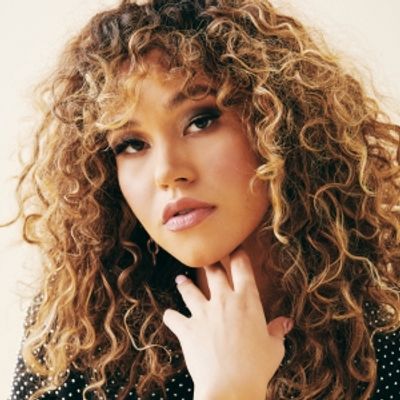
U Guys, it’s the 100th episode, and Solea Pfeiffer is here! In this episode, Solea shares her journey as a Broadway star, discussing her experiences in incredible roles such as Satine in Moulin Rouge and Eva Peron in Evita, as well as originating the role of Penny Lane in Almost Famous... Read More
From the show: Oh My Pod U Guys
Guests
Featured Shows

About
U Guys, it’s the 100th episode, and Solea Pfeiffer is here! In this episode, Solea shares her journey as a Broadway star, discussing her experiences in incredible roles such as Satine in Moulin Rouge and Eva Peron in Evita, as well as originating the role of Penny Lane in Almost Famous. She reflects on the challenges and triumphs of navigating the Broadway landscape, the impact of colorism in the industry, and the importance of representation for young women of color. With candid insights, Solea emphasizes the significance of resilience in the face of public scrutiny. She delves into the complexities of representation in the arts, particularly focusing on the Black experience and the nuances of being a mixed-race artist. We also discuss the importance of authenticity in storytelling, the challenges of performing roles like Eurydice in Hadestown, and the transition from stage to screen in projects like Tyler Perry's Jazz Man's Blues. Solea highlights self-acceptance, the power of escapism in performance, and the evolving perception of one's capabilities in the industry. She is truly one of the best in the biz, U don’t wanna miss this episode!
Transcript
This transcript was automatically generated and might contain errors.
[0:21] Jayke Workman: What's up, everybody? My name is Jayke Workman, and this is Oh My Pod, you guys, a musical theater and pop culture podcast. You guys, you guys, we made it to 100 episodes. Can you believe? I mean, when I started this, you guys, I had no idea where it was gonna go, who I was gonna speak to, what it would become. But it has truly been the absolute joy of my life to get to do this and speak to amazing people. You guys, a hundred episodes, and our 100th guest and our 100th. Hello, I'm having a stroke. Our 100th guest is the incomparable Solea Pfeiffer. Are you kidding me? Are you kidding me? I'm so so excited to speak to her and for you guys to hear our chat because it's so much fun. But before we get into it, we of course have to dive into the Broadway world, recap this week, and also celebrate a happy new year, you guys, 2025.
It seems like a crisp, sharp, like round little number, 2025. I love it. I'm excited for this year. There's much on the horizon that I cannot wait to share. But I want to hear from you guys as well because I feel like implementing the video element to the pod has really made me feel like I have more of a connection to you, the listener, the watcher. And I want to know all your thoughts. I want to know your hopes and aspirations for the new year. I want to know what you want to see and hear on the pod in this new year, who you want me to speak to. I want your questions for my amazing guests. I want you guys to reach out to me with your burning questions so that I can ask them on the pod. But yeah, you guys, this year is gonna be amazing.
Lots of happenings on Broadway this year. It's gonna be cuckoo nutti pants. And with that, we of course have to dive right into this week's Broadway World recap. Brought to you by my amazing, amazing pals at Broadwayworld.com. Okay, first, you guys, we have to talk about the very exciting announcement that Mr. Greg Hildreth is going to play Amos Hart in Chicago the Musical on Broadway. You guys, I feel like every episode there's a new casting announcement for Chicago the Musical. But I am so excited about this one. Greg is such an amazing performer. He was the original Olaf in Frozen. He's done so so much, and he is also a lovely human. So that's a wonderful addition to the show. I'm so excited for him.
He takes over for the wonderful Mr. Red Concepcion. I believe on January 6th. But I'm very excited for him. This role kind of feels perfect for Greg, and he's also, I'm like, Amos, you know, he doesn't have to be like drop dead gorgeous, but Mr. Greg Hildreth is kind of he's gorgeous. He's kind of, he's kind of handsome. So excited to have him in the building. Hoorah. Okay, next, you guys, this isn't, you know, exclusive to Broadway World, but we finally got the streamable Wicked movie. I bought it. I will watch it every day until the day I die. And you guys, John M. Chu shares some like crazy behind the scenes stuff at like the making of Wicked. It's so fantastic. I cannot recommend it enough.
You have to get it. But that's also on Broadway World. So check out the article about Mr. John M. Chu on Broadwayworld.com. I'm feeling silly, you guys. I don't know what it is. Hi, it's 10 in the morning. Next, you guys, we got a very exciting announcement that the Hollywood Bowl is set to present a new production of Jesus Christ Superstar this summer. You guys, this is gonna be wild. The Hollywood Bowl, I've actually never seen a musical at the Hollywood Bowl, but I'm really intrigued by the way that they can like use the acoustics and use the sort of like outdoor, you know, experience to enhance a show like Jesus Christ Superstar. Huge. And I cannot wait to keep you updated on all of the casting for that because you know it is going to be stacked, darling.
Honestly, it's probably gonna be a lot of LA people and New York people. So we might get some movie stars at the Hollywood Bowl. We might get some fancy pants people. So very excited to keep you updated on all things Jesus Christ Superstar. Okay, lastly, you guys, I just thought it'd be super fun to do like a year-in recap because Broadway World shared the top moments of the year. So, rapid fire. Here we go. We have Wicked, obviously. Cynthia, Ari, come on the pod. You know you want to. Next we have The Rise of Cole Schola. Miss Cole, get your ass on the podcast too. We've spoken ad nauseum about Miss Cole Oscola on the pod. Icon Legend Star, and if you don't see O'Marry right now, you're dumb.
Next, celebrating Gavin Creel, you guys, this shook the Broadway community and beyond the passing of Gavin Creel. He was an absolutely wonderful and amazing person and performer, and we will never forget him. Yes, we have the rise of Miss Nicole Scherzinger as Norma Desmond on Broadway. And you guys, conflict aside, you know, the drama aside, she kills. She kills. And Miss Patti LuPone endorsed her. Okay, okay, everyone. So you can zip it. Because Miss Patti gave her stamp of approval, swept away, closing, and then announcing that they were coming back for two more weeks. Wild. Congrats on closing. That was wild. Kit Connor's Romeo pull up. Kit Connor. That pull up to kiss Juliet. I don't have any more words about that.
Audra Gypsy. Audra Gypsy. Need I say more? Joy Woods spends her days going viral. Miss Joy Woods, who shook the planet in The Notebook and is now starring as Gypsy Rose Lee in Gypsy. Icon Legend Star. We have another. I actually ran into Joy the other day on the street. And I said, "Hey girl, are you Joy?" This is so stupid. I sound like an idiot. She's probably like, "Who is this little gay idiot?" I said, "Hey girl, it's so crazy to me that I'm in Chicago and we have like promotional materials." Like she did the commercial for Chicago and she's on posters and everything, like in the building and like in the merch stand. And she was like, "Yeah, maybe one day they'll stop using those photos because she's never been in the show."
Whatever. Merrily We Roll Along, darling. The Tonys of it all. That was a wild, wild time. If Miss Jonathan Groff does not get her booty on this podcast, let's just say there will be hell to pay. Okay. And you guys, this has been the Broadway World Recap. Oh my pod, you guys. I am so so excited to welcome my next guest to the show. She is the star of the stage and screen, currently starring as Satine in Broadway's Moulin Rouge. Please welcome Miss Solea Pfeiffer!
[8:17] Solea Pfeiffer: Thank you so much for having me.
[8:22] Jayke Workman: Of course, I always ask every guest, where are you calling in from on this fine day?
[8:26] Solea Pfeiffer: I am calling in from my living room.
[8:29] Jayke Workman: Gorgeous. Like it's that time of year. We don't have central heat in this older building, and so it's just a little bit too hot.
[8:38] Solea Pfeiffer: Yes, you know. It's like I was like, Am I getting a fever or is my furnace just doing its own thing?
[8:46] Jayke Workman: I know. I don't have control over it either, and it's the type of thing where it's full blast heat, but then I'm also I have the window open, so it's definitely giving, like I will be sick tomorrow.
[8:54] Solea Pfeiffer: Thank you. We will be sick, we will just be sick. I mean, this is the new normal. You know, I guess. We'll just learn to live with it. It's okay. I think everyone I know is a little bit sick all the time.
[9:06] Jayke Workman: Right. Well, we have so many things to talk about because you have just such an incredible sort of like roster of things that you've been a part of. But I have to say that I personally had the immense pleasure of seeing you play Miss Eva Perón in Evita at New York City Center, and that was like a really sort of like affirming thing to watch. It was just like the power of it and the scale of it and everything. I had we did a production of Evita in college, and so then it was like one of the most amazing things I've ever seen, truly. And you were just—
[9:44] Solea Pfeiffer: Thank you.
[9:46] Jayke Workman: Unbelievable. But I would love to know about the experience of filling that sort of iconic big white ball gown. Like, did you— it wasn't, you know, it wasn't the fully staged choreographed production or whatever, but it was it was giving production. There was choreography, costumes, all of it. It was giving the new normal for City Center, which is like isn't this a stage? I feel like if someone is holding a binder, we're calling it a stage. And with that one, I don't think anyone like it was just like you will be off book and ready. I think when I think of that experience as kind of a landmark event in my life, I think it kind of it really taught me a lot about how to push doubt to the side, you know.
Because it was one of those things where I knew, you know, City Center is such an industry event. Like it's like, you know, people who know the show and have opinions about the show and are really gonna care about whether or not you do it justice are coming to that, and being very aware of that coming into it. I was like, oh my god, like you cannot mess this up. And you know, I was like, and it was coming right in a time when I had a lot going on. It was a very abundant moment in my life where I had just finished doing Almost Famous out of town. And I think I flew directly from that closing night to the first day, like from the airport right to rehearsal for Evita that very next morning. And it was just like, you know, this time in my life where a lot was going on, and there was just something, there's something very, I think, freeing about not having enough time to overthink everything. It was very much, you know what I mean? It's the work, and that's it. And we have an audience.
[11:54] Solea Pfeiffer: And I don't know if I'm allowed to swear on this podcast. Maybe we can get it. Because I think this is the best advice. I have told it like if any of my friends that I have spent time with or been in shows with in the past few years hear this, they will be like, oh, yes, that is exactly what she says. I really adopted the motto of just fuck them. Who told me this? I actually— oh yeah, there's like that iconic photo of it written on the mirror.
[12:27] Jayke Workman: Yes, yes.
[12:28] Solea Pfeiffer: You've seen it. It's a fucking— because like I've I'm like there's kind of after you've done the work after there's you know when there's when you've done everything you can do and now it's time to just get out there and do it like just knowing deeply that some people are going to love what you do and some people just are not and that's just true for any artist anywhere doing any person anywhere doing anything you know it's just like you have to make peace with the fact that this subjective art form has lovers and she's got haters too. Yes, and especially with, you know, I was like people are gonna be here with their knives out and I had a lot to prove, you know, and so but like I and I would step out through these curtains and every day it was like spiritual kind of moment with myself where I would just go fuck them and then go out and do my thing, you know what I mean? And I think that's very um that's big Ava energy.
[12:28] Jayke Workman: Big Ava energy.
[12:28] Solea Pfeiffer: Big Ava B E E homie that B E E. And I truly like I I've never I think there's that role probably up there as like one of the absolute top moments in pop culture where like the divine feminine is just so celebrated and the true like I think that character and the way that that show like it just something about it really celebrates um the power of the divine feminine, you know her life in general and the way that they the way that it that show is is where you just get to stand there and hold the attention of everyone and yeah no it was I don't think I've ever felt quite as uh as much like that bitch.
[12:28] Jayke Workman: Hell yeah.
[12:28] Solea Pfeiffer: In that moment and I mean it showed it read it was brilliant it was so stunning and also just your I mean we'll we'll get into the whole you know lore of the vocals but like Miss ma'am the the vocals cutting through that score were just unmatched and I was like honestly good thing that they don't have to do this for a thousand plus performances because this is crazy.
[12:28] Solea Pfeiffer: No one percent I was like two weeks is about as as many shows as like anyone should anyone needs to do that's cute it's fine and I'm like and it made its impact I was like amazing you know if this is the last time that I get to touch this material like I know I gave it everything I could so hell fucking yeah.
[12:28] Jayke Workman: Hell yeah! So before City Center, before all of it, I mean, we of course have spoken a lot on the pod about collegiate endeavors, and you, of course, went to the University of Michigan, one of the most iconic musical theater programs there is. But even before that, I would love to know what sort of brought you to this world of being an artist. Was there music and art in your childhood, in your upbringing that led you to this? Did you always know you were gonna be here? Like, how did it fall into place for you?
[15:43] Solea Pfeiffer: Yeah, I mean it's interesting. I feel like at the end of the day, music was always kind of my North Star, and just my voice. At a certain point, when it kind of became clear that's what I wanted to follow, it just kept on being the obvious decision in my life. I kind of feel like it's probably the very beginning of my life as an artist when I started playing violin. I was, I think I was five. I was little, and I just knew that I had seen that movie The Red Violin, according to my parents' lore. I haven't watched the movie in 25 years. But I started playing violin at a really early age. I went to the Suzuki Institute in Cleveland, Ohio, so I was doing music theory classes when I was very little.
Then I just really stopped having it stopped being something that I wanted to do as soon as I was a teenager. It was like when I was 14, I think that the whole decision was like musical or like drama class and orchestra were the same period at my high school, and it was kind of a decision between the two. I was like, well, I hate practicing and I love singing, and so that's what I'm gonna do. Thank God for public schools that have amazing programs. I went to a high school called Roosevelt High School in Seattle that had this insanely developed drama program, and it just kept on being the thing that I really, really loved. And you know what? I like to say this for a lot of just because I think it's an interesting part of my growing up. I didn't have a lead in anything until my junior year of college.
[17:43] Wow.
[17:44] Solea Pfeiffer: Yes. And it was actually my first equity job. I got to play Sandy in Grease at the Fifth Avenue Theater. I was so excited. But that was the first time. All I knew was that at the end, you know, when I found out I could study this in college, I was like, that sounds like the best way to spend my time. I don't think there was ever like, it's weird. There really was never like a, oh, we'll see. It just kind of kept on being the right thing. You know, it never feels like something of like, I don't have stage parents really. It was just like, oh, I really like this. I love being a part of a cast. I love to laugh. I love to, you know, all these things. I was just like, this is an amazing way to spend me of all people. Yeah, no, you know what I mean? And I was just like, and I was for the most part, right? It can be pretty crazy.
[18:45] Oh, yeah.
[18:46] Solea Pfeiffer: This life can really be something else. But you know what? I'm like, and especially lately, I feel like Broadway has been so abuzz. I'm just like, we will never run out of things to talk about. I started a damn podcast. I'm like, well, listen, somebody's got something to say. So somebody's got something to say. It turns out everyone has everything to say. I'm just like this opinionated ass community. I'm just like, we like, it's never-ending, and I'm so grateful for that.
[19:14] Okay, so we have to talk about that because I feel like you have such a specific sort of lens or perspective on it because you have not only originated things and had hands in developing things, but you have also been plugged into things that have been running for a long, long time.
[19:31] Yes.
[19:32] Solea Pfeiffer: And there, I think with those types of shows, that comes into play a lot. The judgment and the, is she gonna be better than this person, good at as good as this person? Can you tell me about the experience of being plugged into something that is already a moving train as a leading lady? I mean, it's not as if you're just entering into an ensemble, you know, you get to sort of find your groove. It's like, oh no, no, we've listened to the cast recording. We know this person is like this, and if she doesn't live up to it, we're gonna have something to say on the internet. Like, what the fuck is that?
[20:05] 100%.
[20:06] Solea Pfeiffer: I mean, listen, let me tell you, replacing on Broadway is not for the faint of heart. I wouldn't go as far to say I wouldn't recommend it, but it's been such a blessing both times. But it is not, it is not, it is a totally different art than creating something. It is a different kind of skill, a different kind of part of your art. It's a completely different artistic muscle, I think, and something that I really had to get used to in both of my experiences. Luckily, I had the experience of entering a really beloved show kind of as my first job, doing Hamilton right out the gate, yeah, when it was already so beloved, was crazy because immediately the internet, like all these comparisons of all of us just existed so quickly.
The bootlegs of it all. You know what I mean? Like the bootlegs of it all, and you know, I think it's so amazing the way that like I feel like this is such an amazing time to be a theater kid. Like if I had been, you know, if I was in high school, like, oh my gosh, like I feel like TikTok, you know, like TikTok has really kind of changed the landscape of what it means to be a fan for this, but now it also means that every day when you're at your show, your worst day could go viral on the internet, and that is a different kind of frustrating pressure, but it's just the reality, you know? And that's where lady late everyone would say with me, fuck them comes in to play. Where it's just kind of this thing of like, I honor and revere the fans of this show so much, and like thank God like they are the people who keep this industry working and going, and they give us so much love.
And it's always like for the most part, like I just know now to like I never go on Reddit, I never check the comments. No, I just have to be like, listen, I'm doing my best today, or if I'm like, you know what, I'm sick, but I can't miss out on a paycheck. Like, I think those are things that people don't take into account of just like, you know, at the end of the day, most Broadway performers, like I think sometimes there can be an inflated sense of like who we are, maybe.
[22:33] Yeah.
[22:33] Solea Pfeiffer: Like, and you feel that you know, where she's like, it's so amazing to you know, you're this larger than life person on stage, and then you're going home to a fairly humble life, just generally a normal, you know, except for like a city apartment. And yeah, it's like we're, you know, we're like living a life that is probably actually very similar to the people who are kind of wondering what ours are like, and maybe they're not, maybe I'm assuming that, but you know, there are moments where if you're, you know, in this the past few weeks where everyone's been so sick, yes, where you're just kind of like, oh man, like I know that I don't sound my best today, and I know someone is phoning me. And there can be no disclaimer before the show being like, hey y'all, like I had other yesterday, like I had to take prednisone and whatever to make it through the show.
Like, you know, it's just like, but there is like I take a lot of pride in my ability to just be like, if I am doing my best, if I'm giving you all that I can today, and I promise you I am, then it's all out of my hands from this point on, and I have to assume the best out of people. And if I can't see it, I will just assume everyone is giving me the highest of praise. But you know what I mean? I'm just like, I'm just gonna assume the best out of the internet and not check for myself.
[23:50] Yes, I mean that honestly, it's so different. When I made my debut and I continue to perform in Chicago, I'm a vacation swing or standby or whatever. So, but it's Chicago, so there's always this sort of level of anonymity because really no one who is taking bootlegs is coming to Chicago the musical. It's like mainly tourists and lovers of the show, you know. It's not, it's been around so long that people aren't really like, oh, on any given Tuesday, let me just take a little video and throw it on the internet. Like no one cares about like a bootleg of a little bit of good on a Thursday matinee. So like it's so different. I don't have the experience of people being like, I got a good video of you.
I'm like, what? Like, what do you mean? That would make such a difference in just like the day-to-day approach of like, girl, I better be warm enough because somebody out there has their fucking iPhone. You know what I mean? And it's like, I think Hades Town, way more so than you know, because that was really like the first Eva and Reed, they'd all they'd been there for so long. I think, and then the fans of that show, and with good reason, like that show means so much to the fans, you know, and the characters have really their life of their own. And I think there's just so much to obsess over. It's so worth obsessing over. It's just such this incredible piece of art. And yeah, so becoming in as like one of the first as the first person after that on Broadway, like it was like, I get it.
You love your girl, and I will never try to take her place in your heart. And mostly it's just kind of like, you know, I think even if it did, if ever like if the comparisons got intense, I'm just like, you know what? That there is even this passionate of a discourse happening about this means that the future of our industry is in good hands.
[25:49] Exactly.
[25:49] Solea Pfeiffer: The girls care, okay.
[25:52] Yes, the good, the like the girls, gays and they's have something to say.
[25:59] Okay, the girlies, the gays, they're really, really care.
[26:03] And that's amazing. So, you know, at the end of the day, like it's still a good thing. I'm just like, I can take it. Like, if you need to like ride hard for your favorite show on the internet today, and maybe it takes form in whatever. Not that I condone that necessarily, but I'm just like, go off, okay.
[26:21] Yeah, live your life.
[26:23] Solea Pfeiffer: Love what you love, love. Love your love it so hard that you take to the forums. Because you're like, at the end of the day, I'm still here, darling, and I will still get the paycheck and I will still sing the songs. So like it's my job. Like it's literally how I pay my rent. And so I gotta be here.
[26:40] Jayke Workman: I would love to ask about your experience of, you know, truly becoming a very sought-after leading lady on Broadway as a person of color, because there is weird colorism in the Broadway community, and you are someone who is a clear example of, you know, the talent and the grace that it takes to lead a company, but also you are such a beautiful example of, you know, for young women of color that they can be in this position, especially in originating things like Penny Lane in Almost Famous. Would you talk about your experience or have you had experience with younger women, young girls, especially young girls of color, who get to see themselves in you on stage?
[27:34] Solea Pfeiffer: Yeah, definitely. That's such a great question. And I think like my racial identity within the world of musical theater has been a really interesting thing to examine over the past, like, and it's crazy that I can kind of say this now almost like a decade of my life since I've moved here. Oh my god, believe that. Since in the past year, since I've been since I left Michigan, no, it's been, and actually, I wrote a whole solo show about this. It's streaming on Audible, if, but all that to say that it's an ever-evolving, always becoming more nuanced conversation, I think, for the way in which and how people see themselves in you. Like when you are someone like me who, you know, I am half black.
I am a half black, half white individual, probably with some other things mixed in there, but that's how I identify. And knowing, you know, that for sure, the privilege of being a very light-skinned mixed person, I, you know, being very clear about knowing that that has to have a factor in my success. You know what I mean? Like really that's it's very important to me to always really recognize that in these conversations that, you know, especially when I first came to New York, it really felt like there was this push to, especially for women, and I am excited for men of color to get as many opportunities as we do because it feels like I have like more often than not, almost always opposite a white man, and you know, love them all, of course.
[29:37] Solea Pfeiffer: Like I'm lit living in and dating, dating one as we speak. Yes, another Broadway star. Um, but you know, I think that there is just something to be said for there are when we're talking about the nuances of colorism that I think in a lot of ways I probably am a fairly safe choice um when it comes to the eyes of producers or yeah, but I think what has been and and as things come up, knowing being very aware of like within certain stories, if it is a story where I'm like, I know that within this story, the representation, the person who needs to be represented, the person who needs to see themselves within this, they're not gonna see themselves in me necessarily. So that means something that I shouldn't do.
But what has been very the the space that I am happy to take up and the space that I have kind of taken up for most of my career, which has been very satisfying and I think very important as far as you know the body of work and the legacy that I want to leave behind is like doing what was once the you know the dream girl who is you know blue-eyed and blonde-haired, like gets to be someone else. And that means a cracking that door open.
[31:00] Yep. And um, so like starting my career kind of with Sandy and Grease and getting to do Penny Lane, and it's definitely a way more nuanced conversation surrounding Eva Peron. And like I don't think I would, that's probably not a role that I think I would play in in at in 2025.
[31:22] Sure. You know, um, but you know, these a lot and and Claire and Light in the Piazza, like all these roles that are, you know, I assumed throughout my childhood and my time in college that I would never get a chance at. And then by you know, by luck, I and timing, I really entered the industry when that was kind of shifting.
[31:48] Yeah. And so to do that, I think is amazing because that's like a space that wasn't meant for girls like me to put yourself there and to get that opportunity and to really like rise to the occasion and be like these roles can be for any of us. Like there's one post that I made uh right when I had finished um uh Light in the Piazza, and and I just it was like one little sentence, but it just said uh just just remember like brown girls can be Clara too.
[32:17] And I got more responses to that than like anything else, like oh like to this day, you know, and you because here's this role in the score, and just like so many beautiful scores, and so many of the like roles where you get the experience of being like absolutely adored. Those are really for the white women, and you know, a lot of the other and I played amazing, you know, a lot of other roles. A lot of times the roles written from women of color, as incredible as they can be, they can be a little brutal sometimes, and that's just what I've noticed, you know, as someone who has the privilege and who has been you know uh asked to be in both of those worlds. I'm just like there's a very stark contrast, yeah.
[32:59] In the experience of you know um trauma on stage trauma or you know, dramatized trauma.
[33:08] Yeah, and commentary on the plight of the Black experience, yes, yeah. And and and and so it and I've now had, you know, it I've noticed that whenever I'm specifically half Black in a story.
[33:21] Uh-huh. It's also it also follows the same, it's still the same thing where like it's like you're duplicitous and you get pregnant and you see you're in danger. And I'm just like, it's a fascinating thing. It's and as yeah, so so now I now I've really I've been so lucky to have such a kind of wide stretch of experience, but I think it's a conversation, especially for mixed people.
[33:52] That is bec the language is getting a lot more clear.
[33:55] Yeah. Um, I think it's still, you know, it's like a lot of times we have agents that they don't they don't understand the nuance, you know, the people who are making a lot of these decisions, um, you know, they don't necessarily have the language or the wisdom uh or the experience to know, you know, the nuances of what it means to choose someone to represent, you know, a demographic of people or an understanding of people, and you know, so so a lot of it falls to you.
[34:27] And so I think it's a question that I've had to ask myself more and more and more as I, you know, as you realize it's just kind of like, all right, I have a little more eyes on me this time, and a little more eyes on me this time, and ultimately, like I just want to be the person I wish I'd had when I was 12 or 13.
[34:45] Totally. And what kind of like trail can you kind of like if you if you know, like I feel like you play Sandy once, you open the door a little bit. You play Clara once, you crack that door open. At least you get your foot in there.
[34:59] Or what's really satisfying, let me tell you. Like, I I've done a fair amount of workshops now, um, where you know, they'll be middle they'll pair me up with some, you know, it it'll be like me and and a white man playing opposite each other in this story where like, you know, they're adapting it and it used to be a white woman and whatever, and they've hired me, and I'm like, Well, you've got me really fucked up if you think that I'm not gonna make sure this script is now for a woman of color, like you are going to amend your script.
[35:28] I'm not the one, like you know what I mean? And and even if they don't keep me beyond it.
[35:33] Yeah, like this, I'm not the one who's gonna make this just like easier for you. Like, you hired me for a reason, and you know, if you if you if you you know what I mean, and and and so like that's been something that has been incredibly important to me as well.
[35:47] It's just like as you kind of are if you have the chance to be a part of something at any point in their development process and be like, all right, well, hey, if I can make sure that this role goes to a girl like me, hell yeah, you know, or or you know, one of my iPod sisters, then I'm gonna try and do that.
[36:08] Absolutely. And I it's also just it's so apparent, you know.
[36:13] I mean, in talking about things like Hamilton, where that it really broke every every mold and and you know what it means to to play characters that have nothing to do with that.
[36:26] Yes. Um, but I would love to know about your experience coming down on that swing as the glittering diamond girl tell me about playing Satine.
[36:42] I mean, I I've actually spoken, I had Haley on the pod.
[36:45] Fantastic.
[36:46] Love Haley.
[36:47] And Haley. Love Miss Jojo. Like, I've seen it multiple times, and it it's always just like the most godsmackingly gorgeous production.
[36:57] But tell me, like, how does that come into play? Does the intersectionality of of who you are and who Satine is come to play? Or is it the type of thing where you just disappear into those incredible costumes and singing those songs?
[37:10] And girl, looking into the eyes of one John Cardoza.
[37:14] Oh my god. Girl!
[37:15] I mean, you know, I think with this show, like, of course, you want to bring yourself to it, and you want to, you know, honor your identity, but at the same time, like Moulin Rouge is like such pure fantasy, you know.
[37:17] Of course.
[37:37] Everything about it is.
[37:41] I mean, I will say, like, it had post post election.
[37:45] I was really curious. I was like, how is this show gonna feel tonight?
[37:50] Yeah.
[37:50] The day after he won. And it was like, okay, well, the world is gonna be different now. And I was like, what like how is this going to feel? And ended up feeling actually quite amazing.
[38:04] Cause it was, you know, this to be able to provide true escapism and also this kind of celebration of um femininity, and this this story of this woman who at the end of the day says, like, absolutely not, you know, like I it felt great, and I was just like, I think coming down, this whole show has taught me the power of just being fabulous, you know.
[38:35] Like, it makes me wanna it makes me want to walk through the world um differently at this moment in my life, uh, and just like you know, the the the power of your womanly wild, so to speak.
[38:51] And you you feel amazing. Like this is just a show where like I think I I've the past few shows that I've done have been like this is tragic.
[38:59] Like you're always just wagging and crying.
[39:02] Like, you know, like I went from like Ophelia.
[39:05] You're bringing flowers, yes.
[39:06] Yeah, you know what I mean? And it it was so I I got so comfortable with getting so ugly.
[39:15] And and that was kind of my thing. I was like, this is my wheelhouse.
[39:16] Like I know I I know that well now.
[39:23] That doesn't scare me.
[39:24] And so there was something actually kind of like whew, I was like, whoa, I was actually feeling a little bit of a distance between me and this woman who's supposed to be, you know, like this the most the hottest girl in Paris.
[39:40] And you know, I guess sometimes like, but like kind of like with Eva, like you have to, even on your worst day, if you're not feeling cute, you better buckle up, get into that swing and find that confidence somewhere, pull it from your deepest depths and figure out what where it is.
[39:59] Um, because it's really about living the fantasy and selling the fantasy and and you know, even pulling the wool over your own eyes sometimes to be like, all right, like, yeah, hey, you know what? I might not feel great today, but my beat is on point.
[40:14] My wig.
[40:16] Girls.
[40:17] Oh, yeah, I still have the wig is everything, the costumes, the corseting.
[40:22] How do you sing in those costumes?
[40:26] Listen, I'm not gonna lie, it's a it's it's it's a little bit of a learning curve at first.
[40:33] And I I actually like it was a quick turnaround with this.
[40:36] I think it was like what was it? Maybe like two and a half weeks, and then we had our put in.
[40:41] Like it was just like that. Go.
[40:44] And so I was like, oh, like I have done things quickly before, and like it.
[40:48] I think it took me like a month and a half, maybe two months even to be like now I am ready for people to come look, see me do this.
[40:59] Yes.
[41:01] Well, then that's that's the reality of any other, like you if you originate a show, you're rehearsing it for weeks, months, a year before, and that's what I'm used to.
[41:12] I'm used to being like, oh, you know, fail in the room, all on your face.
[41:16] I'm like, this is not the case.
[41:17] How long did you rehearse?
[41:19] How long did you have before you joined Hamilton?
[41:22] We had a while.
[41:23] That was because and and that was like we got to do it from the ground up as in everyone was new to it.
[41:28] Yeah, like the whole company was learning it together.
[41:31] Yes.
[41:32] And so it wasn't like any moment of like, you know, you know, you know the feeling of just like you with an associate being like, all right, and especially with this show, they're like, all right, so you're gonna come over here.
[41:41] Six men are going to lift you up. You're gonna just snip as a board, they're gonna put you, they're gonna take off your breast, and you're like, um, okay, all right, totally, totally, totally.
[41:51] I guess I'll believe it when I see it.
[41:53] I'll believe it.
[41:54] Yeah, just like the the details.
[41:57] Like, this was just like the most tech heavy.
[41:59] This is definitely the most tech heavy show I've ever you know.
[42:02] Absolutely.
[42:03] The sets are divine.
[42:04] Um, and so that was my main thing.
[42:07] I was just like the technical elements of this show and the costume changes.
[42:11] Like, this is just a show where I I've never had a show where there was no downtime.
[42:16] Right.
[42:16] None.
[42:17] Right.
[42:17] Like if you are not on stage, like the longest break you have is kind of like right before you come down.
[42:23] And you're starting the show with two corsets buckled into a swing coming.
[42:26] Like, I'm just like, I was sweating bullets for the first like two weeks.
[42:31] I was like, and and I was like, maybe this is just my life now.
[42:31] Like maybe this is just what it is, and I'm just gonna be like sweating and freaking out, you know.
[42:39] Like, I'm not gonna lie.
[42:41] I was freaking out.
[42:42] I even had a brief moment where like, and they told me they're like, Oh, the Satines go through this at some point.
[42:47] And I was like, What?
[42:47] So I think we need to make a handbook.
[42:49] I'm like, the next girl coming in.
[42:50] I'll be like, hey, get on your antacid game immediately.
[42:54] The corsets like, I had like yeah, okay, yesterday, babe, like get your gastrointestinal situation together because it is not a walk in the park, like wearing wearing the corsets, especially when you're in your fitting, you're like, you could take it in tighter.
[43:09] Oh, you know, like you're really feeling yourself, and then you're there and you're like, oh my god.
[43:14] And so now I know, you know, like I gotta have dinner two hours before the show, like minimum, and like how to drink water throughout all these things, like the role itself.
[43:26] I'm like, hell yes, the past 10 years have been really preparing me for a role like this.
[43:32] Um I'm ready for that. It was the technical stuff and just like the body stuff on top of it.
[43:36] Absolutely.
[43:37] Just you kind of aren't gonna know until you're doing it.
[43:39] And so, you know, like I had to learn the hard way about like there was like I think I had like a week where I was like, oh my gosh, I can't, I can't eat anything.
[43:52] I can't swallow anything. Like, I literally, like my whole, like my my anything I would swallow, I would like feel the entire even water, I'd be like drinking water.
[44:00] Solea Pfeiffer: I would feel it all the way down. You know, just like sour, sour bolts. And it was just, it was something. But you know what? We made it on the other side, and now I can look back and laugh. It has become a funny memory to me. Does it feel in your bones now? It does, it really does. And I really am so lucky to be able to do this with John, who is just like such an incredible, like, I can't believe that we get to do this together. Honestly, like I was having such a we had our first show of the year, you know, last night and together. And I was just like, oh my god, how lucky. I was looking at him and I got kind of emotional. I was like, I feel so lucky that our, you know, we're the exact same age.
Like we've had so many similar experiences. We have the exact same perspective on what this opportunity means for us at this moment in our lives. And those voices together, honey. His voice with yours, I can't even handle it. His voice is absurd. And it's that every day. Like he doesn't, he's allergic to a B show, allergic to a March. Mark, he can't, he can't do it. It's insane. I'm allergic to a mark. He can't. He can't do it. My God, that is so funny. Wait, okay. So I also really quick, um, I have to ask you about like the jump between working on stage and working on a jazz man's blues, because you had a very different experience, obviously, you know, doing a full-on feature film that had music and everything. Like, what was that like working with Tyler Perry and doing something that was kind of, I would imagine, out of your comfort zone?
[45:40] Solea Pfeiffer: Big time out of my comfort zone. I mean, I had like post-pandemic. I, you know, when it was kind of clear that we weren't gonna be working on stage for a while. I my Kevin and I were just like, all right, we have just got to put all our focus into our self-tapes. And I say this as like a story for anyone listening who's over doing their self-tapes. Like that self-tape, I remember thinking, like, oh my gosh, no one's ever gonna believe I'm 16. Like this, this is I there's no point. I remember Kevin was just like, just do it, just do it. Like, I think you should just, you know, just throw, just throw it up and just just get it done. And this was kind of one of those ones where I was like, okay, just throw, just did it, just took, I was just like, you know, like let's not spend more than like an hour doing this, like, let's just do it.
And that was the only tape that I sent in. Um, I had I got like a call from Tyler a little a little bit later, and then got the role, and you know, like that was something that I didn't even think that I should do. Um, and so you know, it's just kind of like it's it's worth it, it's worth the time, it's worth you know, just go with your instincts and throw something on tape because you never know, it might just work out.
[46:53] Solea Pfeiffer: Yeah, um, but I yeah, I was really I was really I felt like a fish out of water a bit. And I, you know, and I and I think when I look back on that experience, and especially because you know, Tyler Perry works at a pace not known to many other filmmakers, I think. Yeah, is what I would say, and and he took his longest time with that, like I think in his time making films that might have been one of his like longer processes. And I was with I got to be with you know, with Joshua Boone, Tony nominee, Joshua Boone, and with Austin Scott. So I was like with two other people from that world. Your world, yeah. Yeah, from from you know, uh other Broadway babies, and I but I was kind of like now I know I felt I felt like a very like trial by fire, like this is what it's like to be, you know, a lead in a movie. And I'm excited, I'm really excited to get the chance to do something like that again at some point in my life.
[47:57] Solea Pfeiffer: Wow. I think it's it's I am such a creature of process at this point in my life. Like it feels amazing to just get to do something and keep on figuring it out, but up until the last day, you're you're doing something, and there's something terrifying about like, oh well, that is what it is. And I have to live with it on to it forever, honey. Okay. I mean, I yeah, there are things like I'm I think the first time that I watched it, I was so nervous. I was like, I I've you know, I'd been on like an episode of scandal before that, like you know, done a little bit of of um camera work, but a whole movie, I was like, oh my god. And I I like nervously, I think, accidentally drank like an entire bottle of wine.
And by the end of it, like I watched the movie, and then I just like I was just like just exposed, just like, oh my god, like this is my first try, and I'm a star. No, I wish I watched it, I was just like, millions of people are gonna see this. And like this was my very first go, but ultimately, like, I went when I watched it, I'm like, I'm so proud of it. And I think it's a really beautiful film, and I think it's a very cool artistic departure in the world of Tyler. Um like to be a part of like you know, Tyler Perry's uh universe. Yeah, and to be like because he's been you know, he's been at the inception of so many people's um careers, like the very yeah, and so like I I but like it is I don't know if watching yourself ever gets less jarring because it feels so far from you, and it's like you're like I did that last year, yeah.
You're like that was I was younger then. I'm a human human now, exactly is hilarious, but but also how special that you do get to be able to look back at it, and you know, the difference in in doing theater versus doing that is like you will have that for when you know if you ever have kids someday, or or you want to show people 20 years from now that you did that, it's like a real stamp in time. It's the it's really the coolest thing.
[50:11] Solea Pfeiffer: Yeah, when I kind of look back, like on my life, I'm kind of like wow, a lot's been going on in the past before then and after that. You know, I can't believe it, and then kind of just this sense of like I've been thinking about this a lot the past few days, and as I think about my life beyond my time in in Moulin Rouge, and um how like you know, that feeling of like when you reach a destination and it is different than maybe you thought it was gonna be. Yeah, but like I just feel like that the past few years have been a real testament, at least to myself, of like if you have your sights on something, like you might get it, you might do it, you know. So I think like now, the past few years, like that experience hugely, and getting to do like the show at Audible, like these things where you're like all of a sudden your view of yourself just expands, and you're like, okay, like I did that, I know what that's like now, and I did that, and I know, and and I'm doing this, and then it's different than the last time I did it.
But you know, like it's just yeah, there's something about like the the evolving like perception of yourself and what you're capable of, and I think like the one of the main things with that experience was just like wow, like as far as like certain auditions for certain things, like I took myself out of the running before anyone else did. Yep, and that was such a testament to just like just do it, just try. Like, you're never gonna get it if you don't even try.
[51:43] Jayke Workman: Love that. Okay, well, Solea, I am just obsessed with you, and you are such a delight. Before I let you go, I have a series of musical theater rapid fire questions that I ask every guest. Are you ready? These are opinion-based, just for you.
[51:56] Solea Pfeiffer: Okay, sound time or Andrew Lloyd Weber, Sondheim, sweatpants or jeans.
[52:03] Solea Pfeiffer: Ooh, lately, I'm okay. I'm trying to be more fabulous. Uh so I guess jeans, jeans. Do you have a favorite musical?
[52:13] Solea Pfeiffer: Um I've got a few. Right now, I'd probably have to say Sunday. I feel like that's the classic answer. But Sunday is kind of always up there. Sunday, I'm a big last five years girl as well. Oh, yes. But the one that started it all was rent for me. Oh, period. Um, do you have a least favorite musical?
[52:33] Solea Pfeiffer: I would never say.
[52:37] Jayke Workman: You've never false when you're not recording.
[52:40] Solea Pfeiffer: Um, are you? Oh, would you ever like to do a Broadway play?
[52:44] Solea Pfeiffer: Hell yes. Absolutely. Hire her. Um, are you a morning person or a night owl?
[52:51] Solea Pfeiffer: Night owl. Me. I am not a morning girl in the absolutely fucking least. Like, do not wake me up. Uh golden age or contemporary.
[53:02] Solea Pfeiffer: Ooh, uh, I think I gotta say contemporary. Love. Do you have a favorite role that you've ever played?
[53:10] Solea Pfeiffer: Oh my gosh. Oh my gosh. A favorite. I okay. I mean, I've really been spoiled, like, so yes, you have. I listen, I've got love for all my girls. All the girls. They're all so different. They're all so different, and they they have a different place in my heart. So don't make me choose. Don't make me choose. Um, coffee or tea.
[53:36] Solea Pfeiffer: Um, ever since my reflux got crazy, I had to be a tea girl. But my parents got us an espresso machine. Ooh. Christmas that we have not, I'm drinking the worst macchiat. I don't I don't know, I don't even know what to call this. I'm drinking really subpar glasses.
[53:58] Solea Pfeiffer: Um, oh, the hardest show you've ever done. Oh, yes, the hardest show. Um, you know, I think in a way, even though it was probably the least stage time, I think Hamlet and just the way that the role had been directed was like such a I'll ask I'll answer it rapidly. Just like going here emotionally every night. I like felt so sick coming home every night. Like show shows like that where you're just like really having to go for it, and like it takes such a toll on you. Yes, and it was extremely satisfying, but you uh D. Miss Ophelia. Diva down Ophelia Payne.
[54:44] Jayke Workman: Okay. What is your favorite costume in Moulin Rouge?
[54:49] Solea Pfeiffer: Oh my gosh. My favorite is the one that's like on stage the least, which is the Green Fairy. It's so sexy and cute. And I wish I could wear it all the time.
[55:00] Jayke Workman: Um, who is the silliest cast member in Moulin Rouge?
[55:04] Solea Pfeiffer: Oh my gosh, the silliest Pepe Pepe Munoz.
[55:04] Jayke Workman: Pepe Munoz!
[55:09] Solea Pfeiffer: Pepe Munoz is the most delightful human being you've ever met in your life. I guarantee it.
[55:15] Jayke Workman: Could you think of your biggest Moulin Rouge mishap?
[55:19] Solea Pfeiffer: Oh my goodness. You know, probably it happened during my put in, but I could not get down out of that swing. I couldn't. I had too long nails, and I couldn't undo it. And it was like all this excitement, here we go. And then I was like, diamonds are forever, and I'm stuck. And there I so I learned a lesson that day, but it's never happened since.
[55:44] Jayke Workman: Oh my god. Do you have any pre-Moulin Rouge rituals?
[55:49] Solea Pfeiffer: I need to. Well, the cool thing about the show, so I've got like at half hour, I'm basically with my dresser and um like the the our hair supervisor from that point on. And so I like to just play like I need to get hyped, you know. I'm someone who like I need to get my blood pumping, and I need to get, you know, especially with the show, like I need to feel sexy. And so I've been playing Victoria Monet and Sabrina Carpenter a lot. Those are you know, those women are the vibe when it comes to getting into the sateen state of mind.
[56:24] Jayke Workman: Love well, Solea. My last question for you is a question I ask every single guest, which is what is one thing that you would tell baby Solea?
[56:33] Solea Pfeiffer: Oh my gosh, I would tell baby Solea girl, girl, just start loving yourself now. You're so worth it. You're so cute and cool and funny, and everyone in high school whom ever made you feel bad about yourself is literally gonna be more boring and basic in their adult life than you even imagined, period. So and it's gonna feel amazing that day when you realize you have officially unfollowed every single one of them.
[57:15] Solea Pfeiffer: So that's that's what I say. I just adore you. Thank you so much for coming on the pod. Would you tell the listeners where they can find you on socials and keep up with you and come and see you at the Al Hirschfeld?
[57:28] Solea Pfeiffer: Absolutely, they can come see me most seven shows a week at the Al Hirschfeld when the glorious Haley is is is playing Satine um once a week. Um, but I am at underscore solale on Instagram. I know that's pretty. I think I'm on threads too by accident. So if you have any interest in seeing everything I've ever put on Instagram on threads, there's also that. And I actually have um three shows coming up at the Carlisle this coming April. So if that is of any interest to you, you can head over to their website and book a ticket the week of April 22nd. Yes. So I hope to see you there. I'll be singing so much, so many things.
[58:11] Jayke Workman: Hell yeah. Yay! Thank you so much for being here. You guys, that's it for another episode of Oh My Pod, you guys. Don't forget to rate, review, and subscribe anywhere you listen to the pod. Please, please leave comments and ask questions because I want to know what you want to know. Um thank you so much for your love and support, and I'll see you soon. Bye.
[58:35] Solea Pfeiffer: Oh my god, oh my god, oh guys.
© Broadway Podcast Network, All Rights Reserved