

By 2012, over two decades had passed since Carrie the Musical’s high-profile Broadway car crash, and the last thing its creators wanted was to resurrect the show that haunted them. But the requests for a revival kept coming in... Read More
From the show: Out for Blood: The Story of Carrie the Musical
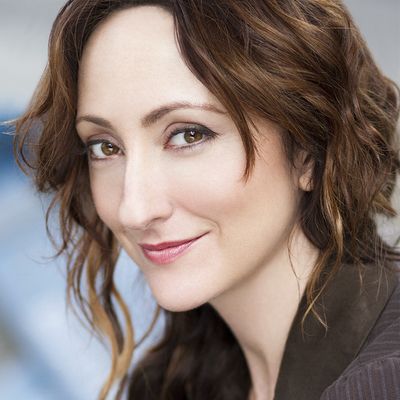
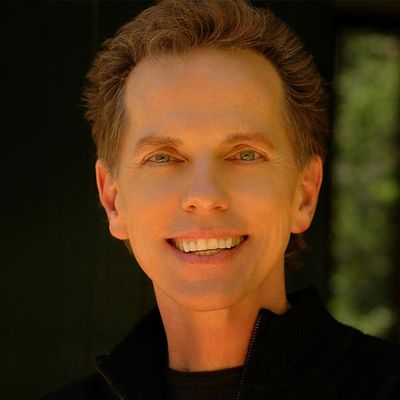
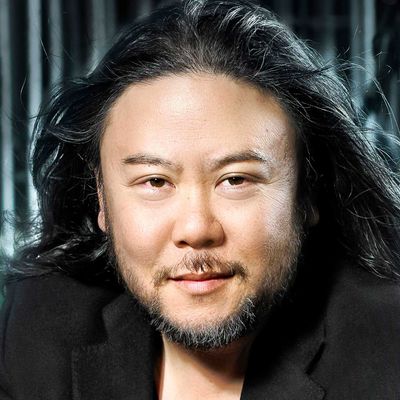
Guests

About
By 2012, over two decades had passed since Carrie the Musical’s high-profile Broadway car crash, and the last thing its creators wanted was to resurrect the show that haunted them. But the requests for a revival kept coming in.
We find out why Director Stafford Arima was determined to give the show a new life, and how he persuaded the writers to give Carrie another chance in a smaller, tighter new production (with not a unitard or giant staircase in sight). We meet two of the stars of that ‘revisal’, Molly Ranson and Carmen Cusack, and speak to award-winning vocal designer AnnMarie Milazzo about how she reinvented the sound of Carrie for a new generation.
Is it possible to shake off the reputation of a show that’s known as a complete disaster? And can you really do Carrie without the blood?
Friends of Carrie - join us on our social channels: this week we shared some iconic exclusive photos from Linzi Hateley’s personal Carrie collection!
Out for Blood is hosted by Holly Morgan and Chris Adams, edited by Tom Moores, with original music by Odinn Orn Hilmarson and artwork by Rebecca Pitt.
Out for Blood is a proud member of the Broadway Podcast Network.
NEW! Chris's book Out for Blood: a Cultural History of Carrie the Musical is out now! You can order now from the publisher or all good book stores. You can now also order OFB t-shirts, hoodies, totes, stickers, pins and more here!
Thanks this week to Dean Pitchford, Stafford Arima, AnnMarie Millazzo, Molly Ranson, Carmen Cusack and Andrew Wachter.
THIS WEEK’S LINKS:
- Stafford Arima is now the Artistic Director of Theatre Calgary, in Alberta, Canada.
- The Carrie ‘revisal’ was produced and staged by MCC Theater
- The iconic Marin Mazzie as ‘Mother’ in ‘Ragtime’
- Footage from the Carrie revisal on Playbill.com and the official cast recording on Spotify
- The New York 1 review of the show
- Please note that we don’t own any of the content above and we’re not responsible for the content of third-party links – enjoy!
Transcript
This transcript was automatically generated and might contain errors.
[0:00] Chris Adams: There's something about Carrie the Musical that I guess from a musical theatre perspective or from a kind of musical theatre cultural perspective, it just continues to make people curious and want to dig deeper and all those good things. So the fact that we are still talking about the musical is a testament to something in its DNA.
[0:31] Holly Morgan: Chapter 8. A sturdy little battleship. Welcome back to Out for Blood. I'm Chris.
[0:38] Chris Adams: And I'm Holly. And this is our look back at the history and mysteries of the infamous Broadway turkey, Carrie the Musical. If you're new around these parts, head back and listen to our first seven episodes which delve into the early days of the show from its shaky beginnings in England, where it flopped, to its very short run on Broadway, where it flopped. Plus we've combed through every song and dodgy costume choice in extreme detail.
[1:17] Chris Adams: By the mid-2000s, rumours swirled that the show's three creators were finally giving in to public demand. By public, we mean us. And considering resurrecting the show after a 20-year hiatus. But they had all been through the collective trauma of creating Carrie the first time. They were extremely hesitant. However, that collective experience had also led to a shared desire to prove that Carrie could indeed work on stage. And there was steady demand for the show too, not just from us. Those years of increasing access to bootleg recordings thanks to YouTube had meant that the legend of Carrie had never fully gone away. Producers and directors all around the world wanted to bring Carrie back to the stage. And the writers liked the idea of having a licensable version of the show. A sort of final, official edition with all the flaws fixed and set in stone as the definitive version.
[2:06] Dean Pitchford: You know, and as my collaborators and I would talk about, every once in a while we'd speak about maybe we could go back to it, maybe we should revisit it. People were asking all the time for the score so they could do it at Carnegie Hall and do a concert of it and all that. But there was so much that we did not want in the show. We had watched it go off the rails and we couldn't call it back. And in order to get it back to some place where we would want to license it, we would need to roll up our sleeves and do an enormous amount of work. And we needed a catalyst to pull us together. And in 2010, I think, nine or ten, we got that catalyst.
[2:49] Stafford Arima: Hi, I'm Stafford Arima, the director of the revival of Carrie. Oh no, wait, did I say that right? Yeah, did I? Oh great, you can edit this and make it sound great. Stafford had had Carrie on his mind for some time.
[3:04] Stafford Arima: Yeah, I mean, I guess it was 2000, in August of 2008, I wrote an email to my agent, John Bazzetti at William Morris. And I said to him, I have this desire or dream to do a kind of one night only concert version of Carrie. You know, there is an inexplicable fascination with this musical that has not been seen in a long time. And I thought perhaps, you know, doing a concert version would be something kind of cool. And my agent at that time said, Oh, I don't know. I mean, I could sense, you know, just in general, that there wasn't, you know, there was a sense that perhaps the authors just wanted to put the piece in a kind of vault and let it live on in its mystery. And I guess it's YouTube clips. But then there was something about it that kind of kept gnawing at me.
[4:21] Stafford Arima: Dean agreed to a meeting. Fast forward, I met Dean Pitchford in October of 2008. The Broadway director, Stafford Arima, asked to meet with me over breakfast in Los Angeles and said, I was in the audience for Carrie in New York. You may remember that Stafford had seen the Broadway show as a teenager and something had stuck with him.
[4:47] Stafford Arima: And the first day of rehearsals with Stafford, he brought his tickets up and we found somebody to whom the show mattered as much as it mattered to us. Now working professionally in theatre, he had the idea of looking at Carrie through a particularly contemporary lens.
[5:05] Stafford Arima: And that lens was bullying and how relevant that this story was today. I was in Toronto. My mother passed away in 2008. And I was actually in the hospital reading an article in the newspaper about a young boy. I believe he lived in Florida. And he had given one of his classmates a Valentine's Day card, you know, like one of those. I'm not sure, but I remember that you could buy them at the drugstore and you kind of ripped them and it was, you know, be my Valentine and you get 50 for two bucks or something. And he gave it to one of his male classmates and the next day the kid came back and shot him in the head or something. And it was, I was like, wow, like that kind of reaction. And the fact that, you know, you give another kid a Valentine's Day card and you get killed for it.
[6:20] Stafford Arima: The early to mid 2000s had seen a slew of media reports about violent bullying, harassment on emerging social media sites and increasingly regular extreme incidents like school shootings. And I started to think about my own experience in high school. And I thought, you know, I was, you know, there were a few odd here and there kind of racial slurs and a few here and there kind of crazy things about the fact that I was the theater person. But I never feared for my life, nor did I fear that, you know, that kind of retribution would be like, you know, you say something and you get killed. So I just started to think about how kids were being bullied at the time.
[7:13] Stafford Arima: It struck Stafford that Carrie told the bullying story from a unique perspective. And I just started to think about, I have no idea why, but Carrie had her white. And I thought, yeah, she was bullied too in high school. And you know, her out of sortness or otherness had a lot to do with just kind of probably who she was, how she presented herself, how she kind of, you know, fit in or didn't fit in and her otherness in a very Stephen King kind of way was her telekinesis. Not just the fact that she had a kind of religious zealot mum, but just the fact that her otherness happened to be this fact that she could move things with her mind.
[8:06] Dean Pitchford: Dean was impressed, not only by Stafford's passion for the show, but by his new angle on the tale. He was also excited that Stafford talked only about the text and wasn't obsessed with everything that hadn't worked on the 88 production. He was keen for him to meet Larry Cohen and Michael Gore.
[8:21] Dean Pitchford: And I called Michael and Larry and I said, Stafford's going to come back to New York, have breakfast with him. I think we might have a like-minded soul in the room. And they met, they agreed, and we rolled up our sleeves and we went back to work. And then as the four of us started to converse, it kind of came out that the three of them were kind of thinking about the show and that enough time had passed that perhaps it was a perfect opportunity to relook at the material.
[9:02] Dean Pitchford: So there was a kind of serendipitous energy that was kind of circulating that inevitably brought us all together. Despite their nervousness, the three writers and Stafford got to work re-exploring the show. For the trio, they soon realized that their passion for Carrie's story had been so drained by their experiences that they'd forgotten how much they'd enjoyed those early days of developing it for the stage.
[9:29] Dean Pitchford: And we went back to it and I will say my collaborators and I sat down and we found it as exciting and as challenging and as galvanizing as it had been in the beginning. And to be honest, we were less encumbered by a lot of other projects at that time. And I did not hesitate to move to New York for long stretches of time. I got an apartment in New York and I stayed and we wrote and we workshopped and we got the thing. We saw it through many readings and workshops.
[10:10] Larry Cohen: Writer Larry Cohen told the New York Times, We spent three years revisiting Carrie, scene by scene, song by song, trying to rescue a show that hadn't met our dreams the first time. Having faced all the baggage and all the naysayers who said Carrie would never happen again on stage and on a stage in New York, no less, we did what we wanted to do, fix the show.
[10:27] Dean Pitchford: The newly formed team threw away all of their long-held beliefs about Carrie and essentially started from scratch. There was a, I think, a very rigorous, creative, magnifying glass that went over everything. I went through the entire script and just page by page, line by line, song by song, asked a lot of questions. Was curious to know the background of why a certain song was in there or that, and really just allowed them to kind of start to think about the changes that they might want to have investigated.
[11:14] Stafford Arima: And so during the process of, I guess, rewriting the musical, or as I kind of always called it, a revisal, not really a revival, but a revisal. Where 80s lingo and aesthetics had bogged the original production down and immediately dated it, the team wanted to create a sense of timelessness in their newly revised story.
[11:37] Stafford Arima: There was obviously a desire to update the piece, but not update it so that the students were talking about Instagram, because it really was important to keep a timelessness of it. And obviously, now you'd be talking about TikTok, so it would already be completely dated if we had thrown in those references.
[12:06] Stafford Arima: There was a desire on Larry's part, Larry Cohen, the book writer, to just kind of streamline the narrative in a way that I think probably he had always wanted to just look at. And obviously, with a lot of time that had passed to kind of nip and tuck and restructure.
[12:32] Stafford Arima: Although they knew some of the material in the show was worth salvaging, a significant amount of rewriting and restructuring had to be done to fix one of the show's biggest criticisms. From Michael and Dean's perspective, I think that they had always known that the score in its individuality, song by song, was strong. There was always perhaps a constructive piece of criticism that had been attached to the score.
[13:14] Stafford Arima: About this kind of two worlds, that the score had a kind of, you know, mother world and then there was a kind of kids student world. They wanted to instill Carrie with a sense of realism, rooted in the world of the young people whose story it told, a task that was much easier to do in the mid-2000s than it had been in the late 80s. They set about shaping up the show for a potential Broadway run. Our thought was because Broadway seemed more accepting of younger subject matter and this subject matter, the ookiness of this subject matter no longer, it seemed to be a draw rather than a negative. And so what we first set our sights on was an equivalent orchestra of 22, 24, 28 pieces in a Broadway theater and that was what we would be doing.
And so when we began to workshop it, at the very first workshop that we did of it, Bernie Telsey, who is one of the artistic directors of MCC, the Manhattan Class Company, Bernie Telsey helped cast it. He's a casting director in New York as well. And he came to see the show and he said afterwards, oh my God, this is stunning. Can we do it at MCC? Now MCC is an off-Broadway theater company in New York. All their performances were done in a 199-seat theater in Lower Manhattan on Christopher Street. And our thought was, no, but we're thinking about Broadway. We're thinking about 24 pieces in the orchestra. And if we scale it down, then we're going to have to very carefully calibrate how many kids we can have, how big can the cast be?
The idea of scaling the production down from its previous incarnation as a big-budget Broadway show, which are played in theaters with seats for over a thousand people, to an intimate venue less than a quarter of that size was daunting. But they began to see the pros of such a radical resize. And I began to think that maybe what we ought to do is build a very sturdy little battleship instead of a big aircraft carrier. And I had many conversations with my collaborators and finally was able to make the case for all of us that if we were to adjust our sights to work with Bernie and MCC and go on that stage at 199 people in the auditorium, it can always be blown up to any size. And that became, to be honest, that was when Larry turned it around.
[16:11] Stafford Arima: Larry Cohen revisited the script he'd written years earlier for Brian De Palma's acclaimed Carrie movie. He was struck in particular by the final scene in which Sue Snell suffers a repeated nightmare where Carrie won't let her out of her grasp. He came up with a new framing device for the story on stage. Larry came up with the concept that this is Sue's fever dream, that she's having this nightmare over. She's forced to live this again and again and again. And everything turned when we released the idea of doing it linearly, chronologically on Broadway. And all the parts were, all the cards went flying up in the air. And we revised, we cut a lot of material, we revised a lot, we wrote a lot.
And that became very exciting. That was so exciting for us because we felt that we were being listened to as well. With Stafford Arima, we had a director and with Bernie Telsey and his crew at MCC, we had producers who really wanted to hear what we had to say. The team now had to completely revamp the show for a contemporary audience. Not only creating a riveting and worthy adaptation of Stephen King's story, but working out which elements of the notorious original production they wanted to keep, and how to shed the layers of notoriety that plagued the show. Carrie was, after all, the flop by which other flops were measured. Their first stop was the music. Should they completely abandon the 1988 material?
So I think from the perspective of the score, they wanted to find a way to bridge that gap. Even though I would defend the original score and say, they are two different voices. And perhaps what makes that score so unique is the fact that it didn't and wasn't created in a homogenized way. Let's make them all kind of sound the same. While it's really not the case, if we're writing from a character perspective, they should sound different. But I can understand how the desire to kind of meld the worlds a little bit more cohesively was something that they were excited to explore.
[18:34] Stafford Arima: Stafford recruited AnnMarie Malazzo, a Grammy-nominated composer and vocal designer, to re-evaluate some of the key songs that the writers felt were important to keep. AnnMarie Malazzo is a genius. She can't play the piano. And she hears arrangements in her head, kind of like she sees them in color. And when she explores an arrangement on a demo, she does it all at home on her computer. And it's all her. Well, you know, Stafford, he called me. I had never met him. Of course, I'd heard about him for Alterboys, you know. And I've always wanted to work with him. And he just called me out of the blue. He's like, hey, are you interested in revisiting Carrie? And to be quite honest with you, I didn't know the show.
And I'm like, I heard lots about the show, but I'd never checked it out. And my bad. And then I said, you know, I want to work with you. I'll do anything. Stafford and the writers sent her as many recordings of the original score as they could find. She was blown away by its energy. And it was awesome. And it was like some parts opera, some parts musical theater. And then I said, well, what do you want to do? What do you want to what do you what am I here for? And he was very interested in getting inside the kids about why kids bully and could there, you know, are people just born mean or are there reasons behind it? And I thought that was really interesting. And then I talked with Michael and Larry and Dean and I'm like, how where do you want the show to live?
Where the 1988 versions of the high school songs were poppy and kitschy, the 2012 incarnations have an introspective feel. The lyrics are peppered with teenage angst, more in the vein of shows like Spring Awakening than Fame or Grease. The writers reiterated their desire for the show to be wrenched from its 80s influences and to set it in the timeless present.
[21:04] Stafford Arima: She was tasked in many ways to create something that could be timeless and that we could hear in 2032 and not have it feel like it was something created in the mid-2000s. You want it to live in 1980 in the 80s? Do you want it to live? Where does the world live? And they're like, we want it to be now and we want it we want to deal with bullying and we want and I guess that's why I came in and I worked on the musical director and supervisor was Mary Mitchell Campbell and I would just go to her house and she and I would jam and sit you know like what does this mean? They used the opening number in as their access point to reinterpreting the show. The team felt that if they could nail that song, making it feel fresh and contemporary, they would have a new route into the story.
I remember a very exciting moment when AnnMarie Malazzo created a demo track for In. So she's layering all of the tracks, you know, the 12 vocal arrangements all on top of each other. So if you listen to the intricacy of In in the new version, the demo is her playing all of the parts.
[22:10] Stafford Arima: How can the details of the music change so you're not seeing a revival back in the time that everyone saw it when it first came out, but you're seeing it through modern eyes and hearing it with modern ears. You know, I saw that the famous video of the In and they were like doing jumping jacks and holding like it was fantastic and I thought like what's going on in their heads? Like what happened before they got to school? You know, so that's where In kind of came from like they would go into their private moment and then they would break out and they would be like singing the song. Do you remember the thrill of sitting and watching these songs unfold in front of us? Have you been so used to like the craziness of the original? It was like seeing something you know and love completely reinterpreted. And it really did sort of have the vibe of another show. It was much more believable and relatable. But of course, it was a shame to lose all the aerobics.
[23:56] Stafford Arima: The team wanted the audience to get inside the kids' heads and to understand the motivations behind their seemingly crazy acts. And we put a lot of inner monologue in things. You know, lots of like the songs would stop and there would be like an inner monologue moment. So the kids could be like this and then be like this throughout the show. And I love that. I don't know if the audience could actually track it, but I feel like they could feel it. You know, it was subtle. How did it feel to present her reinterpretation of this much maligned song to the writers? Presenting it was very nerve-wracking for me because it's like, hey, listen to this. I think the future of the show depended on how we all responded to this new arrangement.
[25:28] Stafford Arima: And specifically, Michael Gore, who is such an incredible writer who is flexible, who is bizarrely intuitive in all kinds of languages, but also very protective as he should be. And to allow someone to just go off and play with his song says a lot about him as an artist. Although this wasn't an audition, it kind of felt like an audition because all of us could respond either way. And I didn't hear it. So it wasn't like I got a sneak peek of it and was like, oh, change that or, you know. And she pushed play. And I remember Dean Pitchford, I looked over at him. Everyone was very stoic. It wasn't like everyone was just very stoic. And Dean Pitchford, there was a tear just running down his cheek. But he wasn't sobbing. It was just like a tear. And the track ended. There was silence in the room. And I remember Michael said, play it again, please. As the new demo of In played through again, I knew in the first three seconds that
[26:28] AnnMarie Milazzo: This was it. She had found an in to in. I was thrilled and excited. And then after we heard it the second time, there was a thumbs up from Michael and from Larry and Dean, obviously, who I could sense through that tear that it wasn't tears of sadness, it was a tear of joy. Through AnnieMarie's innovative demo, they had found a new sound for Carrie. So, but they worked with me and I felt like once we established like, we're going to work together, it's not like I'm going to hand you something and you're going to have to accept it. No, it wasn't that at all. Michael would go, Oh my God, that is amazing. How about this? So exciting, because it did in many ways crack open a sense for all of us that it was possible to, because the sound of the show, it's a musical.
So Larry can do everything he can to rewrite the book or to change dialogue or to take, you know, that hey buddy out and put a new kind of something in. But the sound of the show through orchestrations, through vocal arrangements, was going to be key. Work on the rest of the songs continued at a pace. So nothing was like superimposed onto something. We didn't change any of the DNA of anything. And Michael and Larry and Dean were amazing at diving in and going, yeah, we're going to do something that's Carrie, but it's going to be a little different.
[28:13] Adam Wachter: Hey, this is Adam Wachter. Adam joined the production as assistant musical director. It was a dream job. Carrie for me was incredible because I was totally that Carrie fan. In high school, I went on eBay and bought a score and a script and a video and had the CD, all the bootlegs from the Broadway production, had them all sent to my little home in a little town in Michigan. And little gay teenage me would like go home after high school each day and pound through the destruction on the piano, you know, or the title number and like take out anxieties about bullying and things like on Carrie the Musical. So it was super cathartic for me. A big part of what I did was to transcribe all of Anne-Marie Milazzo's insanely brilliant arrangements.
She records in GarageBand and doesn't read or write music. She just records one vocal part at a time and layers them over each other. So my job was to take each part individually, listen to it and write it down so that the actors could then read it off the sheet music and sing it.
[29:25] AnnMarie Milazzo: Yes, it was kind of like a dream team in a dream theater doing a dream show. I think they had enough distance, so they were like, let's get in there and see what could happen. The writers were able to flesh out their story and reinstate the scenes cut years earlier by Terry Hands, giving the show a much clearer flow and routing it in a more realistic setting. The piece will be focused simply on the characters as opposed to spectacle, special effects and complex reinterpretation. Stafford was keen that the team approached their work through the lens of bullying, and the impact of that not just on Carrie, but on all of the characters. We wanted to just deal with what was happening around us as well.
And that was bullying. That was a very big thing that just sort of we started talking about here. And I feel like that was the breakthrough for this interpretation of the show. And the real turning point came when we came up with the line, what does it cost to be kind? And so it was not just a story about vengeance, full out final fatal vengeance. But instead, it was a case of somebody seeking to understand otherness. And that then becomes a story with a heart that we could all get behind. And again, everything then was pointed to that when the entire cast comes back from being dead. And they sing once you see, you know, once you see, you can't unsee. Once you look at someone and get their otherness, their humanity, you cannot look away, you cannot forget that otherness. And that became the point to which the entire production was aimed.
[31:23] AnnMarie Milazzo: But not all of the songs in the original fitted smoothly into this new modern staging. So what are some of our musical casualties? Understandably, it was the songs that gained the most notoriety over the years that fell on the cutting room floor. Dream on. It hurts to be strong. Don't waste the moon. Heaven, I'm not alone. What a night and tragically out for blood were removed and replaced. Good night, sweet princes. Hmm. There was no unitard budget required for this version. Interestingly, though, do me a favor survives pretty much intact, but somewhat tamer than its 80s descendant. The title song Carrie has some tweaks and no longer has a verse about our hero being desperate for a boyfriend.
Thank God. We've mentioned a few of the new songs when we analyse the show, but highlights include the world according to Chris, in which everyone's favourite villainous duo, Chris and Billy, lay out their mission statement to be basically a dick to everyone. Carrie also gets a new I want song. Why not me? As she gets ready for the prom. No floating prom dresses to be seen. That's a shame. Outrageously, the characters do not retain the names of the original 1988 ensemble. So Shelly. Do you know what Shelly called her? Becomes Norma. You know what Norma called her? The name of the character in the novel and the movie. Poor Shelly. I just call her dumb bitch. The workshops also allowed the writers to experiment with adding and removing whole new scenes. Adam remembers one particularly intense experiment.
[33:44] Adam Wachter: We did like an opening of Act 2 scene that only happened for like a day, that never again saw the light of day, where it was like a flashback to Carrie being born. And Mary Mazzie, as Margaret, was giving birth to Carrie and stones were raining down on the house. And then she had this knife and she was going to kill the baby. But then like the police arrived. I can't remember exactly what happened, but I remember it being something from the book. And then it never made it back into the musical after that day, because I think everyone was a little bit like, what's going on? We'll pick up this story after this break.
[34:20] Molly Ranson: I sang an Avril Lavigne song. I sang I'm With You, which is like such a big like, but I was very nervous to sing that. And I hadn't been singing in a long time, which is a whole other story. But, but yeah, so I had that audition. I remember the writers were like looking at my resume and Stafford was looking at my resume. And they were kind of like giggling. They're like, oh, you, you played mother in Ragtime? Because in high school, I played mother in a high school production of Ragtime. And I didn't know that Maren Mazzie was going to be in this. So like, I had no idea. I was like, why is that funny? But yeah. So then it turned out once they were like, oh, you know, that it just kind of like, there were all these kind of synchronistic things that kind of fell into place, including that.
[34:30] AnnMarie Milazzo: In late 2009, Dean, Larry and Michael invited industry insiders to a workshop of the new streamlined version of Carrie, just as they'd done in 1986. Stafford set about casting for the reading. Auditions took place just before Halloween. Molly Ranson had just watched the Carrie movie.
[34:41] Molly Ranson: And I was getting, you know, the Halloween spirit, watching my favourite scary movies. And then I got this audition, like soon after for Carrie the musical. And I was like, Carrie the musical. That sounds like a crazy idea. But yeah, I learned the music and I thought, I was like, whoa, this is interesting. This is cool. And also, I just, I love that character. Like from the movie, like, I mean, Sissy Spacek is so amazing in her portrayal of that role. And I just, I like playing like weird, weird people. So I don't know, it just kind of like, oh, I want to do that. That would be a fun role to do. So yeah. What was her audition like?
[35:10] AnnMarie Milazzo: The team had signed up three-time Tony nominee Maren Mazzie for the demanding role of Margaret, quite a coup considering the small scale of the show. You know, how stunning that there is a possibility that this young girl is going to be cast to play the daughter of the woman who originated the role of this, you know, iconic character mother in Ragtime. And to see Molly Ranson, who is not a musical theatre performer, it wasn't like that was her, that was her mojo. But to attack this character with such verve and bravery and conviction was an exciting moment at all times. To experience the synergy between Molly and Maren.
[36:09] AnnMarie Milazzo: What was it like for Molly to meet Maren?
[36:12] Molly Ranson: Oh, just absolutely a dream. Yeah, she is. I mean, she's like an incredible, obviously an incredible talent. Like we all know that she's just like a light and a force. And so, so deeply connected to the work that she does. And inspires everyone around her. But she's also just so kind and generous. And like, really from the beginning, because that was my first ever, like, role, you know, it was like a big deal kind of thing for me. And I was only 20 when I got it. And I was really nervous. And she totally kind of took me under her wings in this beautiful way. And like made me feel so like it did feel kind of like this mother daughter, like a healthy mother daughter bond offstage, dysfunctional onstage. But offstage, it was like so supportive and great. I mean, she's a dream.
[37:11] AnnMarie Milazzo: Both Molly and Maren would go on to perform their roles in the fully formed production at Off-Broadway's Lucille Lortel Theatre. We must mention, of course, that tragically Maren passed away in 2018. Stafford remembers her desire to bring a realistic edge to the Margaret role, which had been played in the original production by two very different Broadway performers with distinctive styles.
[37:30] Stafford Arima: There was no desire to, from the author's perspective and mine, to recreate a Barbara Cook performance nor a Betty Buckley performance, even though both of their performances were stunning and obviously created a Margaret that has been etched into our brains. So it brought me so much joy that my dear, dear friend Maren was interested in doing the production and understood this woman's love. Because at the end of the day, that's who Margaret is. She is a kind of walking entity of love. And sure, she might have some idiosyncratic behaviors that are questionable, but at the end of the day, it's all about her love of God and her love of her child and how she wants to protect her little girl. And Maren understood that and Maren wanted to bring to life a very three-dimensional Margaret that I remember we would always say that if you saw her in the Whole Foods, you know, probably at the organic section in her Birkenstocks perhaps, maybe in the summer, that you'd go up to her and you'd have a great conversation with her and probably even be excited enough to invite her home and back and she'd bring up a great apple crumble.
[39:10] Stafford Arima: The revival of Carrie opened on January the 31st, 2012. Its workshop had had 24 performers, but the production itself was scaled down to just 14 with an orchestra of seven. So we were literally in a disused storage closet on the second floor that they'd converted and run a bunch of wires from. So the band, which I think was seven of us, we wouldn't even see the performers when we would show up to the show because they were backstage in a different location. We would just sort of walk through the lobby and go up to the storage closet.
[39:43] Molly Ranson: For me, landing the lead role in such a talked-about revival was intimidating. It led to a personal crisis. Well, it was overwhelming at the time. And I ended up having this voice crisis. Because, yeah, during Carrie, my voice was nowhere to be found. For leading up to this reading, it was like I lost control of it. I couldn't remember how to do it. And it turned out, I got scoped and went to all these doctors and voice teachers. And everyone's like, nothing's wrong. And it made me realize also just how psychological singing is. And how if you get in your head about it, it can really betray you. So it was a real journey for me from when I got cast and lost my voice. And then for those two years leading up to the actual production, I ended up going from teacher to teacher and ended up... Maren sent me to her singing teacher, this man, Arthur Levy, who's just incredible.
Arthur helped me refocus and prepare for the role. So once I got with him, he made me have fun again. And my voice opened up and I was able to sing and able to do the show. But that was kind of my process with it. It was like years of being like, oh my God, is this going to happen? Am I going to be able to do it? I don't know. And then luckily it worked out. And it was like a huge mountain to climb. And ultimately it was like, wow, got through it, did it, you know. But it was scary.
[41:23] Molly Ranson: Working on the show from the ground up meant that the cast were given the opportunity to make suggestions. I remember the collaborative process encouraged by Stafford in rehearsals. In that production, I think it was the first time that I really felt like I was able to contribute to the creative process in a way and able to, because we were all kind of creating this piece together. I mean, obviously the writers had the final say and it was their material. But there were times when they would ask and Maren would encourage me to speak up if something didn't feel right, if a line didn't feel right or if a lyric felt maybe like I wanted to say this in that moment instead of that and bringing that to the writers.
And they were so open to hearing my interpretation of it and so respectful of my opinion that it wasn't going to happen. It was a very empowering experience to be able to feel like, oh, I'm able to have a say and to contribute my voice in this way. So yeah, it really was such a satisfying experience. I think for all of us involved, it did feel like this collective pride and for them, you know, that this vision that they had that didn't go the way that they had hoped for so many years ago, they were finally able to have this iteration of it in the world.
[42:48] Carmen Cusack: I remember that they had this brilliant dynamic on stage, right? And Stafford is right. They both felt extremely realistic and like the kind of people you could bump into in the real world. Yeah, definitely. I did spend quite a lot of time in Whole Foods on that trip. It was still quite a novelty for us Brits at the time. I remember. The role of gym teacher Miss Gardner was played by Sutton Foster at the workshop, but I took over the part by the time the show came to the stage. Reflecting the show's new mantra, what does it cost to be kind? I saw the role as a substitute mother for Carrie. It was a very personal journey for me. But I just really thought that this is a nurturing role and that Carrie, this poor girl, she needed a mother because her mother was a fucking lunatic.
And I connected to Carrie in certain ways, not because of my mother, but my mother can be. I grew up in a very, very highly religious background where I was, you know, kind of, it seemed almost stressful as a child to try and speak in tongues and try and go into these, you know, these places that as a child is quite frightening. You know, laying of hands and, you know, the whole proper Pentecostal kind of southern Gothic stuff I grew up in. And so as I remember as a child, just it being very frightening at times. And so I could really connect with Carrie in these ways and thought I want to be that mother that I think that child in me needed when I was scared shitless of what was going on around me, all these people like, you know, freaking out and speaking in tongues and having spiritual seizures, maybe I guess is a way of calling it, describing it, very frightening stuff.
[44:40] Carmen Cusack: Like Molly, I recall the highly collaborative approach to creating the new material. Stafford had set out a clear policy from the start that his production would rely on strong acting and choreography to tell a story, abandoning the flashy set design and special effects that had defined but ultimately plagued the original. But that meant getting rid of one iconic Carrie asset. Our first day of rehearsal, we sat in a circle on the floor and Stafford basically just kind of laid out, you know, the plan and how he wanted, how he saw this, how he envisioned this. And when he said he didn't want a drop of blood ever on the stage, I will be honest with you, I thought, hmm, I don't know about that. Because in my head, that's the scene, you know, that's, you know, what I would imagine people would be coming for, you know, give him a glad bag, you know, pop a hole through it and get ready, you know, get ready for the gore.
Yeah, so and Stafford was gentle and he knew what he wanted and he was very precise and very crystal clear of how he was going to do the destruction differently. And I believe that all of us in the creative team and who were on stage had never seen the original. So we were coming in there as like the newbies, wanting to honor what was before us, stand on very tall shoulders, and yeah, it was wonderful and magical.
[46:24] Carmen Cusack: In this production, the blood-soaked finale was achieved through projection. It all happened very quickly, but at the key moment, the audience saw the bucket tip in the rafters above Carrie's head and a projected stream of blood pour down on me beneath. In an instant, the entire stage is flooded with red light and the action slows down. It was unexpected, but very impressive. From what I remember, his vision very early on was to have kind of more of an abstract interpretive blood moment where kind of time is slowed down and like it's this kind of interesting effect with lights. And I mean, as an actor, I mean, that was great for me that I didn't have to like stand under a bucket of blood being dropped on my head every night.
But yeah, I think it was just such a beautifully done, it was just an interesting decision to do it that way. And I mean, kudos to Stafford for coming up with that. I feel at times there were some people that might have been a little bit disappointed that they weren't getting drenched with blood, but I'm sure that our stage management team were, and of course our wardrobe team were glad that they weren't having to deal with all of it.
[48:20] Chris Adams: Were you disappointed by the lack of blood? I suppose I had hoped to see if they could do what the original had always sort of failed to manage, that is, I guess, properly soak the actor in blood and give the audience a bit of a shock, but still not damage the microphone so she could carry on with the show. But it was pretty impressive.
[48:34] Molly Ranson: Yeah, and it really fitted the look and the feel of this particular production, I guess, which had completely done away with all of the campiness and all of those out-there design choices. It was very minimal and close to the audience, so I think adding a big bucket of blood to that would have just felt a bit wrong.
[48:51] Carmen Cusack: Yeah. The destruction is also aided by the show's tight choreographic style. Gone are the Jane Fonda-esque moves. Here the choreography and movement actually helps add to the mood of the piece. Carrie's telekinetic powers are demonstrated through stylised movement from her classmates, forced to kill each other in increasingly visceral ways using the dance language of the show. Where the original relied on a multi-million dollar metaphorical staircase to finish the show, here the movement of the cast wraps up the story in a very different but highly effective way. Of course, many fans were not impressed that the show had been changed at all. They liked Carrie precisely because she'd been an over-the-top, 80s-infused hot mess, and they were quite vocal about it. And so there was a tremendous amount of very exciting polarised responses to this production.
[49:59] Chris Adams: And in the world of chat rooms and all that kind of fun stuff, I'll always remember this wonderful... I mean, I don't know, I guess, username called The Bloodless Carrie. And this person, I don't know, male or female or other, was vehemently upset about the fact that the production was bloodless. And not because I think this chat board person wanted the kind of poncho effect, but that it was all done through theatre technology versus the kind of literal idea. And Bloodless Carrie was just ranted. And I was, I think at the time, mortified by that kind of reaction. Not necessarily hurt by it, but just like, wow, you know. And this individual wouldn't relent. It was endless. But then at the same time, you know, there'd be somebody else who'd write about how, thank goodness that they didn't try to, you know, take a glob of paint or whatever and dump it on the actress and maybe have it splatter on the audience.
[51:40] Stafford Arima: Was I nervous that people would come and see the show because they expected to see Car Crash Theatre? Did they actually want to witness the flop that they'd heard so much about over the years? I think one of the difficulties with any revival or revisal is that there is a certain amount of residue that spills over into the rehearsal process or the, just the kind of, even the public's perception of what it is. Even some of the cast had been nervous about what they were getting involved with. And so we started all conversations, whether it was a reading or whether it was the first day of rehearsals for the production, with a little kind of background of where the show came from and where we want it to be today.
Because there was definitely a reputation that the show had had. I think even from Maren's perspective, she was, before she had signed on to do it, she called me and wanted to just have a conversation with me because she was curious about the direction that I was going to take the material in. And I said to her, and as we kind of shared with Telsey Casting, because the agents were all curious. Is this going to be a revival of Carrie? And is it going to be the kind of pantomime kabuki camp production? Is it going to be a comedy where people in the front row bring out umbrellas as we throw blood all over the audience? Or was it something different? I think that because I and the authors wanted to create something that was based in reality,
[52:56] Dean Pitchford: There was probably at the beginning a little bit of trepidation or concern and then wild enthusiasm and curiosity. It was a little bit of a pressurized situation because obviously like this was going to be the first time that the world saw Carrie the Musical and it had such cult status. Obviously there's a whole podcast about it now. So it was a very high-pressure situation. It was just that all eyes were kind of on us because all of New York was wondering like, what is this new Carrie the Musical? And a lot of people were expecting it to be the sort of camp classic and then we did it rather seriously. And I think a lot of people responded to that and some people were left kind of disappointed by it.
The response to the show from critics was quite mixed. While the production was praised for fixing many of the perceived problems of the original, many felt it was a story that was fundamentally hard to stage as a serious musical. Carrie, the infamous 1988 Broadway musical flop, has been brought back to life by some dedicated thespians determined to give the girl and the show its due. I didn't see the original production but I understand it was way over the top and unintentionally campy. With quite a bit of tweaking, the production team has certainly found a viable pulse in the show, but they still have some work to do. I can't really remember. I think it was Time Magazine, you know, hailed the production and probably said something to the effect it was very brave and, you know, basically a good review.
And then there were others that, you know, hated it and then there were probably some that felt in between. And then there were others that could not help themselves but compare the productions whether it was Maren versus Betty or it was the Tone versus the Tone or Blood versus Bloodless. And that's all okay because that's part of their job and their job is to put a lens on the production the best way that they feel they can. So we didn't write for the critics. What I think everyone focused on was to tell a story and a story that had the potential to entertain, to engage, to enlighten, and to educate. And educate meaning that if the piece could be used on some level as a tool regarding bullying then that's a great thing and the piece then can move outside of a quote-unquote flop kind of category and move into something brand new.
The main criticism of the revival production was that it was too cautious. Yes, there was a sense that the writers had been so nervous about Carrie being mocked again that any humor, and of course the novel in the film has plenty of dark humor, was taken out and the show was sort of neutralized in a way to guide the audience's reactions and emotions in a certain way. The creative team went to great lengths to focus on the human drama and remove any excess that would produce unwanted laughter. They've succeeded on that front, but something's missing now. Entertaining as it is, Carrie isn't all that scary. Some fans criticized it for being too safe and sterile, far less daring and imaginative than the original.
Others felt that the anti-bullying narrative was problematic with the what-does-it-cost-to-be-kind mantra giving it the vibe of a corny public information production. Whatever you thought, it certainly reignited people's passion for this troubled tale. Despite a fairly middling press reaction to the material itself, Carrie had emerged relatively unscathed. The reviews for the revamp were nowhere near as damaging as for the original and the creators now had a version of the show they were finally happy with.
[57:00] Holly Morgan: And we had the best night of our lives. Hooray! I mean, I genuinely really liked it.
[57:05] Chris Adams: Me too! The cast was brilliant. Of course, we did miss some of our favorite moments but it was great to see the phoenix rising from the flames. I think my only issue is that one I have with all shows featuring teenagers, whatever they say immediately feels dated. It's like someone's come in and said this is how young people talk nowadays. I guess in some ways that's why we have some mainly bizarrely memorable soundbites from the original.
[57:24] Holly Morgan: Wham and bam and thank you ma'am.
[57:26] Chris Adams: Exactly. I think you're the victim of an active gland. No, don't start. But I did find it genuinely harrowing how Carrie's character was treated and even though you know exactly what's going to happen to her, you are still willing everything to go well. And it was sort of amazing just to see what they had and hadn't kept from the original and sort of realize why those decisions had been made in the context of the new show.
[57:47] Holly Morgan: Yeah, there was also a great talkback session after the show when we went and we got to meet Michael and Larry and get them to sign our playbills and we didn't get arrested. Hooray! But like the original, the new Carrie had its life cut short. Its original limited run had been extended but that extension ended sooner than planned and the show closed after 34 previews and 46 regular performances. It meant that any dreams of a Broadway transfer were scuppered but it was still a respectable run for an off-Broadway show and it makes you wonder what would have happened if it did move over. Would it have retained the intimacy of the off-Broadway run or would someone have attempted to scale it back up? Would it have escaped the ghoulish shadow of its 1988 Broadway ancestor?
[58:26] Dean Pitchford: What was it like for Dean to finally see the show have its flop status pretty much revoked? It was a wonderful and to be honest at the time that of 1988 when it all fell down I did not realize what a deep wound it had created and I actually in order to move on with my life I had to put that away. I had to put that in a box and lock it and put it on a shelf and not look at it because it was such a painful memory and it to be honest that memory was what kept me and my collaborators from racing to revise it all those years in between. When we finally did and we took that box down and we opened it up and we let the ghost out and we let it go and we were given this chance to write another chapter on the Carrie saga and it was a happy chapter and working with Stafford was a joy and the production was wonderful and working with the cast that we had in New York, Maren Mazzie and Molly Ranson were just astonishing, astonishing talents. Another great ambition was realized.
[59:42] Dean Pitchford: What really brings me and I know the authors a tremendous amount of joy is the fact that the production can be licensed so people can do it. High schools, international cities can obviously do it. And thanks to the success of the revamp fans now finally have an official cast recording to enjoy. An author approved record exists of the show as it currently exists so so many exciting things you know I think that have come out of a novel that Stephen King wrote so many years ago and still we are talking about it today.
[1:00:27] Chris Adams: They should have done Out for Blood as a bonus track. Get Dean and Stafford back on Zoom now.
[1:00:31] Dean Pitchford: For Dean there was a great sense of closure both professionally and personally. And that's oh what a wonderful chapter a wonderful coda to put on what had been you know I wasn't aware that anybody was scripting my life but whoever has been scripting my life I'm really grateful for the afterward that they wrote for you know for me it's wonderful.
[1:01:06] Stafford Arima: And how does it feel for Stafford to have been the spark for Carrie's new life? I feel very honored and very blessed to be a part of the journey of Carrie and so who knows what the future has in store for this little girl named Carrietta White and but to be a part of its journey is incredibly humbling. You know I'm a kid from Toronto and I moved to New York spent 20 years there. Never in a million years did I ever expect that I would direct a revisal of an infamous you know musical theater piece. So I always share with people that dreams can happen. When I think of Michael and Larry and Dean that they continued to believe in a show that they wrote. They gave birth to a show that was incredibly well intentioned and through a beautiful force of creative nuances and differences it became what it became. But a second life came in 2012 and perhaps another one will come again.
[1:02:31] Chris Adams: And another life for Carrie did come. And there was a much shorter gap this time. The Off-Broadway revival had created a springboard for producers and directors all around the world to finally put their own stamp on a show they had obsessed about for decades and yet no one has cast me as Carrie yet.
[1:02:45] Holly Morgan: Do you think you need to leave it now with the casting thing? Maybe. Before long new and innovative productions of Carrie would spring up in cities across the globe.
[1:02:58] Chris Adams: Next time on Out for Blood. A friend of mine calls it this you know Carrie the musical the show that never dies and I think that's true. I come from the brand of theater that more is more and I thought that that's what this I thought that that's what this needed.
[1:03:09] Holly Morgan: Yeah she flew backwards and flipped I think she did a whole flip too over the audience's heads like right around that was so crazy so crazy to watch. We got to do it in this really awesome old theater called the Moore in Seattle and it's like huge and really haunted apparently and like very like really cool for like the aesthetic of our production it was like it's just like and also gigantic like a huge theater.
[1:03:32] Chris Adams: You just gotta dive into the nightmare that's the only way to make Carrie happen just dive into the nightmare just go go go deeper deeper deeper into the depths of Carrie.
[1:03:45] Holly Morgan: I mean Alice Ripley is kind of a personal hero to me.
[1:03:50] Chris Adams: Oh obsessed. People ask me my favorite this my favorite show I've ever done my favorite role it's Margaret. Margaret and Carrie. I mean I just adored seeing that night after night and especially like those duets with Kim Criswell.
[1:04:02] Holly Morgan: So we had the room to do special episodes that were that were that were a look even more off the beaten path from from from from the typical Riverdale episode and we wanted to do a musical and and we started talking about musicals to do and and you know me almost immediately my mind went to Carrie.
[1:04:31] Holly Morgan: Oh yes we have some good guests for our penultimate episode next week. Thank you for all your amazing feedback so far by the way it's been so great to hear from friends of Carrie from all over the world and we're not quite done yet. Out for Blood is a proud member of the Broadway Podcast Network. For more information about us and the podcast please visit us online at bpn.fm/outforblood. If you've loved the show please leave us a five-star review on Spotify, Apple Podcasts or wherever you downloaded from. It really helps us reach lots of new listeners. You can also find some great pics and videos on our socials at Out for Blood Podcast on Instagram and Facebook and Out for Blood Pod on Twitter.
[1:05:10] Holly Morgan: Out for Blood was hosted and produced by me Holly Morgan and me Chris Adams. Sound engineering and editing by Tom Moores. Paddy Jervis is our audio consultant. Original music by Odin Orn-Hilmarsen and artwork by Rebecca Pitt. Thanks this week to Dean Pitchford, Stafford Arima, Anne-Marie Milazzo, Molly Ranson, Andrew Wachter and Carmen Cusack.
[1:05:29] Chris Adams: Stafford Arima is now the Artistic Director of Theatre Calgary in Alberta, Canada.
[1:05:33] Holly Morgan: And if you really loved the show, perhaps you'd enjoy another podcast, Big Diva Energy, which I co-host with producer Tom in which we chat all things diva.
[1:05:38] Chris Adams: Oh Tom, the world according to Chris is better to strike than get struck, better to screw than get screwed. You'd probably think it's bizarre and that's the way things are.
[1:05:55] Holly Morgan: Who said that the news songs were better?
[1:05:58] Chris Adams: How dare you?
[1:06:04] Holly Morgan: That doesn't really work.
[1:06:07] Chris Adams: No, I really like it.
[1:06:10] Holly Morgan: Eight.
© Broadway Podcast Network, All Rights Reserved