

As an artist, have you ever struggled with what to post on social media or when? Are you debating on if you should have a website and what you should include? Have you asked yourself: what’s my brand and how do I get it?.. Read More
From the show: Page To Stage
Guests
Featured Shows
About
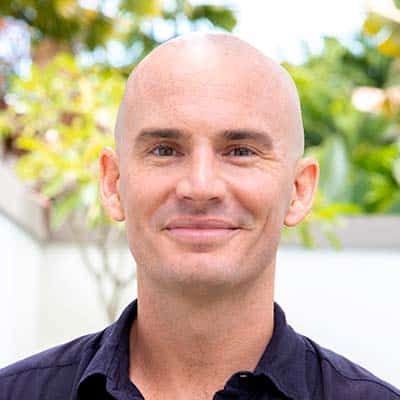
As an artist, have you ever struggled with what to post on social media or when? Are you debating on if you should have a website and what you should include? Have you asked yourself: what’s my brand and how do I get it? Well, this week’s guest will help you with all that AND more! Check out our conversation with Digital Strategist Tony Howell and then go follow him on Instagram to keep up with insightful tips and tricks.
Thanks for listening to our conversation with Tony!
What's your digital grade? Click here to find out.
Connect with Tony: Instagram & Twitter & Website
Follow us:
PAGE TO STAGE: Instagram or Facebook
#PageToStagePodcast
Transcript
This transcript was automatically generated and might contain errors.
[0:07] Mary Dina: Hey everyone and welcome back to Page to Stage.
[0:10] Brian Sedita: A conversation with theater makers.
[0:12] Mary Dina: We're your hosts.
[0:13] Brian Sedita: That's Brian.
[0:13] Mary Dina: That's Mary.
[0:14] Brian Sedita: To put it simply, we're both theater nerds.
[0:17] Mary Dina: So let's pull back the curtain and get a glimpse at the artist's process while creating their art.
[0:28] Brian Sedita: I feel like we should have had some like a beautiful, like fantastic, fabulous song to welcome you through.
[0:34] Mary Dina: It's okay.
[0:35] Brian Sedita: Yeah, like a nice strut, even though this is not a visual medium.
[0:38] Mary Dina: It's all good. I'm here, I'm ready, I'm present. Let's do this.
[0:41] Brian Sedita: Well, thank you. I'm very, very happy to bring you on today.
[0:44] Mary Dina: I'm so excited to be able to do that. And I'm so happy to see you before you leave, which we'll we will dive into, we will cover, don't worry.
[0:51] Brian Sedita: And I'm very excited to meet you, likewise.
[0:54] Mary Dina: Alright. So I'm curious, Tony.
[0:57] Tony Howell: So I heard when I met you at Promote You that you were a dancer.
[1:02] Mary Dina: Tell me all about that. How did you get into performing all of that?
[1:06] Tony Howell: When I was young, I fell in love with theater.
[1:10] Tony Howell: And then you want to know the real story?
[1:13] Mary Dina: Of course.
[1:14] Tony Howell: Okay. Well, I lost my father when I was 17, and so that was a formidable moment. I had always been in theater, but that was the moment that I said, you know what, I'm gonna do this for my living. Um, because I got to go be someone else for two hours during a rough time in my life, and I realized like that is what theater does for other people. Um, hopefully it can educate them or it can illuminate something, a story that they have not heard. But it definitely is a noble profession. Um, and so that's what I chose to pursue in college, and that's what I did for many, many years of my life, and then as of late, it took a real creative right turn, and here I am doing digital marketing for artists.
[1:53] Mary Dina: Did you pursue digital marketing while you were still acting? And did that kind of transition you out, or did you just decide one day I'm gonna make a clear shift?
[2:01] Tony Howell: I'll also rewind and go back to first grade when the teacher asked you, What do you want to be when you grow up? And my answer was actor, artist, or author. I wasn't sure then. And the interesting thing is at this point in my life, I get to do all three. Um, I studied like I'll give you the path. So I studied visual arts up until high school. When I went to college, we had a class that was called Computers and Theater and Dance at Ball State University. At the in 2004, we had to make our own website, business cards, and resumes before we graduated, which I think was brilliant. Then I moved to New York and I became a temp at Music Theater International. I was removing staples from contracts and scanning them. But I heard that the marketing department needed someone who had basic HTML and a little bit of experience in the creative suite. So I moved right on over and sort of um grew in the world of graphic design there.
[2:53] Tony Howell: So I brought my background in visual arts up until high school, and then this new knowledge of Photoshop and Dreamweaver and other platforms into that job. Um fast forward, and I'm on my biggest acting job today. It was the first national of a Vita, and I'm looking around, and I just it was the time that the CETA contracts really sort of raised a ruckus with newsies and kinky boots potentially going out on SETA. And I just made the decision based on that, as well as where I was in my life, that when I got off of this job that I wanted to work for myself. So I built my business when I was on the road with a Vita initially, and that was in about 2000 maybe like 14 or 15, maybe 13 actually.
[3:39] Brian Sedita: Time flies.
[3:40] Tony Howell: Yeah, tell me about it. And so when you came off the Avita tour, did you just say I'm gonna focus on the digital marketing and build your your company?
[3:50] Tony Howell: Yeah, so I knew that I did not necessarily have a job at MTI. I kind of maxed out um on an hourly rate. And then I also had enough experience freelancing that I didn't want to juggle a lot of clients. So what I decided on the road was like I will try to build as sustainable of a job for myself as I can. So I initially started as a social media education company. I was teaching seminars as I traveled to colleges, uh, and I would just book myself as a speaker ahead of my appearance in that city.
[4:22] Mary Dina: Oh, so while you were on the tour, you would you would pre-plant out. That's that's amazing.
[4:26] Tony Howell: And then was a lot of it like cold, like cold calls, like you didn't, or did you know someone to connect with?
[4:34] Tony Howell: Mostly mostly just introducing myself and using the name of the show and said I'm gonna be in your town.
[4:39] Mary Dina: That's crazy because it was on their buck.
[4:42] Tony Howell: Yeah, yeah, the your like your own tour.
[4:45] Mary Dina: Yeah, and and in some ways, correct.
[4:47] Tony Howell: So I mean it was beautiful. The great thing if someone is on the road building a business, and I I have friends that are doing that now, is that you work, you know, once you know your show, you're working two or three hours a night. So you have all day in a hotel room with fast Wi-Fi to build your business. Um, so that's really what I focused on. I took some online business training and really built the business there.
[5:07] Tony Howell: But what I will say is when I got back to New York, the market here dictated website design. So again, it started as social media education, but it became a little bit of a website design agency, and so that's where we are now in 2019 of saying, like, this is an education company. I want to teach you how to do all these things for yourself.
[5:26] Brian Sedita: So was the decision to the decision, but was it really because that was the need? Were you finding that like actors or whoever your audience was at the time that they really needed website design assistance or guidance?
[5:38] Tony Howell: They weren't ready to pay for advice on how to Instagram or tweet, but they would pay you to build a website.
[5:43] Brian Sedita: And at that time were there website builders like Wix and Squarespace and all those things that were make it easier.
[5:49] Tony Howell: Like I could build a website through that.
[5:51] Tony Howell: Yes, there will always be people who want to do it themselves, and then there will be people who want to hire someone else to do it for them. But back then, yeah, they have those editors available for people that wanted to do it themselves?
[6:01] Tony Howell: Yes. They were all there. And I actually, interestingly, I built my own actor website, redesigned my own actor website while I was on tour, which was also potentially the birthplace of the website element of my company.
[6:12] Tony Howell: Um, and interestingly, my manager at the time, I sent them my new website, and they said, Oh, it's too flashy. It had parallax scrolling, which is that idea where things move at different speeds. They're like, it's too fancy, you need to simplify that. And lo and behold, now they're they're trying to send clients to me. So just be careful of the advice that you take from your team because they often have a limited perspective.
[6:34] Mary Dina: So you would say that you were around and starting this during the shift in social media and digital marketing, digital presence, footprint, all that.
[6:44] Tony Howell: So what would you say are the biggest shifts that you've noticed in that change in and in the industry in general? Because now people get hired based on their followings and all that.
[6:56] Tony Howell: Yeah, I think the biggest shifts uh what I love about it is that there's equal opportunity that everyone has the same tools at their disposal. Uh, and people can poo-poo on social media, but it is not any different than um hiring a celebrity to star in your musical back in the 1950s or or in your movie. You know, it's just a different form of fame now where it's internet-based as opposed to you know mass market.
[7:25] Mary Dina: And the real question was like, what are the big shifts that I've seen?
[7:28] Tony Howell: Yeah, and I and and particularly I'm really interested to see or to hear if you saw a shift in the older generation having to re-evaluate how they were conducting their careers.
[7:41] Tony Howell: Yeah. And and I'm sure you've had a lot of experience working with that generation, probably more than millennials or people that grew up with uh the digital age, because those people probably feel that they can do all this on their own.
[7:54] Tony Howell: It's interesting. We just recently did a lot of work on our analytics, doing a lot of analysis on who's doing what, and um my audience over the past six years, which is how long I've been in business, has been predominantly women in their 40s, and I think that is relevant to people who are wanting to uh you know keep that presence fresh and stay up to date.
[8:17] Tony Howell: Um but my traffic is millennials, like young, and and it also drives female in their like 20 to 34.
[8:25] Tony Howell: So I and even in in the pie chart of like who has hired us to do work for them, um, it's there's there's interesting demographics and psychographics. I I think that there's a lot of veteran artists that I work with mostly veterans, but there's also a nice chunk of the pie that are fresh out of college that want to introduce themselves.
[8:45] Tony Howell: So the real artist that I work with is someone who wants to raise their voice, whether it's for the first time or kind of like make a change and reintroduce themselves to people. But I definitely think um, well, I'm I I feel like I have job security because there will always be people who need my help. Um and I'm I would love to help them.
[9:06] Tony Howell: But there is definitely a shift from people who wanted to poo-poo on all of this for many years and say it doesn't matter, and they realize, oh, it actually does the job.
[9:18] Brian Sedita: Yeah.
[9:19] Tony Howell: So yeah, I would love to get into maybe some some practical ways for them in this episode.
[9:25] Mary Dina: Yeah, let's do it.
[9:26] Tony Howell: I guess so when I was so I guess like if if we're gonna look at five or seven years ago and looking at what digital media really looked like, I was always told, you know, don't post too much, don't post the wrong thing because of jobs this and you know, employers that, and there are all these limitations that were thrown on you.
[9:44] Tony Howell: But now I feel like it's the opposite. Would you agree with that? Like people are I feel like more people are like, no, we want to see the authentic you, we want to know who you are through these, because that we can connect with you on a deeper level.
[9:54] Tony Howell: So let's take the 10,000-foot view, and whether I run a pizza shop that's a new business, or whether I'm an actor, there's always a balance between the business owner, which is usually party of one, or maybe you have a team, and then there's the audience, which is 7.8 billion potential people.
[10:10] Tony Howell: So you always have to balance authenticity. What do I want to do versus them, which is strategy? What do they want to see or hear from me?
[10:18] Tony Howell: So, what I think social media has become in the evolution, if we rewind to the days of MySpace and Friendster and and Facebook initially, it was a it was a tool to connect us, to meet new people, to have self-expression.
[10:32] Tony Howell: What it has unfortunately, because of human nature evolved into is competition. How many likes, how many followers?
[10:39] Tony Howell: And so we are seeing a pendulum swing from people who are tired of the Pinterest perfect Instagram facade and who want to connect with the real humans behind the headshots or behind the logos.
[10:53] Tony Howell: And I think that it is up to every brand to make that decision and make it with consciousness.
[11:00] Mary Dina: Do you consult for any of your clients or potential clients, do you consult with them on the brand level as well? Like, do you have a say and not just with like what their website could look like, but as like their overall image and what they want for their company or for themselves?
[11:14] Tony Howell: Yeah, my work is currently in four stages. I've developed a method. And so the the Tony Howell method is branding, website, email, and social.
[11:24] Tony Howell: And every brand, whether it's Starbucks or you and me, needs those four things.
[11:28] Tony Howell: And so there's exercises and and online courses and stuff to go along with all four of those mediums.
[11:33] Tony Howell: And so if someone comes to me for a website, you better believe that we're talking about their branding, which is really like the business model. Like who are you talking to? Where does the money come from? And how do we get you to the next level?
[11:44] Mary Dina: Because anyone can build a website, but not everyone can raise your brand or build your business.
[11:48] Tony Howell: I was on your email blast when I found out that we were going to be recording with you.
[11:53] Mary Dina: And so I took your or I got your like uh introduction to email excellence.
[11:58] Tony Howell: Oh, yeah.
[11:58] Mary Dina: And I took some of those tips, and really my inbox looks so much better.
[12:02] Mary Dina: And it's it really works.
[12:04] Tony Howell: And it's stuff that like you just really have to just sit down and do it.
[12:08] Mary Dina: Because like I like being tidy and organized and stuff like that.
[12:12] Mary Dina: And like, yes, I would respond to all the important emails, but my head would hurt after a while seeing all these, like, you know, all these stores trying to contact me.
[12:21] Tony Howell: But can I tell you something? I'm getting ready.
[12:24] Tony Howell: Well, I had just traveled and to Bali to and to Thailand, which is in the eastern culture.
[12:29] Tony Howell: And I had this light bulb moment, which I think will sort of become a new thesis in my work.
[12:35] Tony Howell: That we all have three realms that we live in. We have our physical world or realm. We have our mental world or realm, which is this private little voice in our head that like no one else gets to listen to. But now we all have a digital world or realm.
[12:50] Tony Howell: It's the and that is what we project out for the world. And so I see my work really focusing on digital wellness because we already know the mind-body connection. But how does this modern tool, this little device that we all have tethered to us, sometimes on our wrist? You know, how does that affect our day-to-day life?
[13:07] Tony Howell: Uh both in in-person interaction in the physical world, but then also all the little thoughts that go on in our head.
[13:13] Mary Dina: That's so interesting.
[13:14] Tony Howell: Uh considering the differences between Western and Eastern culture.
[13:18] Mary Dina: So you're gonna be able to experience and you know, put that thesis to work, right?
[13:23] Tony Howell: Yeah.
[13:24] Mary Dina: So what now that we're on Bali in Thailand, what are you planning to do there?
[13:28] Tony Howell: So I'm relocating for a year. Um there is I don't know how serious this is, but people are calling it Silicon Bali. There is a whole movement of digital nomads, which is this term that I'm realize that I am. Um, Instagrammers, YouTubers, consultants, course creators, all living in Bali, um, working from villas, working from these co-working spaces, and I'm going to join them. So, in the same way that this young gay boy from Indiana moved to New York and found his gay and theater community, I'm now moving to Bali to find my tech and my marketing community. And I I know that I will grow. And it also really gives me some creative white space. I'm working on writing so that you all can have a book to read, uh, or several. And yeah, just gonna it's gonna give me 12 hours ahead so that I actually can have some a little bit more creative white space to to produce more work.
[14:21] Mary Dina: Now you have a you have a team behind you. You have six five people I have a business manager who sort of helps with the strategy side of operations and make sure that that we meet our sales goals and that we're always growing.
[14:36] Tony Howell: Jonathan and her name is Catherine McClintick she's amazing. Jonathan Freeland has been me with me for several years. He's my associate. He's my right hand man he takes care of all of the past clients and interestingly after six years we have hundreds of past clients. So I really rely on him and he's really wonderful. And then I have a podcast producer Connor Lynch who's amazing video show producer Greg Monteith and JJ Ignaz who's my photographer and I collaborate with a designer in Vietnam like yeah so it's it's most subcontractors but the two Catherine and Jonathan are really with me most days.
[15:14] Mary Dina: Are any of them or those two going with you on this adventure or you're gonna work where I've got to land and and find a house and and set up life.
[15:24] Tony Howell: But uh the game plan is if anyone's listening like I will be taking on less and less client work uh so that I can produce content that reaches more people books. But that being said, you know I still have bills to pay but the fascinating thing that I think will be successful because it lights people's eyeballs up is that people could fly to Bali and work with me for a week or two weeks. So we would have coffee and strategize your business or your brand. Then I would send you to the spa to have a facial and a massage and have the photographer ready when you get back. And we do your photo shoots and we do video shoots or whatever, and we'd build your website by the time you're flying back home.
And if that works, then I will also hold retreats. And so JJ is already talking about flying to Bali and Catherine and Jonathan. So what I think that may look like, we'll figure it out for different audiences. But you know, uh retreats for small business owners, retreats for media creators, you know, all kinds of different themes. Once I know my people in that area and I have my spaces, I think that may also be something that I I end up doing.
[16:27] Mary Dina: What are your opinions on people that artists that refuse to promote their work on social media?
[16:35] Tony Howell: I know some people that say, I don't need a social media. I don't, I don't want to get involved in all that mess and have that responsibility. And I don't care that people I don't want people following my everyday life. Well, let's look at Patty Lapone as an example, someone who wasn't on social media until most recently. What I think you there's an opportunity loss. And I applaud anyone who may wants to maintain privacy. Um, but if you are not accepting followers for years, then you're using you're losing years worth of opportunity. So Patty sort of created a Twitter account, and then everyone was like, oh, she's on Twitter. And then she mic dropped her first tweet. Uh had she been on earlier and it just said, you know, like official Twitter account of Patty Lapone, she could have been collecting and we could have been waiting forever.
I think it was it was smart, but for those who don't want to be on it, I I just think that you're losing the opportunity of your Broadway show or your press article of mentioning you on social media where millions of people are hanging out and attracting new fans, new eyeballs, new job opportunities. It doesn't mean that you have to raise your voice or like tweet pictures of your food, you know. But I think that you're missing opportunities to grow your audience to share your voice with the world, to build a platform, so that then when the time comes that you have a show or a concert or an album or whatever it is that you want to put out there and you're trying to speak to who? Like where's your audience?
So I definitely think that it's something that I'm gonna encourage whoever's listening to examine their why behind it. Is it that they're afraid of not looking good? Like they're not afraid of take they're afraid of taking the risk. And if that's the case, then push past that and like look at the positives of it and and use it the way that you want to.
[18:26] Mary Dina: What about engagement and the interaction and the response?
[18:31] Tony Howell: I mean, I don't have a lot of followers, so I don't have that problem. But I do know from managing other accounts of just how important that engagement is because you see the return. You see the people who are that much more invested in in your show or in your projects or in in you as a person. And so do would you agree?
[18:50] Tony Howell: Yeah, so I will simplify this, and I never thought I'd be using business language, but there's something called a sales funnel that uh if we look, just imagine close your eyes and imagine an upside down triangle. And at the top is awareness. So that's just people knowing who you are, having your name out there. And the middle level is engagement, and that's people actually caring enough about you to follow, to comment, to engage with your brand. And then at the bottom of that is the smaller selection of people who end up paying money to buy your album to come see your show or whatever. So, as a solopreneur, which is what most artists are, your sales funnel, social media, is part of your um awareness, like getting the word out there about whatever it is that you're doing.
And then the engagement is absolutely important. And in traditional online marketing, yes, you want to engage with your fans because it's a relationship. So you commenting thank you or giving a like to someone's comment on your Instagram post or your video makes them feel seen and heard, which will allow them which will manifest in them buying tickets to your show or buying your latest t-shirt or your album or whatever it may be.
[19:59] Mary Dina: Where did you learn all of this?
[20:02] Tony Howell: I mean, what was there a class that you took or is it just through your own experience?
[20:07] Tony Howell: Yeah. Yes and yes. Um, a lot of it, I think that I'm uniquely gifted for this audience because of my background in performing. Um, I think that my experience at MTI gave me a an outside perspective of the industry in terms of licensing. You know, like I was working on Beauty and the Beast the tour while also seeing like the profit reports coming in. So I was able to look at both sides and seeing how many high schools were doing Beauty and the Beast. So I then studied uh first with Dallas Travers. She had a program called Your Other Dream Job that was about creating a job that you loved. Um, and then I also studied with Marie Forlio, and she has a program called B School, which is a gold standard of creating a business.
I I like to tell people it's really great for entrepreneurs no matter what level you're at. Um, it's a little bit like singers singing scales or dancers doing plies, it's going back to basics. So for Pepsi to go, who are we talking to and what do they want? It's like questions you always need to be asking. And that's where I learned. And then along the way, I've taken classes on PR, and then of course, I've learned on the job with different clients and different levels of artists.
[21:19] Mary Dina: Who would you say the main um the main community of artists that you work with, what sectors of the industry do they uh do they work in?
[21:28] Tony Howell: Do you mainly have actors?
[21:30] Tony Howell: Uh yeah. So mostly actors, but I I love to like just like give the list. So we have mimes, magicians, drag queens, writers, choreographers, directors, composers, like every artist that you could think of. Um, I've done a little bit of the analysis work to say that most of them are veterans, most of them are not newbies, um, because the newbies don't necessarily have the money to spend. Um, although there is a large selection of people from my like speaking, um, the precocious student who hires me and and we build out a real sexy first impression for them. So it's mostly veteran artists. They they work in all different industries. The real thing for me, going back to my father, like purpose and legacy are really big words for me. And so I don't want to work with someone who just wants to be famous or wealthy. I want to know that they have a real mission and a real calling of why they need more people to know about something.
[22:29] Mary Dina: For any of our listeners that fall into different groups, do you have any advice that you would give just about anybody, any artist?
[22:37] Tony Howell: Advice for any artist. Something that could be applied to all sectors of the industry or arts in general.
[22:44] Tony Howell: Yeah, I think think of yourself as a brand. Think of yourself as a business. So if you are the CEO of you, instead of making it about all about the work, every and and artists are also freelancers. And so with freelance employment, you can't just do what you do and expect to keep being hired. Sometimes you have to work on the business, not just in the business. And even when you're working in the business, you're in Hamilton or whatever it may be, you should still be working on your business so that then you can lily pad leapfrog to the next thing and the next thing and the next thing, or do some supplemental work on the side, and you're tucking that away for those periods when you're no longer in that show.
[23:26] Mary Dina: So with the veteran client list or just any client list in general, how are you building that? Like I guess when you first got started, were you just talking to your the the company that you were in on tour? Was it in a kind of just like spider web from that, or how do you continue to build a roster?
[23:41] Tony Howell: So the short answer is gradually, and the most applicable answer is that word of mouth is the most effective form of marketing. So no matter how much money you spend, or I spent on a photo shoot, a website, coaches, classes, whatever, as long as you do your job really well, you're gonna be successful. If I opened a restaurant and people are like, it's amazing, we'll be fine. If I open a restaurant, people were like, it was okay, and the service was like it's not gonna do well. So the biggest thing about building a client roster is just be exceptional at what you do, and then you will be fine. And and also have your audience do the marketing for you, have other people be singing your praises, and then you don't have to do all of the fancy stuff.
For me, it's it was it's been a snowball effect. Um, and I used to have a lot of anxiety about am I am I gonna be okay? Am I gonna be successful? Is this working? And at a certain moment, um I had a conversation, I think it was with Duncan Stewart about abundance versus scarcity, and I had to actually like slap myself and look at the numbers and look at what people had been saying about the business and whatnot. And it's like at a certain point, you can stop focusing on customer acquisition, these are also business words, but focus on customer retention. How do you keep taking care of the people who have already said yes instead of always trying to attract new people, new people, new people? Because then as long as you, you know, take great care of the people who are already in your community, then you're fine and then let the business scale and grow from there.
[25:14] Mary Dina: What would you say is the most important aspect of somebody building their brand?
[25:18] Tony Howell: Clarity. I think starting uh knowing who you are, knowing what you want, and also being um open to shifts in that. You know, things change, we change, your goals change, and so you can't like super lock on to one thing. You always have to be evolving. Um not to, I mean, this is not a sales pitch, but I lay all this out on my website. There's a free class. Um, and so again, I think branding is always the first priority, which is not about fonts and colors, but it's about who are you, why are you alive on this planet, what do you want to do? And then we build the website and an online presence from there.
[25:54] Tony Howell: So to tie that in with what I like to do as an artist, I'm really a firm believer in theater as a form of social advocacy, right.
[26:01] Tony Howell: So how do you feel about your clients or anybody in general posting on social media, polarizing opinions and political beliefs?
[26:12] Tony Howell: So I believe as artists that we, I would say we're all different, but as artists, generally we exist, we do what we do in order to change the world. We can ask ourselves why we became a writer, a director, an actor, and I like to answer in verbs. Are you here to heal? Are you here to challenge? Are you here to educate? Um, and that gives you a content bank to use social media to do the same thing. I'm gonna use social media today to inspire, to heal, to provoke, to educate. What I think happens in the commercial industry, whether it's LA or New York or Chicago or wherever, is then you have to deal with the market. So that's authenticity versus strategy. And you, as the business owner, as the CEO of you, have to make the decision for you, your name, your legacy.
Are you going to be an artist that speaks up about things, or are you going to sort of let safety, brand safety, rule, you know, the censorship of your voice? And there's, I won't put right or wrong on that, but I will say, I will give permission to the artist listening that there's an audience for everyone. And I think that we're living in a time that I would encourage you to look at what really matters, not necessarily money or the next job, but say, like, why am I alive on this planet and what can I do to make the world a better place and to really make a difference, which is why I entered this profession to begin with, and then use the tools accordingly.
[27:47] Tony Howell: So for any artists that are out there that feel that they have a tagline or something or something that they're really striving for with their brand, how would you suggest they go about making that work happen? Whether it be through creating their own content, or should they be seeking out those certain projects that align with their beliefs, or, you know, people gotta pay the bills. Should they accept projects that maybe they're not totally invested in? Let me just repeat the question to make sure that I understand. So for someone who feels like they know exactly who they are, they can say it in a tagline. But once you've come up with your brand, like let's say I was working with you and we came up with my brand, what's the next step for finding things that align with that?
[28:38] Tony Howell: So imagine with me, if you will, that there's a little speck of dust, and then there's the large globe next to that, and you are that little speck of dust, and here's planet Earth. Um, and there's a Sherry Renee Scott quote that I love that you are a speck of dust and the world belongs to you. So there is a duality that we all feel of who am I, you know, there's the Marianne Williamson quote, who am I to be brilliant, talented, and she says, Who are you not to be? Um, and Sherry says, like the world belongs to you, but then you're also just this like little tiny like nobody. So you have to push past any doubts and fears. I like to throw names like Sondheim, Lynn Manuel, Beyonce, Oprah, all these people who have made real names for themselves.
Um, I believe that it's living in integrity once you know what you're here to do, and if you pursue that, you become attractive. So that it's not about like outbound marketing, but it's about attracting people to you, that you are pulsating and that attracts the right people to you. The job of your website and your social media, if we've set up these platforms correctly, is to develop a relationship, also known as a follow or a subscription or an email to you, so then you can talk to these people later down the line. Um, but I think it's setting up all the platforms, and then it is day-to-day living in consciousness and awareness that everything you put out there is of service to your larger life purpose or calling or mission statement.
[30:11] Tony Howell: Can I also like share maybe a little bit of clarity? Because that sounded a little woo-woo for the person who's like, What? Yeah, go for it. So let's imagine that your brand is your name. Your empire is what you're building, which becomes your estate that you leave behind tomorrow, the Sondheim estate, the Miranda estate, the whatever. Most people are gonna enter your estate, your world, your empire through Google. It serves as the front gate. That's why your website is super important for the drag queens listening, that their Instagram or their Wikipedia is number one. You're losing people because then I'm gonna keep clicking and I no longer, I've lost interest in you. I've surfed around to other people.
So a website that shows up number one on Google allows you to control the narrative. It also allows you to get a follower on all platforms, not just one. And then you can hold their attention for much longer than just one channel. But around surrounding the circumference of your empire, you have all of these social media side rooms. So you have your LinkedIn office, your Facebook family room, your Instagram observatory, your Pinterest parlor, your YouTube movie theater, your Vimeo Cinema, your, I've like used to have this memorized, but anyway, you get the picture. These are like the Disney store as compared to Disneyland or Disney World. Your social media profiles need to feel like a comparable experience to that main website, that main brand, but they are social media side rooms.
That being said, it's not just like your Facebook family room, it's the Facebook gallery. You know, like, or I'm sorry, the galaxy. That being said, it's not just your Facebook family room, it's the Facebook galaxy, it's the Instagram galaxy. So as soon as someone goes into that side room, you may lose them, but they may also enter your world through that side door. So it's really just getting all the platforms set up and then keeping that house party going so that people want to keep coming back and they're like, oh, I love it here.
[32:10] Brian Sedita: This is also much to process on our end. So we're a little speechless in some ways.
[32:14] Tony Howell: Well, what happens to the content that already exists? So if I were to come to you, I already have content that I've created and all that stuff from over the years. And so if I'm moving forward, what do you, what is your like your first step with that?
[32:14] Tony Howell: Good point because especially with young people, like I grew up with all of these social medias. I got my Facebook in seventh grade, I got my Instagram in middle of high school. It's like I got all this stuff on there that is older, but like that's still a part of what I think about when I think about my digital footprint. And you know, some things that were embarrassing maybe I deleted, but, uh, and I know on Instagram you could archive things and then it's no longer on there, but you keep the memory there.
[32:57] Brian Sedita: I did not know that.
[32:59] Tony Howell: Yeah, breakups, it's really great to archive those posts. Never know if you're gonna get back together. So I like to share something called this, like my tagline is design your future, and that's really what I want to do is help you like, you know, design your future, where you want to go. But in the years I've developed that, the first job is to honor your past. We all have one. It's positive and negative. We got to take a look at all things and we just want to honor it. It doesn't have to be everything. We don't have anything to prove. We don't have to like share everything you've ever done in your life. It could just be the highlights. Then we want to present your present. What do you have to give someone when they visit you or to share with the world?
And then how you present your present shapes how we design your future. So that is it in a nutshell. We could get specific on any one platform about, you know, like changing the privacy settings on Facebook for things that are, you know, you want only you versus public or only friends. But in a nutshell, we've all got to honor our past, our best and our worst, and keep it moving, and then present your present, design your future.
[34:07] Brian Sedita: How do you get people to realize what you can provide for them and their business and their image?
[34:15] Tony Howell: I appear on podcasts like Page To Stage.
[34:18] Brian Sedita: Oh, okay.
[34:19] Tony Howell: And we'll put all the stuff in our description. Don't worry.
[34:22] Brian Sedita: Yeah, no, definitely.
[34:25] Tony Howell: Um, I mean, I have a lot of conversations.
[34:27] Brian Sedita: Yeah, no, because I'm sure you get a lot of times because it's not a traditional job, it's a newer job because of technology, right? So there's not that proven, not that proven stuff that says like this is going to work and it's going to get you results, right?
[34:44] Tony Howell: So it's a lot about proving something. And do you feel like you're always trying to prove something? Or have you kind of plateaued in the sense that you've found where you need to be and you're doing good work?
[34:56] Tony Howell: I'm definitely confident in the work that I do, the value that I provide, and the reputation that I have. And that allows me to just say, This is what it is, this is what it costs. Um, and the right people will say yes. And just like walking into, I don't know, um, Macy's, I don't always walk out with a shopping bag. So there are plenty of people who walk into my world, ask about pricing and don't say yes, and that's okay. And as a business owner, I've had to be like accept that. Um, but what I will say is that there's plenty of reviews on all platforms that people can really like, you know, check my credibility. And I have stories of people, you know, people who have booked their Broadway debuts or have made feature film debuts who have gotten direct offers from social media that allow me to know and have confidence in the work that I'm doing.
[35:47] Brian Sedita: Uh, what's your process when you're working with a team behind an actor or with a publicist or a manager?
[35:53] Tony Howell: Right. Well, I try to communicate.
[35:54] Brian Sedita: Do you collaborate with them directly or do you go through the client?
[36:00] Tony Howell: It differs per client. With Lea Salonga, I worked with her manager a lot, Josh, who's amazing. Um, and he would, I would present something to Josh, Josh would present it to Lea, and then the feedback would bounce back accordingly. Um, but with other clients, uh, Vicky Clark, I work directly with Vicky, I work directly with Sierra. Um, and I will, and I'm now working with MTEA, which is like all the college professors, and they're all busy, and so I'm what I do, I mean I find a way to work with anyone, but I record videos, end of week reports, and I say, okay, here's what's been done, and I show them with voiceover on the work and development, and then the, you know, eight board members can then reply back with any feedback.
[36:41] Brian Sedita: Do you find it challenging to work with like multiple people? Or is there, is there like, have you found a way to kind of to make that work?
[36:49] Tony Howell: Yeah, so for me and for anyone who runs a small business, the way that I've made it work is that I have a waiting list. I take on a limited amount of clients per month, and that allows me to give my best to whoever is the client at the time.
[37:02] Brian Sedita: How long is the process when you're working with a client? Or is there really no, it depends.
[37:06] Tony Howell: And so if anyone wants to work with me, it always starts with a consultation so that we can articulate how big is this house that we're building. And do you want to take care of the social media side rooms while we're together? Or do you want to do those on your own? Do you need a logo? Do you need a photo shoot? You know, there's lots of peripherals. And so we figure it out together of what this thing is and then determine, you know, the length of time that it will take. And that's a mutual calendar decision. So I have clients who are like, I'm filming a movie for these three months, and I'm like, we don't want to build while you're on set. Like, let's wait till you're done. Or they're like, we need, you know, I need something up because I'm going to Sundance and I need like to be able to capitalize on that.
So there, every project is different. I treat every client the same, but also different, if that makes any sense. Like there's a similar process no matter who what level they are at. But if they have special needs, then I want to honor that and we'll figure out the best way to tailor the project or the experience to them.
[38:02] Brian Sedita: You had said that earlier that there were a few areas that you focus on. You have like the social media, the website, the email, and there was one thing I can't remember. However, what is the most important one that you think?
[38:13] Tony Howell: Yeah, well, I think that the cornerstone is a website, that there will be people who argue I don't need a website, I have YouTube, I have Instagram. But the website really allows you again to control the narrative, to control your Google results, your Google image, your Google video, um, and to then not capture interests, I'll say collect interest from someone who searches for you through email or social media. That being said, in the priority of this method, branding comes first. Because we can't build a website if we don't know who we're trying to reach or who you are. So that's really where the brand strategy comes in initially. And then I think the website like kind of seals the deal.
[38:50] Brian Sedita: I always love to know it for advice. So I tend to ask a lot of the guests on here, like if they were ever given a piece of advice that they were then able to lay on somebody else, if that makes any sense. And I don't, I mean, I I'm gonna ask of you anyway. So was there a piece of advice that you were given younger or starting out that you've then kind of given to the next person?
[39:18] Tony Howell: I mean, Facebook wasn't really introduced until I was like a freshman in college. So I don't know if that's applicable to the specific job, but maybe something that you've used for your career and for your own brand that you've then been able to impart on the next person. Maybe I can give a couple of answers. I think the best business advice if anyone is a business owner is exceed expectations because that then plays into that word of mouth marketing, and then you don't have to work as hard because you have people approaching you as opposed to outbound the cold calls and the outreach. So you want to attract clients as opposed to go out and seek them. Um in as an artist, um, something that I was always love the start with why by Simon Sinek, but recently working with Sierra hand in hand quite a lot, um, and then conversations with that, the phrase of why did you get started?
Like, think about that. And and I think that that really allows you, even if someone's a veteran listening, why did you get started? And so I like to answer in verbs, just like freshman acting class, and then apply that verb to your new Instagram that you're scared of or don't want to use, or your new Twitter or whatever it may be. Um, and then sorry, as a CEO, I think the other thing is to I like to honor my team first and then my clients, because if my team is happy and if they're loyal and enthusiastic, then it's gonna be a much better experience for my clients.
[40:43] Mary Dina: I'm resonating with the why part of it, because I've actually personally been thinking about that for myself for the last, I would say, year or so, and I still haven't landed on it. Do you have any um tips or tricks on how to kind of navigate to discovering what your why is? And does it can it or does it change over time?
[41:00] Tony Howell: Sure. So let me ask you, I'll walk you through this. So, what do you do, Mary Dina?
[41:05] Mary Dina: Um, that's a great question. I think that's where I stumble is that I've had experience in a lot of things. Currently, I am an events and partnerships manager. I also am publishing books and managing social media accounts. I do photography on the side, I'm doing a podcast. Like there's a lot that I do that feeds into what I love, which is theater.
[41:25] Tony Howell: Why do you keep saying yes to all of these different things?
[41:29] Mary Dina: The passion.
[41:31] Tony Howell: And what is your intention? Think about it. But as you think about it, I'll share a quote from Ava Duvernay that I love is that if your goal is only about you, it's not big enough. So beyond making money, paying your rent, um, what's the why? Like what and and I'll rephrase it: what was why did you get started? What's the purpose? What's the intention? You don't have to answer on the air on the record, but here's something I'll share: is that underneath all of those different hats and all the different roles that you're playing is Mary. So that, much like Oprah, Whoopi, Madonna, Brittany, any one name brand that we know, it's all the same Lady Gaga, it's all the same person. What they do changes from day to day, but it's the personal brand.
So for you, I think you're just always making a name for yourself. You are offering gifts to the world in different ways. Um, and I would just, and and that applies usually to most artists because we are multi-hyphenates uh in order to pay our bills in this city, and we also have many passions. We're often self-producing. So it can all fall under the umbrella of you, your name.com, and then how you present things can differ. So you could take the Kristen Chenoweth approach at the top and have a s a digital slideshow of just saying, like, here's my new podcast episode, here's my upcoming event. And it's just literally a flashing digital billboard of all the things that you do. You could take a New York Times approach and have a newspaper of like, here's all of the latest.
And so then I could see all the different paint brushes that you use, all the different colors in your palette. Um, there's multiple ways to do it. And then you could also have a picture menu of just saying, click here to enter the world of my podcast, click here to enter the world of my events. And and those decisions would likely be made on what's your ultimate number one goal. What do you really want to do? And versus what are you doing right now in order to pay the bills.
[43:25] Mary Dina: I think that's exactly where I'm kind of like trying to navigate next is like my goals shifted over the last three, four years. And so, like my end, my end goal, if that's what I can call it.
[43:36] Tony Howell: So that's so cool. And I think a lot of people, and I guess I'm generalizing this, but a lot of people think about the now. And I guess what you're trying to do is think about the future, like you like you said. So I listen to a lot of entrepreneurs, Jeff Bezos, Richard Branson, you Tim Cook, you name it. And the big business advice is don't focus on short-term gains, focus on the long term. So Jeff Bezos at Amazon, his meetings, they're talking about 10 years in the future. He doesn't know anything that's really going on in day-to-day operations. His team handles any fires there. He's focused on the future. And so, yes, it's very tempting when someone needs to pay their rent to just like do something quick, but is that damaging to your brand long term because you're offering half-price voice lessons or half-price headshots this month in order to pay the bills versus building like a celebrity name brand for yourself because why would Meryl Streep offer half price acting lessons? Do you know what I'm saying? So you have to focus on the long term. Um and it is a dance, it is a balance between where you are now versus where you want to be.
[44:42] Mary Dina: I'm just thinking about taking half-price acting lessons from Meryl Streep now.
[44:47] Tony Howell: You're distracted.
[44:49] Mary Dina: A little distracted.
[44:50] Tony Howell: Um, so question about like the mental health component in regards to social media and the societal norms. So I've noticed a trend of there was a trend that I saw of people taking breaks because they were overwhelmed. And now I think the trend is being putting your most authentic self forward. But I I don't know. I just so like what is your opinion on those? Like, what are you like, how do you think about that?
[45:17] Tony Howell: So again, there will be opportunity loss if you're not participating. So if someone tries to mention you, positive or negative, um, it's that it's that top part of that sales funnel or uh having brand awareness of having people know who you are. Um I believe that social media, there's two ways I want you to look at it. One is that it's a networking party. So if you leave the party, you are leaving the opportunity to speak to Steven Spielberg or Oprah or whoever it is that you want to connect with that could fast track you to success. There's also the idea that it's fire or water, which are fine and actually good. We all need them in order to survive, but in mass amounts or uncontrolled, it's highly dangerous.
And just because you know how to use the tool safely doesn't mean that the person next to you or the person across the world is using it correctly. So it is something to use with intelligence, with consciousness to have with mindfulness, which to me means just for anyone who doesn't practice meditation, it's like rising above your thoughts so that you can see, oh, I am comparing myself right now, let me turn this off, or I'm literally not doing anything, I'm just scrolling. Let me instead of doing that, let me go off and do something productive or contributive so that I actually feel good about my day.
[46:44] Mary Dina: So something that at least in my friend group has come up a lot uh in, you know, because I recently graduated and you talk about branding and stuff like that in your last year and all that kind of stuff. And something that came up with a lot of people was uh, and I'm just gonna use this as an example, but a gay actor coming out on their social media and then being pigeonholed to just gay roles, right? So, how do you avoid that sort of pigeonhole when the industry may very well do that to you?
[47:18] Tony Howell: Well, I think if we look at Billy Porter or um Nathan Lee Graham or Neil Patrick Harris, like there are so many actors that are really exceptions to that. And I think that that's a dated rule that we need to challenge. Is that a limiting belief that I am accepting from heteronormative people who tell you that in order to maintain theater that looks like Oklahoma or The King and I. I think we're in an age where we we are seeing gratefully, you know, more stories being told on stage, but I still think there's work to be done in terms of actually having gay actors playing gay roles. I think specifically in film and TV, that's that's really where I'm I'm thinking. Um I think in in theater it's it's been a longer standing notion that you know gay actors can play straight roles in the theater and pass, quote unquote. But on film and TV, I feel like these um networks or um uh studios want to take a safer route for their audiences and um have the straight actor play the gay roles.
[48:32] Mary Dina: So, how would that be handled with your digital marketing?
[48:36] Tony Howell: Yeah, I think it goes back to really having a quiet moment with yourself and saying, who do I want to be in the world and what do I want my name to be? So if commercial success is really important to you and you want to play it safe and not like share your sexuality publicly, totally fine. Um but I also believe that we're entering a time where I think we'll see those things change. There are even actors in their 50s who are gay but who are not out, and then that I have to accept that like that is the the reality that they live in. I I have a family member in mind who I I believe is a lesbian who has not come out because like in her world that's not a safe thing to do. Um so we have to provide love and and support for pe everyone's choices.
But I think if you're a young artist thinking about how do I put myself out there both on the internet and in the industry, I believe that it will always be a balance of authenticity and strategy, and I will let you decide how much of each for you.
[49:41] Mary Dina: Well, we always like to ask our guests one final question, which is what is the last great or was it last? What is the last great piece of theater that you saw that sticks out in your mind?
[49:54] Tony Howell: Hmm. Well, I loved Head Over Heels. I thought that that was a really um inclusive and and really wonderful moment. And maybe to tie it back in with branding, is there a certain campaign from a show recently that you've been impressed with?
[50:14] Tony Howell: Well, I have a story that may not be positive, but something that I like to share. When Pretty Woman opened, one of the review headlines said big mistake, huge. And now if you look at the site of Buses, it says Pretty Woman, a new musical. Big huge. And they've cut out mistake. So for anyone who's self-conscious about marketing themselves and like, can I really put this review that said that it was the best ensemble ever? If I, you know, I was just part, I'm like, if Broadway shows can twist their their headline and and make it work for them, that is a an example that I like to highlight for people of like push past your fears of self-promotion because you know it is a smoke and mirrors.
[50:58] Mary Dina: That's great. I'm shocked. You didn't know that?
[51:01] Tony Howell: No, I had no idea.
[51:02] Mary Dina: Sorry, pretty woman. I didn't see it, but I'm su I know that you all are wonderful. Thank you so much for coming on.
[51:09] Tony Howell: So fun.
[51:10] Mary Dina: I hope it was it was insightful and absolutely. I'm sure you were a great resource to all of our listeners, and I hope they all check out your website and your content.
[51:17] Tony Howell: Oh, yeah. And your podcast. By the time that this episode airs, you will have been in Bali for at least a month or two.
[51:24] Tony Howell: Come on over. Yeah. I I actually, I don't know if if they know this, but I have a brand quiz that you can take on my website so you can actually score yourself. I have a free class that kind of outlines the method as well as some business uh rules. And then we also have a Facebook group that is a global community of creators that I'd love for people to be a part of.
[51:44] Mary Dina: We'll we'll link it all in the description of this episode for sure.
[51:47] Tony Howell: Yes. Thank you for having me.
[51:48] Mary Dina: Thanks.
[51:50] Tony Howell: Bye.
[51:53] Mary Dina: Thanks everyone for listening to this episode of Page to Stage. To keep up with us, you can find us on Instagram and Facebook at Page2Stage Podcast. And if you're enjoying these conversations, we would really appreciate it if you could take a couple minutes to rate and review us wherever you're listening to this podcast.
[52:09] Brian Sedita: Until next time. That's Brian.
[52:11] Mary Dina: That's Mary.
[52:12] Brian Sedita: We'll see you later.
[52:13] Mary Dina: Bye.
© Broadway Podcast Network, All Rights Reserved