

Featured Shows

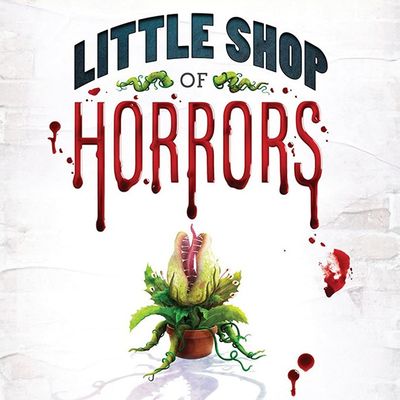
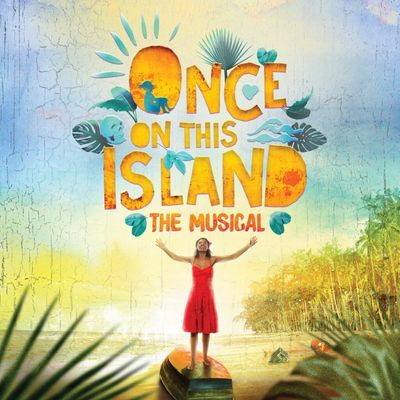
About
Select Broadway and West End: Slava's SnowShow, The Inheritance (Olivier Award); Hadestown (Tony Award); Once on This Island (Tony Award); Dear Evan Hansen (Tony Award); Kinky Boots (Tony Award, Olivier Award); Deaf West Theatre’s Spring Awakening (Tony nomination); The Visit (Tony nomination); Mothers and Sons (Tony nomination); Anastasia; Moulin Rouge!; Frankie and Johnny in the Clair de Lune; Tina—The Musical; Betrayal; Pretty Woman; The Jungle; The Goat, Or Who Is Sylvia?; Disaster!; It’s Only a Play; The Bridges of Madison County. Off-Broadway: Little Shop of Horrors.
In addition to his producing projects, Hunter is the founder and CEO of ARTech Holdings, LLC, an incubator and holding company focused on generating technologies to support the live arts community. Amongst ARTech’s offerings is the premier theatrical ticketing and web presence software for schools and small theatre companies, www.OnTheStage.com. Hunter is also a General Partner with the Broadway Strategic Return Fund, the first focused, vertically-integrated, profit-driven evergreen hedge fund for accredited investors to capture exceptional returns from investments in Broadway musicals and plays.
Hunter earned his bachelor’s degree in Entrepreneurial Business from DePaul University and his Master’s in Business Administration from TRIUM, a joint program representing NYU Stern School of Business, H.E.C. Paris and the London School of Economics. He is a frequent lecturer and guest professor on Entertainment Trends and Economics, Commercial Theatre and Working in The Arts.
Connect with Hunter: @HunterCArnold
Follow us:
PAGE TO STAGE: Instagram or Facebook
MARY DINA: Instagram or Twitter
BRIAN SEDITA: Instagram or Website
BROADWAY PODCAST NETWORK: Website or Instagram
#PageToStagePodcast
Transcript
This transcript was automatically generated and might contain errors.
[0:07] BRIAN SEDITA: Hey everyone and welcome back to Page to Stage.
[0:10] Mary Dina: A conversation with theater makers.
[0:12] BRIAN SEDITA: We're your hosts.
[0:13] Mary Dina: That's Brian.
[0:13] BRIAN SEDITA: That's Mary.
[0:14] Mary Dina: To put it simply, we're both theater nerds.
[0:17] BRIAN SEDITA: So let's pull back the curtain and get a glimpse at the artist's process while creating their art.
[0:28] Hunter Arnold: I'm Hunter Arnold and I'm a producer, and I work with my company TBD Theatrical Productions.
[0:34] Mary Dina: Awesome. And so, okay, so you're a producer, you're a Tony Award-winning producer, and you've worked on Broadway, you've had shows come from the West End, off Broadway as well. How do you I'm curious? Do you say you're a Broadway producer or creative producer? Is there even like that signifier?
[0:52] Hunter Arnold: That's a really good question. You know, that term in our business, well, really in the whole entertainment industry is kind of loaded because it can mean a lot of different things. I most commonly say I'm a theatrical producer and sometimes film and television producer. So I definitely prefer to work in the theater. I don't use the term creative producer, but I think that's probably the best description of what I do. I tend to work very deeply with creative teams and I like new content a lot. But really when people ask you that question, 99% of the populace doesn't know what any of the different producer terms mean. So I don't go too far out of my way to describe it, I guess.
[1:28] BRIAN SEDITA: Yeah, I mean, even just like co-producer and lead producer. I mean, lead producer probably sounds like the most obvious of all the terms. Would you agree?
[1:37] Hunter Arnold: Yeah, I mean, I think at least when you say lead producer, people understand that like that means that you're putting the thing together, right? That like quite literally, you probably have to get the content and you're building the team and you're in the trenches every day. Although I, interestingly enough, you know, the vast majority of people out there that use the term producer are co-producers, and I don't, I rarely hear anybody use that term. So it's, you know, it's again, it's like it's so ambiguous. It's the same way Hollywood is, you know. It's like there are executive producers that have a general and important role in the production of a film. And then there are executive producers that it's a thing in their contract that they get that.
And if you're outside of it, you have no idea who's doing the work and who isn't. But I think you're right, lead producer is the most specific that it's like, oh, okay, that person's there day to day managing the process.
[2:24] Mary Dina: Yeah. So how did you get started in theater? Were you always a theater kid in high school and growing up?
[2:31] Hunter Arnold: Yeah. There's a running joke in my family, which may be apocryphal because I don't remember it. But allegedly when I was like five or six, I started making the kids in my neighborhood do skits in my backyard and charging the parents to get through the gate. So long before I understood what a producer did, or commercial producer at least.
[2:50] BRIAN SEDITA: And charging nonetheless.
[2:51] Hunter Arnold: Well, I mean, at the end of the day, right? I mean, you gotta be able to get people to get away. Couple schedules, a couple MMs. It's like a lemonade stand, but better.
[2:58] Mary Dina: Well, we also had a lemonade and rice crispy treat stand always.
[3:02] Hunter Arnold: Repressions, yeah. So yeah. I mean, if you listen, this is one of the biggest problems in Broadway, is I can't own bar and food service, right? So I don't have access to that revenue line at them. So arguably I was more vertically integrated at five than I am at mid-40s.
[3:17] Mary Dina: So, did you always know that producing was what you wanted your end goal to be?
[3:21] Hunter Arnold: I don't think I really understood, frankly, until I got here and started really kind of working in and trying to figure out the industry. I don't think I really understood quite what producing was, but I think that all of my instincts to think content first, to love gathering groups of people that are vastly more talented at what they do than I ever could be at what they do. But clearing problems out of their way and keeping everybody sane, and I've always been pretty good with the financial and business side of things. So I think once I got here and was sort of fiddling around in the industry, and I was like, oh wow, that job actually meets all of my skill sets and all of my sort of pleasure points about what I like to do with my time pretty effectively.
[4:06] BRIAN SEDITA: What was the first project you worked on when you got to New York?
[4:09] Hunter Arnold: Well, I when I started doing this, so I had a whole first act. I actually came to New York to study theater. Hated school, kind of wasn't for me.
[4:20] Mary Dina: What about it wasn't for you?
[4:23] Hunter Arnold: I think a couple of things. This is gonna be very unpopular with some people to hear, but that's all right. The first thing was that like I very much felt like I was being taught how things had historically occurred as opposed to what are the skill sets that you need to develop theater now. So it felt a little dusty, it felt a little clinical as opposed to real world, whereas I was doing internships at the time, and what I was seeing have to happen to get a show up and running looked and felt nothing like what I was learning in the classroom. So it just felt like there was a disconnect between sort of antiquated information and then what the real world was doing. And then the second thing I didn't like was I don't particularly come from any seat of privilege.
So I was, you know, this is a lot, a lot, a lot of years ago. I was probably going in 50 or 60,000 worth of debt just in my freshman year alone. So staring at those bills when you're like, I'm not sure how much of this information is transferable to what I want to do.
[5:23] BRIAN SEDITA: And what kind of program were you in?
[5:25] Hunter Arnold: Theater management. So everything from stage management to entry level production to and so I decided after my freshman year that I was gonna take a year off, which really weirdly turned into my early 30s. And I had a friend at the time that was working in Silicon Valley, and I called him sort of despondent one day, and I just said, like, I'm in school, like I know the thing I love. Everybody's telling me that either I have to work my way up for 30 years before I'm gonna get a chance to do it on my own, or that I need to come from money and a network, which I clearly did not. And I don't feel like I'm getting any information or knowledge about what I'm actually good at or passionate about. And he was like, Well, dude, if you want to come out in here and work, like there's a lot of weird stuff going on.
So we hatched the brilliant plan in retrospect that I would go sleep on his couch and wait tables at night, but that he'd let me do a different job in his company like every two or three months so that I'd figure out what I was interested in or good at.
[6:23] Hunter Arnold: So I went out there and then his company went bankrupt about five months later, and then I worked for a handful of failed companies, and then ended up back in Chicago for a company that did work out. And then I kind of woke up in my mid-20s and people thought of me as a technology entrepreneur, which cracks me up because I'm terrible with technology. I'm just fairly good at ideas and building teams. So it was in my late 20s that I was like, whoa, whoa. And I, you know, I think a lot of people sort of wake up where they are, and you're like, how don't how did I end up here? Like that like this wasn't really directed, it just sort of I stumbled into this, and I was very lucky that I had some good friends that were like, I think if you're gonna go back, like I think you should go back now, because otherwise you're gonna get sucked into the lifestyle and sucked into the economies, and it's gonna get harder and harder.
[7:14] Hunter Arnold: So I came here and started really just kind of like doing any project that I could for free, meeting literally anybody that I could. I didn't care what job that they did, I wanted to learn about it, investing a little here and there, and I mean teeny tiny amounts, but sometimes you need to get access to things like the documents and figure out what's going on. And then from there, I kind of realized that there was this world of fundraising and co-producing that you could do. Did that for a little while and then started lead producing in sort of like the like 2009, 2010 world. And I run a hedge fund that only invests in live theater. So I still do like a lot of co-producing as well as lead producing.
And I've always found that kind of like helping other people on their shows and running your own shows are both really great lessons to learn, and it gives you the widest access to every situation you could possibly run in and things that fix problems and things that exacerbate problems and everything in between.
[8:15] Mary Dina: Are there producers that only lead produce or only co-produce? Or do you find more of a mix?
[8:21] Hunter Arnold: Well, I would say the vast majority of people who call themselves producers are co-producers. They're people who are either raising money or funding shows themselves, but generally not the person in charge. It's a pretty small world of people who lead produce for a living. There are quite a few people who might lead produce a couple of times across a lifetime. Sometimes that's like someone who comes from Hollywood and they have a piece of IP, and so they end up being the lead producer. Sometimes it's somebody that comes from a different industry and is well connected or a good enough business person or financially well off enough that they might do a passion project. But there's really probably only two dozen lead producers between New York and London that like it's what we do every day.
[9:07] Hunter Arnold: Your other question about whether or not most lead producers co-produce. So most co-producers definitely don't lead produce. I would say that lead producers sometimes like co-produce because it's a project they don't have time for, but they're passionate about it. So it's sort of a show of support to the community or those creatives or your friends and colleagues that are producers. Some lead producers don't do that at all. Some lead producers co-produce but don't ever put their names on it. So if it's not their there, they want their brand to be very synonymous with like I'm the person who created this content. So it's really kind of a mixed bag. I mean, there's it's definitely a job, but there's no one right way to do it.
[9:46] Mary Dina: What type of level of theater did you start out producing when you first got started? Was it all like off Broadway stuff?
[9:54] Hunter Arnold: Yeah. I mean, it was you kind of worked your way up, or was it a little less traditional than like a ladder? Because you know, a lot of things in this industry aren't that ladder that a lot of people talk about in other industries.
[10:05] Hunter Arnold: No, the ladder is pretty fictional in our industry, to be totally honest. Yeah, I mean, I did a lot of sort of smaller off Broadway projects, but always commercial. It was very important to me. You know, I obviously I love the not-for-profit theater, but that was not my goal. My goal has always been that I think that theater that is also run soundly from a business plan and a fiduciary standpoint is likely to be seen by a whole lot more people. And if I'm gonna take the time to try to empower somebody else's art, my goal is always to have it touch the most people that it possibly can. So it's interesting because a lot of people think of commercial producing as like, oh, so your goal is to make money. It's like, no, my goal is to run an efficient business because it touches the most hearts and minds. And by default, when it works, you also make money, which doesn't suck.
[10:51] Mary Dina: Oh, yeah.
[10:51] Hunter Arnold: But it's not really the purpose of the thing. So I, you know, everything I've done has always been commercial, but it was from, you know, a little small scale 99 seat theater stuff all the way up to Broadway stuff.
[11:02] BRIAN SEDITA: So you've produced more shows in 2018 than you have in the past, like from 2011 through 2017.
[11:10] Hunter Arnold: Yeah, we were like counting. We were kind of like looking at your history of shows, and it's just been like just like lots in the past two years. Or I would say at least for Broadway, as far as Broadway stands.
[11:21] Mary Dina: Right.
[11:21] Hunter Arnold: I would say. We were like we were looking through it, and I we I was just, I mean, how do you have the hours in the day to kind of do all of those shows?
[11:28] Hunter Arnold: Really great, great, great people surrounding me, a great team, great staff, and a hyper, hyper tolerant husband. But a lot of that sort of numeric assessment is sort of misleading because for a couple of reasons. One pipeline in this business is out of your control as a producer. It's based on real estate, it's based on competition, it's based on when the product is ready, it can be based on when a stars or creative schedule comes together. And as I'm sure you well know, you know, the average timeline for a new musical is anywhere between six and eight years. So sometimes you can have been working at full speed for five years and just had a couple years in a row where one or two shows popped out, and then you end up in a show like or a a season like this season has been for me, where it tells you that a bunch of stuff is gonna get a place.
[12:22] Hunter Arnold: And it's, I mean, three of these are co-produced shows, but in the last 30 days, or in a 30-day window, I have eight shows opening on three continents. Like that's just dumb. But it wasn't, it's not a part of the plan.
[12:35] Mary Dina: Right.
[12:36] Hunter Arnold: It's just what happens.
[12:37] Mary Dina: So what I was going to say, comparing those two things, when do you jump on board for some of these projects that are just coming out of the pipeline now and just opening on Broadway or off Broadway or around the world?
[12:51] Hunter Arnold: Again, this sort of goes back to the answer that there's no right way to be a producer. I tend to be someone who I love theater for the collaboration of it. I also spend a lot of my time behind the scenes really trying to optimize the sort of efficiency and operating, like get everything I can out. The industry can get in the way of great art sometimes, right? So, for example, the hedge fund I run, the whole goal of that is to help my not just myself, but my colleague producers not have to spend 35% of their time raising the money for a show when they could be working on the show. It's also to put controls and tools and resources in place so that they're not having to do all sorts of tasks because we don't have the sort of infrastructure and bandwidth to manage some of those things.
So for me, because I like collaboration and because a lot of my mission is about improving the overall efficiency of the business so that more people can see the shows, I like to work on a lot of projects, which means I also work with a lot of partners. I almost never run a project just out of my office. And so that kind of empowers me. If you looked at the board in my office that tells you everything I'm working on right now, there's tons of projects on there that either we ideated or we licensed and we've started building from scratch. And there's tons of projects there that one of my colleagues is doing something incredible and they're a year away from Broadway but they need some help fundraising or they're not super into the technology and advertising and marketing side of our business and they know that I might bring more attention to things like dynamic pricing or stuff that I get really excited about. So I can get involved in a project six seconds after the concept was raised at a drunken dinner party or six weeks before it's going to Broadway if there's a role for me to play.
[14:46] Mary Dina: Since you have so many projects running right now, can you just speak about like the balance that you have to play with all of those shows that you're currently working on and what kind of attention you can give to a project when you have so many going at once?
[15:01] Hunter Arnold: Yeah, I mean different projects call for different things. So for example I might do one show where the reason that I'm involved is that they really need a specific strategy. Let's say it's a show that I didn't come up with, right? That I didn't license that someone brought me on as a general partner alongside them but they've been working on it longer than I have. A lot of times that'll be because it's someone that's like I don't know what to do with this thing after Broadway. Or it might be somebody that says, hey I'm purely a creative producer and I could use a partner that could mind the till and figure out dynamic pricing. Now I love working with creatives but I don't have to on every project, right?
If I believe in the art and the art needs a skill set that I have. And that's probably more fulfilling for you to kind of spread yourself in all those different ways. If you have a project that you're brought on for this reason, and then you're working on a project for another reason.
[15:53] Hunter Arnold: Yeah, I mean, it keeps it fresh. And B, like I always say, and this sounds like a little bit like douchey because obviously I like am not suffering in terms for my art, like those years are over for me. But I think anybody that can do this for a living, like if you can pay your bills in a city that's entire goal is to chew you up and spit you out, making theater for a living. By definition, you have a skill set where you could definitely make more money like 48 other places, right? So I could go be the CEO of a widget company and have like a pretty predictable schedule and be home for dinner and all of that kind of stuff. So I think that if you choose to be here, and I try to like really remain conscious of this every day of my life, you are here because you want to serve the art form in the community that you love.
And so while it is very much for profit for me, it is also a service position. And so I don't really get caught up in what I feel like doing. I think a lot about like what does this piece need to be advantaged over its lifespan? And, you know, I'll give you a great example, right? Dear Evan Hansen was like way capably being steered by the lead producer Stacey Mindich and the general manager 101 Productions. But I loved getting involved in like what are we doing with digital content? What are we doing in social media? The show's actually about that. I have a film production company, like what are we doing that isn't the typical like 30-second Broadway B-roll thing to throw on Facebook and Instagram?
And in the early days of that show, they were thrilled to sort of collaborate when it came to that. They were had a very open-door policy in terms of what the ideas were, and, you know, we did some really fun stuff. And then the show became what the show is, and that show doesn't need me at all anymore. You know, I mean, that show quite literally takes zero percent of my time. My job is to cash checks now. Obviously I still support it. It's an incredible piece of art. I'm very proud to have touched it in any way, but I'm not confused about like what my role is in that. On the flip side, for example, something like the off-Broadway Little Shop of Horrors that I'm doing right now. I was pretty much there every single day during tech and rehearsals.
That's a show I've loved forever. I can't wait, I'm seeing it tomorrow. Oh my god. I'm so excited. It is the closest I've ever been in my career to like making a high school musical. Like everybody just had fun in the room, and the whole group is like to a person incredible. But something like that, I'm there a lot. And we're a little tiny 270-seat theater, and 16 times a day I'm texting or emailing or calling our general manager's office and being like, okay, here's what I just saw happening, here's what we need to do, the ticket adjustments. What time are we doing this? Where are we at rehearsal? You know, what are we thinking about from a cast optimization standpoint? Like all of that stuff I'm very involved in.
So different projects call for wildly different skill sets. At least if you like to work the way I do, which is broadly in a cross-project. Now, there are guys like, you know, David Stone that are like, I like to figure out the content. I like to be in charge of every nuance within that content all the way through that process. And therefore, I may do many fewer projects, but have vastly more oversight on every detail on the project. That's also a completely viable way to do this. And I think that when it works best, it's when all of us sort of have an open mind to best idea wins. When I see one of my colleagues that does something that is brilliant, I'm not like, oh, I wish I'd thought about that. I'm like, I can't wait to duplicate that strategy so more people can see my show.
[19:40] Mary Dina: Yeah, that's like 100% collaboration right there, which is, you know, taking ideas and then giving ideas as well, and then you can, you know, recycle them for future.
[19:49] Hunter Arnold: Absolutely. And you know, this art form is very dynamic and very slippery. And, you know, I think the it's like even in my, I'm not that old, but in my career, it's like the rumors of its death are very often greatly exaggerated, and then it has this great resurgence, and then it's just a living creature, it just changes all the time. And I think if you're not super interested in what other people are doing that is really interesting and leading edge and functional, then you're just sort of starting the stopwatch on when you're gonna be a dinosaur. So I love being all over the different pockets of it because I just learn from other people all day, every day.
[20:28] Hunter Arnold: I'm curious about the dynamic with the people you've partnered with in the past and currently and even future, if you can think like that of so the way that that you've just described how you work with, you know, you're going through the list and you're texting people and you're saying, you know, I want to think about this dynamic pricing, or I want to talk about what's happening tech-wise for the show or marketing purposes. Do you find that your partners also work like that? Are you attracted to working with people who are of that same mindset?
[20:51] Hunter Arnold: I think I'm attracted to people that love it as much as I do and that get like excited. I mean, I'm probably a totally classical insomniac, but it's not because I can't sleep, it's because I'd rather be awake, you know, like every day. No, trust me, there are shitty days too. But every day I'm like, I can't wait to go do this thing. It's a constantly shifting puzzle. It's always a challenge. It's relentless, but it's beautiful. So I can work with someone that's exactly like me, or I can work with someone that's like, I do these two things and I'm killer at it, and stay out of my way when it comes to those two things, and you clean up all the others. And I don't mean that in a detrimental way, but it's like, you know, sometimes you'll work with a lead producer that the only real reason you're collaborating is they need a business partner and they have an ironclad relationship with a creative team.
That creative team is only gonna work with that producer because it has worked and it fires on all cylinders. Like sometimes that means that I don't say much in a room. So I think to answer your question, I can work with anyone as long as they love what they do, and that there is clarity and communication around why we're each there. Where it gets murky is when everybody wants to do the same parts of the job and nobody wants to do certain parts of the job, because that's when balls get dropped. So I think as long as like the Venn diagram is covered, it doesn't have to overlap entirely. It sort of means overlap philosophically, yeah, but it's okay as it can just brush up against each other if there's clarity in communication.
[22:37] Mary Dina: You just spoke about when you're in a room and you may have something to say, but you know, don't necessarily say it. So, how did you learn that in your time of growing up in the industry? And because that's definitely a skill set that you have to learn early on, I think, so that you don't overstep boundaries and stuff like that. So, how did you learn those boundaries?
[22:58] Hunter Arnold: I think that, I mean the answer is trial and error. And more error than success in a lot of cases. But I think the real key is, and this is true of any industry, it's really not just ours. Lead producer is effectively an entrepreneurial startup CEO. That's what you are. You come up with the content, right? You decide what the product to market is. It can be a revival, it can be a new musical, it can be something based on underlying rights. And once you decide what the product is, you then go hire the best possible team in all of the variously skilled roles to go execute bringing that product to market. If as a CEO you start going and telling the engineer how to do their programming, you're outside your skis, you're ahead of your skis at that point.
And I think that anything, and certainly the arts, where my job is creative in nature, but it is effectively to make sure that the business gets run soundly. And so if you start getting confused that all of your creative or artistic opinions are as important as the creative or artistic opinions of the people that that's their specialty, you're kind of all you're doing is undermining the specialists that you hired. You're undermining the geniuses that you're lucky enough to employ on that project. So I think part of it is saying, like, okay, if I'm watching a run through and I see something and it like tweaks me, usually the answer is let's wait, because probably the writer and director are gonna catch it and they already know. If then time goes by and it's like, nope, but it's still in there and nobody sees, then maybe it's a hey, what do you think about X? So it's a lot of trust.
[24:39] Hunter Arnold: And then yeah, you do get to the point sometimes where you're like, I hate it, I hate it, I hate it, the audience hates it. I don't know why you love it. Can I buy you a whiskey and beg you to take it out? You know, I mean, it's but it's about knowing that like 99 out of a hundred times, the people who are the specialists at that job are either with you or ahead of you. And it's about empowering them and getting problems that you're the specialist that can solve out of their way while they get the problems that are on the creative side out of your way.
[25:10] Mary Dina: That reminds me a lot of a role of a dramaturg, because you just asked a question to those creatives to get them thinking about how they can adjust to make it work better.
[25:19] Hunter Arnold: Yeah, I think that's so interesting because I mean, I guess in a lot of ways, when you're thinking of creative producing, it's it is like being a dramaturg where you're working very closely, especially in development, you're working very closely with those creatives to build and create the thing.
[25:32] Hunter Arnold: Well, and it's I I think the same way, you know, we talked a little bit about different types of producers. I think the same about co-producers, which is I try very hard, when at all possible, to find co-producers on my projects that bring their pre-existing skill sets to the project.
[25:49] Hunter Arnold: So for example, if somebody has a background in the advertising industry, I'm very interested in what their opinions are about our marketing and advertising campaign. If someone's background is like logistics and they want to tell me what they think about the costumes, oftentimes my response is like, thank you for your feedback, but in that particular area, because it doesn't dovetail with your historical skill set, you're just an audience member. And so if I want to know what the audience thinks about a costume, I can pull 3,000 audience members and get statistically relevant data. But I so I I think everybody sort of needs to learn that it's not just okay, that the best thing you can do for the art is stick to the things that you do have skill at.
And certainly if someone that was from logistics was passionate about costumes, my advice would be like, then go spend a couple of years really studying that and earn the right to be to have a vocal opinion about that. But I think a lot of times because there is this vanity edge to our industry that people just want to kind of have an opinion about everything. And the end of the day, opinions are only relevant if they're from an expert or if they are representative of the audience at large. And every other opinion is actually a distraction, and it can just make you second guess everything that you're doing on stage, and that gets in the way of great art.
[27:12] Mary Dina: So is that why I guess you say to wait if you have like a thought about how you know something's not working, you say to wait and see and see if it plays out on its own for that very reason.
[27:21] Hunter Arnold: Yeah, I mean it it's it's very difficult in any business, particularly when you operate at this sort of level of it, right? The risk is high, the dollars are high, the sort of optics of it are very, very public. It's it's easy to always want the sort of ego stroking of everybody knowing that you knew that scene wasn't working. The problem is you flagging that can have all sorts of unintended consequences, and it might have solved itself on its own, right? Now you could have the playwright thinking that you hate the show, you could have the director feeling usurped, you could have the actors getting nervous every time they see you walk in the room instead of feeling like you're a comfortable, supportive player that's there to sort of help shepherd the thing into an easier path. So there's you know, the law of unintended consequences, I think if you if you don't check your ego at the door, it can be hyper dangerous.
[28:15] Hunter Arnold: So one of our old podcast guests, uh Tony Howe interviewed uh Tyler Mount on his podcast, and I listened to it, and I immediately, as soon as this conversation was brought up, I knew immediately I wanted to bring you on to talk to you about this. So Tyler talked about how he got in contact with you, or you got in contact with him about producing it in a way you mentored him through the process of producing, I think the first show was it once on this island?
[28:36] Hunter Arnold: It was, yeah.
[28:36] Mary Dina: Okay.
[28:37] Mary Dina: So I'm very curious as to is this like a plan of yours, or was it very much just like a casual thing with Tyler specifically, or is it actually like a mentorship program that you're kind of low-key or high key developing?
[28:50] Hunter Arnold: I mean, it has turned into a really programmed pro mentorship program. So what happened, just full disclosure, is um uh Michael Arden, who is probably as close to a muse as I have in my creative life. Like Michael can bring me an idea, and he'll be like, let's do a show about dinosaur vampires that are gonna run a disco. And I'll be like, Michael, that sounds like an absolutely terrible idea. Of course we should do it. Because I have just come to learn with Michael that if he has a vision for it, he's light years ahead of me. I mean, I remember the first time he was talking about doing once on this island, and he was like, We're gonna do it in a parking lot with like naked children running around and feral dogs.
And I was like, what are you even talking about? And then you walk into Circle in a Square night one, and like it's not that far off that vision, and I couldn't have been happier with the way that that production turned out. But Michael brought that show to me, and that show was written by uh Stephen Flaherty and Lynn Ahrens, and uh my co-producer on it was another Caucasian middle-aged dude. And this is about a story that's about a young woman of color struggling with her desire to be seen as an equal and to find her own way in life and to find love. And I was like, uh, I don't know that the best way for me to service this play is for you know, a white director, two white writers, and a me and another middle-aged white dude that you know both don't worry about where our mortgage is coming from to be the only mouthpieces for this show.
[30:23] Hunter Arnold: So I asked my office, and this was I'm so embarrassed at how naive I was. Uh, but I said, do me a favor, just go pull a list of everyone who's um African American and has lead produced in the last five years. Like six minutes go by, and they came back in and they're like, like, do you count like celebrities who like were above the title, but like weren't actually running? I was like, no, no, no. I mean, like, bring me the people that are from that African American community, but but like actually roll their sleeves up, and they came back and they were like, we looked through I'm gonna get these numbers slightly wrong, but they're directionally right. Like, well, we went through five seasons, five seasons.
If you just figure like 30 co-producers, 40 shows, your five seasons, there's probably like five to seven thousand co-producer slots. There were like seven African American producers, and I got sort of like pretty, I mean, I don't mean to be dramatic, but like I just had this moment where I was like, shit, man, like if if the industry that is supposed to be the ultimate in collaboration, the ultimate in an open door, I've always felt like theater was saying was the one place where it was like, bring the thing that makes you different. Like that's what's gonna bring value. If we can't get it right, like, how are we supposed to expect IBM to get it right? You know?
[31:46] Hunter Arnold: So then, like for about a week after that, I started looking at the rooms that I was in. And what I noticed was even in rooms that were totally diverse, where I was like, there's age all over the place, there's ability, there's gender, there's race. Like, it's all like this room is a diverse room. That if you lined them up from left to right in terms of power and access down to like there as a PA hustling at a minimum wage job, it almost always went from older male and white down to younger, non-male, and of color. And I like went through this period of like semi-despondency, just being like, how was this elephant staring me in the face this time for all this time? And I just like never noticed it.
So we went out and said, let's create a program that can create like a lower threshold of financial access to young, well, we call it the underrepresented producers' group, it's called uplift. And the idea is if you're a person in any context, whether that's that you're differently abled, whether that's that you're a person of color, whether you're gender non-binary, whether you're under 40, it doesn't really matter. But if you're someone who there's is not adequately represented in producing in this city, you are welcome in our program. And the idea is the financial thresholds of becoming a co-producer, we vastly lower. And the actual work and educational aspects, like somebody wants to come write me a half a million dollar check on a show and be a co-producer and never show up.
They're allowed to. Not this group. This group is like, you can raise a lot less money. I'll get on every phone call with you with a potential investor, I'll go to every lunch and breakfast. I don't care, I don't need to sleep. Um, but you're gonna roll your sleeves up and you're gonna be a part of the process. Um, and then you know, I really kind of just thought we were doing it on that show, and we've now done it on probably like one probably like show six in terms of in process. And it's the most rewarding thing because it's largely people younger than me, not all, but largely people younger than me, and certainly many people that have a very different perspective of me, that bec because of my brilliant staff and particularly my my sort of right arm associate, Kayla Greenspan, she's created this environment uh where like they all know that they're there to poke holes in my ideas, they're not there to like sit at the feet of the guy that does it and like take notes, you know.
[34:16] Hunter Arnold: Like, I'll say stuff sometimes and they'll be like, Yeah, but also isn't that dumb? Like, isn't there a way better way to do it? So I learn way more from them than I ever feel like I'm giving back in value. Um and how are they a part of the process? Uh again, it kind of depends on what they do. So it can be like, like, I'll give you a great example, right? Why would I not have young urban event and culture seekers, right? Because that's what this group of people is. What why would I not have them vastly more involved in what content that I need to roll out to be noticeable and engaging on social media than I would, right? I like watch cooking shows and you know want to raise animals on my farm.
I'm not like, you know, what's TikTok? So there's really easy combinations there, like in terms of like, well, that's an obvious fit, and so I should turn over some authority and turn over some access on that. It's things like making sure that there are all I'm a big person, like making sure there's always a producer representative of the show at every performance that's sort of like there to answer questions. Like I have a big thing. My favorite thing on planet Earth to do is to stand at the back of the theater and like find the child under 10 that is having their mind blown, probably at live theater for the first time. And then my goal is like, how do I make the rest of your night so you'll always buy tickets to live theater?
Um, so they get very engaged in some of those processes. Um, you know, they may, depending on on sort of what their individual makeup is, they may become really, really important advisors into like how to access different diversity groups or you know, uh everything from an alumni network to getting people that are more downtown than uptown into a theater that's perceived as uptown. Uh you know, because they're not exactly what the demographic of most of the rest of us tend to land in, their insight is incredibly valuable.
[36:18] Hunter Arnold: Um and the funny thing is when people have, and this is true of any sort of subjugated group, when people have been kept at bay for so long, the second you open the door, man, do they have a floodgate worth of great ideas and high energy and deep enthusiasm to sort of you know, fire hose right onto your project. So the benefit is infinitely to my shows and to me as an individual. It's definitely not the other way around. Um, it's funny. I had uh Jenna Uschkowitz is is was also part of Once in this island, and she co-produced with uh uh a woman who now works for me doing development, whose name is Ashley Latimer. We were all talking one night, and they were like, I don't know that they said it quite like this, but they're like, what are you gonna do when you provide access for all of us and then you have to work for us?
And I was so thrilled with that question. No, I was so thrilled with that question because the answer is like, if you're the voice that we need to keep this form moving forward, and I move into a service role where like I'm just the old dude with the banking connections, rock on. I mean, truly, I believe that that is why groups have not been given opportunities because you know, the people that have the power just want to hold on to it so tightly.
[37:37] Mary Dina: Of course.
[37:38] Hunter Arnold: I mean, change is scary. No one, you know, uh Steve Jobs, not the nicest guy on the world, but like when he was diagnosed with cancer, I remember watching this interview with him that I was fascinated by because he was like, eh, the whole world kind of goes based off of recycling. Like, if your carbon's not recycled, then like the next thing can't come around, and if the next thing doesn't come around, then evolution doesn't exist. So, like, hmm. And I was just like, that's exactly the right worldview, you know? I mean, it's slightly different topic. My favorite thing that Jim Comey said when he was like going through all of that madness was he was like, you know, sometimes the forest's gotta burn before it can grow again.
[38:11] Hunter Arnold: I'm like, you know, I guess someday I'm gonna be old dry wood. And when I'm old dry wood, man, I'd rather have someone light me on fire than, you know, stand in the way of progress. So, what is the, I guess if you have phases or if there are tiers or what is that movement look like for people who are in your mentorship program? I mean, it can look, it can look like anything. You know, a lot of people come to the program with the belief that they don't want to have anything to do with Broadway Theater, right? Because they think, like, no, the project I'm really passionate about could never be on Broadway. So I just kind of, you know, want to get a little information about like how it's done, but like I'm super not Broadway.
I'm like, well, yeah. Also, neither was Rent, neither is Slave Play, neither was Chorus Line. We can go back further and further and further. So someone always has to be the person to say, yeah, Hamilton sounds pretty weird on paper, but you know, the Phantom of the Opera's like kind of a stalkery dude that hides in a closet and stares at a chick, and that worked. So, like, you know, maybe it's not about the idea, maybe it's about the emotion that comes with it. Maybe it's about tapping into something that hasn't been done before. So a lot of those people come thinking, I'm just learning how to put a show up, but Broadway's not the home for me. And a lot of our work becomes about saying, like, are you sure?
Because if you're not, if you aren't willing to play here, how do you ever think it's gonna reflect your worldview? Because it can, right? I cannot, I have not lived the life of a dark-skinned young woman dealing with race and love and class and segregation. Now, I'm empathetic to it, right? I like to believe I'm an intelligent and sensitive enough person that I understand the themes there, but man, someone for whom that is their story is a vastly important person to be a part of that process. And unless you're willing, you know, it's like they say to a lot of young people right now: getting mad about the state of the world does no one any good. Taking action about your anger can do a whole lot of good.
It's the same thing. If you're not willing to put yourself into the process of change within our theatrical community within the Broadway or the West End community, then you sort of lose your credibility complaining about the lack of diversity. You know, it's like all those of us that are already at the table can do is try to like constantly help kick the door open a little bit and make it more welcoming. But we can't solve the problem because we aren't the solution to the problem.
[40:55] Mary Dina: Well, I think that's very powerful that you're able to acknowledge that and then even more so act on it. Like I th the pro I I just am very I'm in awe of the program, honestly, because it's it's like perfect for ever anybody because it's not not everyone, you're right, not everyone has the the advantages or the opportunities to do those things, but a lot of people want to. I was also looking at recently, looking at, you know, if you look at IVDB, is that right? Yep. Yeah, I know I would never know. Um, and you look at the the lists of producers and you look at you know the demographics or the ages or any of that stuff, and it's just it's shocking, and it's kind of sad because it's you know, I'm coming into like my 30s and looking at my peers who who so badly want to be at that level and ha and just don't have that opportunity, whether it's producing or whether it's anything else, any other role, on or off the stage.
And I just I've I admire the the program and what you're doing there. I th I I think that that certainly you can't I'm painting with kind of a broad brush here, right? But like you don't become more audacious, more risk-taking, and full of dangerous, exciting new ideas more as you get older. Certainly, creativity can exist. I mean, I know more people uh my six-year-old niece says that I play story time dress up with my friends for a job, which is pretty freaking accurate. Um, and and so like I know a lot of people in their 70s and 80s in this industry who are basically children in old meat suits, right? But like spiritually, they're as young as they ever are because they've always played story time dress up with their friends for a living.
But it is still a sort of general rule that great groundbreaking ideas most commonly come from people that are early enough in the process that they haven't been beaten down by the norms, by the expectations. And so if you are actively, and I think you're right, it comes from fear of losing your own seat at the table. If you are actively squelching those ideas, it's really hard for me to think that you can look in the mirror and be like, I'm here to serve the industry I love. Like, because then you're looking in the mirror and you're like, I'm here to serve my own best interests, which I'm all for people doing that. I just don't want people doing it in the arts.
[43:09] Hunter Arnold: Yeah, I'm also prescription medication. But that's a whole that's a whole other let's not go down that path. I'm also always curious with I draw this line, or I yeah, I guess I teeter on this line of you find your people. You know, I I hear this a lot, you know, either on this podcast or just in my life, if you find your people and you work with your people. And I love that because it builds the community. However, where I'm like unsure of is how far do you go? And then suddenly you're thinking like in a groupthink where you're you're not you're not introducing new types of things. The hive mentality, yeah. Of just people that you've surrounded yourself with and you know are gonna work instead of taking those risks on people who are outside of your circle.
Uh I think my take on that is like, you know, I say to young people a lot, I love to talk to educational organizations. I love to talk because I think that there's like just not a lot of information out there about even what all the jobs in this industry are. You've got high schoolers they're like, I know I want to work on Broadway, so I can do crew directing or acting. You're like, oh no, wait a minute. There's 8,000 other jobs. You can be a social media manager for a digital agency, you know, you can be a graphic designer for a ticket group resale company. I mean, there's all sorts of options out there. But when I talk to young people, the sort of number one, you know, because it's always like, what are the best ways to ensure you have a career in the arts?
And the answer is be a good person to work with. Because I don't care if you're a brilliantly talented, strapping, handsome, infinitely ranged, triple threat leading man. There's also nine others of those waiting right behind you to take those jobs. I will pick the one that adds value and joy to the room every day and work with those people again and again. But the your people, I think are people that share your philosophy and joy and work ethic. I don't think it's people that share your perspective. In fact, I think you have to kind of work your ass off to make sure that you're constantly adding new people in that challenge your worldview at all times. So it's sort of back to the thing I said about partners.
Like, if my philosophical Venn diagram with another human looks like a circle, we believe the same things about what this what the art deserves and how it should feel, then I don't care if my opinions or my operational worldview is like completely unoverlapped with them. And in fact, in many ways, that's additive because I already have my opinions. So, like another set of views that are actually wildly disparate, if it doesn't create conflict. So I think the the your people thing is right, but what's the definition of your people?
[45:53] Mary Dina: Yeah, it needs to be, I guess, more active. So you need to actively be introducing new blood, if you will, into that into the mix, which is what you know you're doing with that blood.
[46:02] Hunter Arnold: Yeah, that's that's exactly right. So switching gears a little bit, I wanted to you've you've produced a bunch in the West End in London. So I'm really interested to know what you think are some of the differences between the West End and Broadway, and what are maybe some things that we can learn here in New York about what from what they're doing there.
[46:20] Hunter Arnold: Sure. I mean, I think that that all of the differences that I sort of wrestle with regularly come from the fact, and this is you know, listen, we're a 250-year-old country, they're a lot older than that. Um, but they are a community, they are a country, they are a populace that values art as a necessary part of culture and civilization.
[46:48] Mary Dina: Yeah.
[46:48] Hunter Arnold: And so everything from the levels of governmental support that are there to develop new works that maybe don't have a commercial trajectory. Um, you know, that stuff just gets hacked away at every year here in America.
[47:02] Mary Dina: Yeah, I'm so happy you brought that up because one of the things that I thought about before before we sat down to have this discussion was you produced Hadestown, which was at the National Theater. And you know, we don't have a national theater in America.
[47:14] Hunter Arnold: By the way, we were at the National Theater after we were in Edmonton, because we went to another country that fully subsidizes the development of challenging works. We start out at New York Theater Workshop.
[47:23] Mary Dina: Right.
[47:23] Hunter Arnold: So it's very much a New York production, but to grow something that's kind of that out of the box and to let it figure out what it wanted to be when it grows up. Because anybody who tells you that, you know, when Anaïs sat down and wrote that album that she knew it was a Broadway show is revising history. It deserved the path to sort of figure out what it wanted to be when it grew up.
[47:44] Mary Dina: Yeah.
[47:44] Hunter Arnold: So what was that process like working under something that's like a subsidiary or what is it? Subsidized theater called?
[47:51] Hunter Arnold: It's great. I mean, listen, you have a place that that in the national theater in particular that is there to be a guiding presence. And they're very, I mean, they're they know exactly what they're doing in terms of the fact that like they want to contribute, but they don't want to drive, you know. Um, they're not trying to take over. Um, their team is brilliant, everybody's fiercely committed. And then you, you know, you just go straight down the line of when you create a civilization or a culture that values art equally as it does, say, high school sports, um, which are great, but like it's crazy to me that it's a 22 to one funding breakdown between high school sports and high school arts.
That's bananas to me. Um when you create a civilization that runs off of the concept that art matters, it trickles all the way down. And it trickles down to things like how committed they are to accessible pricing. Now, part of that is the union differences between New York and but you know, I recently did a show that was pretty audacious that was 900,000 pounds, so call it a million two US all in, that we looked at doing in New York and it was going to be 7.8 million dollars. And when we did it over there, people could walk up and get 15-pound tickets every night, and it was still financially viable. And some of that is some parts of sort of a broken system here that hopefully can where people can come to the table and work together more efficiently over time.
But a lot of it's just philosophy, you know. Um, we talk a lot about this on Little Shop, right? Uh I am not embarrassed to say that doing it in a small theater with the brilliant team that we've got has created an incredibly tight ticket. Um what that can't mean on my watch is that there's no accessibility to people who can't afford a 499 premium ticket. That's unacceptable. It's totally acceptable for me that somebody who could drop $4,000 on a premium ticket pays an extra $100 so that I can afford to let three people see it for $29. That's okay, but that's a very active process that requires a lot of management. So for example, we've got a 270-seat theater. We typically lottery at least 10, sometimes 14, 16, 18 seats.
I could be selling those seats for $500. That's a huge revenue difference. But it's not why we do art, right? I don't do art to see a line of Bentleys outside of the front door. I do an I do art to see someone who pulled up in a Bentley sitting right next to someone who landed in New York a week and a half ago as an immigrant and is here to try to better themselves at a college program that they worked their ass off to get into. Like that's what art, that's what community is all about. So I think that that in London, the advantage that they have and why I like working over there, um, but will always return home being inspired by it, is that theater is truly for everybody.
[50:58] Hunter Arnold: And if you don't create a pricing mechanism where that's true, I mean, in London, truly the decision between going to the cinema and going to the theater is like negligible economically. I mean, think about that here. The only way somebody can do that here is a lottery, and it's still like roughly triple. And you're probably gonna be in like some weird partial view seat, you know? Yeah. Um so I I think that's the biggest difference is just that that because the culture thinks of it as a birthright, that people are forced to operate to keep it a birthright. And I think oftentimes we take our eye off the ball with that here. But there's also a lot of people doing like crazy good work with that, right?
Like the Hamilton Public Education Program has been a big inspiration to, you know, my partners and I in Hadestown, my lead producing partner Mara Isaacs, who's sort of like our stalwart general on that show, is in the midst of putting together this educational program that hopefully will send thousands and thousands of people and not only school organizations to Hadestown on $10 tickets. And those programs take a lot of work to do over here, but there are people trying to crack that code and there are people who care about it. And that's with the federal government stepping in and giving grants and stuff like that.
[52:15] Hunter Arnold: Ours, no, so so the Hadestown program in particular is us saying to people like, look, and a lot of it's our co-producers, it's our vendors, it's ourselves as lead producers, it's saying like none of us did this show expecting to get paid left, right, and center. We're all gonna get paid left, right, and center. So, from a fiduciary standpoint, it's irresponsible for us to just give away free tickets because there are investors in the show that have every right to be like, I'm an investor, you can't play with my money that way. And we have laws and regulations in the states that require us to be good fiduciaries. But there's nothing that says, hey, who wants to get on the bus with me and give X percent of the income I'm going to get from this show, we will buy our own seats and we will turn around and give those back to the community at a subsidized level. So it doesn't have to negatively impact the show. It's completely voluntary.
[53:04] Hunter Arnold: And so it's coming from inside the production rather than any grants or anything, which may be the case in the West End? Um, no, no, sometimes it's the case in the United States too. I think it's just like it's anywhere this is true, but we have less programs in the States that are baked in to help this. If you wait for a publicly available program to help you create access, uh by the time you get it, you may be one of the disenfranchised because you're so elderly. So you're better off coming up with a creative solution. You know, I would love it if in year two of our access program, if all of the money was coming from public grants, that great. Somebody wants to step up and refund the NEA, I would be the happiest person on planet Earth. But in the absence of that, there's enough economies being thrown off by a show that is successful that you can also step up and do it yourself without cutting your, you know, nose off to spite your face.
[53:57] Mary Dina: Well, I'm so glad that you said that you broke that down for us because so many people, you know, especially with rising ticket prices and stuff like that, will just say, Oh, these greedy producers and stuff like that, audience members say, you know, how could they charge such crazy prices? I'll never be able to see it. And then when they have programs like that, it's amazing to know that it's coming from within the production and it's actually a sacrifice.
[54:20] Hunter Arnold: Well, I think in a way. Or it's the service that you were talking about. Yeah, I mean, it's literally like uh is it a sacrifice? I guess to some degree, because you could put more of the money in your pocket. Yeah. But but is it a sacrifice to like give someone the leftover food from your plate, which had a way too big of a serving that you didn't need anyway? You know, but I also think that it's really interesting you bring up this point of like those greedy producers, because this having someone that being someone that loves quant, like I love a good data set. You give me a spreadsheet and I'm like sit by the fire with a whiskey. Sounds like you're from this conversation. Um but like one of the things that makes me crazy is take a show like Hamilton, or right now take a Little Shop of Horrors just on a much smaller scale, right?
And people are like, how can they be selling tickets for $799? Let me tell you why. Because the secondary market is already doing it. And so if you keep your prices at $199, and the secondary market is selling them for $799, then someone who did nothing to bring that art to the table is getting $600. If you raise the same person, by the way, the same highly moneyed, you know, deeply entitled human, God bless them, right, is buying that $799 ticket either way. In one scenario, the money stays in the building, it goes in the writers' pockets, it goes in the artists that have shares of the royalties' pockets. It goes in subsidizing things that you do to keep the cast crew and building happy. It goes, it doesn't all go into the pockets of the investors and producers.
Sure, some of it does. I'd still rather have it go there than somebody in the secondary market that's doing that. The other thing is if it stays in my world, and by definition, sometimes my pocket, I then have the choice to say, how do I use that windfall to open the bottom end of the market to people that couldn't get here any other way? Which is what they turned around and did with that school program. Now, ultimately it turned into mostly grant funded and whatnot, but you don't get there because you're counting pennies. You get there because you have the good fortune to have the bandwidth to think about something other than keeping the doors open. So this concept that like it's greed that drives that, it's really just efficiency that drives that. Because the tickets are going for what the tickets are gonna go for.
[56:39] Mary Dina: Yeah, it's so important to just put that on the table. So the secondary markets, meaning like StubHub, like those.
[56:42] Hunter Arnold: Okay, so I really want to know. I mean, you've already shared like your thoughts on it clearly, but is that do you think that there is a way to kind of move towards a world in which that StubHub does not, or the secondary markets don't exist within the Broadway community or a theater community?
[56:57] Hunter Arnold: I mean, there's certainly a lot of stuff that we can do from you know a consumer protection and lobbying standpoint, because the other problem with that is that there's it opens up to all sorts of fraud experiences, and people that come in from out of town, you know, they think they have tickets, they don't have tickets. I mean, the counterfeiting problems on that stuff is myriad or are myriad. I don't know what the grammar is there. Um, but uh I I don't know that it ever needs to go away. I I think by definition, if people on the business side of the business are thinking about how to be the most efficient, it sort of gets relegated to its most effective place in the ecosystem. Listen, StubHub is always gonna be better at allowing somebody who genuinely bought a ticket and now can't use it to sell it at prevailing market rates.
I really don't want to get in the way of that. That's not my goal. I do want to get in the way of somebody who spends their time trying to think of how to outsmart the audience member, the producer, and the creatives on a show to take an outsized share of the economies that were built on the backs of the people doing the work that I do care about. So it's not that I think there's no place for it.
[58:17] Hunter Arnold: When we put new blocks of tickets on sale, and if you are like, well, today is the day that Show X is gonna put a new block up, so I gotta go on there today and try to get a $52 ticket because they're gonna be gone tomorrow. You are not, as an audience member, playing on a level playing field, because somebody who does ticket speculation and buys millions of dollars of tickets and resells them has like software systems, bots, people standing in line. Like you are not competing equally. I don't want anybody out of the industry or the ecosystem. I want everybody to have a level playing field. That's really all the goal is.
[58:54] Hunter Arnold: I could sit here and talk to you forever. There's also like a whole sector that we haven't even broken into, which is the art tech, which but we always ask our guests as a final question what was the last great piece of theater that you saw?
[59:06] Hunter Arnold: My gosh, there's there's there's so much, and I'm going, I'm going way too far back to be totally fair. Like it's definitely not the last great piece of the world. A lot of people do. So it's that's okay. But I, if I'm completely fair, I walked into Choir Boy last year, knowing nothing about it, kind of being afraid that you know, I think that when when not-for-profit theater at the Broadway level fails, it's often because it's for a bit of a dinosaur audience. It's not, it can't be cutting edge because it's serving a very specific constituency, right? So that stuff doesn't tend to be my favorite. So when I walk into a play at a not for profit Broadway theater that I don't know anything about, I fully admit that I come in being like preconceived, preconceived.
And I was blown away by everything I saw on that stage. Um I thought it was so like smart and brave and fresh. And um, yeah, I mean, it just really said to me, like, man, leave leave, stop judging the book by the cover. And instead, like it's kind of it almost goes full circle back to what I was saying before. Like it made me realize that sometimes I'm like, oh, a not for profit can raise money differently and they have subscribers, and they like, why can't they take big risks? Or like, what why did they do this show that I think is easy and in the pocket? And me sitting around ever grumbling about that does nothing. But me reaching out to Trip or to whoever and being like, man, I I don't know where you found the wherewithal to do all of that.
Please do more of it. And and how can you be supported to do more of that? Actually, can contribute to that. Me telling every single person that I know that thinks that MTC's not their demographic, like, whoa, you're totally wrong. Me even saying, like, man, I do this for a living and I had no clue what I was talking about. Go buy a subscription to the MTC so you can get surprised three times, you know, in the next 12 months, like whatever it is, those things can solve the problem. So I I kind of love it when things that I preach about, I'm then like totally forced to view my own hypocrisy about them. Because that's the power of art, right? It like if it makes you reflect, and ironically, it was not the subject matter or the content that did that.
It was the attitude I walked in the building with. And then I loved it so much. And it is amazing that whether you had a bad day, or right, whether you really had to scrape and scrounge to afford that ticket, or whether you had a preconceived notion about that writer or that director or whatever. The amazing thing about what we do is that when art works, and it doesn't always work, but when art works, it can overcome any preconceived notion. I mean, it can knock any wall down. It can crush any expectation. And, you know, I love walking out of a theater and feeling like two minutes walked by, went by, and I don't know how I ended up out on the street and my jacket's on inside out. Like, and the fact that I see 150 to 200 nights of theater a year, and I still get to feel that way maybe a dozen, 20 times a year, is like an exceptional gift.
[1:02:23] Mary Dina: So before we head out, I just want to thank you for sitting down with us today.
[1:02:26] Hunter Arnold: Thank you guys for having me.
[1:02:29] Mary Dina: So many more questions, I'm sure. Um, so where can our listeners find you? You know, either it's social media, website, any of that kind of stuff.
[1:02:37] Hunter Arnold: Uh, the only social media I use is Instagram. You're gonna have to see some photos of my dog. I apologize ahead of time. It's Hunter C Arnold. Um, TBDtheatricals.com or TBD Productions.com also has all the stuff that we do in various, not just in theater, but in theater and beyond. Um, or you can usually find me sitting, preferably on an aisle, but sitting at the theater any night of the week.
[1:03:01] Mary Dina: So great. Thank you so much.
[1:03:03] Hunter Arnold: Thank you guys.
[1:03:07] BRIAN SEDITA: Thanks everyone for listening to this episode of Page to Stage. To keep up with us, you can find us on Instagram and Facebook at Page2Stage Podcast. And if you're enjoying these conversations, we would really appreciate it if you could take a couple minutes to rate and review us wherever you're listening to this podcast.
[1:03:23] Mary Dina: Until next time. That's Brian.
[1:03:25] BRIAN SEDITA: That's Mary.
[1:03:26] Mary Dina: We'll see you later.
[1:03:27] BRIAN SEDITA: Bye.
© Broadway Podcast Network, All Rights Reserved