

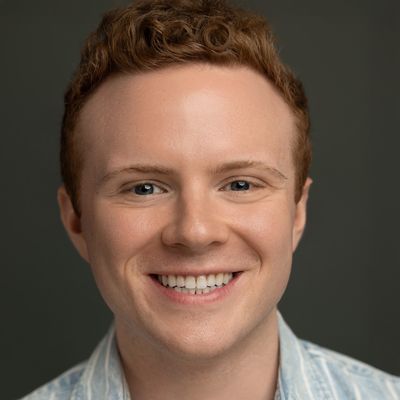
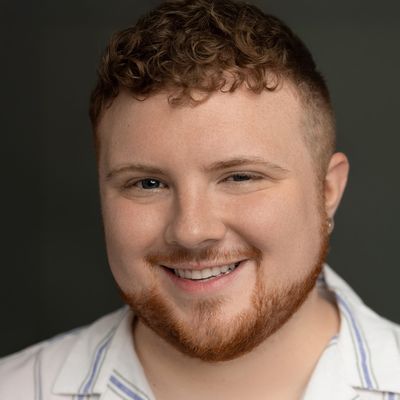
Mason sits down with the twin brothers from the awesome Drama Podcast, Connor and Dylan MacDowell! Real Talk is back to connect you to Broadway and the Theatre community! As a welcome back, I wanted to sit down with my friends Dylan and Connor and talk about all things theatre, podcasting, and everything in between!.. Read More
From the show: Real Talk with Mason Bray
Guests
Featured Shows
About
Mason sits down with the twin brothers from the awesome Drama Podcast, Connor and Dylan MacDowell!
Real Talk is back to connect you to Broadway and the Theatre community! As a welcome back, I wanted to sit down with my friends Dylan and Connor and talk about all things theatre, podcasting, and everything in between!
I like to think of this episode as a “roadmap” and “FAQ” about podcasting to answer all the questions that I have had while creating a Theatre Podcast!
Want to listen to their show? linktr.ee/TheDramaPodcast
Support their Patreon: The Drama Podcast
This season I want to highlight the people that can and should be the mentors for people of all ages wanting to get into the industry! Join me in connecting to Broadway and figuring our way into the industry!
Instagram - @_RealTalk_Pod
Twitter - @_RealTalk_Pod
TikTok - @realtalkpodcast
Website - realtalkmasonbray.com
Facebook - Real Talk with Mason Bray
Thank you so much for your support!
Transcript
This transcript was automatically generated and might contain errors.
[0:00] Mason Bray: So we have the amazing Drama Podcast brothers, Connor and Dylan MacDowell. Their show is so amazing, and I'm so, so, so excited to sit down with them today for a gag-worthy episode. Drama! How are you guys?
[0:13] Connor MacDowell: We're so good. Thank you for having us.
[0:16] Dylan MacDowell: Yes, I'm so excited. And as we said before, excited to chat with a fellow redhead.
[0:20] Connor MacDowell: It really is, it's a rare occurrence. So nice to hang with you, Mason.
[0:25] Mason Bray: It is. It's nice to meet you guys. Um, so I wanted to chat with you guys not only to um talk about boosting my podcast, but also to create a sort of roadmap slash tutorial slash informational episode about creating a podcast centered around theater that I was looking for when I started my show. Um, so before we get into that, can you both tell me how you got to where you are in the industry?
[0:48] Dylan MacDowell: Absolutely. I'll go first because I feel like I kind of got I was ahead of Connor for a while, and then he kind of we were like in a race, and then he was the tortoise, I was the hare, and now he's won the race. But oh my God. I um so obviously we're twin brothers, always have loved theater and whatnot, but we went to college for more general degrees. I went to college for English and writing primarily with a theater focus. And Connor went to school for strategic communications, so sort of more PR type focused. And out of college, I immediately interned at Fit Find Science 54 Below in the programming department. And then from there, I was still trying to figure out what my niche was. And while I was there, they didn't have a marketing intern.
So I found myself constantly proofreading and using the writing skills that I had, you know, really honed in college. And then they also would trust me to write like the blurbs for a lot of the shows that are on the website. And I thought, oh my gosh, I'm finally like contributing to this great big world. Like people are gonna read these all over the place. And I was remembered fondly after my time ended, and then I ended up coming back full time this time in the marketing department. And I was there for three years. And it was there that I learned how to interview because I would have to interview some of the performers at 54 during our press events. I learned how to just communicate with agents, managers, high profile talent.
And I just forged great friendships and relationships with people who I'd been listening to on cast albums. I think about, you know, within my first week, George Salazar added me on Facebook because we were emailing, or Jay Johnson, who I'd had a crush on when I was like 12 years old, now was like following me on Twitter. It was the crazy stuff like that. And we became more than just like working together. There's like there's lines cross in theater where you're you do things for each other because you're friends, but also because you genuinely want to help your it's like that spirit of do putting on a show. It translates to everything. And so I was in that job for three years up until the pandemic um struck.
And then I ended up parting ways with 54 after working remotely with them for about a year and then decided to start my own social media consulting business, which is now what I'm doing. I work remotely from Columbus. I'm not in New York right now, but I am still doing work with theater clients and obviously working on the podcast. And it was with all of those sort of just, you know, using the skills and things that I love to do that were able to really help get me in the door. And also with the help of Jennifer Ashley Tepper, I have to always cite her as someone who just always has believed in me and gave me honestly gave me the gig, the internship to begin with.
[3:29] Mason Bray: That's amazing. Um, and before I go to Connor, I just wanted to say I love your Waitress cup that you had there.
[3:38] Dylan MacDowell: I had to point out this is what we drink out of.
[3:41] Connor MacDowell: Stop it. Twinning.
[3:43] Dylan MacDowell: Oh my gosh. Unplugged.
[3:45] Connor MacDowell: I thought he was talking to me.
[3:47] Dylan MacDowell: I thought he was talking.
[3:48] Connor MacDowell: Well, I guess I knew it was me.
[3:50] Dylan MacDowell: I was talking to both of you.
[3:51] Connor MacDowell: Well, I saw it from Connor, but now I'm talking to both of you.
[3:55] Dylan MacDowell: I am gagged.
[3:57] Connor MacDowell: That is so silly.
[3:59] Dylan MacDowell: That is so silly. We are twins. I have seen Waitress three times. Planning my fourth next year when it comes near me.
[4:09] Connor MacDowell: Good. But I'm so excited.
[4:11] Dylan MacDowell: Oh. Wait, which Jenna was your favorite that you got to see?
[4:18] Connor MacDowell: Um, so my first oh wait, no.
[4:21] Dylan MacDowell: Connor.
[4:23] Connor MacDowell: Yes, okay, I'll make mine quick. So everything Dylan said is true. After college, basically, Dylan and I both moved to the city. We were like, we knew we wanted to work in entertainment. So I ended up being lucky enough to get an internship at New York Theater Workshop down in the East Village where musicals such as Rent and Um Peter and the Star Catcher. Uh and Hades Town came from most recently. I was actually there this summer. Hades Town was having its New York debut, which was crazy. And I worked in marketing there, and then I did some more assistant stuff, interning. And I like to always tell people like it's really hard to find an in in the industry when you don't have a very specific interest.
So what I always say is there's always like a theater job that could be like a job that's in an industry that isn't theater. Like you could do advertising for theater. You could do um, you know, finance in theater. You could do all these different things. Um, so if you're kind of like, oh, I'm not a performer, but I still want to work in the arts in some way, just think about like what you are interested, or what you could see yourself doing outside of it and try to find your in into the industry in that way. Cause I think that's really helped me. Like I studied strategic communication in college, which was like a made-up degree at Ohio State. I've never heard of anybody else with that degree.
But anyway, so after interning with this communications degree, I ended up interning later at the Lyric Theater in their like general management area. And then I was doing another job for them. And then finally I got a job doing advertising at Sereno Coin, um, working in client services on, you know, clients like Wicked and Wicked on Tour and Jersey Boys and Phantom of the Opera. And I was there before the pandemic. And then luckily they brought me back to work like two months ago. So I am back there again in New York. And again, like I said a second ago, but you know, I never I always knew I wanted to work in the arts, but I never knew exactly what that would look like. And getting to use my degree and then also getting to work on the podcast and getting to talk to people who work in the arts, it's all really come together in such a cool way.
And I'm so excited, and it gives me hope. And I hope when I tell people about it, it can give them hope that they can find their in too. Cause it is hard, but you'll figure it out. Just follow your passion.
[6:32] Mason Bray: That's amazing. Um, so you both mentioned um starting your podcast, but what were the conversations behind that? And how did you guys talk to each other about creating this?
[6:43] Dylan MacDowell: So we were big podcast fans. I don't want to say during the inception of podcasts, but when we were in college, like 2015, 2016, there wasn't necessarily a large market for theater podcasts. So Connor and I loved pop culture podcasts and the biggest theater podcasts at the time were the Ensemblist and Patrick Hines' original podcast, which is called Theater People Podcast. And we loved those. We loved the idea of long form interviews. We love the idea of casual conversations. And something that Connor and I have always prided ourselves on is the ability to connect with people. And it's obviously it's a talent that we we built up over time, a skill, I should say, that we built up over time thanks to our parents who are just amazing, sociable, kind people.
And so we just sort of inherited that. And we found that wherever we went, people would love chatting with us. And not only just that, but they would love to like go deep with us. And it was something that we, you know, experienced with lots of jobs in college and our experiences. But when we would ride home from seeing a show on the subway, we we lived uptown at the time in Harlem, we would have these hilarious funny conversations with friends who we might have seen the show with, or you know, we we joke like, oh, who's gonna get best featured actress in a musical? Who's gonna get nominated this year? Things like that. And as every single person in America thinks, let alone worldwide, they think this should be a podcast. Like, why don't we have a podcast?
[8:04] Connor MacDowell: That's what everyone thinks.
[8:04] Dylan MacDowell: Okay, but in the early 2000s, it was our group of friends should have a reality show. And now it's we should have a podcast. But yes, Dylan, I agree, continue.
[8:14] Connor MacDowell: Yeah, that's what it used to be.
[8:18] Dylan MacDowell: And not everyone should, I will say. It's definitely a certain, it's definitely a certain um, you know, it requires a lot of different skills and abilities, support, team, perseverance. And after this, so this idea might have hatched in like 20, Connor, what do you think?
[8:34] Connor MacDowell: 17?
[8:35] Dylan MacDowell: 17. It was yeah, early 2017, which was a long time ago. We our podcast didn't come out until November 4th, 2019. So there was like a whole two year period of what do we want to call it? What do we want it to be? Will we have segments? Will we have special guests? There was a period in there where we still lived in Cleveland and we were like, much like you, Mason, we were like, well, what will we do something remotely? Will we do something where we talk to only local people? Thankfully, you talk to people from all over the place. But at the time we were like, well, what's gonna make us special? But there's probably not a huge market for people in just Cleveland. So it was there was a lot of different things we had to think about.
And we didn't really have a lot of help. We had um we had each other though, which was really helpful. So we've always just relied on one another to push forward. We really wanted to make sure that the product we were delivering on was going to be what we promised in the beginning and like to never stop delivering week to week. And so not only did we have the hurdles of trying to learn how to podcast, and thankfully we had someone help us with like logos and editing and all this different stuff, but we also had the hurdle of not being established, you know, quote unquote famous influencer types or having a network backing us. Like, you know, I talk about it all the time, but it's very easy for a celebrity to get picked up by a network and launch their podcast and be like, hey, we're finally doing this podcast and recapping this TV show we were on, or recapping this, or you know, whatever.
Like, but people who aren't don't have like a huge following, it is a huge hurdle, but you have to believe that your work will speak for itself. And so that's what we have just hoped, and it's kept us going for almost two years now, and we've never missed a week of an episode. And um, I'm just really proud of it. And there were some close calls.
[10:22] Dylan MacDowell: Very close, there's a close calls coming up, actually.
[10:26] Connor MacDowell: But we'll make it, we'll make it work.
[10:29] Mason Bray: Um, you were talking about how everyone wants to make a podcast, and I just wanted to put in here that I've had five different YouTube channels, three different podcasts, and this is the fourth.
[10:40] Connor MacDowell: Really?
[10:40] Mason Bray: Oh my god.
[10:41] Dylan MacDowell: Have they all been theater related?
[10:43] Mason Bray: No, not at all.
[10:44] Connor MacDowell: Okay.
[10:45] Mason Bray: I had one called Munchtime where I just ate and talked for no reason.
[10:50] Dylan MacDowell: Was it an ASMR style YouTube channel?
[10:53] Mason Bray: No, I that would have been a good idea. But I just sat there and ate pizza rolls and talked.
[10:59] Connor MacDowell: Wait, that's fun.
[11:00] Dylan MacDowell: I will say, Mason, you have a very calming voice.
[11:03] Connor MacDowell: So I could totally see why you've you've broken into this audio format.
[11:07] Mason Bray: Well, thank you. It's it's no surprise to me that people want avenues to express themselves in in a way that like social media used to be that, and it still is to a degree, but now it's it's it's turned into something very different. So I think people really love the opportunity to talk unfiltered, unscripted, without a character count, without having a photo attached. Like I think people like the idea of getting their thoughts and words out there, and I think that's what's appealing for guests to sometimes come on the show. They like they like that, you know, everything I just said. So yeah, it's cool, it's fun. It's it's it's so popular now.
[11:43] Mason Bray: Absolutely.
[11:44] Mason Bray: And then in the past few weeks, I've been looking at how to center my podcast voice, and that's why I reached out to you guys to talk about that. But I wanted to hear what you said about creating your podcast and finding your unique voice in the community of podcasting.
[11:59] Connor MacDowell: So it's been very difficult, I will say. And we've released over a hundred episodes now, and sometimes I still think, gosh, when is this all gonna be worth it? When are we gonna make it, so to speak? We launched right around the same time as the Broadway Podcast Network did. So there was a— I mean, so many podcasts came out at the same time, everyone trying to get the same guests. And so it was very difficult to stand out. But I think that where we were able to sort of break through was just in how we connected with the guests, and I think that it's really resonated because then the guests would tell their friends, oh my gosh, you should go on their podcast or let me connect you. I can't tell you the number of times someone would say mid-interview, you guys need to talk to my friend so and so, or you know, and it's just been really nice because I think that we're normal human beings.
I think that aspect of not being a celebrity has been really helpful because they see, oh, we're just gonna talk normal, and we're not gonna be under the label of a publication like Playbill, which don't get me wrong, we absolutely love Playbill.com. It's literally like one of my home pages. But if you're under that stricture, you might be less willing to say something that might— because the theater community is very precious. Everything that's said is— people are so afraid of stepping on toes and whatnot. And that's not to say that we step on any toes. We're called drama, but we're not like, oh, let's stir up some drama right now. It's more so— I mean, I'm always down for getting the dirt, Dylan, like don't get me wrong.
[13:30] Dylan MacDowell: I know.
[13:36] Connor MacDowell: But it's like we want to just like be— you know, like drama encapsulates everything that occurs in life, you know, and it's just been refreshing to I think see people genuinely connect with us and us connect with them in such an unedited format. And I think in terms of finding your voice, it's something that takes time and practice. Like I listened back on some of those original episodes, and I'm like, who is this person? They sound like me.
[14:06] Dylan MacDowell: Connor, I don't even listen back, I can't even listen back.
[14:09] Connor MacDowell: I know. Well, they sound like me, it could be me, but it's something— it's like anything, it takes getting comfortable and you know, having practice. I still get nervous before every single interview. You know, it's like I said, it's been almost two years, and I still get nervous, but that means we care. And also in terms of establishing a voice, we've tried to carry that over to our social platforms and to be totally unafraid to stand up for and speak out about anything at all. And that's been a challenge too in some ways, but we always try to get content going constantly. If the Instagram story, if there isn't something up there, we gotta throw something up. You know, if anytime something happens in theater or pop culture that could be adjacent to a guest or anything happening, toss out a tweet, hop on a meme, you know, try your best to build community online, but still maintaining consistency with your brand voice.
And thankfully, Dylan and I both run it together. So— and what’s hilarious to me is sometimes when we'll both try to tweet about the same thing at the same time, and Dylan will text me and be like, I deleted your tweet because mine was better or something.
[15:15] Dylan MacDowell: Well, that happened like when we were live tweeting the Tonies, like we both put out something about Audra McDonald at the same time, and I was like, oh, we'll just leave it up there, like it's no big. But I— that's a big thing, not to ramble on on this, but it's establishing the voice on the podcast and then translating it to the internet, like you mentioned, TikTok or Twitter or Instagram is just— thankfully we've also had over a hundred guests now or something around there, and so if they're all working on something, so we can always, you know, be giving them shout-outs or re-encouraging them. And I think that's something that's also a little bit unique about our podcast is that we're not just promoting whatever our next episode is, we're always supporting those who have built us up, whether that's, you know, if Brittany Johnson, for example, who's the standby Glinda in Wicked, she's in the Romy and Michelle musical.
So of course we're going to elevate and celebrate the fact that she's on there. Or Jackie Burns, who was Elphaba in Wicked, we have more than just Wicked guests, I will say. She's releasing original music. And so we're like, okay, why not? We're going to elevate this and put it out there because we have gained a following through that. And it's also in the social commentary as well. If the Grammys are on and some musical-adjacent person is performing, like, yeah, we're gonna tweet about it. Because why not?
[16:28] Mason Bray: Yeah.
[16:28] Connor MacDowell: And Audra McDonald obviously deserves two of the same tweets.
[16:35] Dylan MacDowell: Absolutely.
[16:36] Connor MacDowell: You're speaking our language.
[16:38] Mason Bray: Yes, Mason. Yes. Does that answer your question?
[16:42] Dylan MacDowell: Yeah, I think so.
[16:43] Mason Bray: Um, yeah, I think. So, what have been some of your goals with your show? And what do you look forward to in the future with doing your show?
[16:50] Connor MacDowell: Okay, this is silly, but we always say we want to keep it going as long as we're having fun. So every time we do it, we just want to make sure it's fun for us and fun for our guests. That's one of our top goals.
[17:02] Dylan MacDowell: Yeah.
[17:04] Connor MacDowell: We want to be the place that people come to every week and feel comforted when a new episode drops, when like, oh my gosh, who do they have on this week? And even if a lot of our friends who aren't huge theater people are still excited to listen just because they always know that it's gonna be an interesting conversation, that's another thing that I think we really love is I don't think there's any episodes that are like, oh, that one was kind of a flop of an episode. Like I'm also very protective of everything we put out there. And even if the guest didn't necessarily deliver what we think is like, you know, spilling tea or like sharing some never-before-told stories, we always think it's presented in a fun and silly way because of the way that Connor and I are able to extract, you know, just joy out of everything that we do.
And I think you're allowed to be a little bit proud in that way. Like I don't think it comes across as braggy because at the same time, we're an independent podcast. You know, we're not on the Broadway Podcast Network or on any other networks like that. So it's been a hustle from the start to always, you know, have some sort of credibility when we're just another theater podcast out there. And so I think a big goal of ours is to be someone who— to be a platform where say, um, who's someone that we absolutely love? Say Kristen Chenoweth wants to announce some new camp because you know, she does those awesome summer camps. Maybe she'd come on Drama and talk about it because she knows that our audience might be someone who's interested in that. I don't know, stuff like that.
[18:31] Dylan MacDowell: Yeah.
[18:32] Connor MacDowell: Um, we have so many goals and dreams. I don't know if you— I want you to— I don't know if I want to bore you.
[18:37] Dylan MacDowell: I know, you know, there's so many, but I hope that answers that for this point.
[18:42] Mason Bray: Yeah, it does. Um, so audience engagement. When I was researching how to start my podcast, it was the grayest area that I've ever seen on the internet. Um, so I wanted to get into that with you guys and see what you could pass on to the theater podcast-making world. I don't know if that just made sense.
[19:00] Connor MacDowell: It did, and being relevant to the theater world. What tips can you give on that?
[19:05] Dylan MacDowell: Ooh. Well, the worst thing in the world is that you don't really know who's listening or how many people are listening. Like, yes, you get like there's those different tracking sites and whatnot that'll be like, oh, there was this many downloads this week, but how many people actually listened of those downloads and for how long and whatnot?
[19:21] Mason Bray: Do you find that you have that same struggle, Connor?
[19:24] Connor MacDowell: Yeah. I look at the numbers sometimes and I'm like, okay, but is this me just reloading my browser every five seconds? Or are there actually people there? It's so crazy. And there's times too where, like, especially like early on, we were still trying to learn it. I'd think, wait, there's no way that only this many people listened. Like, I swear to God that this person told me they listened to, and this person too, and like all the— or like, you know, like Spotify numbers versus Apple numbers and whatnot. Um, it is just about faking it till you make it in our way, like acting like every episode is a huge hit and everything's going well. And I think that that's been— um, something too because— sorry, can you delete everything that I just said? Or can you like not—
[20:10] Dylan MacDowell: You sounded great.
[20:13] Connor MacDowell: It's so true. I mean, okay, okay. I don't want to sound silly.
[20:17] Dylan MacDowell: You don't sound silly.
[20:18] Connor MacDowell: The topic is audience engagement, Dylan. So basically, what you're trying to get at is it's— in the beginning, especially, it's hard to know who your listeners are, and it's hard to know if people are listening, how are they finding you? And it is really challenging, but we have so many little tricks and things we do to try to get new listeners. But I would say, in terms of getting started, since our show is interview-based, we would hope that the guests that we had on would bring in new listeners by sharing to their Instagram followers or Twitter followers.
[20:51] Dylan MacDowell: Well, those are the only two platforms we asked them to share on, so I guess that's it.
[20:54] Connor MacDowell: But sometimes I think they've shared on Facebook too. And someone put us on their website, remember that?
[21:00] Dylan MacDowell: Yeah.
[21:00] Connor MacDowell: But wait, I lost my train of thought now.
[21:04] Dylan MacDowell: No, no, no, what you're saying is like getting guests that will bring in their listeners and hopefully deliver on a good product. So like, yes, yes, early on would we be like, okay, we need to get someone like Andrew Barth Feldman, who we know is amazing, we know has so many followers that hopefully when he shares, we'll get new followers. And to this day, his episode's one of our most listened to.
[21:24] Dylan MacDowell: Um, honestly, all of the Evans, but— and Evan Hansen.
[21:28] Connor MacDowell: All the Evans facts. But also, we have episodes where, you know, if you go on that star's Instagram page, maybe they're not even verified, or maybe they have less than 3,000 followers, whatever. You know what I mean?
[21:39] Dylan MacDowell: Yeah.
[21:40] Connor MacDowell: So we're not just taking guests on so we can get new followers. We're talking to people we want to talk to, you know. And to say— to build on that, Connor, like we— yeah, we have who we want on, and sometimes it's the people who aren't the mega Tony nominee, Tony-winning stars who bring in the most listens. Like we have friends who, like, for example, our friend Ben Moss, who he's a music director, he's a songwriter, he's a singer. He was in the National Tour of Bring It On, and then he's done conducting on Broadway for like Head Over Heels and stuff like that. Anomaly. He was one of our— yeah, Anomaly. He was one of our most successful episodes because I think he is so beloved in his circles that all of his friends were like, oh my god, our friend Ben is on a podcast.
Like, let's listen, you know? And so I think that it's finding people who have good stories to tell and who will bring the party with them. And to that point, in terms of audience engagement, you know, in terms of finding listeners and finding people on social media to interact with you, we ignored the social media part for the first nine months. We were like, okay, we hope our guests will bring in new listeners and followers. And then we got to a point where we realized, oh, our follower count isn't matching up with our listener count, or what's real, what's not real, what actually matters to the outside world? So we started to really build on brand development and engagement on our social media accounts, which I talked about earlier about how we— and thankfully it was during the pandemic when we were not working. So we were able to really devote time to this.
[23:10] Connor MacDowell: Yeah, and I said this before, so it's not like I— I shouldn't be saying this, but we had someone who at the time was a very beloved Broadway star, and they told us they would not do our show because they only are focusing on platforms that are big and that can give them a lot of audience reach.
[23:29] Connor MacDowell: And we were so hurt, we were like, oh my gosh, well, how do they know how many listeners we have and how do they know that we're not worth their time?
[23:35] Dylan MacDowell: And we would have been worth their time, let me tell you. But trust it, it was a moment where we realized, okay, so it does matter to other people what you know how many followers we have or what's going on here.
[23:47] Connor MacDowell: So we um we started following other theater podcasts and we started commenting on their posts and listening to their stuff or tweeting at them, or you know, getting into theater Twitter and trying to talk to different people online and because Dylan and I are firm believers that there is room for everybody at the table and that everybody brings a different dish to the potluck because I mean we do talk about how everyone thinks they deserve a podcast and whatnot.
[24:10] Dylan MacDowell: And they do because everyone gets the is allowed to use their voice. So why not just welcome them all into the party? So we love being supportive, gassing other people up, you know, doing the damn thing and building relationships because that's what life's all about. It's about connection, and that's what podcasting is at the end of the day, right?
[24:27] Connor MacDowell: Yeah, it is you're just trying to make connections with other people and have great conversations, maybe tell stories, but yeah, I I don't think that answered your question, but we said a lot of things.
[24:38] Dylan MacDowell: You did.
[24:40] Mason Bray: And I remember last year when you guys followed me, I flipped out because I had listened to you guys for so long before that.
[24:46] Connor MacDowell: And then you guys followed me, and I was like, What is this?
[24:50] Dylan MacDowell: Why? Is it like a fake account? I don't know what this means.
[24:53] Connor MacDowell: But it was that it was for that.
[24:55] Dylan MacDowell: No, we were seeking out, we were seeking out other theater podcasts to be like, oh, let's be friends with everybody out there.
[25:00] Connor MacDowell: And you're thankfully very nice and wanted to be friends too.
[25:03] Dylan MacDowell: Yeah, and here we are.
[25:05] Connor MacDowell: Here we are at long last.
[25:08] Mason Bray: Um, so I was listening to one of your episodes before I hopped on here, and I remembered that you guys had your Patreon for your show.
[25:14] Dylan MacDowell: Yes.
[25:15] Mason Bray: And um, I wanted to ask how that works for you guys, and how um did you attack creating different content that might be interesting to people to subscribe there?
[25:25] Connor MacDowell: Um, what I will say is I think we we we launched it a little soon.
[25:30] Dylan MacDowell: Um I think that you really want to make sure, like it's it's almost like you want to make sure you're really focusing on the main product before you deliver like the spin-off in such a way.
[25:39] Connor MacDowell: And so we do we released the Patreon about a year, just under a year, this time a year ago, so like about a year in.
[25:51] Dylan MacDowell: We had maybe 10 patrons for a really long time because we didn't really know what we were doing with it.
[25:57] Connor MacDowell: It was largely inspired by during the early pandemic.
[26:00] Dylan MacDowell: We we we always had done our interviews in person, and when the pandemic hit, we were back in Cleveland, Ohio, and we were like, Well, we don't want to do anything virtual, like that just doesn't feel organic, and now here we are, and it feels completely organic, and we're able to meet people like you, and it's like, oh, we know each other.
[26:17] Connor MacDowell: Um, and so we did just just the two of us for six episodes, and we found that we had a really devoted listenership who still wanted to listen to the podcast, even without a fancy guest, like I don't know, Lily Cooper or Matt Doyle.
[26:30] Dylan MacDowell: And so we thought, okay, well, what we're gonna offer to anyone who wants to pay five dollars a month is those just us conversations, maybe a little bit more unfiltered than normal for those who are willing to support the podcast in other ways.
[26:45] Connor MacDowell: And it's gone very well.
[26:47] Dylan MacDowell: It's the only way that we make money now.
[26:48] Connor MacDowell: We have thir about 30 patrons at this point.
[26:51] Dylan MacDowell: Um, and so in a year's time, you know, going from 10 to 30, I think is pretty good.
[26:57] Connor MacDowell: Yeah.
[26:57] Dylan MacDowell: We definitely are always trying to find ways to you know keep it interesting and keep everyone to renew from month to month.
[27:04] Connor MacDowell: So sometimes if the guest gives us permission, we'll post the video from our chat on there.
[27:09] Dylan MacDowell: We do have an Instagram close friends where we'll share fun things in there.
[27:14] Connor MacDowell: It's mostly just like memes and jokes and like funny commentary.
[27:17] Dylan MacDowell: It's nothing like we never would want to put something out there into the world that's negative, especially in our community.
[27:23] Connor MacDowell: Dylan and I are never haters, even if you listen to some episodes, like what we're never gonna say, oh, this show was bad, because Connor and I don't really subscribe to that mentality.
[27:33] Dylan MacDowell: But I also think, and Mason, you're probably similar. Being from the Midwest, we we have a we have open hearts to a lot of things.
[27:39] Connor MacDowell: And um the Patreon sometimes has special guests.
[27:44] Dylan MacDowell: Um, it sometimes has um we'll like watch like an old Tony's ceremony and do things like that.
[27:50] Connor MacDowell: So it's uh it's great.
[27:52] Dylan MacDowell: It's and I will say it's it's even people, it's like a lot of our close friends and family on there, but it's also people who we've never met who just support and and enjoy what we're putting out there.
[28:02] Connor MacDowell: Yeah.
[28:04] Mason Bray: Um, did you have anything to add to that, Connor?
[28:06] Connor MacDowell: No, Dylan said it perfectly.
[28:08] Connor MacDowell: I Dylan and I always say, like, when we're doing the main episode, we call it the main feed episode.
[28:13] Dylan MacDowell: Like, like um, the Wednesday episode is like more so about the guest.
[28:18] Connor MacDowell: It's obviously a conversation, but the Patreon is just it's it's just us, you know, it's our it's for us.
[28:23] Dylan MacDowell: So it's um it's like if you if you loved us on um the main show, check us out in the after show because it'll be even more fun.
[28:32] Connor MacDowell: Well, or just as fun. Worth your money.
[28:35] Mason Bray: To round it out, um, I've asked this in all my other interviews at this point.
[28:40] Um, do you guys think that education or experience has been more influential to get you where you are now?
[28:48] Dylan MacDowell: That's tough.
[28:49] Connor MacDowell: Um I know what I'm supposed to say.
[28:54] Dylan MacDowell: Honestly, for where I'm at now in my career, I would say it has been experience that's taken me everywhere I've gone, but I would never trade my education for anything.
[29:05] Connor MacDowell: So it's a it's a tough, it's a tough answer.
[29:09] Dylan MacDowell: Be yeah, it's tough.
[29:10] Connor MacDowell: But I would say experience.
[29:13] Dylan MacDowell: I I would agree wholeheartedly.
[29:15] Connor MacDowell: Yeah.
[29:15] Dylan MacDowell: Yeah.
[29:16] Connor MacDowell: And you're not supposed to say education.
[29:18] Dylan MacDowell: I've had a lot of people say a mix of both, but experience leaning a lot.
[29:23] Connor MacDowell: Yeah.
[29:24] Dylan MacDowell: I d I definitely agree.
[29:25] Connor MacDowell: I I'm I'm very we went to Ohio State in Columbus, Ohio.
[29:29] Dylan MacDowell: And so we have a lot of liberal arts degrees, which I'm very thankful for.
[29:33] Connor MacDowell: But there are so many things that I didn't learn in college that I need to use now.
[29:37] Dylan MacDowell: Like th simple things like um how to order flowers online or how to dry clean go to get dry cleaning done, or um things, especially things with finances and stuff like that.
[29:49] Connor MacDowell: How to use Excel.
[29:50] Dylan MacDowell: How to use Excel and stuff like that we have to do for the podcast all the time, especially this social media stuff, which now is my expertise.
[29:56] Connor MacDowell: But I didn't take a course on social media in college.
[30:00] Dylan MacDowell: It was through having a personal Twitter account and then being trusted with 54 Below's Twitter account for three years that I learned how to do anything, you know.
[30:09] Connor MacDowell: So I think you definitely learn from your experiences.
[30:12] Dylan MacDowell: So how's that?
[30:14] Mason Bray: Yeah.
[30:15] Dylan MacDowell: Um and this question this next question that I usually end with um used to be, what have you been doing during quarantine?
[30:21] Mason Bray: But on a more positive note this season, what was your first show back?
[30:21] Connor MacDowell: What was your first Broadway show back?
[30:27] Dylan MacDowell: Oh my gosh.
[30:28] Connor MacDowell: We got to go to see the invited dress rehearsal of Wicked.
[30:32] Dylan MacDowell: So that was so freaking fun.
[30:35] Connor MacDowell: And it was like the perfect reintroduction to Broadway because it was one of the shows that got us into theater in the first place.
[30:42] Dylan MacDowell: So it was just, I didn't cry.
[30:44] Connor MacDowell: Dylan, I don't know if did you cry?
[30:46] Dylan MacDowell: I always get choked up during one short day.
[30:48] Connor MacDowell: Oh, I know, me too.
[30:49] Dylan MacDowell: Yeah, but it was um it was perfect.
[30:52] Connor MacDowell: It was so great.
[30:53] Dylan MacDowell: Yeah, Wicked was the first show we saw, but the first show we bought tickets to see, because long before we knew we'd be going to the Wicked Dress was to see Moulin Rouge.
[31:02] Connor MacDowell: And that is like literally my favorite show running on Broadway right now.
[31:05] Dylan MacDowell: I think it has the best production numbers, and Aaron Tveit is everything to me.
[31:11] Connor MacDowell: So I think that it was just it's absolutely amazing.
[31:13] Dylan MacDowell: And I think everyone should try and go see it.
[31:15] Connor MacDowell: Enter the lottery.
[31:16] Dylan MacDowell: You never know what'll happen.
[31:17] Connor MacDowell: Oh, and we saw Passover.
[31:20] Dylan MacDowell: Mm-hmm.
[31:21] Connor MacDowell: How was that?
[31:22] Dylan MacDowell: I've heard amazing things about that.
[31:23] Connor MacDowell: It was phenomenal.
[31:24] Dylan MacDowell: It was great.
[31:25] Connor MacDowell: It was so good.
[31:26] Dylan MacDowell: Loved it.
[31:27] Connor MacDowell: Didn't know what to expect.
[31:28] Dylan MacDowell: Hard to explain.
[31:29] Connor MacDowell: Hard to explain.
[31:30] Dylan MacDowell: Yeah, yeah.
[31:31] Connor MacDowell: But very, very good.
[31:34] Mason Bray: I wish I could have gotten to New York to see all three of those.
[31:37] Connor MacDowell: Um, but I I want to see Wicked on Broadway.
[31:40] Dylan MacDowell: I saw the tour, but um I didn't see it on Broadway yet.
[31:44] Connor MacDowell: I haven't seen it on Broadway yet.
[31:45] Dylan MacDowell: You will.
[31:46] Connor MacDowell: New York in 2016, I saw Lion King, and that was amazing.
[31:51] Dylan MacDowell: I I want to see it in New York.
[31:52] Connor MacDowell: I feel like that's like where it belongs.
[31:55] Dylan MacDowell: You know.
[31:56] Connor MacDowell: And we got in the orchestra somehow.
[31:58] Dylan MacDowell: I have no clue how, and the elephant like walked right next to my face.
[32:02] Connor MacDowell: And I was I was like, do I reach out and touch it before I reach out and touch it?
[32:05] Mason Bray: What's your favorite show, Mason?
[32:08] Mason Bray: The one that I've been uh the biggest fan for for a long time is Waitress.
[32:12] Connor MacDowell: That's why I pointed out the cups at the beginning.
[32:14] Mason Bray: But other than that, Dear Evan Hansen, I know that it's a little bit of a problematic answer.
[32:21] Dylan MacDowell: That's okay.
[32:22] Mason Bray: But it was amazing when I saw it.
[32:25] Connor MacDowell: Did you see it on tour?
[32:26] Mason Bray: Yeah, I saw Stephen Christopher Anthony as Evan.
[32:29] Dylan MacDowell: Love his voice.
[32:30] Connor MacDowell: I know.
[32:31] Dylan MacDowell: I want to see him as Evan.
[32:32] Connor MacDowell: Is he in it?
[32:34] Dylan MacDowell: Is he still on the tour?
[32:35] Connor MacDowell: I think he's leading it now.
[32:35] Dylan MacDowell: He was the um standby for Ben Levi Ross.
[32:39] Connor MacDowell: And I saw him and it was iconic.
[32:42] Dylan MacDowell: Yeah, he's so good.
[32:43] Connor MacDowell: I know what you mean about people saying it's problematic.
[32:46] Dylan MacDowell: I think it definitely works way better on stage than it did on film because when you're watching the show on stage, it's like you're suspending your disbelief about the story, but the movie, I don't know if it really worked in some ways, because it I think it was supposed to feel realistic, but the plot is cockamamie.
[33:01] Connor MacDowell: So it just, I don't know.
[33:02] Dylan MacDowell: It was crazy.
[33:02] Connor MacDowell: But yeah, I'll never forget seeing that show for the first time and being so moved by the music.
[33:07] Dylan MacDowell: The lump in my throat when the the first chords of Waving Through a Window started.
[33:12] Connor MacDowell: Never had heard the song before.
[33:15] Dylan MacDowell: It was it was a moment that I'll never forget.
[33:17] Connor MacDowell: And you know that it's gonna be great.
[33:19] Dylan MacDowell: Oh yeah.
[33:19] Connor MacDowell: Oh yeah.
[33:20] Dylan MacDowell: I mean, they the Paskin Paul, they know how to write a tune.
[33:23] Connor MacDowell: Yeah.
[33:24] Dylan MacDowell: So I wrote I wrote on Twitter one time, um, when I right after I saw it, I was like, okay, it's like Ben Platt thought he was doing a pro shot.
[33:32] Connor MacDowell: Yeah.
[33:33] Dylan MacDowell: And like acting for the stage, but on screen.
[33:35] Connor MacDowell: So I think that's what really made the feel that way.
[33:39] Dylan MacDowell: I have the exact same opinion as you.
[33:41] Connor MacDowell: That is exactly what I thought.
[33:42] Mason Bray: Um, well, is there anything else you guys want to add to wrap up this episode?
[33:48] Dylan MacDowell: I think that the most important thing is if you're if you're because this is like a tutorial for podcasting as well, right?
[33:54] Connor MacDowell: I think that if you have an idea and you want to do it, just go for it.
[33:57] Dylan MacDowell: You never know what will happen.
[33:59] Connor MacDowell: You know, like Mason, you might have three or four projects before one finally sticks, and like you can't give up.
[34:04] Dylan MacDowell: I mean, there were times in the beginning where we're like, no one's listening, or it seemed like why do people not comment on our Instagram or things like that.
[34:12] Connor MacDowell: And we just have always believed that when our moment comes, it'll come.
[34:16] Dylan MacDowell: And I don't think it's fully come yet.
[34:19] Connor MacDowell: Like I definitely think that we still have a lot of room to grow and places to go, but it has been the most fun journey of a lifetime.
[34:28] Dylan MacDowell: And I love the product that we put out there, and just don't give up because if you believe in it, other people will believe in it too.
[34:35] Connor MacDowell: Yes, and don't waste two and a half years thinking you want to try it.
[34:38] Dylan MacDowell: Just try it like we did.
[34:39] Connor MacDowell: You know, we said we started in like 2017 and then finally in 2019.
[34:43] Dylan MacDowell: So just go for it.
[34:44] Connor MacDowell: It's supposed to be fun.
[34:46] Dylan MacDowell: And your goals are your goals, so and no one needs to know them.
[34:50] Mason Bray: Yeah.
[34:51] Dylan MacDowell: And just a quick plug, you can check out their show Drama Anywhere you get podcasts and support their Patreon at patreon.com backslash the drama podcast.
[34:59] Mason Bray: Thank you guys so much for being here.
[35:01] Connor MacDowell: Oh, thank you, Mason.
[35:03] Dylan MacDowell: You're amazing.
[35:04] Connor MacDowell: You guys are amazing.
© Broadway Podcast Network, All Rights Reserved