

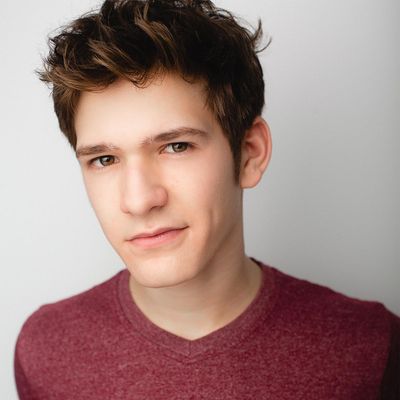
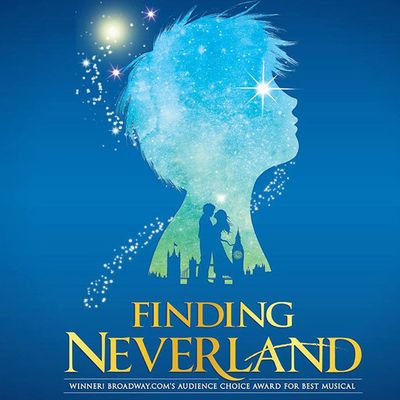
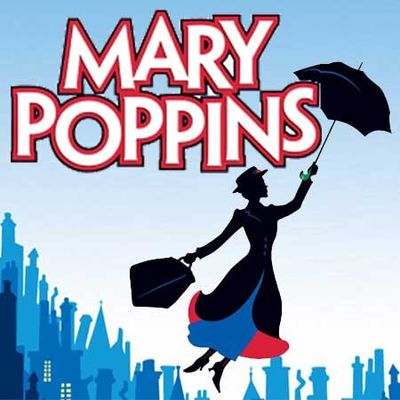
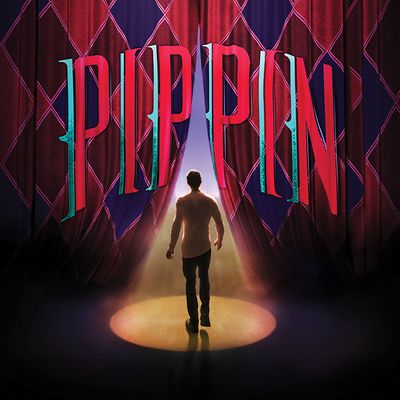
Eli Tokash is one of the other youngest podcast hosts on the Broadway Podcast Network with his show “Take A Bow” which just celebrated 100 episodes! As a fantastic child performer, he has been in the Broadway production and National Tours of Finding Neverland, Pippin, A Christmas Story, and Mary Poppins... Read More
From the show: Real Talk with Mason Bray
Guests
Featured Shows
About
Eli Tokash is one of the other youngest podcast hosts on the Broadway Podcast Network with his show “Take A Bow” which just celebrated 100 episodes! As a fantastic child performer, he has been in the Broadway production and National Tours of Finding Neverland, Pippin, A Christmas Story, and Mary Poppins. He also played the leading role of Trevor in “Trevor” during their run in Chicago.
In this episode, Eli and Mason dive into the world of being young performers, his experience producing podcasts, as well as our newfound expression of podcasting through TikTok and social media.
“Take A Bow walks audiences through life in the entertainment industry with guests from all facets of the entertainment industry including top actors, directors, stage managers, casting directors, musicians, child wranglers/tutors, and more. Eli highlights each guest’s unique story and celebrates their journeys and accomplishments as they give insight on how they came to be where they are in the spotlight. This podcast offers helpful information for those just starting out in the industry such as the process of auditioning, headshots, getting agents/managers, the daily life of actors, funny mishaps, and so much more. Join Eli weekly as he engages in these insightful and fun conversations and he and his guest’s offer their experiences, thoughts, and advice on all aspects of the industry, seen through a kid’s perspective while speaking with child and adult actors alike.”
Check out Take A Bow on social media:
Instagram - @takeabowpodcast
Twitter - @takeabowpodcast
TikTok - @takeabowpodcast
If you want to check out more content from Eli:
Instagram - @tokash_eli
Twitter - @tokash_eli
Thank you so much for listening and for your support to make Season 7 possible!
Check out my socials:
Instagram - @_RealTalk_Pod
Twitter - @_RealTalk_Pod
TikTok - @realtalkpodcast
Website - realtalkmasonbray.com
Facebook - Real Talk with Mason Bray
Transcript
This transcript was automatically generated and might contain errors.
[0:00] Mason Bray: So we have Eli Tokash, who is one of the other young podcast hosts on the Broadway Podcast Network, and just celebrated his hundredth episode with his show Take a Bow.
[0:09] Mason Bray: Um and his show takes you behind the bows of Broadway performers, directors, and people in every facet of the theater.
[0:14] Mason Bray: And you get special insight from Eli himself, who has been on Broadway shows and tours such as uh Finding Neverland, Pippin, A Christmas Story, and Mary Poppins.
[0:23] Mason Bray: Um he was also a part of the pre-production labs for the greatest showman and played the title role of Trevor in Chicago.
[0:29] Mason Bray: Um my god.
[0:31] Mason Bray: Oh my god.
[0:32] Mason Bray: I am so excited to talk to him.
[0:34] Mason Bray: Um hi.
[0:36] Eli Tokash: Hi.
[0:36] Eli Tokash: Hi, Mason.
[0:37] Eli Tokash: Thanks for having me on.
[0:38] Eli Tokash: I'm excited to do this.
[0:39] Mason Bray: Oh, thank you for being here. How are you?
[0:41] Eli Tokash: Yeah.
[0:42] Eli Tokash: I'm doing well.
[0:43] Eli Tokash: Uh it's officially allergy season, so kind of dealing with all of that fun stuff right now, but otherwise doing pretty well, yeah.
[0:50] Mason Bray: Yeah.
[0:51] Mason Bray: Um, so can you start out by walking us through how you got to where you are with your podcast and also performing?
[0:58] Eli Tokash: Uh sure.
[0:59] Eli Tokash: I mean, so it's been a it's been a journey.
[1:02] Eli Tokash: Um I started performing when I was six years old.
[1:06] Eli Tokash: Um, and this was in Pittsburgh, Pennsylvania, where I uh originally grew up, right outside.
[1:12] Eli Tokash: I I'm from Weirton, West Virginia, but uh did all my theater in Pittsburgh, Pennsylvania with the Pittsburgh CLO.
[1:18] Eli Tokash: Um I saw my first show at the Pittsburgh CLO and just like fell in love with it.
[1:23] Eli Tokash: My sister was in the show.
[1:25] Eli Tokash: Um, and I think that had maybe a little something to do with it because it's an older sibling, so maybe it's like, oh, I want to be like them and everything.
[1:33] Eli Tokash: But I genuinely just like fell in love with performing and uh the whole I fell in love with just listening to the audience like freak out over an amazing performance and hearing the applause and everything, and I was just like, oh my god, this is so something like I want to do.
[1:51] Eli Tokash: Um, and so we asked around, we asked the people who were putting the show on and asked cast members and all of that, you know, how to get started and everything, and they directed me to the academy, this Pittsburgh CLO Academy, um, where I did like a summer camp, and that was my first show that I ever did.
[2:08] Eli Tokash: It was uh King Louie and the Jungle Book.
[2:11] Eli Tokash: Uh so that was my first show, and then I did like You're a Good Man Charlie Brown, where I played Snoopy, um, and all that fun stuff, and uh then after my first summer camp, uh the principal at the academy, you know, was like you should really audition for like our main shows that we do at like our big theaters like the Benedom and the Biome and everything around Pittsburgh.
[2:33] Eli Tokash: Um, and so I was like, Yeah, sure.
[2:35] Eli Tokash: And it was a Christmas Carol, it was Tiny Tim.
[2:37] Eli Tokash: Um I auditioned, got in and uh had uh an incredible cast that had been doing it for it was always like the same cast, so it was cool because like the previous Tiny Tim then played my older brother, and like it was just like I got to pick everyone's brain because everyone was so familiar with it and so experienced in it.
[2:56] Eli Tokash: Um and then the music director was like, you know, you should head out to New York, and so I came to New York, and uh it was in the middle of winter, and came to New York on a bus that dropped me off in Chinatown and uh had no clue where to go.
[3:12] Eli Tokash: And uh I stayed with the music director of a Christmas Carol, Bruce Barnes, um, who then directed me to a bunch of these little you know, casting offices up here, and I went around to all these different casting offices and dropped my headshots and my resume and everything.
[3:29] Eli Tokash: I had done like a short film, so like I had that and all of those things and like an envelope and like was sliding them under doors if they weren't answering to my knocks.
[3:38] Eli Tokash: Um so yeah, it was just a bunch of that, and then since it was like winter and it was the holiday season, you know, not many of the places were open, but there was one that we ended up uh coming to, which was the Clear Talent group, um, that was open, and and thank goodness because we knocked and they they said come in, and we were like, Oh my god, like this is it.
[4:00] Eli Tokash: And they were like, Who are you here to see?
[4:02] Eli Tokash: And we were like, Oh, you know, I'm just here.
[4:05] Eli Tokash: Like, I was literally was like, I I'm not sure who I'm here to see, but uh I would love to be seen.
[4:10] Eli Tokash: Um, and they were like, Um, you need to have an appointment.
[4:16] Eli Tokash: So they were like, You have a great day, make an appointment with us, like online or call or something, and uh we'll see hopefully see you soon.
[4:26] Eli Tokash: Well, I was like, you know, like I'm not from here, I I came eight hours, blah blah blah.
[4:31] Eli Tokash: And I mean, you tell people that and they don't really care, but they actually seem to be like, Oh, okay, like okay, uh, we'll see what we can do, but uh maybe we'll catch you before you leave if you can make an appointment with us before you leave.
[4:43] Eli Tokash: Well, we went downstairs and we went a couple blocks, grabbed a slice of pizza, and while we were eating pizza, my dad and my brother and I um we got a call, and they were like, you know, I actually just talked to one of them, our one of our childhood casting agents, and uh they they're willing to see you, they have a minute, and uh how quickly can you come back?
[5:04] Eli Tokash: And we were like, uh, sure.
[5:06] Eli Tokash: So we came back, and the casting direct uh casting agent Paula Pueta was like, So I was watching some of your short film and everything, and just like really enjoyed it, and I would love to to represent you.
[5:20] Eli Tokash: Like, can you sing for me? Can you do a monologue?
[5:21] Eli Tokash: And I was like, I can sing for you, but I don't really know what a monologue is, but I guess I could do something, like if you explain it.
[5:28] Eli Tokash: Um, and so like it was just all of these crazy things, and then she sent me, she ended up signing me, and she sent me on my first audition, which was the tour for Mary Poppins, and I booked it, and ever since um here it's just been uh taking off, and now here we are with three, four Broadway and national tour credits uh on the resume, and uh throughout the you know, I'm transitioning into the no longer a child actor and kind of doing the adult acting, and in between there's like this weird, weird phase that you have to go through where you have to find your voice, you have to find out what kind of actor you are, and you have to go through all of these things.
[6:09] Eli Tokash: And so while I'm exploring all of that, I said, Well, I would love to to have conversations with other artists to help me maybe talking to them will help me find out who I am as an artist.
[6:20] Eli Tokash: And then I started this podcast with Take A Bow.
[6:24] Eli Tokash: Um, and it it was like if I'm struggling to deal with this stuff, I'm sure others are as well, so maybe they can benefit from it too.
[6:31] Eli Tokash: And so I've been able to do it on such a uh a wonderful platform such as the Broadway Podcast Network, and uh it's helped me a ton, and it's helped a lot of people.
[6:40] Eli Tokash: And here we are today, a hundred episodes later with Take A Bow.
[6:43] Eli Tokash: So that's how I kind of got into all of that.
[6:45] Mason Bray: Yeah, and congratulations on a hundred episodes.
[6:48] Mason Bray: That's insane.
[6:50] Eli Tokash: Thank you.
[6:50] Eli Tokash: And also all the love to the Broadway Podcast Network if you're listening to this.
[6:54] Mason Bray: Oh, yeah.
[6:55] Mason Bray: So your goal was to find your voice in theater.
[6:59] Mason Bray: Do you have any tips that you've found over your episodes that you can pass on to people wanting to find their voice currently?
[7:06] Eli Tokash: Wow, that's a great question.
[7:08] Eli Tokash: I mean, there's been so much that I've been able to soak up uh through all of this, and it's funny because, like, especially like with someone like I've experienced so much of it, and I've experienced so much of this industry, and there's still things that like I experienced it when I was a kid.
[7:23] Eli Tokash: So I had a completely different aspect from it, you know.
[7:25] Eli Tokash: Like I was doing it and I was just having so much fun.
[7:28] Eli Tokash: But then you hear like these adults, and you talk to these adults, and they're just like, no, this is like an actual job for us.
[7:35] Eli Tokash: This is what is paying our bills.
[7:37] Eli Tokash: Like, all of these things, it's something that you don't think about when you're a kid.
[7:40] Eli Tokash: So hearing it from their point of view and hearing it from like a job perspective, you know, there's my favorite thing that I found is there's a fine line between having so much fun and and telling these stories and making sure that you're having fun so that the audience is having fun.
[7:58] Eli Tokash: And then, of course, figuring out that professionalism and figuring out how to be a true professional to make sure that people want to work with you again, to make sure that you are kind to everyone, that they want to work with you.
[8:10] Eli Tokash: Um and there's just so much, there's a lot of when you go see a show, there's a lot of from an audience perspective, you don't really understand the amount of work that's been put in.
[8:23] Eli Tokash: Um, so even like okay, I know I'm going like in so many spaces, but like honestly, like, because when you're a kid, you go to school, so you go to school, then you go to rehearsal, then you go back to school, then you go eat, and then you go do a show.
[8:39] Eli Tokash: So there's no time to work outside of rehearsals when you're a child actor and you're a child performer.
[8:46] Eli Tokash: But when you're an adult, there's so much more that you have to dissect because the adult roles are so much deeper than a kid's role.
[8:54] Eli Tokash: Because a kid, you're just throwing them up there and they're having fun and they have to be cute and they have to be all these things.
[8:59] Eli Tokash: But like the adult roles are, oh my god, they're having fun with these kids, and then like a second later they're they're crying because like they have to figure life out and they have to like really go through that where you don't see all of that depth with kids.
[9:13] Eli Tokash: So then these adults are going home and they're doing just as much work that they're doing at rehearsals at their house.
[9:20] Eli Tokash: So like that was something that was completely like crazy to me that I never thought about because as a child actor, it's like, no, once I'm outside of the theater, like I have to worry about school and I have to worry about other auditions, and I need to worry about sleeping and I need to worry about eating so that I can get through the day.
[9:35] Eli Tokash: Like that's what I see.
[9:37] Eli Tokash: And then the adults are like, no, I have to make sure that I'm coming to work every day, that I know what all of my choices are when I'm doing a scene.
[9:37] Eli Tokash: I have to make sure that my lines are done.
[9:47] Eli Tokash: I have to make sure that my I can hit every single note consistently because as an adult, the voice is just it's an actual like it's an actual muscle, and it's an actual thing that you need to do when it's easier for kids to sing because it's like not fully it's never like dropped or it never did all of these things.
[10:05] Eli Tokash: So there's just so much that goes into it from an adult's perspective that I've yet to experience because I'm still 18 years old, um, that I've been able to soak in from talking to these adults, and I think that that has been the major thing.
[10:20] Eli Tokash: Just make sure you're doing the work from every minute that you are possibly able to, and it's not just in the room where it's happening, like no, you have to do it when you go home, you have to do it on the subway, you have to do it everywhere, uh, where wherever you are.
[10:34] Eli Tokash: It's crazy.
[10:35] Mason Bray: Yeah, and that's hard to figure out for child performers.
[10:38] Mason Bray: Cause there's a lot of um conversations in theater where it seems like people expect us to know how to do that, but being child performers, it's not easy to figure that out.
[10:48] Eli Tokash: Right.
[10:48] Eli Tokash: But yeah, that's and it's interesting too because like for a child performers, you know, we're doing it subconsciously.
[10:56] Eli Tokash: Yeah.
[10:56] Eli Tokash: You know, like we're doing it without meaning to do it.
[10:59] Eli Tokash: Um, because that's just like the nature of the business.
[11:02] Eli Tokash: And and when you're a kid and you're having so much fun, like all you can do is think about it, you know.
[11:07] Eli Tokash: So it's like I don't I want to continue to do it, and I am always singing the songs when I go home, but we just think we're having fun singing it because we like it and we like the song, but really we're actually like working on it and we're working on our craft and we're making sure that we're able to sing it.
[11:22] Eli Tokash: It's so interesting um how like the kids like they're so innocent and how we think.
[11:28] Eli Tokash: Uh, but really we're actually putting in the work that adults are doing, but like on a on a more innocent level, and the adults are doing it in in a specific meaningful level that they have to do it to make sure that they're showing up every night eight times a week uh in six days.
[11:46] Eli Tokash: It's just insane so that they can sustain that performance for each new audience.
[11:51] Mason Bray: Absolutely.
[11:52] Mason Bray: So on to the next topic of your podcast.
[11:55] Eli Tokash: Yeah.
[11:55] Eli Tokash: Um can you take us through the production of your show?
[11:58] Eli Tokash: Oh, sure.
[12:00] Eli Tokash: Um the production is a lot of me.
[12:04] Eli Tokash: Um, you know, it's it's a lot of work.
[12:06] Eli Tokash: I never realized what podcasting was until I I did this.
[12:10] Eli Tokash: I'm I know you know.
[12:12] Mason Bray: Um are you doing it solo?
[12:14] Eli Tokash: Um, yes, I am.
[12:16] Eli Tokash: It's oh my gosh, God bless you.
[12:18] Eli Tokash: Um I started out doing it with a co-host, so I was very fortunate enough that originally, like when I was first getting into it, you know, Sydney Lucas, Tony Nominee, Fun Home, all of that fun stuff.
[12:31] Eli Tokash: She was kind enough to do some of the work as well.
[12:36] Eli Tokash: So like we were able to split it.
[12:37] Eli Tokash: And then the whole time my sister, Tessie, who actually was the reason I fell in love with theater, she was fully on board with this idea from the get go.
[12:46] Eli Tokash: And she is a big she loves to edit, she loves taking photos.
[12:51] Eli Tokash: Um, she loves doing all of that stuff.
[12:53] Eli Tokash: So she thankfully um edits all of our episodes.
[12:58] Eli Tokash: Um she takes photos when needed.
[13:01] Eli Tokash: She she helps out with uh TikToks and all of that fun stuff.
[13:06] Eli Tokash: Um we're we have kind of like a team um where it's just like she's doing the whole editing and and all of that where I'm doing all of the content, like I'm creating all of the content and I'm reaching out to each guest that they want to come on, and I'm thinking of the topics and thinking of the questions and the ideas and and the games and whatever that I play.
[13:27] Eli Tokash: And then of course, for our hundredth episode, um my brother helps out too with like some social media stuff because he loves like social media, so he'll he'll help out when it comes to that kind of like Instagram and posting to that and what kind of hashtags work and all of that fun stuff.
[13:42] Eli Tokash: So I have help all around, and and it was great like when Sydney was here and she was able to reach out to some guests, because sometimes that's like hardest.
[13:50] Eli Tokash: That's the hardest is just figuring out your guest, figuring out a schedule and a time that works with them, that works with you.
[13:57] Eli Tokash: And then of course, because I had another co-host, we had to do like three or four schedules.
[14:02] Eli Tokash: It was just so much.
[14:03] Eli Tokash: Um, where now when I'm with myself, it's easy to coordinate just me and and another person because my schedule is in constant flux and it's so flexible uh because of all of this, and I can kind of make my own hours, which is great.
[14:17] Eli Tokash: Um, so the production side is great, and it's uh it takes a village and um it's a lot of work, but we make it work and uh it's totally worth it. And for our hundredth episode, we did it live, so I was taking care of my yeah, it was yes. Um I was I was doing a lot of that stuff, you know, just making phone calls with the and emailing back and forth with the um with the venue and the guests and coordinating that, and then the music director making sure that he had everything that he needed, all the music, the sheet music, all of that. Like it was just so much work. So so much of it is just through communicating via email and via via uh phone and all of that fun stuff. And thankfully I I'm able to to push some of the stuff off my plate and onto my sister's place, which is really the time consuming stuff with editing and all of that stuff.
[15:07] Mason Bray: Yeah, kudos to you for doing it all yourself. I don't know if I I I don't know if I could do it.
[15:12] Eli Tokash: There is several times where I just get this Sunday night and I'm like, I haven't edited my episode for tomorrow. Oh yeah, it's done. Literally, I always end up recording, so it's so funny because like I said, like finding a guest is the hardest thing. So you think you have a guest for the week and you don't, and it's like, oh my god, what is happening? So I usually like end up reaching out to someone like Wednesday, like afternoon in the morning, record at like four or five. Hey, can you do today? And they're like, What today? Like, I guess. Like, um, and like four to five we're recording like we are right now, and then I like send it off to my sister by like seven o'clock with all the intro with all that, and she's like, really? Like right now, like we have to have this up by midnight, really. And it's like, I'm sorry.
[16:05] Eli Tokash: That it's stressful. It's so so fun. So worth it. Fresh on your mind. Absolutely. Absolutely. And it's just like, you know, it's it's fun. It's fun stuff. Like it's fun stress. Like it's never like a actual like, oh my god, this I don't want to do this right now. Like, this is not what, like, it's not fun stress, but it it is. It is fun. And it's like, oh, this is great. Like, I get to like talk to my friends, and I get to figure out what fun things to talk about within the industry that we all love and that we're all nerds about, which is so invigorating, I guess. It's so fun.
[16:41] Mason Bray: And also for us and the audience, we create new connections and get people interested in it because of these amazing people.
[16:48] Eli Tokash: Absolutely, absolutely. Yeah. Um, so you mentioned your live event. How did that go? I know you had a great guest list.
[16:56] Eli Tokash: Oh my god, yeah, it was so fun. So we had Sierra Renee, we had JJ Neiman, we had Max Von Essen, we had Presley Ryan, we had Anthony Rosenthal, and then we had a wonderful music director who uh was the music director for Pippin, which I was in, and then of course, next to normal, and he's been it, he's uh subbing at company. He's done so many things, and he's been working with uh Zoe's extraordinary playlist for the pack of all of their seasons and their fun things that they do, like the holiday episodes and whatnot. Um, so Charlie Alterman is a great guy, and he knew all of them, so it was just such a great group of people. We all knew each other without knowing. We all knew each other, which was really cool.
Um, Sierra Renee actually came down with COVID, so she was unable to come. Um, but we still had a wonderful lineup with JJ Neiman and Max on Essen and Presley Ryan and Anthony Rosenthal. Um, and it was just so much fun. I mean, I'd never done a live show before, and I think it's something that I've always kind of entertained, um, and kind of was always something like the goal for Take A Bow. Um, doing like a live fun little cabaret show and hosting it and all of that. Um, and and it was cool because I was able to sing on it, like, which was cool, and I I haven't sung since like my voice changed. Um, so that was really cool, and yeah, it was cool to be able to to totally reinvent re envision and like reimagine a cabaret um and turn it into like a podcast, but like also sticking to the cabaret, like oh, we'll allow them to sing and we'll allow them to talk about their song that they want to sing and talk about then to go into like a podcast kind of uh view of the the whole thing and talk about the shows that they've been in and what they're working on now and doing all of this fun stuff within the industry.
Um it turned out so so lovely, and it was just so so much fun. Every we sold out, which is crazy. Um, and we just we had the best time, and everyone there was laughing and smiling, so it was really really cool to to be to do that, and hopefully that that's not the last live show that Take A Bow has.
[19:08] Mason Bray: Yeah, and for anyone listening to this episode, um, you can listen to that on his podcast if you're not already listening to his podcast. Um it's fantastic.
[19:15] Eli Tokash: Thank you.
[19:16] Mason Bray: Yeah. Earlier you were talking about the production of your TikTok, which we have mentioned in the Slack for the Broadway Podcast Network.
[19:23] Eli Tokash: Yes.
[19:23] Mason Bray: Your TikTok is fantastic.
[19:25] Eli Tokash: Oh my goodness, thank you. I love it.
[19:28] Mason Bray: So coming into a new form of advertising for podcasting, because TikTok isn't that old. Um, how do you navigate that side of marketing your show?
[19:39] Eli Tokash: Yeah, um it's still very new to me. And, you know, I don't know about you, but like as teens in in our world that we're living in today, it's so like stereotypical that like, you know, we're on social media all the time.
[19:54] Mason Bray: Yeah.
[19:54] Eli Tokash: And like, sure, we are, but it's not always for reasons of like entertainment. Like a lot of my show for Take A Bow is done through social media because you know, it's just easier, it's easy access to other people. I think that's been a blessing with creating a podcast in this day and age is you have access to reaching out to so many people with social media. And so I feel like growing your social media will help you with that and helping you with reaching out to people and all that fun stuff. Like, I was able to get Kevin Chamberlain on my show through TikTok, which was like something that I wouldn't have never imagined. TikTok, like starting a TikTok for Take A Bow was scary for me because I I didn't I still don't get it.
Like I don't understand TikTok, I don't understand how the algorithm works. Um every day is like, oh, I think this is gonna go viral, and it doesn't. And then the ones I don't think goes viral is like pops off, and I'm like, this that's wonderful, that's great. Like whatever works, but like how then I try to like replicate that and it doesn't work. So it's just like, what is happening here? And uh I I was so hesitant. Like, we literally started our TikTok probably a month or two ago now, and we've gone a we've gotten a great following on it and from it. Uh it's definitely boosted our downloads and listens and uh boosted like you know the brand awareness of Take A Bow and getting it out there, but I still like I I wish I could like help people with it because I just don't get it. And um, but it's been so huge for our to continue like Take A Bow and to get these wonderful guests on. It's been so lovely.
[21:42] Eli Tokash: So I encourage everyone. I mean, you have a great TikTok too.
[21:43] Mason Bray: Uh I yes, of course.
[21:45] Eli Tokash: Um, I actually you always come up on my for you page. I'm always like, oh my god, Real Talk with Mason Bray, come on.
[21:54] Mason Bray: Oh my god, Mason Bray. I said Gray, sorry.
[21:57] Eli Tokash: It's fine. I know. It's fine.
[22:00] Eli Tokash: So yeah, it's just like it's it's great. And like when you can like come on to someone's TikTok like you do with mine, like I'm you I have you like in my head now, and I think that's when like I was like, oh Mason, like we should do something as like the young podcasters on the Broadway Podcast Network, you know?
[22:19] Mason Bray: Yeah.
[22:19] Eli Tokash: Um so I love that we're able to chat and talk about, you know, our podcast and being young podcasters and um our love for theater together. I think it's definitely really great.
[22:30] Mason Bray: Yeah. Um, and that was one of the things that I mentioned with the BPN in my first strategy meeting. Um, we had talked about the young podcasters and how um we should start working together with them to um increase the awareness of young performers and podcasters.
[22:45] Eli Tokash: I couldn't agree with you more. I hope that we can do more.
[22:48] Mason Bray: Oh, absolutely. I hope so too. And it's interesting because there's not many of us. Like there just aren't. And there's probably three of us, I think that we have. It's me, you, Josh Turchin, I think.
[23:01] Eli Tokash: Yeah.
[23:02] Eli Tokash: And like, yeah, and he and he's like kind of I mean, his is a podcast, but his is really um featuring like YouTube and kind of that kind of route. So it's interesting, like, because there should be more because each I don't think people realize this about podcasters, but each podcast is really a performance.
[23:22] Mason Bray: Yeah.
[23:23] Eli Tokash: Like each podcast that we're doing, we are entertaining others, you know? Like it is some sort of performance and on some scale. So I definitely think that like, especially with young podcasters that are just trying to like entertain others and make people happy and also spread the word about an industry or about a topic that people love and spread that awareness. I think it's so wonderful and I think it needs to be talked about more because it's just so rare and in such an overpopulated industry as far as the podcasting community is because everyone started a podcast in the pandemic. Um yet there's still very few young podcasters.
[24:00] Mason Bray: Yeah.
[24:01] Eli Tokash: So um I totally agree with you, and I hope that there is something there that we can do. Um, because I definitely think it's valuable and it's like we are we are the future. Like it's crazy to think about that, but like, you know, someday it's like you're gonna be seeing more Eli Tokash and Mason Bray than you're seeing like the the reporters that you see now because they're eventually they're gonna age out and they're gonna retire and they're gonna they're gonna go on and then who's next? Like, we are the next wave, so why wouldn't we just start building that up now while we can, you know? Which can seem a little scary um to hear that, but everything is fine.
[24:43] Mason Bray: Yeah, everything is fine.
[24:44] Eli Tokash: No, it's okay. We're we're young, but we're doing it. We're we're thriving. We are doing it. We're timed. We're here, you know, we're still alive, we're making school work, we're making uh job work, we're we're doing all of these wonderful things.
[24:58] Mason Bray: Yeah. Started the job this week.
[25:00] Eli Tokash: Yes, Mason.
[25:02] Eli Tokash: Come on. What is it?
[25:04] Mason Bray: Um, I am doing graphic design and other artwork for a um company here in southern Indiana.
[25:10] Eli Tokash: Wow, that's amazing. Good for you. That's a great skill to have for uh for a podcast.
[25:16] Mason Bray: Yeah.
[25:17] Mason Bray: Um going into this. I was doing Adobe Stock Photos for all of the stuff. And now I'm in Photoshop, which is a big change.
[25:28] Eli Tokash: Yeah. Photoshop is tricky for me. I'm a big Premiere Pro guy for like editing visuals and and audio, but I still can't get Photoshop.
[25:39] Mason Bray: It's tricky for me.
[25:40] Eli Tokash: There are so many tools, and I don't know how to use any of them.
[25:44] Mason Bray: Yeah, and I feel like that's a great topic for for podcasters and podcasts like people who want to go into podcasting. Like, there's all of these incredible platforms that are out there now that we can use um to to start that. And also like with my self tapes that I I because I'm still auditioning um for so many things. And so with when editing stuff, when editing stuff, you know, people don't always understand that like where should I do this? Do I do this through iMovie? There's so many platforms. So I'm a big Adobe guy, um, and I do a lot of my stuff there for the podcast, for my career, for social media, for um for uh auditions and all of that fun stuff. So that's a great tool for any of you aspiring podcasters and artists and performers out there.
[26:31] Mason Bray: Yeah. Um, so getting into some of my um closing questions that I ask literally everyone, and I'm not gonna give it up. Um, so do you think that your experience um in performing or your education has gotten you further?
[26:48] Eli Tokash: I say my experience in performing. Um I think that when you are put into a room and you are put into a room with other incredible actors and storytellers, it furthers you to what to be better. Um because in school it's just like, you know, we're we all love it, but are we all good at it? And like, you know, some of there's a lot of really strong people, but like the ones that force it tend to tend to be harder scene partners because it's just not natural and it's not raw, and you and you can't really like feed off of that. So when you're in a group with such wonderful performers, like you are in a professional setting such as Broadway and such as National Tours and even regional productions, it just it it excels you in it, and you ask yourself the questions that you end up asking in school um that you like certain have tons and tons of lessons on that like you're doing that without even knowing you you should be doing that and how you should be evaluating a scene.
Um so I would say like my experience in working with directors and and them asking me the harder questions that I need to evaluate for myself and my character and thinking on my toes and all of that stuff has you know really excelled, I guess, my my learning as as a performer and of uh as a of myself as a human um I think that it's it's gone it's been pivotal the experience more so than the schooling yeah and then so I used to ask what you've been doing during quarantine but I think that we're all yeah sort of phasing out of that I hope.
[28:34] Eli Tokash: So what was your first show that you saw back after the pandemic? Oh my god, the first show that I saw back was, oh my word, I don't even know what was like the first show back. Oh my god, this is so terrible of me, I'm so sorry. What were the first ones to reopen? Yeah, when did we reopen? Like Passover? Oh my god, Passover may have been my first show that I saw then with screen. Are we counting like cabarets? I think so. I think we can count cabarets. I mean, like I saw a bunch of like little cabarets that were like starting to pop in and out while it was all like outside and everything like that, while it was slowly starting to come back. My friend Maxon, who was in my 100th show, was the first one. However, the first show was probably, I would guess, I would say Passover because that I saw that the second preview. So if that was the first show to come back, then that was definitely the first show that I saw.
[29:42] Mason Bray: That's fantastic. And you've also been to a lot of the reopening red carpets and stuff like that recently, actually, on Instagram. How are those?
[29:44] Eli Tokash: Oh my god, that's been so, so much fun. It's fun because I started to do a lot more stuff with Broadway Podcast Network as far as joining their team and staff and everything. So I've been going for both my podcast, but then I've gone for Broadway Podcast Network as a whole and as a social media person for them to post on their stories, to post on their stuff. So like Beetlejuice and American Buffalo, I went and I did a bunch of content for their social media. And then I was on red carpets for Is This a Room, Dana H. I was on a red carpet for, there was a bunch. Oh my god, I'm blanking on all of the things because my brain is like everything is mixed together. But yeah, it's been incredible. It's been such a fun experience and now with all of these amazing shows, you know, coming back to Broadway and having Broadway reopen, there's been so many this month that I've been able to attend.
And they've been wonderful, they've been so much fun. It's cool to see all of these wonderful celebrities that are coming out to support Broadway. It's funny because like the people that we consider celebrities are like movie stars and everything because they're publicized on such a broad scale where performers on Broadway aren't always talked about but tend to be like more of like a well-rounded performer because they can like sing and dance as well as act. Anyways, that's a whole nother conversation that we can have. I have a very strong feeling on that. But it's cool to see all of those celebrities come into Broadway and kind of come to where they originally fell in love with storytelling, which is interesting as well.
It's cool to see them come back and support people that they've worked with and celebrate live theater and all of that fun stuff. So it's just been a really cool experience, and being on like a red carpet is just something, you know, I've done it a few times as like a performer, but doing it from like a press side is like something so crazy to me. And for some reason, it's more nerve-wracking, but it's been such a blast, and I'm very lucky to be doing that.
[32:14] Mason Bray: Yes, and I hope that I can join that sometime soon when I get out of Indiana.
[32:19] Eli Tokash: Yep.
[32:22] Mason Bray: I am working on it.
[32:24] Eli Tokash: You're working.
[32:26] Mason Bray: Oh, really?
[32:27] Eli Tokash: Oh my god, that's wonderful. We'll have to meet up.
[32:30] Mason Bray: Yes, one thousand percent. And you mentioned young performer or you mentioned how movie stars usually get their start in theater, and I do want to have a quick conversation on that.
[32:41] Eli Tokash: Yeah, because young performers, we always get bullied because we're like not movie stars, but like that's where people find their start.
[32:47] Mason Bray: I know, it's so funny because there's so many people that ask me, like, oh, you're an actor. What have I seen you in? And I'm like, well, have you seen like Finding Neverland? Have you seen me in, have you seen Pippin? Have you seen A Christmas Story? Have you seen Mary Poppins? Have you seen Trevor? Like, I list all these things, and they're like, I don't know what it is. I'm like, dude, you literally live in New York. How do you not know what it is? It's so frustrating, right? And I mean, like, I can say like I've been on Forever on ABC where I had a reoccurring role. I could say I was in Friends from College on Netflix, where I've had a reoccurring role, like and all of those things, but it's nothing to like the extent of like what I did in Finding Neverland and Pippin and all of those incredible shows.
Like, I take those performances, I'm so much more proud of those performances that I was able to do every night than what I did on like a television show or like a movie. For and it's part of the live aspect, but it's also just because like, you know, I did it for like a year, so I was able to just learn so much about myself and my character and all of that fun stuff, and getting the audience reaction and kind of getting that instant gratification that you don't get when you're like doing TV and film. So I'm like, I don't even want to list my like TV and film credits because like I haven't like I haven't been like I wasn't Harry Potter, you know, like that's what you would like know. Like I had had like smaller roles on TV and film.
So it's just interesting because especially as a young kid, it's so much easier to break into the industry from a theater perspective than it is to go directly into movie and films. But people don't understand or notice you as a child performer if you're not in TV and film. So there's such an interesting dynamic there, and it's so, so frustrating, but it's fine. We're still here, we're still trying to make a name for ourselves. What's that? Everything is fine, everything is fine, everything is awesome. Um, it's okay because I could literally just talk about it for hours and hours. It's a whole boiling conversation that's wrapped in my head.
[35:07] Mason Bray: So we can continue if you would.
[35:10] Eli Tokash: I love our host instinct to just like at the same time go ahead.
[35:14] Mason Bray: Yes, absolutely. Well, is there anything you want to add before we wrap up?
[35:19] Eli Tokash: Is there anything I want to add? You know, I just want to say, like, for those of you, if anyone's listening and they are an aspiring artist or podcaster or someone that just wants to entertain people, because that's really what like I love just making people laugh, and I love meeting new people, and I love hugs. So like after the stage door, like those are so fun. So, like, if you're into all of that, like I just wanna say, like, do it, like, figure out a way to do it. You can't. I unfortunately, we are social media is so easy to like wrap your head, like getting you lost in your phone and just like watching other people succeed, you know, and that's the thing that like we need to get away from because like social media is so much is literally only like watching people succeed because that's the only part of their life that they're willing to share.
So I'm like, I'm over social media, and I'm just like, I'm figuring out a way to do it. Put my phone down, give me it. It's crazy how much time you have when you suddenly put your phone down, and figure out a way that you can get into this industry in some sort of way. You don't even have to like make it to Broadway to do it, you can do it on such a small scale. You could do it in an independent film, you can do it in a school project, you could do it in a podcast, you know. Like, you could, there's so many things. I mean, that is the one good thing about social media and technology is that like everything is such easy access nowadays. So, and there's so many wonderful things that you can do in this industry that people don't know about.
There's editing, there's directing, there's writing, there's performing, there's makeup, there's hair, like whatever you want to do, do it and figure out a way that you can get your name out there, knock on people's doors and be like, hey, this is what I do. Are you interested? Do you need anything? Like, go do it for a dance recital in your local community, like figure out ways because the people that you learn, and if they if you do it right in one place, they're gonna tell someone else, and that person's gonna tell someone else. Like, it's just have the drive to go out and put yourself out there so that you can succeed because it's easier to do it once you have that drive, and once you start to make those connections because it's in this industry, it's such a small community, even though it doesn't seem like that.
But everybody knows each other and everybody talks to each other, and in some sort of way, you're gonna end up in someone's mouth, and that person, you don't know who that person's talking to when you come out of their mouth. That could be like your next thing. So, so much of what I've done in my career is working for the same people. And I've been forever grateful for that, don't get me wrong. So make sure that like whatever you're doing, just keep doing it, and make sure that you're coming to work, putting in the effort, being kind to everyone that they're gonna want to invite you back and work on your next project with a whole new team and a whole new cast of people that then leads you into meeting so many other people.
Like, just figure out a way to do it and don't stop until like you're satisfied and that you're happy, but make sure you are happy and make sure it is something that you want to do. That is by far the most important thing and that's definitely something that I just want to add.
[38:49] Mason Bray: Absolutely. Yeah. And schoolwork does work.
[38:52] Eli Tokash: Yeah, there's one time I turned in a transcript of my episode with Alex Lagramore for a writing project.
[38:58] Mason Bray: Oh my god, good for you, that's amazing. You know, I've been thinking about doing that for I'm in a public speaking class right now for college and it's just like send them the link. The final is a 10-minute podcast informative speech and I was like, you could do that in your sleep.
[39:19] Eli Tokash: I could do, I could send you an hour of a hundred episodes if you would like. And you know, sometimes it works, sometimes it doesn't, but that's okay. And it's wonderful too like if you, I know as a kid in the industry, school is really hard and there's no doubt about it. Being a kid is tough because you got a whole other world to worry about. It's like living two lives. But with school, you know, so much of this industry and so much of life is communicating. So if you communicate with your teachers and you develop a relationship with teachers and you let them know like, hey, this is what I'm doing. This due date isn't it, it looks tough. Like I'm gonna be straight, like it's gonna be pretty tricky to do this or is there any way to extend it or is there something, is there an alternative that I could do?
Most of the time if you tell them, if it's not like an excuse where it's like, sorry, I'm gonna be on my phone just like chilling and kind of forgot about the due date, like they're not gonna work with you there. But like if they know that you're really like trying to put your name out there for you, like they're gonna let you do it. Like, they're humans, they want you to succeed too, especially like in middle school. I was rarely in middle school because I went to performing art school and they knew that what I was doing was performing, so like they knew I was getting that school. So all of my performing arts classes, which was at the end of the day, I was able to leave. I was able to like leave early because then I was going to do that in a professional setting and not a school setting.
So as long as you're like making trying to make everything work, it's gonna be great. And honestly, you're gonna have to rely on other people. You're not gonna be able to do it all yourself. You're not, it's just not gonna happen. You need your parents, you need your friends, you need your siblings if you have them. That can help you, and that you can rely on them to in order to succeed, and in order to do all of the wonderful things that you hope to do and that you have planned for yourself. If you make a goal for yourself, you're gonna achieve it, you know. And if it takes a little longer, it takes a little longer. There's no limit. As long as eventually one day you reach the goal and you are happy, like that's when you've made it in life. So that's it, it's hard as a kid, but it's doable. And Mason and I are proof.
[41:53] Mason Bray: We are, yeah. Well, thank you so much for being here. This was fantastic.
[41:57] Eli Tokash: Oh my god, Mason, you are a dream, and I'm so excited that we got to meet and do this wonderful thing together, and I can't wait to talk about this on my podcast and talk about you because you are such a joy and it's so fun. I love all of your episodes. I love watching you on TikTok, all the things. So keep doing such great work and hopefully I will be seeing a lot more of you.
[42:22] Mason Bray: Thank you.
[42:23] Eli Tokash: Yes, of course.
© Broadway Podcast Network, All Rights Reserved