

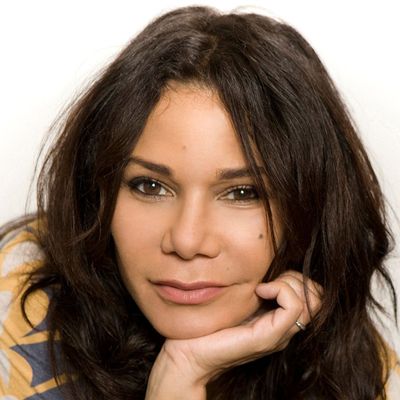
For the first time on Sentimental Men, we’re headed over the rainbow and out of Oz. This episode, we’re thrilled to chat with living legend: Daphne Rubin-Vega. She’s gonna tell you about Jonathan Larson singing “Out Tonight” on a demo tape, share the musicals she did (and did not) grow up exposed to and spill some tea from a, uh..... Read More
From the show: Sentimental Men
Guests
Featured Shows

About
For the first time on Sentimental Men, we’re headed over the rainbow and out of Oz. This episode, we’re thrilled to chat with living legend: Daphne Rubin-Vega. She’s gonna tell you about Jonathan Larson singing “Out Tonight” on a demo tape, share the musicals she did (and did not) grow up exposed to and spill some tea from a, uh... time gone by. Plus, she’s got a connection to Wicked that we never saw coming!
You can also support us by leaving a rating or a review on Apple Podcasts or following us on Twitter, Instagram and TikTok!
Transcript
This transcript was automatically generated and might contain errors.
[0:00] Quincy Brown: Uh I was just about to launch into like the greatest tea.
[0:08] Quincy Brown: My name's Quincy.
[0:10] Kevin Bianchi: My name's Kevin.
[0:11] Quincy Brown: And this is Sentimental Men.
[0:13] Kevin Bianchi: But keep your thumb away from that skip button.
[0:16] Quincy Brown: Because we're here to talk and maybe scream.
[0:18] Kevin Bianchi: About our favorite women in musical theater.
[0:29] Quincy Brown: Hello and welcome back to episode two of Oh wait, Kevin.
[0:33] Kevin Bianchi: Have we named like this new era?
[0:34] Quincy Brown: I keep waiting for the video.
[0:35] Kevin Bianchi: Let's not do this on air because no, we have not.
[0:40] Quincy Brown: But I was gonna say episode two of this season, but also episode one of like the new gag.
[0:47] Kevin Bianchi: So, as we've discussed already, in this new era of Sentimental Men Pod, you're gonna be getting one Wicked episode a month and one non-Wicked episode a month.
[0:59] Quincy Brown: Non-Wicked guest, because knowing us, Wicked will find a way into the conversation, I'm sure.
[1:04] Kevin Bianchi: Yeah, I'm never not talking about Wicked.
[1:07] Quincy Brown: Um, but we thought this would just be a fun way to shake up the format and spread our wings a little more.
[1:12] Kevin Bianchi: I don't know if y'all have pieced this together or not, but we do enjoy other entries in the musical theater catalog.
[1:19] Quincy Brown: So I'm really excited.
[1:21] Kevin Bianchi: I'm really excited.
[1:22] Quincy Brown: And I think today's guest is like a perfect guest to kick this new format off with.
[1:28] Kevin Bianchi: Well, first of all, I just want to point out that at the end of the last episode, you were like, if everything works out the way we want it to, I think we're gonna come back with someone really cool.
[1:38] Quincy Brown: And we are like you were talking about.
[1:40] Kevin Bianchi: Oh, was I really? I don't even remember that.
[1:41] Quincy Brown: Okay, cool.
[1:42] Kevin Bianchi: Yeah, yeah, yeah.
[1:42] Quincy Brown: So that's we've been manifesting this.
[1:44] Kevin Bianchi: We hadn't even spoken to her at that point about coming on.
[1:47] Quincy Brown: The guest is Daphne Rubin-Vega.
[1:49] Kevin Bianchi: I'm really fucking pumped because right alongside my Wicked era as like a sixth, seventh, eighth grader was the Rent era.
[1:58] Quincy Brown: Eighth grade is when I discovered Rent too.
[2:00] Kevin Bianchi: Although we were talking before we started recording that like our discovery points of Rent are probably different, like our entry points.
[2:06] Quincy Brown: What was yours?
[2:07] Kevin Bianchi: Well, mine was Wicked, really, because it was like Wicked brought me to Idina and Idina brought me to Rent.
[2:13] Quincy Brown: Oh, okay.
[2:14] Kevin Bianchi: Yeah, so Rent brought me to Idina and Idina brought me to Wicked.
[2:18] Quincy Brown: That's cute.
[2:19] Kevin Bianchi: But for me, it was the I discovered the Rent movie in eighth grade.
[2:23] Quincy Brown: Yeah, that didn't exist when I discovered Rent.
[2:27] Kevin Bianchi: Yeah, I'm super excited though because Rent was very meaningful to me as like a teenager because I had always been a musicals person.
[2:37] Quincy Brown: That was always like the language I spoke, you know what I mean?
[2:41] Kevin Bianchi: And so then, like, to be hitting adolescence and then handed this angry, horny, gay musical right when I needed it.
[2:49] Quincy Brown: It was like, oh, oh, cool, cool, cool, cool, cool.
[2:52] Kevin Bianchi: So, how old were you?
[2:54] Quincy Brown: Like, do you remember Rent original Broadway cast recording? Do you remember Rent Tony performance? Is that the era, or were you still young for that?
[3:01] Kevin Bianchi: No, no, no, no, no. So, what so Rent came out in 96 when I I was five. I was turned five that year.
[3:08] Quincy Brown: So Wicked came out in 2003 when I was about to turn 12, and I was in sixth grade when that happened.
[3:15] Kevin Bianchi: And then I was in seventh grade when I saw Rent the following year.
[3:20] Quincy Brown: I remember I was in eighth grade, I was in a musical theater class, and they taught us Seasons of Love as you do in a middle school musical theater class.
[3:27] Kevin Bianchi: That hooked me into Rent. I watched the movie, shook to my core because like pretty crazy themes for a kid in Hawaii to like see.
[3:38] Quincy Brown: And then I came in to class the next day and like I was kind of close to my teacher, so like was kikiing with her, and then she gave me the original Broadway cast recording, which was like this uh plastic.
[3:50] Kevin Bianchi: It was you know, like the double disc thick thing CDs that like opened out.
[3:55] Quincy Brown: Do I know it, Quincy?
[3:56] Kevin Bianchi: Those are called jewel cases, just so you know. Not the thin one that is like the one CD, like the thick ones.
[4:01] Quincy Brown: Oh, I know.
[4:02] Kevin Bianchi: So she gave me the Rent Original Broadway cast recording in a jewel case, and she was like, be careful with this, like, do not fuck it up, essentially.
[4:09] Quincy Brown: And I remember I took it home, wore it out, wore it out, and I cracked the front of the jewel case and was terrified to give it back to her.
[4:19] Kevin Bianchi: So I told her I lost it. Like, I just didn't give it back to her ever. I told her I lost it.
[4:22] Quincy Brown: Oh my god, that's worse, Quincy.
[4:26] Kevin Bianchi: But then also I got to keep it. And that is also when I discovered Goodbye, Love, which is famously not in the movie.
[4:32] Quincy Brown: Okay, so love Rent. Love a lot of iterations of Rent. The movie is good for like for what it was trying to be, right?
[4:40] Kevin Bianchi: But like I miss all of those operatic parts of the musical where it's not a reflective song, it's like a song that is a dialogue.
[4:49] Quincy Brown: I don't miss the voicemails in the movie, I'll say.
[4:51] Kevin Bianchi: I would have loved to hear Sarah Silverman doing my nanny, Alexi Darling.
[4:57] Quincy Brown: 9704301 or myself on an 8636794.
[5:02] Kevin Bianchi: Or myself on at 9197630090.
[5:05] Quincy Brown: You know what? Voicemail 6 in my head.
[5:07] Kevin Bianchi: Well, Joanne, we're off. We tried you at the office.
[5:12] Quincy Brown: I remind her that those oddwed mothers in Harlem need her legal help too.
[5:15] Kevin Bianchi: And uh Brah.
[5:20] Quincy Brown: Oh my god. Where were you the first time that you like understood the Doc Martin's joke?
[5:25] Kevin Bianchi: Do I understand the Doc Martin's joke?
[5:28] Quincy Brown: Great. So it'll come for you.
[5:30] Kevin Bianchi: I feel like we never get like a butch Joanne.
[5:33] Quincy Brown: Uh, I guess like Joanna's always butchier than Maureen.
[5:36] Kevin Bianchi: Yeah, but like, wouldn't it be hot if she was like Butch butch?
[5:41] Quincy Brown: But Kevin, what a perfect transition because we know and love Daphne originally from Rent, but Rent was like the beginning of her career.
[5:52] Kevin Bianchi: This is the beginning. The beginning of the rest of her life.
[5:55] Quincy Brown: So, Kevin, why don't you run us through this icon's resume?
[5:59] Kevin Bianchi: Buckle up, because she's a long story, but she's full of success. So Daphne Rubin-Vega, as we uh just said, obviously was in the original Broadway cast of Rent. Before that, she was in a girl group called Pajama Party and performed with the comedy group El Barrio USA.
[6:18] Quincy Brown: Her first touch point with Rent was in the 1994 workshop at New York Theater Workshop.
[6:24] Kevin Bianchi: She continued to work with the show for the next two years until in 1996, it opened at New York Theater Workshop to rave reviews, infamously or notoriously. Tragedy surrounded that production. Jonathan Larson died right after or the night of the first preview.
[6:41] Quincy Brown: The crossroad of like how good the show was combined with how like tragic that narrative was, fast-tracked the show to Broadway the same year, 1996, where Daphne made her Broadway debut in a Tony-nominated performance as Mimi Marquez in Rent.
[6:59] Kevin Bianchi: That's insane. That's actually really crazy. I've heard her talk a lot about how like they just wanted to like kick the doors down on musical theater and like rewrite the books. And so to like do that and then be like welcomed for it is so cool.
[7:11] Quincy Brown: I mean, even if we stopped there, Kevin, that would be an incredible career.
[7:17] Kevin Bianchi: But that is bullet D on my list, and we have to get all the way to T. So I'm gonna keep going.
[7:23] Quincy Brown: Please do.
[7:24] Kevin Bianchi: After Rent, her next appearance on Broadway was uh the 2000 original revival cast of The Rocky Horror Show as The Usherette and Magenta.
[7:34] Quincy Brown: One of the greatest cast recordings in recent memory, I'm gonna say.
[7:39] Kevin Bianchi: I went back to listen to it and I literally forgot Alice Ripley was in that.
[7:42] Quincy Brown: Yeah, it's like a stacked cast. Raul Esparza doing Time Warp.
[7:45] Kevin Bianchi: And you love Rocky Horror too, don't you?
[7:47] Quincy Brown: I do love Rocky Horror, it's fun.
[7:48] Kevin Bianchi: After that, uh in 2003, Miss Rubin-Vega was back on Broadway in Anna and the Tropics, which was her second Tony nomination as best featured actress in a play.
[8:00] Quincy Brown: In a play, she's an actress.
[8:03] Kevin Bianchi: In 2006, she was in the Lincoln Center cast of The House of Bernarda Alba. Also in 2006, she was in the original Broadway revival cast of the first revival of Les Misérables as Fantine.
[8:15] Quincy Brown: Honestly giving one of the best I Dreamed a Dream's I've ever watched. And I've watched a lot of them.
[8:20] Kevin Bianchi: Following that, in 2007, she was in Jack Goes Boating at the public. In 2012, back on Broadway in A Streetcar Named Desire as Stella.
[8:30] Quincy Brown: Which I wrote fan mail to her in.
[8:32] Kevin Bianchi: Incredible. In 2015, she did a one-woman show called Empanada Loca at Labyrinth Theater Company, which was then released as an audio play, like a like on Audible. Later adapted into a podcast, like a radio play.
[8:48] Quincy Brown: And now, recently like we're recording on a Sunday, like on Friday, it was announced that Amazon picked it up to make into like a full series. And she's an EP on the series.
[9:00] Kevin Bianchi: I'm happy for her back. In 2016, she did the world premiere of Miss You Like Hell at La Jolla. Uh, and then she reprised the role at the public in 2018.
[9:11] Quincy Brown: I saw on Mother's Day, which if you know the show, it's kind of the best and worst thing to see on Mother's Day.
[9:17] Kevin Bianchi: Did you see it by yourself?
[9:18] Quincy Brown: I sure did.
[9:20] Kevin Bianchi: We'll talk about that later. Um that was 2018. In 2019, she filmed the film adaptation of In the Heights, literally right down the street from me.
[9:33] Quincy Brown: Fun fact, her trailer was parked outside my building.
[9:36] Kevin Bianchi: Love that. You've been manifesting this ever since.
[9:38] Quincy Brown: And of course, then that movie was famously released two years later, following the pandemic in 2021.
[9:45] Kevin Bianchi: We loved it. We're obsessed with it. I mean, Daphne Rubin-Vega is she's everywhere.
[9:50] Quincy Brown: She is on our television screens.
[9:52] Kevin Bianchi: She is on Katie Keene, Tales of the City, legendary publicist Agnes on Smash.
[9:58] Quincy Brown: Not only is she on some of our favorite cast recordings, but she is a recording artist. She has broken the Billboard 100 twice.
[10:06] Kevin Bianchi: Love that. She's busy.
[10:08] Quincy Brown: I'm gonna say it. She is a film actress, she's in The Wild Thing, she's in Rachel Getting Married, she is in the Sex and the City movie. She reprised her role in Jack Goes Boating on film.
[10:17] Kevin Bianchi: She has been nominated at the Drama Desk, the Theater World Awards, the Outer Critics Circle Awards, the Almas, and of course, the Tonys.
[10:25] Quincy Brown: Homegirl is on the Tony nominating committee.
[10:29] Kevin Bianchi: Which I love. She has been the moment for 30 years.
[10:32] Quincy Brown: She is Daphne Rubin-Vega.
[10:35] Kevin Bianchi: That was really good, Kevin.
[10:37] Quincy Brown: That was a saga.
[10:39] Kevin Bianchi: It took me like an hour to map all of that out yesterday.
[10:43] Quincy Brown: We have a Google Doc where we like outline this.
[10:45] Kevin Bianchi: I went into the doc and put resume and then did not do anything else.
[10:49] Quincy Brown: And then Kevin went in.
[10:51] Kevin Bianchi: It should be noted, you also copy and pasted Jessica Vosk's outline into this as like a template for like two seconds.
[10:58] Quincy Brown: I was like, oh my god, he did so much work on this.
[11:01] Kevin Bianchi: And so it fully was just like changed to Daphne Rubin-Vega.
[11:04] Quincy Brown: And then all the questions were like, how did Fiddler do this?
[11:08] Kevin Bianchi: That was my contribution.
[11:10] Quincy Brown: Can I give you a choices options and bootlegs for Miss Rubin-Vega?
[11:13] Kevin Bianchi: Quincy, I would love it if you did.
[11:14] Quincy Brown: And I honestly can't wait to know what it is.
[11:20] Kevin Bianchi: You know exactly what it is. It's her I Dreamed a Dream in the Les Mis Revival.
[11:24] Quincy Brown: I was hoping it was.
[11:25] Kevin Bianchi: Because let me tell you, I missed the era where this happened in real life, right? Like, so I wasn't like plugged into anything that was going on while Daphne Rubin-Vega was actually playing Fantine in the revival.
[11:37] Quincy Brown: I discovered the bootleg later in life.
[11:39] Kevin Bianchi: It is so so good and so raw and so real.
[11:45] Quincy Brown: She is performing and like so stoic. You know what I mean? Like she's so still, but like you can just feel it dripping out of her.
[11:55] Kevin Bianchi: Oh, she's so good. Heartbreaking.
[11:57] Quincy Brown: And we were also talking about how Idina is kind of like one of the last Broadway leading ladies who hasn't been like BFA'd out of their unique voice. And like watching Daphne do I Dreamed a Dream like hearten back to that as well, where it's like, at a certain point, I think we've stopped casting people who fall outside of the mold of like what I imagine a BFA program would shape you into.
[12:20] Kevin Bianchi: Those are not the people who become like Broadway stars now.
[12:24] Quincy Brown: It's hard to say, like writ large.
[12:25] Kevin Bianchi: Yeah.
[12:26] Quincy Brown: I think yeah, it it's you can't make a blanket about it.
[12:29] Kevin Bianchi: But there is like a even talking about like there is when you listen to like Broadway cast recordings before, maybe before Wicked, you hear voices that are so unique and so specific and bring such life to a character.
[12:40] Quincy Brown: Listen, we all know I love a contemporary musical.
[12:45] Kevin Bianchi: And I love a high belt and I love all of that. But the contemporary musicals does get a little more uh homogenous in sound.
[12:52] Quincy Brown: Excellent use of the word homogenous.
[12:54] Kevin Bianchi: Is that even the correct use of the word homogenous?
[12:56] Quincy Brown: That is, yeah. I mean it's like a creative use of the word, but it yeah.
[13:00] Kevin Bianchi: I think the alphabet, Elsa, Jenna, Fantine, Venn diagram are all slowly becoming like a circle.
[13:08] Quincy Brown: Uh-huh.
[13:08] Kevin Bianchi: And I think back in the day, they all could be very separate things, if that makes sense.
[13:14] Quincy Brown: Yeah.
[13:14] Kevin Bianchi: All this to say is I'm really appreciating the uniqueness that Daphne Rubin-Vega brought to Fantine. She's one of these stars who like you can't teach what makes her special.
[13:24] Daphne Rubin-Vega: Same, like like a Dina. Who can't teach that. You can't duplicate it. So yeah, that's my choices, options, and bootlegs. Anything else? I think we should just get into it.
[13:31] Kevin Bianchi: Yeah.
[13:37] Kevin Bianchi: Daphne Rubin-Vega, thank you so much for being here today.
[13:40] Daphne Rubin-Vega: It's my pleasure. It's a beautiful sunny day, so I get good light.
[13:44] Kevin Bianchi: The shink of our podcast has been we've been interviewing actresses and actors who have done Wicked and are known for doing Wicked. And then in this new year, we wanted to branch out and do some Wicked episodes, some non-Wicked episodes. And you were the first pick for our first non-Wicked guest.
[14:01] Daphne Rubin-Vega: I am beyond honored.
[14:04] Daphne Rubin-Vega: I was briefly distracted by your gorgeous nails. But then I quickly I quickly pulled back because um because I'm very happy to be the first. I love being a first.
[14:17] Kevin Bianchi: Yeah. I mean, honestly, from the second we had the idea, we were like, who's it gotta be? And then we all said, it's gotta be Daphne.
[14:25] Daphne Rubin-Vega: Thank you. Thank you for having me. So what do I talk about? Like, I guess one one good way to start is uh I was doing the Rocky Horror Show with Tom Hewitt and Joan Jet and Jared Emick and Raul Esparza Dick have it, Leah Delaria. It was it was awesome. Alice Ripley, I mean stacked cast. It was stacked. And I got and I was I was so um just like in it, right? And um I got the call to audition for Wicked.
[14:59] Kevin Bianchi: For what part, Daphne?
[15:02] Daphne Rubin-Vega: Well, what are you saying? Yo, so I'm all green, right? Like I was born green, right? But no, I I um anyway, so and I just and I just look like long story short, I just flat out said, no, I'm really busy with this, and I can't focus, you know? I don't want to learn a new song, I don't want to do this, I don't want to do that, I'm gonna do this. And my I remember my agent going, uh you sure about that? I yes, yes. And then, you know, what happened happened, and you know, the next thing I knew, I'd go into the nail salon and pick a color, and it's like this fucking wicked, you know, like it was like wicked was everywhere, and I just remember like just the expression like wicked was like, yeah, just being bombarded. Watching Edina go through all these stages of iterations and changes and morphing, and and I was like, wow, like Did you ever have a moment of like, oh, I should have gone in for that.
[16:02] Kevin Bianchi: Yeah, of course I did.
[16:03] Daphne Rubin-Vega: I of course. But I you know, I'm one of those people who believes that things go where they're supposed to. You know, I'm not gonna fight. I also think that Menzel is perfectly qualified to play the damn role. I mean, I would you know, like, like what Daphne would have done for AlphaBo would have been so radically different that um I don't know. So, you know, so that's not even a question. And I'm sure seeing Adina in that type of a role must have been pretty.
[16:39] Kevin Bianchi: At that point, I was used, you know, like the world was getting used to, as was Adina. People like she would walk on and get applause. So it was perfect kind of vehicle. But also to see an actor, a fellow, a comrade, a friend, bust they only ass to do it right and get it right a powerful thing, you know. It's powerful, it's inspiring, it could be, you know, all the things, but it's a beautiful thing.
[17:14] Kevin Bianchi: Yeah, yeah. Well, thank you for like kicking off this interview with a wicked story. That wasn't our intention, but I appreciate it.
[17:22] Daphne Rubin-Vega: I just wanted to ground us in our in our elements, all on the same page. It was very and I think that will come back into play later because I do think there are a lot of parallels to draw between like the rent phenomenon and the wicked phenomenon. But before we get into that, we would love to just hear, and I know that you have been talking about this for decades at this point, but just a quick overview of how rent came into your life and the audition process because you weren't a self-described theater girly at the time that rent came into your life.
[17:52] Daphne Rubin-Vega: Right. As the story goes, I would love to embellish it and make it better. I was not working at Patricia Field at the time, but I had been. Do you know Patricia Field? Pat Field styled Sex in the City, and now she styled uh you know Emily in Paris. She had a store on 8th Street, and then she had many other stores. She still has a store, um, downtown. And you know, she was like, you know, the OG, one of the OG badasses in in the village who um who really was a purveyor of of downtown style. And so I worked at that store, and there were a lot of you know, trans people we affectionately termed as drag queens back in the day, who you know, just like working their only ness, you know. Um so it was uh it was a hotbed of that.
So I had just finished working there, and I was working at a comedy troupe, and my beeper went off because it was beeper times, and um I was asked to audition for a rock opera based on Lebo M, where Mimi, because I was familiar with Lebo M, um, you know, the tuberculous seamstress was actually a junkie stripper with AIDS. That's what and what was your theater knowledge up until this point?
[19:12] Daphne Rubin-Vega: My theater knowledge was much more uh focused on on plays and classical theater or modern theater, and not so much musicals at all.
[19:26] Kevin Bianchi: My lexicon of musicals was Jesus Christ Superstar, Tommy Hair.
[19:33] Daphne Rubin-Vega: The Me Nobody knows. And the Me Nobody knows had Irene Kara in it. That was just like, oh yeah, no, my parents were definitely La Mama theater people, right?
[19:46] Kevin Bianchi: That's really cool though.
[19:47] Daphne Rubin-Vega: Well, yeah, it was really cool. You know, the Black Latina mom and the Jewish dad was like, that's real theater. Broadway is not. You know, anything pop. Like there was an expression at the time that pop eats itself, you know, with with all due respect to everyone who's grown up differently. Like Annie was just like, you know, not the thing that we we did at my house, right? Like Brigadoon? Hell no. You know what I mean? It doesn't speak to me either. You know, it wasn't there was nothing that had anything to say to me. And the consciousness at home was like, they ain't got nothing to say. Well, they do not have anything to say to you, Daphne. You know. So anyway, I'm kind of getting deep about it, but that was sort of my resistance.
You know, I was much more rock and roll, Lower East Side, you know, WBLS was like, you know, what I listened to. The black listening station. And there was a man named Frankie Crocker. It was like soul music. It was like, you know, like it was black music. And then there was rock and roll. So they were polarized, but they were part of my wheelhouse. Gotcha. I mean, I'm saying all that to say that by the time I got into Wi uh Wicked, I didn't get into Wicked. By the time I was prepared to like audition and show out for rent, my experience of musical theater was limited, but my experience of music, and particularly rock and roll music, was broad and ample, and I was prepared to embody that person.
And when I listened to a demo and listened to Jonathan sing it, it was like, okay, this is how it should be done. At least that was my, you know, yeah. I could actually show you how this can be done as opposed to the other way around.
[21:43] Kevin Bianchi: Like you're saying, you had this opportunity to put your stamp on this song. But did you feel from the start rent was your vehicle or a vehicle to put your stamp on the theater scene?
[21:55] Daphne Rubin-Vega: It was beyond the wildest dream, but I knew that it was powerful because as someone who was not very responsive to musical theater, this changed everything for me. This was like finding your community. Everybody on that stage was my people in front and behind the stage, those were my people, you know. And we were talking about things that I did know about, you know, experiences that I could have. Rent was extremely powerful at that time, and for me specifically, personally, because it was addressing all that, like talk about being seen, you know, and there was still so much work to be done, right? But especially for when the time rent was being done to be talking about those themes, I think was really revolutionary.
[22:49] Kevin Bianchi: Oh, 100%.
[22:51] Daphne Rubin-Vega: Yeah, I think so. But I mean, yeah, we were just having this discussion that like things that are cringe worthy, like toe curling offensive, bali high to name a particular point. But that when that was created, it was created to embrace, to recognize, to kind of like amplify or show something else, right?
[23:16] Kevin Bianchi: Yeah.
[23:16] Daphne Rubin-Vega: It was it was there to get to educate, you know, in in as you know, supremacist a way as it could. I just went to this like equity and diversity training for one of the shows I'm working on. I'm so glad you survived it.
[23:33] Daphne Rubin-Vega: But it was interesting because they talked about how on Broadway, things back in the day that were so progressive, we look back on now and are like, oh, that's actually really problematic in the way that we were talking about these issues. But then recognizing that like there are things that we're doing now that are gonna be looked back on in 40, 50 years as problematic, and it's like a constantly evolving thing.
[23:53] Daphne Rubin-Vega: Yeah, and language matters, language matters, you know. I always think Jonathan, I know you would have changed this lyric today. When the Spanish babies cry, like there's no Spanish babies, you know. I'm not Spanish, I've never even freaking been to Spain, and yet my blood reflects the places that we've never been anyway, and I guess we know that the normal trajectory of a Broadway show through like the workshops off Broadway Broadway changes a lot to opening night on Broadway.
[24:24] Kevin Bianchi: Yes, with Jonathan's passing, was Rent frozen at that moment?
[24:29] Daphne Rubin-Vega: Uh yeah, I think so. I think um, you know, one thing that was very educational and powerful and and beautiful was to see how Tim Weill, our musical director, and Michael Grife and you know, the artistic director of the New York Theater Workshop, Jim Nicola, and um, you know, the powers that really were producing and made a a concerted effort to to honor Jonathan's uh style and impact and kind of what he wanted. I think with that context, it's like even more so impressive that rent went on to be what it became because in a lot of ways it is, I guess an unfinished musical, you know?
[25:12] Daphne Rubin-Vega: Well, you know, they say that art is never finished, it's abandoned. Or it's uh yeah, no, it's just it's just abandoned. I don't know. It's finished when you say it's finished. Um I might not think I might not agree with you, but yeah.
[25:28] Kevin Bianchi: And that would have to be finished.
[25:30] Daphne Rubin-Vega: Um You're saying about you know, knowing when you're finished. After having worked on that show for so long and put so much of yourself into Mimi, what is it then like when you make the decision to say like, okay, I'm done with this show and now I I hand it to somebody else.
[25:45] Daphne Rubin-Vega: That's a privilege, you know, to like to like do a run in the show and say like, whoa, okay, I think I'm done, you know. Um, moving on, as opposed to like the show closing.
[25:57] Kevin Bianchi: Yeah.
[25:58] Daphne Rubin-Vega: Or, you know by the time you hung up the towel, were you ready or was it a hard decision?
[26:02] Daphne Rubin-Vega: Yes and yes. I was ready and it was very painful. I mean, I had been doing it for 18 months kind of straight, which I've never done since. Um, I don't really recommend because it is, and it takes a toll on your physical being. Mimi was such a physical role.
[26:23] Kevin Bianchi: Yes, honey.
[26:24] Daphne Rubin-Vega: That's not just like a park and bark. You know, twenty-five years later, I'm like, oh my god, like you did that. Like, you know, it's it's okay that you don't do that today, and that you know, to to walk up the hill and pick up your mail, it's like really fabulous. So the character of Mimi, yes, I think feels very Daphne Rubin-Vega.
[26:52] Daphne Rubin-Vega: I imagine that's because you obviously originated the role. What was Mimi on the page when you first booked in comparison to what Mimi ended up being on opening night of Broadway? Well, do you know how it was described in the audition? Imagine Gloria Estefan and Sinead O'Connor. I filled in a character that was a cross between two individuals that I could not be more unlike. So I think that that reflects the fact that you know, when you have a character, you think you know what you want, but you want somebody to come in and tell you. I auditioned for everything, anything I could. And I think that as far as acting specifically was concerned, it was like I know that feeling. Like I can replicate that feeling. I mean, it felt like manipulation at the time.
[27:51] Kevin Bianchi: Well, it feels like a very raw and human way to approach acting, I think.
[28:02] Daphne Rubin-Vega: Yes, exactly. Precisely, and as a young woman, one of the first, you know, I read biographies on Edie Sedgwick, which was like so dark and romantic, but not identifiable, right? Like that was a whole other world. But like even Marilyn Monroe, I could ID with that. I could ID with the poverty or the lack of resource or the faking it till you make it, or the recognition that like sex can be powerful to someone who does not know power. How did Rent and doing Rent? I have to imagine that kind of changed the trajectory of what you envision possible for your life and your career and must have opened up so many doors for you. What's post-Daphne Rent and pre-Daphne Rent's dream for life?
[28:54] Daphne Rubin-Vega: Wow, the pre-Rent dream was to have, you know, the post-Rent life without knowing it, you know. I really, really um have always been a romantic and you know, I mean I'm a wife and I have a kid and I have a dog and I have a house and I do know what I mean. Like I have everything that I, you know, I didn't have growing up, but um and it's great, but it's like the real thing is not in things. The real thing does never come in a thing. Okay, so post post-Rent Daphne is um someone who sometimes has to remind herself that like you're good, like this is enough. The illusion of needing to um to prove shit is just an illusion. Um I have been writing in terms of like wanting to direct and all that stuff. Um, you know, I don't know where all that's going. It's not like let me tell you about my new project, but my new, you know, uh there are a few new projects.
[30:00] Kevin Bianchi: Yes, but tell us about your new project.
[30:02] Daphne Rubin-Vega: The Dolores Road show they just announced, right?
[30:04] Kevin Bianchi: Yeah, yeah.
[30:05] Daphne Rubin-Vega: I'm very excited to see what's gonna happen to that. So yeah, the trajectory is like, wow, I um now I'm an executive producer. The Hamilton cast is kind of, I think, the first since Rent, the first time that a Broadway cast like that has skyrocketed. Do you see any of your experience in that or does it feel different to you?
[30:25] Daphne Rubin-Vega: I can relate to a lot of that experience of just being in the middle of a tornado in the eye, and like really needing to stay very, very close to people who are having the same experience because that's where your community is. And then outside of that feels like, you know, it's hard to have any perspective when you're being objectified in that kind of way. I think it takes great wisdom and learning boundaries. Um like the good stuff, right? The beautiful the possibility of like now people will like answer your call and you can show them what you got. And um I think these kids are way more um amply prepared than perhaps I was at the time. Or even looking at a show like Wicked, where it's like Adina and Kristen, I imagine, in the same way that you're talking about Rent 25 years after the fact. I imagine Adina and Kristen will be talking about Wicked for the rest of their lives.
[31:27] Kevin Bianchi: Yes.
[31:28] Daphne Rubin-Vega: As it was all happening, I assume that you can't really have the wherewithal to take yourself out of it and be like, wow, I am living this moment. But what kind of perspective do you have now so far away from it looking back on that era?
[31:39] Daphne Rubin-Vega: I think I have a lot of things I wish I would have done differently. Um, you know, I did hear from people that meant extremely well. They meant well, but they said, you know, this isn't gonna happen again. And I think, you know, just like an athlete or in any kind of competition, like I tried to have like a game head and not let people get in it, but people got in it, you know? It was you can play this, but you can't play that. You know, you just you're not going to ever be seen as uh Sally Bowles.
[32:16] Kevin Bianchi: Such a good Sally Bowles.
[32:17] Daphne Rubin-Vega: You would be a phenomenal Sally Bowles, Daphne.
[32:20] Daphne Rubin-Vega: Well, I would have probably been like I yeah, I was like, I want to play Sally Bowles, and they're like, yeah, nah. Or, you know, stuff like that, which you know, laid like I know that it made me hella mad at the time. And I felt I felt all kinds of certain ways, like for many, many years, and um, and the roles that I did get reflected um what was open to me. You know, when actors say, like I did a lot of hard work and research to play that role, and I'm like, motherfucker, I am that role. Do you know what I mean?
[33:00] Kevin Bianchi: Oh sure.
[33:02] Daphne Rubin-Vega: Now I can see that without as much emotional um investment. It's like, oh wow, imagine what it was like for those before me, right? Well, even you saying Sally Bowles, it's like, yes, Daphne Rubin-Vega in 1998, because of the way the world was as Sally Bowles would have been like a drastic choice. But I think now Daphne Rubin-Vega as Sally Bowles would be like an obvious choice, you know.
[33:28] Daphne Rubin-Vega: Well, here's here's one. Like, I played Fantine in a revival of Les Mis.
[33:34] Kevin Bianchi: Oh, we know it. We are big fans of your portrayal of Fantine.
[33:38] Daphne Rubin-Vega: Really?
[33:40] Kevin Bianchi: I don't mean it like that. I mean, oh, really? You know, I got I got letters congratulating me for destroying one of the greatest roles ever written in musical theater. And if it's touchy, we don't have to go into it, but I would really love to go into that whole story and era because get it.
[33:58] Daphne Rubin-Vega: Go get it. It happened before I kind of tapped into the theater scene. I was like a kid in Hawaii. But discovering the videos of your performance, I was like, this is sensational. And then I've kind of been piecing together stories of how it happened, but I would love to hear it from you.
[34:12] Daphne Rubin-Vega: Yeah. How it happened. I auditioned, I got in, I was very excited. It was gonna be a revival. Um, I wasn't very familiar with Les Mis, but my boyfriend was, and he loved it. Um I wasn't very familiar for the reasons that we said earlier. I watched it, but I it was a revival. So I didn't want to refer to anything past, because a revival is a revival, or so I thought, and so my research, my deep dive was to read the entire book. Well, no, to read the Fantine book. You know, the Les Misérables is a whole tome. She heavy, she's heavy, and so I enjoyed it, and I remember I was up here and I was with my baby, he was like eight, nine months, and we were freezing, and I was thinking, damn, this is how she fled. Like, imagine trying to like pee in a chamber pot that like freezes around the rim. Like, I was I was like visualizing.
[35:15] Kevin Bianchi: You were in it, you were in it.
[35:17] Daphne Rubin-Vega: I was I was so stupid in there, you know. So then we cut, we cut to adversity and rehearsal saying, like, you know, your audition was better than your performance right now, and you sat. That was coming out during rehearsal.
[35:30] Kevin Bianchi: Oh man, I'm spilling mad tea.
[35:34] Daphne Rubin-Vega: That that came out during previews. I was also insane. Like, I was recording an album, I had a band, I had a baby. I'm in a fucking show. I made an album that was coming out like the week before opening. Didn't even occur to me that there would be an issue when I invited, you know, the general manager to my record release party the first day off before you know, like the opening.
[36:06] Kevin Bianchi: Right.
[36:06] Daphne Rubin-Vega: He's like, no, you can't work the first day off that you have.
[36:12] Kevin Bianchi: The fuck I can.
[36:13] Daphne Rubin-Vega: Yeah, exactly. The fuck I can. It's my day off. And to that, the response was, and I quote, you have no days off there. And so it's like, if you do this, you're not coming back. And they had like they were they had like the replacements out. I mean, it was shady anyway. I'm uh I'm spilling all the tea. I was told that Fantine, my portrayal of Fantine was was not quite hitting it because Fantine was a lady. And then I, when I was told that, I said, Fantine is a whore who like took her teeth out and sold it.
[36:55] Kevin Bianchi: Has been through it.
[36:56] Daphne Rubin-Vega: Yeah. Yeah. Fantine was a beautiful, beautiful, beautiful young woman who took her teeth out and cut her hair so that she could give her child a life. Yeah. Come on. She's gritty. She was a gentle soul, perhaps. She got stepped on. But a lady, I didn't see anywhere where Mr. Hugo referred to her as a lady. So yeah, I think that I learned a lot about myself and um and the politics of theater. Are you grateful for your time as Fantine when you look back on it?
[37:31] Daphne Rubin-Vega: It was challenging. It was very challenging. And I was no angel. I was no angel. I'm just gonna like put that out front. I was like really burning out. But yeah, I uh how else are you gonna live and learn if you look at that stuff and don't take you know I was not a victim of anything. God knows I felt like it. But I you know, I learned to recognize and advocate differently. I mean, I'm not trying to be all Pollyanish, but that's it's like a it's deep, you know, what we do in theater. Theater is not just entertainment. Theater is more to me, for me, like seriously, real talk, it's church. Yes, you know, we go to laugh, we go to cry, we go to see ourselves and our humanity. The possibilities are endless, and the things that we can say when we are uncensored are powerful.
[38:30] Kevin Bianchi: Yeah, I mean, well, thank you for talking to us about Fantine, because that was something that I wanted to like really discuss. My take is that I can't speak for how audiences and chitter chatters were at the time, but as time has gone on, I think culture has really found an appreciation for your portrayal of that character.
[38:50] Daphne Rubin-Vega: That makes me very happy.
[38:52] Kevin Bianchi: We gays love it, Daphne.
[38:54] Daphne Rubin-Vega: And that's who I made.
[38:57] Kevin Bianchi: Um, switching gears to In the Heights.
[39:02] Daphne Rubin-Vega: Which I don't know if like you remember this, but for us, that's our origin story with Daphne Rubin-Vega. We posted a video gushing about you in In the Heights, and you found it.
[39:12] Daphne Rubin-Vega: That's right.
[39:14] Kevin Bianchi: And that was big.
[39:15] Daphne Rubin-Vega: Thank you. Thank you. I really appreciated that. What a treat.
[39:19] Kevin Bianchi: But objectively, you stole the show. Like you were it for us in that movie.
[39:24] Daphne Rubin-Vega: Why? Tell me.
[39:26] Kevin Bianchi: Daphne, I literally was just saying to Quincy, like the second she is crossing that street in that hundred dollar bill, like salon cape. Like, she had me.
[39:38] Daphne Rubin-Vega: Yeah, that outfit.
[39:40] Kevin Bianchi: Such a natural on-screen.
[39:42] Daphne Rubin-Vega: Thank you. Um, that feels good. What was the audition process for that like?
[39:47] Daphne Rubin-Vega: Well, you know, walking into a room of mostly people that I knew and have feelings for, and then some people who I knew of uh that I really wanted to impress. Like I didn't know John Chu.
[40:01] Kevin Bianchi: Were you confident that you had the part?
[40:04] Daphne Rubin-Vega: Hell no. I have found that well, I don't think I'm gonna get this is not helpful when you're walking into a room. Do you know what I mean? Like it's like, okay, I know everybody in their mommy is going to audition for this, and that some people do have dibs, right?
[40:21] Daphne Rubin-Vega: Like, it's not mine to lose. You know, sometimes I have to remind myself twice that you know what I really do have to offer is my fullness, right? And that I'm not really good at imitating other people and how they do things. You know, Andrea Burns was so good and so powerful. And you know, I learned this song from her, and you know, her energy is so infectious and right for her Daniela. Um, so I just had to be a be mindful of not falling into another Daniela to uh into her Daniela, like I had to create my own.
[41:05] Kevin Bianchi: Well, and it feels like Daniela is another character that from what you know we've been talking about, like she's another woman who just like lives in you.
[41:16] Daphne Rubin-Vega: Yeah, and being a Latina from a long line of uh very very powerful women who were self-employed, doing hair is an empowering way of being self-sufficient and self-employed and empowered as a as a woman of color. So there was that, and there was also you know, the wonderful tasty treat of Chiara giving me that call. Well, actually, I did not know that until after I got the role. The tasty treat of knowing that like Daniela, you know, Carla and Daniela were not just uh salon m employer employees, but that they were life partners. Um was like, oh, whoa. I was so loved that change. It was so good.
[41:56] Kevin Bianchi: Me too, me too. I like playing a sugar mommy.
[42:00] Daphne Rubin-Vega: That was a first for me. I've never been a sugar mommy before.
[42:04] Kevin Bianchi: Well, it fit you fabulously.
[42:06] Daphne Rubin-Vega: Thank you. I I I loved it. Okay, so question, Daphne.
[42:10] Daphne Rubin-Vega: Yes.
[42:11] Kevin Bianchi: Have we gone in for or even late at night thought about the idea of being Madame Morable in the wicked movie?
[42:20] Daphne Rubin-Vega: If John were to call me and say, Mrs. Morable, sure. I mean, absolutely. I mean, I would love to play in that game. You know what I mean? Like that would be such a wonderful uh work party to show up to.
[42:37] Kevin Bianchi: Yeah. Do you think I would make a good Madame Morable?
[42:40] Daphne Rubin-Vega: I think you would, Daphne. We were talking about it before you got on. We think you would really sell Madame Morable's moment in Act Two where she goes, now you listen to me, and like gives Glinda a stern talking to. You know this. I think it's worth putting feelers out for. I don't know, talk to your aging. Something.
[42:54] Daphne Rubin-Vega: Okay. Duly noted. I know it to sell. All right, listeners. If this happens, it's because we started it.
[43:02] Kevin Bianchi: That's right, man. If that ever happens, we have to we have to give props.
[43:07] Daphne Rubin-Vega: Definitely. We'll come back. Wouldn't that be funny?
[43:09] Kevin Bianchi: Definitely. This has been so fun.
[43:11] Daphne Rubin-Vega: Likewise, beautiful, beautiful humans. Before we go, I want to ask, what is a theatrical role that either you've gone in for that you got really close to and didn't book, or a role that you did book, but because of scheduling or whatever reason, you had to say no to.
[43:27] Daphne Rubin-Vega: A path not taken.
[43:29] Kevin Bianchi: A path not taken.
[43:32] Daphne Rubin-Vega: Well, you know, I was asked to go back to rent and you know, close it.
[43:37] Kevin Bianchi: Yeah.
[43:38] Daphne Rubin-Vega: To close it.
[43:39] Kevin Bianchi: Well, yeah.
[43:40] Daphne Rubin-Vega: And Renee Renee Elise did ex like, you know, she closed it just the way it was supposed to be closed.
[43:47] Kevin Bianchi: We can tell you paths that we would love for you to take.
[43:50] Daphne Rubin-Vega: Go, go, go, hit me, and I'll tell you if I uh if I did.
[43:53] Kevin Bianchi: A path I would love for you to take at some point. Mrs. Lovett and Sweeney Todd.
[43:58] Daphne Rubin-Vega: Oh, definitely. That'd be fun. But you know what? Um, because of Impana Look at it, it's like Buck Mrs. Love. I mean, Lilima's love it, but it's Sweeney. It's Sweeney T. Like, I want to be Sweeney. You know.
[44:14] Daphne Rubin-Vega: I've been I've been uh tapped for uh Norma Desmond Lavard with Leah Delaria as Max.
[44:25] Kevin Bianchi: Oh whoa, that would be good.
[44:31] Kevin Bianchi: Okay, wait, Kevin has one too that I really like.
[44:33] Daphne Rubin-Vega: Oh, I do have one. The way that they're casting this current off Broadway revival, I would love to see you as Audrey and Little Shop.
[44:41] Daphne Rubin-Vega: Oh Audrey. Oh, Ellen Green. Ellen Green. I know, I know. Daphne, loop us in with your agent. We'll send some suggestions.
[44:50] Kevin Bianchi: Yeah, uh, who else? Who else? This is what we'd like. Daphne, I would love to see you put your stamp on like something super um golden agey, like Mame.
[45:01] Daphne Rubin-Vega: Oh, meme. That's it. Yeah, just to just to mess with people, right?
[45:06] Daphne Rubin-Vega: Yeah, yeah. Keep them on their toes.
[45:08] Kevin Bianchi: Oh my god. Well, thank you so much, Daphne. This has been so fun.
[45:11] Daphne Rubin-Vega: My pleasure. Thanks, guys. I hope we had fun and silliness and wisdom all combined.
[45:18] Kevin Bianchi: That's what it is. Till the next time.
[45:20] Quincy Brown: Yep. Well, Kevin, first non wicked guest in the books.
[45:29] Kevin Bianchi: I was so overwhelmed. Like, truly feeling things I've never felt. What a surreal moment.
[45:34] Quincy Brown: Truly surreal. Like, truly, here's the thing, and I I feel like we say this about the podcast and doing the podcast all the time, but it's like, yeah, if 12-year old Quincy could like see that this was happening right now, he would be shook to his core. This is one of the first times that like a voice that I grew up with in my headphones is now in my headphones.
[45:59] Kevin Bianchi: I mean, I think the first thing we can acknowledge is the fact that she logged into this podcast and understood the shtick and was like, let me tell you my wicked story. I wasn't in Wicked, but I'll tell you my story. But I could have been. I love that she did that. Now I kind of want to ask any non-Wicked guest we have if they have a touch point with Wicked.
[46:18] Quincy Brown: Do you have a touch point?
[46:19] Kevin Bianchi: I agree. That's kind of fine.
[46:20] Quincy Brown: Yeah, yeah. Because everyone has a touch point with Wicked. You have a relationship to Wicked. Yeah, that was great. But was my Mrs. Lovett suggestion? Because I didn't tell you that I was gonna say that before time. Isn't that good?
[46:30] Kevin Bianchi: That is so good. But then when she was like, Yeah, but what about Sweeney Todd? And I was like, honestly, I'd pay to see either. But also Audrey and Little Shop feels like it could happen literally next month, you know. After hearing her talking about Fonteen, I was like, oh yeah, Audrey and Little Shop, they're not the same character, but like But life has dealt both of them a shitty hand.
[46:53] Quincy Brown: Shitty, shitty. I had a dream my life would be so different from this hell I've lived in. Far from Skid Row. Far from Skid Row.
[47:00] Kevin Bianchi: But speaking of Le Miz, before we dance away from that. Dancing through.
[47:04] Quincy Brown: I couldn't sorry.
[47:06] Kevin Bianchi: Okay. I couldn't help but relate it to when we talked to Jessica Vosk, and she was like, being in Wicked is like working at Chili's. They wanted Daphne Rubin-Vega to work at Chili's, and she was like, no, bitch. No, I'm actually gonna interpret this for myself because that's what I'm here for. What's interesting, I think though, is in the broad strokes of play Miz leading up to that, Daphne Rubin-Vega is very much an eponine. You know what I mean? Like, she has like that grittiness, and like her voice is even similar to France. So for her to then show up with that package and step into the role that was always like so wafish and tragic. I understand where that friction comes from.
[47:50] Quincy Brown: And I said, Yeah, I stand by what I said where it's like I feel like now culture appreciates that. Maybe at the time, and I can't speak for it, I wasn't around. I mean, I was around, but I wasn't around. I think like now, especially culture has really profound appreciation for Daphne Rubin-Vega's fontine. Now, looking back, we're like she was giving us something special then, and it's like we weren't ready to receive it.
[48:12] Kevin Bianchi: Sure. But she did it, and then she goes on to the next thing.
[48:16] Quincy Brown: Yeah. I think an experience of hers that we've not yet gotten to discuss with any of our guests has been from the beginning through the entire Broadway process, and to then give it over to somebody, but it was really cool that her perspective was like that's a blessing to be able to do that. Yeah, I don't know. I'm just like, I'm very happy with how this first non wicked interview went. I felt very safe with Miss Ruben Vega, I felt very comforted, felt very loved.
[48:46] Kevin Bianchi: Yeah, no, she I mean, she was an incredible guest. Shall we get into Kevsi and Quincy Cole?
[48:52] Quincy Brown: Is that what we're calling it? Here is a letter from Listener Adam.
[49:00] Kevin Bianchi: Hi, Kevin and Quincy. This is Adam writing in with a question. What do you think, in terms of vocals, that an actress needs to really be able to nail the songs that Alphaba is required to sing? Because when you think about the actresses who played the role, their voices can be wildly different. Think about Adina versus Julia versus Jessica Vosk. Their voices are wildly different, but they really were able to nail the songs in the score. So, in your opinion, what is it in an actress's voice that they need to nail the score, whether it be timber, tone, whatever you want to focus on.
[49:41] Quincy Brown: Wow, Adam, that's a really great profound question. Terrific. My initial thought as you were like saying asking this question was, well, the journey I went on during this question was at first I was like, what is he talking about? Anyone who hits the notes can hit the notes, that's fine. And then as you like went on, I was like, oh no, I think he actually has a point. Because I do agree in that there are actresses who can sing alphabet songs and sound right. And there are actresses who can sing alphabet songs, hit the notes, and it doesn't necessarily hit in the same way or sound like it fits in like the world of the show.
[50:18] Kevin Bianchi: It was Jackie Burns who was saying that her singing comes from a place with it, like an acting place. She can't sing, she can't hit a note if she can't justify it with acting. So I thought about that, and then I thought about in every little step when Bioric Lee is like, she doesn't know what it's like to fight for a seat on the subway. And I think that the answer to this question lies in the middle of that, where it's like, I think there's just there's like an inner tick that lets you sing a certain way. Maybe this is like the corniest answer. I do agree that there are other actresses who are maybe who I've heard sing wicked songs out of context, and it doesn't hit. And what I think when I'm watching it is like, oh, it feels sanitized.
Like that's the word that I always go back to where it like it feels very just like yes, they're hitting the notes, but there's no like deeper connection there. Maybe that's what's needed for alphabet proper on like in the production of Wicked. There has to be like a grit or an imperfection or some sort of unique quality to their voice. Some sort of something that gives them a unique stake in the role slash song, slash way of singing that sets them apart.
[51:44] Kevin Bianchi: It's that spark.
[51:45] Quincy Brown: Yeah, Adam. I don't know. I think there needs to be some sort of imperfection is the wrong word, but there needs to be something different and unique about the way that actress sings. I mean, like the technical answer is that it's just like I never want to hear an alphabetho mixes. I'm sorry. There are alphabets who mix like you have you have heard and loved alphabets who are mixing, I I assure you. But it's like mix is a spectrum. And so it's like you can have a very chesty mix, you can have a very heady mix. You out here fighting for mix rights.
[52:18] Kevin Bianchi: Maybe I am fighting for vocal health, okay? Endurance and longevity. Adam, did that answer your question? I don't know. I feel like we just kind of rambled. Um, I hope you guys like this first non wicked episode. We're really excited about it. We will see you all in two weeks. And with that, goodbye, Quincy.
[52:38] Quincy Brown: Bye, guys.
[52:41] Kevin Bianchi: You've been listening to Sentimental Men. This episode was produced and edited by your hosts Quincy Brown and Kevin Bianchi. You can reach us at sentimentalmenpod at gmail.com or on Instagram, Twitter, and TikTok at Scent Men Pod. You can support the pod by leaving us a rating or a review or by subscribing. Subscribers get early access to our regular episodes, monthly bonus episodes, and get added to the Scent Men Green Circle. Which is literally our close friends on Instagram. Thanks to Julia DiMarzo for our thrillifying artwork. And thanks to you for tuning in. Till next time, I'm Quincy.
[53:20] Kevin Bianchi: And I'm Kevin.
[53:23] Quincy Brown: Oh, what's the entrance music gonna be for her?
[53:28] Kevin Bianchi: Wait, that's fine. We should do it.
[53:30] Quincy Brown: Or should it be um light my candle when it's like doom ta ta ta.
[53:36] Kevin Bianchi: Alright, bye.
[53:37] Quincy Brown: Bye.
© Broadway Podcast Network, All Rights Reserved