

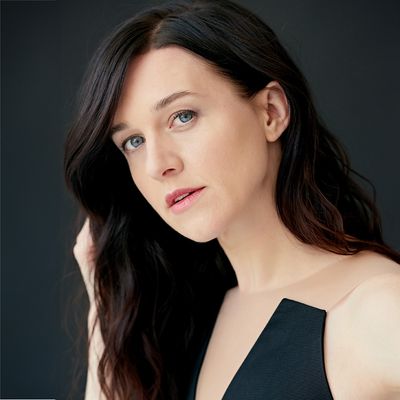
This week, Lena Hall joins the boys to talk through her incredible journey from understudy to Tony winner, but not before spilling some tea about The Search for Elle Woods. Plus, the boys get Sentimental about Lena’s unparalleled performance as Audrey in Little Shop of Horrors... Read More
From the show: Sentimental Men
Guests
Featured Shows
About
This week, Lena Hall joins the boys to talk through her incredible journey from understudy to Tony winner, but not before spilling some tea about The Search for Elle Woods. Plus, the boys get Sentimental about Lena’s unparalleled performance as Audrey in Little Shop of Horrors.
Transcript
This transcript was automatically generated and might contain errors.
[0:00] Quincy Brown: Is that a real bookshelf?
[0:01] Kevin Bianchi: Those are real books on that shelf?
[0:03] Quincy Brown: Yes.
[0:04] Kevin Bianchi: What kind of question is that, Quincy?
[0:06] Quincy Brown: There's just so many.
[0:12] Quincy Brown: My name's Quincy.
[0:14] Kevin Bianchi: And my name's Kevin.
[0:15] Quincy Brown: And this is Sentimental Men from Broadway Podcast Network.
[0:18] Kevin Bianchi: We are here to talk and maybe scream.
[0:20] Quincy Brown: About our favorite women in musical theater.
[0:26] Kevin Bianchi: Good afternoon, Kevin.
[0:27] Quincy Brown: Hi, Quincy.
[0:29] Kevin Bianchi: I would ask you how you are, but I feel like I've seen you more in the last week than I have in a long time.
[0:35] Quincy Brown: Well, we went to see today's guest in her show.
[0:38] Kevin Bianchi: Oh, that's right.
[0:39] Quincy Brown: Oh, wow, we really have been seeing a lot of each other then.
[0:42] Kevin Bianchi: Yeah, and then we went to lunch with our good pal Mikey, fellow podcaster who we met for the first time.
[0:48] Quincy Brown: Fellow podcaster, the Backstage with podcast.
[0:52] Kevin Bianchi: He lives in London and he was visiting New York City, so we went to meet him for drinks at Soho House because Mikey is so fancy.
[0:59] Quincy Brown: Ritzy Ritzy.
[1:00] Kevin Bianchi: Posh.
[1:01] Quincy Brown: And then after Soho House.
[1:04] Kevin Bianchi: So we walked out of Soho House.
[1:06] Quincy Brown: And okay, when I was home in Hawaii for the break, I made the decision that I wanted to buy myself AirPod Pro or AirPod Maxes, the headphones, which I'm wearing in these videos, which you will see in our social class.
[1:18] Kevin Bianchi: I wish I would have worn mine if I knew you were gonna wear yours.
[1:20] Quincy Brown: I kind of assume that you would assume that I would wear them, and then you would wear them as well.
[1:24] Kevin Bianchi: Anyway, I made the decision to buy myself AirPod Maxes at home, but they were out of stock everywhere in Hawaii.
[1:31] Quincy Brown: Like I just could not find it on the island.
[1:33] Kevin Bianchi: But I'd already made peace with the fact that I was going to spend that money.
[1:37] Quincy Brown: So then come back to New York, met Mikey at Soho House with Kevin, and then we were leaving Soho House, and I see Kevin's AirPod Max's Space Gray AirPod Max's peeking out of his little purse.
[1:51] Kevin Bianchi: And I look across the street and see the Apple store, and I was like, can we go buy AirPods right now?
[1:56] Quincy Brown: And Kevin came with me to get these AirPod Maxes that I'm wearing.
[1:59] Kevin Bianchi: I did, I did.
[2:00] Quincy Brown: And then that girl, that woman who worked at we walk in.
[2:05] Kevin Bianchi: Shout out.
[2:06] Quincy Brown: Shout out to her.
[2:07] Kevin Bianchi: Because Quincy, can I tell you, after we parted ways, I realized how mortifying that social interaction was.
[2:13] Quincy Brown: Because, okay, so we walk in and there's this greeter.
[2:15] Kevin Bianchi: Why is it mortifying?
[2:17] Quincy Brown: I'll tell you why.
[2:17] Kevin Bianchi: We walk in and there's this greeter, and she's got like a rainbow lanyard on, and we walk up and she's like, hey, like, what are you here for today?
[2:25] Quincy Brown: And before Quincy can even answer, she's like, I'm sorry, you guys are so cute. Are you models?
[2:30] Kevin Bianchi: And so she's got this rainbow lanyard on, and I'm like, great, I'm gay, she's gay. This is a safe space.
[2:35] Quincy Brown: So I was you we kind of like laughed, and I was like, no, but like, thank you so much, girl.
[2:41] Kevin Bianchi: And then I was like, I love—
[2:43] Quincy Brown: Oh, is that why you called it? You assumed she was gay too, because of the rainbow.
[2:45] Kevin Bianchi: Yes, and so then she was so then she was like, Oh, yeah, like I totally support, and I was like, bitch, I just stereotyped myself to this straight woman.
[2:54] Quincy Brown: Well, okay, that's fair.
[2:55] Kevin Bianchi: That's a fair take.
[2:56] Quincy Brown: Because when you pointed out the rainbow lanyard, I was like, Kevin, really, we're gonna do that right now.
[3:00] Kevin Bianchi: No, I thought I was like, oh, great, like I'm gay, you're gay, we're all gay here.
[3:05] Quincy Brown: This is safe.
[3:06] Kevin Bianchi: It was not safe.
[3:07] Quincy Brown: I was on the train.
[3:08] Kevin Bianchi: It was cute though, because she complimented us.
[3:10] Quincy Brown: It was cute.
[3:10] Kevin Bianchi: I love love being complimented.
[3:12] Quincy Brown: I texted Kevin after that it felt like it was a scene out of a bad TV show because it was just like so cliché poorly written.
[3:20] Kevin Bianchi: Do you think she says that to everyone who walks in?
[3:22] Quincy Brown: And we just felt—
[3:24] Kevin Bianchi: No, I don't think so.
[3:24] Quincy Brown: I think we came in with an energy.
[3:25] Kevin Bianchi: I think because we were so giggly excited on how impulsive it was that I was about to do that.
[3:30] Quincy Brown: We came in with this kind of frenetic energy that she was just feeding off of.
[3:34] Kevin Bianchi: Okay, yeah, I buy that.
[3:36] Quincy Brown: I buy it.
[3:36] Kevin Bianchi: What else?
[3:37] Quincy Brown: A Strange Loop closed last night and The Music Man closed last night.
[3:40] Kevin Bianchi: Very sad.
[3:41] Quincy Brown: Sad.
[3:41] Kevin Bianchi: Very, very sad.
[3:42] Quincy Brown: Rip if you didn't see it.
[3:44] Kevin Bianchi: Both terrific and monumental in their own right.
[3:48] Quincy Brown: Really and truly, for different reasons.
[3:50] Kevin Bianchi: Today we are talking to Miss Lena Hall.
[3:53] Quincy Brown: Very, very exciting.
[3:55] Kevin Bianchi: Currently starring as Audrey in Little Shop of Horrors on Broadway.
[3:59] Quincy Brown: That wonderful, wonderful production of Little Shop of Horrors.
[4:03] Kevin Bianchi: Which Kevin and I both saw recently.
[4:04] Quincy Brown: But before we talk about that, why don't you run us through her lengthy, lengthy resume?
[4:09] Kevin Bianchi: So in 1998, Lena was on the fourth national tour of Cats as Demeter.
[4:15] Quincy Brown: After that, in 1999, she moved to the Broadway production of Cats also as Demeter.
[4:20] Kevin Bianchi: And she was there like almost to the end of the run.
[4:23] Quincy Brown: Like I think she left like a month before.
[4:25] Kevin Bianchi: So that was probably a really cool time to be like at the end of this monumental thing.
[4:30] Quincy Brown: In 2000, after the big Y2K, Lena joined the national tour of Annie Get Your Gun in the ensemble, understudying Annie Oakley.
[4:39] Kevin Bianchi: In 2001, she went into the revival of 42nd Street as Annie.
[4:39] Quincy Brown: Time Annie, which I just want to point out like I do not think of Lena Hall as a da-da-da-da dancer, but like her whole first stage of her career were like—
[4:39] Kevin Bianchi: She was a ballerina first.
[4:54] Quincy Brown: I know that, but I'm just saying, like, it's just crazy to me how many eras her career has had.
[5:00] Kevin Bianchi: After 42nd Street in 2004, she was in the original Broadway cast of Dracula the Musical in the ensemble, understudying Kelly O'Hara as Lucy.
[5:10] Quincy Brown: In 2006, she was in the original Broadway cast of Tarzan, again in the ensemble and understudying Jen Gambitese as Jane.
[5:19] Kevin Bianchi: Then in 2008, absolutely iconic and very important.
[5:23] Quincy Brown: She competed on The Search for Elle Woods, a cult favorite reality show, which I am begging some streaming service to purchase and make available to us because it's some of the best TV that's ever been made.
[5:35] Kevin Bianchi: I feel like we're unintentionally theming these episodes well because wasn't so Legally Blonde connects back to Leslie Critzer's episode.
[5:41] Quincy Brown: And didn't Lizzie Critzer's episode have a tie-in to the previous episode we did before that?
[5:45] Kevin Bianchi: Who was it?
[5:46] Quincy Brown: With Allie Mozzie.
[5:47] Kevin Bianchi: Ali Mozzie.
[5:48] Quincy Brown: There was.
[5:50] Kevin Bianchi: What was it?
[5:51] Quincy Brown: I don't remember.
[5:52] Kevin Bianchi: But there was.
[5:53] Quincy Brown: I was thinking about this too.
[5:54] Kevin Bianchi: Yeah, listeners, I'm sure you remember.
[5:56] Quincy Brown: Oh, it was Hairspray.
[5:57] Kevin Bianchi: Was it Hairspray?
[5:57] Quincy Brown: It was Hairspray.
[5:59] Kevin Bianchi: Yeah.
[5:59] Quincy Brown: In 2011, I just want to point this out because it's kind of cool.
[6:02] Kevin Bianchi: She was in Prometheus Bound at ART, which I actually saw, and I went to see only really knowing Gavin Creel because this was like right after the Hair revival.
[6:13] Quincy Brown: But that night I also saw Lena Hall, Lea DeLaria, and Uzo Aduba all in one show, and I didn't know who any of them were at that point.
[6:21] Kevin Bianchi: Oh wow.
[6:22] Quincy Brown: Isn't that cool?
[6:22] Kevin Bianchi: Was Orange is the New Black not a thing?
[6:24] Quincy Brown: No.
[6:25] Kevin Bianchi: Ooh, in 2011.
[6:27] Quincy Brown: It maybe it was like one season out.
[6:29] Kevin Bianchi: I don't know.
[6:30] Quincy Brown: But I don't remember knowing who she was.
[6:32] Kevin Bianchi: Oh wow.
[6:33] Quincy Brown: In 2013, she was in the original Broadway cast of Kinky Boots as Nicola.
[6:39] Kevin Bianchi: To new being kinning.
[6:42] Quincy Brown: Hello to Sunny Days.
[6:44] Kevin Bianchi: That's my favorite melody in Kinky Boots.
[6:46] Quincy Brown: She had bops in Bopi Bop Bops Bops.
[6:49] Kevin Bianchi: Especially for a part that did not have a lot of songs.
[6:52] Quincy Brown: I still walk away remembering her moments.
[6:56] Kevin Bianchi: Always stuck in my head.
[6:57] Quincy Brown: Um, the most beautiful thing in the world.
[7:01] Kevin Bianchi: It's so good.
[7:03] Quincy Brown: Johnny the Ayn, right in her nose, too.
[7:04] Kevin Bianchi: Ugh.
[7:04] Quincy Brown: Kinky Boots is actually so good, and I'm mad that the off-Broadway production did not run longer.
[7:10] Kevin Bianchi: Yeah, I agree.
[7:11] Quincy Brown: That feels like a show that could run for a long time on the Chicago model.
[7:15] Kevin Bianchi: Kinky Boots should have been our Hairspray.
[7:18] Quincy Brown: Okay.
[7:21] Kevin Bianchi: Spicy spicy.
[7:23] Quincy Brown: In 2014, Lena was in the original Broadway cast of Hedwig and the Angry Inch as Yitzhak, which she won the Best Supporting Actress in a Musical Tony Award.
[7:35] Kevin Bianchi: Round of applause, hold for applause.
[7:37] Quincy Brown: And during her run in Hedwig, she played opposite Neil Patrick Harris, Darren Criss, Michael C. Hall, Andrew Rannells, and John Cameron Mitchell.
[7:46] Kevin Bianchi: What?
[7:46] Quincy Brown: Snaps, snaps.
[7:47] Kevin Bianchi: Lucky for all of them, honestly, that they got to play opposite her.
[7:51] Quincy Brown: Then in 2016, she did a limited engagement, two months on the national tour of Hedwig, reprising her role, but also one performance a week playing Hedwig, making her the first actor to play both roles.
[8:05] Kevin Bianchi: Which, like, honestly, what a flex.
[8:07] Quincy Brown: That is so, even just like vocally, what a flex.
[8:10] Kevin Bianchi: I'm also curious if that was a goal she had.
[8:13] Quincy Brown: Like, when did that become a thing for her?
[8:17] Kevin Bianchi: If it ever was, or did she just get the ask and was like, okay, yeah, I'll do that.
[8:20] Quincy Brown: Yeah.
[8:20] Kevin Bianchi: Or was it something that she wanted to do?
[8:22] Quincy Brown: And kind of like a—
[8:24] Kevin Bianchi: I guess we can ask her.
[8:25] Kevin Bianchi: We should have her on the podcast.
[8:26] Quincy Brown: Yeah, I guess.
[8:26] Quincy Brown: And it's also that's like such a moment of gender fluidity before that was really a conversation that was happening in musical theater.
[8:35] Kevin Bianchi: Totally.
[8:36] Quincy Brown: Which I think was is really cool.
[8:37] Kevin Bianchi: So Miss Lena Hall, she is quite accomplished.
[8:40] Quincy Brown: She appears on four original Broadway cast recordings, tons of other albums of her own music, both as a solo artist and with her band The Deafening.
[8:49] Kevin Bianchi: She has toured the country with Josh Groban as a featured guest artist on his tour.
[8:54] Quincy Brown: She's been on TV, she's been in films.
[8:56] Kevin Bianchi: She was in Snowpiercer, she was in—
[8:56] Quincy Brown: Oh wait, she was in the Sex and the City movie.
[9:01] Kevin Bianchi: Do you know this?
[9:01] Quincy Brown: So she's in the Sex and the City movie in a moment where Sarah Jessica Parker sees these four girlies walking down the street and they remind her of the main four.
[9:10] Kevin Bianchi: So Lena Hall is young Cynthia Nixon, because she had red hair at the time.
[9:15] Quincy Brown: Oh sure.
[9:16] Kevin Bianchi: Alongside Ms.
[9:17] Quincy Brown: Kate Rockwell as young Kim Cattrall, which I totally didn't clock or didn't know.
[9:23] Kevin Bianchi: It's terrific because it all filmed in New York.
[9:25] Quincy Brown: And like Annaleigh Ashford is also in the Sex and the City movie.
[9:29] Kevin Bianchi: It's fun.
[9:29] Quincy Brown: There's a little treat.
[9:30] Kevin Bianchi: Daphne Rubin-Vega is also in the Sex and the City movie.
[9:33] Quincy Brown: Kelly O'Hara's in the second one, I think.
[9:35] Kevin Bianchi: Such a little treat for a certain—
[9:35] Quincy Brown: That's how you know it's produced by Gay.
[9:39] Kevin Bianchi: A certain—
[9:39] Quincy Brown: Well, yeah, and cast by Bernie Telsey.
[9:43] Kevin Bianchi: In the land of concerts, Ms.
[9:45] Quincy Brown: Lena Hall has been in On a Clear Day You Could See Forever and Bat Out of Hell at City Center.
[9:50] Kevin Bianchi: She also this year did the Benefit performance of Chess.
[9:54] Quincy Brown: And she has appeared a ton off-Broadway too, like Radiant Baby at the Public.
[9:58] Kevin Bianchi: She did Rooms and Toxic Avenger.
[10:01] Quincy Brown: And of course, currently off-Broadway in Little Shop of Horrors, one of my favorite musicals, as Audrey, one of my favorite roles in the musical theater canon.
[10:11] Kevin Bianchi: This was my fourth or fifth time seeing this production of Little Shop that Kevin is holding up the playbill for right now.
[10:17] Quincy Brown: And I genuinely think this was my favorite time seeing this production.
[10:22] Kevin Bianchi: Yeah, this was my third time, and I would agree.
[10:24] Quincy Brown: This cast, this ensemble of people that they have put together is really slaying right now.
[10:30] Kevin Bianchi: Special shout out to Andrew Call as Orin and all of the little like bit parts.
[10:35] Quincy Brown: Yeah, we had a reaction to him, but also his talent is very on display in this show.
[10:42] Kevin Bianchi: He is so funny.
[10:43] Quincy Brown: It's like, especially following Christian Borle, I feel like seeing him like stamp that role in a way that is such not a departure, but yeah, just a different sensibility.
[10:53] Kevin Bianchi: And also, I would be remiss not to just shout out Tiffany Renee Thompson holding down the top line of all those Urchin harmonies.
[11:02] Quincy Brown: Yeah.
[11:03] Kevin Bianchi: Who I forgot was in this, and then when she walked on stage, I was like, oh my god!
[11:08] Quincy Brown: I mean, she's good and wailing up.
[11:11] Kevin Bianchi: All the Urchins were all the Urchins, yeah, yeah, yeah, yeah.
[11:14] Quincy Brown: So good.
[11:14] Kevin Bianchi: And I really enjoyed Matt Doyle's performance.
[11:18] Quincy Brown: It was very cool to see him in this type of role, especially after he was doing Company for so long.
[11:23] Kevin Bianchi: He's having such a fun time, and you can tell.
[11:25] Quincy Brown: I think that like this is a role that he has really wanted to play or really enjoys playing.
[11:31] Kevin Bianchi: Yeah, I agree.
[11:32] Quincy Brown: And especially opposite Lena Hall, who is doing just really phenomenal things in this role.
[11:37] Kevin Bianchi: Terrific.
[11:38] Quincy Brown: And singing the shit out of it.
[11:39] Kevin Bianchi: Yes.
[11:40] Quincy Brown: Um, I believe Lena Hall is in it until February 5th, which will be very soon after you hear this episode.
[11:46] Kevin Bianchi: So this is gonna be also kind of an exit interview, I think, type of discussion with Lena Hall.
[11:52] Quincy Brown: Just announced replacing her will be Maude Apatow, who I famously don't watch Euphoria.
[11:59] Kevin Bianchi: Same.
[11:59] Quincy Brown: I don't either.
[12:00] Kevin Bianchi: It was just so nice to hear her singing this score.
[12:06] Quincy Brown: Her belt is just insane.
[12:09] Kevin Bianchi: Yeah, it's crazy.
[12:10] Quincy Brown: And I love like in Somewhere That's Green specifically, she really gets a chance to like build in that song.
[12:16] Kevin Bianchi: Whereas like Suddenly Seymour, it's like by the time she comes in, she's really like the song's already going.
[12:23] Quincy Brown: And speaking of build, it is nice because I feel like I at least am so used to hearing Lena Hall just wail all the time that it was nice to hear the like softer sides of her voice in the beginning of Somewhere That's Green.
[12:33] Kevin Bianchi: I agree.
[12:34] Quincy Brown: And like the sweet, like lullaby-ness of it all, and then building up to like the belt.
[12:39] Kevin Bianchi: Which I will say, we actually don't even get Lena Hall TM belt in Somewhere That's Green.
[12:44] Quincy Brown: She does save that for Suddenly Seymour, which I think is a very smart decision.
[12:47] Kevin Bianchi: She knows what to do.
[12:48] Quincy Brown: And then Suddenly Seymour, she was doing options, little alternate melodies in the bell thing.
[12:53] Kevin Bianchi: It was really, really fantastic.
[12:55] Quincy Brown: And I feel like that's really like you just said, it's like she's got such a thrilling upper register that like that's the moment where like we got rasp, we got growl, we got like that's a moment kind of like you were saying with Matt Doyle, like you could tell he's having so much fun.
[13:09] Kevin Bianchi: That's a moment where you could see like she is just like having so much fun ripping into that score.
[13:15] Quincy Brown: Well, after watching it, I was like, God, I wish Audrey had one more song after Suddenly Seymour.
[13:21] Kevin Bianchi: Yeah, instead of I couldn't sleep.
[13:24] Quincy Brown: I took a salon.
[13:27] Kevin Bianchi: Like just one more Somewhere That's Green-esque number.
[13:31] Quincy Brown: Little Shop is such a ridiculous show.
[13:33] Kevin Bianchi: I love it so much.
[13:34] Quincy Brown: I love it so so so so so much.
[13:36] Quincy Brown: Anyways, let's get into the interview with Lena Hall.
[13:43] Lena Hall: Thank you so much for joining us today on Sentimental Men.
[13:46] Kevin Bianchi: So happy to be here. Welcome.
[13:48] Quincy Brown: So our history is we started this podcast as a Wicked-only podcast, and we were just talking to Alpha Buzz and Glinda's. And through this journey, we have learned that every actress in New York City has some sort of a touch point with Wicked the Musical.
[14:02] Kevin Bianchi: Okay. So now when we have non-Wicked guests on, we like to start off by asking them if they have a Wicked touch point that they would like to share.
[14:10] Lena Hall: I do. First of all, um, I went in for the original production. At the time when they were casting, I was doing Radiant Baby at the Public Theater. It's original version. And I believe George C. Wolfe directed that. And that was the one with Billy Porter was in that. That's how I met Billy Porter the first time around. And then during while I was in that show, I went in for Nessa Rose. That was the role I went in for was to play the original Nessa Rose in the Broadway company.
[14:39] Quincy Brown: Wow.
[14:40] Lena Hall: I did not get far. That was that. But now I'm imagining Wicked Witch of the East. And I'm I'm regretting. I'm scrolling for it.
[14:50] Kevin Bianchi: Well, this is a long time ago. This is before I could screlch. This is before I was the singer that I am now. This is when I still had my tonsils. I still sounded like my voice was in my throat. Like I didn't have a great range. Everything was stuck because I had these huge tonsils in the back of my throat. So this was way back in the day. And then uh and then later, then I kept going, getting called in for Elphaba.
[15:18] Quincy Brown: Right, sure.
[15:19] Lena Hall: And like I would go in, do the damn thing and do the grit and like make it that. And they would comment like, oh, she's screwed up her voice. You know, they just didn't want they wanted an Idina Menzel, essentially, always. They wanted someone who was who could make her sound and be that. And I I'm not that specifically. So yeah. So I I had been in the show in for the show for a couple of times. This is before Hedwig. And um I'd been in multiple times, and uh every time they would just be like, nah, too crazy.
[15:52] Kevin Bianchi: And did it ever get to a point where you were personally invested?
[15:55] Lena Hall: No, well, uh I've never seen the show. Um dirty secret, Lena. Um, I've never seen a show, but everyone always tells me, Oh my god, you should why aren't you playing Elphaba in Wicked?
[16:11] Quincy Brown: Right.
[16:11] Lena Hall: They say, Why aren't you? I'm like, Well, I'll tell you why because they don't buy me. Like, I've been in. It's not like it's not like I said no to the job a million times. Oh, oh, you want to cast me? No, I don't want to do that role. It's not it's so below benisma. Yeah, no. No, it's just I never got, you know, I never got far enough in the casting to do it. And like say la V. Say la vie. I'll I'll probably never get to play that role unless they change and are open to hearing it differently.
[16:46] Kevin Bianchi: Well, it's interesting. You talked about you that's not at a point in your life where you were singing in the way that you are now, you didn't discover your voice yet. I've always imagined you as having this like insane skrelty rock quality to your voice. Is that something that came later?
[17:02] Lena Hall: Yeah. So when I went in for Nessa Rose, that's when I didn't have the voice. And then when I went in later for Elphaba, I did. Right. So it was it was quite some time later that I started going in for Elphaba.
[17:14] Kevin Bianchi: Gotcha.
[17:14] Lena Hall: And um, I got my tonsils removed in 2006.
[17:19] Kevin Bianchi: 2006.
[17:21] Lena Hall: In 2006. Was it 2020 six or 2005? Let's see. I was doing I was doing Tarzan, the musical, and we were in pre-we no, we weren't in previews. We were in rehearsals, and we were about to go into the theater to do to start tech. And I always 2006. That was 2006.
[17:43] Kevin Bianchi: So I've always had like really big tonsils and I always had tonsil problems ever since I was like a little girl. Anyway this one day at rehearsal I looked in the mirror at my tonsils and there was this like blood-filled balloon hanging off of one of them and so I was like that that's concerning so it doesn't seem great.
[18:01] Lena Hall: Yeah so I went up to Schuler Hensley and I was like Schuler what do you think of this and I oh and I he looked and he was like he like freaked out and then he was like took me right to Tom Schumacher. Tom Schumacher took one look they called Gwen Coravan who's the vocal specialist and they immediately booked an appointment with her and sent me to her right away. See this is the thing when you're young you don't know that they're a vocal specialist you only know that they're ENTs. You don't know the difference so I had been going to just these ENTs about my tonsils always not not thinking I could get them removed but it was always a problem so I was always going to these ENTs and ENTs aren't gonna be like let's take out your tonsils when you're an adult.
They never do but Gwen who look took one look and was like you're a singer like what she was like we have to take these out like now okay so Barzanne made me wait until after the Tony Wars because in theory does it affect your singing ability do you have to kind of relearn how to sing?
[19:05] Lena Hall: Well yeah I got them out and then all of a sudden I had all of the space and all of this like I had this higher voice. It was open and relaxed. Like there was no tension. I was I'm not putting I wasn't pushing against anything to get sound out. Like suddenly it was just like ha like suddenly there's getting in the way. Shape of everything.
[19:25] Kevin Bianchi: Yeah.
[19:26] Lena Hall: So then I start so so then I started relearning how to sing. And uh I had that was the only time I ever had a vocal teacher. It was with Neil Seymour. And we were just like making sure that my voice I was doing the proper things with my voice. But then at the same time I joined a rock band and I started rehearsing with them like at night. And they would they would play open choruses and they wouldn't change keys. So all the keys were so so so insanely high. And I couldn't hear myself, and then they would make fun of me, and they'd want me to sound like impot like impossible sounds from a woman, like Lemmy from Motorhead, who's got this like voice that's like super deep, you know, it's like insane.
I'm like, wow. Or they wanted me to sound like Axel Rose or like Steven Tyler, like Robert Plant. They wanted me to sound dirty, like and be cool, because they were like, You're in theater, you're not cool, like be cool. And I was like, I mean, all right. Like I love Janice Joplin. Like, so by rehearsing with them and wanting them to shut up, I like started playing around with what my voice could do and how I could get that rasp without the grow without it being a growl.
[20:33] Lena Hall: So without it being low on my chords, I was trying to figure out how to put a rasp somewhere up here. And when I listened to Janice Joplin a lot, I could hear her, I could hear her rasp is was more like in in a mix or like in a head tone. It sounded like come it was coming out of her nose instead of out of her throat. Do you know what I mean?
[20:51] Kevin Bianchi: Like, yeah, yeah, definitely.
[20:53] Lena Hall: I mean, I would I just don't like doing a growl because it's so bad for your vocal cords to do a growl. That is how people screw their voices up, and it's like, you know, it's like, I don't even want to do it. Cause I don't even want to do it, you know what I mean? It freaks me out.
[21:06] Kevin Bianchi: No, it yeah, it freaks me out to feel that.
[21:08] Lena Hall: Like, so you know, the I figured out how to do this, how to find this weird crit that was like just like way up here. And it was like very little and it was it was short-lived, and it had to be I had to be singing super high in order to find it. Cause I was like in a certain spot of my voice that was like placed higher. And then over time I started to be able to drop the grit, you know, down and down and down. So I I mean, all it was was really like, oh, I have this new lease on life with my new voice. Like, I don't know what I'm doing with it yet. I don't have all the I don't have to like belt, like I actually have this space here, and like I have to relearn how to sing. And the craziest thing too about this is that any song that I sing that I sang before I got my tonsils removed, I can't sing it any other way than how I did.
So all the Tarzan music and all that Jane stuff, like all the all the because I was the understudy for or I was a understudied for Jane that they never put on, but uh like but like all that stuff, it like anytime I go to sing it, it's here and it's so weird because it's stuck in my it's stuck here.
[22:16] Kevin Bianchi: Yeah, that's that muscle memory.
[22:18] Lena Hall: So so yeah, so I mean that's like my vocal journey crazy. And then as that was happening, then were you feeling people take you in in a different way? Like, did you feel your the roles you were being considered for was changing along with your voice?
[22:33] Lena Hall: No, uh actually I already had an extensive resume because Tarzan was the last show I did before I kind of quit the business because I was unhappy, and I was unhappy because like I just I didn't want to deal with being like I didn't want to deal with the politics of being an understudy. It was grossly unfulfilling and it was really frustrating, especially if you were the one they never put on. And it just made my self-esteem like plummet. You know what I mean? When you have two understudies and they never put you on. And then also, like, you know, I was kind of like, I'm on Broadway, like I'm doing Broadway shows. I've done this is my fourth Broadway show. I am not happy. I am bitter. I you know, like I'm complaining about everything. Like, what is going on? Where's the disconnect? How can I possibly be unhappy?
[23:27] Kevin Bianchi: Right.
[23:27] Lena Hall: I am on Broadway. This is like every this is, you know, anyone who is a musical theater performer. I don't know anyone who who doesn't have Broadway on their list of things that they they want to accomplish as being one of the biggest goals. And so But I feel like once you're in that, it's so easy to fall into the complaining. The judge and jaded.
[23:44] Kevin Bianchi: Yes.
[23:46] Lena Hall: That's because that's because the dressing rooms when you are around people who are bitter, and like when you like when I started and I was 18 years old and I was on the tour of Cats, I was in that dressing room and I was learning that looking at the world from this in like this bitter complaining is normal. And because that's all I heard in the dressing room all the time. This like negative talk about our business, this negative self-talk too. Like people always being like, I can't do that, you know. Oh, it's so hard or it's too hard, or or I'm terrible, and people being like, No, you're not, you're amazing. And it's like, oh, I'm so terrible. It's like that false, it's that idea of being so secure in yourself that you don't need someone to give you a compliment.
[24:34] Kevin Bianchi: Right, right.
[24:35] Lena Hall: Do you know what I mean? Like, yeah, you don't need validation. You know you're good and you're gonna say you're good, right? Like that doesn't exist in the world, especially in the dressing room. And in the dressing room is where you learn, especially when you're younger. It's your first show, you're in the ensemble, you're in an ensemble dressing room. That dressing room is full of people who are just getting there, and then also people who have been there forever. And we and that's where all that information and and how that negative talk is learned. It's just passed down through the years. And I think by the time I got I was in Tarzan, I was like, this is not who I am. I am not a bitter person.
I am not someone who says I can't do it. I am not someone who stops myself from being proud of myself or you know, acknowledging my accomplishments or being someone who's like, yeah, I'm good at what I do. Like I am good at what I do, I'm accomplished. Like, so I was like, you know, I need to take a step back and figure out what's going on in my head and why I'm unhappy. So that's when I was in my band and I kind of focused on my band and I was like, I want to do TV film, you know. I'm like, um I like did a little TV film. I was like doing every like student film I could find. Cause I was just like, I was like, I don't have any experience. I need experience. So let me do just student films. It's easy, it's free, it's fun.
Free is fun. It's good for them. Um it's fun and it's a good way to get experience without actually, you know, waiting for a job. It's like a great, it's a great way to be active in your career and like actively learn the ropes without spending money, like yeah, taking classes and without you know, without having to wait for the job to be cast, right?
[26:22] Kevin Bianchi: With with so much lower stakes too. Like you're not learning on the set of Law and Order, you know.
[26:27] Lena Hall: Learning with with kids.
[26:28] Kevin Bianchi: With other students, you're just like, all right, well, let's figure this out together.
[26:31] Lena Hall: I did a bunch of student films. I did that reality show, Legally Blonde Search for Elle Woods, because I had been in for Legally Blonde.
[26:38] Kevin Bianchi: Which let's discuss in times.
[26:40] Lena Hall: We will, yes, we will. I'd been in for Legally Blonde a ton of times for all the different characters, never getting cast. I kind of felt like I didn't belong in the show in any one character. It was kind of like between the characters. I was like in between everything. And Jerry Mitchell liked me, so I knew he wanted me to do something. And the only character I had been in for was Elle. So it was like when the casting people called me and they were like, hey, Jerry wants you to come in for Elle. He thinks you'd be perfect, but you have to do this reality show, blah, blah, blah. And I was like, I was like, well, if Jerry wants me, I'll do it.
[27:13] Lena Hall: You know, because I thought then I'm a shoe, and I'm the only person who's done four Broadway shows. I'm obviously gonna get the job. And at the time, like doing a reality show, did you view that as a way to grow your platform too? Um, kind of, sort of. It was the only way I could get the job, so that's what I was okay with doing. But at the time, there was no platform. At the time, that's a good point. Cusp. Yeah, it was different of it. This is 2008. Like Facebook was the thing. So my Facebook grew, but then I got hacked and I lost it all. But it doesn't matter. But like, you know, Facebook was the only thing. And what we had for the Legally Blonde show is we had our own profiles on MTV's website, and it was like this, yeah, yeah, yeah.
Yeah, it was this social media profile where you could talk to us and send us messages and talk about the show and whatever. And we had to and it was actually you, we had to under contract be involved in that. And it was horrible. It was horrible. Because people were people were terrible. And and they are now still. And it was kind of the beginning of what social media. Yeah, it was the beginning of what social media actually is, you know, a safe place to say really anything horrible to someone. And it was like, you know, I I wasn't when the show aired, I wasn't, I was never gonna win. I was there for whatever my personality was at the time, which was stupid, but you're great character. I was like, why did I say that?
Oh my god, what is right? But that's so that's so that's so just me. That's reality TV. No, but that's it's also just so me. Like I'm like discussing rigorously like myself the time, and it's not something that like oh, I was like, ah, why didn't I why did I say that? Like dummy, you know what I mean? Of course they're gonna edit that in it anyway. So um so when the show was airing, I wasn't like really portrayed all that amazing, but not terrible, but it wasn't like in my favor, basically. And did you watch it weekly? Like you were watching it back. Yeah, it was horrible to watch. We'll talk about it later. But you know, like but like the comments all the time. It was and we had you know, we we had to do this, and we had to answer back, and it's just like how do you answer back to tons of people who were telling you that you're fuggly, that you're untalented, that you you know, you should go die, like really crazy shit.
And um, I remember that being so hard, and and it really hurt, and it was like it was just one of those things that it was a complete precursor for for internet bullying and what social media has done to this society, and and it was, you know, like I still get hurt by comment. I mean, it never doesn't hurt. It always hurts no matter what. And it's like, even though, like, I'm, you know, sometimes you're like, you're like not looking for it. And you're like, boo-pa-do-da-do-pa-doo. And you see it and you're like, God, didn't want to see that, but they tagged me. Do you know what I mean? So it's like sometimes you can't anyway. So yeah, so that was kind of like the precursor to the horrible world of social media.
Do you feel like doing the TV show benefited your theatrical career in the aftermath? No, because at the time I had so I had bought an apartment when I first moved to New York back in 1999. And I decided that once I saw the Starbucks go up, I was like, I think I'm gonna sell. And that was when I was doing the reality show, doing all of those student films, and like you know, doing a guest star on all my children, and you know, just kind of like lucky enough to have money in the bank to where I didn't have to take a job. So I was still auditioning for theater, but I was consciously making a choice as to what I wanted to be in theater specifically. I had my rock band, and I was like, you know what?
I like rock and roll, I really fit here. Um, this feels good. I love singing it. Like, this is my jam. So I'm just gonna go for things that are edgy that are with rock musicians, so that I have this kind of thing. And that's when I got Prometheus Bound, which was a show at ART that Diane Paulis did. And I saw it. You did. I sure did. Anyway, searched tanky and did the music. It was so cool. It was so cool. Dude, Gavin Creel and Leah Leah Delary. He was saying he didn't realize how magic that cast was. Yeah, it was an amazing thrilling experience. And the music was so cool. Yeah, the music specifically was so different and interesting because it was written by someone who's not theater. It was written by someone who does, you know, like crazy like metal, like you know, like something that is so not theater.
You know, that's what he does. And um, and I loved that. And so I did that, and then I also did the Romeo and Julia with Jeff Buckley music at Williamtown. Williamstown. Williamstone. Thank you. I did that, you know, and so I was picking and choosing. And then and when I was in rehearsals for the in Cambridge for Pinky Boots, or sorry, for um for Prometheus Bounds. Yeah. Right before I left, I had an audition for a new musical called Kinky Boots, and the the music was written by Cindy Lopper and Jerry Mitchell. Right. Jerry Mitchell called me in for one specific role that he knew I was perfect for. I went in, I read and I sang, and it was just remember who it was in the room my first time, but it was just casting, and I think Jerry was in there and uh Stephen Aremus probably, and then I got a call back, but I couldn't make the call back because I was in Cambridge.
In Cambridge. So they had me put myself on tape, and so I put myself on tape in my living room, and my boyfriend at the time, he was a guitarist, so he played guitar for the song. Sang the song, did the scene, got the job immediately because well, they showed it to Cindy and Harvey after I sent it in. Sang the song, was it a Nicola song? Yeah, it's the Nicholas song that got cut. Gotcha. Yeah, that doesn't exist. Um but you've you have a video of it online. I do, yeah. I think I've seen it. Yeah, yeah. Because we were saying the intro, that melody to new beginnings is my favorite melody in kinky boots, and it's like two seconds long. I know. A new beginning. There was like a whole song. Yeah, anyway, so yeah, so they saw it, and 10 minutes later they offered me to do the reading.
It was a reading, yeah, to do the reading. Yeah. And then wow. It was me and Anna Lee, and then there were a f there was only two other people. It was Stark. No, it was it was not always Stark and Billy. It was me and Anna Lee, and me and Annalie were at the first reading, and me and Annalie were we saw it all the way to the end, right? Which was really cool. Yeah, that's cool. Yeah. And then very, you know, I think it was the last kind of lab we did was with Billy and Stark, and that was the that was the golden ticket right there. But like that, it was like, you know, Cindy Lauper. So I wasn't really doing anything. I had been cast and offered ensemble cover, you know, or ensemble feature in other shows, but I didn't take it because I was just like in other Broadway shows where I could have made money, but I didn't take it because I knew it wasn't part of whatever brand I was trying to build at this point.
Right. And how would you describe that brand that you were trying to build? I was trying to be seen more like edgy, you know, more as the rock girl, like and as a principal like as a as a principal primary. Yeah. Yeah. I wanted the leads while I was waiting for kinky boots to happen. I did I sang for a circus. Yeah. I drove I drove in the circus for a while. We did it in New York, and then like and I was recording music with my band. And you know, I was I was living off the money that I had made from that apartment. And and it took a long time to like come back to Broadway. But when I did, it was Kinky Boots. And even though even though the role went from the most fleshed out best written role in the show, with amazing scenes.
Like Harvey wrote these amazing scenes for my character. I was like, Harvey, like this is great. Like there was like nothing to change. Slick. And they were just like, you're just like, and it wasn't even me. It was definitely the writing because like I wasn't like so amazing that it was selling it anyway, shape, or form, other than what the writing was on the page. But they were just like, yeah, the audience really doesn't like Charlie because they like your character way too much. Do you know what I mean? They understand you and where you're coming from coming from way too much, and they hate Charlie, and they don't like Lauren because like you're engaged, like Charlie's engaged to this woman who's making sense, anyway.
So and I was like, Yeah, she does make sense. Uh so you know, so it got edited down and edited down and edited down, and and then the song got cut pretty soon. It was just like this little tiny part. Did you ever think about leaving? Uh yeah, but I also was kind of like I'm I'm gonna see this through. This is it, it it'll be nice to be in a in a Cindy Lauper show on Broadway, and it'll be amazing to do show like to be in the Broadway company with Jerry with Harvey, like that was the thing, and the moment that Kiki Boots has. And it's the lead, and I originated it. That's all that mattered, really, for me. And that's like what you were driving towards in that moment. Yeah. And what was really cool too was that it was seen more as an acting role, this is a singing role, because it was all scenes and very little singing.
And so that's and I also feel like it's the role was still written in a way that when you did sing, it was like, oh yeah, this girl can sing. Yeah. Yeah, yeah. Yeah. Well, the accept yourself and you'll accept others too that at the end. That was definitely that was definitely like them going, okay, do your thing. Yeah. Here you go. Do some way. That whaley thing that you do. I don't know why. Oh my goodness. Okay, so we saw you in Little Shop last week. Last week? We sure did. Yeah. I think it was last week. And it was, Lena, my favorite time seeing this production. I think this was like my fifth time seeing this production. And really and truly, I'm not just gassing you up. It was my favorite time seeing it.
Agreed. Agreed. It's like what you bring, it's what you and Matt bring together. The entire ensemble right now, everyone in it is flowing together in such an organic, really good way. It just makes the whole show seem so tight. And it looks like you guys are having fun, which like makes such the difference in this show. Yeah, I agree. So we are having fun. Cause you've said before that you never thought of yourself as an Audrey. And knowing you as a performer and watching you in the show, that's shocking to me. Well, I only knew the movie, and I only ever saw people do Ellen Green. I didn't see it as anything other than Ellen Green. And I remember when it came to Broadway and Carrie Butler was cast.
Like, that is not who I am. I cannot pretend to be some little ingenue blonde who's like that's not it's not me. I am not a Carrie Butler type. I am not and I didn't know much about the show at the time. And then, you know, when Michael Mayer was like, would you be interested in playing Audrey ever? And I was like, I mean, yeah, sure. You know, it yeah, yeah. I love working with you, and if you saw me as that, then I'm sure it's something that I could do. But I didn't know that it was anything that was a possibility for me. Because I always thought, well, that'd be a great plant, because I'd just like be like Janice Joplin in the background, being like, right? But then once I got into rehearsal, I saw Tammy and Tammy blew it wide open.
When I saw Tammy and how completely different she was, it totally opened my mind up, and I was like, I can do anything I want with this character. Right. Boom. It does not have to be that that I know. She didn't have to be a damsel. Yes. It does not have to be damsel in distress. It also doesn't have to be what Tammy did because I that is not what I do. And so all I knew was that I was like, all right, this has to come from me. And reading the reading the way her character is written is just like it's so beyond heartbreaking, and I don't understand how this trope of Ditzy Blonde came about. Where people are like, she's a Ditzy Blonde. I'm like, she's so not. Right. Well, I think Little Shop has a tendency, it can really easily fall into this, like just oh, it's like this can't be fun, musical.
No, no with if you're not actually paying attention to what's being said, it can come across very silly and goofy. Yeah. Um, but reading her is like highly insecure and has led a tough life. You know, she is a relatively tough girl just because of the life that she's led. She's willing to do things in order to survive that she doesn't want to do and that she's not proud of, and she's not proud of herself. She doesn't like herself. There's none of that. Like, and and she thinks that she deserves someone who beats her.
[40:51] Lena Hall: She thinks that, like, and it's all written there in black and white. Like it's so clear on the page, you know, how deeply insecure she is, and how and how much she'll stick up for someone that she likes. Like, she sticks up for Seymour. She sticks up for Seymour. She sees that he's he's wonderful, and she she she sticks up for him. She can't stick up for herself, you know. But we know a lot of people like that. Like, I used to be like that. I'm like, girl, you deserve so much better. And in the meantime, I'm in like some horrible abusive relationship, you know, thinking that that's all I could get, like, and that's the only person who's ever gonna love me. No, you know, we kind of been there, and I I approached it from a a place of really like just like who am I? What have I been through that is like her?
How can I ground her in a way where it's realistic and it makes sense for the character, but also within the context of the show as well and everything going around on around me, so that so that it's a good like combination of the seriousness of the character or the the sadness of the character, but then also the fun of the character and the things going around because she makes jokes about everything too. And like the the moment when um the dead when you're in the shop, and the dentist is like, sorry, what? And you full on go to trauma. I'm sorry, doctor, I'm sorry, doctor. That takes it out of the campiness and reminds you, hey, this is like a real girl who's in like a bad thing. It takes the breath out of the room.
[42:15] Kevin Bianchi: Yeah.
[42:16] Lena Hall: Yeah. Yeah. That was the one, you know, that was there were very few notes, but one of the notes was that we know we don't take the Audrey and the dentist do not take that as camp or as funny. It's not a joke. It's serious. Like it is serious. And and that in and of itself makes you hate the dentist more, makes you want to see more to kill them. What makes you want, you know, and makes you want them to be together. Like, you know, like it does a lot if you take it more like it's seen from a so review.
[42:45] Quincy Brown: Right.
[42:46] Lena Hall: Yeah. So what was the put-in process like being the first actress to replace as Audrey? Did you kind of have free range do whatever you want, or were there guardrails put in place for you?
[42:57] Lena Hall: I had free reign, you know. I mean, basically they were like, they were like, you know, if she does what she does, you do what you do. Although they did want me to sing not good. And I was like, no.
[43:08] Kevin Bianchi: Oh, interesting.
[43:09] Lena Hall: No. No, no, no, no, no. It doesn't have to be a good thing. Thank you so much for pushing back on the music.
[43:13] Kevin Bianchi: Yeah.
[43:14] Lena Hall: They said it's storytelling. And I'm like, well, sure, but we are in a musical, so people are expecting her to sing. And when she sings somewhere that's green, that's not like, you know, this is not it's just like it's a song. Like, it's okay. Yeah, it's like it's a musical. Like, I mean, I I can sound bad if you want, but what's the point? And, you know, let's raise the key back up and let's, you know, it's what's let's do it. Let's do it proper. You're not, you don't have to do change anything about the show in order, you know, for me. Like, I'll do with the original key. And so, you know, it was a big it was a big thing. They were like, Don't riff, don't do this, don't do that. Like, keep it simple, keep it the way it's written, this and that, and the other.
And I was like, all right, well, I can respect that. Like that I can do but to sing purposefully bad doesn't make any sense to me because then that'll take the audience out of the show because everyone else around them is singing well and then they'll be like do you know what I mean so then it makes the audience so aware that it's a musical do you know what I mean instead of just being drawn into the story because it's being told well and it adds a layer of storytelling too we were talking in the intro about how you're somewhere that's green you don't give us the full whale yet you know and you save that for suddenly see more and that is such a beautiful arc I think to follow in the show.
[44:31] Lena Hall: And also like I'm not singing how I normally sing either because um where that's green it's just like so much of a voice that I don't normally sing like it's like so mixed it's in mixed town it's like in the mask yeah it's in mask town and I I never really sing like that like even the even Audrey's speaking voice is different than my own and you know like for for me to find her speaking voice where the audience would believe it a hundred percent and not think that I was putting on a voice that was so important to me like the whole thing about it was just like I need the audience to be on board with this character from the moment she comes on stage and the first thing that comes out of her mouth and for them to be like oh that's a real person not like oh that's Lena Hall doing a terrible accent or doing laundry you know or that you know or oh that's Lena Hall being Carrie Butler or or that's Lena Hall being you know whatever.
[45:28] Lena Hall: Yeah it needs to feel somewhere natural and like my very first instinct because I got I got no direction on accent or anything like because I was like, So what that's interesting. I was like, so what's the accent? They're like, I mean, well, New York, right? So New York, they're in New York, whatever. And Tammy was using her natural accent, the Jersey accent, which I don't have, and but that was inherently hers. And I was like, Oh, you know who I know who is quintessentially in my mind, Audrey is Cindy Lauper.
[45:56] Kevin Bianchi: Oh my god.
[45:59] Lena Hall: And I know her, and I've talked to her on the phone, long conversations, and I've heard her not on. Uh-huh. I've heard her as herself behind the scenes.
[46:10] Kevin Bianchi: Right.
[46:10] Lena Hall: And it is a much more relaxed, much different version than an odd like than an audience gets. And that out that clicked to me, and I was like, it's her. It's it's her. And she was almost cast in the movie too, which is a really interesting thing.
[46:26] Kevin Bianchi: Oh wow.
[46:26] Lena Hall: Yeah, but inherently that's just like what came out. And then and some things started to develop, like my face started to go that way. And just a different accent, it was like start, I was like, everything's pulling left. I just like can't like fix my mouth and face. And for some reason, that that all is what made the voice what that voice is. So and and because I knew her, I know it, and I I know it so well, and like it was it felt more natural to me. And then the body language was also equally important. Like the shoes, I asked for the highest heels I could possibly have, because I wanted to feel like I was off center. I wanted to feel like I was constantly teetering around, you know, like yeah, the dresses were always always tight, and the way it was is if she'd go off stage and someone would pull the dress down and she'd go back on stage, right?
And in the character, I was like, Well, you know, she's insecure, so she would be constantly fixing herself because she's insecure in her skin and doesn't feel good about herself. So she's constantly pulling and you know, trying to fix herself and uh teetering around and feeling really just self-conscious and uncomfortable in who she is, and so that was like making her, you know, from my point of view, Cindy Lauper with a lot of insecurity around. That was how it all kind of came together.
[47:47] Quincy Brown: That's so crazy hearing you say Cindy Lopper now. It's like it all just clicked into an entirely different context.
[47:53] Kevin Bianchi: Yeah, that is I love that so much. Anyone who knows her after the show, they're like, You know who you sounded like, right? And I was like, Sin, you're like, I'm like, Sin, they're like, Yeah, I'm like, yeah, exactly. It was because it's her.
[48:07] Quincy Brown: Has she seen you? Is she gonna come see you?
[48:10] Lena Hall: No, I mean, I could see what she's up to and see if she wanted to come, but I wonder if she would walk it.
[48:15] Quincy Brown: Yeah, that'd be cool.
[48:17] Lena Hall: That'd be funny if she's the only one who didn't.
[48:19] Kevin Bianchi: Right.
[48:20] Lena Hall: She was like, Where was that except from? Like, I like so from a career standpoint. Little shop feels kind of like your big return to the New York stage in a lot of ways after your Hedwig experience. Talk to me about the time in between Hedwig and Little Shop. And was it kind of a decision to be like, okay, this is how I'm gonna return in this show, or did you just want to get back on stage?
[48:45] Lena Hall: I just wanted to get back on stage. I booked TV show, the TV show Snowpiercer, and um I'd never done a series regular on a TV show. It was like, I'm going to be famous now. This is amazing. Like, it's gonna be a huge hit, it's gonna make my life, my career. I signed the contract. It was a terrible contract, and it kept me away from doing theater because of schedule. I had no idea. I had no idea what I was getting into. Looking, I mean, now that I know it's like I I can make sure that I don't set myself up to that anymore. But I mean, it was really tough. I'm really lucky I had a job during the pandemic, though. So I will say that. Um, the timing of that is actually kind of yeah, I I I that was really lucky. But you know, I was supposed to do to the share show, and I I couldn't do that. It was a it was a different show when I was in it. It was more of a it was more of a Were you the Teal Wix track?
[49:41] Kevin Bianchi: Yeah, but it was much different than what ended up being out there.
[49:45] Lena Hall: So, you know, and I was really sad because I I really wanted to do that because I was like, share, that's kind of like we are sympathetico. You know what I mean? In in in odd ways, we were or we were definitely sympathetic. She always saw herself as a rock singer, and I was like, I knew I could bring that dream of her vision of herself to life. How long were you working on the share show?
[50:06] Lena Hall: So I did the programming in all I did the I did I did the what should have been a workshop, a showcase before it went to Broadway.
[50:13] Kevin Bianchi: Gotcha, gotcha.
[50:14] Lena Hall: I was well, before it went out of town to come to Broadway. I was supposed to do it. And it was Michaela and Stephanie at the time.
[50:19] Kevin Bianchi: Gotcha.
[50:20] Lena Hall: Yeah, yeah. But I really wanted to do it, and then the the contract was, you know, of this the TV show, they were just like, can't. And you know, and then chess as well. Like Chess did that concert in a long time ago, but the concert at the Kennedy Center. And I was supposed to do that because chess has been my project that I actually put together.
[50:41] Kevin Bianchi: What do you mean by put together?
[50:42] Lena Hall: I put out like I connected the pieces. So uh Danny Strong, who wrote the new book. Um, Danny Strong was like a friend, and and we were out for drinks. This is when I was drinking. We were out for drinks in LA, and he didn't know Josh Groton. So he was like, he was like, How do you know Josh Grove? I love him. We were drunk. Um I was like, Oh, he came and saw Hedwig, and then he followed me on Twitter, and then we became friends because we started hanging out, and that's just how that happened. And I was like, Oh my god, yeah, my favorite thing he's ever done is the chess concert. And so before this meeting with that I had with Danny, Josh and I had talked about wanting to do a revival of chess together a couple of times, but being like, Oh, the book sucks.
So, in my conversation with Danny, I was like, Oh, that's so funny because Josh and I had talked about doing revival together, but the book is just not great. So it's like, yeah, what's the point? And then Danny was just straight up, I know how to fix that book. It's my dream to fix that book. And I was like, really? He's like, yes. And so we were like, well, who would direct it? So we called Michael Mayer that night. We called Michael Mayer. We were like, Are you in? He was like, I'm in. And then uh Michael Mayer called Tom Hulse. Tom Hulse came aboard as the producer. Danny Strong then reached out to Tim Rice and went and pitched his idea to Tim Rice, and that is how all of that started. A drunken conversation one night.
And then we did a bunch of readings, and then the Kennedy Center was booked, and right like a few months before the Kennedy Center, I think that was in February, and I had filmed the Snowpiercer um pilot that September. And then that December, we found out we were picked up and were starting filming in January. And so I called Danny Strong, and I called him up and I was like, guys, I can't do the Kennedy Center because I just got this TV show.
[52:35] Kevin Bianchi: Is that how TV schedules work? You're kind of just at the whim of whatever happens, and you don't find out.
[52:40] Lena Hall: Gotcha. You get like a a window of dates, it might be. It might be, but guess what? They fired the showrunner, the original direct, the executive producer left, and they had to start from scratch. And then they kept just telling me, like, oh, we're gonna start filming in April. Oh, we're gonna start filming in May. Oh, we're gonna start filming in this, we're gonna start filming that. So that entire year of 2017, I didn't work at all.
[53:02] Kevin Bianchi: Wow.
[53:03] Lena Hall: Because I was waiting for the TV show because I was under contract, but I didn't get paid either.
[53:07] Kevin Bianchi: Wow.
[53:08] Lena Hall: That's so interesting. So that left a really sour taste in my mouth. Because also that's but I think that's when the out of town tryout for share happened as well.
[53:18] Kevin Bianchi: Yeah, that would line up.
[53:19] Lena Hall: Yeah. And then um then 2018 we finally started filming, but we started filming. Well, and then so you're sitting for a year not working and watching all these other jobs that you had to pass up happen.
[53:31] Kevin Bianchi: Oh that is tough.
[53:32] Lena Hall: So um, and I wanted to do them. So I thought I didn't want to do them. Like I was 100% all in. I was doing just hurry up and wait. Yeah, I was doing workshops and stuff. So I did uh workshop of the new Reefer Madness one.
[53:46] Kevin Bianchi: Oh and that was actually supposed to have an out-of-town tryout in 2019 that fall.
[53:52] Lena Hall: So they were looking like out of town tryout in October 2019, and then it would have been on Broadway of 2020. Which is a blunt thing. But also I I was like, I can't do the out-of-town tryout. I'm filming. Right. You know what I mean? So they were like, Oh you're just putting the work in in the workshop. And then, you know, yeah. And so they were like, Oh, okay, well, you know, I think you and Ethan are supposed to be filming something during the during the out of town.
[54:19] Kevin Bianchi: Ethan, Ethan Slater.
[54:20] Lena Hall: And we were the two like main core leads of like who they wanted for the show.
[54:26] Lena Hall: And so they put the production on hold, and then it just has died on the vine. Um, hopefully it comes back because it was really funny. And I got to play Jesus, and I am so into that. Oh, like this Robert Plant Jesus is single. Anyway, so yeah, I mean, I was lucky because that Bat Out of Hell run happened like so short, and just in the before I started filming again, like in 2019. I was like, I was like desperate to be on stage, you know, and I was like, Yeah, in Meatloaf, fuck it, I want to do this, you know.
[55:04] Kevin Bianchi: Right, like what a fun show for you to just do.
[55:07] Lena Hall: And I knew that the book is insane, you know, and the show, it's like you gave such credibility to that production, I think. Like your name being attached got people interested in it when it came, especially I think to New York.
[55:19] Lena Hall: Yes, and also I got to sing like the best music, like we did "Paradise by the Dashboard Light" with Bradley Dean, and like that was an insane number. We'd get a standing ovation after that number every time because we were both insane people, like we just did it for. And then I got to sing the fucking high notes in "It's All Coming Back to Me Now," and go, you know, and go down, literally the blocking was walk down center, right? And go baby, baby, baby, and then go back to your scene partner, right? And sing the rest of the song. But you know, I would go down there and go, and the audience would go, it's nuts, it's nuts. I was like, yeah, this is like what I am, I am in this, I'm for this. Like I love mid-show applause. It's like my favorite thing.
[56:10] Kevin Bianchi: Yeah.
[56:11] Lena Hall: It's like my, yeah, yeah. Um, I was lucky I got to do that show because it was like something that was like a little bit of taste of what I was missing so badly because TV film is a different beast, and it is not the same. And you know, like it's not as fulfilling as telling a story from start to finish in three hours or two and a half hours or however long the show is.
[56:28] Kevin Bianchi: Right.
[56:37] Lena Hall: You get the money, and what's beautiful about film and TV is you have your work beautifully preserved forever. But there's no real chance for character development. There's no chance for you're not, you're doing the scene over and over again, but you're not doing the whole season over and over again so that you find new things and you put the onions on the onions and onions on the faster, right? You're not sitting with the material. You don't sit with the material, you don't have one time to just like sit with the, they'll do rewrites and the rewrites will go in the night before that you film the scene, and there's just like no time to be like, hmm. Why did I say this now?
[57:12] Kevin Bianchi: Yeah.
[57:13] Lena Hall: At least with the thing with theater is that the repetition is so cool because every time I do the show, and with the people who do the show with me, that changes up. You have an understudy on or a new lead comes in or something like that. The understanding of the script becomes more and more complex every time you do the show. And it just adds to your character and adds to your understanding of story every single time you do the show, and every time you go through that, you another layer on the onion is my analogy. So instead of peeling an onion back, you're actually like putting the layers on.
[57:50] Kevin Bianchi: Yeah.
[57:51] Lena Hall: Very cool. I mean, that's if you're lucky, like for me, that's I love doing theater because the challenge is to make it better and better every single show and never settle on what I first started with, and just have much more every single show never stops. You find something at the very end, you're like, oh shit, I wish I could have done that right.
[58:10] Kevin Bianchi: Yeah.
[58:11] Lena Hall: And that's so if you're lucky and you get to go see a show that's been running for a while, but you have principals in it who care deeply about a broader understanding of the script and continually change and find more and more meaning and more and more fakes and just more to it every time they're on the stage and not settling, like it's a lucky show. Cause by the time you get to the sixth month of that per person performing the show, that is amazing work. That is some, that's gorgeousness. If they're tapped in.
[58:47] Kevin Bianchi: If they're, yeah, if they're not, they're not like, well, that's the show, I'm done, you know, and then fly out of the show.
[58:52] Lena Hall: But there's like, well, and even it too, it's like at that point it's lived in their body. So it's like not only is there the emotional complexity that comes with that, but you're also seeing them just kind of like relaxed into it.
[59:04] Kevin Bianchi: Yeah, which is great.
[59:06] Lena Hall: Like it's so great. Uh, and it's fun to see someone begin in the beginning of their run because they're just finding it sometimes. There's amazing happy accidents that happen within that beginning of learning. But you know, the great thing, the most fun thing is to watch the first show. You know, if someone has a bootleg, watch the first show, and then someone has a bootleg, watch towards the end of the run and see the difference and how much color and stuff like that it was cool because on Hedwig, I got to watch every Hedwig's process that happened.
[59:39] Kevin Bianchi: Yeah, yeah.
[59:40] Lena Hall: Because it was such a monologue-heavy show, obviously, like it's all of them talking about everything, singing everything. It's just like it's so much to take in in rehearsal period and to get the full story that when they would do their run, the difference between day one and their last show was so amazing because the understanding of the script that they had at the end and their version of it, not just the top version, it was their version of it, was beautiful and just complex.
[1:00:09] Kevin Bianchi: And you feel like a very present actress that I'm sure getting to do that show with so many different leads and different types of leads too affected your performance.
[1:00:18] Lena Hall: Yeah, a thousand percent. And it really affected it when I actually got to play Hedwig because I was gonna say, yeah, I watched and listened and learned. Well, everyone did their version and learned through their version, and each Hedwig would bring out something different in the storyline for me. And wow, like at the end, when I actually got to play the role, it was just like everyone coming in and having this understanding that was so different. I had like John Cameron Mitchell's understanding of it too. Like I was lucky to have that.
[1:00:49] Kevin Bianchi: Who has that?
[1:00:54] Lena Hall: Yeah, I was really like, and I had his understanding when he broke his knee, which is a totally different show, you know, like how he dealt with that, where he did an entire show, one-man show, sitting with his leg up and yet still the audience was so enthralled to watch someone masterfully do that and just be staring at them the whole time. Like to watch someone masterfully do that. I mean, just you just learn so much. If you allow yourself to be present in the moment, if you allow yourself to learn.
[1:01:23] Kevin Bianchi: How did you, was playing Hedwig, the character, a goal of yours? How did that come about?
[1:01:30] Lena Hall: When we were doing it, I had been joked about wanting to do it. And I know Steven Trask had been like, Oh, you would be a great Hedwig. Love to see you play Hedwig. So it was kind of like mumbles of it, but I didn't think it was an opportunity because you know, I'm not a big enough name, which I don't think you need a big name to be in that show, but that's a whole other thing. I think the show itself is so brilliant. You don't need to rely on like marketing should just be about how brilliant the show is, not about person.
[1:01:59] Kevin Bianchi: And even after the Tony Award, they you still felt like you were viewed that way, like you didn't have that credibility.
[1:02:06] Lena Hall: Um, yeah, I don't have a view. I have zero sense of like I know Lea Michele, like I'm not packing the theater, like I'm not, you know, demanding an $800 ticket at the theater. Like I'm not at.
[1:02:19] Kevin Bianchi: But you're not not a name.
[1:02:22] Lena Hall: Like I think you being cast in Little Shop is it's not stunt casting because you are like a theatrical performer, but it is like a draw, it's an exciting casting, yeah.
[1:02:33] Kevin Bianchi: Oh for sure.
[1:02:34] Lena Hall: Um, but yeah, so but that was always the talk. It was like you don't have a big enough name, you know, it was said to me. But like doing it once a week with Darren in San Francisco and LA, they actually brought that to the table because they knew I didn't want to revisit the character of Yetzak because the character of Yetzak is so the hard one. He's so beaten down and he's so berated, and it's a lot to put yourself through. I mean, I still get emotional thinking about that character specifically.
[1:03:07] Kevin Bianchi: Well, you know, just it was it came from me. There's no writing on the character, the character comes from the person playing the character because that's the writing. The writing is just on the person and on your face. The writing is not in the text. And it just, it was a really difficult time in my life, which is crazy to think. But yeah, 2014, 2013, 2014, 2015 into 2016. That was the bottom of my decline into, you know, alcohol use and drug use and things like that, and being in an abusive relationship and all that kind of stuff. And it was very reflected in that performance.
[1:03:46] Kevin Bianchi: But that's interesting because you're navigating all of that personally while your professional life is kind of skyrocketing.
[1:03:52] Lena Hall: Yeah, exactly. Yeah.
[1:03:53] Kevin Bianchi: Yeah.
[1:03:54] Lena Hall: So they knew I didn't want to come back to the character because it was like because by the time you know the tour came around, I was newly sober. Um, I had shed that. Like I was trying to shed that old thing and not come back, you know. I just got sober, I got sober in August, and we started rehearsals in let's see what September? So for the tour. Um, so it was it was tough to go back into that. I cried when I put the wig back on. I was like, I fucking don't want to be this. But the way they got me to say yes was they were like, well, Darren doesn't want to do eight shows a week, but we have to do eight shows a week because subscribers, blah, blah, blah. And um, and so they were like, so we thought you could play Hedwig once a week. And I was like, Yeah, right.
[1:04:50] Kevin Bianchi: Exactly.
[1:04:51] Lena Hall: I was like, okay. Yeah, yeah, sounds good. Where do I sign? Yeah, yeah. I mean, and then that just kind of like accentuated that specific chapter of my life in a way that was like so cool. Cause I could take all of this life experience that I had. And, you know, and I did feel just like downtrodden and shitty and like I was pulling myself up from the depths of where I had gone to. You know, just really sober and trying to stay on the straight narrow and just like, you know, do my job best I could. And then I had all that knowledge from all the other Hedwigs before me. And it was just like such a cool moment in time.
[1:05:27] Kevin Bianchi: Yeah, exactly. It was very exciting.
[1:05:29] Lena Hall: So I'm glad that happened for you. That was really fun. We had a good time, but I was still like pulling myself out of a hole and like it was it was tough. And I was not, I would say Darren and I's relationship has become more of a friendship after that than we were in it. I mean, I was there for him and I was on his side and I was like happy to hang out. But I was I was I was much more in my own hole because I was trying to get out of what I had been going through.
[1:05:54] Kevin Bianchi: Yeah.
[1:05:55] Lena Hall: Yeah, the last part.
[1:05:57] Kevin Bianchi: Yeah, exactly. You've already kind of done this with us. So if you don't have an answer, that's fine. But we like to ask about career roads not taken. A job or opportunity or yet to be taken.
[1:06:09] Lena Hall: Career roads yet to be taken? Not or yet. Up to you.
[1:06:11] Kevin Bianchi: What does that mean?
[1:06:13] Lena Hall: So a career road not taken could be a job that you really wanted and didn't get, a job that you had to pass for some reason, a career road yet to be taken is a job that you really want to do. Or a dream project or something.
[1:06:25] Kevin Bianchi: A dream project.
[1:06:25] Lena Hall: Oh, this is within TV film theater. We're talking.
[1:06:27] Kevin Bianchi: Yes.
[1:06:28] Lena Hall: Multi-hyphen it. You go wherever it takes you.
[1:06:32] Lena Hall: Oh gosh. I'm well, there was a bunch of things, you know, that didn't work out because that TV show. So that was really but let's see. Those were the roads closed.
[1:06:42] Kevin Bianchi: Blocked, rerouted.
[1:06:44] Lena Hall: Yeah. I mean, look, if I had stayed blonde, my natural hair color is blonde. If I had stayed blonde, I think it all would have been different. My life would be completely different. I mean, if you think about like the decision to quit the business and join a rock band and sell my apartment, that's like a big ass. So if I hadn't sold my apartment, I would have had to keep taking jobs, and I would still be in the ensemble in Broadway.
[1:07:12] Kevin Bianchi: You think not with that voice.
[1:07:15] Lena Hall: I don't know, because there's so many. I mean, if you think about it, there's so many insanely talented people on Broadway who are in the ensemble and who are understudies or swings, and they can't get out of that because they don't have the opportunity to say no and go for the shit pay and live off of some savings somewhere. Right. And like just build a career the way you want it. Like that was what was so lucky for me was that I had that opportunity. A lot of people, you know, they need to take the jobs, so they're not able to stop and be like, no, no more. I'm going to just be a lead and I'm just gonna be this type of lead.
[1:08:01] Lena Hall: For other careers, um, interior designer, architect.
[1:08:05] Quincy Brown: Hello.
[1:08:11] Kevin Bianchi: Is that a real bookshelf? Those are real books on that shelf?
[1:08:14] Lena Hall: Yes.
[1:08:15] Quincy Brown: What kind of question is that, Quincy?
[1:08:17] Kevin Bianchi: There's just so many.
[1:08:21] Lena Hall: Oh, you don't even know. Breaking.
[1:08:23] Quincy Brown: Lena Hall can read. You heard it here first.
[1:08:28] Lena Hall: Here, take another.
[1:08:29] Quincy Brown: Oh god, there's laundry on the dining room table. I apologize.
[1:08:32] Lena Hall: But look at that dining room table.
[1:08:35] Quincy Brown: Okay, I'm looking at the outside though.
[1:08:37] Lena Hall: Okay, so that's all books.
[1:08:39] Quincy Brown: Oh my god.
[1:08:40] Lena Hall: Oh my gosh. Real books.
[1:08:41] Quincy Brown: Yeah.
[1:08:42] Lena Hall: Quincy, I cannot believe how surprised you are at books.
[1:08:45] Quincy Brown: Look at this.
[1:08:46] Lena Hall: Like, you know. This is your house is beautiful.
[1:08:50] Quincy Brown: Thank you. Did you design your house?
[1:08:53] Lena Hall: I did.
[1:08:55] Quincy Brown: It's gorgeous.
[1:08:56] Lena Hall: Thank you.
[1:08:57] Quincy Brown: Wow.
[1:08:58] Lena Hall: Wow.
[1:08:59] Quincy Brown: Okay, so this could actually be another career road too.
[1:09:00] Lena Hall: Yeah.
[1:09:01] Quincy Brown: Oh, okay. So really quick story. During a little shop, one of the girls in the dressing room is like, my room, my where I'm living, blah blah blah. And I was like, I was like, well, I mean, I can always take a look at it and help you out and help you like organize and figure out where things should go and like what the best layout is, and I can like make suggestions if you have a budget. I can make suggestions, things you can get that are cheap that will help the space, whatever.
[1:09:27] Lena Hall: And then um, and then one of the other girls who's actually swinging, she was she's a producer, and she's like, This sounds like a TV show. And I was like, Oh yeah, I've always wanted my own like HG TV show. I was like, I already have a name. It's called Lena Overhaul.
[1:09:41] Quincy Brown: Let's start it with let's start in Broadway.
[1:09:44] Lena Hall: You go and make over the case. That's what I want to do.
[1:09:46] Quincy Brown: Exactly.
[1:09:47] Lena Hall: Well, not dressing rooms, not dressing rooms, but I want to go to my friends, you know, all my Broadway friends, go to the space, organize and like do, and then Andrew Call.
[1:09:55] Quincy Brown: I love it.
[1:09:56] Lena Hall: Andrew Call is like uh a licensed contractor, and he was like, Oh shit, I'll be your licensed contractor. I was like, that's perfect, because it'll be Lena Overhaul with Andrew Hall.
[1:10:05] Quincy Brown: Wow. Pitch that to like an editorial site or something. Where do I sign? Who do I send my check to?
[1:10:11] Lena Hall: That is incredible.
[1:10:12] Quincy Brown: Right. So we love that real. We go and film like a little, it would be like a little half-hour show, and you do all the Broadway talents and go there and like, you know, do small space because it's New York, so small spaces are always the key and the thing. And like I'm obsessed with organization and I'm obsessed with like proper use of space and things like that. So like that's that's what it would have been.
[1:10:36] Lena Hall: But I don't have time.
[1:10:40] Quincy Brown: I'll have time.
[1:10:41] Lena Hall: Oh my goodness. I'll have time in the middle of the next year, maybe. There's so much on the table right now.
[1:10:46] Quincy Brown: Lots of time.
[1:10:47] Lena Hall: Really?
[1:10:48] Quincy Brown: But that's fun. Stage?
[1:10:51] Lena Hall: Please fingers crossed, stage. Fingers crossed for me that it all works out.
[1:10:55] Quincy Brown: This is stage and also stage, so it would be stage film.
[1:11:00] Lena Hall: Okay. This is exciting.
[1:11:02] Quincy Brown: Um I'm just happy to have you back in the theater world.
[1:11:05] Lena Hall: Me too. But fingers crossed, please, because it scheduling needs to work out and it needs to be like all the producers need to be on board. So I can't wait to see how this turns out.
[1:11:14] Quincy Brown: Yeah.
[1:11:15] Lena Hall: So cryptic. Lena Hall, thank you so much for coming on Sentimental Men.
[1:11:18] Kevin Bianchi: You're welcome. Thank you.
[1:11:24] Quincy Brown: Kevin, I feel like we do need to inform the listeners of the drama that this episode entailed. It's been a saga, an epic tale with battles with technology. So we sat down with Ms. Lena Hall, recorded a great interview, which you just listened to. One of our best. Thank God.
[1:11:41] Kevin Bianchi: And then when we stopped recording and said goodbye and everything, we looked into the little area of our recording platform that houses all of the audio and video files and had like seven seconds of video/slash audio that was recorded.
[1:11:58] Quincy Brown: And silent.
[1:11:58] Kevin Bianchi: Like no one was even saying anything.
[1:12:02] Quincy Brown: And I had nothing. I noticed it. No record. And I was like, no freak out, Quincy. Maybe, maybe you're just like not looking at this correctly. So I was like, hey, Kevin, I'm gonna log out and like tinker around a little bit to see. You just like sit tight. And I looked and I was like, genuinely, I don't think that anything that Lena said was recorded in this platform.
[1:12:21] Kevin Bianchi: So I logged back in. And this was on a holiday. It was Martin Luther King Day.
[1:12:26] Quincy Brown: Log back in and inform Kevin. And I feel like we both just kind of stared at each other for a while because we were both just.
[1:12:34] Kevin Bianchi: Yeah.
[1:12:34] Quincy Brown: Yeah, it was a big moment of defeat for us. I felt very sad hanging up from that recording session.
[1:12:41] Kevin Bianchi: Yeah, because it was kind of like, what do you do? We had this like great conversation, and now great that like Kevin and I got to remember that forever, but it wasn't documented, so it was kind of sad and frustrating.
[1:12:52] Quincy Brown: Yeah.
[1:12:53] Kevin Bianchi: Um, but then we decided to sleep on it and try again and figure it out the next day.
[1:13:02] Quincy Brown: Call back in the morning.
[1:13:04] Kevin Bianchi: Won't you?
[1:13:04] Quincy Brown: Yeah.
[1:13:06] Kevin Bianchi: And like tinkering around, there was some cloud situation, and you could pull files and blah, blah, blah, blah, blah. I don't know what happened, but all I know is I was able to download a file of Miss Lena Hall's audio recording, and we were able to put together this episode.
[1:13:20] Quincy Brown: So God bless, as you know, as you just listened to. And aren't you glad that we were able to figure it out, listeners?
[1:13:26] Kevin Bianchi: I, for one, am glad, Quincy, because when we hung up with her, I like flat out said to you, I was like, this is gonna be one of our best episodes. Like, she was such a great conversation.
[1:13:36] Quincy Brown: Like, and she, I feel like she came in with like a really good sense of like the kind of information we wanted to talk about, and like it was a good balance of like career talk, but also like some tea. It was I had such a good time talking to her.
[1:13:51] Kevin Bianchi: Yeah, she was so candid. It was very nice to be able to speak to someone who was so open and willing to discuss the peaks and valleys of her life and career.
[1:14:00] Quincy Brown: The peaks and the valleys.
[1:14:02] Kevin Bianchi: I did think it was interesting how deliberate she has been about her career since day one, and how realistic she was, where she was like, listen, the only reason why I was allowed to be choosy and kind of craft this brand and journey for me is because I had this nest egg and sold my apartment and blah blah blah blah blah, which I think is like a very important thing to remember when we talk about these actors and actresses and artistic careers, where like there is a very real financial side to things where sometimes people just need to take a job to take a job.
[1:14:30] Lena Hall: Yeah, definitely.
[1:14:31] Kevin Bianchi: That struck me too, is because she kept saying things like, you know, that's what I do, or that's not what I do. And I really think of her, especially in retrospect, as one of the first actresses to really realize and embrace that her career and her identity as an actress was a brand and treat it as such.
[1:14:51] Quincy Brown: Because I feel like she I feel like early on, she got dubbed as this kind of like rocker chick, even though she's capable of so many other things. And I feel like she really leaned into that and it got her a Tony Award.
[1:15:04] Kevin Bianchi: Well, I'm also curious how her brand slash career would be different had she had the Bailey Hanks, had she won the search for Elle Woods and played Elle Woods, because one, what would her Elle Woods be like? I would love to see it.
[1:15:17] Quincy Brown: But wait, also with Legally Blonde, I can't remember if she said this to us or if it's something I read or heard somewhere else, but she truly had been in for like every role in that show. Like, imagine her Vivian.
[1:15:29] Kevin Bianchi: Imagine her Brooke Windham.
[1:15:32] Quincy Brown: Well, I was thinking Vivian the whole time. When she was talking about that, I was like, her Vivian would slay the house down.
[1:15:38] Kevin Bianchi: So stupid.
[1:15:41] Quincy Brown: The rasp too on that.
[1:15:43] Kevin Bianchi: Ooh.
[1:15:44] Quincy Brown: Which would then be so fun to have like a Vivian who's like real buttoned up, but then when she finally sings, she's like a rock star.
[1:15:51] Kevin Bianchi: Yeah.
[1:15:52] Quincy Brown: Yeah. That's actually fun. But that's why I'm like her Elle Woods. Like, imagine so much better. And I'm also thinking that would definitely affect how she was viewed in the industry had her big breakout been Elle Woods.
[1:16:03] Kevin Bianchi: Definitely.
[1:16:03] Quincy Brown: Yeah.
[1:16:04] Kevin Bianchi: Like, would she have been slotted into the Glinda lane? I don't know.
[1:16:07] Quincy Brown: Because it also had so I feel like her career trajectory, based on what she just said to us, also had so much to do with her tonsil surgery and like the change that that brought to her singing.
[1:16:18] Lena Hall: Mm-hmm.
[1:16:19] Quincy Brown: I would love to see the Lena Hall interior decorating show.
[1:16:24] Kevin Bianchi: Oh my god, me too. Especially because I feel like she lit. We talked about her career, which she is passionate about and everything, but she lit up when she started talking about interior decorating.
[1:16:33] Quincy Brown: Yeah.
[1:16:33] Kevin Bianchi: And also, I mean, I feel like she's done so many things. So, like, what's a TV show? Add it to the list. You know what I mean?
[1:16:39] Quincy Brown: Like, she contains multitudes. She can do it.
[1:16:43] Kevin Bianchi: Uh, do you want to talk about that video that is making waves online today at the time of recording?
[1:16:48] Quincy Brown: I do want to talk about that.
[1:16:50] Kevin Bianchi: Just so everyone knows, we're talking about Ariana Grande wrapped in something pink.
[1:16:55] Quincy Brown: Very heavy, like cottony looking blanket.
[1:16:57] Kevin Bianchi: Yeah. Like the Lenny Kravitz scarf, but like with a little head hole in it.
[1:17:02] Quincy Brown: And she's singing somewhere over the rainbow.
[1:17:04] Kevin Bianchi: And it's well, what did you think, Quincy? What did that do to you?
[1:17:06] Quincy Brown: You know what my first thought was? I was like, we've seen she's been posting with blonde hair, so why is she making the active choice to cover the blonde hair right now?
[1:17:15] Kevin Bianchi: I had the same thought. As if she's hiding something. I'm like, what is different that like we can't see right now? That's kind of immediately where my brain went.
[1:17:22] Quincy Brown: Yeah.
[1:17:23] Kevin Bianchi: And then I saw the little the text that she was putting all over where people were saying why she why isn't she a singer anymore? And she was like, girls, I'm literally recording, like filming a musical movie for all of you. Let me be.
[1:17:36] Quincy Brown: Also, what was the second one? She was like, I'm in the middle of getting ready. I'm hiding the Glinda hair. I'm recording a movie musical.
[1:17:46] Kevin Bianchi: Oh, yeah, getting ready, hiding Galinda's hair. I thought it was interesting that she chose to include Gaelinda.
[1:17:51] Quincy Brown: I was like, Yeah. Okay. Scholar.
[1:17:54] Kevin Bianchi: Scholar.
[1:17:54] Quincy Brown: Literally on set filming two musical movies all day, every day.
[1:17:59] Kevin Bianchi: Yeah.
[1:17:59] Quincy Brown: And I thank you, Ariana Grande, for posting this.
[1:18:03] Kevin Bianchi: Okay, so I did have the same thought about the hair because I was like, we've seen it. And I every time she was like adjusting it, I was like trying to like look to see if I could spot. And then she said she was getting ready. And I looked and it kind of looks like she was like in her trailer, maybe. But then I'm like, if she's got a wig on, the hair and makeup team's gonna be pissed that she's like wrapping it up in this static-filled thing.
[1:18:24] Quincy Brown: Do you think she's doing wigs?
[1:18:25] Kevin Bianchi: I was assuming that she's like doing real hair for this.
[1:18:28] Quincy Brown: I don't know.
[1:18:29] Kevin Bianchi: If I were Ariana Grande, I would not want my hair to be going through that kind of like styling and everything every morning.
[1:18:37] Quincy Brown: That's an hour more she has to be on.
[1:18:39] Kevin Bianchi: I dyed it blonde. An hour earlier she has to be on set.
[1:18:41] Quincy Brown: Because the lace line will be cleaner.
[1:18:43] Kevin Bianchi: Maybe she's wearing half wigs like Stephanie J when she was doing press for share Show.
[1:18:48] Quincy Brown: Maybe it'll be a wig with her hair pulled back, blended into it.
[1:18:51] Kevin Bianchi: I saw a tweet that was like, I love that no matter who covers somewhere over the rainbow, there's a little bit of Judy in the voice, no matter what. And that is definitely true with this video.
[1:19:05] Quincy Brown: I agree.
[1:19:05] Kevin Bianchi: I agree. And also, I mean, she sounds rested. She sounds healthy, which I love to hear.
[1:19:11] Quincy Brown: I thought the amount of vibrato that was present was very promising.
[1:19:11] Kevin Bianchi: Very promising.
[1:19:15] Quincy Brown: It was a little bit of a flex because I feel like a lot of the like doubts that I have heard are like she can only sing pop music, or like she's not gonna sound right. And she said, Oh, y'all want to hear the musical theater voice? Here's the musical theater voice.
[1:19:27] Kevin Bianchi: Yeah, she sounds like seems very off the cuff, she's just responding to things, but this is a very calculated, I think move.
[1:19:32] Quincy Brown: The role is out of the world.
[1:19:34] Kevin Bianchi: So good.
[1:19:35] Quincy Brown: Uh, next week, at the time you're listening to this, next week, Stephanie J. Block will be in Washington, D.C. playing Norma Desmond in Sunset Boulevard.
[1:19:43] Kevin Bianchi: And we will be in Washington, DC watching her play Norma Desmond in Sunset Boulevard.
[1:19:49] Quincy Brown: I'm so excited to see my favorite actress in my favorite show.
[1:19:54] Kevin Bianchi: Kevin, you got to see your favorite actress in your favorite show earlier this year in Into the Woods, and now I'm getting it in Sunset Boulevard.
[1:20:00] Quincy Brown: Wow.
[1:20:00] Kevin Bianchi: I did in fact point this out on the podcast before, but yes, that is the truth.
[1:20:06] Quincy Brown: Is we are both seeing Stephanie in our favorite shows, which is very special. Not everybody gets that.
[1:20:12] Kevin Bianchi: Right.
[1:20:12] Quincy Brown: That's the first one. Now I just need Adina in Gypsy. And then I think I'm pretty good for her.
[1:20:17] Kevin Bianchi: And I need Stephanie in Hello Dolly, is is truly what I need more than anything.
[1:20:23] Quincy Brown: Alright, bye.
[1:20:24] Kevin Bianchi: Bye.
[1:20:31] Quincy Brown: You've been listening to Sentimental Men from Theater League.
[1:20:34] Kevin Bianchi: This episode was produced by Quincy Brown, Kevin Bianchi, and the team at Theater League.
[1:20:39] Quincy Brown: Thanks to Anthony Abitangelo, the most swankified podcast editor in town.
[1:20:43] Kevin Bianchi: And another thanks to Michaela Reynolds for making us look downright osmopolitan in our new key art.
[1:20:49] Quincy Brown: And to Julia DiMarzo for our logo design.com.
[1:21:00] Kevin Bianchi: That's T H E A T R E L Y.
[1:21:04] Quincy Brown: You can also connect with us across social media on Instagram, Twitter, and TikTok at Scent Men Pod.
[1:21:10] Kevin Bianchi: Thanks for tuning in. Till next time, I'm Quincy.
[1:21:13] Lena Hall: And I'm Kevin.
[1:21:27] Quincy Brown: Not a single thing. But the day she drops a green pinky or something on her grid, the world is gonna explode. It's all over.
© Broadway Podcast Network, All Rights Reserved