

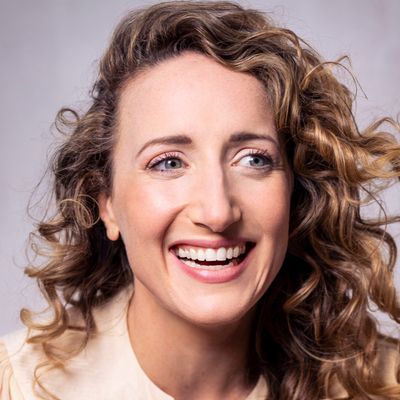
In this week's episode Tori and Eliza sit down with the talented Elise McCann to chat about her experience in the Australian premiere of 'Groundhog Day', and her health and wellness app co-founded with Lucy Durack, 'Hey Lemonade'... Read More
From the show: Stage Door Podcast
Guests
Featured Shows
About
In this week's episode Tori and Eliza sit down with the talented Elise McCann to chat about her experience in the Australian premiere of 'Groundhog Day', and her health and wellness app co-founded with Lucy Durack, 'Hey Lemonade'. Dive into discussions on maintaining mental health during an intense 8-show week, the inspiration behind 'Hey Lemonade', and so much more. This episode is brimming with inspiration and wellness tips for theatre lovers and humans alike!
🔗 Make sure to stay up to date with Elise and for more on 'Hey Lemonade' head to heylemonade.com.au
🎧 Follow the podcast on Instagram @stagedoorpod, and don't forget to leave a rating and review. Share your episode ideas via Instagram or email at ps.stagedoor.podcast@gmail.com.
🎨 Created and Produced by Tori Bullard & Eliza Vine
🖌️ Logo Created by Sally Henderson
✂️ Edited by Tori Bullard
Transcript
This transcript was automatically generated and might contain errors.
[0:02] Tori Bullard: You're listening to Stage Door Podcast, the podcast celebrating theatre and creativity from on stage mishaps to career defining moments.
[0:12] Eliza Gunther: Hosted by Thespians, myself, Tori, and co-host Eliza.
[0:15] Tori Bullard: Fortnightly, we will bring you industry professional guests, deep dives, and more.
[0:21] Tori Bullard: Hello everyone, and welcome back to Stage Door Podcast. Today we are joined by award-winning actor and founder of Hey Lemonade, Elise McCann.
[0:30] Tori Bullard: But before we get started, we would like to acknowledge the Thoroughwell people of the Eero Nation and the Warrundary people of the Kulin Nation.
[0:37] Tori Bullard: We pay respect to the traditional custodians past and present and strive to continue in the traditions of Australia's first storytellers.
[0:44] Tori Bullard: We acknowledge that sovereignty was never ceded. Always was, always will be.
[0:48] Tori Bullard: Elise is a Helpmann and Sydney Theatre Award winning actor, writer, producer, and co-founder of Tech Health and Wellness Company Hey Lemonade.
[0:57] Tori Bullard: Elise is most well known for playing Miss Honey in Matilda the Musical, winning a 2016 Helpmann Award and Sydney Theatre Award. She played Lynn Woolnough in the TV series Peter Allen, Not the Boy Next Door, as Lucille Ball in Everybody Loves Lucy winning another Sydney Theatre Award, Mary Flynn in the Sondheim Musical Merrily We Roll Along, and most recently starred as Donna Sheridan in the Australian Revival of Mamma Mia! the Musical.
[1:21] Tori Bullard: Most recently, Elise was hitting the stage as Rita Hansen in the Australian premiere of Groundhog Day. Please, welcome to the mic, Elise.
[1:28] Elise McCann: Hello, thank you for having me.
[1:30] Tori Bullard: Thank you so much for taking the time to come on and chat to us today in the middle of a two show day as well.
[1:35] Elise McCann: Especially.
[1:35] Elise McCann: It is actually, you know, I think it's the best time because you're kind of in the zone. And also otherwise, especially on a Wednesday matinee day, you always have like four hours or three hours in between. So I feel like it's like peak time to get stuff done and to kind of have a chat.
[1:49] Elise McCann: Because you're in the chat mode. So yeah, it's good.
[1:51] Tori Bullard: Exactly. You've got all that adrenaline running through you, too.
[1:54] Elise McCann: And after today's show, we definitely do.
[1:57] Elise McCann: Yes. We had a doozy of a show today.
[2:01] Elise McCann: We had a doozy today. It was wonderful. But we had one of those things of live theater, you know, like someone forgot to come on stage, someone lost a prop. It was, you know, left, right, and center, we had a few little things happen, which makes it really entertaining. It makes it really entertaining for the cast on stage. I don't think the audience realized, but for us, we were like, where is this character? They're not here. So we just had to like make it up around them. So it was, you know, amazing live theatre.
[2:29] Tori Bullard: But jumping into it a little bit, what actually inspired you and made you want to pursue music theater as a career?
[2:35] Elise McCann: Look, it's a funny, I mean, it should be such an easy question, but it's a weird thing for me because I always just did like some drama classes and dancing and stuff like that when I was a kid. My parents kind of put me into class, I think because I just used to like make my sister play shop with me, and I would always, you know, try and like sing along to people. So I think they just thought that that was a good outlet for me. And I did it all through school and like just at school and did amateur musicals and things. I loved it, but I didn't really think I was ever gonna do it as a career. I fully thought I was gonna be a journalist or a lawyer or something else. I was such a nerd at school.
So I yeah, I was like doing three unit maths and economics for my HSC, like it was so, you know. And then I got into law school, but I just happened to audition for a drama school. And so when I got in, my mum was like, go. And then it kind of became my career. And I am so grateful because I love it, and it literally like I think it makes me a better person. Like when I get to perform, I am full of way more joy. Like I'm happier, I just feel more alive. And so I know that sounds so naff, but it's true. And so I just I love it like it truly like kind of fills my cup which makes me a better daughter, a better sister, a better boss, a better business person, better at all the other things because I've more to give, you know, but it kind of came out of nowhere. It wasn't not out of nowhere but it wasn't a planned path is what I should say.
[3:44] Eliza Gunther: Yeah, I think some people don't, it's not always a plan that you're gonna, you know, even though you're good at it that you'll go into it so it's really awesome to get that opportunity and then just fly with it.
[4:13] Elise McCann: Yeah, and as you said like I mean to be honest I wasn't very good when I first started like when I was younger I was out of tune I was like a mad over actor like you know you just you just get better with time. And so I think it's you know I say that very openly because I think for young people who maybe love it but maybe they're not quite amazing yet that's okay keep going it's like a muscle it's like anything you know we get better as we do it more so um so yeah I definitely didn't I wasn't one of those kids that people were like this kid's a star you know what I mean like they were like oh this kid's got charisma and they're like this kid's uh high energy. I've always had high energy and I've always been someone that gave 110% but it wasn't necessarily like oh my god move over Dakota Fanning do you know what I mean like it was yeah it was like you do you kid not a child prodigy.
[4:13] Eliza Gunther: Yeah, I think they're like you talk a lot let's like give you an outlet.
[4:13] Elise McCann: Beautiful. And I guess like you have obviously had an incredible career but have taken a little bit of another venture with Hey Lemonade, your new app. Can you tell everyone about what Hey Lemonade is?
[5:19] Elise McCann: Yeah, definitely. So Hey Lemonade was absolutely like I guess it's like a COVID silver lining in some ways. Because I had been working in the entertainment industry for like 18 years or so, and a really good friend of mine is Lucy Durack, who a lot of people professionally specifically if you like live theatre will know from she's like was the Australia's original Glinda, Elle in Legally Blonde, a whole range of things. She's a superstar. And we've been friends for years. We did a kids' TV thing together, a kids' show together. Probably I don't know, 10, 12, 15 years ago, it was ridiculous. And we'd not worked together since. And the show didn't go very well. Like it didn't really, it didn't really fly, let's say.
But didn't take home. It didn't quite, no. Despite the fact it was called the Winged Ones. So, you know, there's irony in that. But so we kind of always wanted to find another project to work on together. And then anyway, COVID happened. I'd been working in New York with Sarah Jessica Parker's production company, and Luce was doing Shrek the Musical, and COVID happened. My mum had cancer, had was diagnosed with cancer. I came home to help out with her and also COVID. Lucy lost all of her work overnight, and we were just, you know, like everyone kind of a bit overwhelmed, a bit stressed. And we'd gone for a walk one day, like a socially distanced walk, and because we're both living in Melbourne, and there was hectic lockdowns in Melbourne, and we're having a chat, and at the end of the day, walk, Lucy was like, Oh, this is what I needed, just like a quick chat with a friend to help me like normalise what I'm feeling, be like you're not alone, you're totally fine, and just kind of give that kind of pragmatic, practical thing of like you're okay, like to help you, I guess, remind yourself of your own resilience.
And so, and we're like, God, I wish I could find that in app form. And we looked and we couldn't find it, and we're like, maybe we should make this. And we very naively, you know, have never worked in tech before, and but kind of decided to give it a go and we did.
[7:16] Elise McCann: And so ultimately, what Hey Lemonade is we call it a stress and motivation management tool, but ultimately it's a pep talk app. And so we have like three to four minute pep talks about a whole range of like everyday stresses, like imposter syndrome, when you need a G up for an audition, a good night pep, a chill morning high five, when your kids are being assholes, when you've just been dumped, like when you know, whatever it might be, feeling overwhelmed, feeling vulnerable, can't stop crying, a whole range of things. And basically they're two to three minute talks, and they're all designed to kind of just circuit break that moment and help you get on with your day. And they're we just because Luce and I are very similar but very different.
We realized that we liked different kinds of voices, and so we very early on decided to have every talk voiced in multiple voices so that you, the listener, can choose how you want to hear your support. And because on any given day, some days you might want like a vocal cuddle, and then another day you might want to be like kicked into action, so you know you can change it based on what you need as well.
[8:15] Eliza Gunther: And so I like that, yeah.
[8:17] Elise McCann: And so we kind of have every talk's voiced by multiple voices, so you can tailor it to what you need. Every talk's really pragmatic, kind of without the woo-woo, and they're all overseen by psychologists and solution focused coaching experts. We tested the app with the CSIRO, and it's you know been shown and proven to kind of generate positive health outcomes for users after after you listen, you know, use it for four weeks. So it's um it's kind of taken off. So, what we kind of started for ourselves has now become like a full business that we are now kind of working full time alongside our performing careers, so it's a bit mental.
[8:51] Eliza Gunther: Yeah, that's insane. Cause it is like there are definitely things out there, things like Calm, for example, but they work quite differently and are much more based in that kind of meditative kind of vibe and really taking like what feels like a much more, and I'm sure there is still quite a lot of psychology and things that go into the pep talks, but it takes a much more psychological base to it. Whereas sometimes you do just want to feel and you might, you know, it might be like the middle of the night and you have no one to talk to. You just want someone to say something to you that's just gonna make you feel better.
[9:26] Elise McCann: Exactly, exactly. And just kind of like, as you said, it's just that short, sharp, simple thing that just kind of helps you breathe and just take a beat to go everything will be okay. Like you just sometimes need someone to say that.
[9:36] Eliza Gunther: And you're exactly right. We'd both looked at Calm, we'd looked at Headspace, at Smiling Minds, all of the kind of meditation and motivation apps, and they're great, don't get me wrong, but they serve a very different purpose. Like, you know, meditation, it often takes significant practice to see results. You have I often felt like I didn't know if I was doing it right. Like I was like, ah, my mind's still going, or oh, I really only have five minutes whilst I'm also washing the dishes. So I feel like that's not what Deepak Chopra wanted me to do. So I guess you know, I'm probably failing at this. And so we were like, we need something that you don't feel like you're failing, that you can, you know, you do it when you need it.
And we also, you know, that thing where we're time poor, Luce and I constantly juggling multiple things, as is everyone. And so you want something, you know, you can be five minutes late to something, but you probably can't be 15 or 20. And you don't always have 20 minutes to sit down and do a meditation, you know, you might and or to go for a run or an hour to talk to a psych or you know, a friend on call when it's 3 a.m. in the morning. So yeah, it's kind of designed to be that short, sharp, bite-sized, you know, support system.
[10:39] Eliza Gunther: Yeah, and it's absolutely amazing.
[10:41] Elise McCann: It is, it is just like a warm hug sometimes that you need.
[10:45] Eliza Gunther: Thank you. What has been the biggest highlight in starting this journey for you?
[10:49] Elise McCann: Oofed. Um honestly, like they kind of keep coming, which is crazy. And I think maybe they keep coming, and that sounds really um that might sound arrogant, and I really don't want it to, but I say that probably because when we made it, our goal really was to make it for ourselves, and we're like, if no one, if this is useful for two people, we've succeeded. We just want this to get to market, basically. And you know, it's a lot of time and money to kind of that have that be your ambition, but that it really was, it really was. We're like, look, we have no idea what's gonna happen, we have no idea if this is gonna work, but let's just if it can help, you know, a handful of people, we've succeeded.
And so because that has always been our goal, the focus is being useful. The goalposts just keep shifting, and so then when you have wins in different ways, it's unexpected, and it feels like you have way more wins, I guess, because you're not trying to set yourself up for this massive thing that means you never feel like you're achieving. But a few of the things for us one testing it with the CSIRO. We received a grant with them to test it, which was amazing, just because you you don't want to put all your time and effort into something if it's not gonna work, and so we wanted to make sure they worked and that they were credible, you know. So testing this with this peak science body and having them say, yeah, people that used it were 50% calmer.
People that used it had a significant increase in their perception in their positivity and sense of vitality, and they had a significant decrease in their perceptions of daily hassles, and that's after four weeks.
[12:14] Elise McCann: So that was like amazing. And then um, and then and that was like a full randomized control trial across the country, with you know, replicating real-world circumstances, people didn't know us, didn't know the app, so it was really exciting. And then we got a grant from the New South Wales government to do a high school version of the app, and so we had that going to high schools last year in New South Wales, and we're branching out into other states now. So that was amazing just because obviously it really fits teens because everything they want is like bite-sized on your phone, private, um, really colloquial, so it really works for them. And then Luce and I actually won um Australian Women's of the Year uh Small Business Award last year for Best New Business. So that was also like a really crazy thing.
[13:00] Tori Bullard: Congratulations.
[13:01] Elise McCann: Thank you. Thank you. That's huge. Yeah, it's really it's been like really unexpectedly um amazing, and just you know, and a huge learning curve, you know. Both of us had experience writing and producing and creating content, um, for you know, screen or theatre or whatever it might be, and both of us obviously were performers, but um, and I have both of us studied law, I finished, Lucy didn't, but um, but we had so backgrounds in areas, but we'd never done this, you know, and and it's a whole other kind of kettle of fish. So it feels like a yeah, an exciting new thing to be doing.
[13:34] Eliza Gunther: Definitely, and then it also sounds like it's some people might think, Oh, is it just for performers? But it's not, it's for everyone. That's the great thing about it.
[13:42] Elise McCann: Exactly. Like, we happen to be performers, but you know, the rest of our team aren't really. Um, you know, we have a team of eight now, and you know, they come from a whole range of tech and psych and all kinds of fields, and as you said, it's available like for general public, so general public can purchase it through the app stores, and there's a free version so you can kind of download it and get some free talks, or if you you know want to subscribe and get all of them, you can. And then we also go into workplaces, so corporates kind of utilize the app for their employees and our schools, so it's really meant for like the everyday person. We kind of say anyone that like has moments where they're experiencing stress or motivation challenges, which is like everyone.
[14:20] Tori Bullard: So yeah, yeah. I was like, you're talking to me. I'm feeling this. I was gonna say, actually, you have a scholarship program as well. I noticed on your website, and I know for like a lot of especially young people, even university students or those who may be struggling financially, you do have a scholarship program. Can you tell us a little bit about how that came to be and how it works?
[14:40] Elise McCann: Yeah, absolutely. It was something that Luce and I, again, we were like, we want we really first started the company, we're trying to look at it as a not-for-profit because we wanted to find a way to just give it to everyone. Um, but it wasn't really viable. Um, we like we just couldn't get we couldn't get the the money together to like without having like a business model to be able to actually build it. So we did have to kind of run it as a company, a regular kind of company to start. But we were like, we want to make sure that we find a way to make this available for everyone. So we first started working with like charity partners, so we work with Future Women who's an organization that has um who helps support women get back into the workforce.
So we are part of their jobs academy program and their jobs academy participants get access to the app. And so we're just like finding ways to get get it to people that need it, and then we had a few people write in. We actually had like two or three people contact us and say, I would love the app, I'd love to use this. Um, and I use the free version, but I just can't afford the subscription. And we're like, oh my god, we don't want that. So we're like, why don't we create a scholarship program? So it's a really simple program. And if anyone's listening and they're like, I can't afford this, then feel free to use the scholarship program. Basically, the idea is that if you are someone that thinks that you would benefit from this and you can't afford it, then set go onto our website, go into our scholarship section, and you can nominate whether or not you can pay a portion of a subscription of your 12-month subscription.
And if you can't, and you could say I can pay 20%, 30%, 40% of that amount, or if you can't afford any of it, you just say I can't actually afford any of it, and we will give you a 12-month subscription, no questions asked.
[16:11] Elise McCann: And that's because I feel like if someone's gonna go to the effort, it it's it, you know, it's it's essentially uh it's an honor system. But I'm also like if someone is gonna go to the effort of saying, Hey, I would like to use this, then you know what? I want you to use it. And if someone does have the ability to pay for it and they choose not to, who cares? That's fine, you know, like yeah, it's it's not about that. It's about being useful, and it's about like, yeah, making it accessible. And if that means that that's one bit of good or one bit of generosity we've given to someone, maybe they'll do that for someone else. So, you know, it kind of all goes around.
[16:41] Eliza Gunther: That's beautiful. That's beautiful. It just makes it more inclusive.
[16:45] Elise McCann: Yeah, that's the hope. Yeah, we have shame sometimes as well around being like, Oh, I need help, or around saying, Oh, I'm struggling, or I don't have enough money right now, or it's not even that you have to have no money, it's just that you know, when you balance all the things you have to pay for, it's like, oh, can I justify this $11 a month or this $90 for the year or whatever it is. And sometimes you just can't because you're like, I don't know, I don't know, I don't have enough discretionary or whatever it might mean, be. And we don't want anyone to ever feel shame about that because I've been there, we've all been there, and and all, and so we it's like no questions asked. It's like you you apply, you get it. That's it. Because yeah, you should never feel shameful for any of those things. So let's just make it all more um communicative, more transparent, and make create more discourse around people being able to get help.
[17:31] Tori Bullard: Definitely, yeah. Especially now. Especially at this point. Like post pandemic, you know, in a rental crisis, yeah. You know, there's a lot of bigger life things happening than just, you know, um, you know, if you do have anxiety or depression or things like that, it's also very helpful. But I think a lot of people are also going through all of those things because of these huge world issues happening. So this app actually could help a lot of people deal with some of that stuff that they don't necessarily feel like they need to go and see someone, but they need a bit of motivation to get up in the morning and all of those things. And if you do have like, you know, if you are suffering from anxiety or depression, great, you can use the app.
And if you're someone that's suffering from other mental health challenges, absolutely the app is there for you. But if you're some if they're not the thing that you're suffering with, you know, we often say it's it's not necessarily for like the serious, serious, serious things, it's for the things that feel serious to you. And so, you know, whatever that is for you, you know, like that might be that my kids are literally insane right now and I am barely holding on. Or it might be I've auditioned for like 10, 20, 30 things, and I keep getting callbacks, but then I'm not booking the gig and I feel shit about myself, or it could be that I am not hitting my milestones at work, or I've put on some weight because life, or you know, it could be anything, you know, it and and they're all valid, and when we don't deal with those moments, they build up and then they all add together because it's the conglomeration of all of those moments that then make us, you know, topple over. So it's about trying to get in early and and just be like, You got this, you got this. Obviously, you know, doing eight shows a week sometimes for years at a time, that's it's tough.
[19:09] Elise McCann: And there's that fun little thing that we all experience called uh imposter syndrome. How do you maintain your mental health so that you're at your best for each performance?
[19:20] Elise McCann: It's a great question, Tori. Honestly, it changes. Um I've now been doing this. My first professional job was in 2005. Um I uh was well actually it was just before it was before that, but my first big main stage show was in 2005. And so you know that's what like almost 20 years now. And over those 20 years I've needed different things. Like, you know, there were points in my life where it was about I needed to keep physically fit and eat well and all of those things, which is accurate. But now I'm a little bit there were other points in time where I was so so hard on myself. Like I was um I there was a period of time where I had an eating disorder for about 10 years. There was a period of time where I had massive anxiety and panic attacks and I was so scared about like going on stage.
I was scared about letting everyone down. I thought I'd leave the industry at one point there was a point in time where I was just so overwhelmed and s and found it so stressful that I was like why am I doing this? I after this show I'm out I'm not doing this again and um was just dealing with so much anxiety. And even like a couple of weeks ago I had a moment where for whatever reason I was so tired and my brain just would not it's like I couldn't activate fast enough and the words wouldn't come out and so I like skipped over some words and if anyone knows I'm currently if you're listening I'm doing Groundhog Day the musical which is Tim Minchin's musical and if anyone knows Tim Minchin you know that there are a trillion lyrics and it's really musically challenging and so if you miss one it's really hard to get back on.
It's not like a play or a script where you can kind of stall for time because you're not running into music. When you're singing a song in front of 2000 people the music keeps going you've got a 16 piece orchestra, 20 piece orchestra, so you gotta keep going. So I had a moment where I just the words would not come out, and then my brain kind of triggered and was like, you don't have this, you yeah, you're gonna stuff this up. And I I had to like use every part of my breathing of my like you can't letting go of like trying to control things to get through. And then in but in the interval, I like came and I meditated on the floor. Like I literally like lay down the floor, put my knees up, just like breathe deeply, and just try to like quiet in my mind because you do, you can get really anxious and really over overwhelmed by all these things that happen, and and that just happens when you're tired.
[21:36] Elise McCann: And so I need different things at different times. Sometimes I need to know when to say no to things and say it so I can take a bit more quiet time. Sometimes I am working so much that I feel like I'm not connecting with my friends and family, so I need to go. Actually, I need to stop working and I need to go out and see people. Sometimes I need to yeah, be more physical, or sometimes I need to just like be okay with making mistakes. It just changes all the time. But it's about for me, it's about being honest with myself and being okay with the fact that I will not be perfect, and okay with the fact that the worst case scenario in most cases is that I'm gonna be embarrassed. And and that is an uncomfortable feeling, but we can overcome it.
And I have, and like this thing, there's this thing in the some of our talks that um I it just always sticks with me. It's it I can't even remember who it was that first rode, I think it might have been Marie Cardi, but it was something around the lines of like you have managed to deal with all the things that have come your way up until now. So why would you not be able to manage whatever you're dealing with right now? You know what I mean? Like you you've gotten yourself to today, you'll get through today, kind of thing. And I always love that this thing of just like, you know, watch the emotions blob around and don't have to comment on them, just like let them be and just kind of keep going.
[22:50] Elise McCann: And so for me, I really try and just like yeah, just breathe, always try and take a breath and just go be practical about what it is I need in that moment.
[22:57] Tori Bullard: It's so refreshing hearing someone, especially at your level, say that because I think a lot of people, yeah, like I think a lot of people feel that. Like a lot of people go through exactly those emotions that you're talking about and then question whether or not they can do it. And they have this like idea of perfectionism that comes with sometimes this industry of like, oh, I am I good enough to do this, am I perfect enough if I make a mistake?
[23:22] Elise McCann: Yeah.
[23:23] Tori Bullard: Can I do this if I feel these things? And it's refreshing to hear someone who's felt those things and then overcome them to still keep going.
[23:30] Elise McCann: Thank you. That is so lovely to hear you say that. It's so true though. Like, honestly, I um there were so many years when I was first studying out, and look, I was quite lucky. I got work relatively quickly from what after graduating, which is partially, I think you have to be talented, obviously, to work in this industry, but but there's also a thing about this timing. You know, a show has to come about that you're right for, whether that's a play, a musical, a TV show, whatever it might be, that you're right for, and um and and someone has to choose to give you a chance, and you can't control those elements. And there was a period of time where I just happened to have a good vocal range, so I could kind of you know cover and I I've done everything. I've swung, I've covered, I've you know, been third ensemble member from the left, I've you know, done everything, and then I've played smaller roles and worked my way up.
[24:19] Elise McCann: And um, but yeah, there was a period where I used to always try and do or be what I thought they wanted. Like if there was, and particularly in Australia where we import a lot of content, I was always like, oh okay, that's what this person that originated the role was like, so I should try and be like that. But I'm never gonna do that that well because someone else, it's it's someone else's version, like they're gonna be better at it because that's theirs. That's who they are. So I'm just gonna, it's never gonna sit exactly the same way in me. So I a period came where again I'd had my heart broken, I was like super vulnerable, and the joy of that, like what I now see is every time I get knocked down, there is some massive life lesson that I get to learn that kind of helps me be more okay with my my not perfect perfectness.
And um at that time I remember being so depleted that I just didn't have the capacity to try and be something else, and so I just kind of was like, I'd go for auditions, and I was like, I'm just gonna all I want to do is do things that excite me, and all I want to do is just like all I can do is my best on this day and be myself, and if that's not right, then that's not right. But it somehow like unlocked this ability in myself to just be like, whatever my secret spice is, whatever my the thing is it makes me me, lean into that because that's the thing that's gonna make me stand out, not trying to be someone else, and and I think that's what got me the jobs. Like when I got Miss Honey in Matilda, I originally wasn't in for that role.
I was in for Mrs. Wormwood, I got cut. I was then in for ensemble covering Mrs. Wormwood and then covering Miss Honey. I did every ensemble dance call, I was all the way through to the finals, finally did some Miss Honey material in the final for the cover, and I did a good job, and then I did all the Mrs. Wormwood material as well, and then they called me like a week later and said we'd love to Skype with at the time that was Skype, how embarrassing. Um, we'd like you to Skype with Matthew Warchus, the director, for the role of Miss Honey. And I was like, what? Like, where did that come from? And something about um the fact that I had been in to cover, I was in as a cover, I was in not for the role, meant that I wasn't trying to, and it wasn't the role I'd originally gone in for or anything like that.
I wasn't trying to be, I hadn't watched what Lauren Ward had done. I had no idea what anyone else was doing. I was just like, how do I relate to this material? And who who do I think this person is? And what happened is they'd they'd actually put two other people to Matthew for the role. And he was like, These guys are great, but something he was just like, something's not exactly right. And so he asked to see all the tapes of everyone that had put something down for the role. And um he watched mine and said that's who I want. And they were all like, What? This person hasn't, we've barely seen them for this. What are you talking about? And they was like, Fine, let me like let me Skype with her.
And so that's what happened. And then they just offered me the part. And Tim Minchin later came and sat in my dressing room one day and sat on my couch and was like, you know how that happened. And I was like, No. And he told me this that yeah, Matthew watched the tapes and was like, That's her. And I swear to God, it was because I wasn't trying to be someone else. I was just being myself and doing my version, and Matthew was a was able to go, oh yeah, and I can see that this is true. I know who this person is, and I got it. And that I think is the thing. Like, same as with Groundhog Day. I didn't think that I would be right for this show. I didn't think there was a part that I was right for.
So I was like, when I was asked to kind of come in, I was like, Well, I don't know how to do it like the other character people that have played the role in the past because I'm not like them because they're all they're very different women that have played the role. So I just have to do my version, and then I got it, you know. So I just think trusting that what makes you special is actually your thing that's gonna set you apart, is is the way forward, I think. And then if nothing else, at least you feel like you've done your best and you've been true to yourself, and um, and and you've got to be proud of that.
[27:56] Tori Bullard: Definitely. That's so that's such a great story as well. How you I mean, you watching you on stage, I did watch Groundhog Day recently, and I adored it. It's a great show.
[28:06] Elise McCann: Fabulous, thank you. And I loved how like different your version of it was. Like, I loved that. I just thought, oh, there's this special sauce, you know, that you're talking about. It's the secret recipe that you just have to be your own version of it. You don't need to like be like someone else's, and that's what makes it so special.
[28:26] Tori Bullard: Well, because then you could believe them because they're they they're a real person rather than trying to imitate something else.
[28:31] Elise McCann: Exactly, exactly.
[28:33] Tori Bullard: Yeah. Oh, well, before we uh continue this conversation, which we will do more on Groundhog Day, we're gonna do a little bit of a game now. Um it's not really a game, it's more like rapid fire questions.
[28:46] Elise McCann: I'm here for it.
[28:46] Tori Bullard: Um, yeah, so we're gonna just do some fun rapid fire questions. Okay, so first one is iced coffee or iced tea.
[28:51] Elise McCann: Iced coffee.
[28:57] Tori Bullard: Yes.
[28:59] Elise McCann: Coffee always is basically the answer.
[29:01] Tori Bullard: Yeah, coffee keeps you going. A good movie or TV show.
[29:06] Elise McCann: Probably TV show. Because I love the thing of like the short snippets, and then I love being able to like, if I really want to binge everything and feel like there's more to come, like a movie's over too soon.
[29:15] Tori Bullard: Yeah, it's like more hours with it.
[29:18] Elise McCann: Yeah, yeah. Um, favorite city you've toured to.
[29:23] Elise McCann: Ooh, that's tough. Lots of good ones. I'm gonna be. I mean, look, to be honest, Melbourne's technically a city I'm touring to because I live in Sydney, I'm from Sydney, and I love Melbourne because it just feels like a second home. So like I feel like I can you know, and I also have lived here, I guess, but it um it's just a great city. It just you know the community here, the way that the theatres are so close to each other. I love that the city's so easy to get around. I mean, I hate the cold, which is why I can't live here all the time. But I um, but yeah, Melbourne's a great city, and Brisbane's also fun because it always just feels like a holiday. Like I feel like I'm on like you know, vacation or something. Especially South Bank with all the like the pool.
[30:00] Tori Bullard: Yeah, yeah.
[30:01] Elise McCann: And I mean, you always just everyone's in company at com when you're in Brisbane, and so it's always a cool way to like hang out with the rest of the company. Whereas when you're in Sydney or Melbourne or other capital cities or other countries, you know, it happens in other countries as well. But when you're, you know, in like if you're living in New York, everyone in New York lives in New York, so everyone just goes home. Yeah, but like if you're all going to like New Zealand, then chances are you're all on tour, so you get to all hang out, you know, it's a different kind of experience.
[30:27] Tori Bullard: Love that, like school camp.
[30:29] Elise McCann: Yeah, it is.
[30:31] Tori Bullard: All right, dream role.
[30:31] Elise McCann: Oh, too hard. It's like Sophie's choice. Um, there are so many. There are so many. Many, many years I really wanted to play Fanny Brice um because I loved I love Barbara Streisand, I love the clown that she is. I love that she always made me feel like I didn't have to be like the pretty girl or um I was pretty awkward, I was pretty chubby, I was kind of an ugly duckling as a young one, and so I hate that word. I shouldn't say that. I was just like, I wasn't your typical ingenue. And so she kind of made me feel like there was space, and I loved how she occupied space, and I love the score. Um, but I also want to do Sunday in the Park with George. I'd love to play Dot. And I also want to do Waitress. I've gone in, I yeah, I've been close to a waitress, and I would love to do that one day as well. I want that to come to Australia.
[31:13] Tori Bullard: I know it was going to, but I know.
[31:16] Elise McCann: We were so close to getting it.
[31:18] Tori Bullard: I know.
[31:18] Elise McCann: Maybe one day, keep our fingers crossed.
[31:20] Tori Bullard: Favorite show besides the one you're in that you've performed in.
[31:23] Elise McCann: Oh, okay. Again, there are many, many good ones. Um, I loved doing Merrily We Roll Along. It was at the it was by Dean Bryant directed it. It was just a beautiful show, beautiful company. It was a particular period of time. Uh it was during COVID, and so the fact that we're even able to do it was miraculous. But I just loved it, it was a real family, and I loved the production that we did. I felt really proud of it. Matilda is another one of those. I know that's probably only supposed to give you one, but I'm just gonna keep talking until you let me say more. Matilda's probably another one, also just because it's you know it was magic and the children were magic, and I learned so much, and it was such an opportunity, you know, amazing opportunity for me, and it's speak, you know, it's so close to my heart. So Matilda's probably the other one.
[32:04] Tori Bullard: Beautiful. Well, thank you very much for playing our rapid fire question.
[32:09] Elise McCann: Thank you for letting me cheat, didn't say many, many, many answers. Now, I guess kind of going back into things now. We kind of talked a little bit. I I think we talked a little bit about Mamma Mia, but you were playing the beautiful Donna, one of our favourite theatre mums. What was your process like making the role your own, considering there were so many iconic women who played her before you?
[32:32] Elise McCann: Yes. Um, look, I had done the musical. Mamma Mia is so closely to my heart because when I first was studying at NIDA, I was ushering at the lyric theatre to like pay my way through, and Mamma Mia was on. So I saw Mamma Mia like 160 times or something as an usher. This was like the original cast with like Rhonda Birchmore, Ann Wood, Lara Mulcahy, David Harris, Simon Gleason, Nat O'Donnell, all of those guys. So I had seen it so many times, and I remembered watching it being like, God, I want to do this show one day. It just felt like it suited with my energy, and then when it came round, the 10th anniversary tour, I was old enough and I auditioned and I got Ali, the best friend. And so that was the first kind of like proper role that I got for myself.
And I made some of my best friends who are still my best friends today. There's a group of five of us that we met on Mamma Mia, and we're still mates. We're actually all going to Greece this year because it's the 15th year anniversary of when we did the show or something. So um, ridiculous. So that has like been special. So then when it came around again, I didn't think that when it came around last time in 2017, I remembered being like, ah, damn, I'd love to do Donna one day, but I'm not old enough. And it won't come around again for a while now, blah blah blah. So I just thought it wouldn't work. And then when it came around again, I was like, oh, maybe I'm old enough. And I and they were like, oh, I don't know if you are, because I, you know, was 37, 38, 38, I think.
And so they um I was just like just creeping in. Like typically she's always been like in her 40s, but I could have had a kid at 18 and my daughter be 20. Like, that's totally doable. So um, you know, I I didn't know if I'd get it, to be honest. But I knew the show so well, and I knew what the heart of the show was because obviously the history, my history with it. So when I went in for it, I again, same thing. I think because I was like, this isn't a slam dunk, I haven't, I'm not necessarily the right age for it yet, or whatever. I just was like, all I can do is my version. And I didn't watch the movie. I still haven't watched the movie again. I didn't think back or try and do anything that I remembered Anne Wood doing when I was in it with Anne when she was our Donna.
I I'm I'm sure they're all in there somewhere as part of like you know, the collateral damage of doing life and absorbing things. But um, but I really consciously just was like, what is this scene about? Who are these people? What are my stakes? How do I how do what how do I make this feel real for me? And um, and and again, yeah, that was kind of my focus. And I remember going into the singing audition, and Donna's actually a bit low for me. My voice sits a little bit higher, and so I was like, oh, this is a bit low. And I said to Stephen Amos, who was the musical director, can we take this up? And he was like, No. And I was like, Okay, great, great, great, great, cool, cool, cool, cool, cool, cool.
And I was like, okay. So I, you know, it was just like, oh, yeah, yeah, seriously I had to warm down all the every day but um but yeah so I just didn't really I I was again I just really was like okay how can I make this feel like me knowing that I'm younger knowing that I you know can only do my version and so again it wasn't even a I just went back to the script went back to all the same things that everyone else probably says but just yeah it was like how do I it's how I approach every script what does what are these what words how would I say these words who who would I say these words if I wouldn't what situation would I and just finding the way to connect to them so I can yeah make it feel real for me if if nothing else.
[35:51] Tori Bullard: No that's beautiful. And it was awesome it was such a joy to go back to because the show is so special uh to me and because it's been yeah it's really been a signpost in major moments in my life so um yeah it was really special.
[35:52] Elise McCann: Yeah, that's the best way to do Mamma Mia as well because I find that sometimes like the relationship building is one of the most important parts of that show. Otherwise, if you don't have that, there's no heart to like especially Donna's character. She carries a lot of that heart of the show. Yeah, it's a big journey. Like she does have like a full journey, you know, you've got to go through that, the anxieties, the joys, the reminiscence, the you know, nostalgia, the heartbreak, like all of those things. And it's really only over a period of a couple of days, and it's the high stakes of your daughter getting, you know, it's super, you know, it's if you were to think of it as a real person experiencing that, that's a lot. That person's a stressed person, you know, so finding a way to kind of keep that journey charting, not ever get too far, but be able to keep the stakes.
[36:50] Elise McCann: And as you said, it's all about connecting with people. So and we're lucky to have a great group of um a great cast. I love Sarah, who is my daughter, and Dion and Bianca, who are my best mates, and one of my really good friends that I did the 10th anniversary production with, Emily Cascarino. She was my understudy in that version. Um she understudied Ali and Lisa and Sophie. She went on all the time, she was a swing, and she did our version again, and she was my understudy for this one, and she went on a bunch of times, and you know, she's one of my dearest friends, and we're going to Greece together. So, but it was cool because now she's got kids, and you know, her husband was on tour, and we're all just like you know, hanging out, and I was like, Oh, yeah, this is amazing, you know. You kind of bring your friends with you. So special, and it's such a special show. And I mean, you're currently starring in the Australian premiere of Groundhog Day, as we have discussed.
[37:38] Tori Bullard: Yes, which is just I'm devastated that I will not get to see it and I cannot make it to Melbourne in time. But what has been your favorite part of hitting the stage in yet another well-loved Tim Minchin show?
[37:52] Elise McCann: Honestly, I feel so I it's it's so cliche, but I feel so lucky that I get to do this show and that I get to work on Tim's material because I do truly think that Tim Minchin is an insane genius. Like his material is so smart, it is so detailed, it's so observational, but it is so funny, but it is so full of heart. Like it is just like a dream. And where he writes music, um, it's where I love to sing, so it's always like um it's such a great singer. It's a it's always it's just where you kind of are like, oh, this is this is high, or this feels exciting, but it's you know, but it's musically challenging, like it really like keeps you on your toes. Um, but there's so much in it. There's just so much in it.
I just like I I honestly pinch myself that I get to do it because it is it gives you everything that you need, and it's the same. Like our director for Groundhog Day was our director on Matilda, Matthew Watches. And so working with Tim and Matthew, they're an amazing pair, they're both so smart and so detailed, and they always find a way to make something so funny, but then and and you and find the heart, these beautiful moments of magic where you literally just stop, everything stops, and it's like your heart breaks open, and but then they never let it get too earnest. They then bring it back, you know, and it's like they craft so beautifully, and it's really rare that you get to work on something like that, where the book and the music and the stagecraft, the direction are all so good, you know.
Like it really is like, and this show has everything, it's got like illusions, it's got automation, it's got you know, this small town feel, but it's it's seriously magic, and uh I just feel so so lucky. I feel like it's such a dream, and this is a bit of a lightning in a bottle show. The cast are phenomenal, like literally, everyone gets a role, and everyone in this cast is bringing their A game every night. And obviously, I'd be remiss if I didn't also mention Andy Carl, who's like Broadway royalty, um, and he's just an absolute legend and so talented, and he just he's he really sets the bar. He has is so generous and so playful and so funny, but also so vulnerable. Like he's just amazing, and he never leaves the stage, he never complains, he's a great company member, great leader.
Everyone um just loves him, and and it's a joy and such a privilege to get to work with him. Like, you just want to be better because you want to be at his level. So, so you know, it's kind of really, yeah, I I I've given you a thousand reasons why this is special, basically.
[40:27] Tori Bullard: Yeah, it's actually, it's such a special show. I've not really seen anything like it in Australia.
[40:32] Elise McCann: It's hard to tell explain, isn't it?
[40:33] Tori Bullard: Yeah.
[40:34] Elise McCann: It's hard to, yeah, put into words. I think like the audience response was next level. Like being in the audience for that show. I was like, we were cry laughing, and then at the end of the show, crying out of like happiness or joy, and then like, I don't know, just almost like it's like a warm hug at the end as well. So it's it's such a good show to not only watch, but also to do would just be next level.
[41:01] Elise McCann: It literally is like so life-affirming, and I think that you don't realize until you see it or you're in it. But it is like the moral at the heart of the show, and I I mean I'm lucky because my character is a really optimistic person who but is pragmatic. Um, I feel like I'm at the perfect place in my life to play this role though, you know. It's like with everything that I've been doing, I love that she's really practical and pragmatic and and doesn't take shit, but she also is like practices radical hope. Like she's someone that sees the world with a sense of like possibility rather than negativity or rather than like deficit mindset. She's like, let's be open, let's have best intentions, let's you know, pursue life with an openness because that is the privilege of being alive.
And you know, my character gets to be like the the turning point for for Phil, the kind of thing that makes him rethink how he's viewing his life and how he's spending his time. And so getting to do that every night kind of does that for yourself. And so I really feel like this time has been this amazing moment where it does. It helps me put my life into perspective and go, who do I want to be? How do I want to operate in the world? How do I ultimately I want to be someone that I'm proud of? Like that's that's one of the central things. I want to be proud of myself. I want to be and I want to be at peace. Like they're the things that I really want for my life. And um, you know, this show kind of really helps me live that every night, which makes you kind of get to live it throughout the days. And and that's special and unique. You don't get that all the time.
[42:28] Tori Bullard: You really don't.
[42:29] Eliza Gunther: I couldn't agree more. It's such a special show. If anyone is listening, make sure you go and watch it.
[42:35] Elise McCann: I don't think this will be out in time for that.
[42:38] Tori Bullard: I know, so sad.
[42:39] Elise McCann: So if you ever get to see it, guys, I think we'll come back.
[42:42] Eliza Gunther: Let's hope we come back.
[42:43] Elise McCann: Yeah, it's gotta come back. We're giving those that energy.
[42:46] Tori Bullard: But I guess before we leave, we have a little bit of a segment called Bedtime Stories, which is a stage mishap or something that might have gone wrong for you, which feels very fitting considering today's show.
[42:58] Elise McCann: Yeah. But do you have a stage mishap for us?
[43:01] Elise McCann: Oh my god, I've got so many stage mishaps. Depends on whether you want one. There's so okay, there's a few. Today we had a cast member, this wasn't me, but I was in the scene, who just like missed coming on stage. Just like, I don't know where they were. I think they were just like chatting, or maybe they're in the bathroom, I don't know, but they just didn't come on. Thankfully, another cast member just started saying their lines, and so we're like, just kind of making it work. But a couple of weeks ago, we had this this ridiculous show where everything you could think of went wrong. Like Kaya, who plays Larry, forgot to bring on the camera for one of the broadcasts. So he's just like had headphones on and was just kind of like doing this and pretending to just like listen to the broadcast rather than film it.
And like someone forgot to bring on the chair with the groundhog on it. So all of a sudden, I'm like, here, Phil, sit down. And there was no chair, and there was no groundhog. So we're like, ah! So poor Andrew Down who's playing Buster that's supposed to speak to the groundhog, had nothing to speak to. So he was just like trying to talk to me about the groundhog. It was so weird, and like Alison almost missed her costume change. Her dresser had to go and tackle her and pull her back so that she could do her change. I'm on stage in the scene, just as Phil. This is I'm I'm spoilers, but as Phil um is it's a really serious scene at the top of act two where Phil's like contemplating suicide, and I just dropped my clip or a smack in the middle of the scene and was like trying to pick it up and almost fell in the in the orchestra pit.
Like the donut rolled off the stage into the orchestra orchestra pit. Like it was just like insane. It was crazy. Like someone dropped a house. It was like everything you could think of went wrong. Um, you know, and but I love those shows because it's when you kind of figure out you know what you how you can kind of fix things. That's when that's when the joy kind of comes in. It keeps it really alive, and the audiences love it. But there was an uh another one, I'm gonna tell you this one too. So there was this moment where Andy and I were doing a scene, which is a fairly fairly serious scene. Like it's one of the it's in act two, and it's this moment where the same thing, everything kind of stops, and um the real reality of like the challenges of Phil living this time over and over again kind of hits you.
And um, and we were doing this moment, it was really it's a beautiful moment, it kind of transitions into this like uplifting thing, and but it's quite serious, and uh, you know, I've just literally the direction before this is I should see a single tear roll down your face from fear. And so I'm you know crying and you know, all of this, and and we're sitting there, and then we say this this one thing happens, Phil says a line, and the audience always has a little bit of a laugh. It's like a tension release. But then the audience laughed, and then this one woman delay laughed, and she delayed laughed with such a hilarious laugh. She was like, naha! It was like such a weird woody woodpecker laugh that I laughed.
I couldn't help it. I like, I was like, and so I laughed. So then Andy laughed. So then the audience started laughing. And we could, I could not get my face to get out of like a laugh face. I was like, I couldn't get my mouth to stop smiling. And I was like, to get my words out for the next next part of the scene. So the audience just kept laughing. I think we added like a minute to the show or something ridiculous. And we got in so much trouble because they're like, the scene, the scene. And it wasn't intense, you know, it wasn't intentional. It was totally an accident. But it was one of those ones where it was like, if you were in the audience, you would have lived for it. But if you're like in the creative team where you're backstage, you're like, guys, pull it together, professionals, be professionals.
So, you know, it was it was it simultaneously embarrassing, but also like amazing and hilarious. And what can you do? It's why we love live theatre and why live theater is so why we love live theatre. So important because you'll never see the same show twice.
[46:39] Eliza Gunther: And if you do see the same show twice, that's probably more concerning than anything.
[46:44] Tori Bullard: Totally, totally. It's always gonna be different, you're always gonna notice something different, whether it is a mishap or whether it is just the emotion of a scene has changed slightly.
[46:54] Elise McCann: Absolutely.
[46:55] Tori Bullard: But thank you so much for taking the time to come on today and to to share with us the stories and your insight. Um, but before we go, this is an opportunity for you to to plug hey lemonade, plug yourself what you've got going on. Give us all the details.
[47:10] Elise McCann: Okay, so um I well, I'm currently doing Groundhog Day. This will probably be closed by the time uh the show this podcast comes out. So if it hasn't by some chance, come and see Groundhog Day. If it has, come and see it next time it's around. Um, if it comes back, keep your fingers crossed. Um, Hey Lemonade, thank you. Yes, you can download it from the App Store if you're interested. Uh, it's available for on Google Play or iOS App Store, or you can visit our website, which is just heylemonade.com.au. And um there are some things coming up, but not yet announced. So kind of keep your eyes or ears on something to find out, basically. On social media.
[47:50] Eliza Gunther: There you go, there you go.
[47:52] Elise McCann: Amazing. Well, we will link all of that down below. And you've heard it here first. Please go and download Hey Lemonade or at least check it out, see if it's something that would work for you and would just add a little pep in your step every day. Um, but my favorite thing is getting Nina's emails, and it says all the zest at the end.
[48:11] Elise McCann: Well the zest. Every time I see that, I'm like, that's just made my day just a little bit better.
[48:16] Elise McCann: Yeah, anything we can to put a lemon pun. Like, yeah, squeeze me, excuse me. Like citrus is getting real, guys. Like any lemon puns, send them our way. We want them.
[48:25] Elise McCann: Thanks for having me, guys.
[48:27] Tori Bullard: No, thank you so much for being on, and until next time, you guys stay happy, healthy, and safe, and we will see you then.
[48:32] Elise McCann: Bye.
© Broadway Podcast Network, All Rights Reserved