

A keynote conversation with Webber and a panel featuring on-the-rise producers, both recorded live at Variety's Legit! The Return to Broadway... Read More
From the show: Stagecraft with Gordon Cox
Guests
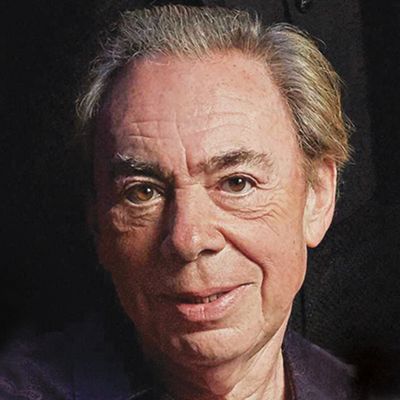
Featured Artists

Featured Shows
About
A keynote conversation with Webber and a panel featuring on-the-rise producers, both recorded live at Variety's Legit! The Return to Broadway.
Transcript
This transcript was automatically generated and might contain errors.
[0:00] City National Bank: With an unrivaled passion for the performing arts, City National Bank proudly supports Broadway.
[0:06] City National Bank: Having served the entertainment industry for more than 65 years, they have unique insight that other banks do not have.
[0:14] City National Bank: From business to personal banking, City National is a strategic financial provider who understands and supports the Broadway community.
[0:22] City National Bank: Center stage, backstage, offstage.
[0:25] City National Bank: City National works behind the scenes, helping others to elevate their performance.
[0:30] City National Bank: Get to know them better at cnb.com.
[0:34] City National Bank: That's cnb.com.
[0:38] City National Bank: City National Bank, member FDIC, is a subsidiary of Royal Bank of Canada.
[0:50] Gordon Cox: Welcome to Stagecraft, Variety's Theater Podcast, bringing you backstage and behind the scenes, with the stars, creators, and industry leaders bringing Broadway back to life.
[1:00] Gordon Cox: I'm your host, Gordon Cox. Last week, Variety presented its annual Broadway event, live and in person, called Legit, The Return to Broadway, presented by City National Bank. On this episode of Stagecraft, you'll hear a keynote conversation and a panel discussion recorded live at the event. Coming up, you'll hear Eric Pykush of City National Bank moderate a panel with the new generation of producers, including Brian Morland, the producer of Thoughts of a Colored Man, Matt Ross, the producer of Passover, Is This a Room, and Dana H, and Leah Volick, the producer of MJ the Musical. But before that, you'll hear my keynote conversation with one of the world's best-known and most successful musical theater composers, Andrew Lloyd Webber, talking about his vocal advocacy for the industry during the pandemic, the improvements he's made to the theaters he owns, his thoughts on trans actors and his shows, working with Taylor Swift on Cats, and, perhaps most importantly, Starlight Express. Here's Andrew Lloyd Webber.
[2:01] Andrew Lloyd Webber: I believe it's my job to introduce the man sitting next to me, but I'm not sure I need to do that. Hi.
[2:17] Andrew Lloyd Webber: So I'll just say that his latest show, Cinderella, is up and running on the West End. He created it with the Oscar winner Emerald Fennell. Um, and you saw him on the cover of Variety recently. So this is Andrew Lloyd Webber.
[2:30] Andrew Lloyd Webber: Thank you. Hi. Thank you.
[2:39] Andrew Lloyd Webber: And so, Andrew, after the shutdown and all through the long process of getting theaters back up and running, and for you in London, some, you know, starts and stops along the way, you became one of the most prominent, if not the most prominent, sort of vocal advocates for theater, not just in the UK, but here in the US and around the world. And I wonder if you could just tell us a little bit about what was that, uh, was that by design to sort of step into that role?
[3:06] Andrew Lloyd Webber: Well, not really. It was a bit of an accident, to be frank. Um, what happened was that, um, there was a production of Phantom of the Opera in Korea. Right. Uh, in South Korea. And in the middle of January of last year, um, a girl who works for us, uh, who was actually representing us on that production because it was a local production, uh, called me and said there's a serious issue developing out here. And um, they developed in Korea a whole, uh, collection of, um, shall we say, measures that were able, in their opinion, to be able to keep shows open. And so I said you must gather up all of this information. And it was at the beginning of February last year that I heard from a source in British government that this thing was very, very serious.
And by the middle, I can remember it was Valentine's Day on the 14th of February. I went to a dinner where there were quite a few people from your US military there, funnily enough. And they outlined what they thought was going on and that it was going to be serious. So we called together everybody in London on my side, who all thought at that point that I was talking nonsense, because people hadn't realized, you know, just how serious it looked as if it was going to be. And we decided on two things. One that we must try and demonstrate to government every way that we could keep theaters open, because the Korean methods, the Korean ideas did seem pretty sensible. And the other was that if we were going to close wearing my theatre owning hat, that we should be thinking about putting together a wish list of all the things that we would love to do to a theatre, but we can't do when there's a show playing.
We were already in the midst of the huge restoration of the Theatre Royal Drury Lane, but the other theaters we felt it was a really good idea to try and see that we could do things that you simply can't do when you've got a show running. So we did all of that, and um then, of course, come the beginning of March, more or less exactly the same time as it happened here, um, the West End was closed down. And we then said to government that we wanted to demonstrate through a series of pilot events that things could reopen safely. And this is before the vaccine.
[6:14] Andrew Lloyd Webber: So I said, really? I said, you know, well, in that case, ignoring the fact that, uh, if they won't wear masks, we won't let them in. But um, where did you do this, uh, extraordinary exhaustive survey? And she said, in our office. So I said, right. And I said, how many times have you actually been to a theatre lately? She said, Well, I go to sort of amateur dramatic productions sometimes in my local town, and I did see a, uh, a pantomime once at the Salisbury Playhouse. So, you know, we were battling all of this. Right. And um, you know, and then the government was stop start, stop, start, stop start. Um, I mean the great, the great difference, um, I mean is that the commercial sector in Britain has had no help to speak of from the government at all.
Whereas, of course, uh, Senator Schumer's, you know, initiative here, I mean, has been incredibly helpful. Right. But both countries have got different problems. We got the vaccination going very, very quickly. Um, I was on the vaccine trial, which I found fascinating, um, and um have got a nice collection of vaccines inside me now.
[7:27] Andrew Lloyd Webber: Yeah, are you up to five? Is that what I heard? Yeah, I mean there are various ones which I'd like to get hold of. Sure. You know.
[7:34] Andrew Lloyd Webber: Um, and you mentioned that you're also a theater owner, and as I understand it, all the money that those theaters make is funneled back into the theatre. I wonder if you could just tell us a little bit about the improvements that, uh, were made to the theaters, uh, particularly in light of, you know, all the compression requirements and I mean, uh, my great love is architecture outside of music. And I mean, I felt very strongly, you know, when I had the opportunity to get some of the theaters in London with the Theatre Royal Drury Lane and the London Palladium. I mean, these are iconic buildings. And um, I felt from the outset that the theatre's been incredibly good to me as a composer, and that it was a way, you know, of putting back something into the profession I love.
Like I think one has to do with scholarships and I'm thinking about we were listening to the young producers earlier, you know. The point is, is that we, I think we oldies, people like me have an obligation to put back in every possible way. And uh, I decided that, you know, with the Theatre Royal Drury Lane, it's a fantastic piece of architecture, and we were doing that anyway. Um, but I felt that coming out of all of this, that the audiences are going to want an experience which is frankly wonderful, you know, and that when they go to a theater, they actually feel welcome, they feel that they can get a decent drink, you know, they can if they're not some ghastly cheap, ghastly wine, you know, something normally served warm and plastic cups.
Um, and um, you know, I just feel strongly that, you know, that that experience is now going to be vital for audiences. Um, that we really make theatre a place that you say you want to go to. One of the greatest things I heard the other day was that, um, we decided we would do afternoon tea in the Theatre Royal Drury Lane. And we put it up on the website that we were going to do that. It's going to start in two weeks' time. And there were 1100 bookings just to come to the theatre to go to tea. Now, I mean, that's great because the Drury Lane will now be buzzing, it's open all day. You know, you can go in, you don't have to be going to see Frozen's playing there, but you don't have to go to Frozen to come in.
Um, that's what I think theaters should be. Um, I think they should be destinations, they should be a place that you'd say, I want to go and see Funny Girl, right? But I also want to have a great time when I'm in the building. Right. I passionately believe that.
[10:01] Andrew Lloyd Webber: Um, you are also, of course, a creator. You've your latest show is, uh, up and running at last and open West End. Liding Hill, that's the longest time Cinderella's ever taken to go to a ball in my country. I've been and to, uh, what were the, uh, sort of what was the biggest challenge in terms of that you had to negotiate in terms of finally getting that show up and running?
[10:25] Andrew Lloyd Webber: I suppose the, the, well, we got it up and running with a 50% audience because that's what we were allowed to do. Then one of the members of the cast got COVID at exactly the time when we were going to open, and then because that time the government couldn't make its mind up about whether or not if we were double vaccinated, you could still go on or not, or whatever, we decided that we'd best not play. And it's got the challenges have been sort of endless, really. I mean, they've been one after the other, after the other. The only one thing that was great is that our company absolutely stayed together. And one of the things we did decide to do, which was sort of, I suppose, on balance good news, was we did decide to make the cast album because I did quite a lot of that at home in lockdown, you know, sort of programming it myself.
But the, of course, the slightly, uh, frustrating side of that is that doing it in advance, the things that one then discovered in rehearsal, you know, that we we haven't got on the album, we would, so there will have to be another version someday. But it's, um, you know, it was it the real challenge was just to get it open.
[11:35] Andrew Lloyd Webber: Yeah. We were the first new music, I mean we're the only musical this year which is with an original score, you know, and of course, there's that in itself has got its challenges because getting the music out and all that. And why is now a good time for Cinderella? You're telling, uh, um, an untraditional version of the Cinderella.
[11:54] Andrew Lloyd Webber: Well, it's not why it's now a good time. It's a long story, and uh, I'm sure you haven't got all day. But um, it started actually. I had a dinner with, um, uh, quite a few TV execs, um, about five years ago, it must be now, four years ago, maybe here in New York. And after the dinner, uh, the discussion sort of fell to what was the biggest ever show on American TV, and everybody was saying, you know, Super Bowl with Michael Jackson or blah blah blah or whatever, you know. And I perked up and said, Um, I wonder whether anybody's thought about Rodger and Hammerstein's Cinderella done in 1957. And they all looked at me as if I really should be put out to pasture. Um, and um, somebody Googled it and then said, Oh my god, you know, it got over a hundred million viewers in 1957.
And then they all said, Would you like to do a Cinderella for a, so I I said, well, maybe, you know, I mean, it's a it could be quite fun because it was at the time when, um, the idea of doing live musicals on TV seemed to be all the rage. And um, I I said, yeah, fine, but then I got sent these dire synopses, you know. I mean, you can imagine what they were like. Sort of Cinderella leaving her foot in cement outside Grauman's Chinese or something, you know. No, no, no, this is not for me. And I was having lunch with, um, uh, well, Emerald Fennell's parents, Theo and Louise Fennell. Theo is a wonderful jeweler, and uh, you're having a fun lunch, and Emerald happened to be there. And Emer was at the time writing the second series of Killing Eve.
Um, and she actually did a lot of work on the first as well. And um, she just perked up over lunch, and I was saying about this, and she said, Let me have a crack at doing a synopsis. And um, three days later she'd sent me a synopsis, and I said, God, yes, I want to do this, because it's actually about, I mean, the central message is don't change yourself or your appearance or how you are, uh, to be what you believe other people want you to be. Just be yourself. And so our Cinderella, uh, changes herself, she does go to the ball, uh, but it all goes wrong for her. Um, and um, and and and she's not recognized by um the prince who she wants to love her, and it doesn't work. But it's it's very funny.
I mean, it's a rom-com. It's a musical rom-com, really, but it's got a really good central message. And Emerald is a very exciting new young writer, and to have her do something in the theater, you know, off the back of a movie like Promising Young Woman, was really very exciting.
[14:34] Andrew Lloyd Webber: Um do you think we'll see it here in New York?
[14:38] Andrew Lloyd Webber: I'd like it to be next year. I I mean, frankly, because you know, I I need to get on and write something else. I mean, I I need, you know, I I'm I really think I'm on the planet really to be a composer. And uh my beloved dear or you know, the late Hal Prince always said to me, you know, you must you'd be work on the George Abbott principle of having your next show ready when you've opened your last one. And this one has taken a long time to get open. Right. Um fond as I am of it, I want to write something else.
[15:06] Gordon Cox: Do you know what that is yet?
[15:07] Andrew Lloyd Webber: Do you have a I've got an idea about what I want to do, but I can't really share it. I I think um because it will need a it'll need a writer, and I think it probably will need to be an original story based on an idea. But we have got I I having done recently School of Rock and having done Cinderella, I'd quite like to do something which is a bit more serious.
[15:28] Gordon Cox: Right, okay. And you mentioned Hal Prince, uh, who uh directed Phantom of the Opera, which is getting back up and running here in New York. This is uh one of the first times you're doing it without Hal in the room to sort of shepherd it along.
[15:42] Andrew Lloyd Webber: Yes. What's it like getting returning to Phantom?
[15:44] Andrew Lloyd Webber: Well, it it the great thing is is that because of the pandemic, obviously the company has come together and it's all got to be re-rehearsed, so it's an opportunity to rehearse it from scratch. But um a long-running musical never normally gets because obviously you're putting people in, you know, and you get the odd rehearsal putting bits and pieces, but you don't get together in a rehearsal room and have an opening day, which we did today, which we not today, I mean we did a few weeks ago. Um where you um can actually talk about it, examine the the reason, the material and everything, and explain a lot of things to the cast that possibly you know had got forgotten.
[16:24] Andrew Lloyd Webber: Um and uh so on that front it it was it was excellent. Um our our director Seth, you he's he um has worked very closely with Hal.
[16:35] Andrew Lloyd Webber: So he had all Hal's notes, all of the everything from the production. Um and of course, I was very, very close to Hal during the rehearsal uh period. So I I can remember in entirely what Hal's intention was because it was very much involved with the music. We we came we decided with it that that every scene that either the music went on a little bit long and he started the next scene uh over the end of the music or the other way around.
[17:02] Andrew Lloyd Webber: So it would always be pushing forward. And um that that's one of the things we've been explaining to you know the the company, the cast and everything, and then i i it's i i it's it is uh strange for me not to have Hal. I every time I come to New or came to New York, I always would go to his office and have you know a kind of sandwich at lunchtime and um we we talk about new things and the it's only you know, not well just before lockdown, really, that um I I was talking to him about something that we might have done together.
[17:35] Gordon Cox: Yeah. Do you have a sense of uh coming to your work now after the shutdown and after everything we've been through since then, uh, sort of thinking of it in a new way or approaching it in new ways, either as a composer or as a theatre owner as a producer?
[17:51] Andrew Lloyd Webber: Well, I think um, I think there are so many different things. I think as a as a uh composer, you you want to come and um I I I like to try every time I see a production to give my uh uh advice about what the original intention was.
[18:06] Andrew Lloyd Webber: Um I don't think you know necessarily wants to change, say with Phantom something that was so brilliantly directed to start with. I I wouldn't want to interfere or to or to or to change that. Um, you know, I again, I mean, with uh every musical really you you you think of it in in its its own terms, um, they're all like babies really, you know, and uh what I think we are trying to achieve with Cinderella is probably and and indeed with School of Rock, funnily enough, is you know, that both of them have got central messages.
[18:37] Andrew Lloyd Webber: And School of Rock has got a really important one. And funnily enough, since you asked that question, I saw it on the the road for the first time in Britain, uh, because it's just opened after COVID. Um, and I did talk to them about what that central message is, and it is that music empowers children.
[18:55] Andrew Lloyd Webber: I mean, one of the things that I I really really find uh I mean, one of the things I I really greatly support is music within schools. And unfortunately in Britain, and I think to some degree even here, you know, music in schools is not taken as seriously as it should be, because it it really does, where you where you have perhaps in a school in Britain where there may be as many as 40 or 50 different languages spoken, you know, music is the Greek common denominator.
[19:23] Andrew Lloyd Webber: That's why I did School of Rock, because that story is about that. And when whenever you hear a child or somebody comes to me and said I took my my my children to school of rock and they're now playing instruments you know you think yes well it was worthwhile. But I don't know I mean I I think what what are we going to be seeing I think coming out of this pandemic I think that we've got to make the experience you know much better for theatre goers.
[19:48] Andrew Lloyd Webber: I think we've got to um make it possible for the young to come to theatre. I think we've got to be I think particularly with secondary ticketing and things like that we we've got to try and and and control that so that you know there aren't these huge markups for you know people who just sort of go on a website and they think oh well that looks like that's the official website for the show and it isn't you know I mean I mean I I find I think we've got to got to look at that um I I think it's uh I but I think overall it it's just we've got to get that younger audience in now because it's an opportunity to do so.
[20:27] Andrew Lloyd Webber: In fact just before I came here today I asked uh somebody to give me an analysis of as much as we can of the audiences at the West End at the moment um and based on the shows that are in my theatres which are Phantom of the Opera obviously uh Frozen um Cinderella Back to the Future Matilda and the London Palladium has really seasons of concerts nowadays that we've discovered that in the legit theatre that by far the over-indexing area of the audiences is young women.
[21:07] Andrew Lloyd Webber: And that is, they are the people who are buying the most tickets at the moment. And then second is what I we call in Britain the sort of the Facebook audience. And what is under indexing at the moment is the oldies like me. You know, what we kind of call the home counties. And I'm not really going to count Frozen in that because Frozen was so pre-sold that you know they probably are coming. But of the new ticket buyers, that's that's very interesting, but it's also very encouraging because it shows that the young are buying when they can afford to buy the tickets.
[21:45] Gordon Cox: Right.
[21:45] Gordon Cox: Yeah. As the theater industry on both sides of the Atlantic has sort of engaged in these conversations about equity and diversity and inclusion. One of the topics that's come up are these issues of queer and trans representation. And you know, it's part of a conversation that's going on here on Broadway with the portrayal of certain characters and of a certain character in Jagged Little Pill, for instance, and you know, Cameron McIntosh made some comments that were received and much discussed uh in a certain way. And I just wonder if you could tell me a little bit about your feelings on trans performers in your show.
[22:19] Andrew Lloyd Webber: Well, I think that um I've got nothing against a trans performer. Um, I mean, the question is, are they the best person for the role? I mean, you always want to cast the best person possible for the role.
[22:30] Andrew Lloyd Webber: Um, and it really doesn't matter what they are. I mean, what color they are, it really, really doesn't matter. And that's always been my mantra.
[22:38] Gordon Cox: Yeah, a trans woman could play Christine, for instance, or something like that.
[22:42] Andrew Lloyd Webber: If if she could sing it.
[22:43] Gordon Cox: Yes.
[22:43] Andrew Lloyd Webber: Right, yeah, yeah, yeah.
[22:45] Gordon Cox: Um, and uh, I've been told that I simply must ask what it was like to write Beautiful Ghosts with Taylor Swift.
[22:53] Andrew Lloyd Webber: Um very, very but it was one of the few enjoyable experiences of the saga. In fact, it probably was the only enjoyable. I mean, we got on terribly well. We just we just sat around the piano. I I played her a melody. She liked liked it a lot. We did feel that the movie did need something for the particular moment. And no, I mean it it was it was it was a joy.
[23:21] Andrew Lloyd Webber: I mean, she's a real pro. I mean, talk about being a pro. Um and um she went, you know, one of the things I I was quite intrigued by, she went to the essence of what T. S. Elliott was was about, you know, in in in where we I mean she looked at the four quartets, you know, she I mean it it it's not it wasn't just a lyric thrown together at all. But I did enjoy working with her very, very, very much.
[23:47] Andrew Lloyd Webber: And as the other great um consequence of that movie, as you probably know, is my little Habanese dog Mojito.
[23:54] Gordon Cox: I mean, that's the most the most important question of the morning is how is your dog?
[23:58] Andrew Lloyd Webber: Well, he's fine actually at the moment. He's with another Habanese back there. But I'm sure you you people know much more about Habanese dogs in America than they do in Britain. The thing that I've learnt is is that you cannot leave them alone at all. They have to be with you.
[24:09] Andrew Lloyd Webber: So he he knows every nook and cranny of the Theatre Royal Drew Relay. He's sat in the royal box. Um he's um he knows the Gillian Lynn Theatre completely. I mean, absolutely, there's nothing he can't tell you about that. And uh and so I I I love it. You know, I just let him run around the buildings.
[24:28] Andrew Lloyd Webber: And you know, he's quite disruptive of rehearsals, but that's just one of those things.
[24:32] Gordon Cox: Yeah, yeah. Did you, speaking of cats, did your experience with cats make you at all gun-shy to think about film adaptations of other properties of yours?
[24:42] Andrew Lloyd Webber: Well, I can't say that I'm a I I'm a movie, you know, uh that it's not my not my world. Um but with cats it was a very difficult situation, really, because um it was sold years and years and years ago, and more or less outright at the time. And it was basically sold to Steven Spielberg, and it was going to be made as an animated film.
[25:07] Andrew Lloyd Webber: And there was a screenplay written by Tom Stoppard, which I thought was very funny. Um but it was really a screenplay that was um it took the songs and put them into a storyline. Um and I I think it pro I think actually I think it would have worked.
[25:22] Andrew Lloyd Webber: Um but but I can't I I was very dubious about how you would ever be able to really do something as theatrical as cats with real people. It always it always struck me that they it you know it it was whatever else it was, it was um a profoundly theatrical experience and very tricky to do.
[25:42] Andrew Lloyd Webber: So I I don't I think some of the things, I mean I would love to see some of my I think Sunset Boulevard, I was a marvelous movie, but we've got to try and persuade Paramount Pictures of this.
[25:52] Gordon Cox: Right, right, yeah.
[25:53] Andrew Lloyd Webber: Um I'd like to finish on a question that is very important to me personally, and that is a revival of Starlight Express. When will I get one?
[26:03] Gordon Cox: Well, can I ask you why it's important to you?
[26:07] Andrew Lloyd Webber: So I can frame my answer.
[26:10] Gordon Cox: I I, as I took my first trip, I believe, to London. I was, I will admit I was a child, and I saw Starlight Express before it even came to New York. It was uh it had just opened and it was it blew my little mind.
[26:24] Andrew Lloyd Webber: And well, you could go to Bauchham and see it in Germany there.
[26:27] Gordon Cox: Oh, that's true.
[26:29] Andrew Lloyd Webber: Its own little stadium.
[26:30] Gordon Cox: Yes.
[26:30] Andrew Lloyd Webber: You know, we're getting it's uh it's very good there now.
[26:36] Andrew Lloyd Webber: I think it's one of those things. It would be, you know, what would be great to put it in a tent and take it around. It was what I always thought should happen in America. I think it should have been like the circus coming to town.
[26:47] Andrew Lloyd Webber: Oh, the Starlight Express came to your city and arrived and it and then played a couple of weeks and then went on. But that idea never found any favor. It was great fun in it in its time, but uh, you know, I'm not um I I I really want to move on. I want to write something new.
[27:03] Gordon Cox: Sure.
[27:03] Gordon Cox: Well, we can't wait to see it when it arrives. Thank you so much.
[27:06] Andrew Lloyd Webber: Well, thank you for joining us.
[27:07] Gordon Cox: Thanks for having us.
[27:09] Andrew Lloyd Webber: Thank you all.
[27:11] Gordon Cox: We'll have more from Legit, the Return to Broadway, presented by City National Bank right after the break.
[27:19] City National Bank: With an unrivaled passion for the performing arts, City National Bank proudly supports Broadway. Having served the entertainment industry for more than 65 years, they have unique insight that other banks do not have.
[27:33] City National Bank: From business to personal banking, City National is a strategic financial provider who understands and supports the Broadway community. Center stage, backstage, offstage.
[27:44] City National Bank: City National works behind the scenes, helping others to elevate their performance. Get to know them better at cnb.com.
[27:53] City National Bank: That's cnb.com. City National Bank, member FDIC, is a subsidiary of Royal Bank of Canada.
[28:06] Gordon Cox: And now here's more from Legit, the Return to Broadway, presented by City National Bank.
[28:11] Gordon Cox: Next up, Eric Pikush of City National Bank moderates a panel with Broadway's new generation of producers.
[28:18] Gordon Cox: Brian Morland of Thoughts of a Colored Man, Matt Ross of Passover, Is This a Room, and Dana H. And Leah Volick of MJ the Musical.
[28:26] Eric Pikush: All right, welcome.
[28:28] Eric Pikush: Thank you.
[28:29] Eric Pikush: Thank you.
[28:29] Eric Pikush: Good morning.
[28:30] Eric Pikush: Thank you to each of you being here.
[28:32] Eric Pikush: I just wanted to start and say it's kind of amazing that all three of you are here today because you've had a really exciting, important week. Um, starting with Matt, I just want to talk about your shows.
[28:41] Eric Pikush: So on Sunday night, uh Passover concluded its historic run as the first play to reopen on Broadway after the shutdown. Uh so congratulations on that.
[28:50] Matt Ross: Thank you.
[28:51] Matt Ross: Thank you.
[28:55] Eric Pikush: And then last night, uh, your show, Is This a Room, opened to great reviews.
[29:00] Gordon Cox: So thank you for being here with us.
[29:02] Andrew Lloyd Webber: Thank you.
[29:02] Gordon Cox: Yeah, I've joked that I think I took that Hal Prince quote about going to work on the next show the day after you're opening a little too literally.
[29:09] Andrew Lloyd Webber: Exactly.
[29:11] Gordon Cox: Good. And Brian, producer on Thoughts of a Colored Man, which is opening tomorrow night.
[29:16] Gordon Cox: So a lot going on there for you this week.
[29:18] Brian Morland: A big exciting week to have another show opening this year.
[29:21] Brian Morland: It's very exciting.
[29:22] Gordon Cox: Thank you so much.
[29:23] Brian Morland: Absolutely. And Leah, as a producer on MJ the musical, yesterday was your first day back in rehearsals after the shutdown.
[29:30] Gordon Cox: So how was that for you and the rest of the team?
[29:34] Leah Volick: Uh thank you. It was um it was incredibly magical because our show was in a somewhat different position than a lot of the other shows on Broadway. We were we were on sale, we had you know, in front of a house up on the building, but we hadn't yet begun to load into the theater or start a rehearsal process. We were about a month out from that. So when the shutdown happened, we had to really put the brakes on everything without ever getting to that moment where we got to begin. And uh the company had been together, we'd done a really long work session the previous fall, so everybody was very prepared. We'd been talking, we were ready to go. So it was sort of an odd sort of stasis that we've been in for 18 months.
Um we we connected the company and you know, producers, designers, everybody. We kept connecting over Zoom, but as everybody in this room knows, Zoom is no uh replacement for what it feels like to be in the room with people. So to actually um have everyone, all the all the cast, the designers, the you know, wardrobe supervisors, the you know, directors, choreographers, stage managers, everyone back in the room together. We had close to 90 people, which seems you know, like an insane number of bodies to have in a room when we've just gone through this thing where we've all been so separated. But the feeling of that room, the sort of joy and exhilaration and um the sort of relief, and you know, theater's a very touchy community.
We all like to hug each other, and I think that's the reason everybody's been not only were we all unemployed, but we couldn't be near anybody, and I think that's a lot of the reason that people go into the theater is we like that collective moment and that camaraderie. They feel so like being able to feel that again was incredibly exhilarating and emotional. And so it was it was a day that I don't know that I will ever forget. It was really beautiful.
[31:57] Gordon Cox: That's amazing. Thank you. And and Brian, kind of same question too, in terms of where the show was at the shutdown time before coming back.
[32:05] Brian Morland: Um, where was that uh Thoughts of a Colored Man in development and what process were you in um last year in March?
[32:11] Brian Morland: Um good question. I had to think about that for a moment. Um it's been a while, it's been a while. We we were really fortunate. We got our acceptance to come to Broadway or the calling to come to Broadway uh when we were in Baltimore at the end of 2019. And they the Schubert said yes, and then we were very excited about that. We thought we were gonna move directly into Broadway, and then this happened, you know. And it was a challenging time because there had been so much that had been poured into the regional production, so much that Keenan Scott II, who wrote Thoughts of a Colored Man, had poured into the script, and to really keep the company together was extraordinarily challenging. And then during the pandemic, the lulls happened, loss of human connection happened, loss of company members happened, and and it was a really dark period.
I I'm usually a very optimistic person, but I have to say it was it was a very dark moment. And it was really joyful, not dissimilar from your experience on the first day of MJ. It was really joyful to come together and have our first day of rehearsal. There were a lot of tears of joy. There was a lot of gratitude, and just a lot of people being extraordinarily grateful that we're here on assignment. Steve Broadnick's the third, who's our director of Thoughts of a Colored Man, always says we're here on assignment. And the assignment is to put on this play. And the assignment is to put this out into the world and heal people. So it's um it's a really magical time.
[33:38] Gordon Cox: That's that's great. Thank you. And Matt, so you've had uh the first show, the first play to reopen on Broadway this summer was Passover. Um where was that show in development last year in March when everything shut down?
[33:49] Matt Ross: Well, it's interesting. We were um just about three weeks prior to that. I had sat down at my office with Antoinette, our playwright. Um I've been working to move that play since I had seen it at LCT now three years ago at LCT3. Um and we'd had some sort of stops and starts, and we're looking towards you know what the next steps could be in that path. It had just opened at the kiln in London, it was getting a round of acclaim there. And so we were talking about what the possible next paths could be. And then, you know, things changed. Um and I think one of the really and the you know, the show that I had running at the time was uh what the constitution means to me on tour in Chicago. So that's the one that we shut down at the time, which is now happily back up and running uh out of the Guthrie in Minneapolis.
So the the thing that I think is easy for me even sometimes to forget is when we started, it's not like let's plan out our 16-month timeline. We had no idea. We said, is this two weeks, four weeks, eight weeks? It was none of those. Um so I didn't have some master plan to uh open new shows when Broadway reopened at all. Uh but as things you know came to be, um Passover felt uh more and more it had always felt relevant, uh unfortunately. And um fortunately for the play, unfortunately for the world. And uh we we kept looking at that and talking about what it would be to bring that back and started thinking about um what what do we want to come out on the other side of this with um how do we as an art form that I think is known for engaging in conversation and for provoking conversation with the world want to respond to the events of the last year and a half or at least take them into account um and all of that came into formation um the August Wilson theater became available the um and that just added to what it meant to reopen that theater with this play um with our partners at G Jampson and uh and we gathered data and gathered and we talked it over and we looked at a timeline and we were when we were ready to go we went for it.
And with with is this a Rimandana age that had been in conversation to do that as a pairing again about two three weeks was when we started down the road of that specific idea. And the pause in that case I think actually gave us a an opportunity to really hash it out because it's a unique model and so we went we dug deep into everything that would mean how we would accomplish all of these pieces. So in that way it was a little bit helpful.
[36:24] Gordon Cox: Sure. And and I I know that Passover um this production on Broadway had a different ending than some of the prior productions. How much of that was in discussions at the time before shutdown or was that um was some of those changes made in uh relation to what's happened over the past 18 months?
[36:39] Matt Ross: Absolutely made in the in relation to what happened over the past 18 months. You know I think there was there's always hope when you're when you're moving a play that you're gonna evolve it, that it's gonna, I believe that plays are you know they're living things, they can they can move um subject to rights, uh, but they can move and evolve in that way. Um, but uh it was especially that conversation really happened. Uh we were pretty much ready to go, and uh and Antoinette and Dania came to me and said we think we'd already talked about sort of tonally how it would shift and what people needed, and uh more of a tone of um it very explicitly had a tone of confrontation at Lincoln Center. That was what that that production was built for that moment in that audience, and there was definitely a lot of that for Broadway too, but there was also a need for healing that was recognized as a tonal thing throughout.
Um it was once we were sort of our plans were pretty much in motion, and they came to me and said we want to shift the ending to reflect something that is gonna be more about healing, and this is the general direction we want to go to. And uh I said, Great, let's do it.
[37:42] Gordon Cox: That's great, thanks. Um, also, you know, in in that same vein, over the past 18 months, and especially since last summer, there's been a lot more urgent calls for diversity, equity, and inclusion um in many industries, but most in particular Broadway as well. Um, and our CEO Kelly Coffee often talks about this becoming wanting this to be more of a movement than just a moment. Um, and I know you know, with this year we've got a number of plays by black playwrights that are on Broadway this year that both of you are producing, um, and Leah with MJ the musical coming up as well. I'm just curious what your perspective is on some of the structural changes that have occurred over the past year and a half and and how um these will be you know ongoing and not just a moment, but just something that's more longstanding.
[38:23] Brian Morland: Um, it's an interesting, it's an interesting conversation talking about the moment versus um lasting change, right? Systemic change, change that lives beyond this particular window of opportunity. And in this window of time, a lot of change has happened, a lot of good things have happened, you know, boards have been widened, artistic directors have stepped down, new artistic directors have emerged, new playwrights have finally been heard, or new to the commercial space, so to speak, they have been recognized, new directors have come forward. And so I think that there's a there's a real urgency and a real desire to make it lasting. And the only way that we can sustain it is to keep talking about it and to keep doing it.
And what I really, really love in this time is that I was extraordinarily fortunate to be elected to the board of governors for the Broadway League. And it's an interesting space to be inside the Broadway League. Um to sit at this board where everyone has all these opinions, right, Ken. And um, right? And these these opinions are from human beings who actually care. And they care about who we are, what we're doing, what we stand for, and where we're going. And it's an extraordinarily interesting moment to sit at that particular table and to know that every single person sitting around that table wants the exact same thing. And they all want to widen the table. They all want to make sure that this change that is in this moment is a lasting lifetime change.
And we've seen it this particular season, and we're going to see it again and again and again. And I think that that's extraordinarily exciting. I look around this room, this room is extraordinarily diverse. That is a change. I look around, we have new critics that have emerged. I see Ion Prescott here, that's a change. I mean, well done to her. Um, it's it's an amazing time. So I think that's gonna propel us forward.
[40:20] Gordon Cox: And and Leah, there's there's been a number of organizations that have that have um set up over the last couple years to help with these changes and make sure that it is um ongoing. I don't know if you want to talk a little bit about your um connection to one of the organizations and some of the areas that you're working on as well.
[40:35] Leah Volick: Yeah, uh the theater leadership project, which uh was formed, Barbara Broccoli and I sort of began um last summer. Brian is on our advisory board. Um and the idea of that organization is to uh support um black leadership in the theater, both in the air in the areas of producing, general management, company management, stage management, because until the sort of leadership structure changes, you know, it's having performers and is one thing, but having decision makers like Brian, you know, producers, people doing that, I think is is another. And without, you know, we wanted to provide long-term support. So the programs that we're working with, we make sure that people have um support over a three-year period of time.
They have um you know, living expenses, if you need travel uh expenses to relocate to New York to be able to work, we make sure we provide those things. It's we're trying to do something comprehensive. We're also working with um BTC, Black Theater Coalition on work partnering with them, we're partnering with the Prince Fellowship at Columbia. We've got a few other partnerships which we're gonna be announcing shortly with other Black Light organizations because we want to we want to be a support to other organizations doing this work to kind of provide that sort of leadership. And we have an amazing advisory board of both leaders in the theater and community leaders as well. So it's um it's we're excited it's new we're we're developing and moving forward but we've got uh sort of the first bunch of fellows this fall so it's really it's been very gratifying and I'm really glad that they're the the one benefit of the pandemic has been that there's been this space for people to listen and for people to focus on issues that they maybe didn't bother to focus on before and I think that's been really like the one silver lining that we've had.
[43:04] Leah Volick: And the one thing that I will say about change in the theater that um there is now sort of a permanent position I think on most of the musicals that I know about other producers making them that never existed before which is an ED and I director um you know people in culture person there's a lot of sort of different names and different people doing it in different sort of applications but that's that's a job function that didn't used to exist on Broadway and I think sort of it's being adopted by most shows and most producers that I'm aware of now and I think that's a really really great change.
[43:46] Matt Ross: So yeah, that's amazing. I mean, there's definitely a structural change that will definitely help propel it. And Matt, how about you with your experience with Passover and the shows this season in terms of your experience in this area as well.
[43:56] Brian Morland: Yeah, I mean, I agree with everything that Brian and Leah said. I think especially it's about this is an amazing season full of diverse voices, and I think there is how do we sort of parse out or maybe bring together the urgency culture to make this change? And as Brian said really well, urgency to make lasting change, I think is really important. And I think that that's a really good direction. And you know, what Leah talked about, every one of those positions, every person who is in a room, every company that has an EDI director means more people taking care of, more people with access to the room. Um we've done something on both Passover and Is This a Rim Dana H where we've created producer positions, which we've sort of dubbed, I suppose unofficially, seat at the table positions for emerging producers, specifically producers of color who are underrepresented amongst the Broadway producing population to be part of the process as co-producers and to bring us their insights and to also share with them what the inside of that room looks like because right now there are only a couple of ways, which are either other career paths within the theater or raising money and bringing or bringing wealth to the table.
Um and there got to be more ways to get in that room and get that experience because there isn't really a, you know, there are great books, there are great seminars, but that is different from that on-the-ground experience.
[45:22] Brian Morland: Sure. And Brian, I did want to ask you about that. As one of the few black producers on Broadway, can you speak to some of the challenges and misperceptions in terms of you know leading a show and speaking from a black producer's point of view with a show that might have a black narrative and how that, you know, your experience in that area um sure uh it's it's um it's an interesting conversation. I consider myself a human being first, but now these days I'm black first before just being a human being, and um which is fine, you know, it's producing a show um like Thoughts of a Colored Man, which is a show centered around seven black men who are sharing a human experience. It's a show about love.
We can all relate to love. It's a love about family, it's um brotherly love, sisterly love, um, love of your mother, whether you what it's it's it's about love and your community. And it's interesting because on this journey, being a black producer, I'm often asked, well, how is that show accessible to you? How can you make that show accessible to the general audience? And it's like, well, you have a mother, yes. Have you been in love? Yes. Uh, do you have a place that you gather and share truths with? Yes. That happens to be the barbershop for these particular men. Do you have a sport that you love? Yes. Do you have a dream that's been unfulfilled or something that came into your life that all of a sudden you needed to make a different decision, and so you're no longer able to pursue that particular path that you planned for?
Yes. And so all of these things make it relatable. It's the most challenging aspect is getting people to understand that just because this person is not Denzel Washington, they still have value. So it's like you want to sit around and look at their resume and look at where these people are from. They might not be on the TV show that you are watching, but they might be on another network and breaking records. And so I encourage people to look around as a black producer, look around and look for other material, watch a different TV show, go to a different theater, go to the classical theater of Harlem, go to the Apollo, go to Penumbria, go to the Black Theater Network. And like there's so much work out there that's available. And if you just have a chance to lean in, I bet you're gonna find some pretty extraordinary experiences. So that's my black perspective as a black producer. Thank you.
[47:49] Leah Volick: Thank you. Thank you. And I want to follow up on something that Matt said too for each of you. I mean, each of you had different career paths to become a Broadway producer to get to that path. And I just wanted to have you kind of talk a little bit about your unique journeys to get here in terms of becoming a Broadway producer. And I want to start with Leah in terms of your background. We talked a little bit about this. Um you've had a long career in the music industry and just wanted to give you a chance to talk about kind of how you started and your path to becoming a producer.
[48:17] Leah Volick: Best journey, best journey. Um well I actually I actually started um I started my career working in music um as a roadie, and then I moved to New York and became a sound engineer, sound operator, sound designer, um doing theater. And I did that for a number of years, about 10 years, um sort of settled here, and then I had the opportunity to through a theater director, um to start working in the movie business. And I realized honestly, I made a lot more money working in the movie business than being a sound designer. Um so I moved to, I moved to California and sort of left my true love of the theater kind of behind and worked in the film industry. I was president of worldwide music for Sony Pictures for 16, 17 years for a long time.
I was at Sony a total of about 23. But while I was there, after a number of years where I guess they trusted me and F to speak to me, I said, we should really have a theater division at Sony. So and they said, okay, sure, that's a good idea. And I said, I should run that. And they said, okay, well, you need to keep running music. And I said, okay, well, can I do both? And they said, sure, start one. So I had been spending time back in New York again and had been around the theater, probably a lot due to my husband, Derek McLean. But really recognized why that would be an important thing. And then over time I started developing these projects and eventually left Sony open and started my own company.
So it's kind of been a long circuitous route from where I started to coming back here. But I think the thing that's exciting for me is having been in the music industry, in the film industry, um I can bring those relationships and also those types of properties. Almost Famous, which is the other musical that I'm really actively working on, is you know, came from a film and came out of the relationship that I have with Cameron Crow. It's been a really lovely way to sort of cross-pollinate all of those parts of my life. So I feel really fortunate to be doing this now.
[51:14] Brian Morland: Great. We're excited to see these stories with you behind them and leading them. Thank you. And Brian, how about yourself?
[51:20] Brian Morland: Um performing background, um uh dancing, singing, that thing. And then I was in a dance class one day, and Debbie Allen was outside of my dance class, and she and I walked out and she said, Um, hi, I'm Debbie Allen. I said, Yes, I know. And she said, I'd like to hire you. I said, Okay. She says, Do you don't you want to know what the job is? And I said, No, I'll take the job. And that one job um led to like five or six other jobs with her, and then she said, I think you should learn this other side. I think you'll be really good at it. And that next job was with Debbie and with a gentleman named Otis Salid, and that job changed my life. It I that's where I learned how to produce was from them. And um day I just said, okay, a show came to me, and I was like, that's the show I want to do. And um, I got on board behind that show, and that show happens to be Thoughts of a Colored Man. That's great, thank you.
[52:14] Matt Ross: And Matt, you've also been in the industry around it, and uh tell us tell us about your path as well.
[52:19] Matt Ross: Yeah, I've been a press agent for about 16 years, and um I would say two or three years into that, you know, started having an inkling. I was like, I'm very interested in the other things happening in these rooms. Um, and I went to uh the late great Stuart Thompson, tremendous producer and general manager, um just for advice. And uh he made some points that really put me in the right direction. One of which is at the time, and this has improved, although we still have room to grow. He's like, there are about three salaried producing jobs in New York City in commercial theater. The best path to it is actually to have your way in the room through your job, you know, through your work. And so I continued to do that.
I eventually started my own agency about seven or eight years ago. I don't remember now. But uh, and then I started doing some associate producing work on a couple of shows like On the Town and Natasha, Pierre & The Great Comet, trying to broaden my knowledge. I knew obviously press is what I do, I knew marketing and advertising very well by proximity. Um, press agent is an interesting position because you sort of have to know enough about everything to operate within the framework. Um, stage management union rules everything, and working with casts and creatives and producers. Um, but that broadened my knowledge about physical production budget, and you know, my sort of approach to this was no, I cannot build a show, I cannot direct a show, I cannot write a show, these are not my talents, but I want to know enough about all of those areas so that I can serve them as a producer.
And then in an intersection between the two jobs, I was uh representing Heidi Shrek's What the Constitution Means to Me, first with my client Club Thumb, uh which was performing the show in 65 seats for 11 performances on the Lower East Side about four years ago. Um, and I was like, what is this magical thing? I just knew I wanted more of it, but I didn't know what quite what to do with it yet. And then uh fortunately it got picked up by New York Theater Workshop, another press client of mine, um for a run for a fall run. I was like, great, this show is back in my life. And uh I stood in the back of the house, one of our last previews, and I was just, you know, it was the thunderbolt. I was like, this can have more life, this should have more life.
It should and it all sort of came at once. It was like this needs to be on Broadway, needs to have a tour, we need to film it. Like this story is really, it may have these sort of experimental downtown roots, but it has that. I don't think that those things tend to have anything to do with how who the audience is for them, right? It just it's just where it came from. Um and I approached Heidi and I told her that, and she was like, if those are things you can do, okay. Um and so truly, it is by the grace of Heidi Shrek, who was like, I trust you with this play, um, that I'm able to produce. Because if she had not, if she had not given me that faith and sort of stuck by me as I ushered people downtown by the dozens to say, come see this play, come see this play, uh, I wouldn't have had that road to producing. So that was uh, yeah, the two sort of came together for me.
[55:24] Matt Ross: Great. That's so well said, Matt, because I think about Keenan Scott II, who had the same faith in me, to say, you know, I you know no one here in the city, but I want to produce your show. And he said, Okay. Yeah, it really, I mean, the I so I think there are a lot of conversations that have come out of the last 18 months. But the empowerment of artists in the fate of their work, I think is a really important one. I think that artists have become and generative artists especially have become uh more deeply immersed in how these things work and the industry and um and have more uh directional say over where something's gonna go, as opposed to a system maybe where it was like if you're doing a play downtown or you haven't been produced on Broadway before, and someone says you want to there someone wants to take your play to Broadway, do you even ask who? You know, I think that that's um that that's a big change right now, and I think it's a really positive one.
[56:21] Gordon Cox: Well, I think we need to uh wrap it up on those comments, but I want to thank all three of you for your comments and insights and your background and your path here. And I think that um as we talk about a new generation of Broadway producers that I'm excited, and I'm sure everyone else is too for your views and your leadership going forward. I want to thank Matt Ross, Brian Morland, and Leah Volick for joining us today. And thank you all for coming.
[56:39] Matt Ross: Thank you.
[56:41] Brian Morland: Thank you.
[56:42] Leah Volick: Thanks for having us.
[56:48] Gordon Cox: That was the new generation of producers panel from Variety's Legit, The Return to Broadway, presented by City National Bank. To learn more about the event and see video from all the conversations and panels, including keynotes with Beanie Feldstein and Jerry Zaks, and a panel I moderated with actors Sharon D. Clark, Ron C. Fis Jones, and Michael Urey, visit Variety.com. If you like what you're hearing on this and other episodes of Stagecraft, I'd really appreciate it if you took the time to rate and review us wherever you listen to podcasts. It really helps us grow our audience of folks who love theater as much as you and I do. Or give us a shout out on social media or tell a friend about Stagecraft.
Find past episodes and subscribe on all the pod places, including Spotify, Apple Podcasts, and on the Broadway Podcast Network, which is a great place to find more theater for your ears. Find me on Twitter at G CoxVariety. Thanks for listening, and until next time, see you at the theater.
© Broadway Podcast Network, All Rights Reserved