

The Tony-winning Broadway favorite takes listeners on a tour of. her dressing room, reveals her favorite part of her new musical “Redwood,” and. reflects on “Rent,” “Wicked,” and what she’s most proud of... Read More
From the show: Stagecraft with Gordon Cox
Guests

Featured Shows
About
The Tony-winning Broadway favorite takes listeners on a tour of
her dressing room, reveals her favorite part of her new musical “Redwood,” and
reflects on “Rent,” “Wicked,” and what she’s most proud of.
Transcript
This transcript was automatically generated and might contain errors.
[0:06] Gordon Cox: Welcome to Stagecraft, Variety's Theatre Podcast, your backstage pass to revealing conversations with stars, creators, and industry leaders on Broadway, off Broadway, and beyond.
[0:17] Gordon Cox: I'm Gordon Cox.
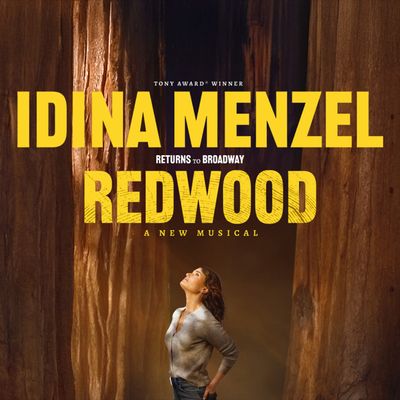
[0:19] Gordon Cox: On this episode of Stagecraft, I'm talking to the actor Idina Menzel. You know her as Maureen in the original cast of Rent. You know her as Elphaba in the original cast of Wicked, the show that won her a Tony Award. And you know her as the voice of Elsa and "Let It Go" in the Disney animated films Frozen and Frozen 2. Now this musical theater favorite is back on Broadway and back in the Nederlander Theater, the former home of Rent, starring in the new musical Redwood. It's the story of Jesse, a woman who leaves behind her life on the East Coast and the tragedy that haunts her to drive west and find healing among the Redwood trees of Northern California. Menzel co-conceived the musical with bookwriter and director Tina Landau, and the music is by Broadway newcomer Kate Diaz.
The technologically ambitious production premiered at the La Jolla Playhouse last year before it opened on Broadway in February. Now Menzel is in the virtual studio with me to take us on a tour of her dressing room, share which is her favorite part of Redwood, and reflect on Rent, Wicked, and the work she's most proud of. Hi Idina, thanks for joining me.
[1:26] Idina Menzel: Hi, I'm so happy to be here.
[1:29] Gordon Cox: So Redwood opened in February, and now you've had some time to get back into the swing of the Broadway performing schedule. How's the show going for you?
[1:38] Idina Menzel: Ugh. Um, I am. I'm so relieved to be on the other side of previews and opening. Honestly. Um, that is I I'm reminded now that I've been reminded that that is just the most taxing time. Um, rehearsal is so exciting and thrilling and text kind of I find it fun. Probably a lot of my friends don't find it fun, but I do. And then uh, but then previews is just the the tr the new information and the the changing of lines and the cuts and then this. And especially when we've done an uh iteration of this a year ago in La Jolla, you'd be surprised how many times I get on stage, all of a sudden an old line out of nowhere from last year comes out of my mouth. It just it my brain was ready to explode. And then I got the flu, which I've never had the flu before.
And I tried to do, I'm I'm not even answering your question, I'm sorry, but I um but it's a lot. It's uh it's a busy time for a new musical, right? It was crazy. So then um we got together, we opened. It feels like people are really responding and and and connecting with it and kind of getting it on a deep level, which is what's most important to me. And now, yes, now it's like in our bodies, and you actually can discover even more things because you're relaxed a little bit more. And um, and um we have a we're our small cast is extremely close. And um, so yeah, and our audiences have been really wonderful. And um so I'm I'm really it's it's it's uh it's an emotional journey as a as that the character has to go on, but the doing eight shows a week, being at the Nederlander, settling in, um, knock on wood, feeling healthy. I'm just, I'm I'm just so happy to be here.
[3:34] Gordon Cox: Yeah. The Nederlander was, of course, the theater where Rent ran for many years. Do you are you in the same dressing room?
[3:40] Idina Menzel: I am.
[3:41] Gordon Cox: Oh, it's been renovated since then, though, right?
[3:44] Idina Menzel: The the whole theater went through a whole whole renovation.
[3:46] Gordon Cox: Yeah, they renovated the house.
[3:50] Idina Menzel: It's so beautiful. Coincidentally, they reupholstered the seats to this sort of grayish olive green, which is why when Tina Landau and I and the producers are just went in to see different theaters, we we fell in love with it because we thought, wow, this is great. It will sort of, you know, it's not red velvet that we're trying to compete with in this world that we're that we're trying to set up. But um, but then the backstage of the Nederlander, you know, still pretty much looks the same from a oh close to a 30 years ago. But of course, they, you know, they they help you make your dressing room feel nice. And I had a friend who designed it for me. Um, who did this beautiful job. And so it's um it's I found this wallpaper. It this is so stupid. I don't know if this is stuff you want to talk about.
[4:43] Idina Menzel: But this is exactly what we want to talk about. Are you kidding?
[4:45] Gordon Cox: Yeah.
[4:46] Idina Menzel: I found this beautiful wallpaper on Etsy, and it's re it's Redwoods, but there's a specific one where it's literally a road. It's from the perspective of you driving down the road um in on the way to the like probably on the um Avenue of the Giants, where you draw you go down this road and then you see the Redwoods to each side, and that kind of speaks to everything. My character Jessie is is going through in her her um the turbulence and and the um the juxtaposition of the turbulence and the um serenity that's kind of like fighting in her in her mind.
[5:25] Gordon Cox: Yeah. What are the three things that you make sure to have in your dressing room, no matter what the show and what the theater?
[5:33] Idina Menzel: A bathroom.
[5:35] Gordon Cox: Sure.
[5:35] Idina Menzel: They don't all have that. And not just a bathroom, a shower.
[5:39] Idina Menzel: Yeah. Um, because I'm a big, I like to steam, and in between shows, I like to start over. I was just my my um also I have this is a uh living component, but I have Joby Horgan, who's been my dresser since uh when was it? Like, I don't know, she's done the last like eight shows with me or something. Um she's one of my best friends. And um, so I have to have her in the dressing room.
[6:06] Idina Menzel: Yeah. She keeps me sane, she reminded me yesterday that when we did Wicked together, that I actually showered off all the green makeup on Matinee days in between shows because I just need to feel like ugh start over, you know. Um, but I think some people would just kind of leave it on and deal and go, which is maybe better for their skin. No idea. Anyway, yeah. Uh I don't know which way's better. But um, so I have to have Jobs in my in my dressing room. I have to have a shower. Um, I have to have photographs of my son and um my husband and family and friends. Um I have to have um some cards and you know, like I have this beautiful card that Tina Landau wrote me on opening night, and um, and some other people that are very meaningful to me.
Um in this particular dressing room, I have a baby redwood, which can be in its little pot for about two, three years before you have to plant it, but I'm gonna get her out of there much sooner. I just have to find somewhere where, you know, 400 years from now, her roots don't, you know, like um a s a supplant, no pun intended, a uh someone's house. But um, and I got that gift from Tim, who is my um new dear friend who took me climbing up into the canopy and the um at the Redwoods and near the Santa Cruz Mountains. He's one of the only people who's actually um a permitted license, certified what if you will, um to bring people into the canopy. So people can climb Redwoods, but they're not allowed to go all the way to the top, and you have to have all of this um uh permission to do that.
And he brings people on these climbs like once once a year in March. Um and so he took me up there and I serenaded him. I sang some of my songs up there to him so I could feel what it would feel like to be um singing these melodies and lyrics, you know, 300 feet in the air. Um and so he's given me a lot of amazing mementos, one being this baby redwood.
[8:34] Gordon Cox: You mentioned climbing up an actual redwood, and you spend a lot of time in this show climbing up the uh the redwood on stage. You know, you spend some time on a platform high above uh high above the stage. Is that kind of thing? Are you comfortable with heights? Is that easy since you, you know, defied gravity for so long, is that kind of thing just easy for you? Or how how comfortable are you with that kind of stuff?
[8:56] Idina Menzel: Well, in in general in life, I've never really been that afraid of heights. I like roller coasters and no, I've not really been afraid of heights. Um this process of climbing has been pretty gradual in the way that we've been um introduced to it. Well, for the most part, I can just talk about one other thing that happened. But um, so we've been taught, you know, safety um our safety checks and um, you know, we've sort of been massaged into it in a way that feels like we have control and we understand what we're doing and we're all looking out for each other. For the most part, when you're learning, you you start on the ground and you learn how to get your harness on, and then you put your foot in this, this uh uh what do you what do we call it?
Great. I'm so certified that I can't even remember the name of the butt um it's my day off. I'm a little little um a little uh snoozy. But um, you know, you can go up five feet, ten feet, and you say, okay, I did this, I'm good. Tomorrow I'll try something else. Um so you uh uh there's climbing and then there's what I call the singing and swinging. There's two different things we do in the show. Um one is very literal, like literal climbing where people out just the other day, someone came backstage and said, Are they are you really climbing or is someone pulling you? And I was so offended. Are you kidding? Michael Michael Kayla and I are all busting our asses. We are literally doing this shit.
And um and then there's the poetic version of it that we have um incorporated into our show that is more about the way you would feel if you were I like to think of it as a kid back um in your tree climbing days and if you could sort of find that levity and um innocence and um freedom, it's this way that we um also um do our what we call vertical dance, inspired by Bandaloop, this vertical dance company that it are our choreographers and our mentors um who have who have took us through taken us through all of this.
[11:15] Idina Menzel: Um so that being said, safety, my utter complete adoration and um crush I have on these these people that have been my that are my friends now. They did one thing that has now traumatized me forever, which is um when I was doing one of my many training sessions in Oakland where their studio is, um, you know, they they dance on the side of buildings, mountains.
[11:47] Idina Menzel: This is a Bandaloop that you're talking about.
[11:49] Idina Menzel: Yeah. And they go all over the world. And I mean, you should people should check them out. Um The Times just did a beautiful um story on them, but um you you can go to their website and you'll just see it's just it's just exquisite what they do. And um, so they have a whole place where people train, they have this building that's like seven stories high. They have they took us into the redwoods, they've um all this stuff. But the one of the first days I was there with them, they had taken me climbing on a redwood that uh just like 20 feet up. Um, and then they took me over to their studios in this building, and they took me up to show me how they climb on these buildings. Little did I know they were going to take me over the edge and I would go down.
So it's like you're in a seven story building, you're looking over the top, and I they put me in my harness and I wasn't really sure what was happening. I just thought oh they're teaching me my harness stuff again we're gonna take you and we're gonna get you on the side of the building.
[12:52] Idina Menzel: But you know it's one thing to have control over how high you're gonna go off the ground because you could say no I'm done. But once you're up seven stories high and I'm very competitive and very prideful and I didn't want to admit how terrified I was it was more about who engineered this when were these stakes put how long has this been cemented into how could this not just crack and you know disintegrate while we're on the wall on this one particular day in the middle of um this this year in my life so they take you through how they do it and the experts and how they do this all over the world and all the different you know materials that they've worked on. Anyway so I went over the top and there's actual um footage of me um swinging with them and dancing with them and and it was um it was um it was one of it was a magical day but it was also um talking about fear of heights I I think I experienced a little bit of that.
[13:56] Idina Menzel: So Redwood is an idea that came from you it sounds like it was inspired by a true story that you came across. Can you tell us a little bit about why you connected so much with it and why you felt like it was a story that could sing on stage?
[14:11] Idina Menzel: That's always an interesting. Yes. So Redwood, it's not a biopic or anything. But it was um it's a fictional story. Um, but I many years ago learned about the story of Julia Butterfly Hill, who was a woman who lived in a redwood tree um for I think 736 days in order to protest the logging companies. And um I was just so fascinated and moved and inspired by the courage and the the fortitude and the depth of advocacy and that that it would take that it took for this woman to do this. And it made me contemplate my own priorities in my life and if I had the will or conviction to do something like that. Um so my first foray into this idea was the idea of the as was this woman and her strength, and also the um the notion of escaping and what it would feel like to press pause and just turn everything off and stop this runaway train that I feel like sometimes I'm on with my career and saying yes to this and that and multitasking and family and and and trying to do it all and my fear of not working again, and what if I say no to something and and just everything?
Just what would happen if I could just press pause and escape and go um live in a tree. I don't know. That's just what I thought about. Of course, I just to have a little aside that since I've had my son, which by the way, this idea I learned of the story before I gave birth to my son. So now the idea of escaping and leaving this little man child that I absolutely would live and die for, you know, is a little bit further from me. Um but I think everyone can relate to the idea of escaping and being able to kind of you know get away from it all. So all of that to say that that was my first uh foray into the story.
[16:43] Idina Menzel: And then secondarily, is that a word? I learned um about the Redwoods. And so, and then I fell in love with the Redwoods, and I fell in love with all of their attributes and their entire ethos of the Redwoods, and how um they are sort of shining examples of of and models for how we could live as human beings. Um how they are these survivors and these um they sort of these wise men and women that have seen it all. I don't know, I said men and women, they're probably gender neutral. They can be whatever. He she they. Um but um it's funny, they do call them the mother trees, but then they call the some of the really old ones the grandfather trees. So let's not have a whole pronoun discussion about the red words now, but I just don't care. Yeah. Yeah. They are a shining example of resilience and um regeneration and um connectivity.
[18:10] Idina Menzel: I'll have more with Adina right after this break.
[18:18] Gordon Cox: And now back to my conversation with Idina Menzel. What is it like for you as a performer to inhabit this story that you were so involved in the genesis of and how we were talking about what it's like to, you know, get past opening night and get into the swing of things. How were you sensing your performance evolve?
[18:38] Idina Menzel: First, let me answer what you asked me about how does this sing and why? And so what happened was the idea of a woman in a tree. I was, I don't know, I found that fascinating. I found I found myself um um coming back to it a lot. I knew I wanted to work with Tina Landau for a long, long time. Um, and so I went to her, I started talking to her about this, and she said, Oh my god, it's so weird. You know, I have this, I'm I love trees. I'm fascinated with trees, all kinds of trees. And um, and we talked about Julia Hill Butterfly, and we both had this affinity for this idea of this woman in a tree. And could that be a musical? And um, and so it was just in our hearts, we we vowed to, you know, to talk more about it.
Of course, life happened, you know, different jobs come up, different things. Um, we didn't really return to it through years later. Um, but um it was hard to put my finger on, but I've always been, you know, obviously, um, I think my my proudest moments in my career have been with original musicals. And so it's I know that it's a lot of it's a lot, it's a huge risk, and it takes a lot of patience and um um uh belief. Um takes a real leap of faith when you start from a kernel of something and try to get it all the way to Broadway. Um, but I really believe in that in trying to tell new stories in different ways. And so um then we brought we found Kate, which was the whole thing, because we wanted to find a young female composer, someone that hadn't been part of Broadway, um, who would bring a different um aesthetic and sound.
[20:35] Gordon Cox: How long of a process has it been? When was that first idea?
[20:37] Idina Menzel: Uh oh yeah, so that was like I said, like the kernel of the idea was it must have been about 14 years ago. Okay. My son was a tiny baby or before he was born or something. And then um, but it wasn't honestly until um it wasn't until the pandemic that it really started to take shape. Tina, you know, as most directors, they they weren't directing because they were home. And so, but she's also a wonderful writer. So she thought, okay, I'm gonna do stuff I haven't been able to really do, and that I I haven't given love to that I've that I I want to. So she called me and she said, I this is sticking with me. Could we work on this? And I said, Of course. Where are you been on where you've been all my life?
So um we started talking it through. Um and um and it we weren't sure. We knew we wanted to do a story where this woman left New York, very New York East Coast woman. Something happens in life that she gets in her car and she just starts driving um and doesn't stop and then finds herself in Northern Carol Car Carolina, Northern California, um at sort of at the foot of these mystical trees. And um, so she starts like outlining or coming up with, you know, what's it's gonna be, and um starts researching and doing all of her stuff. And then there was a tragedy that happened. Um her nephew, her sister's son, um passed away from a fentanyl overdose, and um, and she, you know, they were obviously just besides themselves and grieving.
And uh I guess it took her another six months before she felt like she could start writing again, but now she felt invigorated and she wanted to dedicate this, our show to um her nephew. And we also felt like we had an understanding now of what this woman was possibly experiencing. And so um then it started to take form, and then it she we thought, where was there a good home that would help us sort of lab this thing and experiment workshop and that was La Jolla. And then ever since then, it's been every six months we did a reading, we started working, we're listening, you know, and and then if you're you um and and then if you really um uh committed to a timeline that you put yourself on, and which is good for all creatives, I think, because we need it, we need deadlines. Um then uh then you start to see things come to life.
[23:31] Idina Menzel: Yeah. And how are you sensing your performance evolving now that you've gotten into the That's what you asked me like 20 minutes ago.
[23:44] Idina Menzel: Oh my gosh, so many ways. I mean, you'd think like having done it a year ago in La Jolla, I discovered so much, right? And then uh then we did so many rewrites and just really trying to enrich every part of my character and the other characters and tell the story in a deeper way. Um so I'm constantly, I'm constantly discovering, I'm constantly discovering physicality, um, her humor, her deflecting, her her her, her way of deflecting um being in denial and all those ways that uh my character Jesse copes or doesn't cope. Um I'm finding new parts of my voice that I don't think people maybe have heard as as much that um that I like that Kate's written that I've been able to get inside of, but even now, every show I find more and more uh ways to marry my um my instincts with Kate's uh instincts.
[24:54] Gordon Cox: Was that part of the goal in working with Kate was to show off your voice and there maybe ways that you hadn't had a chance to show off?
[25:01] Idina Menzel: Yeah, and I hate that I said show off because that sounds I mean, but uh to use your voice. Yeah. Um well and that's why Tina really liked Kate's music. Kate's um singer-songwriter. Yeah. She plays like every instrument, but she's also she scores um films. Um very young, but she she's that's what she was doing. And for our show, we have a very we have um, there's a a real grandeur and scope to the show um and a world that we're building.
[25:38] Idina Menzel: And then there's also very small intimate moments. And what I believe works, it's the hardest thing to do, but it's I think what sets us apart and makes it so unique is that we're able to marry those two in a very organic, soulful thing mixed with like a cinematic scope to the show. And so Kate has both of those things. So she can sit with her guitar and play the most soulful, funky, organic song, and then she can score you like a huge orchestral thing and arrange all of that and write for every instrument. Um and so I think Tina really loved Kate's vibe, um, where she sings in different parts of her voice that then allowed me to explore those parts of my voice. Um and they're not all acrobatic.
I mean, you know, a lot of it's more just about um how best to tell a story, what part of my voice kind of will connect to people and tell that story. Um doesn't all have to be high notes, not to say I'm not singing, you know, some incredibly challenging stuff, but um I don't know, I just I love finding I love storytelling with my voice. It's not just about like long notes and putting the vibrato here. It's like how can I um connect with you as deeply as possible and it doesn't always have to be wowing, it can be in my lower register or different things like that.
[27:21] Idina Menzel: Uh you mentioned the cinematic nature of the score, but there's also kind of a cinematic quality to the production as well, and that there are sort of there's a lot of electronics and screens and there's cool stuff happening, a lot of tech stuff. How do you find how do you find yourself interacting with that as a performer? How does that uh influence kind of what you're I mean? I imagine first of all, it's just on a technical level, like you, that's that's a whole challenge. But then also I imagine what you see in those electronics and what you're interacting with kind of affects you as an actor as well.
[27:53] Idina Menzel: Oh yeah. Um no, I'm just so proud of it. I'm just so going back to, you know, Tina and the two of us um talking about this idea so many years ago, she had made all of these, she's been envisioning this for a long time. She had mood boards, photography, um, art, uh sound references, all her of her educating herself on the redwoods, the forests, the literary references. I mean, everything. But she has these I'm just so proud. What I love about it is that they're all from, they're not like National Geographic. You're not like you're just walking in the Redwoods. They're from um the perspective of my characters through my mind, through my eyes. And um, so if anything, it helps me as an actor, you know.
Um it's also actually very simple. The only tactile set is Stella, our huge redwood tree. Right. The rest are all screens. So um there's like all this space, you know. It's not um it's like a it's like this canvas. You walk into the show and it's like a white canvas you you come into. It's kind of like some weird art and installation, you know. And then it, and then it fills in, comes to life around you. But anyway, I just I I love it. I love when I'm sort of my favorite part of the show is actually when we call um, it's an instrumental. We have an instrumental in a musical, which I love. Um it's my first Jessie's first moment where she's hits the brakes uh after her long long drive and she's it's nighttime and we're we're or just about to be um the light's just about, sun's just about to come up and um we take you on her walk into the forest and um I'm surrounded by it all and it's moving with me as I'm moving and through my um uh my eyes and it's just in the music is so beautiful.
It makes me just want to cry every time that's discovery and um the way I'm consumed and enveloped in in what's going on is um just really sets a tone for me as a character. Um yeah, so that's what I'm hoping I'm experiencing is is experiencing is what the audience is experiencing.
[30:44] Idina Menzel: Yeah, yeah. It seems like in the last few months, uh some stor the some of the stories and artists with whom you are closely associated have kind of circled back around into the spotlight. Like you had Wicked, the you know, sort of buzz around Wicked and the moop the film happening and your involvement in that, of course. And then not too long ago, the Jonathan Larson project opened off Broadway. And I I don't you probably I don't know if you've had a chance to see it since you're in shows. Yeah, yeah. But I just wonder what it is like for you to kind of return to these people and projects that have been such important parts of your career over the years.
[31:19] Idina Menzel: It's pretty awesome. You know, it's emotional for me. There's a sense of gratitude, a sense of pride. Um these projects have not just been like jobs. They've well, they've helped develop. I I mean, I think they've they've changed me and helped me to be the person that I am right now um for better or worse um they are zeitgeist you know projects that they they've uh resonated with audiences in a way that have you know been everlasting and so there's just such a there's a pride I have um about being part of those from their you know embryonic stages and um I don't really know how to put it into words I know we're on a podcast like um okay um they're just like they're just gifts you know um so much I mean it not only was my first professional job ever uh other than being a wedding singer um that whole experience you know the loss of Jonathan and having to continue on and get on stage every night and do the show and um and he wasn't there to celebrate with us all of the success that was happening um really laid down a sp very specific foundation a set principle to me for what was important in this um career I was choosing and what really matters that um life imitating art there um with the show and being about artists and creative people and not compromising who they are but then also being a show about losing the people that we love um so um and a show about embracing the moment and no day but today so um I mean there's just there's no way to really match that you know for what it did for me as a person and what I've learned about myself and others and um um the to the extent of what how art plays this role in our lives and can really make a difference you know um and then wicked is like um yeah to just know that Kristen and I are sort of part of creating this legacy you know and I think in all of a lot of the projects I mean there's frozen too it they're all they all have appealed to young audiences you know and so now I'm getting old enough that the audiences are growing I'm growing up with them and they're having kids and um and so but I think the fact that they've been so impressionable um on young people uh is what I think I'm most proud of um whether it was the letters that I would receive back in the rent days oh my god so many kids struggling with their um identity um and that's kind of stayed that's kind of been the pattern through through everything uh young people really trying to um figure out who they are and what is it and what will be accepted and what part of them to celebrate and not to compromise themselves, you know.
[35:07] Idina Menzel: So um it just and to know that it's continues on and now like the film will reach a bunch of people that hadn't seen the show, but now they're all going to see the show. Um it's just uh I'm just I'm just proud, honestly. I'm really proud of it. And um it's funny because in Redwood there's a lot of um people coming to see the show and they're bringing their kids. Like there's a lot of F bombs here and there's a lot of deep material. I don't know. Um, no, no, no, my kid gets it. They really they're um so uh, but that's a testament to the projects and and the multi-generational sort of demographic now. And um those are all things that I really feel lucky to have and um I enjoy when I go on tour and I do my concerts and I can sing, you know, for all bunch of different people.
[36:05] Idina Menzel: Yeah. Yeah, you are um I I know you do uh you do concerts and you write music as well. Um is there anything else you have on your plate right now in addition to Redwood that uh that we need to know about?
[36:17] Idina Menzel: No.
[36:18] Idina Menzel: Okay. There is nothing else aside from figuring out when um my husband's gonna fly in or my son when I'm gonna get back. It's all about logistics and sket and calendars and keeping myself healthy and doing a two-show day. And honestly, though it's it's such I'm so proud. It's such an accomplishment to be able to get something from so, you know, from years ago to this point. And to to have a marquee that says Redwood up there on 41st Street of all places again. Um I'm kind of just reveling in that and appreciating that and really trying not to look past it. Um I mean this is like a dream come true for me and and if anything's if if my age is teaching it me anything it's to just do things you love work with people that are that you love and um try to really appreciate every moment so um I'm I there is nothing else I really want to do right now other than see my son and husband and get to the theater and be with my cast and do my job.
[37:31] Gordon Cox: Well thank you so much it was great to talk to you Idina.
[37:34] Gordon Cox: That was Idina Menzel, now starring on Broadway in Redwood.
[37:43] Gordon Cox: If you enjoyed this conversation here on Stagecraft, help us out.
[37:47] Gordon Cox: We'd so appreciate it if you would take the time to rate and review us on your favorite podcasting app.
[37:52] Gordon Cox: It really does help. Or tell a friend about Stagecraft.
[37:55] Gordon Cox: Find past episodes and subscribe at all the places you get your pods, including Apple Podcasts, Spotify, and on the Broadway Podcast Network, a great place to find more theater for your ears.
[38:06] Gordon Cox: Until next episode, find me on Instagram and X at Gordon B. Cox.
[38:10] Gordon Cox: You can also check out my newsletter about international theater.
[38:14] Gordon Cox: It's called Jakewees and it's at Gordoncox.substack.com.
[38:17] Gordon Cox: Thanks for listening and see you at the theater.
© Broadway Podcast Network, All Rights Reserved