

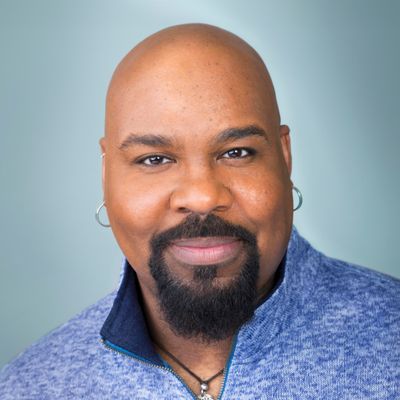
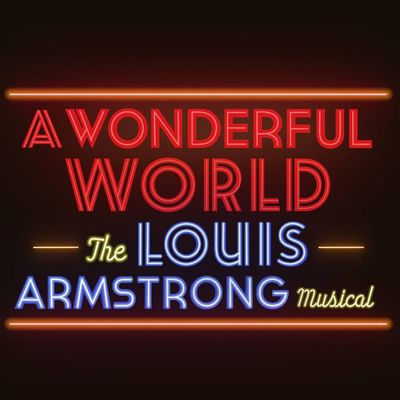
The Tony-winning actor James Monroe Iglehart on how he nails the legendary voice of Louis Armstrong in the new Broadway bio-musical “A Wonderful World” – and why he hopes his involvement as co-director of the show leads to more directing gigs in the future... Read More
From the show: Stagecraft with Gordon Cox
Guests
Featured Shows
About
The Tony-winning actor James Monroe Iglehart on how he nails the legendary voice of Louis Armstrong in the new Broadway bio-musical “A Wonderful World” – and why he hopes his involvement as co-director of the show leads to more directing gigs in the future.
Transcript
This transcript was automatically generated and might contain errors.
[0:06] Gordon Cox: Welcome to Stagecraft, Variety's Theatre Podcast.
[0:09] Gordon Cox: Your backstage paths to revealing conversations with stars, creators, and industry leaders.
[0:15] Gordon Cox: On Broadway, off Broadway, and beyond.
[0:17] Gordon Cox: I'm Gordon Cox.
[0:19] Gordon Cox: On this episode of Stagecraft, I'm talking to James Monroe Iglehart.
[0:23] Gordon Cox: He's an actor who won a Tony Award for his performance as the genie in Aladdin, and has since appeared on Broadway in Hamilton and the recent revival of Spamalot.
[0:32] Gordon Cox: Now he's starring as the legendary jazz trumpeter and singer Louis Armstrong in the new Broadway musical A Wonderful World.
[0:39] Gordon Cox: Iglehart is not only the star of the show, but he's also a co-director.
[0:43] Gordon Cox: And now he's in the virtual studio with me to discuss why he expanded his creative involvement in the show in that way, what was important to him in telling Armstrong's story for the stage, and all the vocal work he does to make sure he gets that famous gravelly voice just right.
[0:58] Gordon Cox: Hey James, thanks for joining me.
[1:00] James Monroe Iglehart: Ah, please, my pleasure. Thank you. Glad to be here.
[1:02] Gordon Cox: So we are recording not too long after A Wonderful World opened on Broadway. Congratulations.
[1:09] James Monroe Iglehart: It was crazy.
[1:12] James Monroe Iglehart: It was a really, um, crazy in a good way. And also in, um, the most like cathartic, oh my god, thank God we were here, you know, kind of way.
[1:23] James Monroe Iglehart: Um, I've been working on the show for about, I guess, two years is a good way to say it. I mean, officially, and, um, once as an actor, then once as an actor and part partially co-director.
[1:35] James Monroe Iglehart: Yeah. Um, you know, in the show. So with all the different changes we had, we had a very long preview period.
[1:42] James Monroe Iglehart: Um, and we made so many changes while we were doing the show, trying to get it just right. So then to get to opening night and to not only feel, uh, the heat and the fever and the, uh, excitement from the audience, but to get to feel that moment of like from the cast as we did it.
[2:00] James Monroe Iglehart: But while we were on stage, it felt so good to do the show. So when we bowed, we were like, all right, we did it.
[2:07] James Monroe Iglehart: Yes. And then when it was over, I slept so good because every night for the past two years, my brain has been, oh my god, this changes. But it's been nothing but anxiety, but it felt so good to do it.
[2:19] James Monroe Iglehart: Um, I've always wanted to build a Broadway show, always. And so I just didn't realize how much I knew how much it took. I just had never realized how much emotionally it would take out of me.
[2:29] Gordon Cox: But, uh, did it feel different emotionally from because you've been obviously involved in the building of a show solely as an actor, but did it feel, did it have a different kind of weight to it, uh, giving you involvement as a co-director?
[2:42] James Monroe Iglehart: Yeah. Yeah, very much so. Um, because you know, when you're an actor, sometimes you don't know, you don't know what's happening when they're, when they're, you know, when they're making the meal.
[2:50] James Monroe Iglehart: You don't, you don't know what seasonings they've put in. You don't know what things they've taken out. You just know what they've given to you. You don't know what conversations have happened behind closed doors or whatever.
[3:00] James Monroe Iglehart: And then to know that, and then to also go on stage, uh, to see scenes that I'm doing that I know were either there or not there, or things I wished I could have put in, or type things we didn't have time to put in, you know.
[3:12] James Monroe Iglehart: But to do the show and to see where it was and to see how good it is now. I kind of, I walked off stage after the bows. I told my wife, I said, for the first time in my life, I said, you know what? How do I say this?
[3:23] James Monroe Iglehart: When you're an actor, you're really hoping for everybody to say, "Great job." You're really hoping everybody just walks up to you and go, "Oh my god, you did such a good job." This was the first time I, in the best possible way, I was like, I just don't care what people think.
[3:35] James Monroe Iglehart: Wow. I don't care because I am proud of the fact that I'm proud of what we built. And as long as I'm proud of it, and my team is proud of it, then whatever anybody else says, we can't control that.
[3:48] James Monroe Iglehart: What the critics say, what the crowd says, we cannot control what people think. We just know that we felt we did the best job we could. And are we proud of this project? Then yes.
[3:57] James Monroe Iglehart: And everybody liking it is just icing on the cake. You know, we wanted to make sure we did something for the Louis fans, for the Louis Armstrong fans. We wanted to make sure we did something for the musical theater fans.
[4:01] James Monroe Iglehart: We wanted to make sure we did something for Broadway. We wanted to make sure we did something that would entertain the masses. But at the end of the day, we put together a Broadway show, and I'm so proud of that fact.
[4:19] James Monroe Iglehart: Now the fact that a lot of critics did like it, the fact that the audiences have been standing up is just fantastic. But when I walked off stage, I was like, "We did it. We actually did what we set out to do." And I was so proud. I was so proud.
[4:35] Gordon Cox: Did you work with, uh, relatives of Louis Armstrong's or with a state? Is there an estate? Like, is there any involvement of anyone?
[4:47] James Monroe Iglehart: Um, not Louis Armstrong. Not really, but which is, but it's funny, his, um, his great-great-grand nephew is in our show. Uh, his name is Brandon L. Armstrong.
[4:59] James Monroe Iglehart: The young man who, uh, is on the piano who I talk, who Louis talks to. Yeah, is definitely, um, he is a part of the lineage of Armstrong.
[5:08] James Monroe Iglehart: That's for folks who haven't seen the show yet, that's kind of the framing device of the show is this conversation between Louis and the pianist, who it turns out is a relative.
[5:16] James Monroe Iglehart: In real life, he is a relative. Yeah. And yeah. But as far as the, uh, state and things like that, there were some different, um, it's amazing how, um, the business works.
[5:27] James Monroe Iglehart: There's the, uh, there's the museum, and then there is the estate, and they have an interesting relationship, that's the best way to put it.
[5:36] Gordon Cox: Okay.
[5:36] James Monroe Iglehart: And so when it came time to who was going to want to be a part of our show, they were each kind of wondering which one was which, you know.
[5:43] James Monroe Iglehart: And since neither one of them budged, we kind of were just out there. Right. They both came to see it and both went, "Ah, oh, nice, okay, good." But as far as them like being directly involved, no.
[5:52] Gordon Cox: Got it. Okay. So let's wind it back a little then. Uh, as you mentioned, you've been involved for, uh, about around two years, sort of officially. Can you tell us a little bit about how you first got involved and what the interest was there?
[6:04] James Monroe Iglehart: Um, it was during the pandemic, and everybody was, you know, trying to figure out what was the best thing to watch on TV. You know, what can you binge watch?
[6:10] James Monroe Iglehart: And, um, for my wife and I, I had been trying to get her to watch Ken Burns' Jazz for years. Just like, you know, I tried to get the baseball one, she was like, "I'm not doing that in sports, I'm not watching that." I'm like, fine, fine, fine.
[6:24] James Monroe Iglehart: So we're at home, and I said, "What about this?" And she was like, "Fine, we'll start it." And I'm thinking, okay, we're not gonna get past the first three episodes. But the first three episodes just happened to be about, uh, Louis Armstrong.
[6:37] James Monroe Iglehart: And I got just totally fascinated. I mean, I was, I was like, "What? What? What's going on?" It just took me out, and I was so interested, and I kept thinking, "So much to write a musical about this guy, so much write a musical about this guy."
[6:51] James Monroe Iglehart: And, um, I called my agent that said, "Has anybody written a musical? Do you know?" And then at the same time, I went looking online, and sure enough, in Miami, Chris Renshaw was working on A Wonderful World, um, The Life and Loves of Louis Armstrong, and they only got to do a, uh, like I think like they did like two previews.
[7:10] James Monroe Iglehart: They're about to open and the pandemic closed them down. Yeah. And then in the middle of it, they were about to open up again, and again, someone got COVID and it closed it down.
[7:18] James Monroe Iglehart: So I told my folks, please call them and tell them that I would like to be involved in any way I can, you know, creative producer, maybe I could help or, you know, study or whatever. And secretly in the back of my mind, don't get me wrong, I was like, "I think I could play Louis. I know I could."
[7:32] James Monroe Iglehart: Right. But I didn't, I didn't want to come in like that because they already, you know, they already had someone. But then when they found out I wanted to be involved, they came to me.
[7:41] James Monroe Iglehart: And I remember they called my agents and said they want to meet with you. And I just happened to be in Philadelphia doing Freestyle Love Supreme on tour.
[7:48] James Monroe Iglehart: Oh, yeah. And, um, I met with Chris Renshaw and I met with Carl White, uh, our producer, and we started talking about the show, and that's how I got involved.
[7:57] James Monroe Iglehart: Yeah. And Chris Renshaw is the director for, uh, yeah, he's the Chris Renshaw is our director and also the guy who conceived, uh, the original, uh, conception of, uh, this musical about Louis Armstrong.
[8:07] Gordon Cox: Before, uh, you sat down and watched the Ken Burns documentary, did you have a particular connection to Louis Armstrong's music?
[8:16] James Monroe Iglehart: Not at all. Not at all. I mean, I knew, I knew what most people know. I knew "Hello Dolly," and not even all the lyrics to "Hello Dolly," and I knew "A Wonderful World."
[8:26] James Monroe Iglehart: But there was nothing about it that made me go, "Hey, I really want to study this guy." What I found interesting about him was to me, he was just a, um, entertainer of that time.
[8:36] James Monroe Iglehart: There were like a couple of, you know, African American entertainers of that time, you know, the Louis Armstrong, but I was more into like, you know, the dancing guys like the, uh, the, um, Bill Bojangles or like the Sammy Davis Jr.
[8:47] James Monroe Iglehart: Because I am, you know, a stand-up entertainer. So to see if the musician side, it didn't really hit me. But it, after that, I was like, it just felt like his story just lent itself to a musical.
[8:59] James Monroe Iglehart: I mean, with everything that he went through and also the music, I was like, "This is perfect. Why has no one done this?"
[9:05] Gordon Cox: And so, uh, when it became clear that you would be playing Louis Armstrong, tell us about how you go about crafting, first of all, the external aspects of the performance. Cause you've got, he has a very particular voice, and you've got your voice.
[9:15] James Monroe Iglehart: And that is not the, we have heard you sing, uh, not using that voice. So that is, you're, you are doing a thing with your voice. And tell us a little bit about how you got there. Was it a strain? All that stuff.
[9:28] James Monroe Iglehart: You know what's funny? It wasn't a strain. So, um, I've been doing kind of growly voices since I was a little kid, which is really weird to say. Uh, there was a gospel, uh, singer named the Reverend James Cleveland.
[9:42] James Monroe Iglehart: And, um, he and my church when I was about five or six years old, there what you do is the songs come out on record, and then the choirs at that church will take those songs and do them on Sunday mornings.
[9:52] James Monroe Iglehart: Like they'll learn them and do them on Sunday mornings. Well, there's a wonderful, uh, guy at our church named Carl Duncan, he probably doesn't remember me. Um, he sang a song at home. I used to imitate him, and it was a lot of growling.
[10:03] James Monroe Iglehart: So when it came time for my little solo with the children's choir, I surprised the, I surprised the church and my mama when I got out there and decided to growl like Carl. And I'm like five, six years old. People are like, "What is it?"
[10:16] James Monroe Iglehart: So I've kind of been doing that for a while. But when it came to Louie's voice, it really was I love, um, I love imitating and I love, I love voiceover work. I do a lot of cartoons.
[10:27] James Monroe Iglehart: And so I just kind of started listening to him, listening to how he said things. And it went, when I started finding all the, I literally just went on, um, the, um, on YouTube and started looking up interviews just to see how he spoke.
[10:41] James Monroe Iglehart: And once I realized I was actually going to be doing the voice, I called up a friend of mine. I called up Alex Brightman who does Beetlejuice.
[10:48] James Monroe Iglehart: Oh yeah, on Broadway. And I said, "Say man, uh, how are you doing that eight shows a week without killing yourself?" And he said, "Okay." He goes, "It's something I can do, but I have a wonderful vocal coach, uh, named Derek Rosenplatt. You should call him."
[11:00] James Monroe Iglehart: So I called him and I showed him what I can do, and he started helping me find, um, healthier ways to do something unhealthy is the best way to do it.
[11:09] Gordon Cox: And what are, can you give us an example of what those ways are? Is it just, uh, it's sitting differently in your throat?
[11:15] James Monroe Iglehart: Yeah, where does it do that work? It really is sitting differently. So, um, for me, it's kind of like where, where you talk when you're, um, when you're tired.
[11:24] James Monroe Iglehart: And so if you, if you, when most people, you know, they want to talk like this, or they're trying to be either they're either trying to talk, they're trying to talk sick or they're trying to be sexy. One of the two and so it's like, "Hey girl," you know.
[11:36] James Monroe Iglehart: So if you take that and, um, he really talks down here, but then if you take the little things that he does, you know, it's like where you take the THs off stuff, it's more like a D.
[11:47] James Monroe Iglehart: And then all of a sudden you put that, um, that New Orleans way of speaking, yeah, and that, that rhythm. He's got, what's funny is he's got a really rhythm to his speaking, and if you leave it here, it kind of doesn't hurt you really.
[12:00] James Monroe Iglehart: So once I figured out that I could do that without hurting myself, it was the singing that was the interesting part.
[12:05] Gordon Cox: I was gonna say, how does it, and then how does singing work?
[12:07] James Monroe Iglehart: The singing works really is just about I can't push. I can sing, but I can't, I can't push. I gotta really ride the microphone. He can push, but I have to really ride the microphone so I don't hurt myself. So that's what it's really, really about.
[12:27] James Monroe Iglehart: Okay, now let's do it like Louie. I know it sounds crazy, and I used to laugh. I was like, I sound like a Muppet, but it's the truth. So doing those things basically, it's kind of like a weightlifting, but just for your chords, was getting my chords strong, and then also making the mental note that I would have to live like a hermit.
[12:49] I remember doing Aladdin and I lived like a hermit physically. So I would do do do do, you know, do the show, do the show, and then come home and kind of like chill out. Yeah. This is the same thing, but vocally. So with that, with where I have it sitting in my chords where it doesn't hurt me to talk, you know, like him. And when it comes to singing, when the show's over, I have to just be quiet. I warm up, I warm down, and then I'm just chilling. You know, my wife loves it because you know I talk a lot. And she's just like, Yeah, how you doing? I'm like, I'm good. She's like, good, okay, great. We sit together in romantic silence.
[13:25] And then in addition to the voice, then you've got you mentioned that you went on YouTube and saw some, you know, recordings of him, and that must have been helpful in figuring out his physicality and of course his smile and all of that. What tell us about some of the things that helped you kind of craft that element of performance? The fun part is there are moments where there are things that when you're a kid they tell you not to do, and then in this sense that you're supposed to do all of those things.
[13:48] So I went to the mirror. I would literally have Louie on my phone and look in the mirror and realize that some of the things what's funny is Louis's known for his facial expressions. And so he would talk like he's talking to Dick Cavett. And he's like, you know, I just uh I don't get the... And it was so funny to watch him do those things. He's like, he was like, so um Dick asks him, he says, So you were born um at midnight, or was it was it before? He's like, Well, I didn't ask my mama all that, you know, I didn't want to get in a bit of... For listeners who can't see, there's uh raised eyebrows, yeah.
[14:25] Yes, raised eyebrows, very big eyes, you know, doing these things that some people would say was mugging, but that actually was Louie. I think that's one of the fun, we'll get into that, I guess, as the conversation goes on. But one of the things that it's interesting about Louis Armstrong is at the time that he was popular, there were certain things that black folks didn't want black folks to do on screen because it was seen as mugging or you know, doing things for the white audience. That those things actually were a part of Louie's personality. He wasn't putting on anything. That just was who he was.
[15:02] And I the more I learned about that, the more I started laughing about the stuff that I do in real life. There's certain things that I do that could be seen as, oh, he's just mugging, he just makes faces. No, that's just how I react. So watching his videos and watching him talk, I realized, oh, this is not an act. This is not a character. Louis Armstrong is Louis Armstrong. Sachmo is Louis Armstrong. Pops is Louis Armstrong. These monikers people have put on him, he is a jazz musician first, singer second.
[15:34] And this personality is just who he is when he's off stage and when he's on stage. There's no, there's no difference. I mean, he's got a little more energy when he's performing, like all performers do. But that's him. And sitting in front of that mirror, I should say, standing in front of that mirror, you know, for you know, long periods of time, trying to get his smile right and realizing, and then being upset. This is the truth, Jordan. Being upset that I can't do his smile exactly, and like looking at it and going, why can't I?
[16:03] Okay, how do I do it where it'll look I can do it close enough? His smile is so big, and it's the way you position your face, and it's the way that you shake your head when you say certain things. And I was like, once I got that down, and that was just for me. So then when we got we did a reading, and it was so weird because I had a goatee, and I've had one for many, many, many years. So we're doing the reading, and our director was like, 'Are you are you going to shave?' I was like, No.
[16:16] And I was like, Because we don't have a show yet. So when we have a show, and there are this is terrible to say. When we have a show and there are dollar signs behind it, yeah, let a brother know and I'll share. But as of right now, I've got another, I've got a whole nother career that I cannot change this face for. But I started doing the facial expressions, and he was like, I can see it even behind your facial hair. I can see it. And so that was it. And also just trying to get that spirit.
[16:54] There was a, he always has this positive, happy spirit, regardless of what's going on in the world. Lewis really tried to show that it's okay. His whole being was like showing the world that black people aren't scary. Black people aren't, you know, this weird entity that you can't relate to. And for him, it was about the music, because he didn't speak all these different languages, but his music was a different was a language that everybody understood.
[17:21] And so he put his heart and soul into that. And so once I realized that, I started trying to get that positive, you know, energy no matter what happened. And um, I feel I feel like I got as close as I possibly could. I'll have more with James right after the break.
[17:46] Gordon Cox: And now back to my conversation with the star and co-director of A Wonderful World, James Monroe Iglehart. Do you remember what led to what is your current understanding of uh the internal side of Louie, the character of him that you were just speaking of? Like tell us a little bit about that moment.
[18:01] James Monroe Iglehart: I do. Um when I realized that when I read about what happened to him with the Little Rock Arkansas situation. Actually, tell listeners about that if they don't know. So um Lewis never spoke about political situations. He did his best to. He always wanted to be, he wanted to be new, not neutral, he was never neutral, but he wanted it to be about the music because he felt that music could reach everyone in any language.
[18:28] He used to say, a new is a new in any language. And as long as he was hitting that note and playing that horn, people could understand him. Whether he was in, you know, no matter what country, no matter what part of the country he was in, that music said everything. And there was no racism in the music, there was no hate in the music, it was just the music, and people could enjoy it. But there was a moment that he could not, he couldn't not say anything.
[18:56] And he was supposed to go to Russia. He's supposed to go to the Soviet Union, but Little Rock, Arkansas happened, and um those kids were trying to go to school, and they the the governor blocked it and said they couldn't, that they were he was gonna go against the president, and the military came in and they were throwing bottles of water and urine and they were spitting on these kids and throwing rocks at them. And he saw that, and there's uh there's an interview you can find on the internet of the of him on this tarmac, he and Lucille.
[19:24] And he said, Well, if I you know, he goes, I don't think I can go over there. He goes, you know, not until they get that stuff figured out over there in Arkansas. And um, when he said that, then he did an interview where he basically just said that the governor was an asshole, and that he um, well, what he said was the he said called a motherfucker. What the kid he called him. And um they um, you know, he said that Ike was need to, you know, was two-faced, was President Eisenhower was two-faced, and he was blacklisted.
[19:55] All of a sudden, he was black. You know, Lewis Armstrong was always not like the others. Oh, he's he's not, you know, there's black people, but not Louis, not like that. And then when Louis spoke out, all of a sudden, he I always say he was Beyonce before Beyoncé. You know, when Beyonce did her did her moment at the Super Bowl, everyone's like, Oh, she's black. I had no idea. It's like that's what happened. And I realized that Louis lived in two worlds, and I that's what I understood about him.
[20:21] Because I was never black enough for my black community, but I was never, but the white folks were like, oh, James is not black, and when I would say things, I was like, oh my God, you are black, and they didn't know how to react. That was from elementary school all over to college, all the way to professional. And when I realized that I was like someone as famous and as legendary as Louis Armstrong was going through the same thing, I got it.
[20:44] And I just felt for him. I felt for him because I hate conflict. I can't stand conflict. I do my best to get away from it. I do my I don't like to argue with people. I mean, I know I have to at times, but I do my best to, I'm always trying to, you know, not turn the other cheek, but always like, okay, let's, you know, if I'm nice to you, you'll be nice to me. And that's how Lewis was.
[21:06] And once I realized that, you know, we had that connection, Lewis just wanted to play his music. Lewis just wanted to entertain people, play his music, smoke a little weed, a couple of little women. Cool. I don't smoke a little weed. I don't, I don't do that. But I do like I love my wife for 22 years. But before we were married, I loved the company of a woman. And I loved entertaining. I loved getting on stage and having the lady screaming holler for me and then talk to him afterwards. I'm that's not even a lie. That's just who I am.
[21:31] This is how I was. And um, and then I got married, and now I'm I love my wife, and you know, so I don't want nobody saying nothing. But, you know, um, but I that I understood. And once I got that, I went, me and this, me and this man have a lot in common. And I started seeing things that he wrote, you know, how he would like he wanted better for black folks. And he was critical of black folks. He was like, we can do better, we can, we can be better, we can do this.
[22:01] And I was like, I I get that. And once, you know, when I when I read that, something inside me just sparked, and I was like, I've I gotta tell this man's story. I really want to tell it right. And I really want to show that he wasn't just this smiling horn player for white folks, he was a real brother. I mean, for real. You know, he comes from the battlefields in New Orleans, the things that he saw and went through, most people wouldn't be able to go through.
[22:29] And to go through it with a smile, and that smile was his armor. That's it, he was happy, but that smile was his armor. When he didn't smile, people don't know what to do with Lewis. Lewis was very aware was what was what was going on in the world. And there are tapes. He taped all most of his conversations once he um moved in uh with Lucille in in Queens. And there are so many conversations where he's talking about things.
[22:51] And you can hear the anger in his voice, you can hear the fire in his voice about what he wants his people to do, about how he knew people called him names. And he was like, you know what, but I'm just gonna let the music speak for me. But if some fool but if someone walked up to Lewis and said something to his face, Lewis was the wrong brother to say that to. If you're expecting to see the the Lewis with Danny Kay, if you're expecting to see the Lewis with Bing Crosby or Frank Sinatra, that was the wrong, that was not you were that's Louis Armstrong.
[23:17] But if you found Louis Armstrong, you might be in trouble. This is the same dude from New Orleans. He he had no problem letting you know he ain't the one. And I I'm like that. You know, people's like, oh, Disney. I'm like, yes, I am. I'm the Disniest brother in the world. Do not cross me at the bad time. That's not a good situation. So that's what I what I learned from him. And I I was so it means so much to me because he's a whole person, and there was just something inside me that wanted to make sure that that was shown.
[23:49] Gordon Cox: Yeah. This actually leads perfectly into my next question, which was about your involvement as a co-director. When and how did that happen? Because the first time, uh correct me if I'm wrong, but you performed it in New Orleans the first time, and you were on on board as an actor solely at the time.
[24:07] James Monroe Iglehart: Okay, so tell us a little bit about um that change and how that was added to your you're one of two co-directors, actually. Tell us a little bit about that arrangement. So um while I was in uh New Orleans, while we were in um, you know, the the readings and the workshops in New Orleans and Chicago out of town, uh Chris Rinshaw was the director and Christina uh Sajou was the associate. She was there to just basically to facilitating help.
[24:31] But there were moments in the show that I kept looking around, I was like, this is not right. This is not right. This, this, this wouldn't have happened. Why are we telling this story when we could be telling the real story? You know, because when you're doing a musical, sometimes you kind of can can embellish some things. And I was thinking, you know, have you read, you know, the real story? The real story is actually more actually interesting than what we're what we're doing.
[24:52] James Monroe Iglehart: Let's let's do that. And I was, I'm usually not that vocal. I'm usually, you know, I'm vocal. I'm like, oh that, yeah, I can try that. I can try that. But because I had done so much studying, I've never researched for a part more than I have for this. And the more I researched, the more I realized this man's story and this man's spirit is important to get the realness of it. And so, you know, when we were out there, they were asking me, you know, I was like, guys, we have to fix this. But our director was very open. And he was like, So what are you thinking for this scene? I was like, I think this. He was like, Wow, that's a good idea. And one day he looks at me and he goes, he goes, you know, this is Chris.
He's he's from Britain. He's like, Oh, you a director? And I was like, actually, I am. I got my degree in this, so yes, yes, I am. He was like, huh. And there was just a look, little question on his face, and then we went away. And then our producers came to me and was like, So I've been talking to Chris. How would you feel about being, you know, on the creative team? And I was like, I would I would love that. How do we do that? And together we came up with the idea that Christina and I would be co-directors with Chris. Because there were, you know, let's just be honest, we are directing a show about an African American man. And there was a British white man directing the show. There's certain things that just he just didn't know.
And it's not his fault. You can read a book all you want about a person, but the nuances of the culture, you just don't know. So there were certain things that Christine and I, you know, we have the four wives. So Christina would say things like, ah, a black woman wouldn't do that. Or she would actually say this, or probably this. This is actually something that would happen. Or when certain things would happen, I would go, uh, you may not want to direct it that way. And he was like, Why? I was like, Well, if you do that, it's gonna look this way. You kind of have to watch the picture you're presenting with how it's going. And so that's how we were there. We were there to help facilitate and kind of guide him in that way of like the culturalism things that we did.
And also just the, you know, just Louis as a whole. Chris kept saying, he goes, I've studied, but good God, James, you've really. So that's how we got into it, and that's how it came to be. And the three of us came together with our vision. And um, don't get me wrong, it was not easy. You know, you have three people who want to say something, and we all had to um acquiesce at certain times, and at certain times we would fight, and at certain times we were like, No, it has to be this way, and we would go into it, and then we would all come out with a compromise of what is the best way to tell the story, along with our writer Orrin Squire. And um, and then of course, once we built the team, then we had uh Daryl Waters, our musical supervisor, who was like, Well, you can't do it that way because the music has to go this way, and because you know, that style of music, well, yeah, the style of music has to swing this way, and our choreographer Ricky was like, Well, dances at that time wouldn't do that, so the music has to be this.
And then we had our tap choreographer was like, Well, yeah, but hoofing is this way and tapping is this way. So we would all just be in the room just throwing stuff in the gumbo, and what we ended up with is what you see on stage.
[27:42] Gordon Cox: You mentioned uh uh in the run-up to opening that one of the things that kept you up at night was thinking about all the changes and changes you wanted to make, changes you were hoping to make. What how would you characterize kind of how the show has evolved in the last since you did it in New Orleans?
[27:56] James Monroe Iglehart: Oh, always evolved uh immensely. Um one of the things that I fought for, and um I actually got was Louis Armstrong is one of the only jazz musicians to write his own books. He wrote an autobiography, two autobiographies, by the way. And um, I said he should tell his own story because Louis deliberately said, I want to write my own story so that people know it's my story. I don't want people to tell my story. And the fun part is I kept hearing, I know Lynn's gonna laugh at this. I was in Hamilton for three years. Yes. And I was a part of the original concert at Lincoln Center when Lynn wrote it. So I I've been part of Hamilton from The Gideon.
[28:34] Gordon Cox: Who did you play in that concert?
[28:35] James Monroe Iglehart: I don't know if you know. In the concert, I actually played Mulligan.
[28:38] Gordon Cox: Oh wow, okay.
[28:39] James Monroe Iglehart: And then and then in the show, I played Thomas Jefferson.
[28:42] Gordon Cox: That I knew, yeah.
[28:43] James Monroe Iglehart: So, but in the original concert, I was Mulligan. Yeah, he came to me and was like, Hey, I got this idea, I want you to play Mulligan. I was like, Cool, cool, cool, sound funny. But I kept hearing, you know, who lives, who dies, who tells your story. Yeah. And I just couldn't let it go that Louis had to tell his own story because he wanted to. He wanted to tell his story, and he wanted to tell it his way. You know, there one of my favorite moments is there are two stories. Um, Lil Hard and his second wife, when they asked her about he be jeebies. The the legend is, and the legend that Louis tells is that he was in the studio and he dropped the paper, and the uh engineer or president of the record company said, just keep going.
And so he started scatting. And that's the first recorded scatting on, you know, on Wax. The first recorded scatting is he be jeebies. Now, that's what Louis told. Lil likes to say, Louis had everything memorized. He knew exactly what he was gonna do. So I don't know where this story comes from. She goes, I mean, it could just be Louis exaggerated. Sure, he probably dropped the paper, but Louis knew what he was gonna do. But it's funny because Louie loved the entertainment of it, so somewhere in the middle is the truth. But the story Louis told was that he dropped the paper, started scatting, and that's what ended up on Wax. And when I I was like, those are the things we need to say. We need to tell Louie's version of the story.
Everybody's gonna have a version. Like if you know somebody, like someone who knows you, Gordon, you guys had a conversation. Your version of it's gonna be one way and their version is gonna be another. But right now we're talking about you. So therefore, it's since it's you're the star, we gotta tell your version. So I kept telling them, I said, look, we've got to tell Louie's version of the story. And um, I'm so glad that we got to.
[30:20] Gordon Cox: Yeah. In addition to being a singer, of course, uh Louie plays the horn. Um do you also play the trumpet? And what does tell tell me about how you go about uh pretending to play the trumpet on stage?
[30:33] James Monroe Iglehart: Great way of saying it. Yeah. Um I love telling this story because I played trumpet when I was 10 years old. Oh wow. And I was very my mom told me I could join the band and I got my chorn. But when you're 10, you make 10 year old decisions. So I'm walking down the street, I'm like, this horn is heavy. I don't like this, I'm not gonna play anymore. So my mom was so sweet and said, No, what do you want to play? I want to play drums instead. That was the stupidest idea. I literally put the horn down because it was too heavy, but decided to play the drum set, which is like thinking back, I was like, so from 10 to 17, I was like dragging this drum set around going, this was the dumbest thing I ever thought in my life.
So when this whole thing comes up, um, I was able to uh through uh some wonderful uh folks, actually, the people who originally uh were working on the music, uh Anastasia and Michael, uh, they introduced me to a guy named Steve Oquinto, and he is a fantastic horn player. I mean, an amazing horn player, has a wonderful band uh in New York that plays every assault band, I mean uh Latin Latin jazz band, just ridiculously talented man. He worked with me to make sure I could I could look like I was playing and knew what I was doing. So I am a wonderful beginner, but um I also started between studying with him and then watching tapes of Louie, like little things such as you were talking about certain things Louis does.
Most horn players they play, and your fingers are bent over the valves. Louie would play straight fingered, and you're really not supposed to do that. But I would notice that he did that. So we were talking about it. He was like, you know, Louis holds the horn up a little to the side. So we were like little things we would watch. So he would help me to be able to look like it. And he came to the show twice. He was like, Man, you got it. You you you got it. But we have some wonderful horn players. This wonderful young man named Alfonso uh plays uh Louie, and this uh wonderful horn player named Bruce is the second trumpet, and he plays uh King Joe, and we got to watch them. And so the horns that you're hearing are these two uh these two incredible musicians, and uh and then uh myself and my brother Gavin. Uh we mimic after them. Although Gavin, who Gavin uh who plays King Joe can play in real life. Oh, okay. Yeah. Yeah. So that's that's how we make that magic on stage.
[32:41] Gordon Cox: And so you are in a wonderful world for the foreseeable future. But what else is on your plate these days?
[32:47] James Monroe Iglehart: Oh, I have a few things. Um, the fun part is um I do a few cartoons. I am uh I got the privilege of being an Emmy nominated uh actor for a uh Disney cartoon called Super Kitties.
[32:58] Gordon Cox: Congratulations.
[32:59] James Monroe Iglehart: Thank you very much. And I play Mr. Puppy Paws, I do Disney's Kiff on the Disney Channel. I also do Hell of a Boss on Amazon. I do um um oh god, has been hotel uh as well. So I do a few cartoons, and as far as directing is concerned, I have a new project with my friend Lee Summers. Uh, we've been working on this project called Funkantine Rapture, which is a comedy. It's a funk fable about a young man who wants to be a funketeer, kind of like George Clinton. And uh I was in the show a decade ago, and again, during the pandemic, I really that was when I was like, I think I want to get back into this directing thing. I called him and I said, Hey, can you send me the script? You know, and he was like, Well, James, I kind of want you to be in it.
I was like, just give me a chance. If I have some good ideas, if I if my ideas suck, then never mind. So he sends me the script. I start working on it, and I send it back, and he goes, Oh, you you actually know what you're doing. Okay, let's talk about this. So we've been working on this project. So now that we're open, my my day job will be Louis Armstrong at night. And then I'll do my voiceovers and then we'll start working on uh Funkantine, which is really, really fun.
[34:01] Gordon Cox: And what interests you about getting back into directing? What did you miss about that part of the uh creation?
[34:06] James Monroe Iglehart: I missed the I missed the creep I missed the creative process of building something. Um there's there's um don't give me this is gonna sound so uppity, and I hope I hope it doesn't come across that that way. But um I I haven't done everything I wanted to do as an actor, but I've done most of them. You know, everything that that college kid or that high school kid wanted to do, I got to do. And the other thing that I loved doing was, you know, when I'm on stage or when I'm in rehearsals, I see things and go, Oh, I wish we could do that. Oh, I'm not the director, I'll shut up. Oh, I wish we could do, you know, it'll be fun. Or I'll walk up to the director. And sometimes I'll say something like, hey, could we do this?
And they're like, oh, that's a good idea. And I was like, yeah, yeah, that is a good idea. And so I was like, you know, you probably should stop, you know, sidecar directing and maybe just do this. And also there's a moment where I realize that there's some up and coming actors who are coming, you know, you know, coming to Broadway. I won't be the guy who can do the cartwheels all the time. There's some young brothers coming up who are who are nipping at my heels and they come to me all the time, like, hey man, we saw this, or we saw you do this. Now we can do it. I'm like, whoa, you know, I better find something else to do before these brothers kick me out. So there was something about creating a show.
And with this one, it really let me know that I enjoyed that part of it. I enjoyed taking a script and taking it apart and putting it back together. Or finding, you know, seeing the challenge of why doesn't this scene connect to this? Or if you're going to do something in the first act, it's got to connect to the second act for that character. And there's something just fun about seeing it. And then once you see it on the page, then telling someone and guiding that actor through it and then watching it happen. That there's an excitement to that that there's a there's that I I haven't felt in a long time. I mean, I love my ego loves the applause of singing, but there was something about putting the show together that was a whole different feel. And I was like, okay, I'm getting I'm getting really excited about this side. And so, yeah, that's that's what made me want to jump back into it.
[36:11] Gordon Cox: Well, we look forward to seeing the shows you build uh in the future. Thanks so much, Chris.
[36:16] James Monroe Iglehart: Yeah. Thanks for joining me and enjoy your day job playing Louis Armstrong at night.
[36:21] Gordon Cox: Yeah. Thanks so much, James. It was great to talk to you.
[36:23] James Monroe Iglehart: You too.
[36:24] Gordon Cox: Take care.
[36:24] Gordon Cox: That was James Monroe Iglehart, now on Broadway in a wonderful world. If you enjoyed this conversation here on Stagecraft, help us out. We'd so appreciate it if you would take the time to rate and review us on your favorite podcast app. It really does help. Or tell a friend about Stagecraft. Find past episodes and subscribe at all the places you get your pods, including Apple Podcasts, Spotify, and on the Broadway Podcast Network. A great place to find more theater for your ears. Until next episode, find me on Instagram and X at Gordon B. Cox. You can also check out my newsletter about international theater. It's called Jakeweeze, and it's at Gordon Cox.substack.com. Thanks for listening and see the theater.
© Broadway Podcast Network, All Rights Reserved