

The Tony-winning actor, now starring in “Pictures From Home,” reveals how he crafted performances in “Angels in America” and “The Iceman Cometh.”.. Read More
From the show: Stagecraft with Gordon Cox
Guests

Featured Shows
About
The Tony-winning actor, now starring in “Pictures From Home,” reveals how he crafted performances in “Angels in America” and “The Iceman Cometh.”
Transcript
This transcript was automatically generated and might contain errors.
[0:06] Gordon Cox: Welcome to Stagecraft, Variety's theater podcast, bringing you backstage and behind the scenes with stars, creators, and industry leaders.
[0:14] Gordon Cox: On Broadway and beyond.
[0:16] Gordon Cox: I'm Gordon Cox.
[0:18] Gordon Cox: On this episode of Stagecraft, I'm talking to Nathan Lane.
[0:22] Gordon Cox: He's an actor familiar not just to Broadway audiences, but moviegoers and TV watchers as well.
[0:27] Gordon Cox: He was the voice of Timon the Meerkat in the original animated version of Disney's The Lion King, and in a number of subsequent sequels and spin-off series.
[0:35] Gordon Cox: He starred opposite Robin Williams in Mike Nichols' The Birdcage.
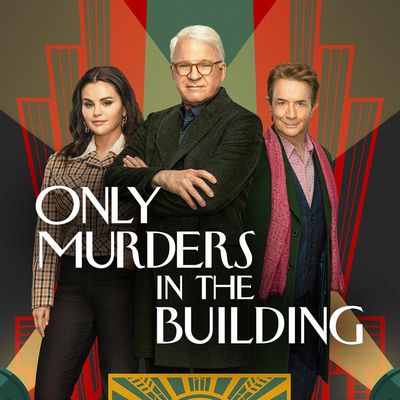
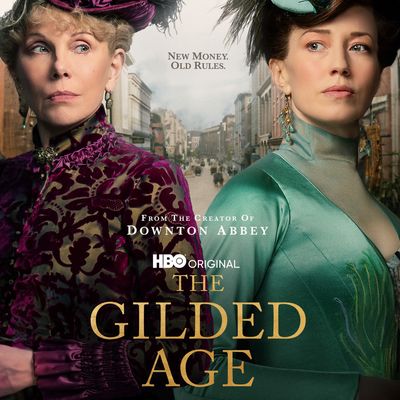
[0:39] Gordon Cox: And recently on TV, he's had recurring roles in HBO's The Gilded Age, and in the hit Hulu series Only Murders in the Building.
[0:47] Gordon Cox: On stage, of course, he's a three-time Tony Award winner, taking home the trophy for A Funny Thing Happened on the Way to the Forum, Angels in America, and The Producers.
[0:57] Gordon Cox: Now he's back on Broadway in the new play, Pictures from Home, playwright Sharr White's adaptation of photographer Larry Sultan's 1992 photo memoir.
[1:08] Gordon Cox: Lane plays Larry Sultan's father, Irving, opposite Zoe Wanamaker as Mother Jean, and Danny Burstein as Larry.
[1:16] Gordon Cox: Now, Lane is in the virtual studio with me to tell us about finding his character, finding the right wig, his upcoming screen work in The Gilded Age, and the buzzy new movie Bo is Afraid, and how he changed people's perception of him and climbed out of his pigeonhole.
[1:34] Gordon Cox: Hi Nathan, thanks for joining me.
[1:36] Nathan Lane: Uh, thank you, Gordon.
[1:38] Nathan Lane: Thanks for having me.
[1:39] Gordon Cox: Yeah.
[1:40] Gordon Cox: You're back on Broadway in a new play.
[1:42] Gordon Cox: What was it about this particular project that made you uh want to commit to it?
[1:48] Nathan Lane: I read it. I thought it was very moving. Uh I thought it was funny. And touched on very universal themes and uh I uh wanted to work with Bartlett Sher who uh when I initially was sent the play was it was to do a reading of it and uh and I I I loved the part and I thought it was you know it would be fun to do a three-hander and work with some great actors and it just um and then we did these readings we did a couple of readings over a period of almost two years and then oh and uh it seemed to have a uh very positive effect on the people who heard it and uh and then eventually it it came to fruition.
[1:57] Nathan Lane: Yeah we don't see many plays based on photo memoirs what really felt theatrical to you about this version of the story and and the story it tells well it's uh it's unusual in its structure and and what Sharr is is doing which is it's it's um a memory play that takes place uh uh in the vicinity of the last two years of this decade-long project of uh the photographer Larry Sultan who photographed and interviewed his parents using them as the subjects for this what eventually became the book Pictures from Home that came out in 1992 and which was uh acclaimed and and became his masterwork.
[3:38] Nathan Lane: And um it's sort of some behind the scenes scenes from that period of time. As he says, we all directly address the audience. That's another thing that happens that the audience is another actor in the play. Each one of us talks to them uh, and there are asides and then direct address, and we are all fighting to tell our version of the family narrative.
[4:09] Nathan Lane: And so when the play is taking place, nerves are frayed. It's now eight years into this project, and they want his parents want it to be over, and they don't quite understand it or understand that he's actually a rather successful photographer. They just think of him as teaching photography at a university. They don't seem to acknowledge that he's had a couple of books and exhibitions, and so um uh uh they also want the parents also want to move to Palm Desert from the San Fernando Valley, and they're sort of afraid of upsetting Larry that it's and his project, but they just want to they sort of want to officially retire, even though the father really is already has been retired for quite a while.
[5:02] Nathan Lane: But his the mother is a wildly successful real estate agent, and that's how they have survived as a couple is her success in that field. So um so it's this combination of uh family dramedy, uh documentary, and three-way TED Talk with the audience, and so that was theatrical and unusual. It it's not your typical way of telling this sort of family story.
[5:37] Nathan Lane: And um I don't know. I just you know, I was as you get older, you know, obviously you think a lot about mortality, and you know, that's uh a big part of what Larry Sultan was exploring and what Sharr White is exploring uh in his adaptation. Um, you know, it's watching his parents get older, uh, so it's dealing with parents and mortality and also what it is to be an artist, you know, the ownership of this particular of these photos and the family narrative itself, and exploring or deconstructing these sort of old family photos, home movies, stills, and and uh corporate images from uh his father's career as a vice president of sales at Chick, and seeing what's behind all that, what's really going on, and and um, and also the uh because it was the Reagan years, the politicizing of family values. So there's there are many things going on.
[6:47] Nathan Lane: Ultimately, I think Larry Sultan was trying to figure out his father, and and the effect that it had had on him as uh as as a child and as an adult, and now as a father himself. So he was always trying to figure out his father. And um uh it's I think that was the bottom line, and although there were all these very highfalutin themes, he was uh exploring as well. Um that's I don't know, I forget what your question was.
[7:23] Gordon Cox: But no, that was it.
[7:24] Gordon Cox: That was it.
[7:25] Gordon Cox: Uh and actually the um that leads to my next question uh about we see uh in the show, we see projections of some of the photos.
[7:33] Nathan Lane: Oh, right, yes.
[7:34] Nathan Lane: Yeah, I thought I totally forgot.
[7:37] Nathan Lane: Yeah.
[7:38] Gordon Cox: But I wondered how you, as an actor used those photos and you know, and the memoir overall to kind of form, as you say, if this play is about a man trying to figure out his own father, what insights did you glean for in order to play the father from that book?
[7:55] Nathan Lane: Um when we did the readings, um obviously we weren't making any attempt to look like uh the photos at all, or look and or to look like Irv and Gene Sultan. You don't really see a picture of Larry until the very end of the play. Um so initially the idea was because the photos were going to be used throughout the entire play, and that uh also is a unusual thing in this particular piece. Um, so you're faced with that.
[8:30] Nathan Lane: And when we did the readings, no one seemed to question anything. No one, no one had seen everyone seemed to understand that uh we were taking on the roles of father, mother, and son, and we were referring to these the people in the pictures as if they were us, and they accepted that theatrical conceit. And when we were going into production, there was discussion about maybe we're not gonna do anything. We're just three actors who come on and we take on these personas.
[9:01] Nathan Lane: Then there was wanting to uh I'm about 10 years older than Danny. Yeah, not quite old enough to be a stat. Yeah. So there was discussion of well, would it help to age me and and de-age him a little? You know, Larry was really about 40 when this happened. So there was so this was a very long ongoing discussion about what to do about this. And uh and uh uh uh Zoe Wanamaker's wig, you know, that was always going to happen, but there was debate about what whether we should do it or not.
[9:45] Nathan Lane: I was very much I was very old school, let's not do anything. Let's I don't want it to look like a failed attempt to look like them. And and I didn't want, we also wear mics in the show. Now I've worked in this theater before. I've done, you know, and I've done 25 plays on. This is your 25th, yeah. Yeah. So, you know, uh I had no problem, you know, reaching the back of the house with my voice, but there, you know, there was talk about oh, the in this particular theater, you know, there was it uh anyway, the sound people, everyone said we needed to wear mics.
[10:26] Nathan Lane: So we tried it without mics, and and then finally, and I hate mics, I understand the use of them in obviously in musicals. You have to wear a mic. You're dealing with uh an orchestra, but um in order to hide the mics, you know, so that it's not sticking out here like some alien creature. You, you know, you can hide them under the wig. So I sort of said, well, if we're gonna wear mics, then I'm gonna wear a wig and disguise it so they don't really see it. Because I I hate that takes me out of the play when I see that.
[11:05] Nathan Lane: So this was all the way through, you know, even previews and finding Danny started with one uh uh wig and then moved to another. My wig started, you know. I I did a whole bit about this on Colbert, but it started, it was really full. It's I look like Superman's father, Jorel, and then it was, and then it was sort of they toned it down a bit, and then I sort of looked like John DeLorean. And finally, it it you what you don't want is for it to look like a wig. Now, in my age, Irv Sultan is 70, I'm 67. So it's not that far away, you know.
[11:48] Nathan Lane: Um so there is a lot of discussion about how to are, you know, are we looking like them or are we not? You know, anybody should be able to play these parts. Any nationality, race, whatever. You know, you should just come on and I'm the father, I'm the mother, I'm the son, and we're gonna tell this story to you, and we're gonna refer to those people in the pictures as if they were us. That to me was the theatrical conceit. But was so we eventually wound up wearing wigs and suggesting their look.
[12:25] Nathan Lane: Yeah.
[12:32] Gordon Cox: Was there an image in particular that uh really gave you insight into the character you're playing?
[12:38] Nathan Lane: That's what you're asking.
[12:40] Nathan Lane: I totally yeah.
[12:44] Nathan Lane: The wig, um, you know, physically, I'm never, you know, I'm never going to look like Irv Sultan. You know, you would have had to have gotten, I don't know. He looked like a version of Johnny Carson. You know, and and uh, or you know, they should have gotten Sam Waterston to play Irv. Um anyway, you have to let go of all that. Also, it's it's it's not a docudrama.
[13:13] Nathan Lane: We're not, I'm playing Char White's version of Irv Sultan.
[13:17] Gordon Cox: Right.
[13:18] Nathan Lane: Um, you certainly get a lot of information from the book, and I also listened to the tapes that Larry Sultan made with his parents interviewing them, which are fascinating and also, uh, incredibly boring, and you would not want to spend two hours with that couple like being trapped on an airplane with someone wanting to tell you the story of his life.
[13:47] Nathan Lane: It's interesting because he doesn't, he has had a kind of higher pitched voice, and it almost sounded kind of New Englandy, did not sound like he came from Brooklyn.
[13:59] Nathan Lane: It felt like someone who had tried to lose his Brooklyn accent over the years because he was in sales.
[14:08] Nathan Lane: And, uh, um, and she also had no discernible accent.
[14:13] Nathan Lane: Um, she was originally from New Jersey, I believe.
[14:16] Nathan Lane: Anyway, um, it's, it's, uh, it's interesting to see, you know, you don't feel the friction that you get in the play between the father and son, although everyone in the family talked about his anger issues, that he used to get into physical confrontations with his older son, Mickey, and, uh, uh, that he carried this sort of anger around with him.
[14:44] Nathan Lane: Um, which, you know, you have to sort of figure that out in terms of the play.
[14:50] Nathan Lane: Uh, certainly from the book, I asked for some things to be included.
[14:55] Nathan Lane: There was a section when he talked about working in a clothing store, an English clothing store, and they made him change his name to John Sutton.
[15:04] Nathan Lane: Uh, you know, the anti-Semitism.
[15:06] Nathan Lane: Uh, I thought that was important.
[15:09] Nathan Lane: You know, there were a couple of little phrases that he used, uh, you know, um, out of the main, you know, he's talking about having w, uh, when he quit chick, when he quit chick, and he says being out of the, uh, out of it, out of the mainstream and nobody wants you.
[15:27] Nathan Lane: Um, little things like that.
[15:30] Nathan Lane: But Char has also given him sort of a dry, sardonic sense of humor.
[15:36] Nathan Lane: Um, a lot of the conflict is Larry being an artist, not quite sure of what he is creating, and because he, uh, Irv and Gene are the subjects, you know, they have to sort of do what he asks, even though they're, they're, um, they love him, they're very reluctant at times, and in particular, Irv is antagonistic towards this posing of pictures.
[16:07] Nathan Lane: He feels it's all very phony.
[16:09] Nathan Lane: And he makes, and he's Erv Sultan was a very, the real man was a very astute, uh, observer of what Larry was doing and, and his arguments with Larry about this process, uh, which are very much, you know, uh, a part of the play, um, are very, uh, you, you tend to side with him very often, uh, at least from my point of view.
[16:36] Nathan Lane: And, um, I think, you know, we were very, it was very much about trying to modulate, uh, so that it's not one the same argument over and over, and also where he gets angry and where, you know, and where he doesn't, and, and because there's one sort of, uh, there's a big scene, a barbecue that eventually leads to a real explosion because Larry pushes him and pushes him and pushes him, and finally, you know, he, he turns on him in an ugly way.
[17:10] Nathan Lane: Um, so, you know, it's all, uh, a lot of it is in the book, and, and then it's also you're playing, um, uh, the character that Char White has created, and you're trying to honor both things, if that answers your question.
[17:28] Gordon Cox: I'll have more with Nathan, right after the break.
[17:40] Gordon Cox: And now here's more with Nathan Lane.
[17:44] Gordon Cox: Over the years, Nathan, uh, have you developed a particular process as an actor?
[17:49] Gordon Cox: Like is there a method or the method that you subscribe to or that, or at least a series of steps that you find works for you as you find your way to a character?
[18:01] Nathan Lane: Yes, but I don't want to talk about it.
[18:06] Nathan Lane: Um, it's only of interest to me or perhaps other actors.
[18:11] Nathan Lane: You know, and it also very much depends on w, the, the, the what it, what it is you're doing on the character and the, then the piece.
[18:21] Nathan Lane: Um, you know, for example, with somebody like Roy Cohn, uh, not dissimilar to what I'm talking about here with Irv Sultan, there was the real Roy Cohn.
[18:32] Nathan Lane: We should say this is Roy Cohn, the character he played in Angels in America.
[18:35] Nathan Lane: The Angels in America and Tony Kushner's masterpiece, Angels in America.
[18:40] Nathan Lane: And so there's the real guy, and then there's the character that Tony Kushner created.
[18:46] Nathan Lane: And you sort of try to, uh, you find where the, the, what the are the s, uh, the similarities, you know, there was some interesting, there's only one, there was only one, uh, biography of him called Citizen Cohn.
[19:01] Nathan Lane: He wrote an autobiography, but that was just all bullshit.
[19:06] Nathan Lane: This was, uh, uh, and, and what was interesting about that, aside from reading about his childhood and family, was, uh, the first chapter was about the last two years of his life, which is, that's when Angels in America is taking place.
[19:22] Nathan Lane: And, and it was very detailed in sort of hospital reports, his behavior in the hospital, what was going on with him physically and his disintegration because of AIDS.
[19:33] Nathan Lane: And I, uh, one of the things I wanted to do was to really show that disintegration.
[19:41] Nathan Lane: I felt I hadn't seen it done quite that specifically when I was reading the, this, the, this chapter, and, uh, where they talked about, um, him having a tremor, a tremor that would be in one hand and then the other, and, uh, and how when he was talking to people, if the tremor started, he would hold his hand still, trying to control it.
[20:06] Nathan Lane: And, uh, there was also he had thrush, so it was affecting his voice, which was a very powerful instrument for him.
[20:15] Nathan Lane: Uh, and so I wanted to use that so that at a certain point his voice changed, uh, in Perestroika when he has a scene with Joe Pitt, a very, you know, father-son sort of scene, which is when he pulls the IV out of his arm, when he basically tells him he's gay, and, uh, uh, uh, and I thought that was interesting to suddenly this very strong voice is now very weak.
[20:43] Nathan Lane: Um, and then of course, it written into the play are these sort of full body tremors, which, and that's awful.
[20:51] Nathan Lane: So I wanted to sort of, uh, um, figure out the progression of that in Perestroika, because as horrible as a human being, as he was, and as the character is, he's still a human being.
[21:05] Nathan Lane: And, uh, so underneath all that is this very frail person who's dying.
[21:10] Nathan Lane: And I thought, uh, I think that's, uh, important to see.
[21:19] Nathan Lane: So, you know, there's that, there's reading, there's research that way.
[21:24] Nathan Lane: How did we survive without Google?
[21:27] Nathan Lane: I don't know.
[21:28] Nathan Lane: Before I guess we went to libraries.
[21:31] Gordon Cox: I imagine the also just the interplay with individual actors must shape your own performance, right?
[21:37] Gordon Cox: In terms of what they are bringing and what and the moment to moment of it.
[21:41] Nathan Lane: Totally.
[21:41] Nathan Lane: That, that's, uh, a huge part of it.
[21:44] Nathan Lane: Uh, um, yeah.
[21:47] Nathan Lane: I, I don't know.
[21:48] Nathan Lane: It would be, you'd have, we'd have to talk about very specific parts, but that, yeah, I mean, there's research, there's, there's all of that stuff that you, you know, you prepare, you know, like w, I say Iceman coming.
[22:00] Nathan Lane: You know, I had 10 months and I, I learned it, you know.
[22:04] Nathan Lane: I read everything that was ever written about the play, about the role of, uh, Theodore Hickman and, and Eugene O'Neill and all of the, the stuff about him and why, you know, how he wrote the play, and all of that.
[22:19] Nathan Lane: You take all of that in.
[22:21] Nathan Lane: You know, I, I had, I had obviously I had seen the Sydney Lamette television version with, uh, Jason Robards recreating his, this role that changed his career and, and that the Cantero production off-Broadway that, you know, turned the play into, uh, there was a landmark production that made people realize it was a great, a great play.
[22:43] Nathan Lane: Um, you know, read all about, wrote all about the original production and why it didn't work.
[22:50] Nathan Lane: You know, I, you, you do all of that, you take all of that in, and then you show up and you start to talk to people, you know, and then you know, a director, whatever his concept is, he's gonna guide you.
[23:04] Nathan Lane: But you're, it is all about that interaction with the other actors, and that changes everything.
[23:09] Nathan Lane: You know, I, I, you know, and my favorite piece of advice was from the late great Brian Dennehy, who after we, you know, it was a because it was the, the first time we did it was at the Goodman Theater, a regional theater, and you actually, you only have nine previews, and then you open.
[23:26] Nathan Lane: And when, because I, Brian and I were doing this, you know, everybody was there, critics.
[23:32] Nathan Lane: You know, the New York Times was there after nine.
[23:35] Nathan Lane: We were on the ninth performance, you know, the with the Iceman coming.
[23:40] Nathan Lane: We're doing a five-hour play.
[23:42] Nathan Lane: That's nothing.
[23:43] Nathan Lane: You're just getting your bearings.
[23:46] Nathan Lane: So, and it takes a while to figure out that play.
[23:49] Nathan Lane: You could do it for a very long time and still not figure it out.
[23:53] Nathan Lane: But, um, you know, we opened and fortunately it was a big success and sold out.
[23:59] Nathan Lane: And then I said to Brian, who had played the role very successfully in 1990 in the same theater, I said, yeah, give me some notes, tell me, you know, just, and, uh, he said, he said, I think you're doing great.
[24:13] Nathan Lane: He said, uh, you obviously you had to prepare the way you did and map it out the way you did because it's such an enormous role, and, and there's, there's so many layers to this play.
[24:25] Nathan Lane: And he said, uh, but now I would throw it all away and just see what happens.
[24:31] Nathan Lane: Let the play happen to you.
[24:32] Nathan Lane: Don't feel you have to reach certain heights at certain points.
[24:36] Nathan Lane: So, you know, just let it all go.
[24:39] Nathan Lane: So, which was the best advice I could have gotten.
[24:42] Nathan Lane: And then for the rest of the run, it was, it was, uh, wonderfully, uh, uh, rehearsing in a way in front of an audience, and just, and, and I felt like along the way I had a couple of breakthroughs and it was, it was thrilling to do.
[24:58] Gordon Cox: As you're, as you're talking about things like Iceman and, uh, Angels in America, there is, uh, as people look at your career, it feels like you were best known for, you know, the kind of comedic stuff, the broad comedies that you did earlier in your career, and then there was kind of a turn at some point when it felt like you were more interested in exploring, uh, you know, dramatic roles.
[25:20] Gordon Cox: Was that a conscious shift?
[25:22] Gordon Cox: Was that, uh, a, um, uh, a factor of the, you know, timing and opportunity?
[25:27] Gordon Cox: Like what was, what's the thing?
[25:29] Gordon Cox: Does what, how do you think of that arc in terms of, you know, starting out as being predominantly known as, uh, as a comedic actor and then moving into the kind of more serious work that you do in addition now to comedy?
[25:42] Nathan Lane: Um, you know, you, everyone gets pigeonholed, they will always want to put you in a box.
[25:50] Nathan Lane: So I had done some musicals that were successful, so they, that's how they tended to think of me.
[25:58] Nathan Lane: And yes, comedic roles, but along the way, I had, I had done the plays of Terrence McNally, which is a, you know, a lot more than comedy or Simon Gray, John Robin Bates, uh, you know, I had done Waiting for Godot.
[26:15] Nathan Lane: Um, you know, I had certainly done things that were both that had both humor and drama along the way.
[26:22] Nathan Lane: And then, you know, I had done this musical, The Addams Family, and it was reviled by the critics.
[26:30] Nathan Lane: As Jackie Hoffman used to say, even gay men don't like this musical. And nevertheless, the public still wanted to see it, and so it was running, and you know, I did it for a year, and sort of in the middle of it, Charles Isherwood, who was still at the Times then, wrote a very, very complimentary piece about sort of a career assessment piece, and which he said I was the you know, the last of the great entertainers, the greatest stage entertainer of the decade. And you know, I can find the dark cloud in any silver lining, and the word entertainer irked me, and I felt like is that all I am? At that point, I had been a professional actor for 35 years, and I thought, but I'm an actor, I'm not just an entertainer.
Who am I? You know, it just sounded like I was Al Jolson, like I was opening for Wayne Newton in Vegas. It really got to me. And I had so I been doing the Adams Family, I had some time on my hands to think about, you know, could I shift people's perception of me? And I really need to do that. I need to make a change and for myself to challenge myself and the audience, and it'll be interesting to see if they go along with me. And around the same time I read it was an interview in Variety, about I don't know whether it was about regional theaters or the theater in general, but they interviewed Bob Falls and Brian Dennehy, in which they discussed their long history together or plays in Chicago, and a few of which made their way to New York very successfully.
And you know, I read this, and they discussed perhaps revisiting the Iceman Cometh. And I thought, yeah, how can I get in on this? And so I wrote Bob Falls and I said, Listen, if you really do Iceman Cometh, I'd like you to consider me for hickey, and here is why. And then Bob eventually wrote me back and said, Well, you know, there's no production plan. We were just talking off the top of our heads, but if you would like to do it, I'd love to get together and talk about it. You know, of course, Scott Rudin had the rights, he wanted to do it with Denzel Washington, and so he wouldn't let this production happen. You know, it's his favorite pastime. So I, but I've known Scott a very long time.
We're friends, and I called him and I said, I want to do the Iceman Cometh in Chicago at the Goodman Theater with Bob Falls and Brian Dennehy. He was like, no, don't do it there. He said, I'll do it in London. Or do it. I said, no, I need to do it in Chicago with Bob Falls and Brian Dennehy. It's not a Broadway try-out, I just want to do the play for me, for myself personally, and because it's a great play, and these are the people I need to do it with. And I need to do it in Chicago, not in New York. And that's all I want to do. I just want to do the play. And he said, okay. So we did it. And it was life-changing. You know, I had this conversation once with Ken Branagh, where we talked about this dilemma of this, whatever this perception is of me as an entertainer.
And he, you know, we had a long talk about it, and he said, well, you know, you can't just talk about it, Nathan. You have to do it. And he said, it doesn't matter what people will say. You have to take on these great roles, and it will be life-changing. And it doesn't matter what everyone will have opinions. They always have opinions, but what it will do for you is unbelievable, and it will change your life. And so he was rather prophetic about this experience. And I would always highly recommend O'Neill in terms of if you because he dug very deep, O'Neill, and you know, he asks of you, I think, you know, maybe more than any other playwright. He's asking you to be as brave as he is in the writing.
And unless you commit to that, unless you jump off the ledge with him, holding hands, it does then the material does seem as old-fashioned and melodramatic or corny as some people have accused it of being. But if you go there with him, it's incredible material. And the Iceman is, you know, arguably, I know everybody's favorite is Long Day's Journey, but Iceman I think is the one for me. And it's, it was so that was the beginning of this sort of shift and then I, you know, I got a few things in television what's harder comedy or drama it's all hard yeah it's all hard it's all difficult if you're gonna do it well you know it's just hard work and you know it's it's nice when people laugh you know you get that kind of feedback but you know you get that when in drama when you can hear a pin drop you know the kind of the only the kind of silence that you can only hear in the theater when people are really listening and or feeling something you know that kind of silence.
[33:02] Gordon Cox: You mentioned your TV work and you have been in a couple of series lately. You're in Only Murders in the Building and in Gilded Age. Can you they both have new seasons coming up eventually can you tell us anything about what's going on with those shows?
[33:28] Nathan Lane: Um well, only murders now, you know, and they've got they don't need me anymore. They got Meryl Streep. They've got Paul Rudd, Jesse Williams, a lot of wonderful people, a whole new Andrea Martin, a whole new murder mystery. I mean, John Hoffman, who runs the show is, you know, had said if you know on a Monday, maybe we'll bring you in to do it something, but I don't think that's gonna happen. I don't think I'll be in the third season, but it um it's been a that was just been a great experience, and you know, winning the Emmy was icing on the cake.
[34:07] Gordon Cox: Yeah, yeah. Thanks.
[34:08] Nathan Lane: So and and Gilded Age is just, you know, that's just fun. Just fun to be with, you know, it's like the greatest repertory company put together, and all these people you either who are old friends or people you've just admired from afar, and we um, you know, Julian Fellowes write some juicy stuff, and um and it's a fun character to play. And you also showed up in a trailer for the new Ari Aster film with a ton of other theater folks. It's called Bo is Afraid, and it looks Ari Aster is of course best known for directing some pretty intense horror movies. Um this looks almost like it's a musical. Is it scary? What can you tell us about this wacky long from what I understand film?
[35:00] Nathan Lane: It's uh I've been calling it the Jewish Everything Everywhere All At Once. Um it's you know, it's about it's about guilt. Um it's about this seriously codependent, passive-aggressive mother-son relationship. It's about Joaquin plays Bo, and he it's about his odyssey to get home to see his mother, and many terrible things happen to him. He job-like, many terrible things occur. It takes a while for him to get home, and then when he gets home, there's some surprises. Uh and yeah, Ari Aster is he's uh he and Joaquin are their genuine artists, and uh this is um an ambitious film. It's a bit very big swing. Uh I think it's the biggest budget that he's had at age 24, and um it's uh it's it is unique, and it you know, it's also very darkly funny.
[36:20] Gordon Cox: Yeah.
[36:20] Nathan Lane: But it's it's uh nightmarish, as he he's called it a nightmarish comedy.
[36:26] Gordon Cox: Yeah. And then how do you think about with all your screen work, how do you think about theater working into the overall arc of what you do? What keeps bringing you back to theater? Why is it always a part of what you do?
[36:43] Nathan Lane: Um, I don't know. This may be the last one. This may be this may be my 25 and done as speed away. That's the yeah. That's right. It's like, you know, winters in New York. I don't know how many more I can take. Eight shows a week is you know a big ask. Um look, you do it because to me it's still the purest form of acting. It's still my favorite way of telling a story. Uh because we're the actors are in control. Eventually everybody goes home, everyone goes away. Uh, and the actors are left with an audience eight times a week to tell them that particular story. And you know, when it works, it's a glorious thing, and it's my favorite way to do this. Um you know, I uh it you know, and you're always looking for that next challenge, and I tend to get more of those challenges in the theater than anywhere else.
I'd like it to be in a film or a television show. There's some, you know, we have some there's some things in the works. Um it's very early, but there's Stephen Daldry is uh wants to direct a film of the Lisbon Traviata. Um and uh it's it's being written now and and uh so we have high hopes for that. And um, you know, there's been things I'm developing in television and so but um yeah, the theater I do tend to come back to. It's my it's sort of where I feel the most at home.
[38:33] Gordon Cox: Well, audiences can catch you in Pictures From Home right now. Um, and uh we look forward to seeing what brings you back for show number 26 on Broadway. Thanks so much, Nathan. Thanks for joining us.
[38:44] Nathan Lane: Thank you, Gordon.
[38:49] Gordon Cox: That was Nathan Lane, now starring on Broadway in Pictures From Home. If you like what you're hearing on this and other episodes of Stagecraft, I'd really appreciate it if you took the time to rate and review us wherever you listen to podcasts. It really helps. Or tell a friend about Stagecraft. Find past episodes and subscribe at all the pod purveyors, including Apple Podcasts, Spotify, and on the Broadway Podcast Network, which is a great place to find more theater for your ears. Until next episode, find me on Twitter at G CoxVariety. Thanks for listening. And see you at the theater.
© Broadway Podcast Network, All Rights Reserved