

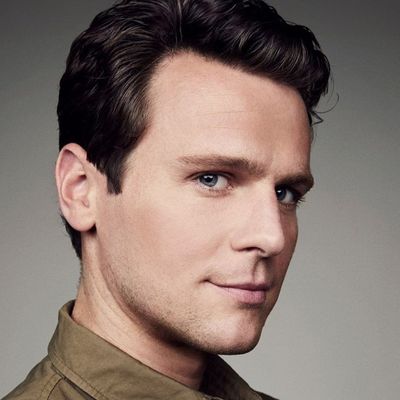
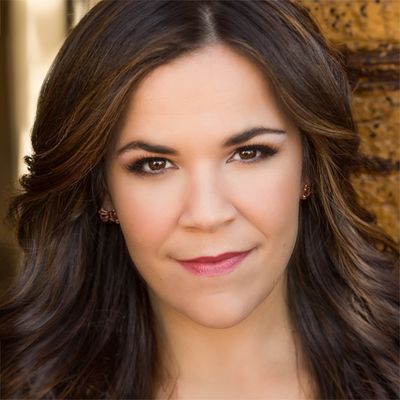
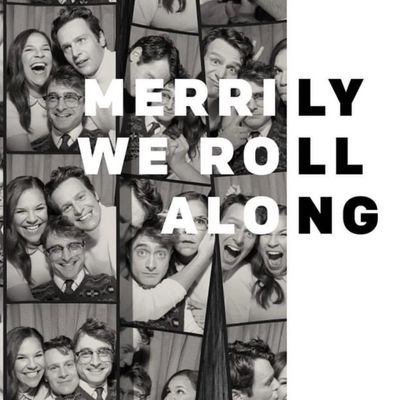
Presenting two lively discussions from Variety's 2023 Business of Broadway breakfast: In the keynote conversation, Daniel Radcliffe, Jonathan Groff and Lindsay Mendez reveal the reasons they work so well together in the buzzy revival of "Merrily We Roll Along"—and give each other a healthy dose of ribbing along the way... Read More
From the show: Stagecraft with Gordon Cox
Guests

Featured Shows

About
Presenting two lively discussions from Variety's 2023 Business of Broadway breakfast: In the keynote conversation, Daniel Radcliffe, Jonathan Groff and Lindsay Mendez reveal the reasons they work so well together in the buzzy revival of "Merrily We Roll Along"—and give each other a healthy dose of ribbing along the way. Before that, five producers behind some of this season's biggest shows share timely insights into the state of business. Sponsored by City National Bank, Variety's 2023 Business of Broadway breakfast was held Oct. 2 at the Pool in midtown Manhattan.
Transcript
This transcript was automatically generated and might contain errors.
[0:06] Gordon Cox: Welcome to Stagecraft, Variety's's Theater Podcast. Your backstage pass to revealing conversations with stars, creators, and industry leaders on Broadway, off Broadway, and beyond. I'm Gordon Cox. On this episode of Stagecraft, we're sharing two conversations from this year's Variety's Business of Broadway Breakfast. It was held earlier this month at the Pool, the restaurant and event space in Midtown Manhattan, and it was sponsored by City National Bank. That morning, I had a great conversation with the three leads of the buzzy Broadway revival of Merrily We Roll Along, Daniel Radcliffe, Jonathan Groff, and Lindsay Mendez. You'll hear that later in the episode. Up first, we've got a lively discussion with five producers behind some of the biggest shows of this Broadway season. All that right after the break.
[1:33] Gordon Cox: We're back with an enlightening panel from Variety's's Business of Broadway Breakfast, featuring five producers who have shows on Broadway this season. Kristen Kaskey, Patrick Cotello, Greg Noble, Leslie Odom Jr., and Fiona Rutin. The moderator for this talk is Eric Pikush from City National Bank. Here's Eric.
[1:53] Eric Pikush: You are each producing a number of exciting new shows and revivals this season. And for our time together, I thought we'd explore a little bit about your personal journeys as producers and also talk about some interesting aspects of your shows this season. And even though Kristen, you're sitting far away from me, I thought I'd start with you. You're up first.
[2:11] Kristen Kaskey: Hi, everybody. Kristen Kaskey. You are a very experienced producer, having done a number of shows on Broadway over the years, including Parade last season, which you produced with Greg. And this season you're producing the new musical Gutenberg, as well as a revival of The Wiz. Um everyone on this panel and most everyone in the audience knows that it's a challenge to make a show work both creatively and economically, especially in the current economic environment. Um let's talk about The Wiz and talk about your involvement in that show and bringing back that show to Broadway's revival and kind of your history with it.
[2:45] Kristen Kaskey: Sounds good. Um, and I do just want to when you talk about experience. I definitely had a moment of knowing how long it's been because I want everyone to know that I played chess with Sam McCannold when she was nine years old, and she beat me. Um she's got her Broadway directing debut. So that's a beautiful journey to watch. Um for my producing partner Mike Isaacson and I, being involved in supporting The Wiz is essentially a dream come true. We've been working on it for about seven, eight years now, and with our partner Brian Morland, we wanted to find a way that honored what it would mean to have this show back on Broadway. And it felt right to take it out of town to Baltimore where it began almost 50 years ago, um, and to build the momentum and remind everyone of this show before it came into New York.
[3:43] Kristen Kaskey: We also are led by the incredible Shelley Williams and are doing a great amount of work on the book by Amber Ruffin, and it's also the debut for choreographer Jaquel Knight. So all of us involved felt it was at a time when the runway for Broadway is getting shorter and shorter, having the opportunity for a run around the country that allowed them to check in on the show and really um essentially try and get it right as we build the momentum. And I will say the last thing is um as someone who presents in theaters across the country, there is something incredibly valuable about those audiences being able to see inside the process prior to a show getting to Broadway. And it was really lovely. We just had an event at the Governor's Mansion in Maryland where um they had the cast perform, and the presenter there was able to thank those involved for providing a tax credit for Maryland, which again, when you look at the ecosystem of our business and what we do is incredibly valuable and important. So it's been quite a beautiful journey, and we'll see what comes from here.
[4:53] Eric Pikush: So great, thanks. And that is a unique, I mean, it is a unique journey for a show to come in the way that The Wiz is coming in and building up momentum, and especially in the environment we're in, uh, making sure the audiences are built up along the way so that when you get here it's set up for the hope. And if it works, then maybe it's a blueprint for others. It's great. Great. Uh Leslie, welcome back to Broadway.
[5:19] Eric Pikush: So many folks here and audiences know you primarily as an actor and a singer, and last saw you on stage in Hamilton, and this season you're returning both as an actor and a producer on Pearly Victorious, the revival. Um congrats on the opening last week and the strong reviews. Um wanted to talk a little bit about how you got involved in the show, um, why this was the project that brought you back to Broadway and um and why you joined on as a producer as well.
[5:46] Leslie Odom Jr.: I mean, great writing is what brought me to the piece, you know. You're looking for. I was just looking for something uh harder than what I just done. You know, Lynn Manuel gave all of us just the best writing we'd ever been given. And so, you know, it just anyway. Took a second to uh find something else that was, you know, that um that I felt as passionately about. Um and I just wanted to be a part my along with my agent here, Kevin Lynn. You know, we've just talked about um uh my strong desire to be uh a full contributor, you know. I just I don't want to have to leave parts of myself outside the room anymore. I want to help I don't have to be the loudest voice in the room, I don't have to be the only voice in the room, but I do want to see it at the table.
I do want to say what I think of the poster. I do want to say what I think of the commercial that you're putting out. I want to contribute and and I just have to say that Jeffrey Richards and Hunter Arnold have um just been tremendous mentors and teachers for me, my me and my wife, you know, have come on and joined the producing team. And so I just really feel like I'm learning so much, and that um I've been able to bring a value to the other side of the table, to that, to the producer's circle, as it were.
[7:20] Eric Pikush: Great, thank you. And speaking of the writing that brought you to the show, I mean, I saw the show, and some of the writing, I mean, the show was written in 1961, but some of the writing feels like it could be written today, unfortunately, in some cases. But is that something that you felt strong about in terms of bringing those words to the stage and um you know, uh bringing Aussie's words um, you know, to new audiences?
[7:43] Leslie Odom Jr.: Absolutely. I mean, I thought I knew what this piece was about, but as we all know, you know, uh plays we read them all the time, right? We read them in our eighth grade drama, we read Shakespeare, we read Molière, we read August Wilson if you're at a really good school. Uh and you think you kind of know what it's about, but they're meant to be seen. They're meant to be experienced, you know, which is why we have this educational initiative where we're gonna bring in school kids to see Pearly Victorious. My six-year-old has seen Pearly Victorious three times. She loves it, you know. So anyway, but um I just was saying that to say I thought I read this play 30 times before we started rehearsal, and there have been so many discoveries as we started playing it, as I watched Cara Young uh embody Ludie Bell, as I watched Billy Eugene Jones discover uh and Kenny Leon uh just led this company of actors and also our creative team uh so beautifully and brilliantly. It's just been the most liberated, joyful space I've ever uh been a part of creatively.
[9:01] Eric Pikush: Great. Thank you. Thank you, thank you. Greg, uh, this season you're bringing An Enemy of the People to Broadway. Um, I thought maybe you could talk a little bit about the background of that show and how that show came together in terms of casting and producing it and having that all you know, the journey for that show to come to uh Broadway this season.
[9:21] Greg Noble: Totally. Thanks for having me. Um, Patrick and I are doing An Enemy of the People together, and getting Jeremy Strong to Broadway was really hard. Um I it was a big tussle. We were at Sardi's, I broke my shoulder, but um it's gonna be worth it in the end. Um I have a long relationship with Sam Gold, uh, and we had a project that didn't come together for last season or two seasons ago, and we're trying to figure out sort of what we're gonna do or if we were gonna pivot. And um Jeremy, Amy Herzog, who will be writing the adaptation, and Sam all have a long-standing friendship that goes back to their college days. Actually, Patrick also intersected with them at college too. And it was one of these discovery processes that were a little unnatural.
It was sort of a series of green lights that sort of kept pushing us in the right direction, which is you know, we're in the business of pushing against that usually. It's usually a series of no's that we have to figure out how to get around the mountain on, and that that wasn't the journey on this project so far. We haven't started in earnest. Um these three collaborators, you know, who hadn't been together since their college days had been trying to find something to work on. And in revisiting the Ibsen text, I think everybody was sort of astounded by the relevancy, sort of in the same way that we're talking about the Pearly text. When we revisit some of this work, you know, this is about a uh a man in a small town who is trying to do right against the powers of a government that is trying to hide things.
And when you go and revisit this text, you know, Sam Gold led our process by saying, you know, we actually need to turn down the energy in this so it doesn't look like we're doing this in response to this moment, right? But actually that we're excavating new areas of this play. And Amy is in the midst of this really extraordinary draft, and the idea that we're sort of bringing these college friends back together around this play that we're gonna do in a really intimate um and slightly immersive environment is um is deeply exciting, and it's been it's been a pretty amazing series of green lights on this so far, which has been great.
[11:40] Eric Pikush: Terrific we'll we'll come back and talk about collaboration a little bit more and and how that all came together as well. And Fiona wanted to talk to you a little bit more as well. Uh, this season, you and your team are lead producing How to Dance in Ohio, which is a new musical based on the award-winning documentary that was on HBO in 2015. Uh the musical follows a group of young adults with autism as they prepare for spring formal dance, and some of the themes that the show um explores are connection and exploration and characters dealing with their hopes and fears. How did you get involved with this show? Were you involved with the documentary when it came out? Um, and how did you you know get involved and bring that to Broadway this season?
[12:20] Fiona Rutin: Um well, thank you for having me first. Um and yes, How to Dance in Ohio uh is very much a passion project for all of us on the team. It marks my first time lead producing as well as my two producing partners who are here, Sammy Lopez and Ben Holtzman. Um in addition to Sammy Cannold's the directors, our Maite Natalio, our choreographer, half of our cast, our book writer, Rebecca Grimelosic, uh, our composer, Jacob Yonduras, is all of our Broadway debuts, and with that is a lot of extra enthusiasm, um, as you can well imagine. And uh I first became involved in the project. I actually know the filmmaker Alexandra Shiva. And at the time that I met Ben and Sammy, who were already involved in producing How to Dance in Ohio, uh, I was looking to join a team too, because I knew I wanted to make the leap into lead producing, but was acutely aware of how much I didn't know and what a giant step it was to go from co-producing to lead producing. So I wanted to align myself with people I really trusted on a project that I was completely enamored with.
[13:40] Patrick McCollum: And my own producing philosophy and investing philosophy is that if something almost sounds like a bad idea, that's the thing I'm the most interested in because it means my brain is actually having trouble processing it, and it means it's something really new.
[13:57] Patrick McCollum: And um, I'm very keenly um interested in new stories and telling the stories of communities we haven't heard from before, and lifting up people who haven't had the opportunity to be on a Broadway stage.
[14:14] Patrick McCollum: So when Alexandra Shiva, the documentary filmmaker, told me her documentary was being made into a musical, I was literally stopped in my tracks. I was like, okay, wait, I've seen this documentary. It's magic, it's beautiful, but it features these autistic young adults, this group counseling center in Columbus, Ohio. It does not scream musical to you right away. But the more I thought about it, the more engaged I was. And once I met Ben and Sammy and the crew, you know, Jacob and Rebecca, I knew this was a project that just really had to be lifted up and had to be made. And so here we are.
[14:50] Gordon Cox: Great.
[14:51] Gordon Cox: Thank you. Um, Patrick, you kind of sit in the middle of a lot of folks up here on stage. Um you have or will be collaborating with folks.
[15:01] Gordon Cox: And this season uh you're working with Kristen on Gutenberg Musical. Uh, you're working on uh with Greg and Enemy of the People, and you're also producing the eagerly anticipated revival of Merrily We Roll Along, uh, which opens next week. Um tell us a little bit about how collaboration strategic partnership factors into your producing uh rationale and how you put your projects together.
[15:24] Patrick McCollum: Yeah, it's interesting. You know, um a lot of the things that have been said are, you know, I think working with your friends is really nice too. You know, uh went to school with Alex Timbers, um, and you know, I worked with Kristen on American Utopia, and that's how we met David Byrne. Uh so Here Lies Love, you know, came about during American Utopia. That show has been sort of kicking around for a while, and for you know, just because of the challenges of it, it had never, you know, got to Broadway. So I sort of took that on with Alex and David Byrne and Clint and you know, my amazing partners.
[15:58] Patrick McCollum: Um, and then uh Alex with Gutenberg. Um, you know, projects come together sort of in different ways, which I found really interesting too. I did not uh expect to be producing four shows this season. That's not generally my style. Um so you know, Gutenberg kind of came together, Josh and Andrew were talking about. It was just something that Alex had been kicking around, and he sort of took it to me and Kristen, and I was obviously I'll work with Kristen anytime.
[16:25] Patrick McCollum: Uh and then Enemy of the People. Um, yeah, Greg and I separately sort of, you know, I had you know had said I would do anything with Jeremy Strong, someone I really wanted to work with. Uh so I got that call from Bizzetti, and uh and he said, would you do this with Greg? And I'm like, sure.
[16:43] Patrick McCollum: Um, and I did I went to school with Amy as well. Uh and then Merrily was really a bucket list show for me. Um it's just something that was deeply meaningful. And um, so uh Jeff Romney is my producing partner on that.
[17:00] Patrick McCollum: And uh he and I, it's just something we've been wanting to do for a really long time. And so it came together uh with the right cast at the right time, and it's uh it's been it's been really special.
[17:12] Gordon Cox: It's great. Do you do you feel one of the one of the things that we discussed on our pre-call is that there's a lot of collaboration happening with kind of this generation of producers?
[17:19] Gordon Cox: And yeah, um, is that something that is has been developing over the past couple years and you see continuing going forward in terms of the way each one of you kind of works on some of your projects?
[17:31] Kristen Kaskey: Um, I also I start from a partnership of over 20 years with Mike Isaacson, and I think that at the forefront of everything we do is collaboration. And we're all here because most of us grew up loving theater and we decided we do whatever we had to do to figure out how to spend our life in it.
[17:54] Kristen Kaskey: Um and it's not easy. And it's especially not easy. Um there's right now with often talks about fundraising and the various uh challenges, but we're all still here because we all believe in it, and we all believe in um how vital it is, and I think that means there's great opportunity for collaboration.
[18:15] Kristen Kaskey: I think there's great opportunity for listening within every show and finding ways to expand what we do. And I'm very excited about that because I don't there was there's always been collaboration, but I think amongst the producing community, I am in awe of what we'll call this younger generation, not only their commitment, but just how many there are of them and their real passion for what they're doing and commitment to this craft.
[18:43] Kristen Kaskey: And I'm very optimistic about the future.
[18:46] Gordon Cox: And Leslie, did you see that when working with Jeffrey, you know, an experienced producer in terms of mentoring with you on that piece? Have you felt that as well in terms of what he brings and how you work together?
[18:55] Leslie Odom Jr.: Yeah, um, I think that um the people that I respect most, my my kind of people took what we just lived through these last handful of years and really took that inward journey and came out different. I mean, can you imagine? We see them everywhere, but the people that came out of what we just lived through meaner, more hateful, looking to draw the lines deeper in the sand after we what we just lived through.
[19:29] Leslie Odom Jr.: It's a it's astonishing. But anyway, people are going people. But yes, Jeffrey, I I didn't know him before this, but but what what we find what the community, I think, found as the community looked around and you know the events what we live through shook us by the shoulders, and we realized how you know, as you're looking around to your left and your right, we know it's it's time to promote people, but nobody's ready to be promoted.
[20:00] Leslie Odom Jr.: We haven't invested in the pipeline, you know. So yeah, you'd like some, we'd like some more directors of color, but nobody's really ready. Nobody's been so anyway, uh, people like Jeffrey. Jeffrey on this production, uh, yes, he's been he's been focused us up, Crystal.
[20:17] Leslie Odom Jr.: He's been focused on the on the pipeline, on making sure that um I'm not ready to lead produce, you know, but he yeah, he opens the books and he shares, he shares, he's promised that he should he would share everything with me that I wanted to know, and I wanted to know everything.
[20:33] Leslie Odom Jr.: So uh so yeah, he's concerned about about the pipeline and and and Hunter is as well. Hunter, you know, I had a meeting with with Hunter and and his producing partner, and yeah, you know, Hunter, the meeting was not about me acting in more shows. The meeting was, you know, I want, you know, Hunter was inviting me into this circle, into this community. He said, I I would really love to make sure that you and Nick, that this is not the last show that you and Nicolette produce.
[20:59] Leslie Odom Jr.: So anyway, uh I'm I am also deeply um encouraged um by the by the growth and the commitment to developing talent, looking for talent and and expanding what this what these rooms can look like and and how many people are how many different kinds of people are represented at these tables. It's really it's really beautiful.
[21:24] Gordon Cox: That's that's great. Thank you. I think to follow up on that, I mean, both on the uh the creative side in terms of the shows and also the audiences that are that are coming into Broadway.
[21:33] Gordon Cox: I mean, I think those are happening at the same time. Um and Fiona, I know with your show that's happening with the um the story and the subject matter of your show and the audience that that you are you know looking to expand audiences, um people within the autism community, but also bringing that story to a broader community that isn't necessarily maybe used to seeing that uh on stage. If you want to talk about that a little bit.
[21:55] Fiona Rutin: Yeah, and I I'll just back up and I'll say that um I totally affirm what Kristen's saying about the younger generation who I'm so dazzled by. I mean, my two partners, Ben and Sammy, and actually I'll quote a line from Soufs that Rachel Sussman is producing, the younger at the gates. Um I feel very optimistic about the rising class of producers.
[22:18] Fiona Rutin: Um there's the theater producers of color, that's a group that Sammy is one of the founders of, and um I just their enthusiasm and the kind of stories they want to tell and how much they're investigating all of our processes, it gives me so much hope for Broadway that there we may be entering another golden age.
[22:38] Fiona Rutin: So I know I'm an optimist. And for Ohio, yeah, I mean it's um a story that through its specificity is very universal. Um, with the you know, the seven central characters being autistic and being portrayed by seven autistic actors.
[22:56] Fiona Rutin: Um it's definitely opening the doors for representation for people who are neurodivergent, not just autistic, to see themselves represented on stage, and how that just kicks the door open wider. I don't like to think of it as inviting a specific audience in, but just making the door ever wider so that our Broadway typical audience is welcome, as well as people who've never been invited, and even more broadly about disability.
[23:29] Fiona Rutin: I mean it's a huge part of our population that we don't really talk to on Broadway. And how do we incorporate that not just on stage but as part every part of our producing practice? Um, so we tried very diligently to practice, you know, no stories about us without us.
[23:51] Fiona Rutin: So bringing in autistic creative consultants, autistic assistant music director, an autistic graphic designer, autistic associate producer, so that from the very beginning, our team was made up with the people whose story was being told on stage every night.
[24:13] Fiona Rutin: We all are very different humans as well as producers. Um, how we can take the practices we learn from doing Ohio into every one of our shows because accessibility is better for everyone.
[24:32] Fiona Rutin: Like we would do this little survey for you know the actors, and our neurotypical actors got more out of it even than our neurodivergent actors. So it's just those little lifts that um make for a better space for all of us.
[24:48] Gordon Cox: Great, thank you. And and Patrick, following up on that as well.
[24:51] Gordon Cox: I think we talked about this. I mean, when you're looking at audiences, Gutenberg's audiences are uh maybe skewing younger than traditional Broadway audiences.
[24:59] Gordon Cox: Um and then with sure uh with uh Here Lies Love, you have an all-Filipino cast, which is another area of representation for the shows that you're working on in terms of who's on stage, um and you know, what people are seeing in the in the theater and what type of people are being invited in to kind of you know see representation that they may have not seen previously.
[25:16] Patrick McCollum: Yeah, I mean that's literally the only reason that I do this is for new audiences, and I feel like you know it's about the work that you put out there. Here lies love, for example. Uh I think the typical percentage for AAPI audiences on Broadway is six percent, here lies love is 20%, um, which is you know, and growing, which is pretty remarkable.
[25:37] Patrick McCollum: Um and I like you know, the things that I do, I'm more of a I mean I love theater, but I'm more of a pop culture guy, you know what I mean? I like movies like music, I like comedy, and so the things that I do tend to have at intersection, like Here Lies Love was a lot of David Byrne fans came to that show, and then they got served up a little bit of the you know, Annie B. Parson modern dance, right?
[25:56] Patrick McCollum: And um, you know, a story. And I think uh certainly that you know that's the case with Gutenberg. Um, and you know, Alex and I did a show called Oh Hello, which was really crazy, and uh I think I was the only person that would produce it.
[26:13] Patrick McCollum: Uh John Molini was not known then. Um, and I remember the Schuberts called us closing weekend and they said, we just want to confirm that oh hello has an intermission. And I said, nope, it's 90 minutes, no intermission. And they're like, how's that possible? I'm like, why would I lie about that?
[26:30] Patrick McCollum: And then they're like, well, your bar sales are averaging more a week than Phantom. And that was that was a one-act show. There was no intermission, right? So I was like, you know what? You should add sellers in the aisle. You should, you know, open up more bars.
[26:43] Patrick McCollum: And, you know, it was definitely an audience that had never been, you know, to Broadway before. Um, and I think uh, yeah, and I mean that's what that's what excites me the most. I mean, I only produce shows that I want to see more than once.
[26:59] Patrick McCollum: And as far as collaboration, too, I think you know, like I said, I've never done this many shows at the same time. And one of the things that I've learned is one, when you're really busy, you don't have time to overthink. You know, you just kind of have to go, which is, you know, when you're working on one thing at a time, sometimes it's really like you get inside your head and you just, you know, you just, you know, but when you're busy, you just kind of have to go and you have to trust your partners more, right?
[27:20] Greg Noble: And I think that's where collaborating with your friends helps. Um, but you know, that's where collaboration is really important, not just with your producing partners, but with your marketing teams, your press agents, you know, you just kind of have to surround yourself with the best people and trust them to do their, you know, to do what you've hired them to do and trust. And um, yeah, so I mean, I think collaboration is really important in that way too.
[27:47] Gordon Cox: Great, thanks. And Greg, some of the areas that you discussed, are some of your projects artist-led versus commercial-led? What kind of projects do you look at when you're looking at um a new show to bring to Broadway?
[27:59] Greg Noble: Um, yeah, I mean, I when I started in the business, I started co-producing. Um, and the first show I ever worked on was A Gentleman's Guide to Love and Murder, which is now a decade ago, led by John and Sue, who are at Fancy Table 2. Um, and you know, I always say 10 years later, I would have never said yes to being part of that project because it like every single thing had it was going against it, right? It was like based on IP that nobody knew it was starting in a city that nobody really started it anymore. It was like opening sort of at the wrong time, right? Like, but I fell in love with the art and had said yes to it, and of course it was um sort of an unexpected success story, um thanks only to their and and others' leadership.
Um but then riding high on that, and at a young age, I was like, I need to do something to follow this up because that was so good, and I have these investors who want to go again, and um and I should probably not use names. Uh and so I but I was so I I went after two like things that were sure fires, right? I was like, well, this is a big star in this fancy play. It was at the booth, it's nine years ago. Um it was short. Um and I was like, people will totally want to see this star in this play. And but and every time I tried to read the play, I fell asleep reading the play. I was like, it doesn't matter if I don't like it, people definitely want to see so and so on stage. Nobody wanted to see so-and-so on stage, right?
Like, and and that happened a couple of times, right? Where I was like, well, this is a surefire, and this is gonna be the thing that pays the bills. And every time I've said this is gonna pay the bills, it totally has not paid the bills. It's actually just created a lot of bills for me. Um so I I'm much more interested in, you know, in in betting an artist, many of whom are are in this room, where it's just like, what is the thing you want to do, Lear, Whitney, Sammy, like what what can we be doing next? Like, what is the thing that excites you? Because I think if we're and it's where the it's where enemy came from, right? This is entirely built by Sam. And I think our job as producers is to like keep the thing on the rails as much as possible, but just give Sam the most room possible to make the thing that he's gonna make.
And and we all know it's like, particularly with a director like Sam, I think it's what makes him so like viscerally exciting. It's like we don't know what we're gonna get. Sometimes we're in meetings and we're like, oh we're on a different journey here. Uh and that's like so really exciting, and it's gonna change 18 times before that point. I think if we're not getting into projects that are completely artist-led, and we start to like try to follow the money, it's not gonna work. A thousand percent.
[30:18] Gordon Cox: Yeah. No, I agree with you, and I think that we're seeing that with a lot of the projects that each you are working on. Uh so I think we've come to the end of our time, and I'm gonna leave it on that note. Uh, those are some really great conversations, and appreciate your discussions on collaboration and representation. Thank you. Uh, I want to thank all my panelists for sharing their time. Leslie, Fiona, Kristen, Patrick, and Greg. Thank you.
[30:41] Gordon Cox: That was our producer's panel at this year's Variety's Business of Broadway breakfast. After the break, merrily we roll along.
[30:53] City National Bank: City National Bank doesn't generalize, they specialize. From entertainment and food and beverage to real estate and tech. Their dedicated team of bankers has strategic solutions for all of your unique industry needs. Work with a team who knows your industry while getting the scale of their parent company RBC. City National Bank. See what personal can do for you at CNB.com.
[31:26] Gordon Cox: And now here's my conversation with the stars of Merrily. We roll along. Daniel Radcliffe, Jonathan Groff, and Lindsay Mendez. You three just finished your second week, I believe, of previews, a Broadway previews in Merrily. Um you did it for a few months uh down at the workshop, which has like 200 seats, and the theater you're in now, the Hudson, is closer to a thousand. How does that change the experience for you? How is that how are you finding that it changes for you?
[31:55] Lindsay Mendez: Oh. I guess I'll take it since you.
[32:04] Daniel Radcliffe: Well, I cry a lot generally, but I I cried a lot on our last day at New York Theater Workshop because I was mourning. To me, like the off-Broadway experience was so special to be right there with the audience. Um I was shocked and pleasantly surprised. I mean, when we heard the overture for the first time at the Hudson Theater on Broadway, the full overture of Merrily We Roll Along, which is one of the great overtures of all time, in a Broadway theater, it felt like, oh, right, this show was written to be in a Broadway space. And so the workshop experience was essential for us because we got to learn about each other. Our entire cast was essentially in one basement area, sharing one bathroom.
Uh so we got it was incredibly intimate and we got to really blend our experiences together. Uh it was very bonding, but to bring the show to Broadway to look up into the audience at the end of our time, you know, our dreams are coming true, feels like this is this is where this show was was written to be.
[33:18] Jonathan Groff: Are you finding that yes?
[33:23] Lindsay Mendez: Yes. As as Jonathan was mentioning, Broadway carries a certain amount of weight. Are you finding that Broadway audiences come in with a different set of are they reacting differently? Do they have different expectations of the show? Like is the are you finding anything different there?
[33:39] Daniel Radcliffe: I mean, I I don't think there's there's a couple, there's certain moments that I feel like I've been really fascinated to see like get different reactions. Like there's a couple of like there's a there's a awkward laugh early on, which I really enjoy because the audio it's a very uncomfortable laugh from the audience, but it didn't happen off Broadway. And so there's like little things like that that are kind of intriguing as to why, but generally, I mean the thrill of um I'll tell you later. Um but yeah, the um I I it was a privilege to do it off Broadway in that smaller space and and to be able to, you know, really like look into people's eyes and kind of have the like feel their reactions to the show in a very visceral way.
Um but no, I mean it doesn't I it so far it doesn't feel like we've lost too much of that. Like it still feels like you can, you know, I can uh when the lights came down as we're leaving the stage the other day, I can I could like hear someone kind of sobbing quietly. And so you know, you still feel like you're kind of right there with everyone?
[34:41] Lindsay Mendez: That was me. It might have been uh this feels like a a significant moment for the legacy of Stephen Sondheim and for this show that everyone really believed just was never gonna work as a fully satisfying production. Um I know among the three of you, you either didn't know Sondheim very well, or you didn't know him at all, but uh the last time we spoke, Lindsay, you reminded me that you were in a production of Saturday Night, which is an early, early uh musical uh by Stephen Sondheim, and it sounds like he came all the time to that show. But tell me a little bit about your experience with him, you know, re-experiencing the show that uh he would sit on the steps every night and watch the show and just cry and laugh.
And um, it was really sweet, the nostalgia he had for that period of his writing where he could really just step back. I mean, I think about if I had to watch myself 15 years ago, I would want to die. Um, and so I just I think it's so cool that I mean, at that point in his legacy, he could really see that work for what it was at that time, which was his first show he had ever written. And I I would only hope that he would feel the same sense of of pride and joy to see this show have this moment um 42 years later, and to hear the audiences just absolutely fall in love with it. It's it's really it's remarkable. I so wish he was here to see it.
[36:09] Daniel Radcliffe: Yeah.
[36:10] Gordon Cox: Uh Daniel, theater is something that you've come back to regularly over the years, ever since you did Equus first in London and then here. Um, and I was thinking about Michael Gambon recently, because he just passed away, who was of course a great theater actor. And you knew him, you worked with him in the Harry Potter movies, and it made me wonder if you and he had ever talked about theater. Had you talked about doing theater work and and either before or I mean, I saw him do um Folstoff and in Henry the Fool's Public Well, too, and which was incredible. Um, and I mean I think we we probably did, but I mean, the honestly, the the wonderful thing about Michael was that he really wasn't an actor that like you talked about acting with much.
Like he he was much more interested, like he his true passion was restoring uh 19th century Italian dueling pistols. So like that that was like he would talk about that uh much more and he was just funny and silly and like wasn't somebody who it was actually sort of part of his I think brilliance was that to if you just watch him you'd be like wow he like he would be messing around and like trying to make me laugh, whatever, like right up until the word action. Um and then as soon as it you know, as soon as you were rolling, i there was just you know, he could just give this performance, and actually I you might watch that and go like wow, he like messes around a lot. But I think it was uh it was actually like a very skillful way of he knows that he is at his best when he is like the most relaxed and the most playful, um, and it was you know his ability to like switch it on was you know kind of second to none. And um, but yeah, I don't think we ever talked like we might have talked a bit about stage, but not not in a way that has the the Italian dueling pistol stuck more.
[37:48] Jonathan Groff: Um is there an actor or someone else in the business who you think of as kind of a mentor specifically for theater?
[37:54] Daniel Radcliffe: I mean, Richard Griffiths, yeah. I mean, I think because I did Equus with him for so long, and just watching the way he approaches theatre and approaches it as a uh a process of constant and like relentless refinement of like you're never done. The last show should be your best, and that was kind of like his attitude was, and especially like in a show like Equus or in a show like Merrily, there is so much to dig into, like the material is so rich and so deep that you're not gonna get bored by continuing to mine it ever. Um, and so yeah, I would say he's somebody that I still I I look up to hugely.
[38:31] Gordon Cox: And uh Jonathan, you have done a lot of screen work over the last few years, but of course you got your start in theater here and here on Broadway. Do you what do you feel like you learned getting your start in theater and then working on Broadway that you have since carried with you and that has really served you in the work that you've done on screen? What what how does that overlap for you?
[38:52] Jonathan Groff: I th I mean I was 21 years old when I did Spring Awakening, and I did that show between off Broadway and Broadway for a total of two years. And I remember when I I was auditioning for that part, I was like the wild card option for that role. And I remember talking to my dad on the phone the night before the audition and saying, I know I can't do this right now, but I know that I could do this if they give me the chance. Like I could I could see it even though I knew it wasn't happening in my body with ability wise. And so through the course of those two years, I felt like I learned how to act. Um, the the eight shows a week. This is like the actor's medium, this is where we get better. And I like from the beginning of that to the end, I never went to college.
I never formally trained. I don't think any of us did really formally train. Uh, and so the on the job of being able to do theater in New York and being able to do great material is the thing that turned me into an actor and changed me from the inside out. And it was it was amazing career-wise, but also artistically that experience. And it also changed my understanding of what I'd wanted to say yes to next because Spring Awakening, I mean, I I came out of the closet after two years of Spring Awakening because it built gave me this backbone and taught me confidence and taught me about myself and allowed me to express myself. And then I really considered moving forward with theater. It's almost like a religious experience because you I'm not really, I mean, I was gave you Sunday school for like 18 years, but I'm no longer religious.
But uh, in that you repeat the same thing over and over and over and over again, and it can't help but imprint on your soul in some way, if you're really open to it, it it can change you from the inside out.
[40:57] Lindsay Mendez: It's like a yoga practice or going to the gym or something. So I've always been really intentional about what to choose or what to be a part of. And with Merrily, it's like endlessly a gift. The material of the show is you can just you can never stop digging. It's been life-changing off Broadway, and we're still continuing to find. We've also got Katie Rose Clark and Crystal Joy Brown over here from our cast. Um and we all as a group just like dig into this material every day, and it's changing us singularly and also collectively. And that to me is what the theater has done. One of the things that people have long considered sort of one of the hurdles for Merrily and for its ability to connect with audiences is this backward chronology, because you meet these people at their worst, and you're watching the dissolution of a relationship that we as an audience haven't seen yet.
Well, like we haven't had a chance to invest in yet. And I wonder how you did you think about that strategically as actors in terms of figuring out how you were going to, you know, create these roles for us and introduce us to these characters in ways that made us both understand that they were at low points in their lives and also made us want to find out more about them. Like can you tell me a little bit about that?
[42:19] Daniel Radcliffe: Yeah, Lindsay. Um I think um I think it all kind of found itself as we worked on the show and worked on our collective relationship together, um, both as characters and as humans in the space, um, because I just think that that pain, that love, all of that stuff is there. It's frayed away, but it's still at the core, and we always were really searching for that in the beginning of the play, that the audience can feel that there's um that it's not just sniping at each other, that it's not that there's like deep pain there. There's something to kind of uncover. Um that's at least I think that's all three of our goal. Um, so that you know, even though you might not understand exactly what's happening, that there's something happening that's worth investing in and understanding that it's quite complex.
And um, and so we've been really interested in, you know, bringing the show with us to the top of it, you know, and um the more we do it, the deeper it gets, and the more we're able to kind of have that with us.
[43:40] Jonathan Groff: I’d also say that I think the going backwards thing is also one of the great joys of the show because yeah, you there's maybe that you get thrown into something at the beginning, and you're kind of having to like figure out who all these people are and you know what the relationships are, but also, you know, I think people figure that out pretty quickly, and then you get this um they sort of the moments function like twists in the show where because you've seen where something ends up, you then like the genesis of that moment when you see it later, you feel the audience reacting to that, and it's a really, you know, you don't get that in other shows. So there's something there's obviously that is always talked about something that can kind of alienate people or can you know is a problem, but I really think it's one of the joys of the show, and one of the, you know, is tracking these people backwards in time, and it's really it's it's not obviously the show is not a thriller in that sense, but they function like sort of there's something almost film noir-ish about like starting off with a, you know, a body and then going, How did we get there?
[44:43] Lindsay Mendez: Yeah, this is uh There's not an actual body, just to be clear, yeah. Uh Maria changes the director Maria Friedman has uh directed Merrily a few times now with a couple of different casts, and it seems like it seems like she has sort of unlocked the code of uh really finding the emotional resonance of this show. What for each of you was kind of her big lesson uh that was imparted about the show that uh opened it up for you? Did you find that?
[45:10] Jonathan Groff: I mean, the thing I also to jump in quickly and I'll mine real quick because I remember I'm very distinctly talking about the scene with our time, and you know, to go back to your crying for a moment. Um, you know, we were the first times we were rehearsing that scene, and not just you actually, I was also like in bits. We were all like really like feeling the emotion of that scene, and we were crying a lot. And Maria just said, like, this is all great, this is what should happen in the rehearsal room, and I'm glad we're getting this out of our systems now. But on there, the happier you are, the more joyful you are, the more like of a gut punch it is to the people watching, and it's that's that, you know. I think that's that's something that's sort of true that rings true about that for the whole show.
[46:01] Lindsay Mendez: Yeah.
[46:01] Jonathan Groff: The further we go on either end of the spectrum, like the more we have, like the longer the road, and the more we can like play with it. And so I think also she was really, you know, she's like, Don't be afraid to be ugly, you know, when sometimes love gets ugly, and I think we've explored that a lot too.
[46:23] Lindsay Mendez: Yeah.
[46:25] Daniel Radcliffe: I think uh partially because she's an actress first and has done so many Sondheim shows and knew him so well. There's like a level of specificity and detail in the scenes and in the songs. She we rehearse the musical like a play. She sees every solo, if there's another person or a group of people on stage as a duet or a group number. She's so like it was always relationships, relationships, relationships, relationships. Like the every lyric and every sort of nuanced turn, she's to this day, like even getting notes like two days ago about a specific word in a specific lyric after we've already done the show for many, many, many performances. And so she's got she's she's unique, unique, uh, she's unique in that she will never stop digging.
And and and the material invites that. But like you said, she's directed this now for over 11 years, and she's still in the audience, laughing, supporting, noting, digging, continu she's never never stops. It's it's inspirational.
[47:46] Jonathan Groff: It's also really interesting to hear how people talk about uh other versions of this show, not in the specifics of the productions that were done, but just generally people talking about it as like a story about the business and success and you know fame and and rich and you know wealth and all that. And it's just ne we've never those are things that come up in the show, but it's just simply a story about friendship, like that's it, and you know, the trials and travails of that over a life. You all three of you have talked uh quite a bit about how close you have become over the over the process of working on the show, and you become friends yourself. Um, and I wonder if we could just could you unpack for me a little bit about why you think you click so well as actors? Like, how would you describe how would each of you describe uh the other one as an actor and how they work?
[48:37] Lindsay Mendez: Dangerous Lindsay's the vocal captain to start.
[48:45] Jonathan Groff: Thank you. I mean, yeah, I don't it's probably not good for us as professionals to reveal how much of the show Lindsay has to remind us to do every night. Um yeah funny, I've I've never done a show where I see Mary and Charlie, but at the exact same time I see Dan and Lindsay. Sometimes I call them Dan and Lindsay on stage. He has done that once, yes, um very loudly in front of an audience. Screamed my full name. But I I mean, uh Lindsay and I have known each other for like 17 years or something. But since we both moved to New York, we were both. Well, funnily enough, Equus, Greece, and Spring Awakening all happened in the same year. So even though we didn't like know each other closely at that time, we were orbiting each other.
And then Lindsay and I met through like theater stuff. And I felt the same way about Lindsay as I did about Dan, not even knowing Dan, but watching his choices as an actor and his commitment to the theater. You can kind of like, we all get a sense of who he is without knowing him just because of you're a public person and we've watched you grow so much as an artist. And I always felt like I feel like that guy is really nice. And I feel like he's doing I feel like he's acting because he loves to act, not because he gives a fuck about fame or money or anything. I just like he just felt like a guy that really loves to act. It's simple as that. And same as Lindsay. Rin Lindsay really loves to act.
And it shouldn't be surprising or hard to find, but it does get to a point I feel like professionally we can all relate where it's hard to find people that actually love their jobs. Because we're all ambitious, we all want to succeed, we all have goals, and then when those goals are met at a certain level, you have to you then you begin questioning like, do I actually like doing this? Or was it just about achieving Broadway or achieving whatever? Um, and I think that the three of us have a genuine passion for what we do. We really just love acting and we love the communal aspect of the theater, and so we get to act and commune with each other.
[51:01] Lindsay Mendez: Yes.
[51:02] Jonathan Groff: You did a great job.
[51:04] Lindsay Mendez: I mean, I I can't say enough about these guys or I and it is the same thing as you were saying, like there is something really cool and unusual about being able to like look at the people on stage and see both their characters and the real people and find them both like emotionally really uh helpful and resonant for whatever scenes we're doing a lot of the time. It's really um it's really beautiful and unusual. Um and yeah, I mean I think we all like I don't know, we all started pretty young as well. I feel like there's a there's a mindset of people you don't you don't do it for this long unless you really like doing it, I think. Like you have to at least be into it on some and also I do think you you're some of the few people that I don't have to uh you know, definitely and I'd say honestly more on film sets, there's a there's a a jadedness that can creep in among a lot of actors, but uh I definitely like I don't have to hide how how much I love doing this job around you.
It's uh you know, Jonathan is one of the most excited people to do the show every night. Every night, including the audience. When we come up at the end of the show, he goes, I want to put my pants on and do it again. Um and he would. And he would do it. And that's and it's just and then he's like, I will kill you. But um but yeah, they're they're both let's start I feel so lucky to to get to share the stage with them. And and honestly, like our entire company, it's a really it I I have a moment on stage generally like every night with somebody where I just watch somebody doing like a piece of acting that I've never got to see them do before 'cause I'm like seeing it from a different point in the wings or something, or so I I notice something where I'm like, God, I love these people.
Like I love this group so much. I love that everyone is still like, you know, doing that Richard Griffiths thing of like refining and refining and refining and and and that we're all there for each other. You know, it's live theater and stuff goes wrong sometimes, and I've never felt so like we're gonna be okay and get through that as with these two and and with this group of people.
[53:03] Gordon Cox: And with that, our time is up. Uh, this is a great place to wrap it up. Thank you. Thank you all for so much. Thanks for reinforcing. Thank you very much.
[53:13] Gordon Cox: That was Daniel Radcliffe, Jonathan Groff, and Lindsay Mendez, the stars of Merrily We Roll Along, closing out Variety's's 2023 Business of Broadway Breakfast. If you enjoyed these conversations here on Stagecraft, I'd really appreciate it if you took the time to rate and review us wherever you listen to podcasts. It really does help. Or tell a friend about Stagecraft. Find past episodes and subscribe at all the places you get your pods, including Apple Podcasts, Spotify, and on the Broadway Podcast Network, a great place to find more theater for your ears. Until next episode, find me on Instagram and Twitter at Gordon B. Cox. Thanks for listening. And see you at the theater.
[54:02] City National Bank: City National Bank doesn't generalize. From entertainment and food and beverage. One more. To real estate and tech. Their dedicated team of bankers has strategic solutions for all of your unique industry needs. Work with a team who knows your industry while getting the scale of their parent company RBC. City National Bank. See what personal can do for you at cnb.com.
© Broadway Podcast Network, All Rights Reserved