

Episode 131 of Survival Jobs, a Podcast is live and brimming with red carpet exclusives from the 2025 Tribeca Film Festival. Hosts Jason A... Read More
From the show: Survival Jobs: A Podcast
Guests
About
Episode 131 of Survival Jobs, a Podcast is live and brimming with red carpet exclusives from the 2025 Tribeca Film Festival. Hosts Jason A. Coombs and Samantha Tuozzolo hit the ground running at one of NYC’s premier cultural events, bringing listeners up close with the actors, directors and writers behind this year’s most exciting and thought-provoking premieres.
This special episode features conversations from the NYC premiere of Twinless written and directed by James Sweeney , where actor Dylan O’Brien shares his experience not only starring in but also producing his first film — marking a new chapter in his artistic journey. He shared, “you don’t really know what you’re going to get till you’re on the ground doing it. We [James Sweeney and I] certainly had a lot of conversations, I was attached with him for this project for many years until we got it off the ground!”
Listeners will also hear from the cast and creators of several world premieres, including Westhampton, a sharply meta and heartfelt film shot in the actual hometown of director Christian Nilsson. Stars Finn Wittrock and RJ Mitte reflect on the unique experience of filming in a place so personal to the filmmaker — adding layers of authenticity and intimacy to the story. Wittrock also shared what drew him to the script, “It kind of turns the notion of disability on its head in a way, and sort of humanizes everybody…it’s a small quiet story, in one place”.
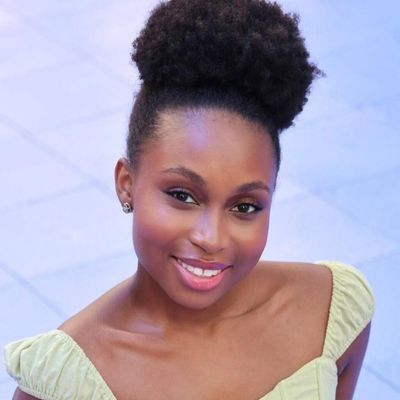
In the world of documentary, Jeffrey McHale’s It’s Dorothy! stands out as a vibrant celebration of identity and cultural legacy. Broadway star Nichelle Lewis (from the 2024 revival of The Wiz) speaks to the film’s powerful message of uplifting women, queer voices, and reimagining a beloved character through a modern, inclusive lens. “I think it’s more important than ever that each person feels that their voice is heard, that they are loved, that they are amazing, that they are talented and that they’re worthy, I think that's the most important right now and what is amazing about the film as well”, said Lewis.
The 2025 Tribeca Film Festival continues to serve as a beacon for bold storytelling and underrepresented voices. With highlights from The Furry Detectives: Unmasking A Monster (directed by Theo Love), Dear Ms.: A Revolution in Print (co directed by Salima Koroma, Alice Gu and Cecilia Aldarondo), and Esta Isla (This Island) (co-directed by Lorraine Jones and Cristian Carretero), this episode captures the creative pulse of the festival and the passion of artists committed to telling stories that matter. The festival runs until Sunday, June 15 and tickets are available online here!
Lastly, episode 131 of Survival Jobs, a Podcast is available now available with exclusive video here on Broadwayworld and audio version available on Broadway Podcast Network as well as popular platforms such as Apple Podcasts, Spotify, Audible etc. Follow @SurvivalJobsPod on Instagram and TikTok for behind-the-scenes clips, photos, and bonus content from Tribeca 2025.
Support Your Hosts:
- www.buymeacoffee.com/SurvivalJobsPod.
- Broadway World Article on our Season 3 Launch Party
- Follow Samantha: Instagram
- Follow Jason on Instagram | Twitter.
- Check out Jason's Official Website here
- Check out Samantha's official website here
- Check out and support The Bridgeport Film Fest
Support Our Guest:
- Tribeca Film Festival tickets are available online here
Important Links:
- Supporting Transgender People in Your Life...
- Support the citizens of Gaza
- Native Land Map
- Abortion Funds Website
- Plan C Pills Website
- National Write Your Congressman Link
- Where to Donate to Support Access to Abortions Right Now
Opening and Closing Theme Music: "One Love" by Beats by Danny
Transcript
This transcript was automatically generated and might contain errors.
[0:12] Jason A. Coombs: Hello survivors. This is Jason A. Coombs here on the red carpet for the New York City premiere of Twinless, written, directed, and starring James Sweeney.
[0:24] Jason A. Coombs: We're here at the Tribeca Film Festival. It's a rainy day, but it's a good day. We're super excited to talk to the stars, to the crew, and learn all about Twinless making its New York City premiere here at the Village East Angelica at the Tribeca Film Festival.
[0:39] Jason A. Coombs: Let's go get those stars. Thank you so much for joining us today. I'm so excited for you guys. Can you please just say your names? Because we are a podcast, so people won't see your beautiful faces.
[0:49] Dylan O'Brien: Oh, what the hell is this?
[0:50] James Sweeney: This is for social media.
[0:51] Dylan O'Brien: Oh my god.
[0:52] James Sweeney: Yeah.
[0:53] Dylan O'Brien: Uh I'm Dylan O'Brien.
[0:55] James Sweeney: James Sweeney.
[0:56] Jason A. Coombs: Yes. So we're here at the Twinless premiere, New York City premiere. How are you guys feeling?
[1:01] Dylan O'Brien: Pretty great.
[1:01] James Sweeney: Good.
[1:02] Dylan O'Brien: Yeah.
[1:02] James Sweeney: Yeah.
[1:03] Dylan O'Brien: Yeah.
[1:04] Jason A. Coombs: He's really tired. He flew in late last night and he's on West Coast time.
[1:08] Dylan O'Brien: And he is not a morning person.
[1:10] Jason A. Coombs: No?
[1:11] Dylan O'Brien: No.
[1:11] Jason A. Coombs: So he's tired.
[1:14] Dylan O'Brien: Um and I had to pee earlier.
[1:15] Jason A. Coombs: Yeah.
[1:16] Dylan O'Brien: Well hope you did that.
[1:17] Dylan O'Brien: Hey, I did.
[1:18] Jason A. Coombs: Good.
[1:19] Dylan O'Brien: Good, good.
[1:19] Jason A. Coombs: Can you talk about the collaboration between you two? I know James, you wrote, directed, and starred in this.
[1:24] James Sweeney: I did Dylan.
[1:25] Jason A. Coombs: Yeah. So how was that collaboration as co-star and also director and writer?
[1:30] James Sweeney: Uh whilst producing this was also Dylan's first time producing.
[1:32] Dylan O'Brien: Yeah, yeah.
[1:33] James Sweeney: Co-producers come through.
[1:34] Dylan O'Brien: Yeah.
[1:35] Jason A. Coombs: I love that for you guys.
[1:36] James Sweeney: Thanks.
[1:36] Dylan O'Brien: Yeah.
[1:36] Jason A. Coombs: How was that collaboration?
[1:38] James Sweeney: Great.
[1:40] Dylan O'Brien: Cool.
[1:41] James Sweeney: Twinning.
[1:43] Dylan O'Brien: Yeah, like you know, those things are nice.
[1:46] James Sweeney: Thank you.
[1:47] Dylan O'Brien: Yeah.
[1:48] Jason A. Coombs: Along the themes of the movies.
[1:51] James Sweeney: Right.
[1:53] James Sweeney: So in a way into the theme. Um our collaboration.
[1:57] James Sweeney: Well, yeah, really good, honestly. Effortless uh this was some effort.
[2:03] Dylan O'Brien: No doubt.
[2:04] James Sweeney: Uh that was the wrong word.
[2:07] James Sweeney: Effortful, but in a way that's you know, you don't really know what you're gonna get until you're just like on the ground doing it, you know.
[2:14] Dylan O'Brien: Right.
[2:15] James Sweeney: We had obviously certainly had a lot of conversations, uh, and it'd been, you know, uh I was attached with him to this project for many years before we got it off the ground.
[2:25] James Sweeney: So there was that preexisting relationship, but in terms of like getting to the production of it, uh yeah, that's a whole new bag, you know.
[2:31] Dylan O'Brien: So it is a bit of a dice roll and it was great.
[2:34] James Sweeney: Yeah, yeah.
[2:35] Jason A. Coombs: Cool.
[2:35] Jason A. Coombs: So thank you. So this movie's premiering here in New York City during Pride Month. Why is it so important for queer movies like this to be told in queer stories and queer filmmakers to have a platform to share their stories?
[2:49] James Sweeney: Hmm.
[2:49] James Sweeney: Uh yeah, how do you want to handle this film?
[2:52] Dylan O'Brien: Well, it's interesting because I obviously see the film as a queer film, but it's not um I don't think it's ostensibly so.
[3:00] Dylan O'Brien: I think it's very much just like in the fabric of the filmmaking through my voice and lens as a filmmaker.
[3:07] Dylan O'Brien: Uh but I think in some ways that's just uh the it normalizes it, you know.
[3:14] Dylan O'Brien: This is a character that I play, he happens to be gay, he happens to be one of the co-leads of the film, but it's not a coming out story.
[3:21] James Sweeney: It's correct.
[3:22] Dylan O'Brien: Uh it's it's uh I think seeing a character like mine in this kind of genre um hopefully it'll feel fresh.
[3:31] James Sweeney: Yeah.
[3:31] Jason A. Coombs: Awesome. Last question before I let you guys go. Our podcast is called Survival Jobs. Before you were premiering films all over the world, and before you hit big on Teen Wolf, did you guys have a survival job where you were up and coming artists trying to make it? Did you have survival jobs?
[3:44] Dylan O'Brien: No.
[3:45] James Sweeney: No.
[3:46] Dylan O'Brien: No, I have this one hilarious story where I was like an assistant for an hour and I got fired.
[3:51] Dylan O'Brien: After an hour.
[3:52] Dylan O'Brien: Yeah, I was 18.
[3:54] Dylan O'Brien: Uh I was rooming with a couple guys I like went to high school with.
[3:57] Dylan O'Brien: And they were pursuing music. I was like auditioning.
[3:59] Dylan O'Brien: We were all going to school.
[4:00] Dylan O'Brien: Um one of them had an assistant job.
[4:03] Dylan O'Brien: He asked me to cover for him one day.
[4:05] Dylan O'Brien: I was like, absolutely.
[4:06] Dylan O'Brien: Uh I was I was so terrible and overwhelmed in the first hour that I got let go, and the guy, the producer came out to me, was just like he handed me 40 bucks and he just went, you just take off, man.
[4:16] Jason A. Coombs: Oh.
[4:17] Dylan O'Brien: And I was home on my couch by 10 a.m.
[4:19] Dylan O'Brien: And yeah, that was that.
[4:21] Dylan O'Brien: That was it.
[4:22] Jason A. Coombs: We created indeed it.
[4:24] Dylan O'Brien: You clearly didn't need it.
[4:24] Jason A. Coombs: So $40 an hour.
[4:26] Dylan O'Brien: Yes.
[4:26] Jason A. Coombs: Hey, that's pretty good.
[4:27] Dylan O'Brien: That's what I'm cool.
[4:28] Jason A. Coombs: Awesome. How about you, James?
[4:30] James Sweeney: Uh, I've had a few.
[4:31] James Sweeney: I was a telemarketer.
[4:33] James Sweeney: I worked in casting as an assistant.
[4:36] James Sweeney: That's what was a personal assistant.
[4:38] James Sweeney: I taught a speech class in Arcadia to Asian children.
[4:40] Dylan O'Brien: Oh my gosh, yes.
[4:42] Jason A. Coombs: That one I didn't know about.
[4:44] James Sweeney: No, it's so exciting.
[4:45] Jason A. Coombs: Well, thank you both for spending time with me today on Survival Jobs.
[4:48] Jason A. Coombs: And yeah, enjoy the New York City premiere of Twinless.
[4:50] Dylan O'Brien: Thank you, Kim.
[4:51] James Sweeney: Yeah, I hope I get to see it.
[4:52] Jason A. Coombs: Thank you.
[4:53] Dylan O'Brien: You're not gonna be in there?
[4:54] Jason A. Coombs: I don't think so.
[4:55] Jason A. Coombs: I don't think I'm that cool.
[4:57] Dylan O'Brien: Alright, yeah, thank you.
[4:58] Jason A. Coombs: Thank you guys.
[4:58] Jason A. Coombs: I appreciate it.
[4:59] Dylan O'Brien: Good meeting you.
[5:00] James Sweeney: Cheers, yeah.
[5:00] Dylan O'Brien: Great to meet you.
[5:01] Jason A. Coombs: Thank you, James.
[5:01] James Sweeney: Thank you.
[5:02] Jason A. Coombs: I love this.
[5:02] Jason A. Coombs: I love this.
[5:03] Jason A. Coombs: Thank you.
[5:06] Jason A. Coombs: Alright, y'all. That's a wrap on the Twinless opening red carpet for the New York City premiere here at Tribeca.
[5:12] Jason A. Coombs: Get your tickets, ASAP, support independent filmmakers.
[5:15] Jason A. Coombs: Thank you, Tribeca, for having Survival Jobs a podcast.
[5:18] Jason A. Coombs: Enjoy, y'all. There's lots of films to see over the next couple of weeks.
[5:26] Jason A. Coombs: Alright, everybody. This is Jason A. Coombs with Survival Jobs the Podcast.
[5:30] Jason A. Coombs: And I'm here on the Tribeca Red Carpet for the world premiere of It's Dorothy, directed by Jeffrey McHale.
[5:38] Jason A. Coombs: World premiere in New York City. It's so exciting.
[5:41] Jason A. Coombs: We're here at the East Village Angelica Theater, and we're on this red carpet.
[5:47] Jason A. Coombs: We're gonna be talking with the stars of the film and the director and the crew.
[5:51] Jason A. Coombs: It's an awesome time. The rain has stopped.
[5:55] Jason A. Coombs: So here we go, y'all. Here we go. Like I said, my name is Jason.
[5:58] Jason A. Coombs: I co-host Survival Jobs a podcast.
[6:00] Jason A. Coombs: Which might introduce to yourself because we are a podcast, they can't see your beautiful face.
[6:04] Nichelle Lewis: Okay, so my name is Nichelle Lewis.
[6:07] Nichelle Lewis: Um I played Dorothy on Broadway.
[6:09] Jason A. Coombs: Yes, yes, you did.
[6:10] Nichelle Lewis: I saw it.
[6:11] Jason A. Coombs: I was living my best life.
[6:12] Nichelle Lewis: Oh my gosh, you did.
[6:14] Nichelle Lewis: Me and my co-host saw it.
[6:15] Nichelle Lewis: We were loving it.
[6:16] Nichelle Lewis: It was black joy all the time.
[6:18] Nichelle Lewis: Like it was just everyone was living.
[6:20] Nichelle Lewis: It was so much fun.
[6:21] Nichelle Lewis: Like I really did have so much fun.
[6:23] Nichelle Lewis: All of us were so close, and we still are.
[6:25] Nichelle Lewis: Like I talked to Avery every day.
[6:26] Jason A. Coombs: Yes, Avery was on our podcast.
[6:28] Nichelle Lewis: He was, he killed it.
[6:29] Jason A. Coombs: Yeah, yeah.
[6:30] Nichelle Lewis: Sure, he was.
[6:32] Jason A. Coombs: So this is Pride Month, right?
[6:34] Nichelle Lewis: And also it's Black Music History Month.
[6:36] Nichelle Lewis: This film represents underrepresented voices so well and uplifts Black women, queer people.
[6:40] Jason A. Coombs: Why is that so important during this time, especially with all the madness happening in our world?
[6:46] Nichelle Lewis: I mean, I think we all know why it's important at this time.
[6:49] Nichelle Lewis: We need to get somebody out of office.
[6:51] Nichelle Lewis: But facts on facts.
[6:53] Nichelle Lewis: Mic drop.
[6:54] Jason A. Coombs: Okay.
[6:55] Nichelle Lewis: But what I will say is I think we all need a little hug right now.
[6:59] Nichelle Lewis: There's just so much happening.
[7:01] Nichelle Lewis: And I think it's more important than ever that each person feels that their voice is heard, that they are loved, that they are amazing, that they are talented, and that they're worthy.
[7:10] Nichelle Lewis: I think that's the most important thing right now.
[7:12] Nichelle Lewis: And that's what's amazing about the film as well.
[7:14] Nichelle Lewis: I can't wait to see it.
[7:15] Jason A. Coombs: Congratulations. It's the world premiere on the red carpet at the Tribeca Film Festival.
[7:20] Jason A. Coombs: How does that feel for you?
[7:21] Nichelle Lewis: I mean, you're so kidding.
[7:22] Nichelle Lewis: I love it.
[7:22] Nichelle Lewis: I mean, it's my first time ever.
[7:24] Nichelle Lewis: I'm just so excited and beyond like proud and happy, and just like seeing also all the other Dorothys as well.
[7:31] Nichelle Lewis: Like, I don't know.
[7:32] Nichelle Lewis: We talked about it the other day and how like we all have a sister bond, and it's just it's amazing.
[7:37] Jason A. Coombs: I love it so much.
[7:39] Jason A. Coombs: You should be so proud.
[7:40] Jason A. Coombs: I'm so excited for you.
[7:41] Jason A. Coombs: I have two more quick questions before I let you go live it up on the red carpet.
[7:44] Jason A. Coombs: Uh, can you describe Dorothy in three words?
[7:48] Nichelle Lewis: Yes, powerful, iconic, and let's see trendsetter.
[7:56] Jason A. Coombs: Trendsetter.
[7:57] Nichelle Lewis: That blue dress, those Ruby, those Ruby Reds.
[7:59] Jason A. Coombs: Right.
[8:00] Nichelle Lewis: Ruby Reds, slippers, okay.
[8:03] Jason A. Coombs: Like I said earlier, it is Black Music History Month.
[8:05] Jason A. Coombs: You famously played Dorothy in The Wiz.
[8:08] Nichelle Lewis: We stand, of course.
[8:09] Jason A. Coombs: But if there's another musician living or from the past that you would love to see portray a former Dorothy if you were a casting agent, I know it's a tough question.
[8:18] Nichelle Lewis: Beyonce.
[8:19] Jason A. Coombs: Oh come on, come on, Queen.
[8:22] Nichelle Lewis: Immediately, Beyonce.
[8:23] Jason A. Coombs: Right, right, right.
[8:25] Jason A. Coombs: And then our podcast is called Survival Jobs before you got on Broadway, before you got on the Tribeca Red Carpet.
[8:30] Jason A. Coombs: Is there a survival job you had in your past that you would love to share a memorable one?
[8:34] Nichelle Lewis: Of course there was.
[8:35] Nichelle Lewis: I had about five at one point.
[8:37] Nichelle Lewis: I worked at Crate and Barrel.
[8:39] Nichelle Lewis: I was um the receptionist at the restaurant.
[8:42] Nichelle Lewis: Right.
[8:42] Nichelle Lewis: I was um I worked at like um I did a wedding singing job.
[8:49] Nichelle Lewis: I did literally everything I could just to stay afloat.
[8:52] Nichelle Lewis: So if I can do it, you can do it too, okay.
[8:54] Jason A. Coombs: Hear that.
[8:54] Jason A. Coombs: It's heard from one of the Dorothys.
[8:56] Jason A. Coombs: If she could do it, then you could do it.
[8:58] Nichelle Lewis: Yes.
[8:58] Jason A. Coombs: Thank you so much for being here.
[8:59] Nichelle Lewis: Thanks for chatting with me and have an amazing time.
[9:01] Nichelle Lewis: Enjoy the film.
[9:02] Nichelle Lewis: Can I have you?
[9:03] Jason A. Coombs: Of course.
[9:03] Nichelle Lewis: Can I?
[9:04] Nichelle Lewis: Oh, yes.
[9:04] Nichelle Lewis: Thank you.
[9:05] Shanice Shantay: Hi, it's Shanice Shantay.
[9:07] Shanice Shantay: Yes, thank you so much for being here and talking to Survival Jobs a podcast.
[9:10] Shanice Shantay: This is the world premiere of this film.
[9:12] Shanice Shantay: How are you feeling today?
[9:13] Shanice Shantay: I'm excited because I remember the day I met Jeffrey, and he said, Hey, I've got a doc coming up that I'm working on.
[9:19] Shanice Shantay: And now we're here and it's premiering at Tribeca.
[9:22] Shanice Shantay: And I'm so excited.
[9:23] Jason A. Coombs: It's so exciting.
[9:25] Jason A. Coombs: So it's Pride Month.
[9:26] Jason A. Coombs: This is Black Music History Month.
[9:28] Shanice Shantay: Yes, yes.
[9:29] Shanice Shantay: Why is this film that centers underrepresented voices?
[9:32] Shanice Shantay: Black women, queer folks.
[9:34] Shanice Shantay: Why is it so important at this time?
[9:35] Shanice Shantay: Because you know what Judy meant to those communities.
[9:38] Shanice Shantay: Right.
[9:39] Shanice Shantay: She was everything.
[9:40] Shanice Shantay: She was like a mama for those communities.
[9:42] Shanice Shantay: And that's where Dorothy all started.
[9:44] Shanice Shantay: So in celebrating that, we're celebrating her.
[9:47] Shanice Shantay: And this is the perfect time for this to be premiering.
[9:50] Jason A. Coombs: Yeah, especially when the world is a little bit crazy right now, right?
[9:54] Shanice Shantay: I mean, I feel like it's always kooky, but there are major times when it's real kooky.
[9:58] Jason A. Coombs: Yeah, yeah.
[9:59] Shanice Shantay: We're living through the part of life.
[10:01] Shanice Shantay: It is a part of life.
[10:02] Jason A. Coombs: Thank you for being here.
[10:03] Shanice Shantay: Thank you for saying that.
[10:04] Jason A. Coombs: So I have a fun question for you.
[10:06] Shanice Shantay: Okay, I like that.
[10:07] Jason A. Coombs: Yes.
[10:07] Jason A. Coombs: So it's like I said, it's Black Music History Month.
[10:10] Jason A. Coombs: Is there an artist, a black woman in history, current or past, that you would want to see play Dorothy?
[10:15] Jason A. Coombs: If you could choose, if you could cast.
[10:17] Shanice Shantay: Oh gosh, I interviewed Audra McDonald at Lincoln Center, and she said singing The Wiz was one of the things she used to do when she was a little girl.
[10:25] Shanice Shantay: Uh she said she would sing in, I believe, in her bedroom closet.
[10:29] Shanice Shantay: And I know Dorothy is we all know her age, right?
[10:33] Shanice Shantay: But Diana Ross played Dorothy and stepped out the box.
[10:35] Shanice Shantay: Right.
[10:36] Shanice Shantay: I wanna see Audra McDonald play Dorothy.
[10:40] Shanice Shantay: And here's to just sprinkling a little hope that she wins the Tony.
[10:43] Jason A. Coombs: Oh my gosh, yes, it is Tony Week tomorrow.
[10:45] Shanice Shantay: Yeah.
[10:46] Shanice Shantay: Record breaking.
[10:46] Shanice Shantay: She's already iconic.
[10:48] Jason A. Coombs: Iconic.
[10:49] Shanice Shantay: Maybe I want to see her do it in concert.
[10:50] Shanice Shantay: How about that?
[10:51] Jason A. Coombs: That's right.
[10:52] Jason A. Coombs: Can you imagine her singing Home?
[10:53] Shanice Shantay: I could.
[10:55] Shanice Shantay: I feel chills already.
[10:56] Jason A. Coombs: Right, right.
[10:57] Jason A. Coombs: I just saw her last night at Gypsy and it took my breath away.
[11:00] Shanice Shantay: Iconic.
[11:01] Shanice Shantay: Like she is such a revelation.
[11:03] Shanice Shantay: Like if I got a Tony vote, it would be for her.
[11:05] Shanice Shantay: It would be for Audra all day every day.
[11:07] Jason A. Coombs: Personally, Audra every day.
[11:08] Shanice Shantay: We are Audra Stans here.
[11:10] Jason A. Coombs: Last question before you go you have other people to talk to.
[11:12] Jason A. Coombs: Survival Jobs is our podcast.
[11:14] Jason A. Coombs: Did you have a survival job where you were on the up and up before you became on the red carpet here at Tribeca?
[11:19] Shanice Shantay: You know what's crazy?
[11:20] Shanice Shantay: I never had a nine to five for most of my life.
[11:24] Shanice Shantay: But acting is a roller coaster job.
[11:26] Shanice Shantay: And at one point, I worked at an animal shelter.
[11:29] Jason A. Coombs: Really?
[11:29] Shanice Shantay: So I'll say the smell.
[11:31] Shanice Shantay: Oh gosh.
[11:32] Shanice Shantay: The amount of animals that was in there.
[11:34] Shanice Shantay: Right.
[11:34] Shanice Shantay: And um how overstimulated I was, that would make it a survival job.
[11:39] Shanice Shantay: So yeah, yes.
[11:40] Jason A. Coombs: Right.
[11:40] Jason A. Coombs: Well, thank you so much for being here.
[11:42] Shanice Shantay: Have fun at the world premiere.
[11:43] Shanice Shantay: Congratulations.
[11:44] Jason A. Coombs: Thank you so much.
[11:45] Shanice Shantay: Of course, you look amazing too.
[11:46] Jason A. Coombs: Thank you.
[11:47] Shanice Shantay: It was great talking to you.
[11:48] Jason A. Coombs: Thank you.
[11:48] Shanice Shantay: I'll see you soon.
[11:50] Jason A. Coombs: I'm Jason A. Coombs, and I am with Survival Jobs a podcast.
[11:53] Jason A. Coombs: It is a podcast about artists who are like, you know, working survival jobs to get to where they are to Tribeca.
[11:59] Jason A. Coombs: Would you want to share a survival job from your past, maybe?
[12:02] Unknown speaker: I would love to share a survival job, but actually something that I'm still really passionate about, and I still do, even though we are here at Tribeca.
[12:09] Unknown speaker: Um and I work with gender affirming um voice.
[12:13] Unknown speaker: Right.
[12:13] Unknown speaker: Um, and we serve everybody across the world, and we do speech language pathology and voice classes, and it's something really close to my heart, something really passionate about.
[12:23] Unknown speaker: And again, something that I think um The Wizard of Oz and Dorothy, it really extends that message too.
[12:28] Jason A. Coombs: And so important.
[12:30] Unknown speaker: Yes, oh my gosh.
[12:31] Unknown speaker: Yeah, and your voice, the way you express yourself, the way you communicate um with the world and share yourself, you know, it's literally what we're doing here with the film.
[12:40] Unknown speaker: Um so from ordering your coffee all the way to being here on the red carpet with you at Tribeca, yeah, the way we express ourselves is so important to me.
[12:47] Unknown speaker: And so, yes, it's my survival job, but it's also a huge passion, and I wouldn't change it for the world.
[12:53] Jason A. Coombs: I love that, especially it's like Pride Month, right? So we're celebrating Pride Month.
[12:57] Jason A. Coombs: This film uplifts underrepresented voices.
[13:00] Jason A. Coombs: Why do you think this film is so important during this time?
[13:02] Unknown speaker: So I think this film is so important because to me, Dorothy is inclusion.
[13:08] Unknown speaker: She approaches every challenge with curiosity, an open mind, an open heart, and along her way, includes everybody on that search for home.
[13:17] Unknown speaker: And I think the search for home, a place to belong, is gonna be different for all of us.
[13:21] Unknown speaker: That means something you know very unique, and so I think it's a really really powerful message for this time during Pride Month during this time in the world where you know we want to come together and include all communities and all people.
[13:35] Nichelle Lewis: There's such an attack on like inclusivity, which is insane to me. So I'm happy, I'm excited. I haven't seen the film yet. I'm going tomorrow. Oh wait, yeah, I wanted to visit the world premiere. How exciting is that for you? I know, I know. I wanted to say that because this is such a special night. I've dreamed of going to Tribeca for a long time. So I love that for you. Thanks. It is also Black Music Month. Is there a black musician from past or present that you would love to see take on a Dorothy role? If you could choose, if you were casting. Oh my gosh, if I was casting. Well, of course, because my brain immediately goes to Diana Ross. Because like if I could have witnessed that live, right?
That would be incredible. And we have amazing Dorothys here as well. So I think yeah, to see Diana Ross live during this. I mean, iconic. I literally iconic. We would love to see it. I know I'm not casting that originally, but I'm about to say, like, yes. Well, you're casting a reimagining of the boss. I'm sorry, of the boss. Right. I love that. Last question for you. Um can you say what Dorothy represents to you in three words? Yes. Kindness, inclusion, curiosity. Amazing. Thank you so much for being here. Have fun tonight. Enjoy. Yes, you're gonna have a blast. Oh, I can't wait. Thanks for the time. Of course. Thank you so much.
[14:45] Jeffrey McHale: So can you please say your name? Because everyone can't see your beautiful face because we're a podcast. Okay. Uh for the podcast listeners. My name is Jeffrey McHale, and I'm the director of It's Dorothy. You are the director of this amazing groundbreaking film that's premiering at Tribeca, the world premiere. Yes. And you seem like you're holding it together really well. Yeah, uh on the outside. Yeah, yeah, yeah. No, but it's uh the last few weeks have been a roll and just kind of getting getting it ready and getting it here. Right. You know, I'm also the editor too. So you edit your own film? Yeah, yeah, yeah. Yeah, I don't recommend it. I constantly I I like to make the joke like you know, my director and argue with my editor, my editor would argue with my director. Yeah, yeah, yeah.
[15:23] Jeffrey McHale: So it's Pride Month, right? We're celebrating Pride Month. It's also Black Music History Month. Yeah. You'll have to celebrate your film uplifts, underrepresented voices, right? Why is that so important during this time when we're living through so much craziness to say the least? Of course. I think it's just about like the way that we connect with each other and the way that we and the art that we put out, you know, it's obviously Judy Garland looms large in our culture looms large large in queer culture. You know, she's a you know, kind of the OG uh gay icon. Right. Um, but I wanted to celebrate Dorothy, like the Dorothy Beyond Judy. And and and uh because that was like you know, when you step into those worlds, Judy's always I like to say she's always in the she was always in the room with us somewhere, you know.
[16:06] Jeffrey McHale: Yeah, and so like there was a period where she knows she got a little bit further away, kind of brought her brought her back closer. Yes, but you know, and she means a lot to everybody who is in the world. Yes, of course. So yeah. Oh, I love that. So I know you directed this film, but if you were to direct maybe a narrative film about Dorothy or like an or TV show or a cartoon, yeah. Who would you want to play Dorothy that's like a black artist? It is black music month. Oh my gosh. I know it's a hard question. Living or dead. Oh my god, no, you're like you're making me wider. Um is this original music? Are we doing like the whiff? Oh, it's your sure interpretation. I'll give you. Okay, so I always think this is uh I don't know if this is a cop out, but because I always think uh Dorothy should be an introduction.
Yes. I so I think a young up and coming artist that we don't know yet, because like that was one thing I loved about connecting with Shanice Williams. Oh my god, that was her introduction to the world, and she has all those promos that says introducing, yeah.
[17:04] Jeffrey McHale: I don't think I I don't wouldn't have a name for you. I love that though. It's important to give people opportunity and uplift people. I love that you do that as well. You look amazing, by the way. You have so flowers? Yeah, I know we got the flowers on the point. Last question, I'm gonna let you go. Of course. But our podcast is called Survival Jobs, so I have to ask you this before you became a director, yeah, having a premiere on on Tribeca Red Carpet. Did you have a survival job while you were up and coming artists? Uh I mean I'm still surviving job. Okay, yeah, I'm gonna do it. You want to share with it? I'm uh so I'm a television editor of my day. Yeah, yeah. So like, you know, I'm still still very much like working, working from home.
Uh I have a family, my husband, we have an eight-year old son. So, you know, it's kind of like juggling the, you know, I love you. It's like when you're working from home, it's like it's it's great because you're close. Right, you're right, right. But then you're also very accessible to everybody else. Everybody wants something, right? They need you. So you know, it's so much in our industry has changed over the last couple of years, and I know that me and other creatives, it's it's impossible not to ask yourselves if not this, then what else? Right. What else is out there that I could do? Right. Um, but you know, you just gotta keep keep working, and you know, we're all trying to figure it out. You know exactly. Well, you're figuring something out because you're here at Tribeca Film Festival.
[18:13] Jason A. Coombs: Well, thank you. World premiere. Yeah, thank you. Last question for you, go. You're so welcome. Three words to describe Dorothy. Three words that describe Dorothy that you that you want to give out to us. Okay, so this is a little bit of a cop out because I asked everybody at the end of my interviews. Dorothy is an ask them bar. So I'm gonna use some of the words, yes. I got iconic, but she is iconic. Yes, uh Ruby Reds. Dorothy is love, and Dorothy is um inspiring. She really is. Yes, yeah, thank you. Yeah, uh, have a great time today. And uh bask in it. Yeah, yeah, you deserve it. Thank you so much. You can get to keep this.
[18:49] Jason A. Coombs: Oh, I wish. All right, y'all. That was the red carpet for It's Dorothy. Go get your tickets, ASAP, go see this wonderful documentary, support independent filmmakers, get your tickets, get your tickets, get your tickets. Thank you, Tribeca. We're here at the Tribeca Film Festival at the world premiere of the film West Hampton. We're here at East Village Angelica on the red carpet. We're seeing all the stars, we're talking to the casting crew. Come on along with me. We're at Tribeca. We're all Tribeca Film Festival. I'm gonna have you first introduce yourself because they can't see your beautiful face on our podcast.
[19:27] Finn Wittrock: Okay. Oh, oh uh, hello, I am Finn Wittrock. Yes, and we're here at the World Premier West Hampton in New York City Hebecca. Yes, we are. How are you feeling? You look pretty calm and collected. Do I? Yeah. How are you feeling? It's all it's all an act. Yeah, yeah. I'm giddy as a little kid right now. Oh, I love that for you. Congratulations. Thank you. So this film kind of uplifts artists in a way because your character is a filmmaker from my own. I haven't seen it yet. Yes. So your characters are a filmmaker, right? And also you have someone who's differently abled in this story as well. Why is this story so important in 2025 when we see there's been an attack on the arts? You see that people who are different are kind of being attacked. Not to get too political, but why is this story important now?
[20:06] Finn Wittrock: I think it was really important to kind of um have a have a spectrum of people of uh people with different abilities and not um uh not treat them as a victim or as uh something that needs to be saved, you know that they um Roxanne who plays Beth. Um my character kind of thinks that he needs to go back and sort of rescue her, or yeah, she needs something from him to move on, and actually she's way more put together than he is. Yeah, yeah, yeah. Emotional disaster, and she's like kind of got it all figured out, right? Um so I think it kind of turns the notion of disability on its head in a way, yeah. Um and sort of humanizes everybody. Right, right. Is that why what you usually describe when you got it? It was one of the things for sure, yes. I also love that it was a very kind of small, quiet story in one place. Right. Um, which is West Hampton, which is where Christian's actually from.
[21:05] Finn Wittrock: Yeah. A lot of kind of um uh meta stuff because we were filming in Christian's actual hometown, and the movie is about a filmmaker making a movie about his hometown. So it's kind of meta. It's pretty meta on top of meta. Right, right. Like two levels, two levels. I was happy to kind of dive into that. Right, right. Metaverse. Yeah. I love that for you. Yeah, thank you. And uh, why is it important for like independent films like this to also get spotlight and get made? Where not just a big, you know, we love the big tent pole movies and whatnot, but these stories are important as well. It's just so um validating to have a movie that was made for I say a shoestring budget, and that's like really not exaggerating. It was really next to nothing.
[21:46] Finn Wittrock: Yeah, yeah, yeah. Christian, our director, was also steaming clothes uh after set and ran. One of the producers was also driving people to and from the airport and going in and catering. I mean, it was just all hands on deck all the time. Um, but because of that, because it like there was like a bit of struggle and pain involved, and we all were in it together, right? The fact that it comes here is so uh it's just so satisfying. It's like your work paid off. It wasn't a it was not a sure thing by any means, you know. Whereas a bigger film, you'd be like, oh yeah, we'll get to Tribeca uh yeah, yeah, of course. And you detect over here is like we're here. It's it's uh it's such an honor, I'm sure, like to be here to the world premiere in New York City, the greatest city in the world, in my opinion.
[22:34] Jason A. Coombs: Absolutely. Yeah, it's not even an opinion. Right, right, it's a fact. Last question, I know you have a lot of people to talk to, a lot of stuff they didn't see your movie. Our podcast is survival jobs before you know half the career you have, American Horror Story, Here at Tribeca. Did you have a survival job when you're an up and coming actor? Just um just after Julia and I worked at Fred's on 84th in Columbus. It's a restaurant that has dogs on the wall, a bunch of dogs. Oh, yes, yes, yes, yes. Were you a server? I was a waiter, yeah. How'd that go? For a while. Uh I was good at talking to people. Yeah, yeah. I don't know if I ever got uh always got their orders right. Right. But uh I don't know. I was a I was a C plus waiter. You didn't drop anything on anybody, right? I didn't drop Okay, okay, that's good.
[23:20] Finn Wittrock: I definitely misplaced drinks and gave them to like underage people. Uh that was an obvious mistake. Right, right. Well, thank you so much for being here. It's such an honor to chat with you. Congratulations. Thank you so much. Of course.
[23:32] Jason A. Coombs: My name is Jason, and I have a podcast called Survival Jobs. Survival jobs. Yeah, we interview artists we admire about their journey from working in Gig Works to getting in the Tribeca red carpet. Yeah. Do you want to say your name because they can't see your beautiful face on our podcast?
[23:47] Amy Forsyth: Oh, of course. My name is Amy Forsyth. Yes. And you're here. Hey, and I'm here at Tribeca with our film West Hampton. Yes. How do you feel to be premiering in New York City? I feel amazing. I love Tribeca so much. I've only been here once before, and it was sort of right after the pandemic. And so everything was virtual. It was a little bit. It wasn't virtual. It was in person, but it was still outside, and they were still sort of adjusting. So this is the first year that I've been back when the festival's been back in full force. So yeah, I'm thrilled to be back. I love it here. I live here. I love it here.
[24:19] Jason A. Coombs: Yes, that's so cool. And this this story uplifts people that are differently abled, right? It's about artistry. Why is this film important during this time when there's attack on the arts? There's attack on the difference. For sure. Well, I think so much of this film is also about sort of facing your past and the parts of yourself that maybe you aren't the most confident in or aren't the most proud of. And human beings are complicated, and they're, you know, sometimes we yeah, we have things that we're not proud of. And this this film is about sort of going back to your hometown and going back to your roots.
[24:53] Amy Forsyth: And I think that I think with like COVID and everything, too. You know, there's sort of something we all realize the importance of that of going back to your roots, of going back to the people that you that you love and looking inward at the parts of yourself that you that you do love, or the things that you want to change about yourself, and so yeah.
[25:12] Jason A. Coombs: I love that. Yeah. Well, what do you hope audiences take away after seeing it at the at the festival here or when it goes on theaters later on this year? Yeah. Um what do I hope they take away? I mean, I guess just maybe taking some time to look inward and to reflect and um yeah.
[25:34] Amy Forsyth: Yeah. I love that. Well, thank you for being here. Of course. Uh last question, I know you have other people talks here. What was it like collaborating with your director? Like bringing this role to life. Yeah. It was amazing. Christian is so kind and so wonderful, and you know, he's the reason I I joined the project. We just met for coffee, and um, he had such a calming presence, and even on set, it was I mean, indie filmmaking is crazy and it's chaotic and shit goes wrong, and you know, but he was just such a such a quiet but confident leader, and so um yeah, he made it super easy.
[26:09] Jason A. Coombs: You need that in a leader, right? Yeah, you do get to try Becca. Yeah, exactly. And here we are, all thanks to him. No, he's brilliant. Thank you so much for being here. Thank you for having me. Enjoy your opening night. Thank you so much.
[26:20] RJ Mitte: Hi, I'm RJ Mitte. I'm here at the uh West Hampton premiere at Tribeca. Yeah, how do you feel it's a world premiere? It's a world premiere. Yeah, uh that's a world premiere, man. I'm very grateful to have such a great team. Like, like in this movie, like we we got some of the best actors and the most down-to-earth people, and we had a great crew that that really was all hands on deck.
[26:43] Jason A. Coombs: Right. And I'm very honored, and you know, it's been a great year, and it's only going to get better. It's only gonna get better. Congratulations. This film kind of, you know, it's about an artist, a filmmaker. Yeah. Why is that so important during this time where the arts are so under attack, I feel like.
[26:58] RJ Mitte: Well, I you know, I think there's a number of capacities, you know. Art throughout history has always had these moments, and you know, of uh of finite art, and then the art has grown beyond that, and then the art be grows beyond control, and then people try to control it.
[27:12] Dylan O'Brien: Yeah, yeah. Um, but I do find though, like right now we're in the a very new blossom of art where we're stepping away, I think, from the mass show media projection that we've had in like over the past few years. And I really think that people are trying to finite movies and shows that make a difference and have an impact and have not just a fabricated story, but a basis of truth. A human story, the human story. I know you gotta go in, so I'm actually wanting to bring the one quite question. Our podcast is Survival Jobs. Did you have a survival job before you became a working successful actor with a movie premiering at Tribeca Film Festival? I try to survive jobs every day, man. Come on now. No, I did.
So my family, I grew up, um, my grandfather had like trim boats and like fishing boats and camps, and one time my family had a farm and the other side had a ranch. So I grew up working. You were working, man. If you can walk, you can work. Yeah, yeah. Well, enroll however you want to get there, you know. You know, but you know what I mean.
[28:14] Jason A. Coombs: Yeah, of course. Well, thank you for being here. Congratulations again and enjoy enjoying your movement to big screen.
[28:19] Dylan O'Brien: Thank you. Thank you so much. Good meeting you have a great rest of the day.
[28:22] Christian Nilsson: Thank you. Thank you for doing. Yeah, my name is Christian Nilsson, and I am the writer, director, and one of the producers on the future film West Hampton premiering today at Tribeca Film Festival. This is a world premiere.
[28:31] Jason A. Coombs: Yeah. You look pretty calm.
[28:33] Christian Nilsson: I feel like I'd be freaking out. Honestly, I love this story. I love this film. Um playing it for other people is not the stress for me. Like, I feel like this is the first time in the last few weeks where I feel like, oh, I'm actually the work has already been done for this, and so now I just get to sit back and watch this with an audience and kind of release it into the world and kind of hand it off in some ways.
[29:00] Jason A. Coombs: Right, right. So I guess yeah, we're about to see it for the first time. What do you hope audiences take away? Do you have like a feeling or emotion or uh yeah, it's it's a hard one to answer. Um, I hope that they give it their patience. Uh it's a slower film, it's a nuanced story. It I don't think it unfolds in the most conventional way.
[29:21] Christian Nilsson: Right. Um, but uh yeah, I hope that they just they they they just are uh willing to sit with it. And uh I would say honestly I would say beyond that, whatever their uh relationship with it is really it's really up to them. I know what it is for me, I know what it is for for this team, and then for all these people that care about it. Um but yeah, uh you also you make films for for other people to experience, right?
[29:43] Jason A. Coombs: Yeah, and so uh I'm excited to see what uh what that read is.
[29:47] Christian Nilsson: Right, right. This might be a weird question, but go with me. We're living in this time where you know the arts are under attack, people who are differently able or differently bodied or whatever are being attacked by our government. And this film kind of centers an artist, a filmmaker, right? And it has a woman that's definitely able in the cast. Why is this story important now in 2025 in the world we're living in?
[30:08] Christian Nilsson: That's it's it's such an incredible story. Uh or sorry, it's an incredible question. Thank you. Uh yeah, I mean, it's it's it's unfortunate what we're seeing as far as like there's so many uh artists and organizations that are losing grants and losing funding, uh including a number of organizations that were pivotal in us being able to tell this story. Um I think art is something that really surpasses politics.
[30:34] Christian Nilsson: And um I think it's important to in especially in moments like this, right uh focus on individuals that are overcoming insurmountable odds. And while this is again like a very nuanced story, and like in a lot of ways, a small story, uh, I do think it is um it really speaks to that and speaks to the moment.
[30:54] Jason A. Coombs: Well, thank you for sharing. Last question before you go. I know you have a big movie does the screen. Did you have a survival job before you became you know a director, a big time director of a movie at Tribeca?
[31:04] Christian Nilsson: Uh survival job. Um I mean, I would say that I I've always had the survival job. Yeah, um, I've I've been lucky to uh be a creative director at different uh news organizations. Uh and so like I recently was at uh The Atlantic and uh currently at uh at Bloomberg, which allows me to, in a lot of ways uh always be experimenting with uh the type of work that I'm doing.
[31:27] Christian Nilsson: Uh also like I get to meet and work with a lot of really exciting people, uh always like sharpening uh the the the knife, I guess, in some ways. But I do think, especially right now, talking about how difficult it is to do art, I do think it's important to find the ways that it can enable you to continue doing that, because I think for so much, so much of us and so many of the people that even on this red carpet, uh, it's kind of a waiting game of like your your your moments will happen eventually, and just being ready and being able to make sure you're around for it.
[31:55] Jason A. Coombs: Right, right. Well, congratulations. I'm so excited for you. I hope audiences love it as much as you love it.
[32:00] Christian Nilsson: Thank you, thank you. I appreciate it.
[32:01] Jason A. Coombs: Thank you for seeing you.
[32:03] Roxanne Skiberga: Oh, thank you. I love your outfit too.
[32:05] Jason A. Coombs: Thank you, thank you. And would you mind first saying your name because people can't see your beautiful face, could be our podcast?
[32:10] Roxanne Skiberga: My name is Roxanne Skiberga.
[32:12] Jason A. Coombs: Yes, and you are an actress in the film.
[32:14] Roxanne Skiberga: I am an actress. This is the world premiere of West Hampton, Heritage Becca in New York City.
[32:18] Jason A. Coombs: Yes. How do you feel?
[32:20] Roxanne Skiberga: Um, I'm very excited. It's all been very surreal. It's been a crazy day. Um it's it's very cool. It's very, very cool. And the sun came out, is that it was raining all day, and now for you guys. We were like worried about her outfits and make a few. Right here, and now here we are. You look amazing, by the way.
[32:38] Jason A. Coombs: Yes, we do have social media, so people will see your outfit.
[32:41] Roxanne Skiberga: Oh, yay. So this film kind of shines a light on people who are differently abled, kind of shines a light on artists. This is such a crazy time we're living in in this world where there's attack on people who are differently abled, right? There's an attack on people who are artists on the arts in general. Why is this film so important during this time, in your opinion?
[32:58] Roxanne Skiberga: Um I think, okay, so I think the character has nothing, her disability has nothing to do with who she is. Right. She's a hundred percent who she is. Right. And I feel like I haven't met her before. Yeah. Her disability occurred. Um, but I feel like she would be the exact same person.
[33:17] Roxanne Skiberga: Right. And that's that's so amazing. She is her without her disability. I love that.
[33:22] Jason A. Coombs: What do you say to the script? Is that why you do you're like, I gotta be part of this project?
[33:26] Roxanne Skiberga: Yeah, it wasn't, it had nothing to do with whether she's in a wheelchair or not. Everything to do with who she is as a person.
[33:32] Jason A. Coombs: Oh, that's so important. I hope we get more stories like that, right?
[33:35] Roxanne Skiberga: I know. I know. It's 2025. I know. We don't need to point things out anymore. We can just be.
[33:39] Jason A. Coombs: You can just I love that. You can just be.
[33:42] Roxanne Skiberga: Yeah. Okay. Uh our podcast is called Survival Jobs. So did you have a survival job while you're you know up and coming actor before you were on the red carpet of Tribeca?
[33:52] Roxanne Skiberga: I was just talking about um that with Amy. Right. Amy used to be an EMT.
[33:56] Jason A. Coombs: Okay, oh that's your career.
[34:02] Roxanne Skiberga: Yes, I know. Right. It's really cool. I'm looking at a career in law, just being like a paralegal or something like that.
[34:08] Jason A. Coombs: Right, right.
[34:09] Roxanne Skiberga: Yeah.
[34:09] Jason A. Coombs: That's amazing.
[34:10] Roxanne Skiberga: Yeah, suing people.
[34:12] Jason A. Coombs: That's essentially what I want to do.
[34:13] Roxanne Skiberga: Suing people.
[34:13] Jason A. Coombs: Yeah. And last thing before you go, can I know you have other people to talk to, other people to see, and a movie to watch for the first time.
[34:18] Roxanne Skiberga: I'd rather be with you.
[34:19] Jason A. Coombs: Seriously.
[34:20] Roxanne Skiberga: Oh, I love that. Um, what do you hope audiences take away from after they watch this film at Tribeca or when it gets released in theaters later this year? What do you hope is a big takeaway they get?
[34:28] Roxanne Skiberga: Um okay, so what I think is the importance of home.
[34:37] Jason A. Coombs: We need hope.
[34:38] Roxanne Skiberga: Yes, hope and home.
[34:40] Jason A. Coombs: Yeah.
[34:41] Roxanne Skiberga: Going home.
[34:42] Jason A. Coombs: And going home.
[34:43] Roxanne Skiberga: Yes. Yes.
[34:44] Jason A. Coombs: Well, thank you for sharing. Thanks for being here. Congratulations.
[34:47] Roxanne Skiberga: Thank you. You look like a star.
[34:48] Jason A. Coombs: You are, I mean, you are a star.
[34:50] Roxanne Skiberga: Yes. Enjoy.
[34:51] Dave Brick: Thank you. My little setup here. My name is Dave Brick. Everybody calls me Brick. I was the cinematographer and producer on West Hampton.
[34:58] Jason A. Coombs: Yes, yeah, a dual role.
[35:00] Dave Brick: Dual role, yes, sir.
[35:01] Jason A. Coombs: So, okay, first of all, congratulations because your film is premiering world premiere at the Tribeca Film Festival in New York City. How do you feel?
[35:08] Dave Brick: Fantastic. I mean, you look fantastic. You're beaming.
[35:11] Jason A. Coombs: Thank you very much.
[35:12] Dave Brick: Yeah, I'm not used to being on this side of the camera.
[35:14] Jason A. Coombs: Yeah, yeah, right? You're behind the camera.
[35:15] Dave Brick: That's my happy place. But very happy to be here.
[35:18] Jason A. Coombs: Oh, you look like a star.
[35:19] Dave Brick: Thank you very much.
[35:20] Jason A. Coombs: Of course. So you just said you had dual role, cinematographer and producer.
[35:23] Dave Brick: That's correct. What drew you to this project? What was it about this story of West Hampton that you were like, I gotta be part of it?
[35:28] Dave Brick: Uh so Christian wrote an amazing script. Um, absolutely fantastic, leapt off the page. Right. Uh every script I've read from him has always been wonderful.
[35:37] Jason A. Coombs: Right.
[35:38] Dave Brick: And I reached out to him and I just said, Look, man, like I don't care if you got a million bucks or you got five bucks. I want to make this movie. Like, I want to be part of this movie. Let me know how I can do it. Like, this is a great script, it's great roles, it's for actors.
[35:52] Jason A. Coombs: Right.
[35:52] Dave Brick: And uh I just want to tell a good story, and I hope that we did.
[35:56] Jason A. Coombs: I think you did. I mean, you're here, you're right. That's a good one.
[35:57] Dave Brick: There's a good idea.
[35:58] Jason A. Coombs: Thank you. Um, this story um kind of highlights differently able folks, right?
[36:05] Dave Brick: Yeah, but also it's a story about an artist, a filmmaker, right?
[36:08] Jason A. Coombs: Yep. We know the arts are kind of under attack right now. We know that people were different are being attacked by our government. Why do you feel this this story is important right now in this time?
[36:16] Dave Brick: It's a human story, you know. Like it really is uh it's a bit of redemption. You know, there's uh you have someone overcoming his demons, he's reconciling friendships, and you know, like we're all not defined by our past, you know. We want to we want to move forward with our lives and hopefully be kind to each other.
[36:37] Jason A. Coombs: I love that. One last question before I let you go.
[36:39] Dave Brick: Absolutely.
[36:40] Jason A. Coombs: Go see your movie on the big screen.
[36:41] Dave Brick: Thank you. Yes.
[36:42] Jason A. Coombs: Um, what is what is one thing you hope audiences take away after watching the film here at Tribeca, and then when it gets released in theaters later this year?
[36:49] Dave Brick: I hope people watch it. You know, I want people to get in front of it, see it, and say, like, this is a good story. There's a place in the world for good independent films.
[36:58] Jason A. Coombs: Right.
[36:59] Dave Brick: And I want audiences to find this, watch this, and say not everything needs to be a giant CGI fest. This is a human story made by humans.
[37:09] Jason A. Coombs: Right.
[37:10] Dave Brick: We uh we want to show people an independent audience. Uh there are movies out there that can be made on a small scale.
[37:16] Jason A. Coombs: Yeah.
[37:17] Dave Brick: Yeah. I love that one. Thank you for being here.
[37:19] Jason A. Coombs: Thank you for having us. Congratulations.
[37:20] Dave Brick: Thank you very much. So fantastic.
[37:26] Unknown speaker: He's like, I don't know.
[37:27] Unknown speaker: Uh what to the darkness?
[37:29] Unknown speaker: Yeah.
[37:30] Unknown speaker: I can do that.
[37:31] Unknown speaker: Thank you so much.
[37:32] Unknown speaker: Appreciate you, man.
[37:33] Unknown speaker: Have a fun day.
[37:33] Unknown speaker: Okay. Thank you.
[37:34] Samantha Tuozzolo: Hey, that was our red carpet premiere of West Hampton here at the Tribeca Film Festival, East Village Angelica, y'all.
[37:42] Unknown speaker: Thank you.
[37:48] Samantha Tuozzolo: Hi everybody, Samantha Tuozzolo here from Survival Jobs Podcast. I'm here at the Tribeca Film Festival on the red carpet for the premiere of The Furry Detectives: Unmasking A Monster. I'm so excited to chat with all of these creatives about their inspiration for this documentary and what actually went down in this true crime story. Enjoy.
[38:09] Samantha Tuozzolo: Hi, happy Tribeca Film Festival and congratulations.
[38:13] Theo Love: Thank you so much.
[38:14] Samantha Tuozzolo: Happy to be here.
[38:14] Julia Lindau: Yeah, so this is a podcast. A lot of people are just listening. Can you please introduce yourself and let us know what your role here is with this docuseries?
[38:22] Theo Love: Yeah, my name is Theo Love, and I am the producer, director of a documentary series called The Furry Detectives.
[38:31] Julia Lindau: I'm Julia Lindau, and I'm the producer.
[38:33] Samantha Tuozzolo: Well, congratulations. I have not yet seen it, but everything I've read, it seems so interesting, and I am excited to see it. I don't know if excited's the right word, but can you please let us know what initially drew you to this project and what made you want to work on it?
[38:46] Theo Love: Yeah. So it is rare to find a truly unique story. And this is a truly, truly unique story. You have never ever seen anything like this, and you will never see anything like this again. And on top of that, like that's that's a rare find right there.
[39:02] Theo Love: But then to get hair.
[39:06] Unknown speaker: I know.
[39:06] Theo Love: It's a podcast.
[39:15] Unknown speaker: Happy New York City, everyone. You know.
[39:19] Theo Love: Um okay, so so on top of having a very, very unique story, we have the most unique characters. These are furries. These are people, these are grown adults who dress up like animals. And it is not just Halloween, this is a whole um for many people an identity. And so it it was more than a privilege to be able to go into that community, earn their trust, be able to tell such a hard story, but like it it was such a privilege as a storyteller to be given that access.
[39:52] Julia Lindau: Right.
[39:53] Theo Love: And how about for you? What drew you to this project?
[39:54] Julia Lindau: I mean, I don't know that there's much I can add, um, but yeah, I think just the characters were so compelling and um the yeah the story was unique, so I just felt like it would make great TV.
[40:09] Theo Love: Yeah. Right. Um so correct me if I'm wrong. The total vibe and like overall theme I'm getting from the research I've done is we're fighting evil, which I feel is such an important theme right now in our world. So what do you hope audiences take away from this documentary with?
[40:26] Theo Love: Yeah, I I think specific to the furry community, I hope that people realize it is a community that really cares for each other and takes care of other people in the community, and that you know, like you referenced, there are people in the community who are willing to stand up and you know save it and also fight for the rights of other people and animals.
[40:49] Theo Love: Um and Theo said something nice earlier about you know anyone being able to do it. Maybe you want to repeat that.
[41:02] Unknown speaker: Well, uh you know, you yeah, you use you mentioned evil, right? Like and and you kind of commenting on the world today and like kind of divisiveness and things like that. I am a believer in not having an opinion. Right. Yeah. I don't think that we no opinion, right? Now I get that lots of people have opinions and and there's some disagreement, like, you know, it it's rough, okay? I have I am presenting you with a story where everybody can agree. Everybody can agree on the same opinion that if you hurt dogs, you are evil. We don't need a panel to discuss the pros and cons of hurting a dog. Right? This is not a liberal, conservative, democrat, republican. We can all say that if you hurt a dog, we're gonna come after you.
And we're and we've got the furry fandom behind us. Right? Yeah. The furries are coming for you if you fuck with dogs. Excuse me, don't fuck with the dogs. Uh, I love to play this game when I chat with people. It's not really a game, but what I just asked what you hope what audiences walk away from this with, but to top on top of that, in one word, what was your main goal for people to feel when they see this? Just one word. It's hard, but it makes for good content.
[42:31] Unknown speaker: Well, it's hard, right? Hope!
[42:34] Unknown speaker: Thank you.
[42:36] Unknown speaker: Justice.
[42:38] Unknown speaker: Boom. And before I let you go, my show is called Survival Jobs. Before you guys were filmmakers and working in film. Can you share a quick survival job that you had on your journey to be an artiste?
[42:51] Unknown speaker: Yes. The last job I had before I pressed record on camera was cleaning toilets at a church. And cool story. I was cleaning toilets at this church. I was the janitor. I was 19 years old, and I was dumping out a trash can and a flyer fell out. Fell out of the ground, and I uncrumpled this thing. And God spoke to me in that church. It was a flyer for a film festival. Oh my god. It said make a film. And so what did I do? I made a film, and here I am, Tribeca, 2025. And we're, and in case you didn't know, we're here at a film festival.
[43:27] Unknown speaker: Okay, I definitely cannot top that. One job I did was bartender. Sorry to be so lame.
[43:30] Unknown speaker: I mean, love iconic. Well, thanks for chatting with me. You guys are great. Congratulations.
[43:39] Samantha Tuozzolo: Hi everyone, we're here at the Tribeca Film Festival at the Red Carpet premiere of Dear Miss, a revolution in print. I am so excited to chat with all of these feminists, these creatives, about this documentary. It is groundbreaking. It is gonna be amazing and so iconic. Enjoy. Thank you. I'm from Survival Jobs a podcast on the Broadway podcast network. A lot of people are just listening, so can you please introduce yourselves and what your role here is for our listeners?
[44:08] Sissy Diane: Sure, I'm Sissy Diane. I'm one of the co-directors on Dear Miss.
[44:12] Salima Koroma: I'm Salima Koroma, and I'm also one of the co-directors on Dear Miss.
[44:12] Alice Gu: And I'm Alice Goo and another co-director on Ms.
[44:19] Samantha Tuozzolo: Congratulations, ladies. This is such an important presentation at this time in the world. What does it mean to you to have this being screened at the Tribeca Film Festival right now at this time with everything going on in the world?
[44:32] Sissy Diane: I mean, you know, the gains of the feminist movement are under threat. What can we say? We've got to actually come together and remember where we come from and fight for what we believe in. And also we are telling a story from three different perspectives, something that is kind of new and um, you know, insightful and um from again three different women telling us one full story. I think that's amazing. And it feels incredible to bring this film to Tribeca considering this magazine was formed in an apartment in New York City 53 years ago at this point. So it feels very, very fitting.
[45:08] Salima Koroma: What attracted you to want to be a part of this project?
[45:14] Sissy Diane: Oh my gosh. I mean, I think this is a very difficult one to answer. Um I think I'll speak for myself, but maybe all of us. We have all benefited from the work of our four four women. I don't know what you call them forefathers, four women, um, who laid the path for us and pioneered the path for women to gosh, be able to wear pants to be able to work, to have a voice, to open a bank account. I mean, all of these things that it's easy to take for granted these days. We just only have to think that only a few decades prior, these rights were not available for women. And then being able to speak with the women who were there and and sort of understand from them what it was like. Uh and how, you know, sometimes the the idea of feminism, the that word is a dirty word, and it and I learned that it always has been. So being able to learn and hear from uh the women who came before it was amazing.
[46:09] Alice Gu: Yeah. I mean, I studied gender studies a a minute ago, and uh, you know, Ms. was always looming large, and like I I've always defined my own feminism in relationship to my elders. So like Salima was saying, like to be able to sit at the knee of your elders and listen to them, like we all should be doing that. We all should be treasuring the people that have fought for what we have.
[46:34] Samantha Tuozzolo: Thank you so much for sharing that, and thank you for your work on this. You know, I'm a huge feminist, and so I'm so so stoked to see this because I haven't yet. What do you want to say to the next generation of female artists and how their art can continue to inspire change and advocate for women and women's rights?
[46:53] Salima Koroma: I mean, I think the first thing is obviously to trust yourself and don't let other people tell you that you're not worth something. But I also think this is a movie about coalition building, it's about a movement. So I think it's also about the we, and I think it's about remembering that you're not alone and your work is as good as your team.
[47:10] Sissy Diane: That's a really great answer. Oh my gosh, I love that. Um I also just uh piggyback backing on that, sometimes, you know, um uh you can have this feeling of imposter syndrome and getting to watch all three uh parts and see your vision can be whatever you want it to be, and it's valid and it still means something. And for women, I would say uh piggybacking with Cecilia to trust your voice, our work is not done, our work is important, our voice matters, um, and there's no time like the present. I feel like it's actually easier than ever to create and have uh have your voice be out there. So continue to do the good work.
[47:48] Samantha Tuozzolo: Amazing, thank you. And before I let you go, in one word, what do you hope audiences walk away from viewing this with?
[47:55] Salima Koroma: Um coalition.
[47:58] Sissy Diane: Um can I do say a phrase? Uh do the work.
[48:01] Alice Gu: Inspiration.
[48:04] Samantha Tuozzolo: Thank you so much. I'm so inspired, and I can't wait to see this. Have a great Tribeca Film Festival. Congratulations.
[48:11] Unknown speaker: Thank you.
[48:12] Unknown speaker: Hello, happy Tribeca Film Festival. As I just mentioned, this is a podcast, so a lot of people are just listening. Can you please introduce yourselves and let us know what your role here is with this film?
[48:23] Anthony Sprinkle: Hi, I'm Anthony Sprinkle, and I've been making sexually oriented films from the age of 18 to 70.
[48:31] Veronica Vera: Amazing. My name is Veronica Vera, and um in the 80s I worked um as a sex journalist and porn star, and um and I have a part in this movie, uh, the section that covers the pornography issue.
[48:47] Samantha Tuozzolo: Amazing. What does this film mean to you, especially now when women's rights are still on the line and we still have to fight for so much? What does this mean to you to be a part of something so inspiring and something that still fights for everything we believe in?
[49:04] Veronica Vera: Well, as young porn stars and sex workers, we were excluded from the table. Uh, as the film uh demonstrates. Feminists, a lot of feminists thought we were victims or perpetrators of the patriarchy. We were feminists trying to create something new and different. So now we're being included. And I think it's a great moment where women realize and trans and men, all feminists need to come together and fight the real enemy.
[49:35] Anthony Sprinkle: I agree. And you know, in the in the sex workers' rights movement, we all have oh there's a saying that uh sexual freedom is a three-legged stool, and it covers reproductive rights, it covers recreational rights, recreational sex, and it covers uh sex for remuneration, and all of those things need to be need to be free and decriminalized. And you can see how these days, all without one of those things being decriminalized, it's affecting all of the other things. So, you know, who knew that Roe v. Way would be repealed again, but you know, um it's part there's all of these things intersect. And I I worked in brothels right here in these neighborhoods and made porn in these buildings around here, and I always had the impetus of an artist. I had to create, I wanted to express my sexuality, and now my movies at Museum of Modern Art in New York. I'm a Guggenheim fellow, I have a new film premiering, I'm an eco-sexual, I've arrived, and this moment's very special.
[50:48] Samantha Tuozzolo: Amazing. That is so amazing and gorgeous, and so congratulations. Um, before I let you go, what do you want to what do you want to say to the next generation of women who are fighting for whatever it may be? Sexual sexuality, sex working, feminism, women's rights. What do you want to say to them?
[51:09] Veronica Vera: As an artist, I just want to say art is resistant. Make films, make art, and get out there and have peaceful protests.
[51:18] Anthony Sprinkle: Yes. And you know, fight for your your real rights, but also you fight for the right of the person who is next to you. Even if that person doesn't look like you, it's important. It's important. There are no rights until we all have rights, right?
[51:36] Samantha Tuozzolo: Oh, do you want to do that? Alright, thank you for chatting. Thank you so much. Enjoy your night. You deserve to have a great night.
[51:46] Jason A. Coombs: So my name is Jason. I have a podcast called Survival Jobs a Podcast. Would you mind introducing yourselves because they can't see your beautiful faces because it's all listening?
[51:55] Cristian Carretero: Yeah. I am Cristian Carretero.
[51:58] Lorraine Jones: I'm Lorraine Jones Molina.
[52:00] Jason A. Coombs: And you both direct co-directed this film together.
[52:03] Cristian Carretero: Yes. Can you tell us a little bit about the film and why it's important during this time to have this film at the Tribeca Film Festival World premiere?
[52:12] Lorraine Jones: It's a film about Puerto Rico. It's about two lovers on the run. And it's a coming of age story as well. And I think it's an amazing time to be here in New York City. And New York and Puerto Rico have so many connections historically, culturally, and and it's it's the perfect time. It's perfect time. We're very happy to be showing it's a perfect place to premiere this film.
[52:36] Cristian Carretero: Yeah. It's such an honor to be in New York City and have it here at Tribeca. What do you hope audiences take away after watching the film today and for the rest of the screenings?
[52:45] Lorraine Jones: Yes, I mean I hope it you know it stays with them and they would want to see it again. You know, but um, you know, it's to create sympathy, you know, like filmmaking creates sympathy between different cultures. Right. And we as Puerto Ricans, we want to uh show who we are, our identity, and also about our colonial past and our presence. Right. So it touched touches upon all those issues, you know.
[53:10] Cristian Carretero: Yeah, and and I want to say that we love Tribeca Film Festival, like it's it's an amazing festival, and the people really care about the film, so we're just super happy to be here.
[53:18] Lorraine Jones: Yeah, and why do you think it's so important now to have because we all love the big blockbuster movies, we love the superhero movies, but to have a story like this, right? Independent film that's about people, human connection. Why is that so important right now?
[53:30] Cristian Carretero: Um, visibility, like when we uh can see ourselves and see each other, right? Uh that's the first step to like just to even existing and acknowledging who we are and what our issues are and to grow and to make changes.
[53:43] Lorraine Jones: Yeah, yeah. In a world where you know we are facing AI with changing changing technologies, yeah. Uh I think there's a need for more like um artisanal type of art, filmmaking, you know, and that's what we're trying to do.
[53:58] Cristian Carretero: Yeah, and Chris, you said something earlier, you're just talking about how like uh how that during this time, like you know, we need to like uplift like different voices, right? It's so important to do that. So thank you for doing that.
[54:08] Jason A. Coombs: Thanks for being here. Thanks for talking with me on survival jobs. Yeah, yeah. And I hope you know people see your film wide, why? Let's get it out there. Thank you so much for the honor. Congratulations.
© Broadway Podcast Network, All Rights Reserved