

On Wednesday, October 15, 2025, Jason A. Coombs, the co-host of Survival Jobs , recorded a special live episode at the press day for the upcoming 0ff-Broadway Meet the Cartozians!.. Read More
From the show: Survival Jobs: A Podcast
Guests
About
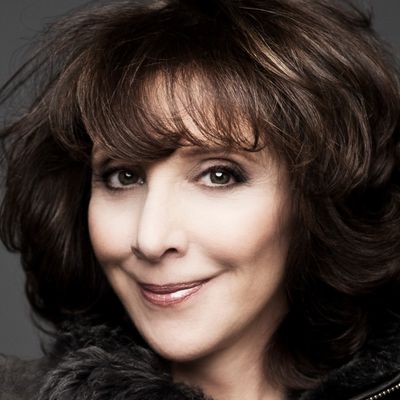
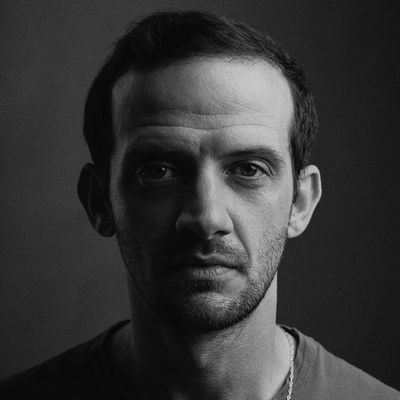
On Wednesday, October 15, 2025, Jason A. Coombs, the co-host of Survival Jobs , recorded a special live episode at the press day for the upcoming 0ff-Broadway Meet the Cartozians! The full cast; Raffi Barsoumian Will Brill Andrea Martin Tamara Sevunts Susan Pourfar and Nael Nacer joined director David Cromer and playwright Talene Monahon on Episode 1431
Together they discussed the play’s powerful themes and the meaningful parallels it holds to the world today while sharing why this production is an essential and timely experience for audiences everywhere.
Meet the Cartozians is currently in previews and officially opens on November 17 at the Irene Diamond Stage at the Pershing Square Signature Center located at 480 West 42 Street in New York City.
Audiences are invited to experience this bold new production and connect with the artists who are bringing it to life. Get your tickets here. Box office address is Irene Diamond Stage at the Pershing Square Signature Center 480 West 42 Street New York NY 10036.
If you enjoy Survival Jobs: A Podcast be sure to subscribe and follow us on your preferred podcast listening app! Also, feel free to follow us on Instagram and TikTok Thank you!!
Support Your Hosts:
- www.buymeacoffee.com/SurvivalJobsPod.
- Broadway World Article on our Season 3 Launch Party
- Follow Samantha: Instagram
- Follow Jason on Instagram | Twitter.
- Check out Jason's Official Website here
- Check out Samantha's official website here
- Check out and support The Bridgeport Film Fest
Important Links:
- Help FEED the people of Gaza! PLEASE!
- Know Your Rights: If You Encounter ICE
- Supporting Transgender People in Your Life...
- Support the citizens of Gaza
- Native Land Map
- Abortion Funds Website
- Plan C Pills Website
- National Write Your Congressman Link
- Where to Donate to Support Access to Abortions Right Now
Opening and Closing Theme Music: "One Love" by Beats by Danny | Game Music: "Wake Up" by MBB.
Transcript
This transcript was automatically generated and might contain errors.
[0:05] Jason A. Coombs: Hello everyone, this is Jason A. Coombs, co-host of Survival Jobs: A Podcast here on Broadway Podcast Network and official Broadway World. I am here at Second Stage at the Meet the Cartozians Press Day, right? For this new upcoming play that I feel like everyone has to see. It's so important, it's so impactful and timely to our world today. And I just I'm so excited to chat with the cast and the crew, to director David Cromer and to the playwright Talene Monahon and the cast about this play that I just think everyone should see it. I'm an advocate for it right away. And yes, let's go in, let's chat with them. Thank y'all.
[0:46] Jason A. Coombs: So I'm just gonna first say, can you please say your name so we just know can you see your beautiful faces? It is audio only.
[0:51] Andrea Martin: Hi, my name is Andrea Martin, and I'm one of the actresses in Meet the Cartozians at Second Stage.
[0:59] Susan Pourfar: Hi, I'm Susan Pourfar. I am one of the actors in Meet the Cartozians at Second Stage.
[1:05] Jason A. Coombs: Yes, and how exciting is it that we're here at the Press Day for this wonderful new play that's coming out that's so timely and impactful.
[1:13] Andrea Martin: Yes.
[1:14] Susan Pourfar: Fun.
[1:15] Andrea Martin: Yes, fun. It's always fun to be at Press Day, because then you're not thinking about the lines you don't know and how this is opening in a few weeks. So there's just a little bit of fantasy with all of this.
[1:27] Susan Pourfar: That's why we love it.
[1:29] Jason A. Coombs: Right, right. It's wonderful to be here at Press Day because you all are asking such great questions that, and I think we're having conversations as a cast on this press day where I'm learning a lot about my fellow castmates that I haven't even heard them express in the room, and we've talked a lot.
[1:47] Andrea Martin: Right, right.
[1:48] Jason A. Coombs: So, what was it about this play when you got the audition or when you got the play that was like, hey, I have to be a part of this, especially in today's time?
[1:56] Andrea Martin: Yeah, so for me, it's really, really, really simple. I'm Armenian, I've been Armenian all my life, and when this play came along, I thought I cannot not do it, really, is what I thought. You know, I had other things going on, and it's all good, but I'm like, no, you're what are you even talking about? Of course you're doing this play. What an honor to do this play. How great at this point in your life that you get to do this, actually. I keep thinking about my grandmother who's many, many years deceased. I keep thinking this is for you. You didn't have the life that I've had. And it's beautiful. And I'm gonna try to give you something back by magnifying what I don't even know what I'm talking about, what that time was during the genocide, and how we've all turned out, which is gratefully good.
[2:56] Jason A. Coombs: Was your grandmother in Armenia during that time?
[2:59] Andrea Martin: My grandmother was in Armenia during the genocide, and she was brought over as a mail-order bride at 15 to Portland, Maine. The Red Cross had a setup there, and the Red Cross were very important with bringing immigrants over from Armenia.
[3:18] Susan Pourfar: Right.
[3:19] Andrea Martin: So an older man, my grandfather, brought her over. Wasn't a happy marriage, she had seven children, you know, it was a difficult life. But that's why I'm so happy to be able to do this for her.
[3:33] Jason A. Coombs: Right.
[3:33] Andrea Martin: My grandmother. Her name was Angel.
[3:35] Jason A. Coombs: Yeah.
[3:35] Andrea Martin: Angel. Can I ask a follow-up to that, Andrea? I think that's such an amazing story you just told. Was that told to you like through her? Like, how did you get that family history? Because that's so, it gave me chills just listening to you say that.
[3:46] Andrea Martin: Oh, well, my grandmother lived with us, right? She lived with us until maybe my teen years, right? And then she died. But yeah, I mean, I don't know, I'm just thinking back what that was like growing up in Maine, where there was a small enclave of Armenians, but really was a very waspy state. So I always felt like I didn't fit in, but I didn't, it wasn't because I felt I was Armenian, I just felt like I looked different and acted different.
[4:15] Susan Pourfar: Yeah, and now to be able to do this play, which really doesn't just talk haphazardly about ethnicity, it talks about being Armenian.
[4:25] Andrea Martin: Yeah, it's just such an honor.
[4:27] Jason A. Coombs: Yeah, thank you. Thank you for sharing that.
[4:28] Andrea Martin: Yeah.
[4:29] Susan Pourfar: Do you see what I'm talking about?
[4:30] Andrea Martin: Yeah, I'm gonna be able to do that. Like I'm at Press Day learning something else. These beautiful details about your life.
[4:37] Susan Pourfar: Yeah, thank you for sharing that.
[4:39] Andrea Martin: Yeah, it's incredible. Makes me miss my grandma. I wish I had some stories like it makes me miss my grandma. I wish I had some personal stories like that.
[4:47] Susan Pourfar: Well, isn't it such a reminder that we need to ask our living relatives about what they know from their ancestors and make sure we remember and honor also because the play is so much about assimilation, especially in 1924, that family that Talene is representing, it's based on a real story, but of course there's some creative, not creative nonfiction, or we would call it historical fiction that she's doing. But I think she's using her imagination beautifully to put herself inside what that experience must have been like for a family trying to gain acceptance and citizenship in 1924 United States.
[5:37] Andrea Martin: Portland as well, but Portland, Oregon.
[5:39] Susan Pourfar: That's isn't that interesting?
[5:41] Andrea Martin: Yeah.
[5:41] Susan Pourfar: That's wild.
[5:44] Jason A. Coombs: Yeah, yeah. Can we talk a little bit about the rehearsal process? Because it's been like almost three weeks that you've been rehearsing this play.
[5:50] Andrea Martin: Please say it's only three weeks.
[5:51] Susan Pourfar: This is the beginning of the third week.
[5:52] Andrea Martin: Okay, yeah, yeah.
[5:53] Susan Pourfar: So this is well, the middle of the third week.
[5:55] Andrea Martin: Yeah.
[5:56] Susan Pourfar: We will go back to the rehearsal room after this press event.
[6:00] Andrea Martin: Yeah.
[6:00] Susan Pourfar: And keep going because we have yet to make it all the way through the play. We've read through it many times, but we're still putting it on its feet.
[6:11] Andrea Martin: And I was just talking about how when you go to put something on its feet, suddenly as actors, we forget the most basic ways in which to be human, right? How to sit, how to hold something, how to look over your right shoulder. I was literally just at the eye doctor before this, like at 8 a.m., right? And I'm talking to the doctor, and I'm like, what this is what went through my head, not about my eyes. Look how natural I'm being right now. Why can't I be this now really? Why can't I be this natural when I go to rehearsal? And then I went out into their, not the dressing room, what's it called? The waiting room area. I went out to the waiting room and I'm actually under my breath doing the lines that I just did with a doctor.
Hi, Dr. Jaubert. No, that's not right. Hey, Dr. Joubert. How okay. How can I hold on to that when I get I've acted my entire life? Why does it never know? Well, because you're always trying to figure out how to pull away the layers and the layers and the layers of doing that you know happens when you are suddenly given a script and you feel a responsibility to the material. But I sometimes will have this moment, and sometimes it's like a Saturday matinee, three weeks into the run where I'm like, oh, like a veil just fell off. Like I was doing this whole thing all these first three weeks. I hope Talene won't be too worried when she hears this. With just like the tiniest bit of that like veil of performance, and then like it will just like that first one will drop off, and then you hope that they keep kind of falling away so that what you can really present is like the full human experience. But that's like a very vulnerable thing to do, isn't it, Andrea?
[8:06] Andrea Martin: Well, gosh. What do I want to say? I mean, the only job I've ever had is being an actress. It's really the only job I started out in children's theater and then summer stock. And the only thing I've ever felt really comfortable being is an actress. And yet there's so much discomfort with being an actress or actor. I don't know. You know what it's given me? A really full life and many questions.
[8:37] Susan Pourfar: And many questions?
[8:38] Andrea Martin: Yeah, and a lot of answers.
[8:40] Jason A. Coombs: Right. You have to ask questions all the time as an actor, don't you? What would this person do? How would this person hold this? How would this person say your food is delicious?
[8:49] Andrea Martin: Right. I don't know. That's the right thing. Was it Viola Davis? I said like an actor's only profession, I guess, like live like a life, right? Because you're just playing so many, you're putting on so many different layers.
[9:01] Susan Pourfar: Amazing.
[9:02] Jason A. Coombs: Yeah, I mean, I was gonna ask, that was gonna be my final question to you both, because our podcast is called Survival Jobs, right?
[9:07] Andrea Martin: What's it called?
[9:08] Jason A. Coombs: Survival Jobs.
[9:08] Andrea Martin: So we interview artists that we admire about their journey from working in whatever job they had before they got their big break until getting their big break.
[9:15] Andrea Martin: Oh my gosh, I didn't even know about what myself. That's so good.
[9:22] Susan Pourfar: That's so weird.
[9:23] Andrea Martin: I know. I probably I was like, wow, that's she like knows the interview already.
[9:26] Jason A. Coombs: No, I didn't know anything.
[9:27] Andrea Martin: No.
[9:28] Jason A. Coombs: I was gonna ask you, did you have did you have a survival job before you became a working actor?
[9:33] Andrea Martin: I certainly did. Yeah. I had well, I had jobs like as a kid growing up. My parents always made sure that I was.
[9:59] Susan Pourfar: I had one job where I had to like wipe down crystal and one job where I had to like, you know, fold clothes. I even like answered the phones in my dad's office, you know, sometimes. But I but yeah, so when I first came to New York, I was a really, really terrible waitress.
[10:14] Andrea Martin: Oh my gosh, yes, and I got my first nighttime shift, which was like a big sort of upgrade from the breakfast shift.
[10:23] Susan Pourfar: Yeah.
[10:24] Andrea Martin: Because I had only been on the breakfast shift and I got my little slower. Actually, it's not that it was slow, it was that I was so angry that people would show up at a restaurant. It was at one of these 24-hour restaurants in the West Village, so angry they would show up at 7:30 for like coffee and eggs. Because I wasn't gonna make a big tip, and I'm like, make your own goddamn coffee and eggs. What is wrong with you? What I didn't understand was they probably had been out all night.
[10:48] Susan Pourfar: Yeah, working and partying.
[10:49] Andrea Martin: Yeah. Or they were just someone who were, they had an office job at 9 or 10. And they're so anyway, I had served so much eggs and coffee and not made a lot of money. And finally, finally, finally, I get my first nighttime shift.
[11:05] Susan Pourfar: Yeah.
[11:05] Andrea Martin: And I'm pretty excited because I think, oh, this is gonna be great. And I get my first table and I realize I don't know how to open a bottle of wine. I've never done it. I've I'm like, it was like 21 or something. I've never opened a bottle of wine, and now I have to do it perfectly for this group of four men who are looking at me like expecting that I know what I'm doing.
[11:27] Susan Pourfar: Right.
[11:28] Andrea Martin: And so I finally had to tell them, guys, I don't actually know how to do this. And they were so sweet. They did it for me.
[11:38] Susan Pourfar: You're getting huge.
[11:39] Andrea Martin: I got a very nice tip, and then I was put right back in the breakfast shift the next effing day. I they like they, I mean, they did it for you.
[11:46] Susan Pourfar: They did it for me. I know. And I think the manager was watching, like, this girl doesn't know what she's doing.
[11:58] Andrea Martin: At least you didn't spill anything on anyone, you didn't drop any glasses.
[12:01] Susan Pourfar: I didn't drop anything, I didn't spill anything, but I got demoted the next day. And I'm on to bigger and better things.
[12:08] Andrea Martin: Yeah, I mean that yeah. But I sometimes I will like pass that restaurant.
[12:13] Susan Pourfar: Oh wow it's still there.
[12:14] Andrea Martin: It's changed owners many times.
[12:16] Susan Pourfar: Right.
[12:16] Andrea Martin: I'll have like a little mini PTSD moment of like remembering just like Sunday brunch.
[12:22] Jason A. Coombs: Right.
[12:22] Andrea Martin: I thought I mean I go to the Gap. The Gap was my first job at 16, and there's my go there. I'm like, I want to fold something.
[12:28] Susan Pourfar: Yeah, totally.
[12:34] Jason A. Coombs: Last question. Yes. Why should audiences rushing buy their tickets today to see this play?
[12:39] Andrea Martin: Why should they?
[12:40] Jason A. Coombs: Yeah, like why give them a.
[12:41] Andrea Martin: Andrea Martin. Living legend.
[12:43] Jason A. Coombs: Living legend. Great. No, they should they they should. Well, I hope they come to the play because it's um yeah, it it's do you know, because we spend so much time by ourselves, and this play really is about connection.
[13:01] David Cromer: And come to the play, feel what it's like to be in an audience of like-minded people, all there wanting to have a creative experience and connect and look at the person next to you and say, how great that you're sitting next to me. Isn't this play wonderful? That's what they'll say. I love that. I love that. Yeah, and look, I know we don't want to go to the theater to quote unquote learn things. Like that's not like the big reason we buy a ticket. But I do hope that somebody comes to this play and leaves and asks themselves, like someone who is an Armenian, let's say, like, oh, what happened? What is that history? What is Mina? What is, you know, ask them and goes up on a little bit of a journey with this?
Well, like, I have had a great privilege to go on this journey in the rehearsal room, but I think leaving this play, you might leave with a lot of questions and ask yourself, wait, why did I never learn this history? It's kind of a great opportunity, and it's a fun snaps, it's a fun jumping off point too, because she's a great writer.
[14:05] Talene Monahon: Oh, she is. Well, thank you so much. My name is David Cromer. I'm directing Meet the Cartozians.
[14:10] Talene Monahon: My name is Talene Monahon. I wrote Meet the Cartozians.
[14:14] David Cromer: Yes, okay. So, director and writer. Can you first talk about the collaboration between you two? Like, how did this play come into your hands, David?
[14:24] David Cromer: I had a fight a long story, but we've been friends for a long time socially, and then we've done some readings together, and I saw your play Jane Anger a couple years ago, and so that you know, and you invited me, Talene invited me to it. I don't even tell you, you were there. Talene invited me just with some friends and a couple of the actors who are only one. Will and Rafi were in that movie, right?
[14:50] Talene Monahon: Yeah, um, just to read a few scenes of the play, and I could I performed Andrea Martin's role in that reading.
[14:59] David Cromer: That's right, you did, you did.
[15:01] Talene Monahon: So yeah, and we might put you on there.
[15:04] David Cromer: Oh God, that's right. Flashbacks.
[15:08] Talene Monahon: Yeah, it was like three of us. And this is a show busy, stupid showbizy thing to say, but I really did hear just this thrilling, thrilling interaction, just like this highly skilled, this you can't teach it, you either know how to do this or you don't, and she does. Just this thrilling interaction, this clash of characters, this felt just completely alive, just in all in various scenes, and the story she was telling was fascinating.
[15:38] David Cromer: And my memory, my version of this is that from that time I was always like, yeah, how's that going? How's that going? How's that going? And then when you sent me a draft.
[15:47] Talene Monahon: Yeah, yeah, I can't remember when, two years ago.
[15:50] David Cromer: Yeah, and I just wanted it. I wanted it bad.
[15:53] Talene Monahon: And what was it about the description, if I'll give any spoilers away, that just really connected you to it?
[15:55] David Cromer: I don’t know, I'm bad at describing plays, so it's more of a feeling. My elevator pitches are always terrible. It was um, she it was alive.
[16:12] Talene Monahon: Right.
[16:13] David Cromer: She had a bunch of characters on stage, and there isn't a single unjustifiable interaction. Right. They're, you can track everybody's, you can track everyone's thread through the scene. And when they fall out of conversation, when they fall into conversation, there's incredibly idiosyncratic use of language in terms of how people stammer through something, how people suddenly are very articulate about something, how people babble the way I'm doing that, like it just keeps shifting in this very real way, and that's the stuff that I value the most.
[16:51] Talene Monahon: And while doing that very true and naturalistic and true and truthful and real, right, if not necessarily always realistic interaction, they were talking about beautiful, strange things that resonated like back and forth through bits of history, the two periods of history that she wrote, and you just went to play like that and you see a play like that, you just, I just wanted to be in rehearsal doing it. I didn't want to watch anyone else screw it up. I wanted to see it.
[17:21] Talene Monahon: You wanted to be the one to bring it to the stage.
[17:23] David Cromer: Uh, Talene, why this play now in 2025?
[17:28] Talene Monahon: Um, oh gosh. And also heavy question. I'm just trying to think about how to succinctly answer it. I wrote the play because I was feeling really confused about my identity and my family and my mom's side, that identity as Armenian American and what that meant in terms of relationship to whiteness, in terms of relationship to Middle Eastern identity, in terms of relationship to appropriating other cultures, like I, um, and in relationship to, you know, a community that experienced a genocide, and very few people know what Armenia even is, and so what does that mean to sort of have this identity that often feels kind of invisible?
[18:20] David Cromer: Right, right.
[18:21] Talene Monahon: Um, but also has a huge amount of privilege. So I felt like the more I thought about it, the more I read about this court case that was sort of at the crux of deciding Armenian identity, or the more I thought about the most famous Armenian Americans today.
[18:40] David Cromer: Yeah, yeah.
[18:41] Talene Monahon: Um, one of whom is in our play.
[18:43] David Cromer: One of whom is maybe in our play.
[18:45] Talene Monahon: Um, I felt like I was arguing with myself in my head. And I think to the extent that like I have impetuses to write plays, that is sort of when I feel like I want to go in, is when I feel confused and like I need to work something strongly.
[19:04] David Cromer: So you were solving something.
[19:06] Talene Monahon: I was solving something, and I don't think I've like solved.
[19:09] David Cromer: Right, right, right.
[19:10] Talene Monahon: But I think there are questions pertaining to identity and vision and visual presentation and presentation of whiteness that I feel like I have these conversations with my friends a lot.
[19:31] David Cromer: Right, right.
[19:31] Talene Monahon: But I haven't seen them necessarily played. They're very thorny. I haven't necessarily seen them like played out on stage in this way. So I think that was like I was trying to broaden that conversation so that I could understand it better.
[19:44] David Cromer: It sounds like a science experiment in a way, right? Where you're like, there's no answer yet, but we're gonna get there eventually, right?
[19:50] Talene Monahon: But we have a gathering data.
[19:51] David Cromer: Gathering data. I keep on thinking about like the limits of language and over, you know, this play spans a hundred years.
[20:01] Talene Monahon: Right.
[20:02] David Cromer: And I don't necessarily think that I think we'll look back in a hundred years and be like, wow, we really did not have the language to talk about a lot of this.
[20:12] Talene Monahon: Right.
[20:13] David Cromer: Um, and I don't know if we ever will. I don't know if it exists, but it feels very I'm very aware of the limits of language when it comes to sort of trying to parse the experience of identity of certain identities.
[20:26] Talene Monahon: Yeah.
[20:27] David Cromer: In conversation as our brains try to generate what our next words are when we're in a tight or a tense conversation where we're trying to inform someone or we're having a disagreement with someone and we're discussing it. The next thing I say could send this conversation in a thousand different directions.
[20:39] Talene Monahon: Right, yeah.
[20:48] David Cromer: It could be a misread, it could be a miscon, I could have made a mistake about what language I used, I could have used the perfect word. And that moment to moment tension of that is what plays are.
[21:01] Talene Monahon: Yeah.
[21:02] David Cromer: And so like these themes that Talene is writing about and explored are also on this incredible, just on this edge of flying in a thousand directions in the interactions between the people, so like this is a brilliant union of theme and execution and that's one of the things that I think we're all finding really rewarding while rehearsing it. We're two and a little bit, two and a half weeks in, a little less than two and a half weeks into rehearsal and we bump up against almost nothing because everything just gives us something to play.
[21:45] Talene Monahon: So that's why she's hearing all my compliments today.
[21:50] David Cromer: She deserves it.
[21:54] Talene Monahon: It's all true.
[21:55] David Cromer: Well, you both got me sold. I can't wait to see the play. Thank you so much for the work that you did and you're doing to make this come to life. So thank you.
[22:02] Talene Monahon: And one final question.
[22:05] David Cromer: Oh, I will definitely. Our podcast is called Survival Jobs, so it's about, you know, artists on their journey to becoming well-known playwrights and directors. Can you please share a survival job you had maybe in your past that was very memorable that led you to where you are today?
[22:18] Talene Monahon: If you even had one, I know some people don't always.
[22:18] David Cromer: I've long been a college admissions essay, which is something I'm taking a break from this fall to work on the show. It's just a great privilege, but like I've been doing it up through this year. It's not the theater does not pay for me well enough to so I've always needed to have something else.
[22:42] Talene Monahon: Of course, I work at a college too.
[22:42] David Cromer: Yeah, yeah. How about you, my friend?
[22:42] Talene Monahon: I, uh, the one that comes to mind is right after I had my first big artistic success as a director in 1991 in Chicago, and it was on, I just felt like on top of the world, but there was no money involved. So by about a month, about six weeks after, or while my triumph was still running, I had to take a job at a boutique vegetarian dog food factory in which very specific.
[23:28] David Cromer: Well, they're better than people, so I was gonna say asking.
[23:31] Talene Monahon: Oh, yeah, right, right.
[23:32] David Cromer: Okay, try a couple of weeks in the dog food factory and see how that feels.
[23:36] Talene Monahon: Oh, David. Couldn't we both be treated well?
[23:39] David Cromer: Right, right. That's very true.
[23:41] Talene Monahon: It's definitely the idea.
[23:42] David Cromer: It's definitely the idea, right?
[23:44] Talene Monahon: Well, thank you both for sharing again. Super excited to see the play, and congratulations. This is amazing.
[23:48] David Cromer: Yeah, of course.
[23:50] Talene Monahon: Thank you for using the TikTok mic.
[23:53] David Cromer: I want the fuzzy thing.
[23:54] Talene Monahon: Right, I'll get you that next time.
[23:59] David Cromer: Oh, cool. So please introduce yourselves if you don't mind, because they can't see your beautiful faces on our podcast.
[24:03] Raffi Barsoumian: Sure. Hi, I'm Raffi Barsoumian.
[24:06] Will Brill: And I'm Will Brill.
[24:07] Raffi Barsoumian: Nice to meet you both. Thank you for being here.
[24:09] Will Brill: How do you feel for this press day for the Cartozians?
[24:13] Raffi Barsoumian: Super excited.
[24:13] Will Brill: Super excited, also nervous. You know, we're both, we are people who are trained to memorize other people's words.
[24:22] Raffi Barsoumian: So speaking off the cuff is so hard.
[24:26] Will Brill: No, but you're here. How's the rehearsal process been?
[24:29] Raffi Barsoumian: God, it's been so fun. It's a really good room. I feel like no assholes. Can I say that?
[24:31] Will Brill: No assholes.
[24:35] Raffi Barsoumian: No assholes. It's very lucky. You know, it's like you usually they say that like if you look around the room and you can't find the asshole, you're the ass.
[24:44] Will Brill: I've had this thought of many times.
[24:45] Raffi Barsoumian: So either it's that it is a room of exclusively assholes and none of us can tell, or there's truly no assholes.
[24:54] Will Brill: But I think it's, yeah, I think it's the latter.
[24:56] Raffi Barsoumian: I think we've both been in a lot of rooms that are difficult, and this room is difficult in the right ways. Like the play is hard.
[25:03] Will Brill: Correct.
[25:04] Raffi Barsoumian: And, uh, yeah, but the people are easy.
[25:06] Will Brill: Oh, I love that.
[25:07] Raffi Barsoumian: And you have a favorite part of rehearsal, the rehearsal process?
[25:10] Will Brill: Um, I mean, I will say, I was thinking the other day, it was our day off, and I woke up and I thought, I'd like to go to rehearsal. So I just feel like the rehearsal itself has been so, um, I don't know, it's been so fertile.
[25:21] Raffi Barsoumian: So it's nice.
[25:22] Will Brill: Rafi and I were in a play together 20 years ago.
[25:27] Raffi Barsoumian: Oh my god.
[25:28] Will Brill: Come on, full circle.
[25:29] Raffi Barsoumian: Yeah, yeah, totally.
[25:30] Will Brill: And so, um, to put you on blast a little bit, and Susie, who I did a play with 12 years ago, it's really fun to like be in the room and be like, oh my god, I didn't dream it. They're so good at acting.
[25:43] Raffi Barsoumian: They're like truly so good at acting.
[25:45] Will Brill: So that's really fun.
[25:48] Raffi Barsoumian: So, how do you both think you've grown since then, since 20 years from that first play 20 years ago to now?
[25:53] Will Brill: I mean, we were in college, we were chilling.
[25:55] Raffi Barsoumian: Yeah, we were children enormously.
[25:57] Will Brill: I mean, I've also like been a big fan of Will as I've watched him just dominate in uh theater out here.
[26:02] Raffi Barsoumian: That's what I do.
[26:03] Will Brill: Yeah, you freaking dominate, bro.
[26:06] Raffi Barsoumian: Uh so uh yeah, no, I a lot of ways emotionally, yeah.
[26:11] Will Brill: We've grown a lot.
[26:12] Raffi Barsoumian: Um I have lost a lot of hair.
[26:15] Will Brill: You don't seem to have.
[26:16] Raffi Barsoumian: Well, which is cool.
[26:18] Will Brill: In good ways.
[26:20] Raffi Barsoumian: You both look amazing.
[26:21] Will Brill: Yeah, so if people don't know about the play, why should we come?
[26:25] Raffi Barsoumian: Why should audiences show up opening night to see you all in action?
[26:29] Will Brill: You know, I think there's there's uh there's a lot of things that get said about theater, like why this play now?
[26:36] Raffi Barsoumian: And what like what are we gonna take away from it?
[26:39] Will Brill: And I think that there are ways to answer that question for this play.
[26:44] Raffi Barsoumian: Right.
[26:44] Will Brill: But like more than anything, you're just going to have so much fun at this play, and you're going to be provoked, and you're going to feel things in your heart.
[26:56] Raffi Barsoumian: So I think those are, and I think those are like great reasons to go to the theater.
[26:59] Will Brill: And I also think I don't know many plays that are like this.
[27:04] Raffi Barsoumian: I think it's very unique, uh, especially just in its structure and what it's trying to tackle, the scope of it.
[27:10] Will Brill: So I I think you'll be seeing something new.
[27:12] Raffi Barsoumian: Oh, I love that.
[27:13] Will Brill: Last question I know you have other people to chat with, you have a busy morning, but our podcast is called Survival Jobs, and it's on a Broadway podcast network.
[27:20] Raffi Barsoumian: Before you all were doing theater professionally, do you have a survival job on the up and up?
[27:24] Will Brill: That you want to share with us?
[27:26] Raffi Barsoumian: I uh yeah, I had a couple.
[27:28] Will Brill: I worked in I yeah, I worked I worked in um I worked in a Tom Calicchio kitchen for a week.
[27:36] Raffi Barsoumian: Nice.
[27:36] Will Brill: Yeah, and then but then I I like one week, huh?
[27:39] Raffi Barsoumian: Yeah, because I quit after I served Tom bread, and he looked at me as the bread was touching the table, and he was like, I just told someone no bread.
[27:50] Will Brill: Oh my god.
[27:51] Raffi Barsoumian: And I was like, I'm gonna go find another job.
[27:54] Will Brill: Um so that, and I worked in a I worked in a um in a uh like a what are they called?
[27:54] Raffi Barsoumian: Like a what are they called?
[28:02] Will Brill: Who just I don't even know what they're called.
[28:05] Raffi Barsoumian: Organizations that just give money to other organizations.
[28:09] Will Brill: Like a fiduciary sponsor?
[28:10] Raffi Barsoumian: Yeah, I guess nowhere, I guess.
[28:13] Will Brill: I don't know.
[28:14] Raffi Barsoumian: Like uh like an angel sort I don't know.
[28:17] Will Brill: But anyway, I worked in one of those and I was it was like really shocked.
[28:20] Raffi Barsoumian: They were like, they were like, oh, you're our secretary.
[28:23] Will Brill: How much should we even pay you?
[28:24] Raffi Barsoumian: And I was like, this is crazy.
[28:26] Will Brill: Oh my god.
[28:28] Raffi Barsoumian: So those are the two jobs that I have.
[28:30] Will Brill: That's amazing.
[28:31] Raffi Barsoumian: I've done food service.
[28:32] Will Brill: I did uh I worked in a uh uh English bakery in France when I was studying abroad out there.
[28:38] Raffi Barsoumian: Um that was hard work because speaking French to French people and trying to take their order was often humiliating.
[28:44] Will Brill: Yeah, I heard they're not too uh friendly to the.
[28:47] Raffi Barsoumian: Well when you don't speak their language, yeah in your looks.
[28:50] Will Brill: Uh not unlike Calico probably.
[28:53] Raffi Barsoumian: Bringing it back.
[28:54] Will Brill: And uh when I first got out to New York, I I did the uh graveyard shift at a hotel.
[28:59] Raffi Barsoumian: Oh my gosh.
[29:00] Will Brill: Oh yeah.
[29:01] Raffi Barsoumian: No, yes, we must have seen some stuff.
[29:03] Will Brill: It was called the Marrakesh Hotel, and I think you know why they hired me.
[29:07] Raffi Barsoumian: That's crazy.
[29:09] Will Brill: Oh my god.
[29:10] Raffi Barsoumian: And that was a brutal job.
[29:11] Will Brill: That was a brutal job.
[29:12] Raffi Barsoumian: That sounds rock.
[29:13] Will Brill: Well, thank you both so much.
[29:14] Raffi Barsoumian: I can't wait to see the show.
[29:15] Will Brill: And uh congratulations.
[29:17] Raffi Barsoumian: Yeah.
[29:18] Will Brill: Okay, cool.
[29:18] Raffi Barsoumian: Thank you.
[29:19] Will Brill: Thank you.
[29:19] Raffi Barsoumian: Cheers.
[29:20] Will Brill: Yeah.
[29:20] Raffi Barsoumian: Where is the Marrakesh Hotel?
[29:22] Will Brill: It still exists?
[29:23] Raffi Barsoumian: And would you mind just introducing yourselves and have you share this little TikTok mic if you don't mind?
[29:27] Tamara Sevunts: No worries.
[29:28] Tamara Sevunts: Hi, I'm Tamara Sevunts.
[29:30] Nael Nacer: Hi, I'm Nael Nacer.
[29:31] Tamara Sevunts: Awesome.
[29:32] Nael Nacer: Congratulations.
[29:32] Tamara Sevunts: How do you both feel to be here on Press Day for the Cartozians?
[29:38] Nael Nacer: Um, I feel great.
[29:39] Tamara Sevunts: It's definitely overwhelming.
[29:40] Nael Nacer: There's so much going on.
[29:42] Tamara Sevunts: Right.
[29:42] Nael Nacer: So exciting.
[29:44] Tamara Sevunts: Yeah, it's great to get to talk about the play.
[29:46] Nael Nacer: We know we've been in the rehearsal room for three weeks.
[29:49] Tamara Sevunts: Almost three weeks, yeah.
[29:50] Nael Nacer: And um and so we're gonna we're getting to the place where we just we're getting excited to share it with people.
[29:56] Tamara Sevunts: So what's been your favorite part about the rehearsal process so far?
[30:01] Nael Nacer: Oh my gosh, just being in the room with this ridiculously talented cast and you know getting to watch everybody work.
[30:10] Tamara Sevunts: Um yeah it's it's really an ensemble show.
[30:14] Nael Nacer: Pretty much everybody's on stage the whole time.
[30:16] Tamara Sevunts: Right.
[30:17] Nael Nacer: So um whenever you have that you you get to be around other people's brilliant work and get inspired by all the people around you.
[30:27] Tamara Sevunts: Right.
[30:28] Nael Nacer: And then we're all you know we're everybody's kind of a joker so there's a lot of laughter.
[30:34] Tamara Sevunts: Sometimes we have to just like get back on track because the play is so funny and the people the the cat you know the people in the room are so funny that um that's a joy to come to work.
[30:46] Tamara Sevunts: Right, right.
[30:47] Nael Nacer: That's amazing.
[30:48] Tamara Sevunts: Okay so this play is so timely.
[30:51] Nael Nacer: Why do you think it's important for artists to see it today in 2025?
[30:55] Tamara Sevunts: Oh man.
[30:56] Nael Nacer: I know it's a heavy question.
[30:58] Tamara Sevunts: It is a heavy question.
[31:02] Nael Nacer: So this play talks about identity about arrival to America about um cultural identity and how it fits into American identity.
[31:14] Tamara Sevunts: So obviously a very hot topic at the t at the moment.
[31:19] Nael Nacer: Yeah so I think in like it hits home in very surprising ways through the lens of this Armenian family who at the turn of the century, well, 1924 are dealing with yeah a hundred years ago, are dealing with the most impossible situation of having to defend their citizenship um on the basis of racial ineligibility.
[31:46] Tamara Sevunts: Which we're seeing in different cultures a hundred years later, right?
[31:50] Nael Nacer: Yeah.
[31:52] Tamara Sevunts: Yes, I I mean it really the conversations that are watching you know the the first act really for me was an eye-opener.
[32:01] Nael Nacer: I didn't know anything about this court case about how the United States government came to define whiteness and the repercussions of those decisions and how that was used to um to to decide whether someone could be a citizen or or not.
[32:32] Tamara Sevunts: And how today these conversations uh you know for me as as a person of color, this play talks about whiteness in a way that is so nuanced and and the experience of many people, which is so far do I fit in.
[32:54] Nael Nacer: Right.
[32:54] Tamara Sevunts: For me, it's always been it speaks to me very personally in terms of like where do I fit in?
[32:58] Nael Nacer: And I'm not Armenian, but the the the people of the Armenian community, right, uh the descendants of uh diaspora, you know, finding their place in the world and within their own community, I I I think within these conversations that they're having among themselves there absolutely is an echo to a larger, a larger conversation that is happening right now, and um it's done with such delicacy and brutality, but in a great way.
[33:29] Nael Nacer: I mean people saying things that that you can't ar you can't arrive to um there's no consensus so you you you can't arrive to clarity without challenging conversations and I think that's that happens in this play.
[33:49] Tamara Sevunts: Right, right.
[33:49] Nael Nacer: And what do you hope audiences take away after they come on opening night when it's a sold out packed house?
[33:55] Tamara Sevunts: Yeah, what do you hope they take away from the play?
[33:59] Nael Nacer: Um well I hope people walk away feeling like they're Armenian.
[34:07] Tamara Sevunts: Yeah.
[34:08] Nael Nacer: First and foremost.
[34:09] Tamara Sevunts: First and foremost.
[34:10] Nael Nacer: Yes.
[34:11] Tamara Sevunts: Um go to an Armenian restaurant.
[34:13] Nael Nacer: Go to an Armenian restaurant, find one in Queens or in Brooklyn, because there aren't any in Manhattan.
[34:17] Tamara Sevunts: I'm not shaming anybody.
[34:19] Nael Nacer: Um I don't know.
[34:20] Tamara Sevunts: We've we've talked about this as a cast where we're like, where do we send people other than to our own kitchens, you know?
[34:27] Nael Nacer: Um so we'd like the audience to come to Christians.
[34:31] Tamara Sevunts: To my kitchen.
[34:33] Nael Nacer: Um I guess to walk away like emboldened um to walk away with a sense of like belonging and sort of like there's I think it like the show delivers a level of catharsis in this particular moment.
[34:51] Tamara Sevunts: Yeah.
[34:51] Nael Nacer: Um that's what I'm hoping for.
[34:54] Tamara Sevunts: Yeah, I I I I think to add to that, for me, there's also this element of because we're because we're looking at um two timelines, a hundred years in the past and today.
[35:07] Nael Nacer: Right, today, yeah, essentially.
[35:09] Tamara Sevunts: Um, there is something about there's a line in the play that it ties back to this restaurant idea, but it's the line of the play that um uh that the body craves the food of your people.
[35:23] Nael Nacer: That that the best way that you can take care of yourself is to eat what your ancestors ate.
[35:28] Tamara Sevunts: Right, right.
[35:28] Nael Nacer: I feel that.
[35:29] Tamara Sevunts: Yeah.
[35:29] Nael Nacer: My parents are Jamaican.
[35:30] Tamara Sevunts: I haven't had a home cooked meal in a minute.
[35:32] Nael Nacer: So I'm I feel good.
[35:34] Tamara Sevunts: It's just it's immediate, right?
[35:35] Nael Nacer: And it's a connection to ancestry, it's a connection to people, it's a connection to land, it's a connection to something that is not part of your everyday.
[35:44] Tamara Sevunts: And I think for me, there's something about this play that really, because we get the lens of of a hundred years of history, that I I find myself thinking of the food of my people.
[35:44] Nael Nacer: I find myself thinking of home.
[35:57] Tamara Sevunts: Where it where is home?
[35:58] Nael Nacer: What is home?
[35:59] Tamara Sevunts: And um it's my suspicion that people in the audience will be having those thoughts and feelings after the play.
[36:07] Nael Nacer: Right.
[36:07] Tamara Sevunts: Where do I come from?
[36:08] Nael Nacer: What does it mean to be me, you know, uh here today?
[36:12] Tamara Sevunts: Yeah.
[36:12] Nael Nacer: And what did what what did my ancestors uh what did my aunt how did how did they live, what was their journey, and what how can I connect to them in this thing.
[36:26] Tamara Sevunts: Yeah, very much so.
[36:28] Nael Nacer: I love that.
[36:28] Tamara Sevunts: Well, I'm so excited for the play.
[36:30] Nael Nacer: Thank you so much for being here.
[36:31] Tamara Sevunts: I have one more quick question, if that's okay.
[36:33] Nael Nacer: Yes.
[36:33] Tamara Sevunts: Our podcast is called Survival Jobs, as you may know.
[36:36] Nael Nacer: Did you have a survival job when you were an up and up actor underway before you were hitting on the second stage?
[36:41] Tamara Sevunts: Yes.
[36:43] Nael Nacer: Plenty.
[36:44] Tamara Sevunts: Yeah, yeah, temping.
[36:46] Nael Nacer: I did a lot, I did some temping, translating.
[36:49] Tamara Sevunts: Um I worked as a a clown and a princess at kids' birthday party.
[36:53] Nael Nacer: Wait, a clown and a princess.
[36:54] Tamara Sevunts: Which princess were you?
[36:57] Nael Nacer: We weren't allowed to be Rapunzel because we didn't have the Disney rights.
[37:00] Tamara Sevunts: So it was Rapunzel's cousin, Princess Tamara.
[37:03] Nael Nacer: Oh, I love that.
[37:04] Tamara Sevunts: It's a little janky, but I loved it.
[37:06] Nael Nacer: And it's I'm sure the kids loved it.
[37:08] Tamara Sevunts: The kids loved it.
[37:08] Nael Nacer: Yeah.
[37:09] Tamara Sevunts: So they walk, you walk in and they know exactly who you are.
[37:12] Nael Nacer: Right, right.
[37:13] Tamara Sevunts: So it was really it was lovely.
[37:15] Nael Nacer: Yeah, I could I could never do kids.
[37:17] Tamara Sevunts: You can't top that?
[37:19] Nael Nacer: No.
[37:20] Tamara Sevunts: I pulled I pulled.
[37:23] Nael Nacer: You could, you know.
[37:24] Tamara Sevunts: You do a wig?
[37:25] Nael Nacer: You could be Rapunzel.
[37:25] Tamara Sevunts: You'd be I could be Rapunzel's cousin.
[37:29] Nael Nacer: Right, right.
[37:29] Tamara Sevunts: Yeah, yeah.
[37:31] Nael Nacer: Yeah, I mean I pulled rabbits out of magic boxes and like, you know, it was great.
[37:37] Tamara Sevunts: So cool.
[37:38] Nael Nacer: That was uh colorful.
[37:40] Tamara Sevunts: And uh I I and I tempt.
[37:42] Nael Nacer: Yeah, tempting is temping is bad.
[37:44] Tamara Sevunts: No, I worked at restaurants.
[37:46] Nael Nacer: You know, mine is what this yours is a much better answer.
[37:50] Tamara Sevunts: So yeah.
[37:51] Nael Nacer: It's one of the many colorful jobs.
[37:53] Tamara Sevunts: Right, right.
[37:54] Nael Nacer: So yeah.
[37:55] Tamara Sevunts: And then should we give a shout out to Alison if Alison's listening?
[37:58] Nael Nacer: Allison psycho.
[37:59] Tamara Sevunts: If you are listening, my queen.
[38:01] Nael Nacer: Yes, our queen.
[38:05] Tamara Sevunts: You have to meet Allison if you haven't met her yet.
[38:08] Nael Nacer: Awesome.
[38:09] Tamara Sevunts: Thank you both so much.
[38:09] Nael Nacer: I can't wait to see the play.
[38:10] Tamara Sevunts: I'm so excited.
[38:11] Nael Nacer: I'm so excited, so lovely to meet you.
[38:13] Tamara Sevunts: Thank you.
[38:14] Nael Nacer: Awesome.
[38:17] Jason A. Coombs: All right, y'all.
[38:18] Jason A. Coombs: That was me here at the second stage at the Meet the Cartozians Press Day.
[38:24] Jason A. Coombs: Thank you so much for tuning in.
[38:25] Jason A. Coombs: I hope you all get tickets to see this play ASAP because it's like I said earlier, it's important, it's timely.
[38:31] Jason A. Coombs: You heard you heard the cast and crew talk about it and why why you wanted to see it.
[38:35] Jason A. Coombs: So thank you so much and have a wonderful, wonderful day.
© Broadway Podcast Network, All Rights Reserved