

Happy Season 1 Finale, Survivors!! We are so excited to close out with the crazy talented and genuine, Douglas Lyons, actor and writer of the groundbreaking Broadway play, "Chicken and Biscuits"... Read More
From the show: Survival Jobs: A Podcast
Guests
Featured Shows
About
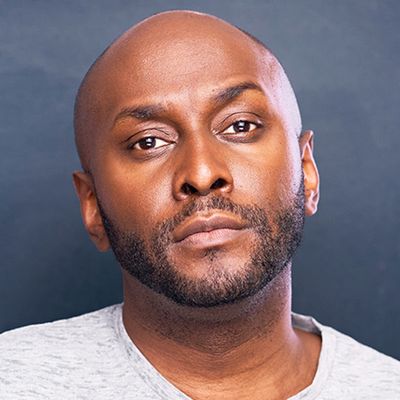
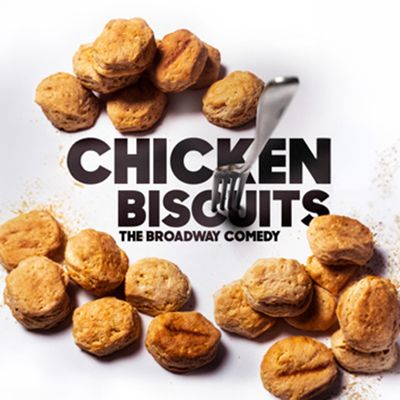
Happy Season 1 Finale, Survivors!! We are so excited to close out with the crazy talented and genuine, Douglas Lyons, actor and writer of the groundbreaking Broadway play, "Chicken and Biscuits".
Douglas shares his journey from booking his first professional job during college to being in the original Broadway cast of "Beautiful", the Carol King musical to bringing "Chicken and Biscuits" from the page to the stage! And of course the wisdom Douglas shares is like chicken soup for the soul!
Please excuse any sound issues, Friends! We are still in a pandemic!!
Info on Douglas Lyons:
- Follow Douglas on Instagram | Twitter
- Check out her official website here: www.douglaslyons.net
- Check out his IMDB page here.
- Watch this performance of "Here To Stay" from FIVE POINTS by Douglas here
Mic Check:
- Watch the SAG Awards here
Support Ukraine:
- NPR Article on Supporting Ukraine
- Fundraiser for supporting Black People in the Ukraine
Info on Your Hosts:
- Follow Samantha on Instagram. | Samantha's Official Website here
- Follow Samantha's business Cater Agent on Instagram
- Follow Jason on Instagram /Twitter.
- Check out Jason's Official Website here
- Check out and support The Bridgeport Film Fest
- Check out Reader's Block Bookstore here
Support Us... Please!
If you're feeling generous, Buy Us A Coffee HERE!
Please don't become complacent:
- Support the Black Mamas Matter Alliance
- Support Families Detained and Separated at the Border.
- Support the AAPI Civic Engagement Fund.
- Support Black Trans Folx here
- Donate to the Community League of the Heights (CLOTH)
- Support the People of Palestine
- How to be an Ally to the AAPI Community
- 168 Ways to Donate in Support of Black Lives and Communities of Color
- The New York Times: On Mexico’s Border With U.S., Desperation as Migrant Traffic Piles Up
- PBS: How to help India during its COVID surge — 12 places you can donate
- Covid quarantine didn't stop antisemitic attacks from rising to near-historic highs
Opening and Closing Theme Music: "One Love" by Beats by Danny | Game Music: "Wake Up" by MBB.
If you enjoy Survival Jobs: A Podcast be sure to subscribe and follow us on your preferred podcast listening app! Also, feel free to follow us on Instagram and Twitter! Thank you!!
Transcript
This transcript was automatically generated and might contain errors.
[0:00] Samantha Tuozzolo: Wait, so you really want to make a podcast?
[0:02] Jason A. Coombs: Yeah, what if we just sang our music?
[0:04] Samantha Tuozzolo: Maybe we should get some real music, Samaritan.
[0:05] Jason A. Coombs: Like the podcasting theory.
[0:10] Samantha Tuozzolo: Survival Jobs is a podcast spotlighting artists, their side hustles, and their passions.
[0:15] Jason A. Coombs: Hosted by Samantha Tuozzolo and Jason A. Coombs.
[0:19] Samantha Tuozzolo: Boom.
[0:20] Jason A. Coombs: Sweet.
[0:21] Samantha Tuozzolo: Okay.
[0:21] Jason A. Coombs: Love it.
[0:23] Samantha Tuozzolo: Happy season finale.
[0:26] Jason A. Coombs: How on earth did we get here?
[0:30] Samantha Tuozzolo: Well, you know, your parents met a long time ago.
[0:36] Jason A. Coombs: My parents met a long time ago.
[0:38] Samantha Tuozzolo: Jason, that was funny and really quick. How are you feeling on the season one finale, Jay?
[0:43] Jason A. Coombs: I am very proud of us.
[0:47] Samantha Tuozzolo: Oh my god.
[0:49] Jason A. Coombs: Yeah, I think we did something special here. And I think how everything has unfolded has been really beautiful.
[0:57] Samantha Tuozzolo: I know we took like a little bit of a hiatus in between to rejuvenate.
[1:00] Jason A. Coombs: We had to.
[1:01] Samantha Tuozzolo: And I think we did. You know, I think we definitely did, you know.
[1:05] Jason A. Coombs: And um, I think that was good for us because we were able to stay sane and then to come back hot. And I think ever since we came back, it's been, you know, inspiring guests, which we had before, and I'm saying that anything has changed, but like I feel like for us there was a switch within us of like, yeah, and we got people that we didn't know, you know, like it's so like I think it opens up a whole world of just like, you know, more wisdom and connections and excitement, right?
[1:33] Samantha Tuozzolo: Um, which I think is really cool, and then yeah, I'm just really proud of us.
[1:39] Jason A. Coombs: I am too. I am so grateful, and I'm so proud of us too. This is not like a walk in the park to cut out time to do this, you know, and it's, we're making a podcast is hard, y'all.
[1:54] Samantha Tuozzolo: Yeah, and in the time we both have like our survival jobs and our lives, and to find time to do this, not only record, but to edit it and to get that Instagram lit. You know, it's, it's uh, it's another job essentially, you know, fine guests.
[2:11] Jason A. Coombs: That we love, yeah.
[2:12] Samantha Tuozzolo: It's true, you know.
[2:14] Jason A. Coombs: So you gotta keep carving out the time for the things that make you happy and for your arts and all of the things, but I love you, and I'm proud of us too.
[2:25] Samantha Tuozzolo: Love you too.
[2:26] Jason A. Coombs: Yeah, grateful for you.
[2:28] Samantha Tuozzolo: Yeah, and I'm grateful for Westcon for bringing us together.
[2:34] Jason A. Coombs: Yeah, there's definitely lots of positives about WestCon.
[2:40] Samantha Tuozzolo: Yeah, for sure. Jason, do you have a favorite memory from season one?
[2:45] Jason A. Coombs: I think my favorite memories of season one. That's really, I mean, I came with that question, I didn't even know the answer to it. I think it's just really, it's, you know, just talk. I mean, I enjoy talking to people, you know. I really enjoy the whole process of getting inspiration and sharing, you know, these aha moments that we come to sometimes with our guests and you know, making connections and finding inspiration.
[3:10] Samantha Tuozzolo: I remember you said it one time that you're like, me and Jason, we're big suckers for inspirational stories.
[3:15] Jason A. Coombs: I was like, we are.
[3:17] Samantha Tuozzolo: I was like, we definitely are. We fully love a good inspiring moment or someone to tell us to like follow your dreams and it's gonna be okay, and all the things, all the things, right?
[3:31] Jason A. Coombs: And um, and I love that like, you know, that's always like a theme, right? Of follow your dreams and find follow your passion, and you can do it and just do it. But everybody says it and gets there a different way, right? It's always unique, you know, no one's two stories are the same, you know, no matter if they're like we just had our all, you know, six of our guests for Black History Month, you know, like everybody's always different, you know, like it's really beautiful and I think we've done a really good job of trying to make our guests as diverse as possible, you know, trying to get different kinds of artists and of different backgrounds and you know, of different orientations.
[3:42] Samantha Tuozzolo: Yeah, yeah, so I think it's a beautiful thing, it's one of my favorite parts.
[3:42] Jason A. Coombs: Wow, I feel very similarly to you about talking to people and learning from guests and taking their wisdom and knowledge and their journeys and sort of applying it to my own and our own, and that's been really awesome. A great reverie I have though is the Bridgeport Film Fest and that was like survival jobs on that carpet like going live supporting you and like survival jobs on that step and repeat. I feel like that was a really big moment for us to be like, not that we didn't think we were doing something prior or me at least, but being there and I hadn't seen you in person yet in so long and so just to be together and then going live and on the Instagram and like people were coming up to me at the Bridgeport Film Festival saying like hey I love what you guys are doing like keep it up and so for me that moment made all of it sort of real, you know, like oh my god we're doing a thing because you know we were locked up in the pandemic, just like recording, which is amazing.
But then to be there hearing feedback, be there with you. So that's one of my favorite memories, and also the guests that I had known personally coming on and sharing their stories. That's also really special. Like Robin, of course, Bly, Mike, like these people I've known for years coming on and supporting our project and our art, yeah.
[5:47] Jason A. Coombs: Um, and then just being vulnerable and open and sharing their stories, and I learned a lot about friends that I've known for years, so yeah, it's really beautiful, and I'm so happy. I really, really am so happy.
[6:00] Samantha Tuozzolo: Yeah, me too.
[6:02] Jason A. Coombs: Yeah, I mean, I'm like we've always gushed about each other multiple times, but don't start.
[6:02] Samantha Tuozzolo: Thank you.
[6:12] Jason A. Coombs: Thank you, thank you for just, you know, inviting me to be a part of something really special. And I just wanted to ask you if you want to share one thing you learned about yourself after producing 28 episodes of a podcast.
[6:28] Samantha Tuozzolo: Okay, first I want to thank you. Uh back at you, because yes, sure, I invited you to join me, however, there is no SJ without the J.
[6:40] Jason A. Coombs: No SJP, man. You know what I'm saying?
[6:42] Samantha Tuozzolo: And I know we've shared this story before, but I didn't even know I needed a mic. I had no idea how to do any of this.
[6:48] Jason A. Coombs: So, what have I learned?
[6:50] Samantha Tuozzolo: Uh, I guess about the podcast world is everything, and I learned it all from you, right? Like, I had no idea. I didn't even know podcasts were called a season first time around. I didn't, I was like, what? I don't know. I don't know. How does one even listen to a podcast? Jason, what is a podcast? I have this idea, but I don't know what a podcast is.
[7:10] Jason A. Coombs: So thank you. And I guess personally, what I've learned about myself is, uh, you know, you can go a long way once you knock down your insecurities and self-doubts.
[7:24] Samantha Tuozzolo: How about you, babe? How about you?
[7:26] Jason A. Coombs: Yeah.
[7:27] Samantha Tuozzolo: I agree with that. I think it's like, I think it's just, you know, maybe not something I learned, but it was a reminder to say yes. You know, say yes to things. I think last year, you know, we were in this pandemic and it was, you know, looking pretty bleak, like last when we, you know, last winter, but it was just like winter depression anyway, but on top of, you know, being in a pandemic, and it's like sometimes you just like, oh, you feel like, oh, I don't know, like I don't know, I don't know, I don't know. And it's like saying yes to something can kind of like change your life. And that was like a really great reminder.
[8:01] Jason A. Coombs: I love it. I did read Wester Name's book, um, Sean Larine's book, just the year of yes.
[8:02] Samantha Tuozzolo: The year of yes, that's where I learned it from her. But yeah, like putting that into motion.
[8:11] Jason A. Coombs: Yeah.
[8:11] Samantha Tuozzolo: Speaking of books, I think in Kathy Griffin's book, she says something like, take every opportunity that comes your way. She said she took every offer, every job that came her way. She didn't turn anything down, and it just led her, you know, to where she is, and then and taught her about her journey, you know.
[8:32] Jason A. Coombs: Yeah, well, enough about us.
[8:35] Samantha Tuozzolo: Or there's never enough about us.
[8:37] Jason A. Coombs: Just kidding. Uh, I didn't get to watch the whole SAG Awards last night, but we got to see our boy on the red carpet.
[8:44] Samantha Tuozzolo: Oh my god. Hello to Robin.
[8:47] Jason A. Coombs: Let me tell you, my eyes were glued to that screen from the time the red carpet started to the time that the award show ended. It was such a surreal moment for me as one of Robin's closest friends to sit and watch an award show and have him be there. Because we, something when we lived together, something we loved to do like two big artistic nerds is we would literally stay up until four in the morning watching like fierce acceptance speeches.
[9:18] Samantha Tuozzolo: I mean, we did it a week ago.
[9:20] Jason A. Coombs: I also like Octavia Spencer, Lupita, Julia Roberts, like we were watching all of these fierce speeches. And so I had a moment as his friend, like, oh my god, this is what we did on the couch together. And now dude is there in person. So I'm just so proud of him. And he looked so hot.
[9:42] Samantha Tuozzolo: He did that little beard and that little flow.
[9:46] Jason A. Coombs: Yeah, he was hot. I was like, damn, baby, you're looking.
[9:58] Samantha Tuozzolo: Um yeah, no, but the awards were, it was actually a great award show, and there were some really great speeches. Jessica Chastain's speech was amazing and so inspiring. Just like bringing it back to us being such suckers for inspiration. Like I love a good speech when the actors are like, hey, you other actors watching, like, don't give up, keep it going. And that's always a really nice moment. But the awards were good. It's nice to have real award shows back.
[10:23] Jason A. Coombs: Meaning, like you know, in the pandemic, we had all these like versions of what award shows used to be. But having it back, yeah.
[10:31] Samantha Tuozzolo: What was the one we were going to? Was it the Emmys in order to like people were going to people's houses and then like touristic outside their house in hazmat suits? And then if they won, it would like go inside of the award, but if they didn't, it was like they would leave. Like, how do you book that gig number one?
[10:49] Jason A. Coombs: Yeah.
[10:49] Samantha Tuozzolo: So I would be hazmat delivery guy number one.
[10:53] Jason A. Coombs: Yeah. Yeah.
[10:54] Samantha Tuozzolo: That's probably so fun.
[10:55] Jason A. Coombs: And also then you're holding an Emmy.
[10:57] Samantha Tuozzolo: And then we'll hold our own one day, Jay.
[10:59] Jason A. Coombs: You and I, baby.
[11:00] Samantha Tuozzolo: Yeah.
[11:01] Jason A. Coombs: Yeah. I worked at this production company for like a couple of days, and they had this room full of Emmys, and I was like, oh my God.
[11:06] Samantha Tuozzolo: It was like, ooh.
[11:08] Jason A. Coombs: It was like eight Emmys they won.
[11:10] Samantha Tuozzolo: Oh my God. I also love that you just talked about a survival job, and we didn't even mean to.
[11:14] Jason A. Coombs: Oh yeah.
[11:15] Samantha Tuozzolo: Look at that.
[11:16] Jason A. Coombs: Always bringing it back to our survival jobs, people, back to our roots.
[11:20] Samantha Tuozzolo: Look at that. Should we talk about our guest today?
[11:23] Jason A. Coombs: Our season one finale guest.
[11:27] Samantha Tuozzolo: So let's talk about our boy, our friend Douglas Lyons.
[11:33] Jason A. Coombs: Yes.
[11:33] Samantha Tuozzolo: Yes. Um, we'll talk about how he came. When we bring him in, we'll talk about how he came to us because it's just, uh, fate is funny and life is funny, and the world is a lot smaller than we think. But we're so excited to talk to Douglas today. He is just a force and so talented and such an amazing artist and person.
[11:57] Jason A. Coombs: So let me tell you guys a little bit about him. Douglas Lyons is an actor, writer, director, composer, lyricist, and playwright.
[12:06] Samantha Tuozzolo: Uh hello.
[12:08] Jason A. Coombs: He served as a writer.
[12:10] Samantha Tuozzolo: Yeah, go what?
[12:11] Jason A. Coombs: Like, huh?
[12:12] Samantha Tuozzolo: Uh, he served as a writer and composer on Apple TV's 2022 series Fraggle Rock.
[12:18] Jason A. Coombs: Douglas received a GLAAD nomination for his Broadway playwriting debut, Chicken and Biscuits.
[12:22] Samantha Tuozzolo: His music and lyrics have been featured on BET Plus, CBS's morning show, Carnegie Hall's Voices of Hope Festival, and Lincoln Center's Broadway songbook series.
[12:33] Jason A. Coombs: No big deal. Just you know, BET and having us writing on a show for Apple TV and yeah, glad nomination. No big deal. Chicken and Biscuits. No big deal. The highlights of the 2021 season on Broadway.
[12:49] Samantha Tuozzolo: Hello.
[12:50] Jason A. Coombs: Yeah.
[12:51] Samantha Tuozzolo: Hello.
[12:51] Jason A. Coombs: Yeah. But um, as an actor, he's appeared on Broadway in The Book of Mormon and Beautiful, which he was an original cast, as well as tours of Rent and Dream Girls. Uh, other theater writing credits include Polka Dots, Off-Broadway Alliance winner, Best Family Show with the Atlantic Theater Company, Bo at the Adirondack Theater Festival, and FIVE POINTS, currently in development with Hamilton's Andy Blank and Bueller with musical writing partner Ethan D. Pekchar. Douglas is a 2020 Don Larson Grant finalist. Yes, find him on Instagram at Chocolate Hipster if you want to follow him. And should we bring him into the room?
[13:37] Samantha Tuozzolo: You know what, Jason? This is the last person we're bringing into the Zoom room in season one. Let's do it, babe. Let's go. Let's go. Douglas!
[13:48] Douglas Lyons: Hi, welcome to Survival Jobs a podcast.
[13:52] Samantha Tuozzolo: Thank you for having me.
[13:53] Douglas Lyons: Thanks for being here.
[13:54] Samantha Tuozzolo: I'm so excited.
[13:56] Douglas Lyons: Oh yeah.
[13:57] Samantha Tuozzolo: Do you do you like going by Doug or Douglas?
[14:00] Douglas Lyons: When I meet people for the first time or I'm introduced, I like Douglas, but then once we're Kiki friends, Doug.
[14:06] Samantha Tuozzolo: Totally fine.
[14:07] Jason A. Coombs: Okay. So to the listeners who are just meeting him for the first time, you may refer to him as Douglas. I just want to say this is our season finale. So thank you for being here. And also it's fate. I know we were gabbing about this before we were recording people, but I just met Douglas, and maybe I'll be able to call him Doug by the end of this episode. We'll see. Out this past weekend at the Glasshouse Tavern shout out. And I just love New York City for moments like these. And Jason, you have a story also.
[14:40] Jason A. Coombs: Yeah, our friend Rachel introduced us uh last year because I was doing the Brisbane Film Fest and I was asking her for people who can help, you know, help with like advice and with getting you know shit done. And she recommended Douglas and we chatted, and then Samantha was like, I met this awesome guy at Glasshouse this weekend. He's amazing. I want him on the podcast. And I was like, okay, yeah, sure. And then I actually looked, I was like, wait, I know him.
[15:10] Douglas Lyons: I know I love that so much.
[15:12] Jason A. Coombs: So I really think fate has just brought us all here together in the Zoom room, and we're stoked to talk to you. So thank you, thank you, thank you.
[15:22] Douglas Lyons: Thank you for having me. I'm happy to be here.
[15:24] Samantha Tuozzolo: Yeah. So just to jump right in, you know, I don't know if you've had a ton of survival jobs in your life. I think you maybe started performing and getting those good, good artistic jobs pretty early on. Um do you have a story from a survival job or one of your earlier artistic jobs that is positively impacted where you're at in your career today? Something that maybe is like your best survival or like one of your earlier jobs.
[15:51] Douglas Lyons: So when I graduated from the Hart School, I had already booked, luckily, um, the Dream Girls National Tour. And that started at the Apollo Theater, and we did not start rehearsals in New York until September. And so I went from my college apartment to my New York City apartment with some of my best friends in Harlem. And because it was right around the corner from the Apollo. But I had two months to like hang out before we started rehearsal. And so I did a reading of a new musical. And then because I was living with um Tracy Weiler, who is married now to Ken Davenport. At the time, he had this business where you could pass out the flyers for like the falsettos and shows at New York Standards. And this is oh, this is gonna be so bad.
[16:39] Samantha Tuozzolo: No, I'm ready right now.
[16:42] Douglas Lyons: I'm so ready. It just hit me. No, I'm ready. I would stand out there and it would be very hot. And at the time my father would come to New York because he was doing these like um shuttling trips and stuff. And sometimes on the clock, he would pick me up and we would have like lunch, and then I would come back. But part of it honestly is that you got commissioned based on people taking your flyer to the box office, and like early on, I one day someone went like seven people or something like that went. So uh I like did well early on and then it sort of faded, and then I felt sort of stupid, but I knew I had a gig. So that would be my like one survival job that I had in the city. But I love it, like ties right back into theater.
[17:31] Samantha Tuozzolo: Oh yeah, it was totally theatrical. And what's crazy is we had like a pre-party for Chicken and Biscuits um before opening night, and I turn and Tracy and Ken are there. Um so that was like a true.
[17:44] Jason A. Coombs: Yeah. And how how long ago was that, if you don't mind me asking?
[17:47] Douglas Lyons: So I graduated in 2009 from the Hart School. So that was like July, August of 2009, and then we started in September.
[17:55] Samantha Tuozzolo: And you're from Hartford originally, like you're from Connecticut originally.
[17:58] Douglas Lyons: I'm from New Haven, Connecticut. Representative and Norwalk.
[18:02] Samantha Tuozzolo: And Norwalk is a bunch of Connecticut teens in the house.
[18:07] Douglas Lyons: How fun.
[18:08] Samantha Tuozzolo: It's so funny. I'm on this email blast. I always get email blasts from Ken Davenport.
[18:14] Douglas Lyons: Yep.
[18:15] Samantha Tuozzolo: He's been a friend and like really vocal and supportive and uplifting all these years. Um and I also really hold true people that were supportive and vocal prior to the success hitting. People that made opportunities for you or showed up for you prior to all the things happening. And I feel like he's always sort of been one of those people. So thank you, Ken.
[18:38] Douglas Lyons: Thank you again. That's so important to like have those people and then remember that and clock that. So that's beautiful. Um, well, you've been in such iconic royal productions, which is a Book of Mormon and Caroline Beautiful, as well as touring production of Rent. And you said you started with Dream Girls, right? Another iconic, iconic show. Um, was that that was a I'm guessing that was your first major audition, right?
[19:01] Douglas Lyons: That was the first time. So Rent actually came first. So I was at the Hart School in 2004 as a freshman, and I went on a hiatus for the 06-07 season because I went on tour with Rent at 19. Um, I swung the national tour. So my first real theatrical experience after six callbacks uh over like a year and a half period was for Rent. And um, I remember calling my father and saying, Hey, you know, like I booked this thing, and he was like, Okay, how much are they paying you? First question. Always a black father, absolutely. How much are they paying? Exactly. What it what is the coin look like? Um then uh he said you're going back to school. It was very important to him that I would complete my education. And uh yeah, I took the year off and and toured, you know, around the US and Canada and learned so much about myself and doing that show, which just meant so much and still means a lot to me um for its messages and love and the people and yeah. So Rent was first.
[20:07] Samantha Tuozzolo: So you said you had six callbacks. You talked about your audition process, like how you felt, what was it like?
[20:12] Douglas Lyons: Yes, why was it six callbacks? Yeah, one of my first auditions, um, a lot of them were open calls, and then like the last two or three were callbacks. Um, but one of the first ones I went to, I might have been like 17 because I entered college at 17. Um and I remember I think Bob Klein might have been casting that. I don't know. This is very early on. Um and I got in the room and I like started singing, but I started shaking. I was so nervous.
[20:43] Samantha Tuozzolo: Nervous, yeah.
[20:43] Douglas Lyons: Um and I made it through the packet, and he was like, Okay, I'm gonna give you some extra sides here. You can do this, just keep working on it. And I would go back, one of the other auditions was the first day of sophomore year, and then um January 11th, 2006. I only remember it because I met my best friend that day. That was another. And then I met him at the audition, and then April of that year, um, I think they called me in, and then June of that summer, I was finishing a gig upstate at Courtland Rep, and they called me in. And then I had another callback in July when I was at a Gunkwood Playhouse and like between gigs, and they still didn't know because they were having a turnover, and it was a whole thing.
And I was like, okay, by this date I need to know because if I don't know, then I have to sign this other contract. The morning that I signed the contract on the 10 minute break, I checked my phone, it was two and two, and I got the job. And so yeah, just cra crazy life stuff that happens, but yeah, Rent.
[21:43] Samantha Tuozzolo: I love that.
[21:44] Douglas Lyons: Yeah.
[21:44] Samantha Tuozzolo: Wow. That is crazy.
[21:46] Douglas Lyons: That's shady too.
[21:47] Samantha Tuozzolo: Six callbacks. That's like, come on, Michael. Let's go.
[21:50] Douglas Lyons: Don't you know what people feel like? Welcome to the business. You know, as a writer, I would try to never waste someone's time that much. I feel like at a certain point, you know, you either know or you don't. Right. You know what I mean? Come on.
[22:07] Samantha Tuozzolo: What what so what's been your favorite production that you've been a part of as an actor? Was it Rent?
[22:14] Douglas Lyons: It was Rent, I think for the music. Um, when you do the show in the touring production I was a part of in the original concept, there's a plaque backstage, like a wooden plaque that says, Thank you, Jonathan Larson, that you would touch before you went out stage on stage seasons of love. There's just like moments, like my father flying to Detroit and falling asleep in the audience. Um, like there's this moment there's a lot of things.
[22:38] Samantha Tuozzolo: Sounds like my mom.
[22:40] Douglas Lyons: Wait, did you see him sleeping or did you learn about it after?
[22:44] Douglas Lyons: I okay. So we're doing finale B singing no day, but to you know, no day, but today and then you look at Angel Bone and then you look out no day but too day, and you look at the whole house. And I'm talking the good sleep where your mouth is a gape. It was that kind of sleep but he had also traveled from Connecticut to Detroit to meet his best friend and see the show it was a whole thing but I was like what was the point what was the point of you coming into the show if you go fall asleep oh my gosh that's so good um no one of my favorite shows I would say would be Beautiful because it was a coming of age story about a writer which I sort of became in my own right um I met some of my best friends it was my first original cast I joined the original cast of Mormon but I wasn't there on opening night but with Beautiful I did the Tony's and the OBC cast recording and like all the view all the things I got like the the you know the big movement of what it is to put up a Broadway show um good morning America we traveled to Berlin to do press just like the works um and that that to me is something that will stay with me for the rest of my life so I would say Beautiful.
[22:58] Samantha Tuozzolo: Yeah that's so amazing oh I'm so sorry you have to miss your first one for Book of Mormon though that's just a point in a while I mean everything happens in the divine yeah so um I'm I'm glad I my first rehearsal was on the Tony nomination announcement so I like woke up watched the Tony nominations and then went to rehearsal there was no cast recording when I joined the show so I was learning everything by my tapes it was a whole thing yeah oh that's so fun you wake up, you see the Tony Noms, and then you're like, Okay, I'm gonna go to rehearsal now, people.
[24:34] Douglas Lyons: I like that's so fierce.
[24:37] Samantha Tuozzolo: Oh, no big deal. Oh, Tony Nom's I'm just gonna go to my new job. Thank you.
[24:42] Douglas Lyons: I was just I was like just focus, focus. You have I was a swing in Mormon, so like I had to learn so many parts. Um like four different vocal harmonies, and but it it was the best. Once you learn the thing, then you can do the thing.
[24:55] Samantha Tuozzolo: Oh my god. I give swings like so much credit. I can never do that to learn all those parts. Like my god. I mean, I'm a professional. I'm just gonna say that's a musician, but I just can't, I would be like all over the place, I feel like.
[25:09] Douglas Lyons: So kudos.
[25:10] Douglas Lyons: Yeah, I mean, once you learn how you learn and everyone learns different, I'm very much like an audio learner. I do not like to read, I like to listen. And so, you know, instead of looking at the page, if putting down the vocal was the easier way for me to learn it, let's just do that, you know. So you just gotta learn your process so you can show up and do your best.
[25:32] Samantha Tuozzolo: Wow. So let's talk about your transition, right? From playwright from acting into like becoming a writer. Like, what was that like for you?
[25:43] Douglas Lyons: It happened simultaneously. So I was on and off at Beautiful. The first time I left was 2017 March, and I had been with the show since August uh 2013. Um, and I was actively writing shows like Polka Dots, Peter Pan, Backstage at Beautiful, Chicken and Biscuits was written backstage at Beautiful, but written backstage at Beautiful. Yeah, because I had a break in the show. I had like a 45-minute break, so I would do what we called the 12 minutes a slave. If you saw the show, you know what we're talking about. Busy were all the black people on stage for 12 minutes working very hard, and then we would take it. Um and I would go in my dressing room after you know 12 minutes, I would put on my next wig or whatever, my robe, and I would write in the hallway.
And so um yeah, one of the first readings of Chicken and Biscuits, some of the cast members from Beautiful were in. Um my pilot that got picked up for development. The first time we read it was backstage and Beautiful. So yeah, that was like my hub. It became my home in a beautiful way. And it was not just uh an acting gig, but it was like my own little, you know, like artistic mecha center.
[26:53] Samantha Tuozzolo: Yeah.
[26:54] Douglas Lyons: I was really thinking to say, wow, that's so beautiful, not meaning to make a joke, but then I realized, well, yeah, but it is that is so beautiful that you're like there performing art with all these artists and then just like spewing art out of you. And by the way, like fierce great art that has gone on to hello, which will lead into Jason's next question.
[27:20] Jason A. Coombs: Yeah, well, I guess I want to know a little bit more about like the so you talked about the process of writing it backstage, but like can you tell us more about what that journey was like? And congratulations on on Chicken and Biscuits, by the way. But getting it from you know, we're started at Backstage at Beautiful, so I think was that in Queens at the Queen's Theater?
[27:37] Douglas Lyons: Yeah, so one thing that I when I teach and stuff, I tell the youngins, because I guess I use it. Sharing um that connections and respect and impression really matters. And a lot of my development as a writer came off the heels of relationships I established as an actor. The first reading that I did out of college was called Becoming Tennessee at the director's company. And like seven years later, via Facebook, Leah Mikolis, who was the associate producer there, um, had been keeping tabs on me, and I reached out to her and I said, Hey, you know, I'm probably leaving Beautiful soon. I would love to have a residency somewhere. Um, and we had a meeting at the director's company, which at the time was on 43rd and between 8th and 9th in the uh old Telsey building.
And um she said, Yeah, I pitched her this idea, Bo, which is this actor musician piece now that we've like had a production of and it's been optioned for Broadway and stuff. Um, but it was just an idea initially. And she said, Yeah, have space. I ain't paying you anything, but like you can have space. And so I would write, I would go there sometimes and write. I would have actors come, I would have rehearsals there, and that became my residency. Bo and Chicken and Biscuits would be written in those walls. Workshops for both shows would happen in those walls. And um, on the second reading of Chicken and Biscuits, we had four and then the fifth virtually. I partnered with Terrence Sacramone, who's the executive director of the Queen's Theater.
But when I worked at Astoria Performing Art Center, I believe she was the managing director at APAC. And so we made that contact. And then when she moved and she saw I was writing, she said, bring your work here. And Peter Pan, Polka Dots, FIVE POINTS, and Chicken and Biscuits have all been through Queen's Theater because of that relationship, right? Um and after that second reading of Chicken and Biscuits, it was evident because we did one in Manhattan and in Queens that there was something there, and she was like, you know, if you can get some enhancement, I would love to produce it. Um, and some wonderful producers, Leah from the director's company, um, Elliot, Clay Cornelius, and Pamela Ross, took it to Queens. And that's how we got that first production. So it was those older connections, you know, and uh following up with people that led to moments, new moments.
[30:08] Samantha Tuozzolo: It's so important that that message is shared and that story is shared. So thank you because you know you always hear, you know, even at the freaking SAG Awards last night, it's about the journey. Like, don't disregard your journey. It's not about where you're going to be. And and that's so like look at all these connections and these people that you interacted with on your journey, essentially to then get you to where you are now and this next chapter of your journey, whatever's happening now will then get you to where you're gonna be next. And I just think that's really so important. So thank you for detailing that so beautifully.
[30:46] Douglas Lyons: For sure. I think we undervalue people when they can't offer us anything on site. I think that's a huge mistake. Um, Johnny, who we were talking to was the props master at Beautiful, and I went to Glasshouse just being like, Oh, I'm just gonna, you know, have a salad and hang out. And I sat with him for an hour and we talked about life, you know. It's um, no, it's very important, I think, to treat everyone you meet with the utmost respect, regardless to what they do, because you just never know where they will be doing it next. Um people call for references and they ask questions, like, you know, it's not all how fierce you are, it's how well connected you are, you know. And I think that's kind of my movement is being kind and staying connected to people and keeping in touch with people and seeing what they're up to, et cetera.
[31:34] Jason A. Coombs: And that's what I say, yeah.
[31:36] Douglas Lyons: Sorry, go ahead, Jason.
[31:37] Jason A. Coombs: No, I was gonna say that's what I always tell like when I talk to kids as well, like you just never know like who you're gonna meet and like what how they're gonna play a part in your journey, right? And you gotta be kind, always be kind, be gracious. Cause every job, like you said, like I'm not on Broadway, but like every job I've gotten in in the arts has been because I know someone who was like, Oh, hey, Jason's a good person. That's my own horn, but like Jason's a good person, like you want to work on this. You know, like I've never did archival before, and someone was like, Hey, give him a shot to do this archival thing, you know. So it's like I think that's like the most valuable lesson to tell people.
[32:09] Douglas Lyons: Oh, yeah.
[32:10] Douglas Lyons: And to piggyback on that, Jason, and and what you were saying too, Douglas, about like being kind, like just being a kind person, and people remember that. Oh, let me give Jason this job. He's kind. Oh, let me remember Douglas to bring him along with me here because he's kind and also fierce, and you know what I mean? Like shitty mean people, I don't think are gonna be as successful because you're shitty and well, or they get they they are, but they have an association of those adjectives, you know, shitty and mean.
[32:40] Douglas Lyons: Yeah, yeah.
[32:41] Douglas Lyons: And they still work, you know, but I just I've learned it's just not worth it. And at the end of the day, you're a human first, and like we're all gonna eat in this business in our own way. So just be kind because you know, now transitioning into more TV film stuff. My first TV job was working on Frogger Rock, and I met people via Zoom who I had to give them a sense of who I was as a human being. I worked on the TV show for 20 weeks and had not met my showrunners for like a year and a half or something crazy like that, you know. So it really pays to be chill, you know, and cool and also do your job really well. But um, I paid a lot more attention to dynamic and collaboration and personality before I'm just like, I'm gonna work with you because you fierce. I'm like, yeah, are you like crazy? Are you like selfish? Like, what is what are the other parts of you? Because it's a really every collaboration is a relationship.
[33:44] Samantha Tuozzolo: A hundred percent.
[33:45] Samantha Tuozzolo: And I know you just gave a lot of like great wisdom, but do you have specific advice that you usually like to give to young actors who are looking to actors or artists or writers, anybody looking to pursue a career in the arts, in addition to all the great advice you just gave?
[34:03] Douglas Lyons: For sure. Um pour your most authentic self into your work because that is where people will relate to you. The moment that I started on social media speaking from not a place of fear, but a place of truth. The moment that I started telling my stories as I see fit is the moment I had a breakthrough my career, my writing career. Because I wasn't trying to write towards what I think people wanted. I wrote my truth and my experience, and there was abundantly, it was abundantly clear that there were people who also related.
[34:39] Samantha Tuozzolo: Wow.
[34:39] Douglas Lyons: Yeah, I love that that was my sort of turning point. And now I'm like, oh, I'm just gonna be me. Yeah, like I just had a call like a general right before this. And I love I love Hollywood because there's a lot more black people that are execs. But for 50 minutes, I giggled with this woman like she was my cousin, you know, like I have not met her, but that's that just being me and just picking up, you know, and we we met because of the play. She'd read the play, and we talked about it, but we talked about life too, you know, just bringing in your authenticity is the is the secret sauce. It's the one thing that nobody else has.
[35:16] Douglas Lyons: Right. And I also you specifically bring your DNA. And I also think a lot of artists are scared to do that. Or scared to be themselves and show who they are because it's not the right type, or or it's not the way you're supposed to speak when you're in an audition, or this person, and all of that is a bunch of BS. So what's interesting is like they really want more of you because the more they see of you, they know more of what's going to be contributed to the project. So if you're trying to fill, you know, an archetype of what should be, or like a cookie cutter, yeah.
[35:55] Douglas Lyons: Yeah, that's less interesting because everybody's trying to do that. So come in and be like, I'm a little messy today, y'all. I'm a little crusty, but we're gonna do this. Here we go. What's my note? You know, there's a quote I used to write in all of my bios and all of the plays in high school that says something like this, and it will come to me before the end of this episode, and I will be happy to tell you.
[36:19] Samantha Tuozzolo: Was it y'all? I'm crusty, but here we go.
[36:23] Douglas Lyons: Something like be yourself, because if you're like everyone else, what do they need you for?
[36:28] Samantha Tuozzolo: Something like that.
[36:29] Douglas Lyons: Just is it be yourself because everyone else is taken?
[36:32] Samantha Tuozzolo: Yeah, is it that no?
[36:34] Douglas Lyons: No, it's similar.
[36:37] Douglas Lyons: Who said that? I heard I I learned that from this um wonderful old um like Jewish woman at this Jewish camp I worked at.
[36:45] Samantha Tuozzolo: Yeah, I don't know if that was somebody said someone said that, but yes, that's RuPaul says something, RuPaul does say something.
[36:52] Samantha Tuozzolo: Anyway.
[36:53] Samantha Tuozzolo: Uh well, we heard that you're nominated for a GLAAD award for Chicken and Biscuits. Congratulations.
[36:58] Douglas Lyons: Oh, look how excited you are. Tell us like how they obviously you're excited. That's major. That's huge.
[37:06] Douglas Lyons: I okay. First of all, I am so I I am well aware of the politics of theater and all of the things that are Broadway. And like I've prepared myself just to be like, you're not gonna be nominated for anything, like just no expectations, just like let there's so much coming right. And so when Michael Uri texts me, he was like, okay, Glad nominee. I was like, what? I I literally I was like, oh, they they saw the play and they like they got the play and it was queer, and like, oh man, I literally felt that way for about 24 hours.
[37:40] Douglas Lyons: So I have the date, May, it's in my calendar. I don't care what is happening on that day, I will be at that and whether we lose or win or whatever. I just, it's an honor, and it's so cool that the work is being recognized for part of its intention, which is that intersectionality of queerness and blackness.
[38:00] Jason A. Coombs: Blackness, yeah.
[38:01] Douglas Lyons: Um, and what that looks like in the theater, which you often don't see. I love that. That's so important because those things line up, but sometimes people think they like they don't run parallel to each other, which is like a weird thing.
[38:14] Jason A. Coombs: Yeah, they do. Congratulations. That's amazing. Like, I can't even imagine what you must be feeling like to have this show on Broadway at such like a pivotal time for Broadway too. It's such an important time. So congratulations on that for having a voice and piercing it through audiences.
[38:33] Douglas Lyons: Are they glad we can watch the GLAAD awards, right? Jason, maybe we'll live stream it on Survivor's apps episode.
[38:40] Jason A. Coombs: Yes, I don't know. They're having two of them. They're having like an LA and a New York. I don't know what that's about.
[38:46] Douglas Lyons: You're like, I'm going to both. I'm like, I'm just gonna show it be so excited. I just, I get inspired by award shows and stuff. I just I get inspired by them because so often we skip the journey. The reason I share so much on social media, and I think people misconstrue this, is because I know there are thousands of people following who want to write, who do poetry, who want to direct, and people often see the success, but there are people that saw chicken and biscuits from like my first draft page that I posted to Broadway, right?
[39:20] Jason A. Coombs: So they were a part of that journey socially to watch the climb. And I think it's so easy to be like, I'm on the red carpet now, look at me, instead of like, actually, I got a no here, and this project got dropped, and this was not a success, but then this came through, and like I'm still at it, and oh my god, like it's happening. You know, I think we don't talk about process enough.
[39:40] Douglas Lyons: Um, we really really like idolize success, but most of success is process for sure. Can you share a story from a time where you got like so many no's and you were feeling defeated? And exactly what you were just saying, like let's look at all the success now. But where what was that moment when you were like, what the hell is going on? Like, what am I gonna do?
[40:06] Douglas Lyons: Well, I had the blessing of always having the acting sort of in the back, you know, um, like Beautiful was the backdrop. So there was a moment though where I was pitching Polka Dots, definitely Chicken and Biscuits, trying to find places. I got feedback that was like, oh, we've seen this before. Um, changed the title. I've said this before publicly, but I don't think, you know, the difference in what I've experienced, my experience only in Hollywood is that there's a lot more space and execs and developmental people to meet. So even if they don't have a job for you, they'll meet with you and speak with you about your work and they will have read your work.
[40:46] Jason A. Coombs: And in theater, it's so small and insular that there's not enough space for people to really forge relationships.
[40:54] Douglas Lyons: I took Polka Dots, for instance, to a couple of places who were like, great, what do you want me to do with this? And I'm like, produce it? What do you mean? What do you obviously know? Like, what do you mean?
[41:10] Jason A. Coombs: Um, and so that hustle earlier on was difficult because it's working in conjunction with your agent, but you also want to create your own relationships and getting people to read and take you seriously because you know, I an actor and now you're a writer.
[41:26] Douglas Lyons: Oh really? You're right, okay, okay. He's a writer. Okay. You know, um, getting over that hump and getting people to take you seriously. And then people seeing the show being like, oh wow, that was just that was okay. And I'm like, it you could have read it two years ago.
[41:42] Douglas Lyons: Um, so I think the self-hustle and the persistence to get your work over the threshold is the hardest part of theater specifically. Um, that is something that I actively want to sort of figure out how to break, that there's just more access for people to be seen. Places like Musical Theater Factory are excellent because you can go and play with your work. You can bounce around and figure out New York Theater Barn, you know.
[42:10] Jason A. Coombs: So that's the hardest part, I would say, of the writing is feeling like no one cares for your story.
[42:17] Douglas Lyons: Griffin Matthews said to me a long time ago, and I'll never forget this. He's like, nobody cares until everybody cares.
[42:25] Jason A. Coombs: Yep.
[42:26] Douglas Lyons: Wow. Which is fascinating.
[42:28] Jason A. Coombs: Yeah.
[42:28] Douglas Lyons: And just to tie that back to what you said at the beginning of the episode is remembering the people who cared before everyone cared.
[42:38] Jason A. Coombs: Baby boom. Here we go. It's our time out there.
[42:42] Douglas Lyons: Boom. There we go. The people gonna show up. They're gonna show up and become knocked.
[42:48] Jason A. Coombs: Yeah.
[42:49] Douglas Lyons: And it's not hostile either. It's like, no, thank you. I appreciate it, but I'm never gonna forget who was like, hey, I see potential here. Let's talk.
[43:00] Jason A. Coombs: Yeah.
[43:01] Douglas Lyons: Yeah. That that's the easy part. Showing up, you know, on a carpet, that's easy.
[43:05] Jason A. Coombs: Yeah.
[43:06] Douglas Lyons: I'm talking about when we're like, you know, down on Lafayette Street in a little dance studio and you show up.
[43:12] Jason A. Coombs: Mm-hmm.
[43:13] Douglas Lyons: I remember those people. And I also try to bring those people with. So four of the women who were in the world premiere production of Queens made their Broadway debut with the show.
[43:25] Jason A. Coombs: Oh yeah.
[43:26] Douglas Lyons: We made over 30 Broadway debuts with Chicken and Biscuits on and off stage.
[43:30] Jason A. Coombs: Oh, that's incredible.
[43:32] Douglas Lyons: Yeah, yeah. That's amazing. Especially after the goddamn shutdown, too, to have Broadway debuts like that.
[43:37] Jason A. Coombs: That's major.
[43:38] Douglas Lyons: And they shined. Oh man. I still I still have pitching myself. Because the pandemic puts a fog over everything. So things feel real, but then they don't.
[43:51] Jason A. Coombs: I feel that.
[43:52] Douglas Lyons: I don't even know what day or year it is anymore.
[43:55] Jason A. Coombs: So I'm like is this real life or what?
[43:59] Douglas Lyons: Yeah, like are we? This is a podcast, but like what day is it? You know, and is this actually a podcast? Like, where are we?
[44:09] Jason A. Coombs: I guess I'm gonna jump to this question because I mean it's a question I feel like everyone of color always gets, right? But I think it's important for us to like also talk about it. So I'm I'm not gonna just ask you like do you have any thoughts or suggestions on how Broadway can be even more inclusive, right? I know there was a the huge like oh, there were seven new plays by black writers last season, but like okay, there was there was seven plays of white writers for like literally early decades, so like yeah thoughts, yeah.
[44:40] Douglas Lyons: There's two points that I think of that I think could be effective change, which is sharing space, which is who is in control of who gets in. Right, access, right? Access, um, meeting with people that you don't know, and not just with their scripts, but meeting them as human beings, potentially, right? So the first time that you meet me aren't just my words, but it feels like you know me as a human being, so then you understand my words when you read them.
[45:13] Jason A. Coombs: That is vital.
[45:16] Douglas Lyons: Oh, that just got me because it's important, it doesn't happen, it doesn't happen. You read a script and you're like, oh, did that move me? If you meet someone, you have context for something, you might you might have a different reaction to it. I think that's one thing.
[45:31] Douglas Lyons: The second thing are these reviewers. I just I asked theater the question, I asked myself this question, three questions when I write something. Who do I want to reach? What do I want to say? And how can I be paid to do it again? Are the things that I ask myself. And I have learned, and like coming to, you know, Broadway with the show, who I wanted to reach was maybe beyond the audience that usually comes to Broadway. I definitely figured out what I wanted to say.
[46:04] Douglas Lyons: Um, it has been beautiful in you know, ways to bless me with things that I can be paid to do it again, so that's great. Um, but when the system of theater is controlled by a certain perspective and reviews, and you go and see something that you maybe don't understand, and you review it from your perspective.
[46:24] Douglas Lyons: Like I just was reading something this morning, um, where a reviewer had seen a play written by a black woman, and what did he what did he say? It was like, it's trying too hard for me. That was the quote. It's trying too hard, comma for me. And in my head, I went, maybe this play is not for you.
[46:49] Jason A. Coombs: Yeah.
[46:50] Douglas Lyons: Hold on. Did you think about that? Did you think about that? It's maybe not for you.
[46:56] Douglas Lyons: So, you know, a black woman expressing herself and the analogy that she used in the play is trying too hard for you. Who is possibly a white man? Yeah, like step back. If you if y'all really want to make space and create change, let's be careful of the language we use and the perspectives that we have on work that is not our own.
[47:18] Jason A. Coombs: You didn't live a Chicken and Biscuits, you may not understand it. It may not be funny to you, and that's totally cool, but do not delete the experience of the rest of the audience.
[47:28] Douglas Lyons: A hundred. If they are enjoying it. Wow, it is not for you. Sh the f that makes me mad. But you know what I mean? Like these are these are the small details that I think keep the theater from blooming.
[47:40] Douglas Lyons: Because if a review says that, that's a trickle-down effect. Then you have theater, you know, uh uh, like not owners necessarily, but like theater developmental people, artistic directors, et cetera, looking at these reviews, the imprint of those words make you know, make an impact on the way they think and how they program.
[48:02] Douglas Lyons: The reviewers, you know, what is read from those reviews affect people coming to see it. And if something like that will be programmed again, it gets stuck in this wheel, this cog of like, well, so and so said it wasn't working, we probably shouldn't, you know, like if that affects the sales, then it, you know, like it's just that for me is a really big problem that we need to address.
[48:28] Douglas Lyons: And we need to differentiate, like structurally speaking, that was this did not make sense to me, structurally speaking, but emotionally or culturally speaking, I'm not maybe this was not for me to understand, and I need to either get someone in place that could understand it and critique it at that level, or step back.
[48:48] Douglas Lyons: And that that for me is a little bit of like what I'm feeling now as a writer and an artist in this field is like if you don't get it, it doesn't mean it didn't land. You know what I mean?
[49:02] Jason A. Coombs: So those a couple things that I'm like, I would hope, because unfortunately, reviews have a lot of power in theater. And the way that like a show could be so-so on TV or a movie could be whatever, but catch on as a cult classic. No one's running to the Los Angeles Times to be like, oh my God, what did they say?
[49:24] Douglas Lyons: No, they turn, they go to the movie and they see it for themselves, or they go to Rotten Tomatoes, which is written by other viewers, but they don't lean on that one thing. And I think structurally speaking, that old system could break us for our future.
[49:38] Douglas Lyons: The fate of work and art is essentially put into the hands of one person from the New York Times, right? Everyone's always waiting on opening night to see if it's a critic's pick and see what the New York Times says and da-da-da.
[50:00] Douglas Lyons: Because by the way, not everybody's gonna understand and appreciate art, obviously, because art is subjective. Hello, and that's what's so beautiful about art.
[50:00] Jason A. Coombs: But exactly, what if that person at the New York Times can't understand this art?
[50:17] Douglas Lyons: And that there is one way to do it, or there is one taste that is preferable in the space. And what I thought we were talking about for the past two years is making the space more equitable so that like Chicken and Biscuits was not written to be, you know, Virginia Woolf. Like that was that's not what we were going for. Okay, we're going a little bit a little Tyler Perry, Norman Lear. Like, we were mixing it up, but like make space for that and don't try to fit it into what you think it should be. And into the box, yeah. Into the box of what how a story should be. You are missing out on millions of stories because people go, Well, they're not going to understand me. And that's where young writers of color go, well, I don't want to do this.
And then we miss out on so many voices. Right. And they go to Hollywood and they, you know, do other things because they don't have to worry. People understand their voice. Um, so this is a new perspective for me. And it's not to say that things should not be reviewed and critiqued. I just think the system that we lean in on them and give them power actually ultimately takes away from the art form itself.
[51:26] Jason A. Coombs: That's true.
[51:28] Douglas Lyons: It's kind of what that movie, uh, is it Birdman, right? Michael Keaton. And um, it's about like how they had that play, and like that one reviewer is like kind of holds the fate of this play in their hand, right? And then you add on top, that's like a white play, right? That's a very kind of like forward kind of play of like a kind of more universal story, but something from a black experience, having like that kind of like power taken away from it, you know. I don't know. That's just like really profound that you said that. And I hope people can re-evaluate how we do reviews or that whole process, right? Or like actually let the reviews be conversations, what if review what if what if every publication sent someone from you know, if there is a queer centric story, you invite, you know, a more traditional reviewer and a queer reviewer, and they have a conversation about the piece.
Like, let it let it actually let us pour into our art form in a way that is uplifting it and critiquing it, holding it accountable, not giving passes. But like, but like what if it was a conversation instead of like a I didn't get it? It tried too hard. Okay. Well, some people could have been moved to tears. So is their experience invalid and your one experience speaks for the life of the piece? We have to get away from that. Or we are literally digging our own grave.
[52:49] Douglas Lyons: And by the way, isn't that the point of theater to have conversations to make us think, to make us learn and talk and feel?
[52:57] Jason A. Coombs: Yeah.
[52:58] Douglas Lyons: Wow. Thank you so much for sharing that. That was I'm like, oh damn. Well, because it's systemic. It's the system has been one thing. But for me, I especially in the skin, I can't navigate the system as is. I'm bringing something different. A hundred percent. And so, how do we make space for the difference? Because the world has changed in the past two years, and we have to change with it. And I don't know that we're thinking that way. We're they were they're thinking that way, we're thinking that way, in the sense of like yelling about it and not necessarily doing the steps to make the change, just like Jason said, like there was that big article in big photo shoot, seven black playwrights on Broadway this season, just like Jason said.
Okay, let's showcase that, but let's keep let's keep that consistent. There were seven white playwrights for decades. Okay. So like let's keep it going instead of being like, look what we did, look at us making a change, look, look, look. That's the thing. It's like less verbal, more action, less pat on the back. You know, I love the firsts that are happening. Um, but you don't get a pass, you don't get applause for that. Not in 2022.
[54:23] Douglas Lyons: What breaks my heart is like I really do love the theater. And in the past two years, I've learned to care more about the people than the product. And I just don't always know if we're caring about people with our stories at this level. But I also think also that will also affect, you know, if Broadway can be, because Broadway's Broadway, right? That's like the pinnacle of theater, right? If that can happen there, if we can have these conversations and actually not just be performative, right? Not just show, but actually do that will hopefully trickle down right to the more regional theaters and hopefully to the community theaters, and then we can really, really make this change on so many different levels. Hopefully, yeah.
[55:05] Jason A. Coombs: Yeah, yeah. I something I've been very vocal about is that um I had this hashtag very early on in my writing career called Jobs for All, where I was like, I'm writing to create jobs for people. And then I stopped hashtagging. I think I just got tired of it. But um, today it was announced that Chicken and Biscuits is getting a regional, it's first announced regional production in Arkansas at Theater Squared. Amazing other ones to be announced as well, and what that is going to do, the dream was always to create something that could live in the canon of American theater in the way that A Raisin in the Sun does. Right. So I when I am long gone, that play will be done, and it will be employing people of color and queer people for the rest of time.
That was the assignment, as they say, and I believe we understood it. You understood it, you passed it. I understood the assignment. That is that is what that to me is when I say caring about people. It's like the success on Broadway is something to be warranted, and there's a lot of money to be made. But when I'm thinking about people, there's gonna be five black women in principal contracts per company of Chicken and Biscuits.
[56:09] Jason A. Coombs: Yes, you're giving me chills after chills after chills after chills over here. I'm like let's go. Wow congratulations care about the people and not the product. Thank you so much for everything you've shared with us and all of your wisdom and all of your stories. This has been amazing. So we do end every episode with a game. So I hope you're ready and I hope you have your competitive pants on. Um before we get to that game do you have a dream role or collaboration or script or or what's your dream artistic job assignment whatever that means to you want to I have some TV things in development and I want to create a television show that lives um also a film or like animated musical project. Those are like the next level thoughts uh and I think they're possible I think they're possible yes they are so I want to turn a chapter sort of in the Lin-Manuel effect as I call it and what he's doing to bridge Hollywood and Broadway is something I want to do in this black voice.
[57:27] Douglas Lyons: Yeah. I love that um can you share what's next for you? What's coming up so we can have all of our listeners check it out I would check out um Bill the musical which is on Spotify and iTunes if you want to actually buy it. Um, and I have a new play Invisible that's in development. Uh, I have some TV projects, but I you never can really talk about what they are. Right. Sucks. Um, but yeah. When they're out, we'll put it on blast. Yeah, there's some developmental things happening there. Um, yeah. Yeah. That's kind of where we are in what I can talk about, which I hate being elusive, but it just caught it. It is what it is. Not gonna sue me. Not me today. About to get me. Not today. I love that. Not today.
[58:27] Jason A. Coombs: All right, Jason. Should we jump into the game?
[58:30] Douglas Lyons: Yeah, let's hit that music. We want to do some black Broadway trivia with you, if that's okay. The last day of Black History Month, and you had an amazing black ass play on Broadway. So it was very it was very fitting.
[58:45] Douglas Lyons: Okay. I'm nervous. I just got real stiff. Go ahead.
[58:51] Jason A. Coombs: Okay, so Slave Play was the most nominated play in the history of the Tony Awards. Do you know how many nominations it received?
[58:58] Douglas Lyons: 12.
[58:59] Jason A. Coombs: Oh, correct. Ding ding ding. Okay, next. Dream Girls was nominated for 13 Tony Awards. How many did it win?
[59:09] Douglas Lyons: Oh, um, is this multiple choice?
[59:11] Jason A. Coombs: It's not, but you could you could phone a friend.
[59:14] Douglas Lyons: Uh uh one.
[59:18] Jason A. Coombs: Oh seven.
[59:21] Douglas Lyons: So close.
[59:23] Jason A. Coombs: Six?
[59:23] Douglas Lyons: Yes, six. Six. Six. Six. And you started with an S, so I'll give it to you.
[59:30] Jason A. Coombs: True or false. The Whiz won the Tony Award for Best Musical.
[59:34] Douglas Lyons: True.
[59:35] Jason A. Coombs: Correct. Ding ding ding. True. There you go. Correct. This legendary black actress won the Tony Award for Best Lead Actress in the 2013 revival of The Trip to Bountiful.
[59:48] Douglas Lyons: Cecily Tyson directed by the Queen.
[59:52] Jason A. Coombs: Yes. RIP. Okay, last one. Who was the first black woman to win a Tony Award for lead actress? This is multiple choice. A Whoopi Goldberg. B Diane Carroll. C, Vanessa Williams, or D, Cheryl Lee Ralph.
[1:00:10] Douglas Lyons: By timeline, it would be Diane Carroll, but that could be a trick question. Let's go with Whoopi.
[1:00:22] Jason A. Coombs: Oh, it was Diane Carroll.
[1:00:24] Douglas Lyons: It was Diane.
[1:00:25] Jason A. Coombs: I thought that was a trick question.
[1:00:28] Douglas Lyons: See, in 1962, Diane Carroll became the first African-American winner in a lead role to win a Tony Award. She won her role as Barbara Woodruff in Richard Rogers musical No Strings. Great job, Bill. You actually did a great job. You felt it. Congrats.
[1:00:44] Jason A. Coombs: Oh my gosh. That was our season one finale.
[1:00:48] Douglas Lyons: I know.
[1:00:49] Jason A. Coombs: Your last guest. Thank you so much. Wait, where can everybody find you? Where can I find you? I don't think I'm following you. Come on, let us all know.
[1:00:56] Douglas Lyons: The T. Chocolate Hipster on Instagram. Chocolate hair show. Douglas Sings on Twitter. And then I have like a website, DouglasLyons.net. Um, and Lions and Packchar.com has our sheet music. Uh as well.
[1:01:10] Jason A. Coombs: Yes. Thank you so much.
[1:01:13] Douglas Lyons: Thank you. This is all I'm so glad I met you. And like I know. I just walked right over to that table. I was like, hey, Johnny. I was like, hi, I'm Samantha.
[1:01:23] Jason A. Coombs: Yeah.
[1:01:24] Douglas Lyons: But thank you. Absolutely. Thank you for having me. This is awesome. Yes, you're amazing. Y'all are rock stars. And so are you. I mean, obviously, if you just listen to this episode, obviously, Douglas is the rock star. And maybe we're allowed to call him Doug now. I don't know.
[1:01:39] Jason A. Coombs: We'll see.
[1:01:39] Douglas Lyons: We'll see after we stop recording.
[1:01:42] Jason A. Coombs: Oh my God. That is so lucky. And if you guys are tuning in because you're a Douglas fan, as you should be, and you're not following us yet, be sure to follow us on Instagram and Twitter at Survival Jobs Pod and on Facebook, which we don't use at Survival Jobs a Podcast. And if you wanna hear our guests, shoot us an email at survivaljobspod@gmail.com.
[1:02:05] Samantha Tuozzolo: Yeah, I was gonna say follow Samantha Sammy Toots on Instagram. Come on, you some fans. Thank you. Let's get it up. And follow my boy Jason Coombs at Jason A. Coombs.
[1:02:19] Jason A. Coombs: You always forget.
[1:02:20] Samantha Tuozzolo: I said it.
[1:02:21] Jason A. Coombs: Jason Adrian. I love him.
[1:02:24] Samantha Tuozzolo: Thank you. Thank you so much, Douglas.
[1:02:26] Douglas Lyons: Absolutely.
© Broadway Podcast Network, All Rights Reserved