

Your favorite podcast hosts Jason A. Coombs and Samantha Tuozzolo are back with a special Road to the Tony Awards Roundtable with the nominated cast of the "Cost of Living"!.. Read More
From the show: Survival Jobs: A Podcast
Guests
Featured Shows
About
Your favorite podcast hosts Jason A. Coombs and Samantha Tuozzolo are back with a special Road to the Tony Awards Roundtable with the nominated cast of the "Cost of Living"!
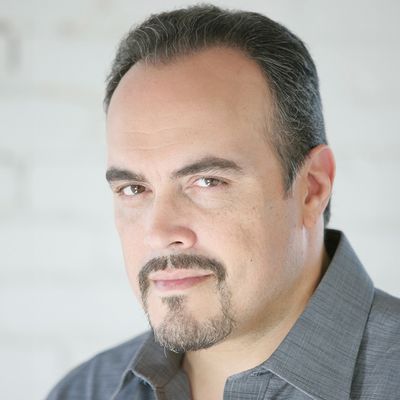
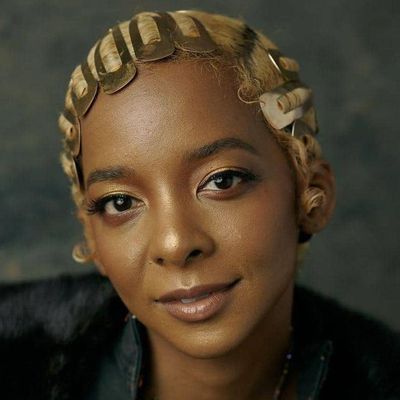
Though Cost of Living played its final Broadway performance over seven months ago, the Pulitzer Prize-winning play certainly was not forgotten by the nominating committee of the Tony Awards. It was nominated for five awards, three of which for its stars- Katy Sullivan, Kara Young, and David Zayas.
All three just joined the hosts of BroadwayWorld's own Survival Jobs podcast, Samantha Tuozzolo and Jason Coombs, at the iconic Glass House Tavern for a very special roundtable discussion on their individual journeys with the play. Watch below as they have a conversation about what its like to be a nominee nominee and even play a very special round of Tonys Trivia!
Martyna Majok's powerhouse play is an insightful, intriguing work is about the forces that bring people together, the complexity of caring and being cared for, and the ways we all need each other in this world.
Broadway World Video and Article Here!
You can support the podcast and the hosts at www.buymeacoffee.com/SurvivalJobsPod and on Instagram at @surivaljobspod | @SammyTutz | @JasonACoombs.
Info on "Cost of Living Cast":
- Follow Kara Young on Instagram
- Follow David Zayas on Instagram
- Follow Katy Sullivan on Instagram
- "Cost of Living" Official Website
Mic Check Links:
- Bridgeport Film Fest: Save 50% on Film/Screenplay Submissions with code: BFFSJP
Info on Your Hosts:
- Broadway World Article on our Season 2 Launch Party
- Follow Samantha: Instagram. | Samantha's Official Website here
- Follow Jason on Instagram | Twitter.
- Check out Jason's Official Website here
- Check out and support The Bridgeport Film Fest
Important Links:
- Native Land Map
- US Interior Indian Affairs
- NPR: "How To Help Puerto Rico" Article
- How to Help the People of Florida Article
- Abortion Funds Website
- Plan C Pills Website
- National Write Your Congressman Link
- How to help Uvalde families NPR Article
- Where to Donate to Support Access to Abortions Right Now
Support Us... Please!
- If you're feeling generous, Buy Us A Coffee HERE!
Please don't become complacent:
- Support the Black Mamas Matter Alliance
- Support Families Detained and Separated at the Border.
- Support the AAPI Civic Engagement Fund.
- Support Black Trans Folx here
- Donate to the Community League of the Heights (CLOTH)
- Support the People of Palestine
- How to be an Ally to the AAPI Community
- 168 Ways to Donate in Support of Black Lives and Communities of Color
- The New York Times: On Mexico’s Border With U.S., Desperation as Migrant Traffic Piles Up
- PBS: How to help India during its COVID surge — 12 places you can donate
- Covid quarantine didn't stop antisemitic attacks from rising to near-historic highs
Opening and Closing Theme Music: "One Love" by Beats by Danny | Game Music: "Wake Up" by MBB.
If you enjoy Survival Jobs: A Podcast be sure to subscribe and follow us on your preferred podcast listening app! Also, feel free to follow us on Instagram and Twitter! Thank you!!
Transcript
This transcript was automatically generated and might contain errors.
[0:06] Samantha Tuozzolo: Hello, hello, hello. My name is Samantha Tuozzolo, and I'm here with my amazing co-host, Jason A. Coombs for Broadway World. We're here with the iconic, amazing, talented Tony nominees from Cost of Living, and we're about to have a really fun chat.
[0:24] Jason Coombs: Yes. Congratulations, first and foremost, and thank you for being here with us.
[0:25] Katy Sullivan: Thank you.
[0:29] Jason Coombs: Yeah, would you mind just introducing yourselves, your character name? And where were you when you found out you were nominated for a Tony?
[0:42] David Zayas.: Hi, I'm David Zayas. I play the role of Eddie in Cost of Living. I was in Wyoming when I found out I was nominated. It was my son's birthday, and both my son and I were talking to students at the University of Wyoming, and yeah, it was a fun, fun day.
[1:09] Samantha Tuozzolo: It's your first Tony nomination, right?
[1:10] David Zayas.: Yes, how does that feel?
[1:12] David Zayas.: Exciting. I was very humbled and thankful, and it was nice that they remembered the show that closed way before all these other shows came on. But yeah, I was overjoyed.
[1:29] Jason Coombs: Snaps.
[1:30] Katy Sullivan: Um, I'm Kara Young. Um, I was like, what's the question? Yeah, I'm Kara Young, and I'm just in Cost of Living. And where was I when I found out? Man, I don't know why, but there's a memory of last year waking up to messages. But I feel like I found out, I don't remember, but I called my parents after. Yeah, like I don't know where I was. It kind of was like, what is this crazy? And then I just called my mom and my dad.
[2:06] Jason Coombs: Because you're like a veteran, second nomination.
[2:11] Kara Young: Well, I wasn't trying to back you back.
[2:14] Kara Young: Yeah, and it's just your phone blows up, and you're like, what's happening? What is this? Wait, I think I was actually at rehearsal. I was going to a rehearsal.
[2:30] Katy Sullivan: Wow.
[2:30] Kara Young: With that work in still, right?
[2:32] Katy Sullivan: Wow.
[2:36] Katy Sullivan: Uh, I am Katy Sullivan. I play Ani. I played Ani in Cost of Living. Um, and I was in bed because I was afraid to get out of bed because it felt like a safe place. I made my fiancé bring me coffee in bed because I was like, I can't get out. I was like, we were watching. I was like, I want to experience if this happens. I want to experience hearing, and I heard David's name, and I started screaming and freaking out, and then hearing your own name and then hearing right afterwards Kara. I was like, oh my god, it's ASMR.
[3:19] Jason Coombs: Yeah.
[3:20] Katy Sullivan: Yeah, I have chills. Like, um, and my dog, I was screaming so much that my dog kept hiding from me. Like she was scared. Um, and I was like, I had to find her in the closet and I had to pick her up and I was like, Fizz Gig, we got nominated for a Tony because her name was on my dressing room door.
[3:53] Jason Coombs: Like she was there.
[3:55] Katy Sullivan: That's so great. Well, thank you guys for sharing that. Um, we're gonna start with you, Kara, chatting with you. So as we said, this is your second Tony nomination.
[4:06] Jason Coombs: Oh my god, by the way, back to back, iconic. Congratulations. I can't even imagine what that feels like.
[4:12] Kara Young: Oh my gosh.
[4:17] Katy Sullivan: Yeah, really.
[4:18] Jason Coombs: Right? We should find out those facts.
[4:21] Kara Young: Sorry, we should have done that.
[4:23] Jason Coombs: Sorry.
[4:23] Kara Young: No, but like a back to back, I bet that's pretty rare.
[4:28] Katy Sullivan: A hundred percent.
[4:29] Kara Young: So Queen, exactly.
[4:31] Katy Sullivan: Queen, Queen.
[4:32] Kara Young: Yes, ma'am. Both with Pulitzer Prize-winning playwrights back to back.
[4:36] Katy Sullivan: Oh my god.
[4:37] Kara Young: So which is iconic, iconic, iconic. Um, but there is a similarity between your character and Martyna's real life, right? Like she was a caregiver. She was a first-generation American here. Did you feel a larger sense of responsibility with this character because of that? Did you chat with her?
[4:53] Kara Young: I think that's a really great question. This answer will evolve. This is my immediate response to that question. I feel like there's an overwhelming responsibility with each character at the moment in which I'm exploring. Um, you know, with Jess, there were many similarities between me and Jess, but then there were also very many differences between me and Jess. But there was something that felt like the vessel to do this role right now is like wearing a migration of my ancestors on my body and wearing the migration of my parents' hard work on my body, and um, I think, you know, I can't speak for Martyna, but I would say that Jess and Martyna have a lot of similarities in that sense. Um, but I can't speak for her, I don't know what she would say, but I do think that when it's happening, it is the most important role, yeah, because it's happening in the present.
[6:10] Samantha Tuozzolo: Awesome. Yeah, thank you. I don't know if that makes any sense.
[6:14] Kara Young: It makes total sense.
[6:18] Katy Sullivan: Katie, you along with Greg Mescala were in the original production six years ago.
[6:25] Katy Sullivan: Uh, I was sent this script of Cost of Living over seven years ago for the first time.
[6:30] Kara Young: Wow.
[6:30] Katy Sullivan: That's crazy. That's like a different world.
[6:33] Kara Young: It's like we were all so young and innocent.
[6:39] Katy Sullivan: And then yeah, like, oh, we were such babies, we didn't know what we were gonna go through.
[6:44] Kara Young: But um, I didn't mean to cut your question off, but like, uh—
[6:44] Jason Coombs: Oh, I was gonna—no, I was just gonna say, how was his performance? It was so incredible. Yeah, how was it working with him on that journey from that original space where you guys were six, seven years ago? So being on Broadway with him, and then the newcomers to the cast as well.
[7:02] Katy Sullivan: I think, um, honestly, like Greg and I have such a special relationship. I think you can't go through a process like we've gone through with this piece where you go from like workshops in a basement, you know, in a folding table to like getting to take something and take characters that you originate and go all the way to Broadway. Um, to be able to be on that journey with another person is incredibly special. Um, what I love about Greg is his commitment to his craft, his commitment to his scene partners, and I can't speak for Kara, but like just I see the commitment that he has to his work, and it matters to him so much, and um, it just is such an incredibly special relationship, and it's kind of like a brother-sister at this point. It's like, oh shut up. Like, you know, but amazing, you know, to be able to like stand in your dressing room and go, We're on Broadway. I mean, that's the dream, I think. I don't know, I don't think it gets any better than that.
[8:24] Jason Coombs: Yeah, yeah.
[8:27] Kara Young: Nope.
[8:29] Katy Sullivan: It's not one-off script.
[8:30] Jason Coombs: Yeah, like so this play ended in November of last year. Was it hard to shake these characters off, especially you, Katie, because it was such a huge part of your life for seven years?
[8:39] Katy Sullivan: I mean, I think what's strange at this point is that there are gonna be other productions. And this is a character that I have an incredibly—she matters so much to me that like I know that there are productions that are gonna be cast, and I'm like please take care of her. But you do have to—I mean, I think that's one of the beautiful things about theater is that it's in the moment. You're in the moment, and that's what matters, and that's all that matters in the moment is being truthful in that moment. And then once it's over, it's gone. You had to be in the room, and if you weren't, it's gone. It's not on tape somewhere or on Netflix. Like, um, it's a special thing. So I think, you know, having to release her is hard, but like, you know, to me, after so long, it felt like just showing up and kind of hanging out with an old friend.
[8:46] Kara Young: How about you two?
[8:46] Katy Sullivan: Um, well, I want to go back to Greg because I for me, I kind of felt—I don't know when we started the show, when the show first started, and I had to go out there and do my first monologue that I had to do, I felt like half an hour about 15 minutes ahead. And right before, you know, I was terrified every single time. You get terrified, you know, it's like—and then I would always—Greg was next to me every performance and preparing for his next scene after I'm—I don't know. And I would hear the music, and this is the cue for me to go out there, but I always hesitated, and then I covered at Greg, and Greg would go. And then that was my cue to go. He'd just be like, oh, and I'm like, thank you. Um, to me, it was kind of the anchor to start the show.
Um, even though I had no scenes with him, my character has no scenes with him in the play. Um, we all—I felt like it was such a four-person family connection with everybody to do this show, and it was actually the fuel that got me through the show every night.
[11:11] Jason Coombs: Love, that's beautiful.
[11:17] Katy Sullivan: I'm gonna talk about Greg too.
[11:18] Jason Coombs: Yeah, because you know, Greg Mosgala, I feel like, and I've said this before, but I feel like it's probably one of the most profound artistic relationships that I've had on stage, one of the most profound journeys that I've had on stage. I mean, you know, we hit—he had so much bravery stepping into John, um, and just the work that he's done on the play, the work that he's done throughout the years. I mean, you know, as somebody who like workshops play, like there's so much that goes into the emotional and physical investment in, especially in a world like this. Um, but you know, we had a really intimate scene. We had more than one intimate scene, and um, I just learned so much from him through—we actually live down the block from each other, so we have like little moments where we just be like, hey, what you doing? Let's do you real quick. You know, um, but yeah, profound, profound and incredible relationship, and just he's just one of the most brave, most bravest artists that I've ever met, really, truly.
[12:35] Samantha Tuozzolo: That's really beautiful. You know, I did—I watched an interview with the two of you at TDF or something. You guys were on Zoom, and I was like, wow, their dynamic and chemistry is so beautiful and raw and open. So thank you for sharing all of your love fest about Greg.
[12:51] Katy Sullivan: I love Greg.
[12:52] Jason Coombs: Love Greg.
[12:53] Samantha Tuozzolo: Um, so David, one of my favorite moments in the show is when Katie's character says something like, I'm so mad and sad, something like that, right?
[13:01] David Zayas.: And you're right.
[13:06] Katy Sullivan: When did I say that?
[13:07] David Zayas.: So pissed and sad.
[13:08] Katy Sullivan: Maybe the word is pissed.
[13:09] David Zayas.: Oh yes, yes, yes, yes, yes. Pissed and sad. I'm so pissed and sad. Um, and then you say something along the lines of like, what's there to be like pissed about? And then you start dancing, right? And you play some music and you start dancing.
[13:21] David Zayas.: Right.
[13:22] David Zayas.: And that moment for me was so beautiful because it's like art can be so healing and bring so much joy. And in that moment, I felt it. And Jill's talking about it.
[13:30] Katy Sullivan: Yeah.
[13:32] David Zayas.: I felt it from you being like, okay, look, now we can like play and laugh and be out of reality for a minute. So my question for you, David, is how do you think Cost of Living did that for the audiences?
[13:47] David Zayas.: Well, you know, the thing about that moment is that it was, um, at least the way I thought about it in that moment was this is a song that we've been listening to and dancing to, uh, because we had a relationship for a long time, two decades and a year almost. Almost. Right. And so it felt like there was, uh, amazing that when you get a certain song, you know, when you have your song, you know, it was that was like a song that whatever we were, however pissed off she was at me, uh, play that song, and we could kind of disconnect from what's happening so that we can relive something that made us feel closer and show love with one another. And so I—and the way Martyna wrote it, you—the audience can't help but feel the same thing. So, uh, I just remember, you know, we got to pick the song. I well, I got to pick the song. I said this is a good song.
[14:59] Katy Sullivan: Oh and they would say he would say, Oh, play this song and dance with her, and maybe it'll calm down the heat that's happening. And I thought about that, and when I read the scene, I'm like, this is what I feel like this moment is that kind of moment, and I was able to relate that, and it was it was it it if the audience felt it's because we felt it on stage every night.
[15:25] Kara Young: That's awesome. And I also, you know, I don't know if I was a great dancer, but the next line is you still can't dance, so I had to like make believe I couldn't dance.
[15:35] David Zayas.: Yeah, you agree, yeah.
[15:39] Katy Sullivan: Spoilers, yeah. I love that so much. Can we talk about Caregiver Night?
[15:47] Kara Young: Which was just a special.
[15:48] Katy Sullivan: The best night ever.
[15:50] David Zayas.: First of all.
[15:51] Kara Young: Yes.
[15:51] Katy Sullivan: Sorry, you didn't even ask the question.
[15:54] David Zayas.: You know what the question is.
[15:56] Katy Sullivan: No, I just think that, like, you know, it's important for people to come to the theater that don't normally come to the theater, right? And I'm not saying that I'm not gonna try to generalize that most of these people don't come to the theater. And I don't want to do that. But it's important for people to be seen, acknowledged, heard.
[16:16] Kara Young: Now the kind of feedback um that we got post show from the from Caregiver Night was like these people who were there were s they felt so seen. And that is like I think there's language for it, but I'm not a writer. There's language to describe what that feeling is, but to really pick up on the energy of how like what you've done for the last two and a half hours. I don't even know the run of the play, but what you've done for the last two hours has really impacted them to feel important in a way, and that's beyond, you know.
[16:57] Katy Sullivan: That's like Yeah. Special.
[17:01] Kara Young: It was special, it was a special night. Yeah, like a and honestly, you know, a couple of my mom's friends are caregivers, and I think in some degree, you know, some at some point in your life, you know, if that if you're privileged to be a caregiver to a loved one or to someone, you f you you there's something that um Martina's pen really kind of delves deep into the core of what it means to be needed, to be wanted, to be heard, to be seen, to feel um to just feel validated, or or you know, there's there's just there's just it's so much a spectrum of humanity within these moments that we're we're seeing on stage that's no there's no more words I don't I don't have anybody it's so beautiful I'm sure that I'm taking to be felt right to be seen see yourself up there like we all know what that feels like as marginalized communities right yeah so it's it's it's uh it's it's amazing how much you can inspire somebody when and not even know it you know um and and the perfect example is this because I grew up in the Bronx and when I was 14 my school s uh brought me a school trip to Lincoln Center to see a a play and I was like I just want to go play some basketball you know but we went and we saw it and I I s I sat downstage and when the lights came on this man came just strutting on and he started to talk and I was like that guy sounds like my uncle and it was the Puerto Rican actor of Raul Julia and I was just now I was it it connected with me because that's how m most of my family speak with that kind of because he kept even though it was a Kit Wild you know period piece he kept his Puerto Rican accent authentic yet it was so like amazing and so fascinating and so you know just with a lot of pride and I was it kind of like I always kept that in the back of my head say you know, when I always felt oh my accent and I don't know how, you know, can I do Shakespeare?
And he did, and it was like so you never know when you see something that you're familiar with on stage, how it inspires you to do whether it to be an actor, whether to do anything or whether to continue to be a caregiver. So yeah, that connection is real.
[19:36] Katy Sullivan: Mm-hmm. Well, can I interrupt? I also love you said, you know, this is you're in Lincoln Center and this guy that you can identify with comes out and starts speaking, which is how this play opened. You came out and started speaking. So I just love that little mirror moment.
[19:52] David Zayas.: It was sorry, Penny Oplo is a man.
[19:56] Katy Sullivan: The musical sound.
[19:59] David Zayas.: Yeah. And that like lives in your memory, like never forget that.
[20:03] Katy Sullivan: Like, wow. Never forget that. Do you wanna comment about Caregiver Night?
[20:08] Kara Young: I mean, I think you know one of the things I love so much about this play is that it feels like there is something for everybody. There's a f there's a a slice of life for everybody. I think one of the quotes, um from one of their reviews, uh who knows when or what time, but one of the quotes was like, if you don't see yourself reflected on this stage, you're not looking. And um, and I think that that is one of the reasons why this play resonates with people so much is the brilliance of Martina to write these three-dimensional flawed characters that are complicated and just trying to make ends meet most of the time.
[20:56] Katy Sullivan: John not John, but like trying but he in his own way he is trying to make ends meet, you know, and in sort of this like I can I can do anything I want except the things I can't. Like, you know what I mean? It's like um and so I uh and from my perspective, being a performer with a disability, um we've had very few people to point to. I've never sat in a theater and saw somebody walk on stage that looks like me. Um and and for me to go, oh, this is real, this is possible. So like the number of times that someone with forearm crutches or a wheelchair user or someone who was uh an audience member in our house afterwards would come up and say, I've never seen anybody that looks like me ever on stage, um, authentically.
There are plenty of characters that are you know an able-bodied person sitting in a wheelchair. But um there was one particular day this girl came up to me and she's like, I've always wanted she had forearm crutches and she was young, and she said, I've always wanted to be an actor, but I just didn't think it was gonna ever be possible. And I was like, please don't give up. Like, please don't, um, it is possible, it's hard, it's really hard, and you're gonna have a lot to, you know, you know, a lot coming at you in terms of like, you know, having to sort of overcome the obstacles, but like we need we need this to continue, and and so um to be a a piece of the change that is happening on Broadway.
Um, and now you can point to you know, Greyhouse and Camelot, and you know, there are uh a doll's house, there are performers with disabilities that are peppered throughout the Broadway community right now, and that is so important, and um I just uh to be a piece of it is incredibly humbling, but uh I just I want to encourage directors, producers, casting directors out there to continue because there are some really talented performers with disabilities out there that deserve to be working.
[23:11] Katy Sullivan: And thank you for the work that you do in your voice and making a change.
[23:15] Kara Young: Thank you. It's amazing.
[23:16] Katy Sullivan: Can I say one thing?
[23:17] Kara Young: Yeah.
[23:17] Katy Sullivan: You're you're like the role right my old Julia, right? Someone's gonna be 20 years from now. Someone's gonna be. I saw that actress up there. That was like that moment for me.
[23:27] Kara Young: Yeah.
[23:27] Katy Sullivan: That's you.
[23:28] Kara Young: That's that's incredible.
[23:29] Katy Sullivan: Yeah. I really hope so.
[23:31] Kara Young: You are.
[23:31] Katy Sullivan: Oh, that's amazing.
[23:33] Kara Young: I didn't wow, I didn't I didn't kind of think about it.
[23:36] Katy Sullivan: No, I didn't think about it that way, but like, yeah.
[23:39] Kara Young: You totally are.
[23:40] Katy Sullivan: It's so beautiful what you all what you do, what you all have done with this show. So thank you so much.
[23:46] Kara Young: Um, I'm gonna take a little turn.
[23:48] Katy Sullivan: Please!
[23:52] Kara Young: I was like Oh god, just a little turn. I do want to talk a little bit about that bathtub scene.
[23:59] David Zayas.: Yeah, Iconic bathtub scene iconic David, for you, you know, as an audience member, we were on the edge of our seats for that scene. So I just want to know for you, where did you have to go to be in that scene with her?
[24:15] David Zayas.: You know, I don't know if this is the answer that is going to be exciting, but I will say that um, you know, the design is about show, the lighting designer, the set designer, Wilson Chin. Um they created an environment where when we did that scene, I couldn't see anything except Katie and and that in that bathtub. Um I could not, and for some reason for that scene, which is I still can't understand it, I didn't hear anything. I just it was just uh the the intimacy of that scene was so profound that I I heard maybe a muffle of laughter. I didn't it it was separate from the rest of the show for me uh because of the intimacy and because of what I wanted my character wanted to express to this person that he loved and didn't have the articulation uh of actually maybe saying it, so he had to find different angles to say it.
So the intimacy and the way the lighting and and and the set really separated me so I was able to be as intimate as possible in relaying the information that I wanted to relay to this person that I love to try and get back into their lives, you know. And so uh yeah, I f I it's probably and you know what? It's it was funny is that it it was the the quickest scene for me to uh to get into my soul and into my body. Uh it it didn't take that much effort for me to get into it.
[25:55] Katy Sullivan: Yeah.
[25:55] David Zayas.: Um and it was probably the the the scene for me in the play that felt the most genuine for me from for as an actor, uh, only because I was just so engaged in just that scene. In just and that's you know, that's a credit to the person I'm doing the scene with, and it's a credit to the writer and what she wrote, uh the director, Joe Bonnie, and how she staged it. Um so yeah, that was uh that was an um that scene and the the last scene of the play was to me, I had to go to places that I've never gone to before. As an actor, I've hardly ever gone to those places as a human being.
[26:36] Katy Sullivan: So um that's what's great about what we do. We get to go places that we wouldn't go. You know, or we would say things that we wouldn't say. And so that I felt really strongly about that scene when it came to that.
[26:49] Katy Sullivan: I love that. Thank you for sharing. I feel like, you know, uh you always get to ask the question about that scene, and so I was curious to see where you were coming from there. Do you have anything to share about your process with that scene or your struggles with it?
[27:02] Kara Young: I to me it's always uh it's such a I think playing Ani in in general is like you you're sort of stripped away of all of the like things you do as an actor, like m moving, like moving your hands, but you know what I mean? It's like it is and that scene is so still and so um the stillness is what I think lends itself to this like beautiful you we had to rely on just communicating and like what is it that we are trying to get from each other and like it's it's uh brave for a playwright to write a 20 minute scene where nobody moves and like you know uh brave for a director to not be uh tempted to have David get up and wander around and pace and talk or something like that just to trust the stillness of that scene.
[27:56] Katy Sullivan: Um and it honestly is the only time in my experience as an actor where I feel like I forgot there were times that I would forget that there was an audience there, especially when like I close my eyes and he's playing the piano on my arm. Like I tr was transported at times to that to a different sort of time and space. And then I would it would kind of come to an end, and I'd open my eyes and I'd be like, oh hi. Hey everybody. I'm on Broadway.
[28:28] David Zayas.: Yeah, and I forgot.
[28:29] Katy Sullivan: Yeah, but that's the that is that power of the connection that like you said, the your scene partner and how much you trust each other and how much you rely on on the words and and trust the director that like this stillness is enough, you know.
[28:46] David Zayas.: And that's Ani's last scene.
[28:48] Katy Sullivan: Yeah. Oh my god. Woo! Would you say that's your favorite moment in the play for you?
[28:53] Kara Young: I you know, honestly honestly, I uh I love Martina, and I'm like, can I like can we work when do we work together again? Blah blah blah was like, can I be dry? Can I um can I be dry if we do something together again? Um just the like I just never thought in my wildest dreams as a you know kid dreaming about being on Broadway if that was gonna be like 20 minutes of just like public being publicly bathed every day.
[29:24] Katy Sullivan: Like you know what I mean.
[29:26] David Zayas.: Thanks David, thanks, David.
[29:31] Kara Young: Yes, Greg and I Greg and I are the cleanest people on Broadway.
[29:36] Katy Sullivan: A hundred percent. I mean, I guess I would sometimes twice a day.
[29:43] Katy Sullivan: So in the water.
[29:44] Kara Young: Yeah, it's important.
[29:45] Katy Sullivan: So you have to have to worry about your co-star.
[29:49] David Zayas.: It's being smelly, yeah.
[29:50] Katy Sullivan: True story.
[29:51] Kara Young: That's true.
[29:52] Katy Sullivan: Oh my gosh. How about you two? Your favorite moment from the play?
[29:54] Kara Young: Favorite?
[29:57] Katy Sullivan: Yeah.
[29:59] Kara Young: Or when we love playing in the play.
[30:02] Katy Sullivan: You know, I think I thoroughly enjoyed coming out in the purple dress moment. I'm not gonna lie. I think I did love every moment in the play, but I think that, you know, when we see, I think it was a beautiful juxtaposition to when we first meet Jess to when we meet Jess again in a very vulnerable state versus and then like the journey of her being so clothed to seeing the silhouette of her body in a way that is supposed to be very giving and very generous and just, I think I said vulnerable. So I think that the story in that of like meeting her at the mirror the first time then meeting her at the mirror there to me was like a beautiful thing to just see as like if you just take out those two or three minutes of each, it's like a short film, you know, like in itself.
But that was particularly fun spraying. Especially at the student matinee where they let me tell you something, that student matinee, and it was crazy because it was a lot of my, the high school that I went to was a lot of the high school chicks, yeah, so the girls who, yeah, high school and although the young women's leadership high school, I should say, and what the soundtrack, if you were to record the way that they reacted to that play, it would be like a soundtrack. Uh-huh. It's also different from any other thing. Yeah, they'd be like, it'd be like, ooh. Oh. And when you're like the spraying and all that stuff, they were like losing their minds. Losing their minds. Yeah, for real. But that's, you know, when you get to do a show in front of younger audiences, they're just so honest, and they're like, it hasn't necessarily been like the politeness of like you're sitting in the theater, you know, like their reactions and they're like those moments are so real and honest that they're like the most invigorating and fun experiences to do.
[32:21] David Zayas.: You know what's funny is that the moment that had the most impact on me, I feel wasn't a moment that was scripted or was on stage. It was that timeline after I finished that monologue, and I'm going home that no one sees, and seeing Jess in the backseat of a car sleeping after I've been thinking about my wife that had passed away, that connection in watching this young woman in a car, knowing that she's homeless, knowing that I feel that she needs, but it was like I need that, I need to have that connection also, and then it leads to the last scene. And I felt that was always a journey that because there was a long time when I'm backstage ready to do that, and I'm listening to your scene and I'm going through what I did after the monologue and going to home and walking to my apartment and seeing this young woman in the back of a car freezing to death and take an action to try to, I don't know, bring some kind of comfort, some kind of connection into that and that was to me it was a very powerful moment and it led to that last scene which every night I never knew if I was gonna get to where I needed to go, which is scary but you just gotta like jump in the pool and hopefully you can swim yeah so it's I think that was an impactful moment for me.
[34:14] Katy Sullivan: Wow, thank you guys for sharing that. Um so something that I love that Martyna says is that she started writing this play when she got fired from her bartending job. She got accused of stealing a hundred bucks, didn't steal the hundred bucks, but got fired and then started to write this play. Um so it's shameless plug, Jason and I have a show called Survival Jobs, and I was like, oh, a bartending job is super a survival job. And here you guys are all now nominated for Tony. So do you have a memorable survival job along your way to where you are now as artists that you can share with us?
[34:55] Kara Young: Yes, yeah, right. I did because I just remember at one point, you know, I was working like five jobs, like I was just working so like I was like I was a hostess at a cigar bar, I was a brunch chick, I was like a brunch manager at one point, brunch, doing brunch, I hope. Love brunch though. Love brunch.
[35:17] Katy Sullivan: Yeah.
[35:18] Kara Young: Not working it as a whole person.
[35:19] Katy Sullivan: No, no, yeah, no, like sitting at brunch. That sounds like our survival change.
[35:24] Kara Young: Oh my god. I was working in an office, you know, three to five times a week. I was babysitting. I was acting on top of that. Um just like the most like my new, like or like very little, like menial jobs doing random, just just it's so random. Like if I if I've ran down the list of jobs that I had, it's random, so crazy.
[35:51] Katy Sullivan: Yeah. I think there are certain like jobs that I, some of it is like yes, like hostess of like I should never work in a restaurant. Like I please don't ask me to carry a tray of anything. Like it will not end well. But um there were that sort of stream of random, like when I was a baby, I worked at Blockbuster.
[36:17] Kara Young: Oh really?
[36:17] Katy Sullivan: Oh my god, an extreme job as a kid. But you know what? I actually was kind of convinced myself I kind of convinced myself that it was like research. Because I was like, I get to watch all the movies and like I get to. Uh and then like I worked at night, so like my days were free to like go on auditions and stuff, and you know, but then there have also been like um there was a period of time in my life where I worked for a prosthetic company. So like helped people I launched a national program for like peer visitation for amputees. So like if someone's facing an amputation or post amputation, like meeting somebody who went through something similar. So like you can sort of fall into these things that you're like, okay, this is not hostessing at a, you know, at a restaurant. And um, you know, you there are pockets of like survival jobs that can be really meaningful and kind of enrich your life in a in some ways.
[37:14] David Zayas.: But well, I I mean I had a different uh I knew you're gonna I I I started acting late, so uh I I joined uh the Air Force when when I was 18, joined uh the Air Force, and then when I came out, uh somehow I had a family with two kids. And I I'll explain it to you later. I don't know, somehow that happened. Um I had um I got into uh I became a police officer and YPD police officer. In fact, this was my area for most of the years that I worked in. And about halfway into that career uh was when I started acting, started taking classes. I switched to a midnight shift. So there was a few, there was months where I would shoot a show during the day, do a play at night, and everyone would go out and have a beer, and I had to go do a midnight shift in Hell's Kitchen. And uh and then you know, somehow find hours to sleep in between there. Somehow.
[38:18] Katy Sullivan: Somehow, yeah.
[38:19] David Zayas.: But you know, it's funny because I don't I don't I never considered it a hardship. Uh it was m it was more of an exciting time. You know, I didn't get much rest, but when you're young, you have the energy to do all that. Um, but I always never looked at it like I can't believe I gotta do this. It was always, oh, I had the opportunity to do this and still support my kids with this job. The day I realized that I'm gonna just I'm not gonna do the police job anymore and I'm gonna just be acting was um there was a report of a man with a gun, and I thought went to the scene and I saw the guy and he ran and I chased him. I was fast back then. And I chased him, and he went into an abandoned building, and I went into the abandoned building, and then I stopped and I said, Wait a second, I have an audition for Law and Order tomorrow.
What am I doing? And I the guy got away. I say I even said goodbye to him. I went out, and then uh Oh my god. I realized that uh acting was what I wanted to do, and uh eventually I retired early from the police department. But yeah, it was certain moments like that that I remember that I'm like second. What? I gotta I, you know I can love if I arrest this guy, I'm not gonna make my audition too much paperwork. There's a lot of paperwork, and like what did he do anyway? Nothing. I don't even know if he had a gun. I'm he's I'm run chasing after this guy for nothing that I know of, you know.
[39:53] Katy Sullivan: That's hilarious.
[39:53] David Zayas.: I was like, yeah.
[40:01] Kara Young: That is so good.
[40:02] David Zayas.: I wonder where that guy is now.
[40:03] Katy Sullivan: Oh he might be on Broadway.
[40:06] David Zayas.: You never know.
[40:07] Katy Sullivan: You never know, you know.
[40:09] David Zayas.: Oh, he's probably wondering, why is this guy chasing me?
[40:12] Katy Sullivan: Yeah, so he's just right.
[40:15] David Zayas.: Exactly. I also love that this was your area, and then you're back and you're on Broadway in the theater district, you know, that's cool.
[40:21] Katy Sullivan: That is, you know, it's really a setting. You know, my friend that used to work a police officer in the theater district, got me into uh I was off at I had I had a few hours before I started my shift, and he got me in to see A Few Good Men, which was on Broadway. I think this may have been 1989, 1990. And when I when I went to see it, I was like, I think I can do this. This is very exciting. I had to leave the theater and I ran two blocks for no reason. Just always running.
[40:49] Katy Sullivan: Always running.
[40:49] David Zayas.: And I ran two blocks just to expend the energy that this play gave me, or this the realization that I want to I would love to do this. You know, and there's always that unknown whether you can or not. But you know, my first day of acting school, I was like, yes, this is it.
[41:13] Katy Sullivan: Yes, and wow.
[41:17] Samantha Tuozzolo: So we've talked about how groundbreaking your show is, right? Um highlighting communities that need to be seen. But do you think Broadway in general is the shift happening in general, you feel like, or do you think there's more work to be done? And any advice for the people in charge of what they can do more of you know, uh forgive me, I'm gonna start.
[41:41] David Zayas.: Please.
[41:43] Kara Young: Um I feel it's up to us to tell these stories. Uh writers, uh, producers uh to tell the stories that are not normally seen on Broadway. Tell a story about an African American family growing up in Harlem or a Puerto Rican family growing up in the Bronx or a person with disability having to deal with those stories are so important that you don't see them often, and I I feel that thank God for writers like Martyna, my uncle Steven Andy Gigas who create voices for people that are not usually seen on stage on TV or on film. Right. And so uh I think I yes there there is a shift but it's just the beginning of the shift. There's so much more to go and um to then be inclusive in this theater community.
You know uh it's it's really up to the and they are there's some wonderful young writers and and directors and just you know visionaries, producers that want to tell these stories of everyday life in America and uh those stories are out there. You just have to, you know, kick the door down to get it up there.
[43:05] Katy Sullivan: Mm-hmm. Preach.
[43:10] Kara Young: And yes and and I I think there's always more work to do. I think there's always more work to do. We we can be better even at our best and and I and like you know we've had a beautiful two seasons, two Broadway seasons. You know there's been so much more div um you know just different kind of stories that we've been leaning into um as a community. And I think there's a lot more work for us to do as a community to come together to really hold each other down. You know um you know, I like look at the off Broadway community um as an example of just like how we're, you know, constantly supporting each other in in our journeys. Um, I feel like it can kind of bleed into the Broadway community, which it feels like that because yesterday we were at the luncheon and I'm looking at all of my peers.
I'm looking at people that I've been in work in rooms with for years, and I'm like, wow, we're all here together. So I feel like there's something beautiful happening and there's still more work to be done, and there will always be work to be done because we'll always realize something about our past that we need to shift and hopefully we do, hopefully we continue to do that.
[44:37] Katy Sullivan: I mean, I think uh for me, if you look at the plays and the musicals of the pieces that have been so impactful, they are being told either written by or acted in or that it's all um people with lived experiences that before it would be, you know, somebody googling what it would be feel what would it feel like to whatever fill in the blank. And they're uh where people are drawn to go to the theater, excited to see these authentic stories about, you know, people in the LGBTQ community or you know, the um families that aren't represented normally or uh living your life with a disability or whatever it is, like those are the like you said, you looked around the room and those are the people that were there yesterday.
Those people who were like uh producers, director, producers are are getting braver and believing that we can take a risk on something that maybe 10, 15 years ago wouldn't sell or wouldn't, and maybe it would have, but people were scared. But like I feel like we're taking risks in a really dynamic way. And I I mean, like you said, we have further to go, but it's a really exciting time in the world of theater, I think.
[46:06] Kara Young: Yeah. I just want to add that it's also art is fluid, right? We also need room to fail. And to recoup, and then you know, I I I feel that sometimes w uh we don't get that space, you know, to to fail. I think once we fail, then they go they move on to the next thing. But no, we need we need that room to fail, and then to recoup and then to do better. Uh and I I feel that hopefully that's starting to happen also.
[46:44] David Zayas.: Yeah because you see plays out there that fail all the time, and then three months later they're all in another show. Yeah, you know, and uh and then I've also heard well, okay. This this uh this play didn't you know failed. You see? Now let's move on to what normally works on on Broadway. And no, yeah, give us the give us the room to explore, give us the room to fail, and then give us the room to recoup and then go forward. That's it.
[47:17] Katy Sullivan: Oh my gosh, this has been such an honor to speak to Peterina. I feel like I had chills like the whole time. Seriously, I thought I got an education, I feel like I went to church, I feel like I got an act. If it gets too heavy, I'll just almost time.
[47:35] Jason Coombs: Well, well, I just do want to say one thing, and by saying I mean ask. Um, we talked a lot about the play and the journey with your characters and a little survival job. If you guys could pick one word to describe your journey to the Tonys, what would that be? And then we're gonna play a super fun game.
[47:53] Katy Sullivan: Wow. That's a tough question, Sam.
[47:55] Kara Young: I'm sorry.
[47:58] Katy Sullivan: That's a tough question.
[48:00] Kara Young: You can pass.
[48:01] Katy Sullivan: No, I I the word that comes to mind is is unexpected.
[48:08] Kara Young: Good one.
[48:11] David Zayas.: Love you.
[48:12] Kara Young: I love you.
[48:14] Katy Sullivan: I don't know about words. But like words together, phrases, maybe. Um a really wild magical journey in exploring humanity. And um it evol it's uh the evolution of the artist street. There's more, there's more, there's more.
[48:47] David Zayas.: There's more.
[48:48] Katy Sullivan: It's like not a word. It's it's a lot. It's a lot of words.
[48:51] Kara Young: It's a lot of words and a sound. You know, like feels like a Dr. Seuss book.
[48:55] Katy Sullivan: Yes. Like, oh my god, it's so pretty, and but it's like, ooh, like you felt you you found some green eggs and ants. Sam, I am you know.
[49:13] Kara Young: Yeah, I do have a word for it. Uh and for this journey to the Tonys is uh family. I've I f it feels like every all these events, because there's a lot of events we go to before the uh the Tony's, and I feel like I've it's it's a community of family. Uh that you know what yesterday when say, oh welcome the uh the 2023 class of Tony nominees. I was like, yeah, that's the way that's that's how it feels, you know, and also it's a wonderful uh environment to just uh be open and explore individuals that maybe you have not encountered and and be open to acceptance with the one anchor, which is being an artist and and being acknowledged for the work that we all did this past year.
[50:14] David Zayas.: So that very f that family would be the word I know I think I explained.
[50:19] Katy Sullivan: I love that, and I love that you said the one anchor is being an artist. We're we have to remember that.
[50:25] Kara Young: I'm sorry, there's one more thing.
[50:28] Katy Sullivan: We want all of the one more things one more time, you know what I mean? Who would we be without each other though? Like, really, what would the audience be without the performers? Without what would the performers, the art the actors be without the writer? What would the you know, like what the writer and the actors be without the lighting and sound and set design and and and like just the all of the elements working together in a way like there's it's just it's it's like beyond profound and it you obviously if you do theater it's like you really gotta love it. I mean theater like in general, you know, we've we're trying to get back to uh you know the the way that it used to be, and there's so many things that have changed within our nation in the last five years, six years, you know.
But in that it's like with you do this, if you commit to it, this it is like a it's like one of the most deepest relationships you have with your artistry because you're choosing to do theater, you're choosing to do it, you know, and and I just and it's just like who would we be without each other? Like we need each other to thrive, we need the audience to be there, we need like we and and the and it's it's a reciprocal it's yeah, it's mmm I mean I feel like we could sit with you guys for three hours more and chat, but we don't have the time.
[51:59] Jason Coombs: But I do want to say that's a question we ask a lot on our show is why do you choose to be an artist? Because you just said why do we choose this? Because we do, it's tough. Everything everything uh surrounding art and being successful in it is tough. But we continue to choose it because it's an anchor. So you guys are amazing. Thank you so much. This is beautiful. I can't wait. We can't wait to see you at the Tony's shining, killing it. Um but big secret to the audience, we are gonna play a super fun Tony trivia game. So if you could please pull out your secret buzzers.
[52:31] Katy Sullivan: Oh my gosh.
[52:35] David Zayas.: That's a secret of David.
[52:36] Katy Sullivan: That's a secret David.
[52:38] Jason Coombs: Sorry. So we're spoiler. Before we start, can you guys just go around and hit your buzzer so we hear what it sounds like?
[52:46] Kara Young: Sure. Go ahead, Katie.
[52:48] Katy Sullivan: Oi, oi, oi, oi.
[52:56] Jason Coombs: So we're gonna ask a piece of Tony Trivia, and whoever hits their buzzer first, and now we can identify it by the sound. Can take a first shot at the answer, and if we get it wrong, somebody else can buzz in. What did I sign up for today?
[53:18] Jason Coombs: You want to kick it off, Jess?
[53:20] Kara Young: Sure, sure. Oh god.
[53:21] Jason Coombs: Okay. Are you guys ready? Do you have your competitive pants on?
[53:26] Katy Sullivan: No.
[53:28] Kara Young: There's no point.
[53:30] Jason Coombs: Whoever wins wins the Tony.
[53:32] Katy Sullivan: Oh.
[53:34] Jason Coombs: Okay. First question. What play in Tony Award history has had the most nominations.
[53:45] Katy Sullivan: Oh god.
[53:48] Kara Young: Like the answers were right here.
[53:50] Katy Sullivan: We'd have thought this was gonna be multiple choice.
[53:52] Jason Coombs: Most of them, huh?
[53:53] Kara Young: In the history of the donies?
[53:56] Jason Coombs: Yes.
[53:57] Katy Sullivan: Kidding. Lay Miz.
[53:58] Kara Young: I'm kidding. I don't know.
[54:03] Katy Sullivan: It's recent.
[54:04] Kara Young: It's just a recent.
[54:09] Katy Sullivan: Oi, oi, oi, oi.
[54:10] Kara Young: Death of a salesman?
[54:12] Jason Coombs: Uh we no.
[54:14] Katy Sullivan: That's not right.
[54:15] Jason Coombs: We can give a hint. Um this play happened before the pandemic and then after the pandemic.
[54:23] Kara Young: Oh, sorry. This play happened before the pandemic and then after the pandemic. Groundbreaking show. And really.
[54:30] Katy Sullivan: They're gonna cut this.
[54:33] David Zayas.: They're gonna have to cut this.
[54:35] Kara Young: Jeremy.
[54:36] Katy Sullivan: Slate play.
[54:38] Jason Coombs: Congratulations.
[54:39] Kara Young: That's it.
[54:40] Katy Sullivan: Slave Play 2020.
[54:42] David Zayas.: Slave Play received 12 nominations.
[54:45] Jason Coombs: Which is the most nomination Tony Play has ever received in Tony Award history. Fantastic. Um Joey, can you keep score? Kara has won.
[54:54] Kara Young: It was good.
[54:56] Jason Coombs: Okay, this is multiple choice. We wanted to start our card, and now we'll easily find. Okay, what composer received the most Tony Awards? A, Lynn Manuel, B, Steven Schwartz, C, Jonathan Larson, or D, Steven Sondheim.
[55:05] Kara Young: D.
[55:05] Jason Coombs: Steven Sondheim.
[55:13] Kara Young: Correct. Steven Sondheim won eight Tony Awards.
[55:17] Katy Sullivan: Oh my gosh.
[55:18] Kara Young: I actually knew that, but it was fast enough.
[55:21] Katy Sullivan: You were gonna get all the time.
[55:26] Kara Young: She's like, yes.
[55:28] Katy Sullivan: She's hungry for it.
[55:29] Jason Coombs: Okay, this is another multiple choice. At the very first Tony Awards in 1947, what was the price of a ticket to s to the show? A, $10. B, $50. C, $7, or D, $35.
[55:48] David Zayas.: $7.
[55:50] Jason Coombs: Correct, David.
[55:51] Kara Young: Yay.
[55:55] David Zayas.: He was like, I remember it.
[55:57] Kara Young: I remember that.
[55:58] David Zayas.: I remember those days.
[56:03] Kara Young: Back in 1947.
[56:03] David Zayas.: I remember paying $7 to get it.
[56:08] Jason Coombs: That was enough break my photo. $7 would be $83 in 2022.
[56:15] Katy Sullivan: Get out.
[56:15] Jason Coombs: And try to find a ticket for $83.
[56:17] Kara Young: Right.
[56:19] Jason Coombs: Good luck finding that. Okay, next question. Who has hosted the most Tony Awards? A, Whoopi Goldberg. B, Angela Lansbury, C, Billy Porter, or D, Nathan Lane.
[56:37] Kara Young: I don't know.
[56:38] Katy Sullivan: Yes.
[56:38] Kara Young: Nathan Lane.
[56:39] Jason Coombs: That is incorrect.
[56:40] Kara Young: Whoopee!
[56:41] Jason Coombs: That is incorrect as well.
[56:44] Kara Young: What did the other month?
[56:46] Jason Coombs: The last two that were not guests were Angela Lansbury or Billy Porter.
[56:50] Kara Young: He's Angela Lansbury.
[56:51] Jason Coombs: Yeah, I don't know.
[56:54] Kara Young: Thanks for the elimination.
[56:55] Katy Sullivan: Yeah, it's like who uh it's like who wants to be millionaire can eliminate Tio Phone a friend.
[56:59] Jason Coombs: I am just losing adorably.
[57:04] Katy Sullivan: Angela Lansbury has hosted five Tony Awards.
[57:07] Jason Coombs: Wow.
[57:09] Katy Sullivan: Get out.
[57:10] David Zayas.: She's the truth.
[57:11] Katy Sullivan: She was the truth.
[57:12] Kara Young: You know, let's say Mrs. Love at Fly.
[57:14] Jason Coombs: This is the last one. Oh gosh. This is the last one before the big bonus.
[57:17] Kara Young: Oh gosh.
[57:18] Jason Coombs: All right. This is a true or false. So 55. Janine Tessori and Lisa Crum. Oh the first all women writing team to win the Tony Award for Best Original Score in 2015 for Fun Home. True or false.
[57:37] Kara Young: True!
[57:38] Katy Sullivan: You didn't hit your buzzer.
[57:40] Kara Young: Oh.
[57:43] Kara Young: True.
[57:44] Jason Coombs: Correct. It was like it was coming from White House period.
[57:52] Katy Sullivan: Yes. They won with Fun Home, which also brought the first lesbian protagonists to Broadway.
[57:57] Kara Young: Yes.
[57:57] Katy Sullivan: Yes. Hashtag Pride one. Happy Pride.
[58:01] Jason Coombs: Okay, and here's a big bonus. How many Tony nominations did Cost of Living get? And for what?
[58:10] Katy Sullivan: Oh Katie. Five.
[58:14] Jason Coombs: Correct. Yes. Uh best play.
[58:18] Kara Young: Best director.
[58:23] Jason Coombs: Correct. Wait, y'all have y'all got two? I think everyone got some points. So it's a big tie, and you guys all win Tonies. Congrats. I wish we had little plastic Tonies to give, but we don't.
[58:35] Katy Sullivan: Thank you guys again. This was so much fun. Again, I would like to sit here for hours more and then order from Glass House Tavern, which is where we're at.
[58:48] Kara Young: Another favorite menu items from Glasshouse while we're while we're shouting them out. Did we say duck?
[58:52] David Zayas.: Yeah.
[58:54] Katy Sullivan: Did we say duck?
[58:56] David Zayas.: They do. I'm duck here. I I just learned that and I I frequent here, and that's crazy.
[59:02] Kara Young: Thank you, thank you. Thank you for having me. This is awesome. Thank you so much. Can't wait to see what you guys do next.
[59:07] Jason Coombs: Yes. Congratulations.
[59:09] Katy Sullivan: Thanks.
[59:09] David Zayas.: Thank you.
© Broadway Podcast Network, All Rights Reserved