

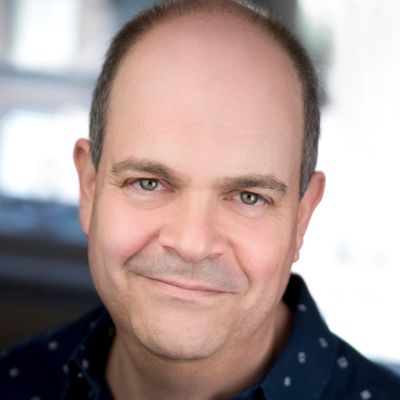
Brad Oscar, Curtain Up! Connect with Brad Oscar on Instagram: @bradoscar64. Connect with Take A Bow on Instagram: @takeabowpodcast. Connect with host, Eli Tokash on Instagram: @tokash_eli. Produced by the Broadway Podcast Network... Read More
From the show: Take A Bow
Guests
Featured Shows
About
Brad Oscar, Curtain Up!
Connect with Brad Oscar on Instagram: @bradoscar64
Connect with Take A Bow on Instagram: @takeabowpodcast
Connect with host, Eli Tokash on Instagram: @tokash_eli
Produced by the Broadway Podcast Network
Edited by Tessie Tokash (@tessietokash)
Transcript
This transcript was automatically generated and might contain errors.
[0:00] Eli Tokash: Hello everyone and welcome to episode 109 of Take A Bow. I'm your host, Eli Tokash, and we have an amazing, amazing, amazing episode coming at you all this week. We literally have a Broadway icon. I feel like you can put him in the icon category. I mean, he's by far an icon in the character performance category, I guess you could say. He's a character actor. He has been in nine Broadway shows. The next one's gonna be the big number ten. And he has two Tony Awards attached to his name. He is none other than Brad Oscar. We have an amazing chat, and it's kind of different than any other chat that we've had on the podcast. The conversation totally flowed. We talked about some of the big Broadway news that came out this week that I will address in a second.
And yeah, it's gonna be amazing. To hear another kind of perspective on that was awesome. It really felt like it was like me and a co-host for this week's episode. It was not like I was hosting a guest or anything. It was really, really cool. He and I kind of mutually agreed that he will come back on and we will talk about the rest of his career because there's just so much to talk about, and we both said that we kind of just got off topic just talking to each other and kind of bouncing ideas and topics off of each other. So it was great. It was a fun episode. You guys are all really gonna love it. But before I share it with you, let's talk about some Broadway news, shall we?
[1:27] Eli Tokash: Big Broadway news this week. There were two things that really kind of caught my attention in particular, and of course, the theater community all around the world. That's for sure. The biggest one I would probably—okay, not the biggest one, but the biggest shock, maybe in my eyes, is what I'll start with. It was announced this week that *Company* is going to be closing on Broadway. Yes, *Company*. The one I haven't—like, I don't know if a week's gone by where actually I do know that there's been a week that's gone by where I haven't talked about it. But like, it seems like I mentioned it so much because I'm like actually obsessed with it, and there seems to always be news coming out of it just with the people in the cast.
It's just so brilliant. Great people, great performers, all of that fun stuff, and obviously they did amazing at the Tony Awards. So I don't know what's going on here. They just won Best Revival, but yes, guys, *Company* is closing on July 31st. Shock is an understatement, okay? Shocked for me is like, I don't know, like it totally was not expecting it. After winning Best Revival, Matt Doyle just won a Tony, and usually—I mean, Brad and I talk about it—Tony's are not everything; however, they do kind of imply the success that the show is gonna have in the box office. If you are not nominated for a Tony, it doesn't mean it's a complete flop. *Finding Neverland* is a prime example. I lived through it; there were political reasons behind that. *Funny Girl* was not nominated for the revival or anything, but I still really enjoyed that.
You know, it doesn't—it's not everything, and Brad definitely made that clear. But it helps in having success at the Tony Awards because that's kind of a night where Broadway is talked about and recognized the most and to the biggest audience. So if you win a lot of awards, people are gonna be like, "Well, we should probably go check that out." I can't imagine Matt Doyle and Max Clayton. I mentioned those two. Obviously, Max Clayton is in *Music Man*. However, they've just had an insane week because first of all, Matt Doyle won the Tony, and then Matt Clayton played the whole week as Harold Hill in *The Music Man*, and then they found out that *Company* is closing. So they're absolutely on a high one week and unfortunate news the next week.
So my heart goes out to all of them, to be honest. All of the cast members in this production of *Company*, I really think that it was a show that could have had a longer run. I think that—oh my god, I'm literally saying everything that Brad and I talk about. But it's fine. I think that there should always be a Stephen Sondheim musical on Broadway. So sad that it's closing. Glad that *Into the Woods* is coming. And yeah, so it's just—it's interesting. I don't know. I am flabbergasted, and I may be the only one, and that's okay, but I must say I'm shocked. I'm very surprised, and it'll be interesting to see what's coming next because there has been a lot of talk about, you know, what's next for Broadway and what kind of shows are trying to come and all of that.
So it'll be interesting. There seems to be a lot of iconic shows closing, and I'm excited to see what the next wave of Broadway is because this season it was a good start. It was a good start to create this new wave of Broadway, and I think that it was a pretty great year, and I'm excited to see what's next.
[5:26] Eli Tokash: So the other piece of shocking news—and it's a piece of news that I don't even know how to approach—it's very hard. Broadway announced that they will become mask optional. They will make the audiences become mask optional starting July 1st. There are so many issues with that. Again, blown away. I understand where they're coming from. I mean, the Broadway League is thinking of it from a business perspective, and I get it. They need to do something. Obviously, all of these shows are struggling, and the shows that should not be closing are closing because simply they cannot sustain the production because they're not bringing in enough money to run the show. I completely understand that, so they're trying to figure out how to continue to get audience members in.
However, I think in doing this, it also turns audience members away because not only are you making the mask mandate optional, you've also taken the vaccine mandate out of it. And I just think that having a non-vaccinated person unmasked in a room with other people who are unmasked and performers that could potentially not be working for ten days is a lot. Like, it's a lot for me to process because if one of those performers happens to contract it or someone in the audience happens to contract it, it leads to a whole can of worms. And it's not—it's not going to be sustainable. I truly believe that. Shows are closing. Shows are taking days. *Come From Away* literally closed this week for a performance or two because of COVID-19.
And this is in a world where masks are currently required. So without the masks, what shows are gonna close nonstop for a couple shows until they make sure that the contact tracing and everything is clear and safe to do the show? So I don't know. I just feel like we're opening a whole can of worms, and I think that the fact that they didn't consult with the actors is absolutely bonkers. I don't know how they were able to just make the decision. It was a shock to all actors. I follow a lot of actors on social media because that's whom my—the majority of my friends are, are like actors and not so much business people in the industry. So I don't understand their perspective quite yet because I don't know enough about it.
However, it caused an uproar from us performers, and in my opinion, I understand it. I think it's gonna be difficult, and I think that it puts performers in an awkward situation, especially the understudies and the standbys and the swings, because their job is to literally not get sick so that the show can continue to run. Well, now, I mean, they're literally isolating themselves. So literally, they go to the theater and then they have to come run back home and lock themselves up, essentially. I mean, they are doing everything that they can to not get sick because that is their job. So now you're inviting them to be in a room with unmasked, unvaccinated people. And I just think that it's crazy to me.
I'm sorry, I'm rambling, but it's true. And then you have these arguments—I'm—and one last thing—and then you have these arguments where it's like, "Oh, well, the big businesses and everything, they're all like mask optional in the offices and everything." Well, sure, but I'm pretty sure they're vaccine required, and if you have a religious exemption, that's probably the only exemption—that's probably the only case that you're allowed to not get the vaccine. So now you're taking the vaccine mandate away, and then you're taking the unmasked thing. I don't think many people in offices are doing that, and now you can be inviting up to a thousand people into a theater that are unvaccinated, unmasked.
I don't like to talk about politics on here, and I know I'm starting to get down that road. I'm sorry, but it's just been a lot. It's been a lot, and the more I read from the people that I see on social media and everything, the more frustrated I get because I see new added reasons of why it shouldn't happen. Just—it's crazy. It's craziness, and there's so much I could say. I don't want to be controversial or political or anything because that's not what this podcast is about, but it's just—it's craziness. So what I will say is if you go to the theater, please, please, please consider wearing your mask. Please. Not just for you, because other people could be around you that are the same thing and you could potentially get sick.
Not just for you, not just for your families, but for also everybody else in the room. I know that it's optional, and I know that if you have a hard time breathing with the mask, totally understand all the things. Just consider it. That's all I'll say.
[11:01] Eli Tokash: Now for some happy news because I feel like I'm getting sad. Hopefully you guys are bearing with me here. I have some great news for *Take A Bow*. I hope that all of you listening are theater fans, and I can assume that you all are. So I can assume that you all know about BroadwayCon, which is basically the Comic Con for Broadway. It's a big weekend event that celebrates the Broadway community and the Broadway shows and all that. It really lets people be themselves and be characters, I guess, like literally live in their dream role for a day with cosplay and stuff. So BroadwayCon, very exciting. This is happening July 8th through July 10th, and I'm happy to announce that I'm going to be there all three days from July 8th to July 10th.
I will be at the Broadway Podcast Network booth, and I will be at the Broadway Star Project booth, I'm sure, and I will be participating in a lot of little places. I'll keep you all posted on where I am on social media. I do have an announcement that I have a very, very, very, very exciting guest that I'm actually going to be recording live at BroadwayCon on a panel. So we will have a private room; we will be doing a live event at BroadwayCon. Please, please, please come to our room, come check it out, watch this live recording. It's with a very, very special guest that I cannot announce until BroadwayCon announces it. But it's a wonderful guest, and you all will be really, really pleased. You know them, you love them, and that's all I'm gonna say.
And yeah, just so excited. So stick around for that. That's happening July 10th, Sunday. I believe it's 1 p.m. to 2 p.m. So stop by. It's probably gonna be 45 minutes to an hour, and then of course, afterwards, we'll chat. Our guests can chat with you, take pictures, whatever. It's gonna be awesome. So please, please, please stop by Sunday. But I'll also be there all weekend, so come say hi. Thanks. Alright, moving on. *Mrs. Doubtfire* released their cast recording this week, which is very, very exciting.
[13:25] Eli Tokash: And it's also the reason that I had Brad Oscar on this week and kind of what inspired me to reach out to him this week to chat about this cast recording and about this second life that Doubtfire is about to have due to the cast recording and kind of the importance of a cast album and everything like that. So very exciting stuff. If you haven't yet already, check it out. Highly recommend. Love all the songs. Specifically, there's this duet called Just Pretend, and it's between Annalise Carpacci and Rob McClure. Can you not? It's amazing. It's literally it may be my favorite song the whole of the whole show. And yes, I may be biased because you all know that I'm a huge Annalise Scarpacian, and that's okay.
She's a friend. I have to support. Um, but it's just so good. And then of course, You've been playing with Fire is another one that I highly recommend. Um, what the hell? It's there's so many great ones. So go check it out. I promise you you won't be disappointed. For those of you, especially who were like, Oh, I don't know how Mrs. Doubtfire could be a musical, just listen to the songs because it's really just about love and community and all the things. So it's gonna it's a it's a feel good album, and uh it's a great album to listen to, and hopefully our conversation that Brad and I have kinda inspire you to to do it a little bit more. Speaking of current events and current Broadway news, it was announced after Brad and I spoke that he will actually be appearing as Max in the Sound of Music in concert uh in Aspen, Colorado with Christy Ultimore, Brandon Victor Dixon, and a stellar cast directed by Mark Bruni, who has been a big name on this podcast as he directed me and Trevor, and of course, off Broadway, and he has a Tony nominee for Beautiful and everything like that.
Um so awesome, awesome stuff going on with Brad. I can't believe we weren't able to talk about it. He I'm shocked he didn't mention anything, but it's totally okay. Congratulations to him and all involved in that. That's gonna be an awesome, awesome production. So uh yeah, let's turn it over to Brad Oscar because he's about to get you really excited about Doubtfire and just about you're just gonna become a bigger Brad Oscar fan, because I know you all are fans of him anyway. So without further ado, Brad Oscar, curtain up, so this week we have a Broadway icon on the podcast. This special guest has literally been in nine Broadway shows. He's earned two Tony Award nominations and was most recently seen at the Steven Sondheim Theater in Mrs. Doubtfire.
I promise you, he's been at least he's been in at least one of your favorite musicals in some capacity, whether it was on Broadway, regionally, wherever. So welcome to Take A Bow, Brad Oscar. I'm so excited to have you on the podcast today.
[16:31] Brad Oscar: It's so fun. I'm thrilled to be here. Thanks.
[16:34] Eli Tokash: So the way I usually like to start my podcast is asking people how they got started in this industry and kind of what inspired them to be to what to be a performer and then to tell stories.
[16:46] Brad Oscar: Yeah. Um, well, I was introduced to it at an early age because um both my parents loved going to the theater and did some community theater. Um, loved, you know, musicals, and I grew up in Washington, DC. So they had the opportunity, and then I had we had the opportunity to um see a lot of theater, to see theater that would try out in DC before you know these shows would come to Broadway. So my folks were, you know, into that as as you know, they saw the original Hello Dolly pre-Broadway and Promises Promises, and you know, so that's pretty cool. So I I come by it honestly in that way. And so anyway, uh having it introduced into my life uh in that way at an early age, whether through the albums at home, and then when they started taking me to live theater, and it just, you know, I was bit from such an early age.
It's so funny because it was always, you know, it starts off you're a kid and you enjoy either seeing and or doing, and then both, and listening to the cast albums and everything, and then as soon as I actually started to do some acting as a kid and summer stuff and whatever, it just there was never any question that it's what I wanted to do. And I just felt like, you know, hopefully it was what I was born to do because I loved it so much. Would have really sucked, you know. But but um, but you know, and then again, having supportive parents who who got it, even though of course they got it in a way uh that they knew that the business could could suck in that way. So, you know, I mean, so they were realistic about it as well, right?
Uh, but nonetheless, very supportive. And um, so yeah, I started, you know, I mean, very traditional as far as that goes, doing shows as as a kid, finding, you know, uh uh there was this amazing theater department for kids at the Jewish community center in Rockville, Maryland, where I grew up. And I'm telling you, we we do a summer musical every year. There was a program for that, and then during the year, like real acting and voice classes, it was wild. And I learned stuff, you know, at the age of like 13, 14, 15 there that I would then go to when I would go to BU to Boston University, you know, I'm like, oh, I I have a I yes, I know the Lincoln technique. I've been introduced so you know, to have that random exposure to stuff like that at that age was really cool.
I did a production of The Skin of Our Teeth, which is why I was so excited to see this current revival because I have not seen a full production of a very difficult play. Um but uh and I can't imagine what our production actually was like. Can you imagine doing the skin of our teeth? But um nonetheless, I I I've always loved the play because I understood the play. For better or worse. You know, I had a I had an understanding of what we were doing at the time. Right. So um, anyway, I had exposures like that as a kid that were, you know, paramount in in my in my training, my early training, a voice teacher who to this day I I I revere and is alive and well outside of Detroit. And she instilled in me, you know, a technique that has has served me very well. And you know, again, so you know a lot of the randomness and luckiness of you know of that happening. So um yeah.
[19:52] Eli Tokash: Incredible. So how did you so you obviously grew up in Maryland then or was it like DC area?
[19:58] Brad Oscar: I always say DC, but you my parents are DC natives, but I was born across the border down Connecticut Avenue in Rock, Maryland.
[20:06] Eli Tokash: Oh my God. So what brought you to New York? Was it so that you could start performing and have a career on Broadway?
[20:12] Brad Oscar: Yeah I mean oh so then okay so my folks again theater goers who would come to New York and saw you know the original Follies. And so when they when I was about again 13, 14ish, we started coming up for the weekend and seeing like four shows. So it became like fantasy land. It became like oh my God I still can't believe I I actually live in midtown Manhattan and I still for the most part you know it's compromised but let me tell you uh uh yeah there's something about it that I still love and um so yeah so I would start seeing Broadway shows and then coming up for the and those weekends were just you know I my god I look forward to them like nothing else right so yes so again I always you know I didn't necessarily uh when it was time to start looking at schools colleges um I wasn't necessarily desperate to come to the city to go to school.
I I sort of felt like it would probably be smart to spend some time elsewhere and not come right here to everything I was desiring so passionately. Even then I could sort of see maybe it was, you know, so uh so I did end up you know spending four years in Boston. It's not like I was that far away.
[21:17] Eli Tokash: Yeah.
[21:18] Brad Oscar: Um but yeah, but I always knew that I wanted ideally to be here and to work in this industry. So yeah, it's why, you know, again, I still pinch myself. I don't take any of this for granted. It's so random, and I'm I'm yeah, you know, I've been very blessed in that way.
[21:34] Eli Tokash: Well, I'm curious to ask you, like for someone that's been in the industry for so long, literally since you've been a kid, you know, um, you've had all these productions like the skin of our teeth, you were in a special event performance of Funny Girl and all that. So, like, I'm curious, these shows that you were in and that you're so familiar with, even like a few years ago, seeing them on Broadway now being revived in in a new, completely different world that we're in in 2022. What is it like to like revisit a show and like see that oh my god, it has this new perspective due to the current events that are going on right now.
[22:10] Brad Oscar: Well, I mean, you know, look, that's the at the end of the day, it's live live theater, right? That's what's so great about what we do in this part. So it's so it's live and so right, and that way that it is always gonna reflect the moment. So, right. Um, yes, so certain pieces of art, certainly great art can stand up, you know, to interpretation, you know, and and and should be looked at anew, I guess. I mean, look, there's so much going on right now, it's it's it's it's a little it's a little overwhelming in the sense that you know, ideally, yes, we're gonna have opportunities for voices to be heard, for for new stories to be told. I I don't think, you know, old stories, yes, uh, you know what I mean, but but new stories as well, and and old voices that perhaps were not heard.
I mean, the idea that, you know, Trouble in Mind came to Broadway this year, this Alice Shoulders play that had been, you know, the history of that and her that we don't really even know so much about that now we know. So let's see more of her work. Let's see more of the undiscovered voice, the voices that we weren't able to, that were not amplified. Um, yes, that and reinterpretation, but yeah, new voices, new stories moving forward. Um, you know, ideally, yes, with us all telling the, you know, with us all on board this um again, I think live theater is a very unique and individual thing because uh we share it together like no other experience. Film and TV is a very different experience for a performer, but also for the entire team, you know, sure theater, everyone comes together for three hours, however long it is, from half hour to I mean the crew is there at 6:30, you know, you know.
But what I'm saying is everybody, and then the audience comes in. So then for two and a half hours, everyone in that building, from front to back to dit-da-d- to wind up to top to bottom, is there for one purpose, sharing the same, you know, going through the experiencing the same story, whatever. And and that's what's so special and unique about live theater. And that's why, yeah, we've all got, you know, again, all these stories that to be told and hopefully opportunities to, yeah, and to reexamine and take something like company, you know, which it's for better or worse, you know, uh reexamines the piece in ways that that uh points up other things and shows other and it is you know a a way for new audiences too to discover.
Right. You know, I'm always it's so funny. I'm old. So when people are like, I can't imagine it with the man in the lead, I'm just oh my god but I so you know but it's but how wonderful right that it that it's living in that way absolutely it's hilarious because that's been a popular conversation particularly with me on this podcast with older guests because I'm like I've never seen it with the man like I don't have it any other way exactly exactly but it's fascinating yeah it's cool to have that kind of sure I don't know I guess that new perspective and the visibility of you know you can change it it doesn't have to be locked in even though it's already been successful.
[25:19] Brad Oscar: Well it made it much easier for you to absorb and to to to take on if you will the that conceptual product or whatever because you have no preconceived notions in the way whereas I was dragged in many ways kicking and screaming at times because I was like wait a minute wait a minute wait a minute but you know but that's you know that's part of the deal but that's terrific. I I had one of the best pieces of advice I ever got for some reason I guess it it applies to this and it was actually given to me um by a a dresser when I was not I wasn't feeling well I vocally whatever I just knew my performance wasn't just up to snuff or up to what I want it to be and you know it's so hard again eight times a week and when you're when you're not at you know so anyway absolutely the audience makes sense of what they see they don't know what it's supposed to be they don't have a preconceived idea of what I'm gonna sound like or do so you know again and I was disabled and I thought well okay I'm gonna go out there and write do all I can do and I bet that's probably although I won't feel like it's enough.
I bet it's gonna be you know, ideally or whatever. But I mean the idea that we you know, we make sense of what we see. So if you've never seen company with a man, you you uh why wouldn't it be about a woman whose biological clock is ticking, even though the initial sound of the album is a busy signal. But nobody really gets a busy signal anymore, do they? So it goes right to voicemail.
[26:37] Brad Oscar: Yes, it's fascinating. No more Bobby.
[26:43] Brad Oscar: Oh yes, now her clock is ticking. So you know, it's a choice. Halo. Oh my god. I just think every Stephen Sondheim musical should be running on Broadway at every moment every night. So I have no issues, baby. Yeah, exactly. It's amazing. Oh my god. I'm hearing Sweeney Todd maybe coming back. I that may be like a rumor, but that's like please. I was blessed enough to it's the one time I got to actually sort of work. I say work in quotes because I was just in his presence for you know, bit bits of time in rehearsals and previews. Uh, but but the master himself, Steve, uh as you had to call him if you addressed him in the work. So anyway, yeah. Um, but yeah, I mean that piece. Talk about a reinterpretation.
I mean, geez. That was that was ridiculous. Scared the hell out of me when I heard about it. Because as an actor, it's like the last thing I want to do is be in the with the audience. I'm like, no, no, fourth wall, fourth wall. Right. But um, but man. It worked. It wore I mean it, you know, again, yeah, it's it's yes, different, but man, it was scary and fun. Yeah, and he loved it. He my god, he came so much. And he was right there. It was, you know, this environmental production of people don't know about it, you know, literally in a pie shop, people sitting at tables. So there was Steve at one of the, you know, various places throughout the pie shop during the run when he would come and you know I loved that.
It was uh yeah, it was absolutely joyous. He he loved, he loved seeing his his pieces rediscovered like this and reinterpreted and yeah, and you know, and discovered by new audiences and stuff. I mean, you know, he uh yeah, yeah. Oh, the work is extraordinary. It's crazy. Oh my god, it's so good. And speaking of Steve as uh you you just were in his theater for like kind of like three years, but like actually distilled came down to about three weeks. No. Right. Um but uh I mean, how cool is that? First, like you know, you work with him, and then you're at his theater doing a different musical that you did. Um and in this show that Mrs. Doubtfire, it's gonna be remembered in so many ways. Obviously, it's an amazing uh show about family and community and love, and it's brilliant.
And then of course you have the other end where it's gonna be remembered for all of the craziness that kind of happened due to COVID and the obstacles that we had to face. Yeah. I'm sure that experience for you was unlike any other. Like, what was that journey like?
[29:11] Brad Oscar: Oh gosh, you know, it's funny, I'm still a little numb because we yeah, we stopped and started so many times. It's hilarious in a way. I'm just sort of like I know part of me is waiting for it to start again. Because literally we had, you know, full on what, four stops and starts, if you include our out of town tryout in Seattle. Um starts and stops rather. Sorry. Uh so anyway, um, gee, what was the question? See, I'm numb. No, I look, as far as looking at it now, looking back on the experience, knowing that the Broadway run of Doubtfire has concluded that the show was not a success as far as that goes, will be categorized as such, because that's how we look at show, you know, in the in when you're looking at a show that way, as far as success and/or failure, Tony nominations and/or being snubbed.
Um that's how you, you know, in it's the business side of what we do. Flip side is the show we did at the Stephen Sondheim Theater eight times a week, when we got to do it eight times a week, uh, that audiences responded to embraced love. That you can't manufacture that. I don't think it's, you know, audiences don't fake you out, they tell you how they feel. Um, you know, the company that that we that they assembled, um uh Rob McClure, who I can't say enough about as a performer, as a person, as a leader. Um, you know, most importantly, the the recording is now alive and well and living uh uh in your uh on your iPhone or wherever you listen to, wherever you choose to listen to music these days.
And as we know, the recording of a musical is paramount to it having a life after Broadway, because uh shows that end up not getting recorded have a much harder time having a life because it's much harder to you know get the exposure to obviously, as we know, musical its scores its main calling card. So um, for instance, the sadly the last my my last not so successful show on the Great White Way, Big Fish, uh, which was another you know big disappointment in so many ways, but a gorgeous score, a beautiful show. We thankfully recorded, and Big Fish is done all the time in many places, which brings me such joy to know that that you know that it lives on. Um, here's a title, obviously, with even more name recognition, uh Doubtfire.
And you know, so I I, you know, the show's gonna have, well, first of all, professionally it's gonna have a life over in London, uh uh outside of later this year, and uh a national tour, which I believe will go out next year, and you know, and then you know, so it's not gonna, you know, it won't disappear. And people will now get to listen to this or and hear some of what was going on and some of the joy and and you know, genius of of some of the interpretive stuff, the way they you know, again musicalized the piece. Right. Uh so yeah, I'm I'm yes, I'm really happy that that's there, of course, because it's the only, you know, it's the only tangible thing, right? Unless you record your show, which which happens now occasionally more than it used to, as far as show getting preserved.
Um, but you know, we did not. Uh, but uh yes, but the recording will be there. I'm very proud of it. Yes, yeah. I love the recording, and it's totally like success is so up for it's such an odd word because it's hard to define it. And I feel like although I guess the best way I would describe Mr. Doubtfire was a success that wasn't a financial success. Right. Because everyone that saw the show, like eight shows whoever went to that show, literally cried, laugh. They were moved at the end. They all felt like they wanted to do some sort of good in the community that they were in. It was like it was literally, it was just so beautiful. And the work that was being presented on that stage every night by you, by Rob, by the kids, by everyone.
It was just it blew us away. And it was just so amazing. So I think it was a huge success because I was obsessed with the show when I saw it. Um, but with that being said, this album is out, and this cast recording, you can listen to it, you can hear this beautiful music. Um, and I'm curious as a performer, I don't know about you, I don't like to listen to myself. Do you on cast recordings and stuff like that? Do you listen to yourself? Do you listen to the songs or something?
[33:37] Brad Oscar: I mean, I give it a listen because I do want to know. Yeah, because ultimately, you know, it's a strange experience. You go into the, you know, you you go into record, and of course that happens in various times. The original cast recordings that I have made have all happened at various times in the process. We recorded the producer's cast album when we got back from Chicago before we started previews on Broadway. Uh we recorded Jekyll and Hyde soon after we opened. We recorded, what else did I record? Big Fish soon after we opened, but before we closed. Yeah. We went into the studio with Doubtfire before we picked back up rehearsals in April, trying to get my, you know, we had we had opened officially December 5th, 2021.
We closed a month later because Omicron got ridiculous. So we closed to have a hiatus. We reopened in April and finished out the run. So the thing was when we went into record Doubtfire, we had been away from it for three months, right? Three months. So that was a little wild going into the studio. But it was, you know, again, we had been doing it before. We uh, you know, it was, you know, but it's enough. And and so it wasn't uh, but it was, you know, again, you're trying to capture the I feel as the actor, you're trying to capture the moment on stage with your voice, whatever that means to you. The performance needs to be calibrated. Sure, there's a microphone in front of you, but but but but but intent and style, whatever it means, I don't know, you know, blah, blah, blah, the words.
But anyway, um, so my point is when we go in and we record something, you know, I'm I'm doing it, I'm trying to live it. We do it as many times as we do it, but honestly, when I leave, I'm not I I can't tell you like, oh, which take they're gonna use, which you know, did I sound as good as I thought I sounded, or maybe I sounded better, or maybe I sounded worse, or whatever. So, you know, I always want to give it a listen. I do not like put myself on repeat and right and and sit there and you know, pine over the beauty. No, not at all. I you know, but I'll and of course I love hearing, you know, other people's style or whatever, or listening to the album, and I really I gave Doubtfire a good solid listen yesterday from beginning to end, and it wasn't easy, it was hard a little bit, it was emotional, it was you know, to hear it all again, and and yeah, um, but I think it sounds terrific.
I think it's really well mixed, and I think the score sounds good and the orchestration sound good, and then most importantly, um uh all of these performances, you know, are ridiculous ensemble, talented ensemble that that that you know, each in their own way, I hope on the album have just a little, you know, just a little something, at least much less uh, you know, the numbers that they get to that they're featured in. Um so yeah, I think it sounds terrific, and uh yeah, yeah, yeah.
[36:35] Eli Tokash: I think it sounds terrific as well.
[36:37] Eli Tokash: And I think most importantly, you sound terrific.
[36:43] Brad Oscar: Um it was a relatively easy sing, I've got to saying.
[36:48] Eli Tokash: Oh my god. Well, I I've loved your performance specifically in Mrs. Doubtfire. I don't think it was talked about near enough. I mean, you were playing a queer character on stage, and I think that that's so cool. You're playing alongside Jay Harrison G. Fantastic. You two had incredible energy and like chemistry and everything. Like you guys, you're the audience's eyes just like gravitated to the two of you. Um what was it like? I mean, my God, yeah. Yeah, what's it like having like a co-star like him and Rob and a scene partner that you're able to feed off of like that?
[37:21] Brad Oscar: Well, okay. So Jay, I mean Jay Harrison G is is such a well, he's a you know, again, I come back to you, such a wonderful person. You know, you can't love working with someone if they're not a good person. I I think, you know what I mean, unless you like them as a person. You know what I mean? You know, you you can love their talent or think, oh, I'm maybe it's uh that's working for me on stage. But you know, if they're a schmuck off stage, uh no. So you know, in both Rob McClure's case and Jay's case, um, the Jay is just a light. He is a light, is all I can say. He is about to be a major Broadway light, like a flashing star light, because he's about to open this fall opposite Christian Borrell in a new version of Some Like It Hot, the musical, of which I saw the workshop a couple months ago, and he's just phenomenal.
I I would have lost him anyway at Doubtfire, because obviously this was happening, but I couldn't be more excited for him. And um so uh, but you know, you bring up that we're you know, uh that we're playing, you know, this gay couple, this openly queer, open I mean openly. There is no I hope there's no more closed, to be honest with you. Yeah, but the thing is it's so funny because I never I don't think about that until someone brings it up, which I love in that way, because I have been blessed to be a part of a community and live in a city, you know, that that embraces all of us and all of our lifestyles, and especially my God, in this industry in musical theater. I mean, come on. You know, so anyway, my point is it was all about the relationship, right?
Again, and so, and then Jay being the unique human being that he is, and Jay's uh uh fashion sense, his gender fluidity, if you will, and I don't want to start talking in terms that I could possibly not be, you know, but but Catherine Zuber, our design, our costume designer, yeah, costumed him so beautifully and not within sort of also the realm of of Jay's wardrobe. You know, I love I just waited for Jay to come to work every day to see what he was wearing. Because, you know, and then and then we had decided, I guess, and I don't know that we obviously talked about this with Catherine, but it was obvious to me that she thought it through that in this relationship that we had on stage, Frank and Andre, me being Frank, him being Andre, it was Andre who did the shopping for the family.
Because you can see that my character, Frank, who I am and who I was, would in my mind never have this kind of fashion sense or go buy these things for himself. But when your husband says, honey, you look great in this, and it compliments him well, I'm all like great. So it was, and that's also similar to my own home life, where my husband actually does have the fashion sense and is so you know, so again, um, the idea though that we could embrace and be these people and tell that story, that part of our story.
[40:16] Brad Oscar: Um, and it never seemed to be, you know, I felt like an issue or pandered to, or that we were in any way um, caricatures, or you know, I felt like we were all real people, albeit in a heightened, it's a musical.
[40:38] But yes, you know, it wasn't um, it wasn't it wasn't a thing. If we had to deal with anything as a show, we had to deal with the man in a dress issue that we are still dealing with, and rightfully so. But story people, I see I kept saying, you know, when it came to that story. This man is doing what he can to be with his family, whatever he can do to be with his family, there's no, you know. So anyway, but we won't go down that path. But but but anyway, um, but I do think my God, I mean, look what just one best musical. I mean, come on. Where it's it's it's great, and it's and people are gonna have a lot of opinions about it. A lot of opinions. And you know what? Great, bring them on because that's what should be happening in art, and art should affect you, and it should affect you one way or the other.
And if you hated it and you can't understand something, then that's okay. You don't have to understand, you have to accept, you have to um, uh, uh, uh, you know, not embrace, but whatever, you know what I'm saying. Um, I've been saying that all like for the past few months on here, even like I feel like theater is a place to have uncomfortable conversations and spark those conversations that wouldn't be had had otherwise. I mean, you wouldn't you you're not gonna go talk about uh like a big black and queer American Broadway uh musical unless you go see that show. Right. I mean, seriously, and so if it makes you uncomfortable, well then it's doing your job, it's doing its job, and it's like it's a lot of people.
Well, I mean yes, exactly. And you know, and and again, because what we do is purely subjective, so you know, the way these stories are being told, the style of music and or storytelling, whatever. Um, I get it, it's not everyone's bag. I understand that, or maybe you need to see more of that, or whatever it might be. I don't know. Um, but you know, my point is it's you know, it's all good. It's not to the detriment of you know what I mean. I don't feel like for whatever reason, Doubtfire did not commercially succeed and make money right now in a time when we're still bouncing back, and our show needed a certain audience. Our show needed, you know. I don't necessarily think our show was shunned in a way, you know what I mean, or that people didn't want, I just think audiences are still as we see.
Shows are having you know, trouble and new shows, and our show that stopped and started and could not get its legs. Had we been able to just open in December and continue, uh, I believe we would still be running. My God, had we opened, you know, with no COVID, well, no COVID. Who can live in a world with no COVID anymore? Amen. But I do I believe that you know, we probably would, but anyway, you know, blah blah blah.
[43:26] Eli Tokash: Yeah, I mean, the reality is is that you're not gonna please all audience members anyways. So, like it's all good. We you did it and it was a success in my eyes. I mean all your eyes. I always say another badge and onward, because that is what we do, and and as much as I was hoping, you know, for many reasons, especially, you know, at the end of the day, look, it's a job. I just lost a really good paying job at the end of the day. I looked at that the other day, I got off the elevator and I'm like, you know, I'm missing going to work and I'm and I'm missing the paycheck. And I'm and I'm like, oh my God. And I I sort of tallied in my head. You know, people say, Oh, I gotta, you know, I'm I got a this hundred thousand dollar, however people make much people make, and I never think of how much I make a year because every year it's different.
So I have no, I don't have a $500,000 a year job or a $60,000 a year job because it's been both, maybe. But anyway, you know, so that also the older I get is um different because these opportunities are few and far between for all of us to have a job on Broadway. The roles, the opportunities for Brad Oscar on Broadway at any given moment, just as they would be for anyone else, right? You can pick and you could say, I could do that show, I could do that show, I could do this show, whatever. You know, and as a, you know, believe me, as a, you know, middle aged character actor, right? There's only certain so anyway, my point is when these things come along, and especially right now, after the last two years, I was looking forward to settling down at home with a pretty good paying job and uh, you know, all those things.
And here I am again, you know, unemployed. It's part of what you sign up for, and I've been very lucky to be doing it. But but but absolutely but the older I get sometimes, I'm like, oh my God, it never ends. You're still looking for work. The only difference now is thank God our union has a fabulous pension plan. So when you're hitting these numbers now, I can look ahead. And believe me, I'm never gonna retire, but at some point, um, and that's a wonderful thing. I mean, that's something that I never thought of as a as a younger performer, but now, um, you know, and so again, the ways that I'm you know grateful that I've been able to do this, and one of the few ways that we have any money on the back end because live theater doesn't pay your residuals you know my film and tv career has been limited to say the least and so no residuals there really and so right at the end of the day to have a union that provided me with a pension which was something again as a youngster I never thought about and so that's a good thing and I you know and I say that to actors too because you know younger actors too who are who are starting out into a you know and I know the union has had you know so many issues and it's such a difficult time and and you know people I think sometimes have unrealistic expectations about what a union is actually or this union can actually do other than protect us when we get work in that way and so you know anyway um yeah I'm grateful for my pension.
[46:32] Brad Oscar: Yeah sure I mean it's real it's it's real so um that's great um I'm curious because we were talking about COVID a little bit um when I actually saw the show Brad Oscar or Brad Oscar Rob McClare comes out on stage and um he is in his Mrs. Doubtfire costume obviously and this I these two people in the front row have their masks below their their their mouth and their nose they it's on like their chin and as he's walking on the stage and making us cross over the stage right um he kind of leans down and goes put your mask on dear in his little m doubt fire voice and and now it just like when I saw the show, it just like aggravated me so much because, like, listen, this is the rule. If you want to go see a show, this is you have to follow the rules.
If you don't, then don't see the show. And now we have an announcement this week that these face masks are going to be optional at Broadway shows. And at a time where that we're living in, with COVID being th a thing and performers not really able to wear masks on stage. Like what are your thoughts here? Because it it had a it had an impact on your show, obviously, COVID. And and I just don't want to see more shows to have this impact.
[47:50] Brad Oscar: It's you know, it's still a tricky, it's tricky. It really is. Uh um, because needless to say, the league or whatever the consortium is called, uh, they're looking at it from a business standpoint, money and audiences, and w is that holding audiences back. Um the what interests me is that the decision was made without any you know consultation with equity or any of the other unions, by the way, too. Backstage, I mean, there's a lot of other people, not just actors, okay, in the theater in the building, right? Um so I had no problem with vaccination requirements going away, because you know what? At the end of the day, that's your choice. If we're both masked, uh, I'm gonna be fine at the end of the day, and well you're you're up to you.
Uh, but but if we're both masked, you know, not an issue, I think. Not not not an issue, but you know what I mean. The percentages. For sure. Um, so yeah, I it's like restaurants. I'm still so metsa metsa on going and eating inside because the numbers are still high. It's very contagious. Uh I'm I'm boosted, double boosted, blah blah blah. Thank uh god willing, right? We're not gonna get sick, but in our environment now, our union still says 10 days. If you test positive, you're out for 10 days. So that's you know with no pay. No, no, no, no, no. That's not true at all. No, no, no, no, no, no, no, no. You get paid, you get paid, you get paid. You get paid, no, you get paid for your retirement.
No, if you get COVID and you're out for 10 days, you get paid. I can't tell you exactly what those numbers are. I'm not saying you get your full salary, but oh no. No, that was, I mean, yes, we have language and a lot of language in place now for COVID protocols, and that, of course, being because for a while it was only you only got paid for a week, eight performances, but the union was saying you had to be out for 10 days. So that wasn't really fair because it because after a week, most people were fine, especially if if you're vaxxed. Right. Um, but are you still contagious? And in the CDC, it's in five days, so I don't know. So, anyway, um, the idea of audiences, yeah, having the choice, uh, and I know many of them still will, because I think theater goers in general are making generalization, but tend to be respectful of rules like that because we do know how special it is to be able to gather, right?
Especially when you're paying that kind of money. Um so uh uh yeah, I think if I were working right now, so uh yes, that should be my position, is is that I wouldn't be so happy. I wouldn't be so keen on this because we're all walking off stage and putting our masks on. Right. Entire crew, wardrobe in front of house, everybody, you know, is and and will continue to be. I believe, even after this rule is lifted for audiences, you can bet you backstage isn't gonna change because it's just as contagious. So we're just as screwed. It's like nothing, you know. The world wants to move on, and in many ways, a lot of our society can, because many people, if they do get this, A, they're gonna be fine, hopefully, because they're vaccinated, and B, they'll take a day or two or whatever they need, but then they're gonna go back out on the world, whether they're contagious or not, not knowing whether they're contagious or not.
So, you know, although for the vaccinated, the that window is a much smaller window, my knowledge, and God knows we've been, you know, we've had so many seminars about this over the last, you know, well, six months a year, whatever. So, so you know, it's still very complicated. But at the end of the day, um, uh, because of the way it affects us, uh uh not just health wise, but but just the way it can shake up a production and could shut down a production. And there's no denying that that we're all gonna be then in that space, sharing that space together, no matter how ventilated, well ventilated it is, for two and a half to three hours. And so yeah, it's yeah, it's a question.
[51:45] Brad Oscar: It's a question, and it's definitely sparked a lot of conversations everywhere uh throughout this community. Yes, and let's also not forget though that national tours have been doing this for months now. Yep, playing in front of unmasked audiences all over this great country of ours. In a different state, like every week. It's crazy. So that has worked, I guess you could say, in quotes. That hasn't we haven't heard of mass, oh my god, an entire audience that you know, uh well, it should be Mama Mia. If it should if a whole audience should get sick, they should be having to watch Mama Mia. But anyway, what I'm saying is, yeah, we haven't heard of any um uh uh you know, giant, you know, break as far as that goes. So I guess we just have to try to move forward somehow.
[52:32] Eli Tokash: Absolutely. I just want to say, you know, for those of you listening, if you are going to see Broadway shows, please consider at least putting your mask on. I know it is optional, and if you plan on like not wearing your mask, then that's your choice, and that's okay. But please do consider and think about you know the performers and how if they get COVID or if you get COVID and someone next to you get COVID, and then everyone has to like test to make sure because the contact tracing and all of that, like it just opens a whole can of worms. So like consider wearing your mask, please. I know it's optional, but you do you. Please don't give Hugh Jackman COVID for the fifth time. Please don't take it anymore.
[53:12] Brad Oscar: Is a star as well. So I'll think that's cool. The fact that you know that Matt Doy wins his tone Tony on Sunday night and then Max is his partner is on as Harold Hill on Tuesday night is just it's like a TV show. It's like a movie.
[53:30] Eli Tokash: So I couldn't be happier for both of them.
[53:32] Brad Oscar: I love that.
[53:33] Eli Tokash: Yeah.
[53:33] Brad Oscar: Well, I have to talk to you. I would be remiss if I didn't talk to you about something wrong.
[53:39] Eli Tokash: Because your performance in this is just literally iconic. I'm, as I mentioned, obsessed with your performance in especially it's a musical. Uh, it's just so exciting. So that role of the Nostradamus actually earned you your second Tony nomination.
[53:54] Brad Oscar: So I mean, you talk about Matt Joyo and winning a Tony and everything. Like, does it ever get old? Like, I know you were already nominated once before.
[54:02] Eli Tokash: No, I mean, almost, oh my god, are you kidding? It never gets old. It's, you know, it's, I mean, look, it is what it is. I'm not saying it's the be all end all like I got into this business to win a Tony, but as far as, you know, being acknowledged by your peers in that way and being part of a thing. I mean, look at, as I said, it, you know, these last couple weeks were hard because we were, uh, you open any show and you hope to be a part of that Tony parade, if you will, and just be included in the mix, you know, I'm not talking about wins. So it's, yeah, it was hard because it's much easier to be embraced than not be. So yes, it never gets old. It was and is still like a huge honor. And yeah, and it's, um, yeah, it's quite a ride.
[54:47] Brad Oscar: I mean, as far as that, you know, yeah, that window of from nomination to performance to the night of the Tonies is, um, is exhausting, especially in time. The first time I was nominated was with The Producers back in 2001. And as you know, back in 2001, media, what, I mean, it's almost like there was no media considering. I mean, we had cable and everything, but we didn't all have, we had no smartphones. So all I'm saying is there were a couple Tony events. There were some, I did some interviews, whatever. Something Rotten, 2015, and it's only gotten worse since.
[55:26] Eli Tokash: I saw Matt Royal two weeks before, a week or two before Tony's, and he was, I mean, I, we saw each other through a window, and I was like, How, I said, How are you? I'm out. He's like, I'm exhausted. I said, I know, hang on, because you're doing all these events now, all this media, all these parties or whatever, and you're doing your show eight times a week for Tony voters every night. So you're going out there every night knowing that, okay, there are voters here to see this performance that I've been nominated for. I'm just trying to do the show. I'm exhausted because I was at Brunt or whatever it might be. You know, it's a dog and pony show. But it's a lot more than it was, uh, you know, years ago, as media or saturation of that has, uh, you know, become such a thing, which is, you know, good for the theater. Obviously, we can't get enough press.
[56:14] Brad Oscar: But, um, but yeah, with Something Rotten, believe me, I couldn't wait that final week. I was ready for it to be over. I mean, I was just ready to get back to my normal life of just doing the show eight times a week. Let what happened, what was gonna happen happen. You know, of course, there's that anxiety of like, could this really happen? Could I win a Tony? You know, the whole thing part of, you know, it's, it's thrilling, of course, but, um, but yeah, it's quite a ride. It's amazing.
[56:45] Eli Tokash: And it's so funny. I actually, I oftentimes compare your performance in Something Rotten to like James Monroe Eigelhart's performance in Aladdin because they're just like those incredible, like thrilling upbeat numbers that you just don't forget. Like a friend like me and at a musical and everything, like you, you were just incredible in that role, and, uh, all that recognition in 2015 was so well deserved.
[57:09] Brad Oscar: I mean, what's so great about about the, but you know, both of those numbers in a way is that they're such celebrations of the musical in that way, you know. I mean, uh, a musical literally, you know, and I was afraid it was going to be too, too meta, too nudge nudge, wink wink, look at us, you know, sending up, if you will, or, or trip paying tribute to, uh, you know, all of these musicals. But what was so brilliant, you know, conceptually about that show is that I was foreseeing all of this. It gave us, you know, it gave us, I believe, the license, storytelling-wise, to then explode in this orgasm of, you know, musical theater to come, if you will.
[57:48] Brad Oscar: And, um, but we were amazed that it played as well as it played. We did a, the first time we ever did it in front of more than just the, the little, the, the workshop we'd done, you know, in the room, which is only gonna be, you know, 50 people max, maybe, and that's great, but it's not an audience of it. So we did a group sales presentation at the, um, what's it called? The theater on 42nd Street now. It was the little Schubert and now New World Stages. No, no, no. On 42nd, um, it's where the fiddler, the Yiddish fiddler was, and it's, um, I don't know, they change the name of it all the time. I feel like it's got a name now. But anyway, we did our group sales presentation there, and it's, it's whatever, maybe well, less than 500 because it's off Broadway. But oh my god, the audience of group sales, so they're theater people to begin with. Right. Just erupt, it was crazy.
[58:41] Eli Tokash: And we were like, wow, that was fun. And then we got it before, you know, our invited dress, and then our first preview. And we kept thinking this is gonna stop because it's just our friends, it's just excitement, it's just something. This can't happen nightly. And it for a while, as far as like people standing at the end of the number, it, it was crazy. It happened for a while. It didn't last forever. It, it, it did slow, you know, whatever. But man, it was a while. And Brian and, uh, Brian Darcy James, the great Brian Darcy.
[59:13] Brad Oscar: Yes, and I would stand there because you know, down center with this extraordinary ensemble that it really they are the heart of that, not they are the number. And, and, and this extraordinary ensemble though, of, of, of veterans too, with that show. No one auditioned for that ensemble. Casey Nicholaw cast that ensemble based on his life in the theater, because God bless he'd been doing it for a long time and as an actor, dancer, and now at this point was doing what he was doing.
[59:42] Eli Tokash: Oh yeah, since the early 90s.
[59:44] Brad Oscar: Wait, am I wrong? Casey? No, maybe later than that. But anyway, certainly, um, no, later than that. God, he's gonna hear, what early nineties? But anyway, um, so yeah, it was a joy. And we, Brian and I would stand there at the end because we, we were holding each other. And so it was on us to break the applause. That was a great thing, too. Usually a number's like it. It's on the conductor to lead back in the end and for the playoff. The number ended, and what happened after the audience finally stopped singing was Brian said, Do you really think it'll work? You know, we and got a huge laugh again, right? And then we did the playoff.
[1:00:20] Brad Oscar: Yeah, sometimes it works so well you do the end of the same song again, and then we have the playoffs. But it was, yeah, it was so joyous. And so, you know why? It was also unexpected. People did not know what to expect. Who the hell names a show? Something Rotten. Um, no one knew anything about it. And yeah, so yeah, people say, you know, because The Producers was such a special, also an amazing experience, right? The audience response to that show was extraordinary.
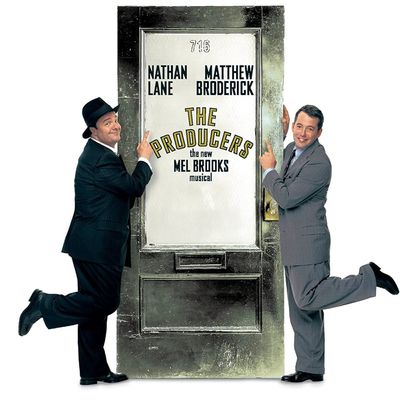
[1:00:45] Eli Tokash: But yeah, they came in with expectations. Mel Brooks, Stroman, Nathan Lane, Matthew Broderick, there were expectations. Something Rotten, no, what? So, yeah, the fact that the show delivered then in the way that it did, um, was so brilliant.
[1:01:00] Brad Oscar: Oh my god, I, you know, I wish, you know, in my mythical world, the show, you know, ran for 10 years and I would still get to, you know, go do it for six months. Everyone's to refuel my soul and give me the best gay cardio I ever had in my life.
[1:01:16] Eli Tokash: So oh my god, that's hilarious.
[1:01:18] Brad Oscar: Yeah, no, literally, that's like that show is literally every theater goer's like dream musical. And again, being done, I love it being done all over, being done.
[1:01:28] Eli Tokash: Oh yeah, you know, dinner theaters in high school and community theater. And I have friends who are doing, uh, please the great Kathy Fitzgerald. I don't know if you know Kathy Fitzgerald.
[1:01:38] Brad Oscar: Um, and I'm gonna say nice things about her because this is being recorded. You know how I really feel about you, Kathy, and I swear to God, one day. Um, Kathy Fitzgerald, original cast member of The Producers, great Madame Marble, Forever and Wicked. Um, ton of stuff. Adore her. Nine to Five. Kathy just played Nostradamus in Phoenix and directed, I believe. So what I love about that role is it can be played by anyone, any age, any, yeah, he's a daffy old man. He just needs to be, he doesn't need to be.
[1:02:10] Brad Oscar: That's just it. He just needs to be he, it that they need to just be whatever that crazy is. And the role totally supports that.
[1:02:20] Eli Tokash: That's so exciting. I love that it's having its own little company moment.
[1:02:23] Brad Oscar: I like it.
[1:02:24] Eli Tokash: Uh well, Brad, this is just a wonderful place to end. And I can't believe that we have to end because we haven't even talked about half your resume. I mean, you're just an absolute star. You've done endless amount of stuff on Broadway, just to name off a few.
[1:02:38] Brad Oscar: I just want to tell the people if they don't know already. You may have seen Brad in The Producers, The Addams Family, Big Fish, Nice Work If You Can Get It, The Addams Family, Spamalot. Oh my god, Jacqueline Hyde, Aspect of Love, and Mrs. Doubtfire and Something Rotten, of course.
[1:02:55] Eli Tokash: So, I mean, you're just like you're everywhere, and you're almost your the next show you do is gonna be your tenth Broadway show, and I don't think much more needs to be said. It's just absolutely insane, and you deserve all every bit of any recognition and job that you get. Seriously, you're just incredible, and you're a joy to watch on stage.
[1:03:15] Brad Oscar: So thank you so much for coming on.
[1:03:17] Eli Tokash: And uh take a bow, Brad Oscar. Thank you so much for coming on the podcast.
[1:03:23] Brad Oscar: I had such a great time. I think the conversation was really, really fascinating. Um, again, I, I don't mean to get too political, so if I did, I apologize. But I think the conversation was necessary. I think it was wonderful.
[1:03:34] Eli Tokash: I'm super happy with, um, how this podcast kind of went because I know it's different from most of the others because really we usually just talk about like we go in show order and talk about stories and blah blah blah. This stuff we, we had a mix. We, we were talking about shows and we were talking about current events, things, and, and we were talking about the impact that shows have, and I just think it was awesome.
[1:03:59] Brad Oscar: And just to chat theater, like we literally chatted theater, we talked about theater for 45 minutes, and it wasn't just about Brad Oscar, it was about Broadway, and it was about theater, and it was about the industry as a whole.
[1:04:11] Eli Tokash: So I, I think it's awesome, and I hope that you all learned something. I hope that you all enjoyed it. Um, I also want to mention that there's a wonderful event going on at Times Square this weekend, uh, with Broadway people. I unfortunately will be unable to attend this event.
[1:04:25] Brad Oscar: Uh, it's gonna be right in the heart of Times Square, it's gonna be by the TKTS booth.
[1:04:29] Eli Tokash: Um, you all should probably know where that is. Um, it's on like 47th Street and Broadway, uh, the Avenue. So go check that out. It's gonna be featuring all kinds of Broadway people. It's a Pride event, so it's, they're celebrating Pride Month.
[1:04:43] Brad Oscar: Um, and shout out to all of our Pride guests, especially this month.
[1:04:48] Eli Tokash: All of our guests so far have been, uh, of the queer and LGBTQ community. So, um, shout out to all y'all, and um thank you for joining me.
[1:04:57] Eli Tokash: So next week we have another one to end Pride Month and happy Pride Month to all of you once again and, uh, hopefully you can check out that wonderful event that's going on because you're gonna be seeing Broadway people, you're gonna be seeing live performances from Broadway folks, uh, it's just gonna be a great event and it's another thing that Broadway's doing to bring everyone together to celebrate a wonderful, wonderful community and a wonderful month.
[1:05:20] Brad Oscar: So thank you again for listening to this week's episode. I hope that you all come back next week and until then have a great week. Bye everyone, thank you.
[1:05:20] Eli Tokash: Oh my god, just happy week for this episode's current call. I would like to recognize a few people who also deserve to take a bow. This podcast would not be possible without the help from Dory Berenstein, Brittany Bigelow, Katie Rosen, Alan Seales, and the team at the Broadway Podcast Network.
[1:05:20] Brad Oscar: Next in line to take the bow is Tessie Tokash, who edits the audio and all the visuals for this podcast. A special thanks to patrons Brian Thompson, Pat McNamara, the listeners at PCC, as well as all the other patrons for their continued support.
[1:05:59] Eli Tokash: If you're interested in becoming a patron, go to patreon.com slash T A B. And if you enjoyed this week's episode, don't forget to subscribe on the platform that you're currently listening to this on.
[1:06:11] Brad Oscar: Also feel free to give us a follow on Instagram at takeabowpodcast.
[1:06:15] Eli Tokash: Take A Bow's logo is designed by Giselle Bustos and the music is by Nikki Torsha and Cormac Collinon.
[1:06:22] Brad Oscar: Bye everyone, hope to see you next week.
© Broadway Podcast Network, All Rights Reserved