

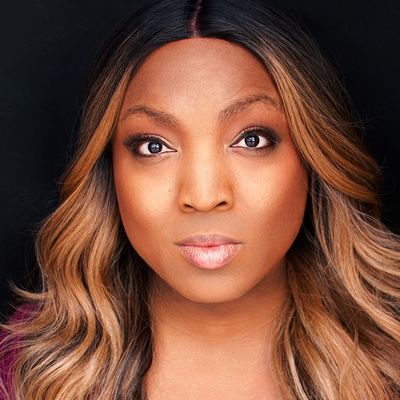
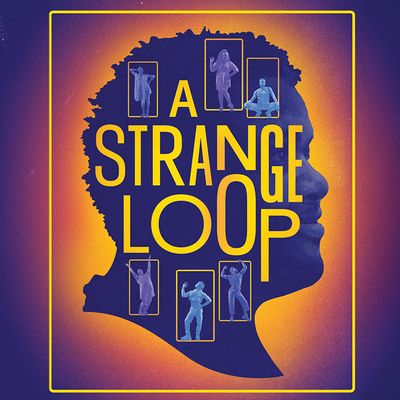
L Morgan Lee shares her experience through her breakout performance in A Strange Loop! L Morgan Lee is one of Broadway's best role models for young artists as she gives listeners invaluable advice to help you healthily thrive in the industry... Read More
From the show: Take A Bow
Guests
Featured Shows
About
L Morgan Lee shares her experience through her breakout performance in A Strange Loop! L Morgan Lee is one of Broadway's best role models for young artists as she gives listeners invaluable advice to help you healthily thrive in the industry.
FUN FACT: L Morgan Lee made history as the first openly trans performer to be nominated for a TONY Award this 2022 season!
L Morgan Lee, Curtain Up!
Connect with L Morgan Lee on Instagram: @lmorganlee
Connect with Take A Bow on Instagram: @takeabowpodcast
Connect with host, Eli Tokash on Instagram: @tokash_eli
Produced by the Broadway Podcast Network
Edited by Jessica Thurber (@jessicalaurenradio)
Transcript
This transcript was automatically generated and might contain errors.
[0:00] Eli Tokash: Hello everyone and welcome to episode 115 of Take a Bow. I'm your host, Eli Tokash, and this week we have a very exciting episode. An episode that's really been a long time in the making. It's probably been about three months trying to figure out these schedules here. We have one of this year's Tony nominated actresses for Best Featured Actress in a Musical. We have L. Morgan Lee joining the podcast with us this week, and we could not be more excited about it. Seriously, L. Morgan and I talk about all kinds of things with A Strange Loop and being a transgender performer in the industry and just what it's all like and the process of A Strange Loop and everything. Like it's had a very different route to Broadway than some other shows and everything like that with the Pulitzer Prize and all of those fun things, and of course the Tony Awards this season, and it's just so, so special.
And I've noticed the past couple weeks that like the further we get in an interview, I feel like each guest kind of really opens up towards the end. And at the end of this podcast, L. Morgan gives literally some of the best advice I may have ever heard for anyone trying to get into the industry or someone who's already in the industry. Like it is so relatable for everyone, and it can definitely hit home more for certain people than others. And it's beautiful, the message in this episode. So I cannot wait to share it with you all. But before we get over to that, there is so much happening in the world of Broadway. So let's talk about it, shall we?
[1:32] Eli Tokash: This week, I would say maybe the biggest story out of the Broadway world is that Jane Lynch is actually cutting her, she's ending, I shouldn't say cut. She's ending her run in Funny Girl sooner than expected. She announced that she will be taking her final bow this Sunday. Yes, this Sunday, August 14th. She's taking her final bow, and she literally announced it this week. But this is because she unexpectedly got that wonderful Emmy nomination for her performance in Only Murders in the Building, which is the hit Hulu show with Steve Martin, Martin Short, and Selena Gomez. Literally one of my favorite TV shows of all time. I've like binged all of it. And her role in that is just spectacular. So that's all happening starting now, basically.
And so she's working on that, and she's just getting piled up with the media and interviews and all of that stuff. So she's like, I need to cut my run. I need to go out to LA. I need to do get ready for all the Emmy stuff. So that's why she's ending her run. It's interesting though, because she actually didn't make Beanie's last performance. So it was Beanie Feldstein, Ramin, and Jane Lynch's understudy for the last performance. Well, now Jane Lynch is gonna have no Ramin or Beanie in her final performance because Ramin is out this week. So no, there was no like official last show with the three stars. So very sad, but also very interesting that like that's just how it works out, and it's too bad that it worked out that way, but um that's how it's worked out, and yeah, I just thought I'd mention it because I was like, hmm, it's kind of like interesting that the stars aren't sharing their final shows together. It's crazy.
[3:15] Eli Tokash: But anyways, but there's more stuff to talk about. The other major thing that I am so excited about is that Hadestown is getting a new Hermes, and I was a little like hesitant. Like, first of all, the fact that when André De Shields announced that he was leaving the show and he was gonna go work on a new project, I was blown away. I was like, oh my god, like who are they gonna get for this role? And they had the understudy for a little bit, T. Oliver Reed, who's fantastic in the role. He stepped into it full time. Well, now he's working on something else. So then I was really like, what are they gonna do now? And they knocked this casting out of the park. We love to see it. It's literally this is the kind of everything that we've wanted in the industry as per fellow performers and as I guess activists in a way of just like seeing a new sort of Broadway and kind of breaking molds and all these things.
Well, they hired Lilius White to play Hermes. Yes, Tony like Broadway legend Lilius White. She's gonna be joining the cast of Hadestown playing Hermes, which was just played by two men back to back. So now she's gonna be the first ever female identifying actor to play the role of Hermes in Hadestown, which is so exciting, and that begins on September 13th. So huge congratulations to Lilius White. We've actually had her on the podcast. It wasn't for a full episode, but it was one of those episodes where we talked to a bunch of people. We've had her on several times at the opening night, red carpets and stuff like that. So she's kind of a friend of the podcast, and so we're so excited for her and cannot be more excited to go see her in the show. And hopefully that you all will be able to check that out and want to check that out as well.
[5:10] Eli Tokash: There's more news on the unofficial Bridgerton musical whole production thing. They had a scheduled performance in London at the Royal Albert Hall. Well, it happened this week that the Royal Albert Hall came out and said that unfortunately, Barlow and Bear, the writers of the show, have canceled their performance of the unofficial Bridgerton musical live at the Royal Albert Hall. So not surprised here, obviously not surprised. The future of this show is absolutely in jeopardy with the lawsuit from Netflix and everything like that. So crazy, crazy stuff was happening here. It seems like they thought that they were gonna do it still, and it was just like this week they realized that oh, they canceled it.
Yeah, there hasn't been much on the progress of the lawsuit, I guess I could say, and more news with that. But it seems like you know, there's no more production. So like that one night production that you may or may not have seen at the Kennedy Center may have been a one-night thing. And if you were there, you witnessed history, and that's awesome. So, yeah, I mean, I don't know if they canceled because of that, or maybe the actors and performers were kind of like, I don't know if I should be doing this or if I should be attached to this, and they kind of lost their performers. Like, I don't know what happened, but it could have been literally anything. So I'm very interested in keeping an eye out on this, and we'll see what happens. But I there is definitely more to this story.
[6:50] Eli Tokash: Moving on, another Broadway legend is coming back to Broadway this season, starring in the new play, Ohio State Murders. Yes, you heard that correctly. Ohio State Murders by Adrienne Kennedy, directed by Tony Award winner Kenny Leon, fantastic director. He directed Fences, A Soldier's Play, all those wonderful shows. Very exciting stuff. It's cool now that Audra McDonald and Will Swenson, who is definitely a friend of the podcast, he had a full episode with us. They're both obviously married, and they're both gonna be on Broadway this season. Obviously, Will Swenson will be in the Neil Diamond musical, and now she will be in Ohio State Murders. So that's very exciting. That's all happening at the James Earl Jones Theater, which is the old Court Theater. That's what it was previously named. And so, yeah, if you're interested in going to check that out, do it because I mean it's Audra McDonald. It's gotta be good. It's gonna be good. You just know it is.
[7:48] Eli Tokash: Anyways, moving on, because there's a lot to get to. Okay, fantastic news here out of The Kite Runner. Yeah, we'll talk about the good news first, because then there's another piece of news that I was just like, what is happening? The good news is that The Kite Runner is offering now student rush tickets for their show. So, like it's not an online rush or a lottery or anything like that. Like, if you go to the theater within two hours of the show and you are a student of any kind, if you're college, high school, whatever, and you have like a student ID or anything, you can show that to them and get tickets for $35. That's fantastic, especially for a show that is based off a book that is part of or was part of school’s curriculum.
I know my siblings, myself included, we had to read The Kite Runner in schools and everything. And I believe it's like now no longer in the curriculums because it's just like it's a lot to process. And I'm thrilled that they're making it more accessible for students to continue to see this story and learn about this story through this wonderful student rush opportunity. And so you go to the theater, it's not online, it's not whatever. It's you go to the theater like a couple hours before the show and you see if they have any tickets available. If they do, they're gonna give that ticket to you for $35 if you have your student ID. So take advantage of that because it's a show that you should definitely see that you can get two tickets per person, and I promise you it's one to see, but be prepared to like feel all the emotions, seriously. Like you're gonna cry, you're gonna be angry, you're gonna laugh, you're gonna do all the things, but it's so wonderful and so worth it. So go check that out.
[9:31] Eli Tokash: And then it was also announced that The Kite Runner is requiring masks only at Friday night performances. I have no idea what that's about. I've reached out to a couple people, I have done my own research. I have absolutely no idea what that even means. Like, why are they only doing it? Not to like bash it because like I'm all for you know making that mask policy and whatever, but like for one show a week, I don't get it. And so I maybe it's for like a certain audience that doesn't feel comfortable with other people being unmasked, so they have the opportunity to like see that show, but like I don't know, just one day a week is it's kind of odd. And you have eight shows and one show, you're just gonna require masks.
They're definitely not doing it for the safety of the performers and stuff like that. So if they're only doing it for one show, so I don't really get it. But interesting little tidbit. If you are someone that like definitely does not want to go to the theater without people being masked, The Kite Runner's your show on Friday nights. So go check that out. And even if you're a student, you can get tickets for $35 a day of. So perfect.
[10:47] Eli Tokash: Anyways, I just thought that that was so bizarre and but also very interesting. So I just wanted to share that little tidbit with you. And then two more things. We have exciting news out of the hit off-Broadway show Between the Lines, where they announced that they have plans of releasing a cast album. So that's awesome. I have not seen the show yet. Everybody raves about it. Everyone is obsessed with this Between the Lines. It's all here, Between the Lines. And I've also heard a lot about Titanic. I'm curious to see both of them. Have yet to see either of them. But it's great to see off-Broadway shows getting some buzz. It's great to see an off-Broadway show having a cast album because that does not happen with every off-Broadway show.
So very exciting stuff. No release date yet if you're a fan of the show, but I will keep you all posted when they announce that release date. So very exciting stuff coming from there. I'm excited to hear this music because I hear this music is absolutely ridiculous and amazing. So I'm excited that they have the cast album, especially if I don't get to see the show, because in a way it like makes you feel like you saw it and you kind of know a little bit about it.
[11:50] Eli Tokash: Anyways, last but not least, I want to say good luck and congratulations to the entire company over at the Tina, the musical, the Tina Turner musical that is.
[12:01] Eli Tokash: Their last show is this Sunday, just like Jane Lynch.
[12:04] Eli Tokash: This Sunday, August 14th.
[12:06] Eli Tokash: Unfortunately, this show is coming to an end because this show is just fantastic.
[12:11] Eli Tokash: But they've had a wonderful run. They ran for like, I mean, obviously with the whole pandemic thing, so I'm not counting that, but they had a good two-year run of performances. So that's very exciting, and that's definitely a huge success. So, congratulations to all of them on a wonderful run! Congratulations on an amazing show. And uh yeah, everyone, if you love Tina and you are able to make it before their final performance, if and you want to see it again, go for it because uh it's definitely a show worth going to see. So it's like a concert. I mean, you can't you can't beat that. You get a concert and a Broadway show in one. That's why I love Michael Jackson, to be completely honest. Anyways, I'm rambling, and that's all I have for you folks this week.
I know there was a lot to get through, but all of that stuff I found so interesting. I didn't want to cut any of it out. And yeah, I hope that you all learned something and enjoyed that. Now we are gonna turn it over to our fabulous guest, L. Morgan Lee, with an amazing conversation that I cannot wait for you folks to hear. So without further ado, Elle Morgan Lee, curtain up.
[13:18] Eli Tokash: Oh my goodness. So this week we have a very special guest who is an Obi Award winner and a Tony Drama League and Antonia Ward nominee, who is currently starring in the Tony Award-winning show for best musical, A Strange Loop. Everyone, get ready and join me in welcoming to Take a Bow, El Morgan Lee.
[13:42] L Morgan Lee: Hello.
[13:44] Eli Tokash: Hello. Thank you for seeing me.
[13:46] L Morgan Lee: Oh my god, thank you so much for coming on.
[13:49] Eli Tokash: I just told you this. But honestly, when I saw Strange Loop, I mean, the performances were absolutely incredible, and the show is fantastic. Um, obviously, it won the Tony. But your performance alone, like, just had me in awe. Like you, every time like you were you had your moment, even if like someone else was having their moment, my eyes went directly to you. So this is a treat for me to have you on. Seriously, it's I'm so excited. The way I usually like to start these episodes is kind of learning a little bit uh about the performer and you know, asking you how you got started in the industry and what inspired you to want to tell stories and get involved in theater.
[14:30] L Morgan Lee: Sure. I mean, I got started, goodness, I mean, my first time performing in front of people was in nursery school. Um so I mean, they sort of we would do those like like pageanty sort of like you know, Thanksgiving pageant or like Christmas pageant, or like in my nursery school. So they would do like a a talent show situation, like right after whatever the holiday event was. Um and so they I think my first time I did it had to be had to be like four, maybe four or five. Um, and they had me do Karma Chameleon by Boy George. Um which was which was I think in some ways like the universe sort of the universe sort of looking at you before you even have any clue of who you are whatsoever. But um my teachers sort of threw me in, threw me in like hair and makeup and like pulled everything together and my mom was like, Why does my child have all this makeup on? Like, what is this? Um again, I think that's like the universe sort of seeing you before you saw yourself.
[15:36] Eli Tokash: Yeah.
[15:37] L Morgan Lee: Oh my god. So you know, ever since you were a little kid, you kinda knew you wanted to perform.
[15:43] L Morgan Lee: Yeah, I mean, I mean I was singing, I was singing in the high chair. Like I I've always been singing. I think my my mom will laugh and say things like, um, she'd be like, your father used to be like, you don't know what you think you can sing. Look at you. Look, like you can sing, sit in that high chair. And she's like, well, if only he could see you now. Like, like you have certainly proven that that was not, you know, that was not nothing. That that was always sort of something implanted in you. Some kind of storytelling was always planted there.
[16:13] Eli Tokash: That's amazing. Seriously. And that singing in the high chair really paid off because you're making your Broadway debut. Come on. Um, incredible. Um in a hit show. I mean, this just a strange loop. I mean, I guess we can go in and talking about it. I mean, did you ever know that like this is what it was gonna be? Like, it was gonna be this huge hit.
[16:39] L Morgan Lee: I I think that the piece itself is important. So I I hoped that it would be received well. Um, and that it would be received specifically for you know what it is. Um, I think sort of we've had the gift of getting to do three different incarnations of the show. So having done it at playwrights off Broadway, and then briefly in DC for a heartbeat, right before we came to Broadway. Um, I think sort of each incarnation of the show for me personally, just sort of hopes that audiences would be able to receive it for what it specifically is, and to be able to take in Usher's story, um, and then hopefully have conversations after seeing it, um, so that you know they can further expand their own minds or their own lives or the people that they love, that they can really look at those folks and see if there are things that um might make them feel more affirmed or more seen, you know, in in how they are treated or how people are behaving around them.
I always say it's just it's very important that people know that it is a very specific lens. The show is told through a very, very specific lens. Um, and that lens has a lot of complexity inside of it and speaks for some people, does not speak for all of us.
[17:58] Eli Tokash: Totally. But in a way, like with a strange loop, like I I mean, I couldn't necessarily relate to everything that was going on in the show, but like as an usher, like the show is about an usher and the thoughts and voices around it in his head and everything, and like just the love for musical theater and the love for telling stories and everything like that. So there's so many beautiful eleph elephants. Oh my god, there's so many beautiful elements to the show that like is just so fascinating to just kind of have that self-reflection moment of like, oh my god, this is literally me talking to my head during while watching a show. You know, like crazy. But it's it's it's wonderful what you guys are doing, and the specificity of the lens that it's being spoken through is something that Broadway needed and Broadway still needs um more of and everything.
[18:50] L Morgan Lee: Absolutely. Um did you feel like I mean, this is something that's simply not on Broadway often, or it's a it's kind of a rarity. What was your the process of you know, is this gonna work? Like, because this is something that's not seen, and is are is the world ready to see this? Is Broadway ready for this? And like, was there ever that conversation during the whole process?
[19:13] L Morgan Lee: I don't think I mean I I don't remember that as a conversation. I think our our focus was just on telling a story in the most effective way possible. Um, and having conversations that would help us be able to um ideally acknowledge the the the story that that we want to tell and I think that like what we discovered in that process is that there are there are nuance there's a lot of nuance to the stories that even amongst the cast members that we see inside of this story um so I think that's what and that's what one of the reasons why I I'm very vocal about the lens being very specific because if you know for instance if if I were leading the ship of this show it would be a very different show than it is now um not and not just because I think the cast could be the same but if the if the show were coming through a lens that I have lived personally then things would slightly be shifted in sort of how the story is told the the weight of the story is told would be um there would be there would be things considered that things considered and factored into the making of the piece that I don't think were actually considered or bored or had an impact on the making of the piece.
And that's that's the that's sort of the beauty of queer stories is that I think that there's this sort of there's this assumption that queer equals gay um and queer is far more expansive than simply the label gay.
[21:01] Eli Tokash: But that is one person's opinion.
[21:04] L Morgan Lee: Sure. That's fascinating, especially because like there's a whole number that's like big, black and queer, you know. That's uh that's a fascinating perspective, though. Um, and you're so right. Like, as you were saying, like, if you if the story was told through your perspective, like I was I was kind of just reimagining the show and playing it through my head if I as if I saw you as Usher.
[21:26] L Morgan Lee: Uh that's a good one.
[21:26] Eli Tokash: Oh no, no, well, yeah, no, I don't mean I don't mean with me as Usher. I don't, I mean, I mean if someone who if someone who has sort of my intersections was putting together a strange loop, I think that like you would see slightly different things than what you'd see. It's it's the beauty of the piece is that it is it is breathing. Michael has always described it as being a living breathing piece. And I think that like, depending on sort of who's who is guiding the lens that you're seeing, it could take different colors throughout that. So you know, if if each of if each of us in the cast, for instance, put up our own productions of a strange loot, you would see slightly different shifts in the way that the story is told because each of our experiences in queer culture in ways has been slightly different.
Um, but you could still put it through Usher as Usher is. I certainly have no interest whatsoever in being my my journey is not at all like Usher's, so I have I have every bit of like love for the the Ushers of the world, but yeah, that's not my story.
[22:32] Eli Tokash: And is it true like a lot of Usher's story is from the writer, Michael R. Jackson?
[22:38] L Morgan Lee: He says that it is it is he says that he has felt all of the feelings in the show, but that of course things have been exaggerated and stretched.
[22:48] Gotcha.
[22:49] Eli Tokash: But but that it's not like a direct, you know, autobiographical situation.
[22:54] L Morgan Lee: Gotcha. Because that's what I was so curious about, kind of in a way, of like, you know, the writer is telling his story through different people. And I was like, what was that collaboration process like? I mean, I guess I could still ask you that question. Like, what was the whole collaboration process like with Michael and and it's so beautiful the cast that it's only six people, I believe.
[23:17] L Morgan Lee: Um seven principles and then four understudies.
[23:23] Eli Tokash: Right. So you have this intimate collaboration kind of going. Like, what was the process like?
[23:30] L Morgan Lee: Um it was the piece got a lot of um the piece got a lot of time, which was a gift in a lot of ways. Um, you know, there were a couple workshops where literally all we did was sit and read through the script and talk and did not do any singing. Um those kinds of workshops are definitely a present for a piece because you know it helps you to really shape the book the way you want to shape the book and to shape the piece the way you want to do that. Um so like that's which is goes back to my it this helps the this helps them to build sort of the piece that they want to build. It helps them build the lens through which they want to build that piece, it helps them to develop what that lens looks like. Um yeah, so I mean there were lots of conversations in the room.
[24:15] Eli Tokash: I want to talk to you about the Tony Awards.
[24:20] L Morgan Lee: Sure.
[24:21] Eli Tokash: Because you made history in a lot of ways, because if you're ever nominated for a Tony, that's history that right there in itself. But you made history in being the first openly trans actress to be nominated for a Tony Award. What was that whole process like? I know the whole Tony Awards season with eight shows a week is madness, but what was it like to live through that?
[24:47] L Morgan Lee: It was it took me, it took me a moment to like, it took me a moment to realize that it was all actually happening. Yeah. Um it was very difficult for me to believe for a good week or so. Um, and then once I sort of like snap out of it, honey, it's real. Um, once the snap out of it happened, um, it was definitely a grueling process. It was tiring, it was exhausting, but for me, it was all the kind of tired and exhaustion that you work a whole career to have. It was the, you know, it was I'm not, you know, brand new to the business in many ways. So like for me, it's like I've been here for, you know, 20 plus years at this point. Um, so for me, this was in some ways it was like the universe sort of affirming that like all of the years of work have paid off.
Um, and I think that like I say after to I've said to a couple people afterwards, it felt like for me the perfect introduction to the business in that sense because it's like nobody knows who I am, but like, but it's like but now people have some idea of like, oh, who is she? That's interesting. I think that it was like the perfect. I said that Tony's was like the perfect debutante ball. It was the perfect introduction moment for the public to see, oh, well, this is L Morgan Lee. Because A Strange Loop for me really, really like it's I mean, it's a very sort of understated track in the span of what many tracks can be. Like it's not a flashy track at all. She's not someone that's, you know, standing on center screaming and yelling or like doing a lot of like heavy emotional lifting all out, like outwardly where audiences can see it, um where audiences are able to sort of like directly see it.
It's a most of the work that I'm doing in the show with, you know, my featured moments are certainly my own and are centered and are what they need to be. But most of the show, because we are there the whole time almost, is a lot of sort of teamwork on stage in so many ways. So it's like you don't know the details of the beast that I'm living through each night unless you actually look at the page. Um, if you actually listen to what my vocal line is through this whole show for that long time, you realize, oh god, she's really doing a lot. Um, but I don't think that like if you're just watching the show sort of as a whole unit that you would be able to realize exactly how demanding the track is.
Um, so I think it's I think the people who have noticed that I'm very like appreciative of the people like, oh my god, I see what you're doing, I hear what you're doing throughout it. It's like thank you, because it's a lot. Um, it's very tiring. Um, but it's the Tony season was a dream and a reminder that we have so much work to do. Um, it was a dream, but it was, yeah, it was a way I learned, I learned a lot. And I've been learning a lot this whole process, even of just being on Broadway in the debut. I've been taking notes to help me to build the kinds of rooms that I want to see. Um, and to build the kinds of teams that I want to be able to work with and to be a part of telling the stories that I think are important to tell in the ways that I feel like they are important to tell them.
And so that I think something that's something that I will definitely take away from A Strange Loop out of this whole process for me is don't be afraid to lean into the authenticity of the lens that you want to tell stories through.
[28:34] Eli Tokash: I love that. That's a beautiful way to put it. And you talk about, you know, putting all this work in because Broadway's hard. Broadway's hard, you know, like it is.
[28:43] L Morgan Lee: Yes, and yes, the Olympics, it's I was literally the people call Broadway the Olympics, and I was like, the difference is the Olympics have an end date, they're not open-ended. So the bodies get a chance to like fully recover and fully take the time to settle in. That is not factored in the Broadway machine. So one has to start to become, um, it is difficult to do it, but like we have to be able to have more agency over, you know, taking care of ourselves and knowing like that this is why understudies are there, this is why people are there, to like, because our bodies are only gonna be able to do so much, and we are putting them through the rigmarole like a lot on Broadway. I mean, eight shows a week is grueling, and in particular when you're doing shows that are not as simple as just like boom, boom, boom, here we go, happy, happy, and then we leave.
Like when it's not that show, when you're doing a project that is really provocative and really triggering on lots of mental, spiritual, emotional levels, it's a lot of work in addition to the show to do the show, and then you look at it doing the show in front of audiences that greatly don't look like you is also another layer of labor on the people who are on stage. So it's like there are so many layers of extra work that are put into a simple eight show a week of any show that is, you know, telling stories that are challenging minds or going against the grain in any kind of way. Um, and you know, you say this as well, we all know that like a show like A Strange Loop doesn't just end up on Broadway like very often.
So its very presence on Broadway is already pushing sort of pushing the envelope a bit. And so the people who are involved in telling that story night after night after night after night are taking on a lot of extra labor on top of doing the show that we're there to do. So it's it is quite exhausting. Um, but I do think again that there are lots of lessons inside of it if we are keeping open to trying to learn them.
[30:57] Eli Tokash: Totally. And I mean, I didn't even consider it in that sort of way of like how much work really goes into it. Um, that's fascinating. I mean, truly, I mean, I don't even know how to even go from there, but I'm so thrilled that the Tony Awards did it kind of acknowledge that hard work that you've been putting in night after night and nominating you and acknowledging you in categories such as Patti LuPone and Jane Houdyshell and Jeanette Bayardelle, like all of these fantastic actresses that, you know, are all just putting in the work to tell a story and to move people.
[31:41] L Morgan Lee: Um, it's incredible. So yeah, it was a gift, it was a gift to get to share the category with those ladies. Um, in particular, in particular with Jeanette, who I have known for many years, and like I coached Jeanette for a bit on a couple different things. Like, like this is why I've been around a while. I'm not sure. Like I'm really not brand new. I'm really, really not brand new. So like getting to share it with Jeanette and getting to share it with Shoshana, who for years and years and years and years, you know, we have all celebrated and loved. Um, and you know, getting to meet Jen Simard in particular, who is like just one of the most beautiful spirits, like just one of the sweetest spirits. Like those getting to share the space with those people really like made a difference for me, certainly. Um, it was like a sweet Broadway hug.
[32:39] Eli Tokash: I love that. That's so cute and very well deserved, completely, like seriously, very well deserved, especially after hearing, you know, your perspective on the show and the amount of work that goes into it. I mean, as an audience member, it's so easy just to sit there and watch and not even realize what is going on.
[32:58] L Morgan Lee: You know, and of course.
[32:59] Eli Tokash: Well, because that's never asked of the audience. I don't, I mean, the audience is already taking in more than enough in this show. The last thing they need to have on is, well, on top of that, you all factor in how much work is that. Like they all the audience says they need to do that, but it's absolutely, but it is a part of the reality of how to make the show run.
[33:23] L Morgan Lee: Yes. It's a well-oiled machine, and there are many, many facets to it all. And yeah, so I that's what I kind of love about this and being able to talk to people like yourselves is to kind of understand their perspective and see what they do and how the work that they put in and how they approach their art and their craft. It's awesome. I want to ask you, as someone who was nominated for a Tony Award and made history for the trans community.
[33:55] L Morgan Lee: I know it's crazy. Honestly, hearing that will never hear that will always sound crazy to me.
[34:01] Eli Tokash: Oh my god. Well, soak it in, and you know what? You did that. So like own that. Um, that's everything. Uh, I want to ask you though, like, I mean, you made history. I just want to know it, you being on Broadway and everything and representing the trans community. I just want to ask what that means to you, and you know, how you approach that, like knowing that you have a spotlight on you in a way for the trans community.
[34:30] L Morgan Lee: I oh it's I mean, it's it's a multi-series sort of a conversation in itself. I am humbled and honored and feel wonderful that after so many years of working that I've gotten a chance to see what Broadway is. Um, and that was one of the things during the Tony season that sort of knocked me over a bit because I was still in many ways processing sort of the importance of my even getting a chance to be on a Broadway stage. So the fact that like a black trans woman is on a Broadway stage in a principal track, getting to bow every night in a space where there's not a lot of us, um, really isn't it's important because if nothing else, just for representation, for visibility, for all those like, you know, annoying words that keep going out into the world right now, because they're everyone's just using them so freely about everything now, but they really are, you know, that visibility, the idea that people don't know that it's possible sometimes until they see themselves or they see people who are like them or people who are remotely like them.
I have kids, you know, coming up to me after the show, sometimes in tears, sometimes with their parents, saying, like, I came to see you, and I saw you on the Tonies, and I told my mom that we had to go, or like I'm, you know, thank you for doing what you do because it makes me feel like I can. And for me, that's so important. And at the same time, I dream of the day when my just standing on stage is not nearly enough. That like, in order for people to actually feel heard for trans and non-binary or gender non-conforming or people who are gender expansive in any way, for people to actually, in order for them to be able to say, I feel seen or I feel heard, it's because they're hearing stories that are centering us, that they're hearing stories that are by us, that are hearing stories that have been directed by us, that are starring us, that are in the pit, that we're in that that their presence, that any, and that's for any marginalized group, quite frankly.
[36:51] L Morgan Lee: Like, I it's never it, I understand that it's a big deal that my feet are even on the stage, and I feel that, but I think what's actually what that's caused for me is it's really lit a fire for me to be a part of helping of doing my part in helping our business be what I needed it to be. And like in so many ways, what I still need it to be inside. Like, I am still in so many ways, it's like I am still that little kid that was like looking at the Tony Awards and like dreaming. I'm still that kid. And so it's like when people are like, you're a trailblazer and you're this, and it's like I'm just trying to put one foot in front of the other. I can't speak for an entire community. I can't speak for everybody because I only know what I know, I only know the journey that I know.
I only know what I have been able to witness and observe and love and take in from people I know who are like me or people who are in my community. I know people's stories. Um but in no way would I ever want to have to be responsible for an entire community's ideas or opinions. Um and I think that's the danger sometimes of falling into those like you're the first or you're the first. It becomes like in many ways, you become the face of that thing to people. And I'm like, you know, someone said to me, you don't break a glass ceiling without there being cuts. And I was like, it's interesting because like what I realize is like I want to try to be a part of helping make sure that the people who are behind me, that their rides are a little bit easier than mine was.
And so that's me, it really like has been a part of why I'm sponging in all of the information I can constantly because it's important. And I think it's something that I want to be a part of helping to make our business what I believe it can be. Absolutely. And I'm one person, I'm one person, so I'm not, you know, I'm not I certainly can't single-handedly do anything, but I can certainly, you know, take advantage of whatever spaces that I'm in and trying to help to plant seeds or have conversations or meet people and chit-chat. And I think that's even as even as simple as like getting to like I, you know, I taught a master class. I've taught two master classes this month with this company called Actor Therapy, um, which is mostly made up of like, you know, late teens to 20 somethings who come into New York City for two-week intensive.
And I was like the first, the first master class of each of those sessions. There were two sessions. Um and like even it's like I forget how much I forget how much at that age we were like ready to take in any information we could get. And so like me just sitting and having a casual conversation, just chatting through people's rep with them or guiding them through a song or coaching them through a song, for me, it just feels like I love doing it. It's like it gives me a whole different kind of life in so many ways, getting to see someone get a little bit more confidence in what they're doing. Um but then afterwards when I get these messages and ideas from these kids, from these people, um, it's like it's really it's inspiring because it helps me feel like even if I was just there for that one day.
Maybe I said something that will stick with that student, you know, to help them get through a rough time, or that will help them get through some teacher who does not understand them. And these students are not, you know, they are they are cis kids, they are trans kids, they are not, they are all kinds of people. I think it's very important for people to not diminish any of our identities down to a single thing, and to understand that like a black trans woman can very easily lead a ship or lead a room that is made up of all cis people, and imagine that. It's like, but know that when you do that, what you get is the benefit of that human who is marginalized sees the world a little bit differently.
So it's that's going to make the very thing that we're working on have nuance because I'm going to identify if something is like if if some scene work or something or some piece of rep that someone's doing, you know, if there's a if there's a uh a white, uh, a white uh a white assumed student singing, you know, breathe from in the heights. I'm going to be the person to go. I want to know why you're singing this song. I didn't say don't. I didn't say don't sing it, but I want to know why you're singing it. And like, and I need you to know that people are gonna have a question about why you're singing this song. And then when you tell them I'm half Cuban, then they're gonna go, oh wow, I didn't realize that.
But I want you to be able to know that like that question might come, and it is not don't get offensive, don't get offended when someone has it, because you have to you have to honor sort of who you appear to be when you walk in the room. Um that's conversations and things that like a lot of people are not gonna have in spaces, and so it's it's it's it's a benefit of it's a benefit of getting to be in rooms because this is stuff that we should be thinking about. We should be aware, and it's not about being woke, it's just about being aware.
[42:07] Eli Tokash: Right. I mean, you're literally changing people's lives. I hope you know that. Like, that's that's amazing. Um, that that's invaluable to honestly anyone who's a teenager or who's young and wants to be in the industry, you know. Like, it's unbelievable. Um, I had a conversation last week with a friend of mine, his name is Lance Roberts, and he's been in nine Broadway shows. He's currently you know Lance?
[42:32] L Morgan Lee: I know who he is, yeah.
[42:33] Eli Tokash: Yes. So he had this fascinating conversation with me about how a lot of times, especially on Broadway, he's felt like the token black man or black actor in the room. That's how he put it. And so I'm curious to know, like, with a show like A Strange Loop that has an all-black cast, uh like what does that mean to you to like not be the token black performer in a show and be able to collaborate with peers that have similar backgrounds as yourself, but it's still very different, obviously.
[43:10] L Morgan Lee: Yeah, yeah, yeah, exactly. I think well, it's true because A Strange Loop is the first show I've done that's been all black. Um, and it there is just there's just an understanding, I think that's always there. I think it's something that like, and the thing is that's the thing that's beautiful about that is that even within black experiences, there's so many levels of diversity and so many different sort of versions of lifestyles. So, you know, the cast can all be black, and at the same time could very well all be from polar different situations, and it does come up in the in the room, and it does come up in conversations. Right. It does come up in how people view text, it does come up in, you know, if there's a problem in the space and how people are handling it, or what things, you know, what issues are brought to the forefront, those conversations come up where you start to realize that people have been brought up with like different backgrounds, different socioeconomic backgrounds, different education levels, different experience levels.
Um it's beautiful because people would not really, I think a lot of people don't um not a lot of people, I think white people don't assume that in a cast of all black people that there would be so much diversity. Um but but it there truly is um and so I think it's it's it's been a gift to be in the Strange Loop crew um for this time. Though I mean I love those people. They feel like they literally feel like family to me. Um in like every way, they get on my nerves. I love them, you know, I'm annoyed with some of them, I roll my eyes about some of them. Um it is the full family experience.
[44:54] Eli Tokash: Yeah.
[44:55] L Morgan Lee: Um, but like, but I think that's that's a good thing. It's like especially when we're handling when we're handling material that is so triggering and provocative, um, it is helpful to know that the humans who are on stage that we're all in it together, and that we're all aware of sort of the complexity inside of the thing, even if we all have very different um responses to what that complexity is, which we do. We all have very different, you know. I'm the only woman in the cast, so I have the way I view the show is very different than everyone else. For me, there is for me, quite frankly, there's a lot more complexity in some ways than for the others who are in the cast. Um and so I think, but but it is not, like I said, it is not through my lens that the story is being told. But it doesn't make it any easier for me to take that ride every night.
[45:52] Eli Tokash: Yeah. And I, you know what? I think that it's beautiful because I feel like that's prominent on the stage. I mean, you all have your own thoughts and you are all playing different thoughts. Um it's cool to to hear that and kind of look back and think about the show and be like, oh my god, like, yeah, it kind of makes sense that you you're all each thought has a different perspective and you're all playing your own perspective. And I love that.
[46:18] L Morgan Lee: Yeah, I mean, like, there's certainly there's certainly like a high level of camaraderie in the room that like, you know, the the people who I share a floor with in dressing rooms, like our floor is certainly, you know, quite a party. Oh like our our floor is like literally party almost every night. So um while whereas the other floor is like almost silent. Like it's like a drastic difference. Like our floor is so loud compared to the floor under us. Um like, but it also just sort of shows you the s the differences in the people in the in the cast.
[46:57] Eli Tokash: Right.
[46:58] L Morgan Lee: I love it. Well, this has been a joy. I do want to leave you by asking one final question. I'm dying to ask you, like, if you could tell your younger self or any young performer for that matter, um something that you know now or something that you wish you could just like say to them and and kind of provide advice or um information. Like, like what would you say to your younger self or some young person trying to get to be a performer?
[47:27] L Morgan Lee: Keep studying, keep going. No matter what comes against you, if you hold in your heart the truth that you that you know that you can do, you keep keep holding on to that. Um and then I would I would definitely have to say be specific in the things that you ask for. Be very specific and and know why you want to be in the rooms that you say you want to be in. And and if you can pay close attention to one, if those rooms are ready for you, and two, what you can bring to those rooms.
[48:10] Eli Tokash: Yes.
[48:12] L Morgan Lee: That's brilliant. That's amazing. Thank you so much for sharing that. I just seriously I think that's like so like that's like that's one of the biggest things I feel like I'm taking away from a lot of this experience. I guess I've said a couple things that are big things I'm taking away. Clearly, I'm processing a lot.
[48:28] L Morgan Lee: Um, but I think that's one of the things is I see so many people sort of pining and crying out to want to be, for instance, on Broadway. People are like, why are we not on Broadway? We need more of this on Broadway, more of us need to be there. We need Broadway, Broadway, Broadway, Broadway, Broadway. And I I I want us to take a beat, actually, and and realize if if we are not there, are they ready for us yet? And and the people who are there, what are those humans experiencing? What what what can they do or say to us to help us understand a little bit more why we might not be there yet? Um and understand, like Broadway might not be the space for you right now. And if and if it is the space for you, know what you're walking into. Don't try not to have expectations of a place or of a of a of a of an industry that hasn't promised you anything.
[49:29] L Morgan Lee: Yeah. I mean because we it's we're we're very big on sort of saying what we so what we're supposed to have and where we should be, but who is there to like help us go, okay. So when you walk into this space, if it's not ready for you yet, and then you get hurt in that space, who is gonna be there to protect you, who's gonna be there to take care of you so that you can you know continue to do what it is that you love doing. You that we I don't want to invite someone into a home that is not ready for them yet.
[49:57] L Morgan Lee: Right. And I think I think Broadway has a lot of work to do.
[50:00] Eli Tokash: Oh my god, I'm obsessed with that answer, literally, because everyone kind of gives you know, you hear the the cliches of like, oh, keep going, you got this, you know.
[50:11] L Morgan Lee: No, like honestly, and that was like the best answer I've ever heard. And I also believe all those things. Keep going, keep striving, keep fighting. But I just but I also just I don't, like I said, I really just want to be, I want to be the woman that I needed to see. And so the thing, the thing that I that I wish I had heard, you know, when I was about to graduate from college and was like, oh, I'm about to be on Broadway, here I come. It's it's Broadway or nothing. I I really wish I had had that woman to be able to say, sweetie, first of all, I see you. You're not out yet, you need to come on out. You need you need to step into your truth, it's gonna be good. You're you're gonna be happy when you do it. Um it's not gonna be easy, it might get harder, actually, in some ways, but you're gonna be happy that you did it.
[51:00] L Morgan Lee: Um, and and you just worry about you. You just worry about making sure that you get to know you and that you keep focusing on the work that you love doing, and you keep focusing on singing the rep that you want to sing and working on the plays that you want to work on, and you keep building your skill set and you keep doing the stuff that you want to do that might not be on Broadway, that might be lots of readings and developmental pieces and things that like are are satisfying you artistically, things that are really like giving you a stake on the plate.
[51:31] Eli Tokash: Right.
[51:31] L Morgan Lee: And when and and when and if Broadway or some sort of first rate level production is supposed to come, it will come. For me, I I got my Broadway debut when I wasn't thinking about it.
[51:44] Eli Tokash: Wow.
[51:45] L Morgan Lee: It wasn't when I was, you know, fighting and working, and I'm gonna get that call back and I'm gonna push and I'm gonna it that I I find that the things that I have that I have booked pretty much throughout my entire career have been things that like I didn't have to do so much to get them. I did I I did an audition tape or something, or I did an audition or two or a couple callbacks, but like they the things that I stressed myself over and drove myself crazy about, I didn't book any of those things.
[52:13] L Morgan Lee: The ones where the ones where I was like, oh, I don't feel like doing this. I'm I could sleep in or go to this audition. Let me just go because I should go. Those are the things I book, those are the things that I get. And I think that a part of that is because you're you're actually getting in the room and just being yourself, right? Which is really trying to be what they used to do. You're not trying to please everybody and not trying to put on all these fronts of what they might want or what they might. It's like you're like, look, this is who I am, and like it is what it is today. It might not be this tomorrow, but today this is what I got, and so here we go.
[52:46] L Morgan Lee: And and what ends up happening is the room ends up seeing you. And if you are the thing that they're looking for, then they're gonna get you. A strange loop, I got I got a strange loop from a DM in my Facebook.
[52:59] Eli Tokash: What?
[53:00] L Morgan Lee: Michael sent me a DM in 2015 saying that he got my name from a mutual friend, and he looked up some videos of me singing and said, Would you be interested in doing this reading of a project that I'm working on? Here are some clips of my music, and here's some things of my things. If you're interested, let me know. I saw the clips and I was like, hmm, interesting. I was like, you're the language is a bit much for me. It's a little aggressive. Um, but like you're saying things that people don't say out loud, and I think there's something really beautiful in that sort of being that raw.
[53:33] L Morgan Lee: And like it spoke to me as an artist because I'm like, you know what? I want to be a part of things where people are just telling the truth and just kind of saying what they want to say. Now, mind you, I had no idea that you know, all of the things that would come out of it and where we would be now, because you know, because it's it's that's not something that you expect, quite frankly, to happen on Broadway. But um, yeah, but I think it's just if if we stop thinking about I I I want you to dream, I want you to have the hugest aspirations you can for yourself.
[54:06] L Morgan Lee: But I just think that we have to be really mindful of, I think we just be specific in the things we ask for. If you want to be on Broadway, ask for asked to be on Broadway in a show where you feel affirmed and you feel celebrated and you feel like the work you're doing is being celebrated and you're happy to go to work every day.
[54:24] L Morgan Lee: Like, ask for a very specific thing because there could you could say, I just want to be on Broadway, and then you get on Broadway and it's a disaster.
[54:32] Eli Tokash: Right.
[54:33] L Morgan Lee: And that would not be fun.
[54:36] Eli Tokash: No.
[54:37] L Morgan Lee: Oh my god. Seriously. That that is everything. Seriously.
[54:40] Eli Tokash: That's joy.
[54:43] L Morgan Lee: Shoose joy and keep working and keep fighting and all those all those cliches, too.
[54:49] Eli Tokash: Right.
[54:49] L Morgan Lee: But like know what you want and go for it, you know.
[54:52] Eli Tokash: Like the sky is the limit, you know.
[54:54] L Morgan Lee: Yeah.
[54:54] Eli Tokash: But whatever we put out there, we put ourselves out there.
[54:57] L Morgan Lee: If we don't put ourselves out there, it's never gonna come.
[54:59] Eli Tokash: You know, yeah, like, yeah, that is uh that's everything.
[55:03] L Morgan Lee: That you I've like had an awokening.
[55:05] Eli Tokash: Um this is so unbelievable. Seriously, thank you so much for coming on here to chat with me.
[55:12] L Morgan Lee: Uh this has been such a treat, and I really appreciate this, and I know that literally everyone listening is gonna absolutely love this.
[55:20] Eli Tokash: So thank you so much for coming on to take a bow.
[55:23] L Morgan Lee: Awesome. Thank you for having me.
[55:25] Eli Tokash: Take a bow, El Morgan Lee.
[55:28] L Morgan Lee: Oh my god. Literally, that the whole conversation I learned so much about it all. The fact that she's so humble, the fact that she's still not over the Tony nomination, it was the cutest thing in the world. Her advice was literally invaluable, really. I mean, I I said it, like I feel like I had kind of an awakening. Like, I I I realized a lot during that interview about myself, about my career, about my performance, like all of the things.
[55:53] L Morgan Lee: But it's so wonderful to hear someone who's making their Broadway debut and is now having all of the success, you know, with the Tony nomination, with the other award nominations and the uh award win at the Obi's. It's so wonderful to hear that, like she's not new at this, you know. You know, yes, she's making her Broadway debut, and yes, no one's heard of her until this. Well, not no one, like, she hasn't been in the spotlight like she is now, I guess you could say, but she's been around, like, she's been around the block.
[56:22] Eli Tokash: So it was a wonderful reminder to everyone listening that like you can be a successful performer not on Broadway, and you can be a successful performer not in the biggest movie and TV show in the world. You know, like not everyone's gonna book their Stranger Things or their friends or their new girl or something like that, like some iconic show that like you know sets you up for life, but like you can still perform and you can still do what you love and tell stories and change people's lives without you know getting that huge thing.
[57:00] L Morgan Lee: Like we put ourselves on it's like, oh my god, it's Broadway or bust. It's if we don't make it to Broadway, we're like failures, you know. Like, people look at it like that. I've looked at it like that before. But this was a reminder that no, like that's just not true. We're not here to to make it to Broadway. Yes, if we make it to Broadway, that is a dream come true. Seriously, but if we don't make it to Broadway, it's not the end of the world because at the end of the day, we're doing what we love, we're able to make a career out of it, we're able to pay our bills and do our things that we need to do.
[57:36] L Morgan Lee: And all while that's happening, we are changing lives, and we are performing in front of thousands of people anywhere. I mean, literally, the Broadway stages in New York really aren't big. When I go home to Pittsburgh, where I started performing, those houses, those those like theaters are way bigger than they are on Broadway. I've performed on tour with Mary Poppins and everything. Like I I've performed in Madison Square Garden.
[58:01] Eli Tokash: Like that's 5,000 seats.
[58:03] L Morgan Lee: That's not considered Broadway. So it's just like you can do all the things that you want to do without being on Broadway. Like it's crazy. So like it's interesting, like defining your success and defining what success means to you as a performer and as an actor. And having the conversation with El Morgan today really, really reminded me of of all of that.
[58:26] Eli Tokash: And it was so so wonderful to be reminded of that.
[58:30] L Morgan Lee: And maybe you now have a new perspective on what success means to you in this industry and in this career.
[58:35] Eli Tokash: Anyways, I'm continuing to ramble, but I I just wanted to add that little part because I just think it's so important to really hit that mark.
[58:44] L Morgan Lee: And I I can't thank Elle Morgan enough for coming on to talk about it.
[58:48] Eli Tokash: Now she's out of the show for a couple weeks, actually, because of she has tonsillitis.
[58:54] L Morgan Lee: So everyone send your good thoughts to Elle Morgan.
[58:57] Eli Tokash: She'll be able to, I mean, I promise you she will reach back out. If you do send a lovely note because that's how I found her and reached out to her to come on the podcast.
[59:07] L Morgan Lee: So hopefully she'll look at him.
[59:08] Eli Tokash: And now that she's not in the show, I'm sure she'll definitely look at her DMs.
[59:12] L Morgan Lee: So like send all the good vibes, good thoughts, and even say, like, oh my god, what you had to say on Take Val is amazing. Thank you so much. You know, shoju up a little bit and mention the podcast.
[59:23] Eli Tokash: So all the fun things, and yeah, that's all I have. So, anyways, thank you all so much for listening to this week's episode.
[59:29] L Morgan Lee: I hope you enjoyed it, and I hope that I will see you all next week.
[59:33] Eli Tokash: Bye, everyone. Have a great week.
[59:40] Eli Tokash: For this episode's current call, I would like to recognize a few people who also deserve to take a bow. This podcast would not be possible without the help from Dory Berenstein, Brittany Bigelow, Katie Rosen, Alan Seals, and the team at the Broadway Podcast Network.
[59:53] Eli Tokash: Next in line to Take the Bow is Tessie Tokash, who edits the audio and all the visuals for this podcast. A special thanks to patrons Brian Thompson, Pat McNamara, the listeners at PCC, as well as all of the other patrons for their continued support.
[1:00:07] Eli Tokash: If you're interested in becoming a patron, go to patreon.com slash TAB. And if you enjoyed this week's episode, don't forget to subscribe on the platform that you're currently listening to this on.
[1:00:19] Eli Tokash: Also, feel free to give us a follow on Instagram at TakeABow Podcast. Take a Bow's logo is designed by Giselle Bustos, and the music is by Nikki Torsha and Cormac Collinon.
[1:00:30] Eli Tokash: Bye everyone. Hope to see you next week.
© Broadway Podcast Network, All Rights Reserved