

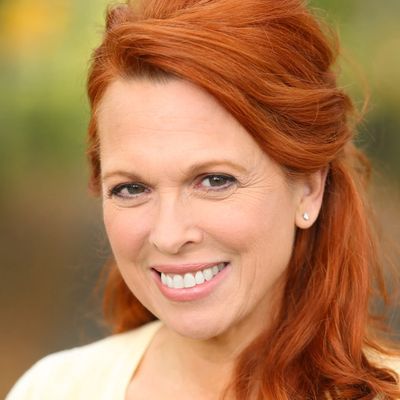
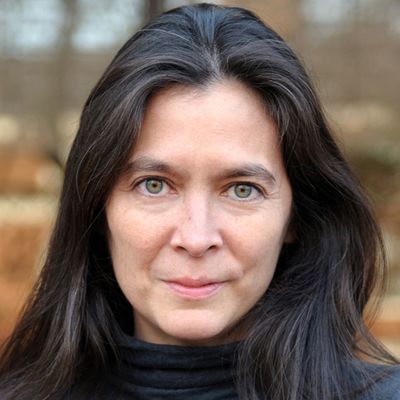
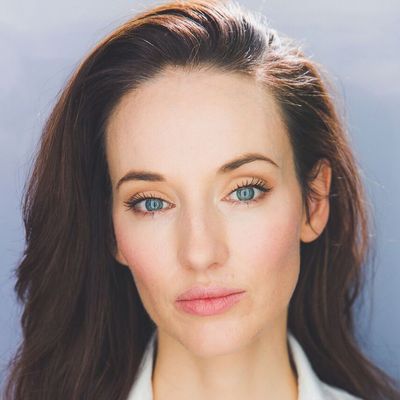
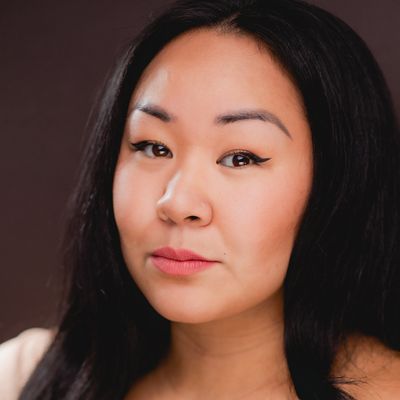
Take A Bow Live at the Red Carpet with 1776 is HERE! On the opening night of one of Broadway's most anticipate revival of the season, hear from all cast members (Carolee Carmello, Crystal Lucas-Perry, Joanna Glushak, and more) to creative teams (Diane Paulus, Jeffrey L... Read More
From the show: Take A Bow
Guests
Featured Shows
About
Take A Bow Live at the Red Carpet with 1776 is HERE! On the opening night of one of Broadway's most anticipate revival of the season, hear from all cast members (Carolee Carmello, Crystal Lucas-Perry, Joanna Glushak, and more) to creative teams (Diane Paulus, Jeffrey L. Page). Tune into hear conversations about the process of reimagining this show, what it was like in the rehearsal room, things they could change about this time in history and so much more! That's right, history and theatre all in one episode. These casts perspectives aren't like any others and these answers aren't ones to miss.
The highly anticipated episode is live and can also be watched on Youtube! There's lots to breakdown in these weeks episode of Take A Bow.
Curtain up, on 1776
Connect with 1776 on Instagram: @1776musical
Connect with Take A Bow on Instagram: @takeabowpodcast
Connect with host, Eli Tokash on Instagram: @tokash_eli
Produced by the Broadway Podcast Network
Edited by Jessica Lauren (@jessicalaurenradio)
Transcript
This transcript was automatically generated and might contain errors.
[0:02] Eli Tokash: Hello everyone and welcome to episode 125 of Take A Bow.
[0:08] Eli Tokash: I'm your host, Eli Tokash, and for episode 125, I wanted to spice things up a bit. So I couldn't think of a better way to do so than to drop the red carpet content that I've been able to gather lately, and hopefully we'll be doing a lot more very soon. Um, I figured you can't really get this content anywhere else. Um, so why not give it to you all on a special episode, which is 125, and uh just kind of give you the rawness of it, especially uh for those of you who like a visual, um, checking this out on YouTube. It is already posted along with the audio, the podcast that you're currently listening to, obviously.
[0:51] Eli Tokash: So if uh, you know, it's a red carpet, so there's a lot going on, there's a lot of people to talk to. I literally talked to every single person in this cast, as well as both directors of the show. There are two co-directors. Um, incredible stuff, incredible conversations, incredible answers to these questions. Um, some of these questions were sometimes hard to ask, uh, but I felt like it we needed to go there and uh ask those questions. So I'm very excited to share that with all of you. Um, but before we get to that, we have to talk about some Broadway news because it has been quite a week for Broadway uh between a whole Lilius White over at Hades Town fiasco, and then of course, Miss Queen Patty LuPone coming to uh social media saying that she gave up her equity card and uh is taking a break from the stage.
[1:49] Eli Tokash: All these things are happening, and uh even drama from 1776, the drama from The Prom. For those of you who don't know, there's like a legit. I don't know if any of you know the story of The Prom the musical or even The Prom uh movie that uh came out. It's the same story, obviously. Um, but real stuff is happening uh about all of them. So we have to talk about it because there's a lot to break down here and catch you all up on. First, I guess we'll talk about Hades Town and Lilius White.
[2:27] Eli Tokash: So this week, this past week, an audience member was in the audience and was obviously hard of hearing. And Broadway shows offer, for those of you who don't know, offer these little devices that uh will do closed captioning for what's being performed on the stage. Well, these devices look uh and are in the shape of you know, like a rectangular I guess shape, which could like resemble a phone, especially when you're on stage and there's lights on you and you you're trying to make it out, but you can't really tell what it is.
[3:05] Eli Tokash: Um, so Lilius White obviously thought that this was a phone. It was not, and it was one of those devices. Because she thought it was a phone, she called the audience member out saying, I need you to put the phone away. She was made a few remarks at her, pointed uh at the audience member a few times and all the things, so it was uh it was quite um an uproar that came out of it, uh, because a couple of the audience members, I don't know if the person themselves came out and like confronted them on social media or anything, but there were people in the audience that uh took to social media about it and now it's kind of created a movement uh to teach people, uh espe the performers that is, um, what is happening on Broadway and what is accessible to audience members because Broadway does try to make it accessible for all audience members, uh, but uh maybe they don't give the performers the proper education on what uh is being offered and what is currently out there that could be seen during a performance.
[4:17] Eli Tokash: Um, so that was something really interesting that I saw and uh it's now created a little movement on Broadway, which is great. Unfortunately, something bad had to happen for uh a result in like better education on the accessibility that Broadway offers. Um, but nonetheless that happened and that was a whole thing this past week with Lilius White and Hades Town. So then following that, it came out I I I noticed on social media from friends who were seeing the show the next two shows, Lilius White was not in the show.
[4:56] Eli Tokash: And um, I I'm not gonna like come out here and say that that was like a suspension or whatever. It maybe it was her just she had maybe that scheduled or she had to take a break because she just felt so bad and she was mentally not in the right place. I don't know what was going on, but I can't help but think that those two uh were connected in in some type of way, but uh uh either way, thought it was interesting, thought you all may be um I don't know, find that interesting or or or something.
[5:32] Eli Tokash: So uh I wanted to share it with you all. I thought it was interesting, so I I hope that um you guys find it interesting too. Um, anyways, moving on, let's talk about um Patty LuPone, Miss Patty LuPone. Oh my god. I don't know what was going on. She really took to Twitter uh this past week and was going off on everything. Uh just uh just the whole community here on Broadway and like the pressure that it has performing and that she just needs to take a break.
[6:05] Eli Tokash: She's giving up her equity card because she's not happy with what's going on and how everything's being handled and how oh, like a rant. I mean, she was just going crazy and she was saying that she needs to take a break from the stage. I don't know if this is Patty having a diva moment or if this is Patty being like, oh my gosh, like I don't know. Like, I don't know. It is it could be is this a retirement for Patty? Is this a little break for Patty? Like, I don't know.
[6:38] Eli Tokash: And everyone's been having it's just been blowing up on social media, everybody's talking about it. Who knows if we're gonna be able to see Patty LuPone on stage again? Could Company have been her last role? I don't know. I wish I had the answer, but I don't know. And it's crazy to think about that because it's crazy to think of Broadway without Patty LuPone. Um, but yeah, very strong possibility, and that's happening.
[7:06] Eli Tokash: Um, anyways, moving on, let's talk about Almost Famous. So Almost Famous cancelled their performance on October 18th, which was just a couple days ago. Um, but it uh interestingly enough, they canceled their performances and they never said for a reason. You know, they just said that they were canceling our performance. Now, the show is in previews, so this could mean a couple of things.
[7:31] Eli Tokash: It could mean obviously we live in a world of COVID, so there could have been a COVID scare, but they didn't say that um we would be closing for an extended amount. They just said that they're closing for that night, and it will reopen it the performances will get begin resume um as scheduled on October 19th, the following day. So that could have happened. It was pretty close to showtime, so something could have been wrong with um people like the cast members getting to the show in time, so there could have been a transportation issue.
[8:06] Eli Tokash: Um, there could have been COVID, or it could have been just the fact that they're in previews and they are trying to work the show. They're trying to work the show, they're trying to get it to make sense, they're trying to, they're obviously doing rehearsals during the day, they're doing all these things, and maybe you know, they needed another night to work on a rewrite or to work on something, or it was just that like they've been overworking their cast that they felt like they deserved the night off.
[8:06] Eli Tokash: It could have been a multitude of things, and it could have been uh a couple of those things at a time. Um, usually understudies unfortunately aren't uh and swings for that matter, um, aren't properly prepared for uh to go on during a preview because um they're really worried, they're really focused on opening the show and like uh teaching the tracks to the people who are going to be doing it every night guaranteed, um, or I guess scheduled, because it's I guess nothing's really guaranteed in anymore.
[9:13] Eli Tokash: Um, but um so I so if it was for like a transportation issue, I totally understand why they had to cancel the show because you know maybe they couldn't get the swing ready in time, like to learn a whole role, you know, rewrites are happening all the time, so they have to relearn lines and all these things. It's just craziness in previews.
[9:34] Eli Tokash: So that totally could have been happening, anyways. There's a multitude of things to happen. I've heard nothing but great things since this show uh took its first bow here on Broadway in its first preview. The show does open on November 3rd, so um I can't wait to see it. Like I said, I've heard great things, so I will definitely be there.
[9:54] Eli Tokash: And uh yeah, so I I don't think this is any cause for concern or anything like that. It may have been even scheduled with the cast that they kind of just announced to the audience the day of. I I don't know. It was a weird thing. Um, people seemed worried, but it's nothing to worry about. It's it's totally okay, and performances have continued um as scheduled.
[10:15] Eli Tokash: So uh moving on, we have The Prom drama. So okay. There's a school in New Jersey. This is this is actually like heartbreaking. There's a school in New Jersey that uh wants to put on The Prom, or that was the drama club said that this is what we were gonna do. We were gonna um put on The Prom for the for our school musical. Well, that was great.
[10:36] Eli Tokash: It was so exciting, and it was like this is where The Prom is meant to be. Like it's meant to be performed at schools and like all these things. I mean, look at that story. It's literally about high school. Um, and it takes place in a school, so like even better. So then New Jersey parents uh and parents of the school, they um caused an uproar saying that this is not a story that my child should have to tell or have to go watch or anything like that.
[11:13] Eli Tokash: And they're uncomfortable that this that they're putting on this show, and that they think something that another show should have uh been chosen. Well, the principal of the school and like the board and everything got together and they were like, oh, well, should we do this? Should how should we handle the situation?
[11:30] Eli Tokash: And uh come to find out the principal of the school and I guess like the board, uh whoever was involved in making the decision did accept this um show to be performed, which is so so exciting because this is literally the message of the show of like how you know you can't be go to a school dance with uh a girl can't go to a school dance with a girl uh because it wasn't what you know was in the community or whatever like that.
[12:04] Eli Tokash: It's not it's not um it takes place in Texas. So, like, no offense to you Texans and you um friends and family in Texas, but uh it's not um as accepted, or it's not as an accepting um of a place for for the LGBTQIA+ community, like it is here in New York or um somewhere else. So um it's interesting, like that's what like the parents cause an uproar in the show, and blah blah blah, and now this is what happened.
[12:37] Eli Tokash: And when uh petitions went out to save the show, all these Broadway people came together, and now there's a ton of people, and uh especially from the original cast of The Prom on Broadway, are planning to now go see this show.
[12:53] Eli Tokash: There's a bunch of people in the Broadway community that are literally like, oh my god, we are gonna dress up in our finest outfits, literally like the prom who like from the producers and cast like the stars and blah blah blah, and go to this small town school in New Jersey to go support the performers that are gonna be telling this story and performing the show. So I'm excited. Hopefully, I wanna go. Like, I I've I've now gotten so excited. Um, so that's been happening, and it was just like such a crazy yet heartwarming story because you know they prevailed and they're going to do the show, and it's literally we're living the story that they're that the show portrays. Um so I I thought it was absolutely necessary to share.
Um, some of you may not have cared, but like I just wanted to mention it, and if uh you're in the area or like interested in going, you should absolutely go because you will not be alone in being like someone who's not in the school that's going to that show, I promise you. Um okay. Last but not least, okay, last piece of news. [14:01] Sorry, this has been a long intro, but there's lots to talk about, lots of drama. The last piece of uh I guess news for this week's episode comes from none other than the show that our episode is based from. [14:18] Uh so this 1776 has had a lot of drama off stage lately. Um there's been a lot of drama between a particular performer who I did get to interview, and you will be able to listen to her some of her answers that she gave.
[14:34] Um, or you'll be able to watch on YouTube. Sarah Porkalob. [14:38] I believe that's how you pronounce her name. [14:40] I apologize if I pronounce it incorrectly. Um she is making her Broadway debut for the show. [14:48] She came out and said that um she was grateful with the uh approach to this one this this revival of the show. [14:58] Um, but she made comments that, you know, there have been there has been harm done as far as racism in the room uh in figuring out this reimagined way of it. [15:11] Um she was saying that oftentimes it doesn't feel like she's excited to go to work, it still feels like she has to um really go in and um she feels like she's doing a job. [15:25] She doesn't feel like she's fulfilled telling a story, um, is basically what it what it said.
[15:30] And she said that, you know, with because of the diversity and how it was being told and everything, some of the decisions were like cringy, she said, um, because they were trying so hard type thing. [15:44] Um, so it was really interesting um how how they she kind of presented it. [15:52] And she she later apologized for for her for what she said and how she like said it. [15:59] She I didn't necessarily take the comments back, but she felt remorse for saying that and felt like you know, some of it was blown out of proportion a little bit. [16:11] But um nonetheless, she did say, you know, that it was like fake woke. [16:17] She was saying it was cringy, she was saying all these things, and she was saying that um she was doing she she felt like she had to do the show because it was gonna bring her to Broadway and it was gonna get her more followers and all these things.
[16:33] And it was just really, really odd. [16:37] Um how she presented it and and w the thoughts that she said, and then to really kind of apologize for it and kind of try to take them back. [16:48] It wasn't a good look for the show. [16:50] It wasn't a good look for Sarah herself. [16:52] Um it wasn't a good look for the creative team or anything like it was rough. [16:57] Um, but it it seems like everyone I don't I don't know. [17:01] I don't I don't know. [17:02] I don't want to comment on uh what I'm I I'm assuming because I'm obviously I'm an outsider of the situation. [17:08] Jeffrey L. Page did take to Facebook and say like he he had some words to say. [17:15] Um they weren't um they were unpleasant.
[17:19] Um they weren't they were you could say hurtful. [17:24] Um but he he spoke his mind and he he felt uh he was offended and he was trying to stick up for himself. [17:32] And uh it seems the it reports have said that they've kind of hashed it out. [17:37] They've apologized and they've figured things out, but who knows really what's going on over there at 1776. [17:43] I'm gonna tell you from my vantage point, I obviously saw the show, and I kind of told you all what I thought about it, and I just love the fact of how diverse it is and how how beautiful it is the way that they've reimagined this story, because the more I think about it, the more I really fall in love with it. [18:00] Um, which is why I really wanted to have this whole Thursday episode dedicated to 1776 and this wonderful red carpet.
[18:07] Uh, because we're we have so many incredible conversations in this um little interview. [18:14] It's it's gonna be broken up by question that I ask because I asked them all kind of the same question because how a red carpet works is you have about like four minutes with each person, um, and then they just go right down the line to the other outlets that are going to be uh using some content. [18:32] So I didn't have a lot of time. [18:34] Uh obviously, like the people I knew I could uh be a little more um candid with, I guess you could say. [18:41] Um, but it was it was a great time, and you'll see how it works. [18:46] But the reason why I wanted to put this out there is because you really like I said, you can't get this content anywhere else.
[18:52] I mean, for you all to get an inside scoop of what it's like to be on a red carpet and how that works, and um what what kind of happens and who you get to talk to and how it it all happens, you'll you'll really be able to see how it works if you watch the YouTube video. [19:10] It's it's fun, it's a good time. [19:11] Uh and uh we talk to all the people and we have a great time. [19:16] So look out for that. [19:19] Um, you obviously can continue listening, but it's it may be more fun to watch on YouTube, uh, just to get a visual of everybody because it may get confusing. [19:28] Um, but nonetheless, it's great, and you're gonna love these conversations, and everybody talks about how beautiful the show is and and the diversity in the show and how everyone's really worked together.
[19:40] Um obviously they've had a lot of difficult conversations because of how diverse the show is. [19:49] Um, and you really have to kind of be open with each other to to hit those points because the show is about you know 17 the time of 1776 where it was not as accepted to be diverse, um, and all of that. [20:04] So it's great. [20:05] Um, I will say, on top of this, there is going to be a bonus episode on Sunday, and that's gonna be at the cost of living red carpet, so stay tuned. [20:15] Um I did that about like two weeks ago and haven't gotten it around to to it, um, as far as like editing it all together and getting it ready. [20:25] But we are I am on track to uh have that released this weekend on Sunday.
[20:30] I will say the bonus episode is really important to me. [20:33] Uh, we have again incredible conversations, these stories. [20:37] Uh these two shows, particularly are some of the future works of Broadway. [20:43] Um, it's really gonna be revolutionary to the future of Broadway. [20:47] We we have some really important conversations uh about the future of Broadway, its accessibility on Broadway that from a that we see as performers and hopefully as audience members looking at performers and all of that, and how um that there's room to grow, and how there hopefully will be more work created for um disabled performers, and hopefully they will be represented in the right way. [21:14] That was a big conversation too, the representation aspect, and so much more.
[21:18] So um definitely check that out. [21:21] That'll come out this weekend, so stay tuned. [21:23] Follow us on social media for those exact updates. [21:26] But um nonetheless, that's all I have. [21:29] I've literally rambled and I've gone on too long, so I will turn it over to our lovely interviews of the red carpet over at 1776. [21:40] So without further ado, 1776 curtain up. [21:56] Crystal Lucas-Perry: Hi, I'm Crystal Lucas-Perry, and I take on John Adams.
[21:59] Shona Hammack: Hi, I'm Shona Hammack, and I play Richard Henry Lee of Virginia.
[22:02] Gisela Adisa: I'm Gisela Adisa, and I play Robert Livingston.
[22:06] Carolee Carmello: I'm Carolee Carmello, I play John Dickinson.
[22:10] Mary Eslaminia: My name is Mary Eslaminia, I play Charles Thompson, the Congressional Secretary, Joanna Glushak, and I play Stephen Hopkins, the old drunk.
[22:18] Becca Ayers: My name is Becca Ayers, and I play Colonel Thomas McKeon, the Scottish guy.
[22:22] Elizabeth A. Davis: I play Thomas Jefferson, and my name is Elizabeth A. Davis.
[22:25] Tiffany Barbour: I am Tiffany Barbour.
[22:27] Liz Michael: I play Andrew McNair, Congressional Custodian.
[22:30] Liz Michael: My name is Liz Michael. My pronouns are she and her, and I play John Hancock.
[22:34] Lula Piccart: Yes, I'm Lula Piccart. I'm playing Sam Chase.
[22:36] Onika Phillips: My name is Onika Phillips, and I play Joseph Hughes of North Carolina.
[22:40] Onika Phillips: But in fact, I am Onika of Grenada in the Caribbean.
[22:44] Shelby Acosta: I'm Shelby Acosta, and I'm one of the standbys.
[22:46] Sarah Porkalob: My name is Sarah Porkalob, and I play South Carolina delegate Edward Rutledge.
[22:51] Salam B. Smith: I am Salam B. Smith, and I play the courier.
[22:56] Jeffrey L. Page: My name is Jeffrey L. Page, and I'm the co-director with Diane Paulus, and I'm also the choreographer of the show.
[23:02] Diane Paulus: I'm Diane Paulus. I am the co-director of 1776 the musical.
[23:06] Jeffrey L. Page: I want to ask you about the process of kind of reimagining the show that is 1776 in this new way.
[23:12] Diane Paulus: Yeah, um, it's just been such an open environment where during the pandemic, a lot of theater-related issues with like gender and ethnicity was brought up a lot, and this room is exactly what I picture the change in this industry to be. [23:33] Everyone was open and speaking about how they felt and how they felt being like me and being Mexican in the room and how I bring that to characters, and it's just a safe, a really safe space, and I'm so excited to bring that to the show. [23:48] I mean, in a nutshell, it has been wild, chaotic and fulfilling. [23:53] I think similar and yet so different from what these old white guys were trying to do in Congress. [23:57] They were trying to create a brand new government for a brand new nation, and we, with this incredible inclusive cast, were really trying to create a new industry culture in the room when we were approaching this play.
[24:09] So we've definitely had our ups and our downs, and I think we're all so thankful to be here on opening night, knowing that all of the work that we put into it was happening in the rehearsal room. [24:18] Even while the audience isn't able to see that, they're able to see us on stage, and that's pretty awesome. [24:23] Gisela Adisa: Well, I think for me personally, it wasn't hard because this is between you and me, I've never seen the show.
[24:31] It's okay.
[24:32] I've never even seen the movie.
[24:33] And when uh the invitation came in March from Diane to play Robert, um, I was tempted to s to watch the movie, but I didn't.
[24:43] And I'm kind of glad I didn't because I would have had these preconceived ideas of what we're doing.
[24:48] Like, am I gonna be wearing a white wig and fully being this person?
[24:52] But no, with uh hers and Jeffries uh iteration, reiteration of it, we are ourselves.
[25:00] We are heightened versions of ourselves stepping into the shoes of these dead old white men.
[25:06] Right, you know, and I am I'm not white, and I'm not a man.
[25:10] So I'm going to bring my perspective to it, no matter what I do or how I try or how amazing an actress I am, it's still going to have an element of myself, which feels kind of naughty.
[25:21] Yeah.
[25:22] It's just so different for like most projects I do, most TV and film, it's you drop Gisela is dropped off, and you have to be that character.
[25:30] Carolee Carmello: So this has been really fun and also really challenging. Honestly, to have Diane and Jeffrey's direction in this has kind of been the key point of it all. When you know, when they kind of came up with the concept of reimagining the show, you know, I think they brought together a really awesome group of people to do it because I think we've all done it with talent and grace and wisdom, and like it's been a very collaborative process, and I've really, really lucky to be a part of it.
[25:55] Carolee Carmello: Yeah, I will say, even when my agent first sent me this, like in 2020, he was like, Oh, you got you have a call to go in for Abigail Adams, and I was like, What? And what show? And he was like 1776, which I'd only seen once at the time and saw it very traditionally, and I was like, Are you sure? Um you know, so I was very intrigued by it just to begin with. Um, but it's been it's been really interesting to watch it and to see which different roles are played by which different people and why that would be significant and why it matters and who's saying what it just it really does, you know, we don't think about it a lot, but seeing someone and listening to what they're saying to what they're saying really does give you a different perspective, it lets you hear the words differently.
[26:37] Carolee Carmello: It does. Um that's what we're certainly hoping to do is that you know, just these words that were always spoken by white men. How do you hear, do you hear them differently? How do you hear them differently? Do you want to hear them differently because there's all these different people saying them? In the reimagining of this, not only am I actually finding myself a little more interested in history because it's like how how do I access this in order to portray it to people that are like me.
[27:02] Carolee Carmello: Um, but also the reimagining has made me listen to things differently, see things differently, and on the theatrical side of things. I'm in a show that I never would have had a place in before. I read this script and felt like it was speaking to America today. And I knew in my gut that we could build a production of the show that was from the 1960s, uh, looking back at history from 1776 and make it feel like it was pulsing with America today.
[27:36] Diane Paulus: And that was my um inspiration to build a company of incredible actors that represent uh multiple expressions of race, ethnicity, gender, folks that identify as female, trans, non-binary, that we could tell American history and invite an audience not to just look at history as a relic from the past, but to hold at the same time a vision and a reality of America today. The whole concept for our production is that we have a troop of actors who are alive and thriving in 2022.
[28:13] Diane Paulus: And they have all this multiple representation of race, ethnicity, gender, trans, non-binary, female identifying. And we want the audience to see them. So we start with that, and then these incredible humans step into the shoes of the Founding Fathers metaphorically and literally. And I think by doing that, we're inviting the audience not to forget who they are. We're actually saying, can you as an audience hold two realities at once? Can you can you hold the beauty of all these people who are reflecting America today and hear the text in you by holding their identity and hearing the words of Benjamin Franklin and Thomas Jefferson and John Adams and Edward Rutledge and the difficult, compromising, problematic things that happened that were part of the founding of this country.
[29:09] Diane Paulus: This whole journey started at the ART. That was our artistic home where we could create this production. We played it for 10 weeks in front of packed houses, and we learned about the show, and then this opportunity to bring it to New York and go back into rehearsal and refine it and deepen it has been a total joy and super rewarding for the show. With every show that I've created ART, the journey to Broadway is exciting because it just gives you a chance to make the work better, to make it deeper, and to give the cast a chance to keep doing the show and introduce it to more and more audiences.
[29:46] Diane Paulus: So it's been an incredible ride. We were really lucky because the estates of Sherman Edwards and Peter Stone were super um supportive of this production. And one thing I'm really proud of is uh we wrote to Mary Stone, that's Peter Stone's widow, and asked if we could insert some of Abigail Adams' most famous words, which are remember the ladies, all men would be tyrants if they could, you know. If you do not give us uh voice and representation, we will foment a re a rebellion. That that was said by Abigail Adams in March of 1776.
[30:25] Diane Paulus: Peter Stone had taken Abigail and John's correspondence from their historical letters and put it in the play. But these famous words were missing, remember the ladies. So we asked the estate, uh, that's Mary Stone, Peter Stone's widow, if um we could add these words uh in the spirit of how Peter constructed the script. Take them from the letters, word for word. And they gave us their blessing. So for the first time in 1776 history, we get to hear remember the ladies.
[30:58] Diane Paulus: Um it's been scary. It's been scary. Uh it's been a lot of fun. It's been it's been uh, you know, imagine imagine something that's only an idea, that it it doesn't have precedence, so therefore you don't know how to describe it, there is no formula. So you have to you have to find uh uh things that link. Um so it's been a a brain challenge. Um but it's been really, really exhilarating and awesome all at the same time.
[31:29] Carolee Carmello: Now you so I'm wearing uh I'm wearing this hoodie and and it features the work of Jean-Michel Basquiat. And Jean me Jean-Michel Basquiat was uh was an artist who was daring and audacious and bold. He um he disrupted uh the the cultural norms. Um also Titus Cafar is another artist. So so all throughout this piece we were looking at at artists, we were looking at Jimi Hendrix, we were looking at ways that art exists in the world and ways that art uh distorts itself in order to communicate communicate something uh new and something different, something bigger and bolder, and that was our guiding light.
[32:14] Diane Paulus: People like Jean-Michel Basquiat, people like Jimi Hendrix, people like Titus Kafar, um that was our guiding light. If you could change anything in the Constitution and Declaration of Independence, what would it be and why?
[32:27] Carolee Carmello: I mean, that's a loaded question. Well it's tough, right? Because I don't want to I never want to actually um create any suffering to anyone. But I have to say that at this point, I don't actually want to change anything. That's crazy to say, right? But in the sense of one, I know that I wouldn't be standing on the stage and it wouldn't be on the it wouldn't carry the weight of of what happened. Obviously, if there was a way to include, you know, enslaved persons as people, that there's that. But I know that there is a lesson that is be learned, and it's we know history repeats itself. So if it wasn't gonna happen then, it was gonna happen, you know, at some other time.
[33:07] Carolee Carmello: And one of the things that I'm actually excited to say, especially with myself, is that you can't take away what happened. You can't take away that these artists are doing this show in this time. And sometimes it's that it's that cementing in history that is actually the most important thing to know how we move forward, right? So to change things at this point means that possibly we wouldn't be in this room. So I I'm hesitant to mess with things, and I'm only actually looking forward and learning from what history has taught us.
[33:37] Carolee Carmello: And that's actually the most important thing is that if we're not learning from it, then we're, you know, we're gonna repeat it. Slavery, I mean, I mean, obviously the biggest one. Um you know it that's a hard question just because the constitution itself is just so uh fine fine, it's it's such a singular thing that are so many things that much bigger than the constitution that I would have wanted to change and still want to change.
[34:00] Carolee Carmello: Um, but obviously, VI just anything eradicating slavery and the taking of this land from people who you know basically got eradicated, those are the things that I would have wanted to change in the first place, and for that to have never happened. So it is loaded right? I mean, I think uh I think that the you know this wow, that is a tough question because we can all go to you know, slavery parts and all those things kind of got overturned and the enslavement and you know second amendment rights.
[34:39] Carolee Carmello: There's so many things I can't even I I couldn't even nail it down because that is I there's definitely some room for improvement. I would probably be very specific about the second amendment um because it pertained to guns that you need to like stuff that take minutes, and you know, by the time your your temper has gone down, maybe you shot off one, not not like an AR 15 or so.
[35:06] Carolee Carmello: I would say that over generally speaking, I wish that the Constitution was seen more as a living, editable document according to the people that are living in that time. And as the people change and the zeitgeist change and the needs change, so does that document, but still with the essence of the original, which is life, liberty, and the pursuit of happiness. I mean it's just this basic equality for all.
[35:35] Carolee Carmello: Well, it's not that. I was thinking how many Twitter followers would I want to lose. No. Um if I could change anything about the Constitution, I wish there was a clause in it that described it as a living document. And that the realization that interpretations are normal, and that you know, as the world changes and as communication changes, so many things the definitions change, and language does that.
[36:07] Carolee Carmello: Uh, and we want language to be stagnant, but it just never is, and concepts never are, and so in order to get into their heads, it's not it's not possible. So I think that if there could be anything in the constitution, I wish that they had thought forward and said maybe let's have a convention every 50 years and look at it again, or maybe there's a way to look at it because I think that it can grow with us as we grow.
[36:33] Carolee Carmello: We just have to learn to read it correctly. Oh my gosh. All of it. I would I would probably just include more colors and more genders, and I would say an open mind.
[36:52] Carolee Carmello: I would want people to go in more with an open mind when they were writing it. And that would shape the entire thing into something completely different if that had happened.
[37:02] Diane Paulus: Oh, I'd change everything. I mean, I'd change everything. I mean, the reality is our nation is a nation that was founded on white supremacist ideology and what that has meant for so many people. And let's be real, white supremacy hurts white people too. So I would just scratch it and start all over again.
[37:19] Diane Paulus: I would definitely be a bit more detailed about um how we're all created equal. I wouldn't just pick one thing. I would just like to remind the government and the people that these are supposed to be living documents. That you know, with the time, the people change and the people learn new vocabulary for what they need and what we're like and what we know.
[37:40] Diane Paulus: And so our documents that dictate our government and dictate our system should also change with us because nothing is supposed to stay the same. That's that's nature. Nature is change, nature is growth, and so we should also change with that along with documents.
[37:51] Carolee Carmello: As a person of color in the show, playing or having a steam partner with someone who fought against your rights. What has that process kind of been like for you as a performer?
[38:02] Gisela Adisa: It's been interesting. I will say I lucked out um playing Abigail Adams, who was with John Adams, they did not own slaves, and also playing John Witherspoon, who's a reverend, who, you know, I'm sure a man of the not, I'm sure, I know a man of the times, but he was a reverend, he also was from New Jersey.
[38:15] Gisela Adisa: He also did not own slaves. So we are thankful for those who think, so I didn't have to like tap into myself and be like, ugh, this is awful. But being on, you know, it is it is different in those scenes, those big delegation scenes when we're talking about what needs to be written, what needs to be added, what needs to be taken out, and thinking that these men really thought that they were doing the best thing at the time. And so, you know, we're talking about economy, we're talking about what's gonna keep the country running, what's what we're gonna do because we're in at war during, you know, during it. And it is really, you know, it's easier now because we've been doing it for a while, but at the beginning it was just it was it was a strange kind of um just like out of body experience to be like, wow, I am really in a room right now discussing whether or not slavery should happen.
Like that's an insane thing to even think about that I obviously I don't want I think but like you know, to hear the history of it and to do have all the resource that we have with our you know wonderful dramaturg Robert Duffley shout out um to like really get in the minds and the backgrounds of these men, like it's crazy to think that people that they really thought they were doing the correct thing. That's what's nuts, yeah.
[39:22] Gisela Adisa: Yeah, you know, I think ultimately when I'm in the room as a person, first and foremost, not even so much as an artist, but as a person, I don't want to spend any of my energy worrying about the ghosts of like white people past who have tried to invisibilize and erase me. So when I'm in the room, I'm there really to empower myself and my fellow castmates and to reimagine what our culture could look like. So I I would say it's a decision for me to be in the room and to feel empowered, um, and to not really like care so much about my marginalizations because I don't want them to continue to affect me.
[39:57] Carolee Carmello: Well, first of all, you know, the duality never escapes me while I'm on stage, right? Because I'm hearing somebody tell even myself, I'm I'm advocating for the lives of African Americans and black Americans and enslaved persons, and I'm I myself am one, right? So it's it's very, very um meta and out of body sometimes because you, you know, you're in a character, but you're also can't deny who you are. Um, being able to be surrounded by uh these these artists and the conversations that have come up have literally just reshaped the way that I look at the world, the way that I look at myself, the way that I look at theater and the power of what it can do. Um, I find myself, you know, having conversations with my castmates that I would never have had otherwise because the material lends it to.
You know, we started this project. Well, I was a part of this project back in 2019 when it had its very first reading, and so all the way up until now till now, Jeffrey and Diane and I we've been having such you know intricate conversations about what it means to step into history in this way. And so those the that dialogue, the the research that we've done so that we're actually able to be informed and full when we step onto that stage in a way, knowing what we're carrying with us, um, it just informs everything that we do when we're stepping on to that stage.
[41:15] Gisela Adisa: And so it's been it's been an honor, it's been a privilege, and it's also just been really exciting getting to know a group of people that I would have never collaborated with in such a way because the show has never been done in this way.
[41:28] Carolee Carmello: Well, I mean, I I think that we've all as we were rehearsing, you know, we we laid a lot of things on the table. And we had talks even two years ago when we were doing the Zoom workshop. Um as to how you know those things were, and we delved deep with Harbor professors and and got a lot of things out in the open. Uh so that allowed us to get in this rehearsal process with no bias. I don't think that there was any bias to begin with. Like everybody's in the community and everyone's a performer and creative, and we're all around every kind of person and uh thing on the planet. So but to open those doors as to something that you might not normally talk about in a show on the regular was definitely I think an experience for all of us to be able to lay everything on the table of how we really felt and not to have there was never any negativity or never any bias about it, but just to be okay in a safe space to say what you feel and say how you feel about it and how it affects you and how you maybe grew up and other people that you know and to to like be okay with just like talking about it.
[42:37] Gisela Adisa: We don't all talk about it. We really don't. We just glaze over and then we see things on the news and but to be able to just have conversations regularly. You know, I I I I have some pretty hard boundaries for myself as an actor. So there's the actor doing the work, right? And then there is the person who interacts with with my fellow human beings and and friends, actors who become friends. Um so I have processes in understanding that they're not one and the same, right? There is the information that has happened in the past, and they are in those roles to depict that, and I understand that. So I that them as persons, I don't create a feeling of um of uh dislike um or misunderstanding to them, but certainly to the persons that they're playing, and the persons that I'm playing, the person that I'm playing was a slave owner, right?
It's coming into an understanding that I have an opportunity to show who they were, but also what I think who I think they were. That doesn't happen often. Often it's like here's exactly who they are, and that's all you get. But I get to actually portray what I've learned, the research, the understanding that brilliant, brilliant men can also engage in in depravity in the owning of human bodies. But my fellow actors are doing exactly what I'm doing it. They're displaying that and showing that and making that clear to the audience, but I don't hold that against them. Right.
[44:14] Gisela Adisa: And then offstage the processes, understanding that it is depiction, right? And so my you know, the window, the cool down, the release is important so that I'm not holding within my cellular composition the detriment of some of the things that we're discussing. It's been interesting because I've actually been able to relate in my own personal life so much to this character and dealing with what all is happening in the world and just those things that are being counteractive against you. Um it's been very eye-opening. It has also even allowed me to analyze my own life as well.
[44:55] Gisela Adisa: How empowering has it been to be in a room full of female non-binary and transgender performers? I I think that there is an element of we're we're taking for granted how wonderful the room feels, or I know I have in moments taken for granted how wonderful the room feels. There are a lot of things that are just unspoken. There are a lot of things that you're able to just assume because you know people around you are understanding in kind of a visceral cellular way. And that is helpful shorthand in a creative process because there's so much to do in a creative process when you're trying to build something this massive and this organic. In some ways, it's like every other process. Yeah, and in some ways, there's a lot of common uh experiences that we have that we can bring in and have a shorthand to talk about, just like any affinity group would have.
So it's been wonderful to be with this multi-generational cast because the number of years of experience in the room and then people just coming into the business, the blend of that has been really really fascinating. And we also have someone in a cast who's pregnant.
[46:02] Gisela Adisa: Yes. And it is a vibrant, stunning place to be. I wouldn't say it feels any different. However, what I will say is I'm very appreciative of Diane Paulus and Jeffrey L. Page, um, having this vision and having the um the guts to be like we're gonna do something different, and we're gonna include everybody, and we're gonna actually represent what this constitution is actually what the constitution actually should be. America is a melting pot, and that is what this cast looks like. It looks like a melting pot. It's a really homey room. Um, also I'm the youngest in the cast, so for me, I'm just like, whenever I'm not on stage, I am watching, watching, watching my castmates do their work, do their thing, and it's like taking it all and soaking it all and learning from them. And it's it's it's just a privilege, and you know, we're all friends outside of the show too, so we hang out and like, and um, everyone's just so friendly and so silly and so and just wonderful.
[47:05] Gisela Adisa: What are you most excited for audiences to see? To see the whole show, to see this diverse, multicultural, um, non-binary, trans female born, however, cast, and to see the message that just comes from it, just from us being up there, uh saying these words, and also the music and the singing is out of this world, and the orchestrations are now new, and people are on their feet after these songs and and numbers that are brilliant. That's what I I just think they're gonna be completely entertained and blown away. It's very thought-provoking and moved. I'm excited for them to experience this normally all white men cast and experience it through the lens of different bodies, different genders, different colors, all on stage. And hopefully that leaves them with an open mind and can step into the shoes of all of us and how we feel the Declaration of Independence and see it being told through an important lens.
[48:18] Gisela Adisa: What makes me really excited to the immigrants to the non-American children, to the brown children that that want to be in theater, like there are places. It's happening. You can be in the shows that you never thought that you could be in before. Just a blast talking to all of these wonderful and different performers from different backgrounds from different stories, just incredible stuff. And I'm so excited that I was able to chat with them. I was so honored to be there. Shout out to Polk and Co. Um for inviting me and uh representing Take A Bow and the Broadway Podcast Network. So that was a blast. Thank you for 1776 for having me. And thank you for these to these wonderful performers for having these wonderful conversations.
They were so candid and open with me, and I really, really appreciate it. And I hope that you all enjoyed those conversations and enjoyed um kind of getting in more of an inside scoop of what it's like to be at a red carpet. I love these types of episodes just because you get to hear so many different perspectives about the same thing. Um, and granted, some of the the answers were relatively the same, but all of them were different in their own way. And uh for that, I think that you could really hear that in these conversations.
[50:01] Eli Tokash: So I wanted to include them all. And uh I appreciate you all listening, and I hope that you enjoyed it. Come back next week because next week we have a wonderful episode. I believe if everything goes according to plan, it's going to be with a casting director, and it's a pretty big casting director, if you ask me. So very exciting for that. For if you are an actor, performer, um, who is obviously auditioning and all the things, it's gonna be a great episode for you. And if you're someone that wants to get involved in the like business side of the industry, or not so much the business side of the industry, just like the the creative side, the the behind the scenes side of it, it's gonna be an incredible episode for you. So stay tuned and come back next week for some great stuff. Until then, stay well, and I can't wait to see you all next week. Bye, everyone. Have a great week.
© Broadway Podcast Network, All Rights Reserved