

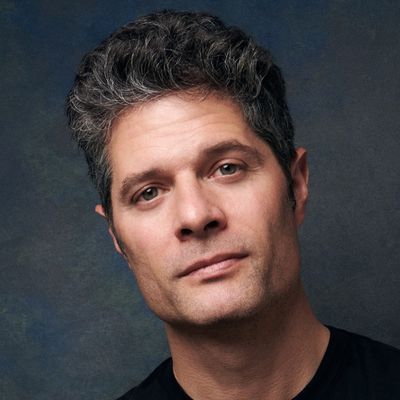
Tony, Grammy, Emmy Award- and Pulitzer Prize-winning composer, orchestrator extraordinaire, and music director, Tom Kitt comes to Take A Bow this week... Read More
From the show: Take A Bow
Guests
Featured Shows
About
Tony, Grammy, Emmy Award- and Pulitzer Prize-winning composer, orchestrator extraordinaire, and music director, Tom Kitt comes to Take A Bow this week. Kitt has written some of your favorite musicals including Next to Normal, If/Then and Almost Famous for which he was nominated for a Tony Award this season for Best Orignal Score alongside Cameron Crowe.
Tom teases revivals, upcoming gigs, and new work! Learn about what a writer looks for in an audition room from an actor, about his writing process, TONY talk, and so much more in this episode.
Curtain up, Tom Kitt
Connect with Tom Kitt on Instagram: @tomkittmusic
Connect with Take A Bow on social: @takeabowpodcast
Connect with host, Eli Tokash on social: @tokash_eli
Edited by Jessica Lauren (@jessicalaurenradio)
Transcript
This transcript was automatically generated and might contain errors.
[0:00] Eli Tokash: Hello everyone and welcome to episode 155 of Take A Bow.
[0:05] Eli Tokash: I'm your host, Eli Tokash, and this week we have a very exciting episode with a guest who I am so excited about.
[0:13] Eli Tokash: We have Tom Kitt on the podcast today, y'all.
[0:16] Eli Tokash: And if you don't know Tom Kitt, I'm sure you do.
[0:20] Eli Tokash: Um and I mean that in the sense that uh you may know his name or you may not recognize his face or whatever it may be, but you know his work.
[0:29] Eli Tokash: So he's the one that's graced us with the incredible musicals in right, like he's written these musicals. If/Then, he's written Almost Famous, he's written Bring It On the Musical with Lin-Manuel Miranda, American Idiot, Next to Normal.
[0:44] Eli Tokash: And he's worked on so many other shows as an orchestrator, arranger, as what all the things, like you name it, musical supervisor. He also wrote Flying Over Sunset.
[0:53] Eli Tokash: Uh, but he's also uh worked on Jagged Little Pill and Head Over Heels and SpongeBob the Musical, and um, I mean, you name it, it seems like he's worked on it. Hair, 13, all these wonderful shows that we know and love and consider one of our favorite musicals.
[1:10] Eli Tokash: Um, he's worked on. And you know, it was interesting because like I got the interview and I was just like, oh, this is gonna be great. Like, love Tom Kitt. Um, this is gonna be super fun, and I can't wait for it.
[1:21] Eli Tokash: But like as I was like talking to him and as I was doing research, like I was getting a little starstruck here, and that doesn't usually happen all the time.
[1:30] Eli Tokash: So you'll hear a little bit uh of me, you know, gushing and fangirling a little bit because you may know, I have an If/Then poster literally on my wall. I'm a huge fan of If/Then, and I sing "I'm Alive" for auditions, and we all know and love "Superboy and the Invisible Girl," and like all of these incredible songs, like he's graced us with, and I'm just a big fan of him and his work, and uh, so I was very excited to talk to him about his career.
[2:01] Eli Tokash: Plus, he is nominated for a Tony this season for his work in writing the original score for Almost Famous.
[2:10] Eli Tokash: So he's uh nominated alongside Cameron Crowe as they collaborated on uh the score for it, and I it was just so exciting. And uh to talk to him about the Tonys and the award seasons and and Almost Famous and and so much more.
[2:26] Eli Tokash: And it was really cool. And a reason that I really was excited to have him on the uh podcast this week in particular. He's you know, a writer, and he's nominated for the Tony Awards, and as you know, there's been a lot of uh conflict, I guess, uh going on with the Tony Awards this season.
[2:47] Eli Tokash: Uh, and that's uh large part due to the WGA, the Writers' Guild of America. Well, I guess we're just going into our Broadway news here. So here we go.
[2:56] Eli Tokash: Um, the Writers Guild of America, you know, they are the writers' union for screenwriters. So this was something that I had to kind of understand and do some research on.
[3:08] Eli Tokash: So it's interesting. The Writers Guild of America are the writers that have to be the writers for a broadcast, for a television broadcast. And so because this is the Tony Awards, it goes through uh and it's nationally broadcast, it goes through the Writers' Guild of America.
[3:26] Eli Tokash: With that being said, musical theater writers, such as playwrights and and lyricists and composers and whatnot, they aren't all um under and the writers on Broadway are all under uh a different union, and that's the Dramatists Guild of America.
[3:44] Eli Tokash: So um we have two different unions kind of going on here, but as writers, you know, they are taking a stand with the Writers Guild of America. And a lot of them are also, you know, a part of both unions. And and they do both, you know, Lin-Manuel Miranda's written how many uh movies now.
[4:03] Eli Tokash: Um and and now uh and he's also a musical theater writer. So um he was approached to like write some stuff for the Tony Awards and now he's unable to do that. You know, someone like Tom Kitt maybe could but like now it's it's kind of all the writers are on strike and it came out that the Tonys are going to be they settled on a um agreement that they can continue with the broadcast because for a minute the Tonys were fully postponed uh fully like literally kind of canceled and they were just like oh we're gonna do it on a YouTube or a Twitter live feed or stream or whatever it is.
[4:41] Eli Tokash: But they ended up coming to a agreement and they will have the Tony Awards still on June 11th as that was the previous date that was announced but it's gonna be unscripted and basically going to be improvised.
[4:54] Eli Tokash: So uh it'll be interesting to see what host Ariana DeBose does uh this season with the Tony Awards um how that kind of goes as far as um an opening number just the overall real look uh of what we're used to seeing in the Tony Awards and how that's gonna differ um you know this season with the Tony Awards.
[5:15] Eli Tokash: So very interesting stuff and one definitely to keep our eye on. But I I thought it was interesting because I talked to Tom and and was like, oh, like as a writer and as someone who's nominated, like what what's going on through your head and everything like that.
[5:31] Eli Tokash: Um and it was interesting to to get his answer, which you know, we will chat about and you'll find out. But very, very cool. So um very excited to to share this episode with you all.
[5:41] Eli Tokash: Um very intrigued to see how the Tony Awards go. And uh yeah, that that's that. Um I also want to share, I'm actually just literally just getting off of a train from uh Washington DC.
[5:56] Eli Tokash: I I came off the Amtrak and went to the Kennedy Center for the first time last night. I know those of you who follow me on Instagram, there are a lot of people very excited to see that I was there, which was very exciting. And thank you for for your support and and all of that.
[6:12] Eli Tokash: Um but yeah, we I got to see Spamalot and just uh what what a time, you know. I was in DC for um not even 24 hours, um, and it was uh absolutely unforgettable.
[6:25] Eli Tokash: It was my first time at the Kennedy Center, as I mentioned, and I did like a little vlog that I may post. We'll we'll s we'll see about that. But it was super cute and I kind of documented everything because it was so, you know, it's not every day where it's like I'm experiencing something for the first time because now I've lived in New York for oh quite some time, almost 10 years.
[6:45] Eli Tokash: And so to, you know, go to the Kennedy Center, this beloved uh, you know, theater and and entertainment spot uh and hot spot where all these famous Broadway actors go and perform. It was really, really cool to be there and to to see that.
[7:02] Eli Tokash: I was really excited. And Spamalot is such a great show. I mean, Spamalot was I I literally at the end of the show, my cheeks didn't even realize that I was smiling the whole time, and they like hurt after I was done like filming the bows and walking out.
[7:17] Eli Tokash: I was like, oh, my face hurts. Um, but literally, because it's not not only is the show like absolutely hilarious, but the work that Alex Brightman and James Monroe Iglehart, Leslie Kritzer, Rob McClure, Michael Urie, I mean, they are just putting on masterclass performances.
[7:35] Eli Tokash: Everyone's playing different parts besides James and Leslie. It's just it's great. And every freaking time they're out there, it's like you just can't stop laughing. And at all times, like one of those five I named are on the stage.
[7:51] Eli Tokash: So, you know, it's just gimmick after gimmick, joke after joke, uh, character after character, you know, like every time because they play like different roles and they go back and forth and whatnot, you know, they make it very clear who they're playing because they have different voices or they have different uh little like I don't know, mannerisms and whatever.
[8:11] Eli Tokash: Like Alex Brightman is a character genius when it comes to that, as well as Rob McClure. I mean, honestly, both of them were just so freaking funny and just switching in and out of roles and voices and all of it. It was it was just absolutely brilliant.
[8:26] Eli Tokash: And you could tell that it's also not only is the show hilarious, but it's also like you can see their relationship. You can see the performance relationships between, you know, Rob, Leslie, Alex. I mean, that's like a Beetlejuice reunion there.
[8:42] Eli Tokash: Uh Alex and James are like writing something together and do their own stuff on their free time and and have been good friends for a long time. And you know, Rob and Leslie are just absolute veterans, you know.
[8:53] Eli Tokash: They've been around forever, so they probably knew each other. Like they've been working together for so long and just playing around. So the fact that they were able to literally play around because there was a lot of improvisation um happening and it happens every show, as I've been told.
[9:09] Eli Tokash: So it's just really, really cool to see that and experience that because that's 90% of an audience's experiences if the performers are, you know, fully buying in and fully understanding the story and what the overall point of the show is.
[9:27] Eli Tokash: And this show is literally to have fun and to make fun of Camelot or Broadway or whatever it is, and and they just do it in a hilarious way. And they were even like making fun of each other, like they literally Rob McClure like had a moment where he was literally like, and my real name is Rob the Clue, you know, like fully like broke the fourth wall and everything.
[9:49] Eli Tokash: And um, it was just the crowd went crazy, and and Leslie Kritzer at one point was like, Michael Urie, call my agent. And it was just like it was absolutely hilarious. And everybody was just on the floor laughing.
[10:07] Eli Tokash: And there wasn't a like blank face in the theater yesterday, and it was just uh an honor to be there. So uh shout out to everyone that is uh currently working on that. Congratulations for all the work that's been put in.
[10:20] Eli Tokash: It really validated, you know, my thought on like, you know, Broadway is this man-made thing that that's the overall goal, and uh, you know, that's how you decide if you make it or not in this industry.
[10:33] Eli Tokash: Uh, because you know, the Kennedy Center, it's a bigger house than Broadway, it's probably a bigger budget because of that. And you have all of these Broadway performers in these top build names, you know, in the show. And it's just, it's incredible.
[10:47] Eli Tokash: I mean, it was it's a short run. You have till the end of the week to see it. I highly recommend, even if it is a 12-hour trip to DC, I would not regret it. It's you you're tired the next day, but you'll recover it. It's so worth it.
[11:02] Eli Tokash: Um, I I love everything that's happening. So uh it was great to see Take A Bow family member James Monroe Iglehart in Spamalot. And uh yeah, so congrats everyone again.
[11:12] Eli Tokash: Oh my gosh. Before I went to DC to uh to the Kennedy Center to see Spamalot, I was able to get to see the closing performance, the final performance of Oliver at the New York City Center. What a production.
[11:26] Eli Tokash: I literally saw two amazing productions. Neither of them were like technically like Broadway, but they totally were like they were Broadway budget, all the things. Um I was obsessed with Oliver.
[11:39] Eli Tokash: Benjamin Pajak is a freaking star. Um, I'm obsessed with seeing him uh succeed in doing all the things. I loved him in Music Man, and I knew that he was like destined for greatness.
[11:49] Eli Tokash: And so, like to really see him like shine in the lead role of and title role of Oliver was like, it was so cool. And we're gonna have we're I mean, no spoilers, but we are having him on the podcast very soon, and I'm very excited about that.
[12:04] Eli Tokash: Um, I uh will keep you all posted on when that's gonna happen. Uh, but hopefully in the near future here. Um, but with that being said, uh, everyone involved in this show was so freaking good.
[12:14] Eli Tokash: Uh Ryan Worsing, who's been on the podcast, Finding Neverland, all the things with me. Um, shout out to him. Shout out to Gavin Lee, who came in for like a performance and uh came in literally no rehearsal, nothing, and performed as Fagin as Raul Esparza wasn't able to uh perform in all of the shows um on short notice.
[12:36] Eli Tokash: So um, but I was able to uh see Raul Esparza, as I said, I saw the final performance. Um and Raul was just fantastic as Fagin. Lily Cooper, uh Mary Testa, Brad Oscar, Brad Oscar, hey, Take A Bow family member.
[12:51] Eli Tokash: Um so many uh amazing um performances in this show. Um I was I was in love with Oliver and I'm still singing all the Oliver songs. Um it took me back to uh my days playing Oliver, or not playing Oliver, but being in Oliver.
[13:07] Eli Tokash: Um I I loved it. I loved the show so much. And it was interesting because now as like I'm older and everything, I realized how dark Oliver actually is and the real meaning behind all of it, and that it's basically all a bunch of child labor, which we love.
[13:26] Eli Tokash: Yeah, sure. Um crazy. Um, but with that being said, like I honestly like this show is ready to go to Broadway. Um I I've enjoyed this production. No shame to Into the Woods. I'm not the biggest Into the Woods fan.
[13:40] Eli Tokash: I'm not the biggest Into the Woods fan. I loved Into the Woods, but like compared to like Parade and Oliver, like I would totally put both of those um above that for their Encore series this season.
[13:55] Eli Tokash: Um so I totally would not be surprised to see Oliver uh come to Broadway in the near future for even if it is for a limited run, like how uh Into the Woods was. Um, I absolutely loved Oliver and I could talk about it for days, but now all of those songs are inside my head, and I've been thinking about it for days.
[14:14] Eli Tokash: Um, so uh shout out to everyone on an incredible run. Congratulations to them. Uh now they're done. Hopefully, you got a chance to see it because it was one you didn't want to miss. Hopefully, we get another opportunity to do so when uh and hopefully if the show comes to Broadway.
[14:32] Eli Tokash: Um so yay, congrats everyone. Um, that's kind of all the news I have for us this week because there's been so much that's kind of been on hold due to the writer's strike. But I just want to say that uh, you know, I'm very excited to share this episode with you all.
[14:45] Eli Tokash: Hopefully, you all had a great week, full of all the fun and entertaining things that you love and enjoy. And hopefully you can go see Spamalot at the Kennedy Center before it closes on Sunday. And so, with that being said, let's listen to Tom Kitt tease some projects, some, you know, he's teasing projects, he's teasing gigs, he's teasing new works, he's teasing revivals.
[15:10] Eli Tokash: I mean, you name it.
[15:11] I was like, oh my god.
[15:14] So without further ado, let's turn it over to the interview.
[15:17] Tom Kitt, curtain up.
[15:23] Okay, this week's guest is a Tony, Grammy, Emmy Award- and Pulitzer Prize-winning composer, orchestrator, music director.
[15:32] I mean, you name it, he can do it all.
[15:34] He's written some of your favorite musicals, such as Next to Normal, If/Then, and he is even nominated for a Tony Award this season for his original score in Almost Famous.
[15:44] So, everyone, welcome to Take A Bow, Tom Kitt.
[15:47] Hi, Tom.
[15:48] How you doing?
[15:49] Tom Kitt: I'm great. Thanks for having me.
[15:51] Oh my God.
[15:52] Thank you for that beautiful intro.
[15:54] I just have to say, um, the Tony nomination is actually for original score.
[15:58] And um, and it's, I'm also proud to say I'm nominated with Cameron Crowe, the two of us were together.
[16:04] Oh my gosh, how did I mess that up?
[16:07] Oh, I've been nominated for orchestrations in the past.
[16:09] So I do it all.
[16:13] It's crazy.
[16:14] And we're gonna get to that in a second.
[16:16] But congratulations again.
[16:17] That that's just so exciting.
[16:19] And thank you for clarifying.
[16:21] Tom Kitt: Yeah, of course.
[16:22] The way I usually like to start these things is just to, you know, talk to you, especially as like a writer and someone who's on the creative side of it all.
[16:31] You know, what was your route into this industry?
[16:34] Did you fall in love with just like music, or was it theater or was it your combination of both?
[16:40] Like what made you want to tell stories and entertain others?
[16:43] Tom Kitt: Sure. Well, uh I knew from a very early age that I wanted to be a musician.
[16:48] That began really uh when I was four, I started uh taking piano lessons and uh studying classical music, and then uh when I was about 12 or 13, I discovered uh Billy Joel, Elton John, the Beatles.
[17:05] So um I had this dream of being a singer-songwriter.
[17:10] And then when I got to college, um my girlfriend, who is now my wife, Rita, uh Rita Piacopinto, introduced me to Brian Yorkey.
[17:18] And Brian and I wrote shows at Columbia together, and I was struck with um how I was able to first as a composer write beyond my voice.
[17:28] I love getting a chance to write for multiple voices and create vocal arrangements, but I also loved getting to tell stories, make people laugh.
[17:37] Um, certainly the college experience is one that you love to um, you know, make fun of and send up, but uh I also was telling some personal stories, uh specifically my senior year when I was deciding what I was going to do after I graduated and whether I was really going to throw all my eggs into the music basket and pursue a life as a composer.
[17:56] And in that varsity show that Brian and I wrote, we wrote songs about uh students who were facing dilemmas and having to go through challenging times, and I just found that it was quite cathartic to be able to tell personal stories using the musical theater form.
[18:12] So um that was transformative for me, and Brian and I decided that we were going to make a go of it together.
[18:18] Eli Tokash: Oh my gosh.
[18:19] So it was never like you wanted to be a rock star or something like that.
[18:24] Tom Kitt: You know, of course I wanted to be a rock star.
[18:27] I still have period.
[18:29] Eli Tokash: Okay.
[18:29] I mean, you like kind of are, let's be real.
[18:31] I mean, I'm obsessed.
[18:33] Um, no, I I I loved your work.
[18:35] I don't know if you've seen it yet, but I actually have yes.
[18:40] If/Then is literally one of my favorite musicals, I'm obsessed.
[18:44] So um I was like, oh my god, wait, what?
[18:47] Um last week I was in Los Angeles, the uh Los Angeles at the Bourbon Room, uh and Idina Menzel joined me on stage to sing "Always Starting Over" and "You Learn to Live Without."
[18:58] And we sang some of the me as a duet.
[19:00] It was thrilling and it brought the house down.
[19:04] It was it was so exciting.
[19:06] I kid you not, like I would do anything to see that cast perform that show again.
[19:12] Like it was like mind blowing.
[19:14] And I literally saw it like maybe when I was like 12, 13.
[19:18] So like I feel yeah, and I like loved it then.
[19:21] So like I feel like, you know, if I went and saw it now, I would have this whole new appreciation for the show.
[19:29] Tom Kitt: Well, I I have to say that I have a whole new uh connection with If/Then, especially in the pandemic.
[19:35] I listened to it quite a bit.
[19:37] Um another extraordinary artist, Henry Platt, was singing "You Don't Need to Love Me."
[19:42] Oh my god, yes.
[19:44] And uh just Brian wrote the most beautiful lyric.
[19:47] His lyrics throughout the show, but what it says just about the lives we live, the lives we don't live, the constant uh thought process that we go through every day determining if we're where we should be, what else we should be doing, you know, to have gratitude in the moment you're in.
[20:01] I just find that it keeps speaking to me.
[20:04] Eli Tokash: Yeah.
[20:04] I I wonder, because I wonder is that like I mean, we're talking about If/Then, but like we you in general, I guess I'm asking this question is you know, do you just start writing songs and then you kind of find a story or find a show that kind of the song fits, or is it like you have an idea for a show and you write accordingly?
[20:24] Tom Kitt: Uh mostly uh you'll sit down with a specific project and start creating songs for that story.
[20:32] Um but but uh often you'll write a song just kind of out of thin air, and you'll find that it makes its way into something you're working on.
[20:41] For example, in uh If/Then there's a song called "Hey Kid."
[20:45] Oh yeah.
[20:46] Brian and I wrote for our friend Lewis Hobson, Lewis who originated the role of Dr. Madden on Broadway in Next to Normal.
[20:52] Uh he and his wife were expecting, and uh he was doing a concert and he asked if we might uh write a song about fatherhood.
[20:59] And Brian wrote the lyric first and sent it to me.
[21:01] I have, of course, I think um at that point, uh I I had all three children.
[21:07] Um, three uh my my two sons, Michael, Charlie, and my daughter.
[21:12] And um, and Brian sent me the lyric, and uh he said to me, Am I close?
[21:17] Is it is it accurate?
[21:18] Is it off the feel authentic?
[21:19] And I said, Well, you just nailed it.
[21:21] It's just such a beautiful lyric capturing what those moments feel like.
[21:26] So uh so Lewis performed that in his concert, and then as we were uh creating If/Then, uh we found a perfect place for it.
[21:33] Eli Tokash: Yeah, oh my god, that's amazing.
[21:35] I've actually auditioned with "Hey Kid" before.
[21:38] I love it.
[21:38] It's so good.
[21:40] Oh my god.
[21:41] Um but it's cool because like your music, I mean I've even auditioned for with uh "I'm Alive," you know, Next to Normal, you know, like that's one of the classic songs.
[21:48] But I can see in your, you know, your music, there's influences from all types of different, you know, genres.
[21:55] You know, you have the rock, you have the pop, you have that musical theater vibe, you know, you have it all.
[22:00] Um is that kind of is that like something you like take pride in, or something that you like kind of strive for?
[22:06] Is it kind of something that just happens naturally with your work?
[22:09] Tom Kitt: Well, I I uh I love so many different forms and styles of music.
[22:16] Um as I said, I I grew up um you know studying uh a certain um kind of music and and that morphed into as I met more people, worked with more people, listened more.
[22:29] Uh I always want to keep growing and challenging myself.
[22:33] And um I love that I'm able to create a score like Almost Famous and If/Then and then Flying Over Sunset.
[22:42] Um I just I just want to keep finding new colors in my writing, um, new ways to express myself.
[22:49] Um, I'm always going to love to write a song like "I'm Alive."
[22:53] Yes.
[22:54] But um, but again at the Bourbon Room, Carmen Cusack came out and sang "How" and "Flying Over Sunset" from that show, and it was just thrilling to be on stage with her and hear that kind of gesture from my writing.
[23:05] So, um, as I as I go forward and look at new projects, I think most importantly I want to keep challenging myself and finding new things to say.
[23:13] Eli Tokash: Yeah, you know, it's interesting because like when you look over your, you know, your repertoire of work, um, you you have all of these different styles and these different types of stories.
[23:24] It's not all the same, you know, and that's what I really enjoy to see.
[23:28] Cause I I did Finding Neverland with Tony Asbeck, and he was on the podcast and he was talking to me about the score because I was asking him so much about Flying Over Sunset, and because I didn't get to see the show, and he just kept going on and on about how special that score was and the dancing that he was allowed to do.
[23:46] So um, it's just a testament to you and your work that uh you continue to do here on Broadway.
[23:52] It's amazing.
[23:53] Tom Kitt: Thank you.
[23:54] Eli Tokash: Yeah, of course.
[23:54] I just wanted to like share that with you.
[23:56] It was so complimentary of it.
[23:58] So let's let's talk about like a writing process, right?
[24:02] Because you you've worked like you've written stuff by yourself and you've written stuff with collaborators.
[24:07] So how does that kind of you know change your process?
[24:12] Tom Kitt: Obviously, just adding a new person.
[24:14] Well, anytime you're writing with um another writer, um, there is uh a process to kind of um you know start to fold in and get used to, and if it's if it's someone like Brian and I, because we've been writing together since I was 19, um, it just almost feels second nature to me.
[24:35] And um uh often Brian will surprise me with um a lyric or uh a draft of something.
[24:44] And it's always exciting when Brian brings out sheets of paper and we sit down and we read it together.
[24:49] I actually just had that experience in Los Angeles when I was out there.
[24:52] It was so moving.
[24:54] We're actually working on something that I just literally burst into tears.
[24:58] It's been a it's been uh a while since um I've just kind of had that happen out of the blue.
[25:08] Eli Tokash: We need a healthy cry.
[25:08] Tom Kitt: Yeah, no, it it it was it was such a cathartic beautiful moment, and uh I loved sort of looking at Brian, not quite sure what to do as he was waiting for me to, but what but it was something that we were working on that just spoke to me not just in this moment, but in many years of us being a team and and a family.
[25:27] So um anyway, that was a quite quite quite beautiful thing.
[25:32] And and so our our process is is is special.
[25:35] Um, you know, working with Cameron Crowe and Almost Famous, yeah.
[25:39] Beautiful process.
[25:40] I can't say enough about Cameron.
[25:43] Um, and I would get these just beautiful memos, essays from him, um, about the story about characters, about things he wanted to say, and we would craft a song together from there.
[25:54] Um, Michael Corey on Flying Over Sunset um often went first with a lyric, and um, and then I would just go sit with it.
[26:02] I remember us being at the Vineyard uh arts project, and uh I would just go into this big beautiful dance studio and sit there and play those first songs from Flying Over Sunset, and it was it was just like so beautiful how it filled up the filled up the room.
[26:17] Um drew inspiration from there.
[26:19] So so when you're working with someone, it's always about what's your process going to be, who's going to go first.
[26:24] I I will write music too on occasion, but um I often find that that a because a lyricist is telling story, um, giving them the opportunity to go work out the thoughts and the and the dramatic moment is helpful to write the song.
[26:37] And and selfishly for me, it it makes me have to go in new directions to adapt to the scanning and a structure of a lyric.
[26:47] So often I'll find new colors in myself when I get a lyric as opposed to if I'm left to my own devices and um and then when it's just me, um, I often sit down and um just start to mess around with different feels and vamps.
[27:06] Um and a lyrical idea will often come out of that, and I'll start to do both at the same time.
[27:11] And I just wonder, then I'll have to decide which direction I go in.
[27:14] Do I continue to um expand on the musical idea or do I try to write a full lyric and then go back and and and write the music to that?
[27:24] So um often it's just about your instinct and what your inspiration is telling you in the moment to follow.
[27:31] Eli Tokash: Yeah.
[27:31] I'm I'm fascinated by writers because I can't even like journal.
[27:37] Like I I can't like like literally like thinking about like thoughts in my head, like scares me.
[27:43] So the fact that you guys are able to be so vulnerable and so just open and share, you know, I mean, it's not exactly what you're going through, but you're writing things that I'm sure draw from some sort of personal experience.
[27:59] So the fact that you guys are able to do that and are able to share that with millions of people, I mean, that's gotta be like what what is it like to like go sit down and see how people are reacting to something that you created?
[28:13] Tom Kitt: It really is the most special experience because everything begins uh in this small little space.
[28:21] You are at the piano, you're at your desk, and uh it's in it's a blank canvas and anything is possible.
[28:30] And I often will be at um a show that I've helped create and watching a song, and I will go right back to that moment at the piano when those first chords happened.
[28:43] I don't know if you've ever seen the movie Ratatouille, but I'm always so moved at the end um when the critic takes the bite of the ratatouille and suddenly he's back in his kitchen with his mom.
[28:57] Yeah.
[28:58] Those kinds of memories, uh, I think that's why all artists that I know and speak to were all so moved at that moment because that's kind of what art is in some ways to me.
[29:08] It's it's connecting to a life experience, and no matter how old you get, I still see the 24-year-old that was sitting with Brian Yorkey in Seattle in the kitchen, um, looking at "Superborn" the "Invisible Girl" lyric for the first time.
[29:22] Yes, oh my god.
[29:25] I most songs I can remember what piano I was on, when I wrote it, um, and and and there's something that's just quite beautiful about that, that that the experience keeps informing and feeding into your process and what you put into the world.
[29:42] So um it never gets old.
[29:44] It's always special, especially when you have these incredible artists who interpret your work.
[29:50] I always say that the real work begins when the singer gets the music.
[29:55] Tom Kitt: And those performers that I was just on stage with in Los Angeles and beyond, every time I've just gotten to see someone on stage. Last night I was at Stars in the House, we did an Almost Famous reunion. Yes, it was so moving. I sat in the center of this gorgeous soundscape of all of these beautiful voices singing songs that Cameron and I wrote together. And one minute you're on a Broadway stage, the next you're all sitting around in a living room, just feeling the weight, the beautiful weight of creation. So no matter where it comes from, no matter where you are, you always see that part of it when you're lucky enough to be in a Broadway house watching your work.
[30:38] Eli Tokash: Absolutely. I'm curious because you just talked about Almost Famous, so I thought about it. Like with this show like Almost Famous, right? And I guess you could even say, like with SpongeBob or something like that, you know, it exists, right? It was a movie, you have some sort of inspiration, you have some other music involved already. Does that influence your process? Like, how does that work in making sure that it all just meshes well?
[31:07] Tom Kitt: Well, I always want to be able to see the musical in whatever it is I'm working on. The new gesture, the taking advantage and speaking to the form. So I wouldn't take on something if I didn't feel like I could add my voice into a new moment for that work. And yeah, someone like Cameron Crowe, whose work has spoken to me my entire life since I was nine years old and watching Fast Times at Ridgemont High with my siblings unbeknownst to my friends in the other room. But I always say Cameron is the poet of the everyday. He takes these feelings that we have and he puts them into the most beautiful language. We all quote him because of how he makes us want to see the world and in the way that he's able to articulate these beautiful moments.
So I felt like there is an opportunity to take Cameron's beautiful poetry and make it into lyric and create a new score for this very personal story. SpongeBob was really new because it hadn't been a musical; these characters hadn't sung. Music certainly informed SpongeBob, and there are these great soundtracks for the movies. But those artists, besides Best Day Ever and the theme song, all of the great artists were writing new songs for it. And even in Almost Famous, even though we used some pre-existing material, it's mostly an original score, right? And the heavy lifting is in new musical material where we were able to let those characters express themselves in new ways according to how Cameron wrote them. So the most important thing is just seeing your voice in it and feeling like there is a new way to interpret this material and put it out into the world.
[33:10] Eli Tokash: Sure. So let me ask you then on opening night, you know, when you put it out in the world, right? What is that like a closing night for you? Because like it's done, right? It's frozen, you know, you can't really change it, or do you continue to change it for maybe the future?
[33:29] Tom Kitt: It's a really good question. I often hear artists refer to their work as their children. And every child, especially I can say as a father, every child has their unique beautiful path, right? And sometimes with something that you have created, you get to a place where you really do let go and you put it into the world. Next to Normal is an example of that. But getting Next to Normal to that place took many years. Right. Stage, Arena Stage, Nymph before that, the Larson Foundation grand where we did Village Theater. So many things that we did that allowed us to keep working, keep working until we got to Broadway and 11 years after the very first 10-minute version of BMI, we really did put our pencils down and now that's the version that goes out into the world.
But Cameron and I are talking about Almost Famous in terms of what's next. Brian and I have had discussions about it then. So you know I think that Broadway is this incredible goal and it's an honor to get there and the dream is that you get there and you are done and you let it go. But I think these musicals, plays, any form of theater is an evolving form and idea. You see with revivals how people come and bring new visions to shows. They're always evolving. And it's wonderful to see people breathe new life into it. So I want to keep learning about these pieces. And certainly if I might, Michael Greif had a great quote that he said to Brian when we were talking about whether Next to Normal was gonna go to Arena from Stage.
Because we could have licensed it just at that moment. And Michael said to Brian, more life is better than not. And I always think about that. I'm always on the side of more life. If I can keep working on something, if I can keep improving it, there's no rhyme or reason that says that this has to be the point where you stop. It's also about your own motivation and what you really have the bandwidth for. You might say, you know what, I don't want to write another song for that musical. I love opportunity. I love to keep investigating stories and characters that I care about. So the true pencils down, I will say, is before opening when you really do freeze it when you start having critical performances.
But opening is a very emotional time, it's a scary time. In a few hours, you know, you're gonna get a lot of information about your show. Right. And so I just try to on opening night take stock of where I've been, what got me to this point, and to really connect with all the wonderful artists on stage, not just actors, but everyone, all the departments that make a show. There's so many people who contribute to the final product of again what you thought of one day in a room by yourself or with your friends.
[36:41] Eli Tokash: Yeah, it's so fascinating. I'm curious, you know, like I mean this as a compliment. Like your writing has I feel like always been like ahead of the time, you know. Like Next to Normal, you know, didn't get its proper due at the time that it deserved. And If/Then didn't run as long as it should have, in my opinion. Like all of these shows that even Almost Famous, even Almost Famous. Like, how do you, as a writer, deal with all of that? Because I know that you do work seven years of your life, and then it's like on Broadway for maybe not even a full year, or maybe it is a full year or longer. So it's always kind of like the next thing for the show, or is it kind of like, oh, I need to go to the next project? Like, how does that all work for you as a writer?
[37:34] Tom Kitt: I think it's both. Certainly I love to write, and I really know who I am when I'm at the piano or at the computer on new material. It just from an early age, it defines me in the most beautiful way. So whether it's a chance to work on something that I've had going for some time or it's something brand new, I'm just always excited when someone comes to me and says, you know, let's get at it today. I got an idea. When I have an assignment, it's just what I love to do. And of course, in my dreams, I would love to have shows that are able to run a long time. I mean, certainly as someone whose livelihood comes from the theater, it's how you make your living. And trying to support three children as an artist, it really means everything, the success of the shows.
But it's something you can't control. And I look at what I've been able to do, and not just that, but the people who believe in me, the people who have given me a platform to express myself, who have invested in what I have to say, that means a great deal to me. And that in itself speaks of me being able to accomplish something in this art form. And you saying what you just said about my writing and how it's affected you. Everyone that comes up to me and says that this piece has meant something to them, this has made them see the world in a new way. That's why I got into this. That's what affected me when I was a kid. The kinds of artists who changed my life. So of course, there are years and years, and when it doesn't go the way that you want it, it's not able to last in the theater beyond a short amount of time.
It can be devastating, it can be really hard. But the promise of something new and the people that lift you and tell you to keep going and tell you what it's meant, that matters more than I can say. So that's what I choose to really live in and just keep pushing myself to create and do the kind of work that makes me proud.
[40:01] Eli Tokash: Oh, that's so cute. Um, yeah, but that's great. And I'm assuming if you don't mind me asking, you know, like as someone who's a writer and someone who's nominated for the Tony Awards this year, you know, what is that like? Because they chose to, you know, come to an agreement, I guess, to proceed with the broadcast on June 11th. So is it kind of like, you know, is it the personal success that like, you know, the interactions that we're having, or is it like an award? Like, like, I don't know, like what is that to you, I guess? How does that determine all of that?
[40:47] Tom Kitt: Well, it's the greatest honor to be included with your peers who I just have the utmost respect and admiration for. The work in this art form is gargantuan and so varied, and for everything that I've said about the years-long process to make something that is all around our industry, the amount of people who sacrifice and pour themselves into something. And at the end of that, it's certainly to be acknowledged in this way, also because it gives you an opportunity to keep talking about your piece. And with Almost Famous, it's especially meaningful because the show closed in January, and you don't know if you're going to be in the conversation if people were. And this says that they did, that it meant something.
And of course, you want to feel like I've been on both sides of this. I've had that wonderful morning where they say your name, and I've had mornings where they don't. You didn't want to necessarily feel like that's the only thing that will define how you feel about your work, but it matters. And it's really, as I said, a great honor. And so I live in gratitude for that, also because I was so excited to get to call my friend Cameron and tell him that for the first time for a Tony. And Cameron opened this story up to all of us. He was kind enough to welcome this Almost Famous family into his personal story and allow us to come in and tell the story with him. So it was the greatest thrill to get to say to him, you got this acknowledgement, and we get to live in that together.
You know, even though again the show didn't get to run as long as we would have liked, this is a moment to celebrate, and we took advantage of that, and I'm just I continue to be so proud of the work. If you had seen Stars in the House last night, you see that cast just how much this show lives in them still, and they talk about it, and it means the world. So I want to keep finding opportunities to get those incredible artists together and making music together.
[43:11] Eli Tokash: Yeah, I love that. It's such a team, you know. It really you do become a family, you know. It's really special. Um, and you've been able to do that with so many talented people. I mean, you have Idina Menzel, LaShawns, Casey Likes, you know, Ethan Slater, even like Ethan Slater's voice is stupid. It's so good. Um, Ethan Slater, and you knew right then. I mean, that first time I met him, I just thought that is not only is he a star, but he is the nicest, most collaborative person.
[43:41] Tom Kitt: Obsessed. So, how like how does that, you know, you talk about, you know, the real work begins when you give it to someone to tell the story and everything? Is there a lot of, you know, writing for a particular voice? Do you keep that in mind through your process? Is it something that you kind of find while you know the casting process or whatever it may be? What's that like?
[44:07] Tom Kitt: It's both. If/Then, Idina, LaShawns, Anthony, voices that I knew, but voices that also I was looking forward to discovering the things I didn't know in the rehearsal group. And I got that and times a million. It's thrilling to be able to write for a voice that you've heard that you know. If/Then being conceived for Idina, those very first songs I was creating with her voice in mind. And then it became a collaboration of where things sat, and she found things that I would have never dreamed of. You know, that's when the actor makes you look better than you deserve to look. I said that last night during Stars in the House.
[44:54] Tom Kitt: Soleia Pfeiffer has these moments in the Almost Famous score where she just sings. She does these incredible melismas. And um last night I said, I wish I could take credit for that, but that's also like um Wow. So there are a lot of people that I've been introduced to and had the pleasure of getting to know in the room and finding out um all of the wonderful things that they can do and and really having conversations about keys and and melody lines and um how this is feeling. Um so it is a true collaboration, and um I love that part of the process. I often go back and and and look at scores that I've written, um, and and I marvel at how things evolve from that first time that I sat down going through the process of multiple work sessions and readings.
A song that even if it has been in the show for many, many years, there's a process that just comes through seeing it on its feet. And you learn from the actor being in a dramatic moment what they find that you can only find when you have something on its feet in the room.
[46:07] Eli Tokash: Right. And talking about, you know, seeing it on its feet in a room, like I'm curious to even ask you about an audition process, you know, with all sorts of different, as a writer, personalities kind of interpreting the message that you're telling you. I'm sure you see 50 different versions, and that must be so wild for you because I'm sure you have this picture in mind already, and trying to, you know, find the difference or maybe even like a new perspective that you like just really enjoy. Like, what is that like for you?
[46:43] Tom Kitt: Well, that's always exciting to uh to start the audition process and see how people walk in and interpret the material. Um I often tell um young artists that I'm working with who are beginning the audition process, um, coming to New York uh for the first time that um the room always is rooting for them. We always want that person to come in and nail it, and sometimes it's the tiniest of degrees between who gets cast and who doesn't, but you always hold on to talent that you see in the room. Um, and uh there are people that I have said, even though um they didn't get the role, I'm dead, I'm I'm desperate to work with them. I was so moved by what they did. So um so that process is for me, it's it's it's a thrilling process, um, not just to see how people are going to interpret the work, but to be introduced to wonderful artists that I didn't know. Um, and as I said, even if this one didn't happen, there's always something down the road.
[47:51] Eli Tokash: Right. Huh, interesting. I I've I'm fascinated by the whole audition process. Because like I said, like I I was I'm a performer or whatever, but like uh you know, one day I I want to be like a director or I want to like try writing and all the things. So I've always been curious about the other side of the table. It's fascinates me, truly. Um very cool. So I'm I'm I want to know from your perspective, because I've tried to explain it, but I don't think I did it really well. Um you know, as I mentioned, you are a music director, a music supervisor, an orchestrator, a writer, all like all these things. Can you help us uh understand a little bit myself and the listeners, you know, the difference between a music director, a music supervisor, and then tell us about an orchestrator as well.
[48:42] Tom Kitt: Sure. Uh and and these are just my opinions about this. So I'm sure there are other people who have other wonderful things to say, but um a music supervisor is sort of the um 30,000 foot view of the music department, basically oversees and runs all musical aspects of the show. Um talking to every single department about anything that might affect the music, um, overseeing the score.
[49:13] Eli Tokash: Yeah.
[49:13] Tom Kitt: So on a show like Jagged Little Pill, for example, knowing that it's really going to be my responsibility to be taking on the adaptation of this album and everything that's going to go into the creation of this new musical. So then you work with a musical director, and the musical director is more on the ground, running the rehearsals, teaching the music, potentially also conducting in the band, and running those rehearsals with the musicians. So it's kind of like your relationship between music supervisor and music director is collaborating on the maintenance, the perfecting the performance of the score, and the music supervisor is feeding all the information to the musical director to then take to the actors and work with them.
[50:17] Tom Kitt: So usually, and then what will fold into I have credits worth music supervisor, orchestrator, arranger, and arranger is can be song arrangement. So again, something like Jagged Little Pill, when you start to figure out the narrative, is the form going to change from what was on the album? How does it change with different characters? So navigating different keys, modulations, potentially vocal arrangements, dance arrangements. So anything that folds itself into the arrangement of this song. And then the orchestrator takes that arrangement and writes it for all of the parts.
[50:58] Tom Kitt: So for Jagged Little Pill, we had a um in an orchestra of eight, we had three strings, two guitars, bass, drums, keyboard. Um so then it really becomes about writing all of those specific parts. Um, and then again, that goes through other channels. You have um a keyboard programmer, you have uh a copyist, and then the music gets to the stands for rehearsal, and that's where your musical director, um, in this case, um, leads those rehearsals and then incorporates the actors for what we call the thrilling day, the Zitz probe, where all of us come together for the first time, band and actors, and it's usually thrilling because people are hearing things for the first time.
[51:44] Eli Tokash: Yeah.
[51:45] Tom Kitt: Oh my god. Okay. Wild. Okay. I have so I have so many things to say about that. Uh so basically, like everything, like the sheet music that we're printing out is basically written by the orchestrator.
[51:59] Tom Kitt: Well, the um, so the music supervisor or composer or both, um, will be responsible for generating the score. So comes from the who oversees the music department. Um, so the musical director will receive the score.
[52:20] Tom Kitt: And then the musical director, and then that gets distributed to the entire company, and then your rehearsals begin with the musical director teaching all of that music.
[52:31] Eli Tokash: Fascinating.
[52:33] Tom Kitt: And then you know, the music supervisor also, if if like on SpongeBob, um Tina Landau says, We need this, we need we need music here. There's gonna be a transition, there's gonna be some choreography. So as music supervisor, I create that with uh and Chris Catelli and Kyle Jaro, and then it's my responsibility to create the music for that, give it to the musical director who will then figure out the timing of it and the pace of it. Um, and then if it stays the once the form is signed off on, then I will orchestrate that.
[53:11] Eli Tokash: Oh my god. This is all so fascinating. Leaving you all with a bunch of knowledge and things you didn't know.
[53:19] Tom Kitt: Oh my god. I love that. That's so cool. That was like perfectly explained. Um because like I don't know, like I've been in the process, I'm still like, you know, I know the names, but I'm just like, what are you doing? Like it's like it's like there's so many moving pieces and so many people involved, you know. And in part of doing this podcast, like I learned so much more about like the behind the scenes of it all that actors don't even realize because they're just too busy learning this stuff. Um, but it's it's fascinating, and and I'm just like drawn into it at this point in my life. It's fascinating. Um, anyways, thank you so much for explaining that, and thank you for doing this. Like that that's all I have for us today. If if you want to shout anything out, do you have anything coming out that you want to like shout out or an Instagram maybe so that they can follow you along?
[54:05] Tom Kitt: Sure. On my Instagram handle is Tom Kitt Music. Um, I'm excited for anyone that might be in the UK next to normal is having its UK premiere this summer at the Donmar warehouse, and I will actually be doing um a number of uh or I should say um two nights of uh concerts at Cozycox in London. I think two shows each night um on August 6th and 7th so anyone that wants to to come see those and I'm gonna be having some wonderful special guest stars as well. And I think the last thing I would say is is is just um again how um how grateful I am for for everything that I've been able to to do in this art form and um and especially this season with Almost Famous um getting a chance to celebrate my work with Cameron um show with his beautiful company um I'm really excited about the future uh life of Almost Famous and um it's just a wonderful time to take stock and celebrate so it's great to talk with you today and get to and live in some emotional moments as a writer so I appreciate that.
[55:17] Eli Tokash: Yeah absolutely and let me just say on behalf of myself and the listeners thank you for the work that you've done seriously it's got us through a lot so we appreciate you seriously thank you so much for your time and break legs and we'll be crossing our fingers and rooting for you at the Tony's this season.
[55:37] Tom Kitt: Awesome. Thanks so much.
[55:38] Eli Tokash: Thank you. Take a bow, Tom Kitt oh my gosh he has so much to take about for I was so excited to have him on the podcast. It was a blast to talk to him about his career. It was really, you know, it was informal for me. So I hope that uh you all were able to get something out of it as well in the sense of finding out some new lingo and and new industry jobs that uh you could possibly do in the future. And as actors, maybe uh some audition uh tips and and stuff to think about. It was really so much fun to to talk to him, and he's literally someone that I've wanted to work with uh for so long. Uh so to be able to meet him, I'd never met him before. So to be able to meet him, I even though virtually on this thing and talk to him, it was really, really cool.
So hopefully you all enjoyed this interview. Um and hopefully you all were able to get something out of it. And uh we'll see what's next for Tom Kitt because you know, Tom Kitt, you look through his resume, it's like he's never like every season, he's got a show in it. Whether he wrote it or not, you know, he's doing something. And if it's not one, it's more than one. It's like two uh or three, you know, like he's always doing something. So we'll see what's uh what's to come. Uh there's clearly lots to come. Uh if uh the way he was sharing stuff with us, I was really excited. I was like, oh, this is this is amazing that he's sharing all this. But anyways, I'm super excited uh to hear what you all think.
Thank you for joining me this week on another episode of Take A Bow. Hopefully, you all enjoyed this week's episode. Hopefully, you all will come back for next week's episode. Guys, like when I say we have some heavy hitters, it starts this week. I'm so excited to share with you all the next few guests. We've got the like next two months already planned for you guys.
[57:31] Eli Tokash: So um rarely happens here. Uh we're we're very I'm very much a week by week kind of guy, but uh there's so much to to cover and talk about, and so many wonderful people who have said yes and are graciously giving us their time to entertain all of us. So very exciting. Heavy hitters. We have some performers coming on. I honestly think that this was our first writer. I'll have to fact check that, but I believe this is one of our first writers, and if not the first. So very excited to get a new perspective on the podcast this week. And we will be going back to performers, you know, in the next coming weeks. So I can't wait to share that all with you. And until then, I hope you all have an amazing week. I hope to see you all again next week. And until then, bye everyone. Have a great week.
[58:27] Eli Tokash: For this episode's curtain call, I would like to recognize a few people who also deserve to take a bow. This podcast would not be possible without the help from Dory Barenstein, Alan Seals, Kimberly Garrett, and the team at the Broadway Podcast Network. Next in line to take a bow are our fabulous editors, Jessica Garren, who edits the audio of the podcast that you just listened to, and Tessie Tokash, who edits the videos and visuals for this podcast. And how about a bow for our executive producer, Chris Grimer? And our final bow are extra special to the patrons Brian Thompson, Pat McMara, the listeners of PCC, as well as all of the other patrons for their continued support. If you're interested in becoming a patron, go to Patreon.com slash TAB.
If you enjoyed this week's episode, make sure to subscribe on the platform that you are currently listening to this on, or go check out our YouTube where you can watch the episode. You can also subscribe, like, and comment on there as well. If you're more into the regular social media and want to follow us, you can do that at Take About Podcast across all social media platforms. The music of this podcast was made by Nikki Torsha and Cormac Collinon, and the logo was created by Giselle Bustos. And that wraps up this episode's curtain call. Thank you all again for listening to this week's episode, and I can't wait to see you next week. Bye, everyone. Have a great week.
© Broadway Podcast Network, All Rights Reserved