

Three-time Tony Award Winner, including this year's Isabelle Stevenson Award. Jerry Mitchell is a titan of the Broadway community from both his onstage and offstage efforts of influencing the future of Broadway... Read More
From the show: Take A Bow
Guests


Featured Shows



About
Three-time Tony Award Winner, including this year's Isabelle Stevenson Award. Jerry Mitchell is a titan of the Broadway community from both his onstage and offstage efforts of influencing the future of Broadway.
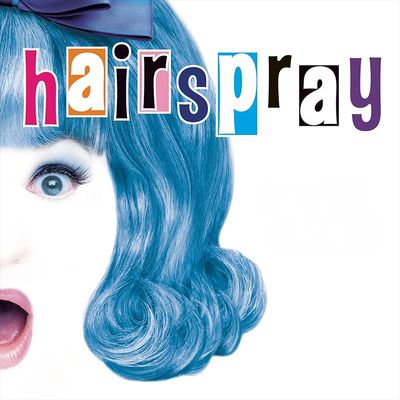
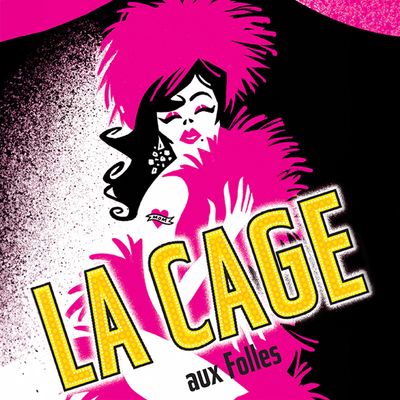
Jerry Mitchell has directed, choreographed, produced, or performed in some of Broadway's biggest shows such as Kinky Boots, Legally Blonde, Priscilla Queen of the Desert, On Your Feet, Pretty Woman, La Cage Aux Folles, Dirty Rotten Scoundrels, Gypsy, Hairspray, and MANY MANY more.
Jerry has accomplished it all, wearing many hats. If you're a performer this episode is for you as Mitchell gives his best audition advice, if you want to be a producer he will inspire you to create your own thing, a director/choreographer he gives some of the best insight into how it works and what inspires him.
His efforts in raising money for Broadway's most beloved organization Broadway Cares/Equity Fights Aids will be remembered forever. Jerry Mitchell brilliantly combines his love of being a director, choreographer, producer, and performer and put it all together creating Broadway's most thrilling annual event, Broadway Bares.
Curtain up, Jerry Mitchell
Connect with Jerry Mitchell on Instagram: @jammyprod
Connect with Take A Bow on social: @takeabowpodcast
Connect with host, Eli Tokash on social: @tokash_eli
Edited by Jessica Lauren (@jessicalaurenradio)
Transcript
This transcript was automatically generated and might contain errors.
[0:00] Eli Tokash: Hello everyone and welcome to episode 166 of Take A Bow.
[0:05] Eli Tokash: I'm your host, Eli Tokash, and this week we have such an exciting episode for you folks.
[0:10] Eli Tokash: We are kicking off July in the best way possible with an incredible guest who literally does it all.
[0:16] Eli Tokash: I mean, he's known for everything in this industry, quite literally.
[0:21] Eli Tokash: You know him as a director, you know him as a choreographer, you know him as a performer.
[0:25] Eli Tokash: I mean, any way possible.
[0:26] Eli Tokash: This Monty Hyphenit is one of the leaders of our industry.
[0:31] Eli Tokash: Um, he does it all and does so much for uh this industry as a whole, but also the charities that support and are so near and dear to this community.
[0:41] Eli Tokash: We have jerry mitchell on the podcast today, and uh this conversation is literally for anyone who is trying to make it to Broadway.
[0:50] Eli Tokash: I mean, he gives such amazing audition advice.
[0:54] Eli Tokash: He will give you uh some uh inside scoops of like how to become a director if you want to become a director or a choreographer and how he kind of led down those paths and and kind of created it on his own and and did it all himself and how he navigated it all and in such a unique time and uh kind of furthering, you know how what else he did, you know, and and how one path led to another path.
[1:20] Eli Tokash: I mean, he thought he was gonna be a performer, even though he wanted to be a choreographer director, but he never knew how.
[1:25] Eli Tokash: And then he kind of just paved his own way and figured it all out himself.
[1:30] Eli Tokash: You know, the ambition and the drive is there, and you can hear it all.
[1:33] Eli Tokash: So, this is a wonderful, wonderful episode for for anyone who's just you know trying to break into this industry, and as he gives some incredible advice.
[1:42] Eli Tokash: Uh, so if anyone auditions for jerry mitchell in the future, which is very possible because he is the top of the top, um, you you know exactly what he's looking for in this episode.
[1:55] Eli Tokash: So very exciting.
[1:56] Eli Tokash: Stay tuned for that because first we have to talk about some Broadway news, shall we?
[2:00] Eli Tokash: Uh, you know, not too much Broadway news this week.
[2:03] Eli Tokash: Um, there hasn't been too much like breaking news that's happened.
[2:07] Eli Tokash: Uh one exciting piece of news was that Aaron Tavake visited the Mulan Rouge for a night, uh, and he filled in for Derek Klenna, and he had his first and only show that we know of with Jojo uh alongside JoJo.
[2:21] Eli Tokash: So that was very exciting and very cool to see the Mulan Rouge fans, which I know there's a lot of diehards, uh, you diehards out there.
[2:28] Eli Tokash: Um so very exciting stuff for all of you and uh for Aaron and Jojo and and the the company and you know fans of the show.
[2:37] Eli Tokash: Um I want to shout out a few shows that actually closed all this past Sunday.
[2:42] Eli Tokash: Uh there were four Broadway shows that closed.
[2:44] Eli Tokash: We had Fat Ham, we had Leopold Stadt, we had Prima Facy, and the sign in Sidney Brewstin's window, all closed this past Sunday.
[2:53] Eli Tokash: Uh all of these wonderful shows are fantastic.
[2:56] Eli Tokash: I didn't get to see Primo Facey or Fat Ham, which I am so bummed about because those were like the top two shows of the year.
[3:03] Eli Tokash: I mean, literally.
[3:05] Eli Tokash: Uh Leopold Stadt obviously won uh best play.
[3:09] Eli Tokash: Um, but Fat Ham and Prima Facey, I were very, very close and and were all the rave.
[3:14] Eli Tokash: So very exciting stuff.
[3:16] Eli Tokash: And then the sign in Sidney Brewstin's window just deserved so much more that it didn't get at the Tony Awards and the attention that it got to uh was not uh I guess what it was due.
[3:27] Eli Tokash: Uh I felt like it was uh deserved a lot more.
[3:30] Eli Tokash: I loved the show and uh had a blast covering the opening night.
[3:34] Eli Tokash: Um, but all of that is to say happy closing and congratulations on a great one to all of you.
[3:39] Eli Tokash: Um and then of course, I also want to shout out a show that's not a Broadway show, but it's Broadway adjacent.
[3:46] Eli Tokash: The Light in the Piazza also uh closed its run at New York City Center this past Sunday.
[3:51] Eli Tokash: Uh congratulations to all of you on an incredible short run, but uh so fun, you know.
[3:58] Eli Tokash: The the show did so well and uh shout out to everyone who went and supported it after, you know, the conversations that were had a couple podcasts ago with uh everything that was coming out in the news for that show.
[4:11] Eli Tokash: Um shout out to you.
[4:12] Eli Tokash: And now Ruthie and Miles will be rejoining Sweeney Todd in her Tony nominated role.
[4:17] Eli Tokash: Um all right.
[4:18] Eli Tokash: Uh interesting how all four uh all the shows that close this weekend on Broadway uh were all plays.
[4:25] Eli Tokash: Uh I I don't know why.
[4:26] Eli Tokash: I just thought that was pretty interesting.
[4:27] Eli Tokash: The musicals are still going strong, still kicking after the Tony Awards and all the things, which is great to see.
[4:33] Eli Tokash: We love to see it keep going to see shows, keep supporting the arts and theater uh doing all the things.
[4:39] Eli Tokash: Um with that being said, as always, you know, one closes, another one opens.
[4:43] Eli Tokash: Happy preview, uh happy first preview to uh back to the future, which uh started performances this week, which is super exciting.
[4:52] Eli Tokash: This is one that uh a lot of people are excited about.
[4:54] Eli Tokash: The cast is incredible.
[4:55] Eli Tokash: Um we are all familiar with the story.
[4:58] Eli Tokash: Um well, most of us, not all of us, I guess, but um very exciting stuff.
[5:03] Eli Tokash: I I'm looking forward to seeing this.
[5:04] Eli Tokash: Hopefully I can see this within the next couple weeks here and attend the opening night.
[5:09] Eli Tokash: Uh I would love to do that because there's some amazing talented people in this um cast, and hopefully we can get them on for full-length episodes.
[5:17] Eli Tokash: We have JJ Neiman already.
[5:19] Eli Tokash: Uh, but obviously that was before this Back to the Future um, you know, gig.
[5:24] Eli Tokash: So hopefully we will get some more fun uh conversations surrounding that show.
[5:30] Eli Tokash: And yeah, very exciting stuff.
[5:32] Eli Tokash: Happy previews, happy first show to all of them.
[5:35] Eli Tokash: Um so last week, uh so last week's episode.
[5:38] Eli Tokash: This isn't really like Broadway news or anything like that.
[5:41] Eli Tokash: Uh that's actually pretty much all the news I have for you folks this week.
[5:45] Eli Tokash: Um, but I do want to mention, you know, last week we had Ben Platt and Noah Galvin on the podcast, and they talked to us about their careers a little bit.
[5:53] Eli Tokash: They talked just all about Theater Camp, uh, which is their movie that comes out July 14th, which I'm super excited about.
[6:00] Eli Tokash: I absolutely loved and can't wait to for you all to see it.
[6:03] Eli Tokash: Um but in that episode, I actually wanted to shout out some theater camps that I didn't get to to do so uh last week.
[6:10] Eli Tokash: So I wanted to make sure I came on here and did that this week.
[6:13] Eli Tokash: Um I want to shout out my theater camp that I went to first of all, the Pittsburgh CLO, PCLO for short.
[6:19] Eli Tokash: Um absolutely love them.
[6:21] Eli Tokash: They they are the reason I am an actor uh and a performer and why I'm in New York, all of the things they jumpstarted my career and and allowed me to do my first ever show.
[6:32] Eli Tokash: Um so huge shout out to them, Pittsburgh CLO for any of you folks that are in the Pittsburgh area.
[6:37] Eli Tokash: Um, they obviously take outsiders from Pittsburgh if you can just simply get there and give the money, basically.
[6:45] Eli Tokash: Um, which is what we did because I did not live in Pittsburgh.
[6:48] Eli Tokash: So um, anyways, go shout out to them and shout out to Broadway Workshop, which is a uh theater camp, I guess, uh that you can consider uh in New York, here in New York that I did a couple shows at.
[7:02] Eli Tokash: Shout out Mark Tumanelli.
[7:03] Eli Tokash: Um they have camps, they have workshops, and then they, of course, they do their main stage shows.
[7:08] Eli Tokash: Um, and I've been a part of their main stages uh a couple times and just absolutely adore everything that they do over there.
[7:14] Eli Tokash: They have some of the top theater uh, you know, performers and uh industry related uh teachers, and um it's just a wonderful program.
[7:24] Eli Tokash: And uh more of those programs include Tanglewood, Broadway Artists Alliance, Interlocan, Center for the Arts, Frenchwoods, Stage Door Manor, and Broadway Evolved.
[7:36] Eli Tokash: There's also many, many more.
[7:37] Eli Tokash: Um, but obviously I cannot shout out all of them, but those are ones that are near and dear to my heart.
[7:42] Eli Tokash: Uh, whether I have personal connections with them or my friends rave about them that they've gone, um, and all the wonderful things.
[7:48] Eli Tokash: So uh if you're looking to, you know, create theater camp memories for yourself, or you're trying to find theater camps, definitely go to any of those, shout them out.
[7:58] Eli Tokash: Um, and if there's any more that y'all want me to shout out, let me know.
[8:03] Eli Tokash: Um, and those are all throughout the world.
[8:05] Eli Tokash: I mean, you have the Pittsburgh region, you have the New York, uh, you have Michigan here, you have all sorts of different um uh spots that you can, you know, train for your for your dreams and for your Broadway goals.
[8:19] Eli Tokash: So uh love all of that and uh wanted to shout them out before Theater Camp came out, obviously.
[8:26] Eli Tokash: Um, anyways, moving on.
[8:28] Eli Tokash: I also wanted to say now that we're in the month of July, I wanted to extend another thank you to all of the amazing people that made June possible.
[8:28] Eli Tokash: In the month of June, we had guests such as Ben Platt, Noah Galvin, which I just mentioned, uh, but we also had Alex Brightman, Jesse Mueller, Matthew Broderick, Javier Munoz, Jordan Donica, and uh a lot of that is due to the help of so many wonderful people who kind of reached out to me or um were willing to, you know, I had to reach out to them and they gave me their contacts and vice versa.
[9:02] Eli Tokash: What I'm trying to say here is that it wouldn't have happened without uh help, and it really does take a village.
[9:07] Eli Tokash: So I just wanted to give another special shout out to you know Liz Scholars at ScholarPR, um Amy Wolk, Vanessa Brown, and uh the folks over at the Lincoln Center, the press people.
[9:19] Eli Tokash: Um obviously, you know, these folks were uh uh came on to promote some stuff here and talk about their career, but they were willing to give me their time and do it on this platform where they could have done it on you know the Today Show or whatever it may have been.
[9:34] Eli Tokash: So the fact that they were able to they were willing to give their time to me um was just an absolute honor and uh a blast.
[9:41] Eli Tokash: So uh very, very thrilled and honored for such a great month of June.
[9:46] Eli Tokash: And we are kicking off July, right where we left off with another Titan of our industry.
[9:51] Eli Tokash: So without further ado, I'm gonna turn it over to our wonderful guest this week, jerry mitchell.
[9:58] Eli Tokash: jerry mitchell, curtain up.
[10:13] Eli Tokash: Okay, this week we are joined by a three-time Tony Award winner, including this year's Isabel Stevenson Award.
[10:22] Eli Tokash: Our guests can do it all as they have multiple credits on Broadway as a performer, a director, a choreographer, and even a producer.
[10:31] Eli Tokash: Everyone, welcome to Take A Bow, one of the true Titans of the industry, jerry mitchell.
[10:37] Eli Tokash: Hi, Jerry.
[10:39] jerry mitchell: Eli, thank you for that introduction.
[10:41] jerry mitchell: Do you want to come with me and introduce me wherever I go?
[10:43] Eli Tokash: I'm happy.
[10:44] Eli Tokash: I will be your little like chauffeur security guard who won't protect you much, but I can give you a little ego thing, you know, whatever you need.
[10:54] jerry mitchell: Um my god, hilarious.
[10:56] jerry mitchell: I'm so excited.
[10:57] jerry mitchell: I was talking to you earlier.
[10:58] jerry mitchell: You are truly an inspiration of mine, not only with the work that you've done on the stage that you know a lot of people are familiar with, but also the work that you do outside of uh the theater and a rehearsal space.
[11:10] jerry mitchell: So uh I'm just thrilled to be able to talk to you about it all today.
[11:14] jerry mitchell: Well, thank you.
[11:15] jerry mitchell: I'm thrilled to be here and talk to you too.
[11:18] Eli Tokash: Oh my gosh.
[11:18] Eli Tokash: So let's start at the beginning.
[11:20] Eli Tokash: Okay, so how did we get into this industry as a whole?
[11:23] Eli Tokash: Like, what inspired you to want to entertain others and start telling stories?
[11:28] jerry mitchell: Well, I I always knew I was gonna be in the theater from about the age of 10.
[11:32] jerry mitchell: I did community theater in my hometown of Pawpaw, Michigan.
[11:36] jerry mitchell: I was at the Papa Village Players production of The Music Man.
[11:39] jerry mitchell: And I actually sent a picture of me in the boys' band to the cast for opening night of Music Man with Hugh Jackman because Thomas Reckenwald was the uh PSM and Thomas was with me on Kinky Boots and other shows.
[11:53] jerry mitchell: Uh but anyways, I've sent it as sort of a good luck, and I'm I'm standing there with the boys' band uniform on and the hat.
[11:59] jerry mitchell: And I think back to that that magical first show where I was without question, bitten by the bug, as many of us in this industry are, in a way that you realize at a very young age, I realized, oh, I'm gonna do this the rest of my life.
[12:18] jerry mitchell: This is what I want to do.
[12:20] jerry mitchell: And uh I just kept doing theater.
[12:22] jerry mitchell: I kept saying yes.
[12:23] jerry mitchell: I did community theater in my hometown and around my hometown.
[12:26] jerry mitchell: I apprenticed at the Hope Summer Repertory Theater in Holland, Michigan.
[12:30] jerry mitchell: My senior year in high school, I toured the United States and West Side Story with the young Americans.
[12:35] jerry mitchell: Um I met some people working at Hope Summer Repertory Theater the next year as a paid actor right out of high school.
[12:43] jerry mitchell: And um, I uh I applied for colleges, got a got a scholarship to um Webster University in St.
[12:50] jerry mitchell: Louis, Missouri.
[12:52] jerry mitchell: And my first day on campus, uh, there's a woman, a beautiful black woman with an afro sitting in a karate costume, karate outfit, and she turns to me and she goes, Hey, you come over here.
[13:06] jerry mitchell: You're gonna be in my show.
[13:08] jerry mitchell: And it was and it was Jennifer Lewis.
[13:11] jerry mitchell: She was she was a senior, I was a freshman, and we're still great friends to this day.
[13:17] jerry mitchell: And, you know, met a lot of great people at Webster, and um was on campus for two years in the conservatory program.
[13:24] jerry mitchell: When I came to New York City for uh spring break, I'd gotten my equity card the summer before at the Muni Opera, came to New York City, went with some friends to an audition for a Broadway show.
[13:35] jerry mitchell: They were auditioning for the revival of Brigadoon on Broadway with Agnes DeMille choreographing.
[13:40] jerry mitchell: I went to my first audition and I got the show.
[13:44] jerry mitchell: So that madness, that madness of actually coming into the city, going to your very first Broadway audition and then landing the Broadway show.
[13:55] jerry mitchell: I think, you know, people always say, Oh my God, you're so fortunate, so lucky.
[13:59] jerry mitchell: And I was lucky.
[14:00] jerry mitchell: There's no question it was a there was luck played a piece of it, but being prepared is what got me the show.
[14:07] jerry mitchell: I had been busting my ass at college, taking three dance classes, three ballet classes every day, because I'd never taken ballet until I was 18.
[14:18] jerry mitchell: I didn't take a ballet class until I was 18. So I got to college and I started studying ballet, and I took three classes and I was in the dance program. And um, so two years later, I come to New York, or almost two years later for the spring break. And of course, the audition for Agnes DeMille literally was eight assembles front, eight assembles back, brise batou, brise ba two, brise batou, brise bat two. And that was like that was like, you know, waking up and having a cup of coffee for me. That's that was no problem at that moment in my life. And so that being prepared got me that first Broadway show. So that's the that's the quick reframe in a nutshell. I know it sounded a lot, but that's how I got here. And that's I'm obsessed. That got me here, and that that was that was what I needed to do.
[15:11] Eli Tokash: Yeah, and and was there something that like kind of told you like, hey, it's time to focus on ballet, or oh, this is something that I wanted to work on. It was it something like that?
[15:21] jerry mitchell: Well, I I I wanted to be a dancer. I wanted to dance, and and I had already started choreographing, but I wanted to dance. So I and I didn't have ballet and I loved ballet, and I I I never had it. I went to a I went to a I came from one of those small, small, small hometowns where it's I call it the Dolly Dinkle Dinkle School of Dance. And there's nothing wrong with the Dolly Dinkle School of Dance, actually. But it was very much the Dolly Dinkle School of Dance. It's what's called Cindy Meet's Dance Studio. And it was one hour, you sign up for an hour, and you get 15 minutes of tap, 15 minutes of jazz, 15 minutes of acro, and 15 minutes of whatever the dance phrase of the year is. And ballet was just not part of it. And uh that just wasn't part of my thing. And so I didn't really get exposed to ballet. I I loved ballet, I knew about ballet, but I didn't get exposed to it or find a real place to study it until I got to college.
[16:20] Eli Tokash: Wow. That's incredible. I that that's so wild because, like, you know, as someone who is now one of the top choreographers on Broadway to think that you didn't even have a ballet class, which is like what the cornerstone of the dance world, uh till you were 18 as well.
[16:37] jerry mitchell: I'm uh I'm a little older than you, but um uh when I came to New York and started auditioning, you had to every audition started with a ballet combination.
[16:47] Eli Tokash: Really?
[16:47] jerry mitchell: Wow. Nine nine out of ten auditions began with a ballet combination. That was the first elimination. And then the second the second um routine was usually either tap or jazz, depending on what the show required. Yeah.
[17:03] jerry mitchell: And then you would get called to a callback, and if you got called to a callback, they might throw a third routine at you that was very specific.
[17:11] jerry mitchell: Um, but usually it always started with ballet for most of the auditions I went to.
[17:17] Eli Tokash: Yeah. Now I mean, because you've been in this industry for so long and and you've been, you know, you've just experienced all the things. Um now that you are a choreographer and director and all the things that you are, um, do you kind of take those things that you learned at your age of your career, or have you kind of shifted with the industry?
[17:37] jerry mitchell: I've shifted with the industry and also the requirement of the musical. When when I first started out, there was a dance, there was still a very much a dancing chorus and a singing chorus, and then the principles. So there were there the show, the requirement of every performer was more specific, suited to what they excelled at. Now you have to excel at all three. The price of a musical has condensed the casts. And the cast, you're looking for an actor to be in the ensemble who can sing and dance, but nine times out of ten, everyone in the ensemble also has to cover a principal character.
[18:19] Eli Tokash: Right.
[18:19] jerry mitchell: You know, that that goes all the way back to when I did Hairspray in 2002. Every single original cast member of Hairspray had two covers. They were either covering Link or Amber or uh even Velma, there was a Velma cover in there, there was a Motormouth cover cover in the kids. So, you know, you're you're trying to find your covers for your musical within your ensemble. You have to find your covers for your musical within your so it's it's shifted quite a bit in the way you audition people and how you find uh the dancing talent and what you need to tell the story.
[19:00] Eli Tokash: Sure. And and wow, it's so so interesting. I guess um has that kind of taken away, I guess, any of the the choreography that you may do? Cause do you kind of have to no?
[19:14] jerry mitchell: No, no, not at all. You just you just keep looking until you get the right combination. Yeah. And then you don't you don't have to compromise your craft for the people are out there. Everybody, there's so many fabulous, fabulous pe entertainers out there, uh fabulous artists out there, singers, dancers, actors. Sometimes you really have to hold out until you find exactly who you need for the role or for the cover.
[19:43] Eli Tokash: Yeah, it uh that's so interesting. How do you know like I this whole audition process just i like I don't know, it fascinates me. And one day I hope to become a director. How do you know like how do you know like they are the right person? I mean, that's like it you see them for two minutes, you know, like they they show off what they can do, and then if they have that dance call, you know, obviously it's a little longer than two minutes. Uh but like within that, you know, time you just what is it? You just have a feeling and you just have something that's every everyone uh it's individual, right? Uh you're looking for individuality always.
[20:17] jerry mitchell: I'm looking for someone who's different, somebody who sticks out, somebody who makes me pay attention to them. That's in the general audition. But then as you start to work with the actors and you call them back and you give them material songs and scenes, I'm looking for who I believe. Who do I believe? Who do I believe? Who makes me feel something when they sing, makes me feel something when they speak, makes me feel something when they dance. And I'm sure I'm different than the other director who would be sitting next to me or another we would all have our own taste. Your taste being able to as a you say you want to be a director, I've learned to trust my instincts. My instincts have given me Billy Porter.
My instincts have given me Annalie Ashford, my instincts have given me Stark Sands, my instincts, you know, have given me Jay Harrison G, who was the first person K KTP. My instincts are are leading me to these artists who make me feel something. And so I've learned to trust my instincts.
[21:24] Eli Tokash: Yeah. That has to be something like, I don't know, that that's a skill that you have to learn, I'm sure. And that has to be probably sometimes very nerve-wracking.
[21:33] jerry mitchell: Absolutely, you have to learn it. And you have an experience, and and the more you do, the more you feel strongly that I can really work with this actor and we can create something unique with this part. You know, you want I always want somebody who's gonna come into the room and and be my partner in creating the show. You know, be be part of be part of the development of uh Jack O'Brien used to say, I want to build the show on that person.
[22:07] Eli Tokash: Yeah, right. When you're creating a brand new musical, you're gonna be spending a lot of time with the actor you choose to play any role. So you want to build the show on these artists. You know, want to you want to really be able to look wake up every morning and go, I can't wait to get to the rehearsal studio with A B C D and D, right?
[22:29] jerry mitchell: Absolutely. Now, how did like now that we're like out of this pandemic road, I guess it doesn't happen as often, but like just hearing your process, like I I it sounds like it had to have changed through the self tape process that was very prominent.
[22:44] jerry mitchell: Well, you know, the funny thing about the funny thing about the pandemic and this the whole self tape process was I had already experienced so much of that because of the success of some of my earlier musicals. So hairspray, uh legally blonde, um, and kinky boots all had international companies. Right. And so it's very hard for me to get on a plane and fly to Korea for a week of callbacks for Lola and and you know, all of the characters, or for the Tracy's, or for the L Woods. So I would I would I was looking at tapes for the the Australian production of Legally Blonde, and the only person I made them fly to meet me was um the girl who I had cast as Elle Woods.
[23:43] jerry mitchell: Wow. Um, you know, they flew her to London because I was in London and we met in London and she did the material for me live. They flew the girl from the national tour of legally blonde to New York, and we met at Telsey's office and she did the material for me live. It was very important for me to meet the lead in person. I couldn't sign off on that. So, but I had already had so much experience in watching people on video. So when the pandemic happened and we were starting to starting to audition folks on video, I I have a shorthand for watching on video, and I never expect I I give a lot of leeway on video because sound can be an issue. Um the the person's own space that they're in can be an issue, you know.
You know, uh so I try to focus on the actual person and find something in the audition that I can say, okay, this is good enough for me to actually try to meet them in person. Can I next next step is to see them in person? So yeah, I don't expect uh anyone to for live theater, for live theater and Broadway shows, I don't expect anyone to do a a Zoom or a um an online audition for me, and then me hire them. The only person I I remember hiring specifically from an online audition like this was Brandon Yuri to take over in Kiki Boots.
[25:20] Eli Tokash: Stop it.
[25:21] jerry mitchell: I met him and and it was more of a just meeting than it was anything else. We of course I was a fan of his voice anyway, and uh we we had not met yet, and so we met on a Zoom. He was in California and I was here, and we talked about the part and we talked about the role, he did some stuff for me. I said, if you want it, it's yours. And that was the you know, enough for me.
[25:43] Eli Tokash: I'm obsessed. I love Brandon Yuri so much. And I actually saw him in King Boots. Oh my god, it was so good. Great call, by the way, on that one. Good instincts.
[25:51] jerry mitchell: Um, so I I've gotta ask you, I mean, you we talked earlier how you started out as a performer, um, and and you even performed on Broadway in multiple shows. So uh, but you always wanted to be a choreographer. Now, who who kind of helped you how was that transition? You know, how do you how were you able to manage it? Was it kind of seamless or did it take time and did you have mentors that kind of helped you with that transition?
[26:19] jerry mitchell: I I um, you know, I was twenty three, and I was in, I think my fourth or fifth Broadway show. It was called uh On Your Toes. And Donald Sadler was doing the original new choreography, and the ballets were choreographed by Balanchine. And I was I was in the show and I was in the slaughter on 10th 10th Avenue Ballet, but I was a tapper. I was in the Princess Zenobia ballet, and I was also in the On Your Toes number, and I was on the tap side, not the ballet side. But um we were working on a song called Bach, Beethoven and Brahms. And this is my recollection of what was going on. The number wasn't really being it wasn't getting a very good response out of town. And we were at a we were at a um a cast party, and the producer, John Mount Cherry said, you know, what what do you think's wrong with that number?
And I said, Well, I would I think maybe we need to do this, this, this. And so I went back to rehearsal the next day, and Dirk Lombard, who was the associate was the dance captain to Donald Sadler, and Donald said, John said you had an idea about what might help this number. And I said, Yeah, well, I was thinking, what if we did the and so something about what I thought I said somehow made its way into the number. And not saying that I did the number, by no means did I do the number. But I was a part of, I was part of the conversation with them in making the number work. And we changed the number, and the number really worked. Now, whether I had anything to do with it or not, I don't know. But in my mind, I thought, oh my god, I could be a choreographer, because now this is partially a and I'm sure a lot of young choreographers have that experience where they actually get to voice their thoughts, and some of them get picked up and used in the choreography. I always listen to my associates and assistants and my dancers.
[28:21] jerry mitchell: Yeah. And often the best idea in the room wins. But it was enough to make me think, okay, I have to stop dancing now and I have to focus on choreography.
[28:31] jerry mitchell: So I was 23 years old, and I decided that I wouldn't dance in shows anymore, that I would assist and I would be an associate and I would focus on choreographing. And so for the next 17 years, I did that. I was an associate, I was an assistant, and to Michael Bennett, to Jerry Robbins, to Ron Field, to Joe Layton, to, you know, I worked with Anna White, I worked with George Faison, I worked with, you know, so many amazing choreographers and learned and assisted. And then I did, then I did small plays at Manhattan Theater Club. I did Terrence McNally's um uh uh um the um lips together, teeth apart with Nathan Lane and Susie Kurtz and Christine Buranski and Anthony Hell, and I did a little dance sequence and a little fight sequence.
I did a couple of other plays at uh Corpus Christi, I choreographed some stuff. I did Jeffrey at the WPA at the time, which then moved to the Manetta Lane and ran for forever. And I did Hedwig in the Angry Inch with John downtown, and I did little things, and then I then I was in the wit, then I went back to dance in one show, the Will Rogers Follies. I was around 30, and I had just gotten out of a relationship, and it was a really rough breakup, and I lost confidence. And my dear friend Jeff Calhoun said, Come be in the Will Rogers Follies, you're in great shape. I need somebody to dance on the drum. And so I did it, and I was practically naked in the show. And that spurred that spurred on Broadway Bears, which which made me made me really create my own choreography from scratch and gave me this opportunity to show everybody what I could do. And yet I was really doing it to help my community. So it kind of just all it all or it very organically happened for me.
[30:28] jerry mitchell: Now I have I have a question because our show is called Take a Bow. So obviously when you are a performer, you know, as performers and artists, we we love the limelight, sure. Um we we love a good moment to take a bow. We love an applause. Um so you know, it's always been kind of surprising to me, I guess I could say, that the true creators of the show never really take a bow, you know. They unless maybe for opening night, they they can come on stage and get recognized. Is that like what what is your thoughts on this? Like, would you ever like I know you can't be at every any per every performance, but when you are there, like would you want to come on stage and like take a bow? Or is this kind of like your children and you're like the proud father, and like, oh my god, yes, I'll let them have their moment.
[31:22] jerry mitchell: I I would never want to take a bow. Um really no, I and and you know, you say, yeah, sometimes on opening night, that has become more the norm than it ever was years and years ago, but now it's the norm that the creative team comes out and takes a bow on the opening night. But uh I I forget who said somebody said it, you know, the job of a director and choreographer isn't really to be recognized. Your job is to tell the story. Right. It's the star who's out there, you know, eight shows a week. And and I actually get off on creating the show more than anything else. Being in the room, working with the actors, yes, seeing it, seeing it on stage and seeing it uh uh responded to is a thrill. But then I'm I'm already starting to think about the next story I want to tell, the next show I want to work on.
And I get everybody asks me, what's your favorite show? And I say the one I'm working on, right? Because I've given a lot of thought to taking on that responsibility and wanting to work in that show and tell that story. And it's always is like that's the one I'm most invested in at the moment. Right.
[32:32] jerry mitchell: Now, how do you make those decisions? Because, you know, especially as someone who is a choreographer, a director, and a producer, do you have the same approach for all three? Do you kind of look at a material and say, oh, I could add something to that and I want to direct it, or this is someone else's duty and I would like to be on as a producer? Like how does that process work for you? If if I'm if I'm asked to do a musical, if somebody sends me a story, um uh uh, you know, uh a script, I read it and listen to it, and then I make and it I make it my own decision based on how I feel about the material. Um you know, that's basically if if it speaks to me, if I feel like I can tell the story, if it feels like it's something that I'm I if I'm in love with the music, you know, you're gonna spend a great deal of time directing a musical and developing the musical.
It's we're talking three to seven year investment, right? That's you know, I've the fastest any musical ever happened really was like a year and a half, maybe two, and um, and the longest was maybe like seven years. So you're gonna spend a lot of time and you're working, like Harvey said to me, he said, you know, if the show is a success, we'll be we'll be linked together for the rest of our lives. But you know, it's true because suddenly you're doing productions all over the world if you're fortunate enough to, and there are, and then there are then there are secondary rights productions where people want your opinion, they want you to come, they want you to support them, and you want to because the property is part of your baby, right?
So uh it's a it's a large uh commercial theater business isn't about doing the show and having it go away. It's about doing the show and having it reach as many people as possible. So that takes a lot of investment, a lot of time and a lot of energy. So the material really has to speak to me now and make me want to spend time with it.
[34:39] jerry mitchell: Would you ever want to go back and and like perform in in something now? Or it's totally just directing choreographing. Okay, no, I I don't I I have look, I I did it, right? And so I I understand the commitment of a of a of someone in a musical, eight shows a week, and what that commitment is and the sacrifice you have to make to do that. I sacrifice in another way because I'm getting that show up and I'm already working on the next one that I'm gonna get up and the next one. So my time is equally as crazy as somebody who's doing eight shows a week, right? But it's just it's the other side of the it's the other side of the coin. And sometimes often longer because very, very rarely do shows run for over seven years, you know. You're very blessed if so.
[35:33] jerry mitchell: Um okay, so let's talk about Broadway Bears, because this is is such a pivotal part of your career. It kind of opened new doors for you. But you also, you know, didn't you? Open doors, open new doors for many of Broadway's choreographers today. So Sergio Trajillo, Rob Ashford, Lauren Lataro, uh Dante Keene, um Josh Rhodes, um uh Dennis Jones, um just off the top of my head, myself, right? None of none of us choreographed a Broadway show before we choreographed Broadway Bears. Oh my god. And all of those people, well, Lauren never directed a whole Bears, but she's done multiple numbers and and Dante Keene. But all of those people directed and choreographed a Broadway Bears, conceived, directed and choreographed at least one, if not more, Broadway Bears before they choreographed a Broadway show.
Oh, you know. That's a lot of that's a lot of artists working on Broadway who I'm gonna say cut their teeth. Yeah, doing a benefit where they were working with the best dancers, the best lighting, the best costumes, the best sets, all free, all donated. Everybody's there putting on this extravaganza, and they're free to do it in any way they want. Yeah. When they do a number, they're bringing their creative energy to the event, to the theme. And they're creating the idea. They're creating the number. They're creating the whole thing. That is a great lesson for someone to take with them when they get when they get a Broadway assignment. Right.
[37:25] jerry mitchell: And now Broadway Bears has turned into something unbelievable. I mean, this year for the 30th annual uh performance, I guess. Um, 31st. Oh my gosh. It was actually the 33rd show, but it was the 31st live performance because we did two virtual shows during the pandemic. Oh, yes, of course. But you guys raised uh almost two million dollars this year. Yeah. Almost two the last the last three Broadway Bears, live Broadway Bears, 19, uh, 18, 19, and now this one 2023, we're in, right? Were uh like all three of them were very close to two million dollars. Yeah, and that's a testament to all of those names that you just mentioned, and all of you guys kind of building it to what it is today, because now it has such a huge following because we know that these are there's so many names I didn't mention.
I mean, the community and what they give to this event. And I'm talking about, I'm talking about the the lighting teams, the the set teams, the costume teams, the the houses that build the stuff and bring it, the the the companies that donate all that stuff to us. It it you couldn't do this show. You couldn't afford to do this show without in-kind donations. It really is, it really is the community coming together to make a big full out noise.
[38:57] jerry mitchell: Oh my god. It's like a one-night Broadway show. I mean, it truly Katy Perry concert. Yes. Oh my god, literally. And I'm here for it, and we all love it. The whole community's here for it, obviously. Um but can you talk to me a little bit more about this community? Because just seeing how they all do come together and and the time that all of these performers give, you know, especially this year, like Jay Harrison G won a Tony Award the week before, and then he was performing at Alex Noel. And Alex Newell, yes. Oh my god, all of them. And they were both there, and Jojo and like all of these stars, you know, everyone is coming out, and even the people that aren't performing and rehearsing while doing eight shows a week, but the people that kind of show up to support their cast members and and show up to be entertained. Like, what just what does this like mean to you as like the community and being a part of it?
[39:52] jerry mitchell: Jay, Alex, and Bonnie who didn't perform the shonny, they've all done Broadway Bears. They've all done Broadway Bears. In the past, they've sung in the show, they've acted in the show, they've stripped in the show. You know, and so Broadway Bears has, you know, I've done a lot of benefits, a lot of benefits for a lot of organizations. And Broadway cares, you have to go back to Broadway cares. So in when Broadway cares, Broadway cares was happening right at the same time Broadway Bears was happening. They both have been in existence for 30 years now. Yeah. And 30 years ago, you weren't even born, but this this town, this town was horrific. It was the most awful horror story. You know, friends were dying, and there was nothing anyone could do about it.
And young people, right? I was losing my best friends from college. That never should happen. And so ultimately, at some point, you you just have to stand up and start fighting, right? And so I stood up and started fighting with the only thing I know how to fight with, my body. I put on a show, right? And I was in great shape. And I said, I'm gonna go my friend, my dressing room would say, go go dance at the Bard Splash and make some money. And I said, Yeah. And I called some other friends who were in great shape in Broadway shows, and I said, Let's do a show. And I put on a show, and then I added girls, and it just kept snowballing. And the and the first three years, I think, first three years, I would call everybody on the phone.
I would call them and say, I'm gonna do Broadway Bears, will you do it? And I'd get all my friends, because I was dancing, so I knew all the other dancers, right? And I would call them and say, Please be in Broadway Bears, please be in Broadway Bears. They'd all say yes. I literally would uh coerce them to do the show. Cut to about the sixth or seventh show, my phone started ringing, and I stopped answering it because I there were 75 people wanted to be in the show. A hundred people wanted to be in the show, and I was like, oh my god, I gotta find a place for everybody. I can't say no to anyone. And so we went from eight people to like a hundred people in the show like that. And I realized if I were able to keep that energy, that idea that all are welcome.
And it isn't about if you're in front or if you're in the ensemble or whatever, everyone's treated with the same respect, the same love, the same, the same energy. We are here for other people, not for ourselves. And when we bring it, bring ourselves together in this space and we let our ego stay away. We create this kind of magical place where people feel free to take their clothes off.
[42:46] jerry mitchell: I say, I'm not gonna tell you you have to take everything off. I want you to take off what you're comfortable because stripping is about confidence. That's all it's about. I actually posted something from the fetish number just this week on my Instagram, just yesterday on my Instagram, because this little clip, and you just you see the confidence that those women, their confidence is unmistakable, and you cannot strip if you are not confident because the audience will smell it, they'll smell you in the back row. You have to it teaches if you're an actor and you have the balls to do Broadway Bears, yeah, you will walk away from it learning something about yourself as a performer. I did when I stripped the first time, I was so nervous, but I said, I gotta do this, and I did it, and I finished, and it was literally one of the highest highs of my entire life as a performer, just being out there and being bare and hearing people just scream for you.
It's like, wow, talk about taking a bow. Talk about talk about that euphoric feeling you get when you've accomplished it and people are actually giving you props for it. That's what it's like. Unbelievable. That's what's made it continue to be so successful. I mean, you were there. If you if you go to see Broadway Bears, when these numbers finish, it's literally like screening madness. It's a Katy Perry concert. Yeah, it's it's everything. I mean, and that's another thing, like this community of fans who who come out and donate their money to come see this and support and see all of these fierce people. Those that aerial, that aerial thing at the end of at the end of um the number, you know, Armando for fan, I met um oh god, so many years ago, we were doing um a Steven Schwartz uh ABC movie of the week, Geppetto, directed by Tom Moore.
I was choreographing it, and Armando was on set. He was the um circus team at the Lost Boys, the uh Treasure Island. And I met him there on the set, and then we met in Vegas, where he lives and works, and I was redo retooling FX Alive, and he was working at 54 Below. And I said to him, I said, we created a new number for FX Alive with Rick Springfield. And I said, would you ever consider bringing some of your guys to New York and do Broadway Bears? So for Broadway Bears 2001, a strip odyssey, the 11th Broadway Bears was the first time I introduced Armando Farfan and the aerial stuff he does in the Globe before the minute they left the ground, this was in 2001, the audience was like, We've never seen this before.
You saw what you saw last last time. I mean, they've come every year. Armando comes every year. He does that every year. He builds the apparatuses, he creates the numbers. He um he does a lot of the uh building, I think for pink. He does all of the backpacks for the for the um um for the uh uh uh the what is it the Victoria's Secret, you know, fashion shows. He does all that stuff, circus and aerial stuff. He's incredible.
[46:13] Eli Tokash: Yeah.
[46:14] jerry mitchell: Yeah, that's amazing. So now all of this work that you've done over the past 30 plus years and your work with this for of just Broadway Bears alone, God knows. Do you sleep?
[46:25] Eli Tokash: I don't know, because you're doing this and you're directing and choreographing every Broadway show. That's like so good. Um husband says the minute my head hits the pillow, I'm like, ow.
[46:39] jerry mitchell: Oh, I can't imagine. You must knock for the four hours that you're able to.
[46:44] Eli Tokash: I don't I don't think I do sleep well, but he says I do.
[46:48] jerry mitchell: Um, well, I don't know how you do it, but all of this incredible work doesn't did not go unnoticed. And this year you were honored with the Isabel Stevenson Award at the Tony Awards. I mean, I what how how does it like what was that honor like for you? Like, because all of this has just been giving back to the community and fighting for what you believe in, and now you get this honor. What does it mean to you?
[47:16] jerry mitchell: Well, I think when they told me I was very emotional about it, and um the thing about it is like I don't I don't think I deserve to be honored for what I did, but I believe I I believe we deserve to be honored, meaning all of this performan I listen, I was a dancer in the chorus. I was an ensemble member when I started Broadway Bears. And so I and I took the I took the Tony to the rehearsal the next day Monday and I made all of the dancers in this year's Broadway Bears. I said, I'm leaving this here, and I want you to I want you to take a picture with it. I want you to hold it. I want you to know that in reality this is all of us. This is this represents, and it doesn't represent just us this Sunday.
It actually represents 30 years of dancers who've shown up and and technical people and volunteers. 30 years of showing up is what it represents. And when you show up, and Broadway cares, you know, their whole one of their uh one of their labels is what we do together makes a difference. When you show up, you can make a difference.
[48:49] jerry mitchell: You know, it's probably in a lot of ways, it's more meaningful that Tony Award than getting a Tony Award in a competitive category for me, for me. Because it represents something much more than just one year, one season, one show. It represents hundreds and thousands of people who somehow I have convinced that string is actually the way to go.
[49:17] Eli Tokash: Yes.
[49:18] jerry mitchell: And that really is what's funny about it to me. But it it's so vital, and and what you've created has helped so many people, you know. And so to be honored with that was so well deserved. How did it work with the engraving? Did you have to give it back after you won?
[49:36] Eli Tokash: Or since then you already knew.
[49:38] jerry mitchell: It was already engraved. They knew they were giving that one to me. I don't remember somebody said you had to give them back, but I thought the first time I won a Tony Award for um uh Lakage, I remember I did have to send that one back. But I felt like the kinky boots one also had my name on it, but maybe I had to send it back. I don't remember.
[49:42] Eli Tokash: I don't remember.
[50:01] jerry mitchell: It just happened so many times now that you lose track.
[50:04] Eli Tokash: I don't remember. Is Broadway Bears on this one or is it your name?
[50:08] jerry mitchell: Oh, it's very much so.
[50:10] Eli Tokash: Oh my god, I love it.
[50:12] jerry mitchell: That's that would be so cool though to see Broadway Bears on a Tony Award, you know. I was always curious to see if that if it had that or not.
[50:20] jerry mitchell: But uh no, it's so incredible, and everything that you do, uh just like I said earlier. I mean, inside the theater or rehearsal room or whatever is just so beyond incredible. And to now, you know, what you've done with Broadway Bears is just so inspirational, and it's impacted this community in such a uh monumental way, and to see how this community can come together to all, you know, support this cause and to you know be comfortable in their in their own skin for a night. And it's just really we are super super fortunate to have Broadway Care's Equity Fights Aids, Tom Bindeland, the whole organization. You know, I I'm I'm fortunate enough to be on the board and have been for a few years, but we're so fortunate in our industry, and we were so lucky that that happened the way it did, that we came together at that crucial moment.
And Broadway Cares now not only has it given so many millions and millions of dollars to the AIDS crisis, but it also gives money to the uh it supports the actors fund or the uh entertainment community fund.
[51:33] Eli Tokash: Right.
[51:34] jerry mitchell: It's supports the women's health initiative, it supports the day DRA, it supports so many important, vital, vital programs that are important to all of us in the industry and take care of us. So the work that we're going does come back to all of us if if and when it's needed. And I think to have that safety net in our community, particularly now, so still so raw after the pandemic is a very important, and with healthcare in this country and and how challenging that is for so many of us. Uh myself included, it's just it's just really health care is a a real issue for all of us.
[52:15] Eli Tokash: Yeah.
[52:16] jerry mitchell: Well, um, you've raised some really great conversations, and we've had a great conversation today. So, Jerry, I thank you so much for for coming on in here and giving me your time. Uh, you obviously have so much to take about for. And uh I'm just so thrilled that you were able to come on here today.
[52:24] jerry mitchell: Thank you so much for your time.
[52:37] Eli Tokash: Eli, thank you. It was my pleasure, and I will be there for you whenever you need me.
[52:42] jerry mitchell: Oh my god, you are so sweet. Thank you so much.
[52:45] Eli Tokash: Thank you.
[52:46] Eli Tokash: Take about jerry mitchell.
[52:49] Eli Tokash: Oh my god. Just an absolute blast. A guy that's done it all someone that I've looked up to for quite some time. Um and obviously ho one someone that I hope to work with or for one day. Um that would be the all time dream and hopefully you all will be too with the help of this episode and learning more about the audition process and and the the advice that he was giving us about like it doesn't really matter as long as you come in prepared. Like that was some of the best advice you could you could receive. I mean as long as you know this material from the inside out and you've done the homework it it's just it sh it goes a long way you know and it's like sometimes you question like will they know this but they do you know all of these things it it's just so impactful and how he kind of you know started his own route now with this Broadway Bears and and what the the work that they're doing over there and how you all have supported that and made such a an annual massive event of it all due to uh the generosity of you folks listening and and our community um just with the donations and whatever it may have been and now they they they've been able to do it at the scale that they have been the over the past couple years.
Uh so to talk to him about all of that and the growth process and all of that uh was really really neat and and to hear his journey and what he went through um it was just really amazing and I hope that you all were able to learn something from it. Hopefully you all uh are inspired to work just as hard um and and kind of you know pave your own path, you know. Like just keep going and keep uh taking what life gives you, and hopefully, you know, something catches on. Um, and and the way that he kind of lays it out is so um so lovefully. And it was just such an honor to talk to him for for an hour of his time and uh share it all with you.
[54:42] Eli Tokash: So once again, hope you enjoyed this week's episode. We have another wonderful episode coming at you folks next week with a performer.
[54:50] Eli Tokash: Um I mean, this was a performer too, but this had it all. I mean, choreography, uh directing, performer, you name it. jerry mitchell does it all producing. Um, it was just really really cool to hear out all of the perspectives from one person.
[55:06] Eli Tokash: Uh but next week we have a performer coming on the podcast. Uh, you all love them, so uh can't wait to share that one with you folks as well.
[55:14] Eli Tokash: And uh yeah, stay tuned because it's gonna be a great episode. Until then, one and uh another reminder we are doing one episode a week again for the month of July.
[55:27] Eli Tokash: So I will see you all next Thursday. But until then, bye everyone.
[55:32] Eli Tokash: Have a great week.
[55:35] Eli Tokash: For this episode's current call, I would like to recognize a few people who also deserve to take a bow. This podcast would not be possible without the help of Dory Barrenstein, Alan Seals, Kimberly Garrett, and the team at the Broadway Podcast Network.
[55:48] Eli Tokash: Next in line to take a bow are our fabulous editors, Jessica Warren, who edits the audio of the podcast that you just listened to, and Tessie Tokash, who edits the videos and visuals for this podcast.
[55:58] Eli Tokash: And our final bow are extra special to the patrons, Brian Thompson, Pat McNamara, the listeners of PCC, as well as all of the other patrons for their continued support. If you're interested in becoming a patron, go to Patreon.com slash T A B.
[56:13] Eli Tokash: If you enjoyed this week's episode, make sure to subscribe on the platform that you are currently listening to this on, or go check out our YouTube where you can watch the episode. You can also subscribe, like, and comment on there as well.
[56:24] Eli Tokash: If you're more into the regular social media and want to follow us, you can do that at Take About Podcast across all social media platforms.
[56:31] Eli Tokash: The music of this podcast was made by Nikki Torsha and Cormac Collinon, and the logo was created by Giselle Bustos.
[56:38] Eli Tokash: And that wraps up this episode's curtain call. Thank you all again for listening to this week's episode, and I can't wait to see you next week.
[56:44] Eli Tokash: Bye everyone. Have a great week.
© Broadway Podcast Network, All Rights Reserved